


























Sticker prices can make a vehicle look sensible at first glance, especially when monthly payment ads focus on the lowest trim, longest term, or a limited-time rate. In Canada, though, the real bill often appears later through freight, taxes, financing, insurance, winter tires, fuel, repairs, theft risk, depreciation, and trim upgrades that turn a “budget” purchase into a much larger commitment.
Here are 18 vehicles that often enter the conversation as affordable choices, only for many Canadian buyers to discover that the full cost of ownership can feel far less modest than expected.
Hyundai Kona
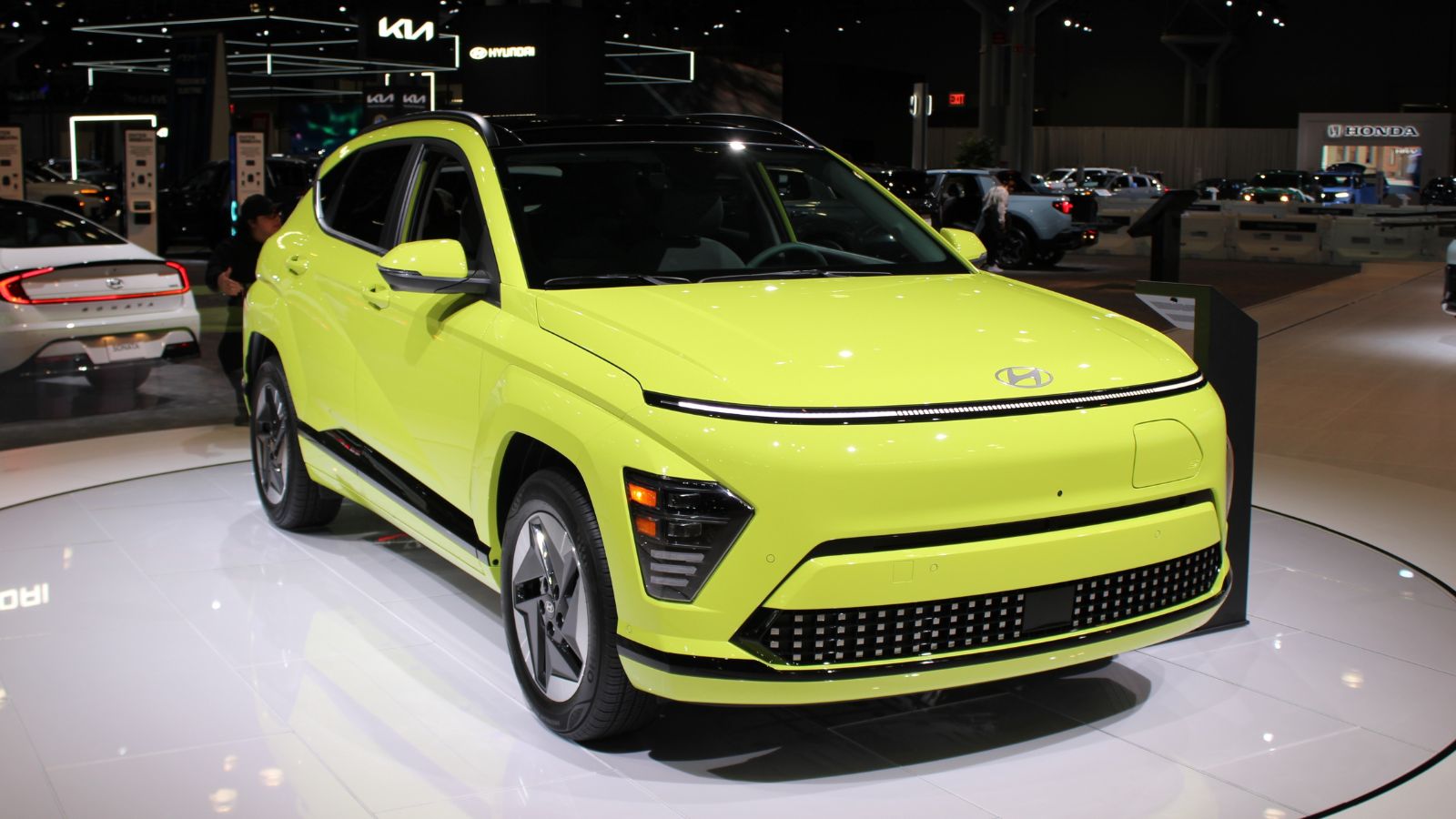
The Hyundai Kona has a reputation as a small, stylish crossover that sits below larger SUVs in price. Hyundai Canada lists the 2026 Kona with a base starting MSRP of $26,749 before additional fees and taxes. That makes it tempting for buyers who want something more substantial than a Venue without stepping all the way into Tucson or RAV4 territory. Its redesign also gave it a more grown-up cabin and stronger visual presence.
But the Kona’s affordability depends heavily on trim choice. Popular Canadian configurations with all-wheel drive, trend packages, larger screens, and upgraded interior features can move far beyond the base model. Fuel economy also varies by drivetrain and engine; the 2.0-litre versions are commonly listed around 8.5 L/100 km city and 6.9 highway, while turbocharged AWD versions can use more. The Kona may feel affordable beside bigger SUVs, but the versions buyers actually see on lots often sit closer to compact-SUV money.
Nissan Versa
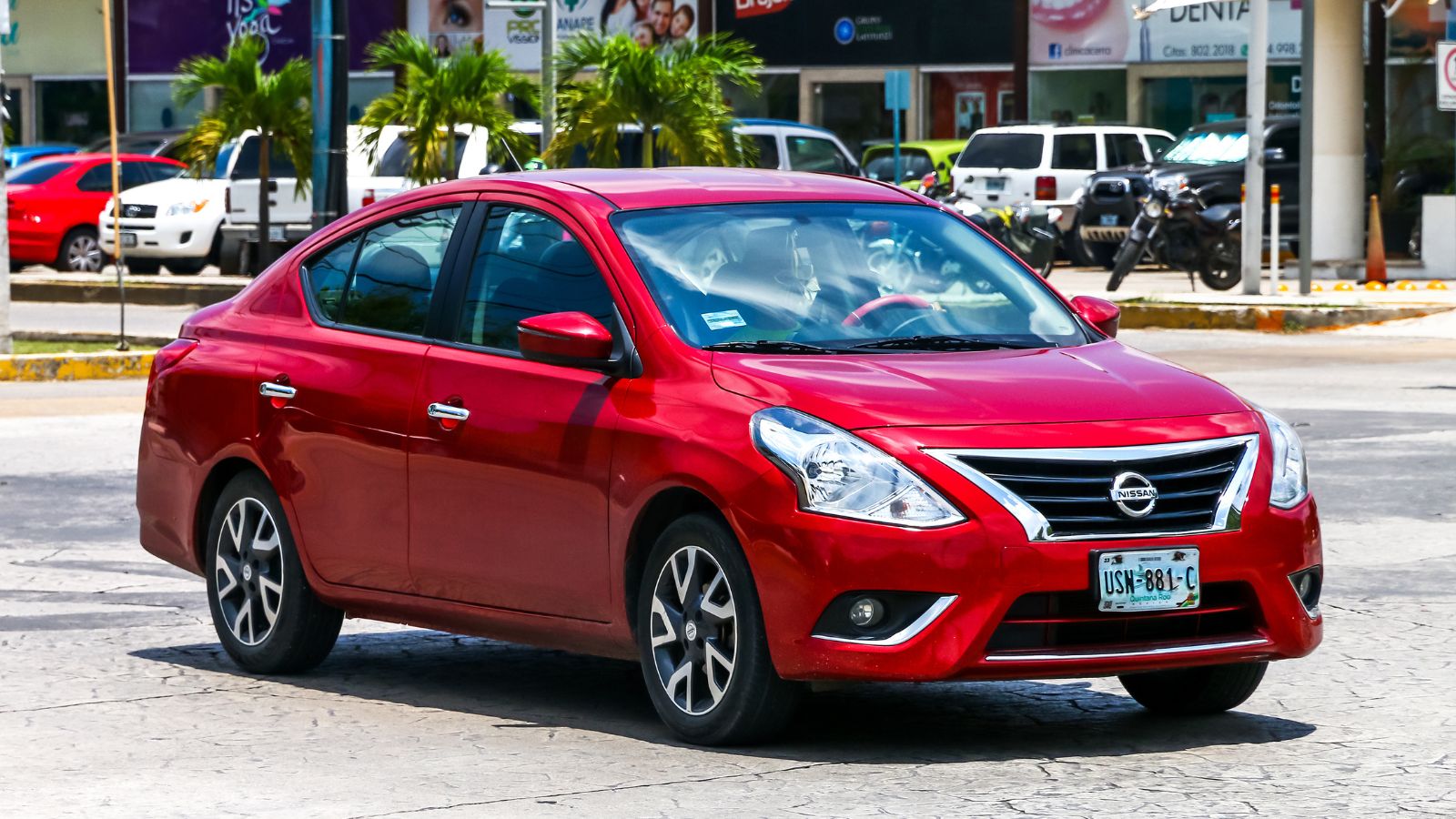
The Nissan Versa built its reputation on being one of the last genuinely inexpensive new cars in Canada. Its compact footprint, simple cabin, and fuel economy made it attractive to first-time buyers, commuters, and households trying to avoid used-car uncertainty. A car that could advertise highway consumption near 5.9 L/100 km naturally looked like relief in a market where many new vehicles had moved well above traditional economy-car pricing.
The catch is that Canada’s cheapest cars rarely stay cheap once availability, fees, financing, and replacement choices enter the picture. Nissan Canada now lists the Versa as discontinued, which changes the math for buyers who assumed the lowest-cost new-car option would remain easy to find. Shoppers may end up chasing remaining inventory, moving into the pricier Sentra or Kicks, or paying used-market prices for a model that no longer has the same new-car supply advantage. A low entry price can disappear quickly when the segment itself shrinks.
Hyundai Venue
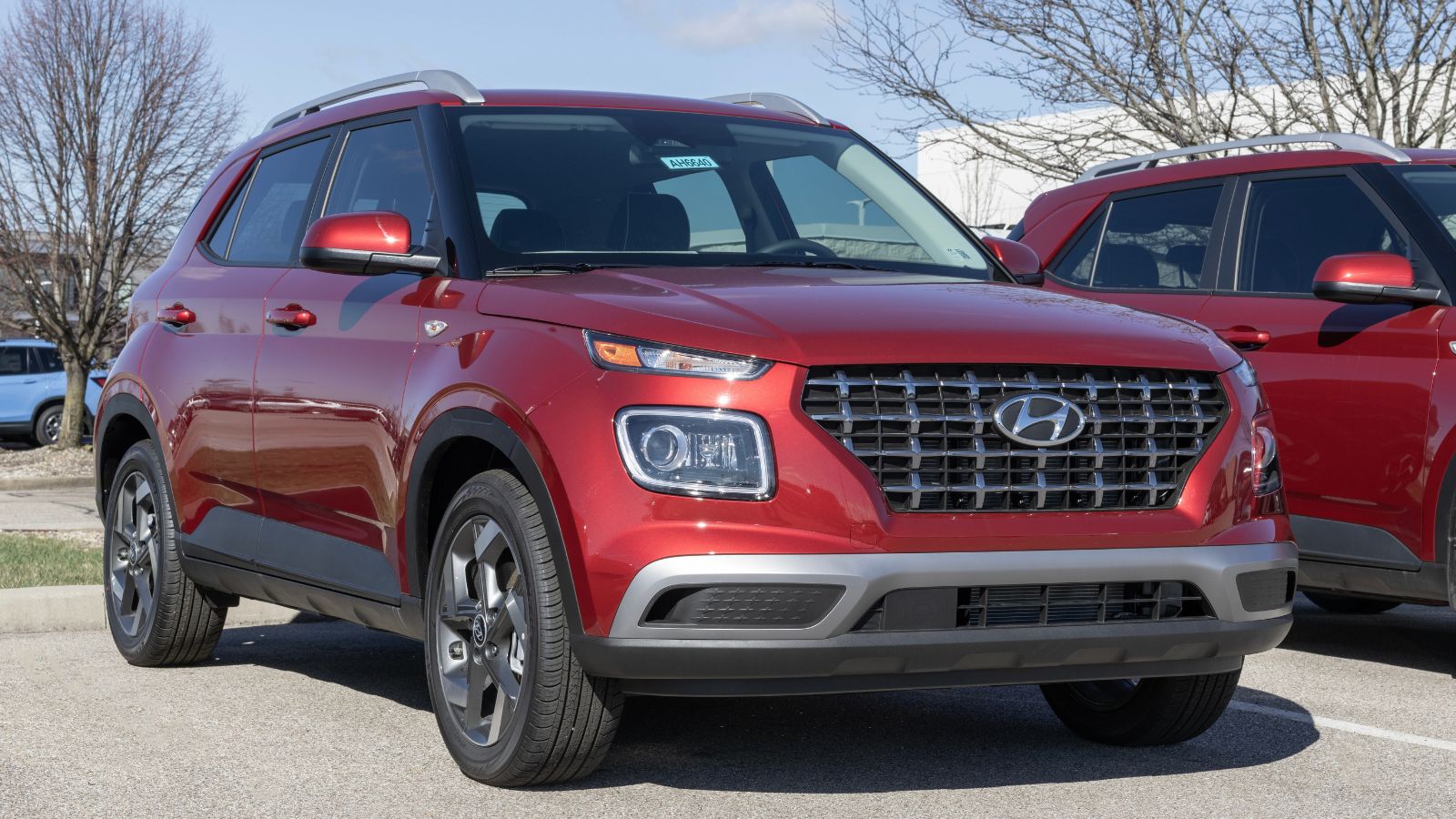
The Hyundai Venue looks like a budget-friendly answer to Canada’s SUV obsession. Its 2026 Canadian starting MSRP is listed at $21,999 before fees and taxes, which places it among the more attainable new crossovers. It also offers a tall seating position and city-friendly size, giving buyers the feeling of graduating from a small hatchback without jumping into a full compact SUV price bracket.
The surprise comes from what that affordability does not include. The Venue is front-wheel drive only, which can matter to buyers in snowy parts of Canada who assumed “SUV” meant winter capability closer to an all-wheel-drive crossover. Fuel economy is respectable rather than hybrid-like, with dealer listings showing figures around 7.9 L/100 km city and 6.9 highway. Once freight, air-conditioning tax, dealer fees, winter tires, and higher trims are added, the inexpensive little crossover can land much closer to the price of larger used SUVs or compact sedans with more power and space.
Chevrolet Trax
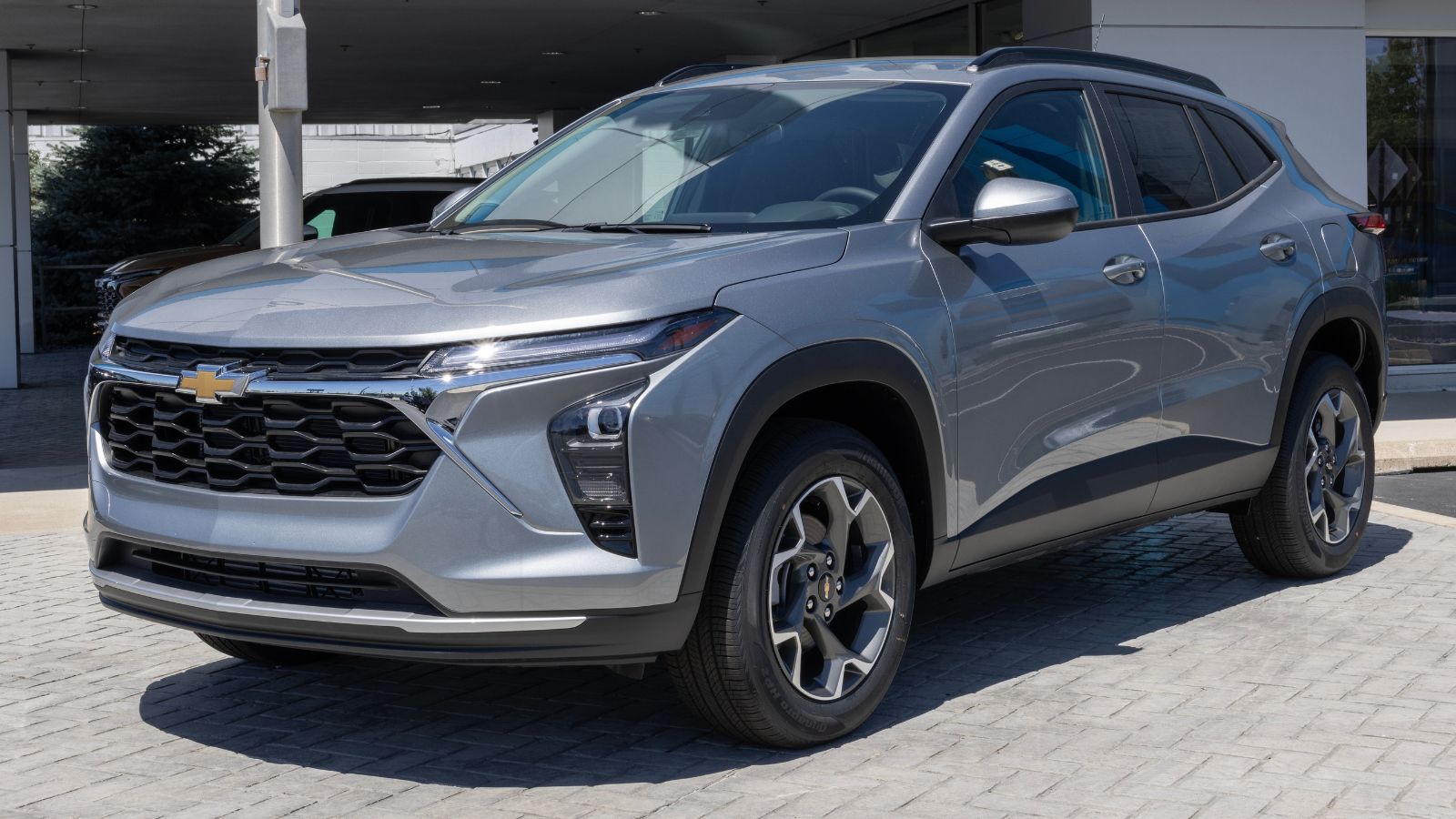
The Chevrolet Trax returned with strong value credentials: bold styling, more interior room than its old version, and a price that undercuts many compact SUVs. Canadian coverage has listed the 2026 Trax range around the high-$20,000 mark, and Chevrolet promotes practical cargo space along with an estimated 7.6 L/100 km highway rating. For buyers who want something new, roomy, and modern-looking, it seems like an easy affordability win.
However, the Trax can become expensive because it pushes shoppers toward lifestyle trims and appearance packages. The most attractive versions often sit well above the base price, and options such as sunroofs, paint upgrades, and larger wheels can move the transaction total quickly. It is also front-wheel drive only, so buyers wanting all-wheel drive must leave the Trax for another model. In a Canadian winter context, that limitation can turn a “cheap SUV” into either a compromise or a stepping stone to a pricier crossover.
Nissan Kicks
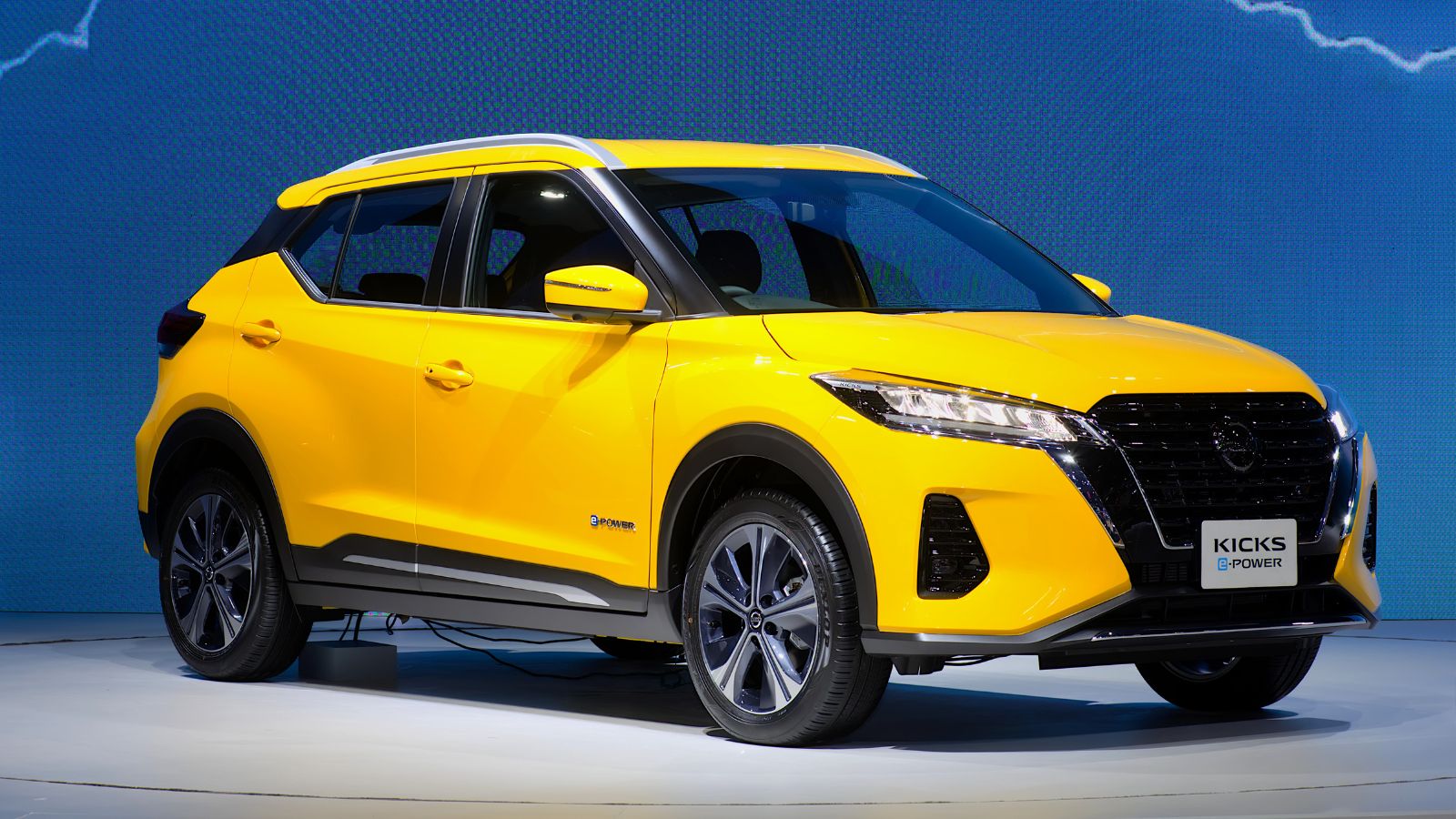
The Nissan Kicks appeals to Canadian buyers because it blends small-car running costs with crossover styling. The newer Kicks also added available all-wheel drive, a major selling point in a country where winter traction influences buying decisions. Nissan’s Canadian materials list fuel economy as low as 6.6 L/100 km highway for front-wheel-drive models, while the AWD version is rated higher at 8.5 city and 6.9 highway.
That added capability is where the affordability story starts to change. The old Kicks formula was simple: low price, front-wheel drive, efficient commuting. The newer model gives buyers more of what they asked for, but AWD, larger screens, upgraded trims, and extra equipment can move it away from basic transportation pricing. A household shopping for a low-cost runabout may discover that the version suited to Canadian winters is not the advertised entry-level model. The Kicks remains sensible, but the realistic purchase can cost much more than the first impression suggests.
Kia Seltos
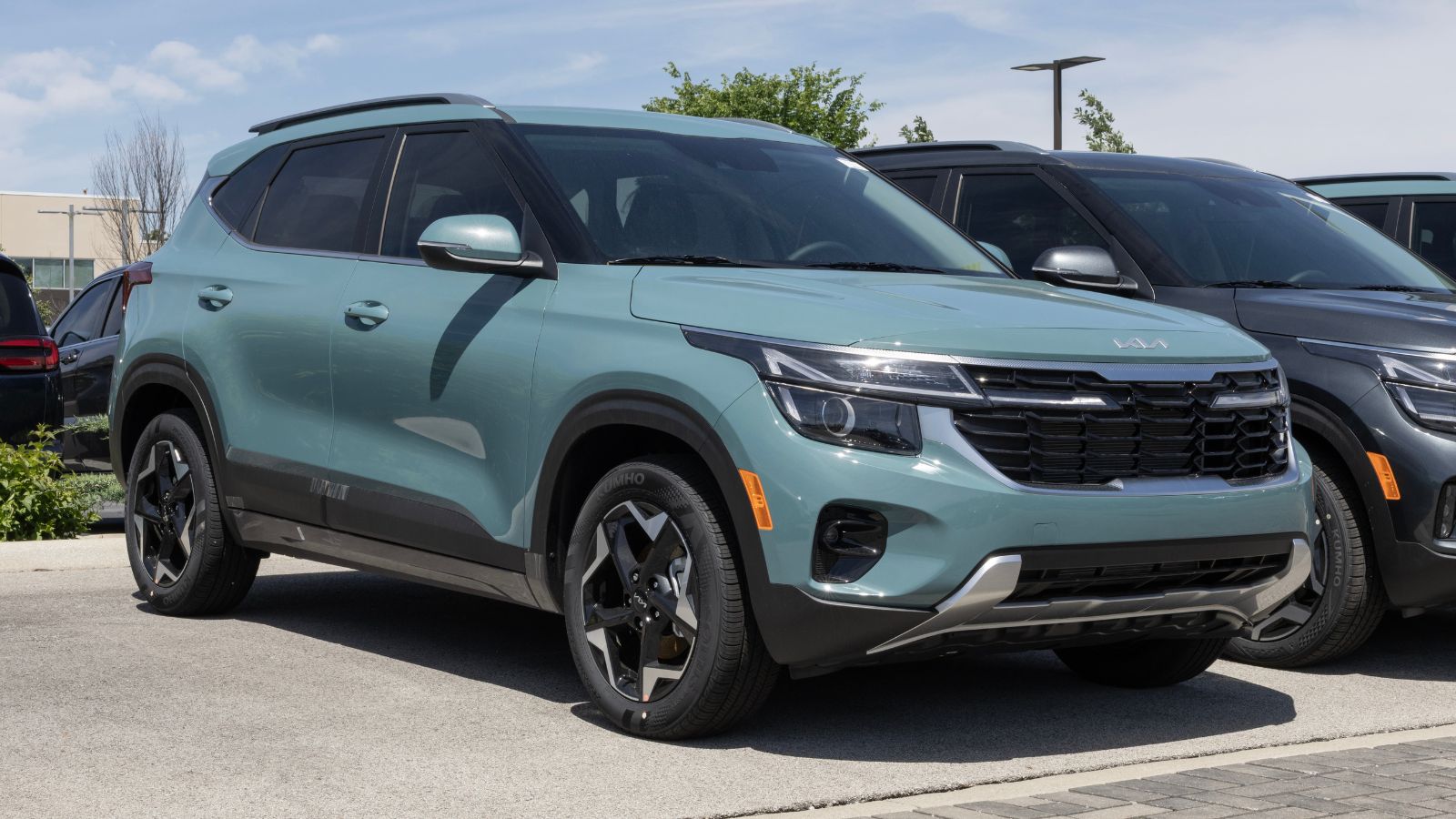
The Kia Seltos often appears on affordable-SUV shortlists because it offers real crossover shape, a useful cabin, and a relatively approachable starting point. Canadian listings show the 2026 Seltos LX FWD around the mid-$20,000 range before taxes and licensing, while AutoTrader Canada lists fuel economy across the lineup from about 7.6 to 9.2 L/100 km combined. On paper, that makes it a flexible alternative to pricier compact SUVs.
The affordability problem is that the Seltos many Canadians actually want is not usually the base front-wheel-drive version. All-wheel drive, turbo power, larger wheels, better infotainment, and comfort features all add cost. Dealer examples also show freight, air-conditioning tax, admin fees, wheel locks, mud guards, and other charges pushing displayed prices higher. The Seltos can still be a strong value, but the distance between “entry price” and “winter-ready, nicely equipped family vehicle” can be wide enough to catch buyers off guard.
Toyota Corolla
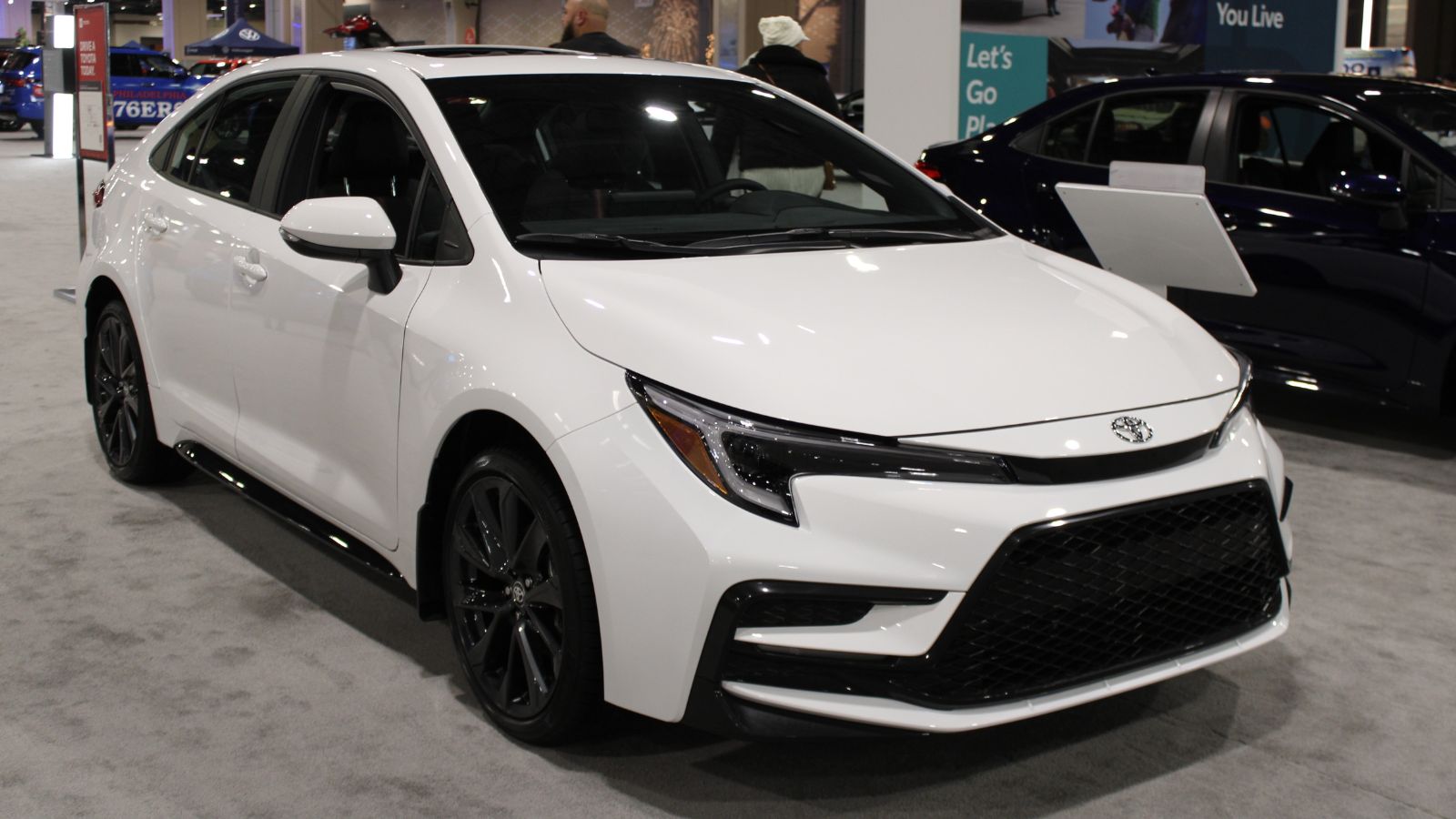
The Toyota Corolla is one of the safest bets in the Canadian market because of its reputation for durability, strong resale value, and efficient powertrains. Toyota Canada lists the 2026 gas Corolla at 7.4 L/100 km city and 5.7 highway, while the Corolla Hybrid LE is rated as low as 4.4 city and 5.1 highway. Canadian Black Book also named the Corolla a retained-value winner, reinforcing its long-term appeal.
The catch is that strong value does not always mean low cost. Corollas are popular, supply can be tight in desirable trims, and hybrids may carry higher transaction prices than shoppers expect. Because resale values are strong, used Corollas often remain expensive rather than becoming cheap secondhand bargains. Add freight, taxes, financing, winter tires, and higher trims, and the dependable Corolla can feel less like a bargain-basement commuter and more like a premium-priced safe choice. It saves money in some areas, but it rarely feels deeply discounted.
Honda Civic
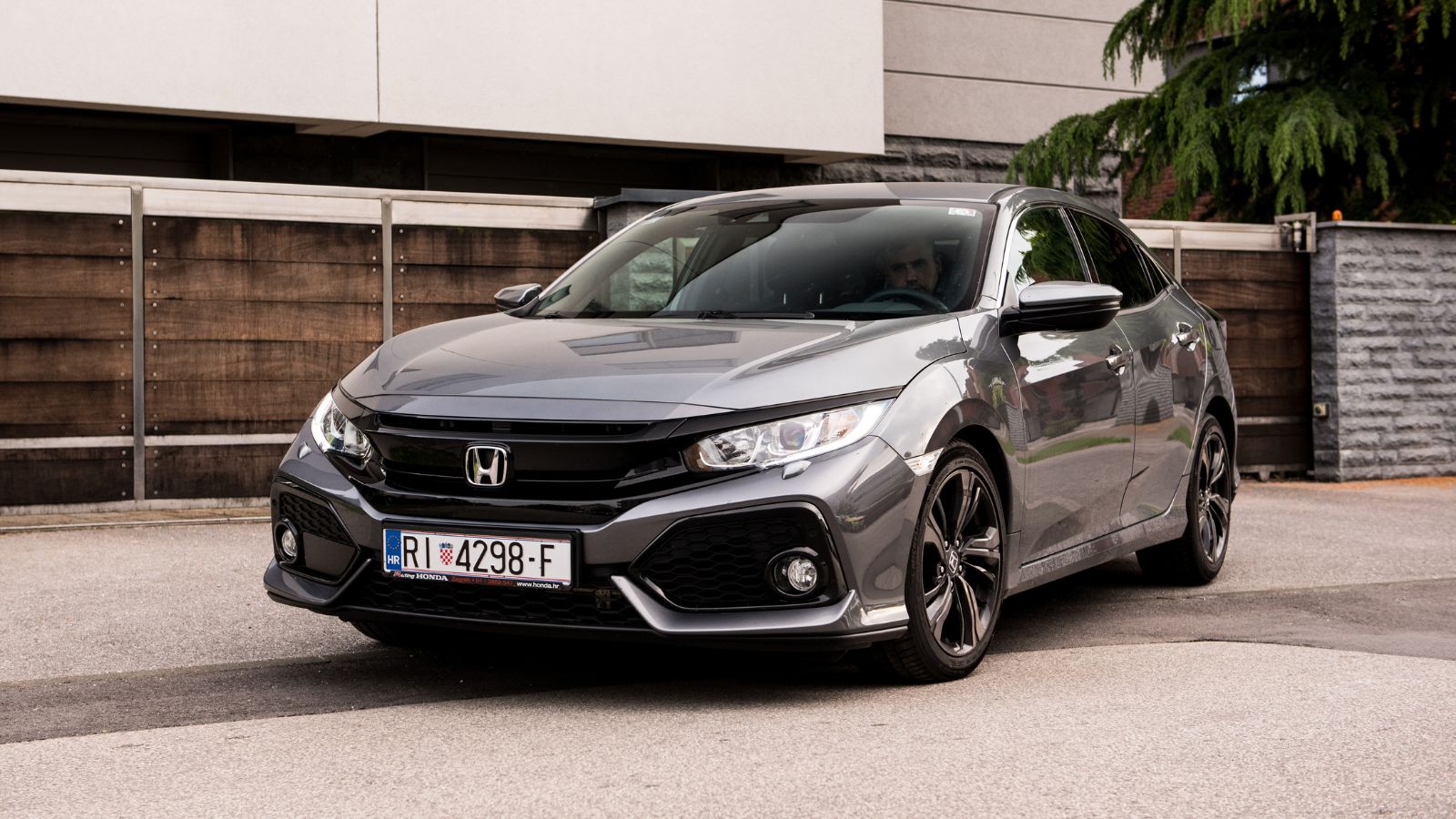
The Honda Civic has long been viewed as a smart compact-car purchase: efficient, practical, refined, and easy to recommend. The 2026 Civic continues that formula, with hybrid and non-hybrid versions offering strong fuel economy. Canadian dealer examples show the LX CVT carrying an MSRP around $28,340 before freight and other charges, while U.S. testing sources rate the non-hybrid Civic highly for efficiency and the hybrid even higher.
The affordability issue is that the Civic has moved well beyond the old idea of a cheap compact. Dealer examples in Ontario show real displayed prices climbing above $31,000 once freight, air-conditioning tax, tire duty, admin fees, and other charges are included before taxes and licensing. For buyers who remember Civics as inexpensive first cars, that number can be jarring. The Civic remains a high-quality compact, but its popularity, refinement, and hybrid technology have pushed it into a price zone where “affordable” needs serious qualification.
Kia K4
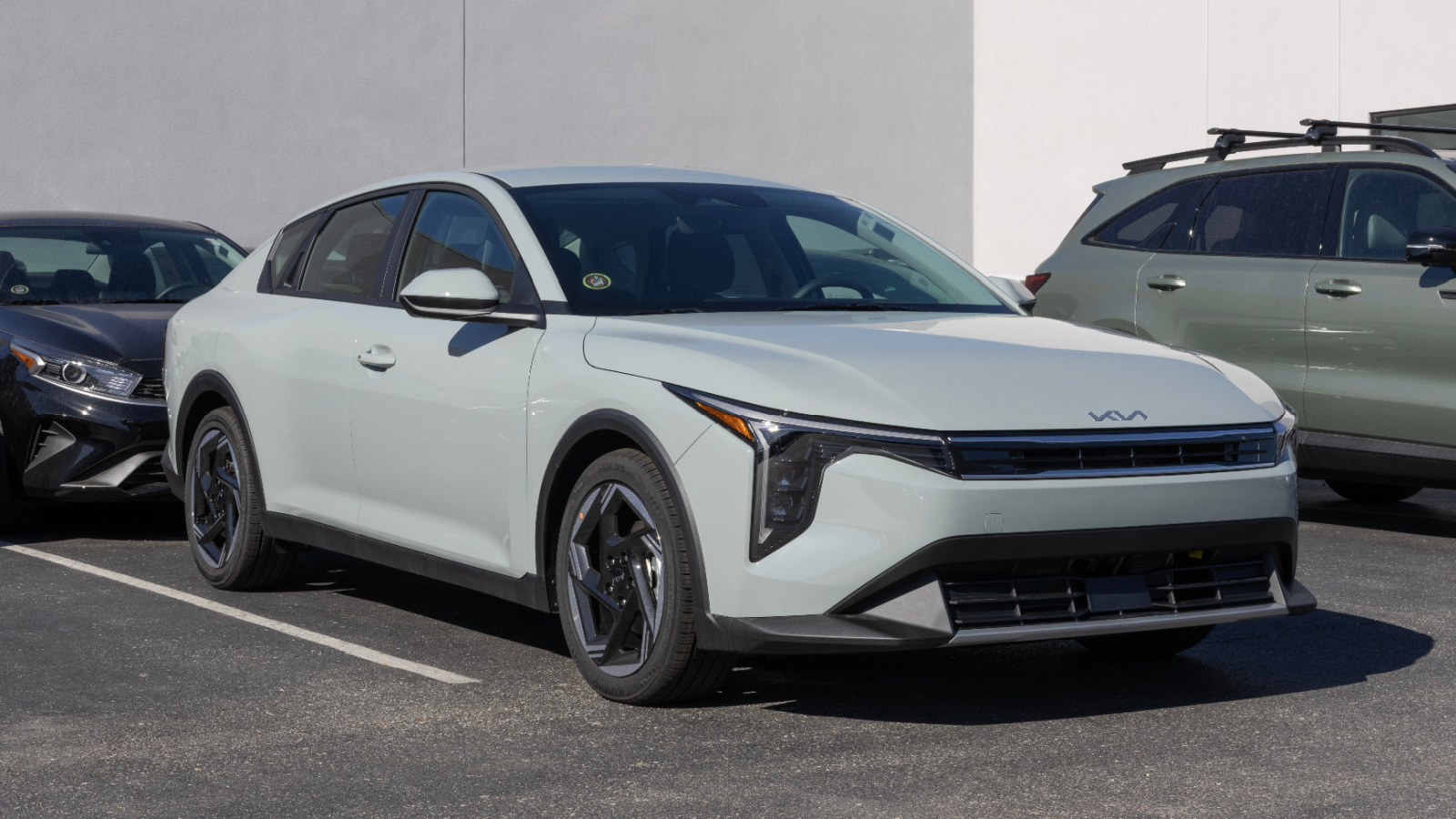
The Kia K4 replaces the Forte as Kia’s compact sedan play, and it arrives with a more upscale look than the budget-sedan image many buyers remember. Canadian dealer listings show the 2026 K4 LX FWD starting around $26,295, with dealer fees pushing example prices closer to $27,000 before taxes. It still offers value compared with many SUVs, especially for buyers willing to stay with a sedan.
The surprise is that the K4’s newer design and technology make it feel less like a bare-bones economy car and more like a compact with tempting upgrades. Higher trims, hatchback body styles, turbo engines, premium audio, driver-assistance features, and digital-key tech can raise the price quickly. Financing over long terms may keep payments manageable, but the total paid can be much higher than expected. The K4 proves that compact sedans are still cheaper than many crossovers, but they are no longer automatically cheap purchases.
Mazda3 Sport
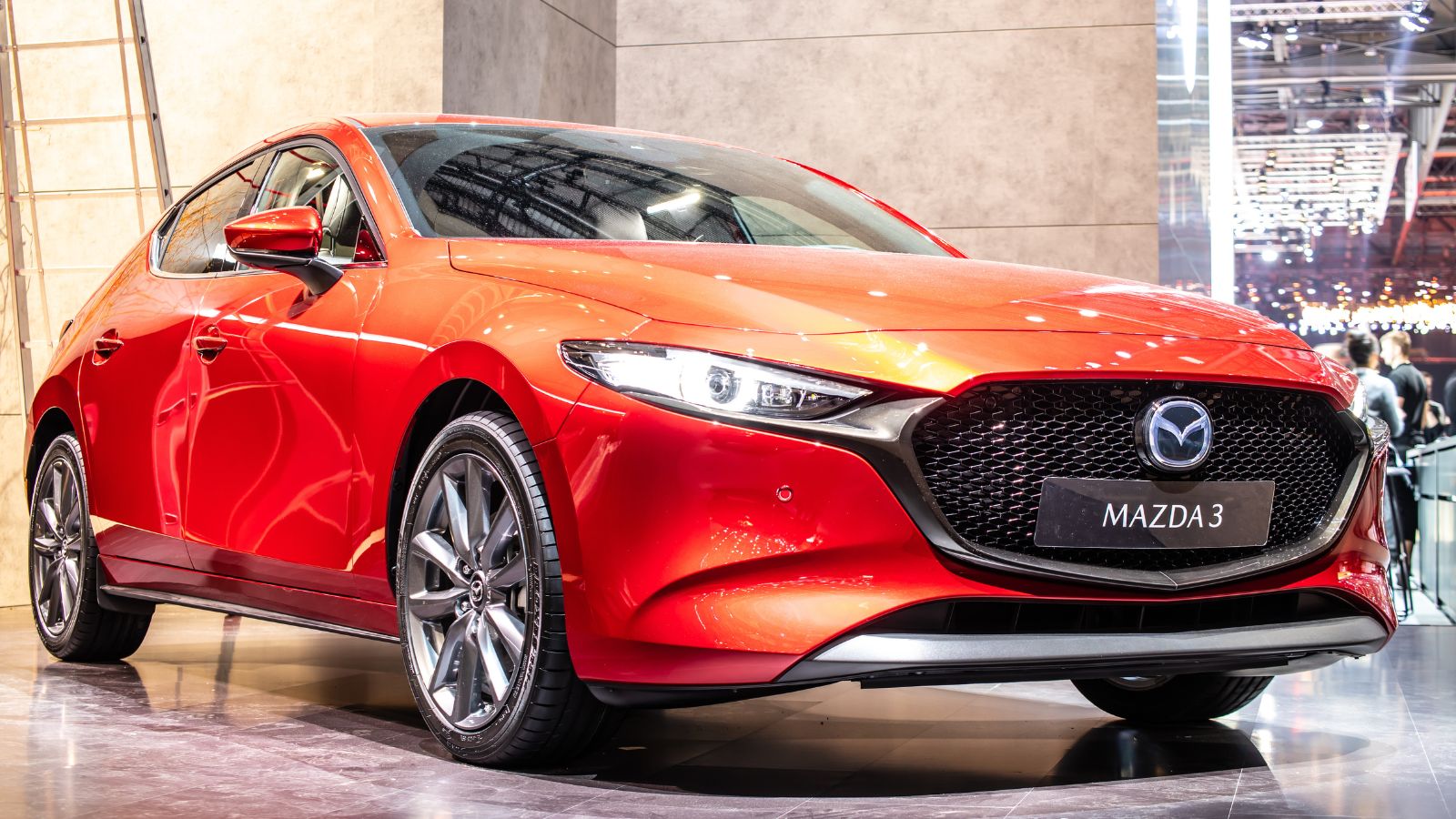
The Mazda3 Sport has always appealed to buyers who want an affordable car that feels more premium than its price suggests. Mazda emphasizes driving feel, interior quality, and available all-wheel drive, while the hatchback body adds practicality. For Canadians who want something nicer than a basic commuter but still smaller than an SUV, the Mazda3 Sport can seem like the perfect middle ground.
The trouble is that the Mazda3’s most appealing versions are often not the cheapest ones. The available turbocharged engine produces up to 250 horsepower and 320 lb-ft of torque, but premium power, all-wheel drive, larger wheels, and upscale trims push it far from entry-level pricing. Repair costs for premium features, winter tire sizing, and insurance can also shift the ownership picture. Buyers drawn in by Mazda’s “near-luxury for less” formula may still get a good car, but not necessarily a truly low-cost one.
Subaru Impreza

The Subaru Impreza looks like a practical Canadian choice because every version comes with all-wheel drive. That matters in provinces where winter weather makes traction a real concern. The 2026 Impreza’s 2.0-litre engine is listed by Subaru Canada at 8.8 L/100 km city and 6.9 highway, which is reasonable for an AWD compact. It also offers hatchback practicality, making it attractive to buyers who do not want an SUV.
The affordability problem is that standard AWD adds cost and fuel consumption compared with front-drive rivals. Canadian dealer examples show the 2026 Impreza Convenience AWD with an MSRP around $28,295, and displayed prices above $30,000 after freight, taxes, and dealer-related charges before sales tax and licensing. For a compact hatchback, that can feel steep. Buyers may save themselves from needing a pricier crossover, but the Impreza is not the budget compact some remember from earlier years.
Subaru Crosstrek
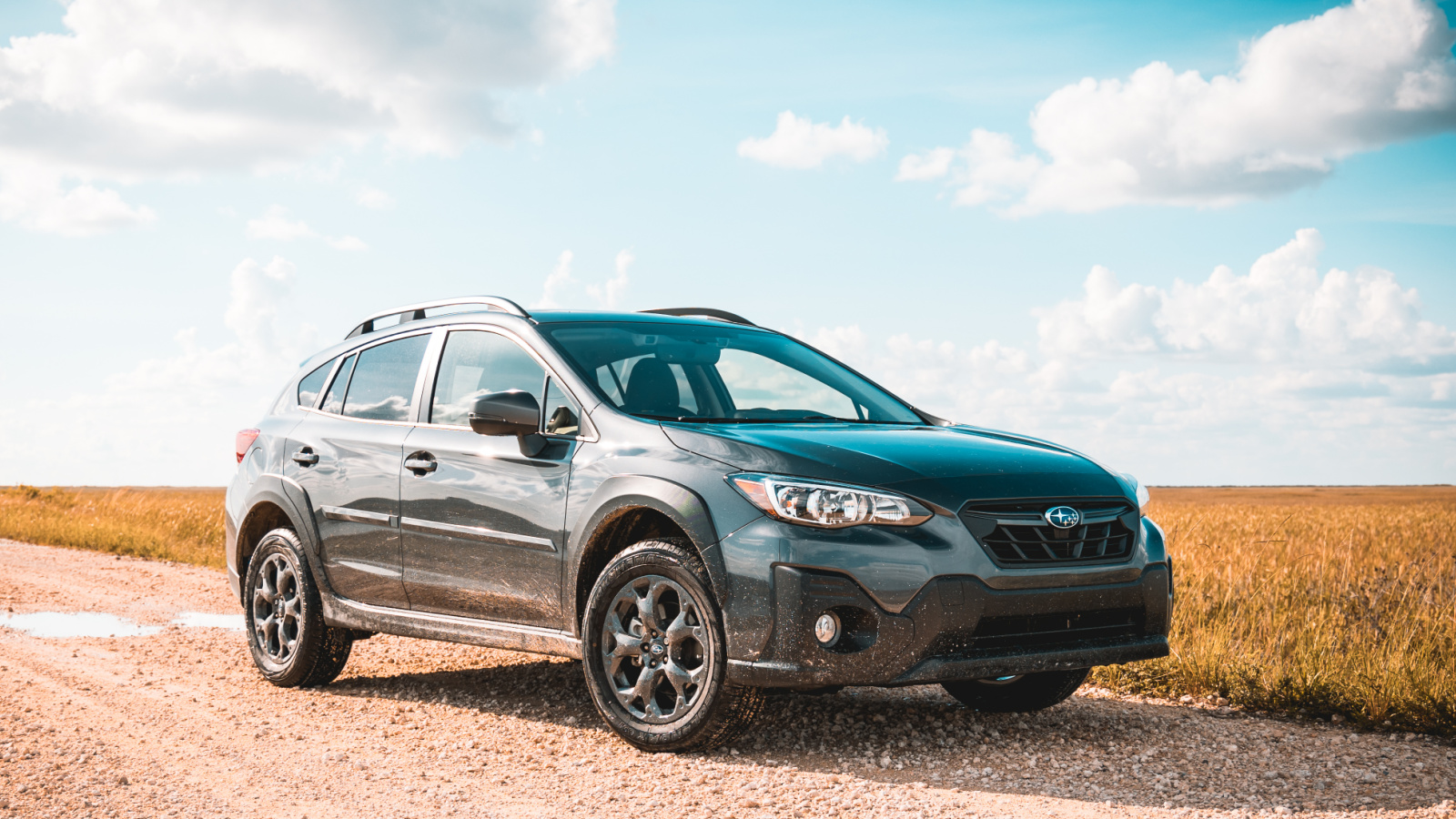
The Subaru Crosstrek is one of those vehicles Canadians often justify as affordable because it seems to do everything: small enough for cities, high enough for rough roads, all-wheel drive for winter, and practical enough for camping weekends. Subaru’s 2026 lineup also benefits from stronger engines and a renewed hybrid option, adding appeal for buyers who found older versions underpowered.
The issue is that the Crosstrek has become a lifestyle purchase, and lifestyle purchases rarely stay cheap. Canadian dealer listings show 2026 Crosstrek Touring examples around $38,576 before taxes and licensing, while higher trims push past $40,000. Fuel consumption for gas AWD models is commonly listed around 9.0 L/100 km city and 7.1 highway. It can be cheaper than a larger SUV and more capable than many compact cars, but by the time buyers add accessories, winter tires, financing, and outdoorsy trim upgrades, the “small affordable Subaru” label becomes harder to defend.
Ford Maverick Hybrid
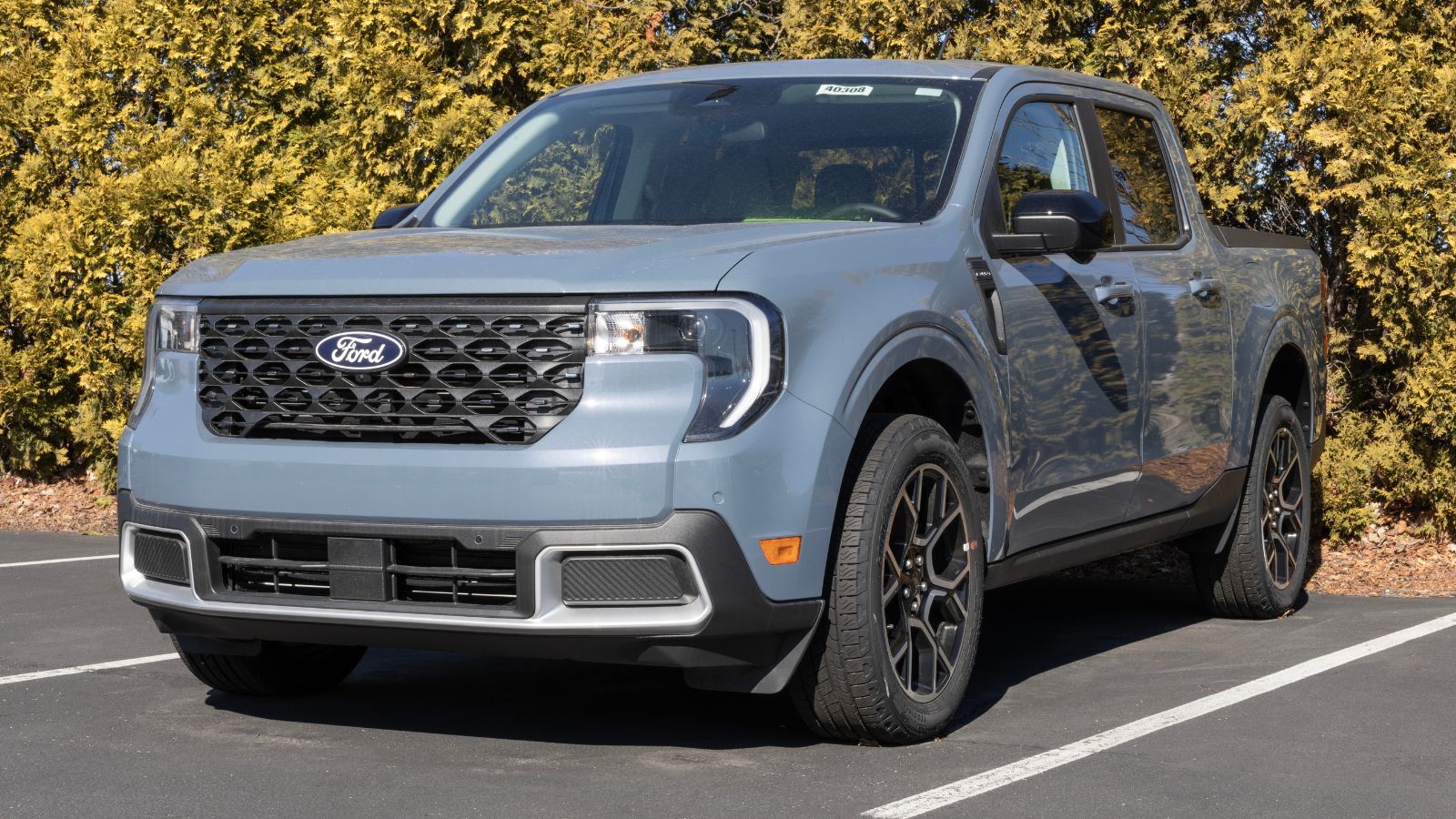
The Ford Maverick Hybrid attracted attention because it seemed to revive the idea of a small, inexpensive pickup. A hybrid truck with a useful bed, five seats, and fuel economy around 5.6 L/100 km city and 6.8 highway in some Canadian listings sounds almost too practical to ignore. Ford also lists towing up to 2,000 lb standard and up to 4,000 lb with the available tow package.
The problem is that pickup buyers rarely stop at the base configuration. All-wheel drive, higher trims, bed accessories, towing packages, tonneau covers, winter tires, and dealer-installed extras can transform the Maverick from budget truck into a much larger purchase. Demand has also helped keep prices firm in many markets. It remains efficient and clever, but Canadians who imagined a cheap little work truck often discover that the version they actually need costs closer to a well-equipped SUV than an old-school compact pickup.
Toyota RAV4
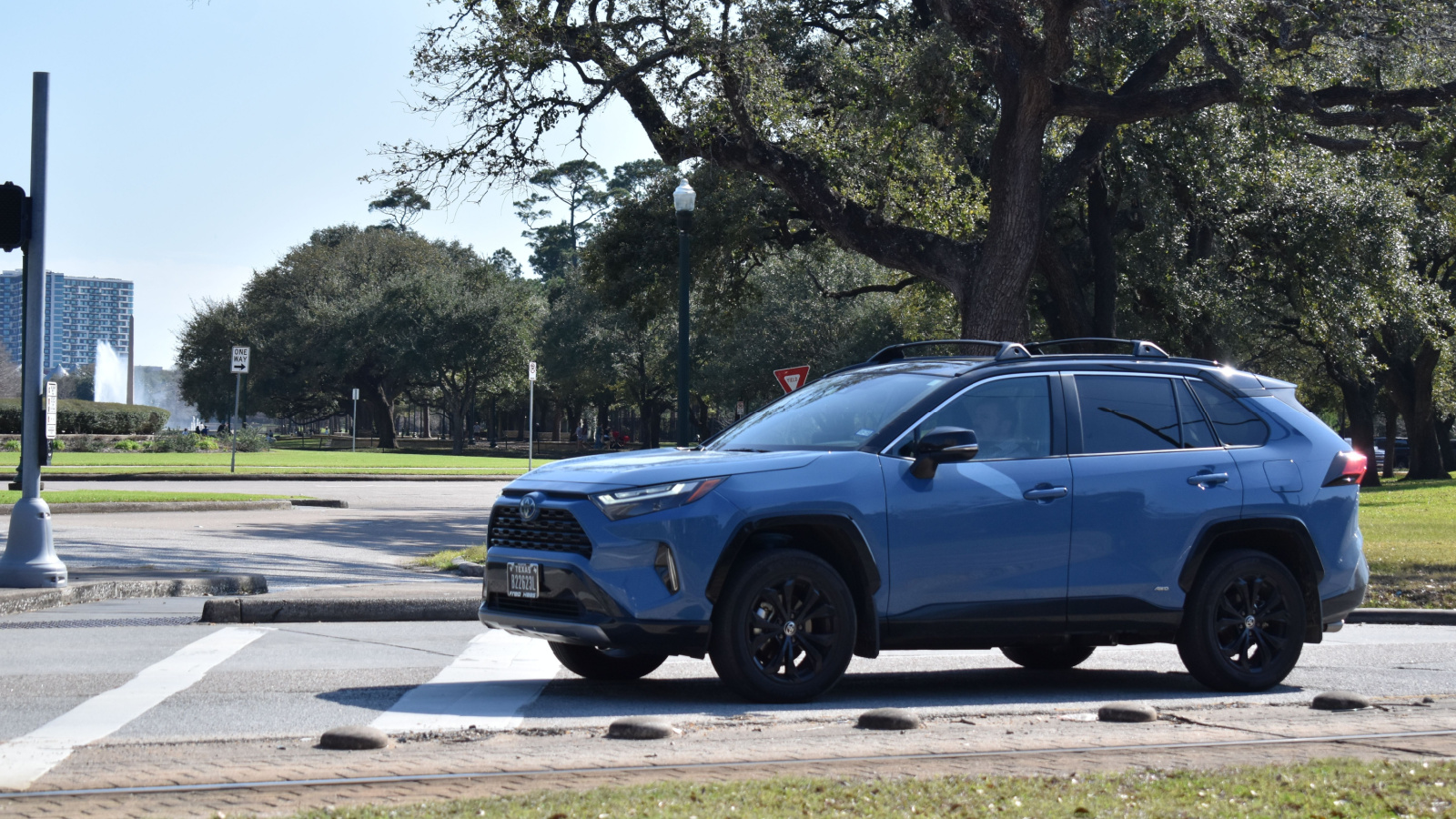
The Toyota RAV4 is often treated as the financially responsible family SUV. It has strong resale value, practical space, and, for 2026, Toyota has moved the lineup to hybrid power as standard. Canadian listings show 2026 RAV4 Hybrid AWD fuel economy around 5.1 L/100 km city, 6.0 highway, and 5.5 combined, which is impressive for a compact SUV. Toyota also notes that the RAV4 is built in Canada with domestic and imported parts.
Yet the RAV4’s popularity creates cost pressure. Strong resale means used examples can be expensive, while new hybrids can carry long waits or limited availability in desirable trims. Insurance can also be affected by theft trends: Équité Association reported the Toyota RAV4 as Canada’s most stolen vehicle in 2024, with more than 2,000 thefts. A RAV4 may hold value well, but high demand, theft risk, and hybrid-era pricing can make ownership feel much more expensive than expected.
Honda CR-V
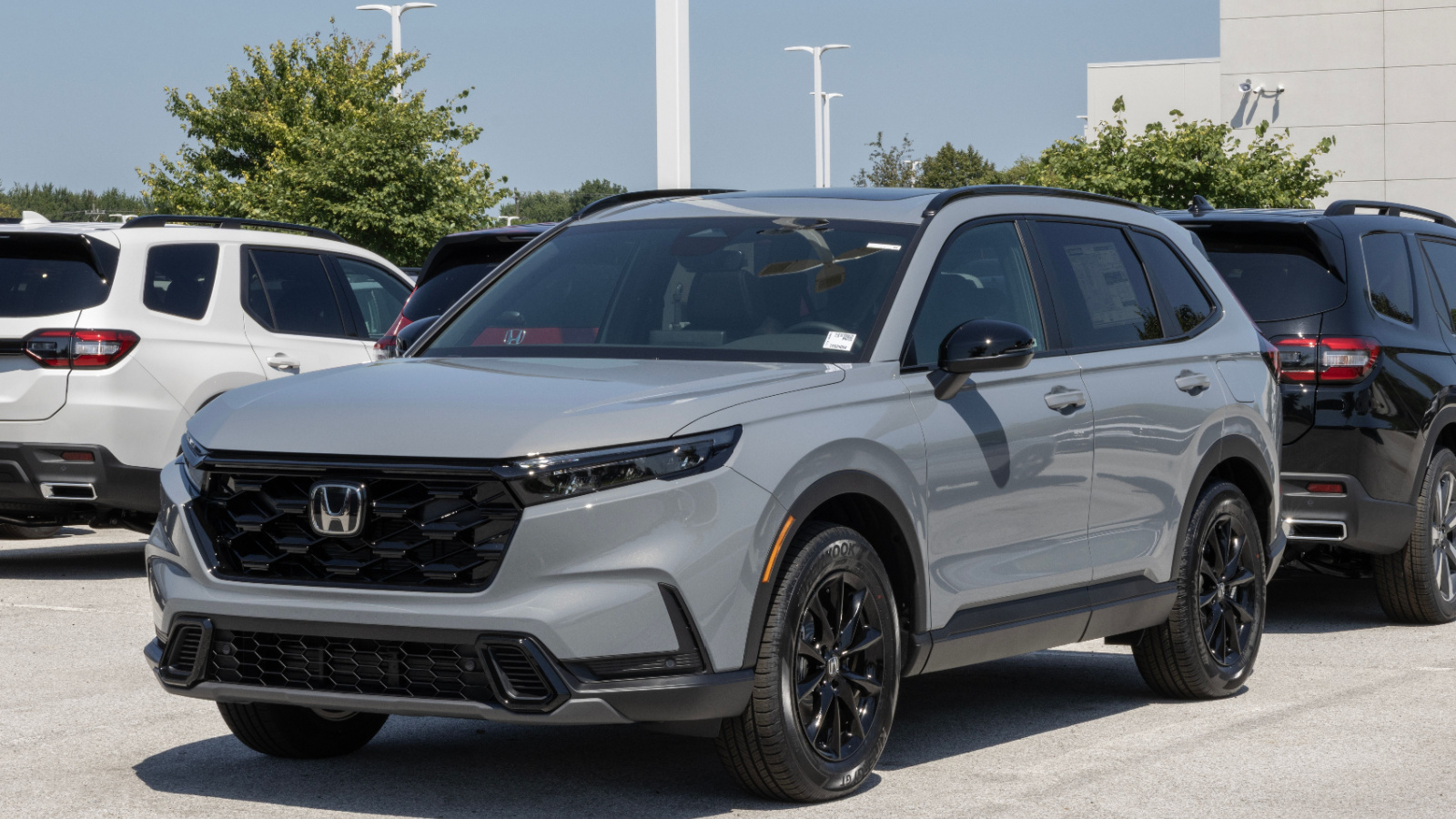
The Honda CR-V has a similar affordability trap: it is sensible, reliable, roomy, and easy to recommend, but not necessarily cheap. Honda Canada lists the 2026 CR-V with combined fuel economy as low as 6.7 L/100 km for hybrid versions, while Canadian dealer examples show the LX 2WD MSRP around $36,975 before additional charges. For a family SUV, that may look reasonable compared with larger vehicles.
The full bill can feel different. Dealer examples show freight, air-conditioning tax, admin fees, and other charges pushing displayed prices above $40,000 before taxes and licensing. The CR-V has also been a major target in Canadian theft rankings in recent years, with the 2020 Honda CR-V appearing near the top nationally in 2024 theft counts. Buyers may choose the CR-V to avoid risk, but insurance, anti-theft requirements, hybrid-trim pricing, and high resale values can make it one of the costlier “safe” choices.
Jeep Compass
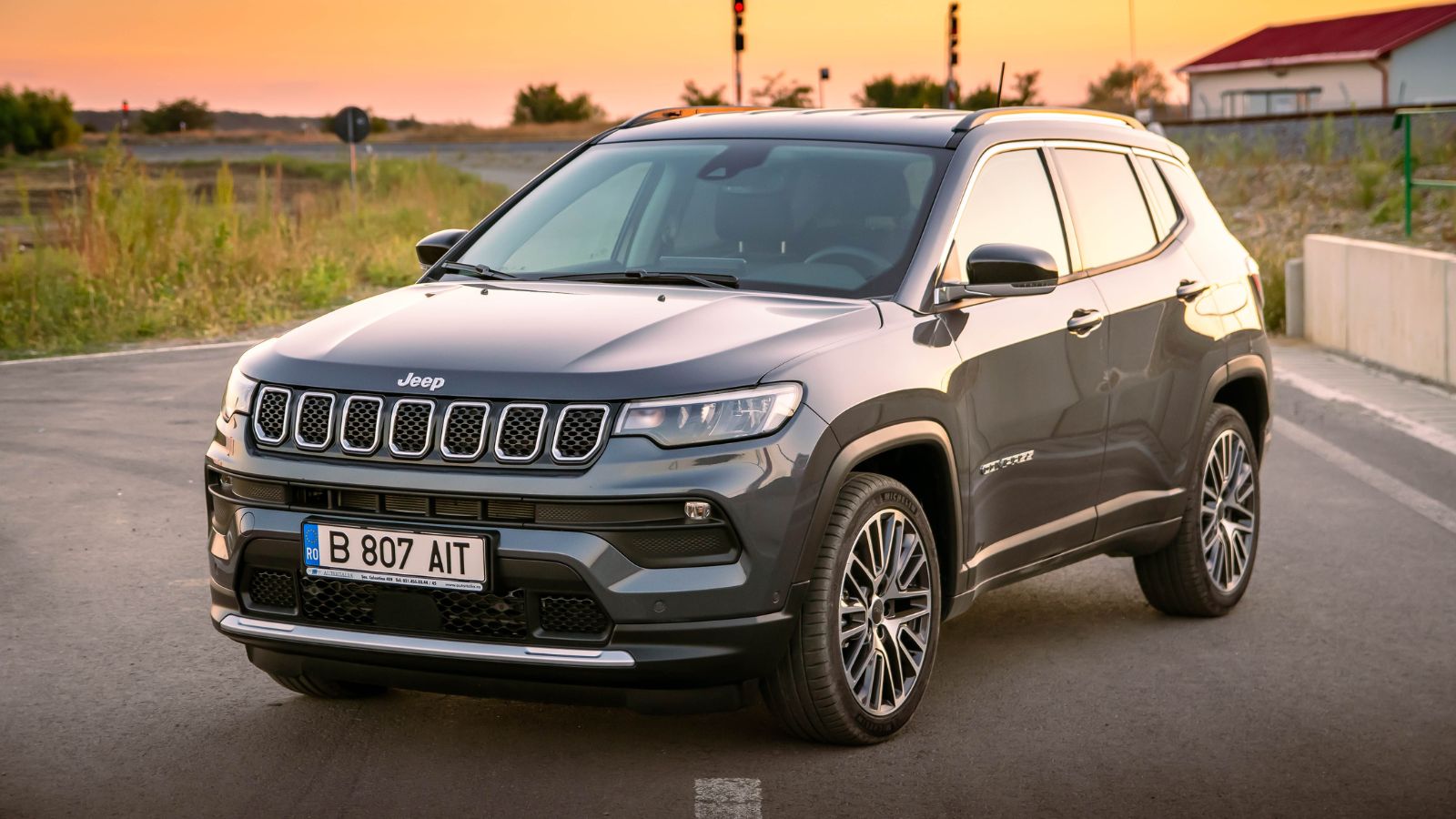
The Jeep Compass can look like an affordable gateway into the Jeep brand. It is smaller than a Grand Cherokee, easier to park, and often marketed with enough rugged styling to make it feel more adventurous than ordinary compact SUVs. Jeep Canada lists the 2026 Compass with a 2.0-litre turbo engine, 200 horsepower, four-wheel drive, and fuel economy of 10.0 L/100 km city and 7.5 highway.
The surprise is that the Compass is not especially cheap once running costs are considered. Canadian dealer listings show the 2026 Compass Sport 4×4 MSRP around $34,700, before taxes and other charges. Fuel consumption is higher than many hybrid or front-drive rivals, and Jeep-branded trims and options can climb quickly. Buyers attracted by the idea of a smaller, affordable Jeep may discover that the Compass carries compact-SUV pricing, SUV fuel bills, and brand-driven expectations without delivering the low-cost ownership they imagined.
Tesla Model 3
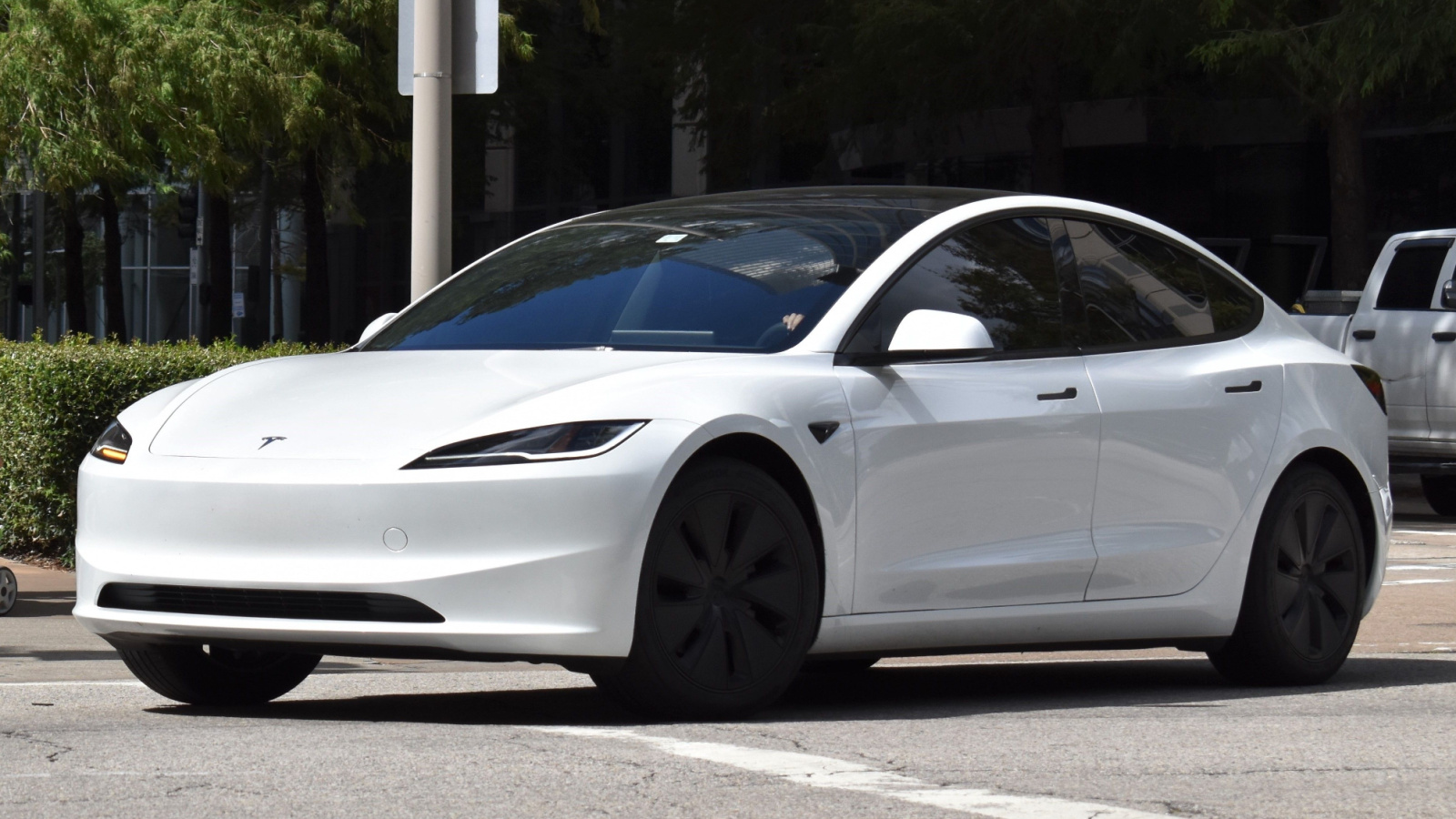
The Tesla Model 3 often enters affordability conversations because electricity can cost less than gasoline, maintenance is simpler in some respects, and Tesla has repeatedly adjusted Canadian pricing. The Model 3 also benefits from access to Tesla’s charging network and strong performance even in less expensive versions. For commuters with home charging, the operating-cost argument can be compelling.
But EV affordability depends heavily on incentives, insurance, charging setup, and depreciation. Tesla Canada’s own incentive page notes that Model 3 vehicles are not currently eligible for one federal program, while Reuters reported that Canada froze Tesla rebate payments and barred Tesla from future rebate programs during tariff-related disputes. Insurance can also be costly; Rates.ca has cited Model 3 insurance averages above $3,500 annually in a past Ontario quote sample. Add a Level 2 charger, winter range loss, tire wear, and rapid price changes, and the Model 3 can feel less predictable than its “cheap to run” reputation suggests.
Chevrolet Bolt
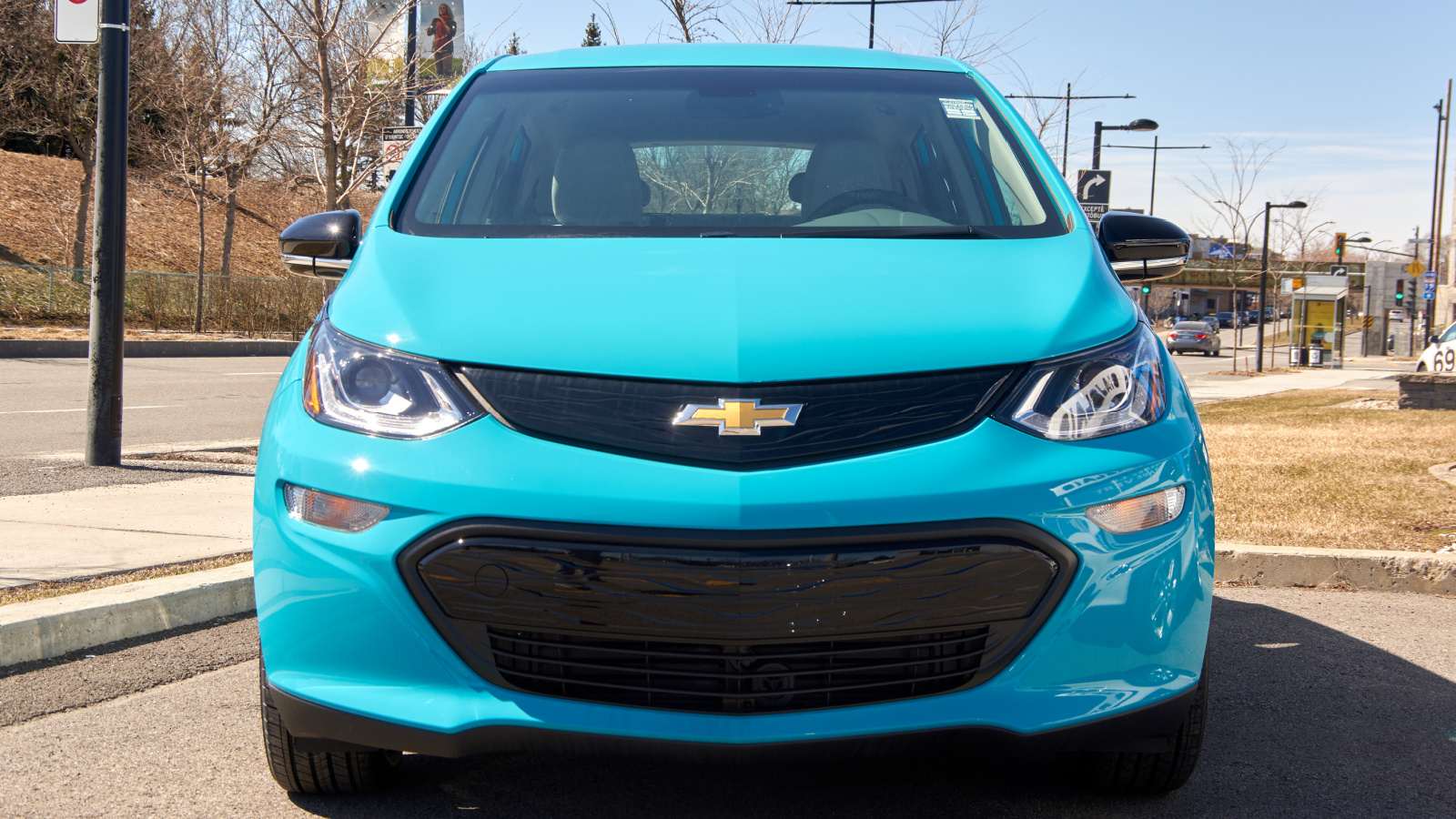
The Chevrolet Bolt has returned to Canadian attention as one of the country’s more affordable long-range EV options. Chevrolet Canada describes the new Bolt as one of Canada’s most affordable EVs, with up to 422 km of estimated range, while Canadian EV coverage has reported a returning price around $39,999 to $43,000 depending on configuration and reporting date. That makes it tempting for buyers priced out of many electric crossovers.
The issue is that affordable EV does not always mean affordable car. A Bolt can still require home charging installation, winter tires, higher insurance than a basic gas hatchback, and careful planning around public fast-charging costs. EV incentives also depend on final transaction value, manufacturing eligibility, and program rules. The Bolt may be one of the better EV bargains, but buyers moving from a used compact or older gas car may still find the upfront cost, charging logistics, and financing burden much larger than the “affordable EV” label implies.
22 Things Canadians Do to Their Cars in Spring That Mechanics Hate

Spring brings relief to many Canadian drivers after months of snow, freezing temperatures, and icy roads that put serious strain on vehicles. As temperatures rise across the country, drivers begin washing cars, switching tires, and preparing vehicles for warmer weather and upcoming road trips. However, mechanics across Canada notice the same mistakes every spring when drivers attempt to recover from winter damage. Road salt, potholes, and harsh winter driving conditions often leave vehicles with hidden problems that drivers ignore. Some spring habits even create new mechanical issues that could have been avoided with proper maintenance. Here are 22 things Canadians do to their cars in spring that mechanics hate.