


























The sticker price is usually the easy part. What catches many Canadians off guard is everything that shows up after the keys change hands: the first deep-freeze, the first long fast-charge stop, the first insurance renewal, the first condo board conversation, and the first moment a “great deal” starts to look more complicated.
These 16 surprises explain why used EV ownership can feel brilliant one week and baffling the next. None of them make a used electric vehicle a bad purchase. In fact, several are manageable or even beneficial. But together they separate the genuinely good buys from the ones that only look cheap on the lot.
The Range Sticker Turns Into a Winter Guess
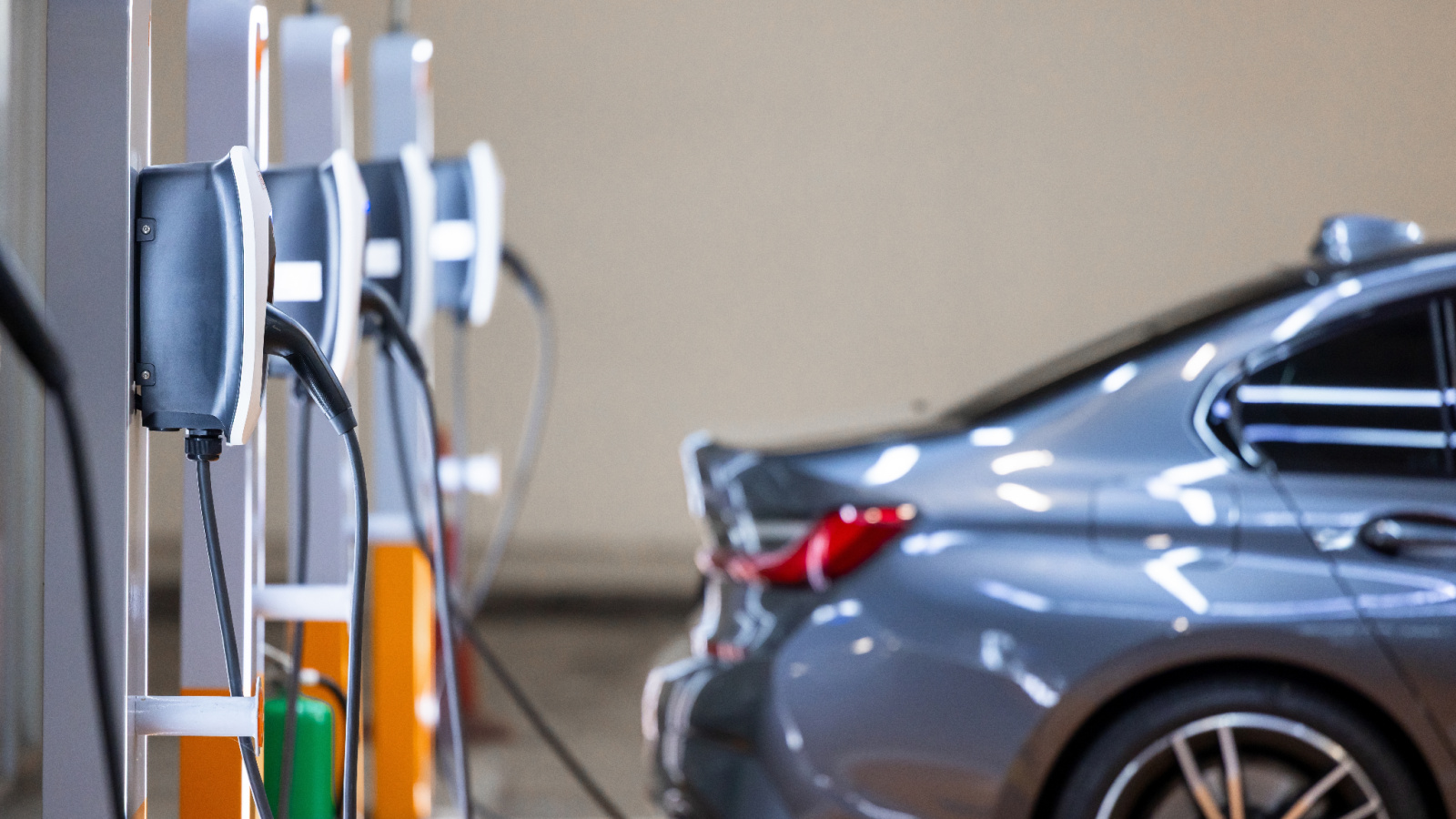
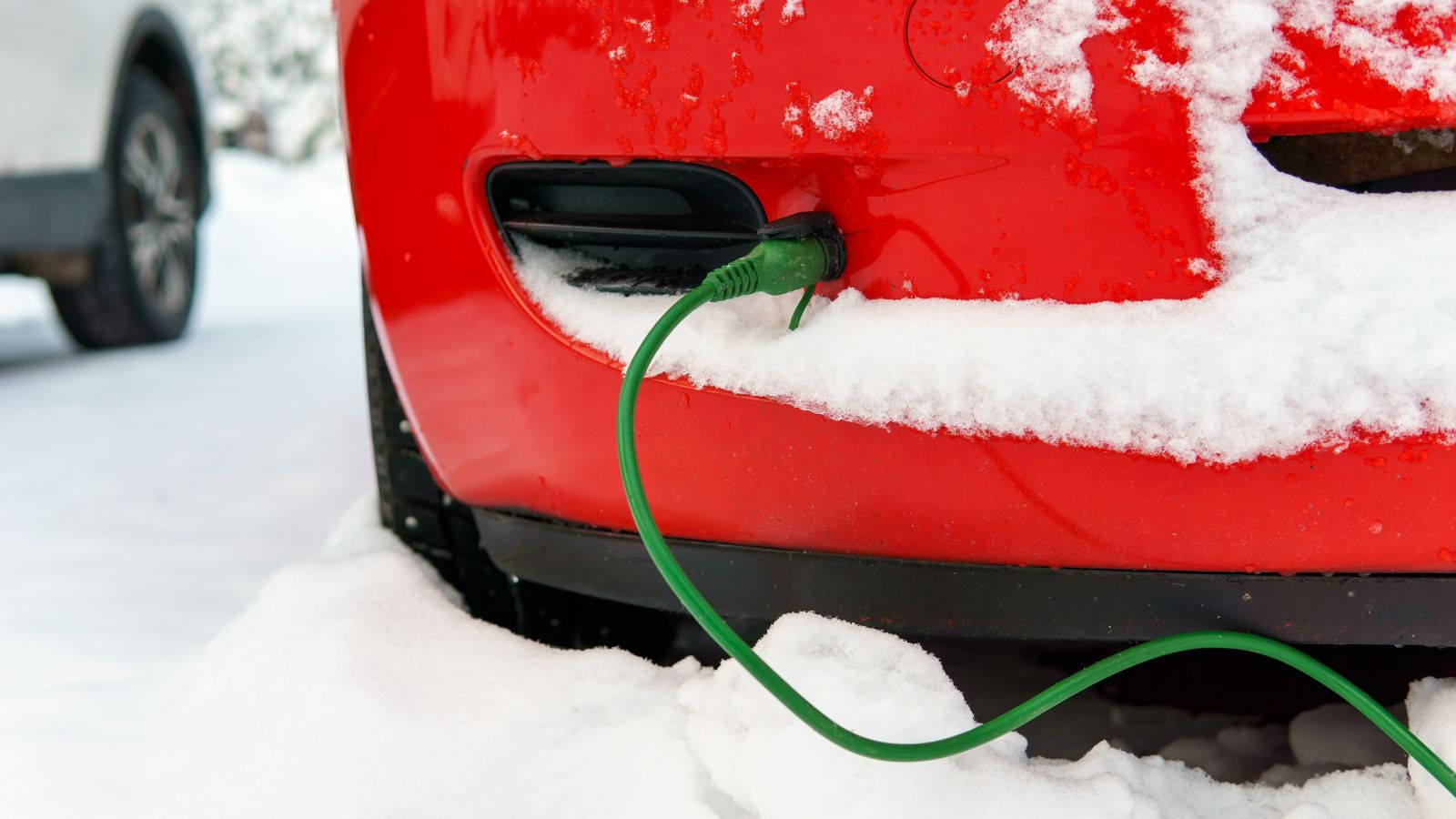
A used EV can feel perfectly normal in August and suddenly much smaller in January. That is not driver paranoia; it is a Canadian reality. In CAA’s winter test, 14 EVs driven from Ottawa to Mont-Tremblant in temperatures between -7°C and -15°C finished 14% to 39% below their official published range. That helps explain why a 400-km used EV can feel like a 250-to-340-km vehicle once cabin heat, cold-soaked batteries, and winter roads enter the picture.
The shock is usually emotional before it is practical. A commuter who barely notices range in September may start budgeting errands in February. That matters more with older used models, because smaller packs leave less buffer for detours, snow tires, or a heater running hard in traffic. A low purchase price can still make sense, but winter behavior deserves almost as much attention as battery size on paper.
Fast Charging Can Feel Slow When It Is Needed Most
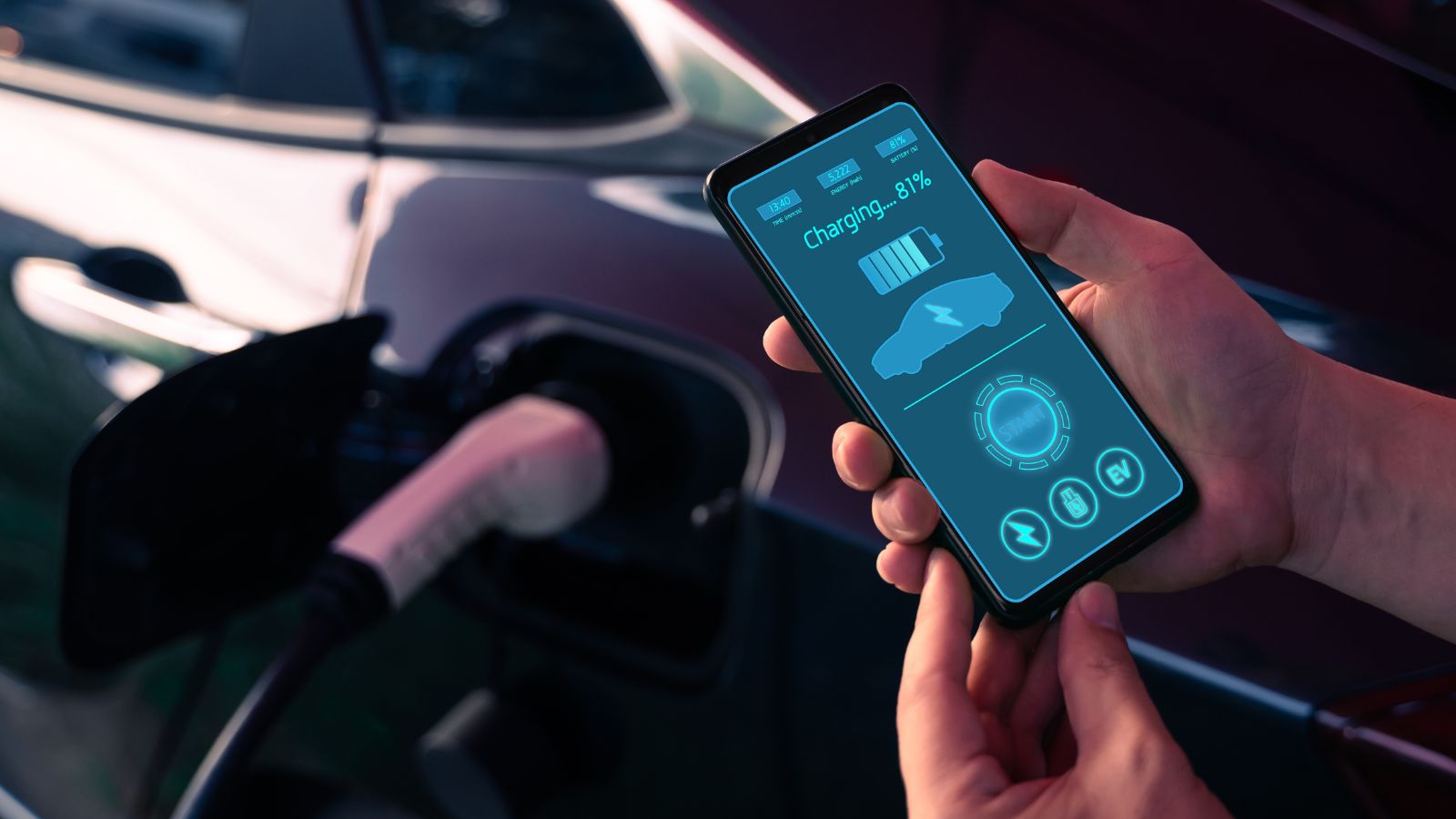
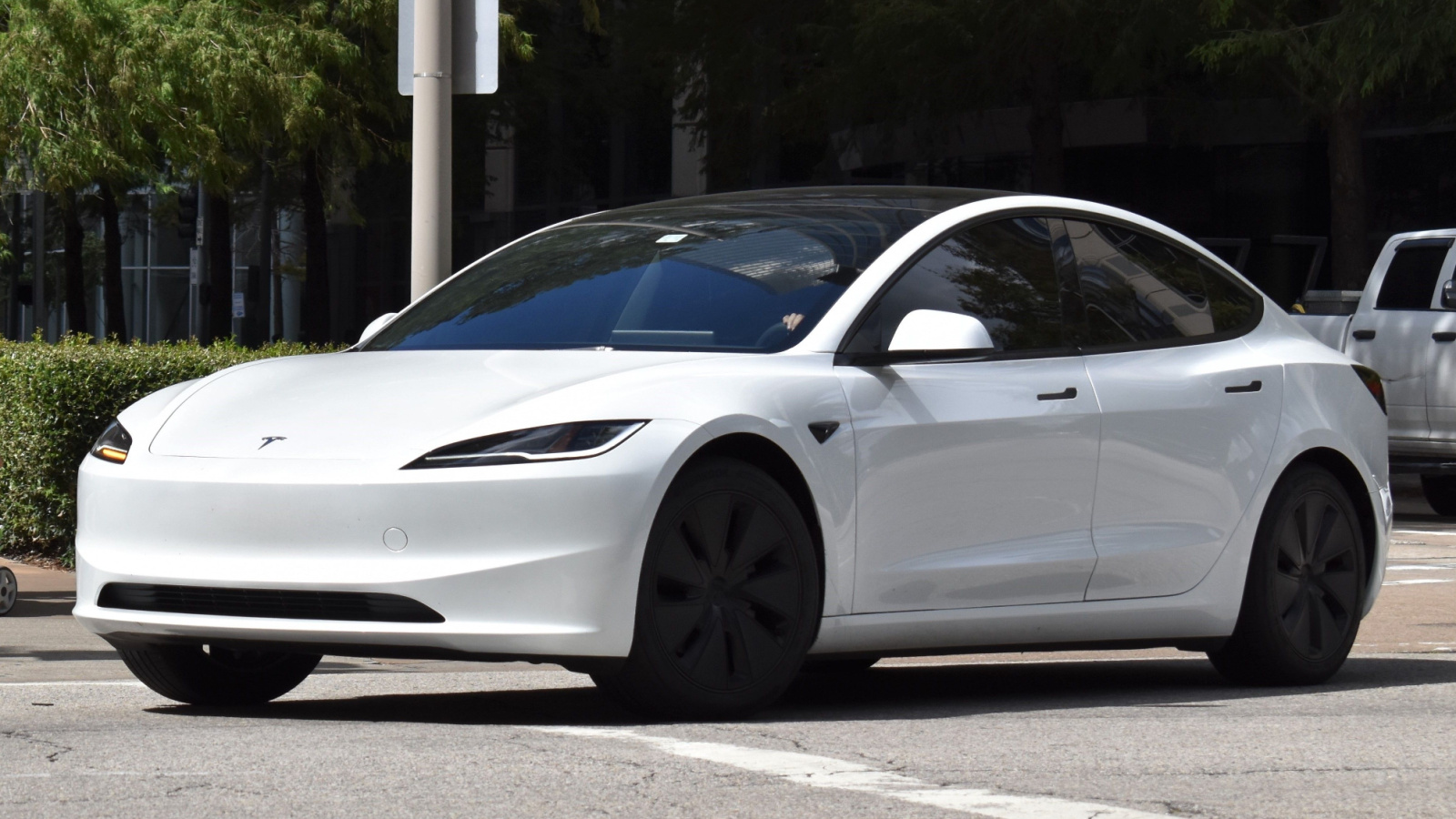
Many buyers assume that a fast charger is a fast charger. Then the first cold-weather road trip proves otherwise. In CAA’s winter charging test, vehicles plugged into DC fast chargers added wildly different amounts of range in 15 minutes. The average was about 100 km, but the spread ran from just 19 km in a Toyota bZ4X to more than 200 km in a Tesla Model 3. On the same kind of stop, one driver is back on the road quickly while another is pacing around the charger.
That surprise hits hardest when a used EV becomes the family highway car. Cold batteries, lack of preconditioning, and older charging architecture can make a perfectly fine city EV feel tedious on intercity routes. This is why some used models sell cheaply despite decent everyday manners. They are not necessarily bad cars; they are just bad at turning a winter coffee break into meaningful range.
Battery Health Matters More Than Odometer
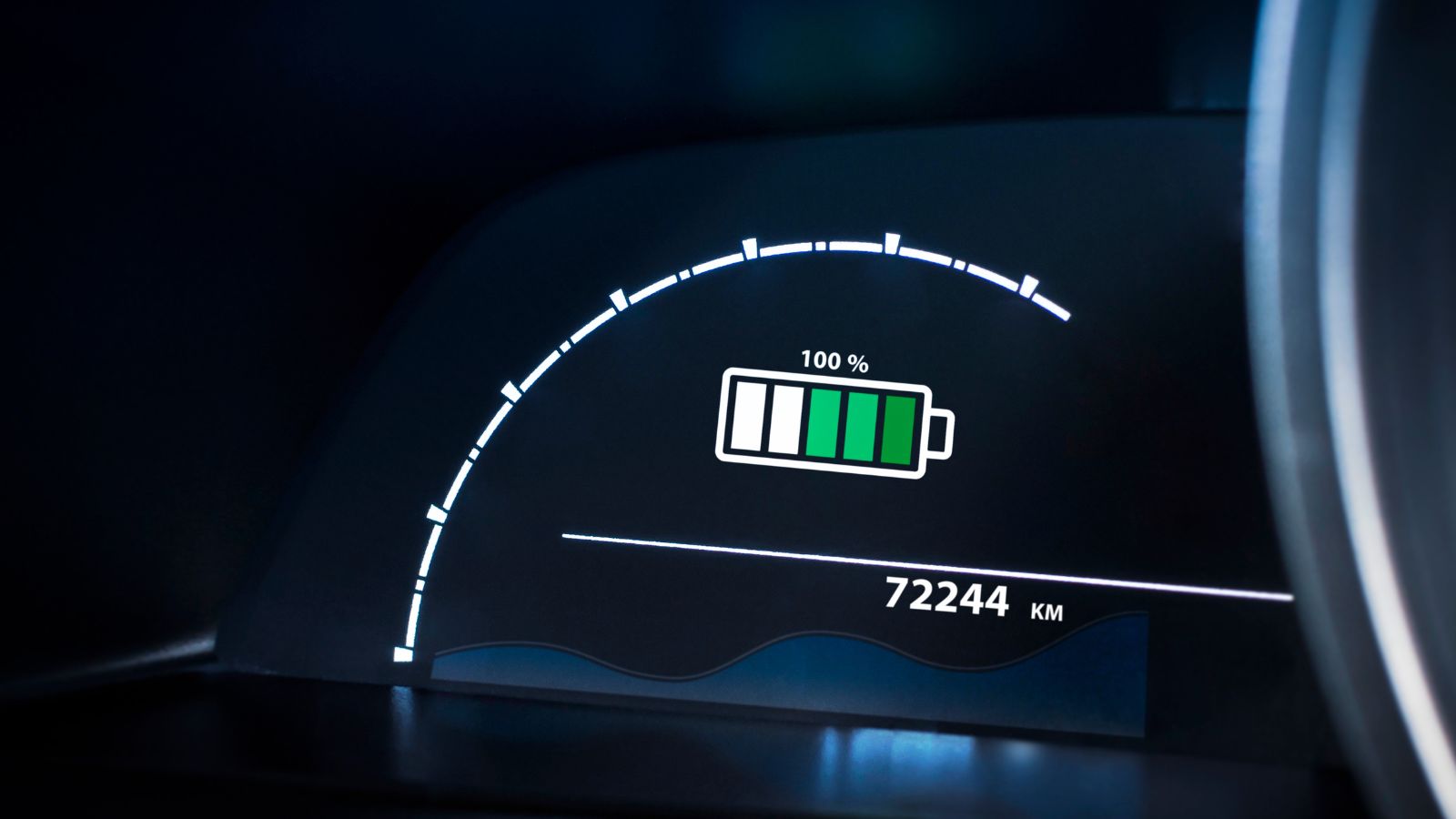
Used-car shoppers are trained to stare at kilometres. With EVs, that habit only goes so far. Geotab’s real-world data shows modern EV batteries degrade gradually on average, but battery health is shaped by temperature, charging habits, and time as much as distance. A low-kilometre car that spent years in punishing conditions or leaning on frequent high-power fast charging may not be the gem its odometer suggests.
That is why the smartest used-EV shoppers now ask for battery-health evidence, not just service stamps. Canadian Black Book has already flagged battery performance history as something the market increasingly needs as more leased EVs enter used supply. In other words, the used-EV market is maturing into a place where “How healthy is the pack?” matters almost as much as “How many owners did it have?” A cheap car without that clarity can stay cheap for a reason.
The Battery Warranty Clock May Be Half-Used Already
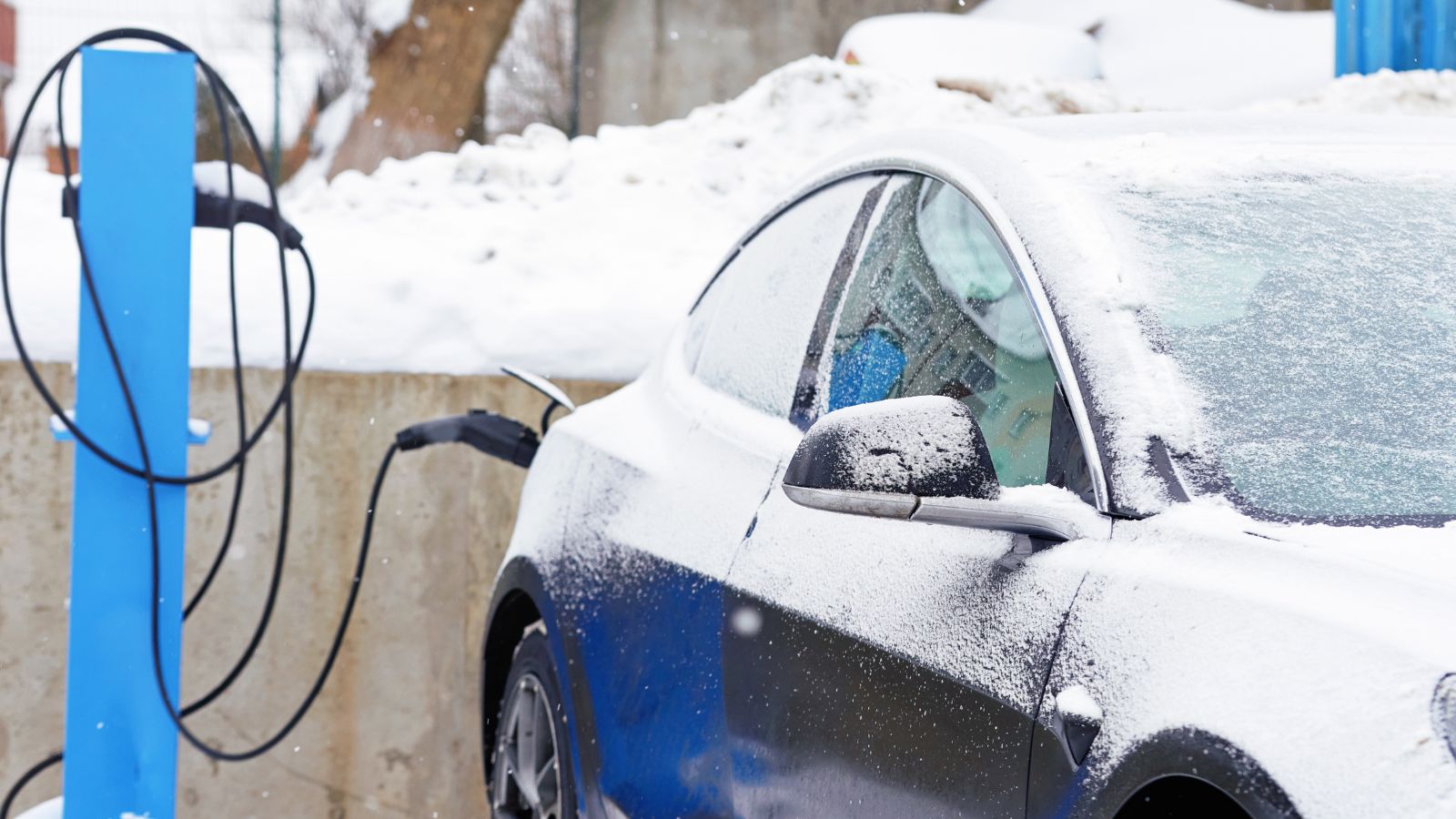
One of the most common misconceptions is that buying used somehow restarts the important warranty. It does not. On many EVs, battery-capacity coverage is tied to the vehicle’s original in-service date and mileage, not the day the second owner signs papers. That means a used EV bought in 2026 may already be several years into its headline battery coverage, even if the buyer is just getting acquainted with the car.
This is not necessarily bad news. Plenty of used EVs still carry meaningful battery protection, and some brands make transfer relatively straightforward. The catch is that the remaining coverage can vary by brand, model year, and ownership history, so assumptions are expensive. Buyers who treat the warranty as a reset button often discover later that they actually purchased whatever was left on the clock, not a fresh eight-year promise.
Home Charging Is Easy—Until Housing Gets Involved
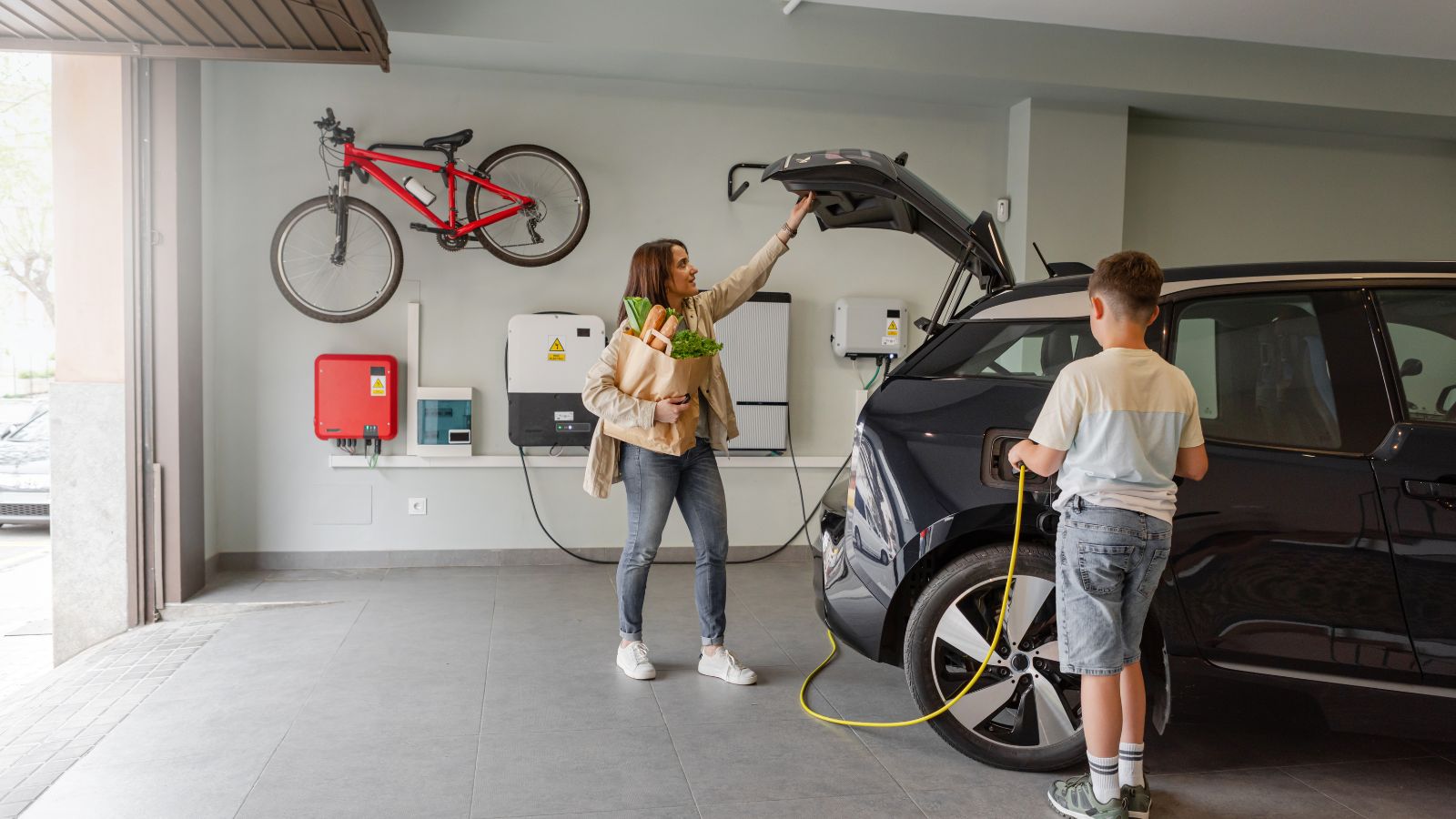
The used-EV dream often assumes a simple nightly charging routine. For Canadians with a detached home, a driveway, and enough electrical capacity, that dream is usually realistic. CAA says most charging happens at home, and that is where the ownership math feels most convincing. Quiet overnight charging and lower energy costs are the benefits owners talk about first and miss most when they do not have them.
The surprise is how quickly that convenience disappears in rentals, older homes, and condo towers. Multi-unit buildings are harder to equip, and the challenge is not just the charger itself. It can involve panel capacity, parking layouts, condo board approvals, metering, and installation logistics. A used EV bought on the strength of low operating cost can become far less convenient when “home charging” turns out to mean lobbying a board, hunting for public stations, or living with a wall outlet that never quite fits the routine.
Canada’s Network Is Better, but Not Stress-Free
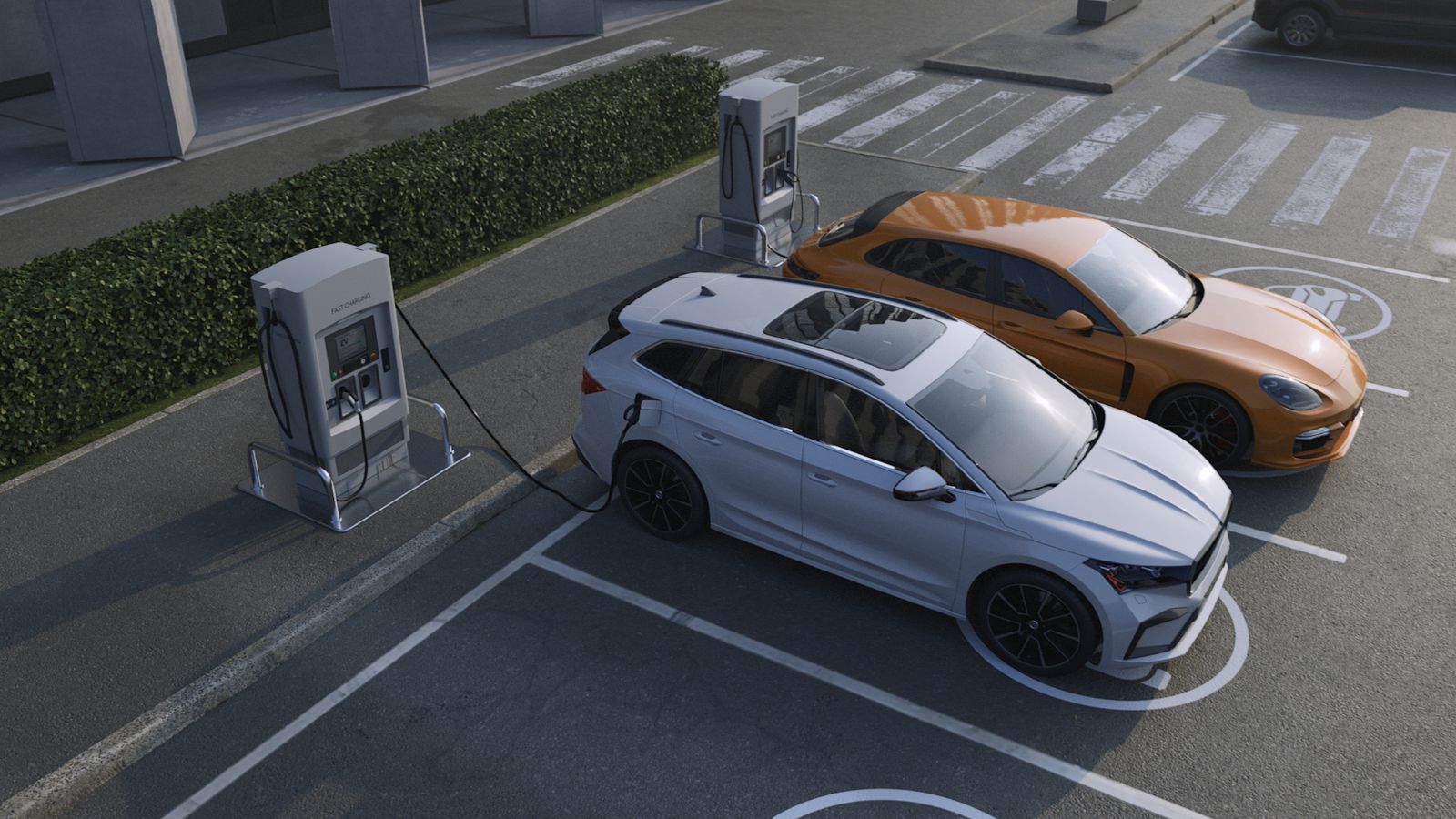
Public charging in Canada is improving, but that does not mean it feels solved from the driver’s seat. CAA’s latest owner research found that reliable public charging remains the biggest problem for Canadian EV drivers. Seven in 10 said they were not satisfied with the number of fast chargers available, and complete satisfaction with fast-charger availability was still low. That gap between progress and confidence is a big part of the used-EV surprise.
The contradiction is what confuses newcomers. The network is growing, yet many owners still talk about planning around it rather than trusting it. In dense urban corridors, that may mean minor inconvenience. In less urban provinces or on winter highway trips, it can shape which used EV feels livable and which one feels tiring. A bargain-priced used EV with modest range becomes much easier to own when the charging map is thick, reliable, and close to home.
Peak Charge Speed Is a Marketing Number
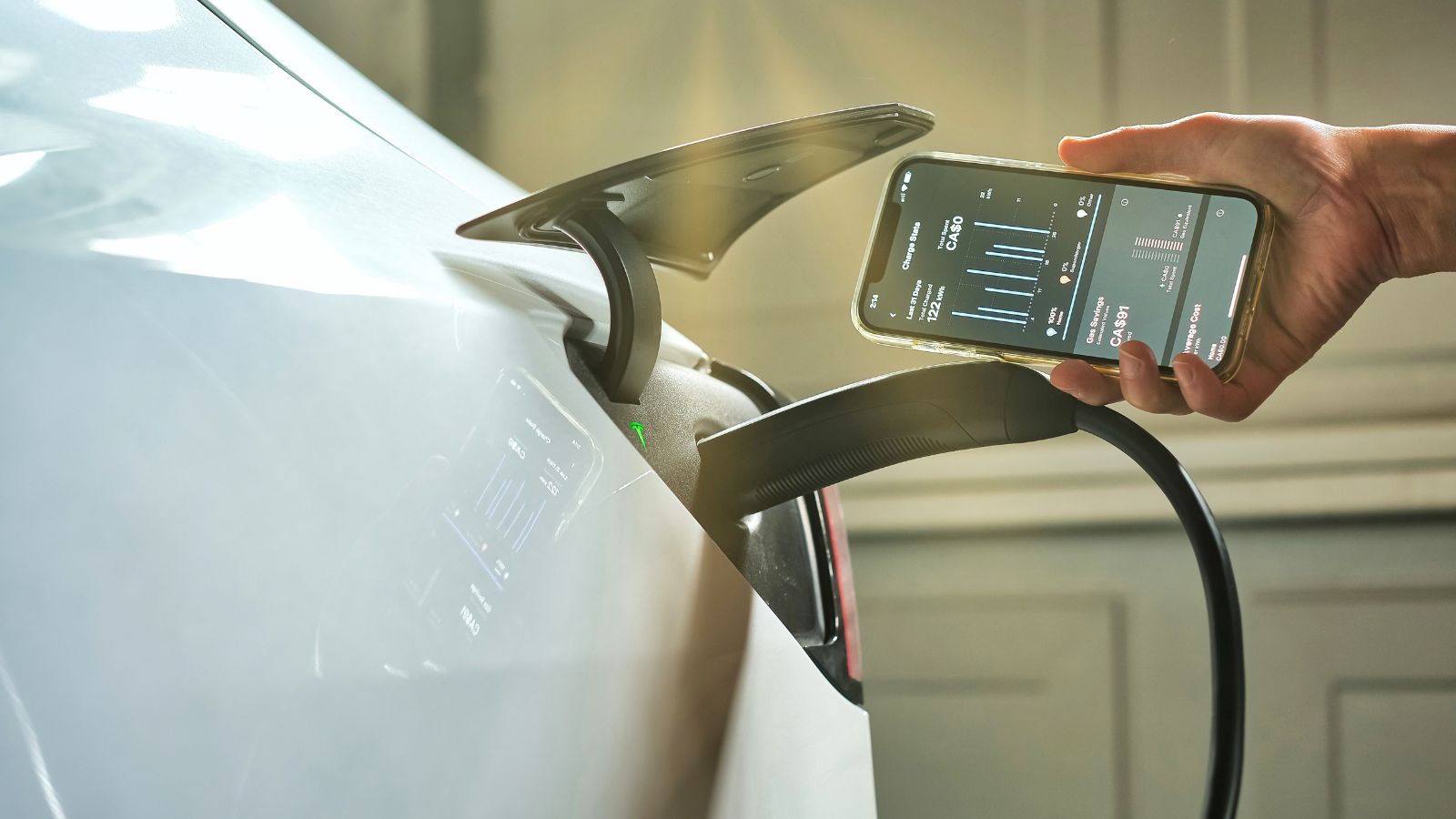
The brochure number is often the best-case moment, not the whole charging experience. EV charging power typically tapers as the battery fills, which means the advertised peak rate may appear only briefly. In real life, average charging speed matters more than the flashy headline. That is why two used EVs with similarly impressive charger numbers can deliver very different road-trip experiences once battery temperature and state of charge enter the story.
CAA’s winter testing made that painfully clear. All the cars were connected to high-power chargers, yet average charging speeds still varied dramatically. That is the used-EV trap: buyers fall in love with a spec-sheet maximum and only later learn that the true personality of the car lives in the 10% to 80% charging window. For daily city use, that distinction may barely matter. For cottage weekends or cross-province drives, it can define whether ownership feels modern or exhausting.
A Heat Pump Can Change the Entire Winter Experience
To many shoppers, a heat pump sounds like obscure engineering trivia. In Canada, it can feel like a quality-of-life feature. The reason is simple: heating the cabin takes energy, and some EVs do that job more efficiently than others. A U.S. Department of Energy analysis found that a heat pump can significantly cut HVAC power draw in cold conditions, which can soften winter range loss in a way drivers actually notice.
That difference is especially revealing in the used market, where older models and lower trims may lack the hardware newer rivals treat as standard or near-standard. A used EV without a heat pump can still be dependable, but it may ask more of the battery every time the windshield fogs or the school run starts in deep cold. In a mild climate, that tradeoff can hide for months. In prairie or central Canadian winter conditions, it shows up fast.
Regenerative Braking Is Not Always There

One-pedal driving often feels magical on a test drive. Then a cold morning arrives and the car behaves differently. Many EVs reduce regenerative braking when the battery is cold or very full, which means the familiar lift-off slowdown can weaken until the pack warms up or the state of charge drops. To a first-time owner, it can feel like something broke overnight.
Usually, nothing is broken. The car is protecting the battery and blending in conventional brakes as needed. Still, the surprise is real because the driving feel changes right when roads are slick, visibility is poor, and winter stress is already high. A buyer who loved the seamless feel of a demo drive may need a week or two to relearn the car in February. It is a small adaptation, but it is one that many used-EV buyers do not expect to make.
Tires Can Become a Quiet Budget Item
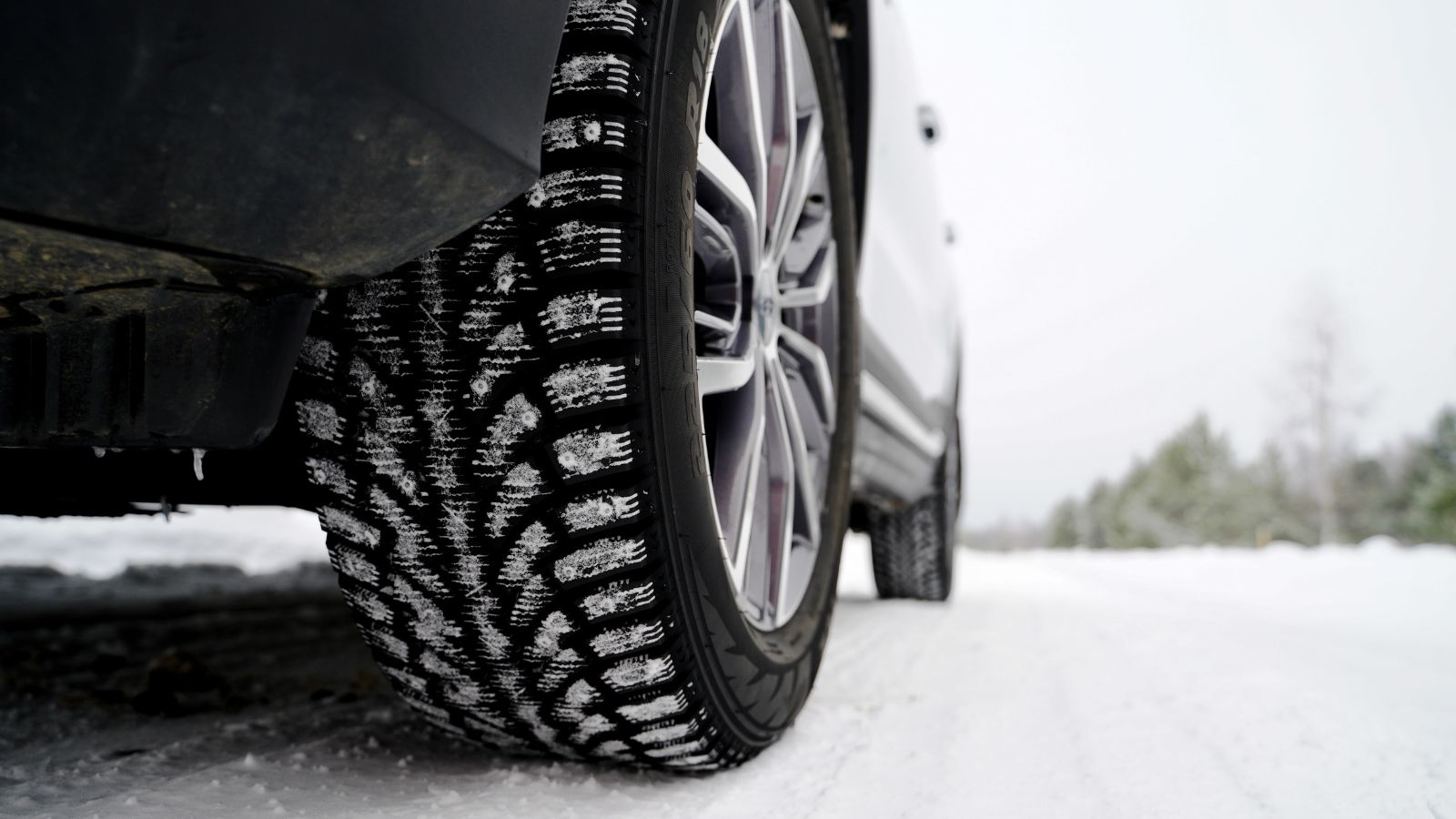
Fuel savings get all the headlines. Tire bills usually arrive later, without fanfare. CAA’s Canadian driver research found that a meaningful share of EV owners believe their gas vehicle needed less frequent tire replacement and cheaper tires. Consumer Reports has also noted that EVs tend to wear tires faster because of their weight. Add instant torque and the result can be a budget line many first-time buyers never modeled.
This is one of the least glamorous used-EV surprises, and one of the most common. A car that looks like a bargain at purchase can be one set of near-worn tires away from a much less cheerful total. That is especially true when the EV rides on large, low-profile rubber chosen for efficiency, noise control, or styling. On a used lot, shiny paint draws attention. Tread depth should.
Insurance and Body Repairs May Not Feel Very Electric

Used EV owners often save on maintenance and energy, then meet their insurer. Repair economics are part of the surprise. Canadian claims data has shown higher average collision repair costs for battery-electric vehicles than for internal-combustion vehicles, and national data continues to show that higher repair costs, parts costs, and vehicle values are feeding premium pressure. The “cheaper to run” story is true, but it is not universal across every ownership cost.
That is why the smartest used-EV purchase often starts with an insurance quote before a deposit. A lower sticker price can be partly offset by pricier coverage or longer, more specialized repair work after a collision. In cities where repair capacity is improving, the gap may narrow. In markets with fewer specialized shops, it can still sting. Buyers who compare only fuel and oil changes are looking at the ownership ledger through a keyhole.
The Cheapest Deal May Also Be the Fastest-Dropping Asset
Used EV depreciation can be a gift on the day of purchase and a headache on the day of resale. Canadian Black Book has reported sharper value declines for four-year-old battery-electric vehicles, and CARFAX Canada has described the used-EV market as volatile, with prices moving down year over year. That is wonderful news for someone buying the dip. It is less wonderful for someone who expects the car to hold value like a scarce hybrid or a popular truck.
Technology shifts make the drop feel personal. When newer EVs arrive with better winter efficiency, faster charging, and different software ecosystems, older models can look dated sooner than their age suggests. That does not erase the value of a well-bought used EV. It just means the purchase should be treated more like a long-enough keeper than a short flip. Cheap entry does not always lead to gentle exit.
A Recall History Can Be a Red Flag or a Bonus

The word “recall” scares used-car buyers, but with EVs the story can be more complicated. Transport Canada gives Canadians a VIN-based recall path for exactly this reason. Some EV recalls are warning signs. Others mean the car already received important hardware or software attention that a buyer would rather inherit than discover later. In the used-EV world, the details matter more than the label.
The Chevrolet Bolt saga is the classic example. Battery-related recalls created legitimate concern, but they also meant many vehicles received major fixes, including battery work or revised software strategies. A used EV with recall history is not automatically the wrong car. The real question is whether the remedy was completed, what changed afterward, and whether the paperwork is clear. Buyers who skip that homework can miss either a hidden risk or an unexpected advantage.
Some “Included” Features Are Only Included for a While

A surprising amount of EV ownership now lives in apps, subscriptions, and connected services. That reality becomes obvious only after a used purchase. Remote climate functions, charging tools, route integration, and certain convenience features may depend on a complimentary trial, an active subscription, successful ownership transfer, or all three. A test drive rarely exposes that fine print.
This is where a used EV can feel newer than the buyer expected in one way and more restrictive in another. The cabin may be modern, but parts of the experience can live behind a login screen or monthly fee. For a Canadian winter driver, losing remote preconditioning or smooth charging integration is not a minor inconvenience. It changes the morning routine. The old used-car question was “Do both keys come with it?” The new one is “Which digital privileges still do?”
Range Falls Faster at Highway Speed, With Cargo, or With a Trailer
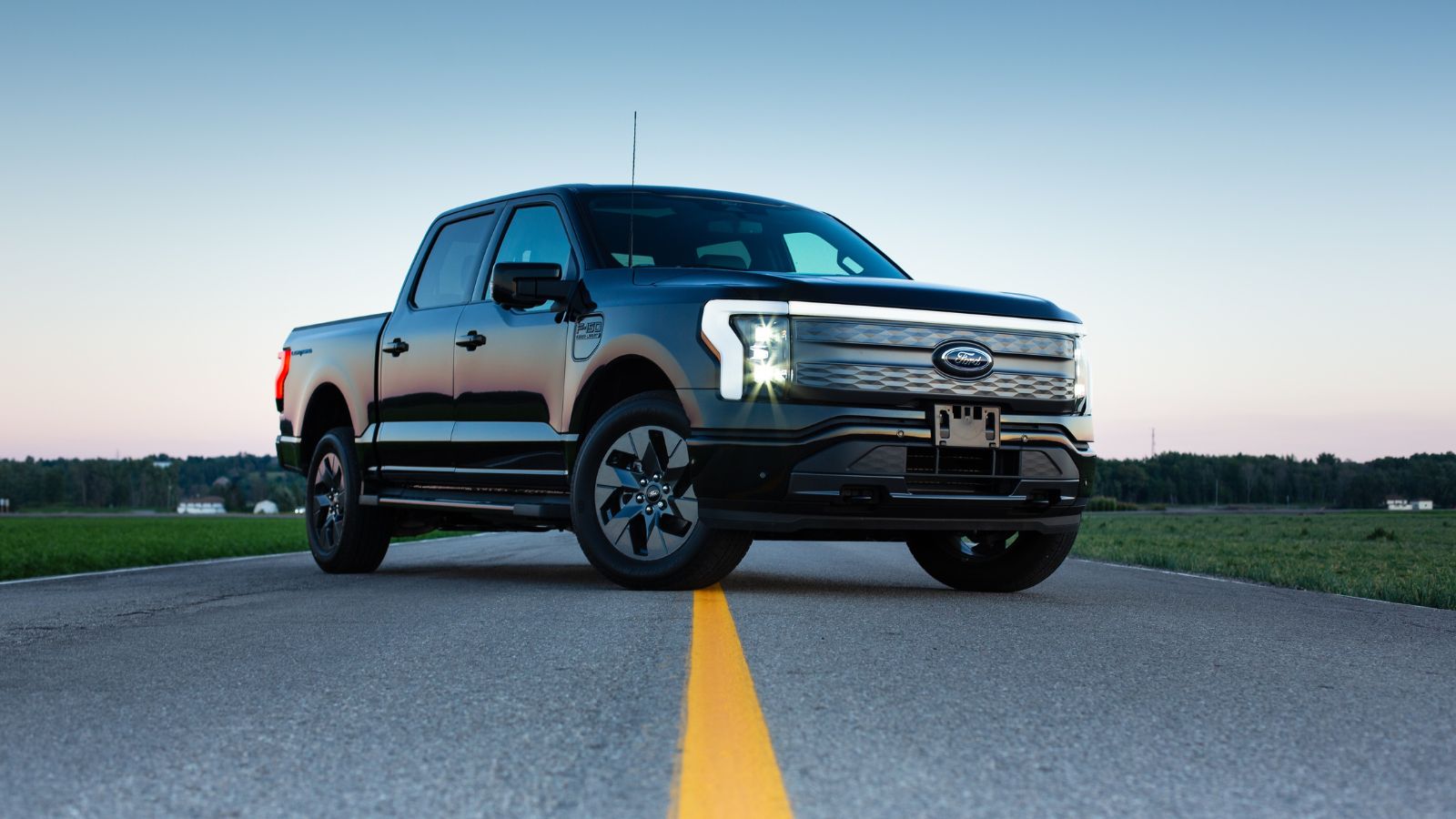
A used EV that seems generous in town can feel ordinary on the Trans-Canada. Speed matters. Cold matters. Payload matters. So does towing. AAA testing found that a Ford F-150 Lightning loaded near maximum payload lost nearly a quarter of its range. That does not make the truck unworkable; it makes the math more honest. What the family packs, how fast it drives, and how cold the day is can all gang up on range at once.
That combination is especially Canadian. Ski gear, highway cruising, rooftop boxes, cabin heat, slushy roads, and long gaps between towns produce a very different ownership picture than an urban commute. Many used-EV buyers discover that their vehicle is excellent at 80% of life and far less relaxed during the 20% that involves winter highways or recreational hauling. That is manageable if expected. It is jarring if learned the hard way.
The Charging Ecosystem Now Matters Almost as Much as the Car

A used EV is no longer just a battery, motor, and charging port. It is also an ecosystem decision. Tesla says the North American market is moving toward NACS, but access still rolls out by automaker, vehicle compatibility, and approved adapters. Ford explicitly warns drivers to use only approved NACS adapters for Tesla Superchargers. In plain language, not every used EV gets the same charging universe the moment it changes owners.
The practical effect is easy to miss on the lot. Two used EVs may have similar range, yet one slips into a broader fast-charging experience while the other needs a specific adapter, a brand app, or a subscription path. Toyota, for example, ties some charging functions to enrollment and connected-service status. That means connector standards now shape convenience, not just hardware. For buyers, the charging ecosystem has become part of the vehicle itself.
22 Things Canadians Do to Their Cars in Spring That Mechanics Hate

Spring brings relief to many Canadian drivers after months of snow, freezing temperatures, and icy roads that put serious strain on vehicles. As temperatures rise across the country, drivers begin washing cars, switching tires, and preparing vehicles for warmer weather and upcoming road trips. However, mechanics across Canada notice the same mistakes every spring when drivers attempt to recover from winter damage. Road salt, potholes, and harsh winter driving conditions often leave vehicles with hidden problems that drivers ignore. Some spring habits even create new mechanical issues that could have been avoided with proper maintenance. Here are 22 things Canadians do to their cars in spring that mechanics hate.