


























April was supposed to feel like a turning point for Canada’s auto market. Instead, it landed with a sense of hesitation. Buyers were stepping into showrooms at a time when fuel costs had jumped, household budgets were already stretched, and broader economic uncertainty was still hanging over big-ticket purchases.
This piece breaks the story into 10 key angles, from what happened to April sales and gas prices to why larger vehicles feel riskier, why electrified models are getting a second look, and what could shape the months ahead. The result is not a market in freefall, but one where every extra dollar at the pump is starting to influence what Canadians buy, delay, and reconsider.
A Softer Start to Spring
April is usually the kind of month the auto industry wants to see: better weather, more dealership traffic, and households ready to act after winter. This year, the momentum looked weaker. DesRosiers Automotive Consultants estimated that about 178,000 vehicles were sold in Canada in April, down 3.9 per cent from a year earlier. That is not the kind of drop that signals panic, but it is enough to show that affordability worries are shaping behaviour. Even so, the month was described as maintaining a reasonable selling pace considering the pressure from gas prices and wider economic strain.
Context matters here. March had already set a cautious tone, with sales estimated at roughly 170,000 vehicles, down 8.2 per cent year over year. For the first quarter, sales were also running below the same period in 2025. In other words, April did not mark a sudden collapse so much as an extension of a softer market. What changed is that high fuel costs made the weakness easier to feel in everyday life. A buyer can delay a vehicle purchase for months, but filling up a tank happens immediately, and that kind of weekly reminder can quickly change the mood in the market.
The Pump Price Problem
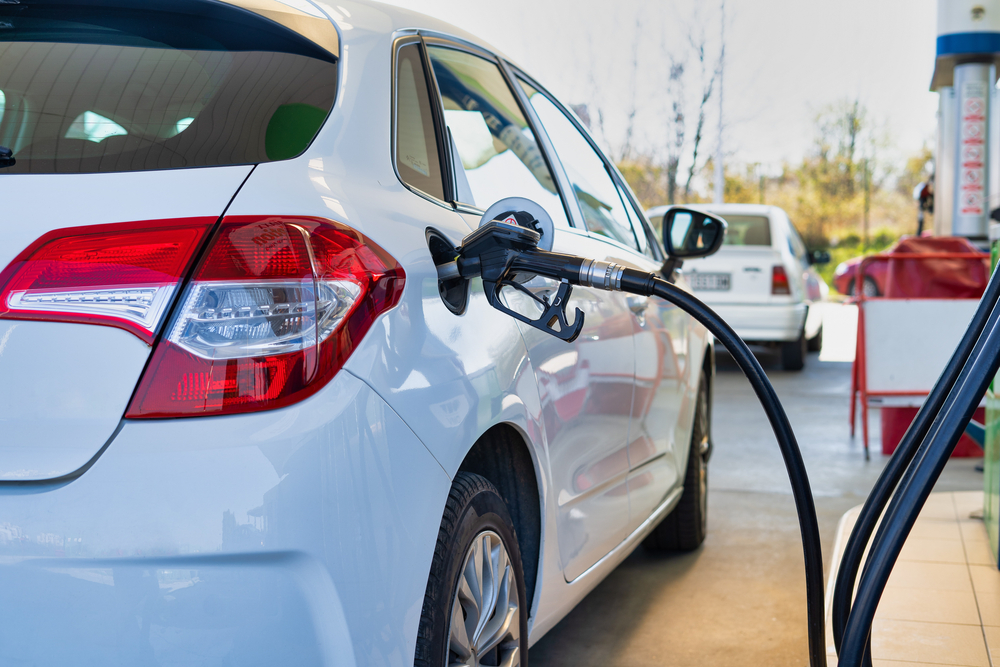
The most obvious pressure point was gasoline. Statistics Canada said gasoline prices were the main driver of faster inflation in March, with Canadians paying 5.9 per cent more than a year earlier. On a month-to-month basis, gasoline prices surged 21.2 per cent, which Statistics Canada described as the largest monthly increase on record. That kind of spike does more than push up a headline inflation number. It changes how people think about commuting, errands, family road trips, and whether the next vehicle should really be as large as the last one.
By early May, the pressure was still visible. CAA’s national gas tracker showed an average of 184.8 cents per litre on May 4, up from 171.8 a week earlier and far above 133.7 a year earlier. It also showed 186.8 cents per litre as the highest level in the past month and past year, both reached on May 2. For many households, that is where the sales story becomes human. A car payment is fixed and familiar. Fuel is emotional. It is the number glowing at the corner station, the receipt in a wallet, and the reason a vehicle that felt manageable in February can suddenly feel expensive in April.
Budgets Were Already Tight
High gas prices did not hit a comfortable consumer. They landed on households that were already watching costs closely. A recent Ratehub analysis estimated Canadians were spending an average of $231 a month on fuel, about 40 per cent more than before the Middle East conflict pushed oil prices higher. The same analysis said average monthly car ownership costs had risen by $66 to $1,439. That matters because most buyers do not judge affordability by sticker price alone. They judge it by whether the full monthly carrying cost still fits once groceries, housing, insurance, and everything else have been paid.
The Bank of Canada’s latest consumer expectations survey makes the same point from a broader angle. It said spending plans remained muted because of concerns about high prices and economic uncertainty. In a special follow-up survey after the outbreak of war in the Middle East, 28 per cent of respondents said they had postponed or reduced major spending, while 21 per cent said they had cancelled or postponed trips because of higher travel costs. That helps explain why an auto purchase becomes easier to delay. A new vehicle may still be desirable, but when households feel less certain about where prices and the economy are headed, caution tends to win the argument.
Bigger Vehicles Bring Bigger Fuel Anxiety
Canada’s market is especially sensitive to fuel shocks because it is now overwhelmingly dominated by larger vehicles. DesRosiers data showed light trucks accounted for 88.8 per cent of new light-vehicle sales in the first quarter of 2026, up from 88.1 per cent a year earlier. That category includes the SUVs, crossovers, and pickups that have become the default family vehicle in much of the country. When gas jumps sharply, the market feels it more intensely because the average household is no longer weighing a compact sedan against a compact sedan. It is often weighing a midsize or full-size utility vehicle against keeping the current one a little longer.
There is also the simple math of purchase price. DesRosiers said average transaction values dipped 0.6 per cent to $53,400 after years of rising more than 30 per cent from 2019 to 2024. That easing helps a little, but it does not erase the fact that large vehicles remain expensive to buy and run. Light-truck transaction prices also slipped 0.6 per cent, while passenger cars fell 1.4 per cent. For Canadians who still want the space, capability, and higher driving position of an SUV or pickup, the tradeoff has become sharper. The vehicle may still fit the household. The fuel bill is what suddenly feels less cooperative.
Why Canadians Still Keep Buying SUVs and Pickups
Even with fuel pain front and centre, Canadians are not stampeding back to traditional passenger cars. Statistics Canada’s February data showed new passenger-car sales fell 3.8 per cent from a year earlier, while new truck sales slipped only 0.5 per cent. That gap says a lot. It suggests buyers are still protecting utility first, even when operating costs are rising. In many parts of Canada, the appeal of all-wheel drive, cargo room, higher seating positions, and winter confidence remains strong enough that many households would rather absorb the fuel risk than give up the vehicle format they have grown used to.
That creates an awkward contradiction in the market. The very vehicle categories Canadians prefer are also the ones most exposed to gas-price anxiety. So the result is not necessarily a dramatic shift in what sells best, at least not overnight. Instead, it shows up in hesitation. Some shoppers keep the SUV on the list but choose a smaller version. Others lean toward a used option, a lower trim, or a longer timeline before buying. That is one reason April’s weakness matters. It does not prove Canadians suddenly changed their tastes. It suggests they are trying to protect those preferences while spending more carefully around them.
Hybrids and EVs Look More Practical Again
When gasoline gets expensive, electrified vehicles stop looking like a niche preference and start looking more like a budgeting tool. Ottawa’s Electric Vehicle Affordability Program began on February 16, offering up to $5,000 for battery-electric and fuel-cell vehicles and up to $2,500 for plug-in hybrids. The program applies to transactions with a final value of $50,000 or less, with no transaction cap for Canadian-made EVs, and Transport Canada says it still had its full $2.275 billion in funding available as of April 1. That kind of policy support matters more in a high-fuel-cost environment because it shifts the conversation from technology to monthly cost relief.
There are already signs of renewed consumer interest. Statistics Canada reported that 12,626 new zero-emission vehicles were sold in February, up 47.2 per cent from a year earlier, and they accounted for 10.2 per cent of all new motor-vehicle sales that month. DesRosiers also said March saw a rebound in zero-emission sales before that momentum cooled somewhat in April. That cooling is a reminder that adoption is not a straight line. Still, when Canadians are staring at pump prices that suddenly feel punishing, hybrids and EVs gain a new kind of relevance. They are no longer just about emissions or innovation. They become part of the affordability conversation.
Dealers Are Selling Into a More Careful Mood
Dealerships are not facing the same market they were a few years ago, when scarcity, delayed deliveries, and relentless pricing power shaped the conversation. Today’s buyer is more analytical. In April, experts quoted in Canadian Press coverage were urging shoppers to factor in fuel, insurance, repairs, and parking rather than looking only at the purchase price. That sounds obvious, but it speaks to a real shift. The question is no longer just “Can this payment work?” It is “Can this entire vehicle work once everything around it gets counted too?” In an environment like that, even interested shoppers tend to slow the process down.
The pricing trend reflects that cooler mood. DesRosiers said average transaction values fell 0.6 per cent to $53,400, ending a long run of increases that had pushed prices up more than 30 per cent from 2019 to 2024. That is meaningful, but only up to a point. A slight dip after years of inflation feels less like a bargain and more like a pause. Buyers still remember what vehicles used to cost, and now they are adding higher fuel bills to the calculation. Dealers may still close plenty of sales, but the tone has changed. Consumers are showing up with sharper pencils, longer questions, and less willingness to stretch.
Economic Uncertainty Is Part of the Story Too
Gas prices are the emotional trigger, but they are not the whole story. The Bank of Canada’s April Monetary Policy Report said the Canadian economy is adjusting to structural changes, with U.S. tariffs and related uncertainty putting economic activity on a lower path. It also said exports and business investment remain weak even as consumer and government spending provide some support. That mix matters because vehicles are among the biggest discretionary purchases most households make. People do not need a recession to become more cautious. They just need enough uncertainty to make postponement feel responsible.
The inflation backdrop reinforces that caution. The Bank said inflation rose to 2.4 per cent in March because of gasoline prices and is expected to peak at around 3 per cent in April before easing later. It also projects Canada’s economy to grow just 1.2 per cent in 2026. Those are not disaster numbers, but they are not confidence-building numbers either. For many Canadians, the signal is simple: costs are still high, growth is modest, and the outlook depends on risks outside their control. In that kind of setting, vehicle shopping becomes less about excitement and more about defense, which is rarely the recipe for a booming spring sales season.
This Was a Pullback, Not a Collapse
For all the negative pressure, April still deserves to be read carefully. A 3.9 per cent decline is meaningful, but it is milder than March’s 8.2 per cent drop. DesRosiers also described April as more palatable than it first appears once trade tensions and high gas prices are taken into account. That distinction matters because it suggests the market still has a floor. Buyers did not vanish. Many simply became more selective. Some households still needed a replacement vehicle, some had already planned a purchase, and spring still tends to bring more shopping activity than the winter months.
There was also a bit of late-month relief. The federal government suspended the fuel excise tax on gasoline and diesel from April 20 through September 7, a move expected to reduce regular gasoline prices by 10 cents per litre and diesel by four cents per litre. That does not erase the broader price shock, and CAA data shows gas remained historically elevated heading into May. But it may have softened sentiment at the margin. The important point is that April did not show a market shutting down. It showed a market absorbing a shock, adjusting to it, and still producing a respectable volume of sales despite the strain.
What Comes Next for Canadians
The next phase depends heavily on what happens with fuel and confidence. The Bank of Canada’s special household survey found that if the war in the Middle East persists, consumers expect marked increases in gasoline and food prices over the next 12 months. If it is resolved quickly, many expect gasoline prices to slow sharply or even fall after their recent jump. That leaves the vehicle market in a waiting game. Canadians can adapt to high prices if they believe the pain is temporary. They become far more defensive when they suspect elevated costs are turning into a new normal.
There are still reasons the market could stabilize. The Bank’s base case assumes oil gradually declines to US$75 per barrel by mid-2027, while inflation returns to target in early 2027. Federal EV incentives remain in place, and lower-cost electrified options could keep attracting attention if fuel stays expensive. But the mood heading into the next stretch of the year is clear. Canadians are still buying vehicles, just more carefully and with a sharper eye on total ownership cost. April’s sales decline was not only about what happened in showrooms. It was about what happened at gas stations, in household budgets, and in the national mood.