























The Canadian car market has become less forgiving in 2026. Shoppers are still willing to spend, but they are behaving more cautiously, comparing incentives, recalls, charging access, resale prospects, and even whether a model still feels supported by its manufacturer. That shift is changing which vehicles still have momentum and which ones are starting to lose it.
These 17 vehicles are not all failures, and several still have real strengths. But each one is facing some mix of shrinking demand, pricing pressure, product uncertainty, recall fatigue, or tougher competition. In a market where buyers have become more selective, that is often enough to make even once-popular models feel easier to leave behind.
Tesla Model 3
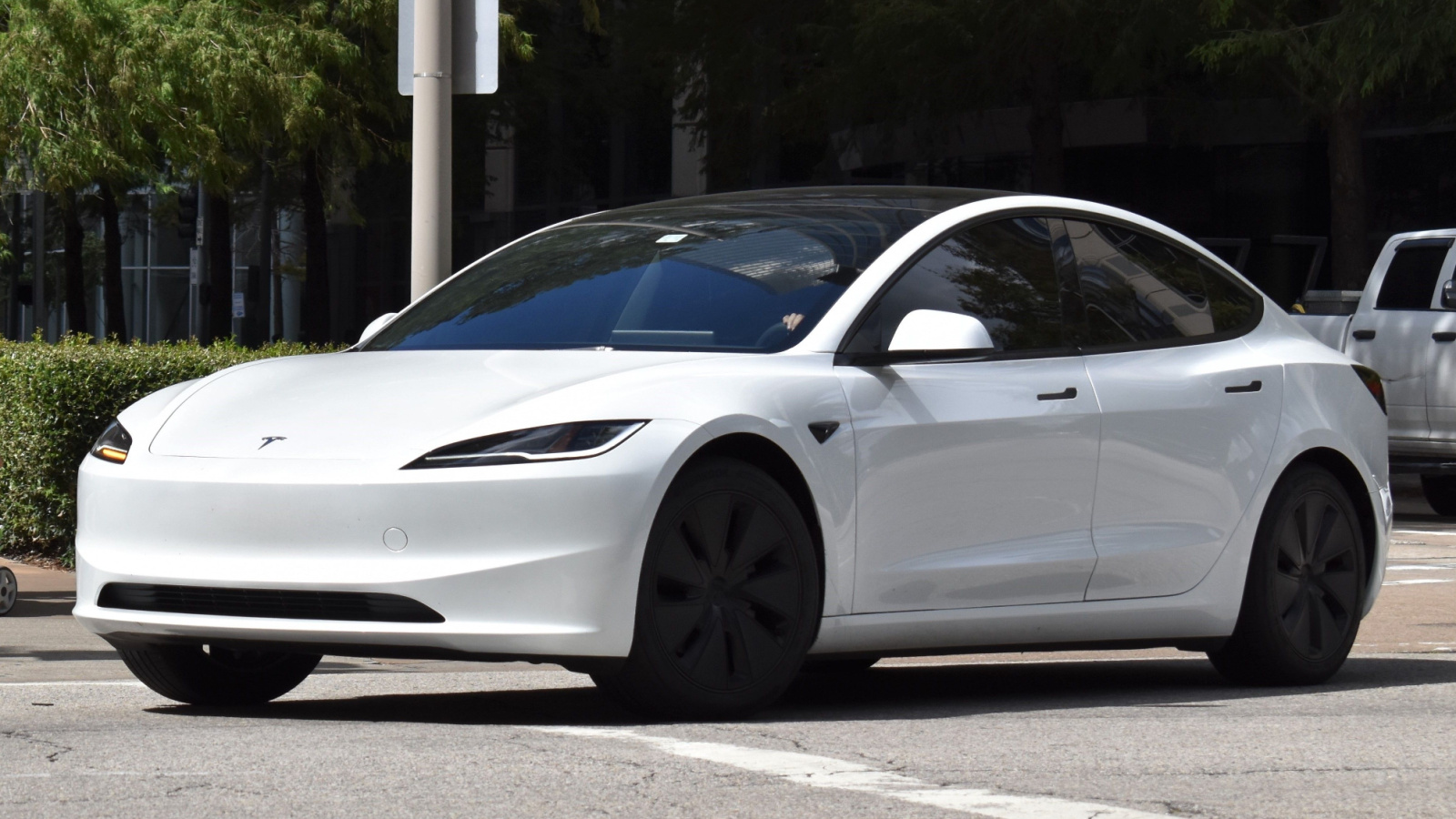
The Model 3 helped define the modern EV market in Canada, but 2026 feels very different from the years when it almost sold itself. The car still offers strong performance, a clean cabin, and brand recognition that most rivals would love to have. What has changed is the buying mood around it. Price increases, shifting rebate rules, and a tougher political and brand environment have made the Model 3 feel less like the obvious choice and more like a vehicle that now requires a longer pause before signing.
That matters because Canadian EV shoppers have become more practical. They are comparing monthly payments, cold-weather usefulness, and the security of choosing a brand that feels steady. A commuter in Ontario or Quebec might still admire the Model 3’s speed and efficiency, but admiration is not the same as commitment. In 2026, more buyers seem willing to cross-shop it against Hyundai, Polestar, BMW, or even lightly used EVs instead of treating it as the default answer.
Tesla Model Y
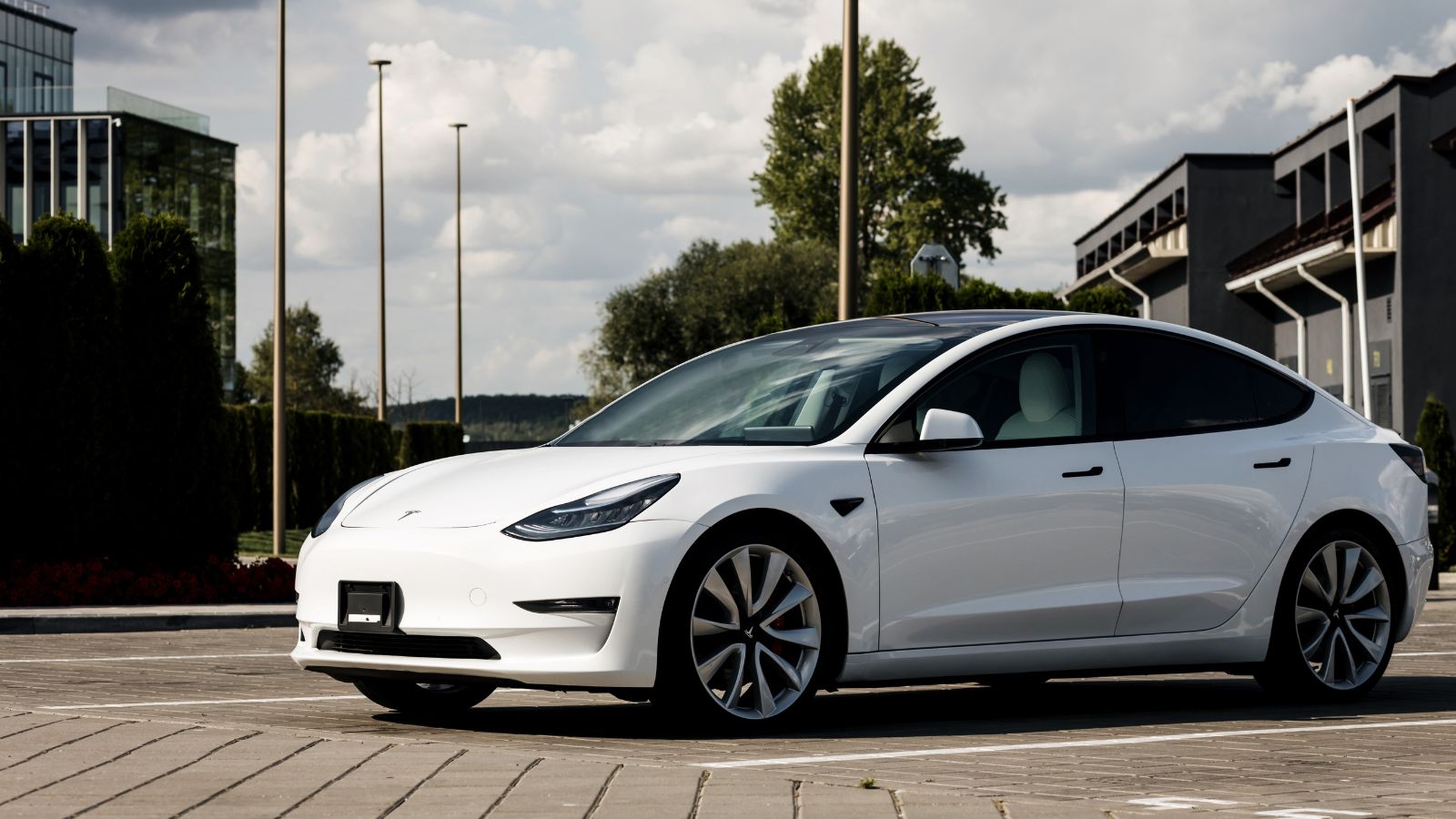
The Model Y remains one of the most recognizable EVs on Canadian roads, but familiarity is no longer translating into the same automatic demand. A refreshed version should have helped keep momentum alive, yet the broader picture around pricing, incentive uncertainty, and brand turbulence has made some buyers more hesitant than expected. For a family vehicle, perception matters as much as specs. When shoppers start to wonder whether the value equation is getting worse instead of better, they begin looking around.
That is especially important because the compact electric crossover segment is no longer thin. Canadian buyers now have more alternatives with clean styling, improving range, and brands that feel less controversial at the moment. The Model Y is still quick, roomy, and useful, but it no longer sits alone in its category. In 2026, the change is subtle but real: it is not that the Model Y suddenly stopped being good, it is that more Canadians appear comfortable walking away from it and considering something else.
Volkswagen ID.4
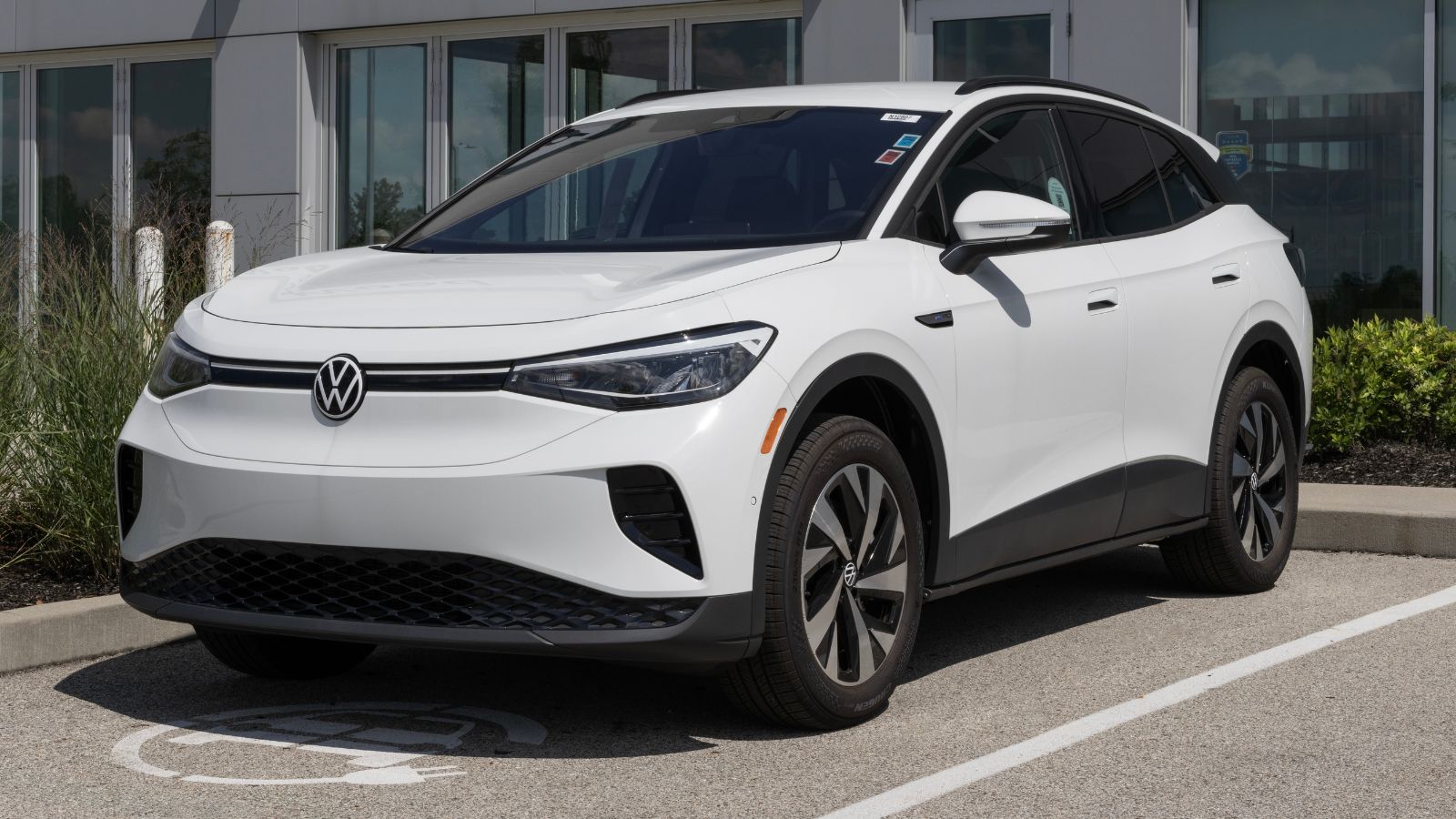
The ID.4 was supposed to be one of the easiest EVs for mainstream households to embrace. It has a familiar shape, usable space, and a badge Canadians know well. But in 2026, it is carrying too much baggage for a vehicle that was meant to feel simple. Recalls, concerns around quality, and uncertainty surrounding production have made the ownership story feel more complicated than many buyers expected. That is not ideal in a market where EV shoppers already have questions about charging, winter performance, and long-term confidence.
For a suburban couple replacing a gas SUV, reassurance matters. They want a vehicle that feels settled, not one surrounded by caveats. The ID.4 still has practical strengths, but practical buyers have become more sensitive to friction. Even small frustrations, like a user interface that never felt universally loved, can matter more when new rivals keep arriving. In 2026, the ID.4 looks less like the mainstream breakthrough it was meant to be and more like a model that some Canadians are no longer eager to defend.
Toyota bZ4X
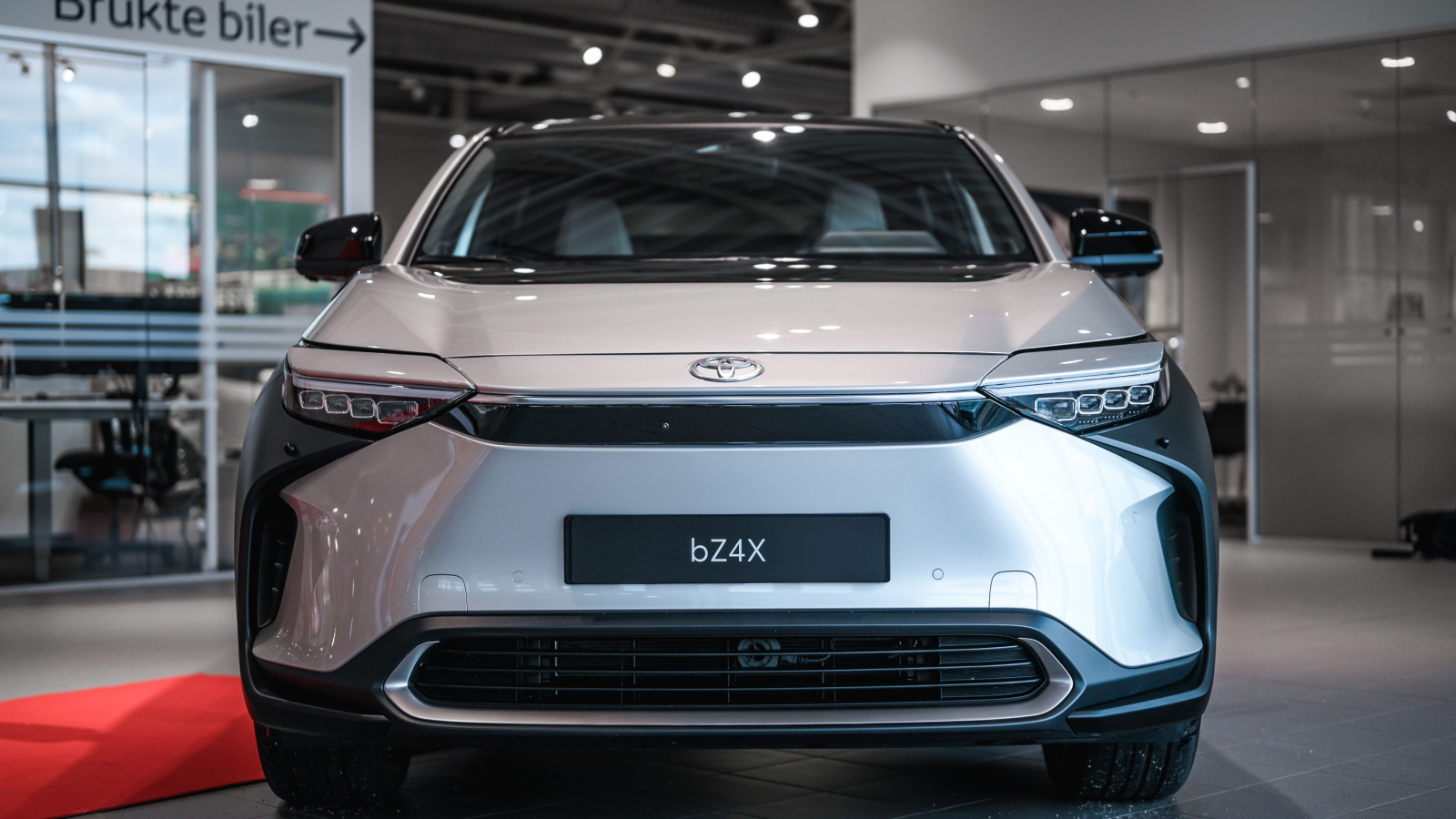
Toyota’s electric crossover entered Canada with enormous expectations, largely because the badge carries so much trust. Yet the bZ4X has struggled to feel like a true Toyota-style home run. For many shoppers, the hesitation comes down to timing. The current vehicle never fully shook questions about winter range, charging speed, and overall competitiveness, and now an improved successor is already reshaping the conversation. That makes the existing version feel easier to skip, even for buyers who still like Toyota as a brand.
In a cold-weather market, Canadians pay close attention to what happens outside the brochure. When an EV develops a reputation for not feeling quite ready for local conditions, even loyal buyers start waiting for the next revision. That seems to be what is happening here. The newest updates promise more range, better charging behavior, and wider charging access, which is great for Toyota long term. In the short term, though, it also tells many shoppers that this may not be the moment to commit to the older formula.
Subaru Solterra
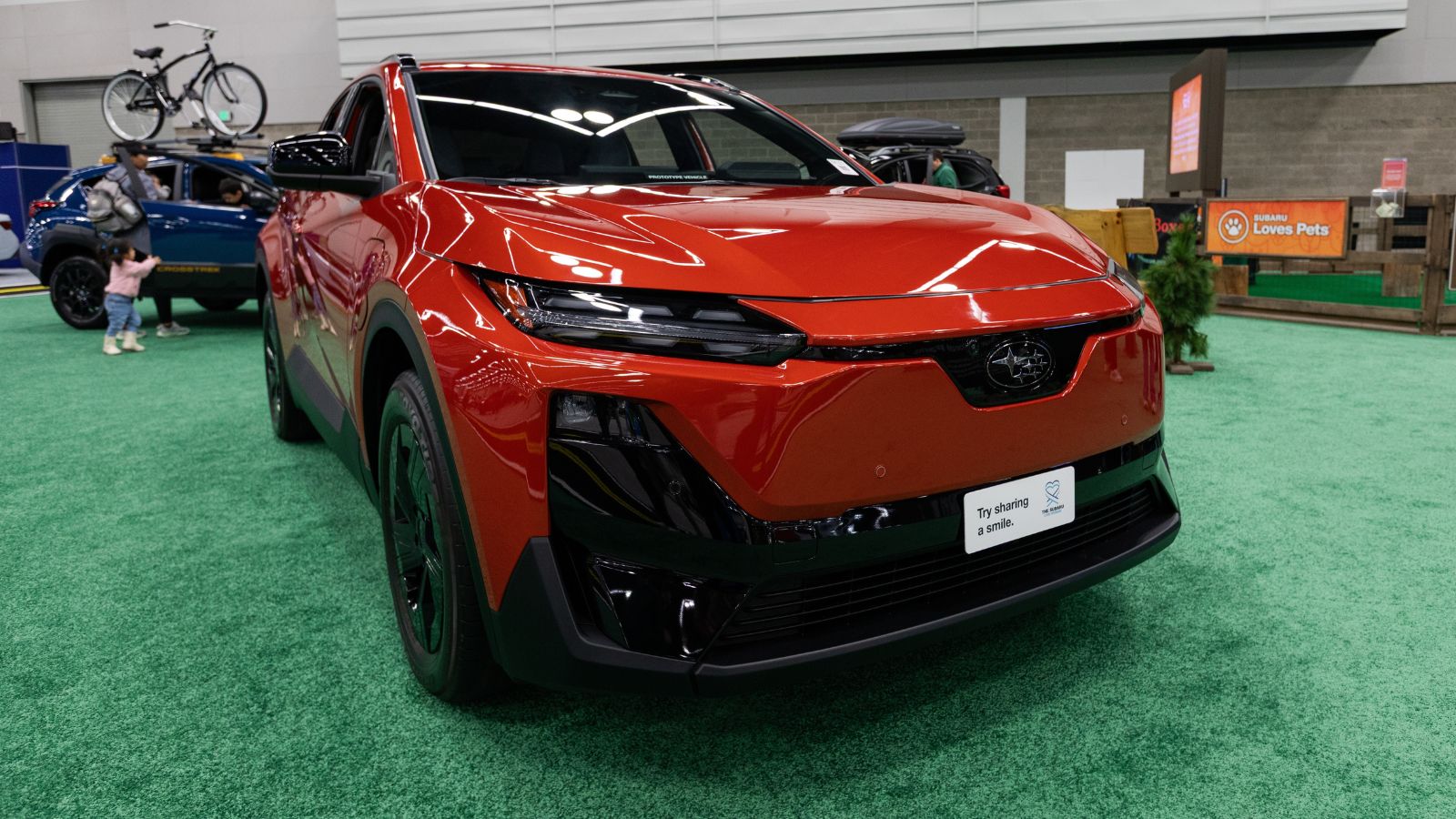
The Solterra arrived with the kind of identity that should have worked in Canada: standard all-wheel drive, a practical size, and a Subaru badge that still means something in snowy places. The trouble is that the vehicle never felt fully aligned with what EV buyers expected from the brand. It was decent rather than convincing, and that is a dangerous place to be when shoppers are already skeptical about winter efficiency and charging confidence. Being merely acceptable is rarely enough in a fast-changing category.
Now the gap between the original pitch and the improved version is becoming harder to ignore. Once buyers hear about major gains in range, power, charging speed, and cold-weather preparation, many stop viewing the current Solterra as a safe buy and start viewing it as the version that came too early. For Subaru, the long-term story may improve significantly. In 2026, though, the short-term effect is different: some Canadians are stepping back, waiting, and deciding that patience looks smarter than jumping in right away.
Dodge Hornet
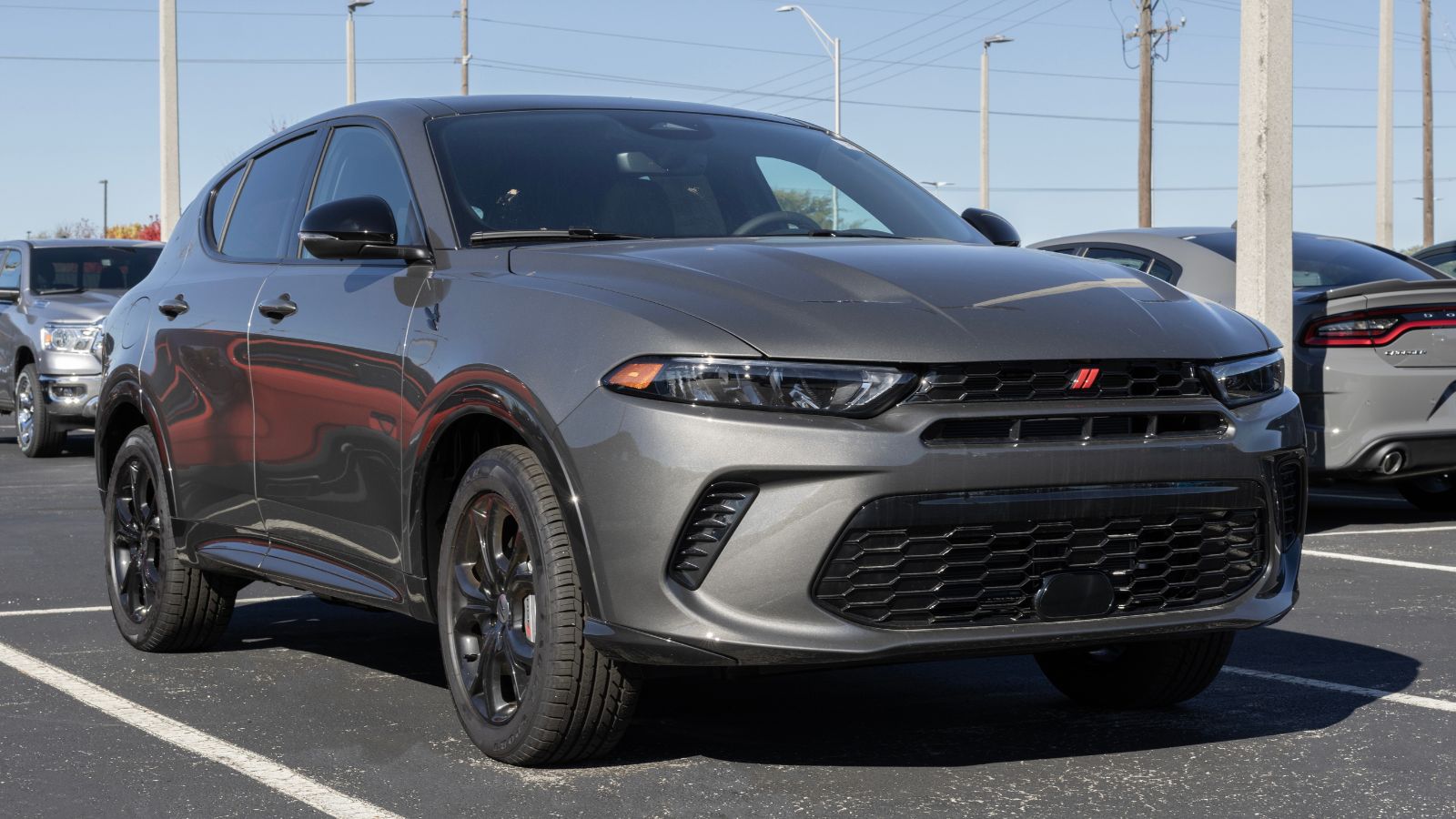
The Hornet was launched with plenty of attitude, but attitude alone has not been enough to win over Canadian buyers. The styling is sharp, the performance pitch is stronger than many compact crossovers, and the name sounds like it should have landed with younger drivers. Instead, the model has spent much of its time trying to outrun concerns about pricing, value, and quality. When a compact vehicle pushes into premium-ish pricing without a premium reputation, shoppers become unforgiving very quickly.
That dynamic seems to be catching up with the Hornet in 2026. It is the kind of vehicle people notice in a showroom, then hesitate over once they compare specs, ownership confidence, and what else the same money can buy. A young professional may like the idea of something sporty and different, but different becomes harder to justify when the market starts raising questions about reliability and long-term support. For many Canadians, the Hornet is increasingly looking like a car they considered briefly and then quietly left behind.
Alfa Romeo Tonale
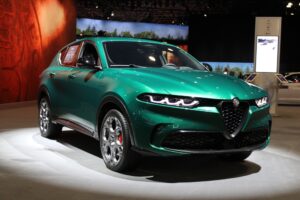
The Tonale has design on its side. It looks upscale, has a more refined image than many crossovers in its size class, and carries an Italian badge that still feels special. But being desirable and being easy to justify are not the same thing. In Canada, the Tonale has found itself in a difficult middle ground: expensive enough to invite scrutiny, not established enough to breeze past it, and tied closely enough to Stellantis product concerns that some shoppers are approaching it with caution rather than excitement.
The result is a vehicle that often feels admired from a distance more than embraced up close. A buyer might love the styling and still walk away once financing, trust, and practical ownership questions enter the picture. That is especially true when the market starts dangling heavy incentives, because big offers can attract attention while also signaling that natural demand is not where it needs to be. In 2026, the Tonale still has presence, but for many Canadians, presence is no longer enough to close the deal.
Jeep Wrangler 4xe
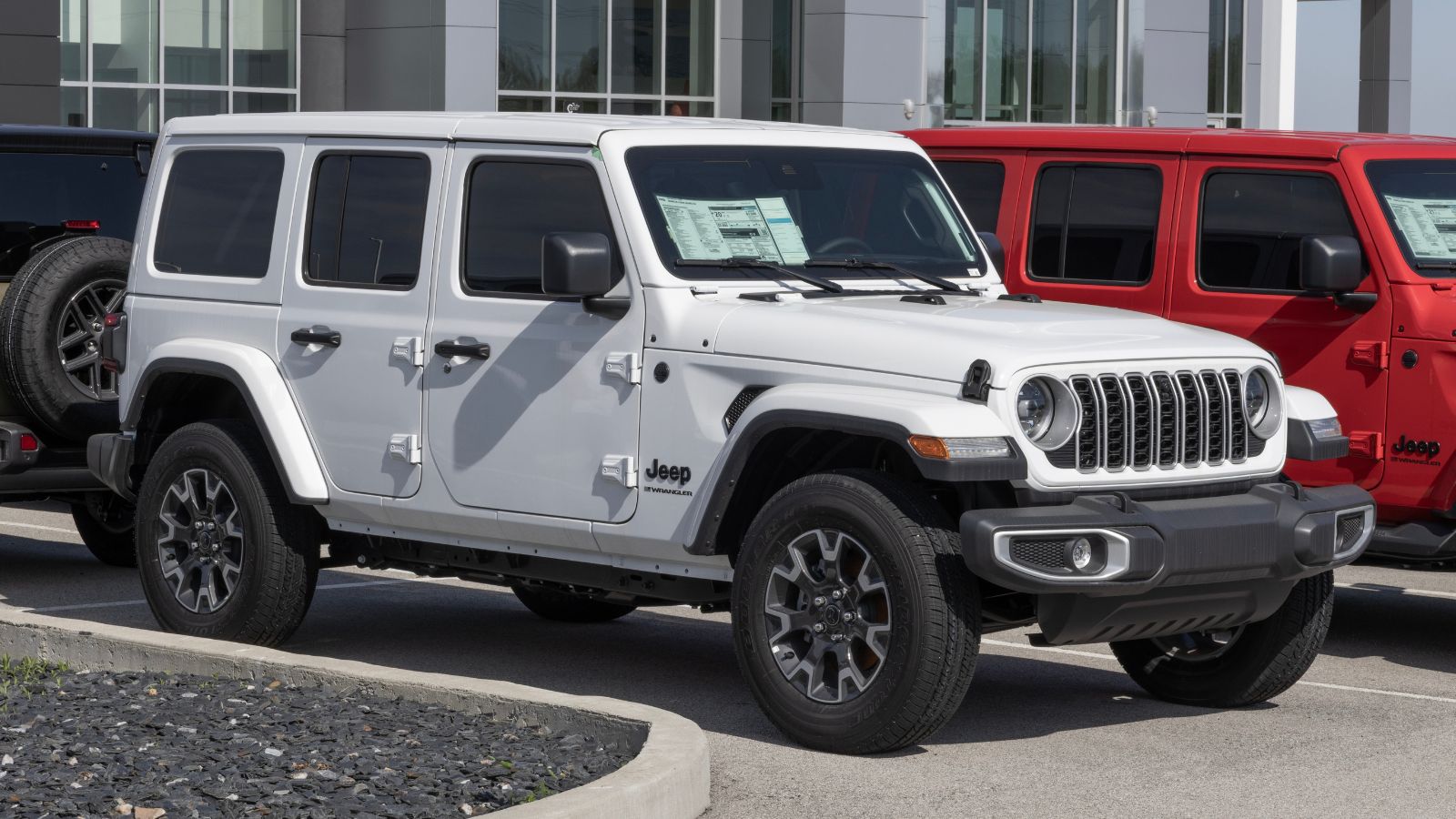
The Wrangler 4xe once looked like one of the most clever electrified ideas in the market. It gave Jeep buyers open-air style, trail credibility, and a plug-in story that let them claim some efficiency without abandoning the brand’s identity. But in 2026, recall fatigue is weighing heavily on that promise. When a vehicle built around freedom and adventure starts generating worry about charging, parking, or software-related issues, the emotional pull weakens fast. Confidence matters even more in a vehicle that is supposed to feel rugged and dependable.
For Canadian owners with attached garages or winter routines, that kind of uncertainty is hard to shrug off. A buyer can still love the Wrangler image and decide the risk-reward balance feels worse than it did a year ago. That is the danger for Jeep here. The Wrangler 4xe is not losing appeal because the concept stopped making sense; it is losing appeal because the ownership story became more stressful. In 2026, more Canadians appear willing to admire it from afar while choosing something calmer for everyday life.
Jeep Grand Cherokee 4xe
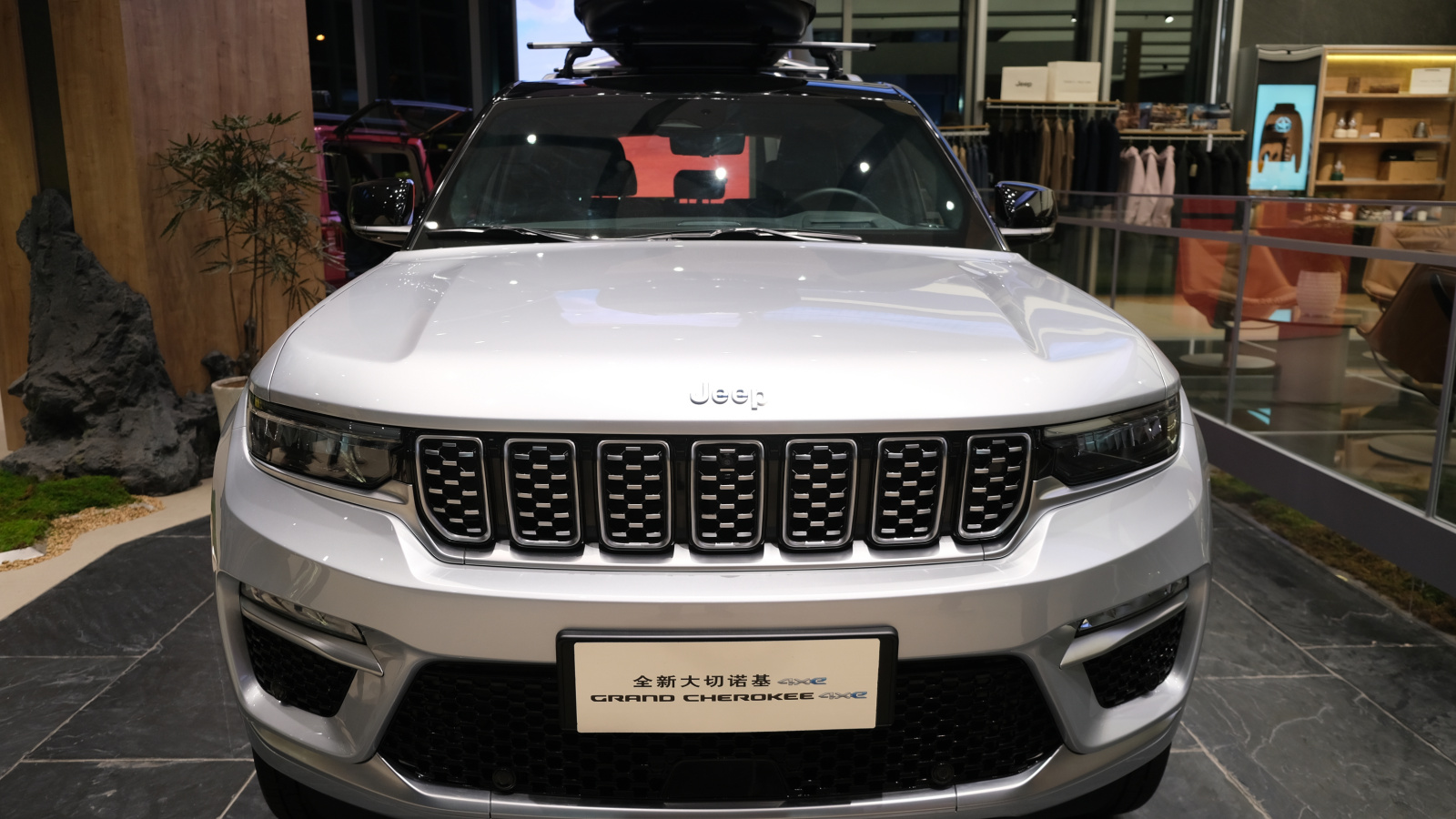
The Grand Cherokee 4xe was supposed to bring plug-in credibility to a more polished, family-oriented Jeep. On paper, the formula was strong: recognizable design, a more upscale cabin, and the ability to handle shorter trips on electric power. But family buyers tend to be especially sensitive to trust. They are not just buying image or capability; they are buying peace of mind. Once that peace of mind starts slipping, the numbers on the spec sheet become less persuasive than the questions lingering around the ownership experience.
That is why the Grand Cherokee 4xe feels vulnerable in 2026. It sits in a price band where buyers expect maturity, and mature products are not supposed to feel unsettled. A household shopping in this range can easily start considering whether a more conventional hybrid, a proven gas luxury SUV, or another plug-in offers a less complicated path. Jeep still has brand pull in Canada, especially in winter-prone markets, but the 4xe version now carries enough friction that some shoppers seem increasingly comfortable walking away before they ever get attached.
Jeep Wagoneer S
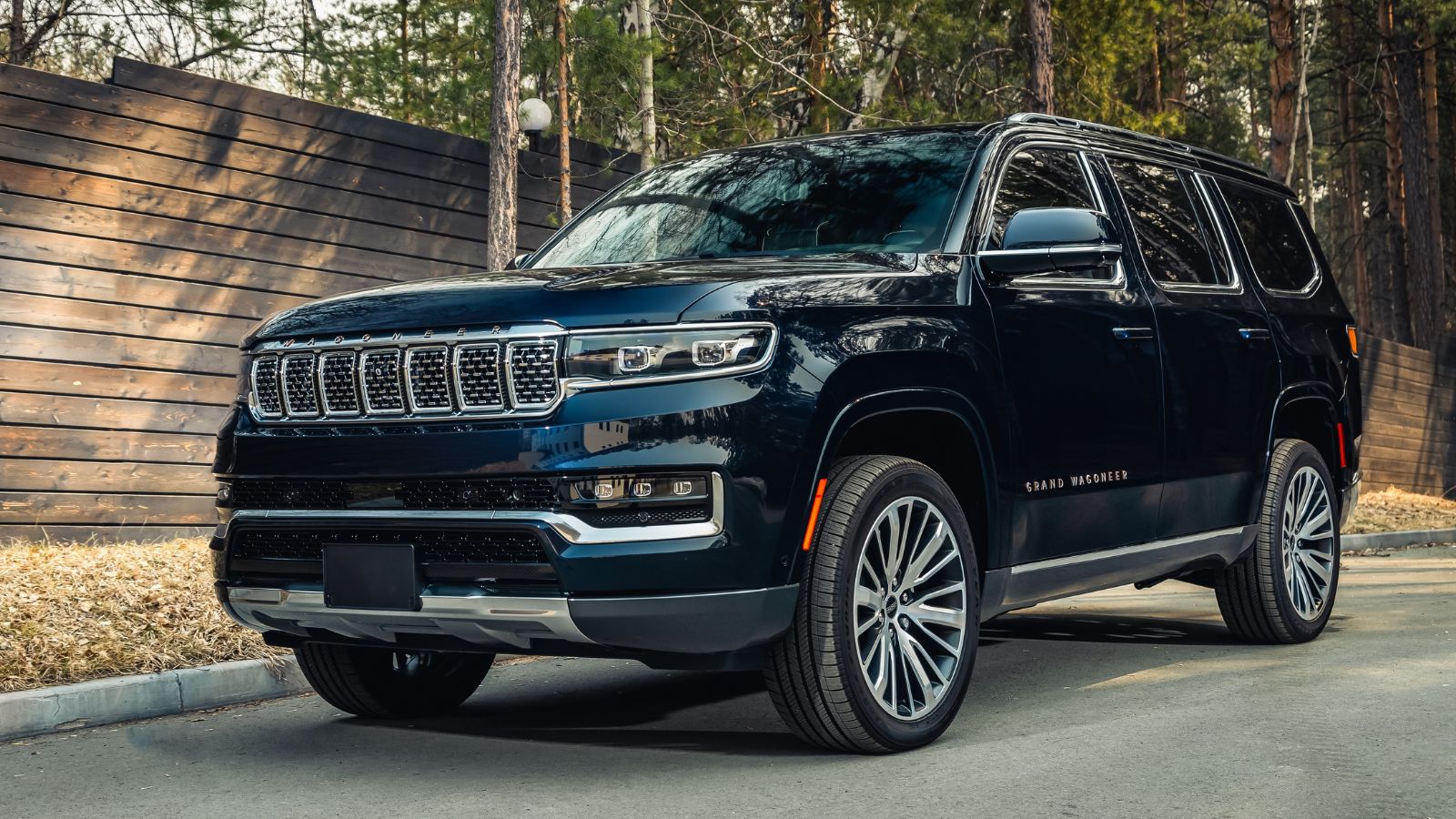
The Wagoneer S arrived carrying big expectations and a premium price, which is always a risky combination in a market still deciding how much it wants luxury EVs from non-luxury badges. It looks modern and has strong straight-line performance, but the launch environment turned harsher than expected. Once incentives shifted and the broader EV mood became more selective, the vehicle’s value proposition suddenly looked much harder to defend. At that point, what should have felt bold started feeling expensive and uncertain.
That is a tough problem for a new nameplate because it has not yet built emotional loyalty. A shopper may be intrigued by the styling and the speed, then run into aggressive discounts and start wondering why such a new product already needs them. That question alone can change the tone of a purchase. In 2026, the Wagoneer S looks like a reminder that not every EV can simply arrive, price high, and assume premium demand will appear. Some Canadians seem to have taken one look at the math and walked on.
Ford Escape
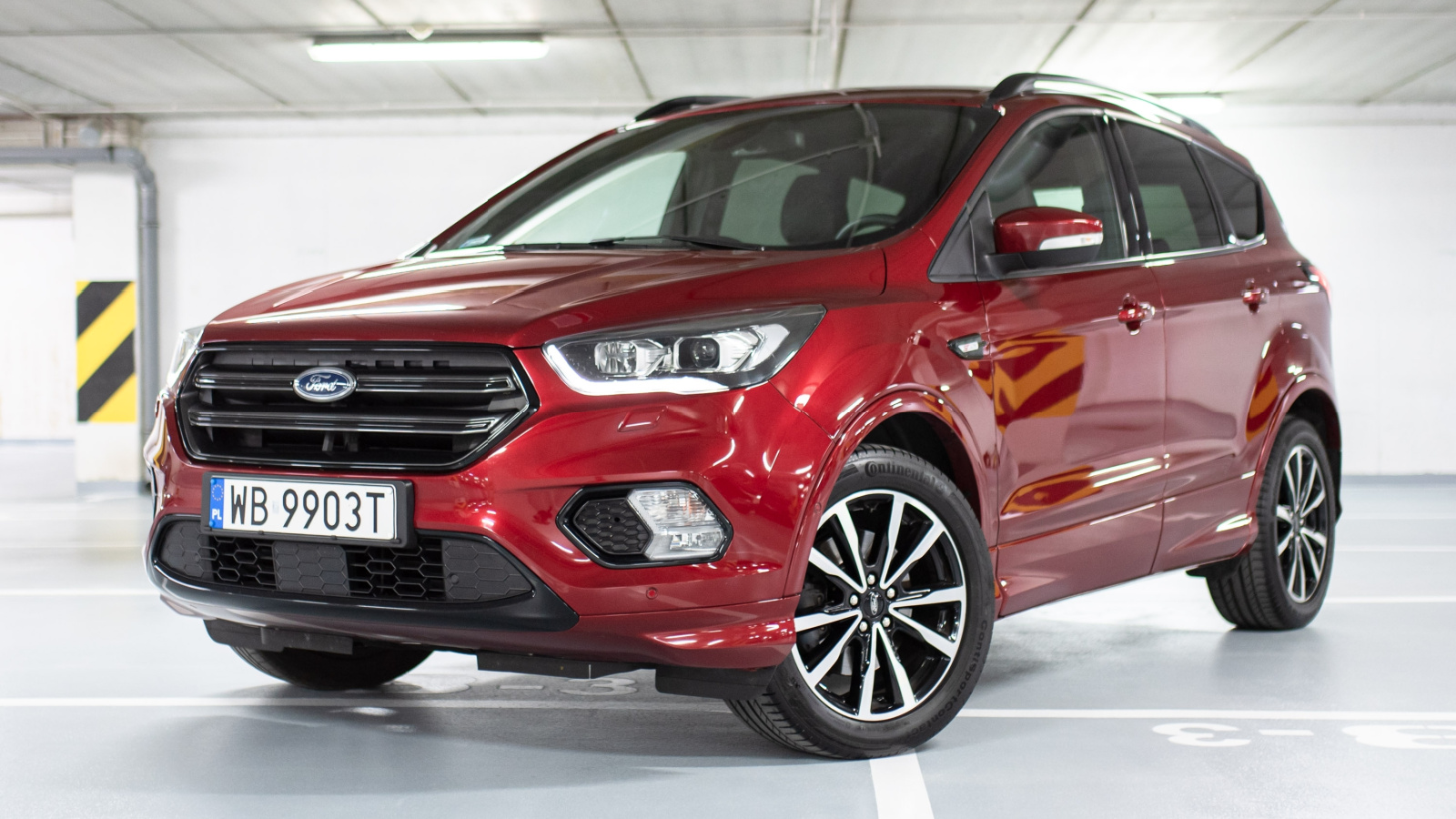
The Escape is not an offensive vehicle, which is part of why its current moment feels so telling. It has been one of those familiar Canadian-nameplate crossovers that people buy because it seems easy, sensible, and broadly acceptable. But familiarity can lose power once a vehicle becomes clearly outgoing. In 2026, the Escape is facing that exact problem. Even buyers who once would have considered it by default may now be wondering whether it makes sense to choose a model whose future already feels largely settled.
That shift changes the psychology of the showroom. A discontinued or winding-down model can still be a smart deal, but many people do not shop that way. They think about resale, support, design freshness, and whether they will regret buying something that already feels one step behind. For a mainstream family crossover, that perception can be fatal. The Escape may still attract bargain hunters, but the broader Canadian market seems to be moving emotionally toward what is next, and that leaves this long-running Ford easier to walk away from.
Nissan Altima
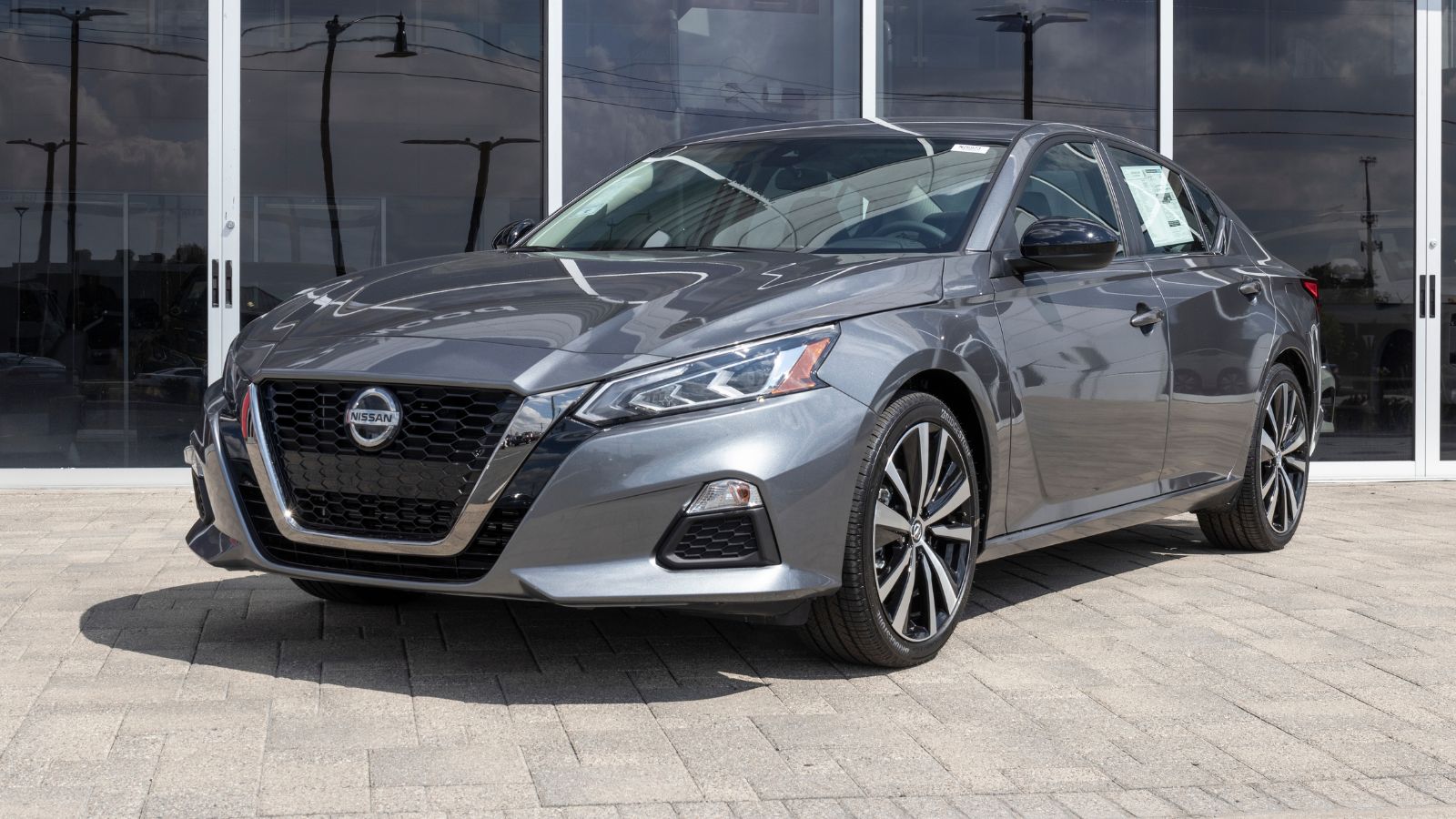
The Altima held onto something Canadians still appreciated for years: a midsize sedan with available all-wheel drive. That gave it a useful identity in a country where winter still shapes buying habits. Yet in 2026, that identity is no longer enough to keep the model feeling central. Sedans continue to lose ground to crossovers, and when a manufacturer makes clear that a vehicle’s time is up in Canada, many buyers stop seeing it as a value play and start seeing it as a dead end.
There is also a cultural shift happening here. The Altima once appealed to practical drivers who wanted comfort without buying an SUV, but practicality now often points buyers elsewhere. Some want a hybrid sedan with stronger momentum. Others want a compact crossover that feels more current. Once a nameplate loses future visibility, its remaining strengths start feeling less compelling. In 2026, the Altima is not being rejected because it suddenly forgot how to do sedan things well; it is being left behind because the market itself has moved on.
Chevrolet Malibu
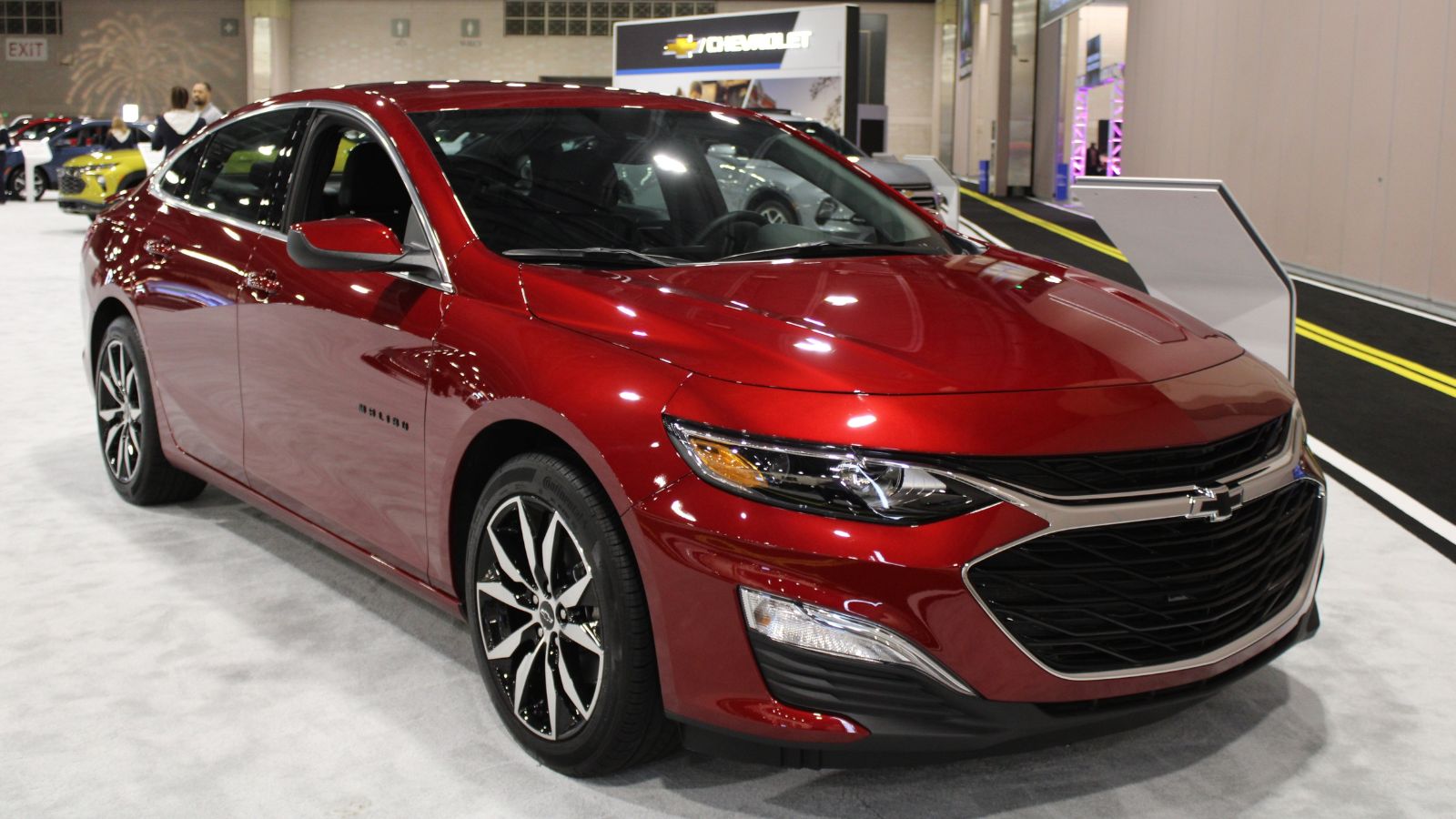
The Malibu’s story is less about scandal than erosion. It remained a recognizable, decent-looking midsize sedan for years, but the ground underneath the category kept disappearing. Canadian buyers have steadily shifted toward crossovers, and manufacturers have increasingly treated mainstream sedans as expendable. That leaves the Malibu in a strange place in 2026: still familiar enough to be remembered, but no longer positioned like a vehicle with a meaningful future. For many shoppers, that alone is enough to close the file.
The emotional side matters here more than people admit. Even practical buyers think about whether a car feels current, supported, and worth staying loyal to. A Malibu shopper can quickly end up asking a simple question: why commit to a fading formula when the rest of the market has already moved somewhere else? The answer is getting harder to find. In 2026, Canadians are not necessarily angry at the Malibu. They are simply less invested in defending the idea of a conventional midsize sedan that the industry itself has already started leaving behind.
Mitsubishi Mirage
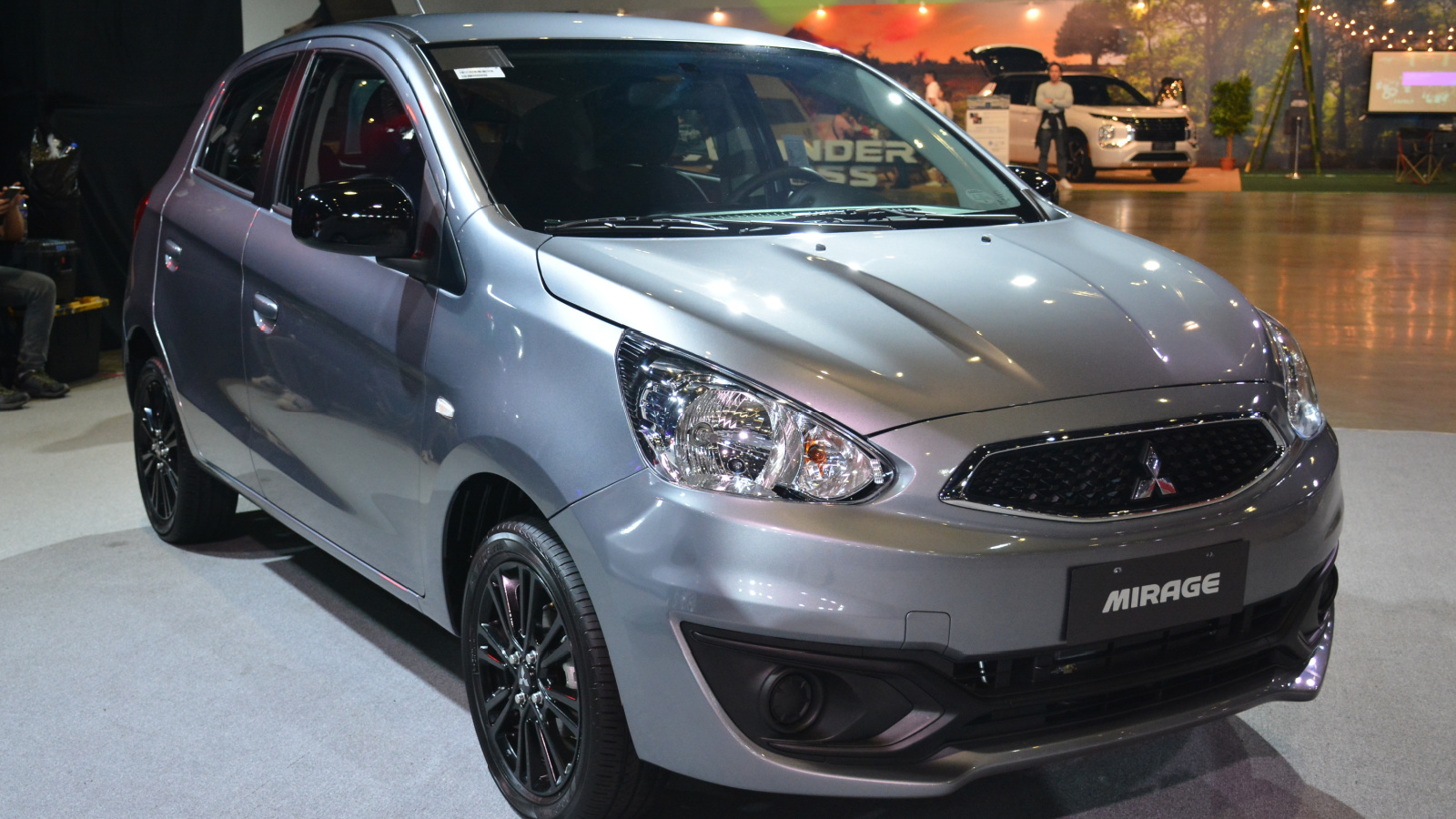
For years, the Mirage appealed to a specific type of buyer: someone who wanted a brand-new vehicle at one of the lowest possible price points and was willing to forgive almost everything else. That is not a small thing in an expensive country, and the Mirage deserves credit for serving that role. But in 2026, the market has become more skeptical of bare-bones transportation as a long-term value proposition. Buyers are doing more math on safety, comfort, highway refinement, and whether a stripped-down new car really beats a better used one.
That is where the Mirage now feels exposed. Its entire argument depends on cost, and once price stops being enough, there is not much else left to lean on. A first-time buyer may still be drawn to the low entry point, but many others will decide that stretching into a used Corolla, Civic, or even a better-equipped subcompact makes more sense. In 2026, Canadians seem increasingly willing to walk away from the absolute-cheapest-new-car formula and accept that the lowest sticker price is not always the smartest buy.
Nissan Leaf
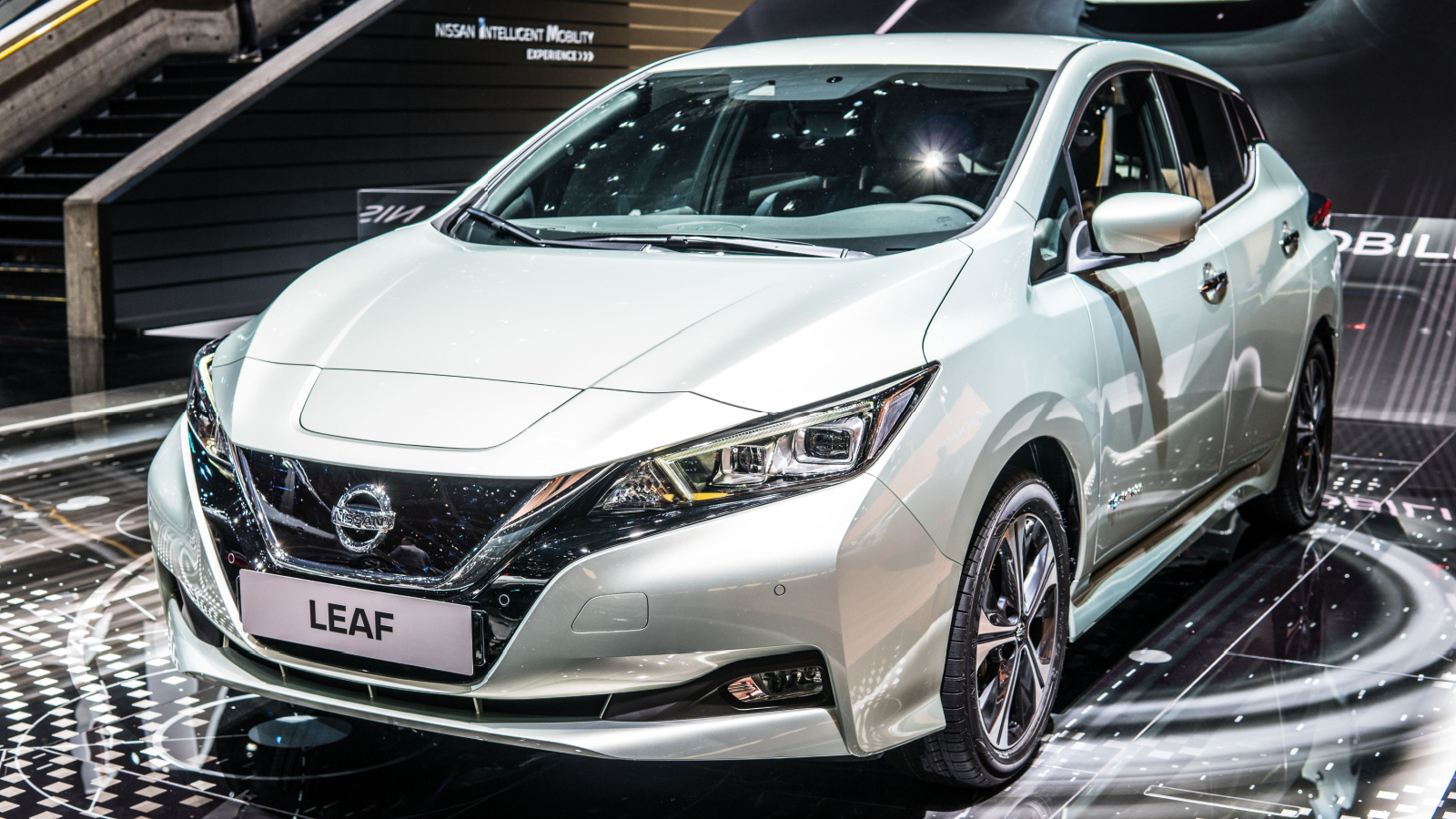
The Leaf deserves respect for how early it arrived and how much it did to normalize EV ownership. In Canada, it introduced many people to the idea that electric driving could be ordinary rather than experimental. But 2026 is exposing how quickly early pioneers can start to feel dated. The EV market has moved forward on design, range expectations, and overall positioning, and the Leaf now sits awkwardly between nostalgia and obsolescence. For some shoppers, that history still carries charm. For many others, it simply feels old.
The bigger problem is that buyers can sense when a product no longer sits at the center of a company’s strategy. Once sales soften and lineup decisions start changing around it, hesitation grows. A budget-conscious Canadian might still appreciate the Leaf’s role as an entry EV, but many shoppers now want something that feels like a next step, not a holdover. In 2026, the Leaf increasingly reads as a vehicle people appreciate in theory while choosing something newer, more current, or more future-facing when it is time to spend real money.
Nissan Ariya
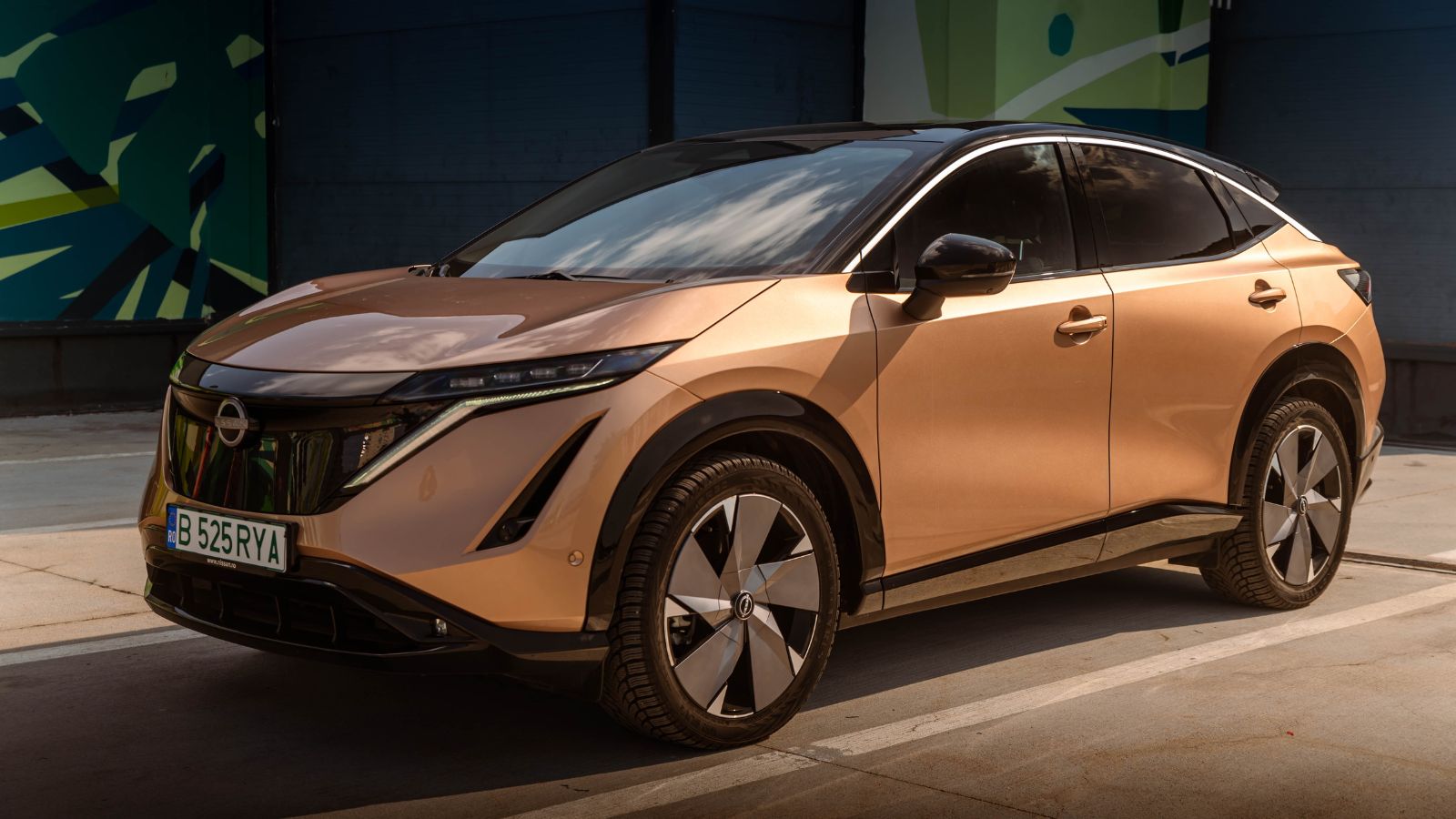
The Ariya entered the market with a cleaner, more premium look than many people expected from Nissan, and that helped it stand out. It does not feel cheap, and its styling is one of its strongest selling points. Yet in 2026, it is starting to feel like a vehicle that needs help to stay competitive. Price cuts can attract interest, but they can also reinforce the sense that the market is pushing back. When a model stays visually fresh but struggles to build momentum, buyers notice.
That is especially true in the Canadian EV space, where shoppers are increasingly disciplined. They compare charging, value, incentives, winter behavior, and what is truly new versus what merely looks new. The Ariya still has genuine appeal, but it is not enjoying the kind of effortless demand its design might suggest. A buyer may like it, appreciate the cabin, and then still walk away because another EV feels more compelling for the money. In 2026, the Ariya is not being ignored, but it is being second-guessed more often than Nissan would like.
Toyota Mirai
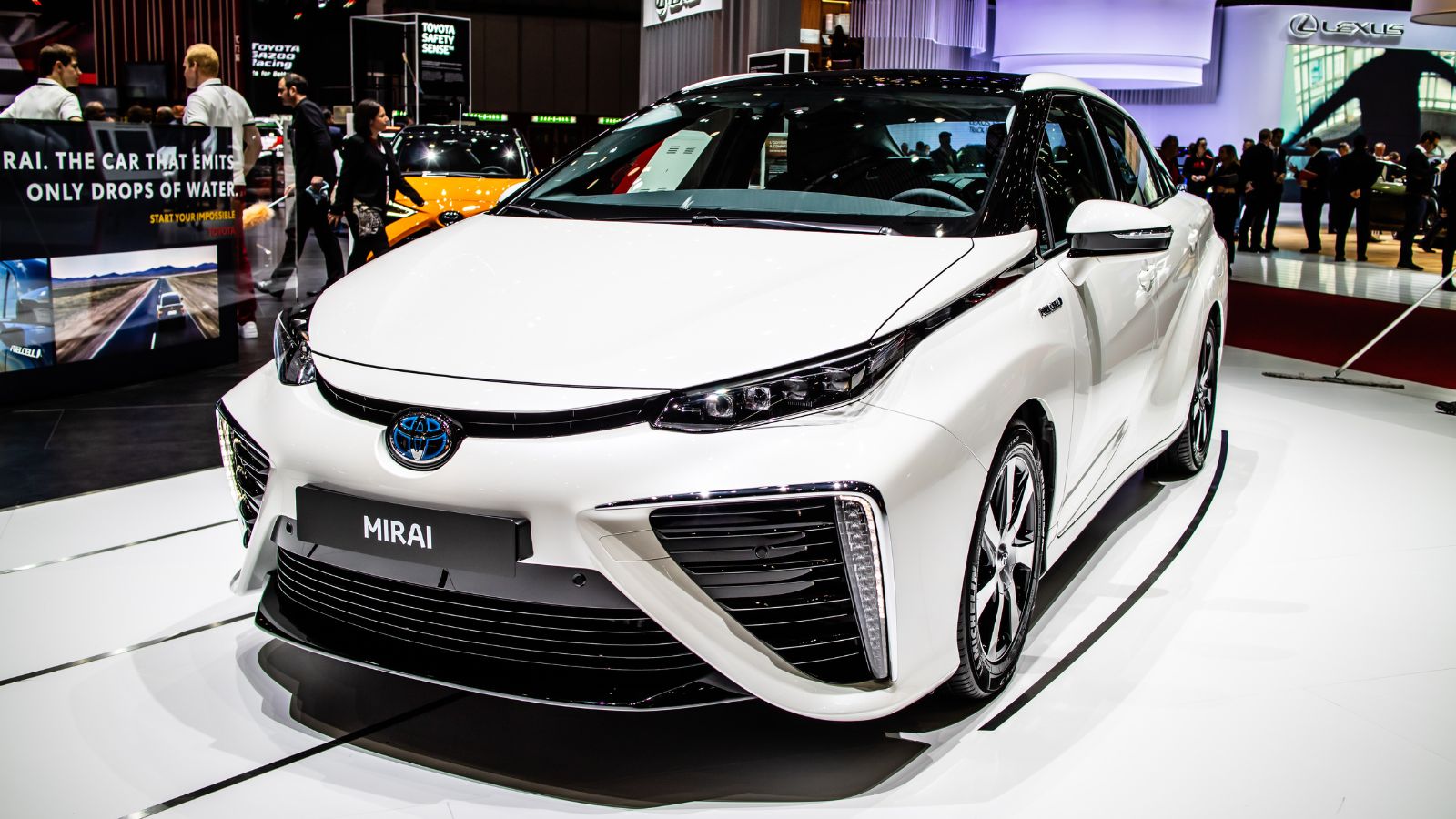
The Mirai is one of the most interesting vehicles sold in Canada because its problem is not basic competence. In some ways, it is quite the opposite. The design is distinctive, the driving experience is refined, and the range figure sounds impressive on paper. The issue is that no matter how polished the car feels, infrastructure still decides everything. In a country this large, a hydrogen vehicle cannot be treated like a normal purchase if fueling access remains limited and region-specific. That practical barrier overwhelms almost every other strength.
For Canadians outside a very narrow geographic comfort zone, the Mirai asks for too much faith. Even a shopper who loves the technology may pause once they imagine real life: detours, station availability, and whether the ownership experience will feel liberating or restrictive. In 2026, that question is increasingly easy to answer. Many Canadians are not rejecting the Mirai because the concept lacks promise; they are walking away because the supporting ecosystem still feels too thin to make the promise convenient.
22 Things Canadians Do to Their Cars in Spring That Mechanics Hate

Spring brings relief to many Canadian drivers after months of snow, freezing temperatures, and icy roads that put serious strain on vehicles. As temperatures rise across the country, drivers begin washing cars, switching tires, and preparing vehicles for warmer weather and upcoming road trips. However, mechanics across Canada notice the same mistakes every spring when drivers attempt to recover from winter damage. Road salt, potholes, and harsh winter driving conditions often leave vehicles with hidden problems that drivers ignore. Some spring habits even create new mechanical issues that could have been avoided with proper maintenance. Here are 22 things Canadians do to their cars in spring that mechanics hate.