

























Cold mornings in Canada change how people judge cars. Comfort becomes survival. Heated seats stop being a bonus and start feeling necessary. Heat pumps also matter, especially in electric vehicles. They help maintain range when temperatures drop. Together, these features make winter driving far more manageable. Some vehicles get this balance right without fuss. Others feel like afterthoughts. This list focuses on models that combine strong seat heating with efficient heat pump systems. Expect practical choices, not hype. Here are 20 vehicles with the best heated Seat + Heat Pump combos for Canada.
Tesla Model Y
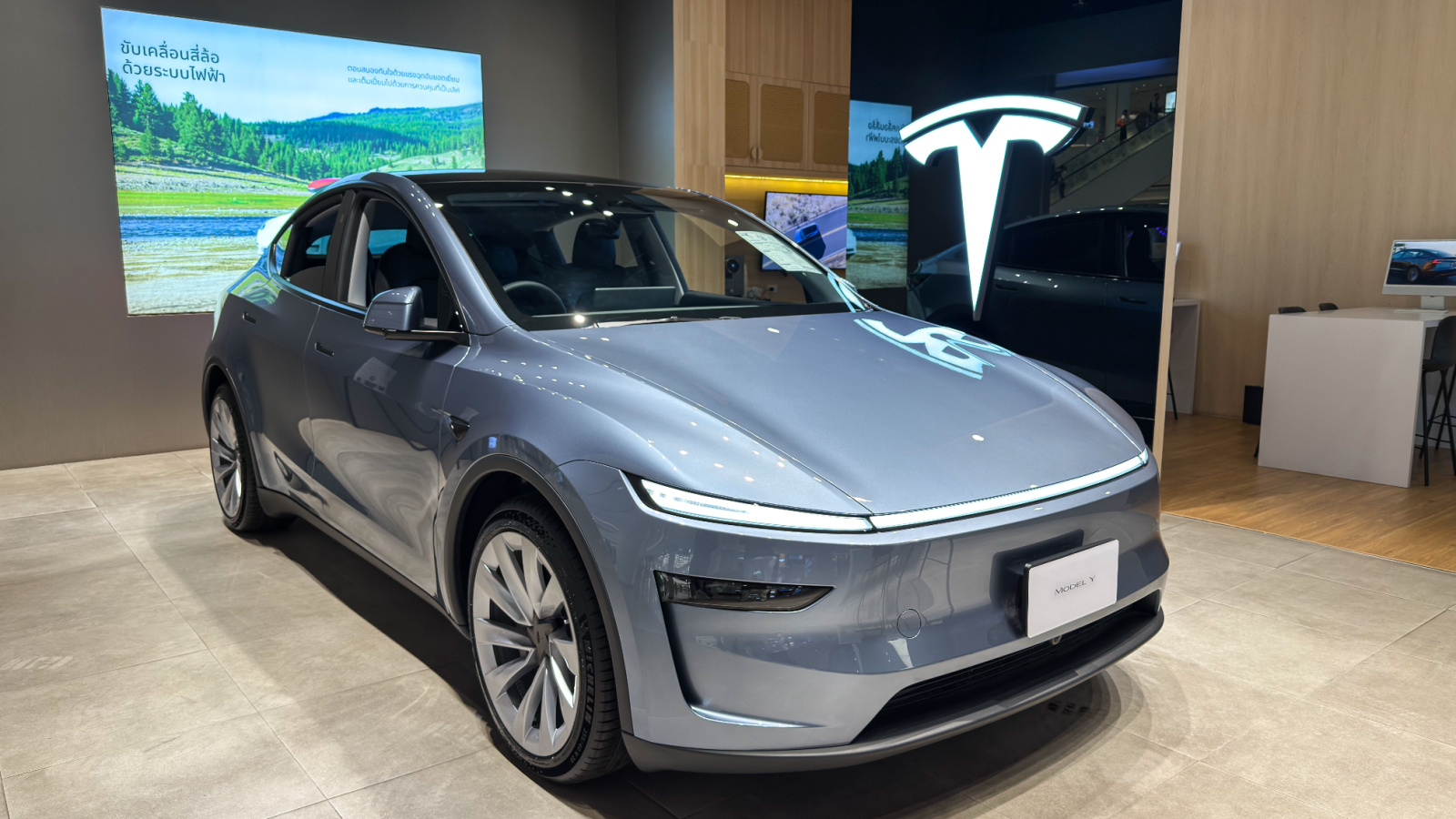
The Tesla Model Y handles cold weather better than many rivals. Its heat pump system improves efficiency during freezing conditions. Range loss still happens, but it remains manageable. The heated seats warm quickly and feel evenly distributed. Rear passengers also benefit from proper heating. The steering wheel heater adds another layer of comfort. Cabin preconditioning through the app makes mornings easier. Owners often rely on this feature daily. The system works quietly without drawing too much power. This combination suits Canadian winters well. It feels designed for real use, not just spec sheets.
Tesla Model 3
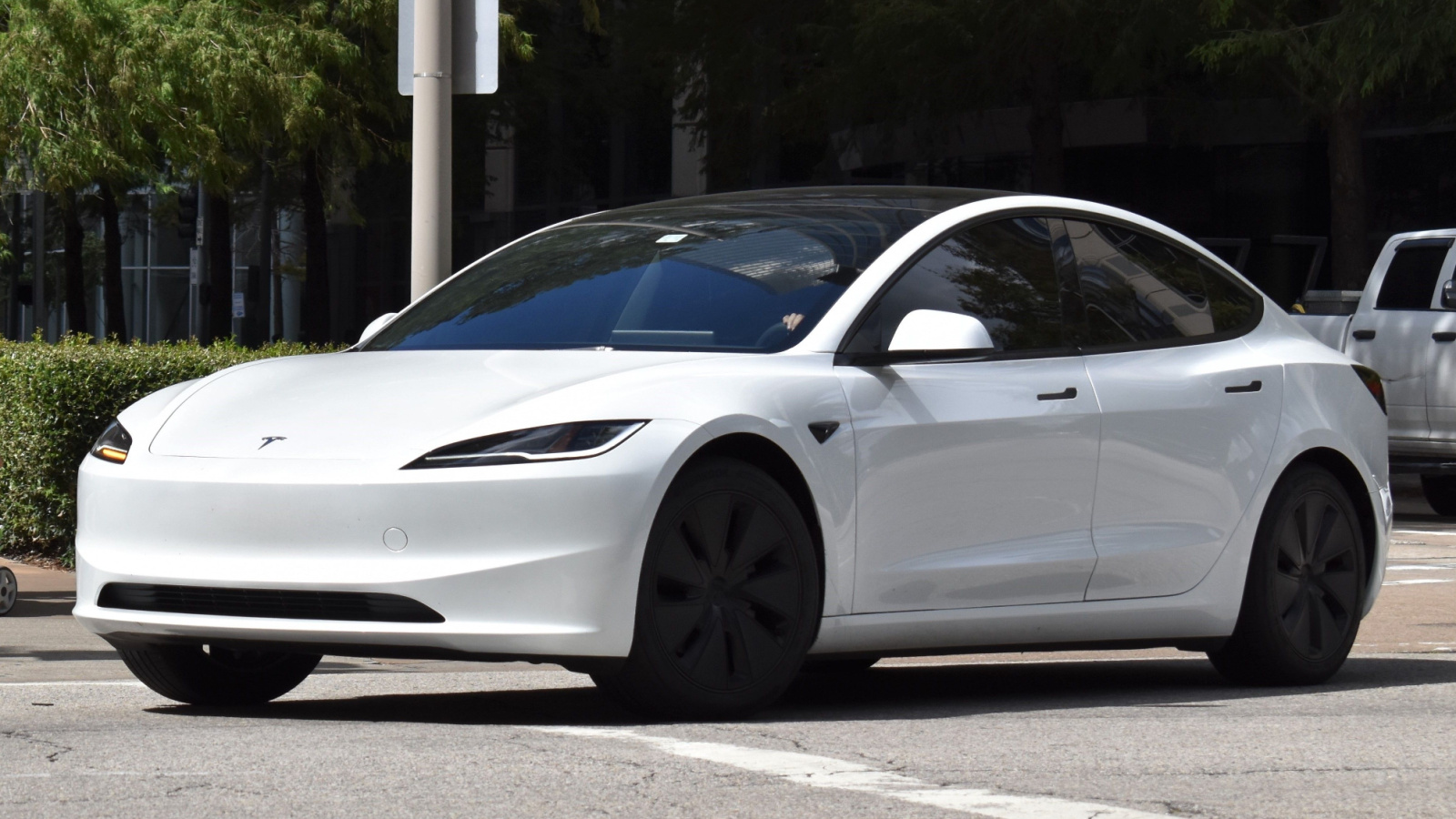
The Tesla Model 3 uses a similar setup as the Model Y. Its heat pump improves cold-weather range noticeably. Early versions lacked this feature, but newer models fixed that. Heated seats activate quickly and cover the full seating area. The cabin warms faster than expected for an EV. Preconditioning remains one of its strongest advantages. Drivers can heat the car before stepping outside. Energy use stays reasonable during long drives. The system works without drama or noise. It feels consistent across different weather conditions. That reliability matters when temperatures drop sharply.
Hyundai Ioniq 5
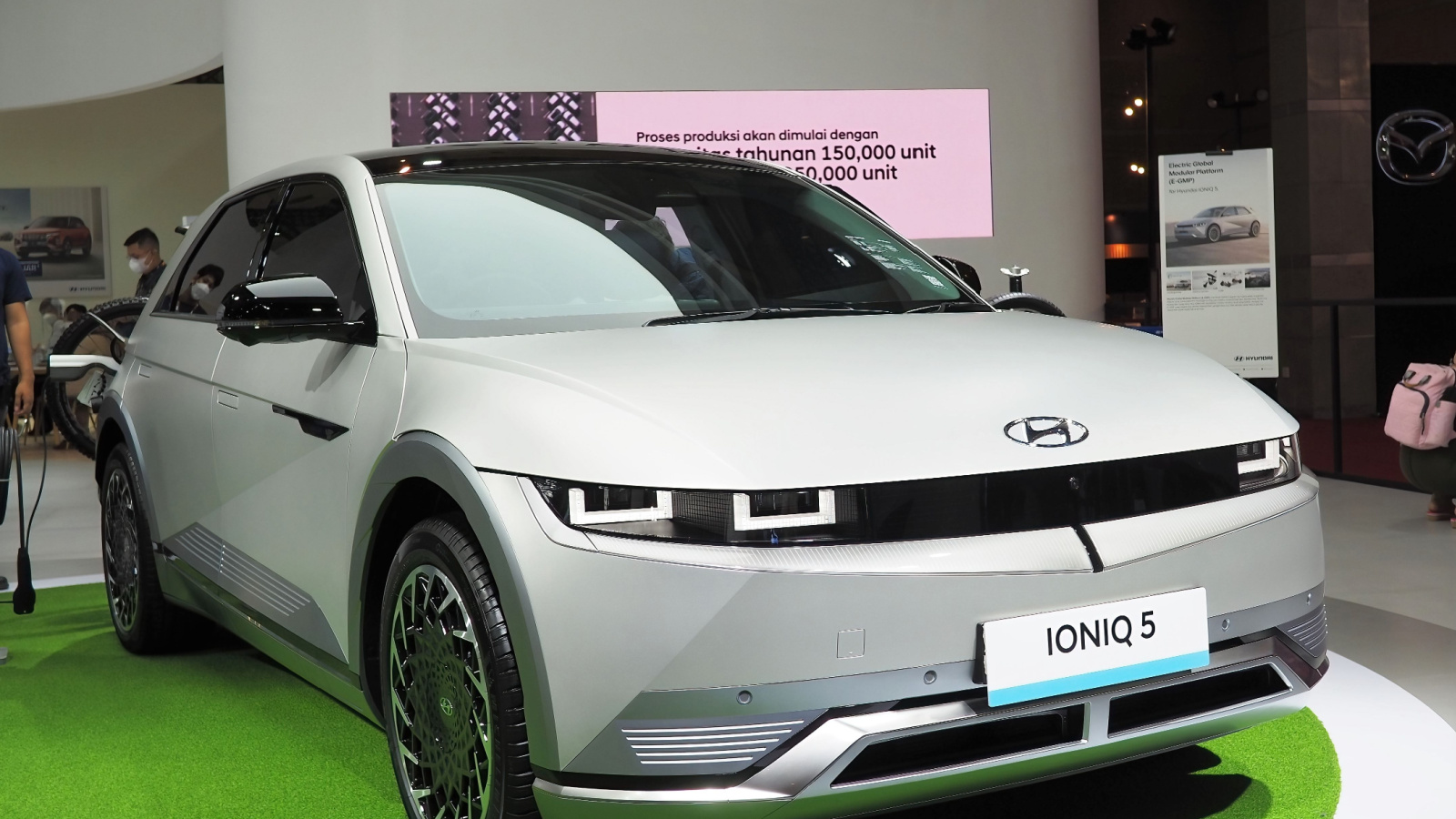
The Hyundai Ioniq 5 brings thoughtful winter features. Its heat pump helps reduce range loss in cold climates. The system works alongside battery conditioning. Heated seats feel soft yet effective across long drives. Ventilated options also exist for warmer months. The cabin warms quickly without excessive energy use. Rear passengers get proper heating too. The steering wheel heater adds extra comfort during early mornings. Owners report stable performance in snow-heavy regions. The setup feels balanced rather than aggressive. This makes the Ioniq 5 a dependable winter companion.
Kia EV6
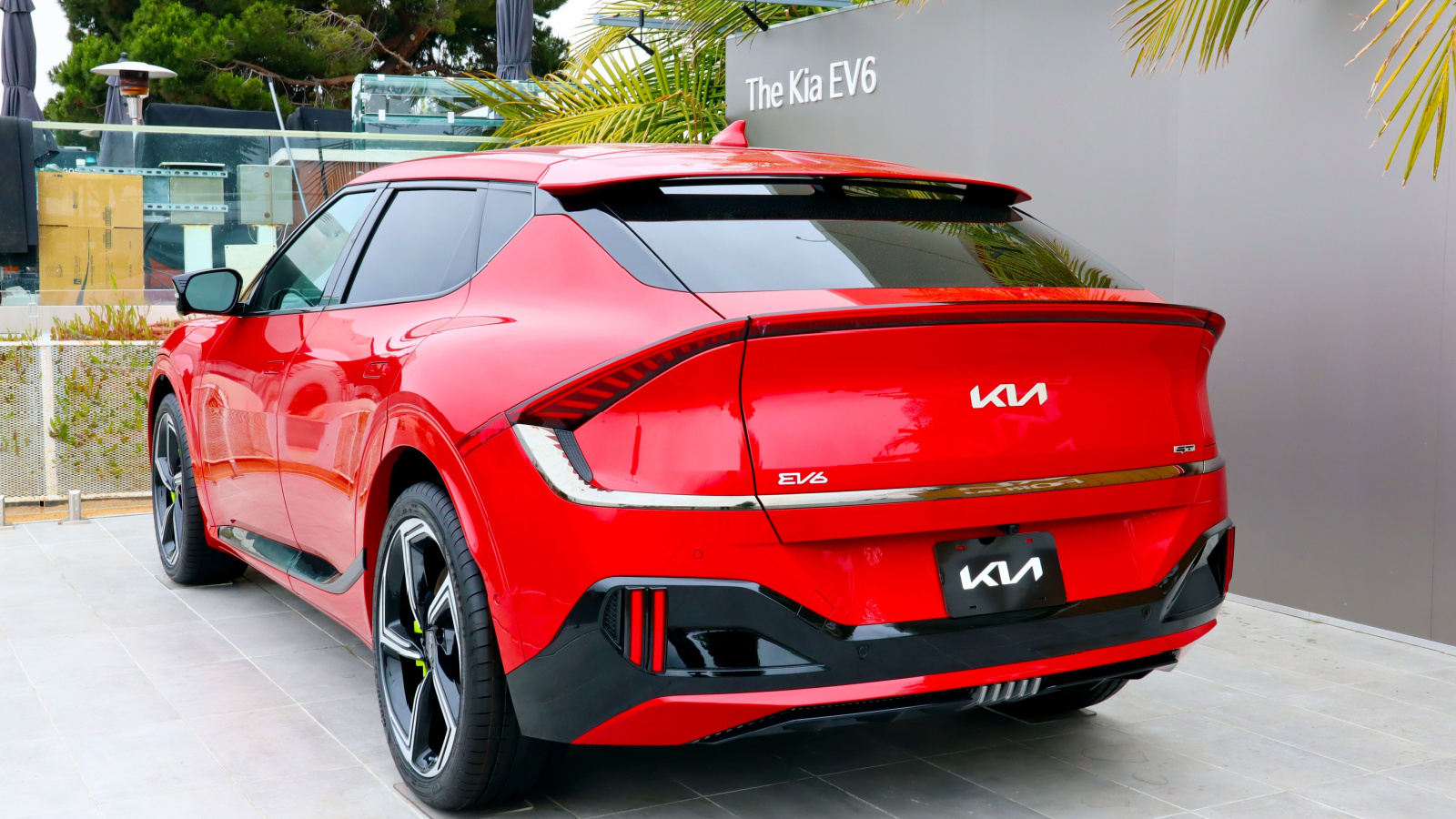
The Kia EV6 shares its platform with the Ioniq 5. Its heat pump system performs well in colder regions. Efficiency remains decent even below freezing temperatures. Heated seats provide strong and even warmth. The cabin reaches comfortable temperatures quickly. The steering wheel heater feels especially useful during short trips. Energy consumption stays controlled during highway driving. Owners appreciate the consistent heating performance. Rear seat heating improves passenger comfort. The system feels refined without being complicated. That simplicity works well in daily winter use.
Ford Mustang Mach-E
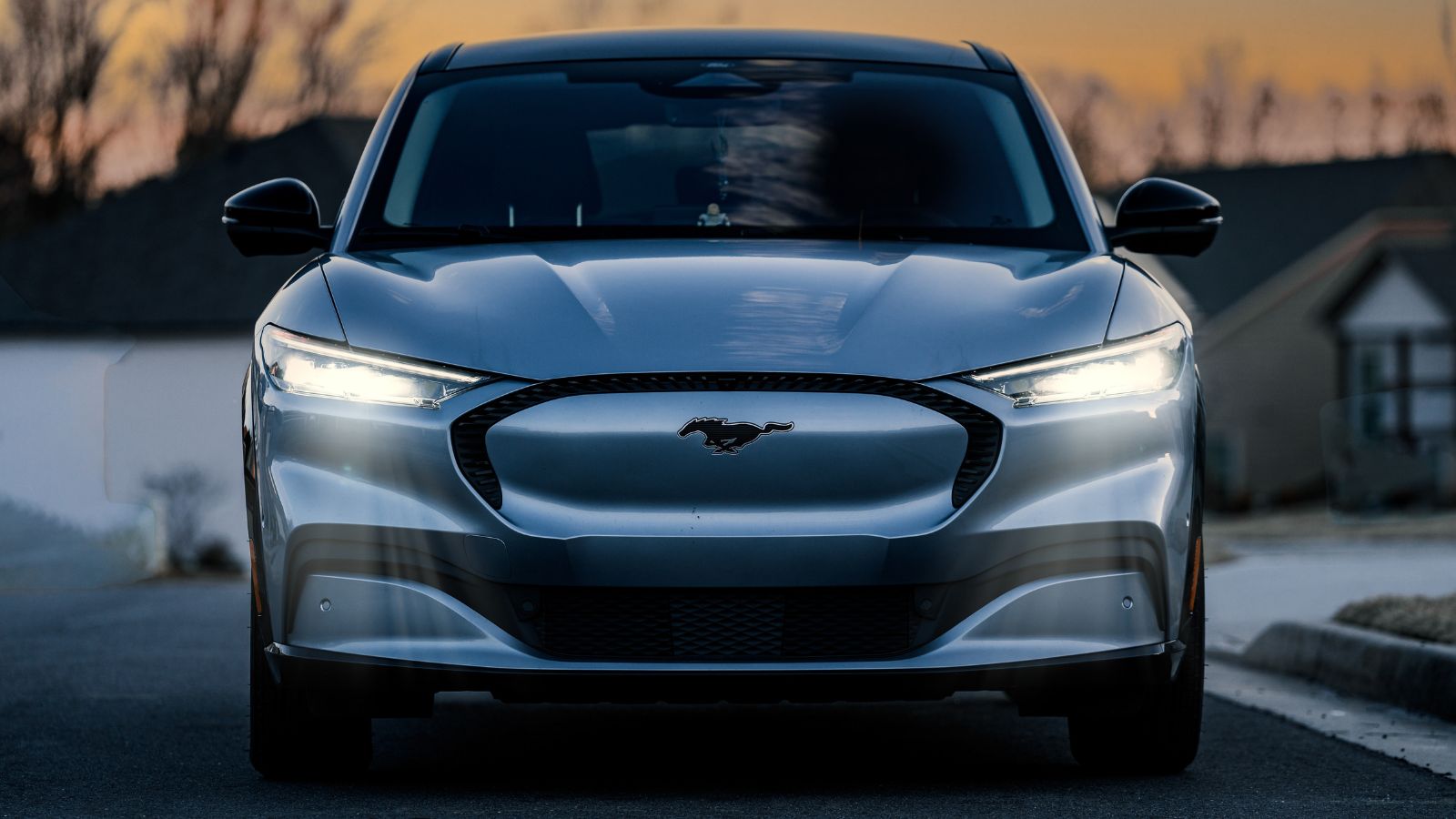
The Ford Mustang Mach-E includes a heat pump in newer variants. It improves efficiency in colder weather. Range drop still exists, but remains manageable. Heated seats provide strong warmth across both front seats. The steering wheel heater responds quickly. The cabin warms at a steady pace without sudden spikes. Preconditioning helps before morning drives. Owners often use it through the mobile app. The system feels predictable and easy to control. That matters during unpredictable winter days. Overall, it offers a solid balance of comfort and efficiency.
Volkswagen ID.4
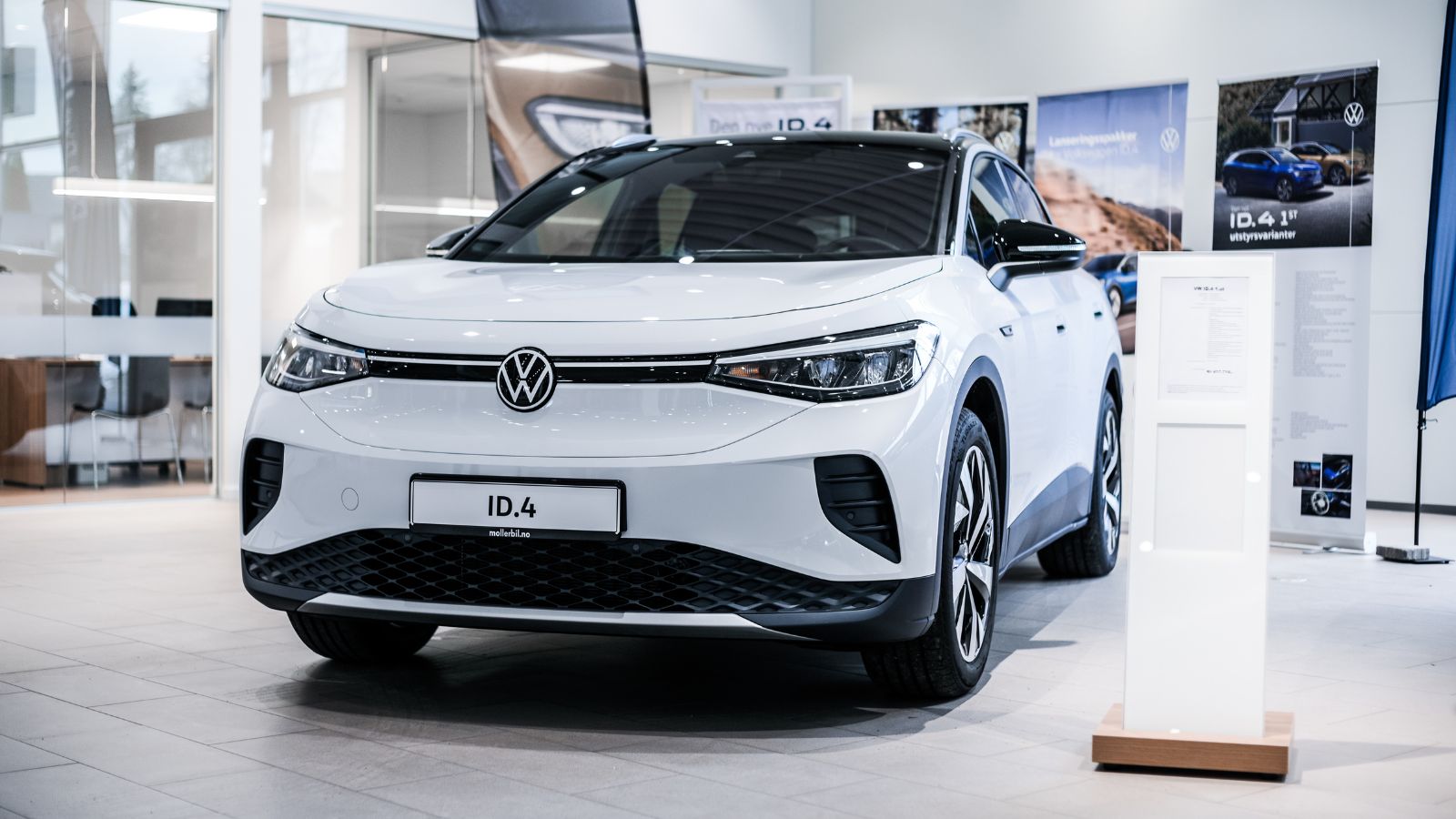
The Volkswagen ID.4 offers a practical winter setup. Its heat pump improves efficiency in cold conditions. Heated seats feel comfortable without overheating. The cabin warms gradually but steadily. Rear passengers benefit from proper heating support. The steering wheel heater adds comfort during early drives. Energy use stays moderate even in harsh conditions. Owners report decent winter range compared to rivals. The system works quietly in the background. It avoids unnecessary complexity. This makes it suitable for everyday winter commuting.
Nissan Ariya
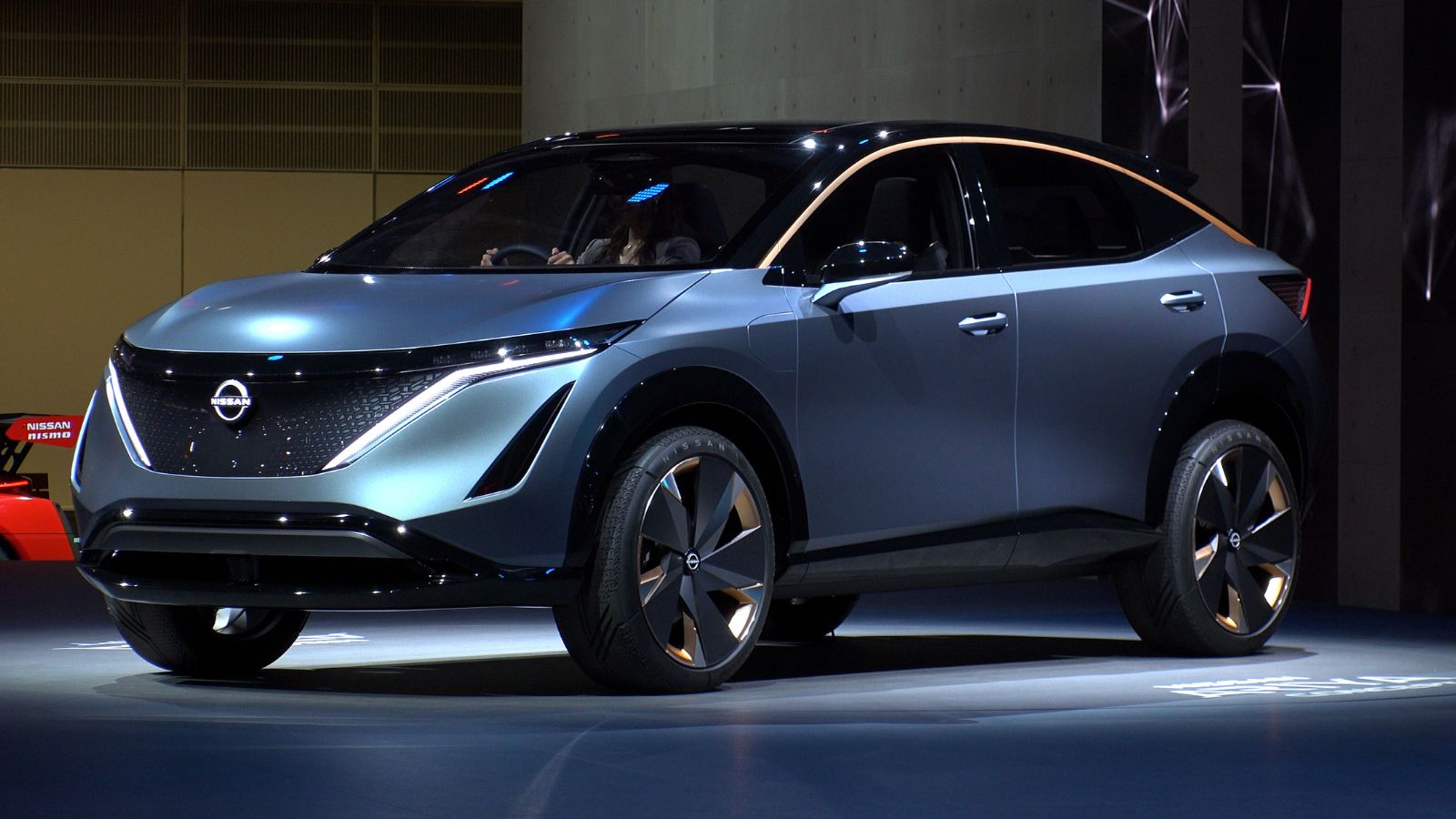
The Nissan Ariya focuses on comfort and smooth operation. Its heat pump helps preserve battery range in winter. Heated seats feel soft yet effective across longer drives. The cabin warms quickly without sudden blasts of air. Rear seat heating improves passenger comfort. The steering wheel heater responds fast. Energy efficiency remains stable during cold weather use. Owners appreciate the quiet cabin experience. The system feels refined rather than aggressive. It suits drivers who prefer calm and steady performance.
Chevrolet Bolt EUV
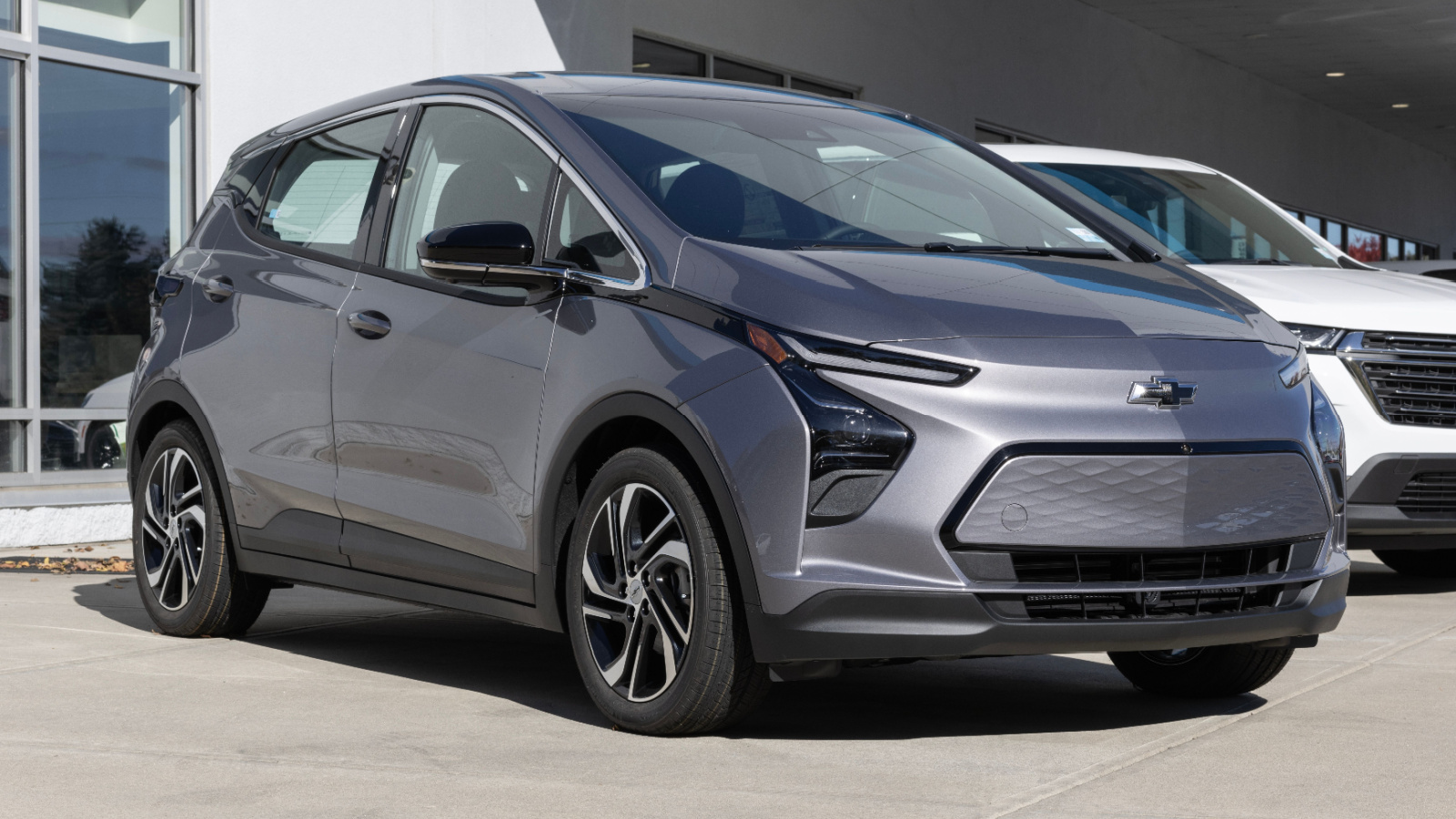
The Chevrolet Bolt EUV does not use a traditional heat pump in all versions. However, its heating system still performs well. Heated seats compensate for higher cabin heating energy use. The seats warm quickly and feel consistent. The steering wheel heater adds noticeable comfort. Owners often rely on seat heating to save battery range. The cabin warms adequately for daily use. Energy consumption rises in extreme cold. Still, the overall setup remains practical. It works best for shorter commutes in winter conditions.
Toyota bZ4X
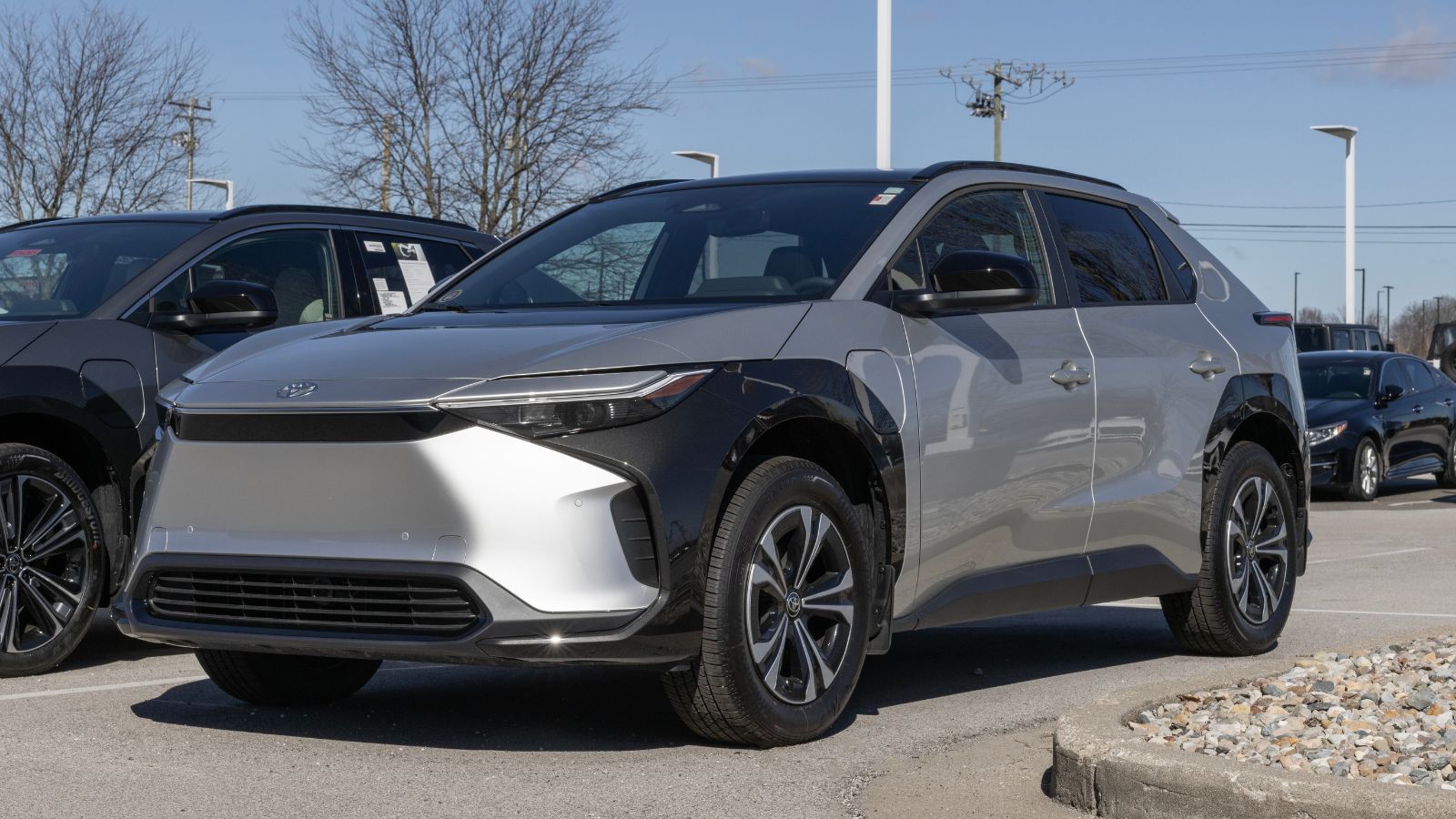
The Toyota bZ4X includes a heat pump in many trims. It helps maintain range during colder months. Heated seats feel firm but effective. The cabin warms quickly compared to older EVs. The steering wheel heater adds extra comfort. Rear seat heating improves the passenger experience. Energy use remains controlled during city driving. Owners note stable winter performance. The system feels straightforward and reliable. That simplicity suits drivers who want fewer complications.
Subaru Solterra
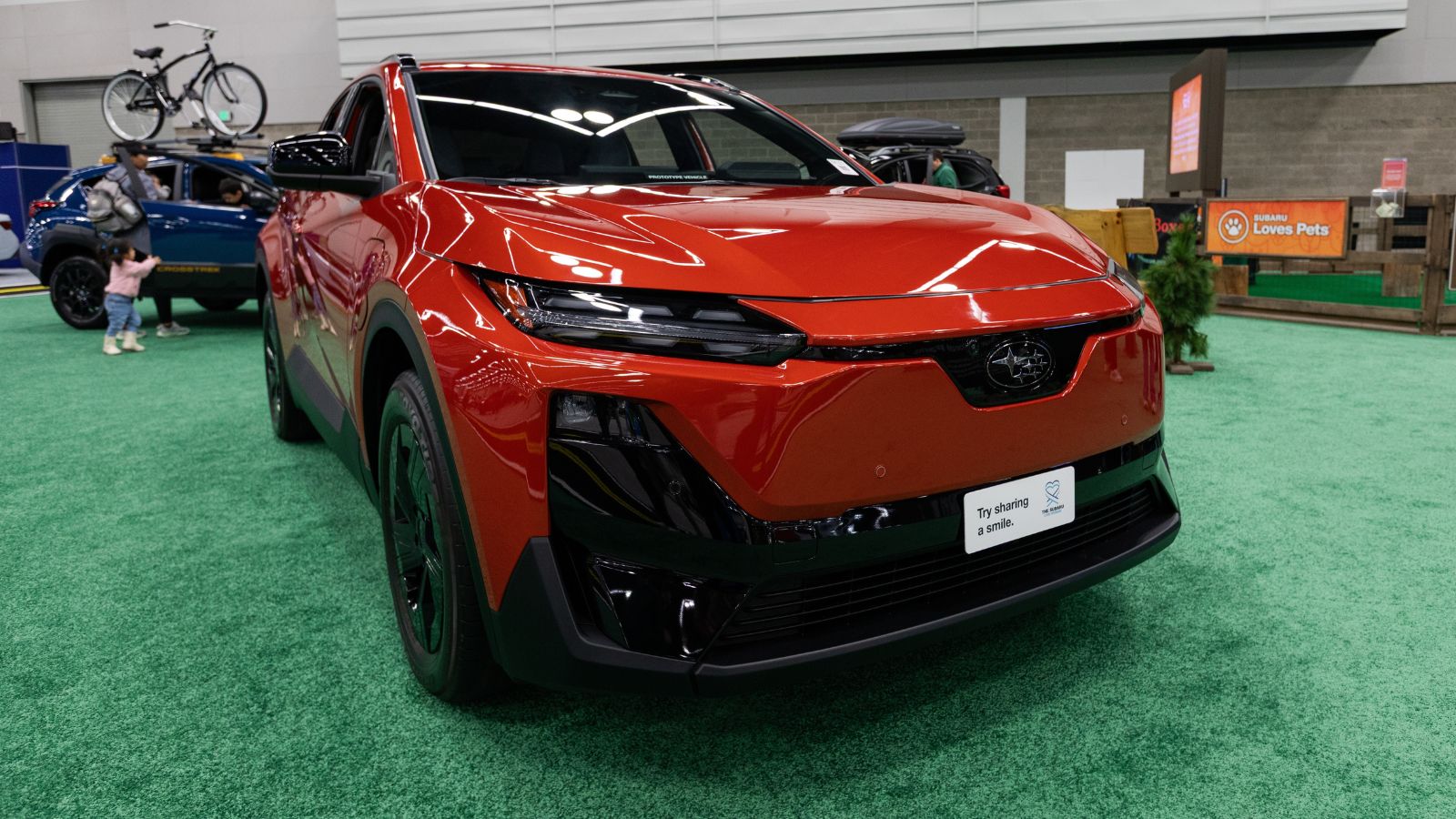
The Subaru Solterra shares much with the bZ4X. Its heat pump supports winter efficiency. Heated seats feel strong and evenly distributed. The cabin warms steadily without sudden changes. The steering wheel heater works well during short trips. Rear passengers get proper heating support. Energy use remains reasonable in cold conditions. Owners appreciate the all-wheel-drive confidence. The heating system complements this capability. It feels built for practical winter driving rather than luxury.
Audi Q4 e-tron
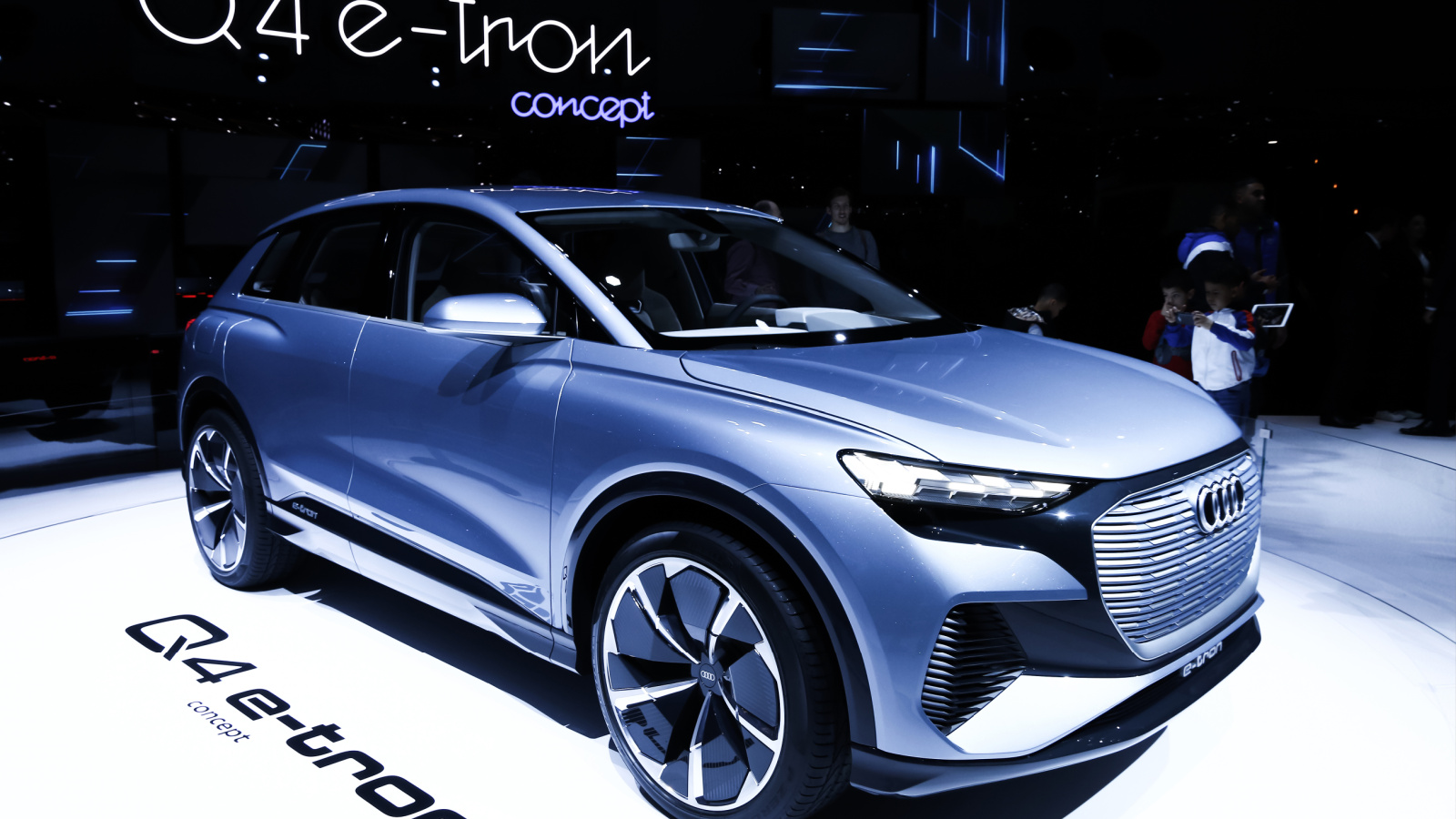
The Audi Q4 e-tron balances comfort and efficiency in cold climates. Its heat pump helps reduce energy loss during winter driving. Heated seats feel evenly warmed without hot spots. The cabin heats quickly and maintains steady temperatures. The steering wheel heater adds comfort during early starts. Rear seat heating improves the passenger experience. Energy use remains stable on longer drives. Owners appreciate the quiet operation. Controls feel simple and responsive. The system works consistently across changing weather. It suits drivers who want comfort without overcomplicated settings or features.
BMW i4
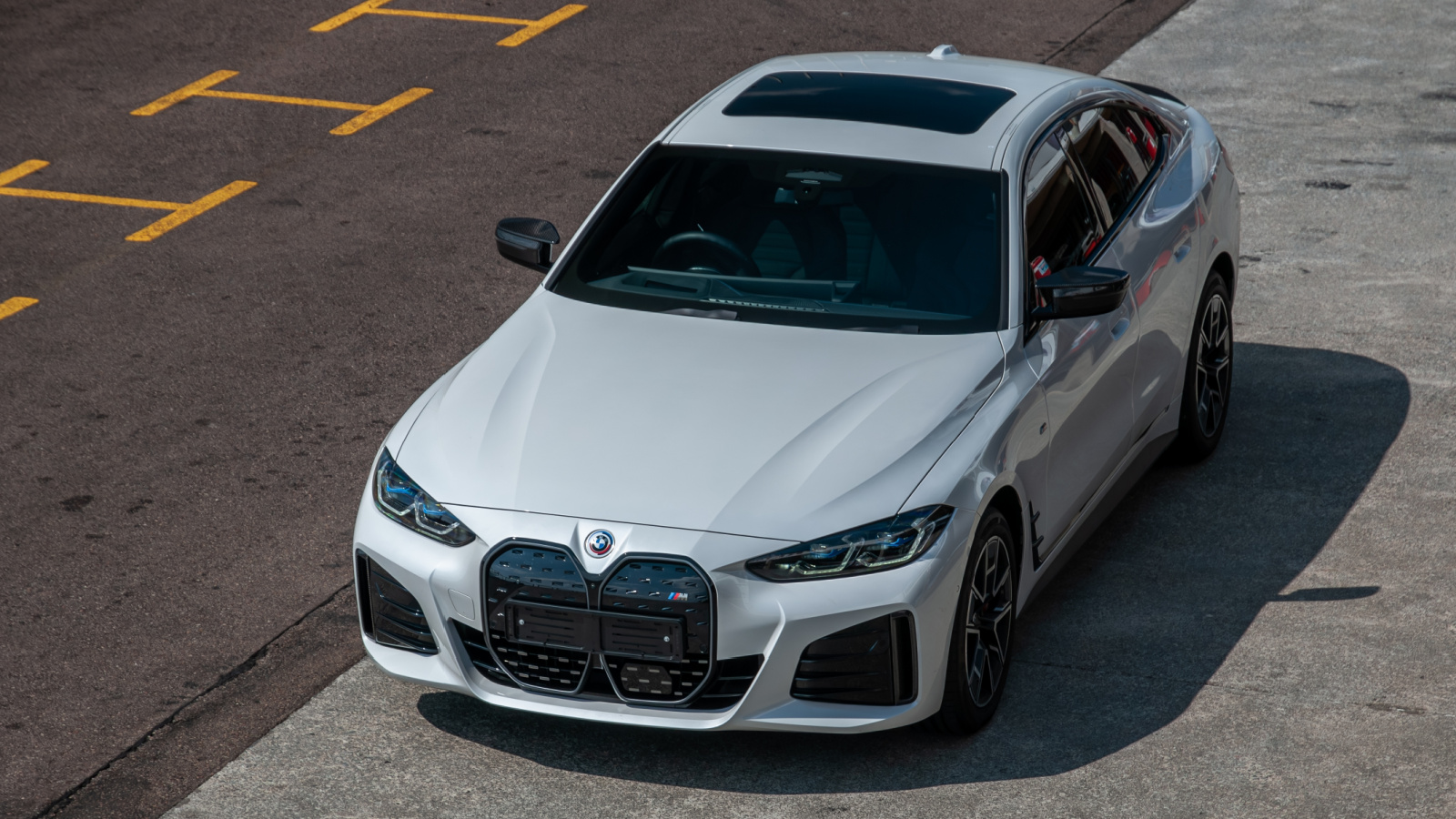
The BMW i4 offers a refined winter driving experience. Its heat pump supports better efficiency in colder conditions. Heated seats feel firm but comfortable across long trips. The cabin warms quickly and stays consistent. The steering wheel heater responds fast. Rear passengers also benefit from heated seating. Energy use remains controlled on highways. Owners report stable winter performance. Controls feel intuitive and easy to manage. The system works without distraction. It delivers a steady and predictable experience during cold Canadian mornings and longer commutes alike.
Polestar 2
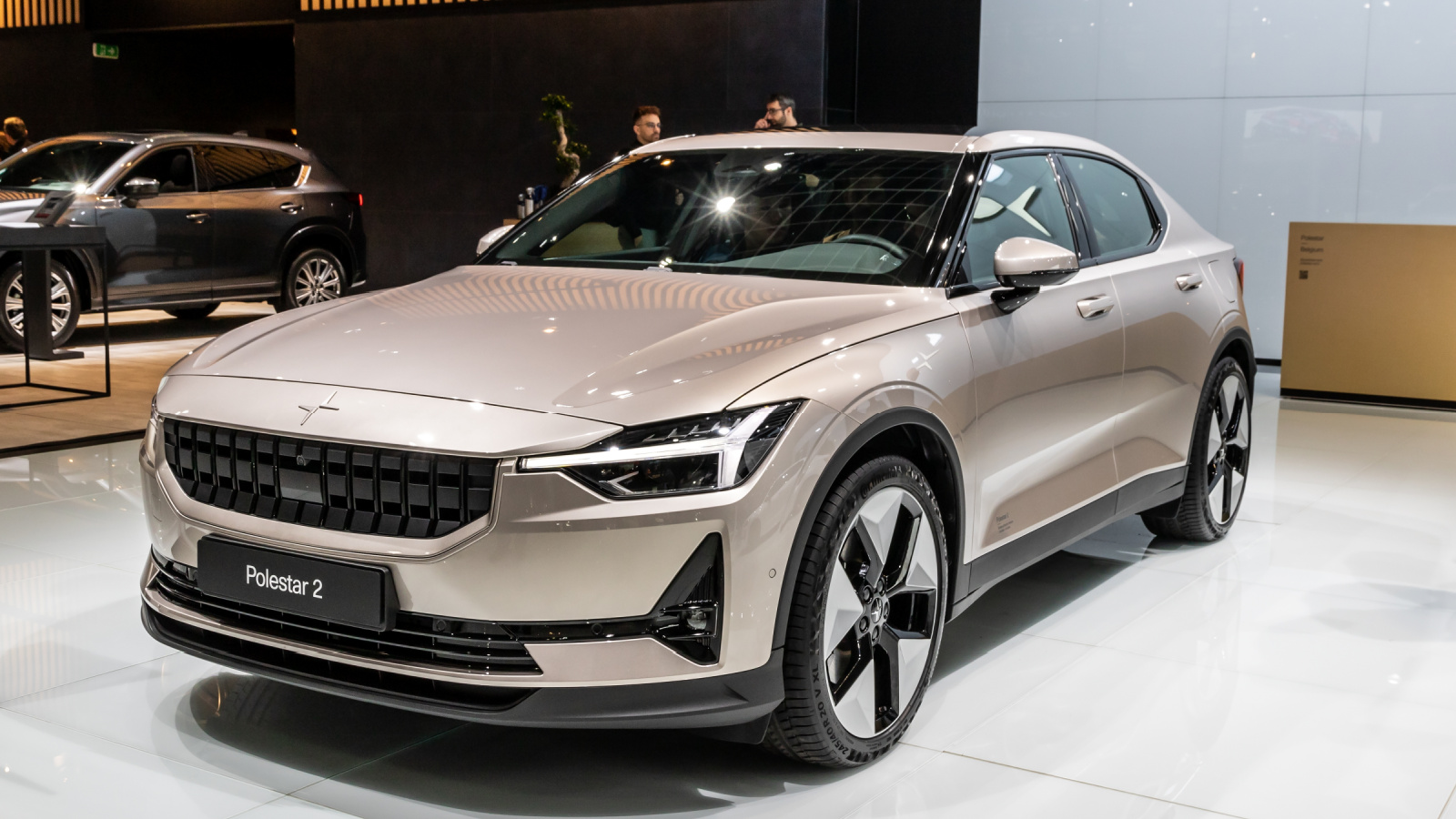
The Polestar 2 delivers a simple and effective winter setup. Its heat pump improves efficiency during colder months. Heated seats feel supportive and warm evenly. The cabin reaches a comfortable temperature quickly. The steering wheel heater adds useful comfort. Rear seat heating is available in higher trims. Energy consumption remains steady in winter use. Owners like the clean interface. Controls feel direct and uncluttered. The system avoids unnecessary complexity. It works well for drivers who want reliable performance without spending time adjusting multiple settings daily.
Volvo XC40 Recharge
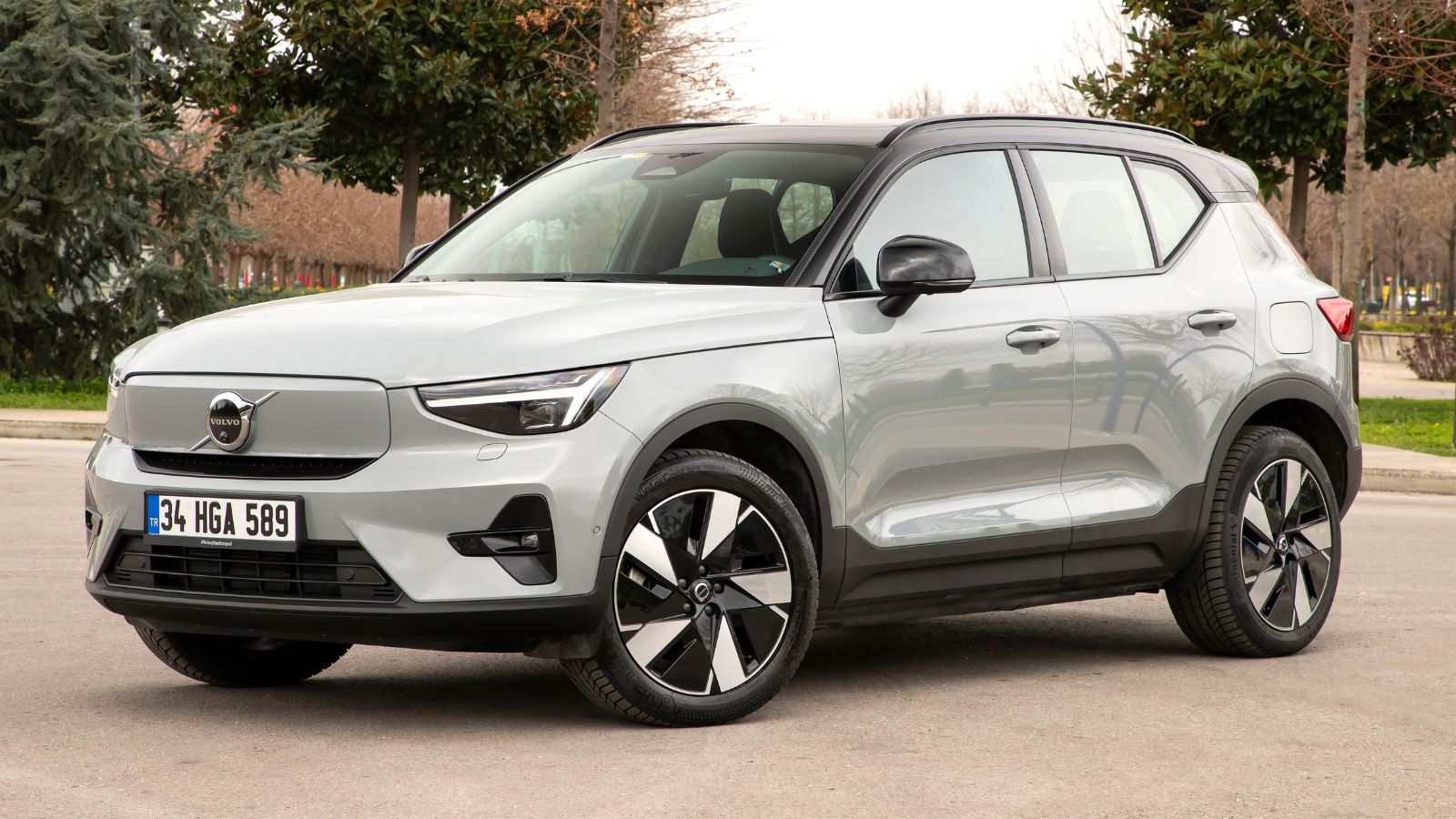
The Volvo XC40 Recharge focuses on comfort during harsh winters. Its heat pump helps maintain range in cold conditions. Heated seats feel plush and warm quickly. The cabin heats evenly from front to back. The steering wheel heater adds extra comfort. Rear seat heating improves passenger satisfaction. Energy use stays reasonable in daily driving. Owners appreciate the quiet cabin. Controls feel familiar and easy to use. The system works consistently in changing weather. It suits longer drives where comfort matters as much as efficiency.
Mercedes-Benz EQB
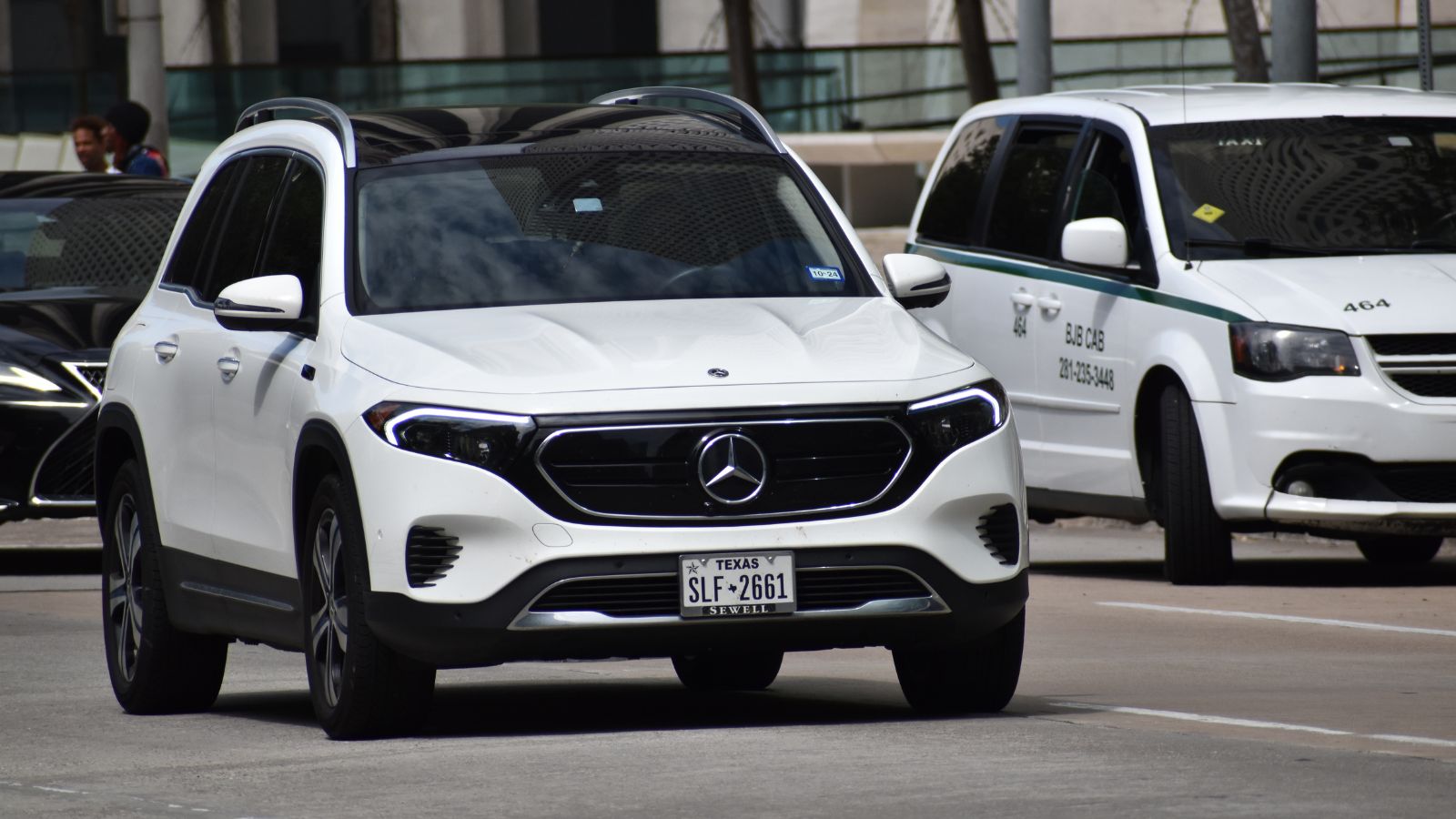
The Mercedes-Benz EQB offers a smooth and balanced winter experience. Its heat pump supports better efficiency in low temperatures. Heated seats feel soft and evenly warmed. The cabin reaches a comfortable temperature quickly. The steering wheel heater adds noticeable comfort. Rear passengers benefit from heated seating. Energy consumption remains stable in daily use. Owners enjoy the quiet ride quality. Controls feel polished and easy to understand. The system works without drawing attention. It fits drivers who prefer comfort delivered in a calm and predictable way.
Hyundai Kona Electric
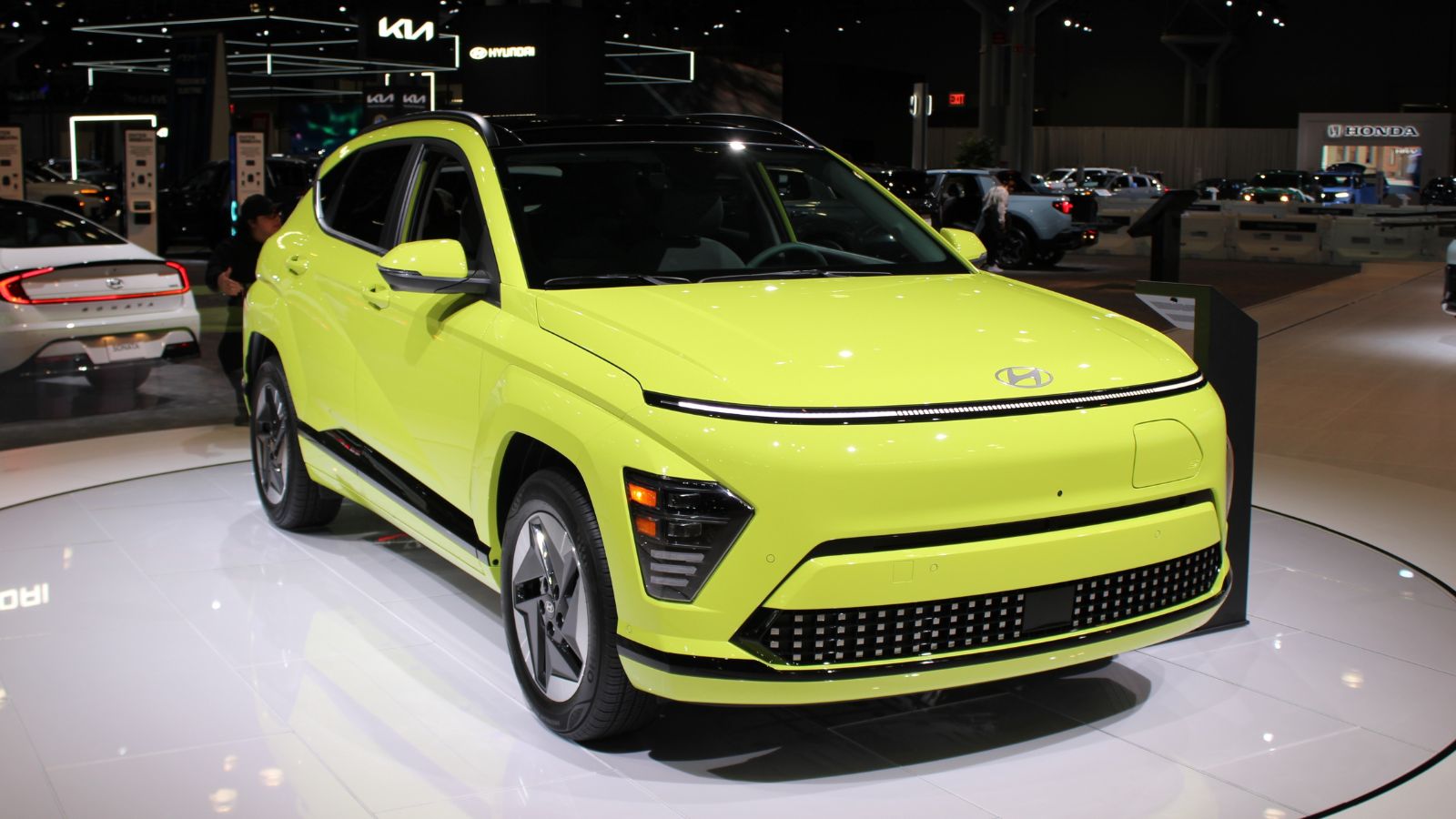
The Hyundai Kona Electric remains practical for winter driving. Its heat pump, where available, helps manage the range in cold weather. Heated seats warm quickly and feel consistent. The cabin heats adequately for daily use. The steering wheel heater adds comfort during short trips. Energy consumption increases in extreme cold. Still, it stays manageable for city driving. Owners appreciate the straightforward controls. The system feels simple to operate. It works best for commuters who want dependable heating without extra complexity during everyday winter conditions.
Kia Niro EV
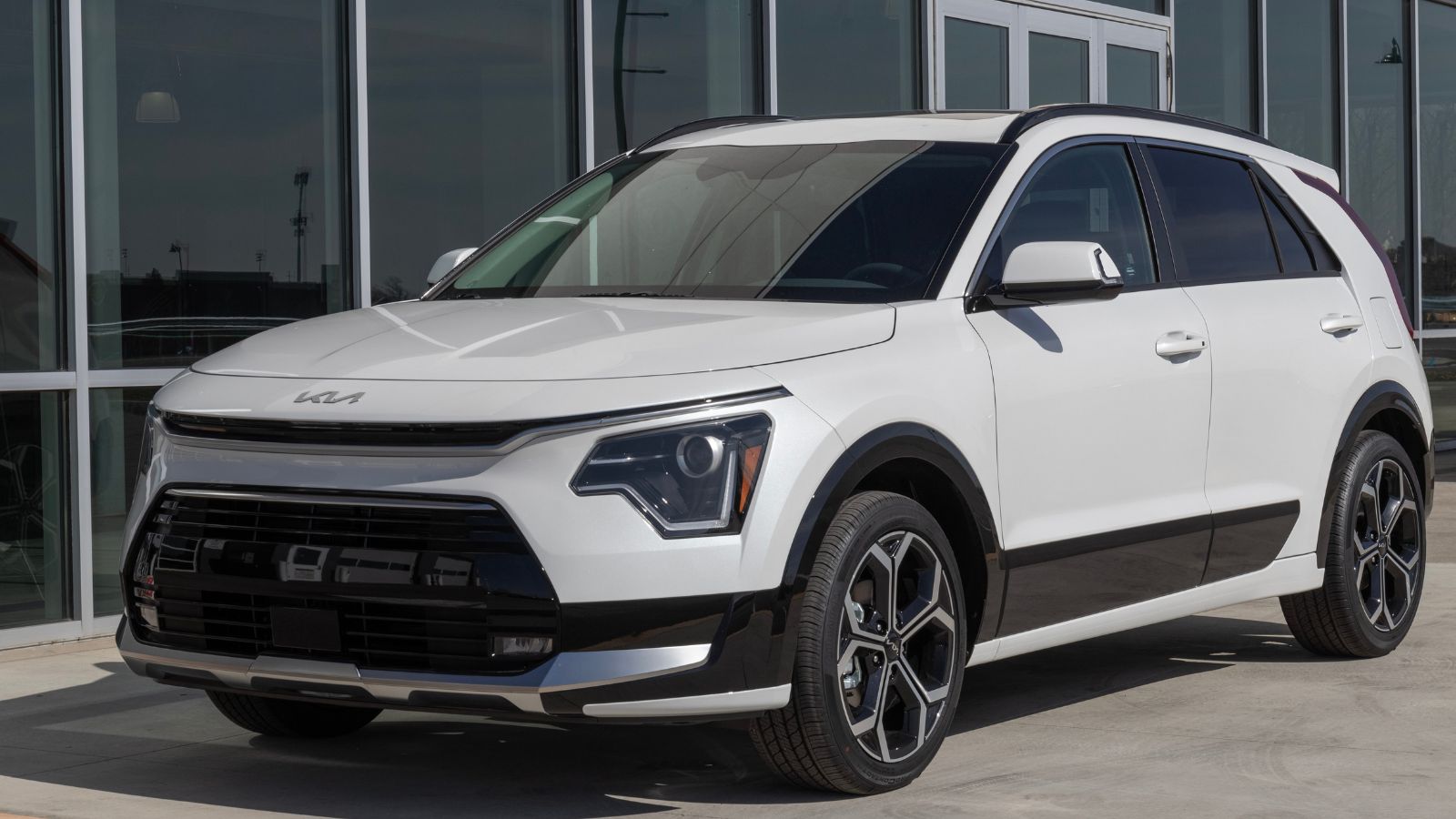
The Kia Niro EV offers a reliable winter setup. Its heat pump improves efficiency in colder temperatures. Heated seats feel comfortable and evenly distributed. The cabin warms steadily without sudden changes. The steering wheel heater adds useful comfort. Rear seat heating improves the passenger experience. Energy use remains controlled during daily driving. Owners value its consistent performance. Controls feel clear and easy to adjust. The system avoids unnecessary complications. It suits drivers who want a dependable vehicle for winter commuting without needing constant adjustments.
Ford F-150 Lightning
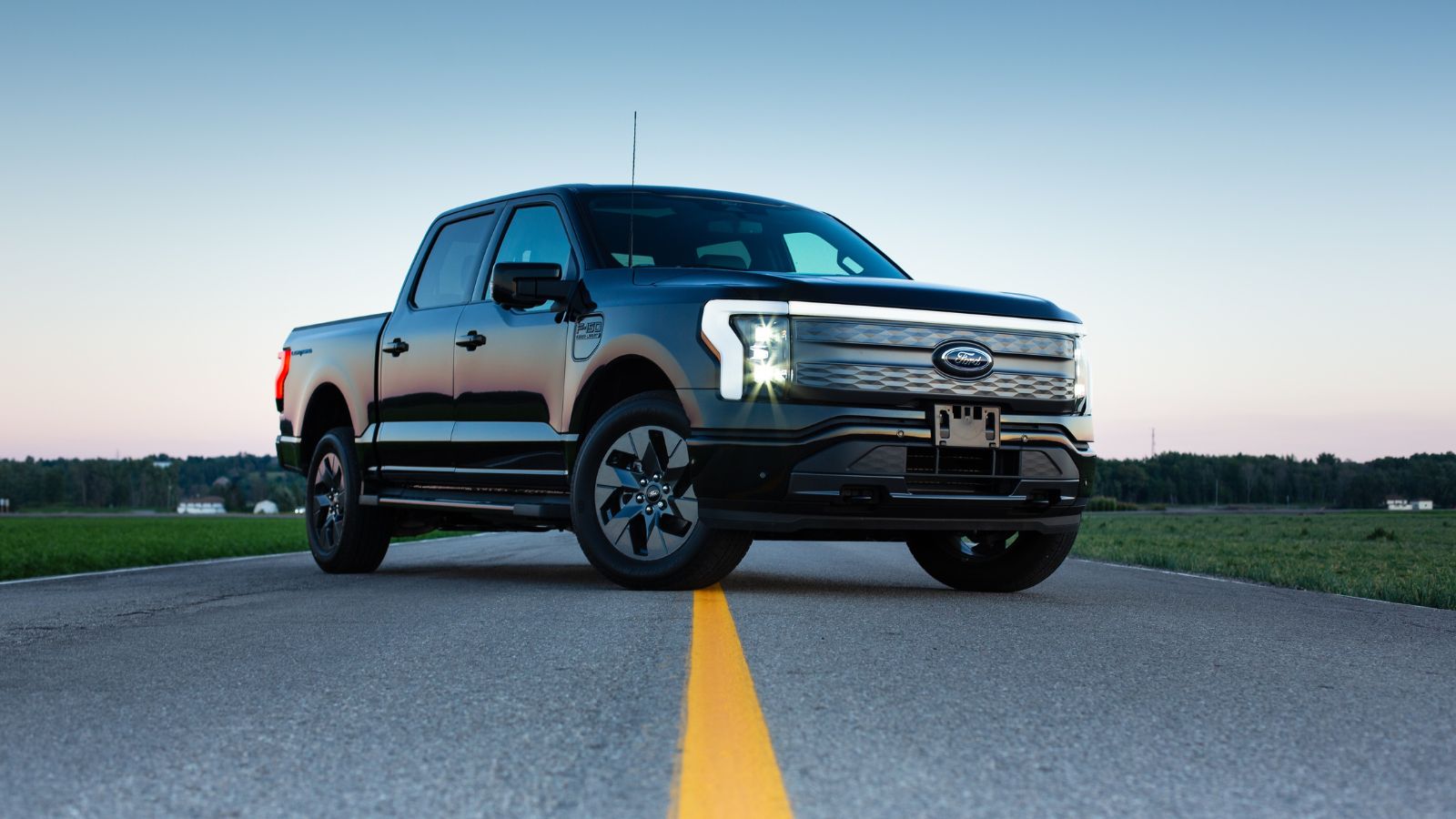
The Ford F-150 Lightning handles winter conditions with confidence. Its heat pump improves efficiency in newer versions. Heated seats feel strong and cover large areas. The cabin warms quickly despite its size. The steering wheel heater adds comfort during cold starts. Energy consumption rises in harsh conditions. Still, performance remains usable for daily tasks. Owners appreciate its practicality. Controls feel familiar and straightforward. The system works reliably during long drives. It suits both work duties and personal use in colder Canadian regions.
Rivian R1T
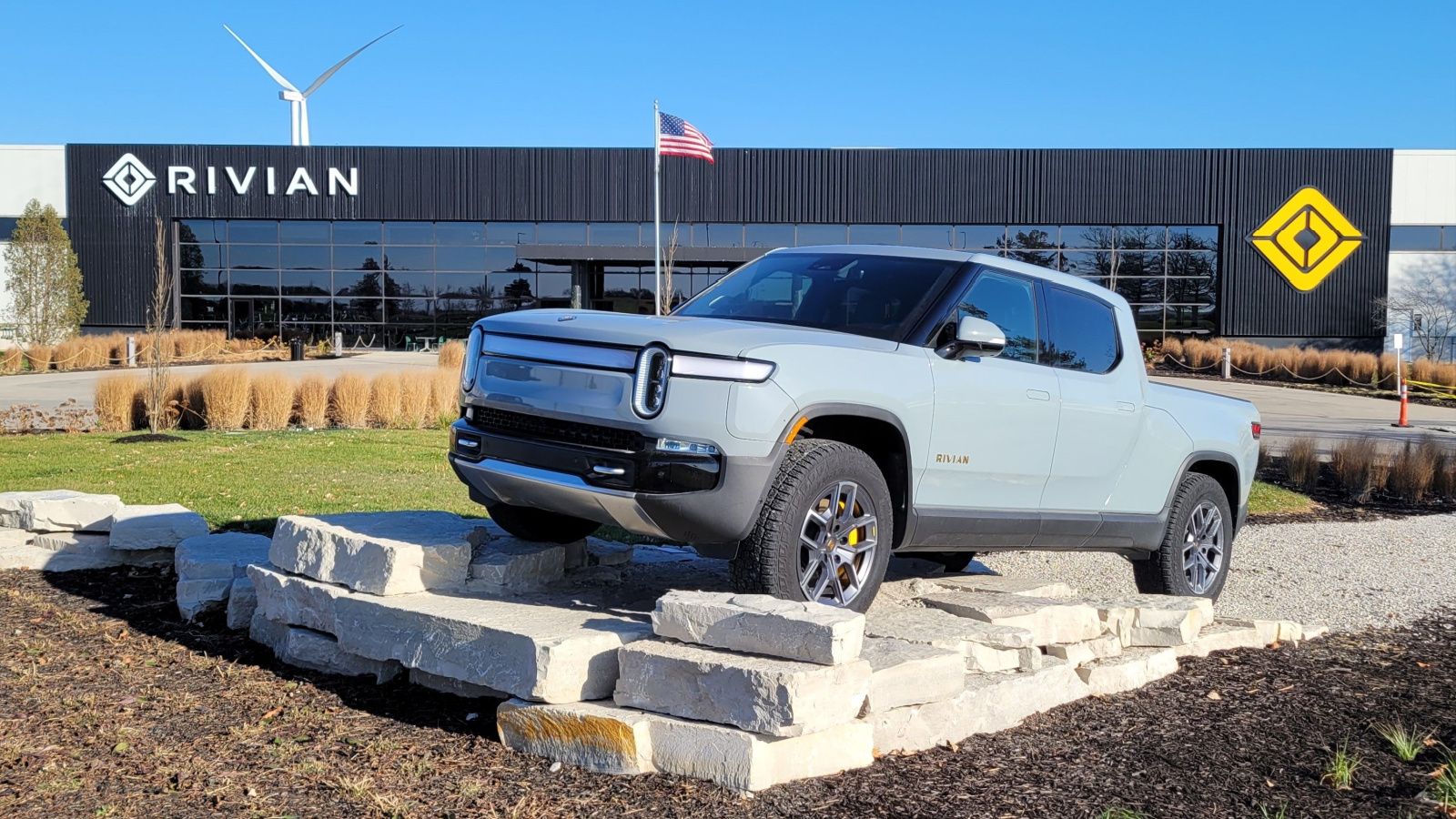
The Rivian R1T is built for harsh environments. Its heat pump supports efficiency during winter driving. Heated seats feel robust and warm quickly. The cabin heats evenly across all areas. The steering wheel heater adds comfort during early starts. Energy use remains reasonable for its size. Owners appreciate its strong performance in cold weather. Controls feel modern but simple to use. The system works reliably in remote conditions. It suits drivers who need both comfort and durability during outdoor adventures in colder climates.
Nissan Leaf
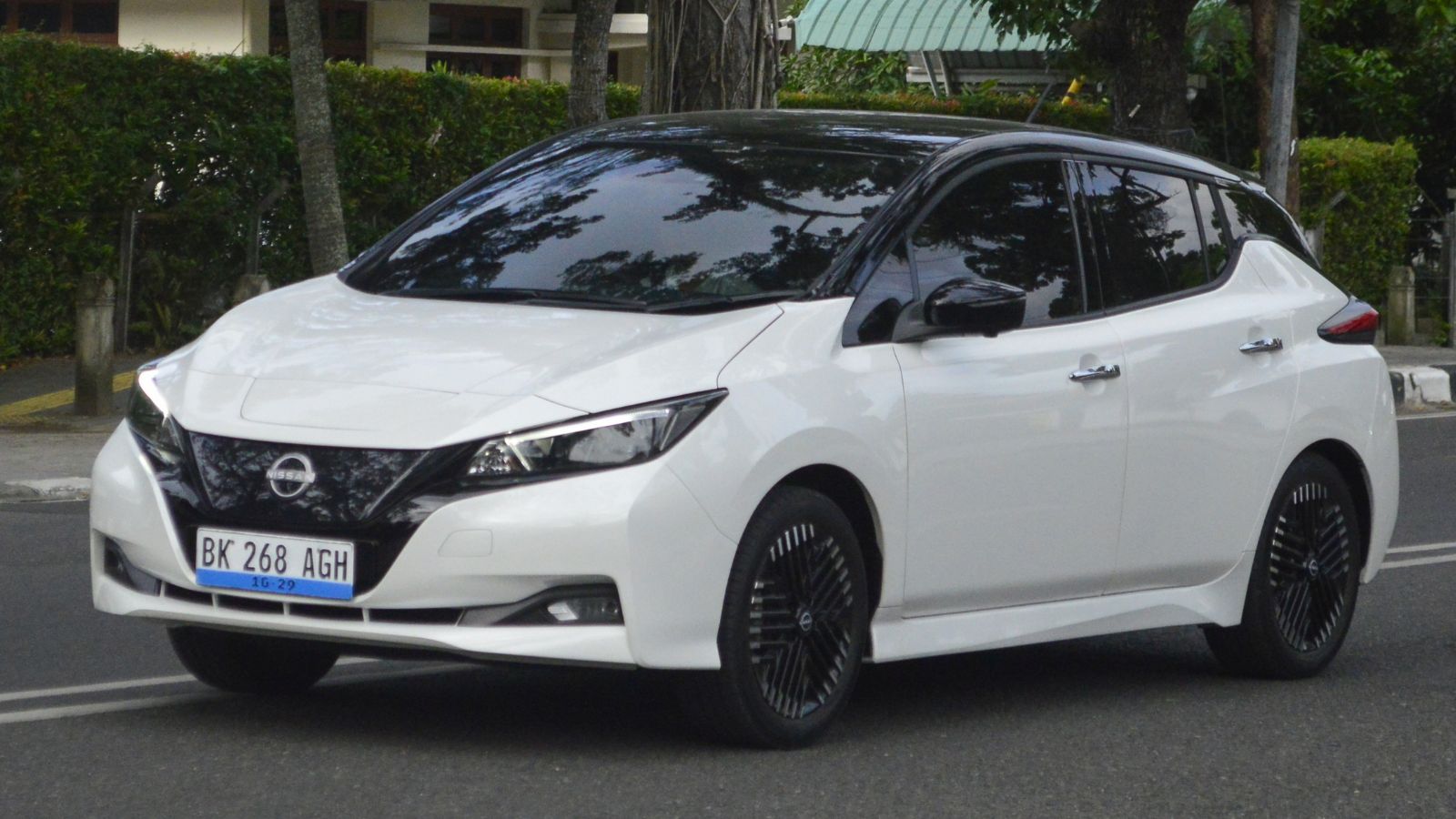
The Nissan Leaf remains a practical winter option for city driving. Newer versions include a heat pump for better efficiency. Heated seats warm quickly and feel effective. The steering wheel heater adds noticeable comfort. The cabin heats adequately for short trips. Energy use increases in very cold weather. Owners often rely on seat heating to save range. Controls feel simple and familiar. The system works best for shorter commutes. It suits drivers who prioritize ease of use over long-distance winter performance.
22 Things Canadians Do to Their Cars in Spring That Mechanics Hate

Spring brings relief to many Canadian drivers after months of snow, freezing temperatures, and icy roads that put serious strain on vehicles. As temperatures rise across the country, drivers begin washing cars, switching tires, and preparing vehicles for warmer weather and upcoming road trips. However, mechanics across Canada notice the same mistakes every spring when drivers attempt to recover from winter damage. Road salt, potholes, and harsh winter driving conditions often leave vehicles with hidden problems that drivers ignore. Some spring habits even create new mechanical issues that could have been avoided with proper maintenance. Here are 22 things Canadians do to their cars in spring that mechanics hate.