


























Oil changes sound simple until the bill arrives. Many drivers expect a routine service to cost under $100. That assumption quickly breaks down with performance engines, luxury SUVs, and tightly packed engine bays. Synthetic oil, larger capacities, and labor complexity all push prices higher. Some vehicles also require specialty filters or dealer-only procedures. In Canada, where cold weather already stresses engines, skipping oil changes is not wise. That makes these costs hard to avoid. If you drive one of these, your wallet already knows. Here are 22 vehicles with quickly breaks down the Most Expensive Oil Changes in Canada (Yes, Really).
Mercedes-Benz G-Class

The G-Class carries a reputation for luxury and serious off-road ability. That extends to its maintenance costs. Oil changes often range from $350 to $500 in Canada. The twin-turbo V8 engine needs high-quality synthetic oil. It also uses a large oil capacity, which increases cost. Labor is not simple either. Tight packaging under the hood slows technicians down. Many owners stick with dealership service for warranty reasons. That adds to the final bill. Independent shops can be cheaper, but parts still cost a lot. This is not a vehicle where you save on routine care.
BMW X5 M

The X5 M blends SUV practicality with serious performance. Its oil changes reflect that personality. Expect to pay between $250 and $400 per visit. The twin-turbo V8 requires premium synthetic oil. It also runs hotter than standard engines. That means stricter oil requirements. The oil capacity is higher than that of most SUVs. Labor costs rise because of complex engine access. BMW recommends specific oil standards, which limit cheaper options. Skipping proper oil can harm performance and longevity. Owners often choose dealer servicing to stay safe. The price may sting, but it protects a costly engine.
Audi RS7

The RS7 is fast, heavy, and packed with technology. Oil changes typically cost $300 to $450 in Canada. The twin-turbo V8 engine uses high-performance synthetic oil. It needs more oil than standard sedans. Accessing the engine components is not easy. That increases labor time. Audi also recommends strict service intervals. Many owners follow dealer service schedules. Specialized filters and fluids add to the total. Cutting corners is risky with this engine. Repairs can become far more expensive. Regular maintenance keeps performance consistent. The oil change cost reflects the car’s high output.
Porsche Cayenne

The Cayenne is known for blending sports car feel with SUV comfort. Oil changes cost around $300 to $500. The engine lineup includes turbocharged options. These engines require high-grade synthetic oil. The oil capacity is larger than average. Labor adds another layer of cost. Porsche engines are tightly packed and complex. Many owners rely on certified service centers. Parts and filters are priced higher than average. Skipping service is not a good idea. Repairs can be extremely costly. Routine oil changes are a necessary expense with this SUV.
Land Rover Range Rover

The Range Rover offers comfort and off-road ability. Maintenance costs match its premium status. Oil changes usually range from $300 to $450. The engine options often include turbocharged units. These engines need synthetic oil with specific standards. The oil capacity is relatively high. Labor costs are also above average. Access to engine components can be tricky. Many owners stick to dealership servicing. That keeps records clean but raises costs. Independent shops may offer savings. Still, parts and fluids remain expensive. Owning a Range Rover means budgeting for these routine expenses.
Jaguar F-Type

The F-Type delivers strong performance and sleek styling. Oil changes cost between $250 and $400. Its supercharged or turbocharged engines need premium oil. These engines run hot and demand proper lubrication. The oil capacity is higher than that of compact cars. Labor is not quick due to tight engine bays. Jaguar also recommends specific oil types. Using cheaper alternatives is not wise. Many owners prefer dealership service for peace of mind. Parts and filters are also priced higher. Routine maintenance helps avoid bigger repair bills later.
Chevrolet Corvette

The Corvette, especially newer models, is more complex than before. Oil changes can cost $200 to $350. The mid-engine layout in newer versions adds difficulty. Accessing components takes more time. The engine requires high-performance synthetic oil. Oil capacity is also above average. Chevrolet recommends specific oil grades. Many owners follow strict service schedules. Independent shops can handle it, but experience matters. The cost reflects both performance and engineering complexity. Regular oil changes are essential to maintain reliability and power.
Dodge Challenger Hellcat

The Hellcat is built for raw power. Its oil changes cost around $250 to $350. The supercharged V8 engine demands premium synthetic oil. It also uses a large oil capacity. High-output engines stress oil more than normal. That requires frequent changes. Labor costs are moderate, but parts add up. Performance filters and fluids are not cheap. Owners who drive aggressively may change oil sooner. Skipping maintenance can lead to costly damage. This is not a budget-friendly engine to maintain.
Ford F-150 Raptor

The Raptor is a performance-focused pickup. Oil changes typically cost $180 to $300. Its turbocharged engine needs synthetic oil. The oil capacity is higher than that of standard trucks. Off-road use can increase wear on oil. That may require more frequent changes. Labor costs are moderate but still higher than those of basic trucks. Specialized filters also add to the bill. Many owners rely on dealerships. Others use experienced independent shops. Either way, the cost reflects the truck’s performance focus.
Toyota Land Cruiser
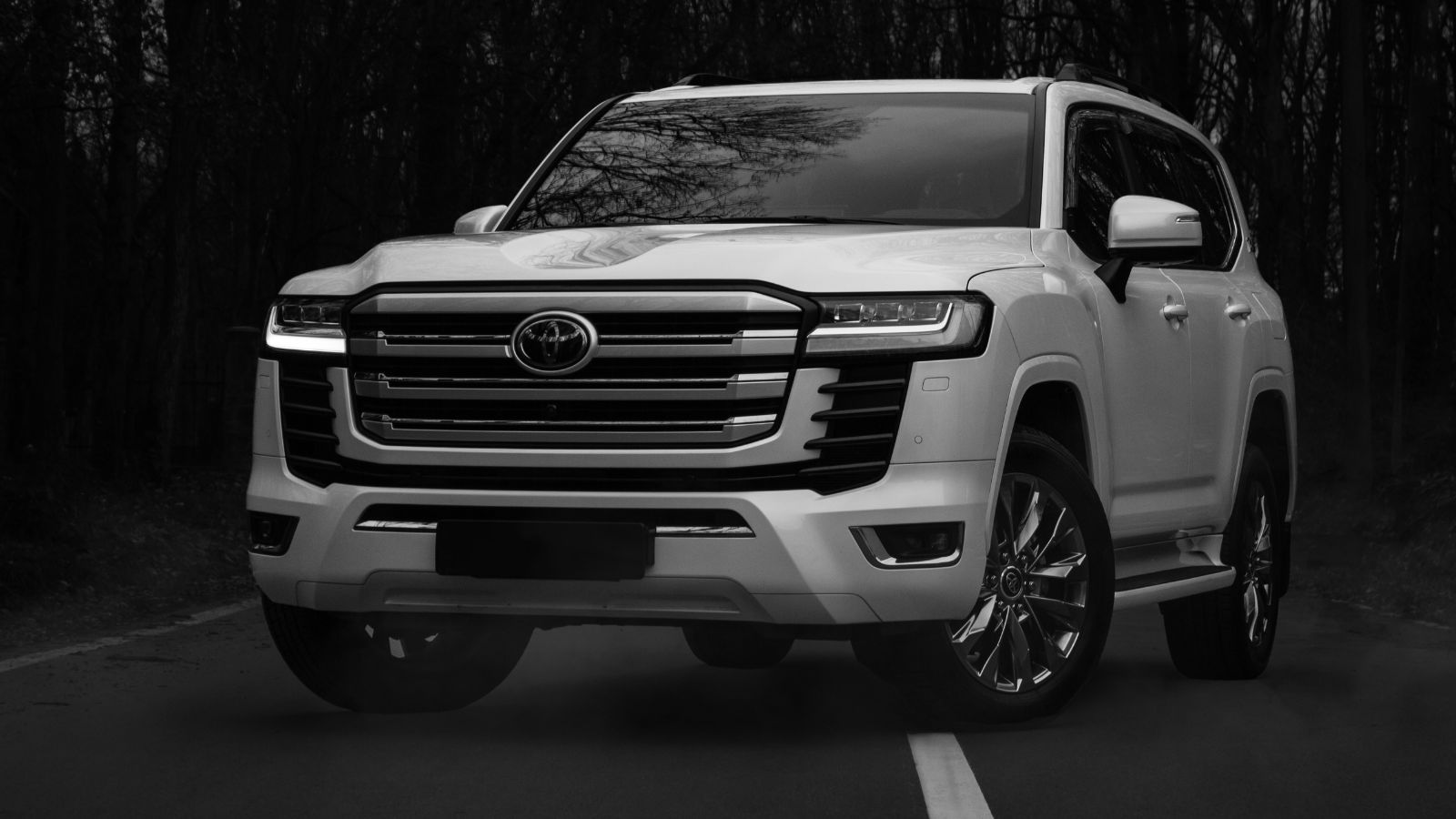
The Land Cruiser is known for durability and long-term ownership appeal. Oil changes usually cost between $180 and $300 in Canada. The large V8 engine holds more oil than most SUVs. That alone increases cost. Synthetic oil is commonly used, especially in colder climates. Labor is not complex but is still priced above average. Many owners follow strict service schedules. Skipping oil changes can shorten engine life. Parts are reliable but not cheap. Regular maintenance keeps this SUV running smoothly for years without unexpected mechanical issues.
Nissan GT-R
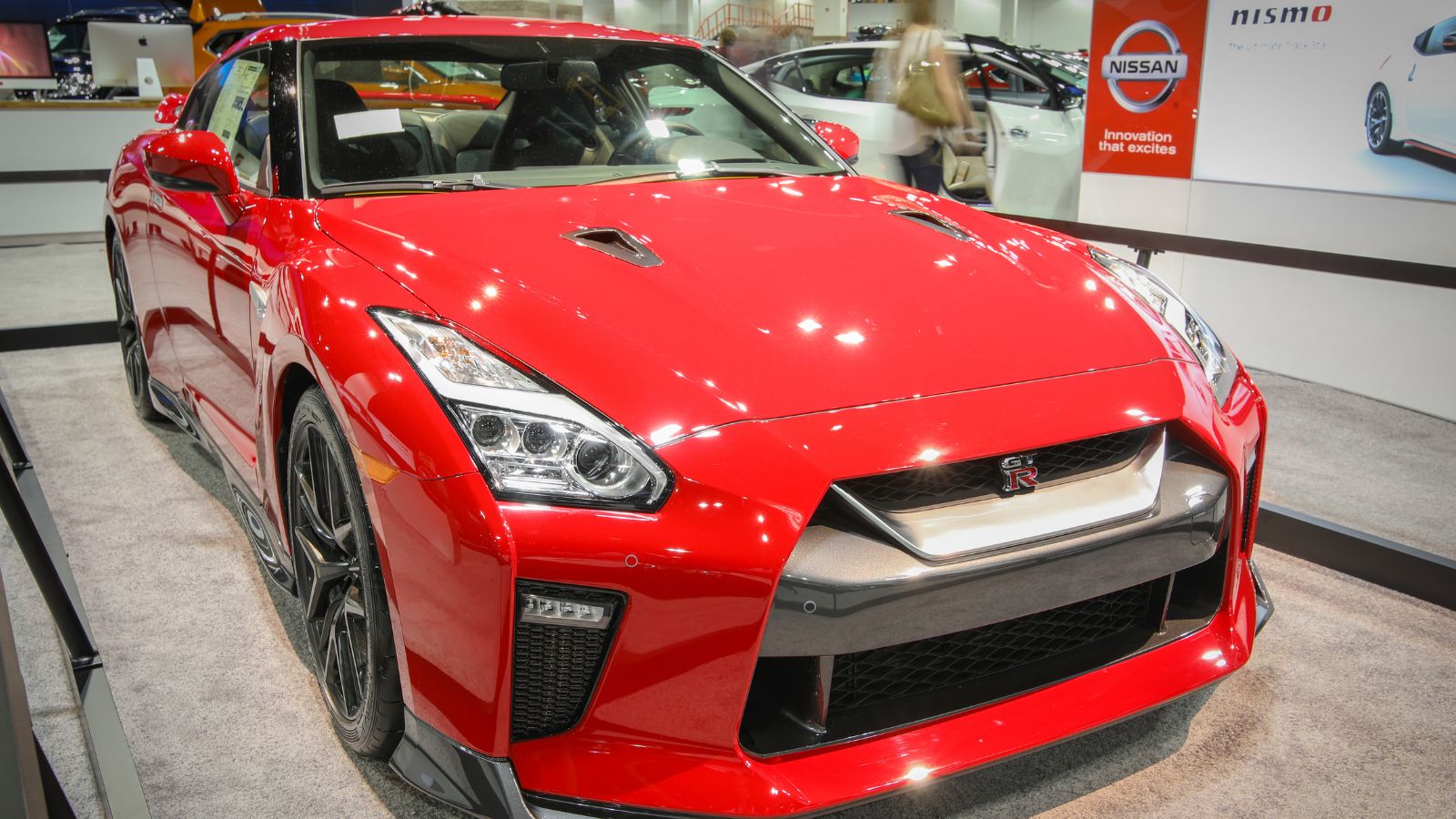
The GT-R delivers serious performance and requires equally serious maintenance. Oil changes typically cost between $300 and $500 in Canada. Its twin-turbo V6 engine needs high-grade synthetic oil. The engine runs under high stress during spirited driving. Oil quality matters a lot for long-term reliability. The oil capacity is also above average. Labor costs increase due to tight engine packaging. Nissan recommends strict service intervals for best performance. Many owners rely on dealership servicing. That keeps the engine protected but raises the overall maintenance bill.
BMW M5

The M5 blends luxury with strong performance, and maintenance costs follow that pattern. Oil changes usually range from $250 to $400 in Canada. Its twin-turbo V8 requires premium synthetic oil. The engine produces high heat, which affects the oil condition. Oil capacity is higher than that of typical sedans. Labor costs are elevated due to compact engine design. BMW specifies approved oil types for proper operation. Many owners stay with dealership servicing for consistency. Skipping maintenance is risky with this engine. Regular oil changes help maintain smooth performance and engine longevity.
Audi Q8

The Audi Q8 offers modern design and strong performance. Oil changes cost around $200 to $350 in Canada. Turbocharged engines require high-quality synthetic oil. The oil capacity is above average for this segment. Labor costs are moderate but not cheap. Audi recommends specific oil standards, limiting cheaper alternatives. Many owners choose dealership servicing for peace of mind. Independent shops may reduce costs slightly. Parts and filters still remain expensive. Regular oil changes help maintain engine efficiency and prevent wear over time in daily driving conditions.
Lexus LX

The Lexus LX focuses on comfort, durability, and long-term reliability. Oil changes typically cost between $180 and $300 in Canada. Its large engine uses more oil than smaller SUVs. Synthetic oil is often recommended for better protection. Labor is straightforward but still priced above average. Lexus parts are reliable but not inexpensive. Many owners stick to consistent service intervals. This helps preserve engine health over time. Skipping oil changes can reduce performance and efficiency. Routine maintenance supports the vehicle’s reputation for long-lasting dependability and smooth operation.
Tesla Model S

The Model S does not require traditional oil changes like gasoline vehicles. However, it still involves regular maintenance costs. Service visits often range from $150 to $250 in Canada. These include brake fluid checks and coolant servicing. Many new owners expect zero maintenance, which is not accurate. Electric vehicles reduce oil costs, but not service needs entirely. Intervals are longer but still important. Skipping maintenance can lead to issues over time. Costs are different rather than lower. Proper care helps maintain performance, safety, and long-term reliability.
Jeep Grand Cherokee Trackhawk

The Trackhawk is a performance SUV with serious power under the hood. Oil changes typically cost between $250 and $350 in Canada. Its supercharged V8 engine requires premium synthetic oil. The oil capacity is significantly higher than average. High-output engines place more stress on oil. Labor costs are moderate but not low. Parts and filters also add to the total. Owners who drive aggressively may need more frequent changes. Skipping maintenance can lead to costly repairs. Regular oil changes keep the engine running smoothly and reliably.
Cadillac Escalade
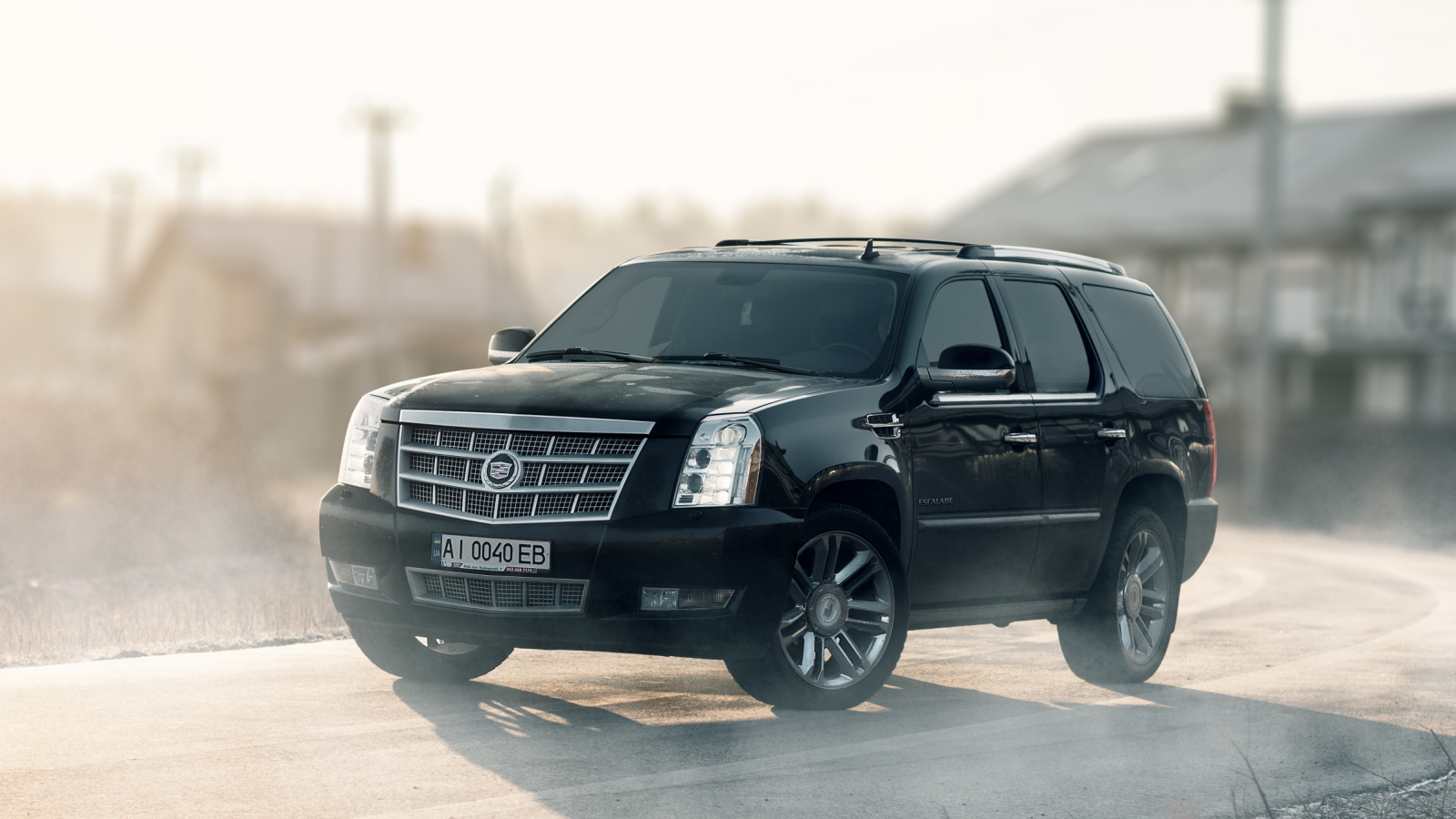
The Escalade is a large SUV with a powerful V8 engine. Oil changes usually cost between $180 and $300 in Canada. The engine holds more oil than smaller vehicles. Synthetic oil is commonly recommended for better protection. Labor costs are moderate due to the accessible engine layout. Parts and filters are priced above average. Many owners choose dealership service for convenience. Others use independent shops to reduce costs. Skipping oil changes can affect performance over time. Routine maintenance helps maintain smooth operation and supports long-term engine durability.
Volvo XC90

The XC90 uses advanced engine technology and modern design. Oil changes cost around $200 to $350 in Canada. Turbocharged and hybrid engines require high-quality synthetic oil. The oil capacity is moderate but still higher than that of compact vehicles. Labor costs can increase due to engine complexity. Volvo recommends specific oil standards for proper function. Many owners follow dealership service schedules. Independent shops may offer slight savings. Regular maintenance helps preserve efficiency and performance. Skipping oil changes can lead to increased wear and reduced reliability over time.
Subaru WRX STI
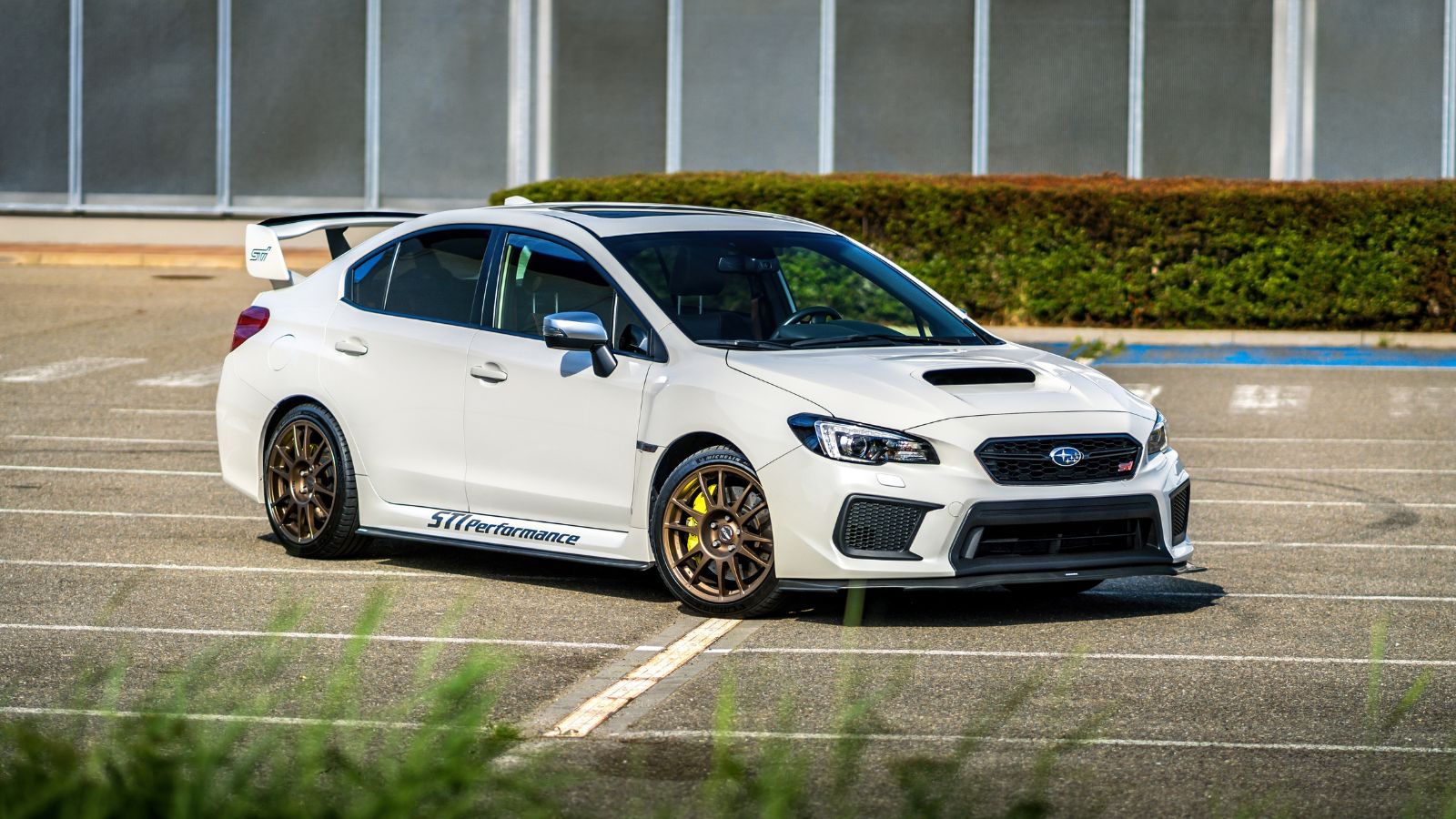
The WRX STI is built for spirited driving and strong road grip. Oil changes typically cost between $150 and $250 in Canada. Its turbocharged engine needs quality synthetic oil. Performance driving increases oil wear more quickly. Many owners change oil more often than recommended. Labor costs are moderate and manageable. Parts are not cheap but still accessible. Some owners prefer doing oil changes themselves. Others rely on professional service for consistency. Regular maintenance helps keep the engine healthy and avoids costly repairs linked to neglect.
Ram 1500 TRX
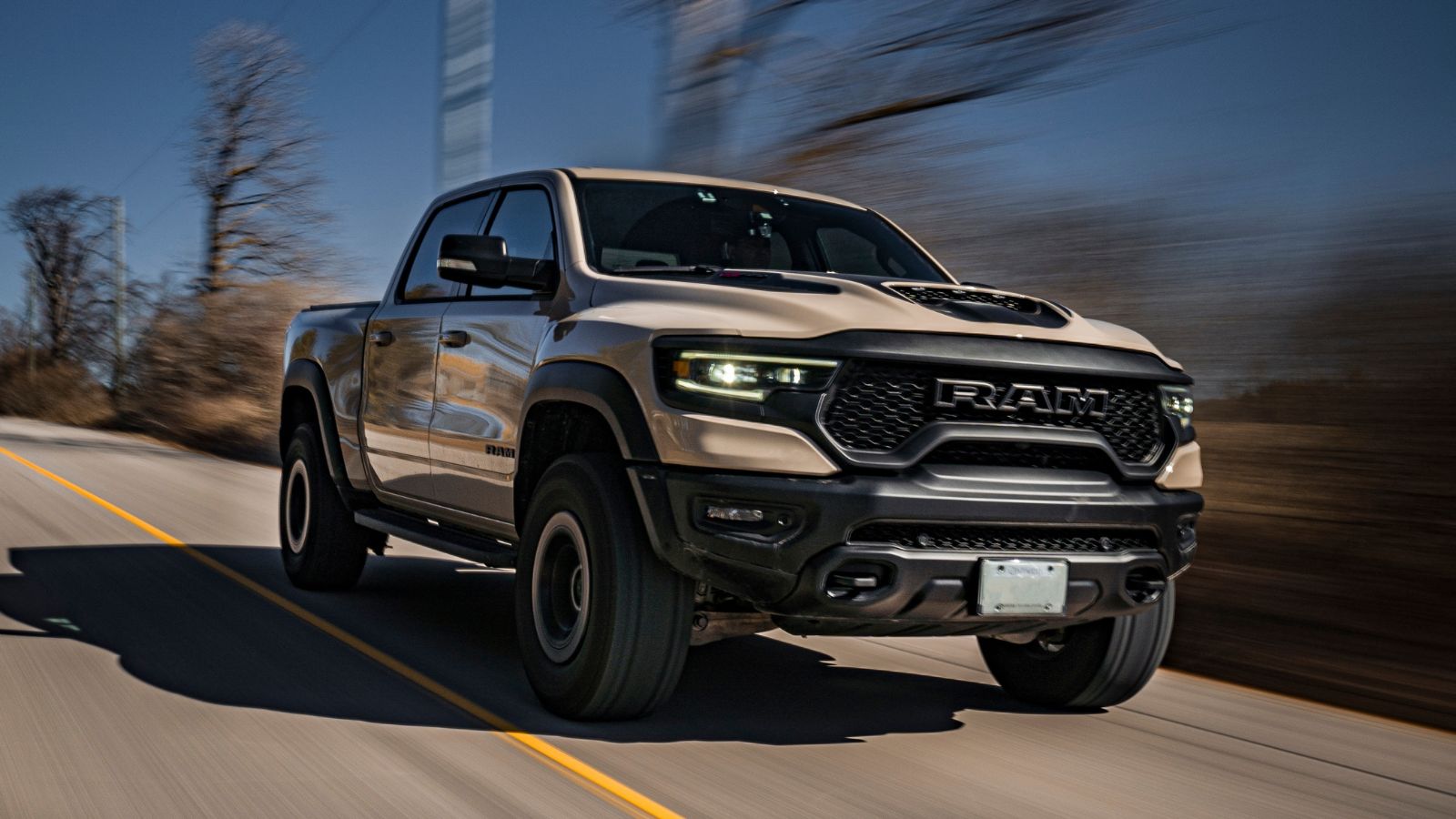
The TRX is a high-performance truck with a powerful supercharged engine. Oil changes cost around $250 to $350 in Canada. The V8 engine requires premium synthetic oil for proper lubrication. It also uses a large oil capacity. High output increases stress on oil and components. Labor costs are moderate but still noticeable. Parts and filters add to the final bill. Owners who drive aggressively may need frequent oil changes. Skipping service can lead to expensive repairs. Routine maintenance keeps performance consistent and protects long-term engine reliability.
Acura NSX
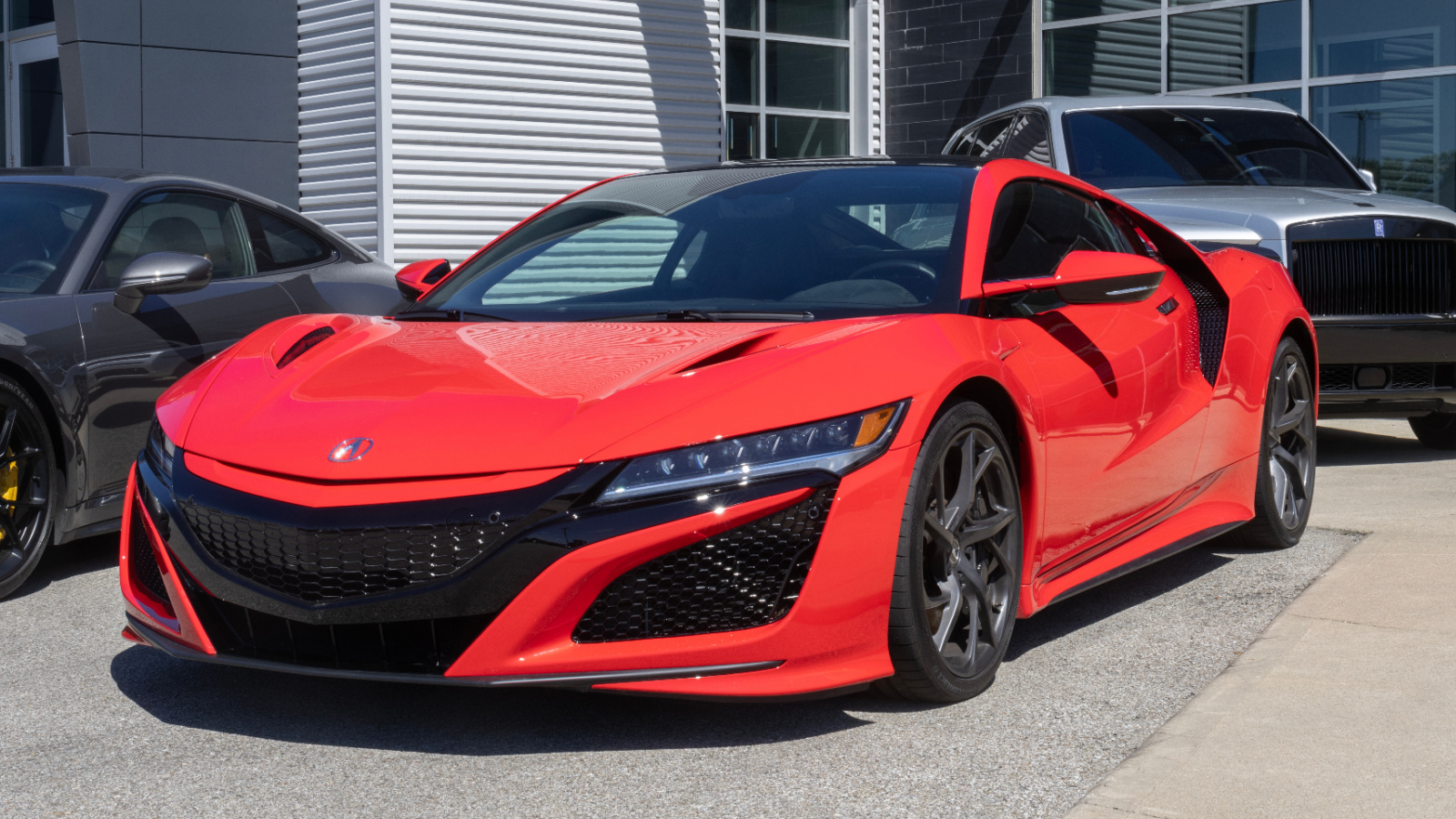
The NSX combines hybrid technology with strong performance capabilities. Oil changes usually cost between $300 and $500 in Canada. Its twin-turbo engine requires premium synthetic oil. The hybrid system adds complexity to maintenance. Labor costs are higher than average due to specialized components. Parts and fluids are not inexpensive. Many owners rely on dealership servicing for proper care. Skipping maintenance is risky with advanced systems. Regular oil changes help maintain performance and efficiency. This vehicle reflects high engineering, and its service costs match that level.
Maserati Ghibli
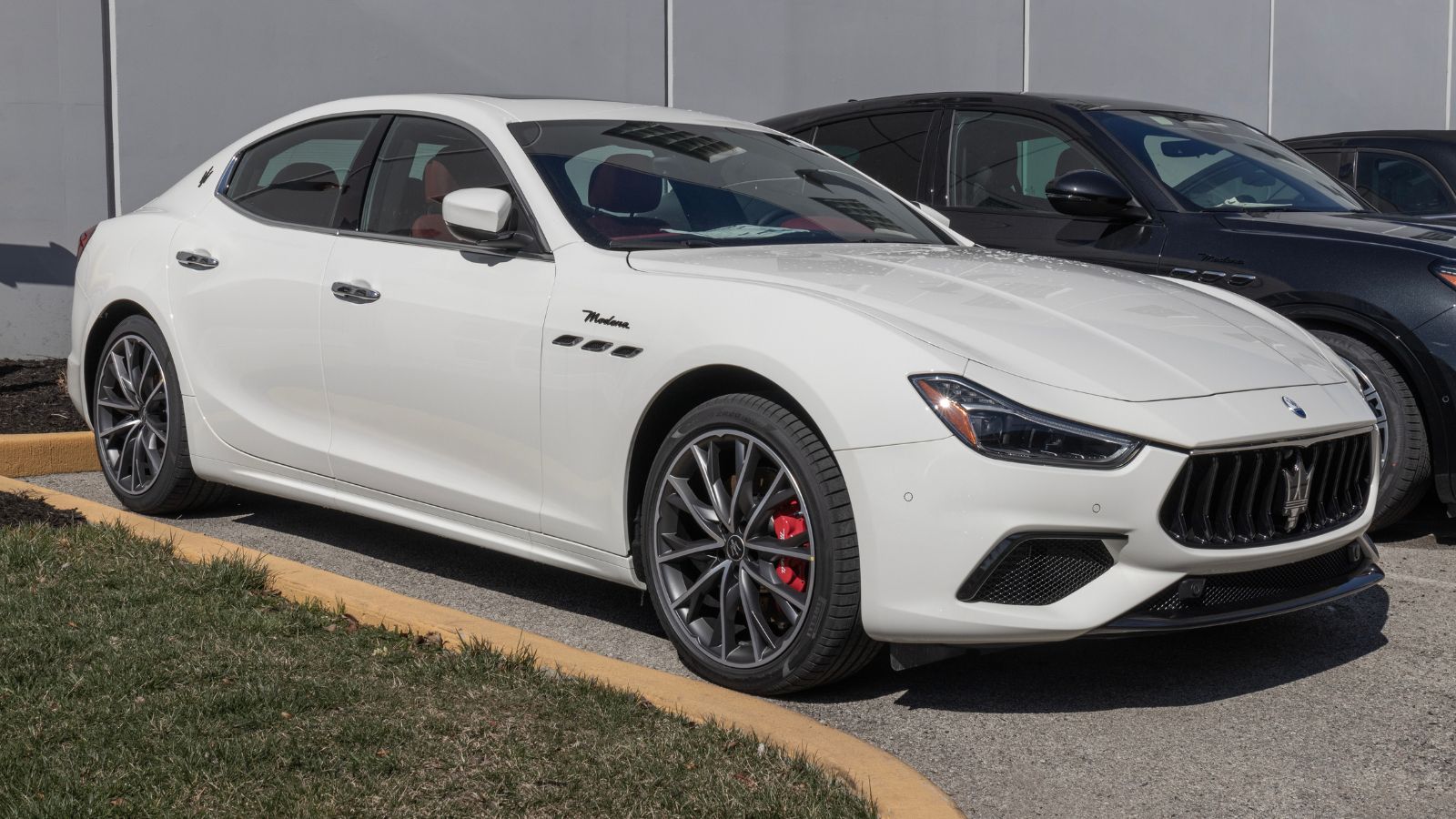
The Ghibli offers a mix of style and performance with Italian character. Oil changes typically cost between $300 and $450 in Canada. Its turbocharged engine requires high-quality synthetic oil. The oil capacity is higher than average for sedans. Labor costs are also elevated due to engine design. Parts and filters are expensive compared to mainstream brands. Many owners rely on dealership service for accuracy. Independent shops may have limited access to parts. Routine maintenance is essential to avoid larger repair costs and maintain smooth performance.
22 Things Canadians Do to Their Cars in Spring That Mechanics Hate

Spring brings relief to many Canadian drivers after months of snow, freezing temperatures, and icy roads that put serious strain on vehicles. As temperatures rise across the country, drivers begin washing cars, switching tires, and preparing vehicles for warmer weather and upcoming road trips. However, mechanics across Canada notice the same mistakes every spring when drivers attempt to recover from winter damage. Road salt, potholes, and harsh winter driving conditions often leave vehicles with hidden problems that drivers ignore. Some spring habits even create new mechanical issues that could have been avoided with proper maintenance. Here are 22 things Canadians do to their cars in spring that mechanics hate.