


























A first month with a new car often feels like a victory lap, but it is also the best time to build habits that protect safety, warranty coverage, resale value, and everyday comfort. Small decisions made early—saving paperwork, learning warning lights, setting tire checks, and understanding insurance—can prevent bigger problems later. These 21 steps help new car owners move beyond the excitement of delivery day and settle into ownership with fewer surprises, better organization, and more confidence behind the wheel.
Read the Owner’s Manual Before Problems Start
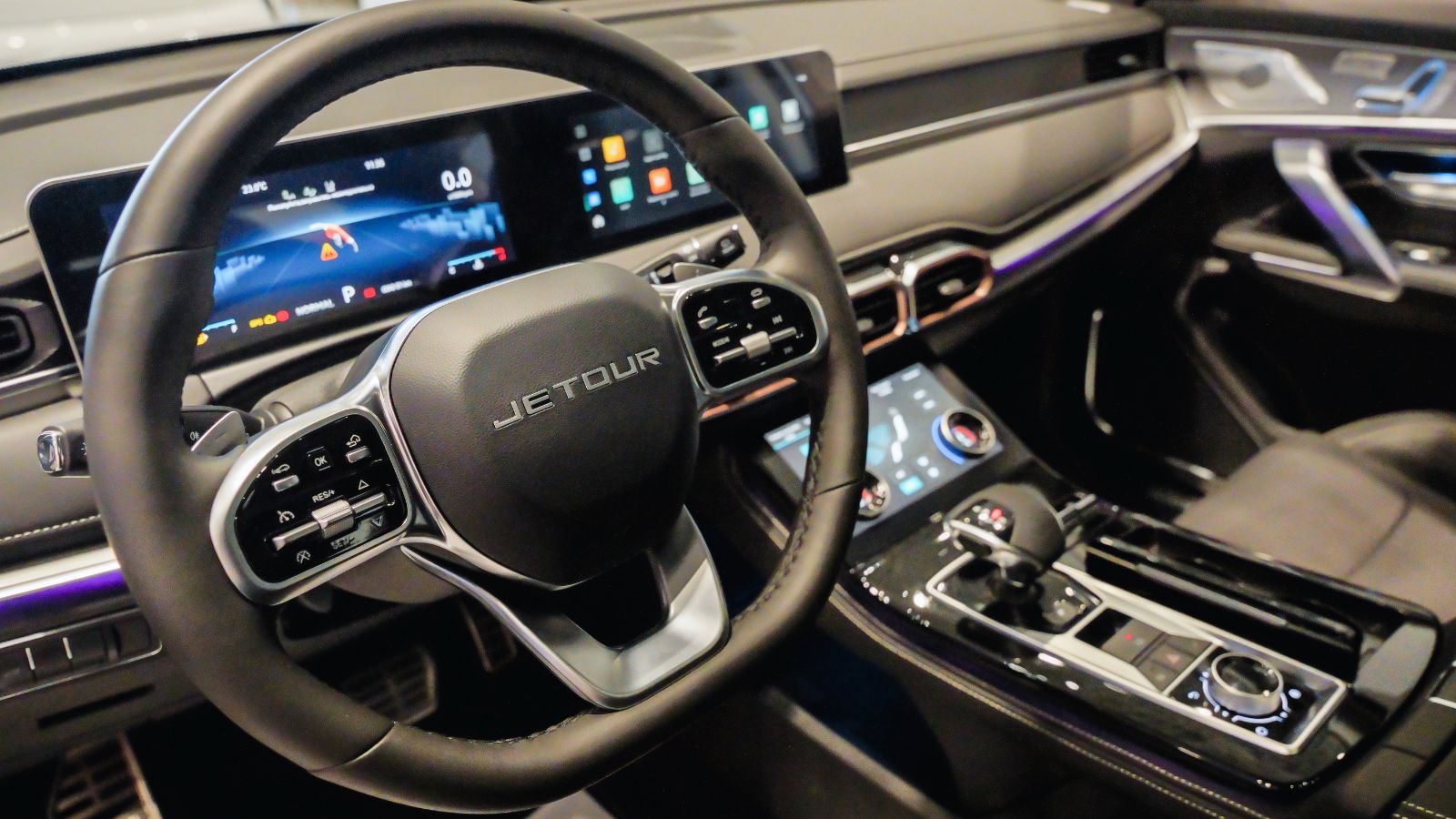
The owner’s manual is easy to ignore because a new car usually feels self-explanatory. Yet it contains details that even experienced drivers often miss, including maintenance intervals, recommended fluids, towing limits, tire pressure, dashboard symbols, jump-starting instructions, and safe use of driver-assistance features. A driver who waits until a warning light appears may end up searching online in a parking lot, which is rarely the best moment to learn what the symbol means.
During the first month, it helps to bookmark the manual digitally or keep the printed copy in the glove box. Some owners highlight the maintenance schedule, break-in guidance, tire pressure chart, and warranty section. Modern vehicles vary widely, so old assumptions may be wrong. For example, one model may require a specific oil grade, while another may use an oil-life monitor rather than a simple mileage interval.
Confirm Registration, Title, Plates, and Insurance Documents

New ownership is not complete until the paperwork is fully in order. Depending on the jurisdiction, drivers may need proof of insurance, a signed title or lease agreement, inspection documents, temporary registration, or dealer-issued paperwork before permanent plates arrive. A new owner who assumes the dealership handled everything can still run into trouble if a document is missing, a temporary tag expires, or the address on file is incorrect.
The first month is a smart time to create a simple folder—physical, digital, or both—for the bill of sale, registration receipt, title or lien paperwork, insurance card, loan or lease agreement, and warranty documents. That folder becomes useful after a traffic stop, insurance claim, recall appointment, or future sale. It also gives owners a chance to catch mistakes early, such as a misspelled name, wrong VIN, or incorrect trim level.
Review Insurance Coverage Before the First Surprise

A new car can change insurance needs immediately. Liability coverage protects against damage or injury caused to others, but it does not repair the owner’s vehicle after every loss. Collision coverage generally applies to crash damage, while comprehensive coverage often applies to theft, vandalism, weather, fire, and animal strikes. New owners should also understand deductibles, rental reimbursement, roadside assistance, and whether glass damage has separate rules.
Gap coverage deserves special attention when the car is financed or leased. A vehicle can be worth less than the remaining loan balance early in ownership, especially with a small down payment or long loan term. If the vehicle is stolen or declared a total loss, standard insurance may pay based on actual cash value rather than the loan balance. Reviewing this during the first month can prevent an expensive misunderstanding after the fact.
Save Every Purchase and Warranty Document

The first month is the ideal time to organize all purchase documents before they scatter across email inboxes, glove compartments, and kitchen drawers. Important records include the purchase contract, financing agreement, trade-in documents, window sticker, warranty booklet, service contract terms, dealer add-on receipts, and any written promises from the seller. Verbal promises are much harder to prove later, especially when employees change or ownership of the dealership shifts.
Warranty coverage also has limits that are worth understanding early. Manufacturer warranties, extended service contracts, tire-and-wheel protection, paint protection, and prepaid maintenance plans are not the same thing. Each may cover different parts, require different claim procedures, or exclude wear items. A new owner who knows the difference can avoid paying twice for overlapping coverage or assuming a repair is covered when the fine print says otherwise.
Set Up Loan or Lease Payments Immediately
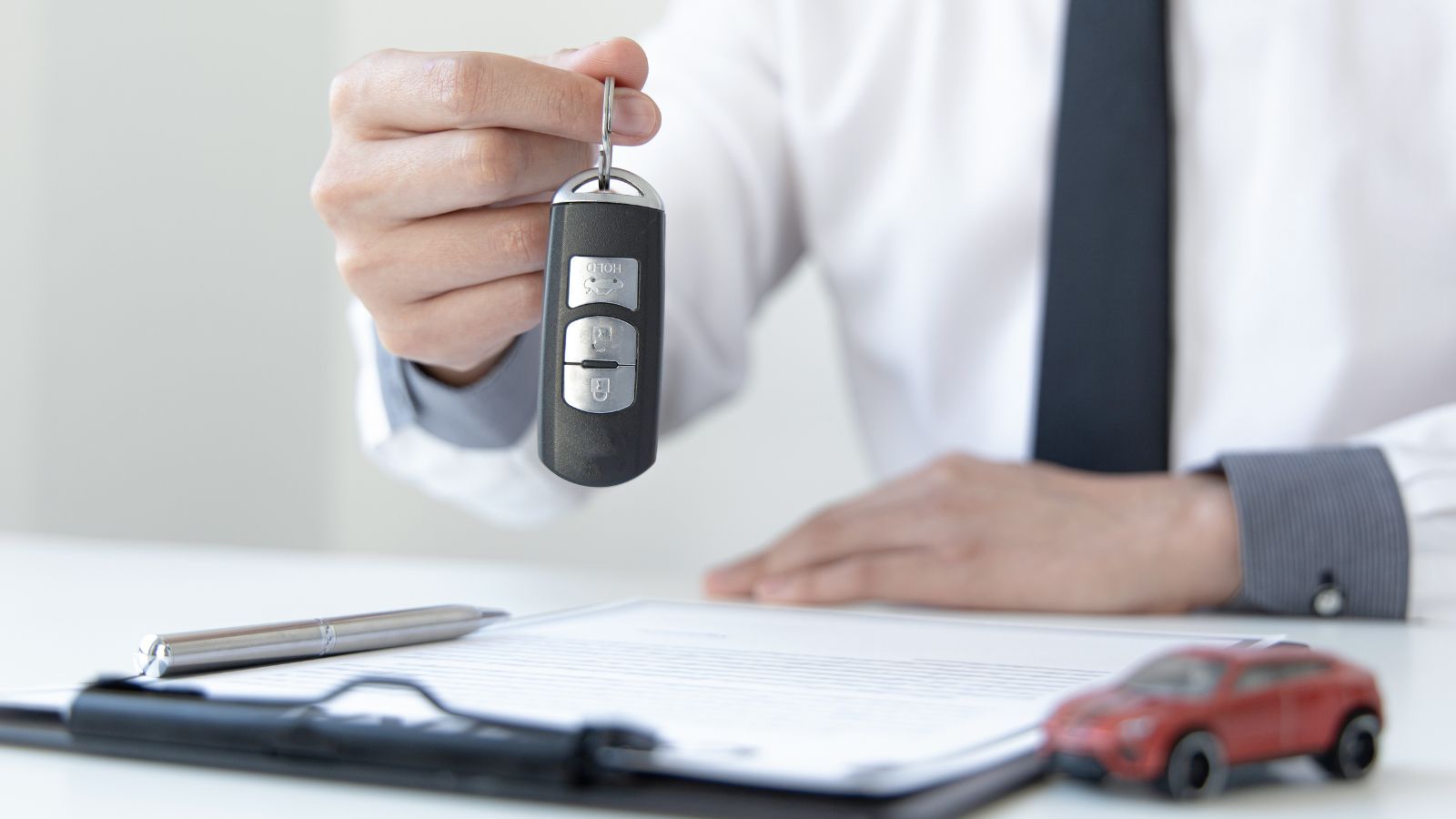
Auto loans and leases often create confusion during the first billing cycle. The first payment may be due before a paper statement arrives, and the payment address or online account setup may differ from what the dealership mentioned during delivery. Missing that first deadline can create late fees, credit concerns, or a frustrating call with the lender at the worst possible time.
New owners should verify the lender or leasing company, account number, first due date, payment method, payoff rules, late-fee policy, and whether autopay is active. It is also wise to check whether the due date matches the owner’s pay schedule. Some lenders may allow a due-date change for borrowers who are current. A calendar reminder a few days before the due date can be just as valuable as an automatic payment.
Check for Open Recalls by VIN
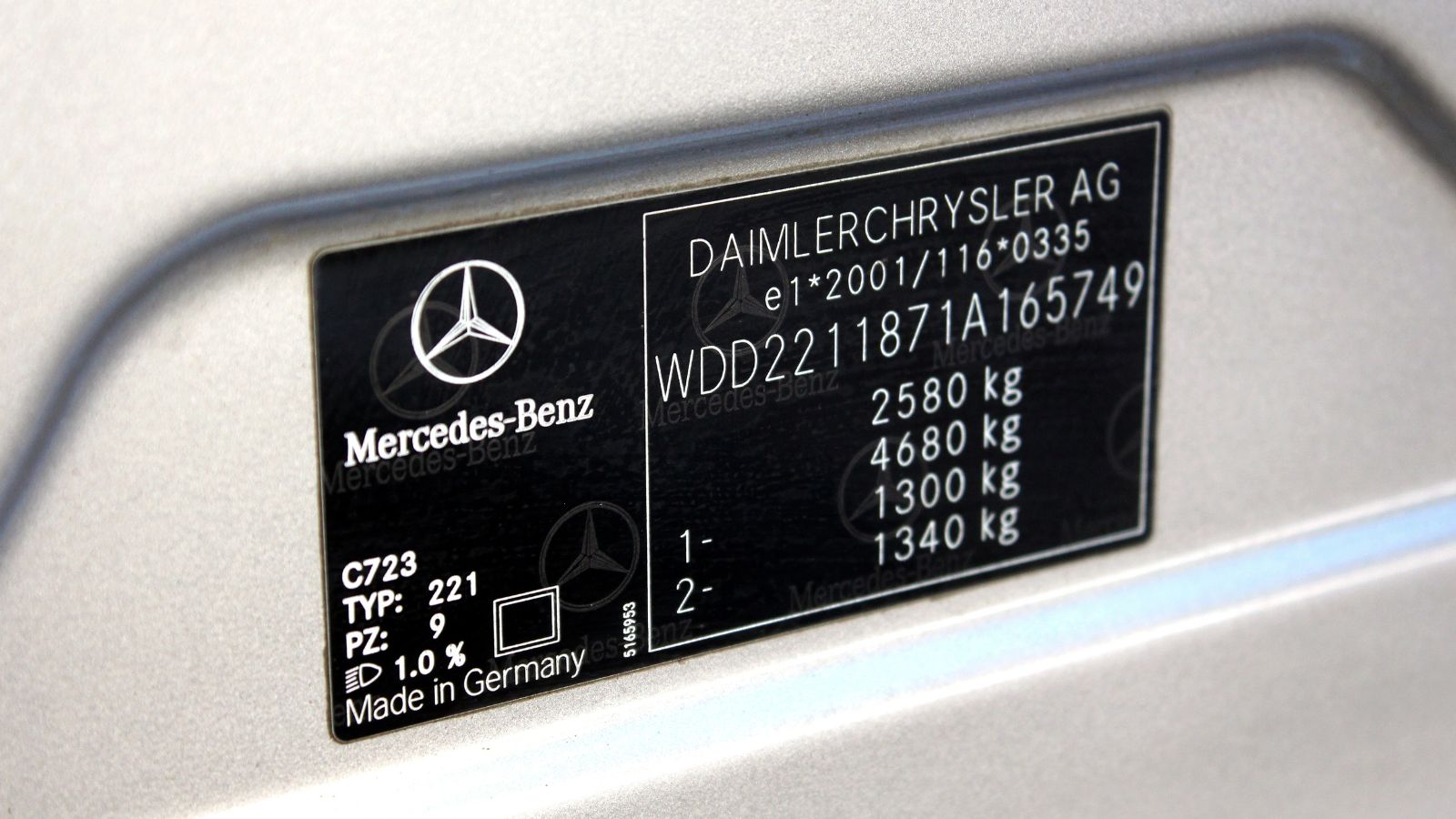
A new-looking car is not automatically recall-free. Recalls can affect new, used, leased, and recently purchased vehicles, and they may involve software, airbags, seat belts, cameras, tires, fuel systems, or other safety-related parts. Because recall notices can lag behind a sale or go to a previous owner, checking the VIN during the first month is a simple but important step.
The VIN is usually visible at the base of the windshield or on the driver-side door jamb. Entering it into an official recall lookup tool can show whether a safety recall remains open. Owners can also sign up for recall alerts and use manufacturer apps where available. If a recall appears, the repair is usually handled by an authorized dealer, and scheduling early can matter because some parts shortages lead to long appointment delays.
Learn the Warning Lights Before They Matter
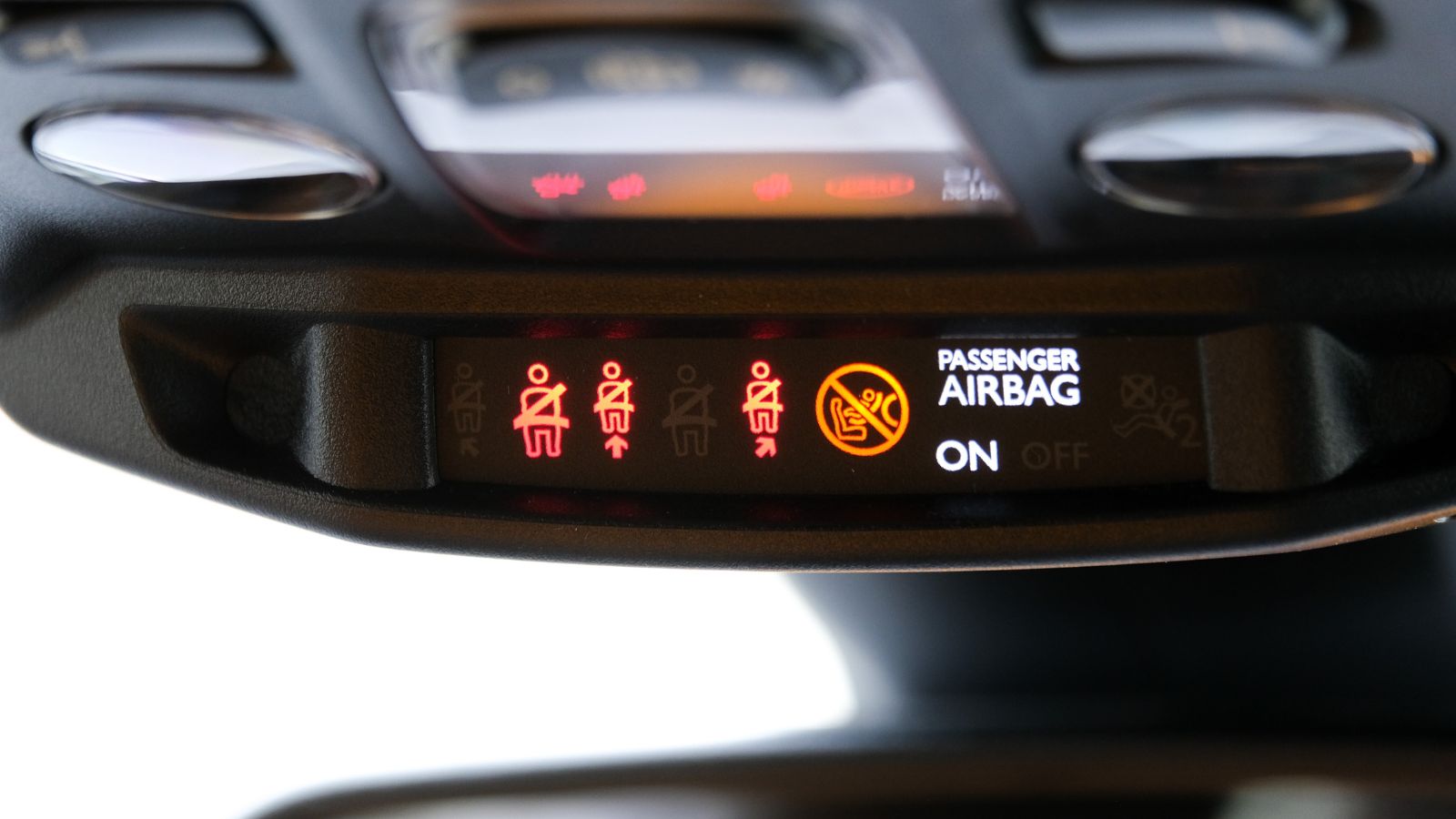
Dashboard warning lights are designed to get attention, but they are not all equally urgent. A seat belt icon, low washer-fluid symbol, tire-pressure warning, check-engine light, oil-pressure warning, and brake-system warning can mean very different things. Confusing a reminder light with an emergency—or ignoring a serious warning because the car still drives normally—can turn a small issue into a safety risk or repair bill.
During the first month, owners should learn the meaning of the most important warning lights in the manual and understand which ones require stopping immediately. Oil pressure, overheating, braking system warnings, and charging system alerts are examples that deserve quick attention. A useful habit is taking a clear photo of any unfamiliar dashboard message before shutting the car off. That image can help a service advisor diagnose what happened.
Set Up Phone Pairing and Navigation While Parked

Many new cars depend heavily on phone integration for maps, calls, music, voice commands, emergency contacts, and vehicle apps. Setting all of that up while driving invites distraction. The smarter approach is to pair the phone, approve permissions, test voice commands, save home and work destinations, and adjust notification settings while the vehicle is parked.
This is more than convenience. Distracted driving remains a serious road-safety issue, and phone handling can take attention away from traffic at exactly the wrong moment. A new owner can reduce temptation by activating “Do Not Disturb While Driving,” placing the phone in a consistent holder or storage spot, and deciding which alerts should appear on the car screen. The first month is also a good time to delete old paired phones from used vehicles.
Adjust the Seat, Mirrors, Steering Wheel, and Pedals
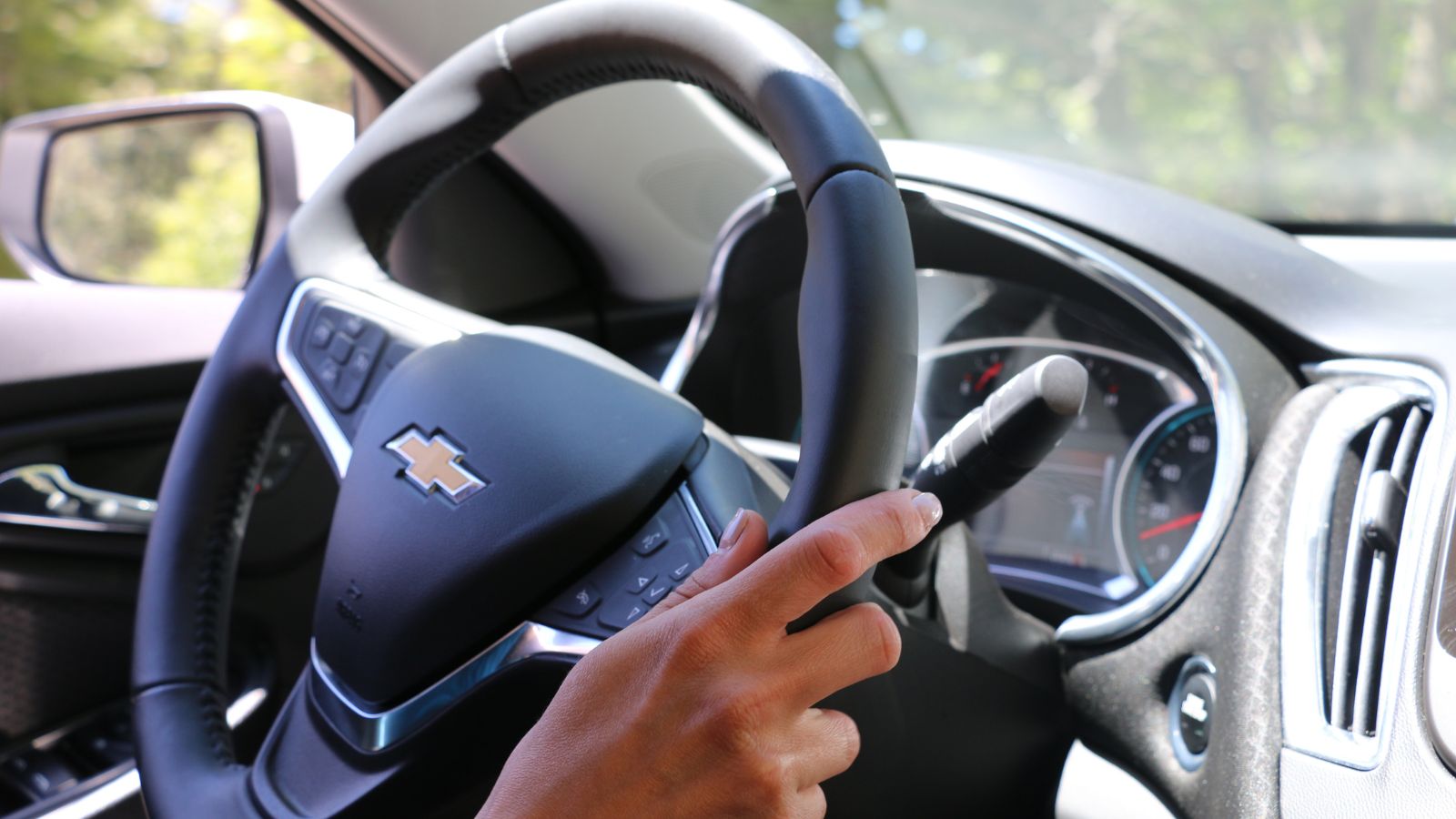
A new car should not be driven for weeks with a poor seating position. The right setup improves comfort, visibility, and control. Drivers should be able to press the pedals fully without stretching, hold the steering wheel with slightly bent arms, see the instrument panel clearly, and rest against the seatback without slouching. If the seat is too far back, emergency braking can become harder than expected.
Mirror setup deserves equal attention. Side mirrors should reduce blind spots without showing too much of the vehicle’s own body, and the rearview mirror should frame the rear window. Families with multiple drivers should save memory-seat settings where available. A small example shows why this matters: a driver who borrows the car after someone taller may unknowingly start with mirrors aimed at the wrong lanes.
Check Tire Pressure and Learn the Tire System

Tires are the only parts of the vehicle that touch the road, and their condition affects braking, handling, ride comfort, fuel economy, and tire life. The correct pressure is usually listed on the driver-side door placard, not simply on the tire sidewall. Tire-pressure monitoring systems are helpful, but they are not a replacement for checking pressure with a gauge.
The first month is a good time to check all tires when cold, including the spare if the vehicle has one. Some newer vehicles carry a sealant kit or inflator instead of a spare, so owners should know what equipment is actually in the trunk. Underinflated tires can reduce fuel economy, wear unevenly, and run hotter. A monthly pressure check quickly becomes one of the simplest ownership habits with real safety value.
Understand Driver-Assistance Features and Their Limits
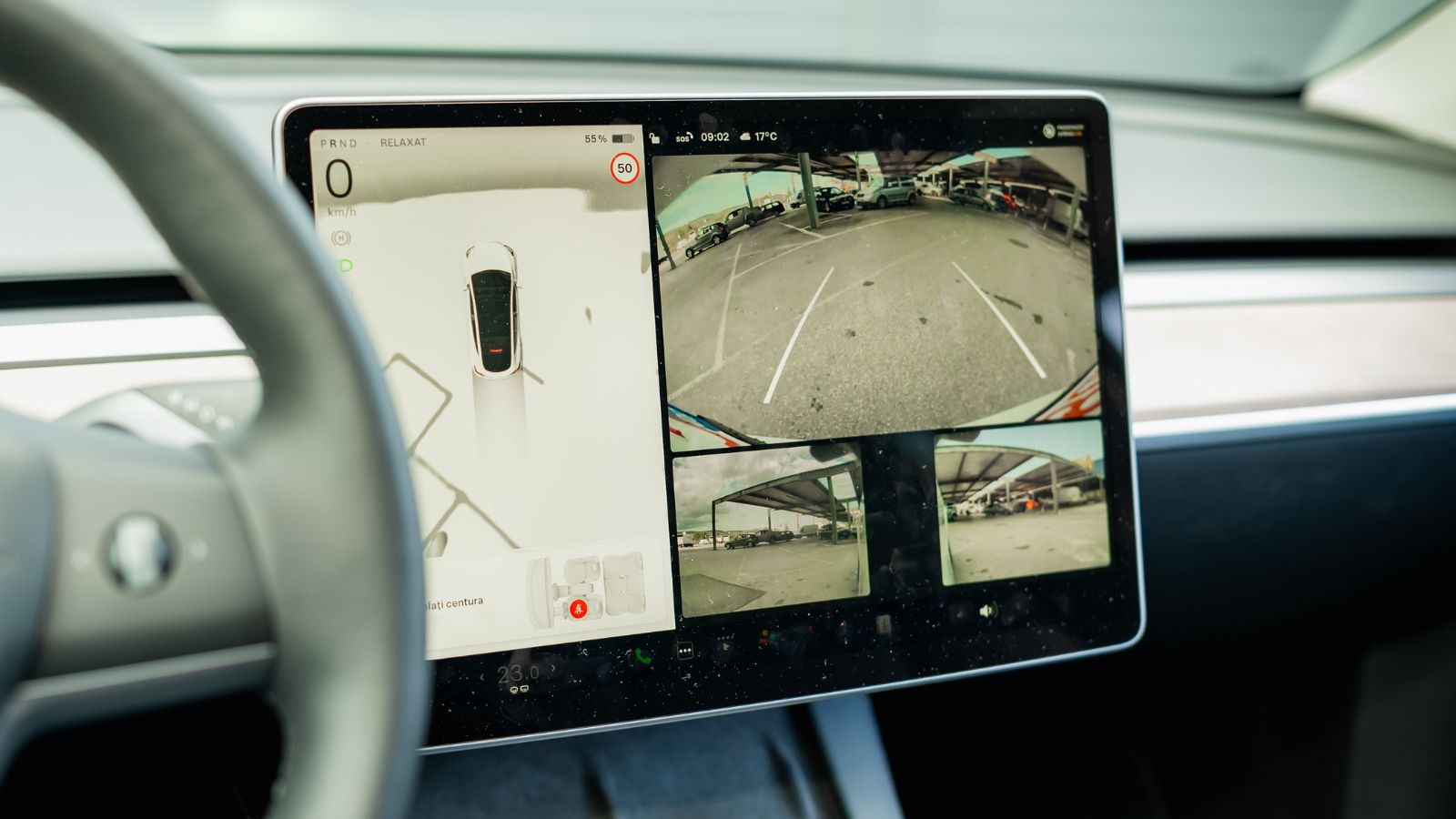
Modern vehicles may include automatic emergency braking, adaptive cruise control, lane-keeping assistance, blind-spot monitoring, rear cross-traffic alerts, parking sensors, and camera systems. These features can help, but they are not substitutes for an alert driver. Rain, snow, glare, worn lane markings, dirt on sensors, unusual road layouts, or poor visibility can affect how systems behave.
New owners should learn what each feature does, when it activates, how it alerts the driver, and how to turn it off if necessary. A short practice drive on familiar roads can reveal how lane assistance feels, how adaptive cruise maintains distance, and how sensitive parking sensors are. This matters because some drivers are startled the first time a car vibrates the steering wheel or brakes automatically. Familiarity reduces panic.
Test Lights, Wipers, Defrosters, and Basic Controls
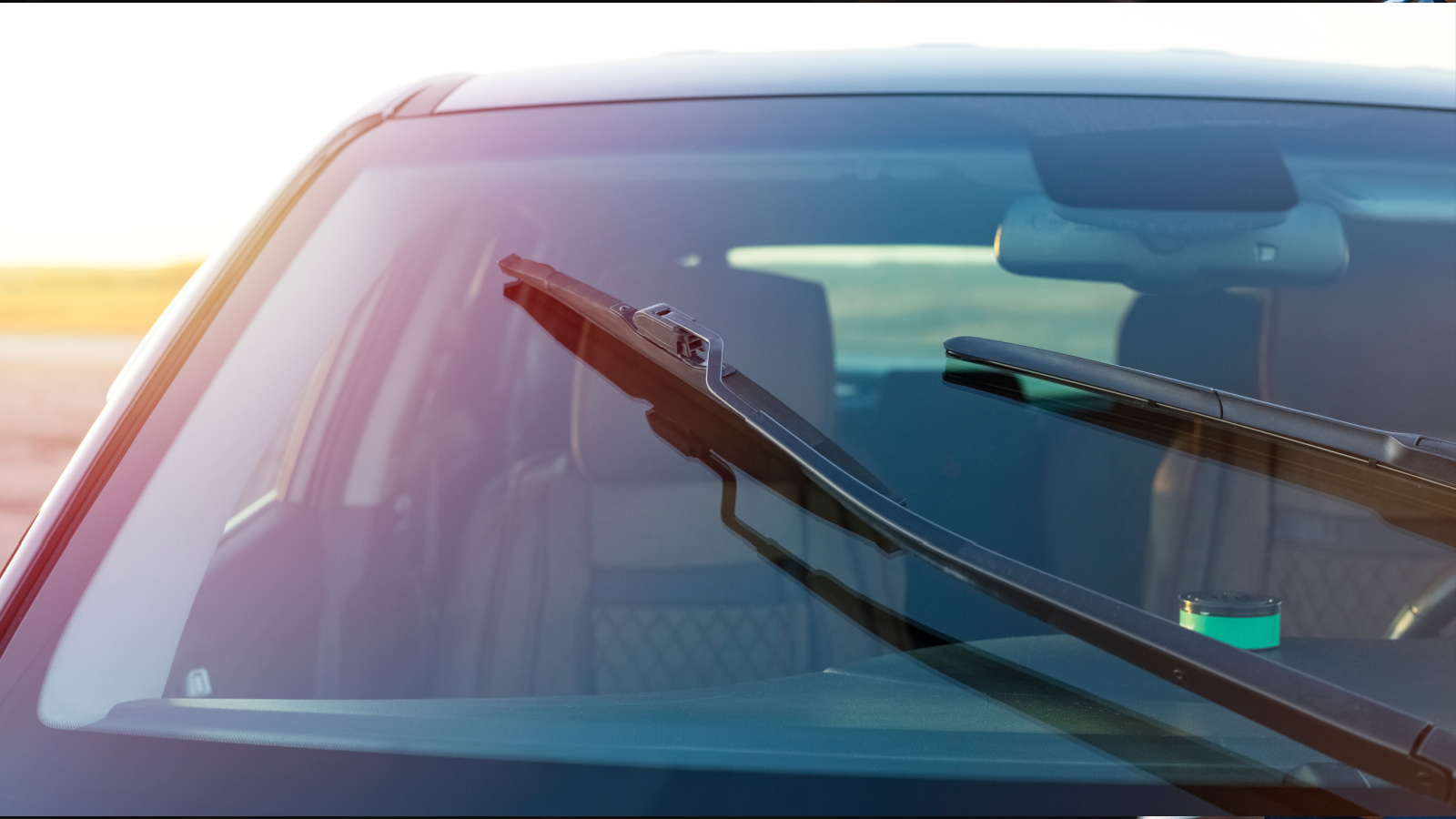
The first month should include a simple walkaround test. Headlights, brake lights, turn signals, hazard lights, reverse lights, windshield wipers, washers, horn, defrosters, and interior lights are easy to overlook until bad weather or night driving exposes a problem. Even new vehicles can have delivery-related issues, and used vehicles may have bulbs, blades, or switches that were barely checked before sale.
A practical method is to park safely, turn on each function, and have another person confirm the lights. If no one is available, reflections in a window or garage door can help. Wipers should clear the glass without streaking, and defrosters should begin clearing moisture from the windshield. A driver who discovers weak wipers during the first heavy rain has already waited too long.
Build a Small Emergency and Roadside Kit
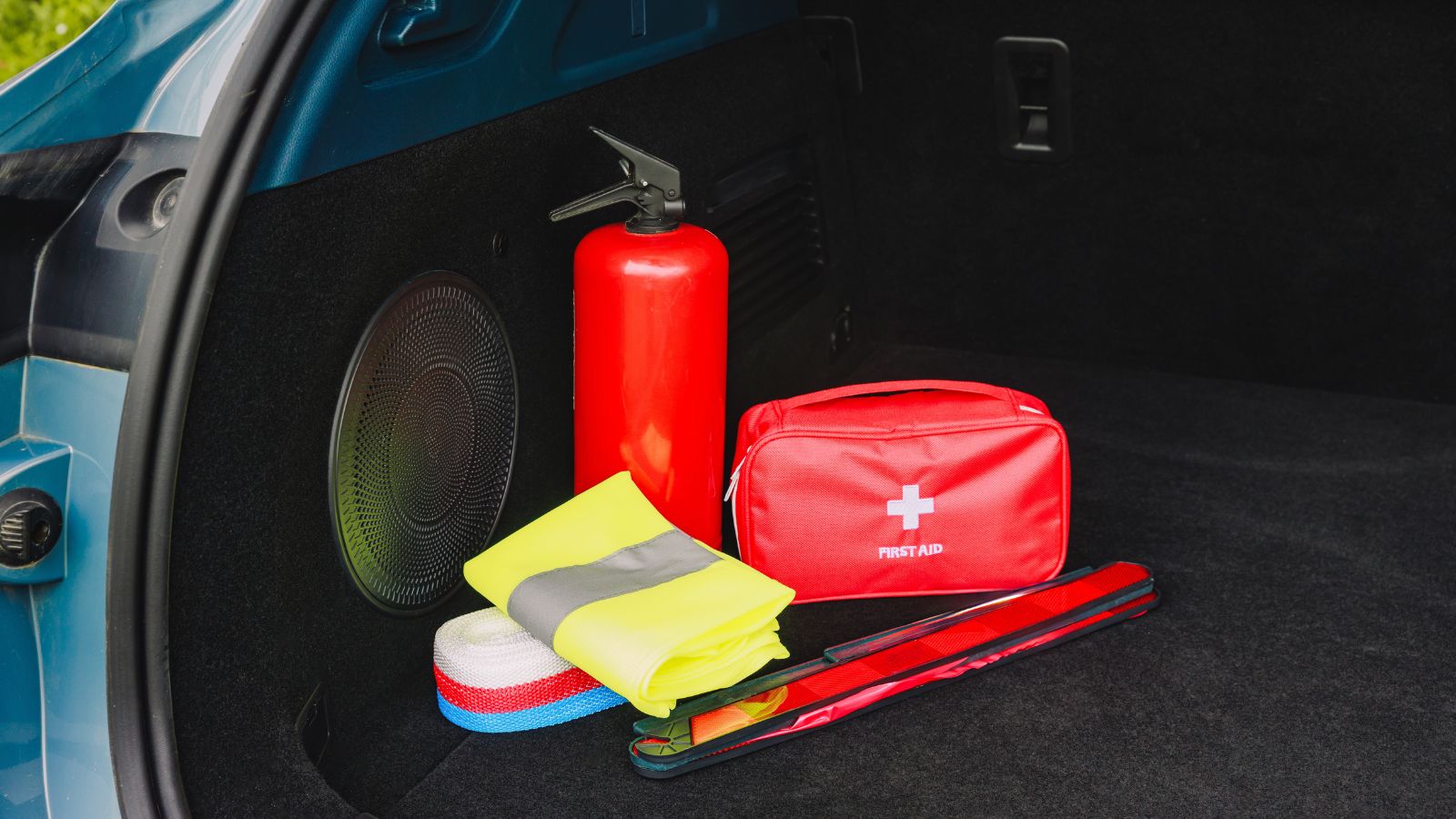
New cars can still get flat tires, dead batteries, cracked windshields, or weather-related delays. A roadside kit does not need to be dramatic, but it should include practical basics: reflective triangles or flares, a flashlight, phone charger, first-aid supplies, gloves, water, a tire-pressure gauge, jumper cables or a jump pack, and any tools required for the spare or inflator kit.
The contents should match the climate and typical driving. In cold regions, a blanket, scraper, shovel, and traction material can make sense. In hot regions, extra water and sun protection may matter more. Families with children, pets, or long commutes may need additional supplies. The first month is when enthusiasm for the new car is high, making it easier to build the kit before an emergency creates urgency.
Protect the Paint, Glass, and Interior Early
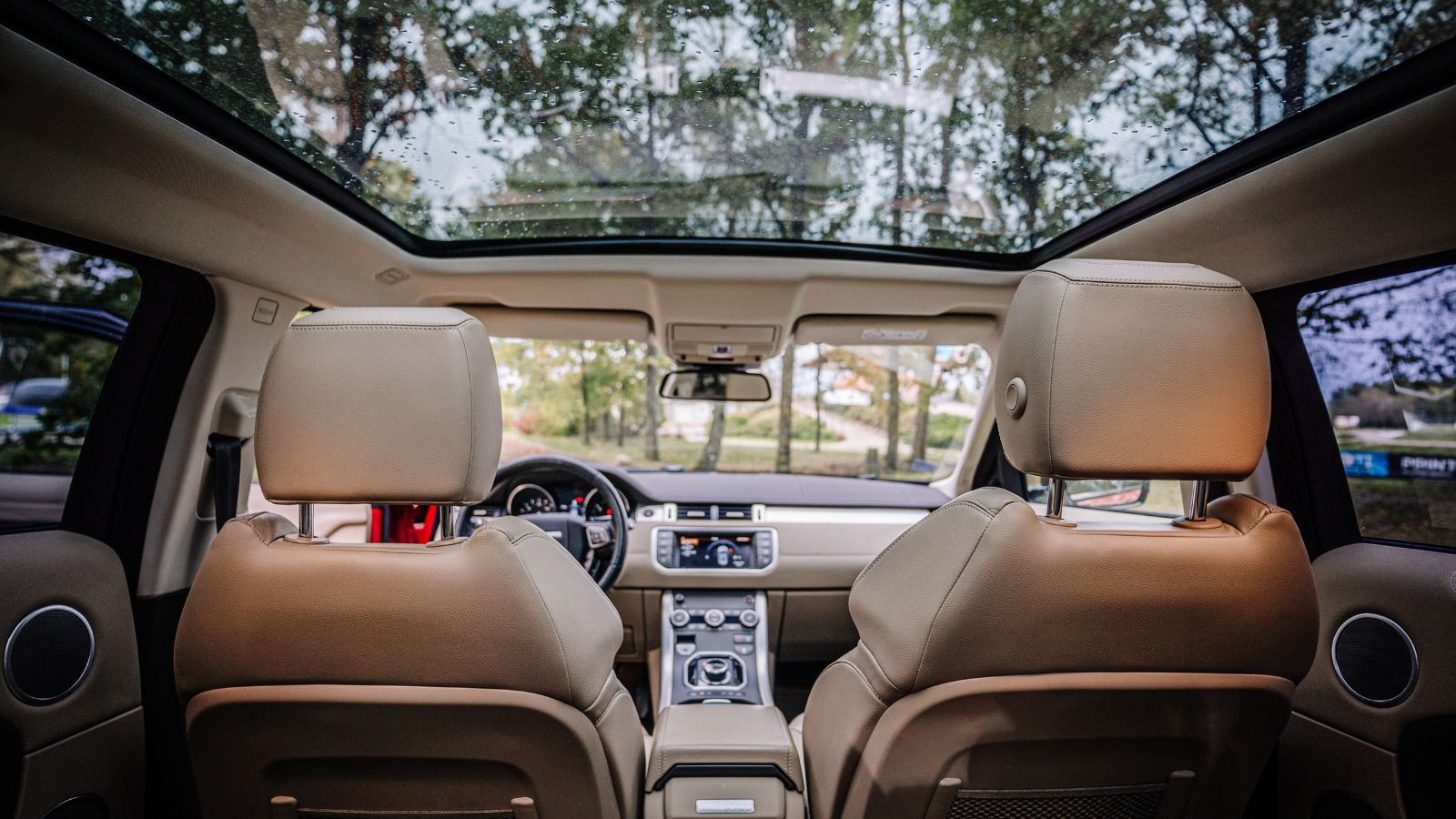
New owners often think of protection as cosmetic, but early care can prevent avoidable wear. Road salt, bird droppings, tree sap, brake dust, hard water, and ultraviolet light can damage surfaces if neglected. Floor mats, cargo liners, seat covers where appropriate, and regular washing can help preserve the vehicle’s condition, especially if the car will face children, pets, work gear, or winter boots.
Interior protection matters because resale value is strongly affected by visible wear. A coffee spill in week two, a muddy trunk after a hardware-store run, or a sunscreen stain on light upholstery can become permanent if ignored. Owners should also learn which cleaners are safe for screens, piano-black trim, leather, fabric, and matte surfaces. Harsh chemicals can do more harm than ordinary dirt.
Schedule the First Service and Keep Receipts
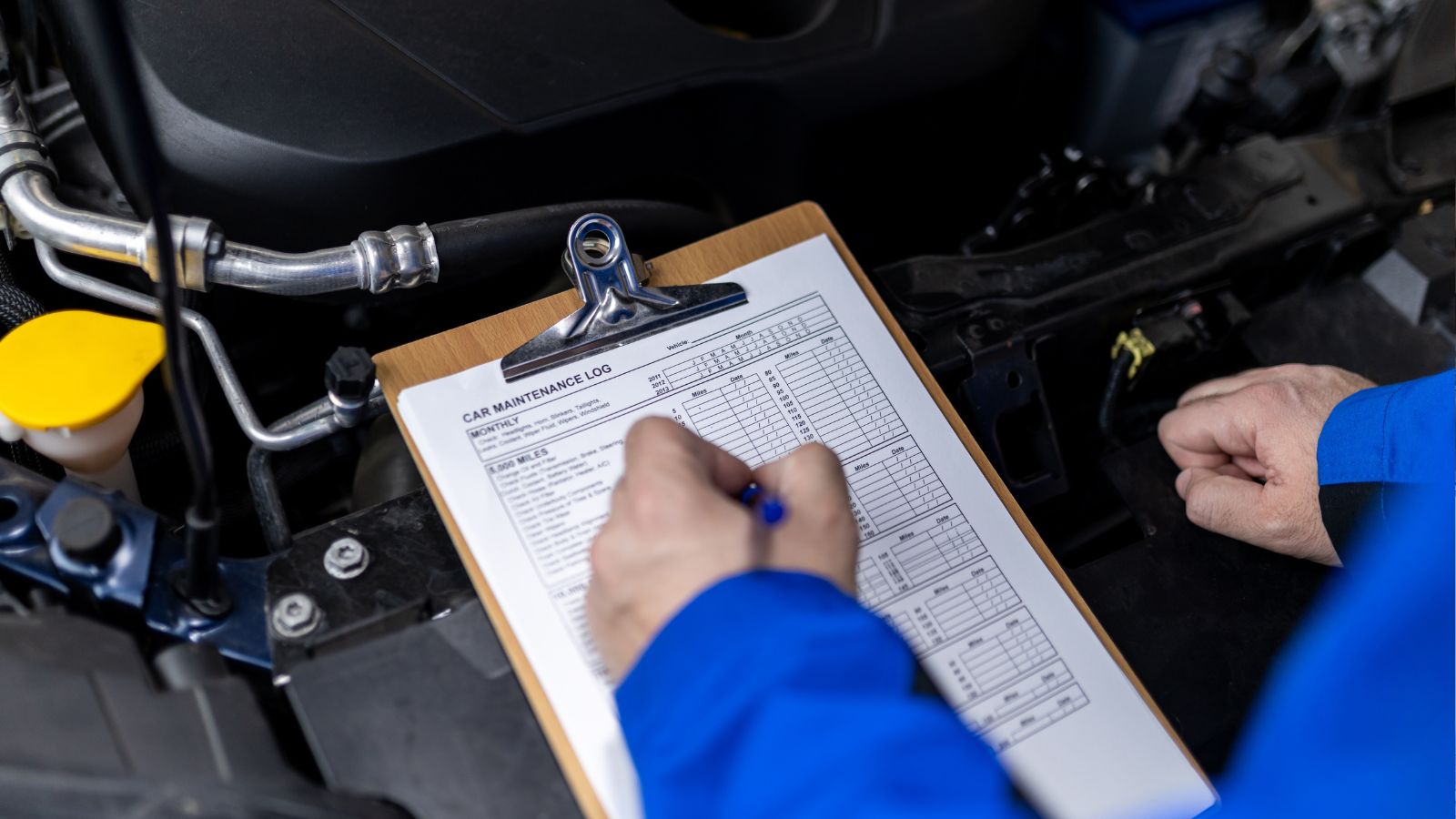
The first month is not always when service is due, but it is the right time to know when it will be due. Maintenance schedules can be based on mileage, time, driving conditions, oil-life monitoring, or a combination of factors. Severe-service conditions may include frequent short trips, towing, dusty roads, extreme temperatures, stop-and-go driving, or repeated idling.
Keeping receipts is just as important as getting the work done. Oil changes, tire rotations, inspections, brake work, filters, and software updates create a maintenance trail that can support warranty claims and resale value. Owners do not always need the selling dealer for routine maintenance, but they do need records showing the work was completed correctly. A cloud folder or maintenance app can prevent missing paperwork years later.
Start a Fuel, Charging, and Mileage Log
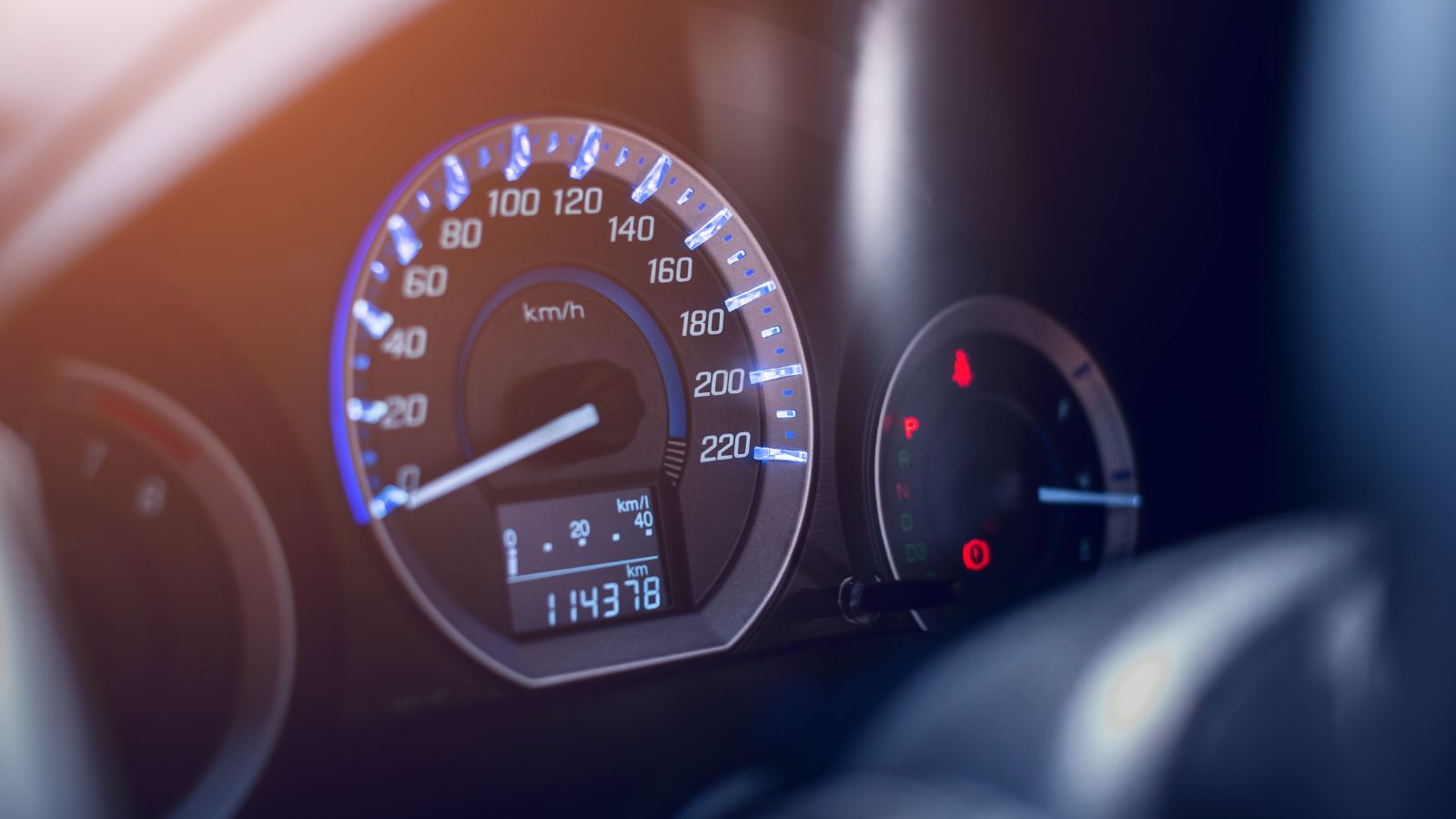
A simple log can reveal patterns that the dashboard average hides. Gasoline owners can track fill-ups, mileage, fuel economy, tire-pressure changes, and fuel grade. Electric-vehicle owners can track charging locations, efficiency, home electricity costs, public charging expenses, and range changes in different weather. Hybrid owners can learn how driving style and trip length affect economy.
The first month creates a baseline. If fuel economy drops later, the owner can compare it with early records instead of guessing. A sudden change might point to low tire pressure, a dragging brake, excessive idling, cold weather, cargo weight, or a maintenance issue. The same habit can help with budgeting, because ownership cost is more than the monthly payment. Fuel, charging, insurance, parking, tolls, maintenance, and depreciation all add up.
Look for Leaks, Fluid Levels, and Unusual Smells
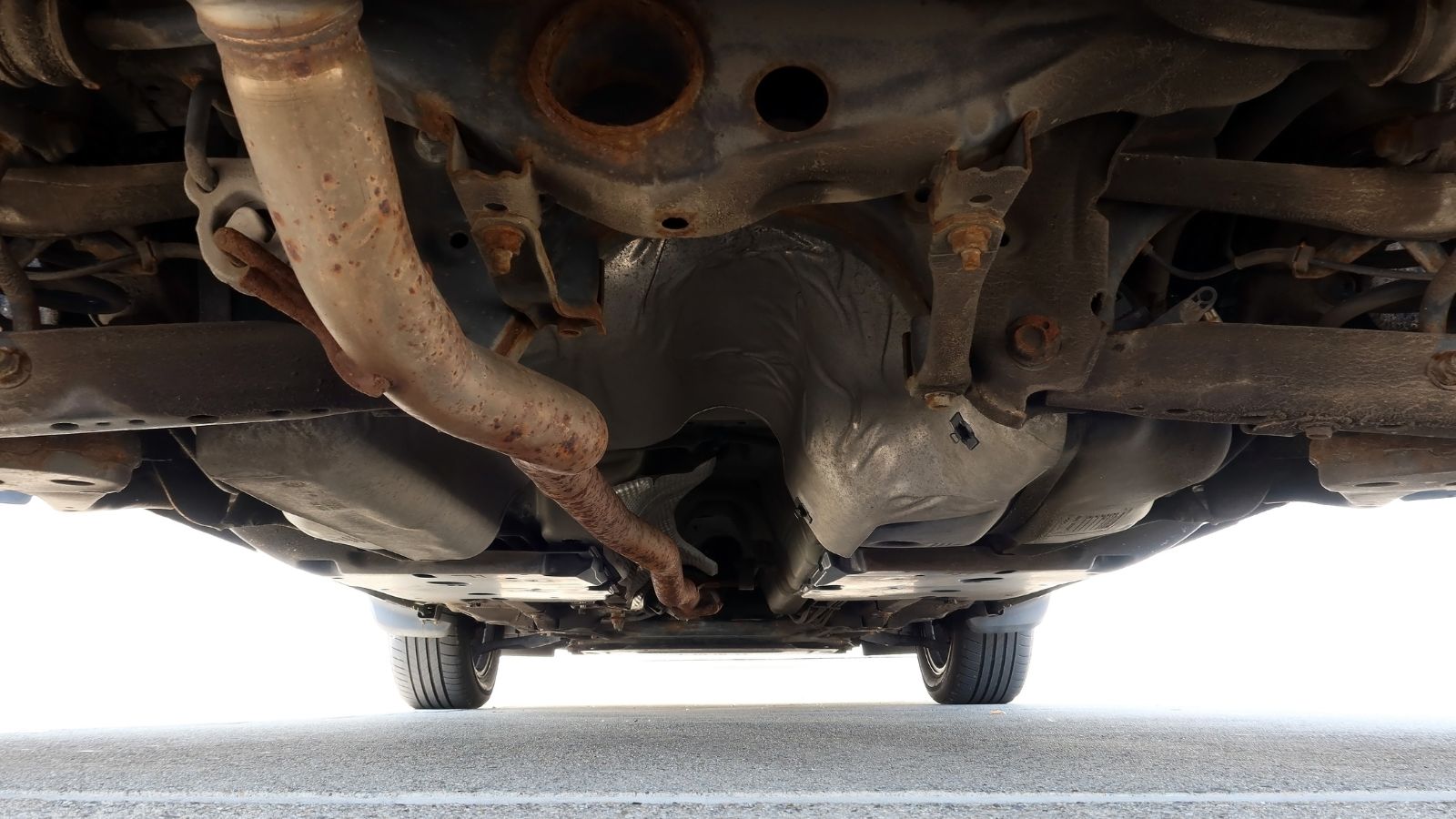
A new owner should not need to become a mechanic, but basic observation can catch problems early. After parking overnight, a glance under the vehicle can reveal oil, coolant, transmission fluid, brake fluid, or water from the air-conditioning system. Clear water under the car after using the A/C is usually normal; oily, colorful, or strong-smelling puddles deserve attention.
Fluid checks should follow the owner’s manual because procedures vary. Some vehicles no longer have transmission dipsticks, and some systems must be checked only when the engine is cold or warm. The first month is also a good time to notice smells: burning oil, fuel, coolant sweetness, electrical odor, or mustiness from the vents. A small leak or odor documented early may be easier to fix under warranty.
Register Connected Services, Apps, and Spare Keys
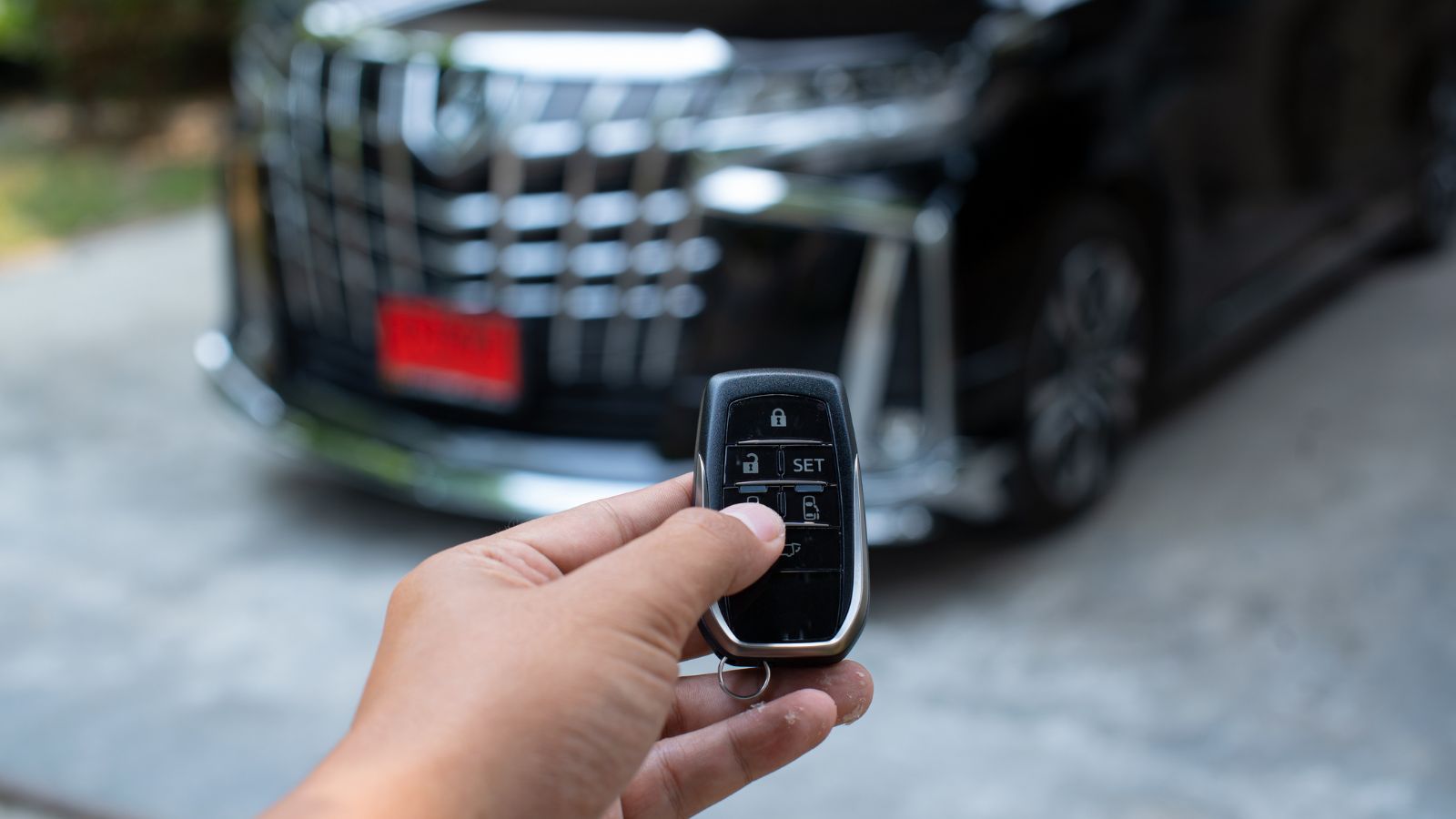
Many vehicles now come with connected apps for remote start, charging status, location, maintenance alerts, roadside assistance, and service scheduling. During delivery, owners may skip setup because they are eager to drive away. The first month is the right time to finish account registration, confirm emergency contacts, set privacy preferences, and understand which connected features are free, trial-based, or subscription-only.
Spare keys deserve attention too. Owners should verify that every key fob works, learn how to replace the fob battery, and know how to unlock or start the vehicle if the fob battery dies. Used-car buyers should ask whether all original keys were included. A missing smart key can be expensive to replace, and discovering that during a rushed morning is far worse than handling it early.
Practice Parking, Reversing, and Maneuvering

A new vehicle’s size can be deceptive. Drivers moving from a compact car to an SUV, pickup, or EV may misjudge corners, garage clearance, curb distance, hood length, or rear overhang. Cameras and parking sensors help, but they do not show every angle or replace slow, careful practice. The first month is the best time to learn the car’s physical limits before tight parking becomes stressful.
A quiet parking lot can be surprisingly useful. Owners can practice backing into spaces, using mirrors rather than only the camera, judging lane width, turning around obstacles, and understanding how the front wheels track through a turn. This practice can prevent scratched wheels, bumper scuffs, garage-door mishaps, and awkward moments at drive-throughs. It also builds confidence faster than waiting for real-world pressure.
Install Child Seats and Check Seat Belt Fit Properly

Families should treat the first month as a safety setup period, especially if children ride in the vehicle. A child seat must match the child’s age, height, weight, and development, and it must be installed according to both the car seat manual and the vehicle manual. The safest installation method is the one that produces a secure fit, whether it uses lower anchors or the seat belt.
Car seats should also be registered with the manufacturer so recall notices can reach the owner. For older children and adults, seat belt fit matters too. The lap belt should sit low across the hips, and the shoulder belt should cross the chest rather than the neck or face. A new rear-seat shape, head restraint design, or belt anchor location can change how well passengers fit.
Create an Anti-Theft and Valuables Routine
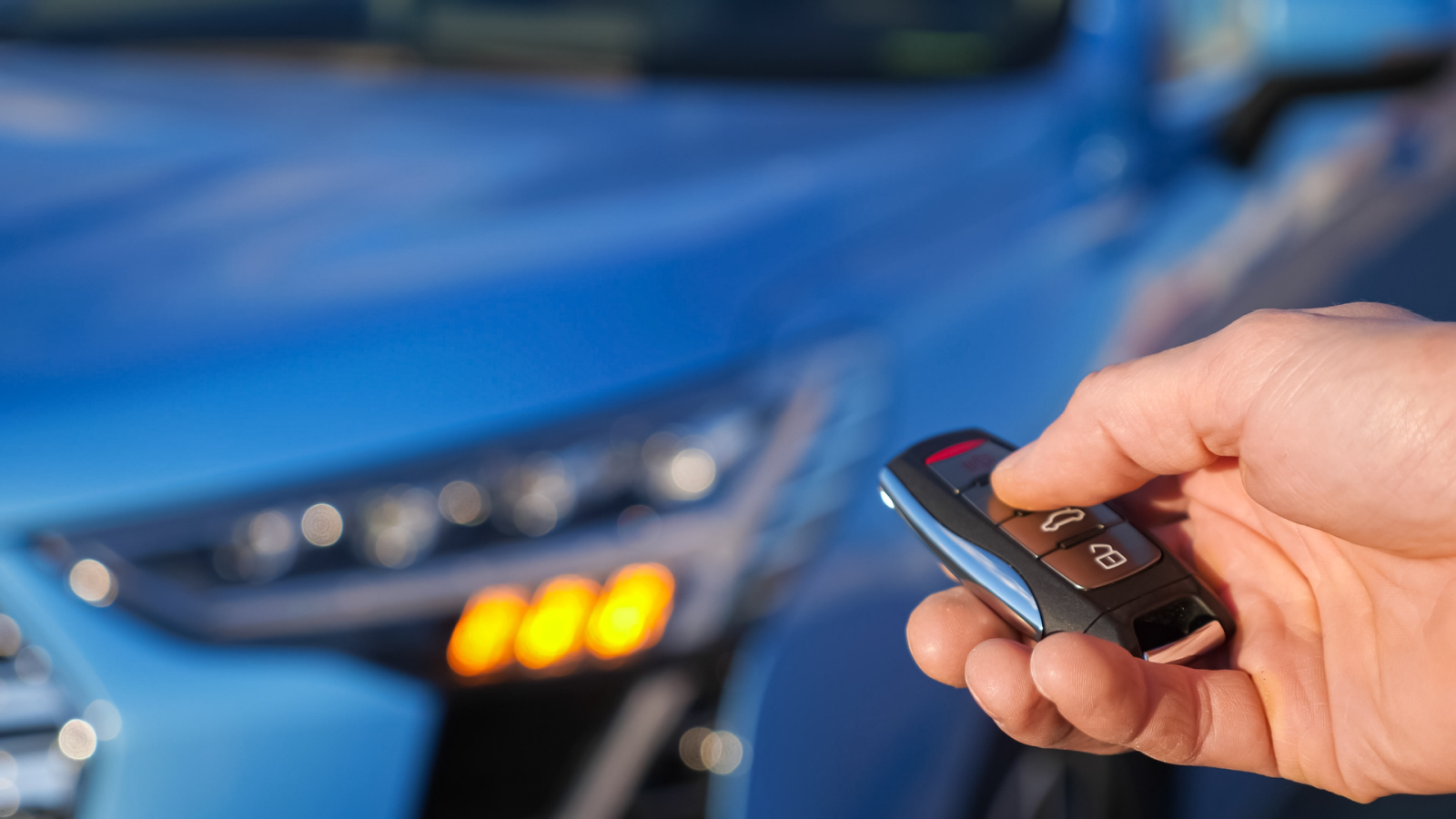
The first month is when habits form. A consistent exit routine can reduce theft risk: close windows, lock doors, take the key, hide valuables, avoid leaving bags visible, and never leave the vehicle running unattended. Even an empty backpack can invite a smashed window because a thief cannot know whether it contains a laptop, wallet, or work equipment.
Owners should also learn the car’s security settings. Some vehicles allow walk-away locking, motion alerts, valet mode, PIN-to-drive, tracking, or camera recording. Others require the driver to press the fob every time. Parking choices matter as well. Well-lit, busy areas are safer than isolated spots. For apartment dwellers or driveway parking, steering-wheel locks, secure key storage, and visible deterrents may add another layer of protection.
Take a Baseline Photo and Condition Record
A new car should be documented while it is still clean and fresh. Clear photos of the exterior, interior, wheels, windshield, odometer, VIN plate, tire condition, cargo area, and any existing scratches can be valuable later. This record can help with insurance claims, warranty discussions, parking-lot damage disputes, shipping claims, or future resale listings.
The same habit works for used cars purchased by first-time owners. A buyer may discover a small dent, mismatched tire, worn seat bolster, or windshield chip only after the excitement fades. Recording the condition early creates a dated reference point. It also encourages owners to inspect the car carefully under good lighting. What seems unnecessary on day one can become extremely useful after the first door ding or storm.
Plan the Ownership Budget Beyond the Monthly Payment

The first month is when the real cost of ownership becomes clearer. The monthly payment is only one part of the picture. Insurance, fuel or charging, parking, registration, tolls, maintenance, tires, cleaning supplies, loan interest, depreciation, and unexpected repairs can change what the car truly costs. New owners who build a budget early are less likely to be surprised by the first annual registration renewal or tire replacement.
A realistic budget should include a small maintenance reserve even for a new vehicle. Tires wear, wipers age, alignments go out, and deductibles still apply after a claim. Owners who drive more than expected may also reach service intervals sooner. A simple spreadsheet or budgeting app can turn scattered expenses into a clear ownership picture, making the car easier to enjoy without financial guesswork.
22 Things Canadians Do to Their Cars in Spring That Mechanics Hate

Spring brings relief to many Canadian drivers after months of snow, freezing temperatures, and icy roads that put serious strain on vehicles. As temperatures rise across the country, drivers begin washing cars, switching tires, and preparing vehicles for warmer weather and upcoming road trips. However, mechanics across Canada notice the same mistakes every spring when drivers attempt to recover from winter damage. Road salt, potholes, and harsh winter driving conditions often leave vehicles with hidden problems that drivers ignore. Some spring habits even create new mechanical issues that could have been avoided with proper maintenance. Here are 22 things Canadians do to their cars in spring that mechanics hate.