

























A car does not need to sputter, overheat, or leave someone stranded to look as though it has been neglected. In many cases, the strongest impression comes from small visual details: cloudy lights, scarred wheels, worn tires, faded paint, stained seats, or the warning light that has apparently been glowing for months. Some are mainly cosmetic, while others can point toward maintenance issues worth investigating.
The important distinction is that appearance does not always reveal mechanical condition. A perfectly dependable vehicle can still look tired after years of weather, commuting, pets, children, parking-lot damage, and postponed cosmetic work. These 20 things are among the details most likely to make an otherwise good-running car appear far less cared for than it may actually be.
Cloudy or Yellow Headlight Lenses
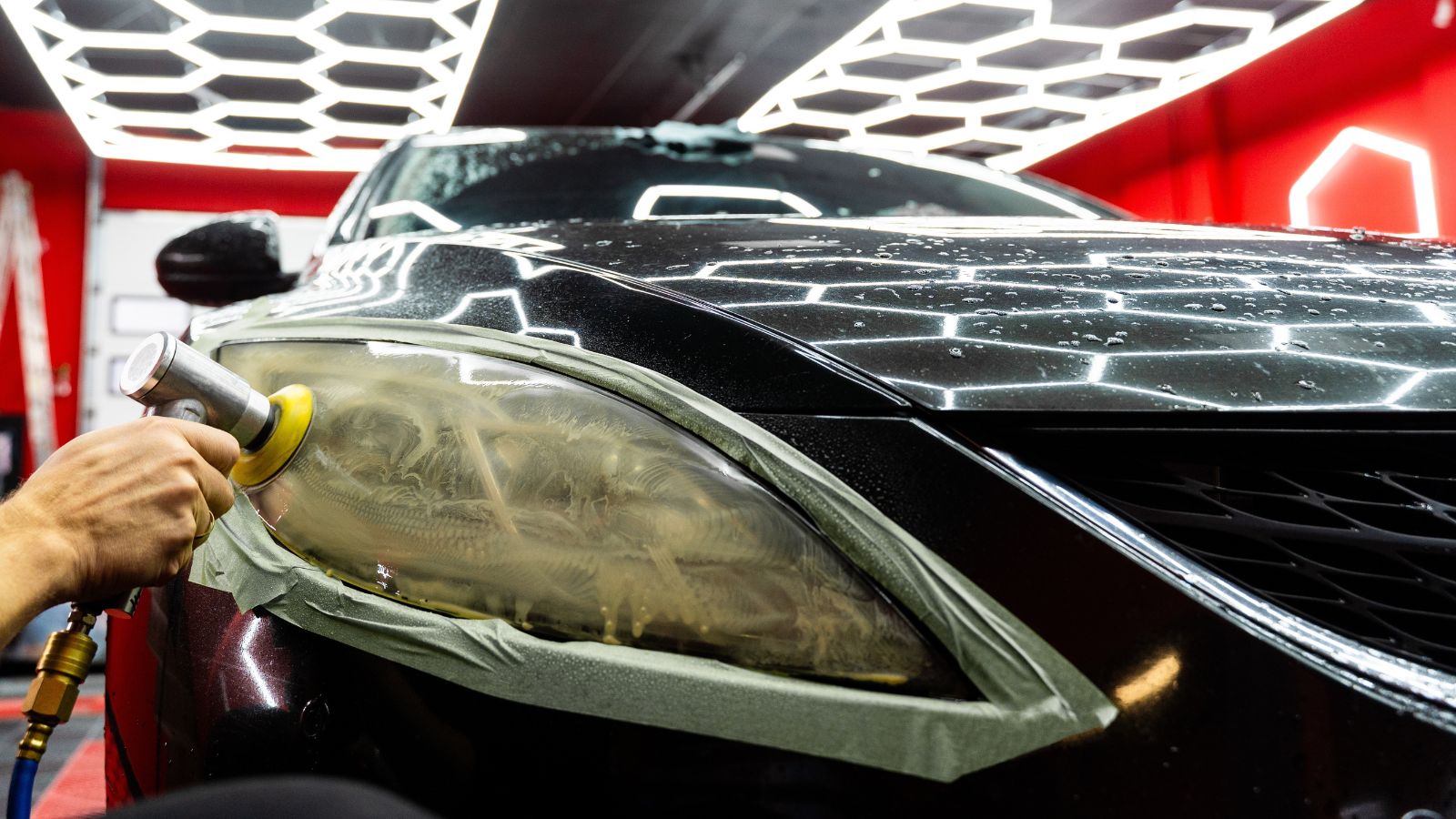
Cloudy headlights can age a car dramatically. Instead of clear lenses showing crisp reflectors and bulbs underneath, the front end develops a hazy, yellowed appearance that immediately suggests years of exposure and limited upkeep. Plastic headlamp lenses naturally deteriorate from ultraviolet radiation and abrasion, so the problem is particularly noticeable on older vehicles that spend much of their lives outdoors. Even an otherwise clean body can look neglected when both headlights have turned opaque.
There is also more at stake than appearance. AAA testing of deteriorated headlamps found that heavily aged lenses produced only about 22 percent as much low-beam light as comparable new headlamps. Restoration improved performance substantially, although replacement restored more of the original output. That makes cloudy lenses one of those unusual cosmetic problems that can simultaneously affect how maintained a car looks and how effectively it performs an important safety function at night.
Condensation Trapped Inside the Lights
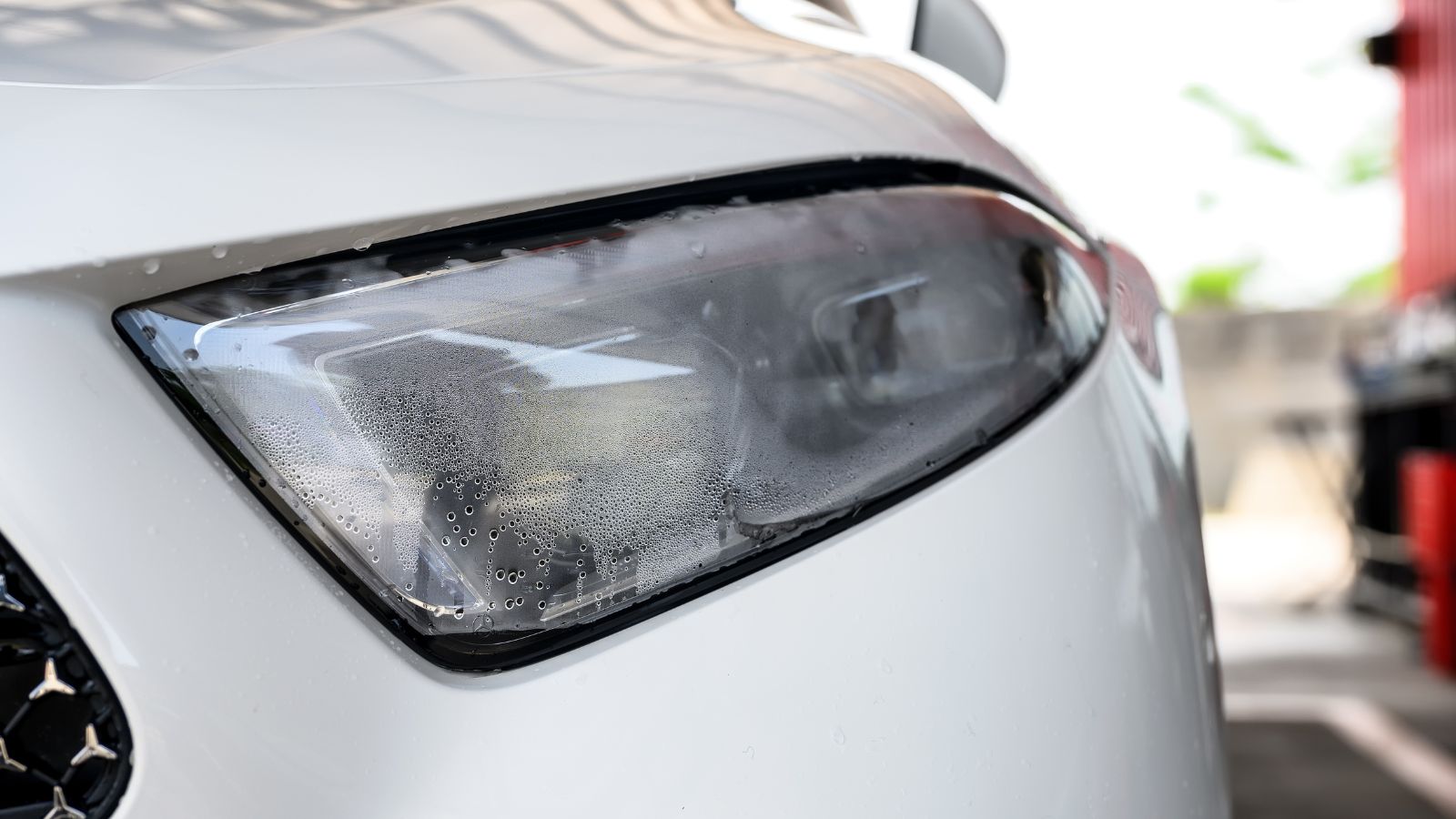
A misted headlamp or taillight can make a vehicle look as though a seal has failed and nobody has bothered fixing it. From across a parking lot, moisture behind the lens resembles the aftermath of water intrusion, especially when one light is crystal clear and its opposite number appears foggy. Persistent droplets, streak marks, or visible water pooling inside the housing create an even stronger impression that the car has been left exposed to a problem.
Not every hint of condensation means something is wrong. Automakers including Ford explain that modern headlamp assemblies are vented, so a light temporary mist can develop naturally with temperature and humidity changes and then clear during normal operation. Large droplets, streaking, or pooled water are a different matter and warrant inspection. Used-car inspection guidance from CARFAX similarly recommends checking lamp housings for damage and moisture, which explains why wet-looking lights can quickly make an otherwise healthy car appear questionable.
A Windshield Covered in Chips and Cracks

One repaired stone chip is normal road wear. A windshield peppered with unrepaired chips, star-shaped impacts, and spreading cracks tells a different visual story. Even if the engine runs beautifully, accumulated glass damage suggests that small problems have repeatedly been left for another day. It is particularly noticeable when sunlight catches the defects or when several old chips have begun collecting dirt around their edges.
Windshield condition deserves more attention than simple presentation. AAA describes the windshield as part of a vehicle’s safety system, noting its roles in occupant protection, roof support in some rollover situations, and airbag performance in certain vehicles. Damage can also interfere with visibility. Small chips can often be repaired depending on their size and location, while substantial cracks may require replacement. For that reason, a badly marked windshield is one of the clearest examples of a car looking neglected even though nothing about its engine or transmission feels wrong.
Wiper Blades That Look Worn Out
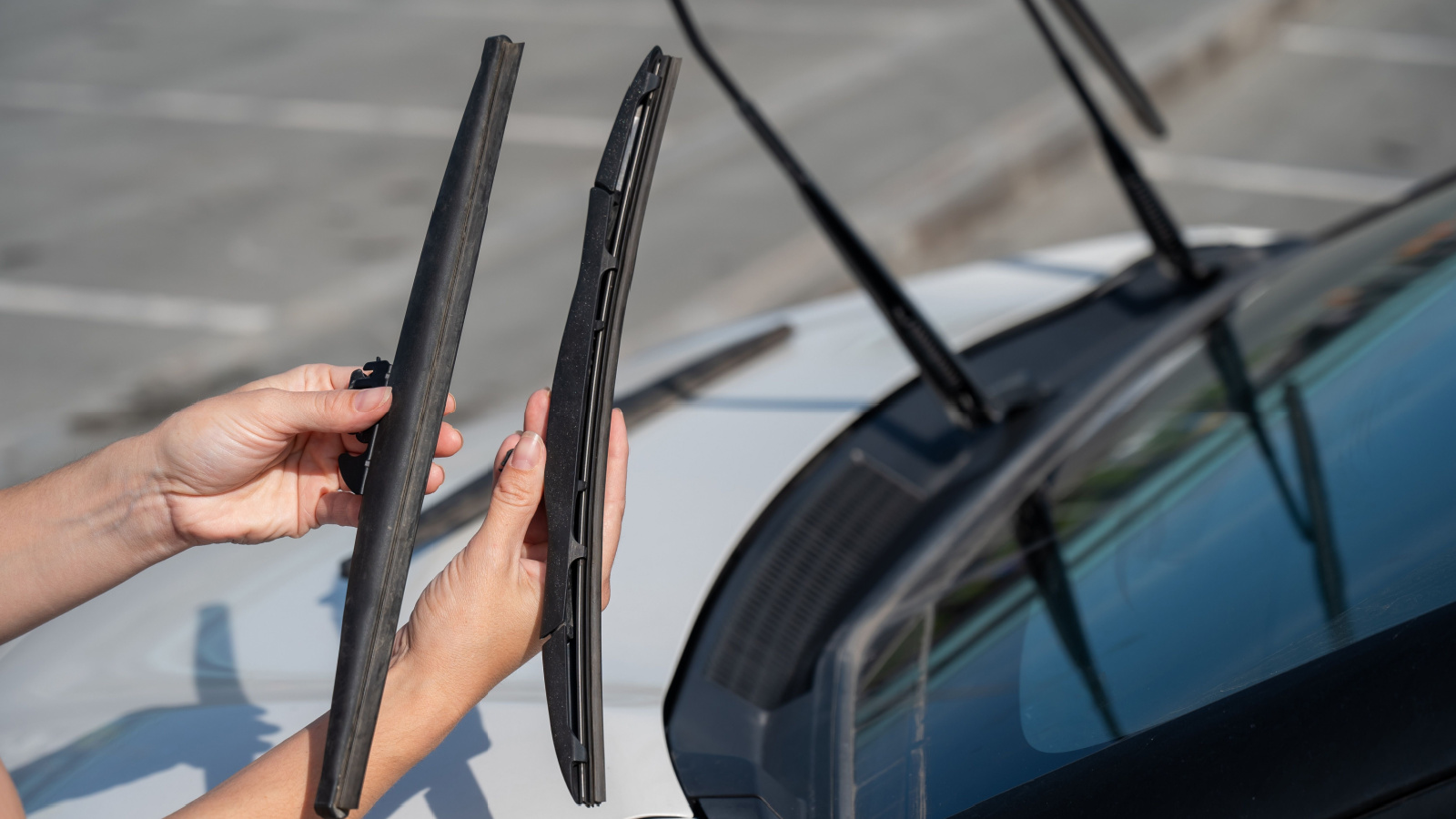
Old windshield wipers are inexpensive compared with most vehicle components, which is exactly why visibly worn blades create such a poor impression. Cracked rubber, bent frames, pieces separating from the blade, or streaks permanently etched through road grime suggest that one of the simplest maintenance jobs has been postponed. When the blades chatter across the glass or leave broad wet areas untouched, the car suddenly feels much older than its odometer might indicate.
AAA identifies streaking, smearing, squeaking, skipping, and visible rubber damage as common signs that wiper blades need attention. Replacement intervals vary with climate and use, but many manufacturers recommend new blades roughly every six to 12 months. Heat, sunlight, snow, ice, and dirt can all accelerate deterioration. A vehicle can therefore be mechanically excellent while carrying a pair of tired wipers, but to anyone inspecting it closely, those inexpensive pieces of rubber can become surprisingly persuasive evidence of apparent neglect.
Dull, Faded, or Peeling Paint
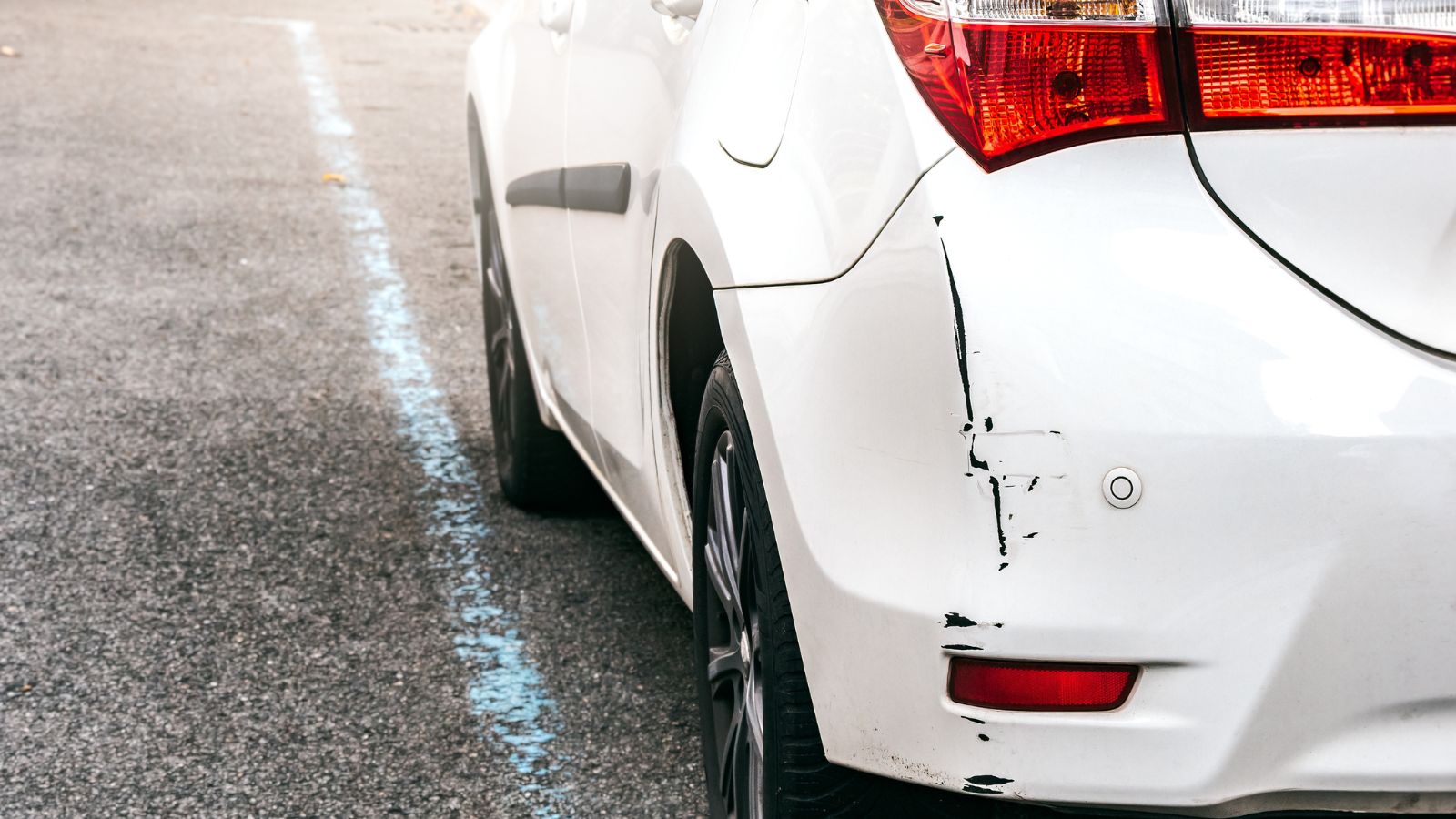
Paint is essentially a car’s public face. When the clear coat has gone chalky, the roof is noticeably lighter than the doors, or patches have begun peeling from the hood, the entire vehicle can appear poorly maintained before anyone has even opened the door. Sun exposure is often the culprit rather than owner abuse. Cars parked outside for years can lose gloss even when oil changes and mechanical servicing have been performed meticulously.
Automotive-care guidance from AAA notes that prolonged ultraviolet exposure can break down clear coat, dull paint, and contribute to peeling or chalky surfaces. Protective products are designed partly to shield finishes from UV radiation, stains, scratches, and weathering. Used-car appraisal standards reinforce the visual importance of paint: Edmunds describes higher-condition vehicles as having glossy finishes, while dullness and numerous cosmetic defects are associated with lower condition categories. A faded vehicle may still run faultlessly, but its exterior can make that mechanical care difficult to believe.
Scratches, Paint Chips, and Small Dents Everywhere
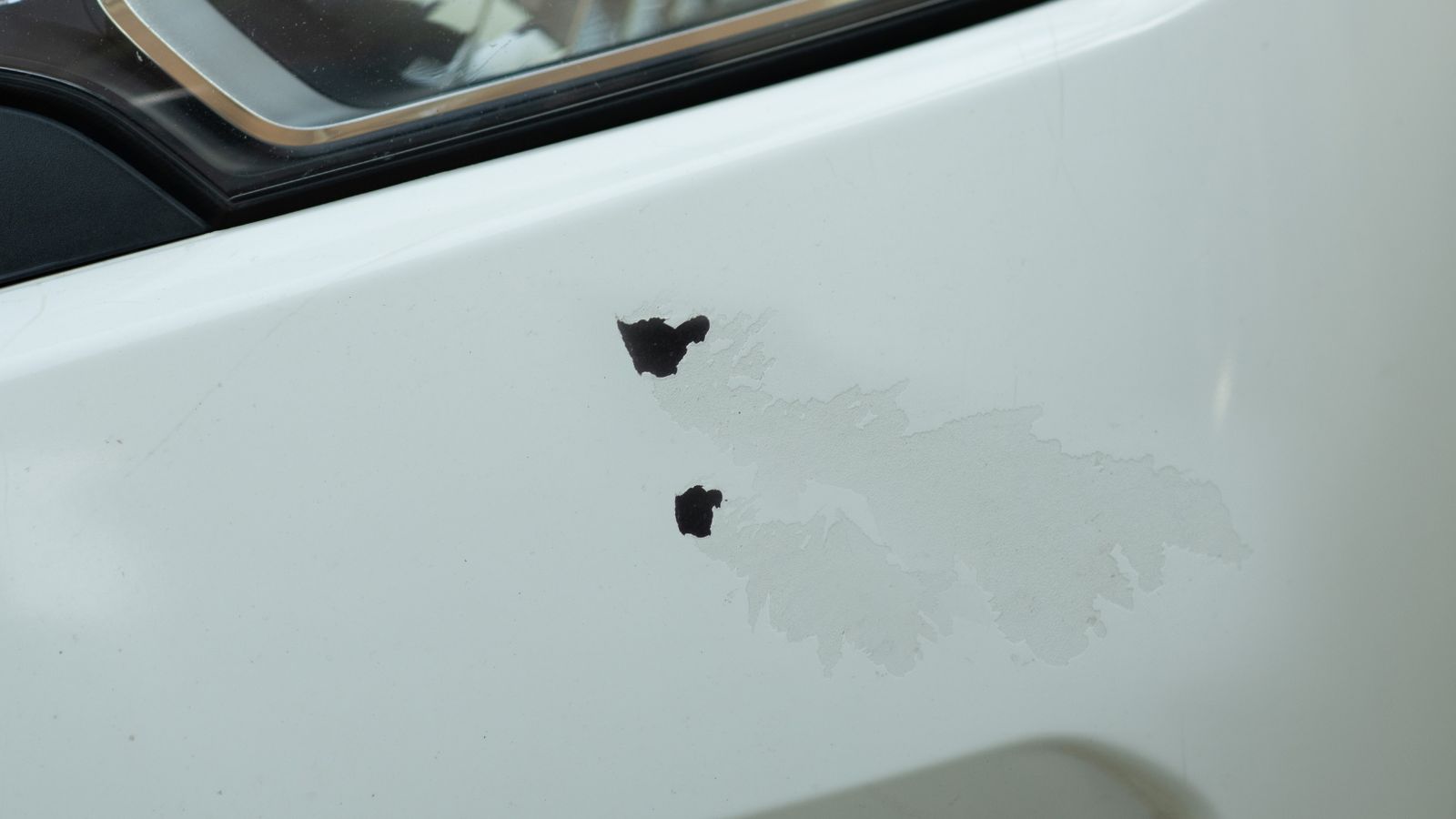
Every daily-driven vehicle eventually acquires a scar or two. Problems arise when years of parking-lot dings, key scratches, stone chips, scraped bumper corners, and damaged door edges accumulate without correction. None may matter mechanically, but together they create the impression that damage is simply accepted rather than addressed. A ten-year-old commuter with an excellent service history can therefore look substantially rougher than a less reliable car whose body has been carefully preserved.
Condition guides used in vehicle valuation specifically account for these differences. Edmunds describes clean vehicles as having only limited cosmetic wear, while cars with considerable scratches, dings, dull paint, and greater reconditioning needs fall into lower condition categories. CARFAX also advises used-car shoppers to inspect bodywork for scratches, dents, and other visible damage. Individual blemishes rarely prove poor mechanical care, yet visual accumulation changes perception. Buyers naturally begin wondering whether the same owner who ignored obvious exterior damage might also have ignored less visible servicing.
Rust Bubbles Around Wheel Arches and Seams
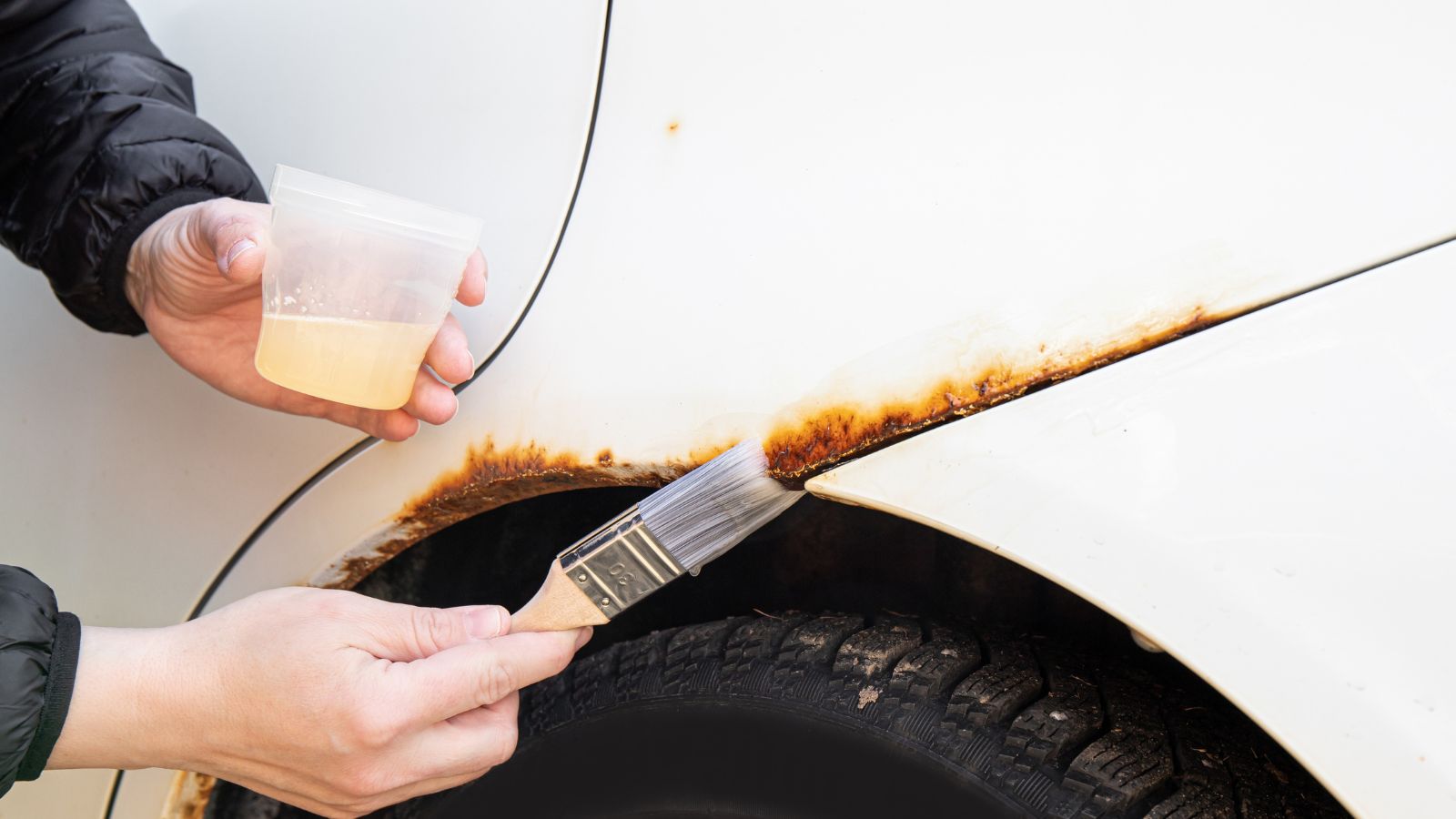
A tiny brown spot can make an otherwise presentable car look decades older. More concerning visually is bubbling paint around wheel arches, rocker panels, door bottoms, seams, or the edges of the trunk. Those raised areas suggest corrosion progressing beneath the finish, even when the car still starts immediately and drives without complaint. Rust is especially damaging to perceptions because it tends to look progressive: observers assume that whatever is visible today may be worse underneath.
Road salt is a major contributor in winter climates because salty moisture can accelerate corrosion on exposed metal and underbody components. AAA specifically warns about corrosion involving the undercarriage, suspension, brake lines, and exterior surfaces after winter exposure. CARFAX advises shoppers to take bubbling paint seriously when inspecting a used vehicle because hidden corrosion can extend beyond the obvious spot. Mechanical reliability and body preservation are different things, but visible rust can make a faithfully serviced powertrain seem attached to a vehicle that has otherwise been forgotten.
Salt and Grime Packed Around the Lower Body
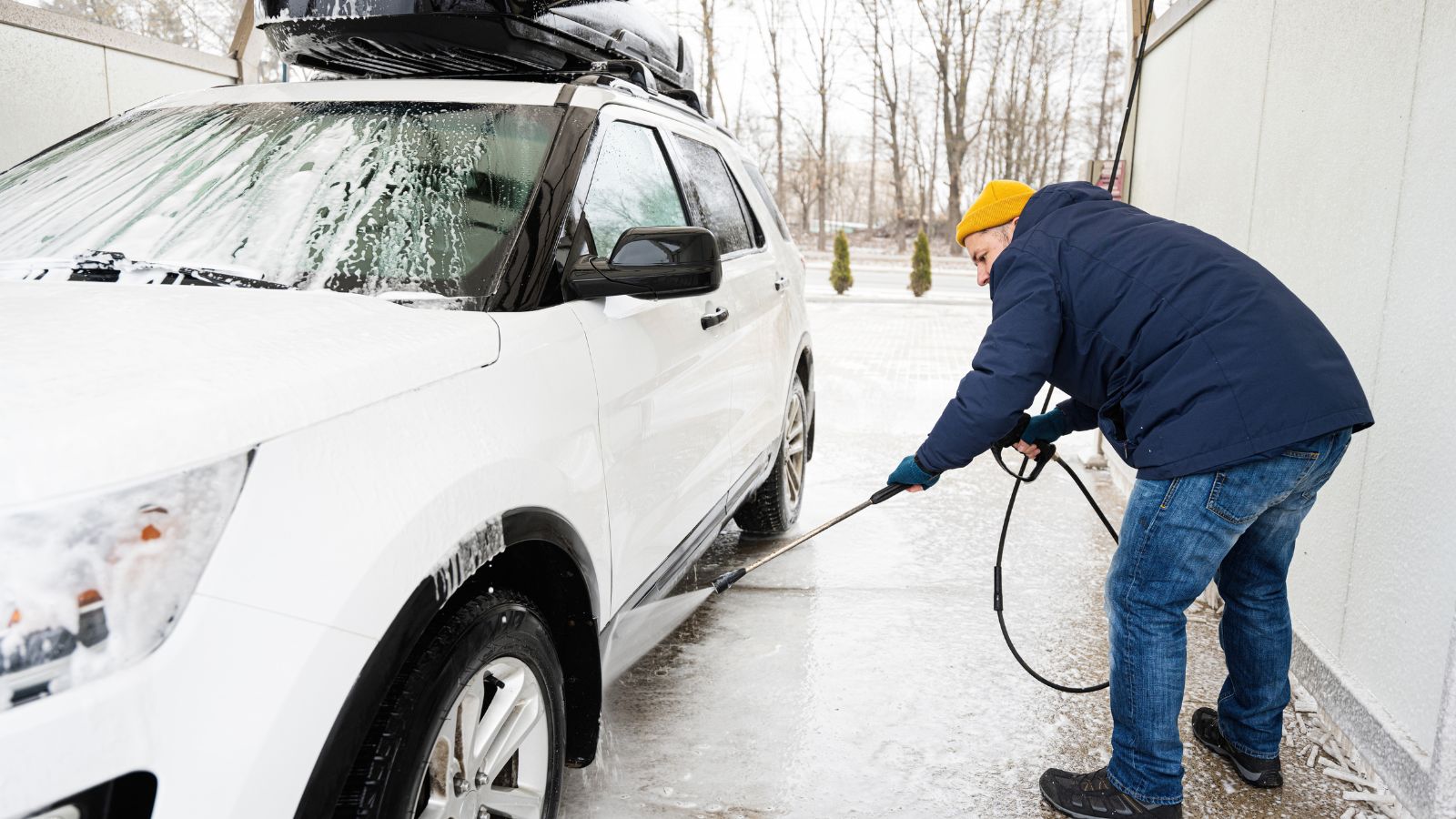
A layer of road film after a winter storm is normal. Months of crusted salt around wheel wells, rocker panels, wheels, and the lower tailgate looks quite different. Heavy buildup softens the car’s lines, turns dark wheels gray-brown, and makes even relatively new paint appear tired. It also suggests that washing has been postponed long enough for one season’s dirt to blend into the next.
Regular cleaning is more than cosmetic in areas where road salt is common. AAA recommends removing accumulated salt and grime because moisture and de-icing chemicals can promote corrosion, particularly underneath the vehicle and around areas where debris collects. The organization also advises paying attention to wheels and the vehicle’s bottom rather than cleaning only highly visible body panels. A car can remain mechanically sound despite looking filthy, of course, but long-standing deposits make it difficult for observers to distinguish between temporary dirt and a broader pattern of neglect.
Curb-Scuffed Wheels and Scarred Sidewalls
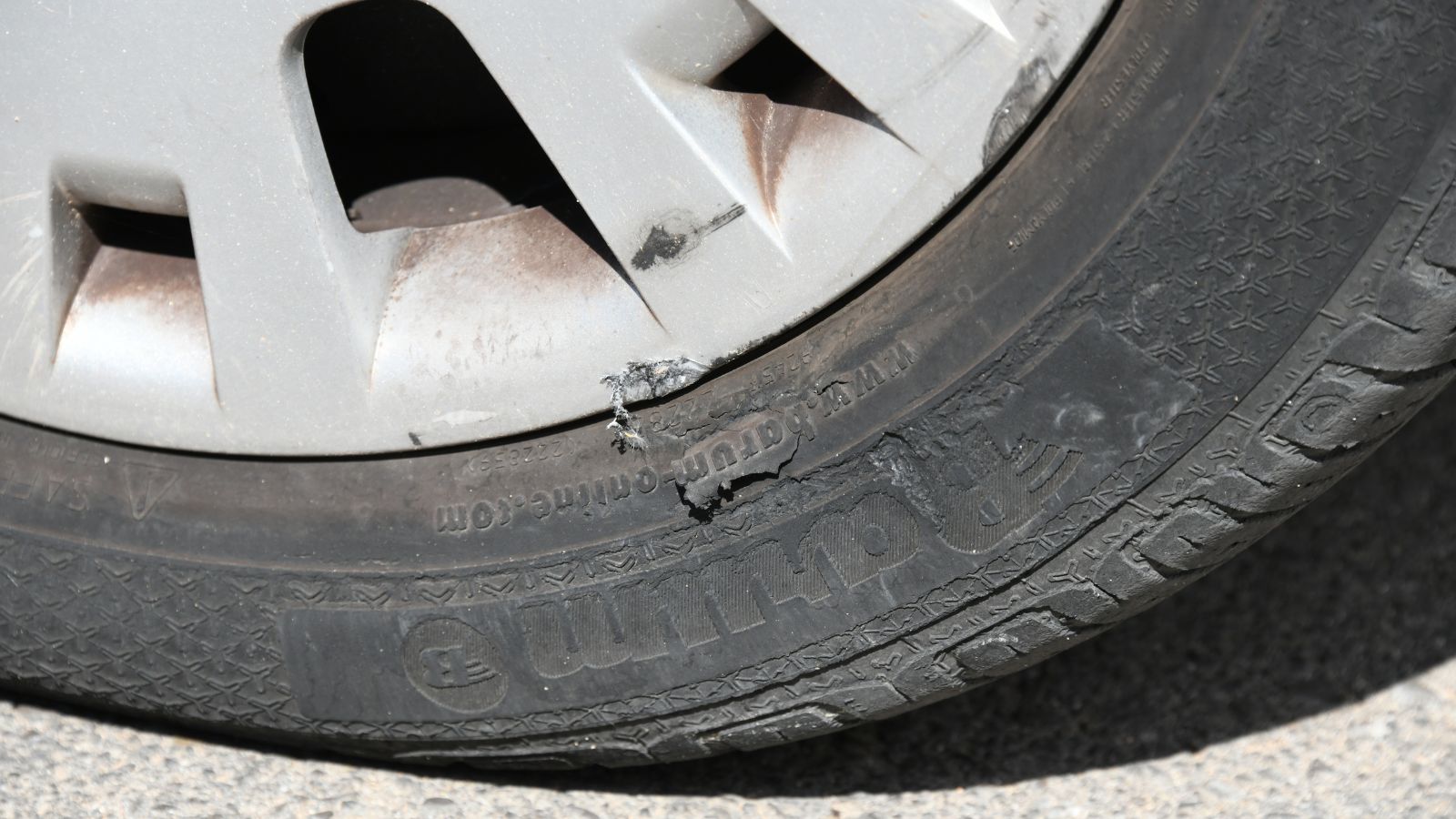
Alloy wheels sit at eye level when someone walks around a vehicle, making curb rash surprisingly influential. One scratched rim is understandable. Four wheels with gouged edges, missing chunks of finish, and tire sidewalls covered in scuffs suggest repeated contact with curbs and potholes. The vehicle may track perfectly straight and produce no vibration whatsoever, yet the damage gives the impression of hard urban use and limited attention to detail.
Wheel scars can also invite questions beyond cosmetics. Michelin recommends inspecting tires after significant curb or pothole impacts because such strikes can cause cuts, bulges, sidewall damage, or internal injuries that are not always obvious externally. Minor surface scratches may remain cosmetic, but a sidewall bulge is treated much more seriously because it can indicate structural damage. That does not mean every scraped wheel hides a dangerous tire. It does explain why heavily battered rims make a car look poorly treated even when its current driving behaviour seems completely normal.
Tires That Visibly Look Low
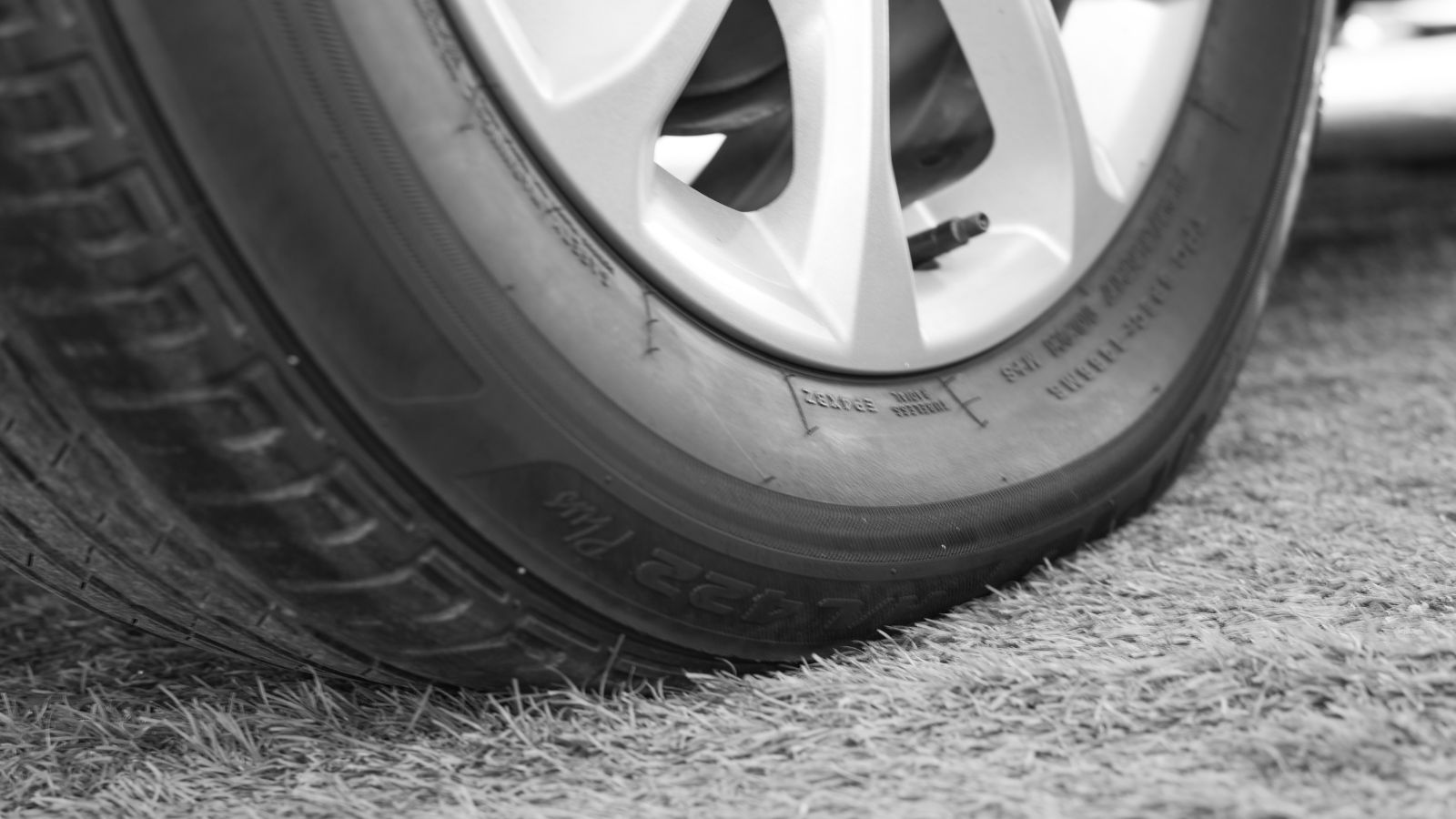
Nothing makes a parked car look tired quite like a tire sagging noticeably at the bottom. The body may be freshly washed and the engine may have a perfect maintenance record, but visibly soft tires imply that basic checks have been overlooked. They also disrupt the vehicle’s stance, making one corner look lower and giving the impression that the car has been sitting unused or has developed a slow leak.
Interestingly, visual inspection alone is not a reliable pressure test. NHTSA warns that underinflation can be difficult to detect simply by looking at a tire and recommends checking pressure with an accurate gauge. Modern tire-pressure monitoring systems provide an additional warning when pressure becomes significantly low, but they do not replace routine inspection. Proper inflation is such a fundamental part of tire maintenance that a tire soft enough to look obviously low sends an especially strong message. The car may still drive, steer, and accelerate normally while looking immediately uncared for.
Uneven or Feathered Tire Wear
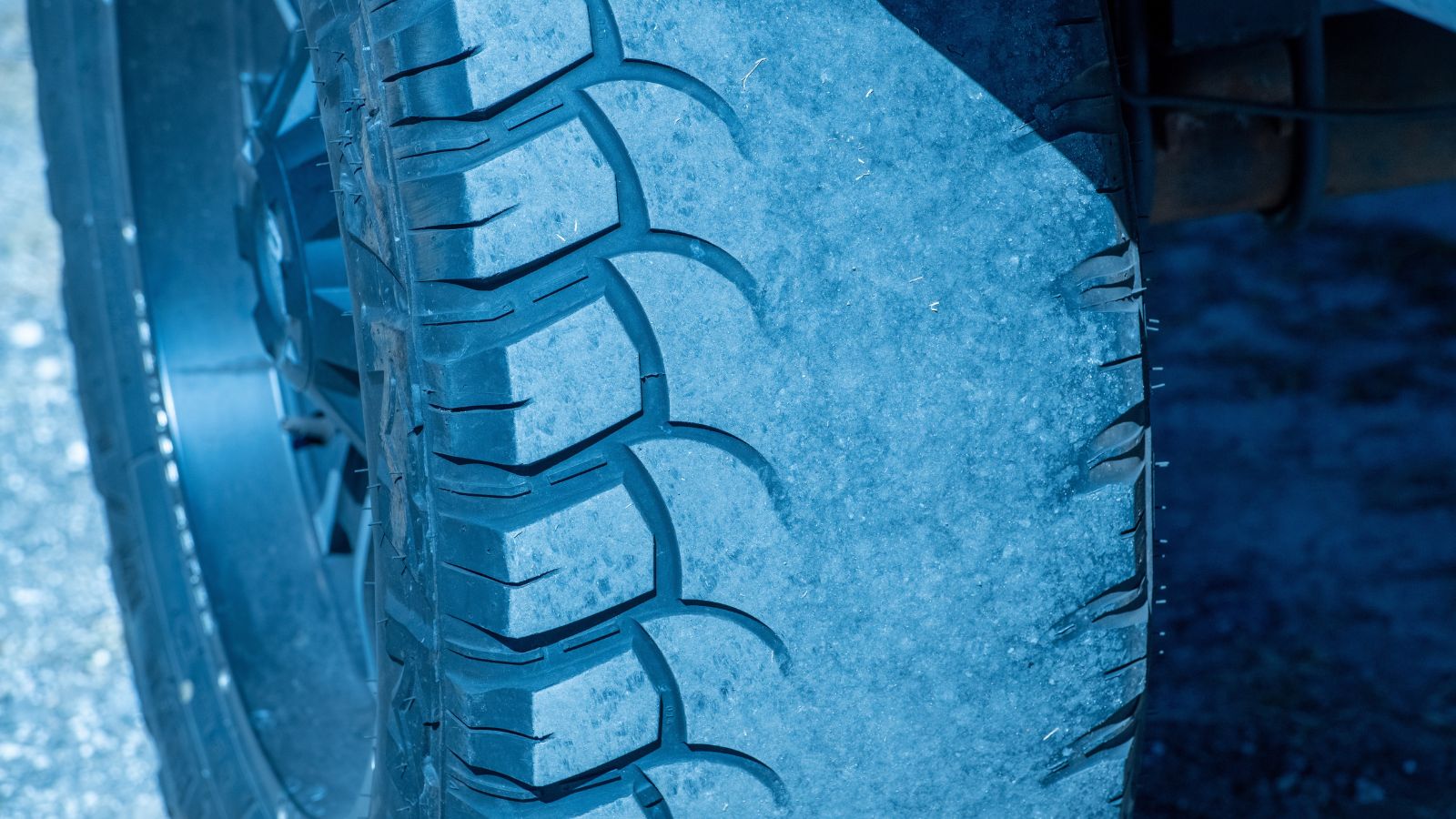
A set of tires tells a story even when the vehicle itself feels perfectly smooth. One shoulder worn nearly bald while the rest of the tread looks healthy, scalloped patches around the circumference, or noticeably different wear from left to right makes a car look as though alignment and rotation have been ignored. Someone inspecting a used vehicle may notice the pattern long before experiencing any steering pull.
Michelin explains that wear on both outer shoulders can be associated with underinflation, excessive centre wear with overinflation, and one-sided or patchy wear with issues such as alignment geometry or suspension condition. Incorrect balancing can also contribute to vibration and premature wear. Not every irregular pattern means the vehicle currently has a serious mechanical defect; the underlying issue may already have been repaired while the old tires remain installed. Visually, however, uneven tread is difficult to separate from neglected maintenance, which is why it can undermine confidence in a car that otherwise runs beautifully.
Four Tires That Do Not Match

Mismatched tires can make even an expensive vehicle look improvised. Perhaps one tire was replaced after a puncture, another pair was purchased during a sale, and the final original tire still has acceptable tread. There may be a perfectly reasonable history behind the combination. To someone seeing four different tread designs or brands, however, the car can look as though maintenance decisions were made one emergency at a time.
CARFAX specifically recommends noticing whether the tires on a used vehicle match, stating that different brands may justify further questions. NHTSA advises using replacement tires of the original size or another size recommended by the vehicle manufacturer, while owner guidance may impose additional requirements concerning type, axle placement, or drivetrain. Matching brand names are not universally mandatory, and vehicle specifications vary. Still, a coordinated set of tires visually communicates deliberate maintenance in a way that an assortment of unrelated tires rarely does, even when the car currently drives without any obvious problem.
Dry, Cracked Tire Sidewalls
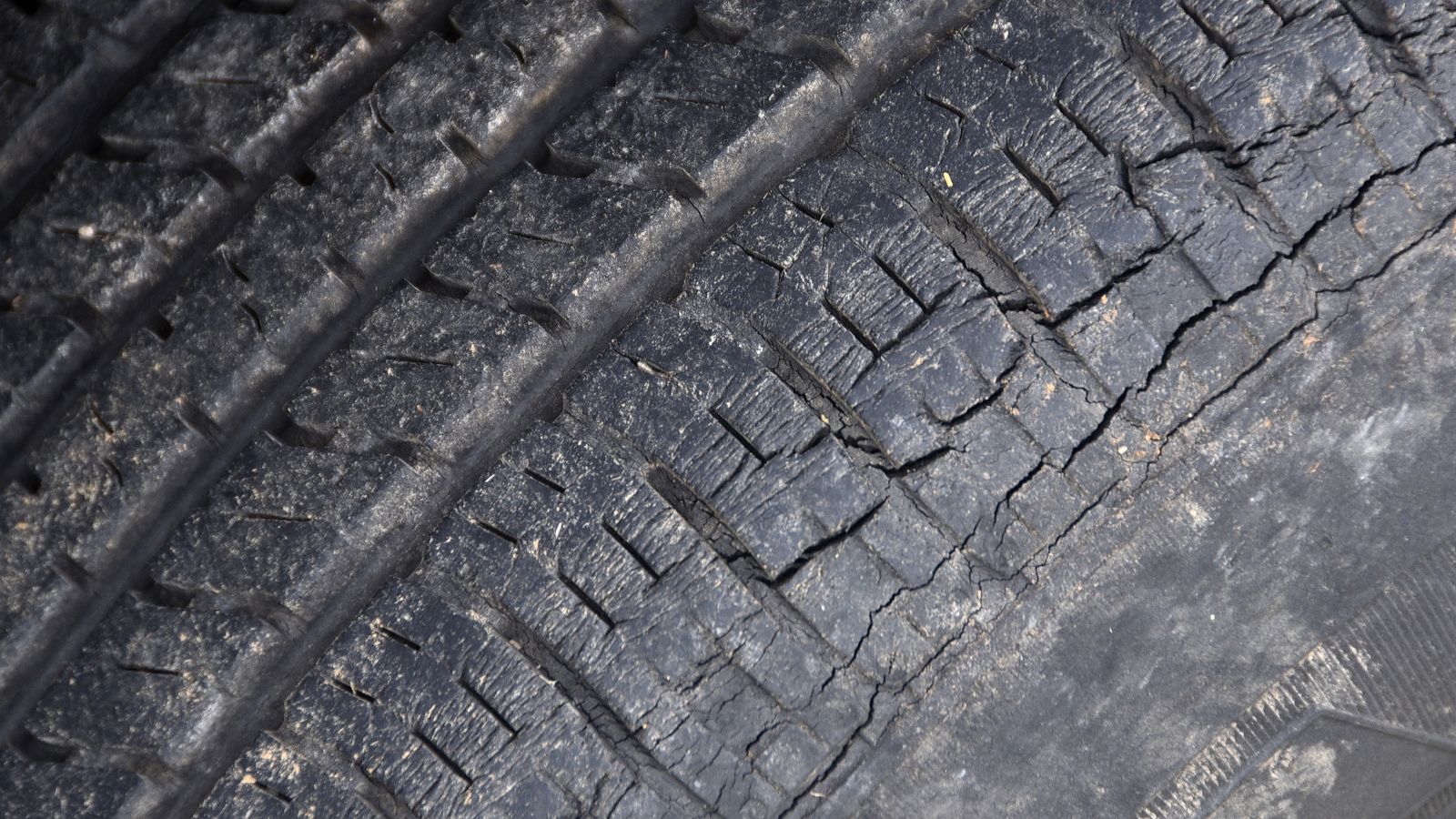
Fine cracks across a tire’s sidewall are easy to dismiss when the tread still looks deep. Visually, though, they make a vehicle appear as though it has been sitting outdoors for years. Brownish rubber, weather checking around lettering, and tiny fissures near the bead can make otherwise attractive wheels look neglected. This is particularly striking on low-mileage cars whose tires may have aged more from time and environmental exposure than from distance travelled.
Michelin identifies sidewall cracking as a sign associated with tire aging and exposure to sunlight and ozone, while NHTSA emphasizes that tires become more failure-prone as they age. Some manufacturers recommend replacement after a specified number of years regardless of remaining tread, so the date code is important when assessing condition. Superficial aging does not automatically mean a car has been poorly serviced elsewhere. Nevertheless, cracked rubber is one of the few visible details capable of making a low-mileage, smooth-running vehicle look as if maintenance has been postponed for far too long.
Corroded Battery Terminals
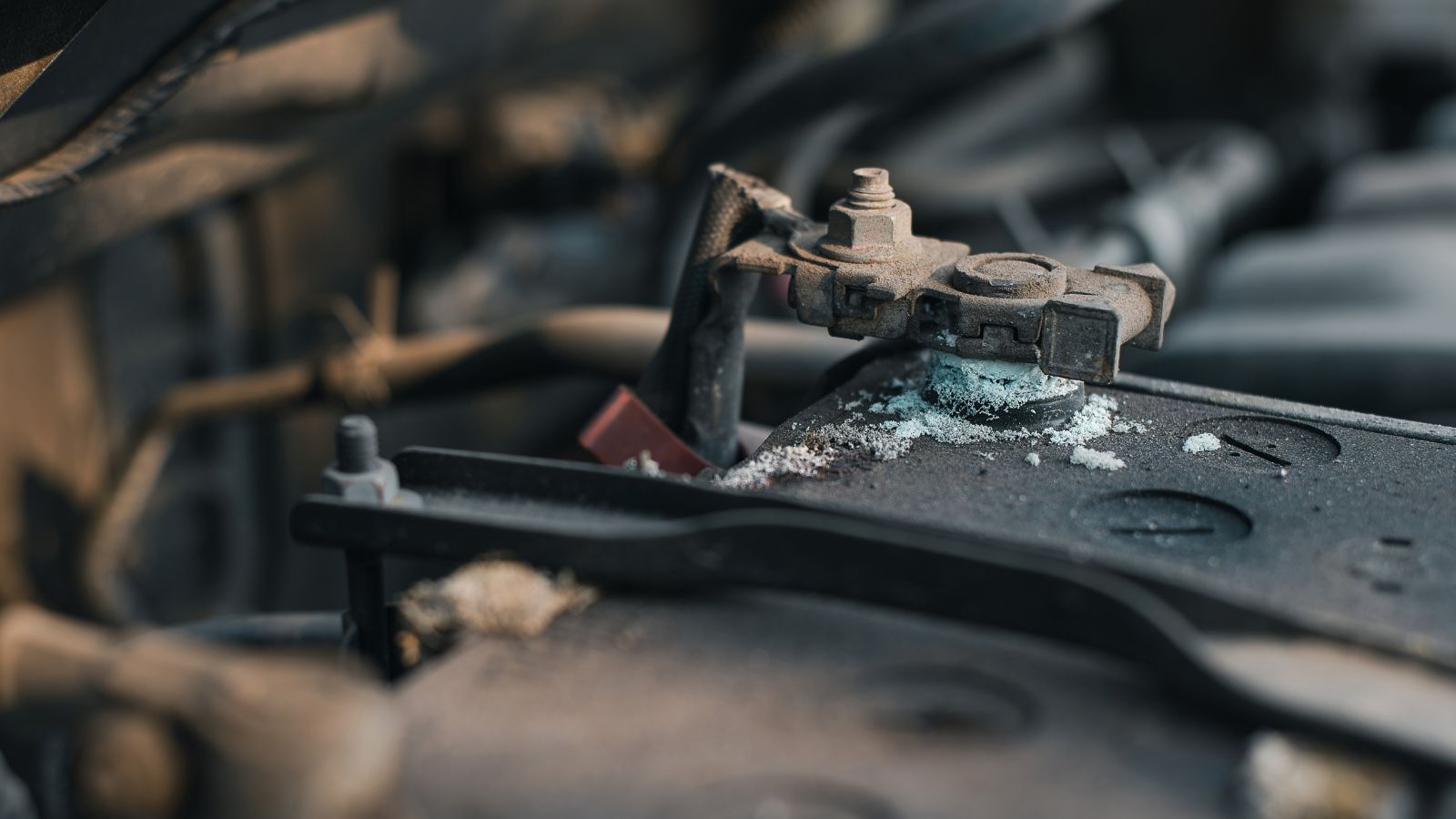
Opening the hood can instantly change the impression created by an otherwise tidy car. A battery surrounded by white or bluish corrosion, dirty terminals, and crusty hardware makes the engine compartment look forgotten. The vehicle may still start every morning because the electrical connection remains adequate, but visible buildup suggests that nobody has inspected an area that can be checked in seconds.
AAA recommends inspecting battery terminals and connections for corrosion and keeping them clean. Recent AAA battery guidance identifies visible terminal corrosion as both a maintenance concern and a possible warning sign requiring attention, since significant buildup can interfere with electrical flow. Battery life varies with climate, use, and other factors, so corrosion does not automatically mean a battery is about to fail. From an appearance standpoint, however, few under-hood details look more neglected. Cleaning and addressing the source can transform the visual impression of the engine compartment without changing how the engine itself runs.
Fluid Stains Under the Car

A car can run flawlessly while leaving a suspicious-looking spot on the driveway. From a maintenance-perception standpoint, coloured or oily stains are difficult to ignore because they imply that something is escaping from somewhere it should remain contained. Older vehicles may have minor seepage for years without suffering a breakdown, yet wet-looking components and fresh spots underneath immediately make the car appear overdue for attention.
AAA advises investigating vehicle-fluid leaks and notes that ordinary clear water underneath a car can simply be condensation from the air-conditioning system. Other fluids should be identified and their source checked. The severity varies enormously: a slight seep around an old gasket is not the same as rapid coolant or brake-fluid loss. That nuance is invisible to someone walking past a stained parking space. Even when fluid levels remain stable and the vehicle drives normally, recurring spots beneath it can create a stronger impression of mechanical neglect than many actual drivability problems.
Reservoirs Sitting Below Their Proper Level

An under-hood inspection often reveals maintenance habits in small details. A washer bottle nearly empty, coolant visibly below the appropriate mark when checked under the correct conditions, or another serviceable reservoir sitting beneath its specified range makes the engine bay look unattended. The car may not display any immediate symptoms, particularly when the level is only modestly low, but the sight can make routine maintenance appear inconsistent.
AAA includes fluid-level inspections among regular vehicle-maintenance tasks and advises checking items such as engine oil, coolant, washer fluid, transmission fluid where applicable, brake fluid, and power-steering fluid according to vehicle requirements and correct checking procedures. Modern cars vary substantially; some systems are sealed, electronically monitored, or have manufacturer-specific instructions, so random topping-up is not appropriate. The larger point is visual. Clearly neglected levels suggest that nobody has been looking under the hood, even when the mechanical systems remain within operating limits and the vehicle still feels perfectly healthy on the road.
A Greasy, Neglected-Looking Engine Bay

Engine compartments naturally collect dust. A ten-year-old daily driver does not need a showroom-clean engine to be well maintained. Still, layers of oily grime around covers, old leaves near the cowl, dirt-coated reservoirs, and years of residue around hoses create an immediate sense of neglect. Someone inspecting the car may struggle to determine whether the grime is harmless accumulation or evidence of leaks hidden underneath.
Used-car appraisal criteria demonstrate how strongly this affects overall condition. Edmunds includes a clean engine compartment among the characteristics associated with its highest condition category, alongside excellent mechanical, interior, and exterior condition. AAA maintenance guidance also recommends looking under the hood for leaks and checking belts, hoses, batteries, and fluids regularly. An obsessively detailed engine bay does not prove mechanical excellence, just as dust does not prove failure. Yet a heavily contaminated compartment creates uncertainty, and uncertainty is often enough to make a perfectly good-running car appear considerably less cared for.
Warning Lights That Never Seem to Go Away

A glowing check-engine, tire-pressure, airbag, battery, or other warning symbol can overwhelm every positive impression inside a car. The engine may idle smoothly, the transmission may shift perfectly, and the owner may even know exactly why the light is illuminated. A passenger or prospective buyer simply sees a dashboard announcing that something requires attention. If several indicators remain on after startup, the cabin can feel neglected immediately.
AAA explains that dashboard warnings are deliberately designed to communicate conditions requiring different levels of response. Red warnings generally indicate more urgent situations, while yellow or amber indicators usually signal issues that require attention even when immediate stopping is unnecessary. NHTSA likewise notes that an illuminated TPMS warning indicates significant underinflation in at least one tire, while a flashing sequence may indicate a system malfunction. Some causes are surprisingly minor, but leaving warning lights unresolved creates one of the strongest visual impressions that maintenance has been deferred.
Stained, Faded, or Torn Upholstery
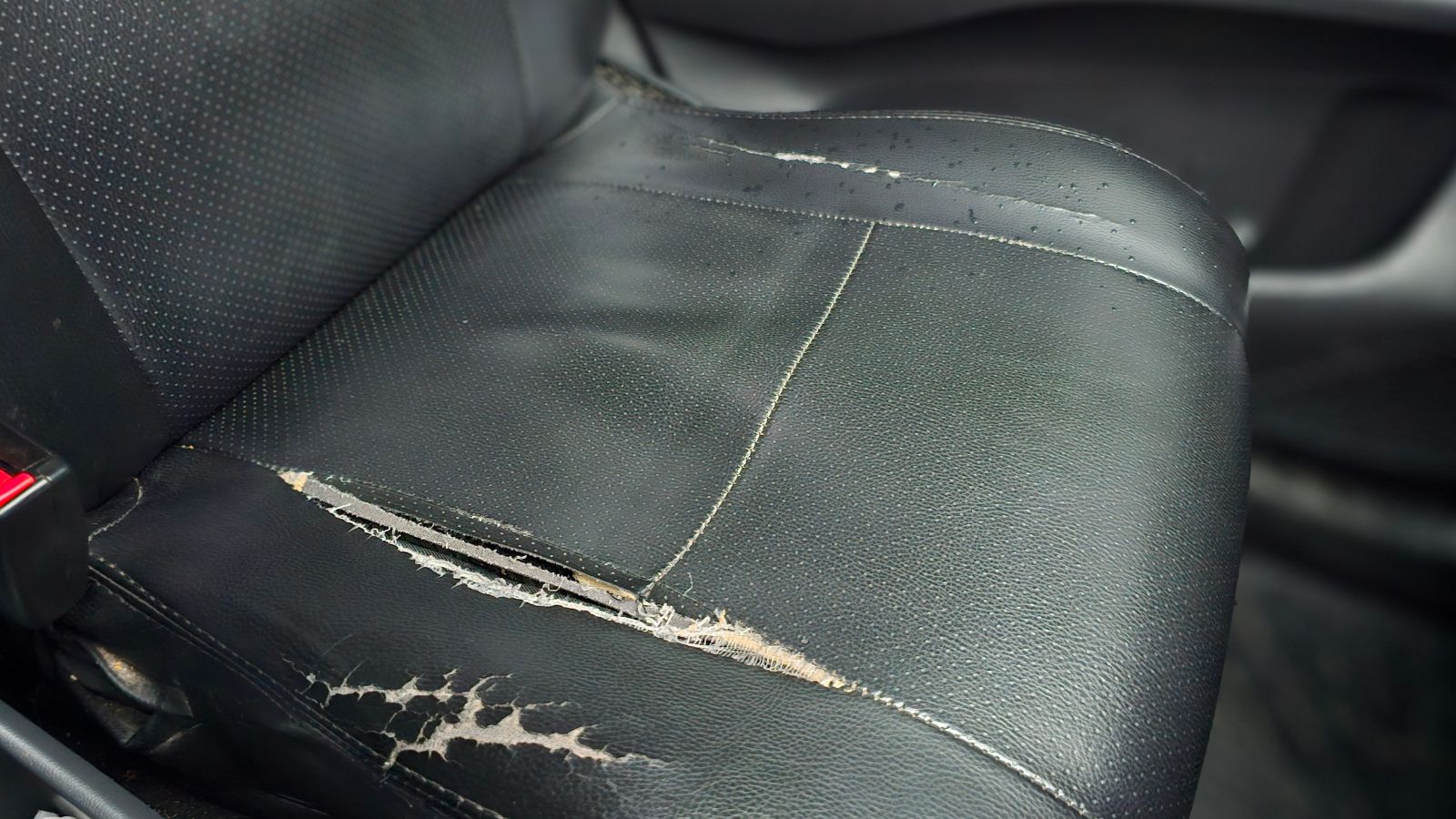
Mechanical maintenance and interior care can live completely separate lives. A vehicle may receive every scheduled oil change yet have coffee-stained seats, ground-in carpet dirt, cracked leather bolsters, faded fabric, and years of debris beneath the mats. Because occupants spend their time inside rather than staring at the engine, cabin wear can dominate their perception of the entire car.
Vehicle-appraisal standards explicitly consider interior condition. Edmunds describes cleaner-condition vehicles as having minimal fading and wear, while more worn or damaged interiors fall into lower condition categories. AAA similarly recommends routine cleaning and conditioning to preserve upholstery, noting that sunlight and heat can contribute to fading, drying, and cracking. Normal family use inevitably leaves marks, and stains are not evidence of skipped mechanical service. Still, a deeply worn cabin creates an emotional impression that the whole car has led a harder life, even when everything under the hood has been serviced with extraordinary discipline.
A Cracked Dashboard and Tired Interior Trim
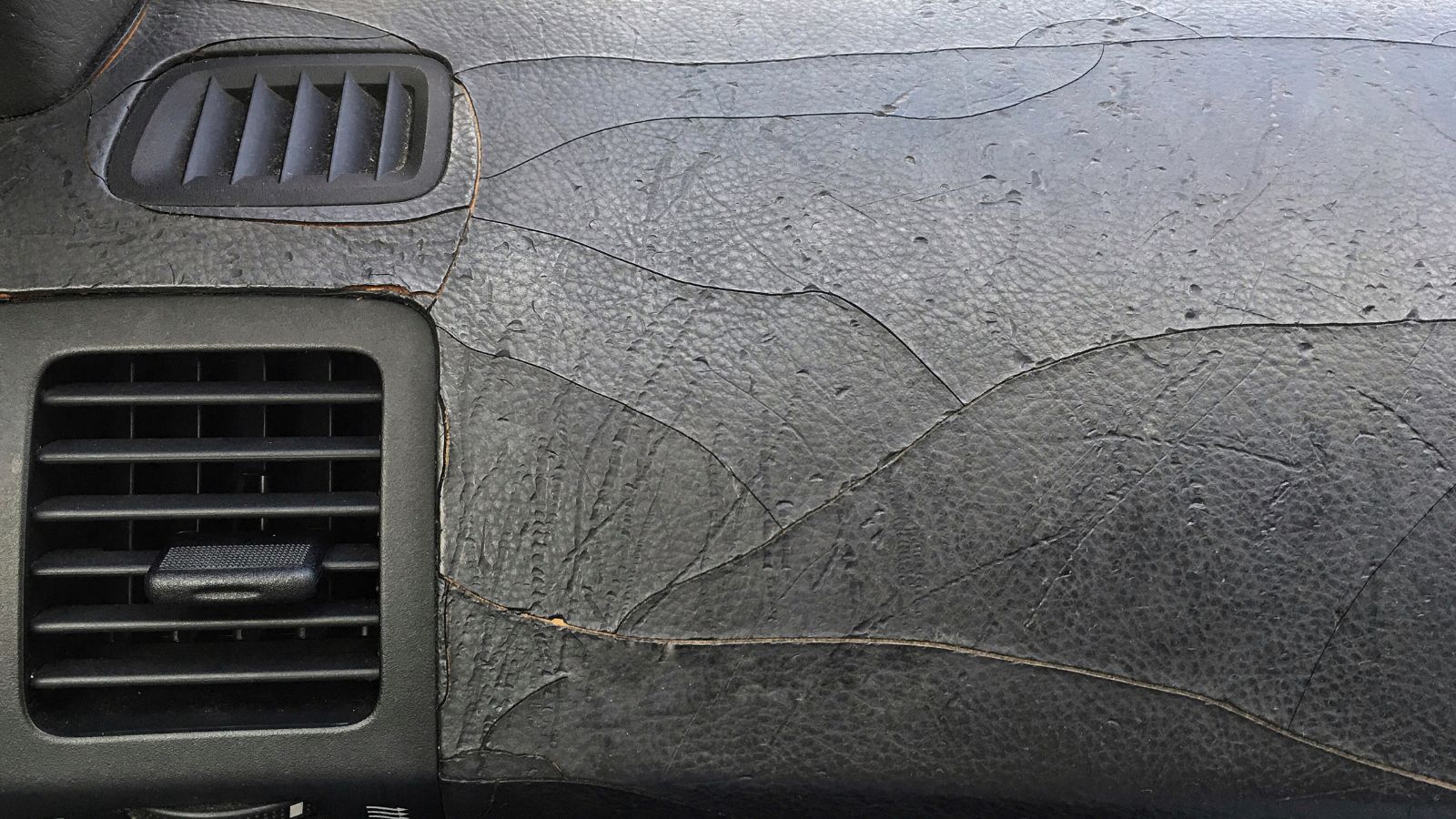
The dashboard is one of the largest surfaces visible from outside a car, which makes sun damage difficult to hide. Faded plastics, cracked vinyl, peeling coatings, loose trim, brittle switch surrounds, and discoloured panels can make an otherwise dependable vehicle look abandoned. Once several interior materials deteriorate at different rates, the cabin loses the cohesive appearance it had when new and begins broadcasting its age.
Heat and ultraviolet exposure can be responsible even when the owner has maintained the drivetrain impeccably. AAA guidance identifies sunlight and high interior temperatures as contributors to fading, brittleness, and cracking in dashboards, vinyl, leather, and related surfaces. Protective shades, cleaning, and suitable conditioners can slow deterioration, although they cannot reverse every form of aging. None of this means a cracked dashboard predicts engine trouble. It does mean visual care strongly affects how mechanical care is perceived. A clean, intact cabin inspires confidence; a brittle, damaged one can make a perfectly reliable car feel neglected before the key is even turned.
19 Used Cars Canadians Should Avoid in 2026 (Based on Owner Complaints)

Buying a used car in Canada can feel safe until repair bills start stacking up. Owner complaints tell a different story than glossy listings. Transmission failures, electrical problems, and weak winter reliability show up again and again in consumer reports. Many of these issues appear after warranties expire, when owners least expect them. Some vehicles look affordable upfront, but become expensive to keep on the road. Others struggle in cold weather, urban driving, or long highway commutes. Here are 19 used cars Canadians should avoid in 2026 (based on owner complaints).
19 Used Cars Canadians Should Avoid in 2026 (Based on Owner Complaints)