

























A spotless used vehicle can create an immediate sense of confidence, but cleanliness and condition are not the same thing. Professional detailing can make an honest, well-maintained vehicle more appealing, yet it can also temporarily conceal stains, leaks, corrosion, accident repairs, and warning signs left by years of hard use.
The difference often appears in places that are difficult to polish, deodorize, repaint, or explain. These 20 signs reveal when a vehicle’s showroom-like appearance may be the result of a hurried cosmetic refresh rather than careful long-term ownership. None proves deception on its own, but several appearing together should prompt a closer inspection, a history check, and an independent mechanical evaluation.
An Overpowering Fragrance Fills the Cabin

A pleasant interior smell is not automatically suspicious. Dealers and private sellers commonly vacuum cabins and apply deodorizing products before advertising a vehicle. Concern begins when the fragrance is unusually strong, chemical, or concentrated enough to make it difficult to detect anything underneath. Heavy air freshener may be covering cigarette smoke, pet odours, mildew, leaking fluids, or moisture trapped in upholstery and ventilation ducts. A seller who leaves the windows open before every viewing may be attempting the same kind of masking.
The cabin should be inspected after the doors and windows have remained closed for several minutes. Air should also be blown through every climate-control setting because embedded odours may become noticeable only when the fan starts. For example, a five-year-old family vehicle smelling intensely of “fresh linen” while its carpets feel slightly damp deserves more investigation. Strong fragrance is not proof of flooding or neglect, but unexplained deodorizing becomes more meaningful when accompanied by stains, corrosion, replacement carpeting, or moisture in hidden areas.
The Carpets Look Newer Than Everything Around Them
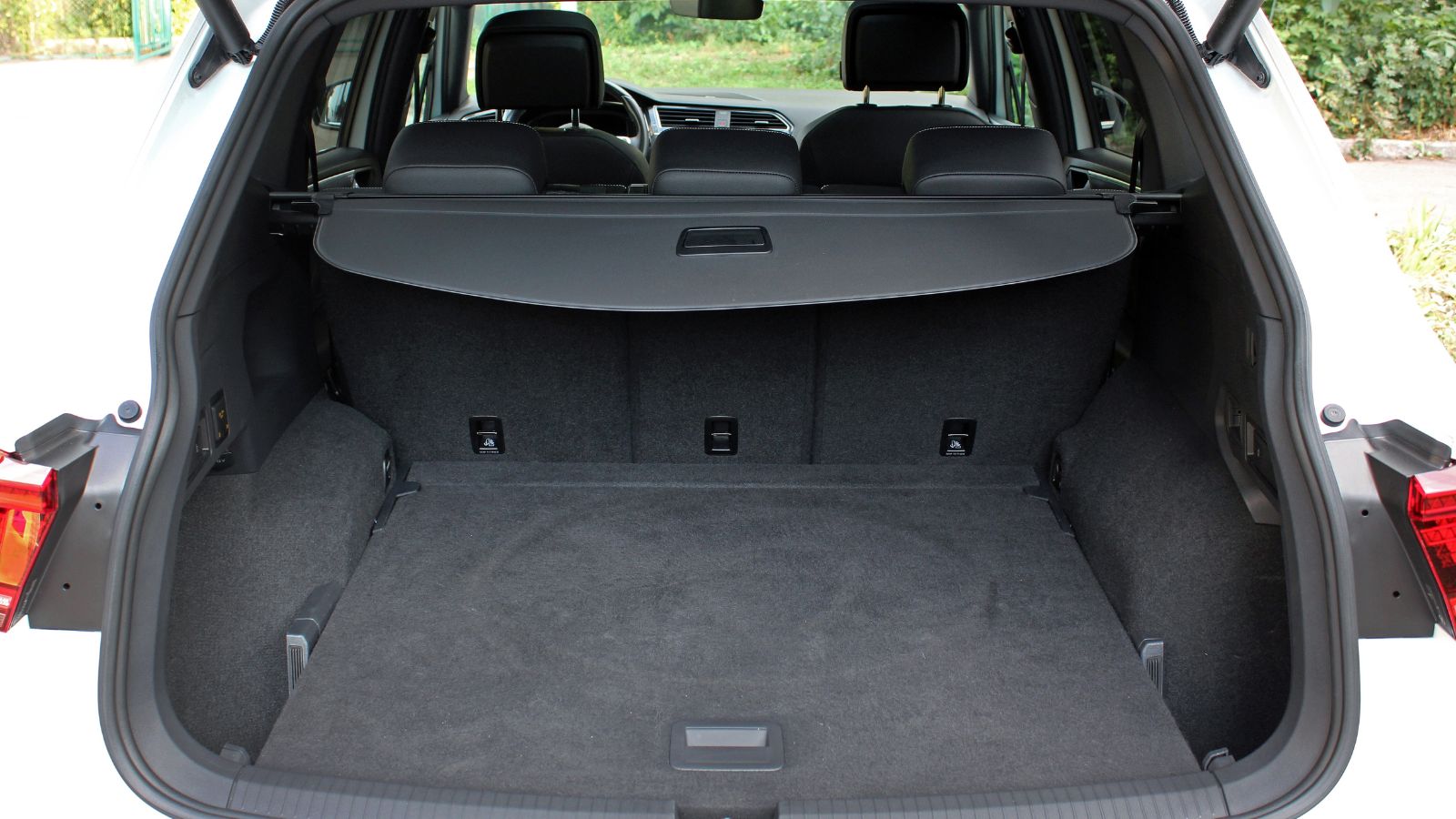
Replacement carpeting can be a legitimate improvement, especially in a work vehicle or family van that experienced years of spills and heavy use. The concern is inconsistency. Fresh, unworn carpet beneath scratched door panels, flattened seat cushions, faded plastics, and worn pedals may indicate that the interior was replaced shortly before the sale. Sellers sometimes replace only the most visibly damaged sections, leaving differences in colour, texture, pile height, or fastening clips.
A careful inspection should compare the carpeting under the seats, along the transmission tunnel, inside the cargo area, and beneath removable mats. Factory carpeting normally fits tightly around trim pieces and mounting points. Recently installed material may be loosely cut, unevenly tucked, secured with non-original clips, or missing factory insulation. One common example is a vehicle with bright black front carpeting while the rear cargo carpet has a brownish waterline. That contrast does not reveal exactly what happened, but it suggests the visible cabin may not represent the vehicle’s complete history.
The Surface Is Dry but the Padding Is Damp
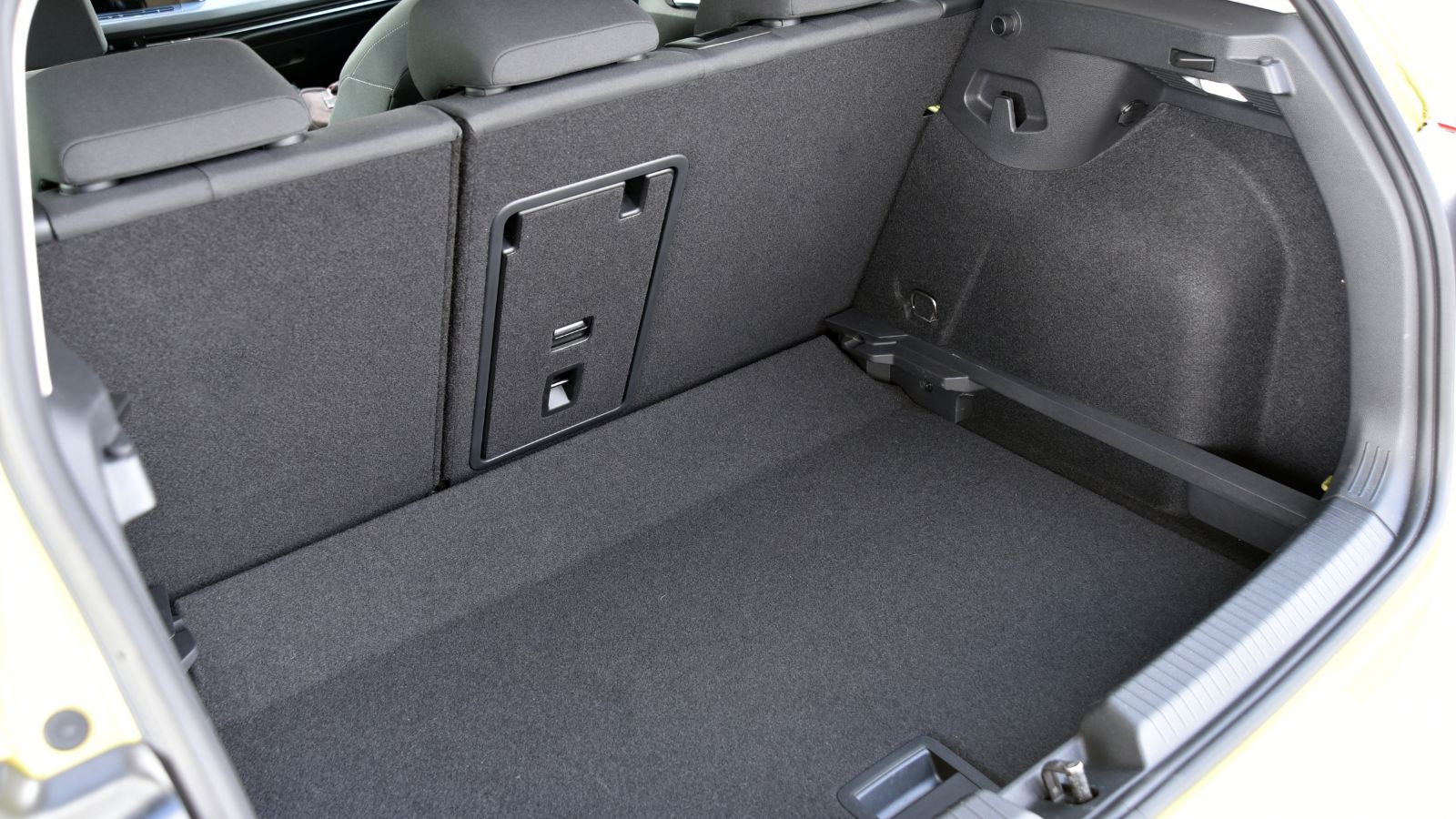
A freshly shampooed carpet may remain slightly moist for a reasonable period, but persistent dampness beneath an apparently dry surface can indicate a deeper problem. Carpet padding and sound insulation absorb far more water than the visible fibres above them. A quick detailing job may dry the surface while leaving moisture trapped against the floor pan, where it can contribute to mould, unpleasant smells, corrosion, and electrical problems.
Checking requires more than pressing a hand against the centre of a floor mat. Attention should go to the lowest areas of the cabin, the space beneath the seats, carpet edges near the door sills, and the padding accessible under removable trim. A folded paper towel can reveal moisture that is not immediately noticeable by touch. For example, a seller may explain that the carpets were “just cleaned yesterday,” but dampness combined with rusted seat hardware and a musty ventilation system deserves caution. Legitimate detailing should still come with a clear explanation and adequate drying time.
Silt or Debris Remains in Hidden Crevices
Detailed vehicles often look spotless at eye level while retaining debris in places that ordinary cleaning equipment cannot easily reach. Fine sand, dried mud, leaves, or silt inside seat tracks, electrical connectors, dashboard cavities, glove-box corners, or engine-bay recesses can reveal previous exposure to water or extreme dirt. Floodwater in particular carries suspended material that settles inside small openings as the water recedes.
A flashlight can be more useful than a polished exterior when inspecting these areas. Buyers should examine beneath the seats, around wiring harnesses, inside storage compartments, behind removable cargo panels, and beneath the hood near recessed bolts or spark-plug areas. Imagine a vehicle whose dashboard and seats look newly detailed but whose seat rails contain a thin, uniform line of dried sediment. That material may have survived because the seller focused on visible surfaces. Ordinary outdoor use can also deposit dirt, so the important clue is an unusual concentration in enclosed areas that are not normally exposed.
The Trunk and Spare-Tire Well Look Recently Scrubbed
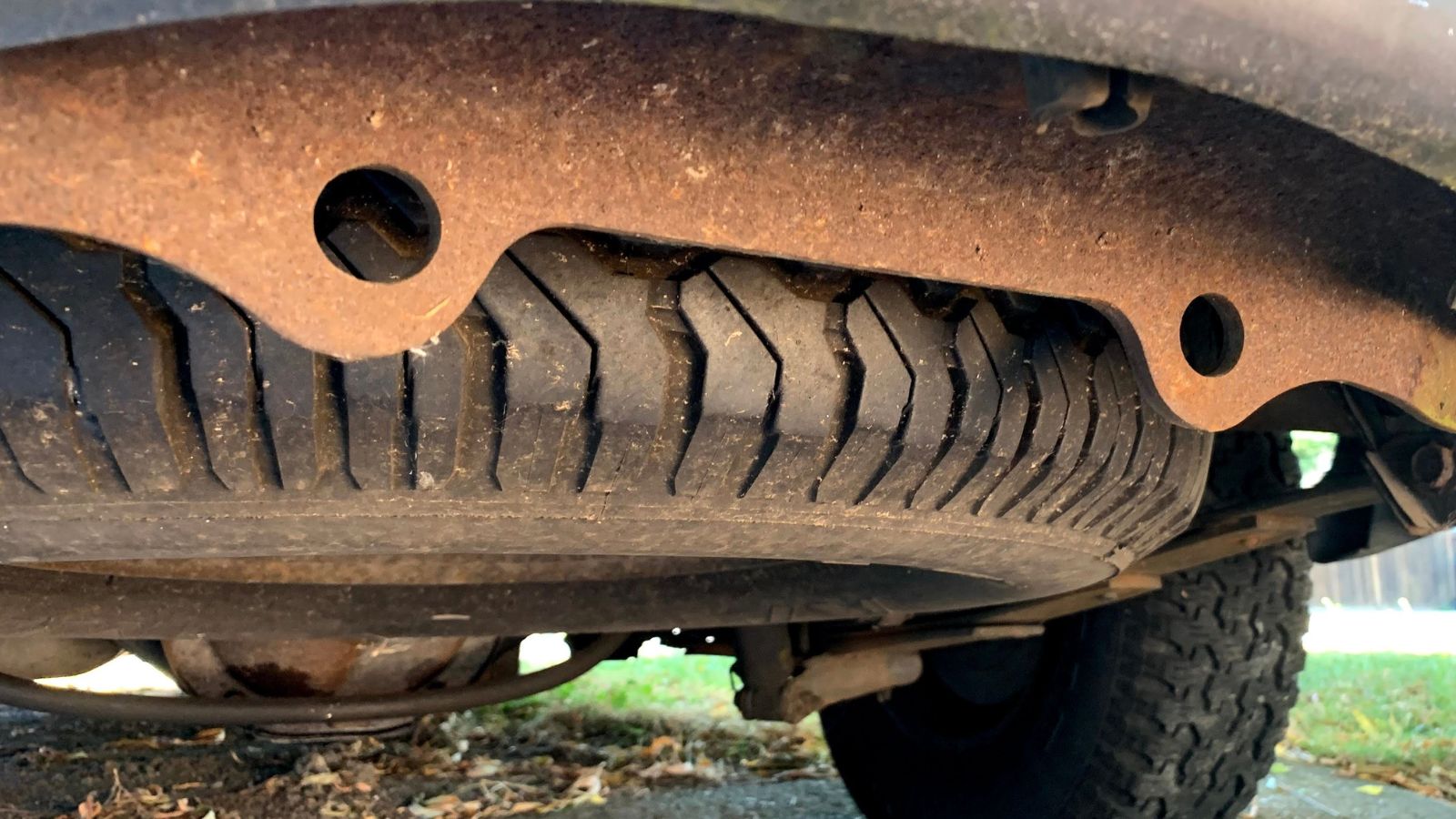
The spare-tire compartment is frequently overlooked during everyday ownership, which makes it a valuable record of a vehicle’s past. Water entering through a damaged trunk seal, collision repair, or flooding often collects in this low point. A recently scrubbed well, missing insulation, new paint, unexplained moisture, or a strong cleaning-product smell may suggest that someone tried to remove evidence shortly before listing the vehicle.
The spare tire and cargo liner should be removed completely rather than lifted at one corner. Inspectors should look for water droplets, tide-like stains, silt, surface rust, bubbling paint, mismatched seam sealer, and drain plugs that appear recently disturbed. A small amount of clean water could come from a leaking weather seal, but even that requires repair. For example, a dry and immaculate trunk containing rust around the spare-tire hold-down bolt may tell a different story from the polished cargo floor above it. The seller should be able to explain why the area was cleaned or repainted.
Hidden Bolts and Seat Hardware Show Corrosion
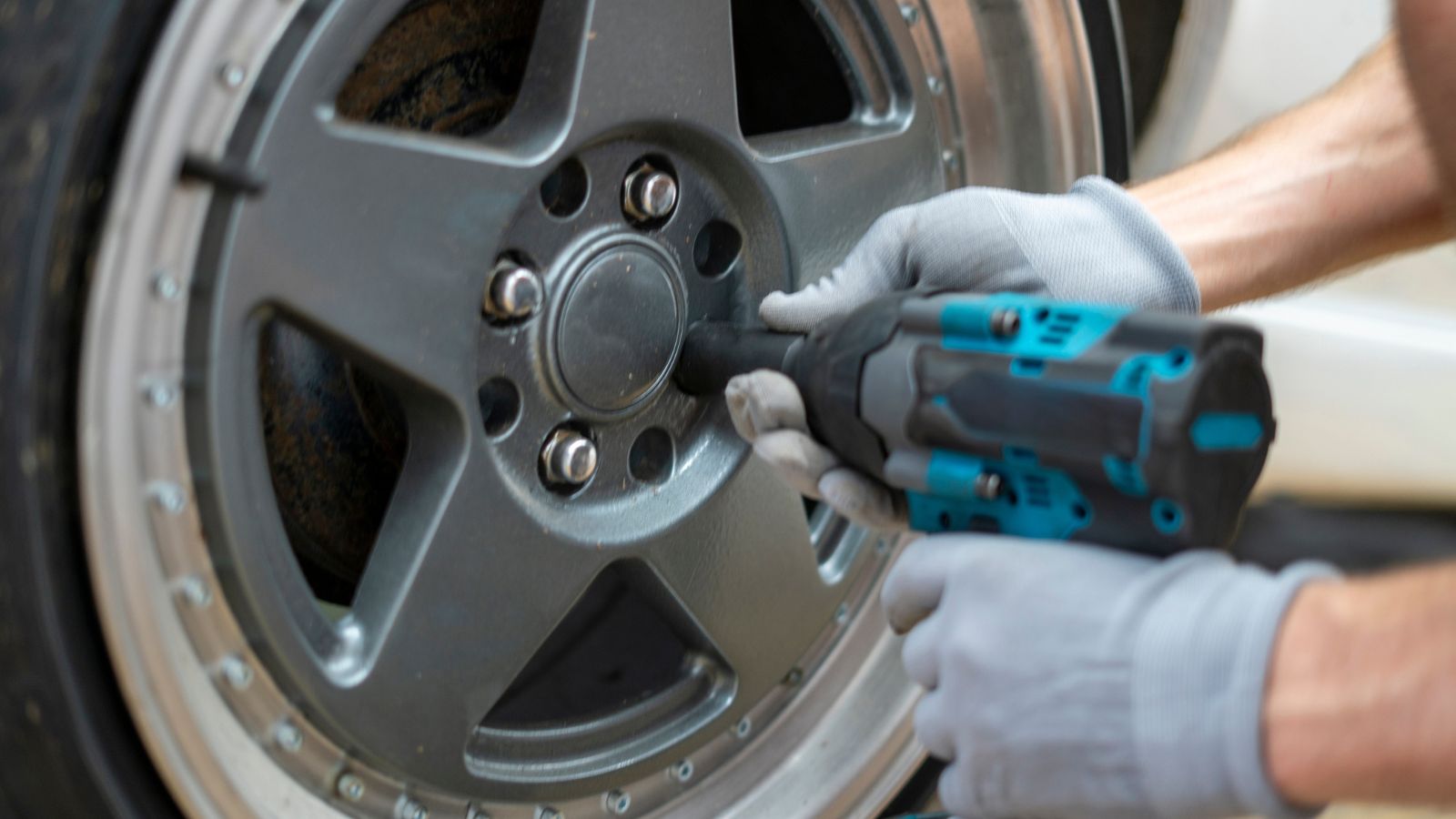
Cosmetic detailing can restore upholstery and plastic trim, but it cannot easily reverse corrosion on unfinished metal. Seat springs, mounting bolts, electrical brackets, wiring terminals, and metal components beneath the dashboard may rust after prolonged moisture exposure. Corrosion in these protected locations is especially important because they are not normally exposed to rain, road salt, or routine washing.
The pattern matters more than a single rusty fastener. An older vehicle may naturally have some oxidation, particularly in humid or coastal regions. Suspicion rises when several interior bolts show reddish corrosion while nearby upholstery appears recently replaced. Greenish deposits on copper wiring, white residue on electrical terminals, or rust lines at a similar height can suggest water exposure. One example is a clean cabin with shiny new floor mats but corroded seat-mounting hardware beneath them. That combination does not automatically establish flood damage, yet it warrants professional inspection because moisture-related electrical faults can appear intermittently long after the cabin has dried.
The Engine Bay Looks Unnaturally Sterile
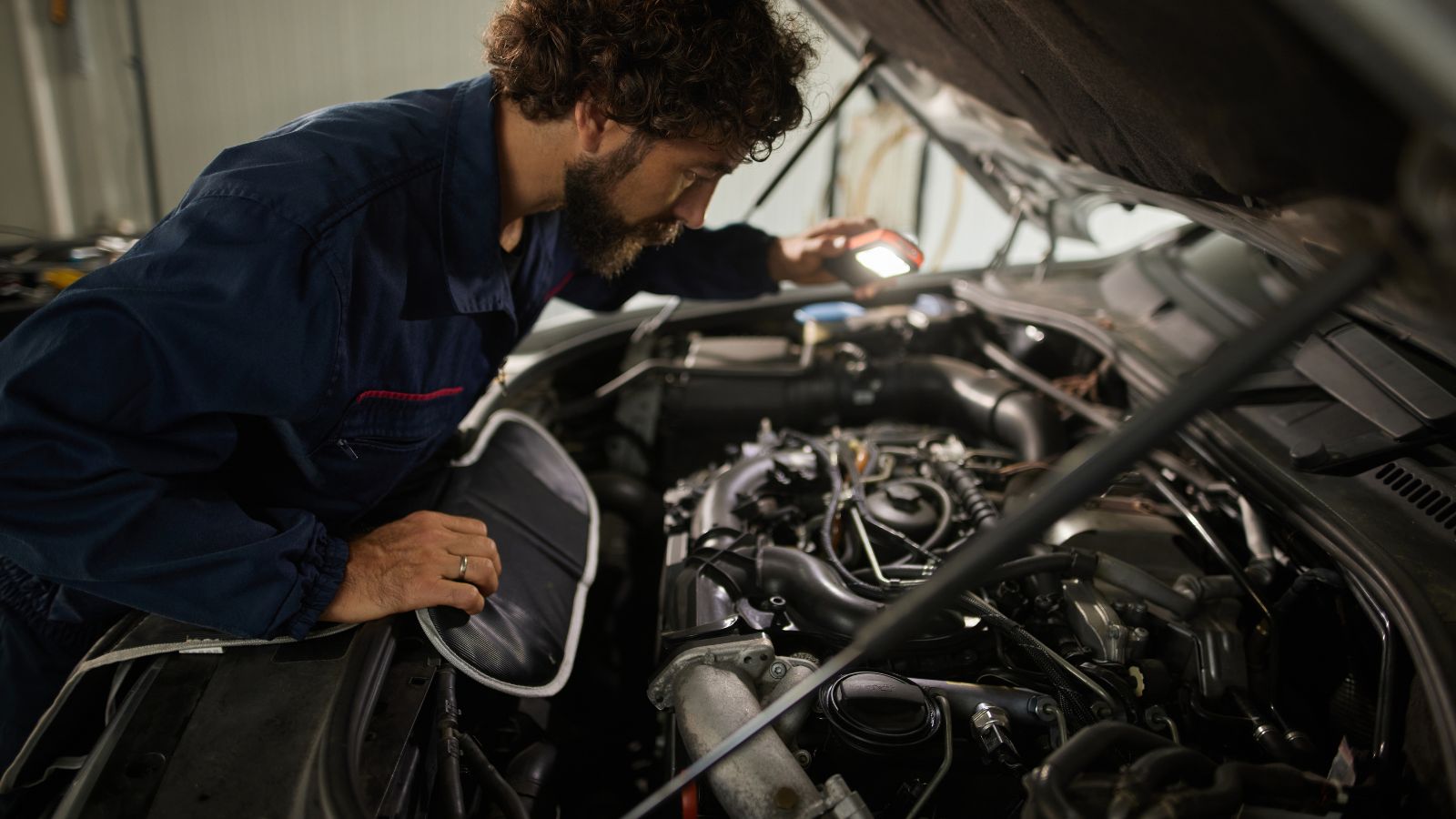
A clean engine compartment makes inspection easier and may simply reflect careful ownership. However, an engine bay that appears freshly pressure-washed while the rest of the vehicle shows years of ordinary wear can be a warning. Oil seepage, coolant residue, accumulated dust, and staining around hoses or gaskets may have been removed to prevent a buyer from seeing where fluids were escaping.
Look for water trapped in electrical connectors, recently disturbed plastic covers, wet insulation, cleaning residue, or isolated patches of remaining oil in tight corners. A normally maintained engine bay does not need to be coated in grime, but it usually has a consistent appearance. For example, a ten-year-old vehicle with a spotless engine, damp wiring looms, and fresh water beneath the hood may have been washed shortly before the appointment. The best response is not to assume wrongdoing but to extend the test drive, recheck the engine afterward, and arrange an inspection that can identify active leaks or damaged components.
Fresh Black Coating Covers the Underside
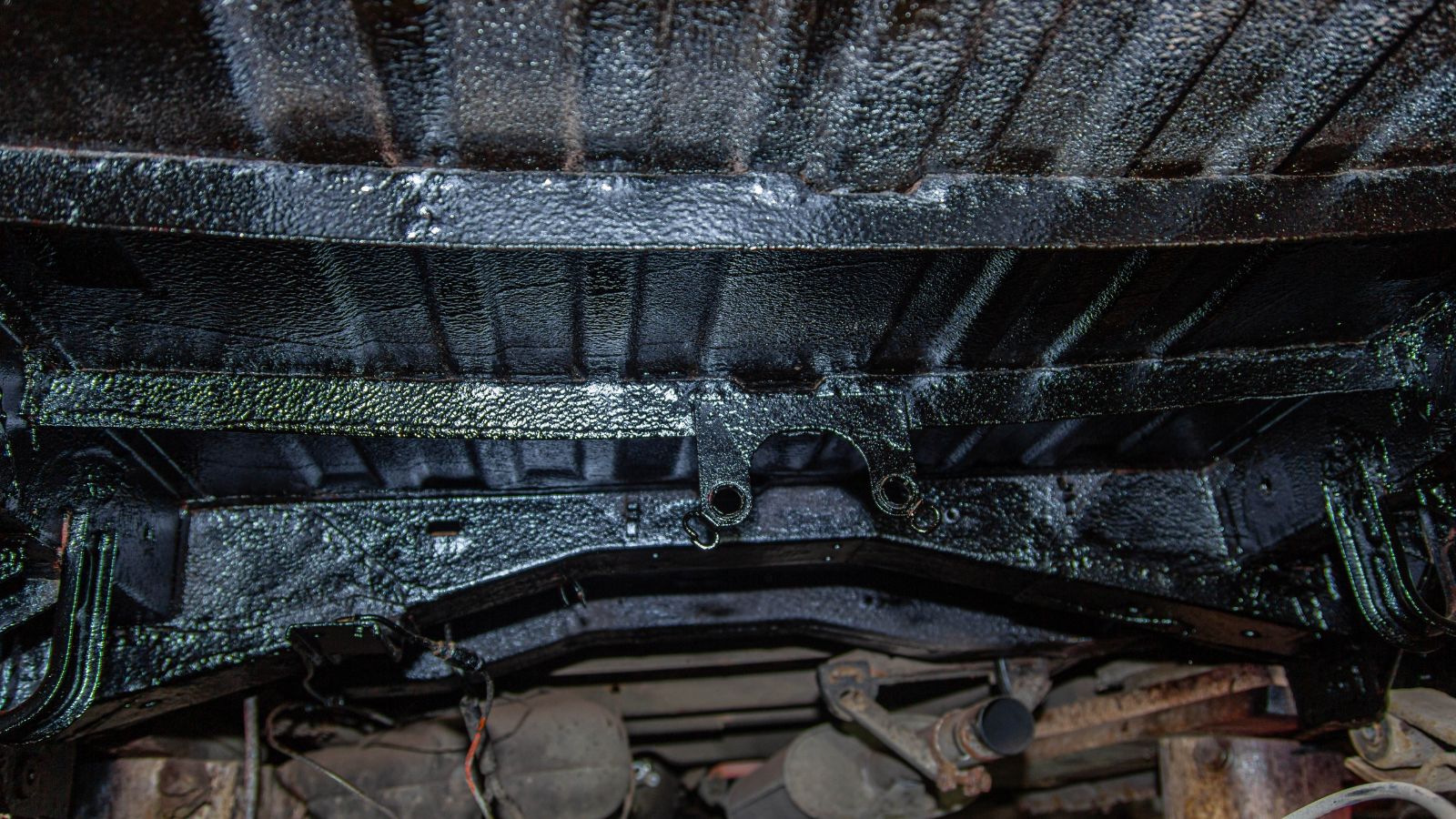
Rustproofing and undercoating can be useful when applied properly to a clean, structurally sound surface. Trouble arises when thick black coating appears unusually fresh, uneven, or concentrated around welds, frame rails, suspension mounts, and visibly damaged sections. A hurried application can make rust, patchwork, fluid stains, or collision repairs harder to evaluate.
A buyer should compare coated and uncoated areas and ask when the treatment was applied, who performed it, and whether receipts are available. Factory finishes tend to be consistent, while improvised spray may cover bolts, brake lines, exhaust components, rubber bushings, and dirt indiscriminately. Consider a vehicle with a newly glossy underbody but flaking rust visible where the coating ends. The fresh surface has not repaired the metal beneath it. Because structural corrosion can affect safety and repair costs, suspicious undercoating deserves examination on a lift. An independent technician can probe questionable areas and determine whether the coating protects sound metal or merely conceals deterioration.
Fluid Residue Returns After the Test Drive

A washed engine and cleaned parking space can hide an active leak for the first few minutes of an inspection. Once the engine warms, pressure rises and fluids circulate, oil, coolant, transmission fluid, or power-steering fluid may begin seeping again. This is why the area under the vehicle and the engine compartment should be checked both before and after a meaningful test drive.
Fresh droplets, wet gasket edges, coloured residue, smoke from fluid touching a hot surface, or a sweet coolant smell can contradict an otherwise polished presentation. Clear water beneath a running vehicle may simply be normal air-conditioning condensation, so the colour, texture, smell, and location matter. For example, a spotless engine might remain dry while parked but develop a thin oil film around the valve-cover gasket after 20 minutes of driving. That pattern suggests cleaning removed the evidence temporarily rather than correcting the source. A technician can identify the fluid and estimate whether the repair is minor maintenance or a larger mechanical expense.
The Oil Is Fresh but Maintenance Records Are Missing
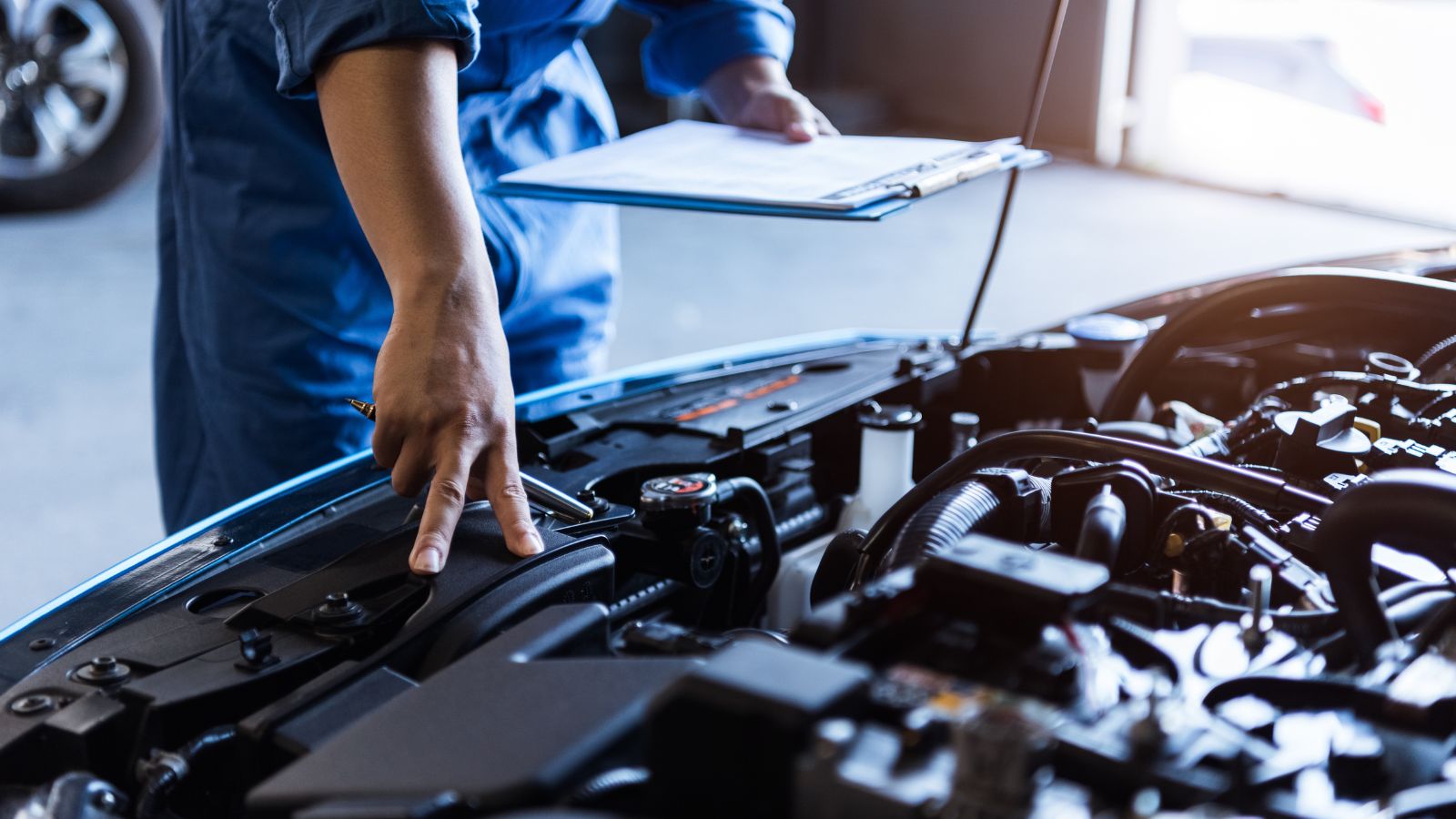
Clean amber oil can show that someone recently serviced the engine, which is generally positive. It does not, however, prove that the vehicle received regular maintenance throughout its life. An oil change performed immediately before sale may improve the dipstick’s appearance while removing clues such as sludge, fuel contamination, coolant mixing, or neglected service intervals.
The seller should be able to connect fresh fluids with invoices, maintenance records, dashboard service history, or dated stickers. Mileage on those documents should also agree with the odometer. A vehicle advertised as meticulously maintained but accompanied by no receipts, no service-book entries, and no explanation for recently changed oil presents an incomplete story. For example, a seller may say the oil was changed “to help the new owner,” yet be unable to name the shop or oil grade. That is not proof of neglect, but the mechanical condition should be verified independently. Regular maintenance history carries more weight than the appearance of one freshly serviced component on the day of sale.
The Battery Appears to Have Been Recently Disconnected
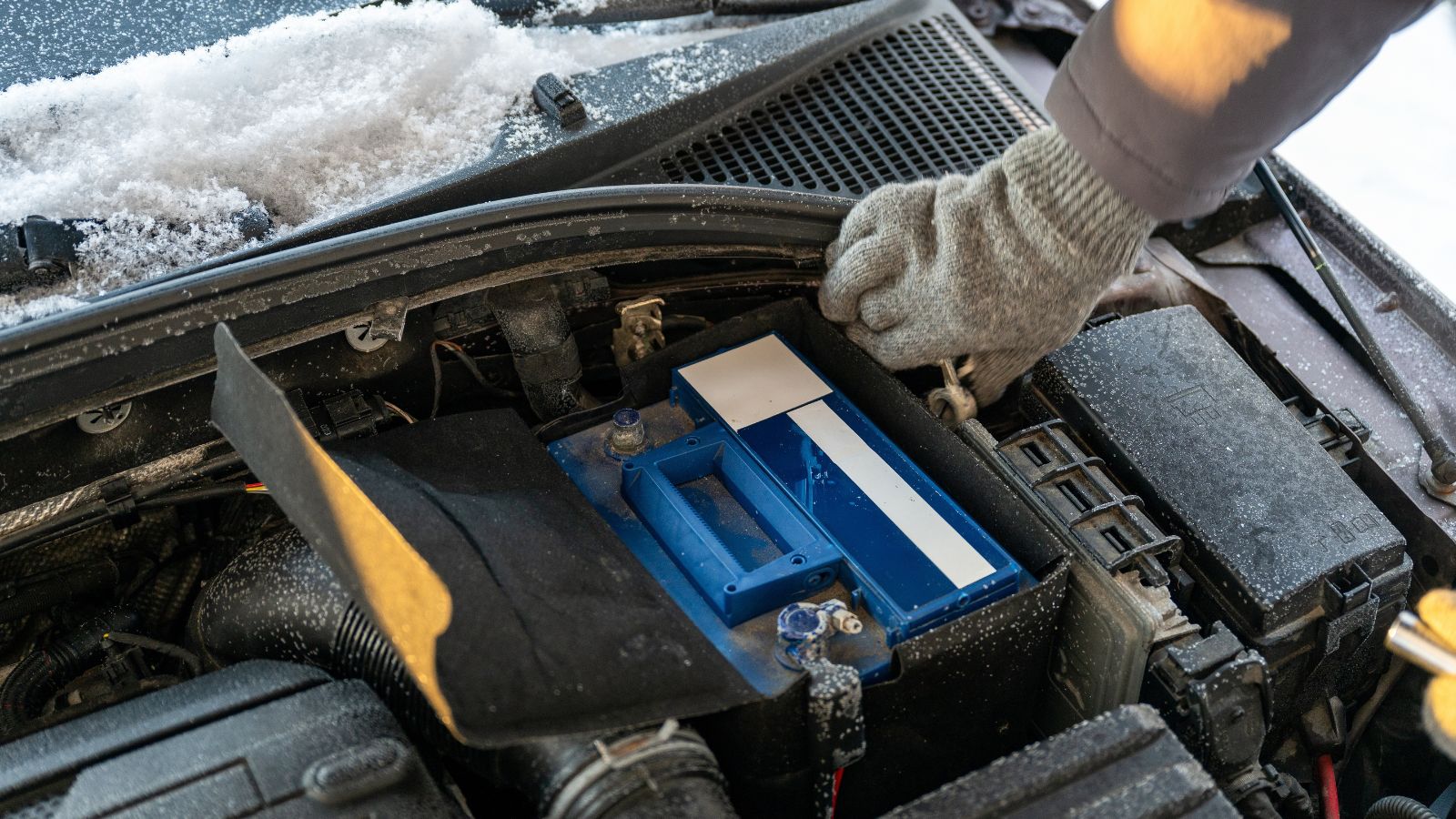
A new battery may be a genuine selling point, particularly if the previous one had reached the end of its service life. It can also explain why radio presets, clock settings, seat memory, or trip data have been erased. More importantly, disconnecting a battery may reset parts of the vehicle’s diagnostic system, temporarily clearing information that could have helped reveal emissions or drivability problems.
Signs include clean terminals beside a dusty engine bay, fresh tool marks on battery clamps, missing date labels, reset infotainment settings, and a seller who cannot explain when the battery was installed. A disconnected battery does not permanently repair a fault; warning lights or diagnostic codes may return after enough driving. For instance, a vehicle may complete a short demonstration without illuminating the check-engine light because its computer has not yet repeated all self-tests. The sensible response is to scan the diagnostic system, check readiness status, confirm the battery’s age, and complete a sufficiently long drive before making a decision.
Diagnostic Monitors Show “Not Ready”
Modern vehicles continuously test emissions-related components through the onboard diagnostic system. After trouble codes are cleared or electrical power is interrupted, several readiness monitors may display “not ready” until the vehicle completes required driving conditions. That status can prevent a scan from showing whether certain systems are operating correctly.
A basic code reader can report stored and pending trouble codes, warning-light status, and readiness monitors. One unset monitor may have an innocent explanation depending on the vehicle and local inspection rules, but several incomplete monitors immediately before a sale deserve questions. For example, the dashboard may show no warning lights while the scanner reveals that the catalyst, oxygen-sensor, and evaporative-system tests have not run. This can occur after legitimate repairs, but documentation should support the explanation. The vehicle may need days of varied driving before all tests complete. A buyer should not accept “no codes” as reassurance when the computer has not finished checking the systems most likely to generate them.
Dashboard Warning Lamps Skip Their Normal Check

When the ignition is switched on before the engine starts, many dashboard warning lamps should illuminate briefly as part of a bulb and system check. They normally switch off after the engine starts if no relevant fault is detected. A check-engine, airbag, anti-lock brake, oil-pressure, or battery lamp that never appears may have a failed bulb, damaged display, coding issue, or deliberate interference.
The exact sequence varies by model, so the owner’s manual is the correct reference. The key is to observe the cluster before the seller starts the vehicle. For example, a seller may turn the engine on remotely or keep it running before the buyer arrives, preventing observation of the initial warning-light sequence. A polished dashboard cannot compensate for missing safety indicators. Every lamp should be compared with the manual, and the computer should be scanned for active, pending, and permanent codes. Problems involving airbags or braking systems require particular caution because cosmetic preparation cannot establish whether those systems are functional.
Paint Overspray Appears on Trim or Rubber
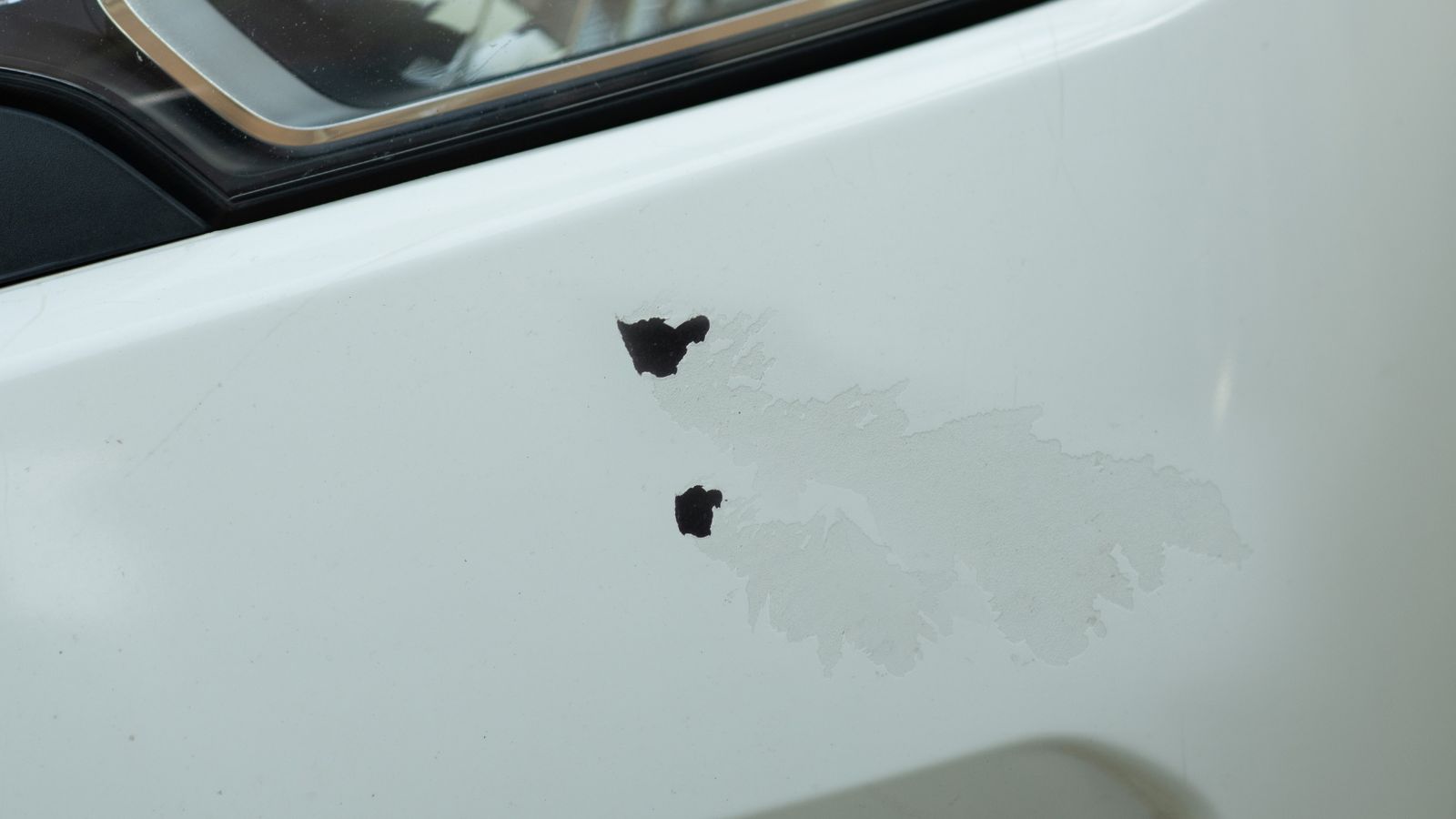
Overspray is one of the clearest clues that bodywork was performed after the vehicle left the factory. It may appear as fine paint dots or a rough haze on weather stripping, wheel-well liners, glass edges, wiring, badges, or plastic trim. Professional repairs usually involve careful masking and refinishing, while rushed work may leave paint where it does not belong.
Inspection is easiest in bright, natural light on a dry day. A hand passed gently over adjacent trim may detect texture differences that are difficult to see. Door jambs, fuel-filler openings, hood edges, and wheel wells deserve particular attention. For example, a vehicle may have a glossy front fender but tiny body-coloured specks on the black rubber beside it. The repair itself may have been minor and properly completed structurally, yet undisclosed paintwork raises questions about the original damage. A paint-depth gauge and professional body inspection can help distinguish factory paint, cosmetic refinishing, filler, and more extensive collision repair.
Panels Differ in Colour, Texture, or Alignment
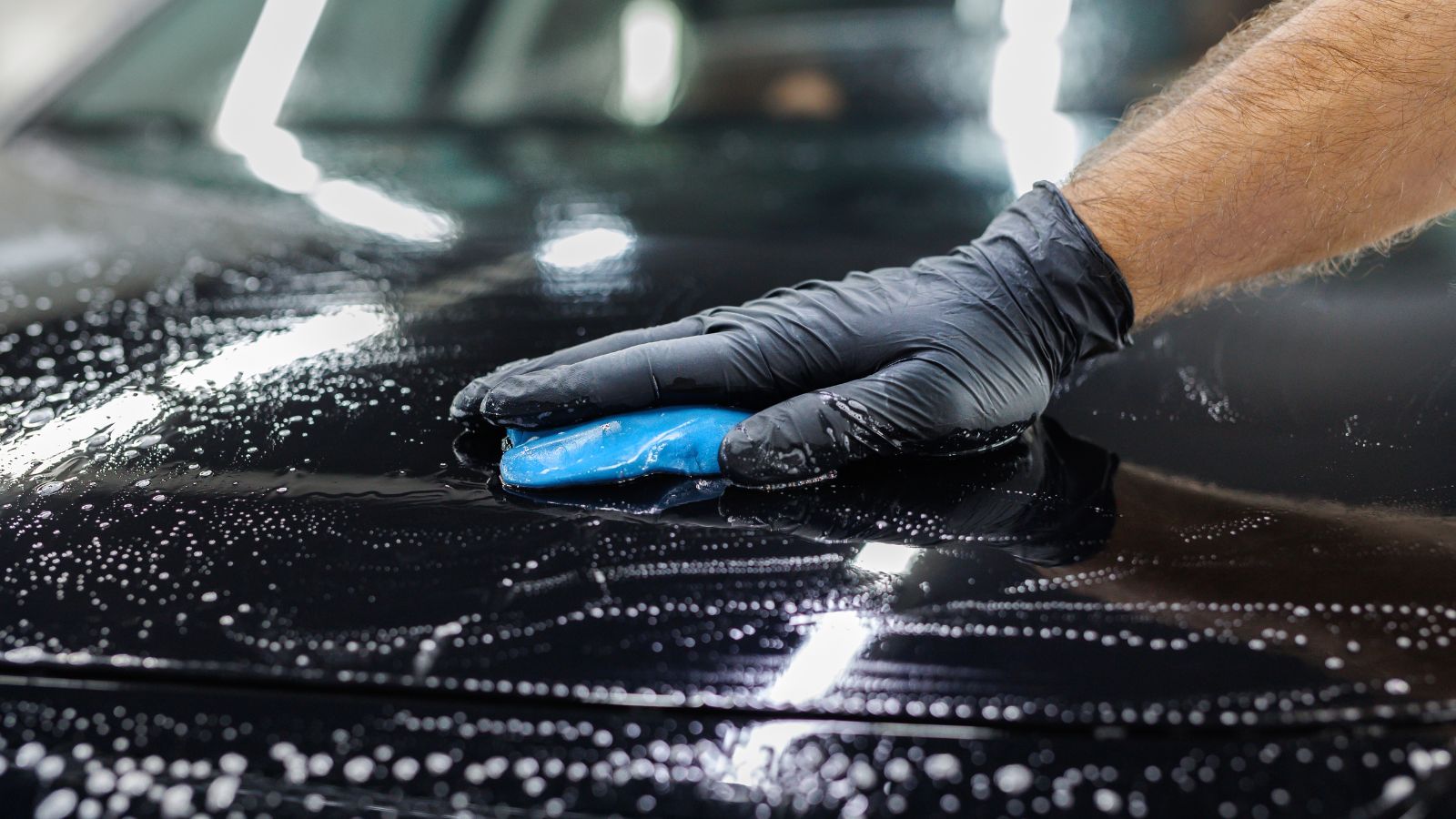
Fresh polishing can make a vehicle shine uniformly from a distance, but repaired panels may reveal themselves at different angles. Metallic flakes can reflect differently, one panel may appear slightly darker, or the surface may show orange peel, sanding marks, paint runs, or a different level of gloss. Uneven gaps between the hood, doors, trunk, fenders, and bumpers may also indicate previous removal or collision repair.
Not every variation means serious damage. Plastic bumpers sometimes age differently from metal panels, and high-quality repairs can be difficult to detect. The concern grows when several signs appear together, such as mismatched paint, overspray, disturbed bolts, and doors that do not close smoothly. For example, a freshly waxed sedan may photograph beautifully while its passenger-side doors sit closer together at the top than at the bottom. That inconsistency should be evaluated rather than dismissed as detailing. Repair invoices, history information, paint measurements, and an inspection beneath the cosmetic surface can establish whether the work was minor or structurally significant.
New Covers Hide Wear on High-Touch Areas

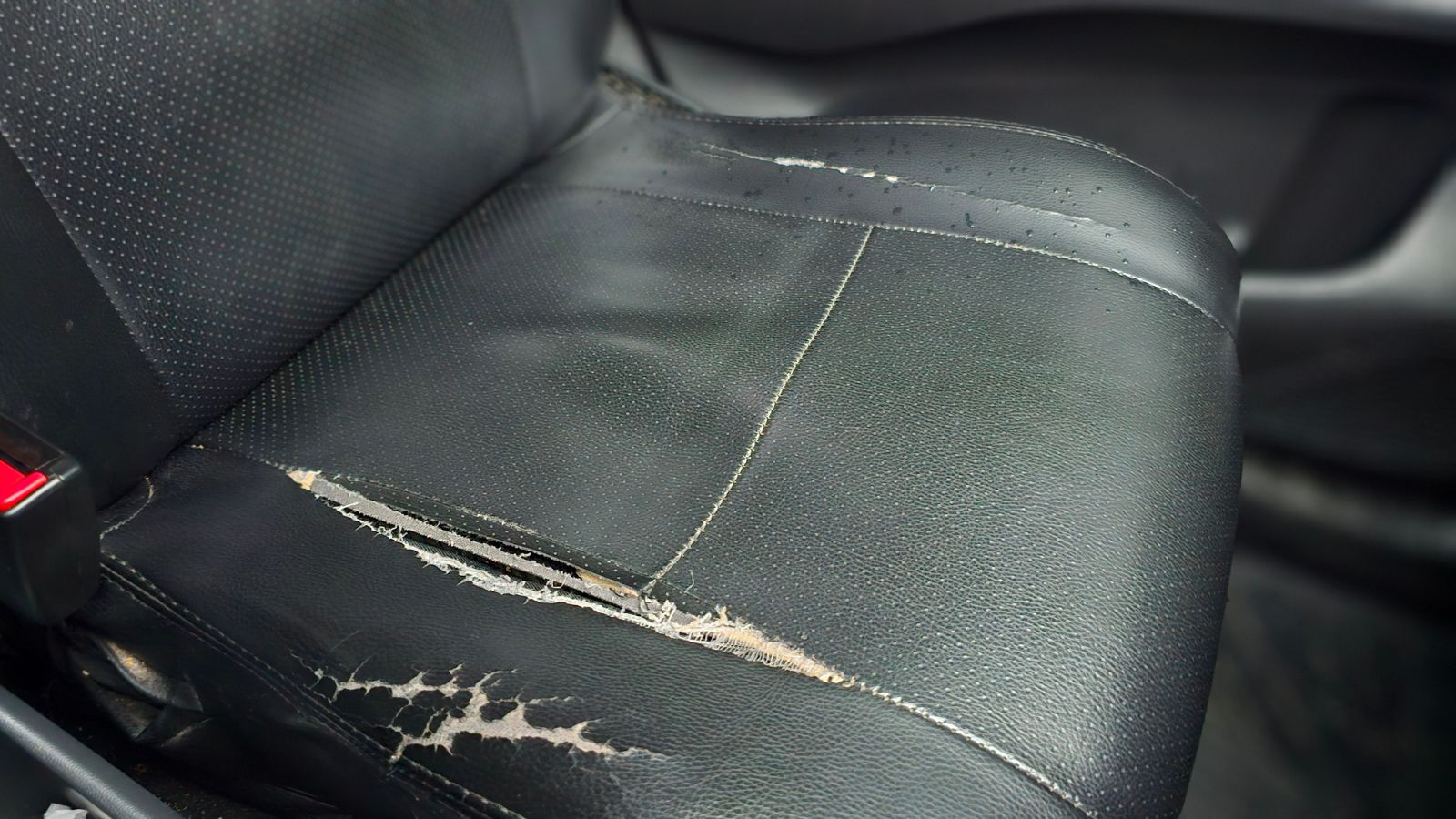
Seat covers, steering-wheel wraps, pedal covers, and oversized floor mats can make an ageing cabin look newer almost instantly. They can also conceal torn upholstery, collapsed seat foam, water staining, worn pedal rubber, or a steering wheel polished smooth by extensive use. Accessories are not inherently deceptive, but they should be removable during an inspection.
Wear should be reasonably consistent with the vehicle’s age, mileage, and stated use. A low-mileage vehicle with heavily worn pedals, a loose driver’s seat, faded switch labels, and a brand-new steering-wheel cover deserves closer examination. Conversely, a high-mileage highway vehicle may retain a surprisingly clean cabin, so no single wear item proves an odometer problem. Consider the example of a pristine seat cover hiding a large water stain and rusted mounting hardware beneath it. A buyer should inspect original surfaces, compare recorded mileage with service documents, and ask why each new accessory was installed. Honest sellers generally have little reason to prevent removable covers from being lifted.
The Tires Shine but the Tread Tells Another Story
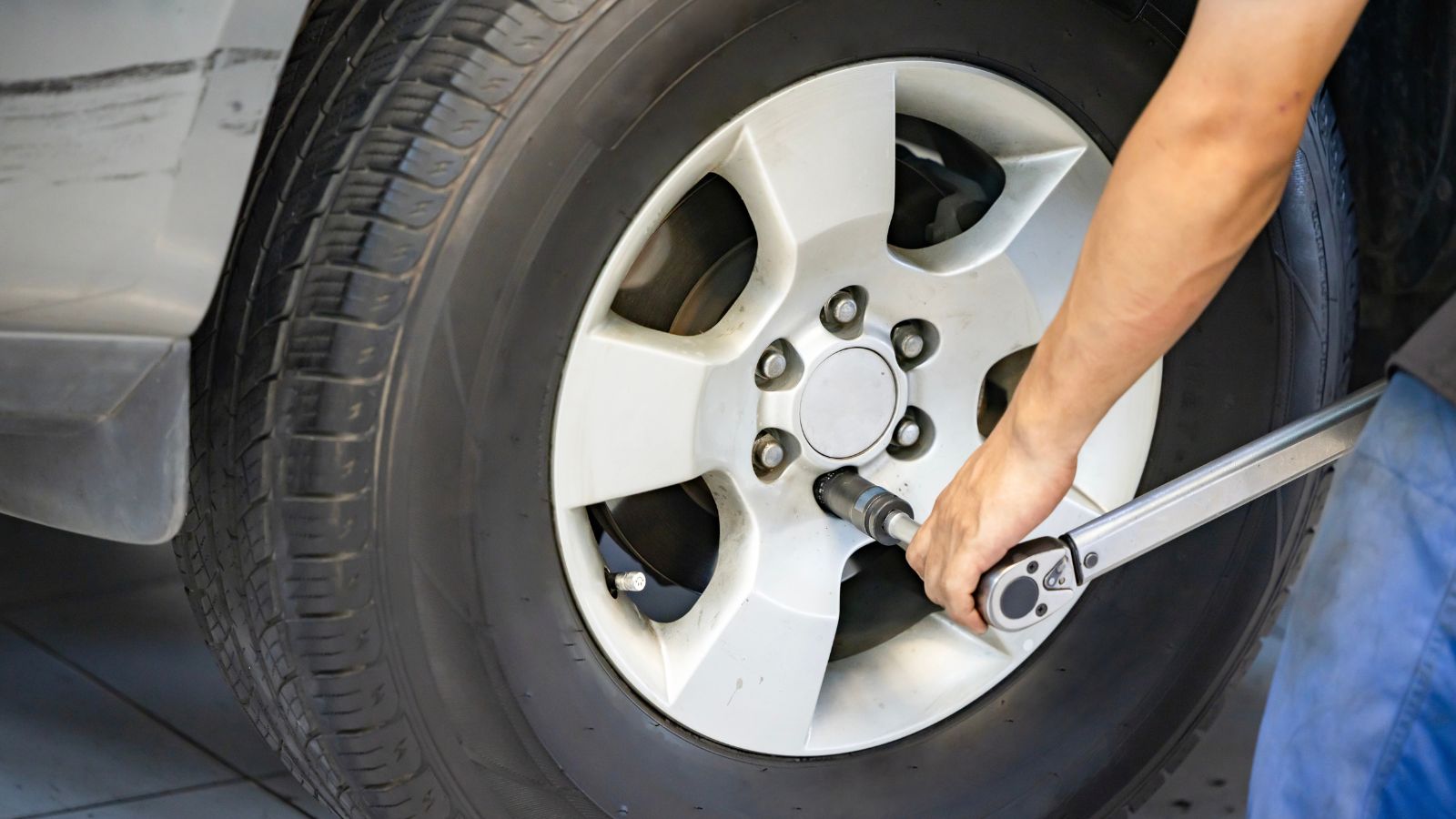
Tire dressing produces a deep black shine that photographs well and makes an older vehicle appear carefully maintained. It does nothing to correct low tread, cracking, bulges, mismatched brands, improper inflation, or uneven wear. Those conditions can reveal neglected rotation, alignment problems, worn suspension components, or previous impact damage.
Each tire should be inspected across its full width, including the inner edge that is difficult to see from beside the vehicle. Tread-depth measurements are more informative than gloss. NHTSA advises replacing tires with tread worn to 2/32 of an inch and treating uneven wear as a condition requiring attention. For example, a sport utility vehicle may have four freshly dressed sidewalls while both front tires are nearly bald on their inside shoulders. That pattern is not fixed by cleaning and may indicate an alignment or suspension issue. Tire dates, brands, sizes, pressure, sidewall condition, and the spare should all be checked before judging the vehicle by its presentation.
Moisture Remains Inside the Light Housings

Headlights and taillights are often polished during pre-sale detailing because clear lenses make the entire vehicle look younger. Moisture, sediment, corrosion, or drilled drainage holes inside a light housing can tell a less flattering story. Condensation may result from a failed seal or ordinary damage, but it can also appear after a vehicle has been submerged or exposed to substantial water.
Inspect the lights before and after operation, since heat from the bulbs may change the appearance of trapped moisture. Look for fogging, droplets, waterlines, discoloured reflectors, mismatched replacement lamps, and small holes that do not appear factory-made. For example, one unusually new headlight beside an older, hazier unit may simply reflect a minor parking accident. Two polished housings containing similar sediment lines deserve more concern. Lighting problems should be considered alongside cabin odours, damp carpet, trunk moisture, and corrosion. A vehicle history check and electrical inspection can help determine whether the issue is an isolated seal failure or part of broader water damage.
The Vehicle’s History Conflicts With Its Fresh Appearance

A newly polished vehicle may look carefully preserved even when its records show recent auction activity, salvage branding, insurance loss, accident repairs, repeated ownership changes, or movement from a flood-affected region. History reports are not complete records of every mechanical problem, but they can expose events that a cosmetic cleanup cannot erase.
The vehicle identification number should be checked through reputable history systems, recall databases, title records, and available insurance-loss resources. Information should be compared with the seller’s explanation, maintenance documents, odometer reading, and physical condition. For example, a seller may describe a vehicle as a long-owned family car while the report shows a recent title transfer and salvage auction. There may be a legitimate explanation, but it should be documented before money changes hands. A clean history report is not a substitute for inspection, just as a clean exterior is not proof of mechanical health. The strongest decision comes from agreement between records, condition, and the seller’s account.
The Seller Controls the Inspection and Pushes for Speed

The most important warning may come from the selling process rather than the vehicle. A seller who insists on starting the engine before arrival, limits the test drive, avoids daylight inspections, refuses to share the VIN, discourages diagnostic scanning, or rejects an independent mechanic may be trying to keep the evaluation superficial. Pressure involving another supposed buyer, a same-day discount, or an urgent deposit can further reduce the time available to notice problems.
A legitimate seller may have reasonable insurance or scheduling restrictions, but workable alternatives usually exist. A mobile mechanic can inspect the vehicle at the seller’s location, or the seller can accompany it to a mutually chosen shop. The Federal Trade Commission specifically advises obtaining an independent inspection and considering another seller when a dealer will not permit one. A polished vehicle should withstand scrutiny. When appearance is immaculate but access is restricted, the cleanup itself becomes less reassuring. Walking away from manufactured urgency is often cheaper than discovering hidden damage after the sale is complete.
22 Things Canadians Do to Their Cars in Spring That Mechanics Hate

Spring brings relief to many Canadian drivers after months of snow, freezing temperatures, and icy roads that put serious strain on vehicles. As temperatures rise across the country, drivers begin washing cars, switching tires, and preparing vehicles for warmer weather and upcoming road trips. However, mechanics across Canada notice the same mistakes every spring when drivers attempt to recover from winter damage. Road salt, potholes, and harsh winter driving conditions often leave vehicles with hidden problems that drivers ignore. Some spring habits even create new mechanical issues that could have been avoided with proper maintenance. Here are 22 things Canadians do to their cars in spring that mechanics hate.