


























Tight supply has a way of changing the mood of the used-car market almost overnight. One week, prices look as though they are finally settling down; the next, a familiar badge with a clean history and sensible mileage is drawing multiple calls before the weekend is over. In Canada, that tension has not really disappeared. Demand is still clustering around practical, proven models, while enthusiast favourites and high-retention nameplates continue to hold attention well above what a normal market would suggest.
These 19 used vehicles stand out because they keep surfacing in Canadian marketplace popularity lists, used-sales rankings, retained-value studies, and search data. Some are everyday workhorses. Some are affordable near-luxury plays. A few are pure want-over-need purchases that still manage to move quickly. Together, they show where Canadian shoppers are concentrating before prices, supply, or both shift again.
Honda Civic
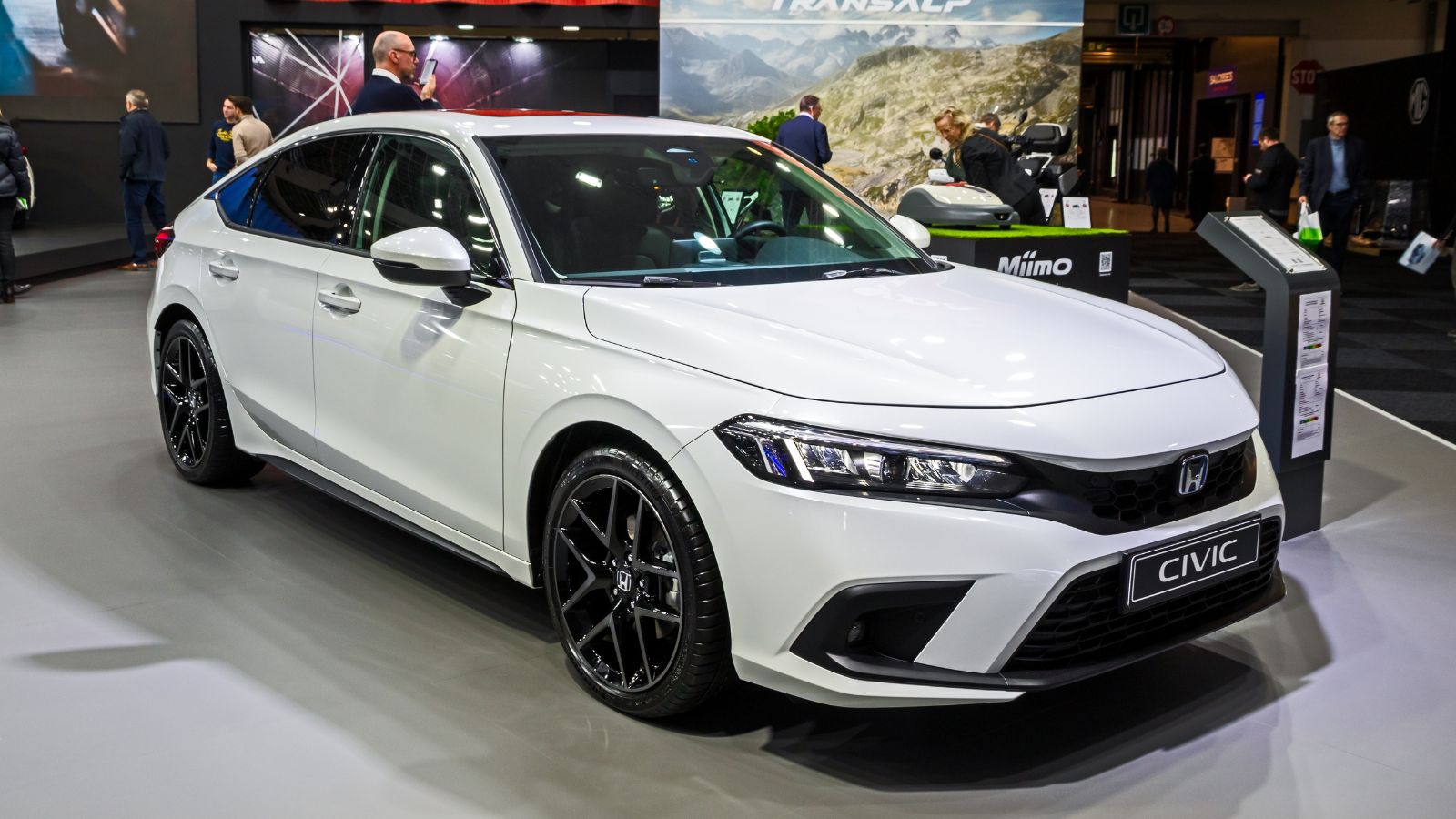
The Civic remains the heartbeat of the Canadian used-car market because it sits at the intersection of familiarity, efficiency, and resale confidence. It finished 2025 as Canada’s best-selling used vehicle in Clutch’s market recap, and it also appeared in AutoTrader’s Q2 2025 list of top sold used vehicles. That kind of overlap matters. It suggests the Civic is not merely admired from a distance; it is actually changing hands in volume, which is exactly what a high-demand used model looks like.
Part of the Civic’s pull is emotional as much as financial. Canadians have known this car for decades, and that breeds trust. A commuter in Kitchener, a student in Montreal, and a young family in Mississauga can all make a Civic work without feeling as though they settled. That broad appeal keeps cleaner used examples competitive. When a car is practical enough for everyday life but still sharp enough to feel current, it rarely sits around for long.
Toyota Corolla
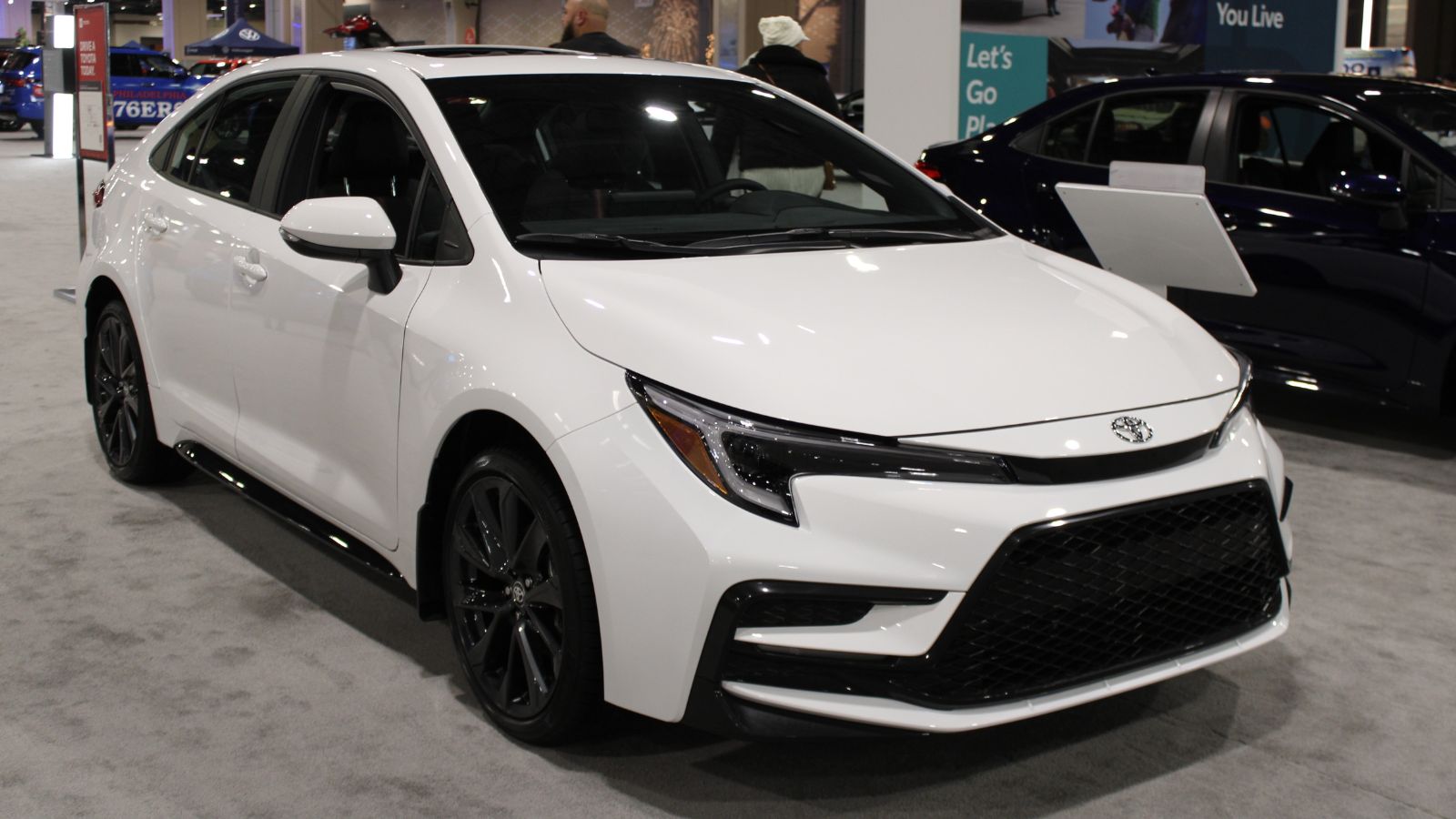
The Corolla keeps winning the quiet battle for used-car loyalty in Canada. It ranked among the country’s top-selling used cars in Clutch’s 2025 recap, showed up in AutoTrader’s top sold used vehicles data, and also earned Canadian Black Book’s 2025 Best Retained Value award in the mainstream car category. That combination tells a very clear story: Canadians are not just buying Corollas because they are cheap to run; they are buying them because they continue to make financial sense years after the first owner is gone.
There is something almost stubbornly durable about the Corolla’s appeal. It does not need dramatic styling or a performance image to attract attention. It wins by being the car people recommend to siblings, parents, and first-time buyers when a bad purchase would hurt. In a market where affordability is under strain, that reputation becomes even more valuable. A used Corolla with a strong service record feels less like a gamble and more like a defensive move against higher ownership costs.
Hyundai Elantra
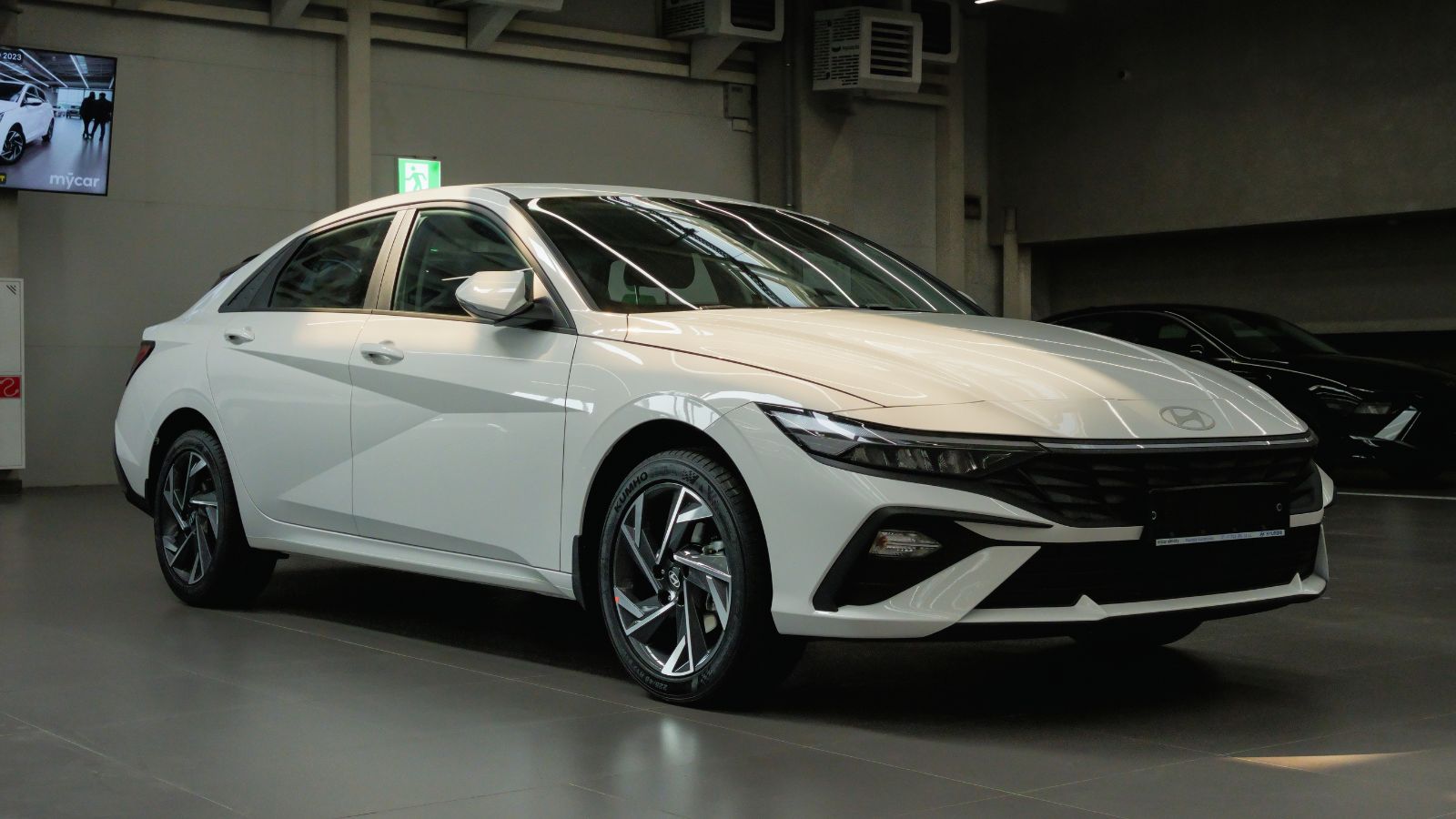
The Elantra has become one of the most important affordability plays in the Canadian used market. Clutch ranked it among the top-selling used cars in the country for 2025 and also called it the volume leader in the under-$15,000 segment. AutoTrader’s Q2 2025 data placed it among the top sold used vehicles nationally, while AutoTrader’s own experts highlighted its roomy interior and user-friendly layout. That is a strong recipe in a market where buyers increasingly want modern features without modern-car payments.
What gives the Elantra real momentum is that it often feels newer than its price bracket suggests. For a buyer moving up from an older compact, the cabin tech, usable rear seat, and general polish can make the car feel like a meaningful upgrade instead of a compromise. That matters when households are watching every dollar. The Elantra is not being snapped up because it is flashy; it is being snapped up because it helps people stay sensible without feeling stuck in something bare-bones.
Honda CR-V
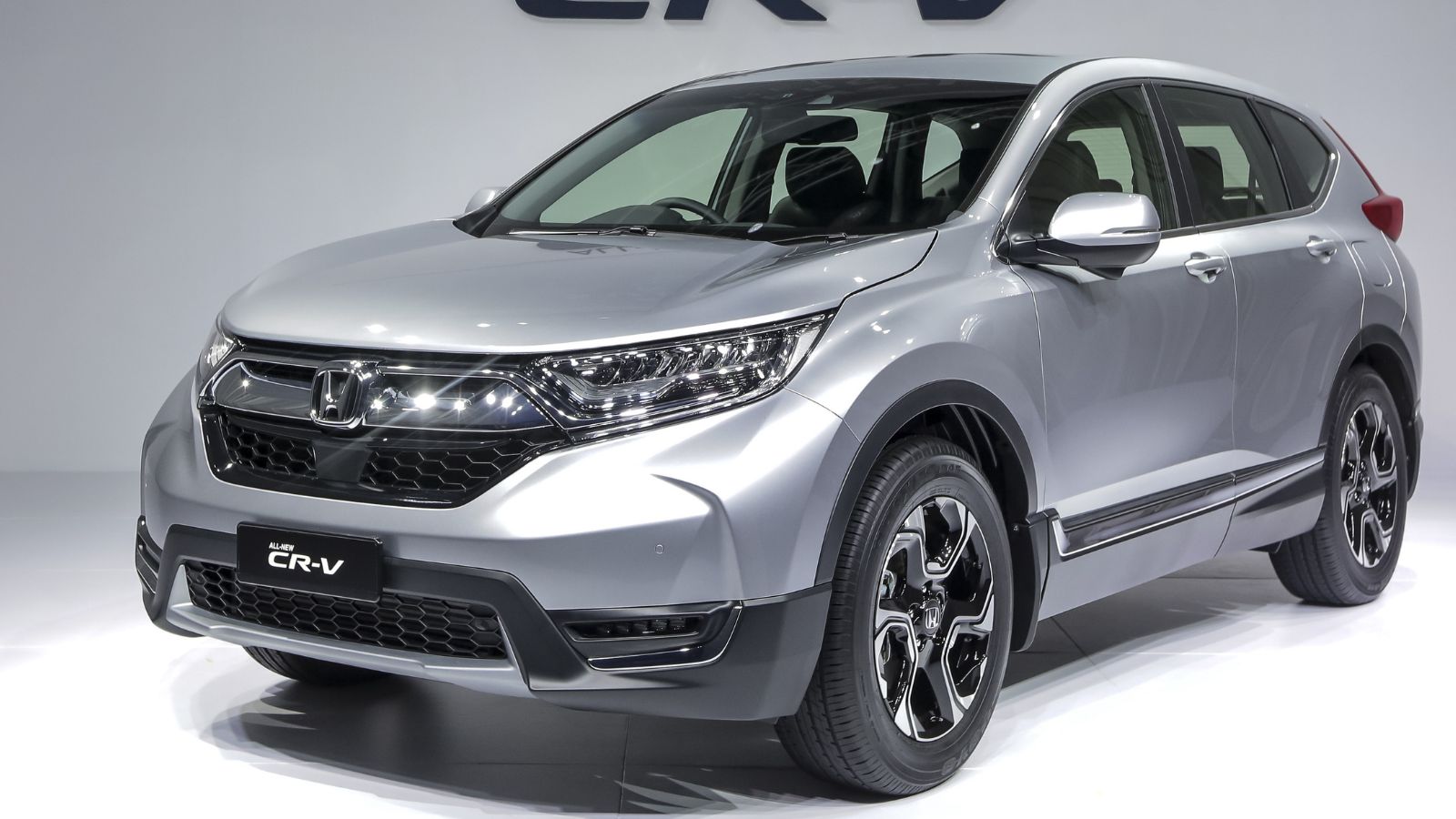
The CR-V has long been one of Canada’s default answers to the question of what a used family vehicle should be, and the latest marketplace data backs that up. Clutch ranked it as the top-selling used SUV in Canada for 2025, and AutoTrader listed it among the country’s top sold used vehicles. It is also a national popularity fixture on AutoTrader’s marketplace, which means demand is broad rather than isolated to one province or one type of buyer.
Its appeal is easy to understand in human terms. The CR-V offers the kind of packaging that makes daily life less annoying: easy entry, useful cargo room, decent outward visibility, and a driving experience that does not demand much from its owner. That sounds ordinary, but in the used market, ordinary done well is powerful. Many shoppers are not hunting for excitement; they are hunting for fewer regrets. The CR-V tends to attract that kind of buyer, which is why clean, low-drama examples keep drawing attention before they become true bargains.
Toyota RAV4
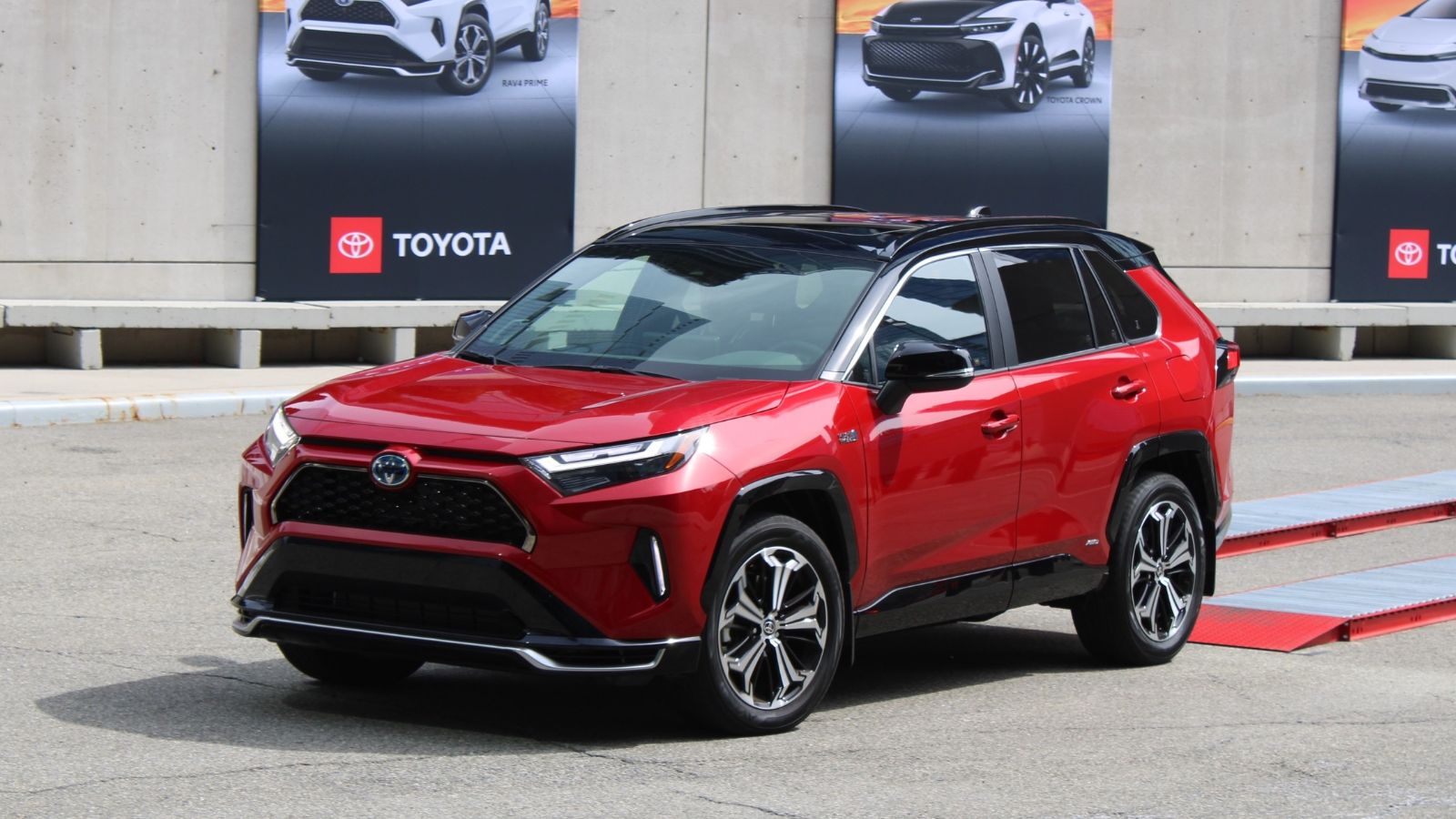
Few used vehicles in Canada combine demand, trust, and price resilience the way the RAV4 does. Clutch ranked it as one of the top-selling used SUVs in 2025 and the top-selling used hybrid, while AutoTrader placed it second among top sold used vehicles and fifth among top searched vehicles in Q2 2025. AutoTrader’s 2026 Awards also named it Best Overall SUV. When one model shows up in search behaviour, sales volume, and expert voting, that usually means buyers are responding to more than hype.
The RAV4’s strength is that it feels equally rational in almost every Canadian setting. It works in suburbs, cottage country, urban family life, and long highway commutes. That wide usefulness keeps demand from cooling even when prices stay firm. Many shoppers know they may pay a bit more up front for a RAV4 than for some rivals, but they also know the vehicle is unlikely to feel outdated or hard to move later. In a jittery market, that kind of perceived safety becomes its own form of value.
Ford F-150
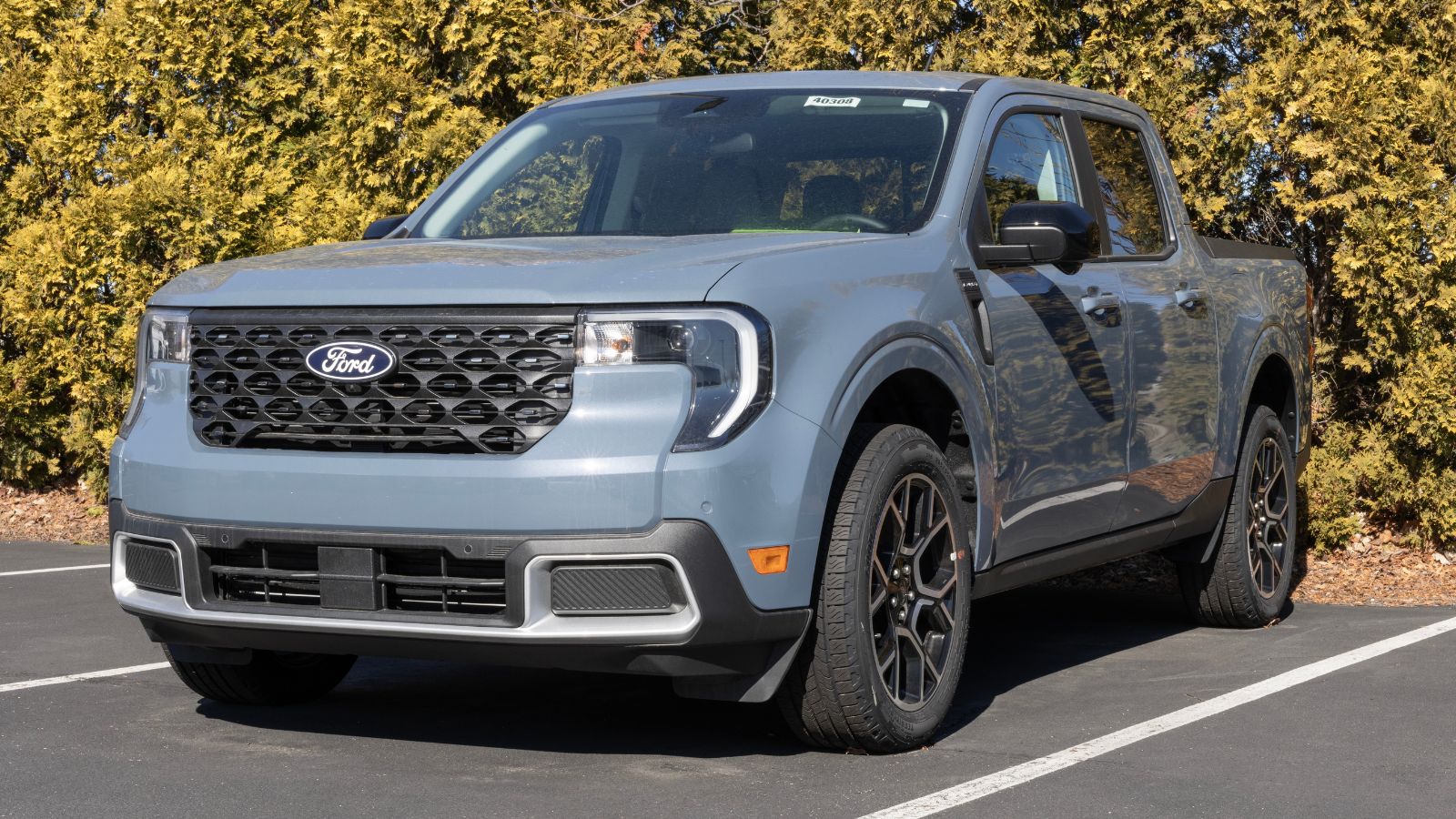
The F-150 remains a giant in Canada’s used market, and the data still reflects that dominance. AutoTrader ranked it as the top sold used vehicle in Q2 2025 and also the most searched nameplate in the same report. Clutch’s 2025 recap put it at the top of the used-truck category, and its June 2025 pricing report noted that the F-150 reclaimed the title of Canada’s best-selling used model that month. When a vehicle keeps reappearing across sales and search metrics, it is usually because the market sees it as liquid.
There is also a social reality behind the numbers. In many parts of Canada, a pickup is not a luxury object or a weekend identity play; it is the family tow rig, work partner, snow-day backup plan, and vacation hauler all at once. The F-150 fits that job description better than almost anything. Even buyers who never use its full capability like knowing it is there. That broad utility helps keep used demand high, especially when shoppers suspect replacement costs could rise again before supply feels truly normal.
Ram 1500
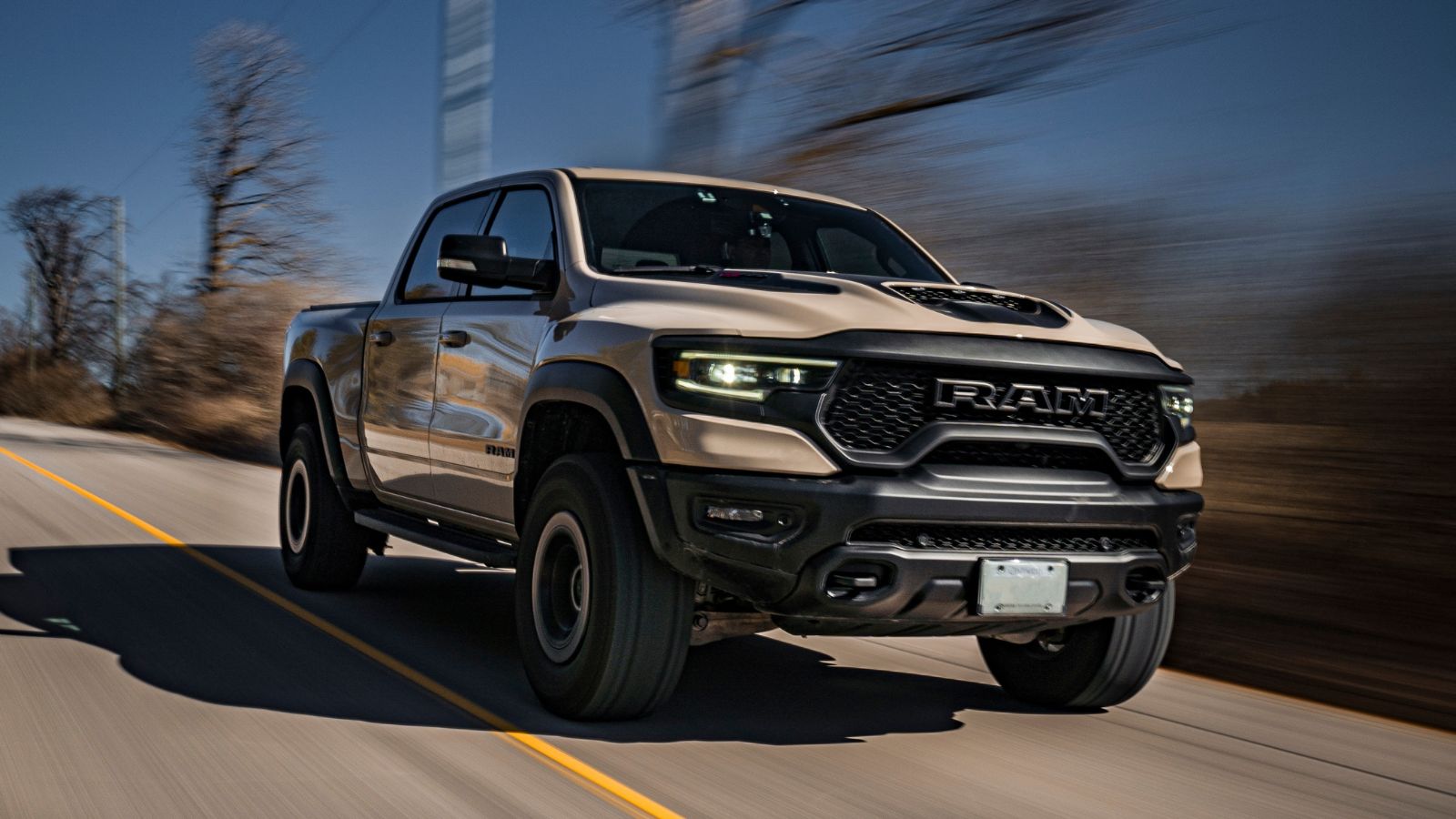
The Ram 1500 continues to pull buyers who want half-ton capability without stretching into the priciest corner of the used-truck market. Clutch ranked it second among top-selling used trucks in Canada for 2025 and first in the under-$30,000 truck bracket. AutoTrader also placed it among the top sold used vehicles nationally and listed it on its national popularity board. That matters because the Ram is not surviving on brand loyalty alone; it is still earning attention from cost-conscious truck shoppers.
Its used-market appeal often comes down to feel. Many buyers perceive the Ram as the truck that brings a softer, more comfortable everyday experience without giving up the stance and usefulness they want. For households that only tow occasionally or simply need pickup versatility, that can be a compelling balance. In a higher-cost environment, the Ram 1500 often looks like the truck that still gives people room to breathe. That is why strong-condition examples, especially well-optioned trims, tend to move faster than casual observers expect.
Ford Escape
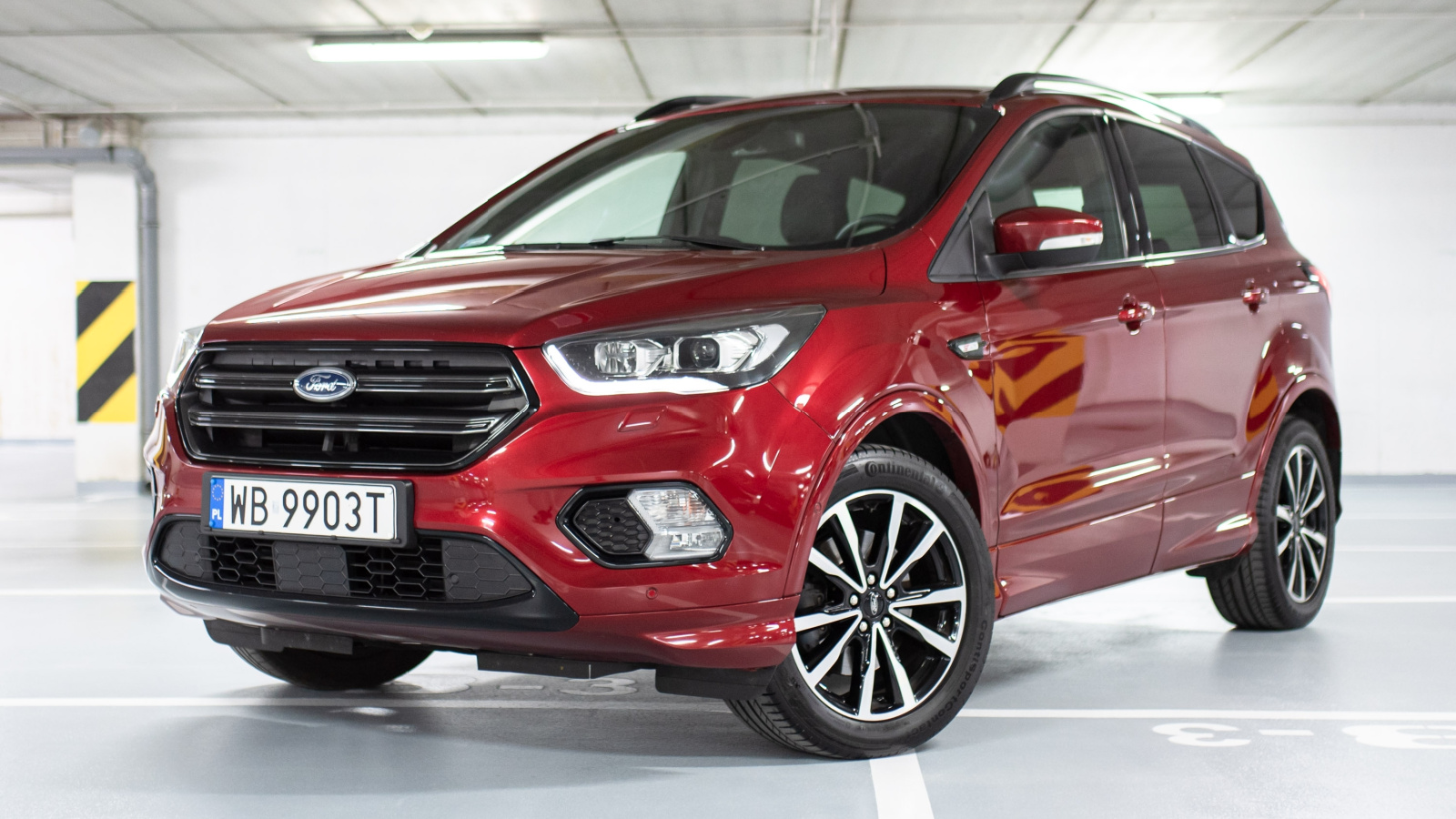
The Escape has become one of the quiet workhorses of Canada’s used market, especially for shoppers who need crossover utility on a controlled budget. AutoTrader ranked it among the top sold used vehicles in Q2 2025, while Clutch made it the top-selling used SUV under $20,000 and also listed the Escape Hybrid among the top-selling used hybrids. That is the kind of evidence that suggests the Escape is not an enthusiast darling; it is a practical market responder to real affordability pressure.
Its appeal is rooted in accessibility. The Escape usually offers enough space for daily family duties, enough ride height to satisfy crossover expectations, and enough supply in the marketplace to give buyers meaningful choice. That last point matters more than it sounds. When shoppers have options across trims, mileage bands, and prices, a model becomes easier to target and easier to trust. The Escape is one of those vehicles that often looks better the longer a buyer compares listings, which helps explain why it stays active in Canada’s volume-driven used tiers.
Nissan Rogue
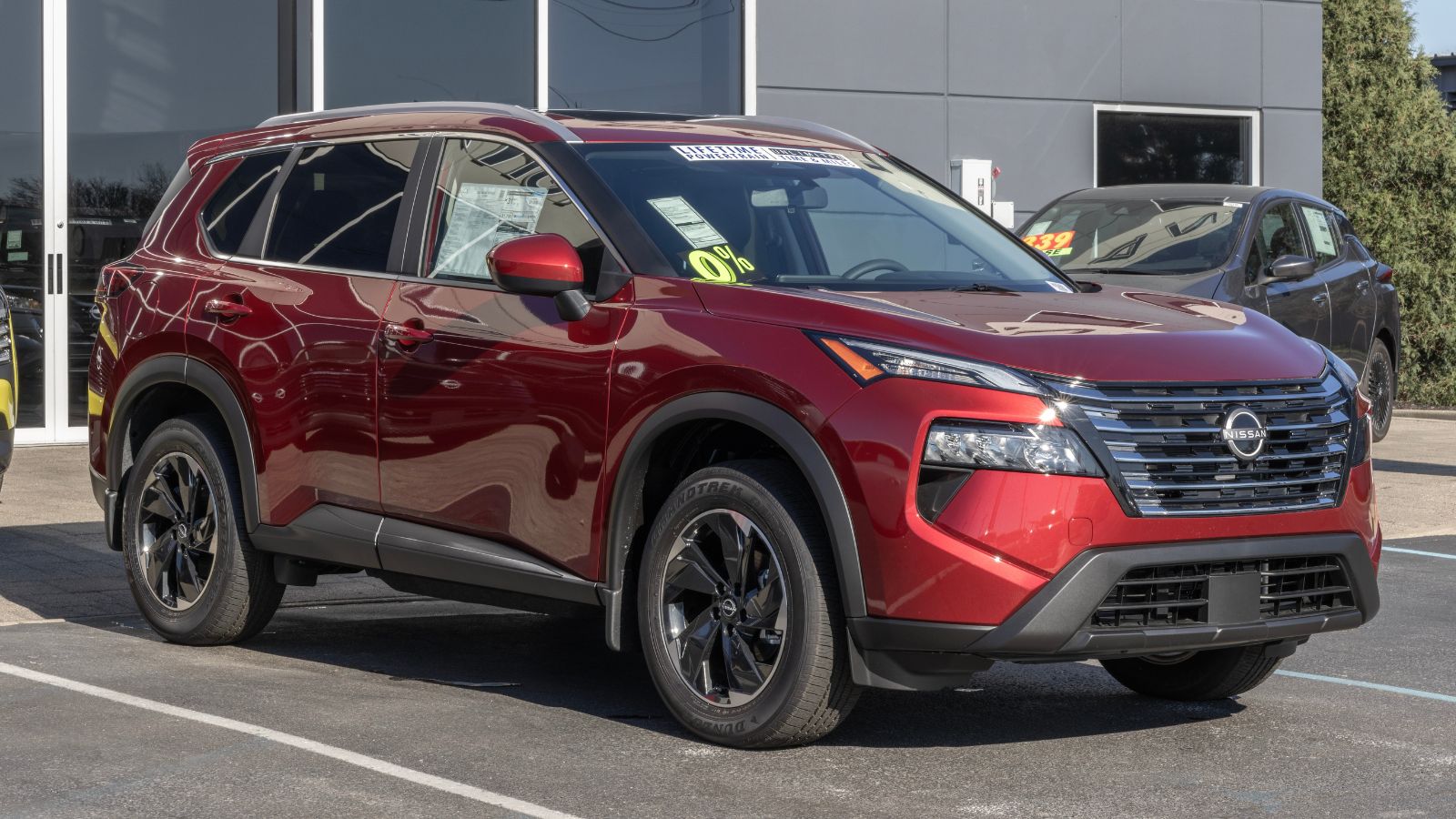
The Rogue continues to benefit from the fact that many Canadian shoppers still want a straightforward compact SUV without paying the premium often attached to segment leaders. AutoTrader’s Q2 2025 report placed it among the top sold used vehicles in Canada, and Clutch ranked it second among used SUVs under $20,000. Those two signals work well together: the Rogue is not just available in volume, it is landing in one of the market’s most contested affordability bands.
That affordability angle is what makes the Rogue easy to underestimate. It often enters the conversation after a buyer looks at CR-V or RAV4 pricing and starts wondering what a slightly less fashionable badge can save. For plenty of households, the answer is enough to matter. The Rogue offers the format buyers want, and in a market where monthly budgets are under pressure, format alone can carry real weight. It tends to attract shoppers who are less interested in bragging rights than in getting a usable, modern-feeling crossover before prices climb out of reach again.
Mazda CX-5
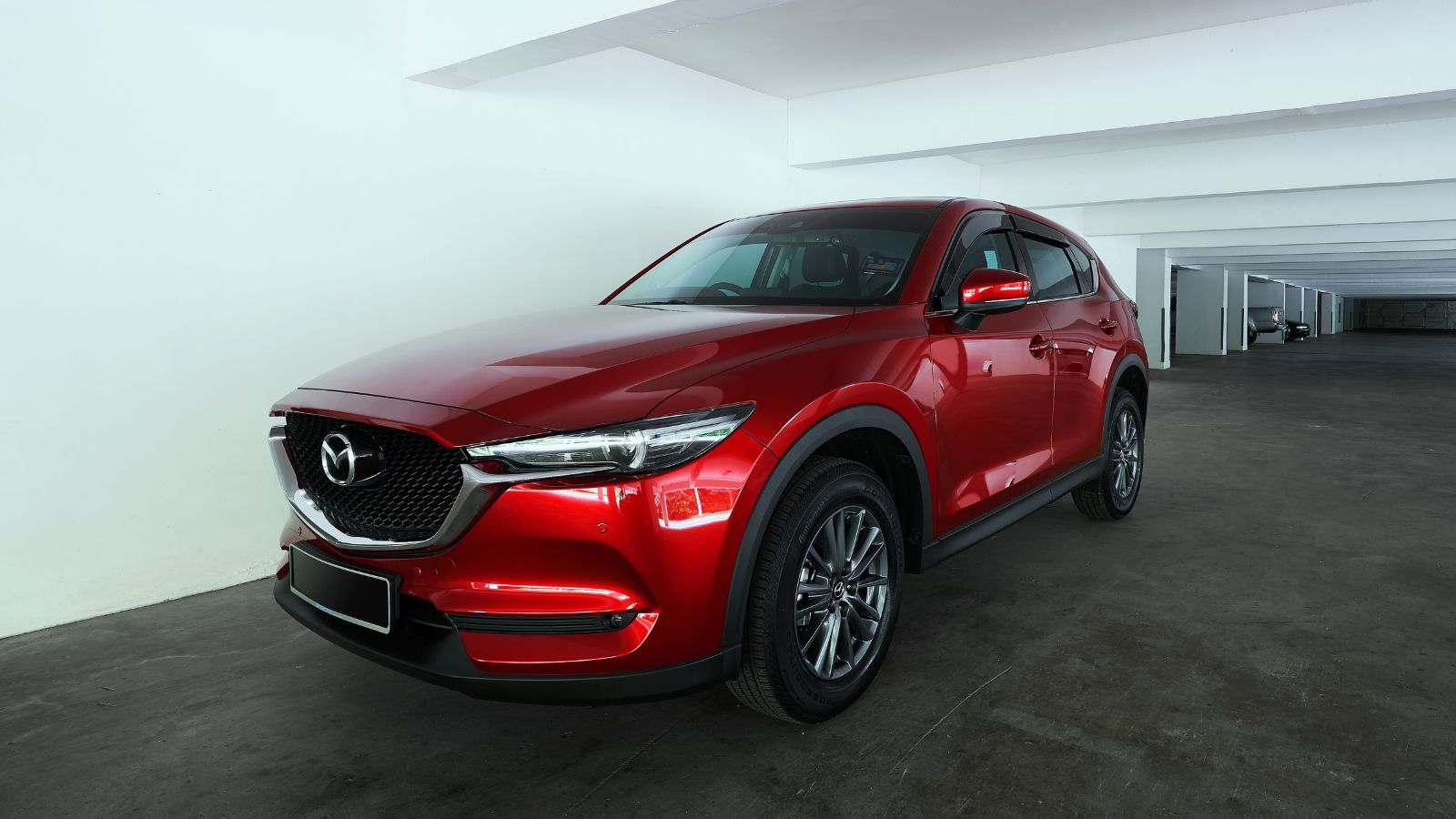
The CX-5 remains one of the smartest mainstream used-SUV plays in Canada because it mixes everyday practicality with a more polished feel than buyers often expect at its price point. AutoTrader ranked it among Canada’s top sold used vehicles in Q2 2025, while CarGurus’ late-2025 buying guide noted that older examples can enter around the mid-teens and that newer, well-kept units still save thousands compared with original MSRP. That is exactly the kind of value spread that pulls shoppers into the used market.
What makes the CX-5 especially sticky is that it feels like a vehicle people graduate into. Someone stepping out of an aging compact sedan often finds the seating position, cabin finish, and road manners noticeably more upscale, yet still approachable. It is the sort of used purchase that can feel rewarding without looking reckless. In a market where more buyers want something practical that does not feel disposable, the CX-5 stands out. That helps explain why it continues to show up in national sales data instead of fading into the background.
Toyota Tacoma
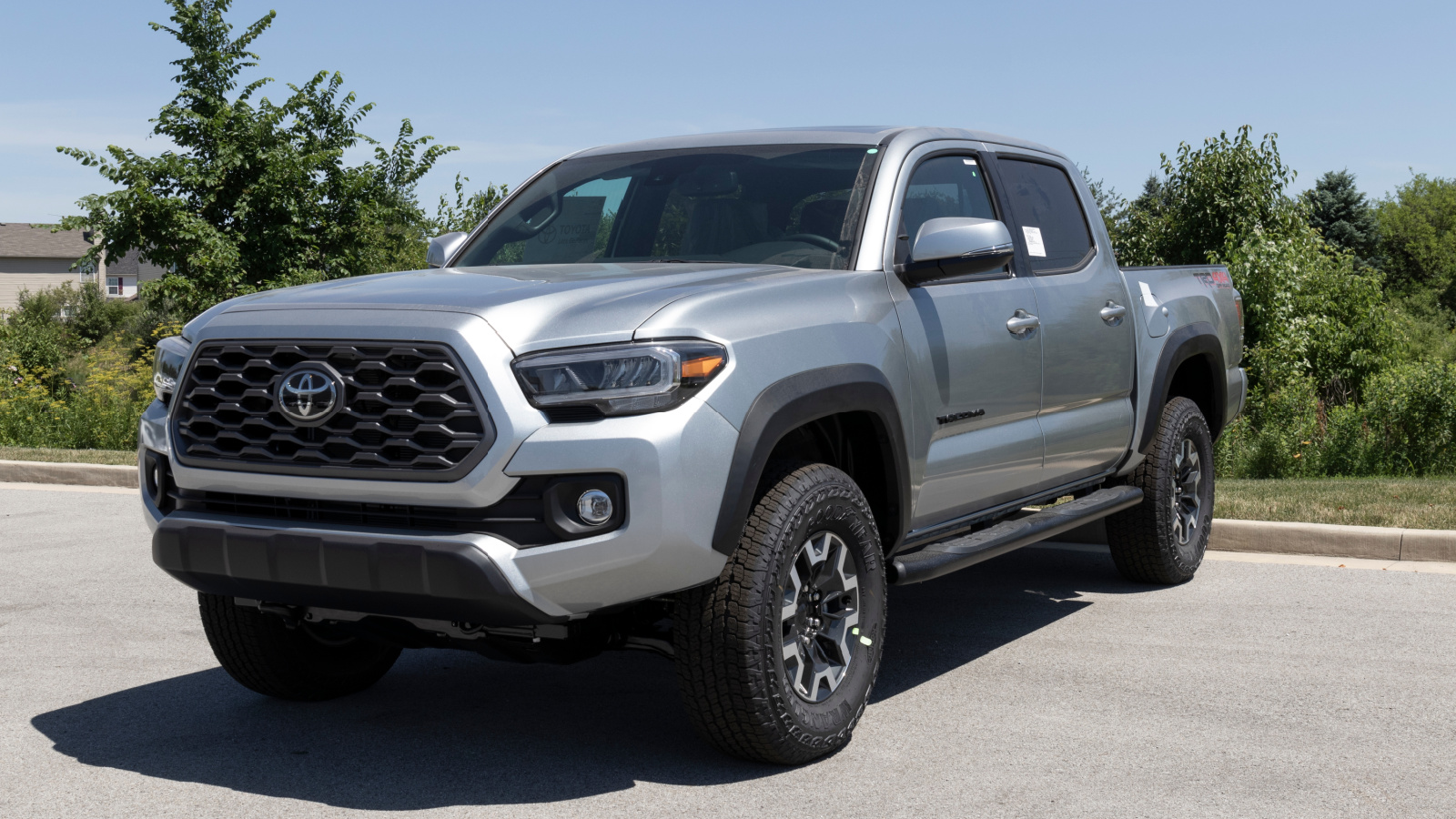
The Tacoma remains one of the clearest examples of resale strength shaping used demand in Canada. AutoTrader’s Q2 2025 report listed it among the top searched vehicles in the country, and Canadian Black Book’s 2025 Best Retained Value Awards said the Tacoma had extended its small/mid pickup winning streak to 17 straight years. Canadian Black Book’s 2026 residual awards kept it on top in the same category. When a truck keeps earning that kind of long-run value recognition, buyers notice.
That reputation changes how people shop for it. A used Tacoma is rarely treated like just another midsize pickup; it is treated like an asset that may cost more now but may hurt less later. That mindset helps keep demand sturdy even when pricing feels ambitious. The truck also benefits from its image: compact enough to feel manageable, tough enough to feel authentic, and proven enough to feel low-risk. In a market where many people are trying to buy once and buy well, the Tacoma fits the brief almost too perfectly.
Jeep Wrangler
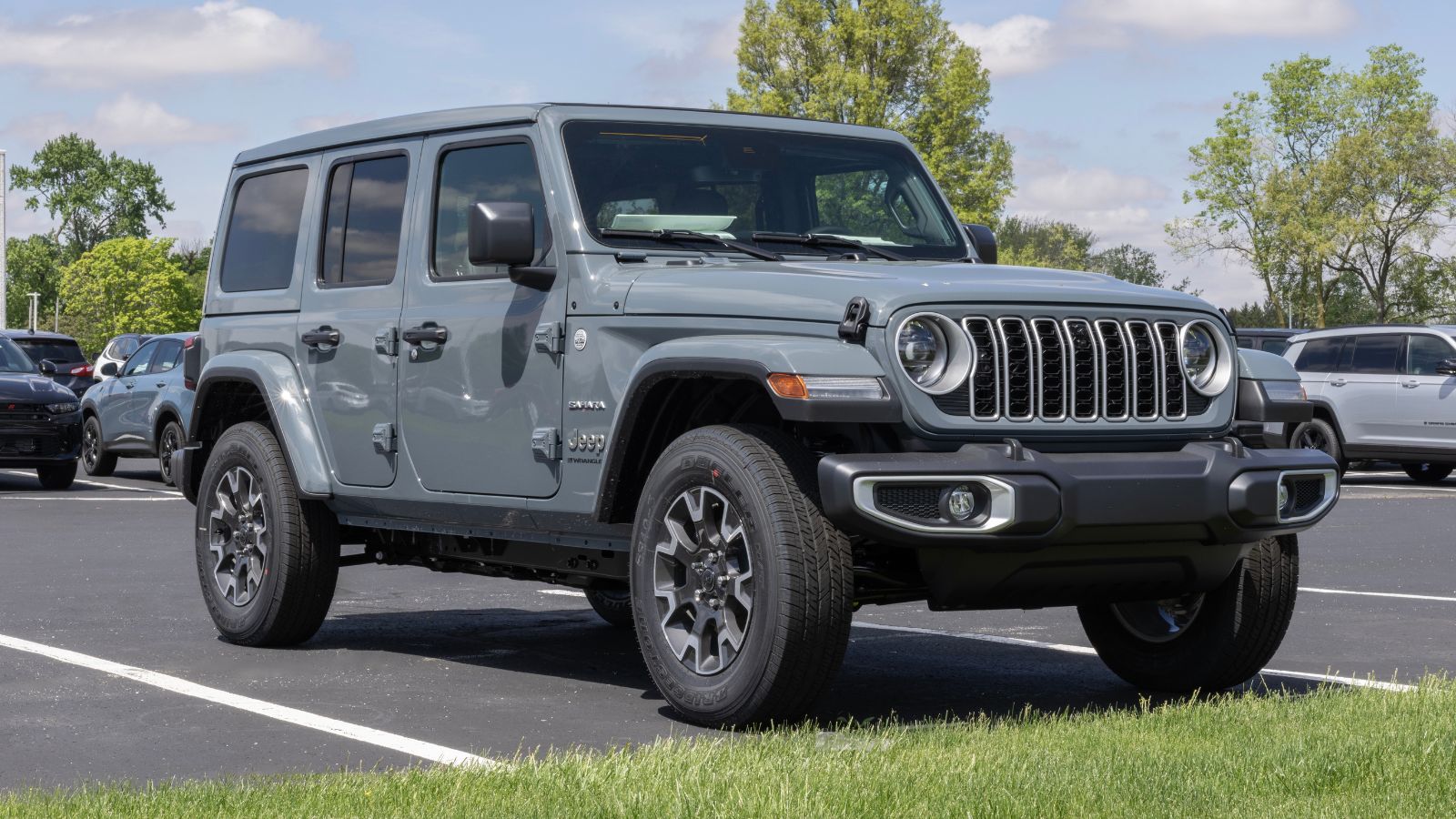
The Wrangler is one of the most distinctive vehicles on this list because its demand is not built on ordinary practicality. It shows up because Canadians still want it. AutoTrader’s Q2 2025 report ranked it among the top searched used vehicles nationally, and AutoTrader’s marketplace lists it among Canada’s most popular vehicles for sale. On top of that, the Wrangler and Gladiator won AutoTrader’s 2025 Best Vehicle for Adventure award for the third straight year. That combination reflects desire, not mere necessity.
In used form, the Wrangler attracts buyers who place a premium on identity and capability. They are often willing to live with compromises in ride comfort, efficiency, or interior refinement because the vehicle promises a different kind of ownership story. Even people who never venture deep off-road often want the option, the look, and the removable-roof sense of occasion. In a softer market, niche vehicles can cool quickly. The Wrangler usually does not. Its fan base is too durable, and that keeps decent examples competitive.
Honda Accord
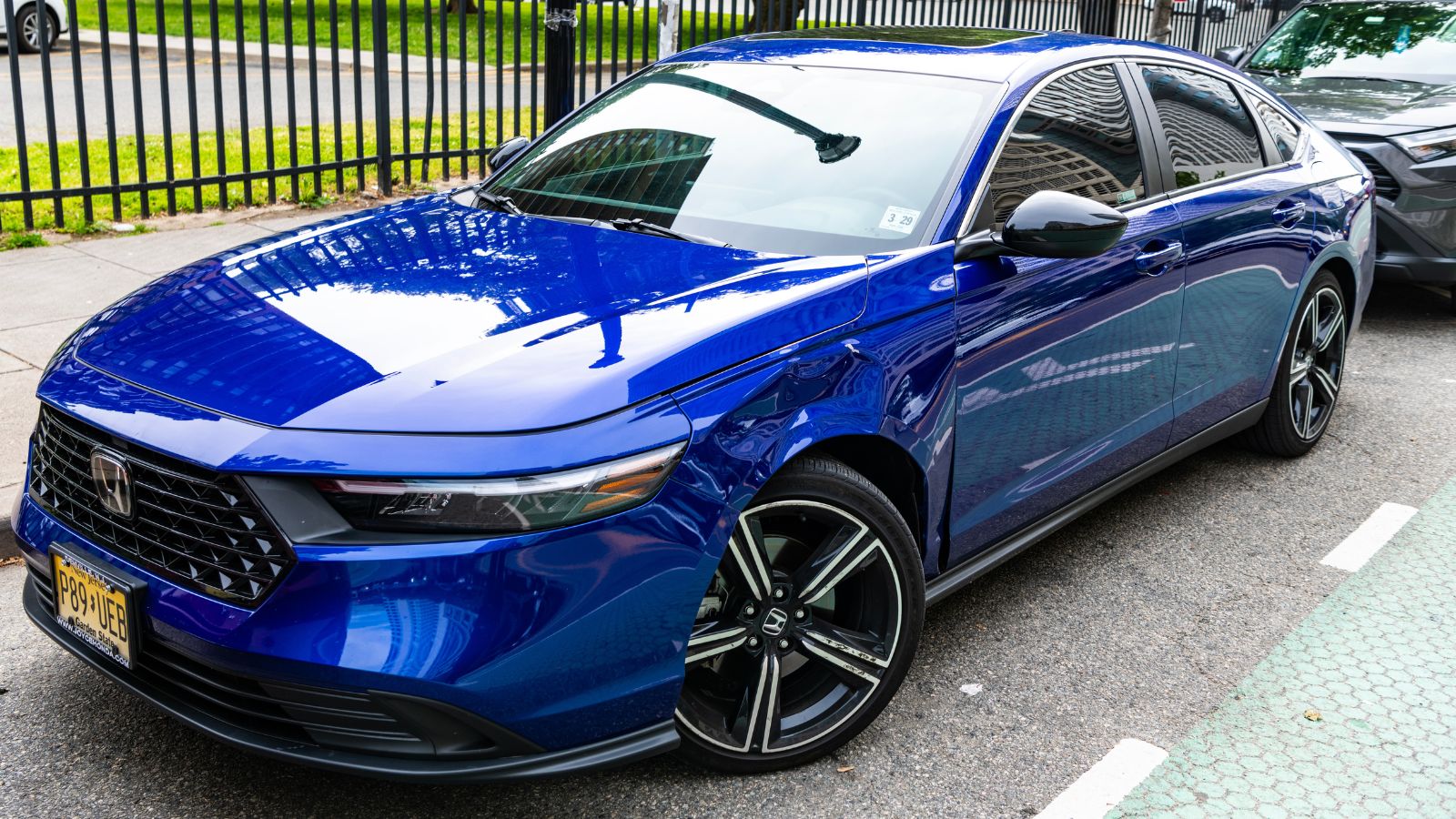
The Accord’s used-market appeal comes from its ability to feel mature without feeling boring. AutoTrader lists it among Canada’s most popular vehicles for sale, and CarGurus’ Canadian Accord buying guide describes the model as reliable, dependable transportation across generations. That matters because the used midsize-sedan buyer is often looking for calm, not excitement. In that role, the Accord has built years of goodwill as the car for people who want more room and refinement than a compact without taking a risk on something fragile.
There is also a human side to why the Accord keeps getting chosen. It tends to be the car people move into when life gets busier and they want something more settled: longer commutes, child seats, airport runs, aging parents, or simply more time spent on real roads instead of city errands. A used Accord often feels like a grown-up purchase in the best sense. It rarely shouts for attention, but it often leaves owners feeling they chose the sensible car with just enough polish to make that decision satisfying.
Mazda3
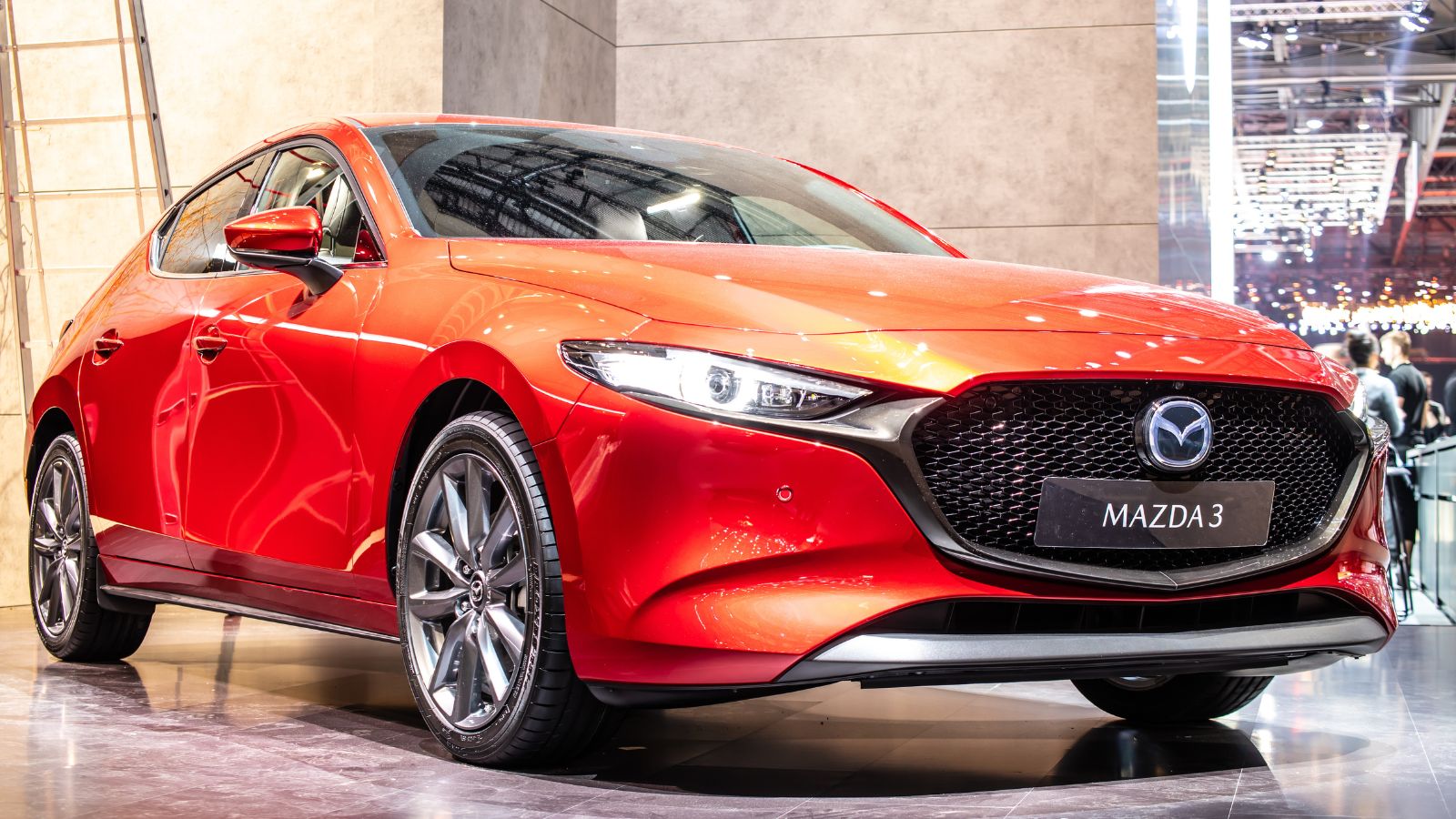
The Mazda3 keeps attracting used-car buyers because it offers a little more personality than many mainstream rivals without leaving the sensible end of the market. AutoTrader includes it on its national popularity board, and its experts singled it out in 2025 as one of the best affordable small cars, praising its steering, handling, and upscale-feeling interior. CarGurus’ 2025 buying guide added that used Mazda3 prices can start around $15,000, with higher-spec turbo versions commanding materially more. That spread gives buyers genuine range.
What helps the Mazda3 move is that it appeals to both head and heart. On paper, it works as a rational compact. In practice, it often feels like the compact for someone who still cares how a car responds on a back road or how the cabin looks in everyday use. That subtle emotional edge matters in the used market, where buyers are trying to justify desire without sabotaging their budget. The Mazda3 often gives them a way to do both, which is why strong examples keep drawing interest beyond simple transportation needs.
BMW 3 Series
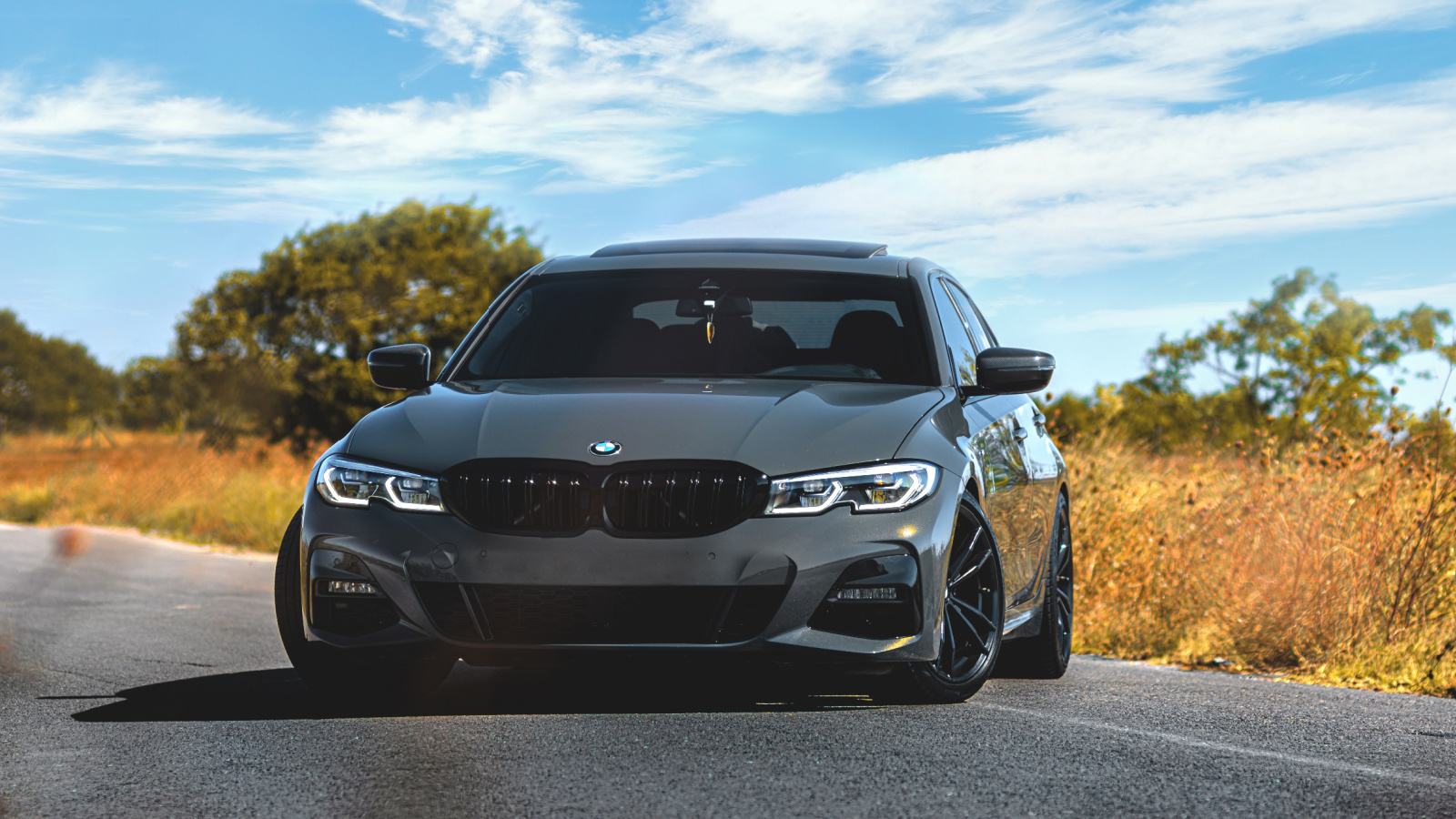
The 3 Series earns a place on this list because it remains one of the few premium sedans that Canadians actively hunt in meaningful numbers. AutoTrader’s Q2 2025 data ranked it among the top searched vehicles nationally, and its city-level popularity boards show the 3 Series appearing in markets such as Toronto, Montreal, Vancouver, Ottawa, and Hamilton. Canadian Black Book also named it the 2025 Best Retained Value winner in the premium car category. That is an unusually strong mix of shopper interest and value performance for a luxury sedan.
Used buyers are drawn to the 3 Series because it promises an upgrade in feel without necessarily demanding a brand-new luxury payment. For many shoppers, that makes it the gateway premium sedan: credible badge, real driving engagement, and enough market familiarity that pricing is easier to understand than on more niche alternatives. The key is that people still believe in the 3 Series as a benchmark. Once a used model has that kind of cultural staying power, it can keep pulling demand long after the original showroom glow should have faded.
Mercedes-Benz C-Class
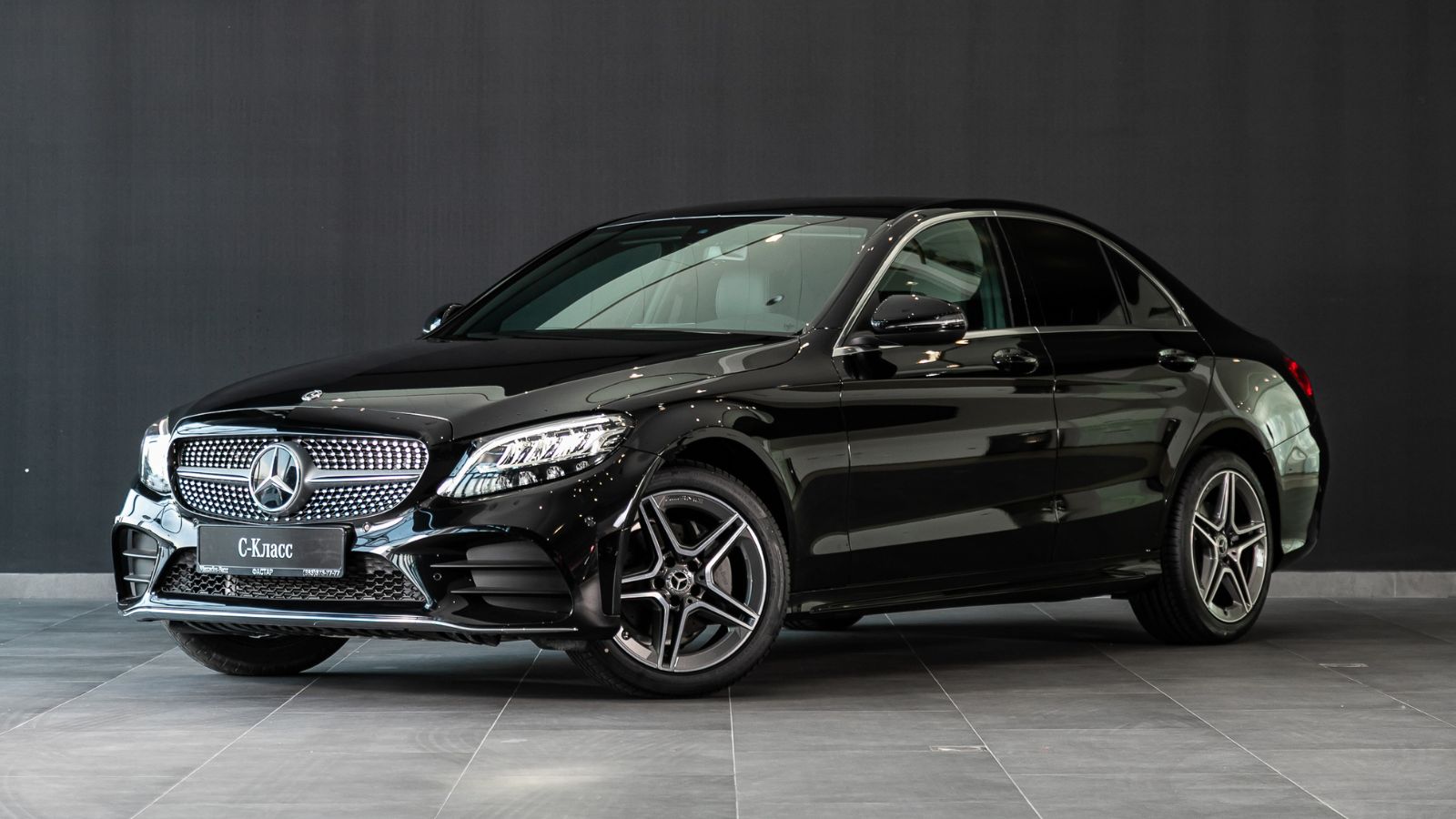
The C-Class keeps showing up in Canadian used-market interest because it offers a recognizable luxury badge in a size and price band that many urban buyers can still rationalize. AutoTrader lists it among Canada’s most popular vehicles for sale and shows it recurring on popularity boards in major metro markets. CarGurus’ 2025 buying guide says the newest generation looks promising for reliability, while the older 2008-to-2014 cars remain affordable and relatively dependable, even if maintenance costs stay higher than mainstream alternatives.
That last point is exactly why the C-Class continues to move: it feels aspirational but not unreachable. A buyer who has spent years in well-equipped mainstream sedans can step into a used C-Class and immediately notice the badge value, cabin presentation, and overall sense of occasion. The catch, of course, is ownership discipline. Buyers who enter casually can get burned, while buyers who shop carefully often feel they found a smarter-than-expected way into European luxury. In a reputation-driven market, that balance keeps the C-Class firmly in play.
Ford Mustang
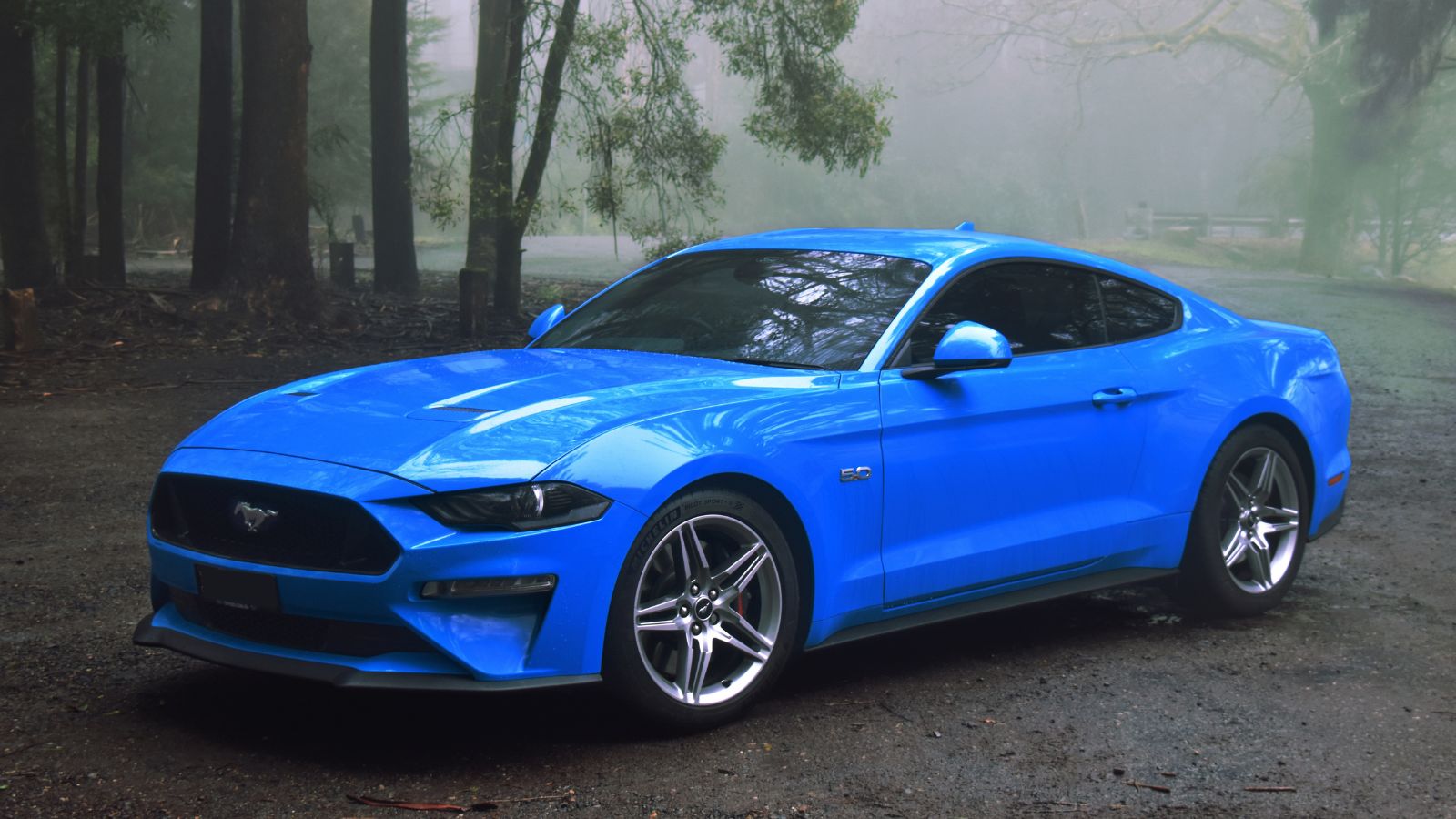
The Mustang remains one of Canada’s strongest used enthusiast plays because it combines icon status with broad availability. AutoTrader’s Q2 2025 report ranked it among the country’s top searched vehicles, and AutoTrader also places it on its national popularity board. CarGurus’ Canadian buying guide says there are plenty of fifth-generation examples for shoppers prioritizing reliability and notes that the used Mustang can absolutely be a good deal when bought in the right condition and at the right price. That keeps the nameplate accessible.
What separates the Mustang from more exotic sports cars is that its appeal is democratic. It can be a nostalgic purchase, a weekend toy, a summer daily, or a first step into something rear-wheel drive and genuinely fun. The buyer pool is much wider than many two-door competitors enjoy. That breadth helps keep good used Mustangs moving, especially since there are so many ways into the lineup, from easier-living EcoBoost versions to the full V8 experience. In uncertain times, buyers still make room for a dream car when the dream feels obtainable.
Chevrolet Corvette
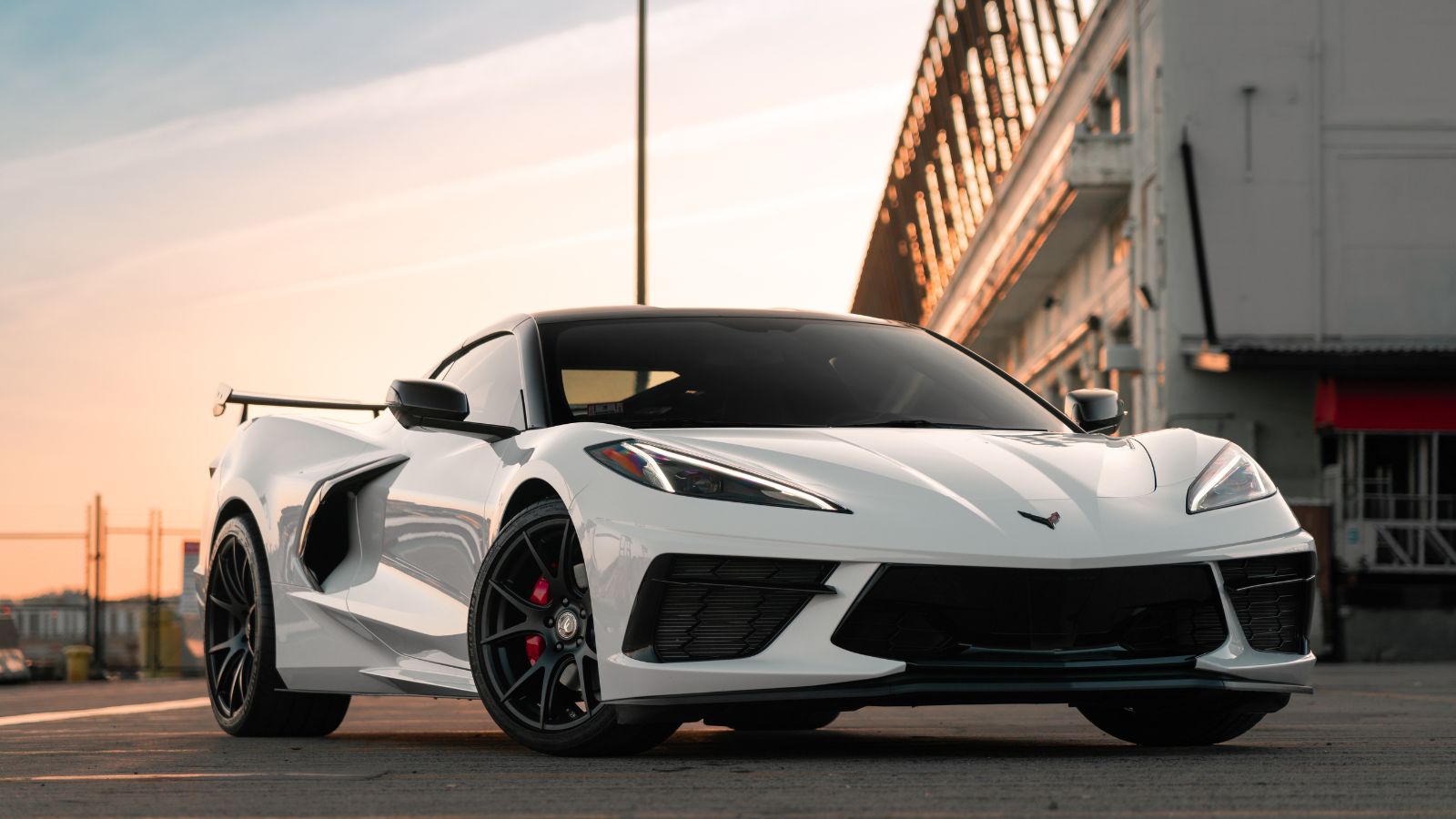
The Corvette is the outlier that proves Canada’s used market is not driven by practicality alone. AutoTrader’s Q2 2025 report ranked it second among the country’s top searched vehicles, and AutoTrader’s national popularity board includes it as well. Canadian Black Book’s 2026 residual awards named the Corvette the winner in the luxury sports car category. That is a powerful mix: strong attention from shoppers and strong confidence in future value. Few enthusiast cars manage both at the same time.
That helps explain why used Corvettes often feel less like indulgences and more like calculated splurges. Buyers know they are spending serious money, but they also know the car carries a kind of social and mechanical legitimacy that lesser toys do not. The mid-engine era only sharpened that effect by making the car feel more exotic without stripping away the badge’s long-running familiarity. In a market where many expensive vehicles are easy to admire but hard to justify, the Corvette still convinces shoppers that emotion and resale might actually coexist.
Porsche 911
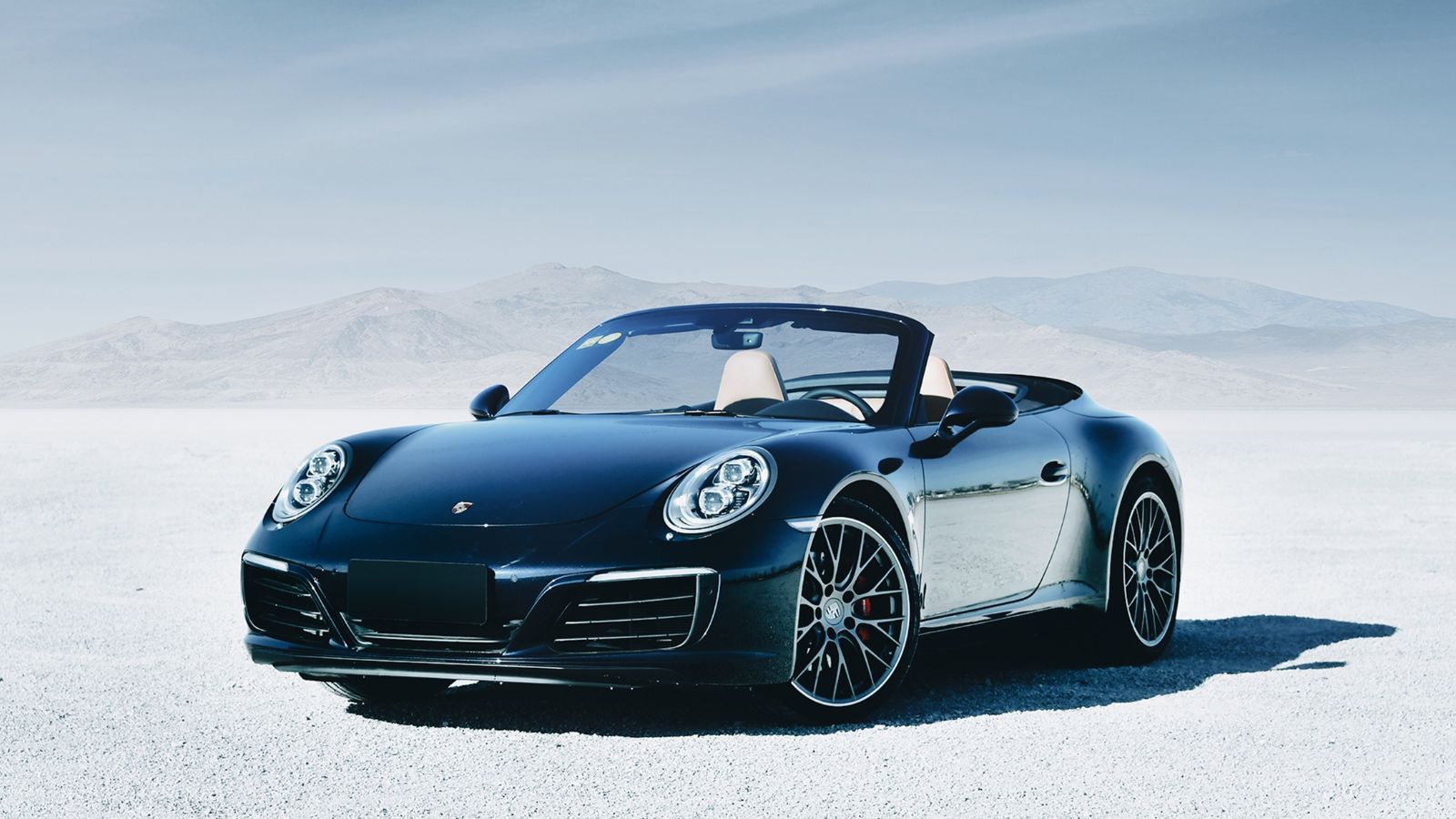
The 911 occupies a different league, but that has not stopped it from surfacing in Canadian marketplace demand data. AutoTrader’s Q2 2025 report ranked it among the top searched vehicles in the country, and AutoTrader’s 2026 Awards named it Best Premium Performance Car again. Canadian Black Book’s 2025 Best Retained Value Awards put the 911 on top of the sports-car category, while CarGurus’ 2025 buying guide noted that modern used 911s still carry a relatively trouble-free reputation and start around the $50,000 mark before specialized trims climb far higher.
The reason people snap up used 911s is that they rarely feel old in the conventional sense. Even when they are not new, they still feel current, engineered, and culturally significant. That gives the car an unusual kind of market immunity. Buyers are not simply purchasing transportation or even performance; they are buying into a lineage with decades of credibility. In soft segments, expensive used cars can get punished. The 911 often resists that pattern because shoppers see it as a benchmark, and benchmarks tend to hold their audience even when prices stay stubborn.
22 Things Canadians Do to Their Cars in Spring That Mechanics Hate

Spring brings relief to many Canadian drivers after months of snow, freezing temperatures, and icy roads that put serious strain on vehicles. As temperatures rise across the country, drivers begin washing cars, switching tires, and preparing vehicles for warmer weather and upcoming road trips. However, mechanics across Canada notice the same mistakes every spring when drivers attempt to recover from winter damage. Road salt, potholes, and harsh winter driving conditions often leave vehicles with hidden problems that drivers ignore. Some spring habits even create new mechanical issues that could have been avoided with proper maintenance. Here are 22 things Canadians do to their cars in spring that mechanics hate.