


























Long Canadian road trips can be beautiful, but they ask a lot from a vehicle. A drive that begins on dry suburban pavement can move into gravel detours, mountain grades, wildfire smoke, sudden rain, or isolated highway stretches where the next service station is far away. Small oversights—low tire pressure, weak wiper blades, expired insurance papers—can quickly become expensive or unsafe.
These 19 checks cover the practical details that matter before distance, weather, and limited roadside options start testing the car and everyone inside it. They focus on vehicle condition, passenger safety, route planning, emergency readiness, and driver stamina, using a Canadian lens where weather, terrain, and provincial rules can change from one hour to the next.
Tire Pressure and Tread Depth
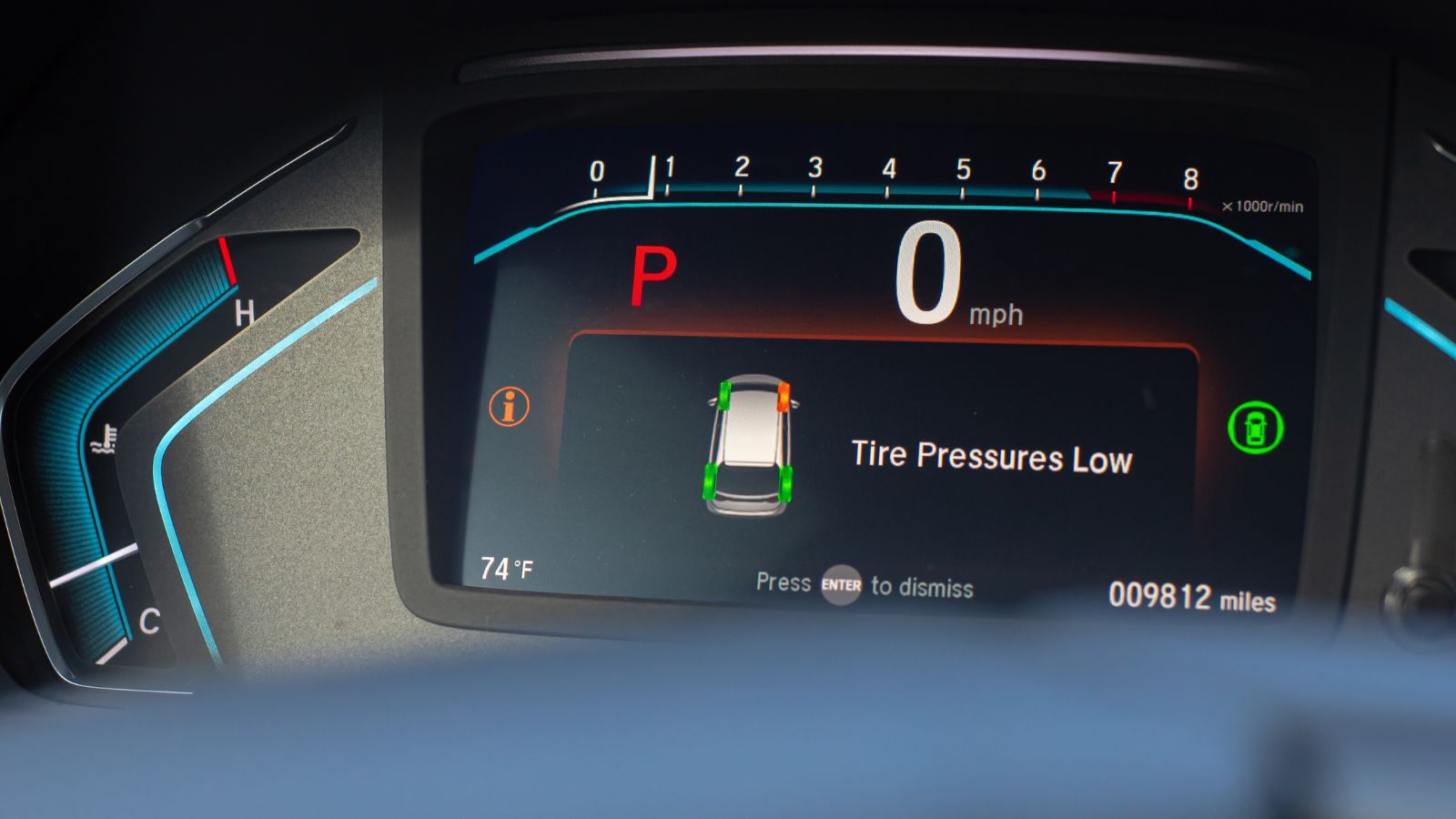
Tires deserve the first look because they are the only part of the vehicle actually touching the road. Before a long drive, pressure should be checked when the tires are cold, using the pressure listed on the vehicle placard or owner’s manual rather than the number stamped on the tire sidewall. Underinflation can increase heat buildup, reduce fuel efficiency, and make handling feel vague at highway speed.
Tread matters just as much as pressure, especially on wet highways, mountain passes, or early-season snow routes. A tire may look fine from a distance but still have uneven wear, cuts, bulges, or embedded nails. Transport Canada also points to deeper tread needs for winter conditions, which is why a Canadian road trip in shoulder season should include more than a quick glance at the tire sidewall.
Spare Tire, Jack, and Repair Tools

A spare tire is only useful if it is inflated, accessible, and paired with the correct tools. Many drivers discover too late that the spare has lost pressure, the wheel-lock key is missing, or the jack is buried beneath luggage. Some newer vehicles no longer include a traditional spare at all, relying instead on a sealant kit or inflator that may not help with a sidewall tear.
Before leaving, the driver should confirm what the vehicle actually carries and how it works. A compact spare may have speed and distance limits, while an inflator kit may have an expiry date on the sealant canister. A family heading through Northern Ontario or across the Prairies can lose hours if a simple puncture turns into a tow because the basic equipment was never checked.
Brakes and Brake Fluid
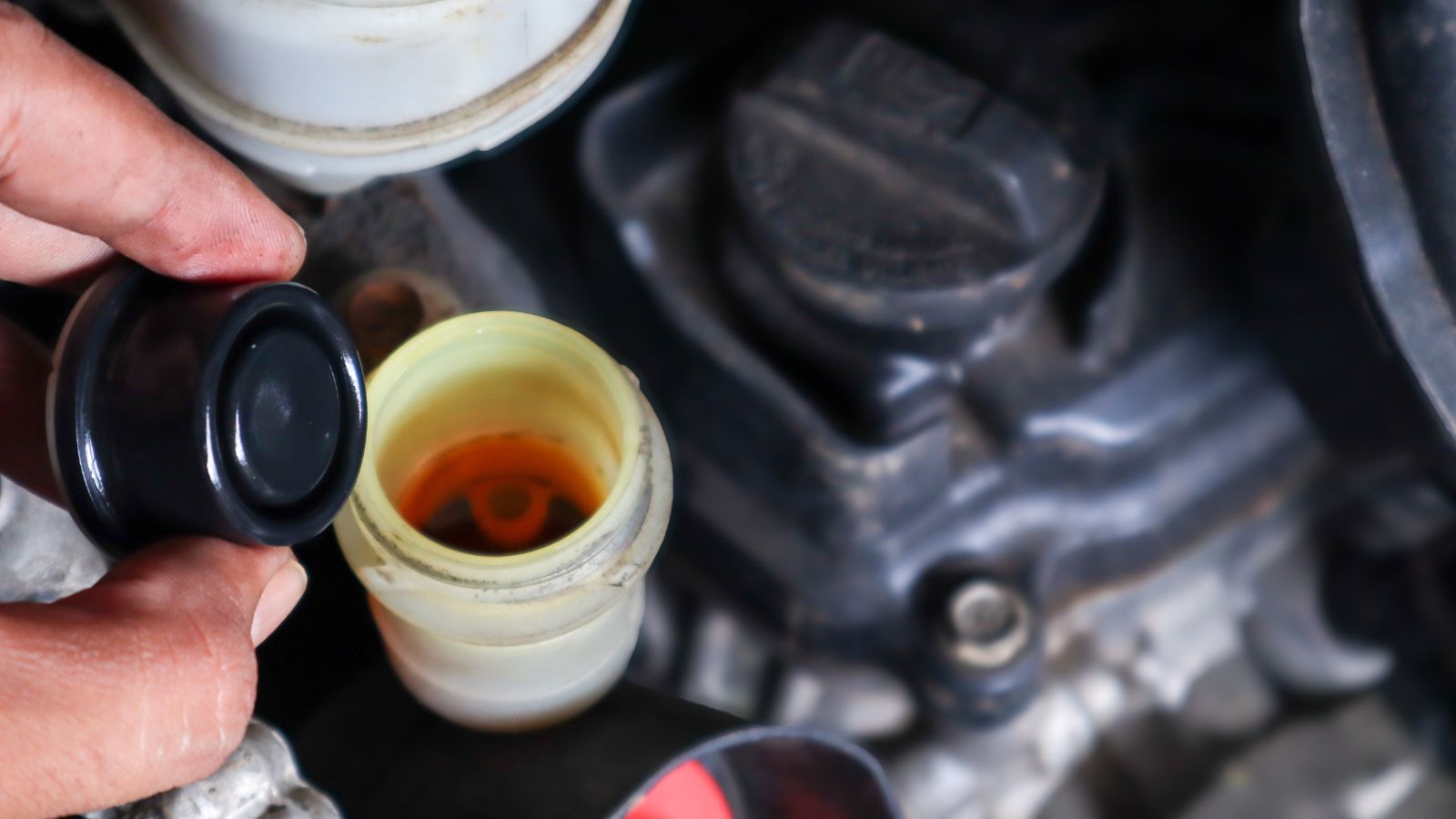
Long trips make small brake problems easier to notice and harder to ignore. A soft pedal, pulsing underfoot, squealing, grinding, or a vehicle pulling to one side can all point to brake wear or a system issue. Mountain descents in British Columbia or repeated stop-and-go traffic near major cities can put far more heat into the brakes than a normal commute.
Brake fluid should also be checked because it helps transfer force through the braking system. Low fluid may indicate worn pads or a leak, while old or contaminated fluid can affect performance under heavy use. A practical pre-trip test is a short local drive with a few controlled stops. If anything feels different, the driveway is a better place to notice than a downhill grade with a loaded vehicle.
Engine Oil and Key Fluids
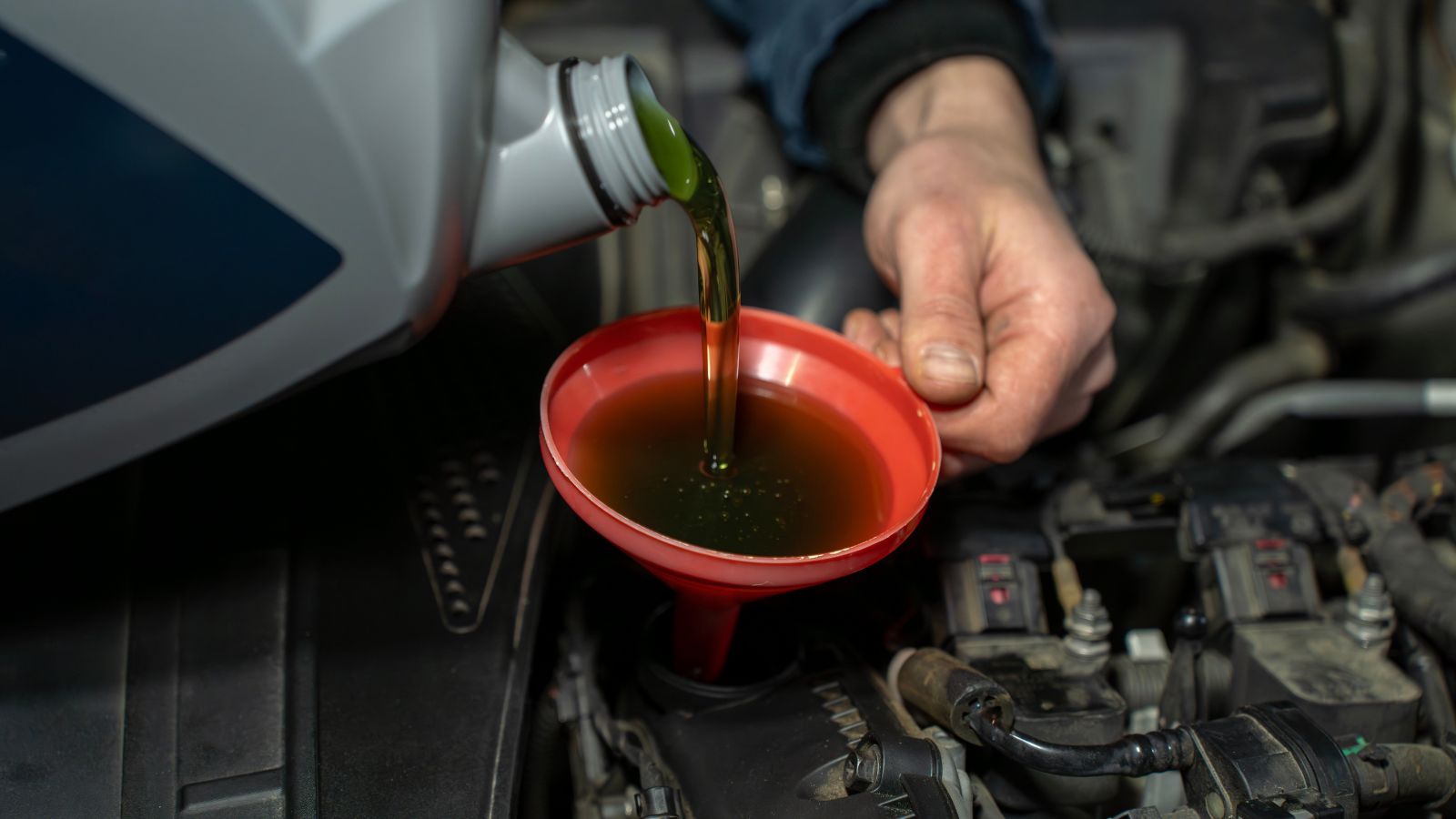
Engine oil, coolant, brake fluid, power steering fluid, transmission fluid where applicable, and windshield washer fluid all play quiet but important roles. Oil level should be checked on level ground after the engine has had time to settle. If the vehicle is close to its recommended oil-change interval, a long trip is not the moment to squeeze out a few more weeks.
Fluid checks can also reveal early signs of trouble. A sweet smell may point to coolant, reddish fluid may suggest transmission or power steering leakage, and dark oily residue around the engine can hint at a seep that worsens under sustained highway heat. Drivers covering hundreds of kilometres in a day are asking the vehicle to run steadily for hours, so fresh, correct fluids are cheap insurance.
Cooling System Condition
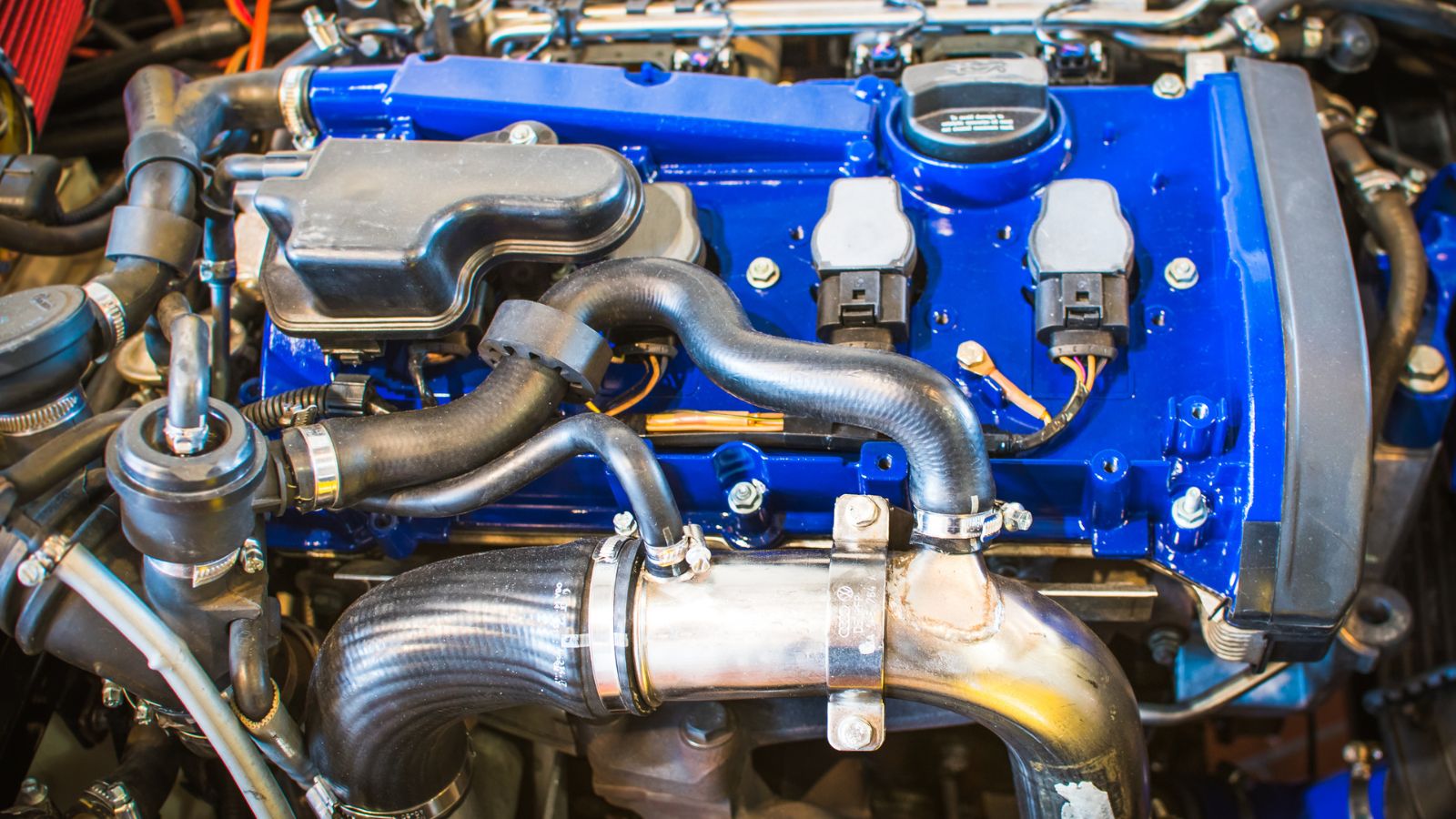
Overheating can turn a scenic drive into a shoulder-side wait, especially when the vehicle is climbing grades, carrying extra weight, or idling in summer traffic. The coolant reservoir should be filled to the proper mark, and the fluid should look clean rather than rusty or sludgy. Hoses near the radiator should not be cracked, swollen, brittle, or wet around the clamps.
A cooling system check is especially important before routes with long distances between service shops. A vehicle that runs slightly warm around town may run much hotter on a loaded highway trip. One common example is a family SUV packed with camping gear climbing toward a national park; the temperature gauge that never moves during school runs can suddenly matter a great deal on a steep grade.
Battery and Charging System
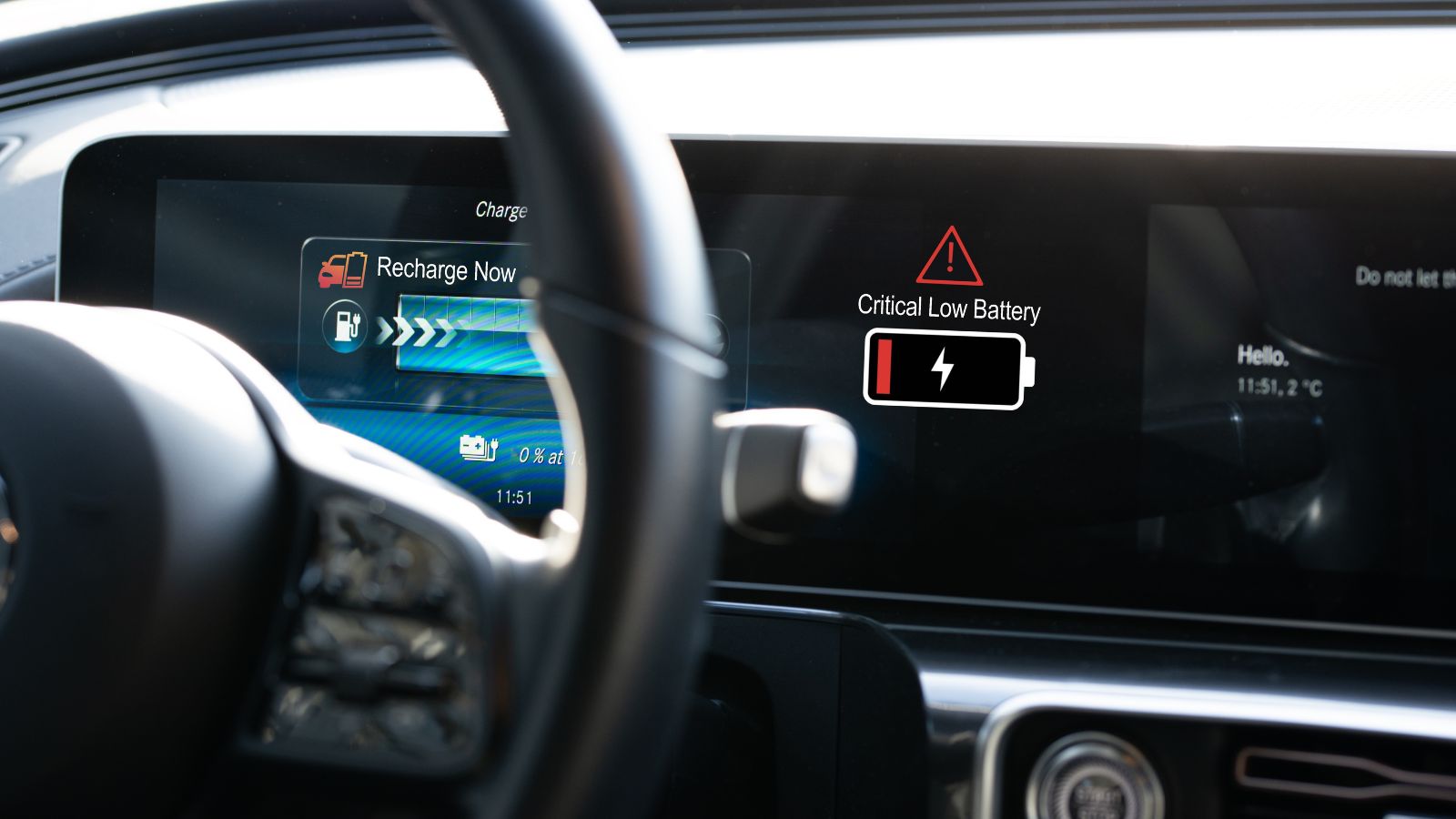
A weak battery can fail in both winter cold and summer heat. Road trips often add extra electrical demand through phone charging, coolers, dash cameras, navigation screens, rear-seat entertainment, and repeated stops. If the engine cranks slowly, interior lights dim, or the battery terminals show heavy corrosion, the vehicle should be tested before departure.
Battery age matters too. Many drivers remember battery problems only in January, but heat can speed up wear and reduce service life. A simple load test at a shop or parts retailer can reveal whether the battery is strong enough for a long drive. On a remote route, a no-start at a fuel stop can become more than an inconvenience, particularly after business hours or during bad weather.
Belts, Hoses, and Under-Hood Leaks
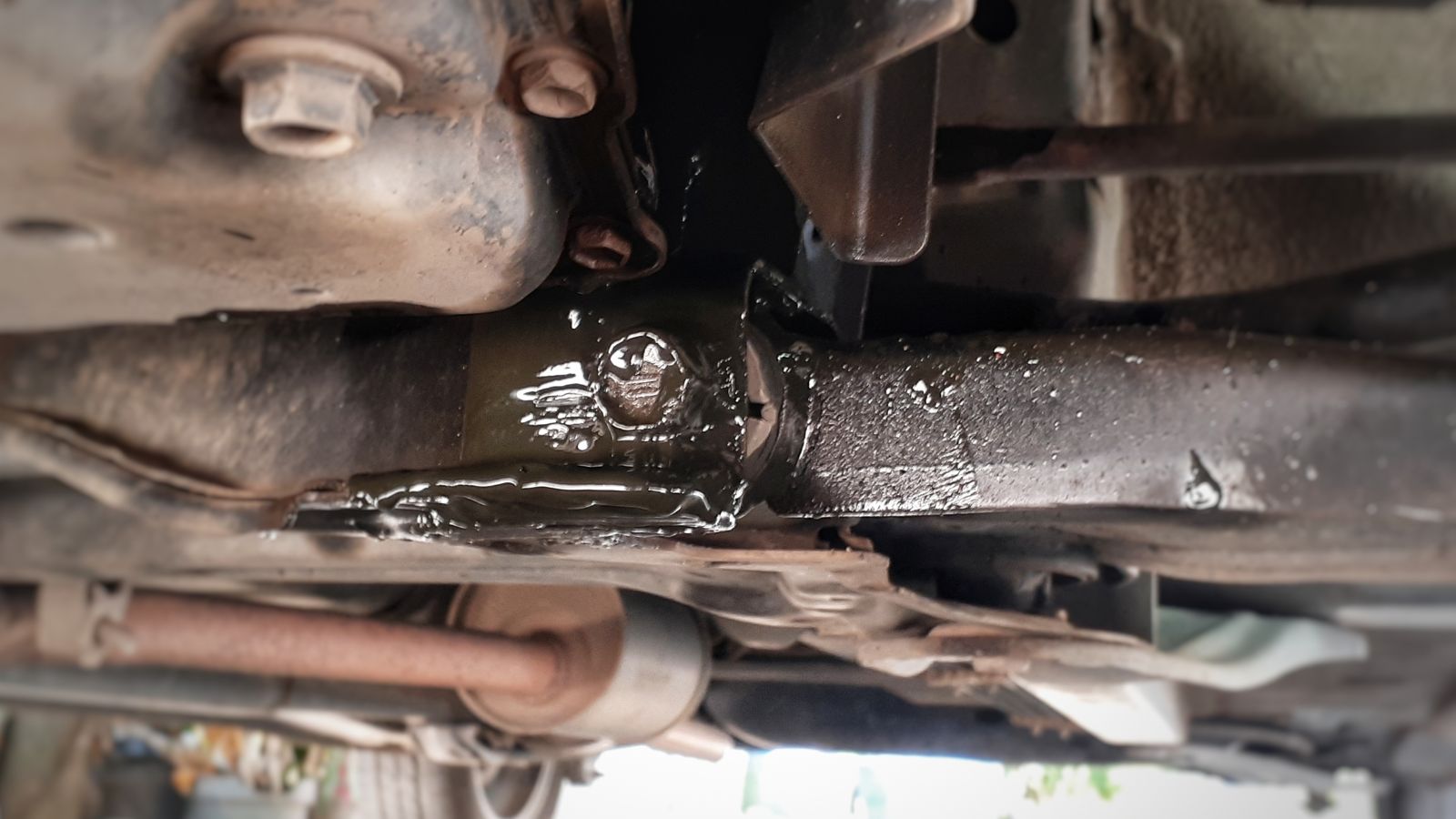
Belts and hoses are easy to overlook because they usually work until they suddenly do not. A serpentine belt can run the alternator, power steering, water pump, or air conditioning depending on the vehicle. Cracks, fraying, glazing, squealing, or visible wobble can be warning signs. Hoses should feel firm but not brittle, and their ends should be dry around clamps and fittings.
A driveway inspection after the vehicle has been parked overnight can reveal leaks before the trip begins. Dark oil spots, green or orange coolant residue, or a gasoline smell should not be dismissed. The human side is familiar: one small drip ignored before leaving can become a major delay two provinces away, where the needed hose or belt may not be sitting on a local parts shelf.
Headlights, Brake Lights, and Signals

Visibility is a safety system, not just a convenience. Headlights, brake lights, reverse lights, turn signals, hazard lights, and licence-plate lights should all be checked before departure. A second person can stand outside the vehicle, or the driver can use reflections in a garage door or storefront window. Cloudy headlight lenses can also reduce nighttime visibility more than many drivers realize.
This check matters on Canadian roads because long-distance driving often includes dawn starts, dusk arrivals, rain, fog, snow, or wildlife-prone rural highways. Brake lights are especially important when traffic slows suddenly for construction zones or animals. A burned-out signal may seem minor in the city, but on a two-lane highway, clear communication can help other drivers judge passing, merging, and stopping.
Wipers and Washer Fluid
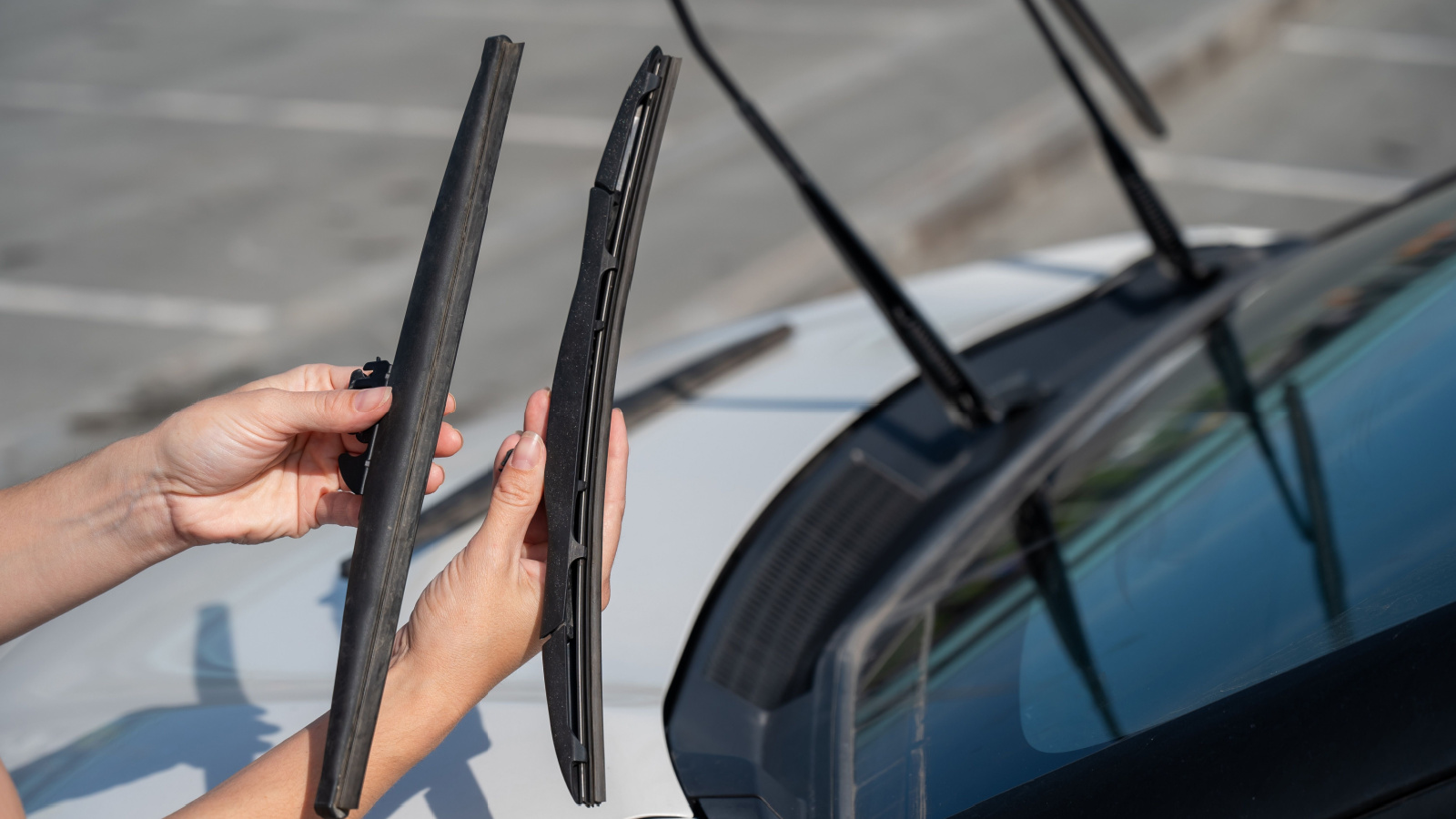
Wipers should clear the windshield in clean, even sweeps without chatter, streaks, or torn rubber edges. Insects, highway grime, salt residue, and sudden rain can overwhelm worn blades quickly. A blade that seems acceptable during a short city errand may become frustrating after two hours behind a transport truck on a wet highway.
Washer fluid should match the season. In colder months or mountain regions, winter-rated fluid is important because ordinary fluid can freeze in the reservoir or lines. Carrying an extra jug is wise on routes where slush and road spray are constant. A clear windshield reduces fatigue as well as risk; squinting through glare, bug splatter, or salt haze makes a long drive feel much longer.
Air Conditioning, Heat, and Defogging
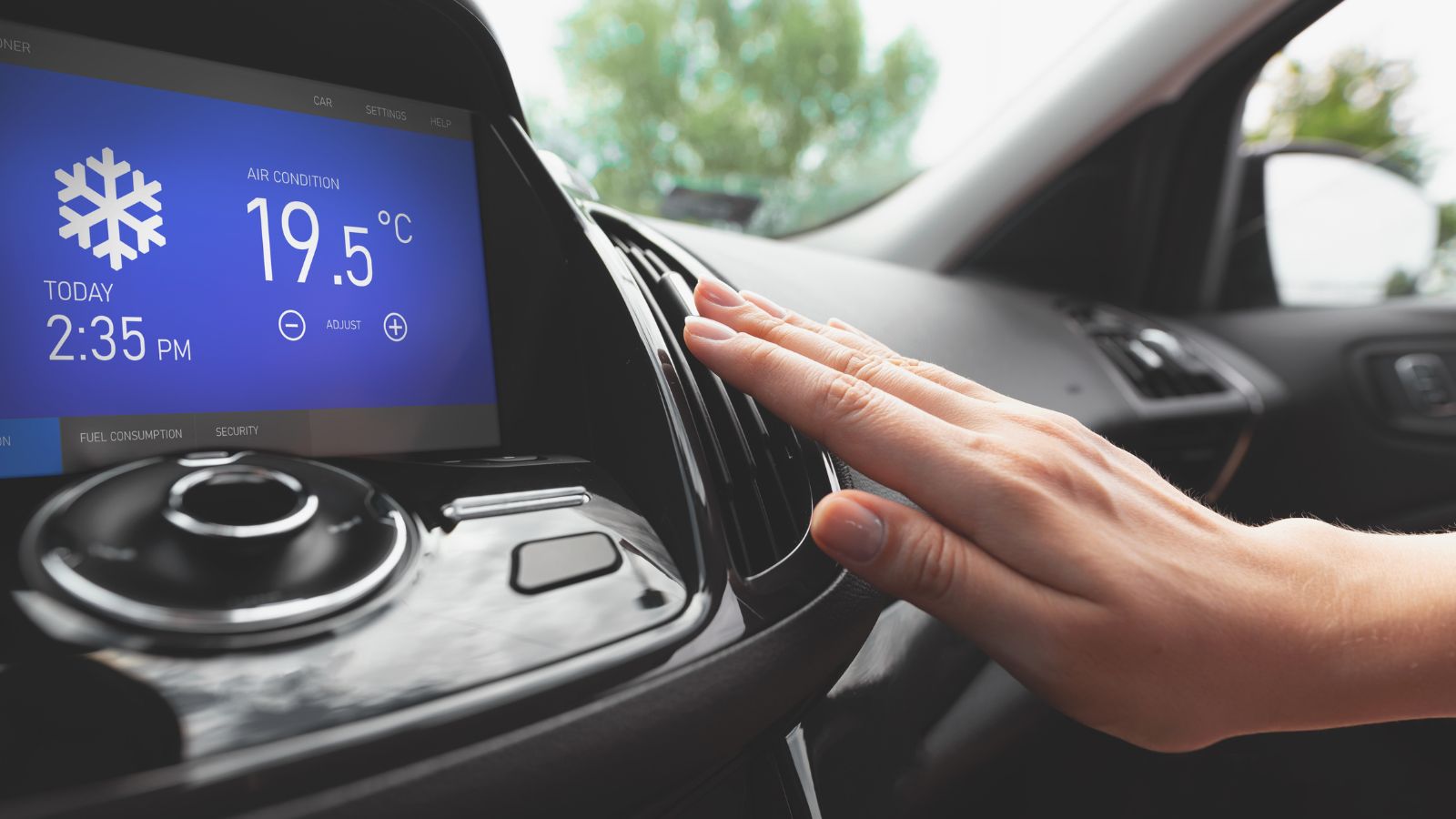
Cabin comfort is also a safety issue. Air conditioning helps reduce heat stress, while heat and defogging systems keep windows clear in cold or damp weather. Before leaving, drivers should test the fan speeds, front and rear defrosters, temperature controls, and air direction settings. A windshield that fogs repeatedly can become dangerous in heavy rain or near-freezing conditions.
This is especially important on trips with children, pets, older passengers, or long stretches without easy stops. A failing blower motor or weak air conditioning system may not matter during a ten-minute commute, but it can make a hot July drive across the Prairies miserable. CAA Québec notes that air conditioning performance can be assessed by how quickly cool air arrives under warm conditions.
Open Recalls and Dashboard Warnings
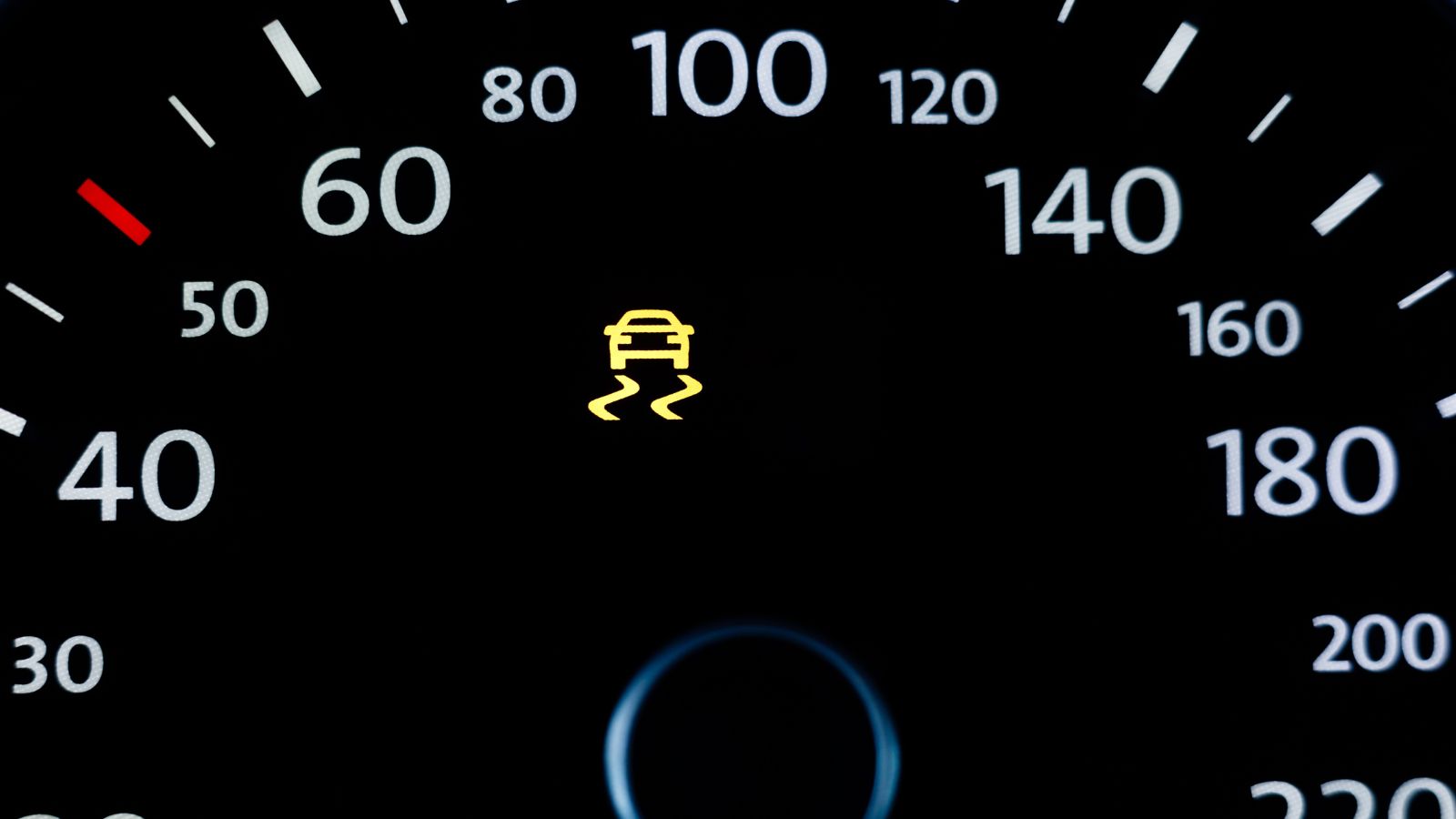
A long trip is a good reason to check for open recalls using the vehicle identification number. Recalls can involve airbags, brakes, electrical systems, fuel components, tires, child seats, and other safety-related parts. Transport Canada maintains recall information, and manufacturers also offer VIN-based recall lookups.
Dashboard warning lights deserve the same attention. A check-engine light, ABS light, tire-pressure warning, airbag light, or battery symbol should not be treated as background decoration. Some warnings may be minor, but others can affect braking, emissions, charging, or occupant protection. The practical rule is simple: warning lights are easier to diagnose near home than after the vehicle is already loaded for a multi-day drive.
Emergency Kit and First Aid Supplies
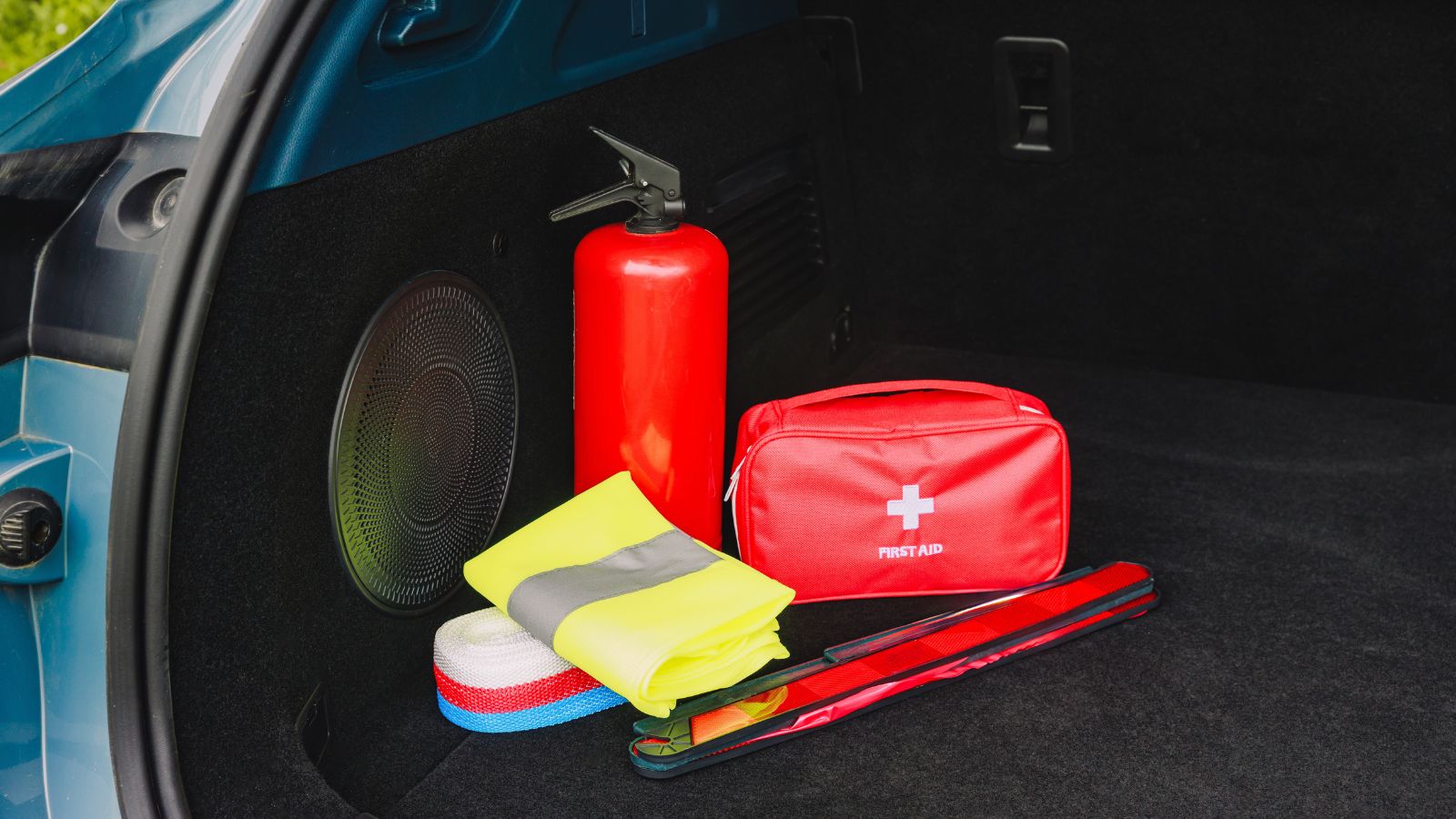
A Canadian road trip kit should cover more than a minor inconvenience. At minimum, it should include water, non-perishable food, a flashlight, batteries, blankets, extra clothing, first aid supplies, a phone charger, basic tools, booster cables, a snow brush or scraper when appropriate, and traction material such as sand or kitty litter in winter. Medication, pet supplies, and infant needs should be added when relevant.
The kit should be checked, not just packed once and forgotten. Water can freeze or expire, batteries can corrode, snacks can go stale, and first aid items can be used up without being replaced. A breakdown near a town may be solved quickly, but the same breakdown on a rural highway during a storm can require hours of waiting in uncomfortable conditions.
Weather, Wildfire, and Road Condition Updates
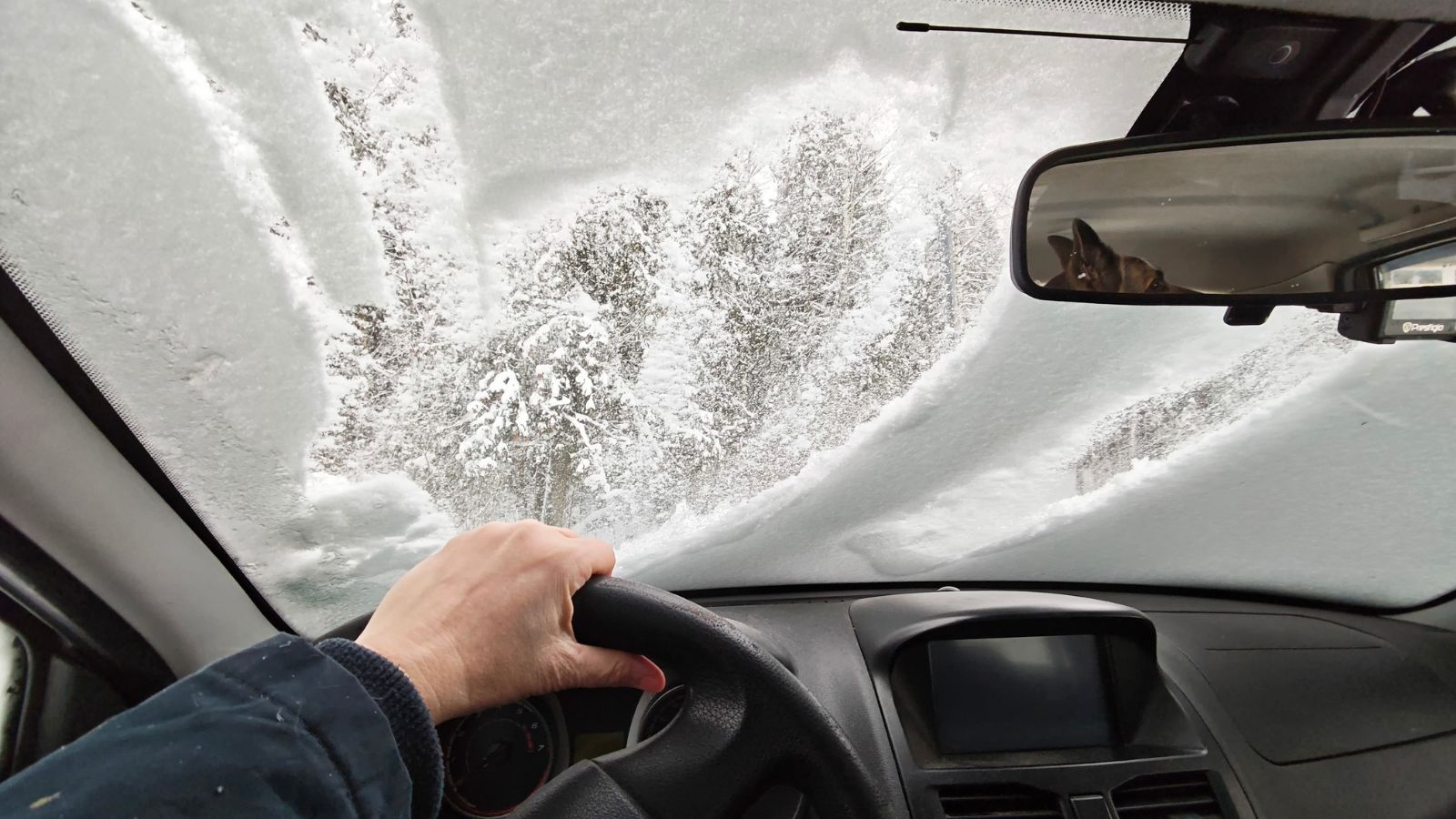
Weather is one of the biggest variables on a Canadian road trip. Environment Canada alerts, provincial 511 systems, and regional road-condition tools can reveal heavy snow, freezing rain, flooding, construction closures, wildfire smoke, or detours before the vehicle reaches the problem area. A sunny departure does not guarantee a safe arrival when the route crosses multiple regions.
Planning should include alternate routes and a willingness to delay. Wildfire seasons can affect visibility, air quality, park access, and highway openings, while winter storms can change safe travel decisions quickly. A practical example is a route through the Rockies: the fastest path on a map may not be the safest path if weather alerts, plow reports, or highway advisories are already warning of deteriorating conditions.
Fuel Range or EV Charging Plan
Fuel planning matters in a country with long rural stretches. Drivers should know the vehicle’s real-world range when loaded with passengers, luggage, bikes, or roof boxes, not just its ideal fuel economy rating. Keeping extra margin is wise when stations are far apart, hours are limited, or winter weather increases consumption.
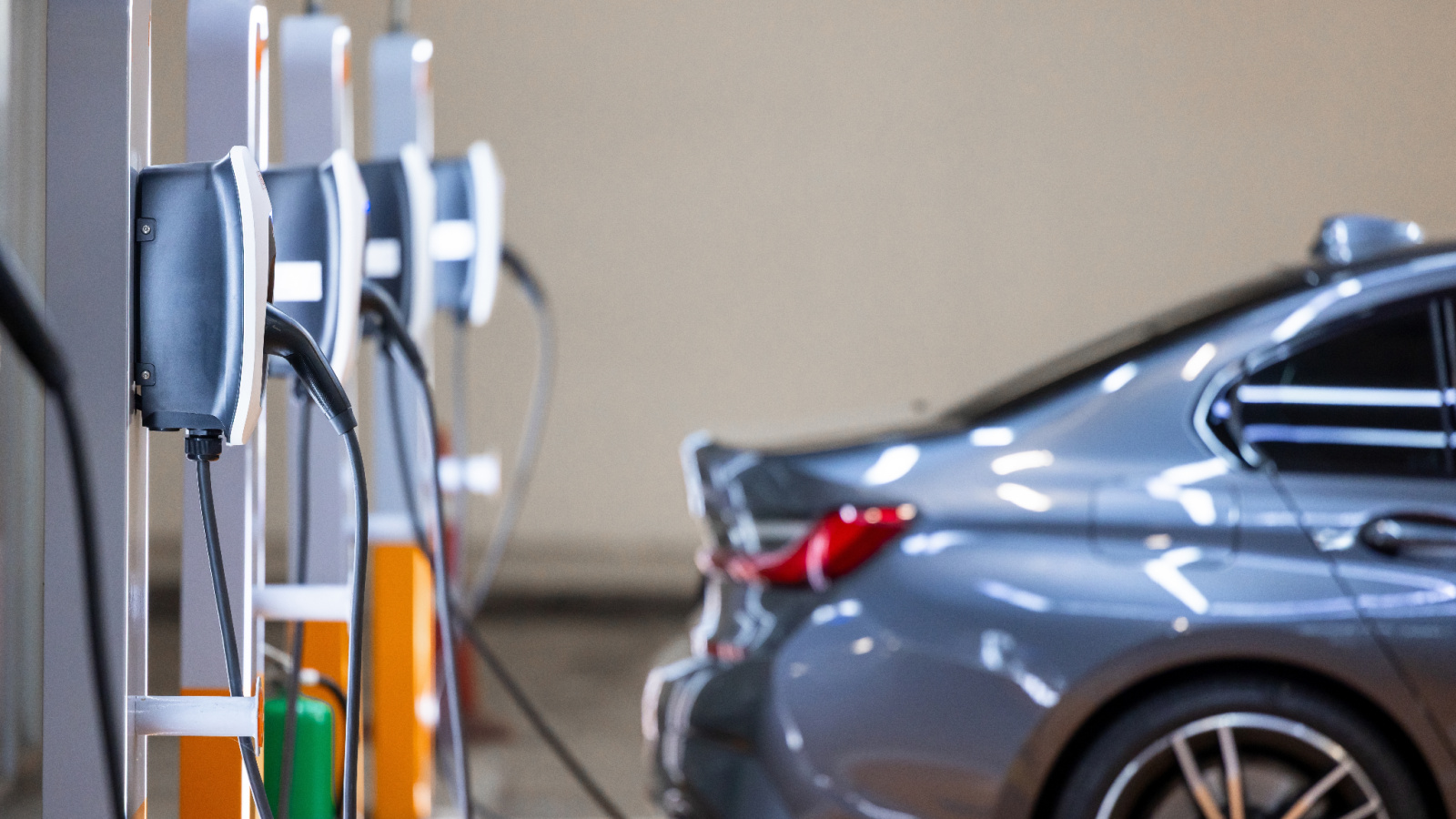
Electric vehicle drivers need a similar plan with charging stops, plug compatibility, charger speed, backup sites, and overnight charging options. Natural Resources Canada provides a station locator, and CAA advises mapping charging options in advance because station density varies by region. A comfortable EV road trip usually includes more than one charger option near each planned stop, especially in tourist areas during peak travel periods.
Driver’s Licence, Insurance, and Travel Documents
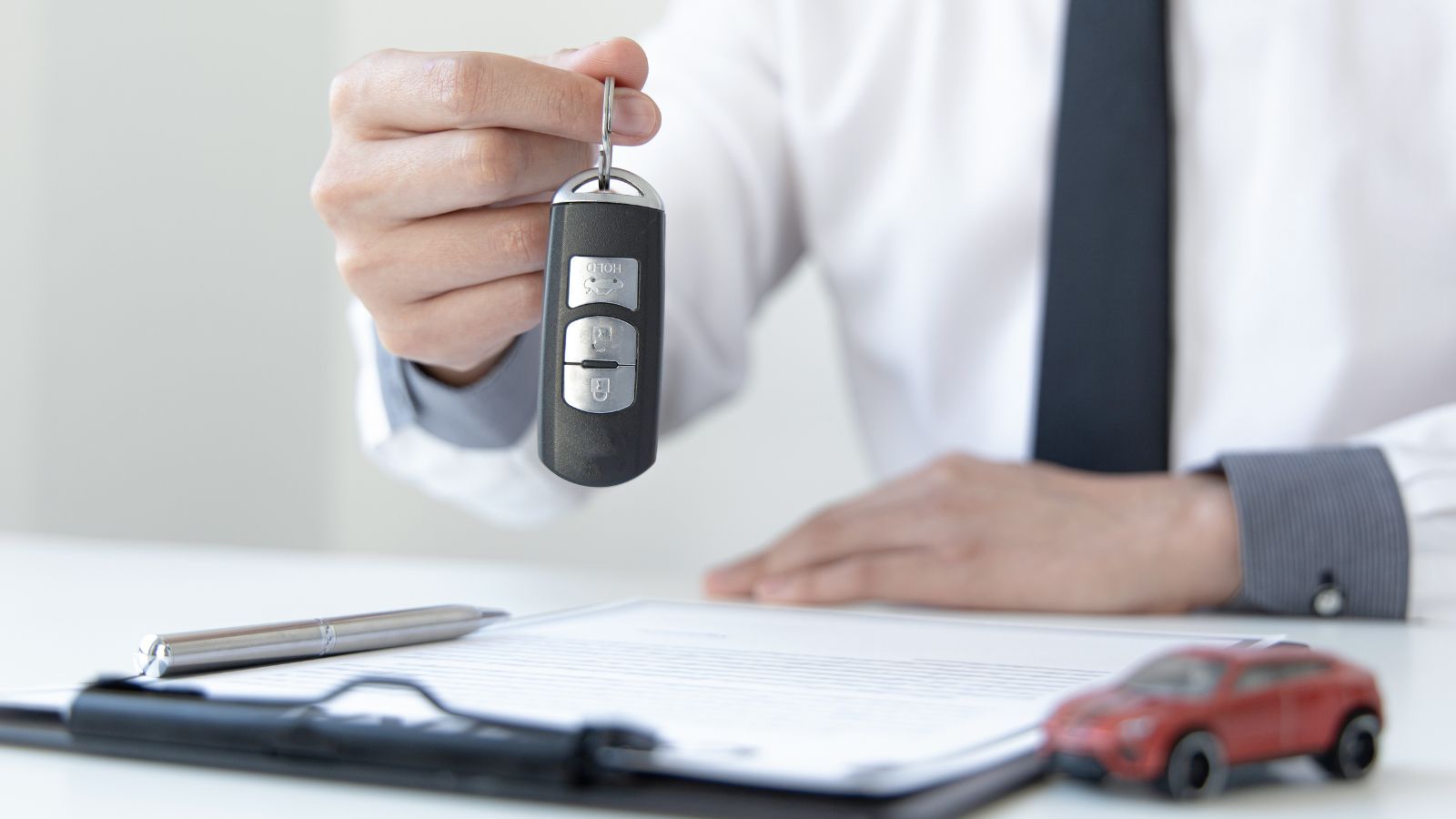
Documents should be checked before the bags go in the vehicle. A valid driver’s licence, vehicle registration, proof of insurance, roadside assistance details, and rental or lease paperwork where applicable should be easy to find. Digital copies can help, but paper backups are useful when phones die, apps fail, or a police stop happens outside strong cellular coverage.
For trips crossing into the United States, passports and any required travel documents should be confirmed well ahead of departure. Canadian drivers do not need an International Driving Permit to drive in the U.S. when they hold a provincial or territorial licence, but other foreign destinations may be different. The simplest habit is to check expiry dates at the same time as booking hotels or ferries.
Phones, Navigation, and Offline Backups

Navigation should not depend entirely on a live signal. Before departure, drivers should download offline maps, save hotel addresses, note emergency contacts, and carry a charging cable that actually works with the phone in use. A power bank can be useful if passengers are relying on the same outlets for entertainment and communication.
Phones also need rules inside the vehicle. The device should be mounted securely if used for navigation, and the route should be set before moving. Voice guidance can reduce glancing, but it should not replace attention to signs, construction crews, wildlife warnings, and local detours. In remote areas, a paper map or written route notes can still save time when a screen suddenly loses service.
Cargo Weight and Loose Items
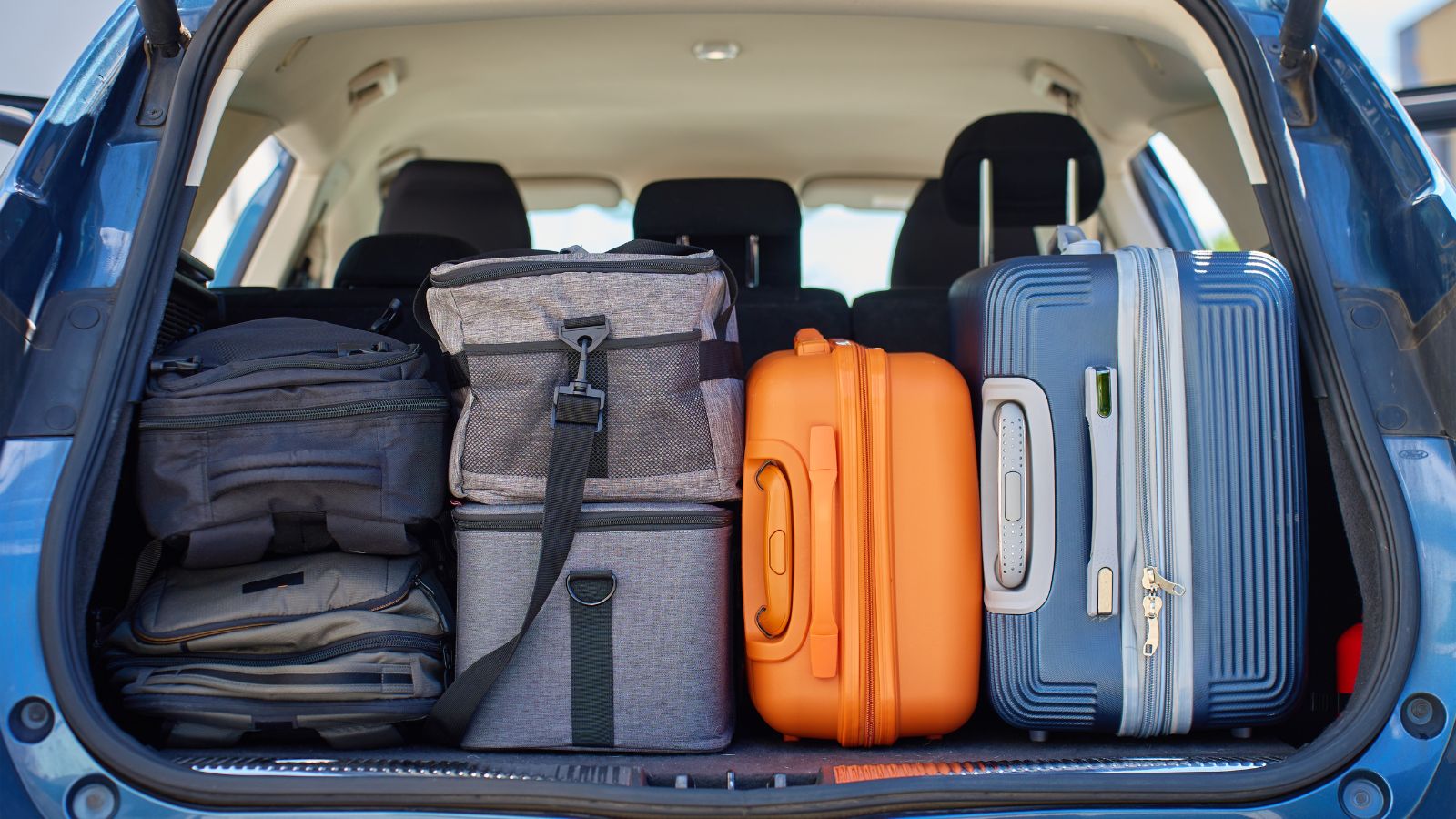
Packing is not just about fitting everything in. Extra weight can affect braking, handling, tire load, and fuel consumption, especially when the vehicle carries passengers, coolers, camping gear, bikes, and roof-mounted cargo. The owner’s manual and door placard can help identify payload limits, and tire pressure should be set according to the manufacturer’s guidance for loaded travel.
Loose items inside the cabin should be secured because sudden braking or a crash can send objects forward. Water bottles, laptops, tools, coolers, and sports gear are safer in the trunk, cargo area, bins, or tied down behind a barrier. Roof boxes and racks should be installed correctly and checked after the first stretch of driving, since wind and vibration can loosen poorly secured loads.
Child Seats, Seatbelts, and Passenger Setup

Every passenger should have a proper seating position before the trip begins. Seatbelts should lie flat, head restraints should be adjusted, and child seats or boosters should match the child’s height, weight, and stage. Transport Canada advises checking child seat labels and instructions, including expiry information, because most child restraints sold in Canada have a useful life date.
Long trips also create practical safety challenges. A child seat that is technically installed but loose, twisted, expired, or used with the wrong belt path may not protect as intended. Snacks, tablets, pillows, and toys should not interfere with harnesses or seatbelts. The safest setup is the one that remains correct after the first rest stop, not just the one that looked organized in the driveway.
Fatigue Plan and Driving Schedule

The final check is the driver. Long Canadian distances can tempt people into unrealistic schedules, especially when hotel reservations, ferry times, or family events are involved. Fatigue reduces alertness and reaction time, and drivers may not recognize brief lapses or microsleeps as they happen. A safe plan includes realistic daily distances, rest stops, shared driving where possible, and overnight stays when needed.
Anecdotally, many difficult road trips begin with the same sentence: “It’s only a few more hours.” That thinking becomes risky after a full workday, a poor night’s sleep, or hours of monotonous highway. Coffee can help temporarily, but it does not replace sleep. The best long-trip plan treats rest as part of the route, not as something to consider only after the driver is already exhausted.
22 Things Canadians Do to Their Cars in Spring That Mechanics Hate

Spring brings relief to many Canadian drivers after months of snow, freezing temperatures, and icy roads that put serious strain on vehicles. As temperatures rise across the country, drivers begin washing cars, switching tires, and preparing vehicles for warmer weather and upcoming road trips. However, mechanics across Canada notice the same mistakes every spring when drivers attempt to recover from winter damage. Road salt, potholes, and harsh winter driving conditions often leave vehicles with hidden problems that drivers ignore. Some spring habits even create new mechanical issues that could have been avoided with proper maintenance. Here are 22 things Canadians do to their cars in spring that mechanics hate.