
























A vehicle can look perfectly road-ready from a driveway and still fall short once a certified inspection begins. Safety checks are designed to catch the problems that may not announce themselves during a short test drive: weak brakes, loose steering, hidden rust, poor lighting, worn tires, and other defects that can turn ordinary driving into a serious risk.
These 18 inspection trouble spots cover the systems most likely to affect stopping, visibility, control, occupant protection, and fire prevention. Some are obvious, like bald tires or a cracked windshield. Others are easy to miss until a technician gets the vehicle on a lift, removes a wheel, checks a latch, or spots a leak starting to form underneath.
Worn Brake Pads or Contaminated Brake Linings
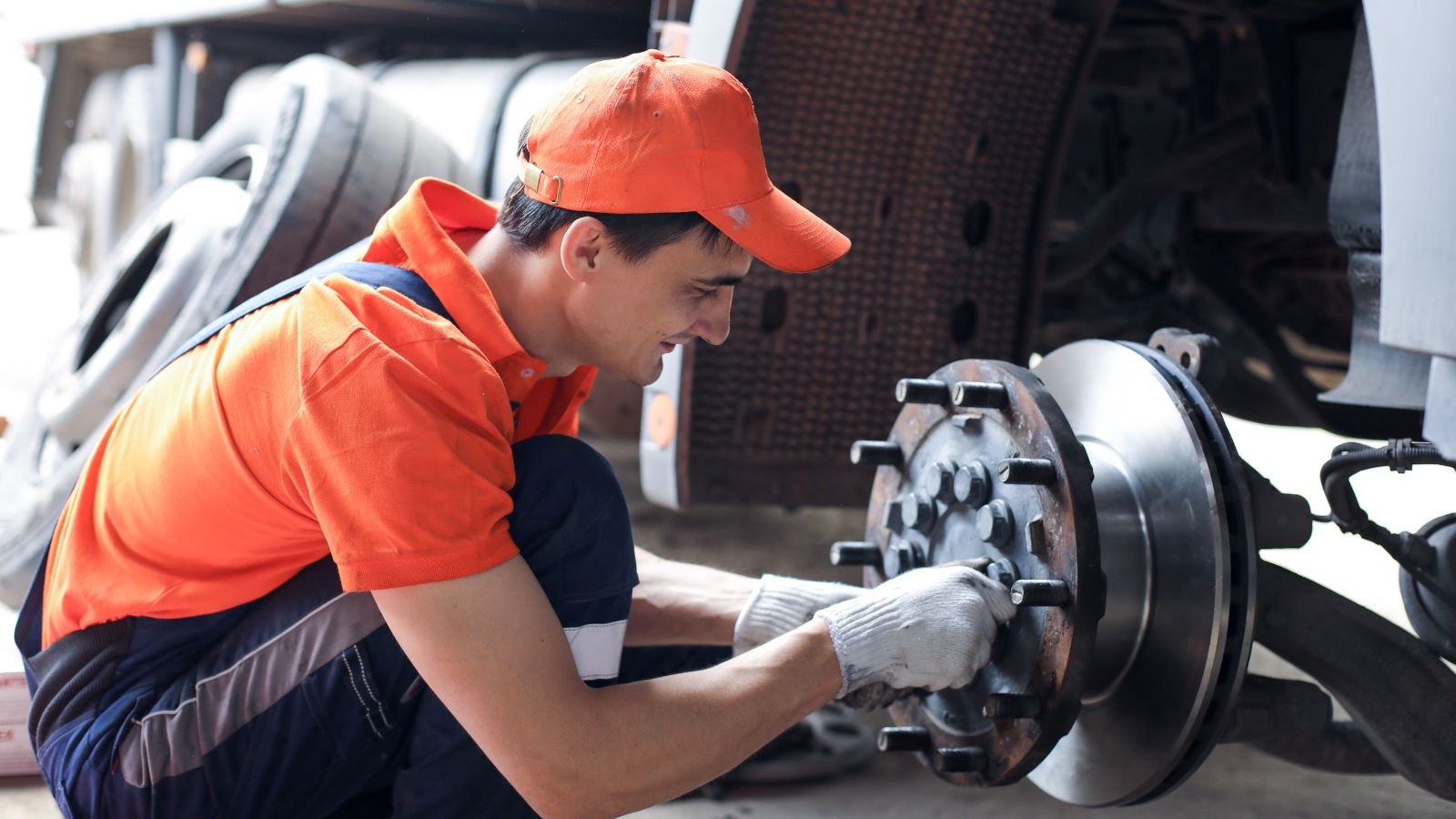
Brake wear is one of the quickest ways for a vehicle to run into inspection trouble because inspectors are not judging by feel alone. Pads, shoes, rotors, drums, and calipers are checked for thickness, cracks, scoring, loose components, and contamination. A car may still stop in normal traffic while having pads that are too thin to meet the minimum safety standard.
The problem often surprises owners because brake wear can happen gradually. A commuter sedan might make no grinding noise, yet a wheel-off inspection can reveal pads nearly down to the backing plate. Grease or brake fluid on friction surfaces can also trigger failure because even a fairly new pad cannot do its job properly once the surface is contaminated.
Brake Fluid Leaks or Weak Hydraulic Pressure
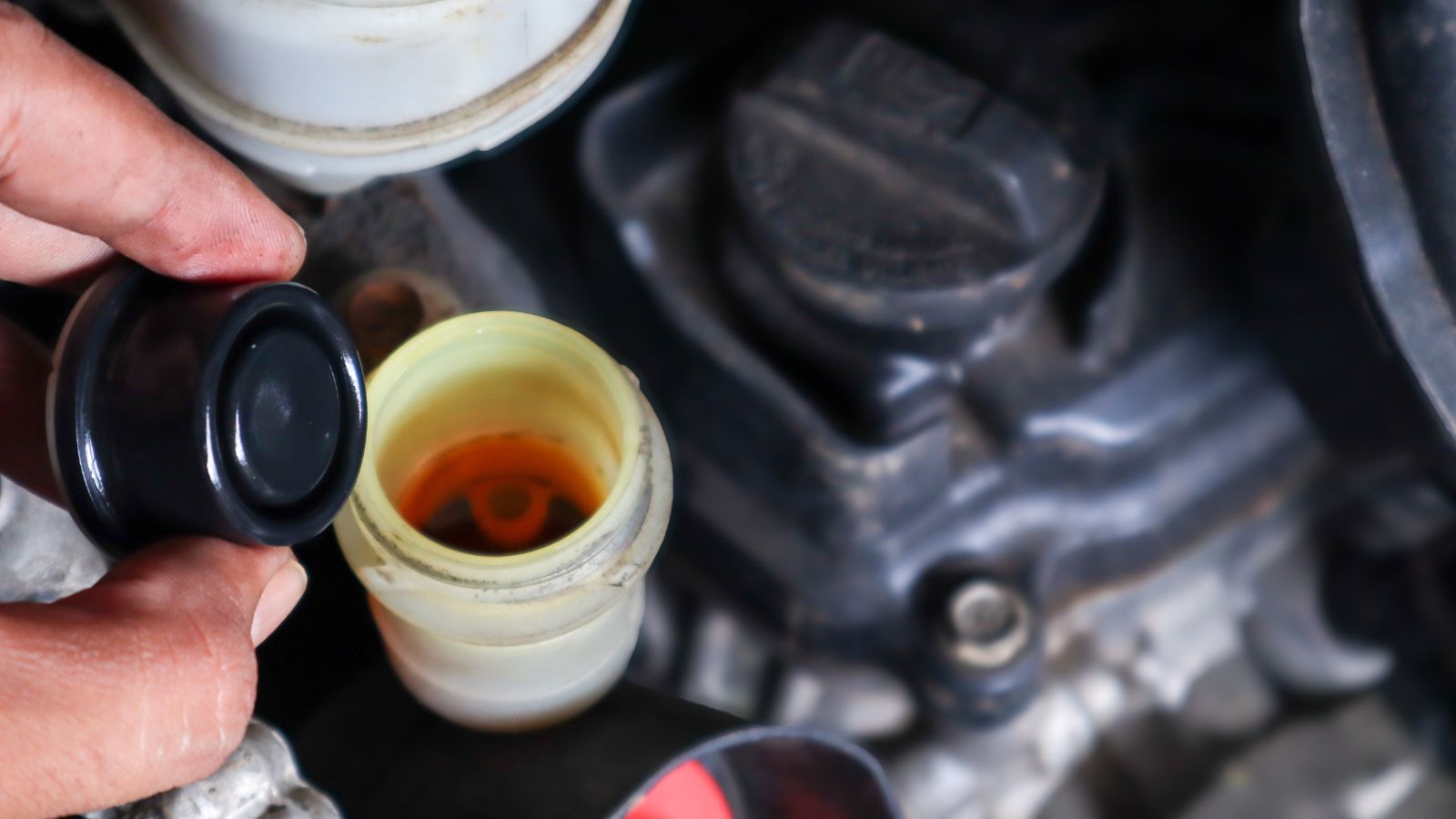
A brake pedal that slowly sinks under steady pressure is more than an annoyance. It can point to air in the system, a failing master cylinder, leaking calipers, weak hoses, or low brake fluid. Safety inspections commonly treat hydraulic leaks as serious defects because the brake system depends on sealed pressure to stop the vehicle predictably.
A small wet spot near a wheel cylinder can become the kind of issue that changes a simple inspection into an urgent repair. Brake lines are also checked for cracks, corrosion, chafing, kinks, and improper fittings. The frustrating part is that a leak may not leave a large puddle on the driveway, yet it can still be enough to fail the vehicle.
A Parking Brake That Will Not Hold
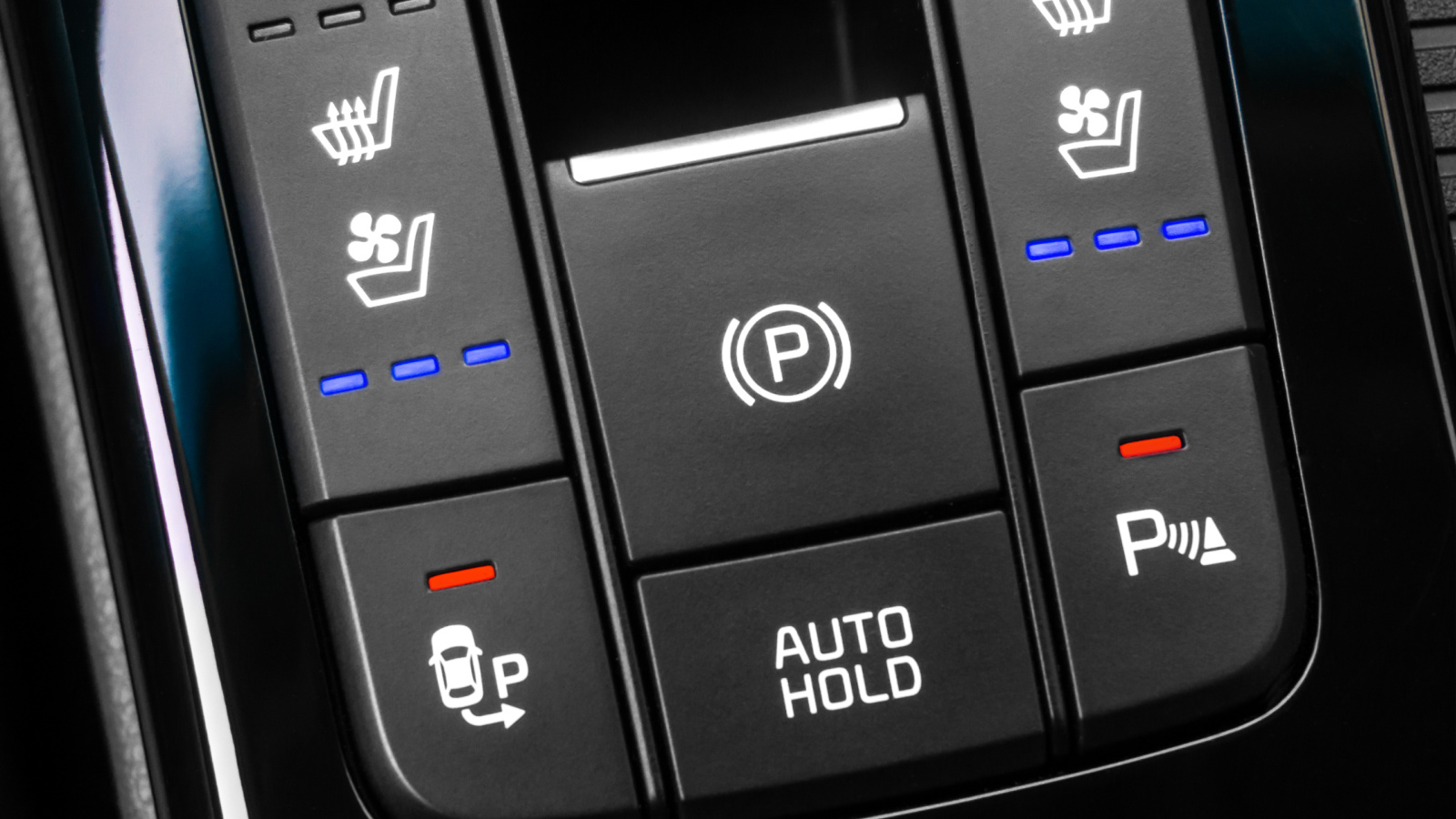
The parking brake is often ignored until a hill, a boat ramp, or an inspection exposes the problem. Inspectors may check whether the brake applies fully, releases properly, and holds the vehicle in place. Stretched cables, seized mechanisms, contaminated linings, or missing hardware can all turn a forgotten handle or pedal into a rejection item.
This matters even on automatic vehicles, where many drivers rely almost entirely on the transmission’s park position. A working parking brake reduces rollaway risk and supports the vehicle when parked on a grade. A common example is an older SUV whose rear brakes still stop the vehicle, but whose parking brake shoes have rusted, separated, or stopped engaging altogether.
Tires With Low Tread, Damage, or Mismatched Sizing
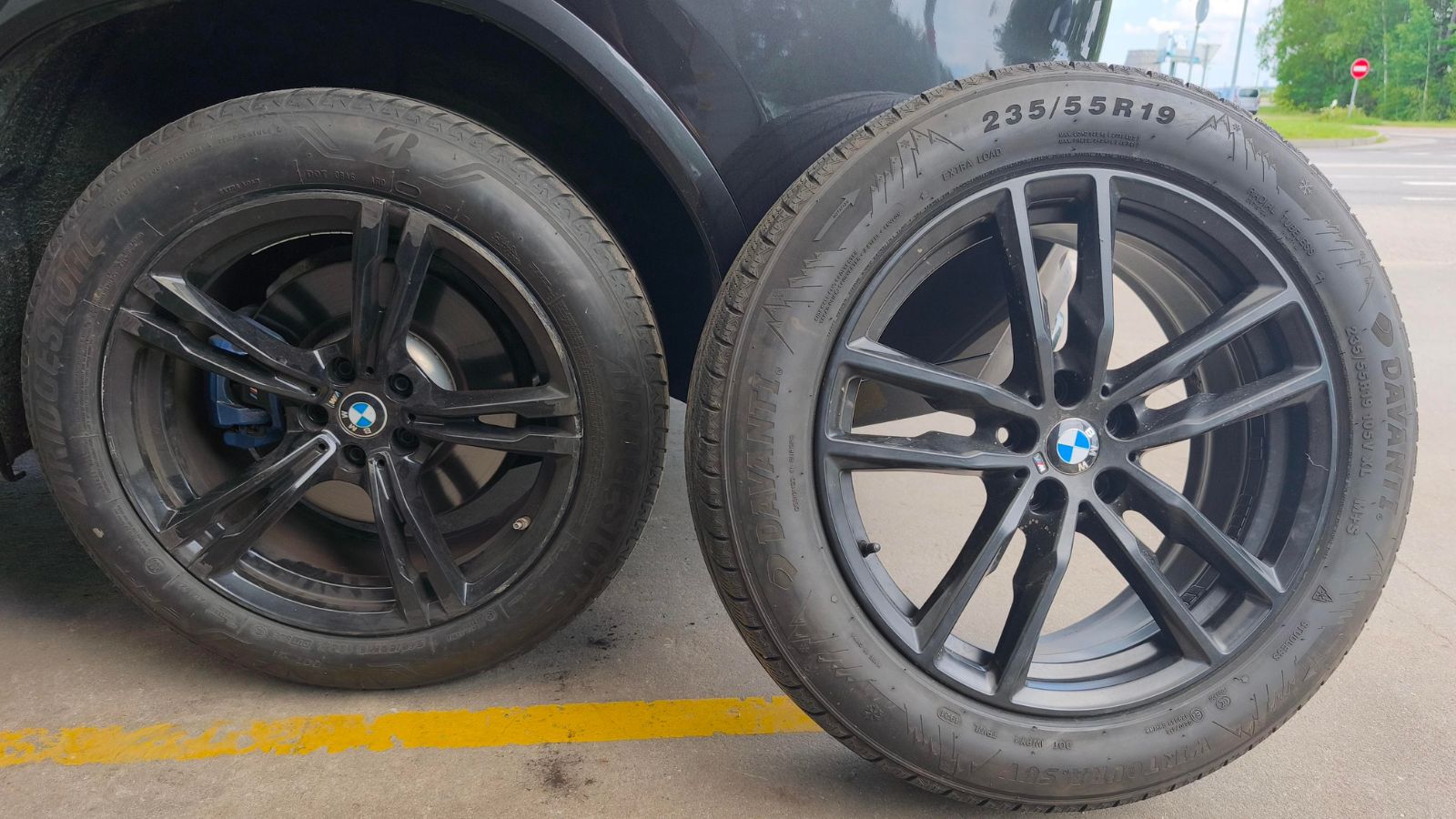
Tires are not just checked for whether they hold air. Inspectors look for tread depth, exposed cords, bulges, sidewall cuts, dry cracking, improper repairs, and mismatched sizes on the same axle. A tire can appear usable at a glance while still being too worn or damaged to pass a safety standard.
The stakes are high because tires are the vehicle’s only contact with the road. A worn tire has less ability to move water away from the contact patch, while a sidewall bulge can indicate internal damage. Some drivers only notice the problem when the technician turns the wheel outward or lifts the vehicle and exposes damage hidden on the inside edge.
Damaged Wheels, Loose Lug Nuts, or Bad Wheel Bearings

A vehicle can fail even if the tires themselves are acceptable, because the wheels and related hardware must also be safe. Inspectors may look for cracked rims, missing lug nuts, damaged studs, loose wheels, bent rims, and wheel bearing movement. Any of these can affect control, vibration, braking, or the secure mounting of the tire.
This is where winter potholes and curb strikes often leave evidence. A driver may remember “just a hard hit” months earlier, but the inspection bay can reveal a bent rim or looseness that was masked by road noise. Wheel bearings are especially important because excessive play can affect steering accuracy and tire wear long before a wheel ever feels dangerously loose.
Excessive Steering Play or Power Steering Problems

Steering defects can make a vehicle fail because inspection standards focus on whether the driver can control the vehicle accurately. Excessive free play, binding, loose steering columns, worn tie rods, leaking power steering components, missing belts, and damaged rack-and-pinion boots can all raise red flags. A vehicle that wanders at highway speed is often telling a story the inspection will confirm.
Small steering issues can feel normal when they develop slowly. A driver may compensate without realizing the wheel now needs constant correction. During inspection, the front end may be lifted and checked for looseness, movement, or worn linkage. That little clunk during parking-lot turns can become evidence of a part that no longer meets safe operating standards.
Worn Suspension Parts or Broken Springs
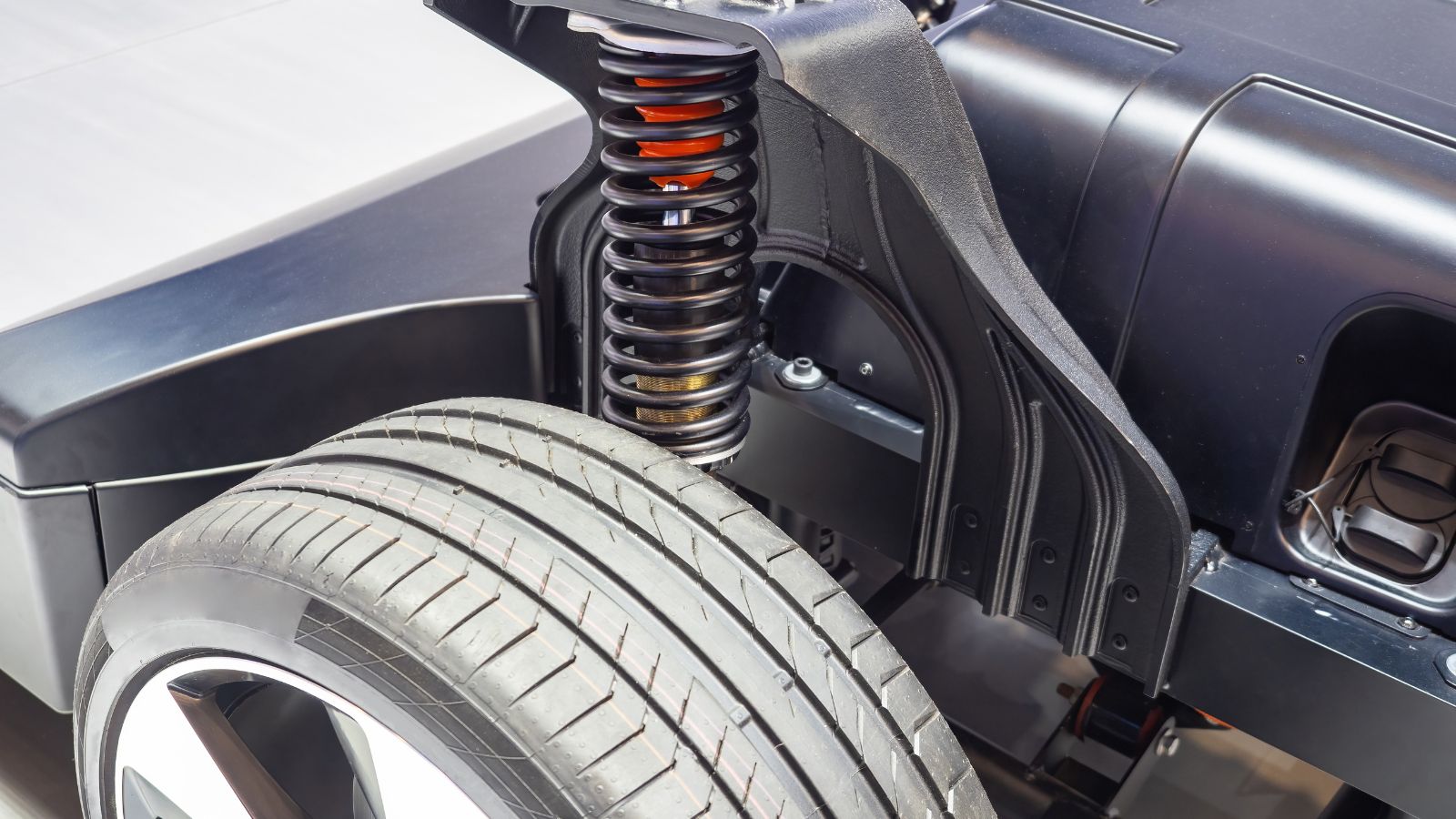
Suspension problems are not only about ride comfort. Inspectors may reject broken springs, sagging air suspension, leaking or nonfunctioning shocks, loose control arms, worn bushings, damaged stabilizer links, and cracked or bent suspension parts. The system has to keep the tires planted and the vehicle stable during braking, turning, and emergency maneuvers.
A familiar example is the used crossover that feels “a bit floaty” over bumps but still seems drivable. On a lift, the technician may find a broken coil spring tucked inside the strut assembly or bushings so worn that a control arm can shift by hand. These defects can affect alignment, tire wear, braking stability, and steering response.
Cracked Glass, Windshield Damage, or Illegal Tint
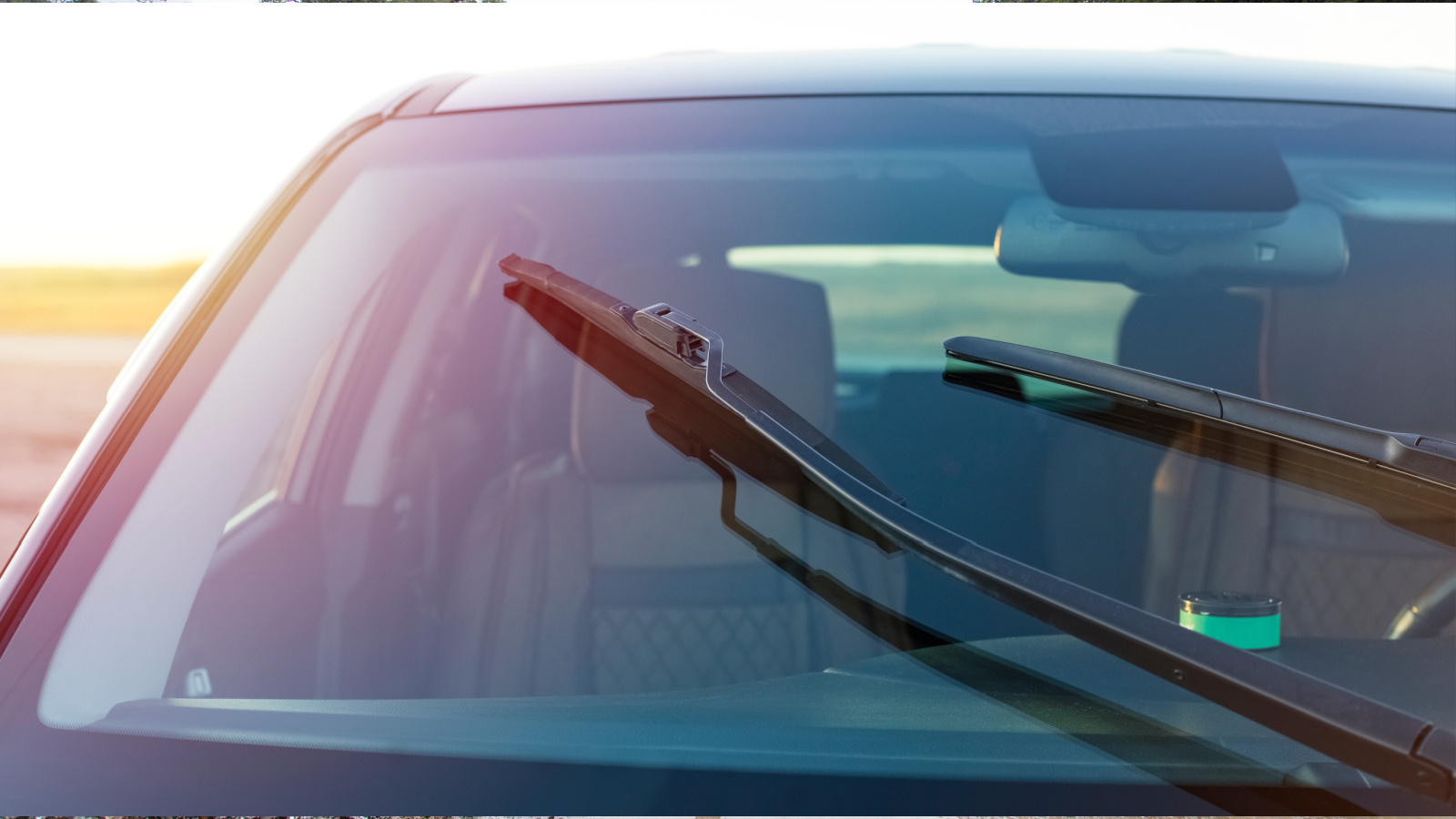
Windshield and glass defects can cause failure when they interfere with visibility, safety glazing requirements, or the wiper-swept area. A large crack, badly pitted windshield, damaged side glass, or tint that is too dark can all become inspection problems. The key issue is whether the driver has a clear, lawful view of the road and surroundings.
This is why a tiny stone chip should not always be ignored. Temperature changes, rough roads, and defroster heat can turn a small chip into a crack that spreads across the driver’s line of sight. Tint can create a different problem: it may look stylish, but if it reduces visibility beyond legal limits, the vehicle may not pass.
Wipers or Defrosters That Do Not Clear the Windshield
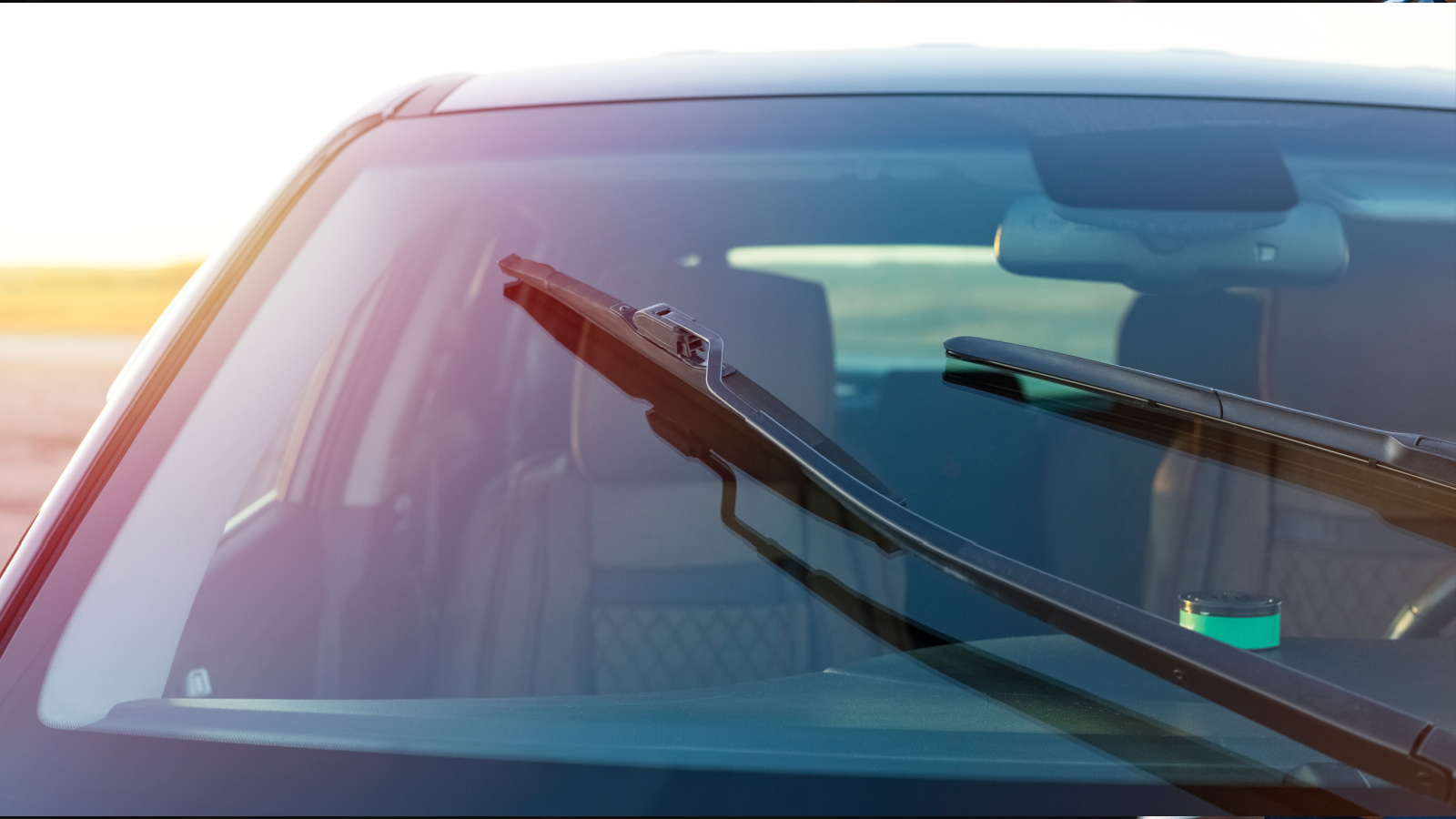
Wipers are easy to overlook until rain, slush, or freezing mist turns the windshield into a blur. During inspection, worn blades, torn rubber, loose arms, failed motors, broken switches, and wipers that do not clear the required area can cause trouble. A front defroster that cannot move warm air onto the windshield may also be an issue.
The safety reason is simple: visibility can disappear in seconds. A vehicle may have excellent brakes and tires, but if the driver cannot see, the rest matters less. A common inspection surprise is a car with new wiper blades but a weak washer pump, clogged nozzles, or a defroster fan that turns on without actually sending air to the glass.
Burned-Out, Misaligned, or Hazy Headlights
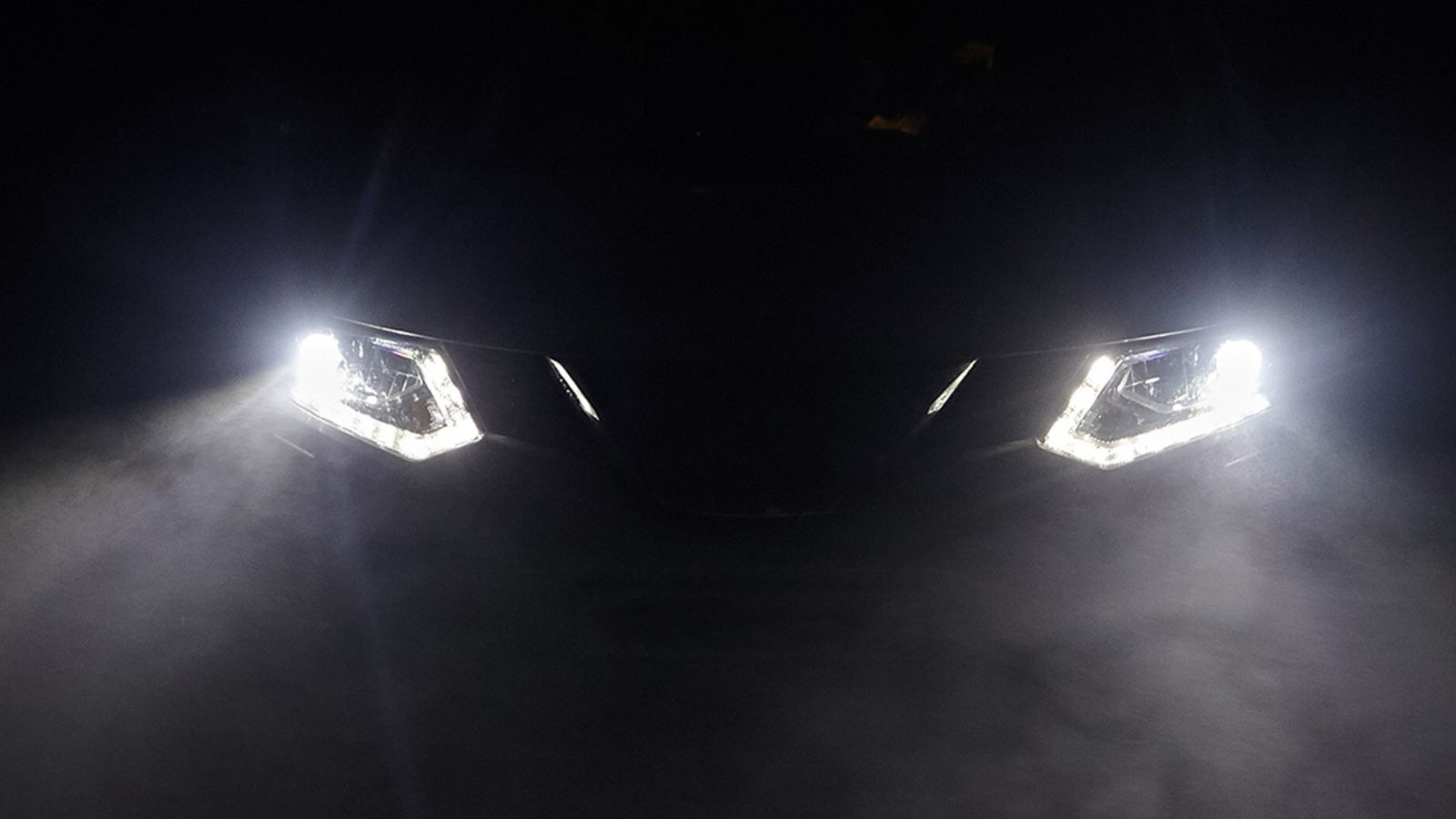
Headlights are checked because they determine both how well the driver sees and how well others see the vehicle. A burned-out low beam, weak high beam, broken lens, illegal bulb, poor aim, or badly clouded housing can all create inspection problems. Modern headlight assemblies can also fail because of moisture inside the lens or damaged wiring.
There is a real safety connection behind the rule. Better headlight visibility has been linked with fewer nighttime crashes in insurance safety research. A headlight does not need to be completely dead to be a problem, either. A poorly aimed lamp can leave the road underlit while glaring into oncoming traffic, which makes the vehicle less safe for everyone nearby.
Brake Lights, Turn Signals, or Hazard Lights That Do Not Work
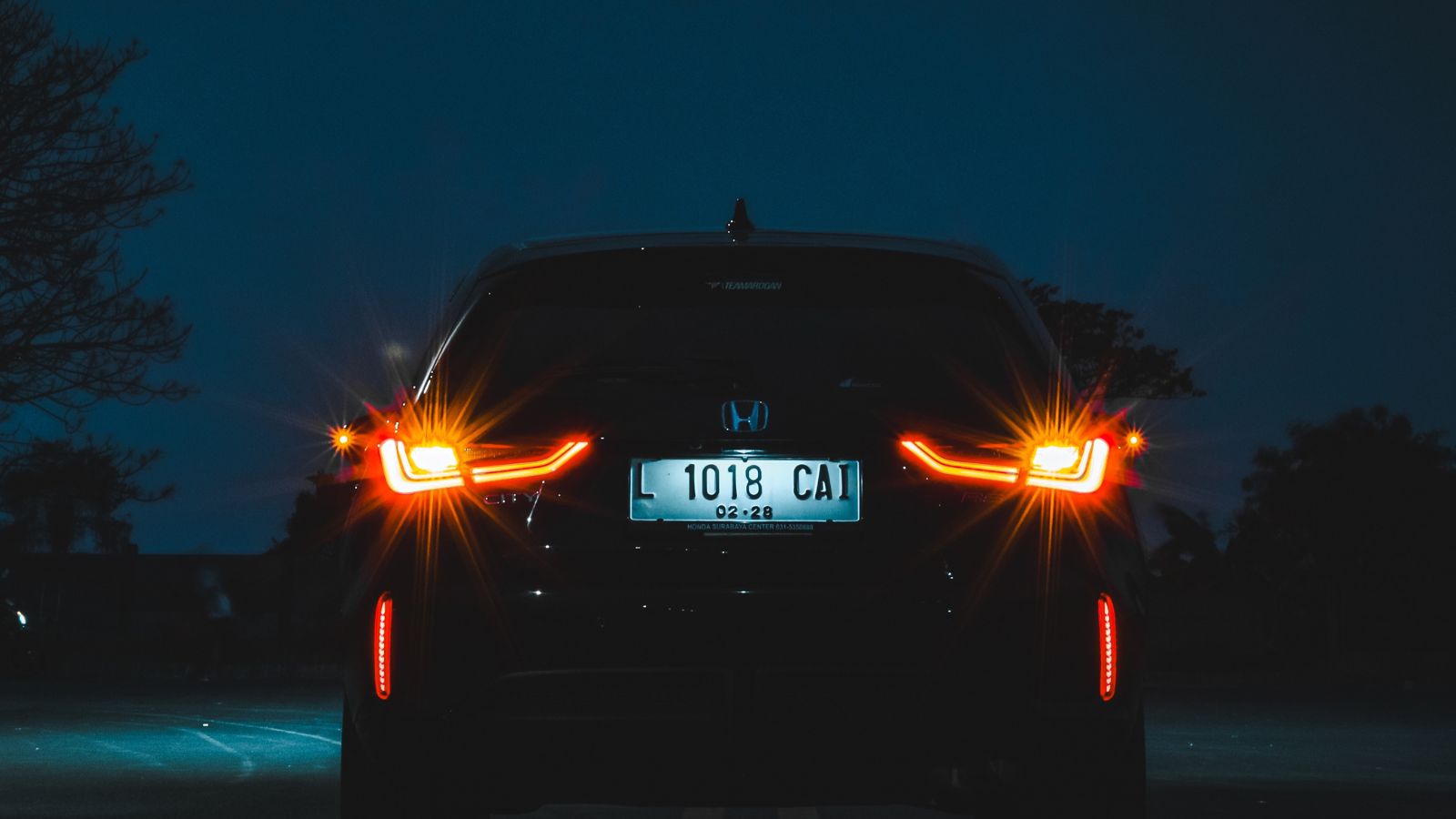
Exterior lights are the vehicle’s communication system. Brake lights warn traffic behind, turn signals show intent, hazard lights identify trouble, and tail lamps make the vehicle visible after dark. If a bulb, fuse, socket, switch, ground, or wiring harness fails, the inspection can fail along with it.
These issues often look minor because the vehicle still starts, steers, and stops. Yet a single faulty rear bulb can disable more than one function on some vehicles, and a corroded socket can make a light work only when it feels like it. A quick walkaround before inspection can catch many of these problems, especially when someone presses the brake pedal and checks from behind.
Missing, Loose, or Damaged Mirrors

Mirrors may seem simple, but they are part of the driver’s required field of view. A missing side mirror, cracked reflective surface, loose mounting, damaged housing, or mirror that cannot be adjusted properly can lead to rejection. Even if the glass is still present, a badly distorted or shaking mirror may not provide a reliable view.
This often comes up after a parking-lot scrape or winter ice damage. The mirror may be taped in place well enough for a short drive, but not well enough for certification. Modern vehicles complicate the issue because mirrors may contain turn signals, heating elements, blind-spot indicators, cameras, or folding motors that can affect more than appearance.
Damaged, Missing, or Inoperative Seat Belts

Seat belts are among the most important items in any inspection because they protect occupants after every other prevention measure has failed. Inspectors may check whether belts are present, anchored securely, free of cuts or fraying, able to latch and release, and capable of retracting or locking as intended. A damaged buckle can be enough to stop a pass.
The human reason is hard to ignore: seat belts dramatically reduce the risk of serious injury and death in crashes. A used vehicle with a dog-chewed rear belt, a jammed retractor, or a buckle full of debris may look tidy overall but still fail. Seat belt repairs should be done carefully because improvised fixes can reduce the system’s effectiveness.
Airbag or Supplemental Restraint System Problems
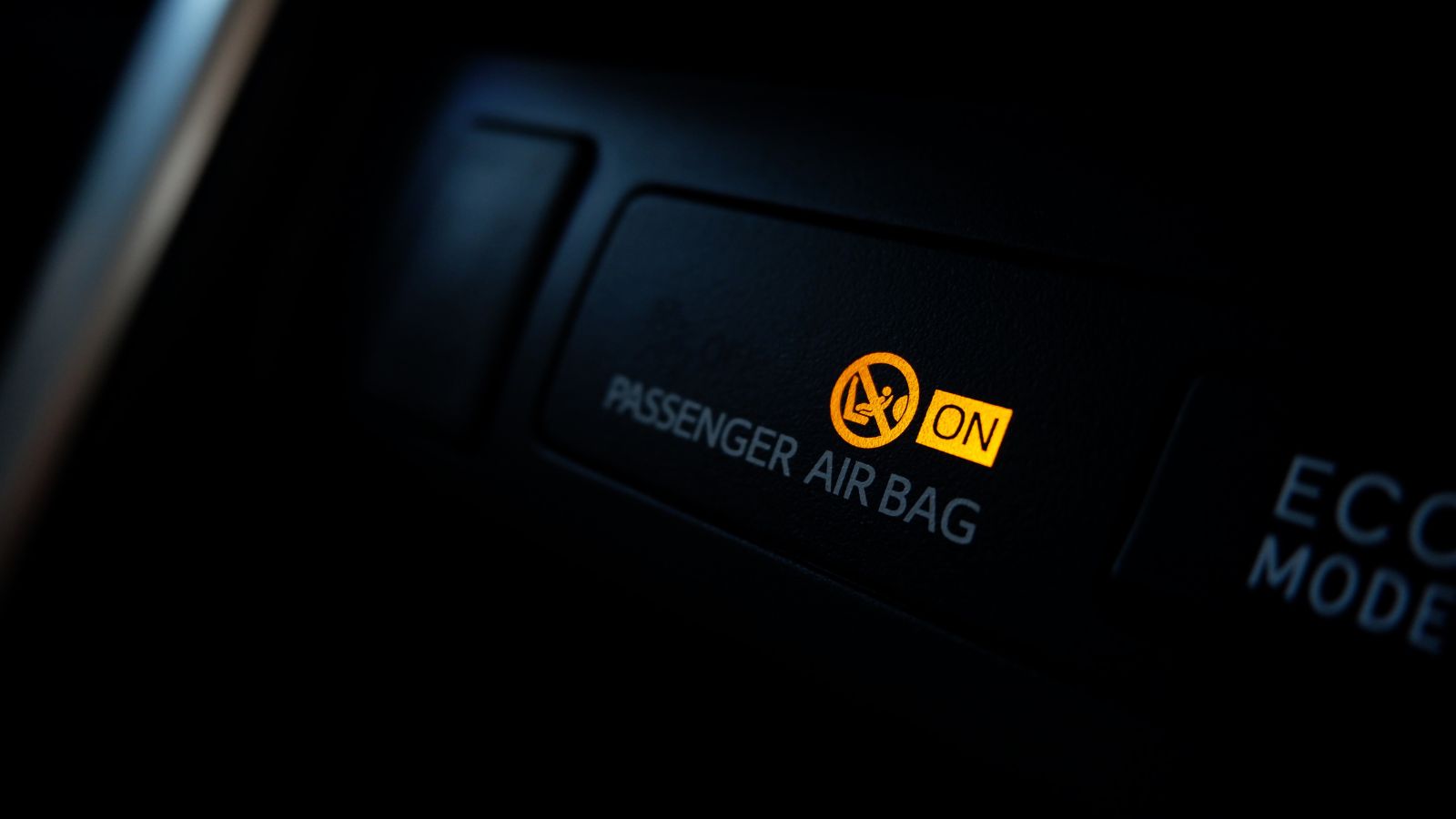
Airbag and supplemental restraint system issues can cause inspection problems in places where the local standard includes them. A deployed airbag that was never replaced, missing airbag components, damaged covers, suspicious repairs, or an active SRS warning light may indicate the system is not ready to protect occupants in a crash.
This is especially relevant after collision repairs. A vehicle can have straight body panels and a clean-looking interior while hiding a disabled airbag circuit or replaced cover. Counterfeit or improperly installed airbags are also a serious concern because they may fail to deploy or behave dangerously during deployment. Inspection treatment varies by jurisdiction, so the exact rule depends on the local program.
Structural Rust, Frame Damage, or Unsafe Floor Pans
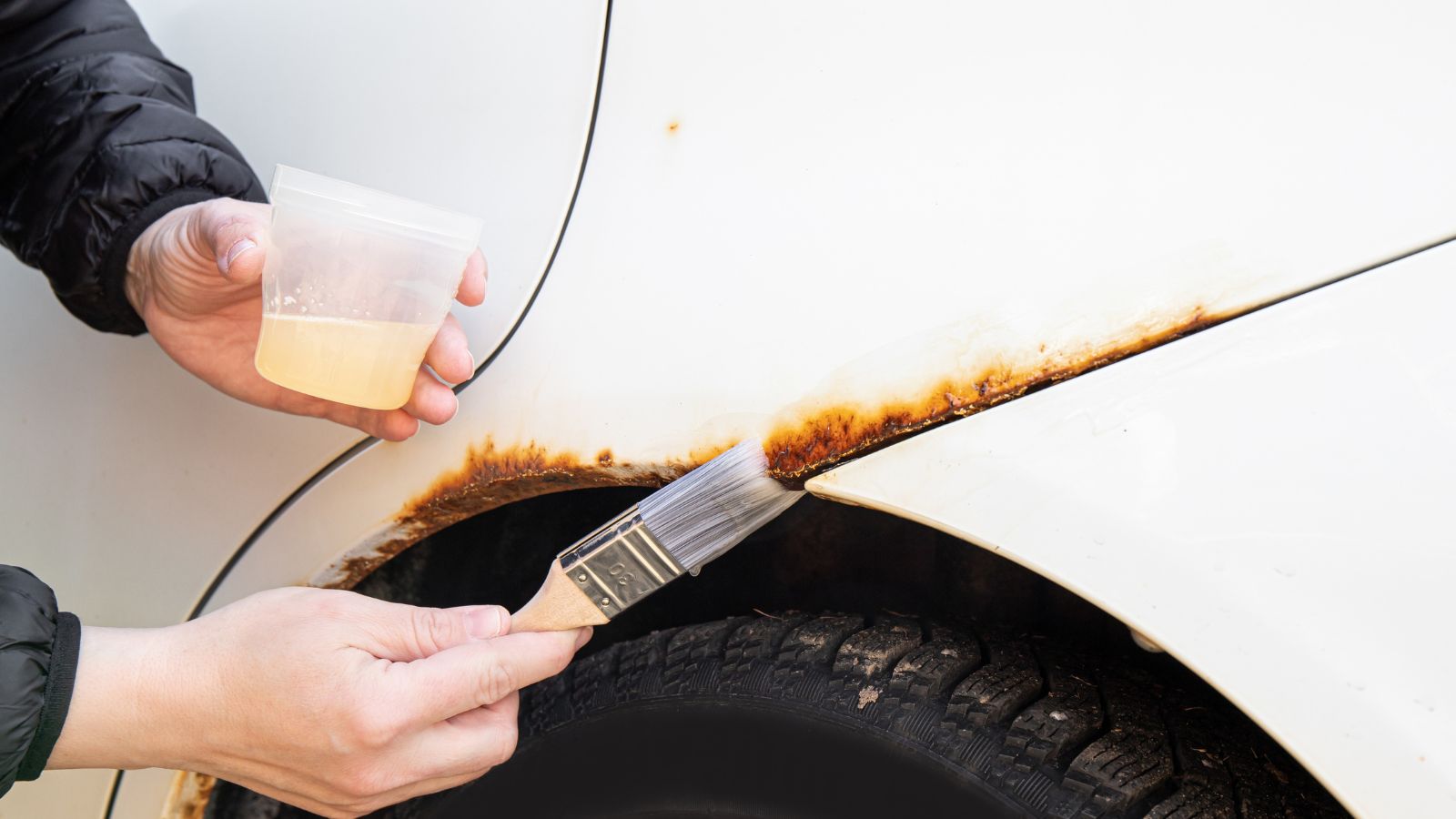
Rust becomes an inspection issue when it moves beyond cosmetic surface corrosion and affects structural strength, mounting points, or occupant safety. Inspectors may look for rusted-through floor pans, damaged frames, weak rocker areas, cracked engine mounts, loose body mounts, or structural repairs that are poorly done. The concern is whether the vehicle can safely carry loads and protect occupants.
This is common in regions with road salt. A truck can look respectable from ten feet away while its frame rails, brake line supports, or suspension mounting areas tell a different story underneath. A hole in the floor is not just unpleasant; it can expose occupants to exhaust fumes, road debris, and reduced crash protection if the structure has weakened.
Exhaust Leaks, Missing Mufflers, or Tampered Emissions Equipment
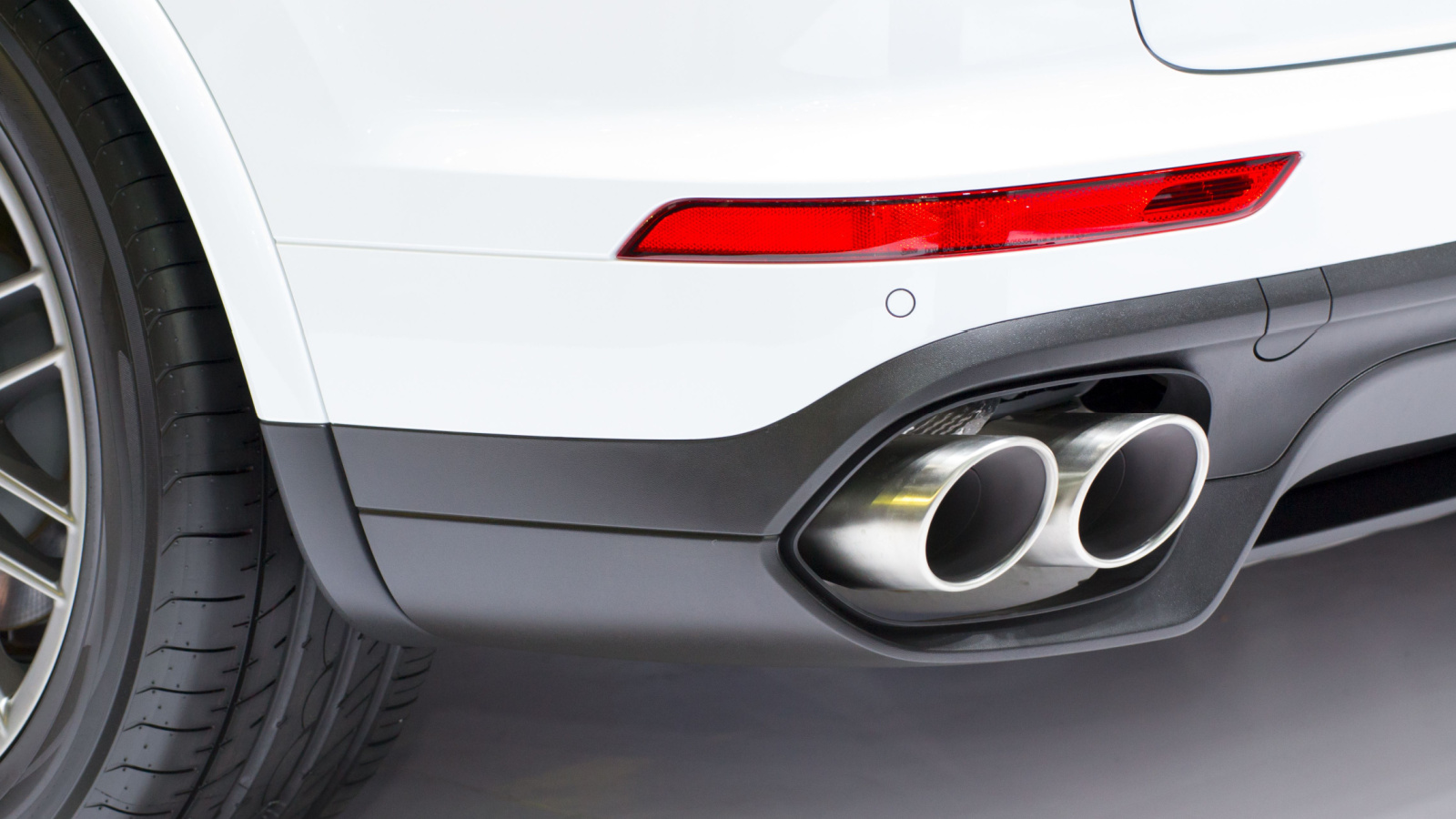
Exhaust defects can fail a safety inspection when pipes, mufflers, hangers, catalytic converters, or related components are leaking, missing, loose, or improperly modified. A loud exhaust is not the only concern. Leaks can send fumes toward the cabin, and unsupported exhaust parts can drop, drag, or contact heat-sensitive components.
Carbon monoxide risk gives this section added weight. The gas is colorless and odorless, which means a driver may not detect it until symptoms appear. A small leak under the floor or near a damaged seal can be more serious than the sound suggests. Modified exhaust systems can also create inspection problems when required emissions equipment has been removed or bypassed.
Fuel Leaks or Unsafe Fuel System Parts
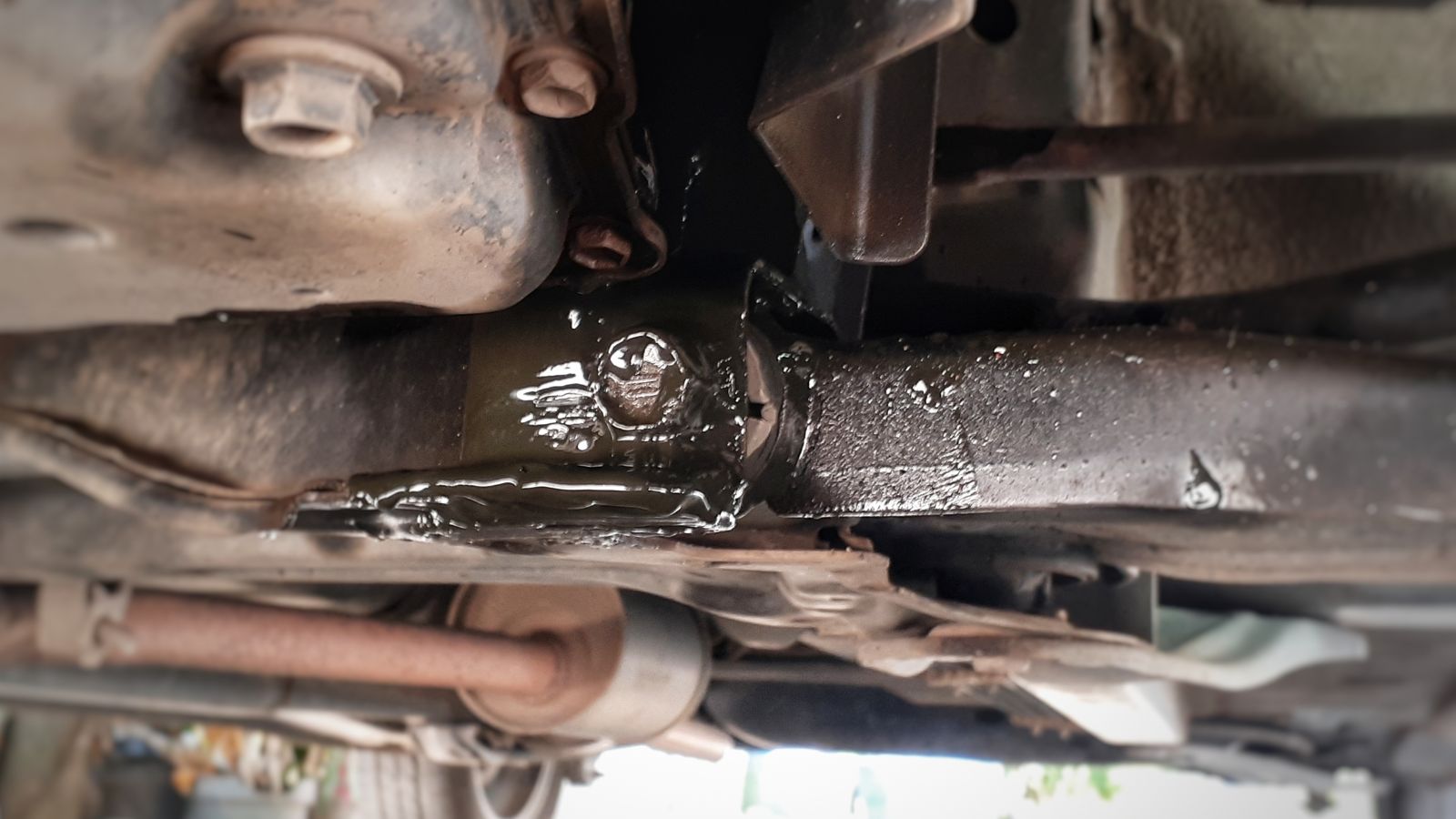
Fuel system defects are treated seriously because they combine fire risk, environmental risk, and road safety risk. Inspectors may reject visible fuel leakage, loose tanks, missing filler caps, cracked hoses, unprotected crossover lines, fuel lines rubbing against other parts, or any fuel component touching the exhaust system. Even a faint fuel smell can deserve closer attention.
The warning signs are sometimes subtle. A damp fuel line, staining near the tank, or a smell after refueling may appear before any obvious drip reaches the ground. Vehicle fire research shows why inspectors do not take chances with fuel and electrical hazards. A small leak near a hot exhaust component can become far more dangerous than an ordinary maintenance nuisance.
Faulty Door Latches, Hood Latches, or Battery Mounting
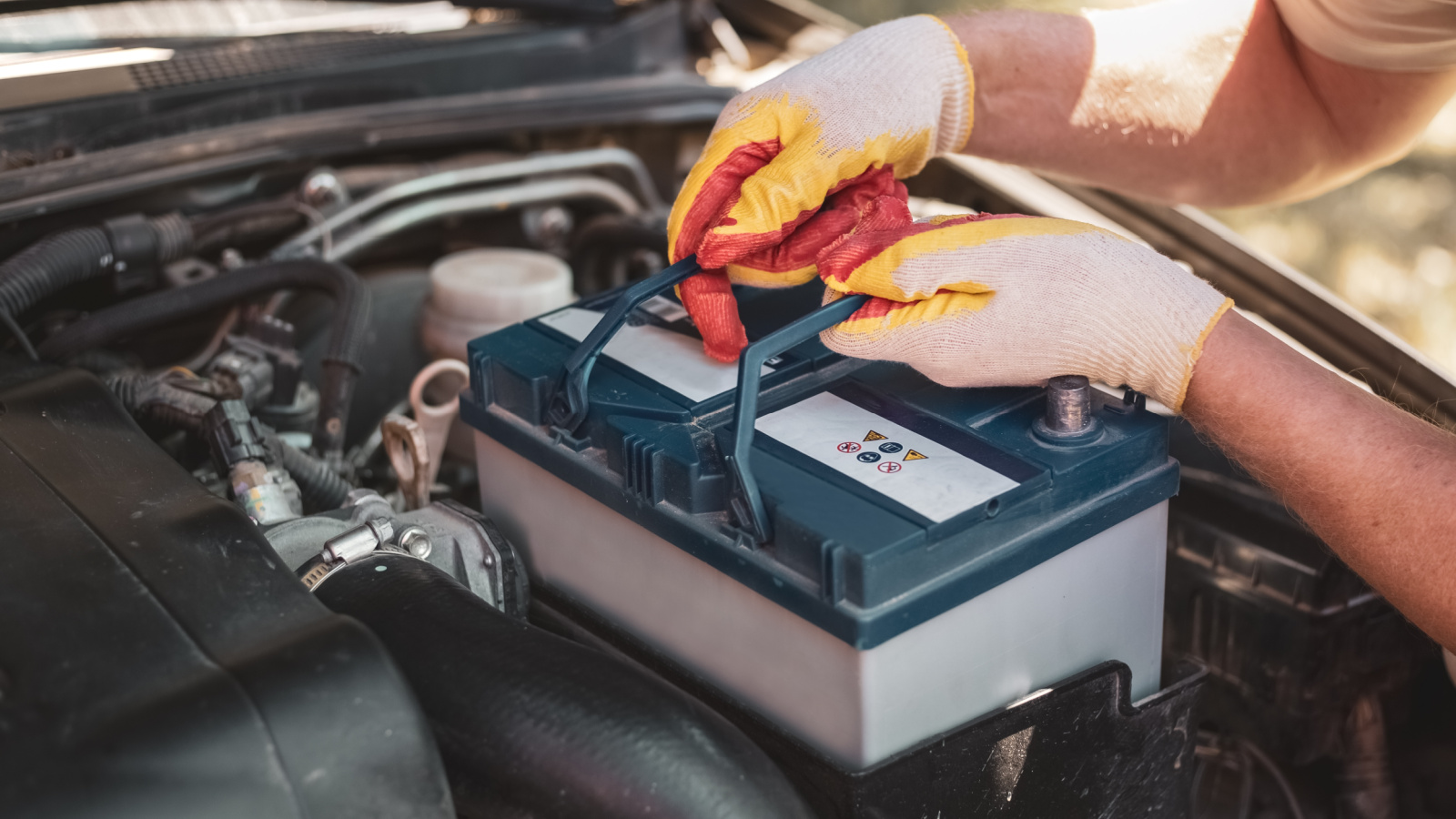
Some inspection failures come from parts that rarely get attention during routine driving. Door latches must hold properly, hood latches must secure the hood in the closed position, and batteries must be mounted so they cannot slide, tip, or short against metal. These details may sound minor until one fails at speed.
A hood that pops up on the highway can block the windshield instantly. A door that does not latch securely can endanger occupants during a crash. An unsecured battery can damage cables, leak acid, or create an electrical short after a hard stop. These are the kinds of plain, mechanical checks that remind drivers safety inspections are not only about engines, tires, and brakes.
22 Things Canadians Do to Their Cars in Spring That Mechanics Hate
Spring brings relief to many Canadian drivers after months of snow, freezing temperatures, and icy roads that put serious strain on vehicles. As temperatures rise across the country, drivers begin washing cars, switching tires, and preparing vehicles for warmer weather and upcoming road trips. However, mechanics across Canada notice the same mistakes every spring when drivers attempt to recover from winter damage. Road salt, potholes, and harsh winter driving conditions often leave vehicles with hidden problems that drivers ignore. Some spring habits even create new mechanical issues that could have been avoided with proper maintenance. Here are 22 things Canadians do to their cars in spring that mechanics hate.