


























A strange odor inside or around a vehicle can feel minor at first, but it often arrives before a warning light, breakdown, or costly repair. Smell is one of the earliest signals drivers get when heat, leaking fluids, worn parts, or trapped moisture are starting to cause trouble. These 18 car problems show how different odors can point to very different issues, from a simple cabin filter problem to a fuel leak or exhaust hazard. Some smells fade after a short drive, while others demand immediate attention because they may involve fire risk, toxic fumes, brake failure, or engine damage.
Gasoline Odor From a Fuel Leak
A raw gasoline smell is one of the clearest warning signs a driver should never dismiss. It may come from a cracked fuel line, leaking injector, faulty fuel tank seal, damaged filler neck, or fuel vapor system problem. The odor may be strongest after filling up, during cold starts, or when the vehicle is parked in a garage. In some cases, the smell travels into the cabin through vents, making it seem like the problem is inside even when the source is under the hood or near the rear of the vehicle.
Fuel leaks are dangerous because gasoline vapor can ignite near hot engine parts, exhaust components, or electrical sparks. Real-world recalls have involved cracked injectors and spilled fuel reaching hot areas, showing that this is not just a theoretical risk. A driver who notices a strong fuel smell should avoid smoking, idling in enclosed spaces, or continuing a long trip. Even if no puddle is visible, fuel vapor alone can signal a problem that needs immediate inspection.
Exhaust Fumes Entering the Cabin
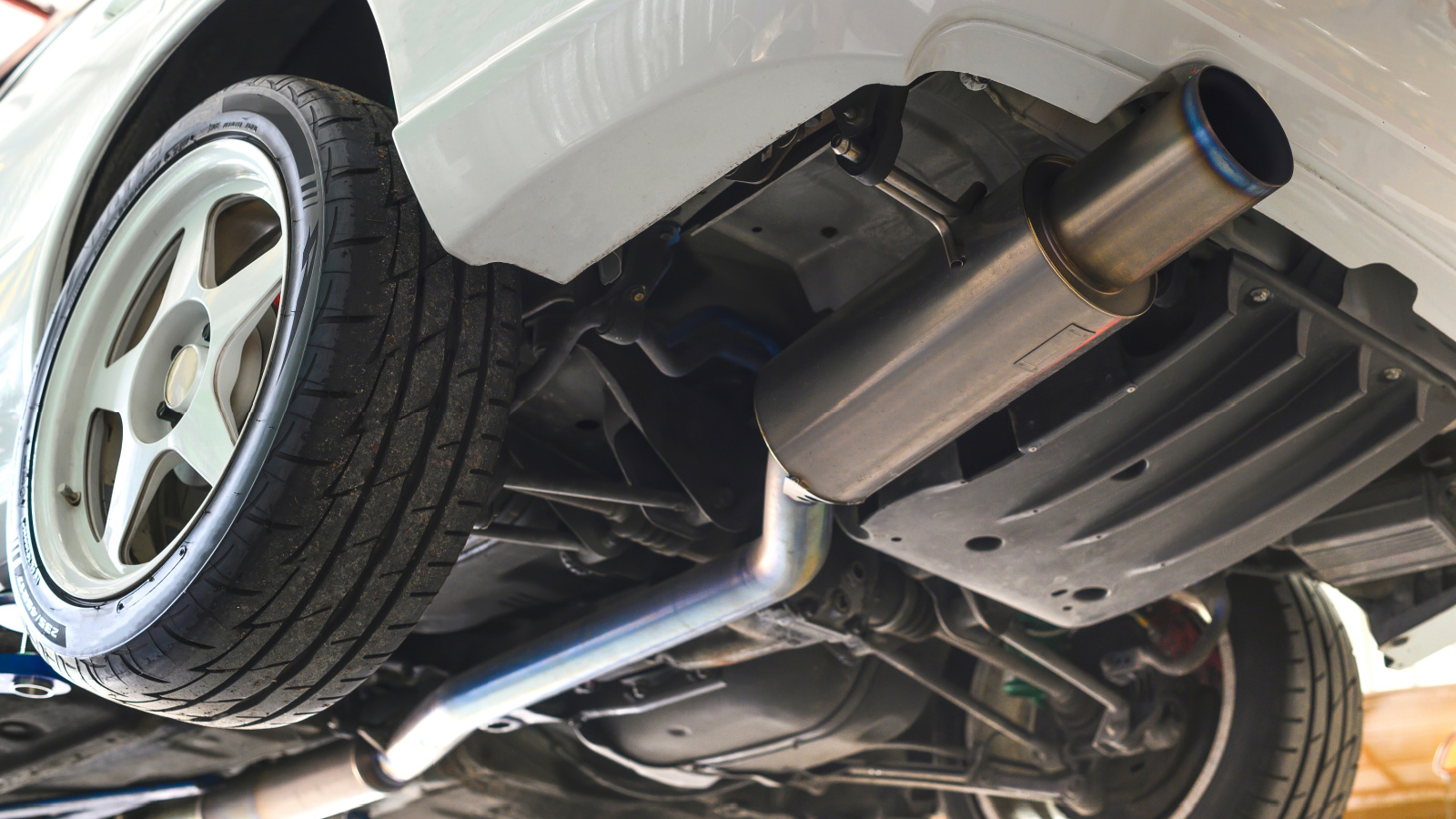
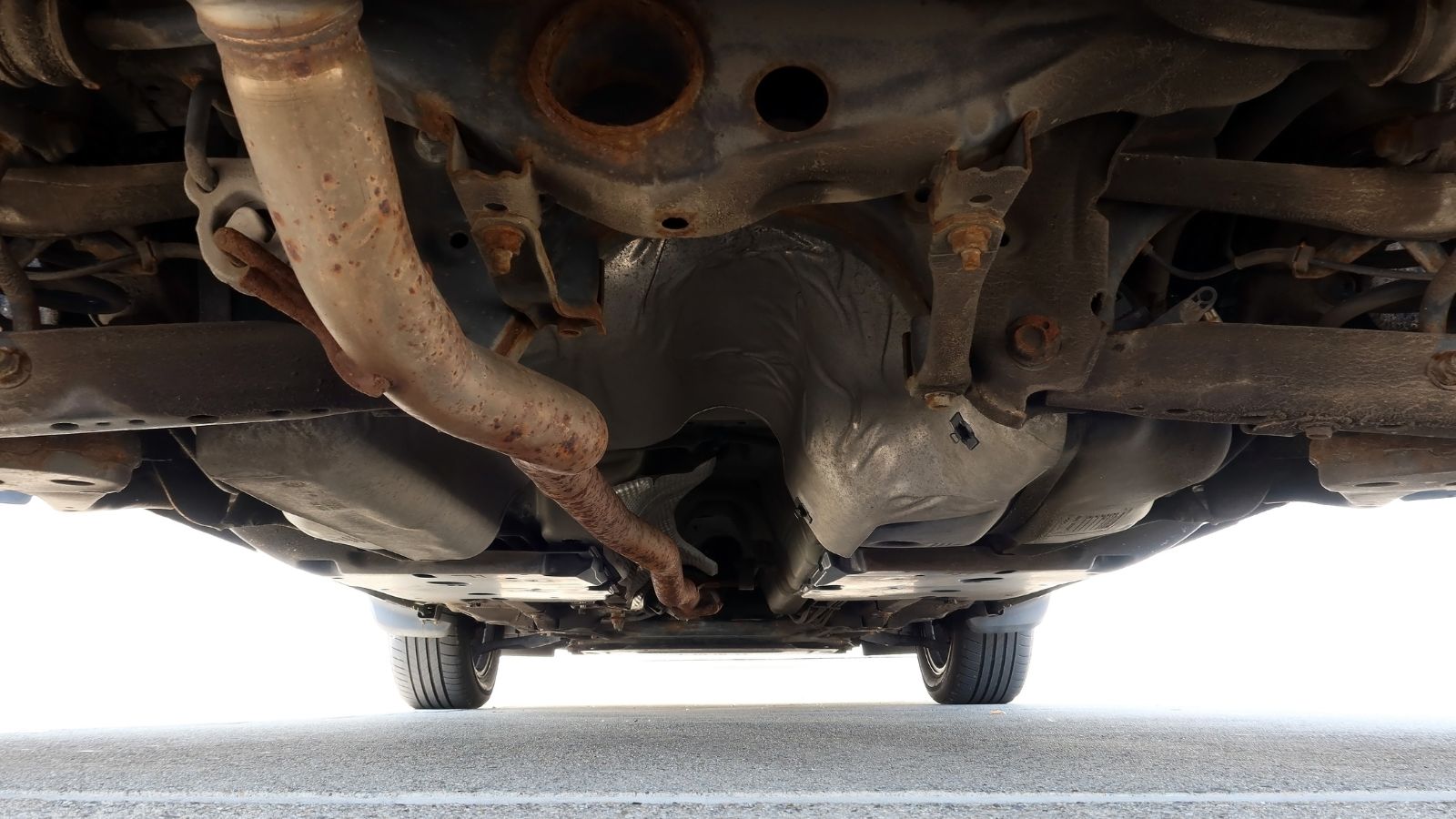
An exhaust smell inside the cabin can be especially dangerous because the most harmful part of exhaust, carbon monoxide, has no smell at all. Drivers may notice a smoky, gassy, or burnt odor first, but the real hazard can be invisible. Exhaust can enter through a leaking manifold, damaged pipe, loose gasket, rusted muffler, or poor sealing around the rear of the vehicle after body repairs. The smell may grow stronger when stopped in traffic, accelerating, or driving with the liftgate or trunk area compromised.
The danger is not only discomfort. Carbon monoxide exposure can cause headache, dizziness, confusion, nausea, weakness, and loss of consciousness. A family heading out on a winter drive might mistake early symptoms for fatigue or motion sickness, especially if the odor is faint. Any exhaust smell inside the vehicle deserves quick attention, particularly after an accident, underbody scrape, or exhaust repair. Windows down may reduce exposure temporarily, but it does not fix the leak.
Sweet Syrup Smell From a Coolant Leak
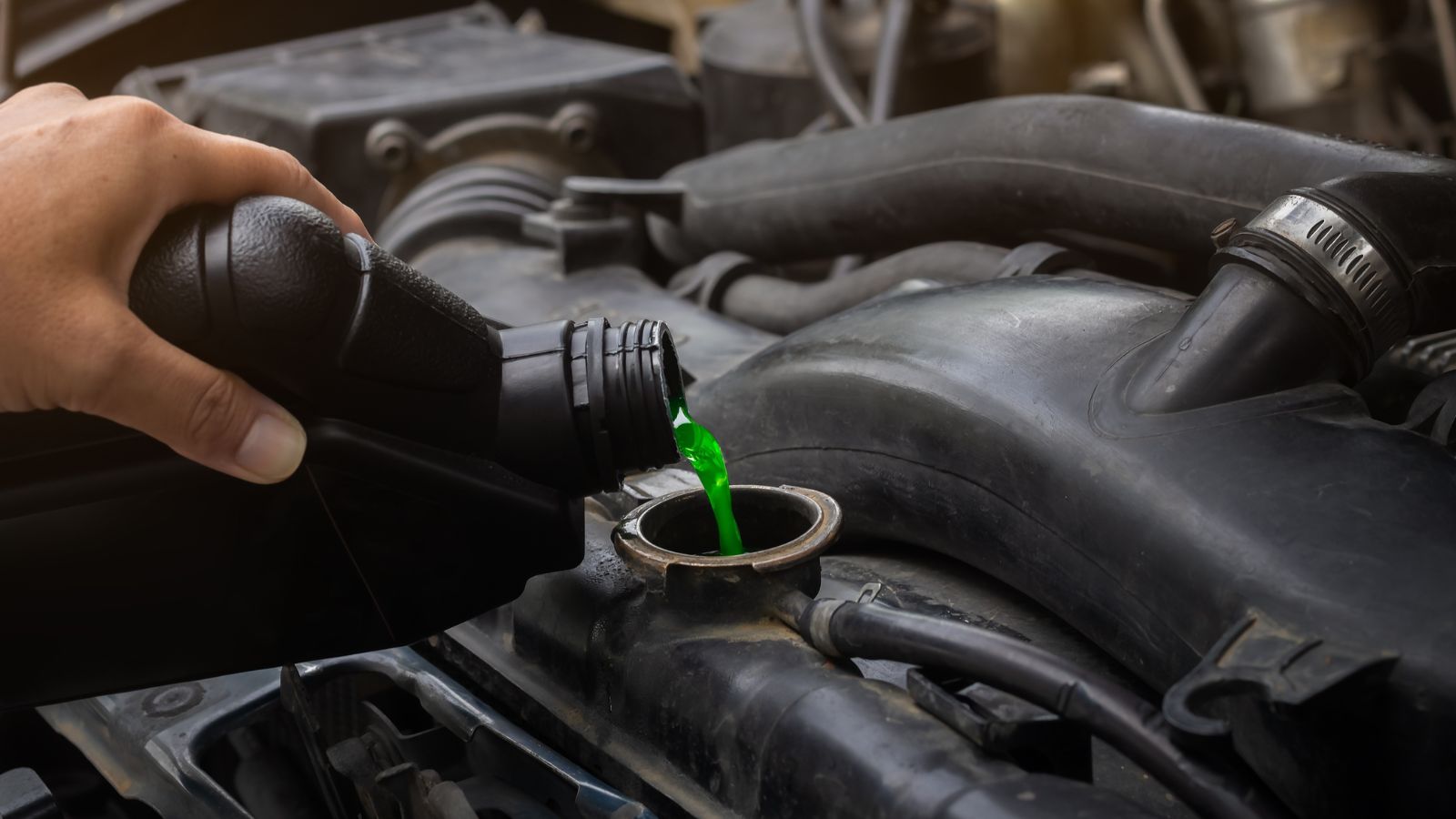
A sweet, syrupy smell often points to engine coolant escaping somewhere in the cooling system. The leak may come from a radiator, water pump, hose, reservoir, thermostat housing, or gasket. Coolant can drip onto hot engine parts and create a warm, sugary odor that seems almost harmless at first. The smell may be followed by a rising temperature gauge, white steam, low coolant warning, or colored residue under the hood. Many drivers first notice it after parking because heat makes the odor more noticeable.
Coolant problems can become expensive quickly because the cooling system protects the engine from overheating. A small leak can lower coolant levels enough to cause warped components, head gasket damage, or a roadside breakdown. Antifreeze can also contain ethylene glycol, a toxic chemical with a sweet taste, making leaks risky around children and pets. The smell should be treated as more than an inconvenience, especially if the engine runs hotter than normal or the heater stops blowing warm air.
Foggy Windows From a Heater Core Leak

A sweet smell inside the cabin, especially with foggy windows or a greasy film on the windshield, can point to a leaking heater core. The heater core is a small radiator-like part inside the dashboard that uses hot coolant to warm the cabin. When it leaks, coolant vapor may enter the ventilation system. The odor can be strongest when the heater is turned on, and the windshield may fog even when the defroster is running.
This problem is easy to mistake for normal humidity, especially in cold or rainy weather. A commuter may keep wiping the glass, not realizing the film is coming from coolant vapor rather than outside moisture. Besides reducing visibility, a heater core leak can slowly drain the cooling system and lead to overheating. Repairs can be labor-intensive because the part often sits deep behind the dashboard. A persistent sweet smell from the vents is a good reason to check coolant levels and have the HVAC system inspected.
Burning Oil From a Leaking Gasket
A hot, oily smell after driving often means engine oil is leaking onto a hot surface. Common sources include valve cover gaskets, oil filter housings, drain plugs, timing covers, or worn seals. The smell may be strongest after highway driving, climbing hills, or sitting at a red light after the engine bay heats up. Sometimes there is no obvious puddle because the oil burns off as it lands on the exhaust manifold or other hot components.
This kind of odor deserves attention because oil has two jobs: lubrication and heat control. Low oil can accelerate internal engine wear, while oil dripping onto hot parts can create smoke and, in severe cases, fire risk. A driver might first notice the smell after an oil change if spilled oil was not cleaned, but a recurring odor usually points to an active leak. Checking the dipstick regularly and looking for smoke under the hood can help identify whether the problem is worsening.
Hot Chemical Smell From Overheated Brakes
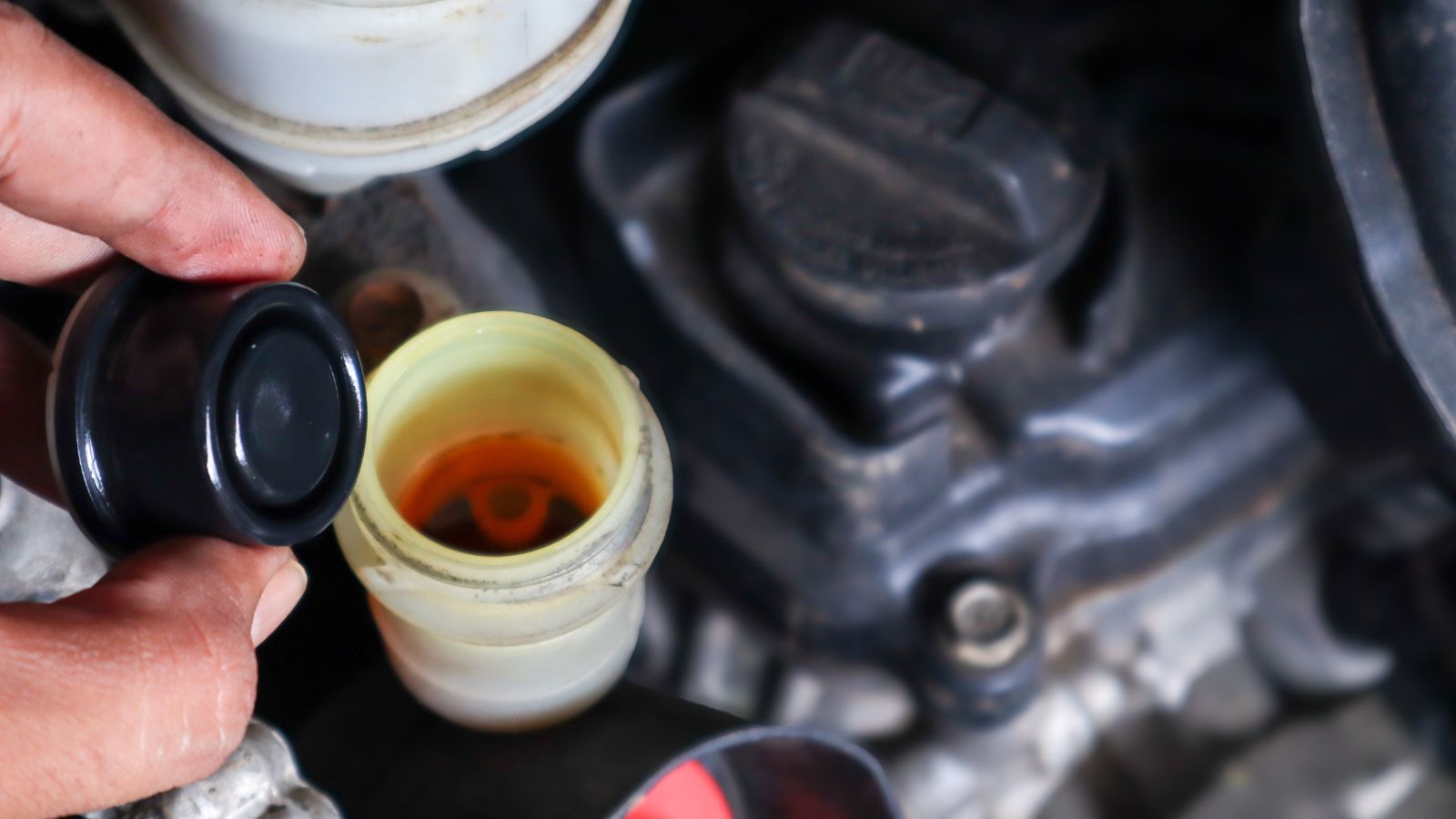
A sharp, hot chemical smell near the wheels often points to overheated brakes. This can happen after repeated hard stops, long downhill driving, towing, or driving in heavy traffic with frequent braking. Brake pads work through friction, and friction produces heat. When the brakes get too hot, the odor may resemble burnt carpet, hot metal, or scorched resin. The smell may fade after cooling, but repeated overheating can reduce braking performance.
Overheated brakes can lead to brake fade, where the pedal still moves but stopping power drops. A mountain road provides a common example: a driver rides the brake pedal all the way downhill instead of using lower gears, then notices smoke or a burning smell at the bottom. If the odor comes with vibration, grinding, a soft pedal, or smoke from a wheel, the vehicle should be stopped safely. Continuing to drive can damage pads, rotors, calipers, and brake fluid.
Burning Smell From a Sticking Brake Caliper
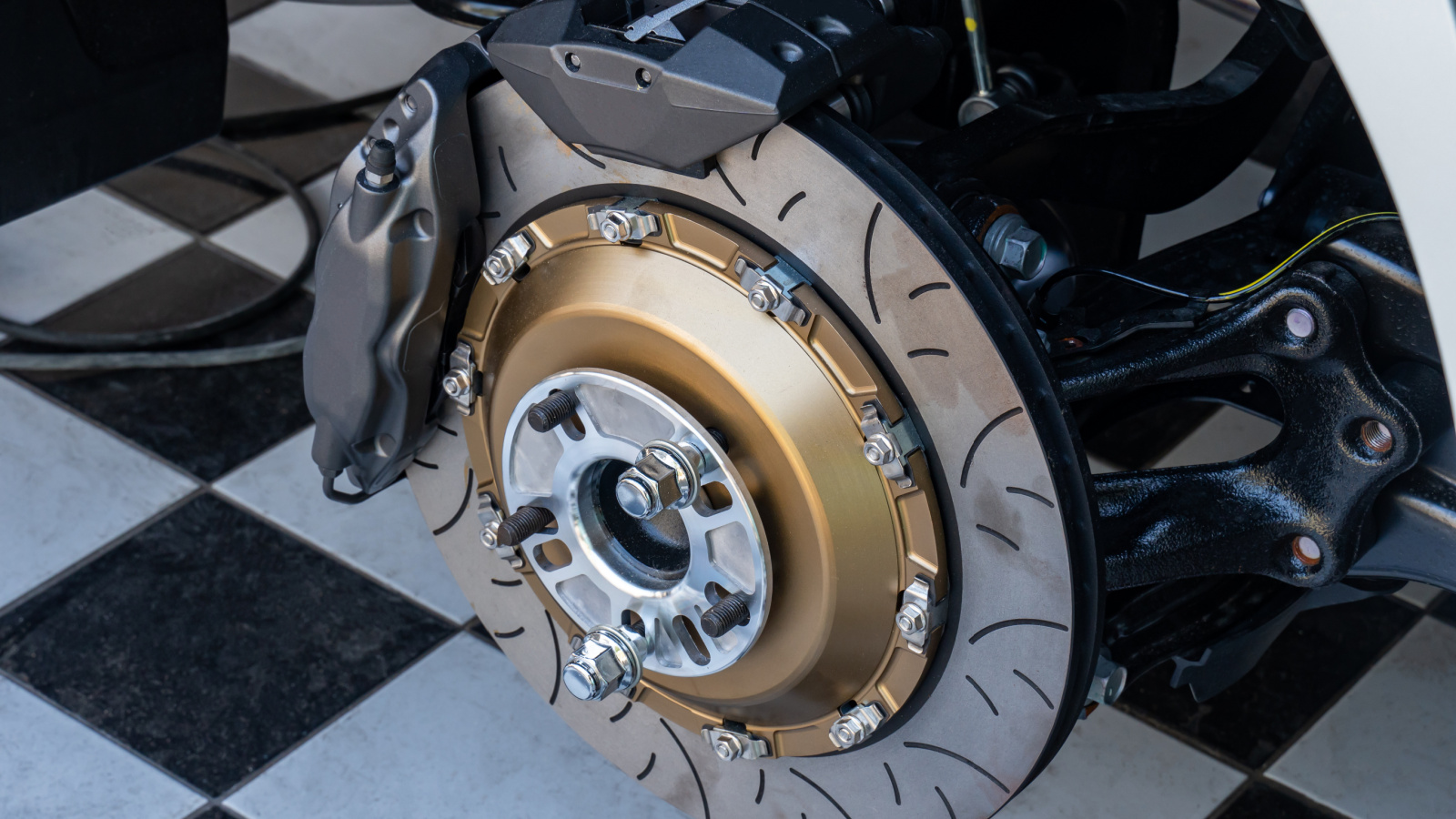
A burning smell from only one wheel can point to a sticking brake caliper or seized parking brake component. Unlike general brake overheating, this problem may happen even during normal driving because one brake remains partially applied. The affected wheel may feel much hotter than the others, and the vehicle may pull to one side. Some drivers also notice lower fuel economy because the engine has to work harder against the dragging brake.
A sticking caliper can turn a short commute into a serious repair. Heat can glaze brake pads, warp rotors, damage wheel bearings, and boil brake fluid. The smell is often strongest after parking, when heat rises from the wheel well. A simple comparison can be revealing: if three wheels smell normal and one smells burnt, the problem is likely local. The safest approach is to let the vehicle cool and have the brake system inspected rather than assuming the odor came from traffic or road debris.
Burnt Paper Smell From a Slipping Clutch
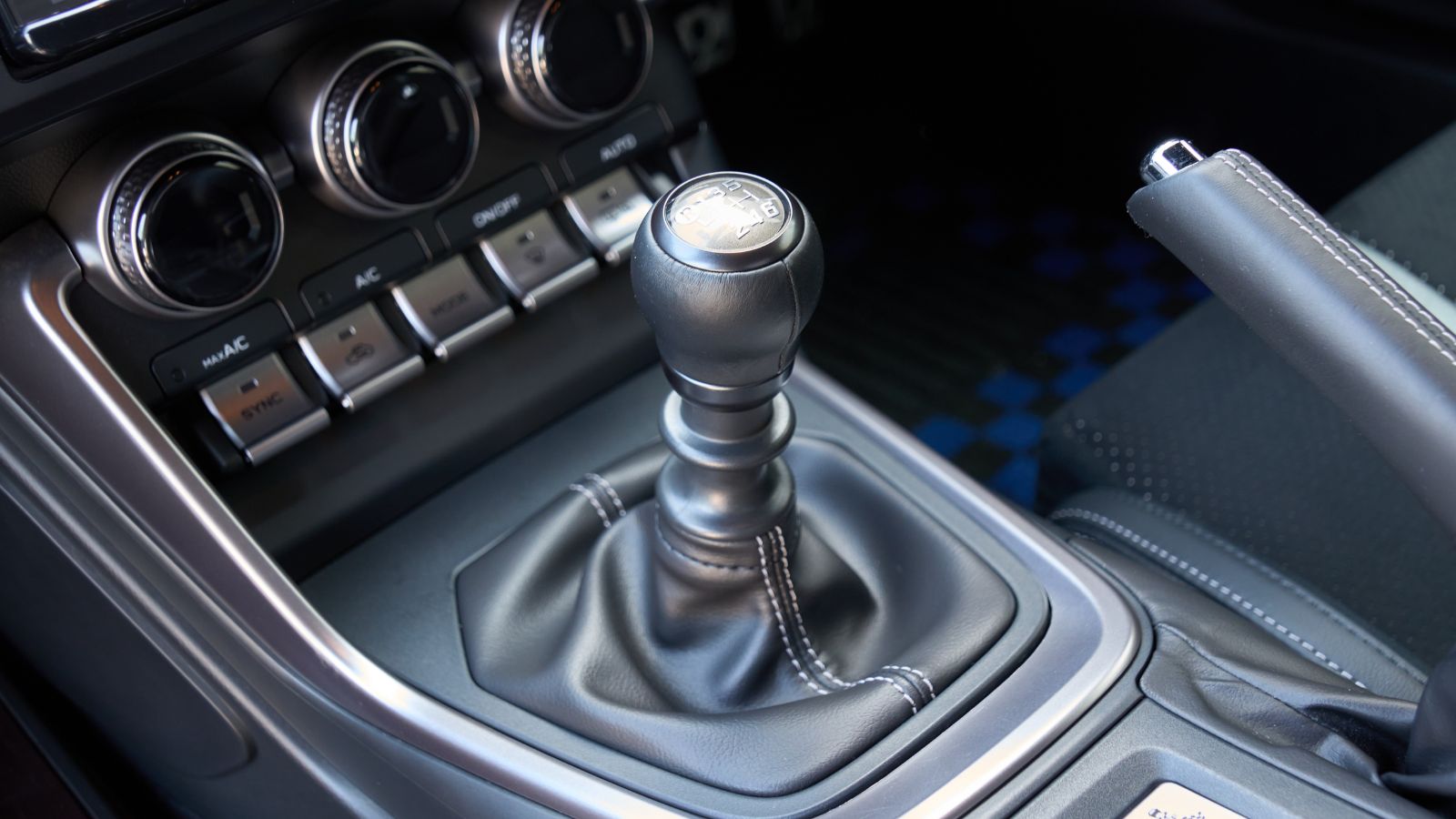
Manual-transmission vehicles can produce a burnt paper, gunpowder, or hot brake-like smell when the clutch slips. This often happens during hill starts, stop-and-go traffic, towing, or when a driver holds the car on an incline using the clutch instead of the brake. The clutch disc uses friction material, and too much slipping overheats it. One short mistake may only create a brief odor, but repeated slipping can shorten clutch life dramatically.
The smell is often followed by performance symptoms. Engine speed may rise without matching acceleration, gear engagement may feel vague, or the clutch pedal may bite unusually high. A new manual driver might smell it while learning on a steep driveway, but an experienced driver smelling it during ordinary shifts may have a worn clutch, leaking hydraulic system, or adjustment issue. Ignoring it can eventually leave the vehicle unable to move under its own power, especially under load.
Burnt Transmission Fluid
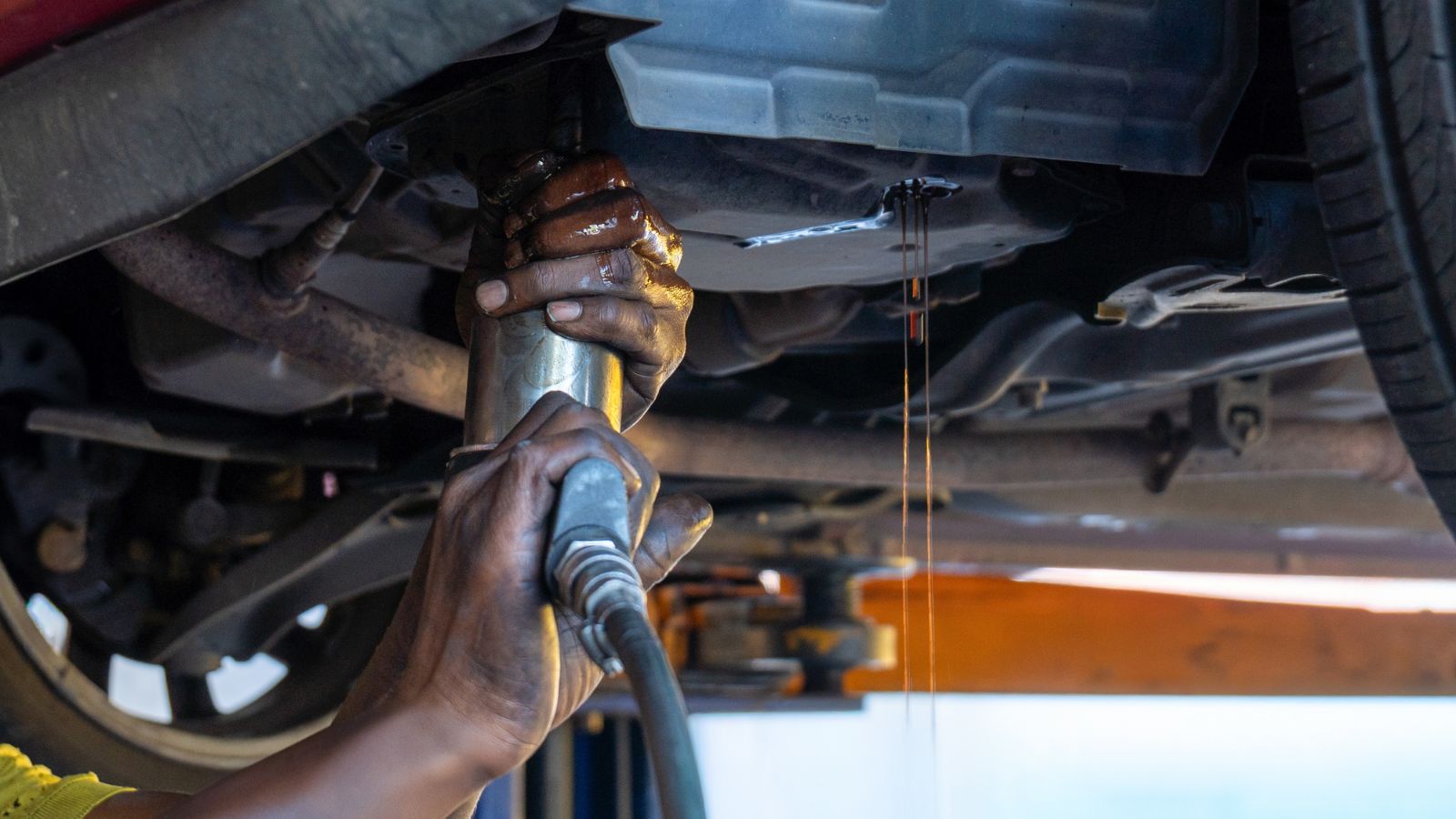
An acrid, burnt smell from an automatic transmission can signal overheated or degraded transmission fluid. Healthy fluid helps lubricate, cool, and transfer hydraulic pressure inside the transmission. When fluid gets old, runs low, or overheats during towing, mountain driving, or heavy stop-and-go traffic, it can darken and smell scorched. The odor may appear with delayed shifts, slipping, harsh engagement, or higher engine revs before the vehicle moves.
Transmission problems can become expensive because heat damages internal clutch packs, seals, and bearings. A driver pulling a small trailer might first notice the smell after climbing a long grade, then later feel the transmission shift roughly. That early odor is a warning window. Checking fluid condition where the vehicle allows it, watching for leaks, and following severe-service maintenance intervals can prevent a fluid problem from becoming a rebuild. If burnt smell comes with slipping or warning lights, driving should be minimized.
Sulfur Odor From Gear Oil Leaks
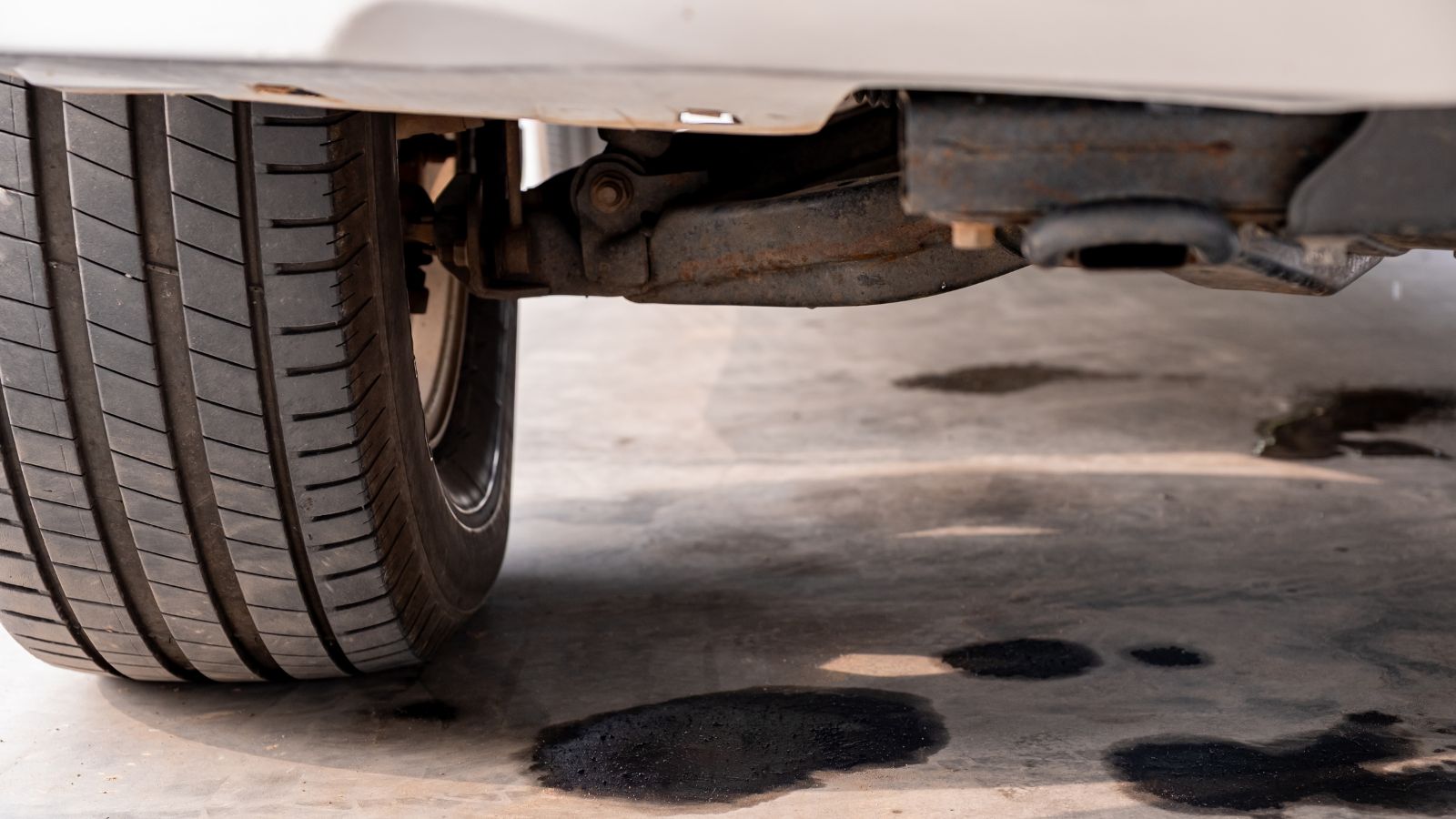
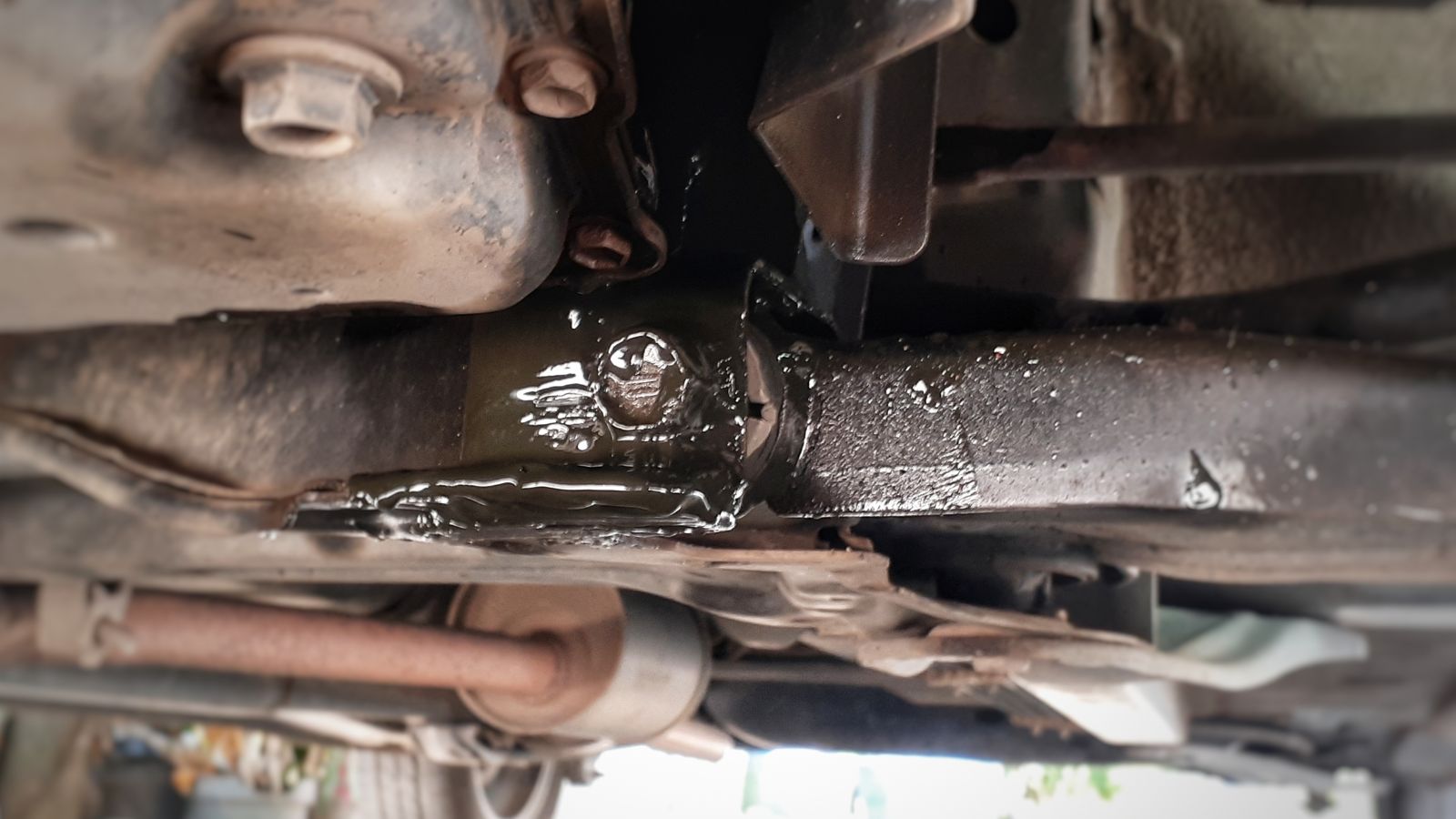
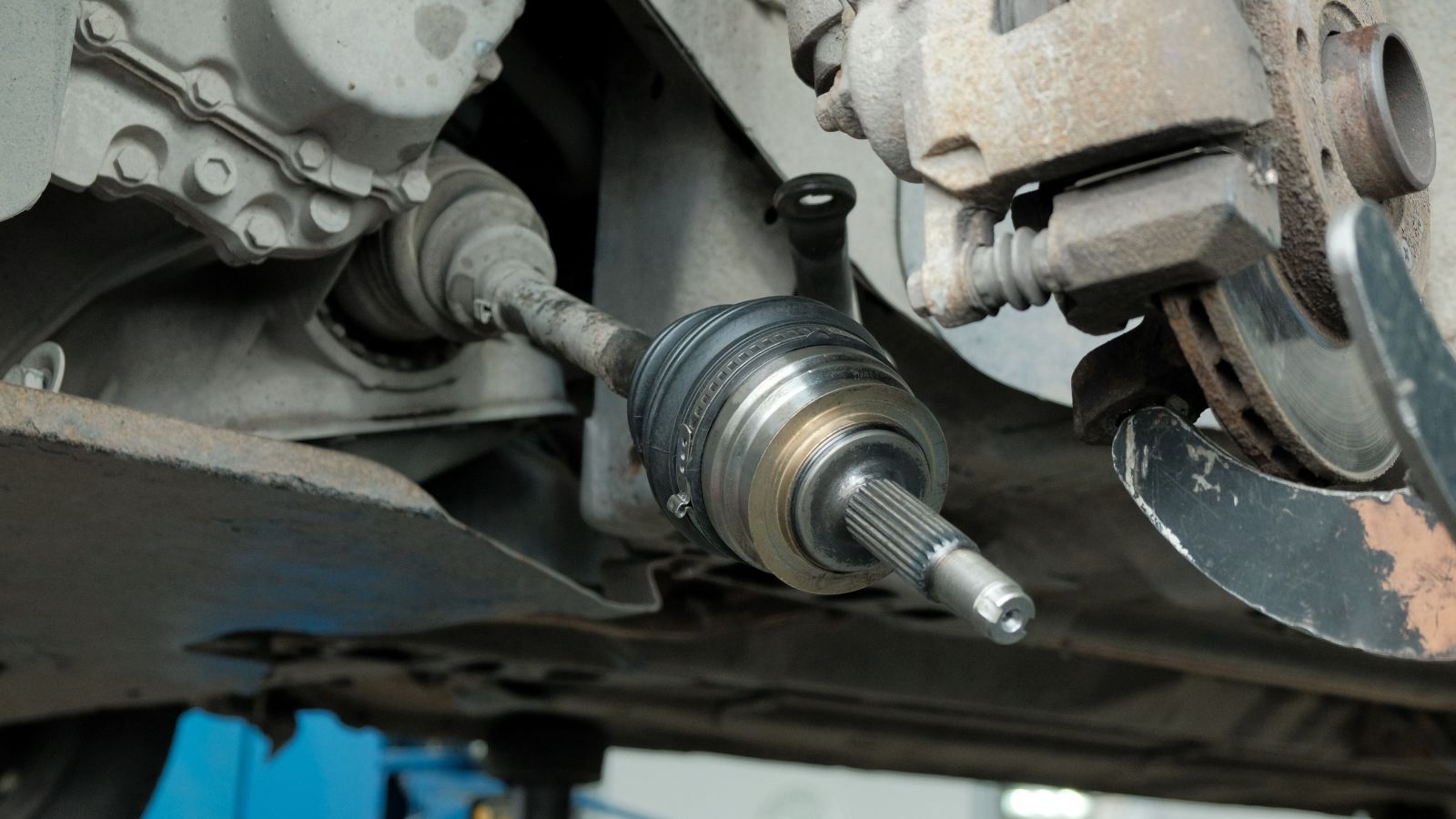
A heavy sulfur or rotten smell near the underside of a vehicle can come from gear oil leaking from a manual transmission, transfer case, or differential. Gear oil has a naturally strong odor because of extreme-pressure additives designed to protect gears under heavy load. A leak may leave thick, dark fluid around axle seals, pinion seals, transmission cases, or the rear differential. The smell may be more noticeable after highway driving, when the drivetrain is warm.
This smell matters because gearboxes and differentials rely on oil to prevent metal-to-metal wear. A small leak can gradually lower fluid levels until gears whine, bearings overheat, or seals fail further. Four-wheel-drive and rear-wheel-drive vehicles are especially likely to have multiple gear-oil-filled components. A driver may first notice a smell while walking behind the vehicle in a parking lot, long before hearing noise. Catching the leak early can mean replacing a seal rather than replacing a damaged differential or transmission.
Burning Plastic From Electrical Trouble
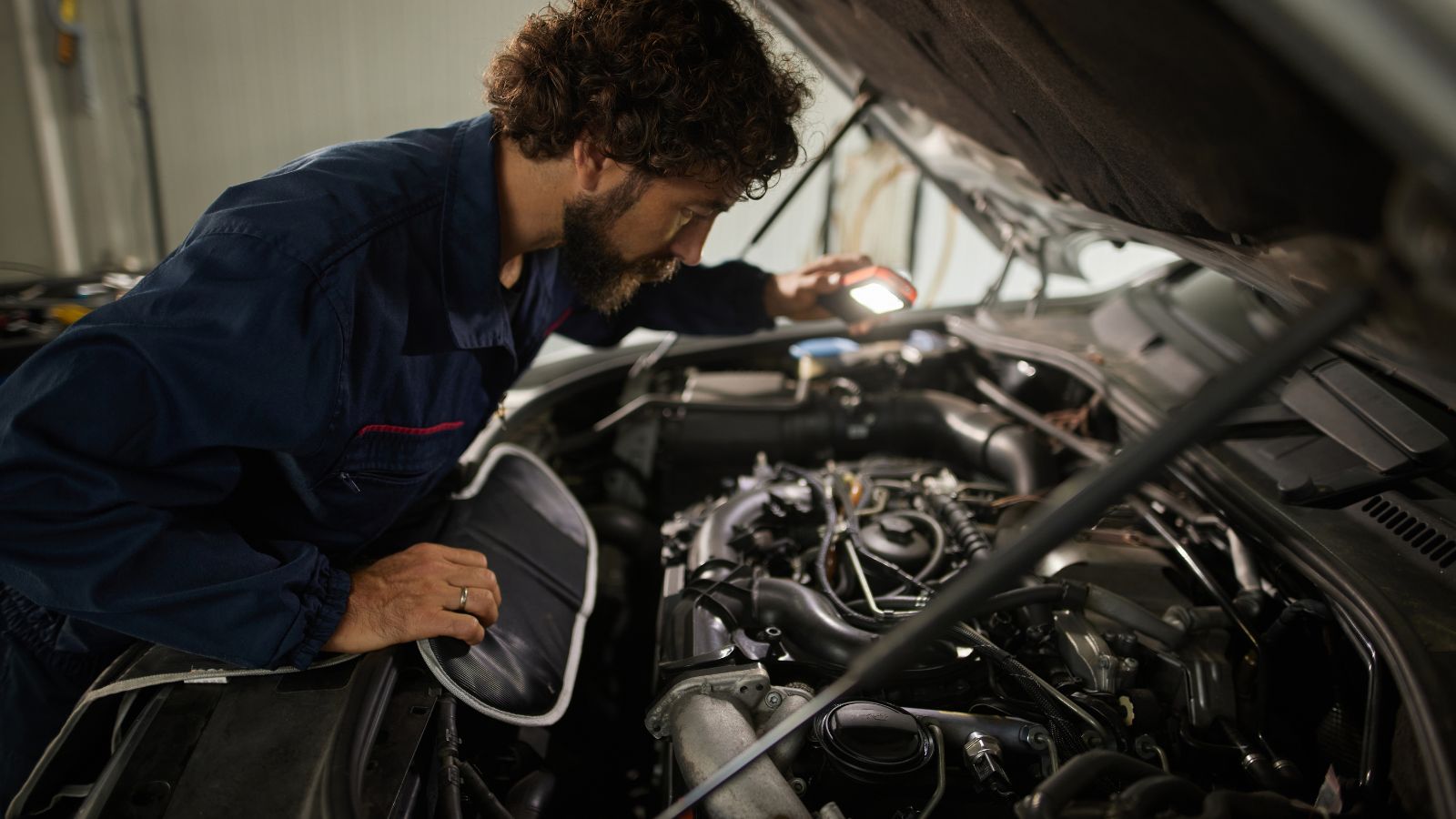
An acrid burning plastic smell can point to overheated wiring, a short circuit, melting insulation, a failing blower motor, or a damaged accessory. Electrical smells may come from under the dashboard, near the fuse box, inside the engine bay, or around aftermarket equipment. Warning signs can include flickering lights, repeated blown fuses, dead accessories, smoke, or electronics that work intermittently. The odor may be brief at first, appearing only when a certain switch or fan speed is used.
Electrical problems deserve urgency because vehicle wiring is packed close to plastic trim, insulation, fabric, and other materials. Vehicle fire research has repeatedly identified electrical wiring insulation among common items first ignited in highway vehicle fires. A driver who smells burning plastic should turn off nonessential electrical loads and stop safely if smoke appears. Aftermarket stereo wiring, old alarm systems, and poorly installed accessories are common places to begin inspection because small wiring mistakes can become larger hazards.
Rotten Egg Smell From a Catalytic Converter Problem

A rotten egg smell from the exhaust often suggests sulfur compounds are not being processed properly. The catalytic converter is designed to reduce harmful exhaust emissions, but problems with the converter, fuel mixture, oxygen sensors, or fuel pressure can allow sulfur-like odors to escape. The smell may be stronger during acceleration, after hard driving, or when the vehicle idles. It may also appear with reduced power, rattling under the car, or a check-engine light.
The odor is more than unpleasant because it may point to poor combustion or an emissions-system failure. A rich-running engine can overwork the catalytic converter, while a failing converter can create performance and emissions issues. Some drivers notice the smell after using poor-quality fuel, but a recurring odor usually needs diagnosis rather than a fuel change alone. Ignoring the problem can lead to converter overheating, failed emissions testing, and expensive replacement.
Rotten Egg Smell From an Overcharging Battery

A rotten egg smell under the hood can also come from a lead-acid battery problem. When a battery is overcharged or failing, it may produce hydrogen sulfide, a gas associated with a sulfur odor. This can happen if the charging system overcharges the battery, if the battery is internally damaged, or if terminals and vents are compromised. The smell may be strongest near the battery rather than the tailpipe, which helps separate it from catalytic converter trouble.
Battery-related sulfur odors should be handled carefully. Hydrogen sulfide can be toxic and flammable, and batteries also involve acid and explosive gas risks. A driver might notice the smell after jump-starting, charging, or replacing alternator parts. The safest response is to avoid leaning directly over the battery, ventilate the area, and have the charging voltage and battery condition tested. A smell that seems to “go away” does not always mean the hazard has disappeared, especially in enclosed garages.
Burnt Rubber From a Slipping Belt
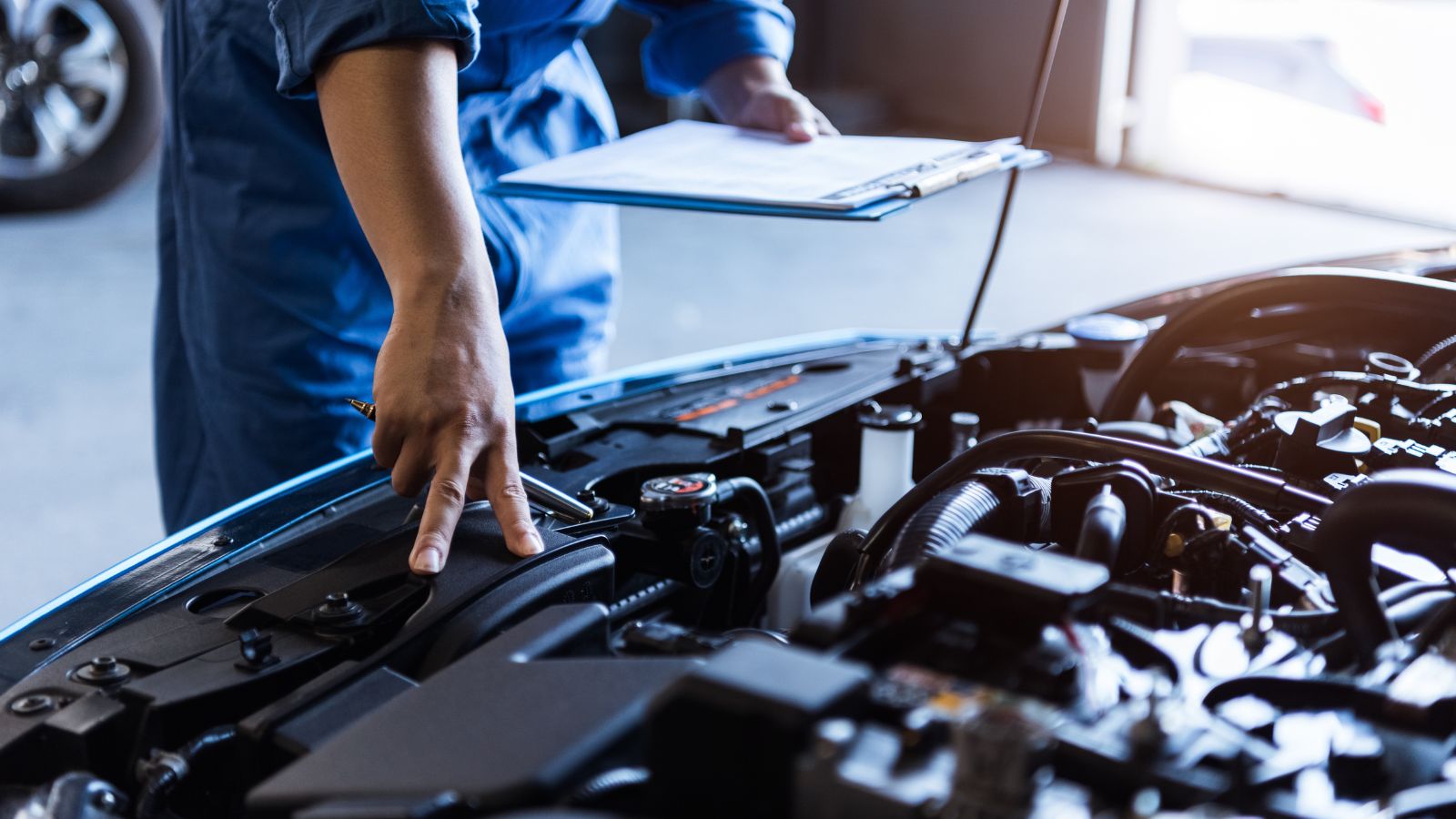
A burnt rubber smell under the hood may come from a slipping serpentine belt, seized pulley, failing alternator bearing, stuck air-conditioning compressor, or worn belt tensioner. The belt drives important components, and when it slips against a pulley, friction can produce heat and odor. Drivers may also hear squealing, chirping, or ticking from the front of the engine. The smell may appear when the A/C is turned on or after driving through water.
This problem can escalate quickly because the serpentine belt may drive the water pump, alternator, and power steering on many vehicles. If the belt fails, the engine may overheat, the battery may stop charging, or steering assist may be lost. A driver who smells hot rubber and sees the temperature gauge rising has a stronger warning than smell alone. Belt dust, cracks, glazing, or wobbling pulleys are clues that the issue is mechanical rather than a random odor from the road.
Hot Rubber Smell From Tire Trouble

A hot rubber smell near the tires can point to underinflation, overloading, alignment trouble, or a tire rubbing against a fender liner. Underinflated tires flex more as they roll, which creates heat inside the tire structure. NHTSA tire-safety material has long emphasized that tire pressure affects handling, stopping distance, heat buildup, and failure risk. The smell may be strongest after highway driving or when the vehicle is heavily loaded for a trip.
Tire odors are easy to overlook because rubber naturally has a smell, especially in hot weather. The warning sign is a sudden, strong, localized odor or one tire that feels hotter than the others. A road-trip example is a packed SUV with one low rear tire that begins to smell after an hour at speed. Continuing can risk tread separation or blowout. The first step is to stop safely, let the tire cool, inspect for rubbing or damage, and check pressure with a gauge.
Musty Sock Smell From the Air Conditioner

A musty, damp sock-like smell when the A/C starts often points to moisture and microbial buildup around the evaporator or cabin air filter. Air-conditioning systems remove humidity from air, and moisture can remain in dark areas where dust and organic material collect. If the drain is restricted or the filter is dirty, odors can become stronger. The smell may fade after a few minutes, but it often returns after the vehicle sits overnight.
This problem is common enough that many drivers accept it as normal, but it can affect cabin comfort and air quality. Mold and damp environments can irritate sensitive passengers, especially those with allergies or asthma. A practical example is a vehicle parked outside during rainy weather that develops a sour vent smell every morning. Replacing the cabin filter, cleaning the evaporator area, and confirming the A/C drain works can usually reduce the odor. Persistent smells may require professional HVAC cleaning.
Mildew Smell From a Water Leak
A general mildew smell inside the cabin can come from water intrusion rather than the A/C system itself. Leaks may enter through sunroof drains, door seals, windshield seals, trunk weatherstripping, roof seams, or clogged cowl drains. Carpets and insulation can trap moisture below the surface, so the cabin may smell damp even when the floor looks dry. The odor often gets worse after rain, car washes, or humid days.
Water leaks are not just cosmetic. Moisture can corrode connectors, damage modules under seats, fog windows, and encourage mold growth. A driver may notice one corner of the cabin smells worse, or the windows fog excessively after the vehicle sits. Checking under floor mats, spare-tire wells, seat tracks, and trunk side panels can reveal hidden dampness. Drying the cabin without fixing the leak only provides temporary relief. The source has to be sealed, and soaked padding may need removal.
Rodent Odor From Nests in the HVAC or Engine Bay
A strong urine, nesting, dead-animal, or earthy smell can mean rodents have entered the vehicle. Mice and rats can build nests in cabin air filters, engine air boxes, cowl areas, heater ducts, and engine bays. They may also chew wiring, hoses, insulation, and sound-deadening material. The smell may appear when the fan turns on, or it may be strongest near the hood after parking. Sometimes acorns, shredded paper, or droppings are the first visible clues.
Rodent problems are both mechanical and health-related. Nesting material can block airflow, reduce engine performance, or create fire risk if it contacts hot parts. Droppings and urine should not be swept or vacuumed dry because particles can become airborne. A careful cleanup uses gloves, ventilation, and disinfectant before removal. A driver who discovers rodent evidence should replace contaminated filters and inspect wiring before assuming the odor is only a cleaning issue.
22 Things Canadians Do to Their Cars in Spring That Mechanics Hate

Spring brings relief to many Canadian drivers after months of snow, freezing temperatures, and icy roads that put serious strain on vehicles. As temperatures rise across the country, drivers begin washing cars, switching tires, and preparing vehicles for warmer weather and upcoming road trips. However, mechanics across Canada notice the same mistakes every spring when drivers attempt to recover from winter damage. Road salt, potholes, and harsh winter driving conditions often leave vehicles with hidden problems that drivers ignore. Some spring habits even create new mechanical issues that could have been avoided with proper maintenance. Here are 22 things Canadians do to their cars in spring that mechanics hate.