


























Warm weather changes the feel of driving in Canada. Winter’s obvious costs begin to fade from view, and motoring starts to seem easier again. Then the quieter expenses begin piling up: extra fuel for longer days on the road, repairs uncovered after pothole season, fresh maintenance before weekend drives, and parking or ferry charges that barely register until receipts are lined up together.
Some of these costs are purely seasonal. Others exist all year, but become much harder to ignore once mileage climbs and vehicles are used for more than the daily commute. These 17 expenses tend to stand out most once roads clear, temperatures rise, and Canadians start driving farther, more often, and with fewer excuses to stay home.
Fuel Stops That Multiply
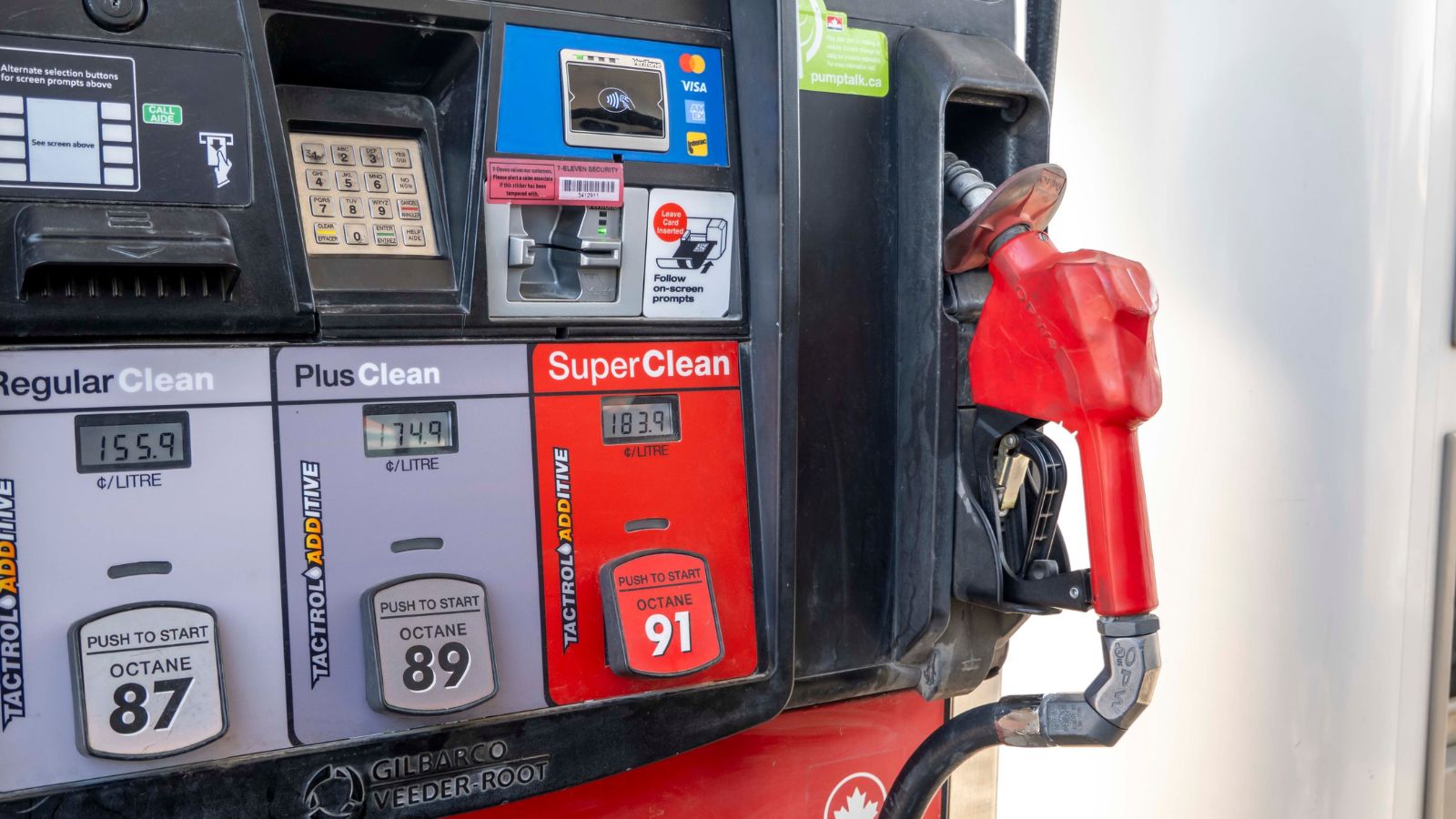
Warm weather does not create the price at the pump, but it does increase the number of moments when that price gets noticed. A vehicle that felt manageable in late winter can suddenly start consuming a much larger share of the household budget once quick errands turn into patio runs, youth sports drop-offs, cottage weekends, and cross-border or intercity day trips. That shift is partly psychological, but it is also practical: summer travel patterns add kilometres almost quietly, and fuel becomes the most visible line item because it is paid over and over again in real time.
That is why fuel feels like a fresh expense every spring, even though it never truly left. Travel data regularly show that vehicle operations remain one of the biggest spending categories attached to trips, and the outlay grows fast when people start moving more freely. Small efficiency losses matter too. A vehicle with neglected maintenance can burn noticeably more fuel than necessary, which means drivers can end up paying for the season twice: once for the distance, and again for the inefficiency hiding under the hood.
Air Conditioning That Shows Up at the Pump
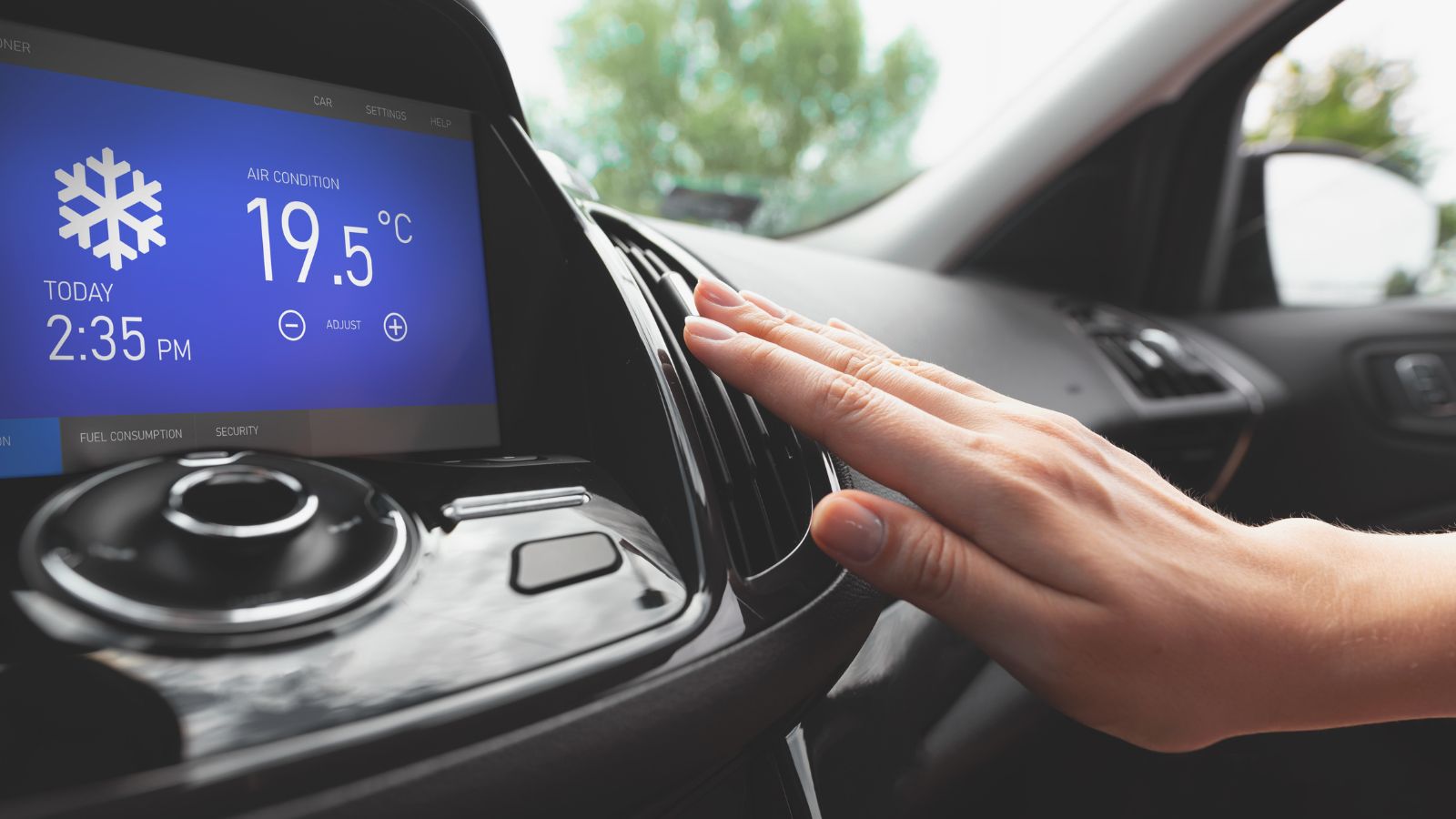
The first genuinely warm day often brings a small test: windows down or air on. Once the cabin starts baking in traffic, comfort usually wins, and that decision has a measurable cost. Air conditioning is easy to ignore in cool weather, but in late spring and summer it becomes a near-daily operating expense, especially in stop-and-go traffic where the system works hardest and the engine stays under extra load. The difference does not always feel dramatic on one drive, yet it becomes obvious over a month of city commutes and weekend congestion.
The second part of the expense arrives when the system is no longer cooling properly. Warm weather is when Canadians discover the vents are weak, the airflow smells off, or the cabin never really gets cold. Then the fuel penalty turns into a service bill. A/C systems do not ask for attention in January, but they get everyone’s attention in June. That timing is what makes the cost feel sudden: the problem was already there, but summer is when it stops being optional.
The Seasonal Tire Swap
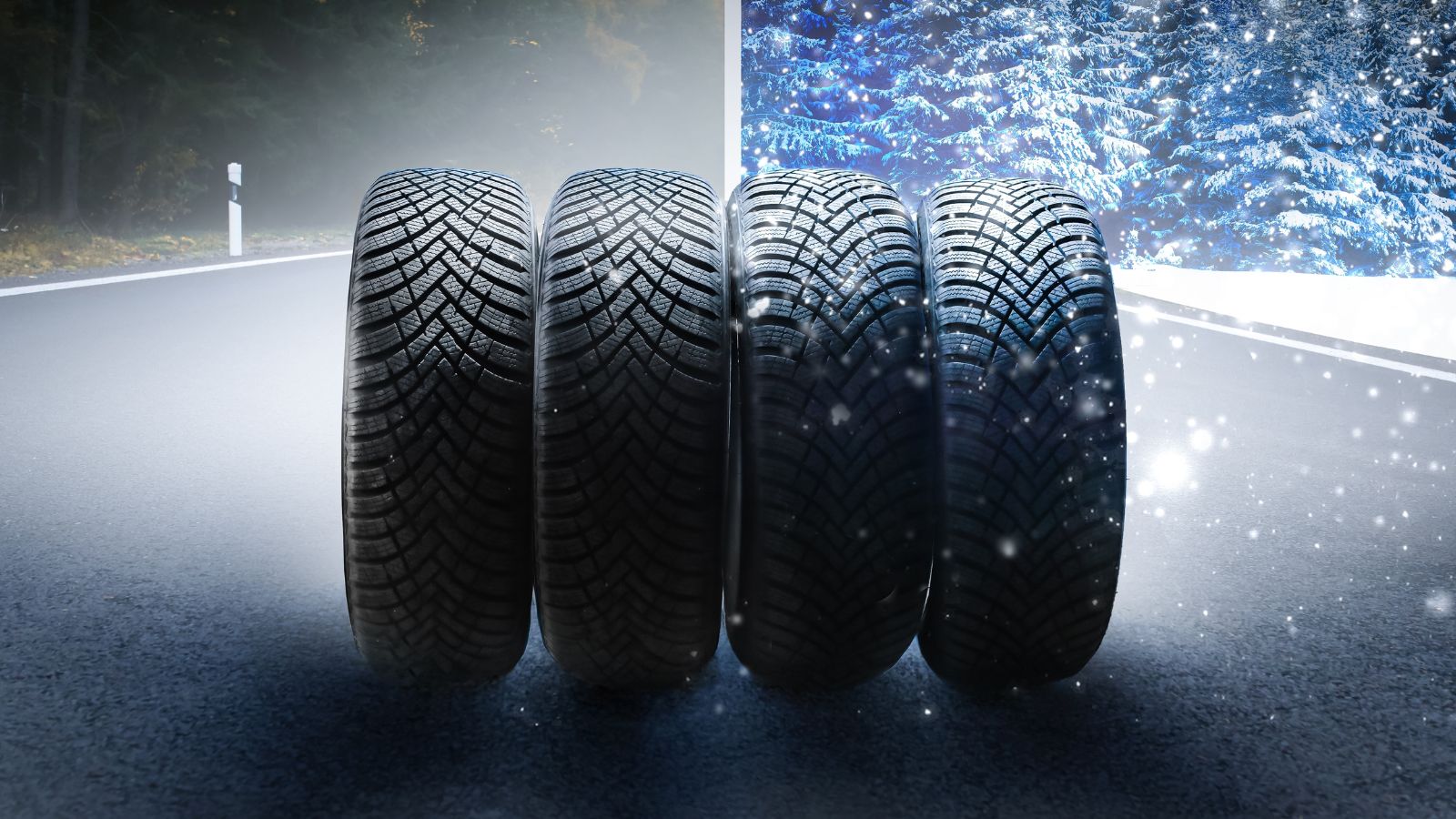
For many Canadians, spring does not really begin until the winter tires come off. That ritual sounds routine until the invoice arrives. Even a straightforward changeover costs money, and the bill rises if the tires are not already mounted on their own rims. What looks like basic upkeep can become a surprisingly reliable annual expense, particularly in multi-car households where one appointment turns into two or three. It is also time-sensitive, because winter tires should not stay on once temperatures settle into consistently warmer territory.
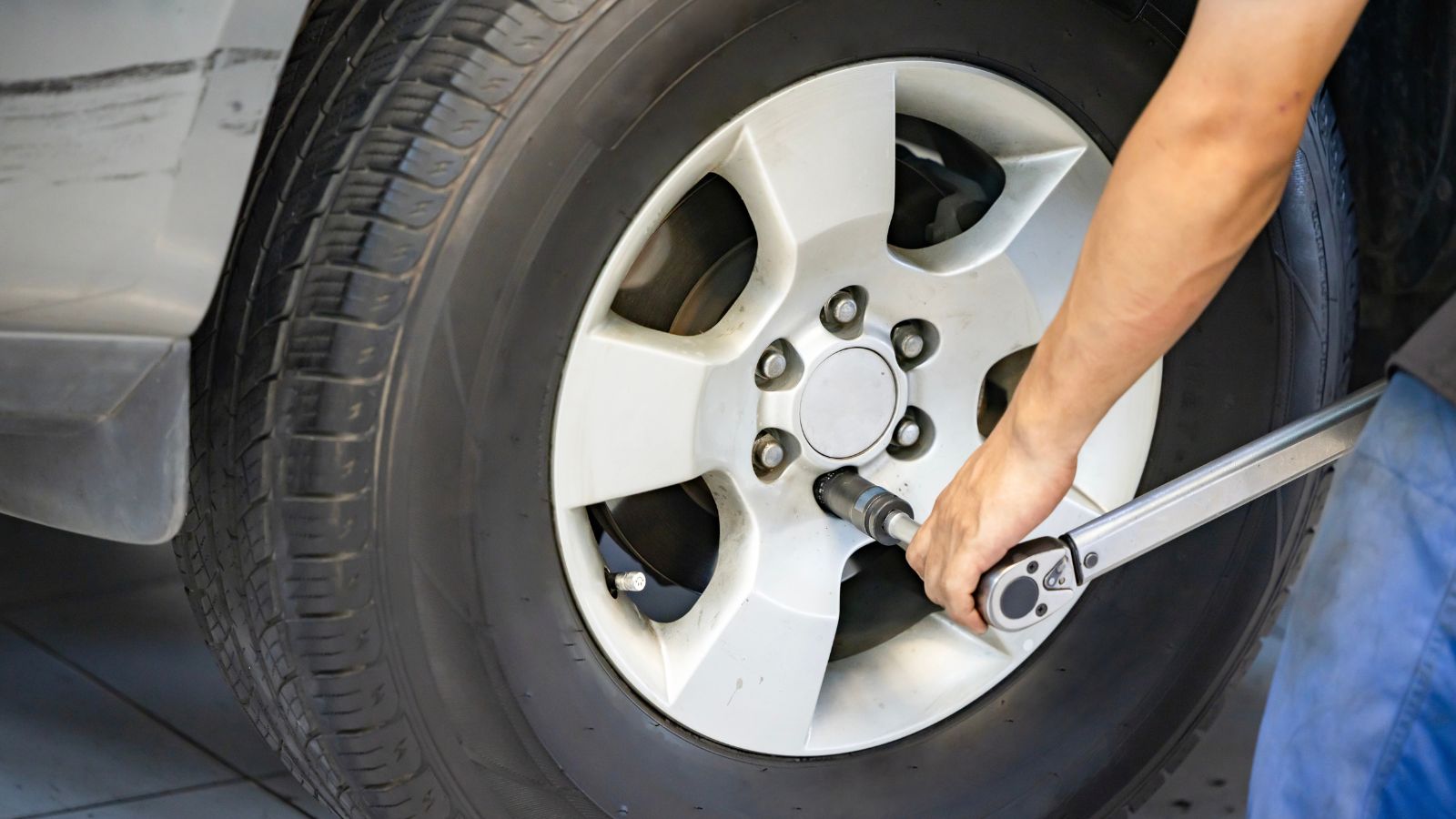
Storage adds another layer. Drivers without garage or shed space often pay to keep the off-season set somewhere else, and that means the seasonal tire budget is not limited to the swap itself. In practice, the spring tire conversation is rarely about just one service. It is about changeover, storage, re-torquing, and often the reminder that another set will be needed again in a few months. The money feels sharper in warm weather because it lands right when people are hoping driving is about to get cheaper.
The Cost of Replacing Tired Tires
Warm weather is when worn tires finally stop hiding. A driver can get through the final stretch of winter promising to “deal with them later,” but later usually arrives with bare shoulders, cracked sidewalls, or tread that suddenly looks too thin for a long highway run. The first real road trip of the year has a way of forcing a decision. Instead of paying only for a spring swap, some drivers end up buying an entirely new set, which turns a maintenance appointment into a much larger purchase.
That bill climbs quickly because tires are rarely bought one at a time. Once one or two are clearly near the end, many motorists decide to replace the full set for even wear and peace of mind. The result is a familiar spring shock: what felt like a manageable vehicle suddenly needs hundreds of dollars’ worth of rubber before it is trusted for summer use. Warm weather makes tires more visible because the season invites speed, distance, and rain-soaked highways, all of which make compromised tread look less like an inconvenience and more like a bad gamble.
Pothole Repairs and Alignment Work
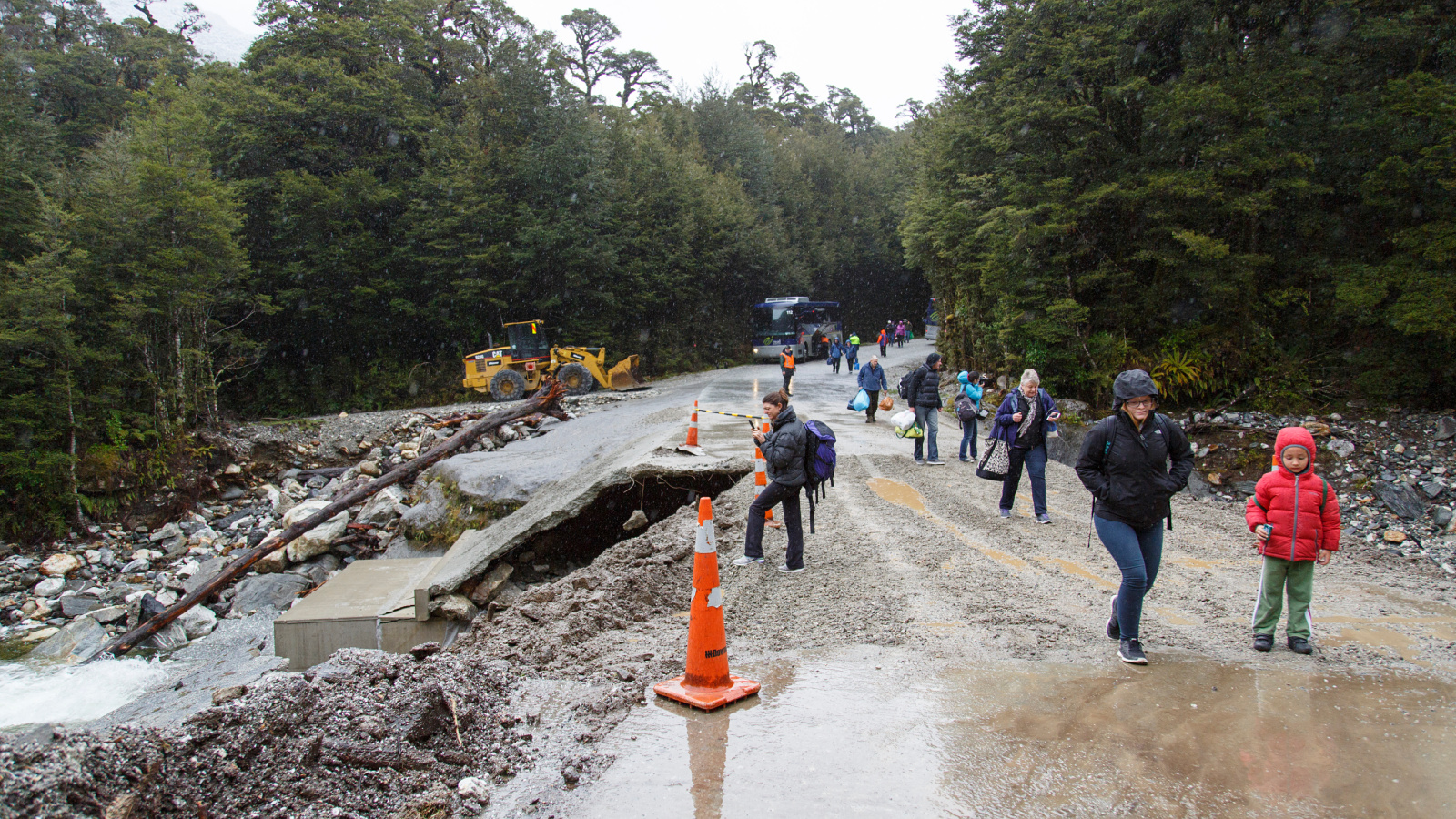
Winter damage often does not fully reveal itself until spring. A vehicle that survived months of freeze-thaw abuse may begin to feel wrong only once roads clear and speeds rise. The steering wheel may no longer sit straight. The ride may feel harsher than remembered. A faint shake at highway speed suddenly becomes impossible to ignore on the first long weekend trip. That is when Canadians discover that pothole season did not end when the snow melted; it simply moved from the street into the repair shop.
These bills can escalate because pothole damage rarely stays neatly contained. A hard impact can affect the tire, wheel, suspension, and alignment at the same time. What seemed like one bad thump in March can become a spring appointment involving several parts and a conversation about whether insurance is worth calling. Even when the damage is not catastrophic, the repair is irritating because it arrives after winter is supposed to be over. Warm weather makes the cost feel especially unfair: the road is finally clear, but the winter punishment is still being paid off.
Brake Service and Fluid Work
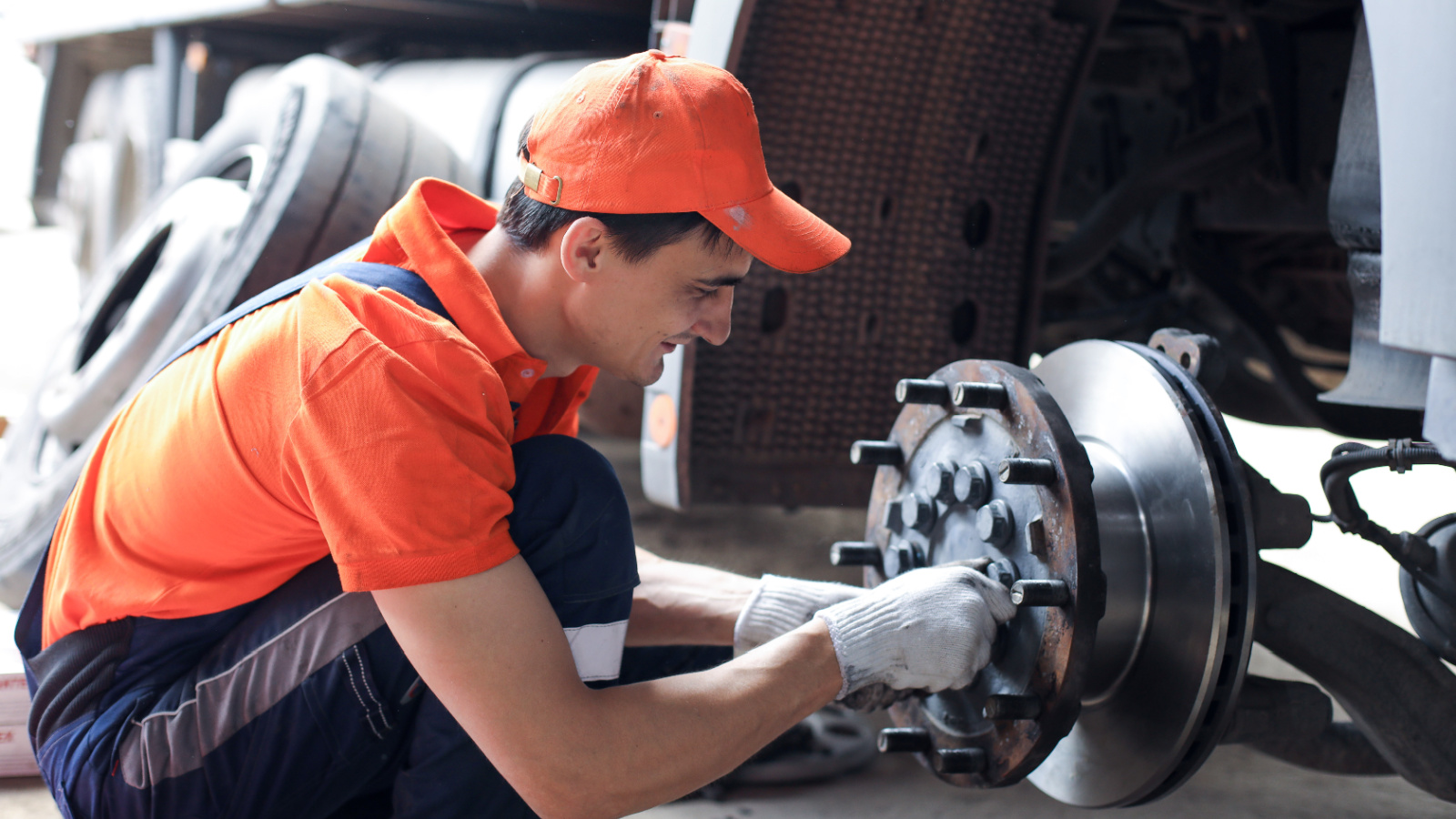
Brakes are one of those systems many people assume are fine until they feel unmistakably not fine. Spring and early summer are when the signs often become harder to miss. The first few long drives, the heavier family load, or a crawl through urban traffic can reveal a pedal that feels softer than expected or stopping performance that no longer inspires confidence. That is also when service advisers start talking about brake inspections, pad wear, rotor condition, and fluid that has aged more than the driver realized.
Part of the frustration is that brake-related spending rarely feels discretionary. Once the issue is identified, it moves to the top of the list. Moisture, heat, and time all work against brake fluid, and corrosion is not the sort of word anyone wants attached to a safety system. What makes this a warm-weather expense is not that brakes wear only in summer, but that summer driving exposes weaknesses fast. A vehicle used only for short winter errands can mask problems. A vehicle preparing for highway miles and full-day outings cannot.
Windshield Chips That Can’t Wait

A windshield chip seems tiny right up until it spreads. Warm weather makes that progression easier to notice because driving patterns change. More highway time means more gravel, more trucks, more construction zones, and more chances for a small hit to become a real crack. A glass mark that felt harmless during a cold, slushy week can suddenly sit in the driver’s line of sight during a bright June commute, impossible to unsee. At that point, what might have been a quick repair becomes something larger and more expensive.
There is also a timing issue that catches people off guard. Spring is when many Canadians finally clean their cars properly, clear the grime from the glass, and notice damage that had been there for a while. Then comes the choice between repairing early or risking replacement later. Insurance may help, depending on the policy, but that does not make the disruption disappear. Warm weather turns windshield damage from a cosmetic annoyance into a practical expense because longer, faster drives make visibility and structural integrity feel much more urgent.
Wiper Blades and Washer Fluid
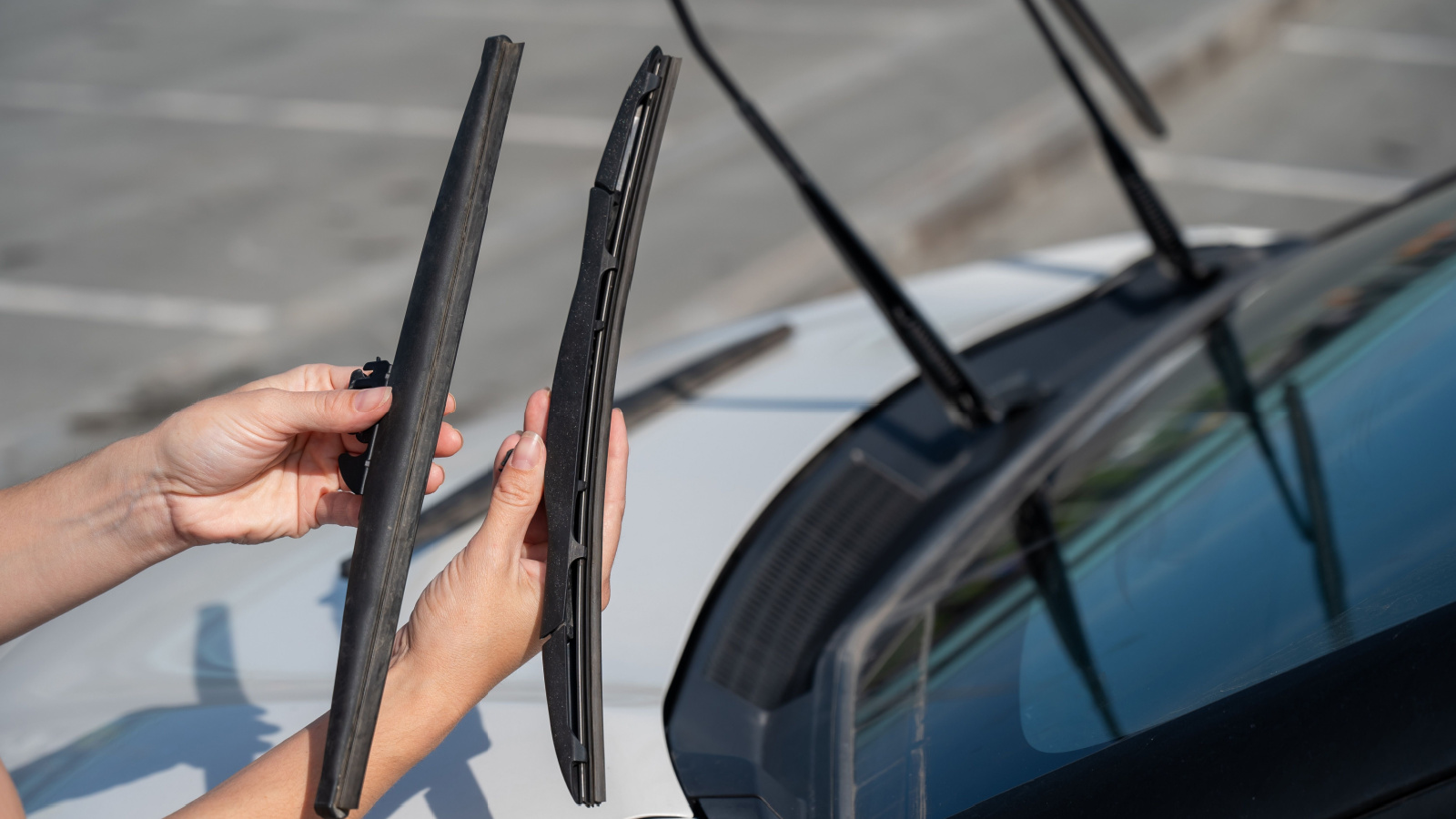
Few warm-weather costs are smaller individually and more persistent in real life than wiper blades and washer fluid. It sounds almost trivial until the first long drive at dusk, with insect residue, road spray, and smeared glass turning the windshield into a film. That is when blades that seemed acceptable in winter start skipping, streaking, or chattering across the glass. The expense is rarely dramatic, but it is annoyingly immediate because the fix is so obviously necessary once visibility starts to suffer.
Washer fluid is similar. In winter it is associated with salt and slush, but spring and summer bring their own demands: construction dust, pollen, bug splatter, and highway grime. The bottle empties faster than expected during travel season, especially on routes lined with trucks or fresh roadwork. This is one of the classic warm-weather driving costs because it sneaks in through repetition. Nobody budgets emotionally for it, yet almost every active driver ends up paying it, often multiple times, once the roads get busy and the days get long.
Oil Changes and Pre-Trip Inspections
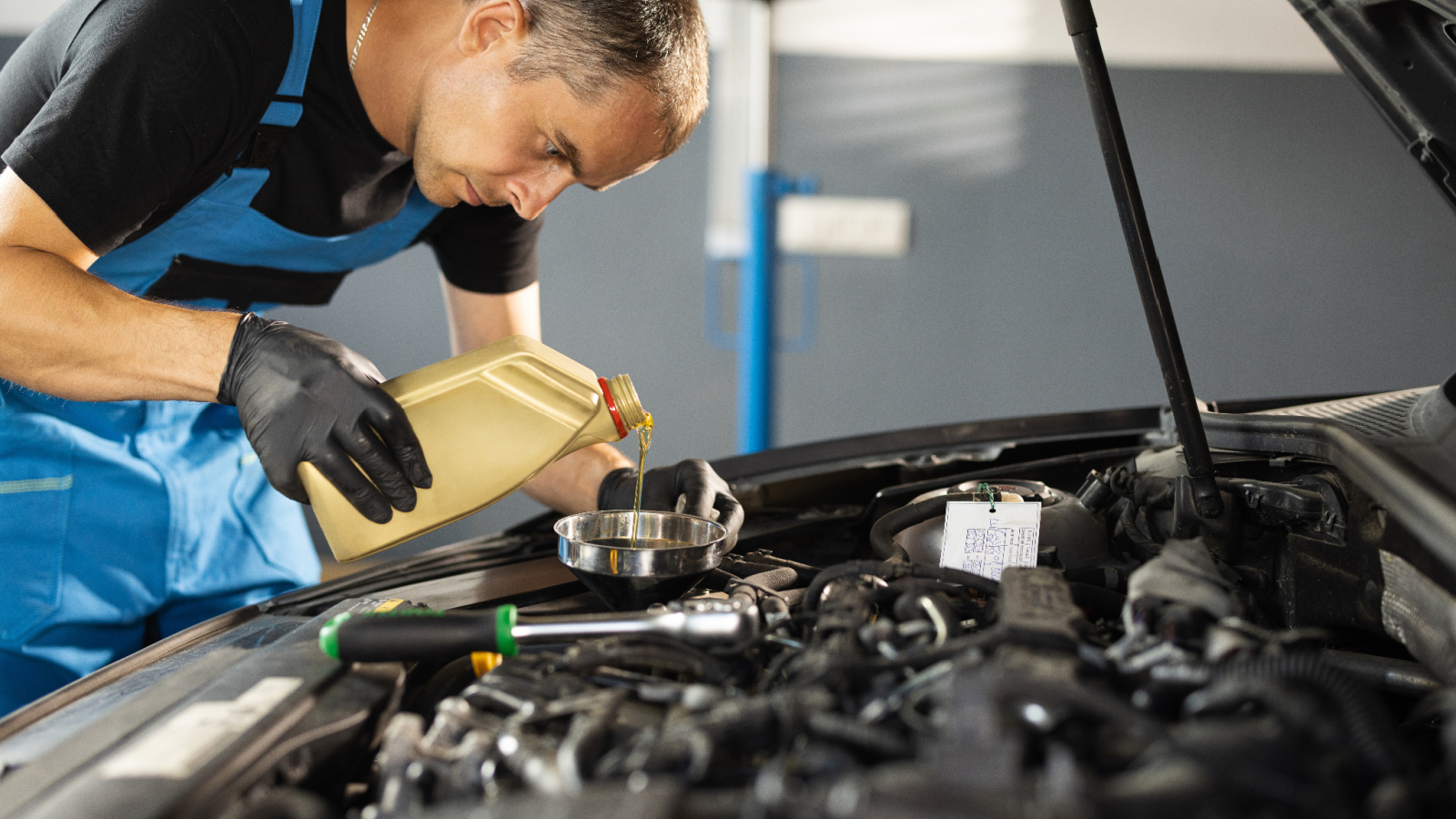
Warm weather is prime time for the optimistic promise that the car is “probably fine.” Then road-trip planning begins, and “probably fine” turns into an oil change, a fluid check, a battery test, and a quick inspection of anything that might ruin a weekend away. That is why spring service appointments often feel more comprehensive than the average midwinter visit. Drivers are not just trying to keep the vehicle moving; they are trying to make it trustworthy again for longer distances and fewer easy escape options.
The bill grows because modern service packages rarely stop at oil alone. Seasonal appointments often bundle top-ups, tire checks, and inspections of steering, suspension, brakes, belts, and other wear points. None of that is unreasonable. In fact, it is exactly the kind of preventative spending that can avoid larger trouble. But it still lands at a moment when Canadians expect driving to become freer and lighter. Instead, the first real taste of summer motoring often begins with a reminder that reliability has to be purchased before it can be enjoyed.
The First Proper Wash of the Season
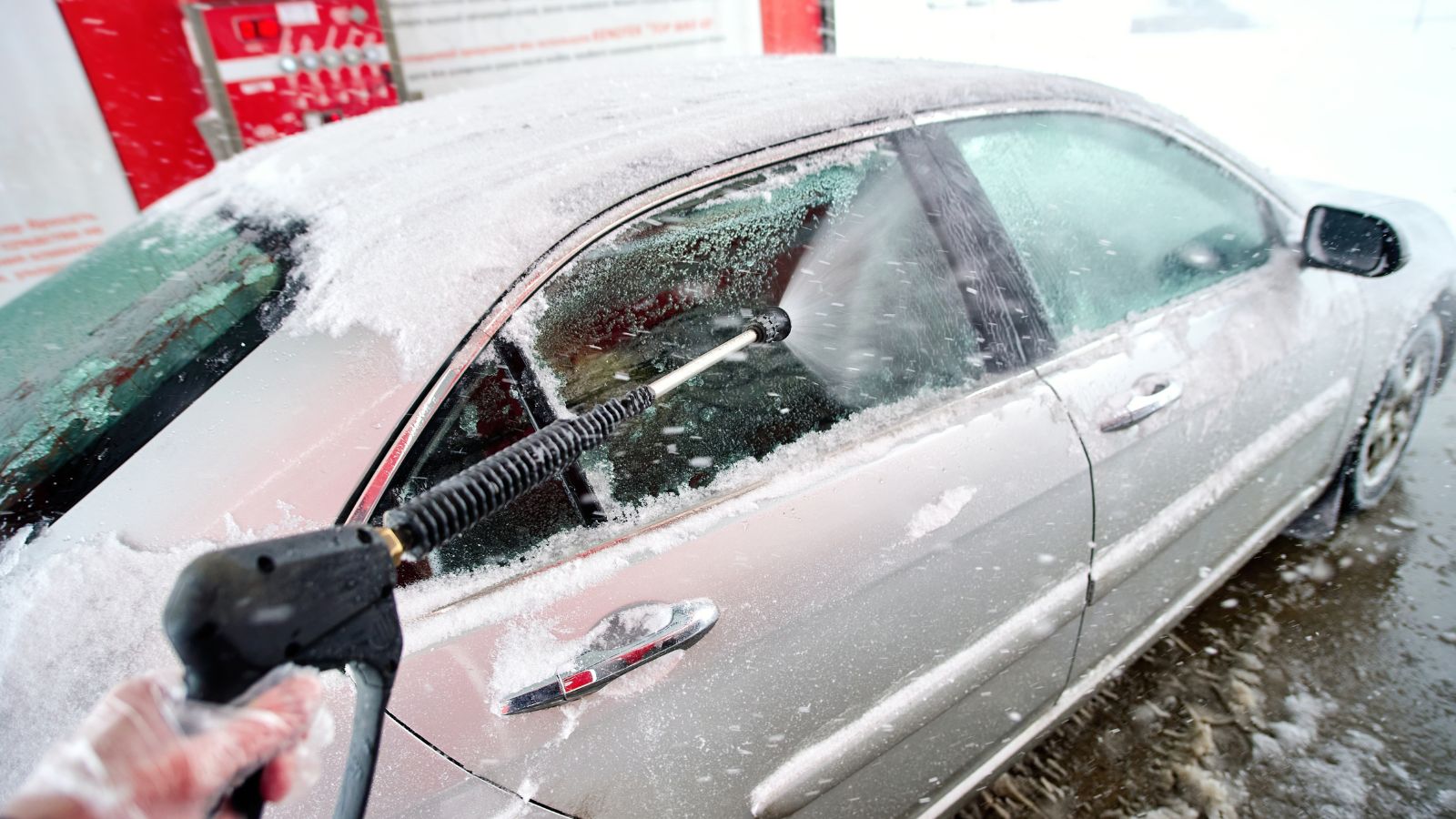
Spring cleaning is not just for houses. Cars collect months of salt, sand, grime, and road film, and once temperatures rise, many owners finally look closely enough to see how much is still clinging to the body, wheel wells, and undercarriage. What starts as the desire for a cleaner vehicle can quickly become a paid wash, a detailing package, an interior vacuum, or an underbody treatment. The expense is not always essential in the strictest sense, but it feels justified after a Canadian winter because neglect can look and feel severe.
There is also a defensive logic behind the spending. Salt and debris are not merely ugly; they raise concerns about corrosion, wear, and long-term deterioration. That makes the first serious wash of the year feel less like vanity and more like damage control. Warm weather amplifies the cost because it creates the first moment when cleaning the vehicle seems both possible and overdue. People notice the dirt more in sunlight, and once the windows are down and passengers are climbing in for seasonal outings, a grimy, salt-stained vehicle suddenly feels harder to tolerate.
Parking That Eats a Day’s Budget
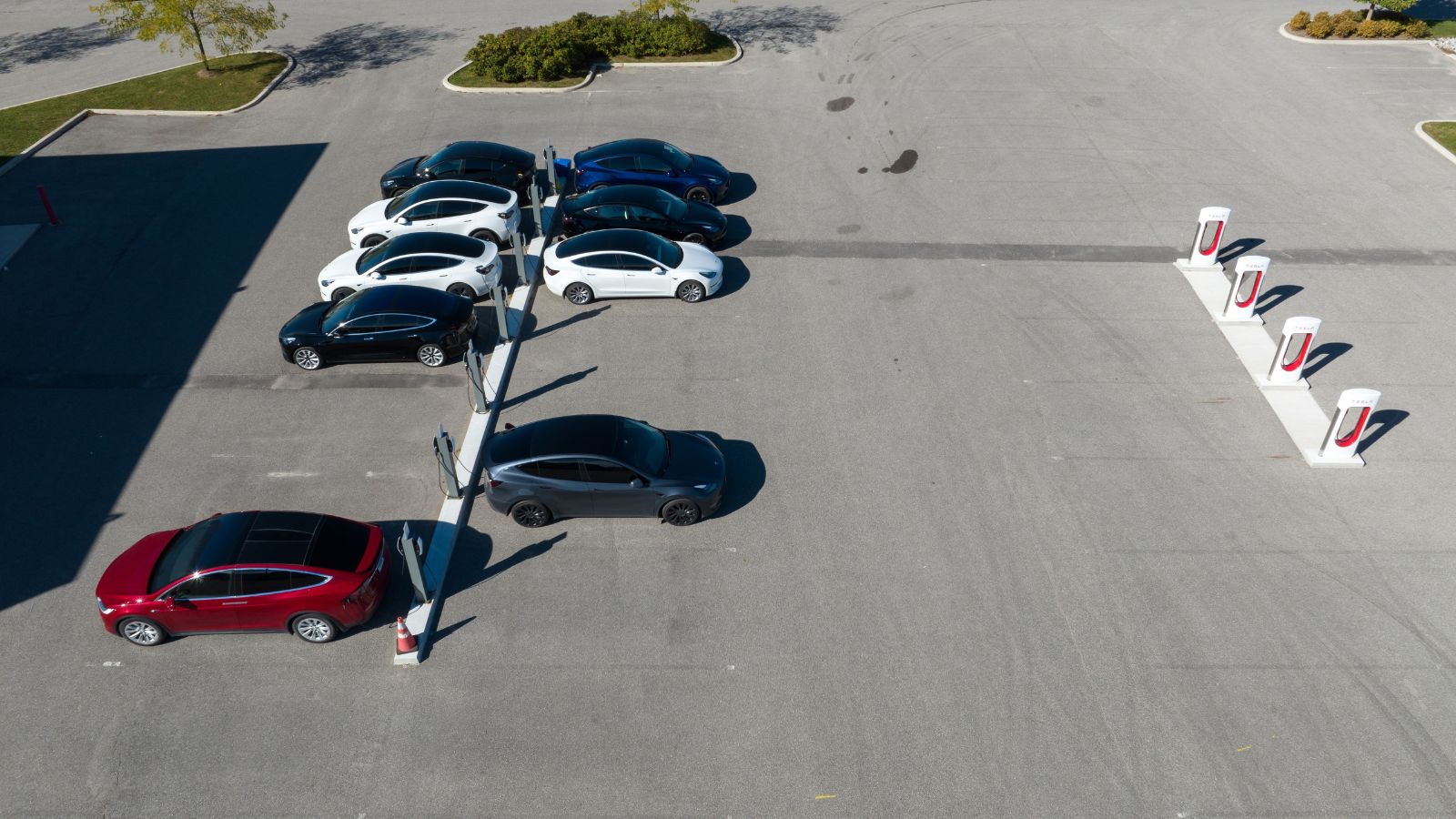
Parking is one of the most reliable warm-weather irritants because it attaches itself to activities that are supposed to feel relaxed. A waterfront walk, a patio lunch, a beach visit, a festival stop, or an afternoon downtown can all come with meter time, lot fees, or app-based extensions that slowly turn into a meaningful bill. In colder months, fewer discretionary outings mean fewer parking surprises. Once the calendar fills with pleasant-weather plans, the charges become harder to ignore.
The sting comes from how fragmented the expense feels. There is rarely one enormous parking payment. There are simply too many moderately annoying ones. A city core uses one rate structure, a park another, and a destination spot yet another. By the end of the day, parking can rival the cost of the activity that justified the drive in the first place. That is why warm weather makes it feel newly expensive: the vehicle is no longer only a commuting tool. It becomes part of leisure, and leisure tends to expose every fee that had been quietly waiting nearby.
Tolls That Feel Small Until They Stack Up
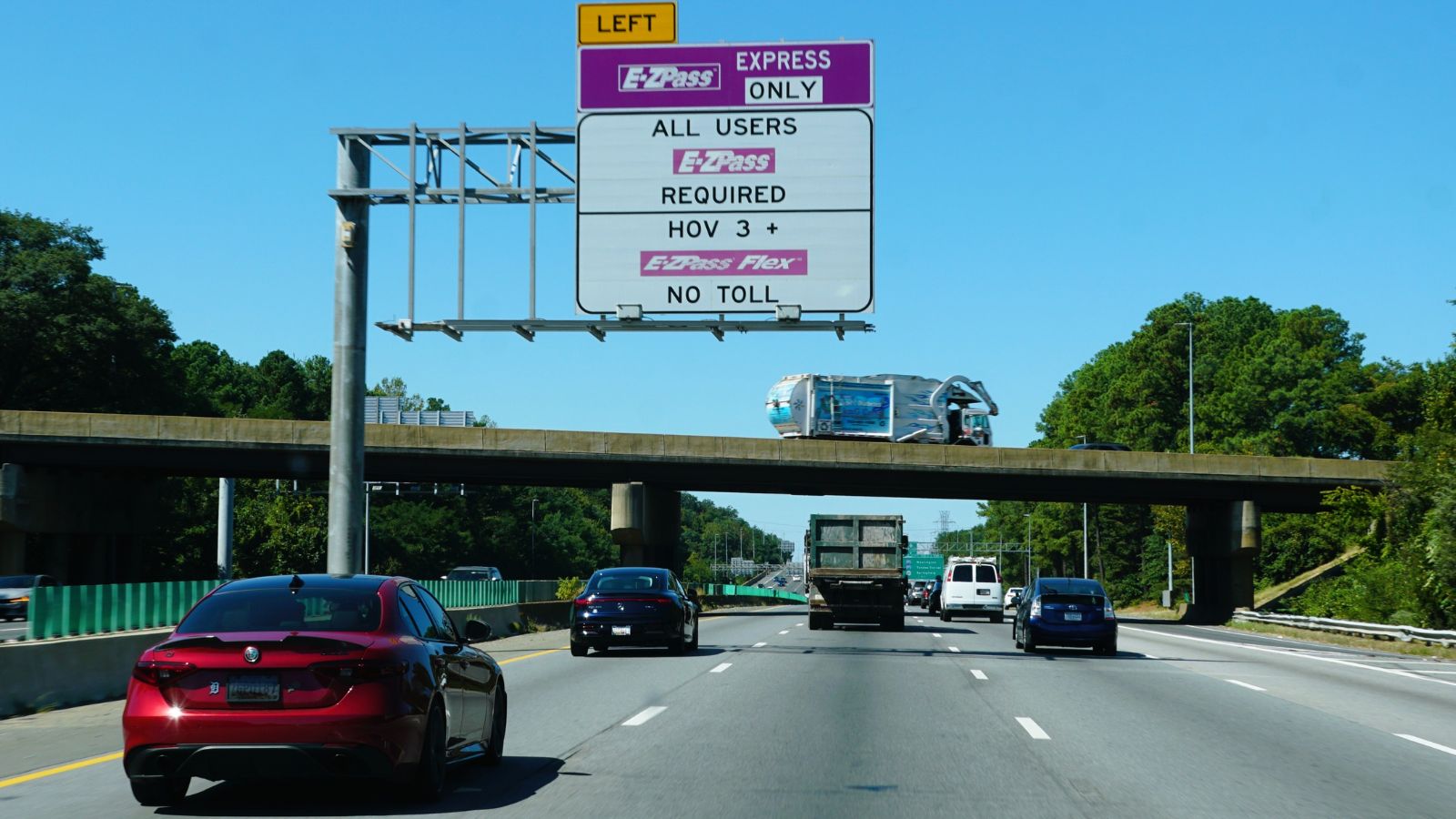
Toll roads are classic convenience purchases. One trip can seem harmless, especially when it saves time, stress, or a miserable detour through heavy traffic. The surprise is how often that logic repeats once warm weather raises the number of outings. A route used for cottages, airport runs, family visits, sports schedules, or weekend escapes starts showing up again and again, and the charges stop feeling like one-off decisions. They begin to behave like a second fuel bill.
That is particularly true when drivers fall into a seasonal rhythm. The same “worth it this time” choice gets made every Friday afternoon or Sunday evening because traffic is worse, patience is lower, and daylight plans matter more. Toll costs can vary by vehicle, timing, and route, which also makes them harder to estimate casually. Warm weather does not create the fee, but it makes the trade-off more attractive and more frequent. That is why people often notice toll spending only after the first full month of good-weather mobility is already behind them.
Ferry Fares for the Scenic Route
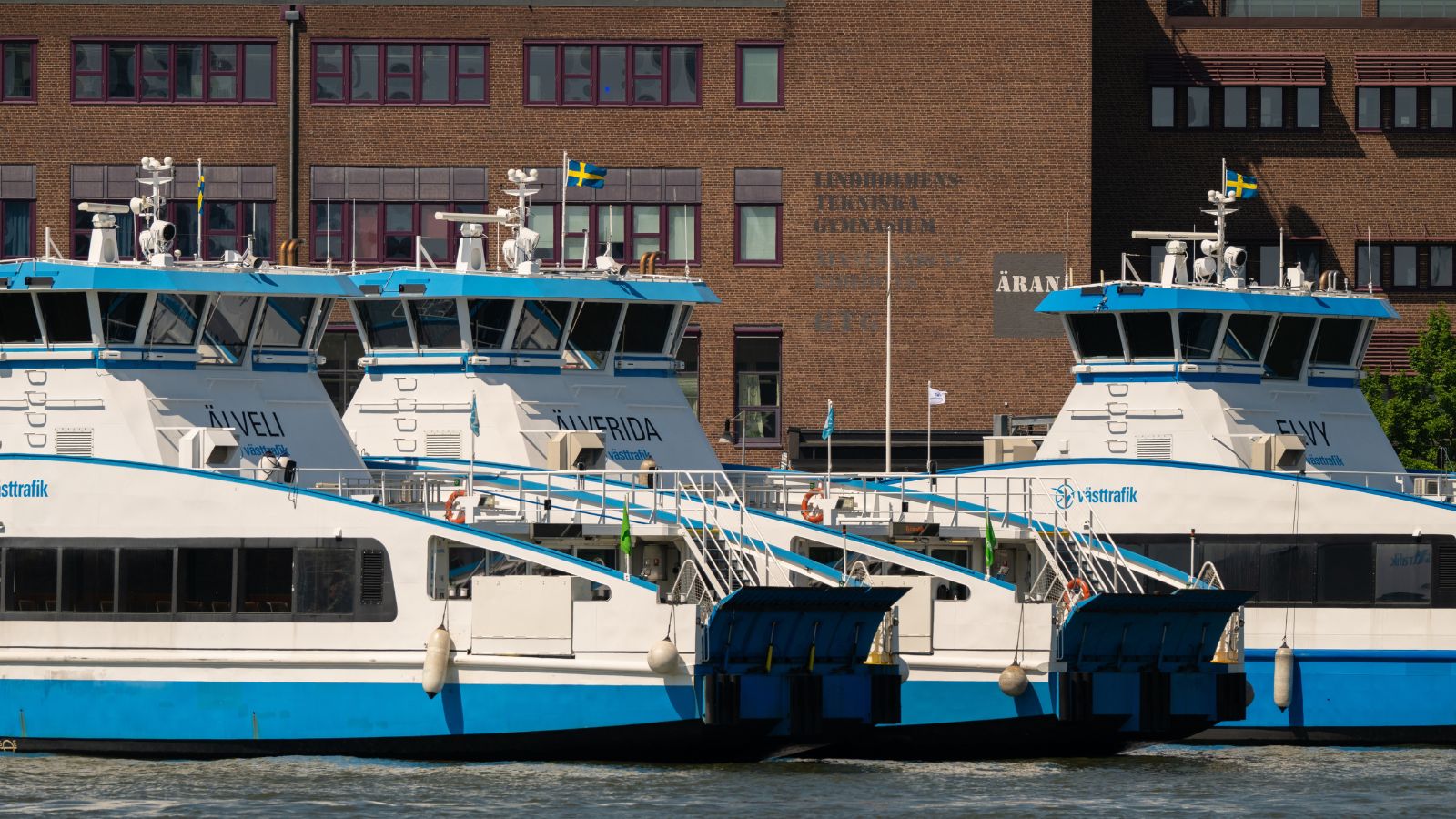
Canada’s most beautiful drives are not always entirely drives. In coastal regions, especially in British Columbia, warm weather sends far more people toward ferries for island stays, family visits, hiking weekends, and scenic detours. That is where budgets can change quickly. Ferry travel is rarely just one price. There can be vehicle charges, passenger fares, advance-booking differences, and reservation decisions layered on top of the fuel already burned to get there. The route may feel like part of the holiday, but financially it behaves like another mode of transportation entirely.
The price spread is what catches people. Some sailings offer saver-style options that make the fare look manageable, while longer northern services can push adult and vehicle costs into the hundreds before food or lodging is even considered. That makes ferries a distinctly warm-weather expense: they sit dormant in colder months for many households, then suddenly reappear as a major line item once travel season opens. Anyone planning a coastal getaway learns quickly that the scenic route is not merely picturesque. It can also be one of the most expensive parts of the drive.
Roof Racks, Bike Trays, and Cargo Boxes
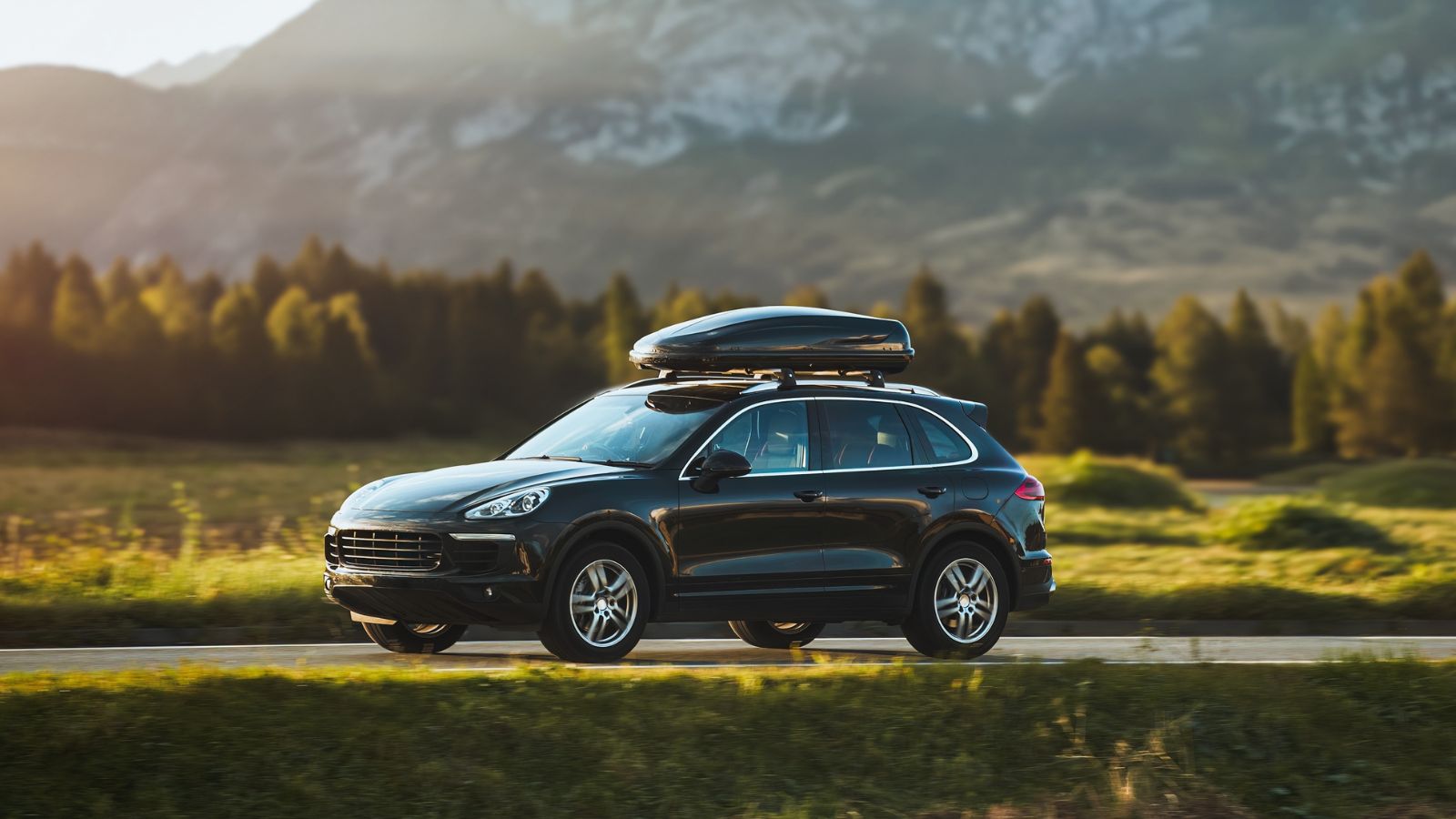
Warm weather brings toys, and toys bring drag. Canoes, paddleboards, bicycles, rooftop cargo boxes, and extra gear make summer driving feel purposeful and outdoorsy, but they also make vehicles less efficient. A rack that is forgotten on the roof for weeks becomes a quiet tax on every drive, not just the adventure days. Because the setup often goes on in spring and stays on through early fall, many drivers stop noticing it until the fuel budget feels heavier than expected.
This expense is especially Canadian because so many trips are tied to seasonal gear. The same family vehicle that handled winter school runs suddenly becomes a bike hauler, camping carrier, or lake-weekend machine. The convenience is real, but so is the aerodynamic penalty. Even an empty rack can work against efficiency, which means the cost keeps running after the gear has been unloaded. Warm weather turns this into a noticeable expense because lifestyle changes are visible on the roofline. The fun begins outside the city, but the drag starts the moment the vehicle leaves the driveway.
Roadside Assistance and Membership Fees

Roadside assistance often feels like an abstract good idea until the weather improves and the travel radius expands. That is when membership renewals or new sign-ups start to look reasonable again. The first planned highway trip, the first tow scare, or the first thought of a flat tire far from home can push people into paying for peace of mind they ignored all winter. The expense is not tied to something broken in the moment; it is tied to the possibility that something might go wrong at the worst possible time.
That makes it a very seasonal form of spending. Canadians who barely thought about breakdown coverage during short, familiar winter routes can suddenly decide it is essential once summer means intercity drives, camping weekends, or cross-border travel. Membership plans are rarely ruinous, but they still add to the total cost of the season. And because the money is spent before a service is used, it can feel slightly annoying right up until the exact moment it feels brilliant. Warm-weather driving has a way of making that insurance-against-inconvenience feel easier to justify.
Insurance Adjustments Once Mileage Climbs

Insurance is easy to treat as a fixed background bill, yet warm weather is when many drivers realize it is tied to how the vehicle is actually being used. More kilometres, more frequent trips, and different travel patterns can all make the policy feel less static than expected. A car that spent months doing minimal local work may start racking up much higher seasonal mileage, and insurers do pay attention to annual distance and usage when setting premiums. That is why the cost can feel more noticeable once the vehicle starts living a busier life.
There is a second layer too: optional protection suddenly looks more relevant when the car is being used more aggressively for travel. Loss-of-use coverage, for example, can seem unnecessary until a repair sidelines the vehicle during prime driving season and a rental is needed to keep plans intact. Then a relatively modest annual add-on can look like a bargain compared with paying daily transportation costs out of pocket. Warm weather does not always make premiums rise immediately, but it does make policy details matter more, because the practical consequences of being under-covered become much easier to imagine.
Hail, Wildlife, and Other Seasonal Claims
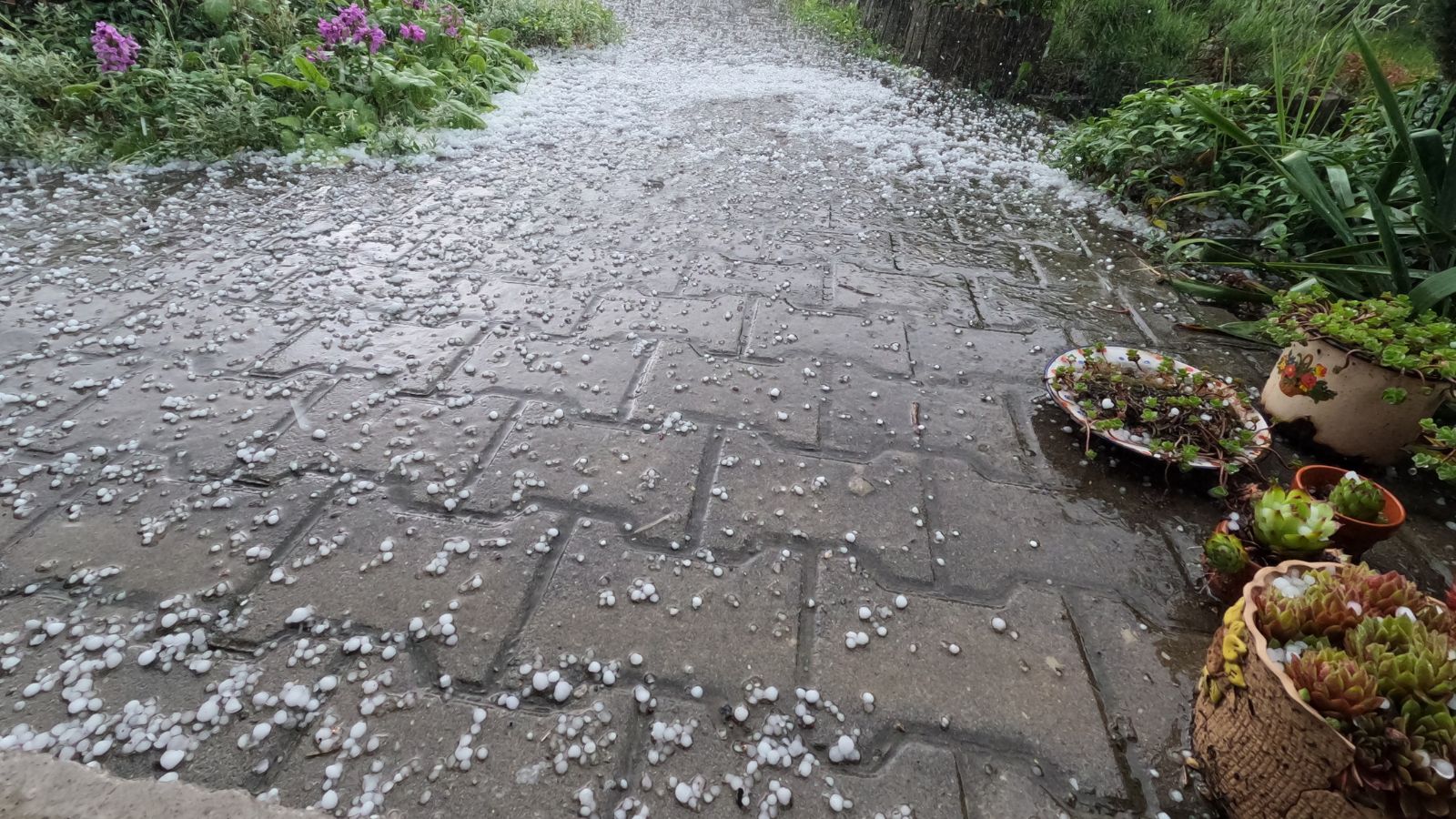
Warm weather brings more driving, but it also brings more exposure to the kinds of non-collision trouble that can still cost real money. Thunderstorms, hail, falling debris, and animal encounters are all easier to picture once Canadians start driving farther through open country and unpredictable conditions. These are the bills many motorists do not budget for because they do not feel routine. Yet they are exactly the kinds of events that can turn an ordinary summer trip into a deductible, a claim, or an urgent repair appointment.
The financial sting is sharper because these incidents feel random. A clear afternoon can end under a hail cloud. A dusk drive can become an animal strike with almost no warning. Even when insurance responds, there are still delays, paperwork, and out-of-pocket exposure depending on the coverage chosen. Warm weather makes these expenses more noticeable not because the risks are new, but because the season increases time on the road and distance from home. The more Canadians drive for pleasure, the more often they meet the expensive side of unpredictability.
22 Things Canadians Do to Their Cars in Spring That Mechanics Hate

Spring brings relief to many Canadian drivers after months of snow, freezing temperatures, and icy roads that put serious strain on vehicles. As temperatures rise across the country, drivers begin washing cars, switching tires, and preparing vehicles for warmer weather and upcoming road trips. However, mechanics across Canada notice the same mistakes every spring when drivers attempt to recover from winter damage. Road salt, potholes, and harsh winter driving conditions often leave vehicles with hidden problems that drivers ignore. Some spring habits even create new mechanical issues that could have been avoided with proper maintenance. Here are 22 things Canadians do to their cars in spring that mechanics hate.