
























Summer road trips already ask a lot from a vehicle: long highway stretches, packed cargo areas, mountain passes, cottage roads, ferry lineups, and fuel stops that seem to arrive sooner than expected. In Canada, where gas prices, insurance exposure, tire wear, and repair costs can vary sharply by province and season, the wrong vehicle can make a simple getaway feel surprisingly expensive.
These 17 cars, SUVs, and trucks are not necessarily bad vehicles. Many are powerful, desirable, capable, or comfortable. The issue is that their real-world road-trip costs can climb quickly once fuel consumption, premium-gas needs, large tires, depreciation, theft risk, and maintenance are added to the plan.
Jeep Wrangler 392

The Jeep Wrangler 392 brings a huge personality to a Canadian summer road trip, but that personality comes with a serious thirst. Its V8 power, off-road hardware, boxy shape, and oversized tires all work against fuel efficiency on long highway drives. The open-air experience may feel perfect on a sunny trip through the Rockies or along the Cabot Trail, but the fuel stops can become part of the itinerary.
The Wrangler also has road-trip compromises that can add cost indirectly. Wind noise, tire noise, and a firm ride can make long distances feel tiring, especially with passengers and luggage aboard. Large all-terrain tires are not cheap to replace, and off-road use can accelerate wear on brakes, suspension parts, and underbody components. For buyers who mostly drive pavement, the 392’s charm can be expensive to justify.
Cadillac Escalade
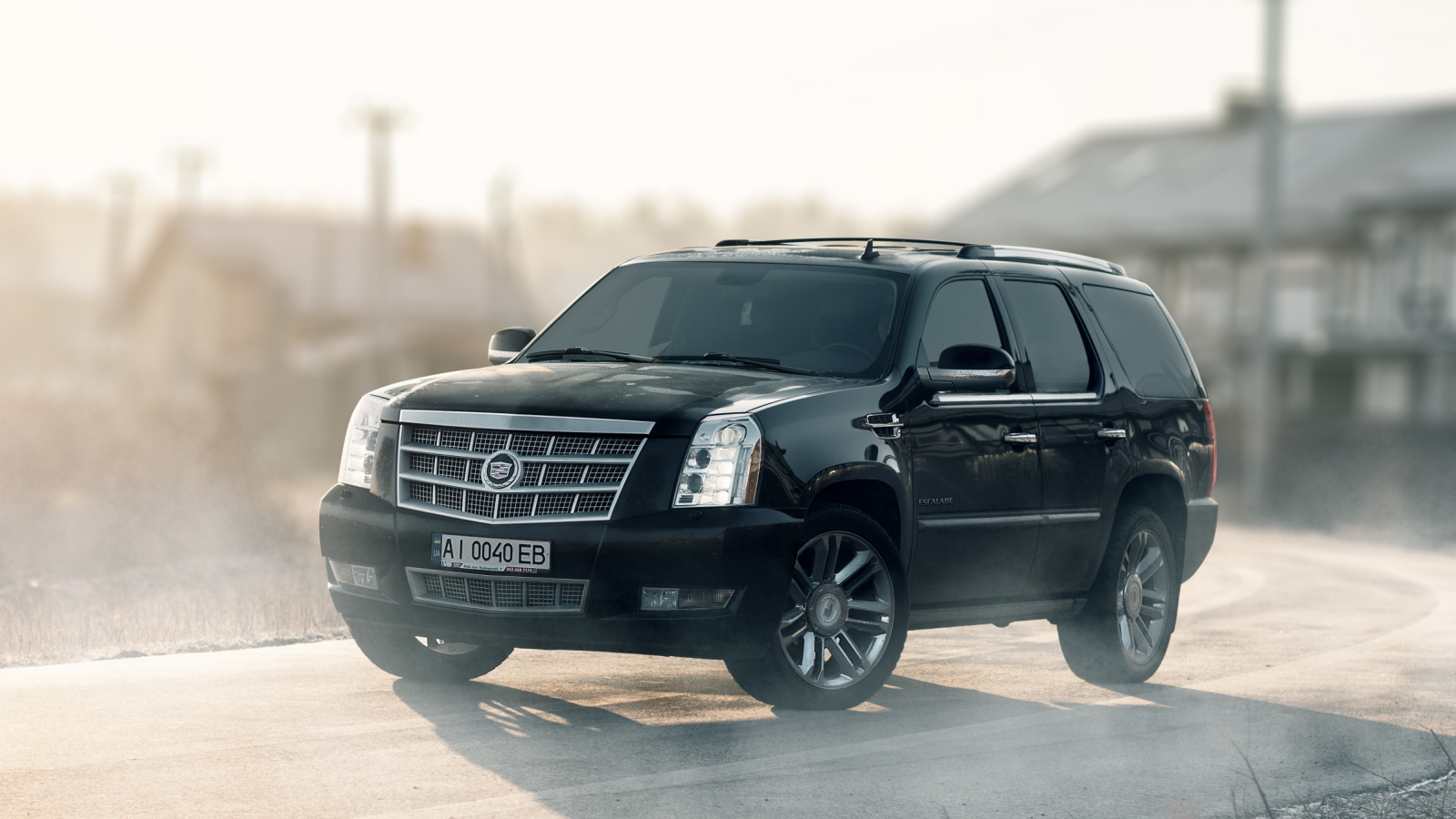
The Cadillac Escalade is built for comfort, space, and presence, which makes it tempting for families planning long-distance summer travel. It can swallow luggage, passengers, coolers, and camping gear with ease. The problem is that a large luxury SUV with V8 power and a heavy curb weight can turn every fuel stop into a reminder that comfort carries a price.
Long trips can also expose other ownership costs. Large wheels, premium tires, advanced electronics, adaptive suspension parts, and luxury-grade repairs are all more expensive than on a mainstream three-row crossover. Parking in busy tourist towns can be awkward, and insurance can reflect both high replacement value and expensive repair parts. It is a wonderful highway cruiser, but not a budget-friendly one.
Ford F-150 Raptor
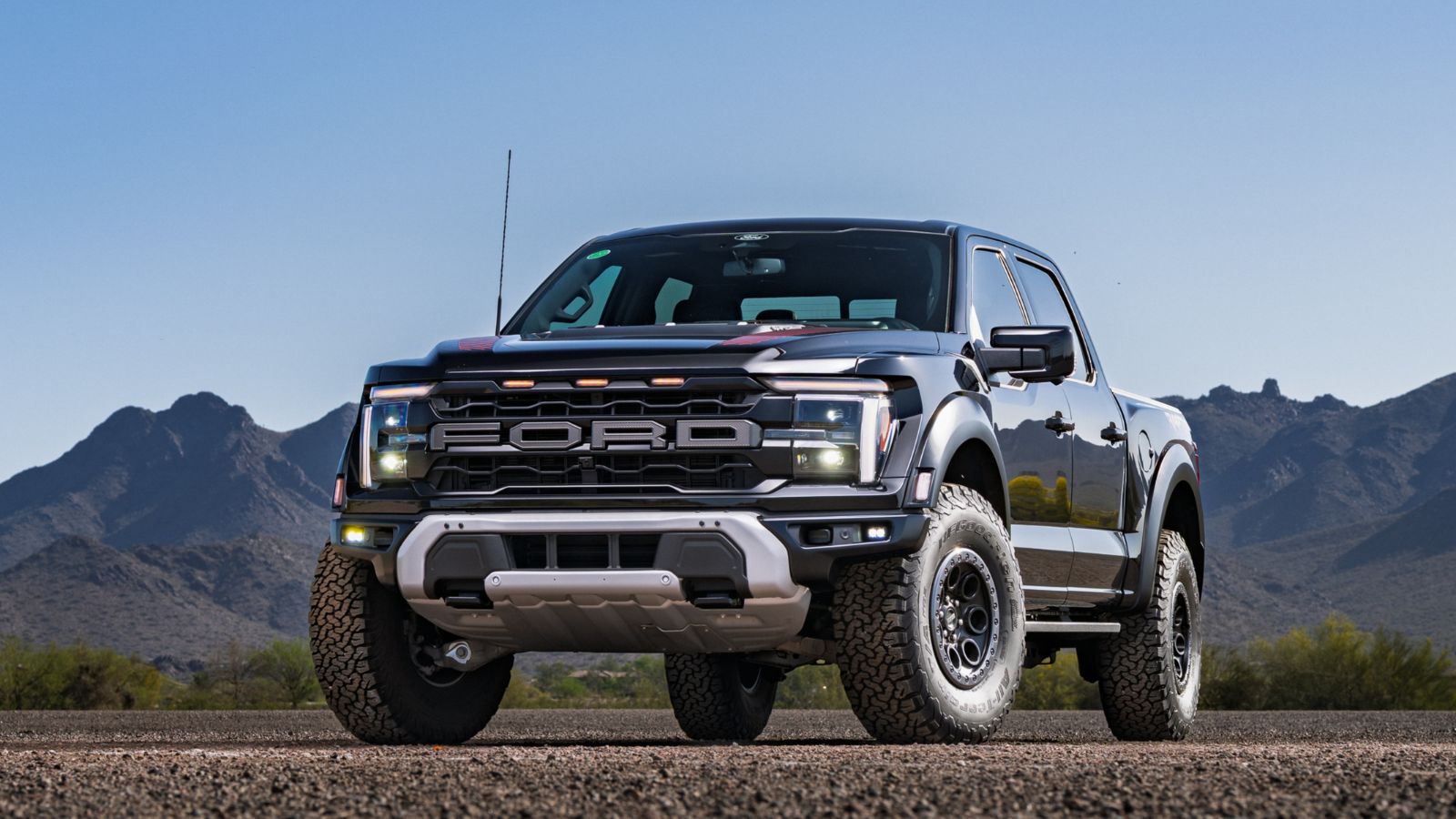
The Ford F-150 Raptor is built for speed over rough terrain, not for quietly sipping fuel across the Trans-Canada Highway. Its wide stance, aggressive tires, high-output engine, and off-road suspension are thrilling on gravel roads and remote trails. On long summer drives, though, the same hardware increases rolling resistance and fuel use, especially when the truck is loaded with bikes, camping gear, or towing equipment.
There is also the “weekend adventure tax” that comes with a truck like this. Replacement tires can be expensive, windshield chips are common on gravel routes, and accessories such as racks, covers, recovery gear, and off-road protection can quickly add to ownership costs. The Raptor makes every trip feel more dramatic, but that drama rarely comes cheap.
Ram 1500 Tungsten
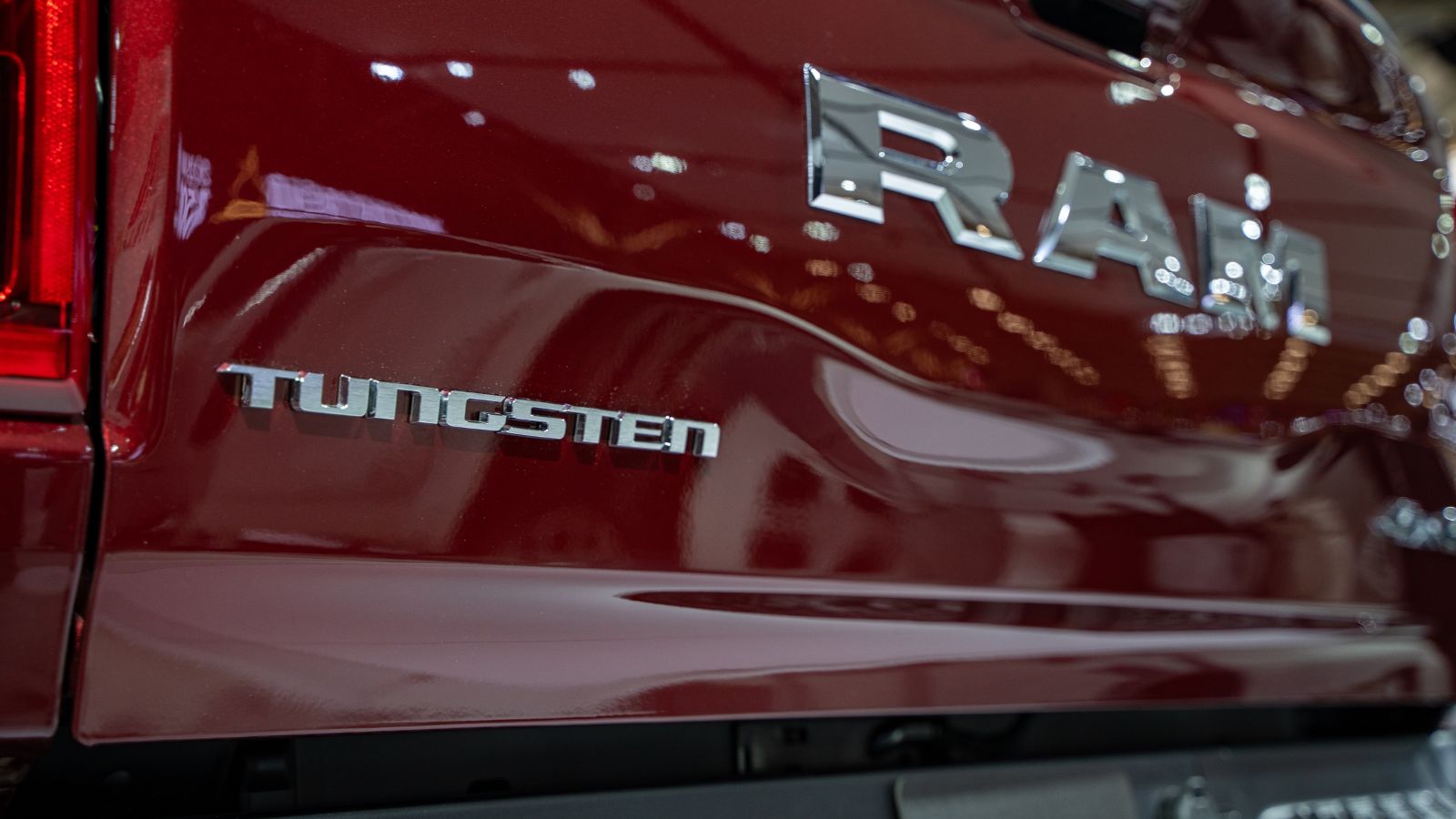
The Ram 1500 Tungsten is a luxury truck with serious comfort credentials. Its cabin can feel more like a premium lounge than a work pickup, which is ideal for long highway days across Canada. However, higher-output versions and loaded trims can be heavy, expensive to insure, and more costly to fuel than buyers expect when the summer travel calendar fills up.
A truck also tends to invite extra spending. Families may add tonneau covers, bed organizers, towing equipment, upgraded tires, or roof and hitch carriers. Once loaded, fuel economy can drop noticeably, especially in hilly terrain or prairie crosswinds. The Tungsten’s comfort is real, but so is the cost of moving a large, powerful, highly equipped pickup over thousands of kilometres.
Chevrolet Tahoe
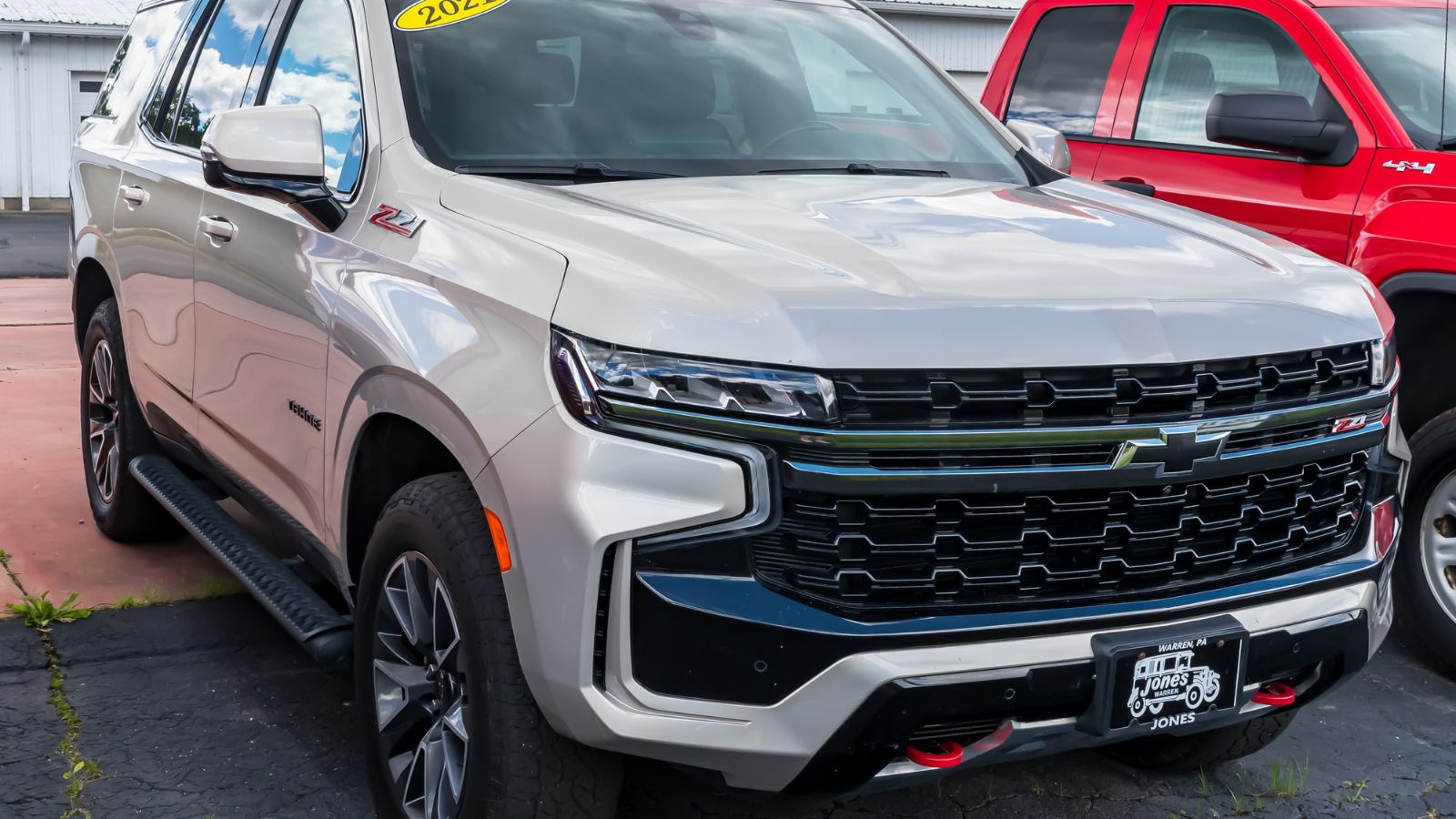
The Chevrolet Tahoe remains a classic Canadian road-trip vehicle because it offers generous seating, towing ability, and the kind of cargo space that makes family packing easier. Yet those strengths are tied to size and weight. With a gasoline engine, a full passenger load, and highway speeds, fuel costs can climb quickly during cottage weekends or cross-province drives.
The Tahoe can also become expensive through tires, brakes, and insurance. Large SUVs carry more mass, and that mass matters when driving through mountain routes, packed urban traffic, or repeated summer stop-and-go construction zones. Diesel versions can improve fuel efficiency, but purchase price, fuel availability, and maintenance expectations still matter. For many households, the Tahoe’s usefulness is undeniable; its trip budget can be less forgiving.
Nissan Armada
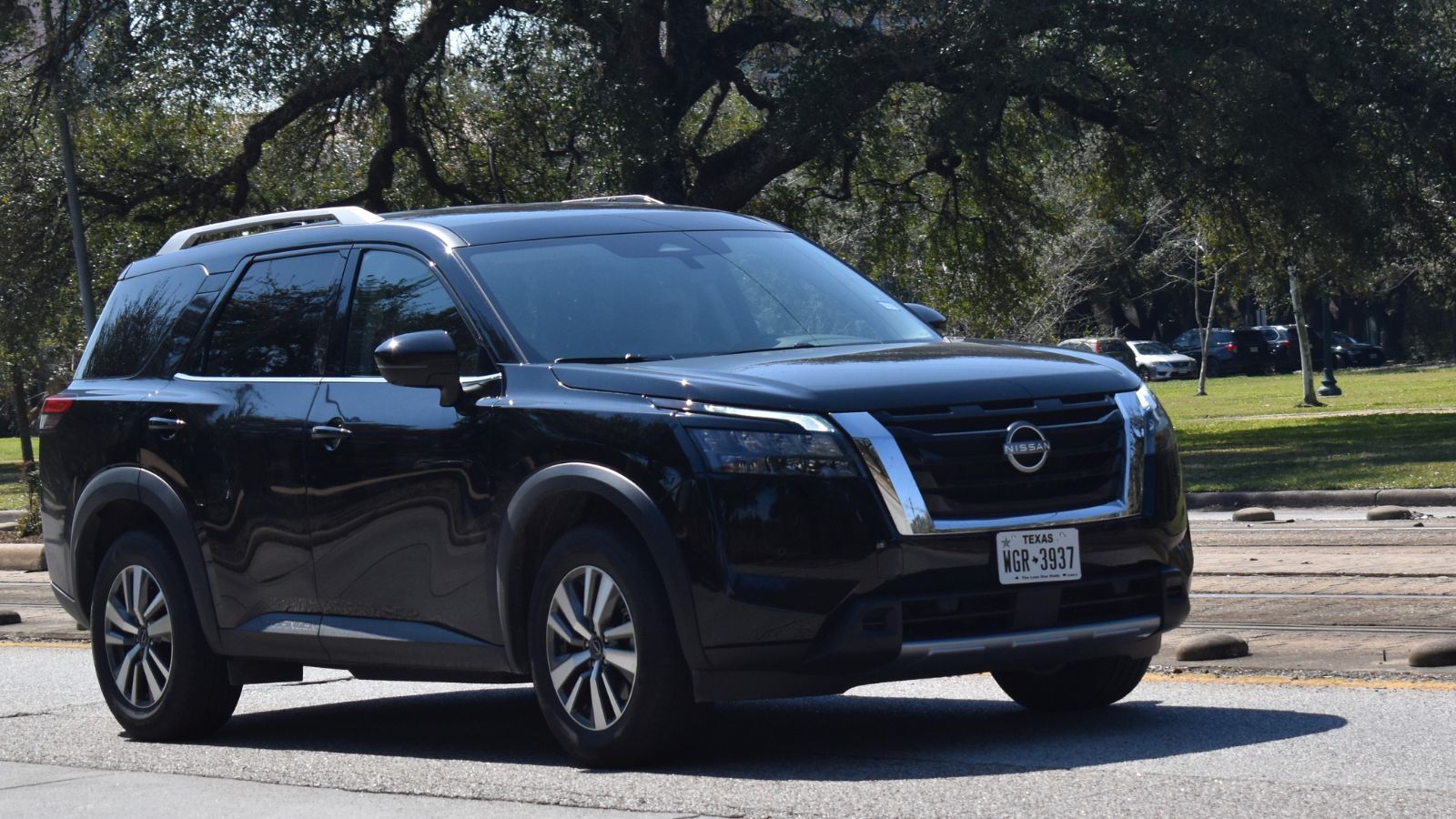
The Nissan Armada is spacious, powerful, and comfortable, which are exactly the qualities that make it attractive for family vacations. Its body-on-frame construction and big-SUV capability make it feel confident when loaded with people and gear. The catch is that this kind of vehicle generally consumes more fuel than a midsize crossover, and road trips magnify that difference fast.
The Armada can also become costly because it encourages heavy use. Towing boats, trailers, or ATVs increases fuel burn, while big tires and premium trim features raise replacement and repair costs. In areas where parking is tight or gas stations are far apart, its size can become another practical burden. It is a capable hauler, but not the lightest financial companion.
Lexus GX 550
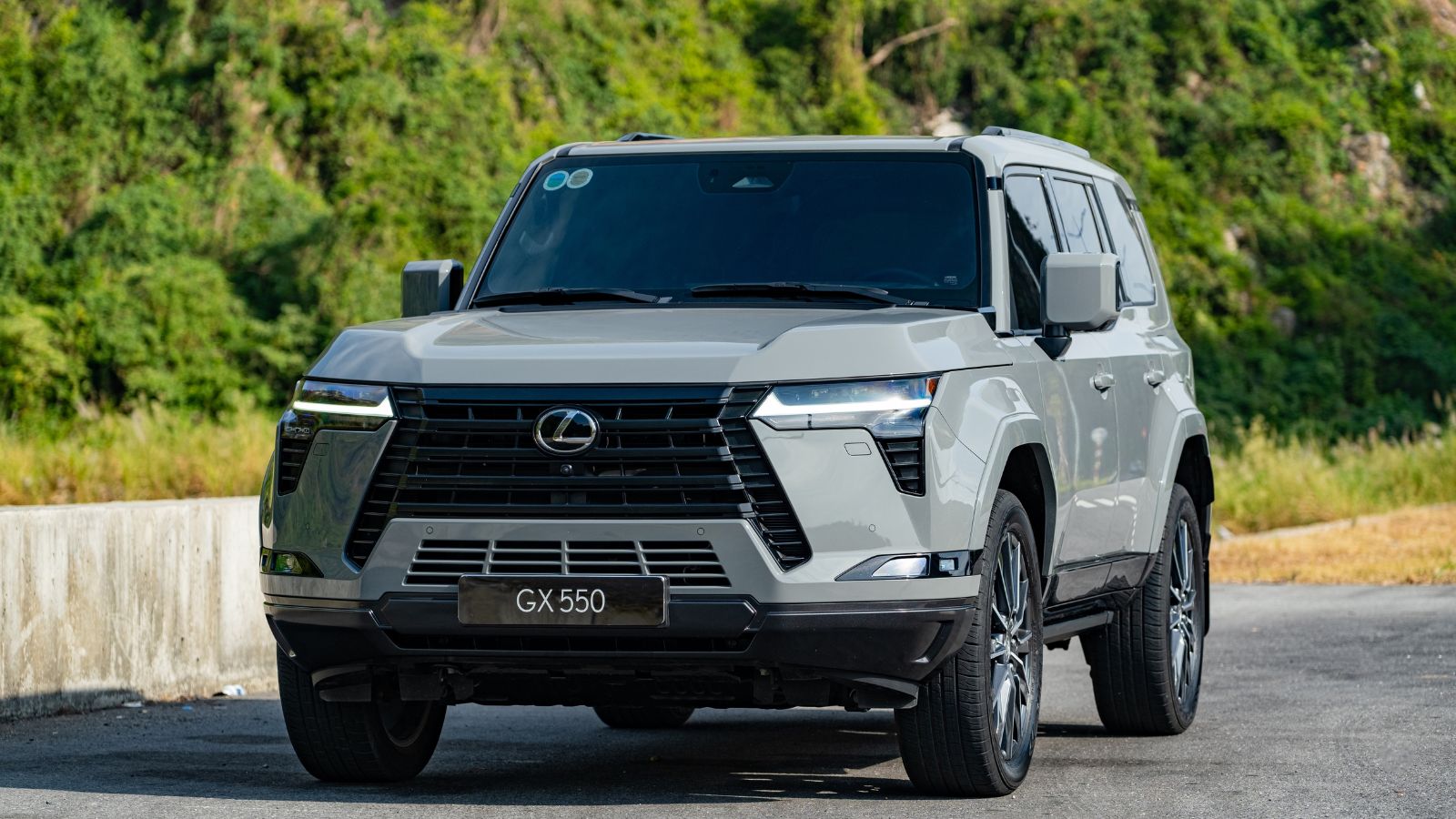
The Lexus GX 550 brings rugged luxury to the road-trip equation. It has a strong turbocharged engine, a truck-based feel, and enough refinement to make long highway stretches pleasant. For Canadians heading toward cottage roads, ski-town routes in summer, or remote campgrounds, it can feel reassuring. The issue is that its capability and luxury both increase the cost of travel.
Premium fuel requirements, higher fuel consumption, expensive tires, and luxury-service pricing can make the GX more costly than shoppers expect. Its tall stance and off-road-oriented nature also mean it is not as efficient as many unibody family SUVs. The GX may hold appeal because of Lexus durability and resale strength, but summer kilometres still arrive with a premium bill attached.
Toyota 4Runner
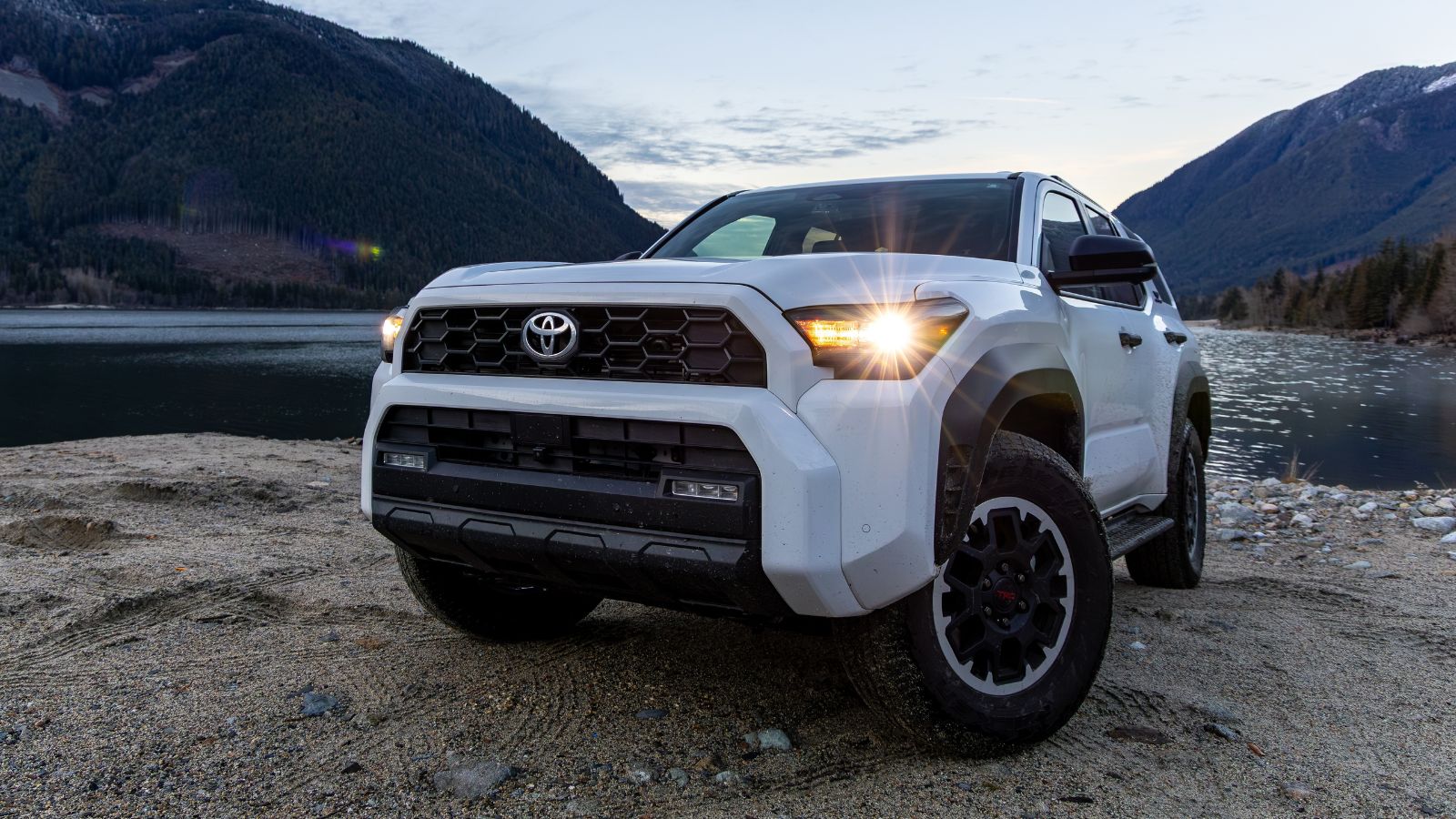
The Toyota 4Runner has a reputation for toughness, and that reputation is a major reason Canadians keep considering it for adventure travel. It is useful on rough cottage roads, forest routes, and long trips where dependability matters. Even newer versions, however, are still shaped by off-road priorities, which can mean more fuel use than lighter, more aerodynamic crossovers.
A 4Runner can also be expensive because it tends to be modified. Roof racks, all-terrain tires, lift kits, cargo boxes, and overlanding gear all add weight and aerodynamic drag. That can make a summer route through British Columbia, Northern Ontario, or the Maritimes noticeably pricier at the pump. The 4Runner can handle demanding trips, but its rugged image can encourage spending well beyond the purchase price.
Land Rover Defender
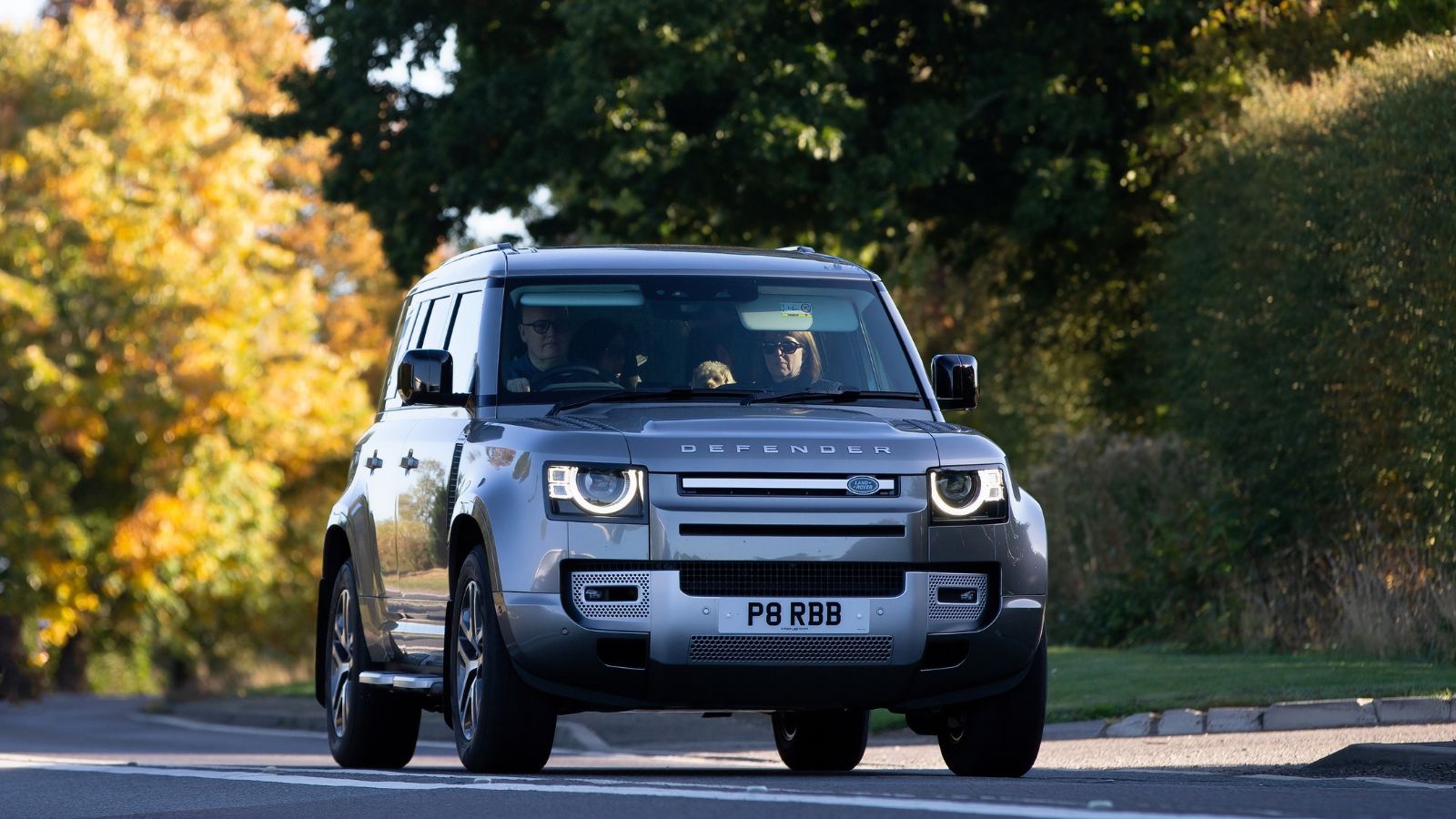
The Land Rover Defender can make a summer road trip feel special. Its upright styling, refined cabin, and off-road credentials create a strong sense of occasion, whether the destination is a luxury lodge or a remote trailhead. Yet the same blend of premium engineering and capability can make long-distance ownership expensive in Canada.
Fuel use is only part of the concern. Premium tires, complex electronics, specialized service, and luxury-brand repair pricing can all matter when the vehicle is far from a major service centre. Even minor damage from gravel roads or campground parking lots can be more expensive than expected. The Defender is charming and capable, but it is not the simplest way to keep travel costs predictable.
BMW X5 M60i
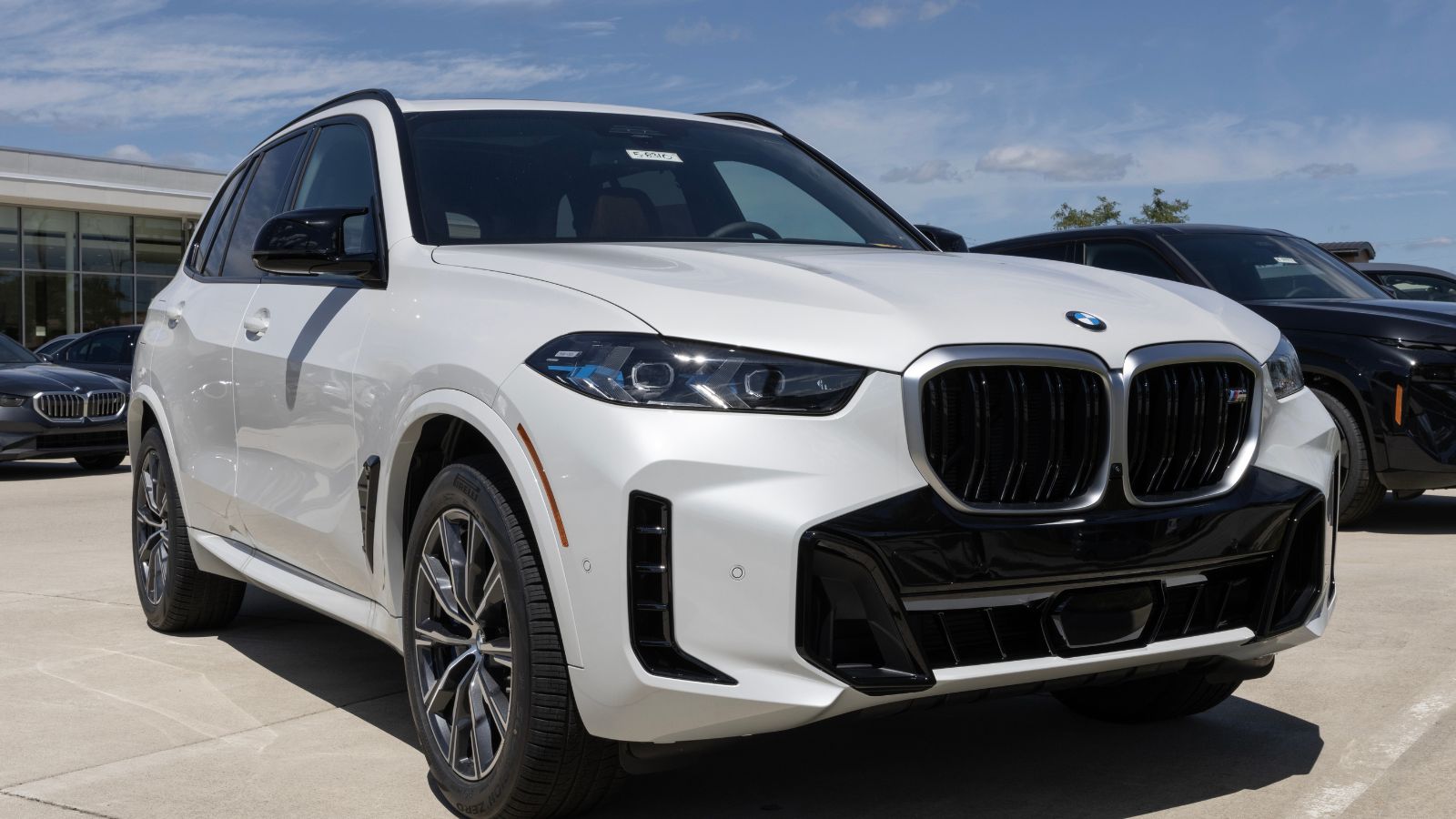
The BMW X5 M60i is fast, polished, and comfortable enough to shrink long distances. For road trips, that makes it highly appealing: quiet cabin, strong passing power, stable handling, and a premium interior. The cost issue starts with its performance-focused V8 mild-hybrid powertrain, premium fuel appetite, and expensive tires that may wear faster under enthusiastic driving.
Luxury performance SUVs also bring higher repair and insurance exposure. A cracked wheel, damaged run-flat tire, electronic fault, or brake service can cost much more than on a mainstream SUV. The X5 M60i may make a highway trip feel effortless, but effortless speed often hides expensive operating costs until the fuel, tire, and service receipts arrive.
Porsche Cayenne S
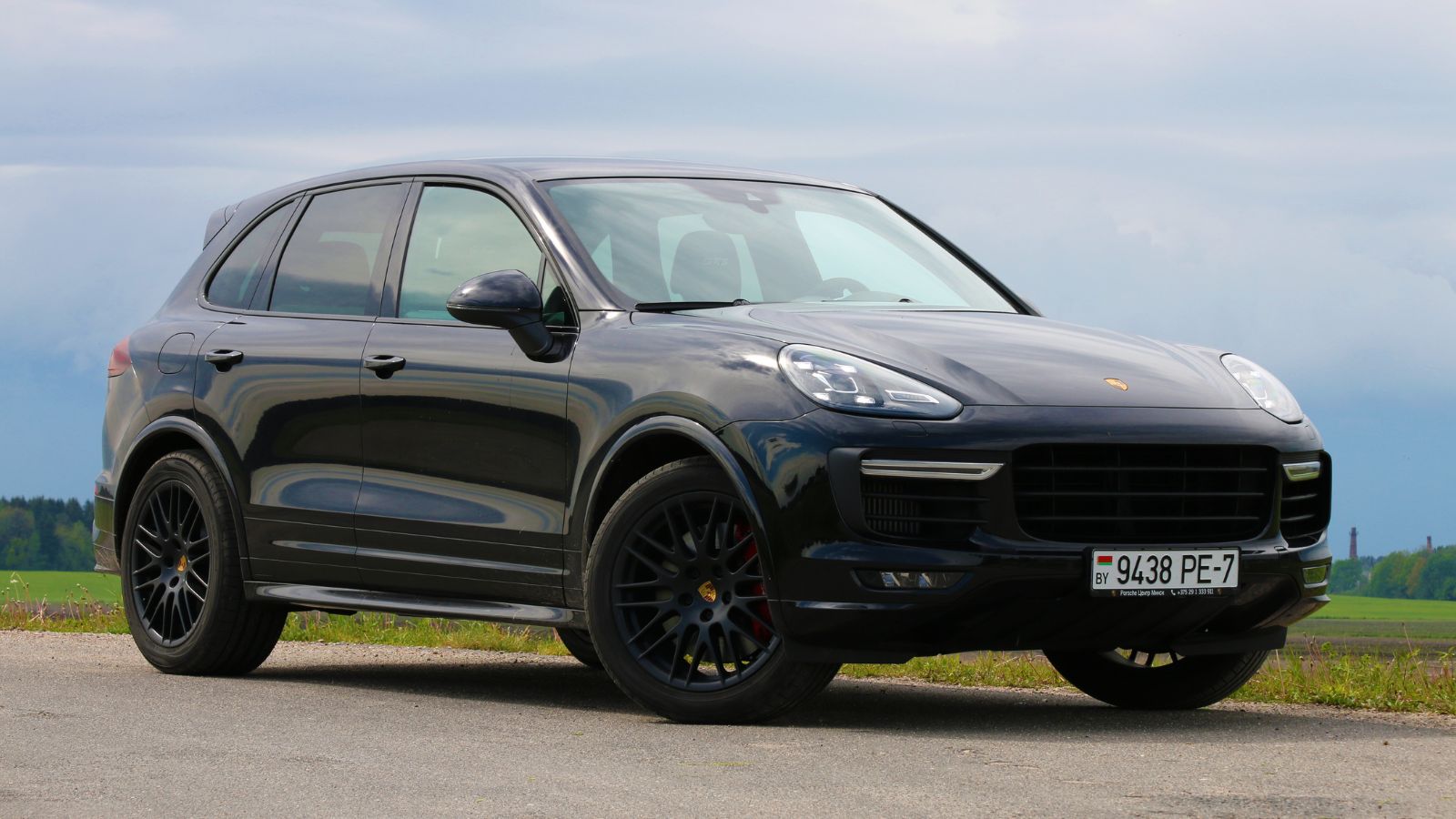
The Porsche Cayenne S can turn a summer highway drive into something genuinely enjoyable. It combines sports-car reflexes with SUV practicality, which is why it appeals to drivers who want performance without giving up luggage space. Still, a performance luxury SUV with premium-fuel needs and wide tires can make a long Canadian road trip noticeably more expensive.
The Cayenne’s costs are not limited to gasoline. Porsche maintenance, performance tires, brakes, and specialized service can add up quickly, particularly after repeated high-speed highway use or mountain driving. A family trip through Banff, Muskoka, or Vancouver Island may feel more memorable behind the wheel, but the operating budget will rarely resemble that of a mainstream crossover.
Mercedes-AMG GLE 53
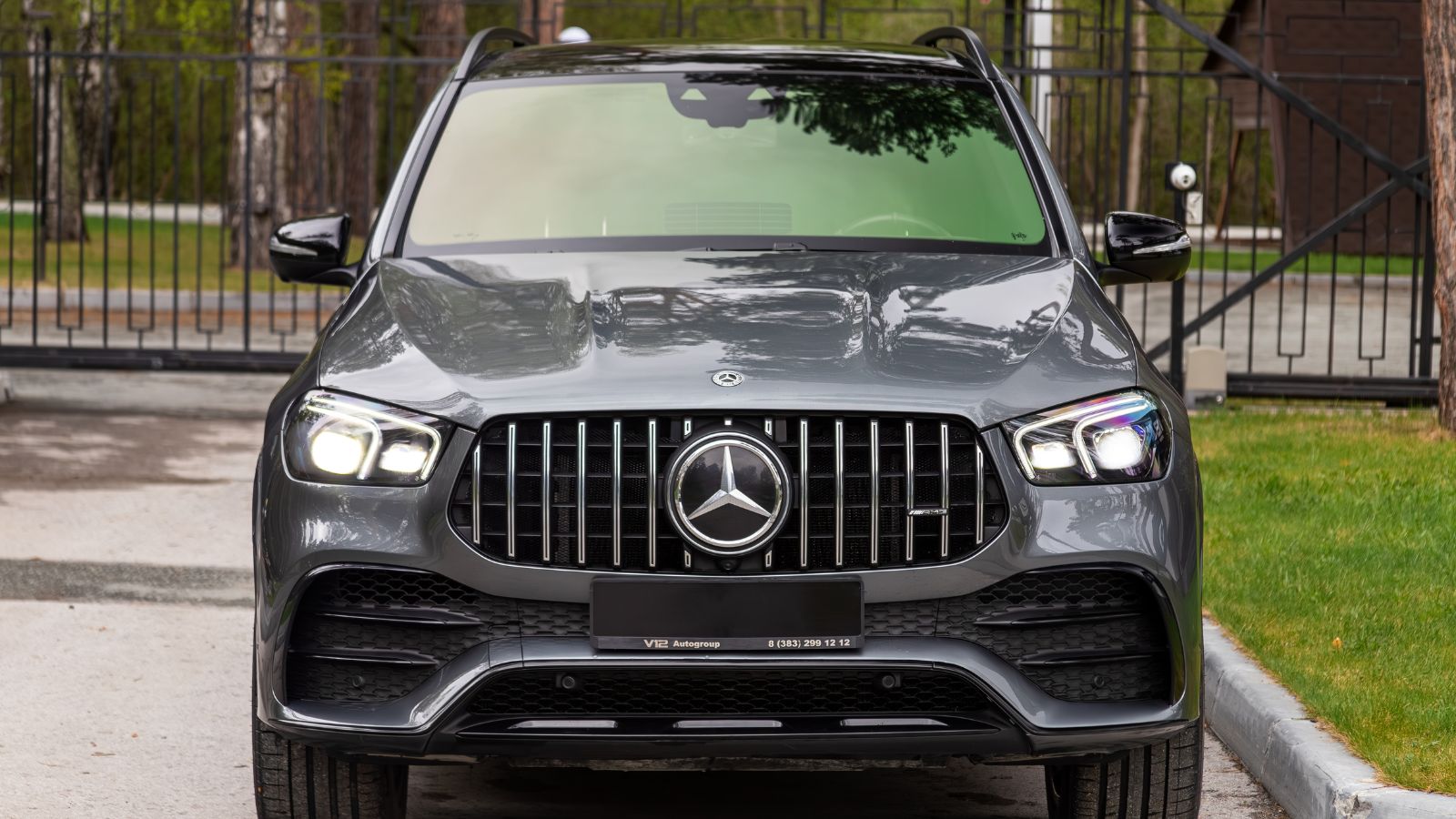
The Mercedes-AMG GLE 53 sits in a tricky middle ground: practical enough for family travel, but tuned and priced like a performance vehicle. Its mild-hybrid turbocharged engine, premium cabin, and AMG hardware make it feel special on long drives. However, premium gasoline, large wheels, performance tires, and higher service costs can all make summer travel more expensive.
Road trips also expose how costly luxury technology can be. Advanced driver-assistance systems, air suspension components, infotainment hardware, and AMG-specific parts are not cheap if something goes wrong. Even without repairs, insurance and tire costs can be higher than many families expect. The GLE 53 is a refined way to travel, but refinement is rarely the low-cost option.
Ford Mustang GT
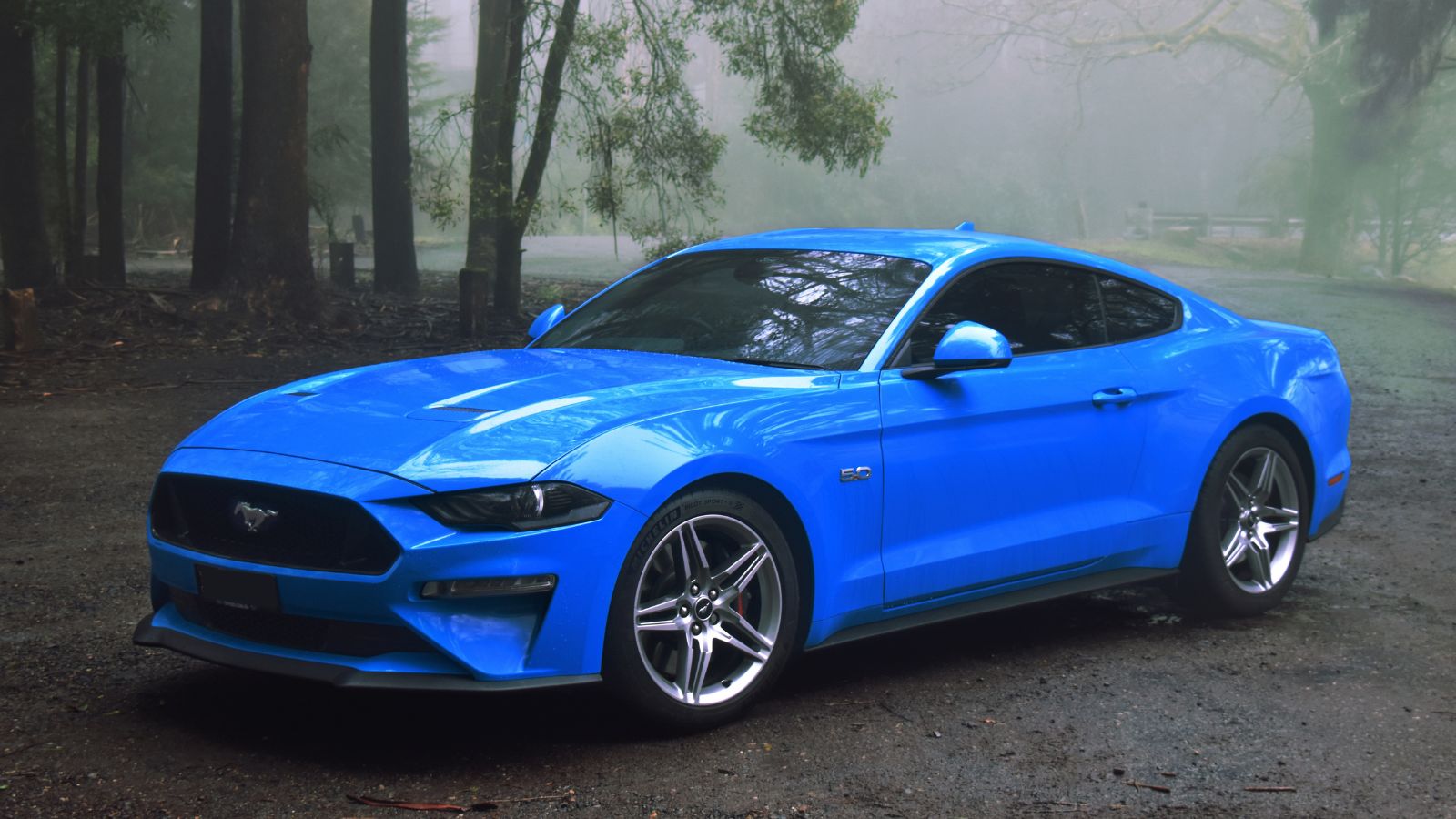
The Ford Mustang GT is one of the most entertaining ways to cover a summer highway, especially on scenic routes with open pavement and good weather. Its V8 soundtrack and rear-drive personality are part of the appeal. The problem is that a performance coupe or convertible can feel expensive once fuel, premium tires, and limited cargo practicality enter the trip.
For two people packing light, the Mustang can work beautifully. For longer Canadian road trips with luggage, coolers, sports gear, or unpredictable weather, compromises show up quickly. The GT’s fuel consumption is much higher than the four-cylinder model, and spirited driving can widen that gap. It may deliver memories per kilometre, but it will not deliver economy-car travel costs.
Subaru WRX
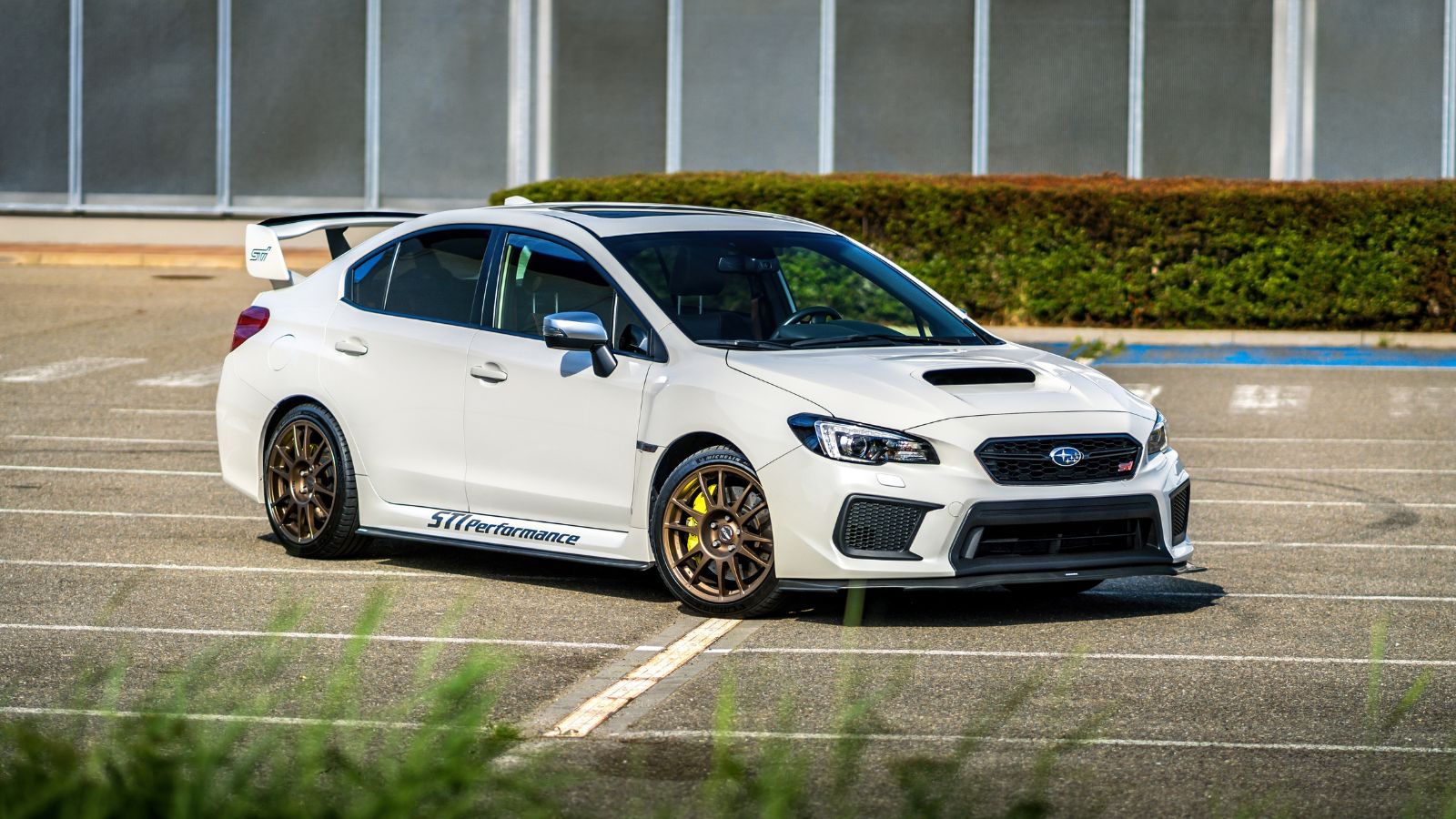
The Subaru WRX looks more affordable than many performance cars, but it can still make summer travel costlier than expected. Its turbocharged engine, all-wheel drive, manual-transmission appeal, and performance tires create a fun package for winding roads. Those same features can raise fuel use, tire wear, and insurance costs compared with a conventional compact sedan.
The WRX also tends to attract enthusiastic driving, and that matters on long trips. Mountain passes, rural two-lanes, and quick passing manoeuvres are exactly where fuel economy can suffer. Premium fuel requirements add another layer of expense when gas prices are high. For drivers who value engagement, the WRX is rewarding, but its road-trip budget can look less compact than its size suggests.
Jeep Grand Cherokee 4xe

The Jeep Grand Cherokee 4xe can look like a smart compromise: electric driving for daily use, SUV comfort for long trips, and Jeep capability for rougher destinations. The challenge is that plug-in hybrids depend heavily on charging habits. On a long highway trip after the battery is depleted, the vehicle behaves more like a heavy gasoline SUV than a low-cost electric commuter.
That gap can surprise owners who bought the 4xe expecting consistently low fuel bills. Public charging may help, but fast or paid charging can be less convenient on a busy travel route, and not every stop aligns with lunch or rest breaks. The 4xe can save money in the right routine, but summer road trips may expose its gasoline side.
Tesla Model X
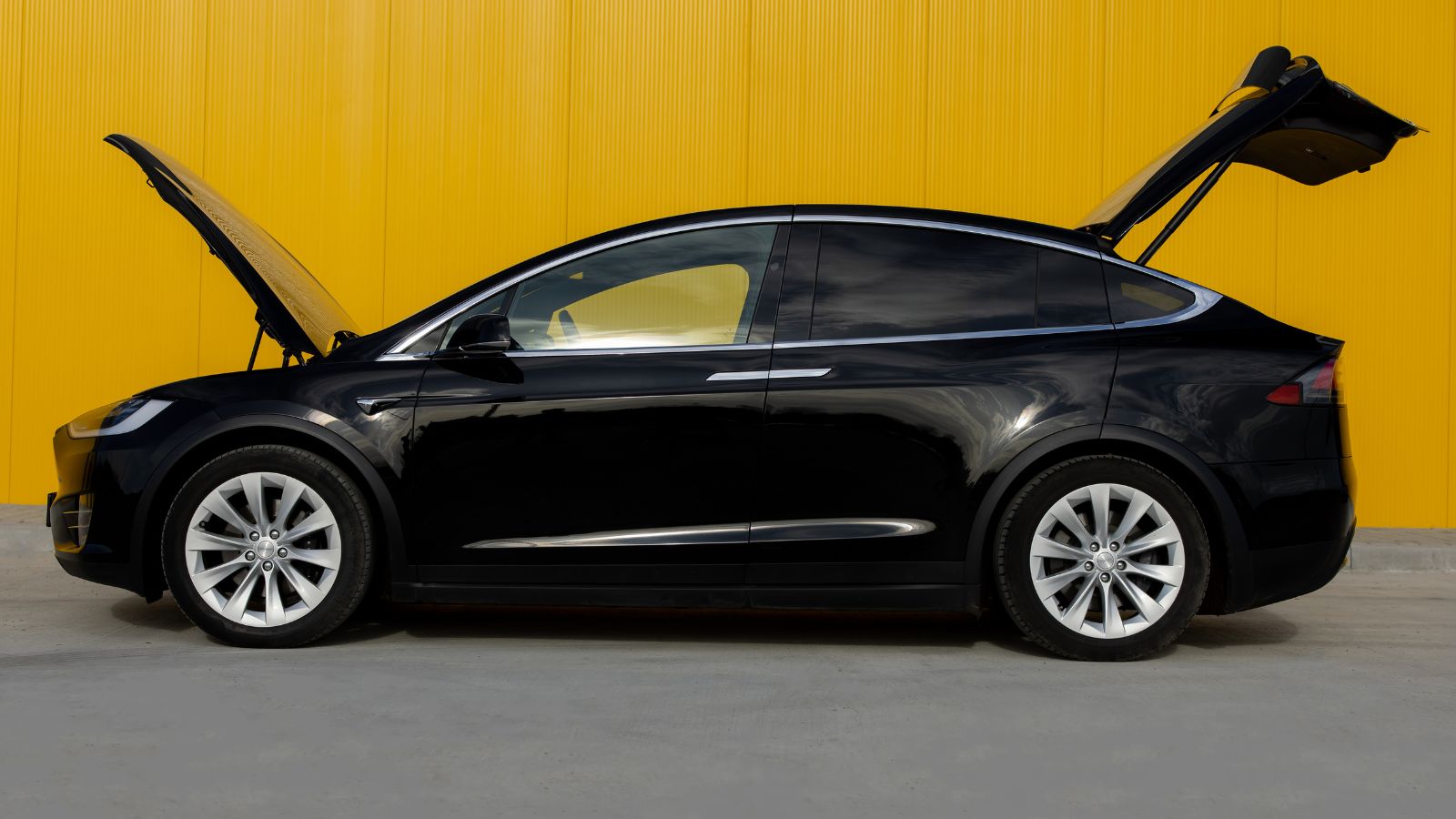
The Tesla Model X can be very efficient compared with large gasoline SUVs, but road-trip costs are not always as simple as “electric equals cheap.” Public fast charging is usually more expensive than home charging, and highway speeds, headwinds, roof boxes, cold rain, and heavy passenger loads can reduce range. On a long Canadian summer route, charging stops can shape the day.
The Model X also carries premium-vehicle costs. Large tires, complex doors, high repair costs, and insurance exposure can make ownership expensive even when energy costs are lower. For households with home charging and planned routes, it can be a comfortable long-distance EV. For spontaneous travel through charging-sparse areas, it may feel more expensive in time, planning, and potential service costs.
Toyota Tundra Hybrid
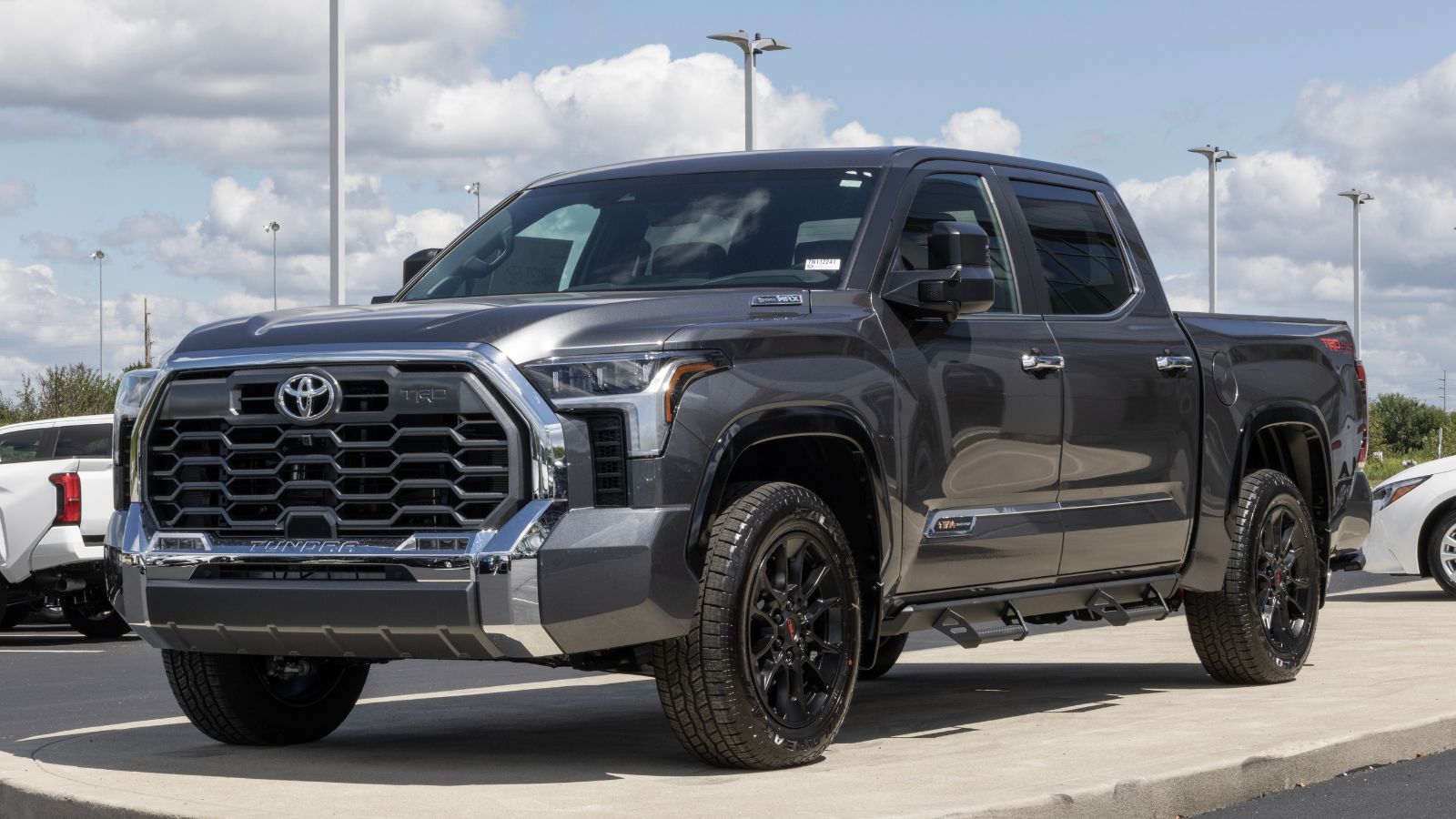
The Toyota Tundra Hybrid sounds like it should be the economical choice, but in a full-size truck, hybridization does not automatically mean compact-car fuel bills. Its hybrid system is tuned partly for power and torque, which is useful for towing and loaded travel. On a summer trip with a trailer, bikes, coolers, passengers, and highway speeds, fuel savings can narrow quickly.
The Tundra also brings typical full-size truck expenses. Tires, brakes, accessories, insurance, and depreciation all matter, especially on higher trims. The hybrid system adds performance and drivability, but shoppers expecting dramatic fuel savings may be disappointed. It is capable and comfortable for big-distance travel, but it can still make a road trip feel like a premium undertaking.
22 Things Canadians Do to Their Cars in Spring That Mechanics Hate

Spring brings relief to many Canadian drivers after months of snow, freezing temperatures, and icy roads that put serious strain on vehicles. As temperatures rise across the country, drivers begin washing cars, switching tires, and preparing vehicles for warmer weather and upcoming road trips. However, mechanics across Canada notice the same mistakes every spring when drivers attempt to recover from winter damage. Road salt, potholes, and harsh winter driving conditions often leave vehicles with hidden problems that drivers ignore. Some spring habits even create new mechanical issues that could have been avoided with proper maintenance. Here are 22 things Canadians do to their cars in spring that mechanics hate.