


























Ontario’s newest auto-theft ranking tells a familiar and troubling story: the vehicles thieves want most are often the same ones parked in ordinary driveways, school lots, condo garages, and work sites across the province. The biggest names on the list are not rare exotics. They are family SUVs, everyday sedans, and full-size pickups that blend into traffic and hold strong resale or parts value.
This ranking covers 10 vehicles, and together they show how auto theft in Ontario has evolved. Even with theft levels easing from their recent peak, the crime remains deeply tied to organized networks, export routes, re-VINing, and chop-shop activity. What stands out most is not just which vehicles appear, but how predictable the pattern has become.
Honda CR-V
The Honda CR-V sits at the top of Ontario’s latest list, with the 2024 model year leading the way and 1,309 reported thefts. That is not a niche problem tied to one neighbourhood or one kind of owner. It reflects how widely this SUV is used across Ontario, from suburban family homes to commuter parking lots. When a vehicle is everywhere, it offers thieves two advantages at once: volume and invisibility. A stolen CR-V can disappear into normal traffic almost immediately, which makes it easier to move before alarms are raised.
The CR-V also fits the broader pattern officials keep pointing to. Newer SUVs remain prime targets because they are desirable, practical, and easier for criminal networks to resell or move through illicit channels. The fact that the CR-V also ranks near the very top nationally shows this is not just an Ontario issue. It is a warning that the most familiar vehicle in the driveway can also be the most tempting one for organized theft crews.
Dodge Ram 1500 Series
The Dodge Ram 1500 Series takes second place in Ontario, with 1,159 thefts tied to the 2022 model year. That number says something important about how this crime works. Full-size pickups are valuable, easy to strip for parts, and highly useful in multiple markets, legal and illegal. A truck like the Ram is not just a personal vehicle. It can be a work tool, a fleet vehicle, or a profitable export item, which gives it staying power on theft lists year after year.
Its position also shows that Ontario’s theft problem is not only about sleek crossovers and luxury SUVs. There is serious criminal interest in mainstream trucks that hold value and move quickly. The Ram also ranks near the top of the national list, which suggests the demand is broad rather than local. In practical terms, that means owners are not dealing with a random wave of petty theft. They are dealing with a market-driven crime pattern where popular pickups remain high-priority targets.
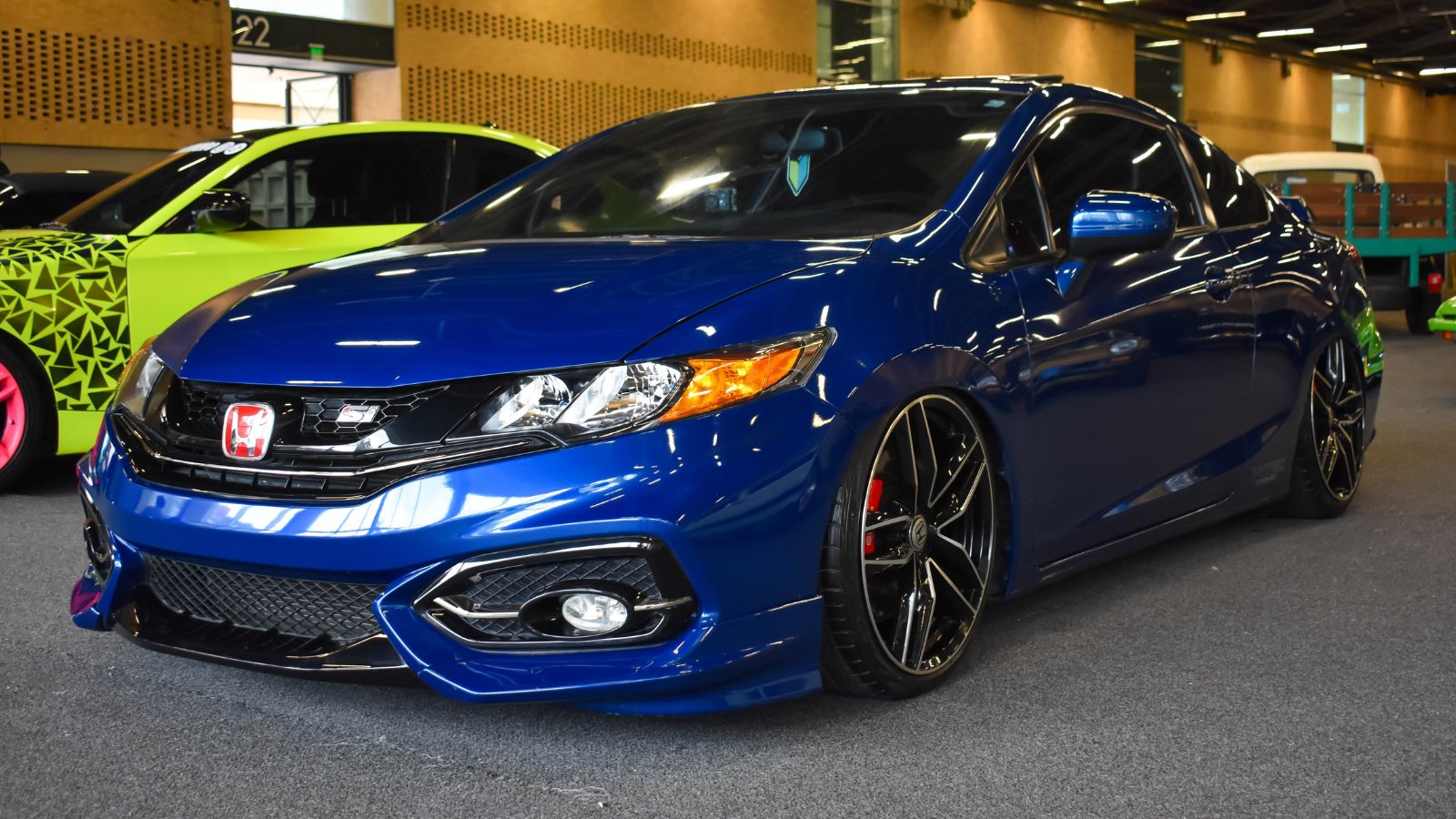
Honda Civic
The Honda Civic lands in third place with 1,113 thefts, tied most often to the 2019 model year. There is something almost stubborn about the Civic’s presence on lists like this. Ontario drivers have heard for years that thieves love Civics, and the model still refuses to disappear from the rankings. Unlike some of the larger SUVs and trucks, the Civic reminds people that ordinary-looking cars are still very much in the crosshairs when they are common, recognizable, and easy to move.
Part of the Civic’s staying power comes from sheer familiarity. It is one of the most widely seen nameplates in Ontario, which makes a stolen one harder to spot and easier to blend into everyday traffic. Its continued appearance also broadens the story beyond the current obsession with tall, high-priced utility vehicles. Yes, the market has shifted toward SUVs and trucks, but the Civic shows that established passenger cars with huge installed bases can still attract thieves in big numbers.
Jeep Wrangler
The Jeep Wrangler comes in fourth with 1,094 thefts, and its theft rate is especially striking because it is high relative to the number insured. That matters. Raw theft totals tell one story, but concentration tells another. The Wrangler is not nearly as common as some of the province’s mainstream family vehicles, yet it still posts a massive theft count. That suggests the model is not simply being caught up in a broad wave. It is being sought out with intent.
There are a few reasons that fits the larger pattern. The Wrangler has strong resale appeal, a distinct identity, and loyal demand that stretches well beyond Ontario. It also sits squarely in the group of newer SUVs that experts say continue to attract organized theft networks. When a vehicle scores highly on both desirability and visibility, it becomes a repeat player on these lists. The Wrangler’s placement shows that a model does not need to be the most common in the province to become a major theft problem.
Ford F-150 Series
The Ford F-150 Series is fifth in Ontario with 1,093 thefts, almost neck-and-neck with the Wrangler. In a way, the F-150’s ranking is the easiest to understand. It is one of the most common trucks on the road, and its footprint in Ontario is enormous. Construction sites, rural properties, delivery fleets, suburban driveways, and urban lots all contribute to that visibility. A vehicle this common creates opportunity. For thieves, the F-150 offers scale, familiarity, and a steady stream of potential targets.
What makes the F-150 especially notable is that its theft volume remains high even though its theft rate is lower than some more concentrated problem vehicles. That is the power of sheer population. A truck can become a major theft story simply because there are so many of them. Its strong national ranking reinforces the point. Ontario’s auto-theft crisis is not only about flashy or unusual vehicles. Sometimes the biggest risk sits in the most normalized part of the market: the truck almost everyone recognizes.
Toyota Tundra
The Toyota Tundra ranks sixth in Ontario with 987 thefts, and its theft frequency is one of the most alarming figures on the board. That makes the Tundra stand out. It is not just that many were stolen. It is that a notably high share of insured Tundras were stolen, which points to a more concentrated form of risk. When a vehicle posts both strong volume and a high theft rate, it usually means thieves are targeting it deliberately rather than simply encountering it often.
That concentrated risk fits with the broader shift experts have flagged toward newer, high-value vehicles that can generate stronger returns. The Tundra’s position also hints at how quickly a model can move up the danger ladder when criminal demand finds it. For Ontario owners, that is the uncomfortable lesson. A vehicle does not need a long history on theft lists to become a serious problem. Once a truck becomes attractive for resale, export, or dismantling, its risk profile can change fast.
Lexus RX Series
The Lexus RX Series places seventh in Ontario with 966 thefts in the newest ranking, but that number does not tell the whole story. The RX was already infamous before this list came out. In Ontario’s earlier provincial ranking, it actually led the field by a wide margin, with an eye-popping theft rate that made it one of the clearest symbols of the province’s theft crisis. So even though it has slipped in the latest order by volume, the RX is still very much part of the core problem.
Its continued presence makes sense. It is a luxury-branded SUV with broad appeal, strong resale value, and the exact kind of profile organized rings have chased in recent years. Équité has also reported a sharp spike in thefts of high-value luxury vehicles, which helps explain why models like the RX keep resurfacing. The RX is no longer the single face of Ontario’s theft wave, but it remains one of the vehicles that best captures how profitable the crime has become.
Toyota RAV4
The Toyota RAV4 lands eighth in Ontario with 904 thefts, which might look modest compared with the top of the provincial list until the national picture comes into view. Across Canada, the RAV4 rose to number one. That makes its Ontario ranking more revealing than it first appears. The province is not avoiding the RAV4 problem. It is simply seeing it in a market where several other models are also getting hit hard. In other words, the RAV4 is both a local issue and a nationwide symbol of changing theft patterns.
Its rise nationally has been linked to the same pressures driving the rest of this list: newer SUVs, strong demand, and criminal tactics that follow resale value and serviceability. That combination makes the RAV4 especially interesting because it is so ordinary. It is not a status vehicle in the traditional sense. It is a mainstream utility vehicle. That is precisely why its theft story lands so hard. It shows how organized theft has moved beyond luxury and deep into the heart of the everyday market.
Toyota Highlander
The Toyota Highlander ranks ninth in Ontario with 815 thefts, and its appearance should not be brushed aside just because it sits lower on the list. The Highlander has been a repeat presence in theft reporting, both provincially and nationally. It checks many of the same boxes as the CR-V and RAV4: family-friendly, broadly trusted, and common enough to avoid standing out. That combination makes it attractive in a theft ecosystem built on quiet movement, rapid turnover, and strong downstream demand.
There is also a broader pattern here worth noticing. The more Ontario’s theft list fills with recognizable family SUVs, the less this crime feels distant or specialized. Vehicles like the Highlander are not symbols of extravagance. They are practical choices made by households that want space, reliability, and comfort. That is what gives the theft issue its emotional charge. It is not only about numbers or insurance losses. It is about how a vehicle chosen for everyday stability can become part of a provincewide criminal supply chain.
Land Rover Range Rover Series
The Land Rover Range Rover Series rounds out Ontario’s top 10 with 708 thefts, but its significance is larger than the placement suggests. Its theft frequency is extremely high, which means the model carries an outsized risk compared with its insured population. That tends to happen when a vehicle is both valuable and easy for theft networks to recognize as worth the effort. On a list crowded with mainstream vehicles, the Range Rover stands out as a reminder that luxury models still command intense criminal attention.
Its inclusion also lines up with the broader evidence that luxury theft has not gone away even as overall totals cool somewhat. Organized groups may be adapting their tactics, but they have not stopped chasing vehicles that promise bigger payouts. The Range Rover’s place on the list reinforces that Ontario’s theft landscape is now a mix of two worlds at once: ordinary high-volume vehicles stolen in large numbers, and premium SUVs stolen at rates that are disproportionately high. Both patterns matter, and both remain expensive.