





















• About
  • Contact
AutoIgloo
  • News & Trends
    9 Auto Brands Canadians Are Watching Much More Closely Right Now

    Ford and Unifor Reach Tentative Deal for 5,150 Canadian Workers as Tariff-Era Auto Layoffs Mount

    20 Signs Your Car Battery Is About to Leave You Stranded

    Trump Tariffs Cut Canadian Auto Output by 64,000 Vehicles While U.S. Plants Add 44,000

    17 Vehicles That Are Quietly Getting Crushed by Insurance Costs in Canada

    Why More Drivers Are Questioning Expensive Vehicle Subscription Features

    17 Cars That Could Make Summer Road Trips Feel a Lot More Expensive in Canada

    20 Things That Can Make a New Car Lose Value Almost Overnight

    27 Things Canadian Drivers Should Do Before Pothole Season Destroys Their Suspension

    15 Signs Your Vehicle Is Becoming Too Expensive to Keep

    19 Things to Photograph Immediately After a Car Accident

    19 Things to Photograph Immediately After a Car Accident

  • Car Reviews
    21 Cars Canadians Are Starting to Regret Buying

    Why Some Drivers Regret Buying Big Wheels and Low-Profile Tires

    17 Vehicles That Are Quietly Getting Crushed by Insurance Costs in Canada

    Why So Many Drivers Are Nervous About Chinese-Made EV Batteries

    20 Used SUVs Canadians Should Think Twice About Buying

    20 Used SUVs Canadians Should Think Twice About Buying

    15 Vehicles That Are Starting to Feel Like a Bad Deal Around May Long Weekend

    15 Vehicles That Are Starting to Feel Like a Bad Deal Around May Long Weekend

    15 Vehicles That Are Starting to Scare Off Canadian Buyers

    15 Vehicles That Are Starting to Scare Off Canadian Buyers

    25 Vehicles That Make the Most Sense for Canadian Families in 2026

    16 Vehicles That Suddenly Look Smart for a Canadian Summer Road Trip

  • Buying Guides
    15 “Hidden Fees” Canadians Keep Paying at Dealerships in 2026

    The Used Car Documents Canadians Should Never Buy Without

    19 Things That Can Make Your Car Insurance Claim Get Denied

    Why Your Car Payment Is Only the Beginning of the Real Cost

    23 Features That Are Making New Cars Harder (and Pricier) to Repair in Canada

    21 Used Car Features That Can Become Expensive Problems Later

    17 Car Scams Canadians Should Watch for Before Sending a Deposit

    Why Car Dealership Trade-In Offers Can Change After You Arrive

    19 Things That Can Make Your Car Insurance Claim Get Denied

    20 Questions to Ask Before Letting a Car Dealership Run Your Credit

    20 Signs a Used Car Was Abused Before It Hit the Lot

    22 Signs a Car Has Been in a Serious Crash Even if the Report Looks Clean

  • Comparisons
    Canada’s Auto Fight Gets Uglier as BYD Threatens to Sue Trump Administration

    Tesla Vs. BYD: Are Chinese EV’s Actually Better for Canadians?

    17 Vehicles That Are Quietly Getting Crushed by Insurance Costs in Canada

    Why So Many Drivers Are Nervous About Chinese-Made EV Batteries

    20 Used SUVs Canadians Should Think Twice About Buying

    20 Used SUVs Canadians Should Think Twice About Buying

    16 Cars That Are a Nightmare to Repair Because Parts Are Backordered

    23 Cars Canadians Love That Have One Deal-Breaker Flaw

    21 Vehicles Insurance Companies Are Quietly Flagging as “High Risk” in Canada (2026 Update)

    19 Vehicles Canadians Regret Leasing (And the Ones They Don’t)

    Why the Next Wave of Chinese EVs Could Force Canada’s Biggest Price War Yet

    Why the Next Wave of Chinese EVs Could Force Canada’s Biggest Price War Yet

  • EVs & Hybrids
    17 SUVs That Are Losing Their Appeal Fast in Canada

    GM Canada Says EV Sales Jumped More Than 30% as CUSMA Uncertainty Hangs Over Showrooms

    9 Auto Brands Canadians Are Watching Much More Closely Right Now

    Toyota Canada Says Electrified Vehicles Are Now Nearly 70% of Its Q2 Sales

    25 EV Charging Mistakes Canadians Make in March (That Wreck Range)

    Ottawa Orders New Study on Whether Canada’s EV Grid Can Handle the Next Wave of Chargers

    23 Features That Are Making New Cars Harder (and Pricier) to Repair in Canada

    Why the Cheapest EVs May Not Be the Best Deal After Three Winters

    Canada’s Auto Fight Gets Uglier as BYD Threatens to Sue Trump Administration

    Tesla Vs. BYD: Are Chinese EV’s Actually Better for Canadians?

    15 Cars That Are Becoming Harder to Resell in Canada

    Used EV prices jump as affordable vehicles disappear

  • More
    • Pricing & Deals
    • Winter Driving
    • Ownership & Maintenance
No Result
View All Result
AutoIgloo
  • News & Trends
    9 Auto Brands Canadians Are Watching Much More Closely Right Now

    Ford and Unifor Reach Tentative Deal for 5,150 Canadian Workers as Tariff-Era Auto Layoffs Mount

    20 Signs Your Car Battery Is About to Leave You Stranded

    Trump Tariffs Cut Canadian Auto Output by 64,000 Vehicles While U.S. Plants Add 44,000

    17 Vehicles That Are Quietly Getting Crushed by Insurance Costs in Canada

    Why More Drivers Are Questioning Expensive Vehicle Subscription Features

    17 Cars That Could Make Summer Road Trips Feel a Lot More Expensive in Canada

    20 Things That Can Make a New Car Lose Value Almost Overnight

    27 Things Canadian Drivers Should Do Before Pothole Season Destroys Their Suspension

    15 Signs Your Vehicle Is Becoming Too Expensive to Keep

    19 Things to Photograph Immediately After a Car Accident

    19 Things to Photograph Immediately After a Car Accident

  • Car Reviews
    21 Cars Canadians Are Starting to Regret Buying

    Why Some Drivers Regret Buying Big Wheels and Low-Profile Tires

    17 Vehicles That Are Quietly Getting Crushed by Insurance Costs in Canada

    Why So Many Drivers Are Nervous About Chinese-Made EV Batteries

    20 Used SUVs Canadians Should Think Twice About Buying

    20 Used SUVs Canadians Should Think Twice About Buying

    15 Vehicles That Are Starting to Feel Like a Bad Deal Around May Long Weekend

    15 Vehicles That Are Starting to Feel Like a Bad Deal Around May Long Weekend

    15 Vehicles That Are Starting to Scare Off Canadian Buyers

    15 Vehicles That Are Starting to Scare Off Canadian Buyers

    25 Vehicles That Make the Most Sense for Canadian Families in 2026

    16 Vehicles That Suddenly Look Smart for a Canadian Summer Road Trip

  • Buying Guides
    15 “Hidden Fees” Canadians Keep Paying at Dealerships in 2026

    The Used Car Documents Canadians Should Never Buy Without

    19 Things That Can Make Your Car Insurance Claim Get Denied

    Why Your Car Payment Is Only the Beginning of the Real Cost

    23 Features That Are Making New Cars Harder (and Pricier) to Repair in Canada

    21 Used Car Features That Can Become Expensive Problems Later

    17 Car Scams Canadians Should Watch for Before Sending a Deposit

    Why Car Dealership Trade-In Offers Can Change After You Arrive

    19 Things That Can Make Your Car Insurance Claim Get Denied

    20 Questions to Ask Before Letting a Car Dealership Run Your Credit

    20 Signs a Used Car Was Abused Before It Hit the Lot

    22 Signs a Car Has Been in a Serious Crash Even if the Report Looks Clean

  • Comparisons
    Canada’s Auto Fight Gets Uglier as BYD Threatens to Sue Trump Administration

    Tesla Vs. BYD: Are Chinese EV’s Actually Better for Canadians?

    17 Vehicles That Are Quietly Getting Crushed by Insurance Costs in Canada

    Why So Many Drivers Are Nervous About Chinese-Made EV Batteries

    20 Used SUVs Canadians Should Think Twice About Buying

    20 Used SUVs Canadians Should Think Twice About Buying

    16 Cars That Are a Nightmare to Repair Because Parts Are Backordered

    23 Cars Canadians Love That Have One Deal-Breaker Flaw

    21 Vehicles Insurance Companies Are Quietly Flagging as “High Risk” in Canada (2026 Update)

    19 Vehicles Canadians Regret Leasing (And the Ones They Don’t)

    Why the Next Wave of Chinese EVs Could Force Canada’s Biggest Price War Yet

    Why the Next Wave of Chinese EVs Could Force Canada’s Biggest Price War Yet

  • EVs & Hybrids
    17 SUVs That Are Losing Their Appeal Fast in Canada

    GM Canada Says EV Sales Jumped More Than 30% as CUSMA Uncertainty Hangs Over Showrooms

    9 Auto Brands Canadians Are Watching Much More Closely Right Now

    Toyota Canada Says Electrified Vehicles Are Now Nearly 70% of Its Q2 Sales

    25 EV Charging Mistakes Canadians Make in March (That Wreck Range)

    Ottawa Orders New Study on Whether Canada’s EV Grid Can Handle the Next Wave of Chargers

    23 Features That Are Making New Cars Harder (and Pricier) to Repair in Canada

    Why the Cheapest EVs May Not Be the Best Deal After Three Winters

    Canada’s Auto Fight Gets Uglier as BYD Threatens to Sue Trump Administration

    Tesla Vs. BYD: Are Chinese EV’s Actually Better for Canadians?

    15 Cars That Are Becoming Harder to Resell in Canada

    Used EV prices jump as affordable vehicles disappear

  • More
    • Pricing & Deals
    • Winter Driving
    • Ownership & Maintenance
No Result
View All Result
AutoIgloo
No Result
View All Result

Home » Ownership & Maintenance

The Gas Station Mistake That Can Leave You With a Massive Repair Bill

Nate Brewer by Nate Brewer
June 29, 2026
Reading Time: 6 mins read
A A
Image Credit: Shutterstock

Image Credit: Shutterstock

465
SHARES
1.5k
VIEWS
Share on FacebookShare on Twitter

A few seconds at the pump can turn into the kind of repair story people repeat for years. The expensive mistake is not simply choosing the wrong nozzle; it is starting or driving after the wrong fuel has entered the tank. Gasoline in a diesel can strip lubrication from the fuel system, while diesel in a gasoline engine can clog components, cause misfires, and send unburned fuel into the exhaust.

The difference between a drained tank and a major repair often comes down to whether the engine is kept off. These ten points explain how the mistake happens, why modern vehicles can be so vulnerable, what symptoms appear, and which calm decisions can keep the bill from becoming severe.

The Costly Error Is Turning the Key
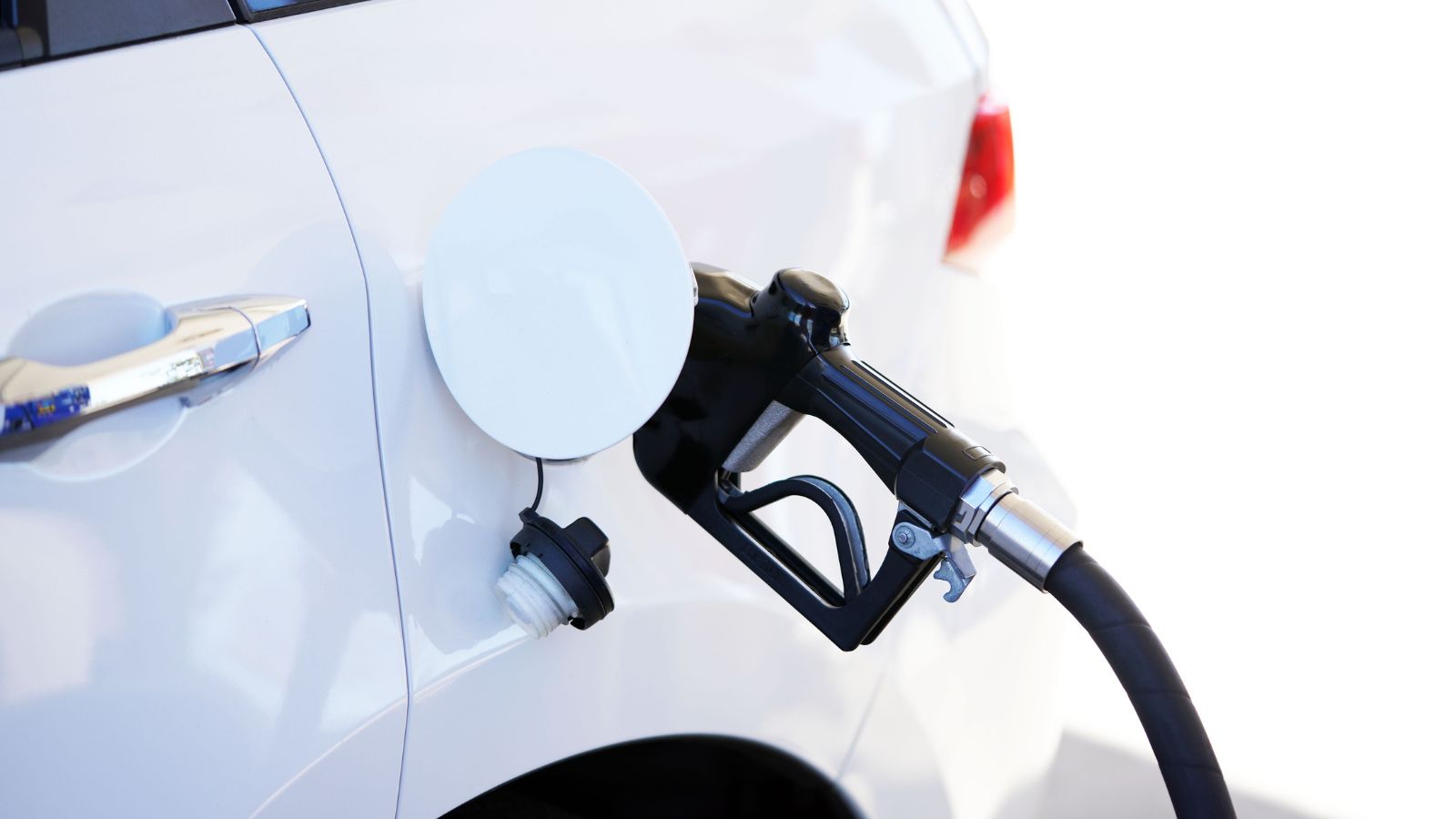
Image Credit: Shutterstock

Putting the wrong fuel in a vehicle is bad, but turning the key is often the moment the problem becomes expensive. If the engine stays off, the wrong fuel may remain mostly in the tank, where a technician can drain it before it travels farther. Once the ignition or engine activates the fuel system, contaminated fuel can move through lines, pumps, filters, injectors, and eventually the engine itself.

That is why roadside organizations repeatedly tell drivers not to start the vehicle after realizing the mistake. It sounds almost too simple, but it can separate an inconvenient tow from a repair estimate that includes pumps, injectors, filters, plugs, or even a full fuel-system replacement. In real life, the mistake often happens during a rushed stop: a distracted driver grabs the familiar-looking handle, pays, starts the car, and only realizes something is wrong when the engine stumbles a few blocks later.

Gasoline in a Diesel Can Be the Worst Case
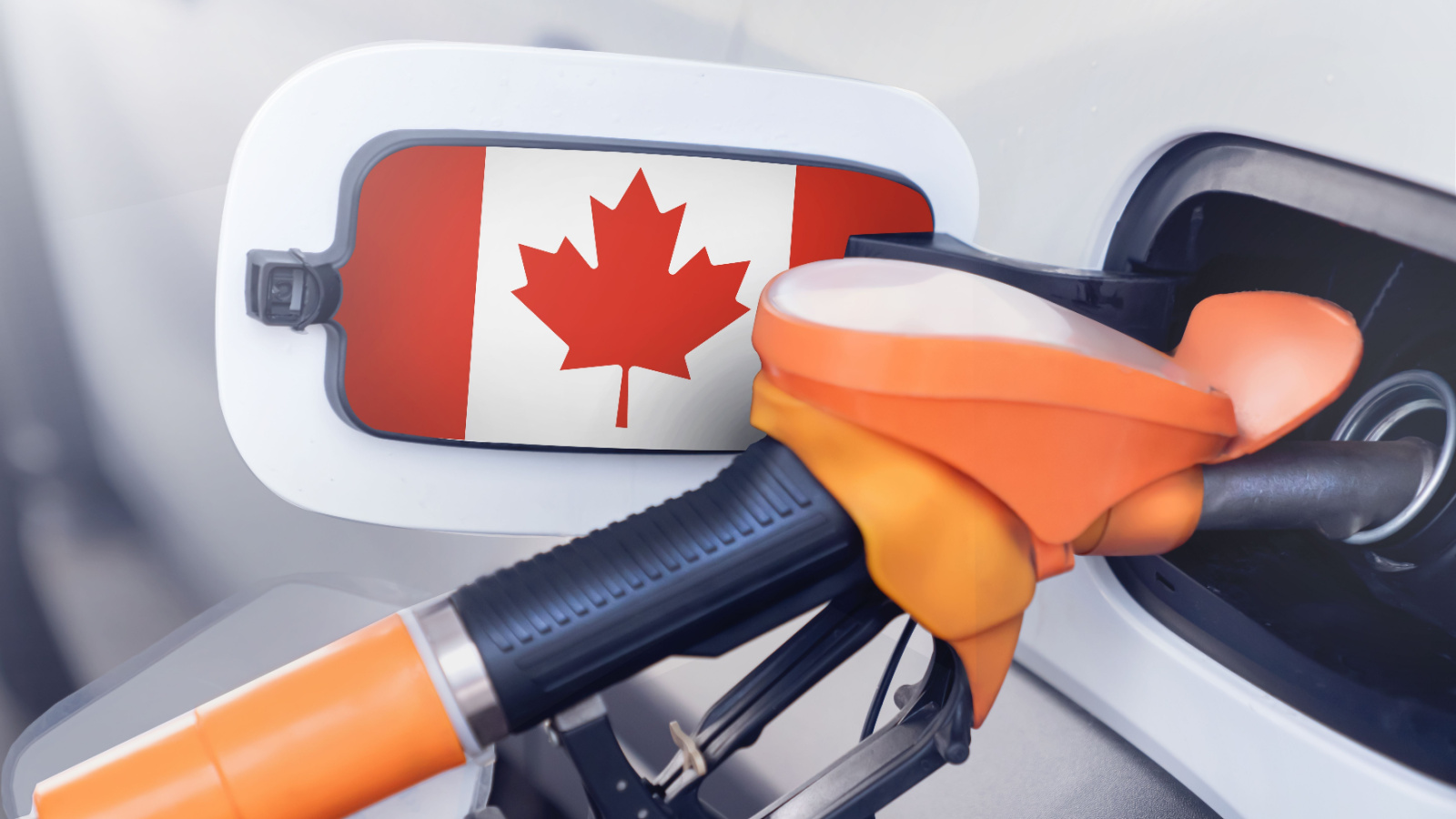
Photo Credit: Shutterstock

Gasoline in a diesel vehicle is usually the more serious form of misfuelling. Diesel fuel is not just burned by the engine; it also helps lubricate key parts of the diesel fuel system. Gasoline has different properties and can reduce that lubrication, turning a finely controlled fuel system into a place where metal parts rub, wear, and shed debris.

Modern diesel systems are especially vulnerable because they rely on high-pressure pumps and precision injectors. A small family SUV or pickup with a diesel engine may feel rugged, but its injection system can be far less forgiving than the engine’s tough image suggests. Once gasoline circulates through the diesel system, a shop may need to inspect pumps, lines, injectors, filters, and contaminated fuel paths. The mistake can start at a pump island, but the damage can spread through the vehicle in minutes.

Diesel in a Gasoline Car Creates a Different Problem
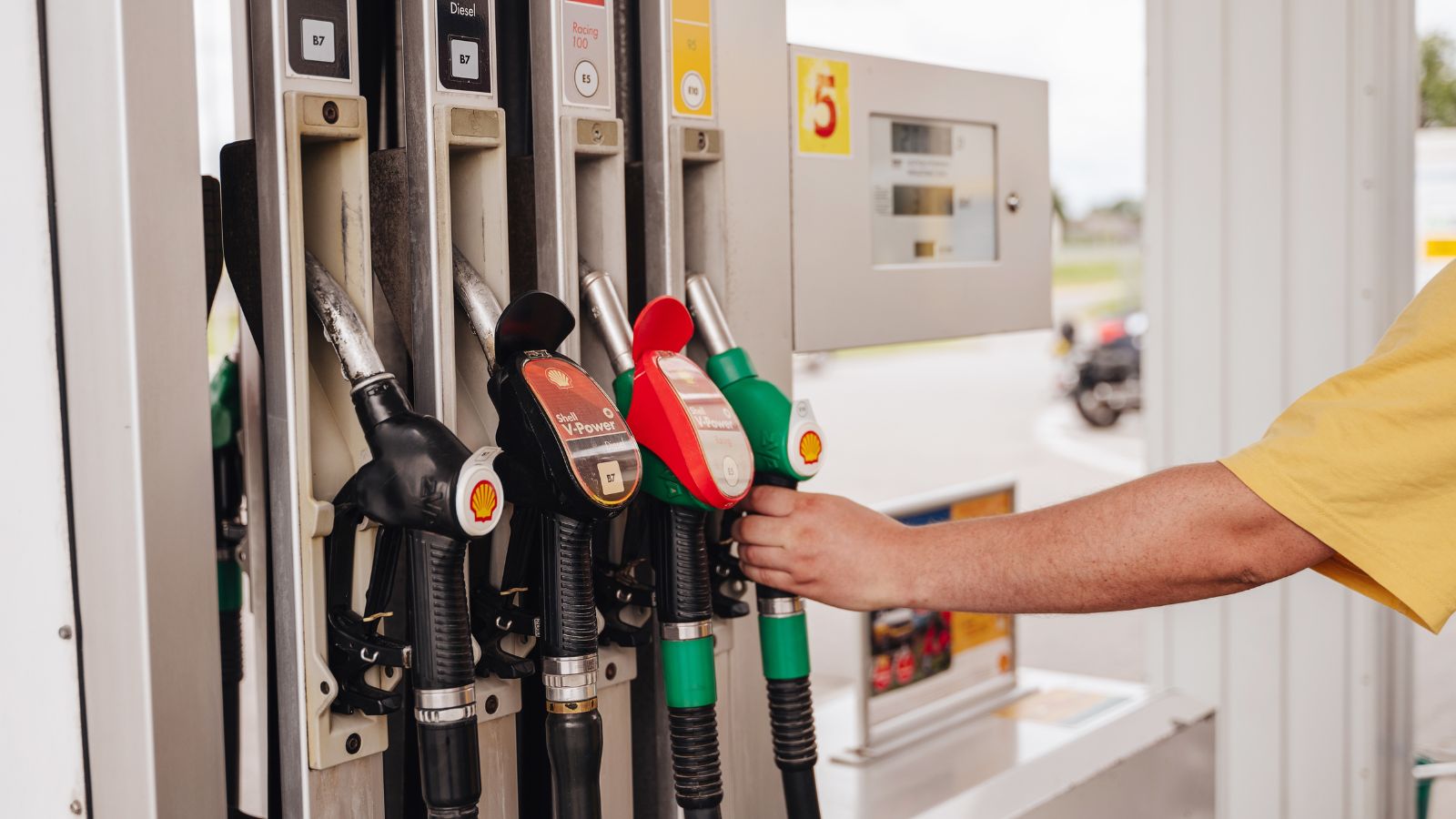
Photo Credit: Shutterstock

Diesel in a gasoline-powered car usually causes a different chain of trouble. Diesel is thicker and less suited to the spark-ignition process used by gasoline engines. If it reaches the engine, it can clog fuel injectors, foul spark plugs, gum up fuel lines, and cause rough running, stalling, smoke, or a no-start condition.

This mistake can be less catastrophic than gasoline in a diesel, but it should never be treated casually. A driver might assume the car is simply running rough because of old spark plugs or a weak battery, then keep trying to restart it. Each attempt can pull more contaminated fuel into places where it does not belong. Repair costs vary widely, but once a vehicle has been driven until it stalls, the bill may include flushing fuel lines, servicing injectors, replacing filters, checking the fuel pump, and repairing exhaust-related damage.

Pump Colour Is Not Enough Protection
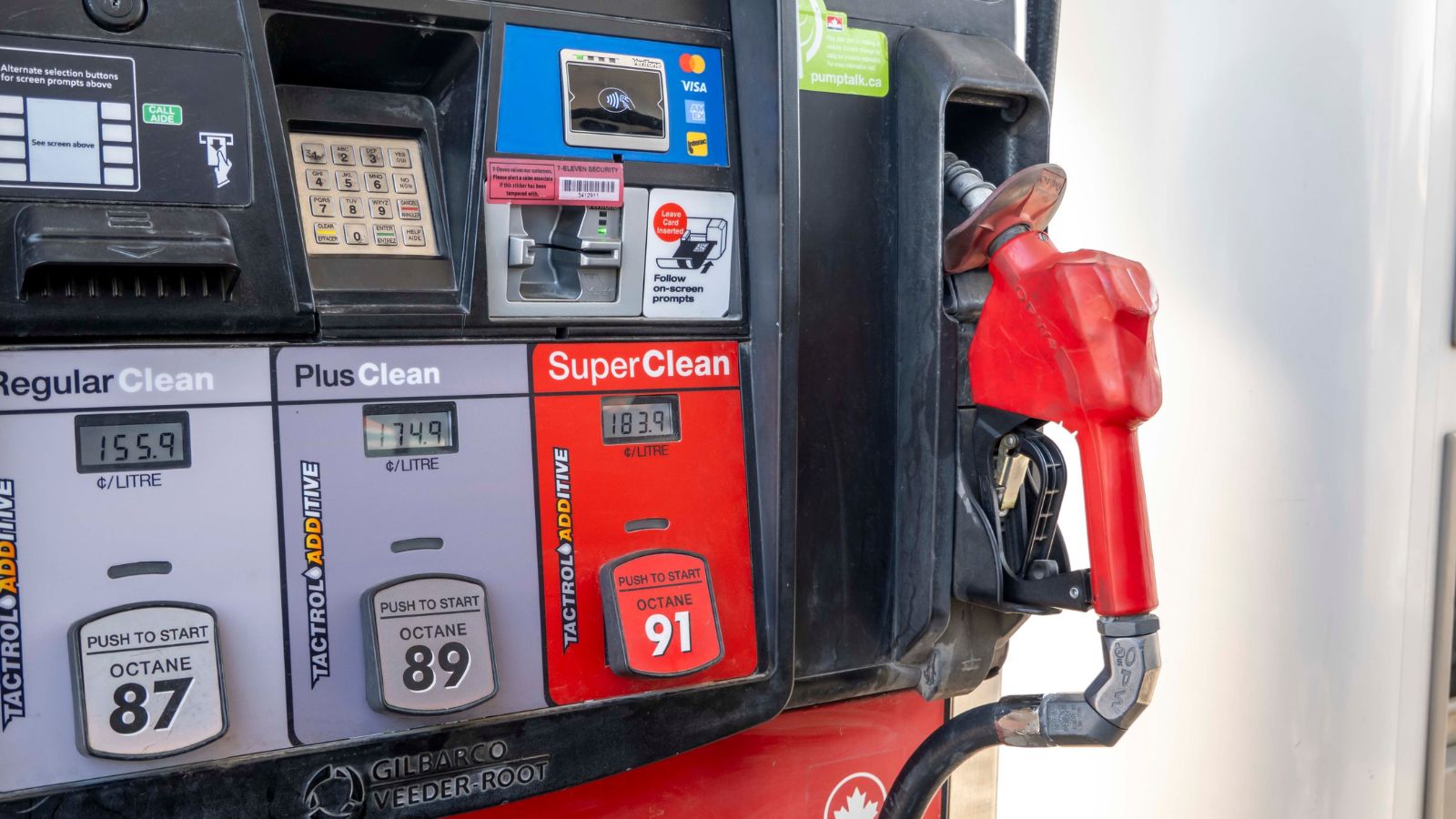
Photo Credit: Shutterstock

Many drivers rely on pump-handle colour, but that habit can backfire. Fuel nozzles may be green, black, yellow, red, or another colour depending on the station, region, brand, repair history, or pump design. Some pumps also use one hose for several gasoline grades, while diesel may be placed beside regular, mid-grade, premium, or ethanol-blended products.

Nozzle size helps in some situations, but it is not foolproof. Large diesel nozzles are often too wide for many gasoline filler necks, yet smaller gasoline nozzles can fit into many diesel vehicles. That is why the label matters more than colour, handle position, or muscle memory. The risky moment often comes when a driver is using an unfamiliar station, a rental vehicle, a borrowed truck, or a newly purchased car. A quick glance at the fuel door and pump label can prevent a very expensive misunderstanding.

A Small Amount Can Still Matter
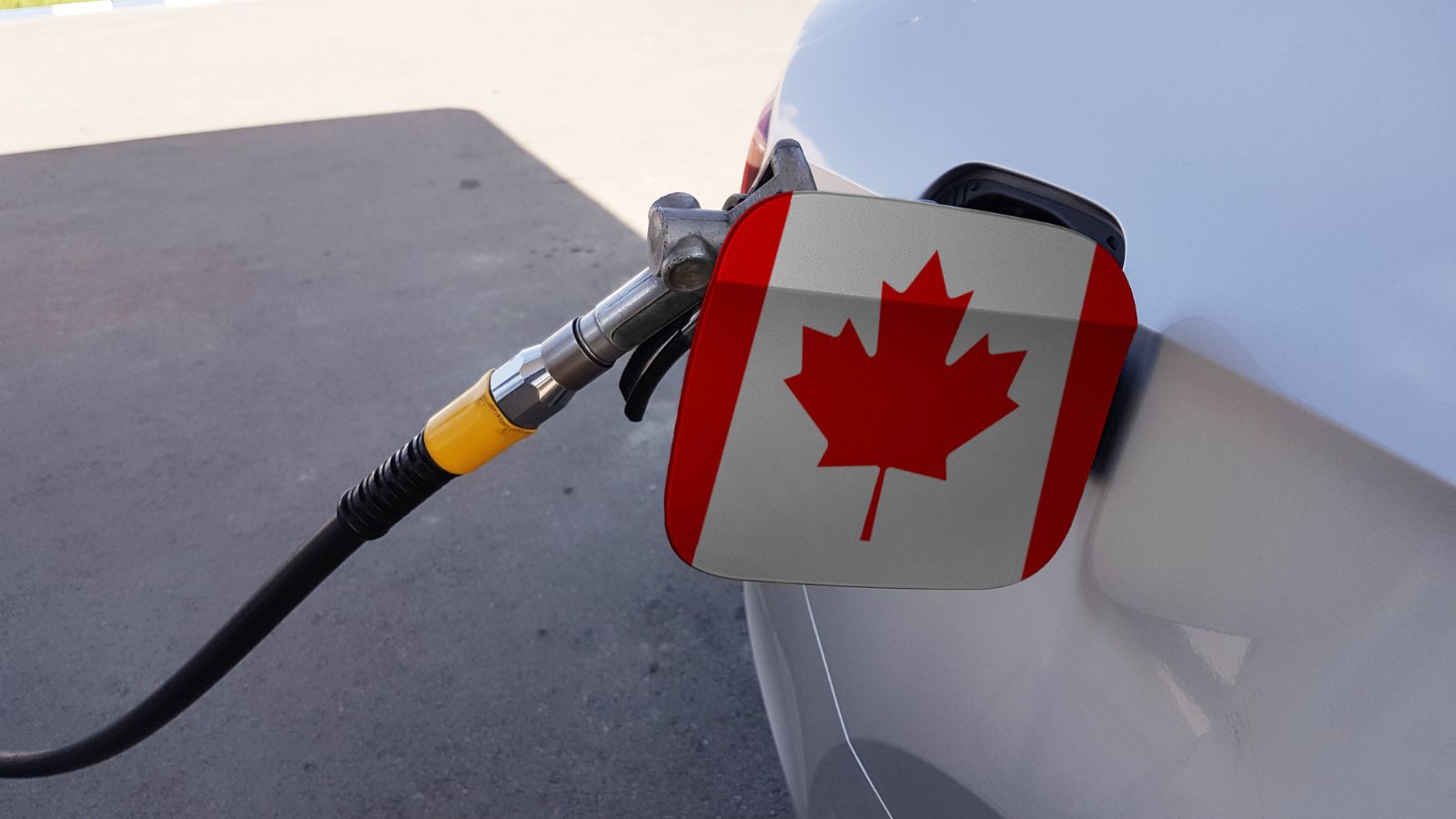
Image Credit: Shutterstock

A tiny splash of the wrong fuel may not always destroy an engine, but guessing is risky. The concentration matters: a few litres mixed into a nearly full tank is different from filling an almost empty tank with the wrong product. The type of engine matters too. Diesel systems, older vehicles, direct-injection gasoline engines, turbocharged engines, and high-mileage vehicles may respond differently.

The problem is that drivers rarely know the exact risk while standing at the pump. A receipt may show the fuel type and volume, but it cannot reveal how far the wrong fuel has moved inside the vehicle. A technician can make a safer call after inspecting the tank, fuel lines, and symptoms. The most expensive mistake is often not the original splash, but the decision to “dilute it and drive.” That gamble can turn a contained tank problem into a system-wide repair.

Modern Fuel Systems Leave Less Room for Error
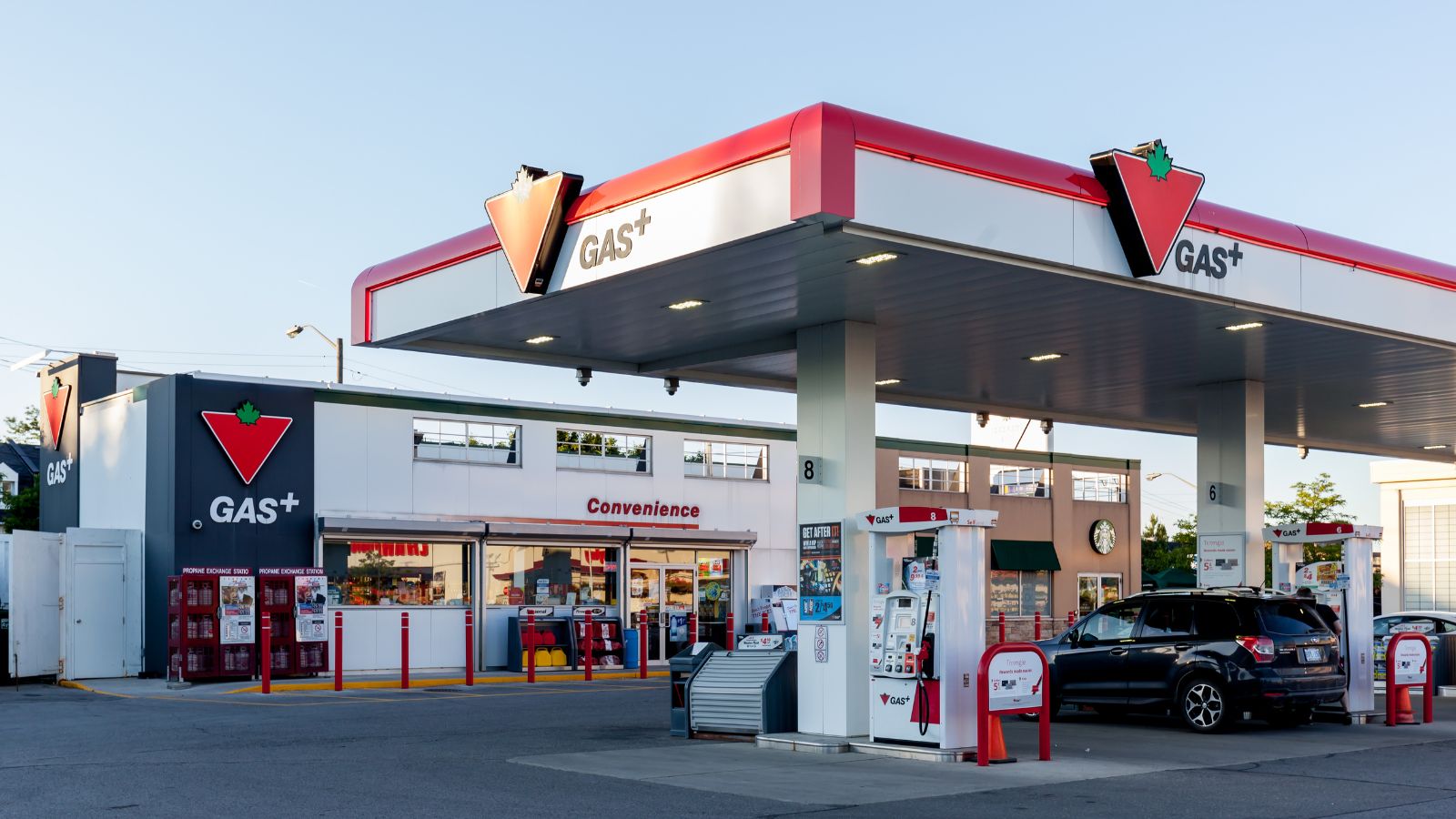
Image Credit: Shutterstock

Older engines were not immune to bad fuel, but many modern vehicles use more complex fuel delivery systems. High-pressure injection, tighter tolerances, sensitive sensors, emissions controls, and electronic fuel management can improve performance and efficiency, yet those same systems can be costly when contaminated fuel runs through them.

Diesel common-rail systems are a strong example. If contamination damages a high-pressure pump, tiny metal particles can travel through the system and threaten injectors, sensors, rails, and control components. In gasoline cars, diesel contamination can affect injectors, spark plugs, fuel filters, and the catalytic converter. The repair is rarely just “remove the bad gas” once the vehicle has been driven. A shop may need to clean, test, replace, and verify several parts before the vehicle runs reliably again.

The First Symptoms Can Look Like Ordinary Engine Trouble
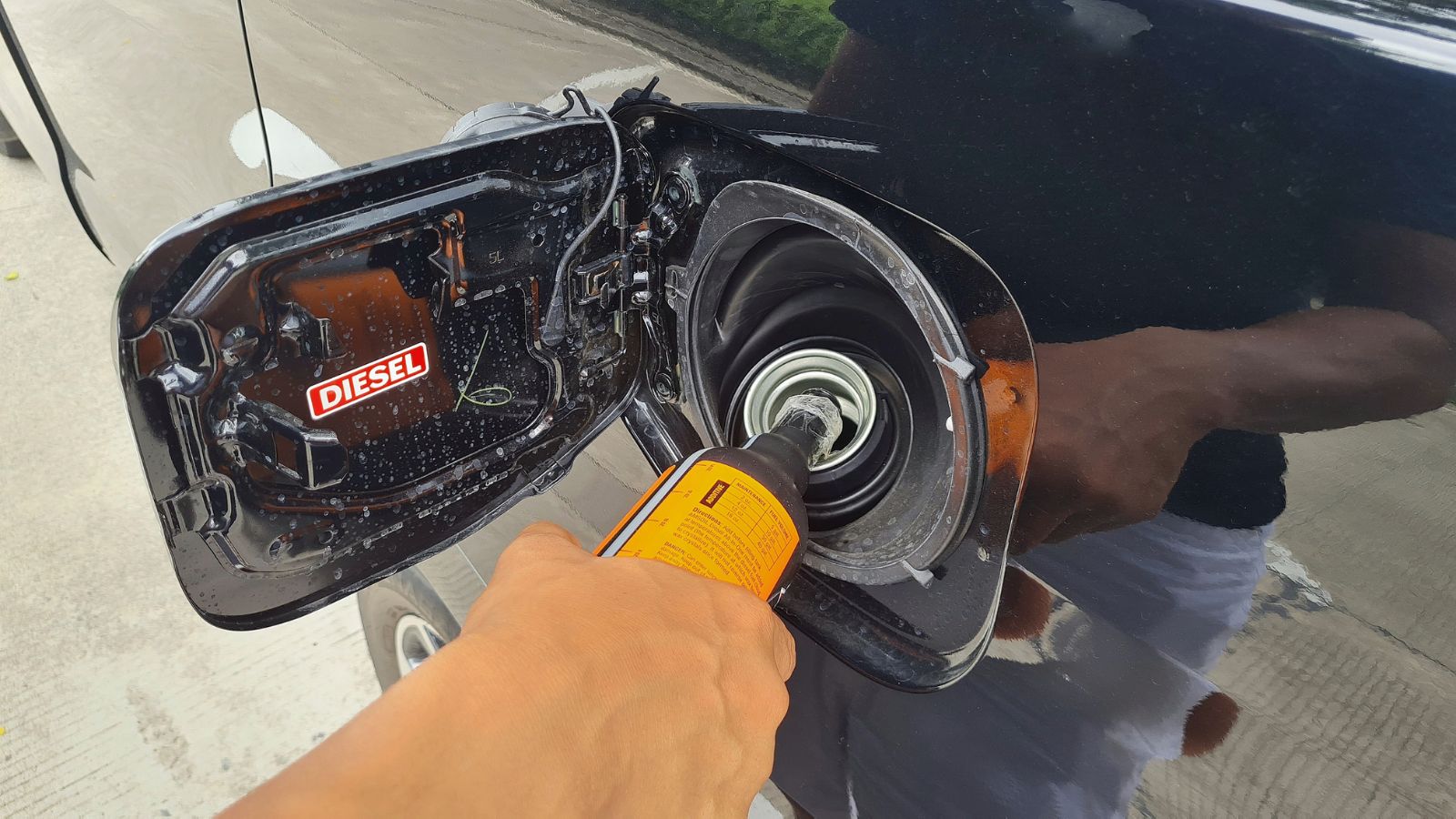
Image Credit: Shutterstock

Wrong fuel does not always announce itself with an obvious warning. Symptoms may include hard starting, rough idle, engine misfire, smoke from the exhaust, poor acceleration, knocking, warning lights, stalling, or failure to restart. Those signs overlap with many ordinary problems, which is why drivers sometimes waste time trying repeated restarts.

The timing is the clue. If a vehicle begins sputtering, smoking, knocking, or losing power shortly after refuelling, the fuel stop should become part of the diagnosis. A commuter who fills up before work and notices the engine stumble at the first traffic light may assume it is a coil, plug, or sensor issue. Mentioning the recent fuel purchase to a mechanic can shorten the search and reduce unnecessary repairs. The receipt, pump number, station location, and time of purchase can become surprisingly important.

Ethanol Blends Add Another Layer of Confusion
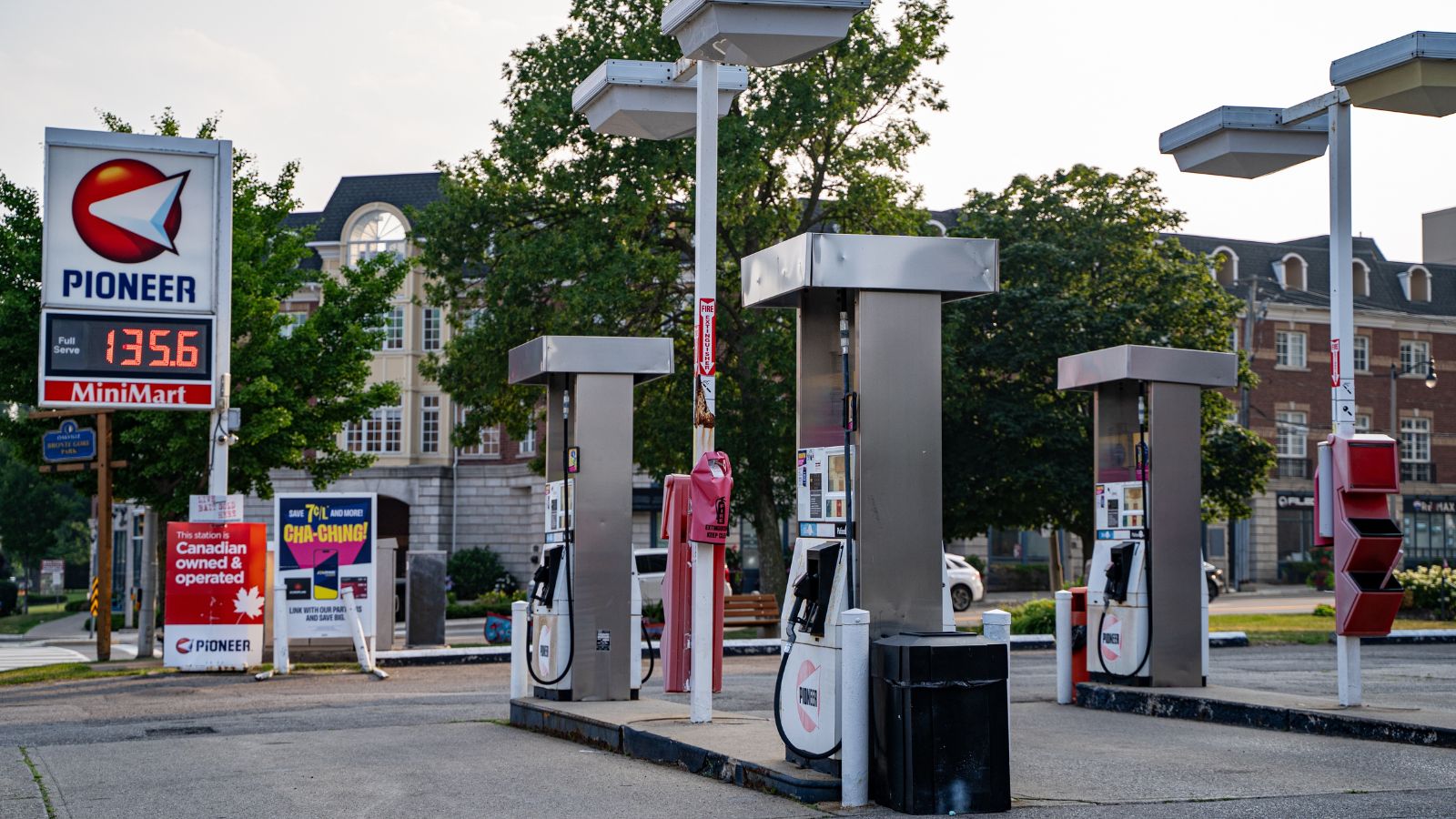
Image Credit: Shutterstock

Wrong fuel is not limited to diesel and gasoline mix-ups. Ethanol blends can confuse drivers too, especially at stations that offer E15, E85, or flex-fuel options near regular gasoline. E15 is approved for many newer conventional vehicles, but not for every engine on the road. E85 is a much higher ethanol blend intended for flexible-fuel vehicles designed for that fuel range.

This matters because pump labels are not decoration. Vehicles that are not built for higher ethanol blends may experience drivability problems, warning lights, poor starting, or fuel-system concerns. A driver looking only at price may choose the cheapest-looking nozzle without realizing that the product is not ordinary gasoline. Flex-fuel vehicles are built for gasoline and ethanol blends up to high ethanol levels, but conventional vehicles are not automatically compatible. The safest reference remains the owner’s manual and the fuel-door label.

Contaminated Station Fuel Requires a Paper Trail
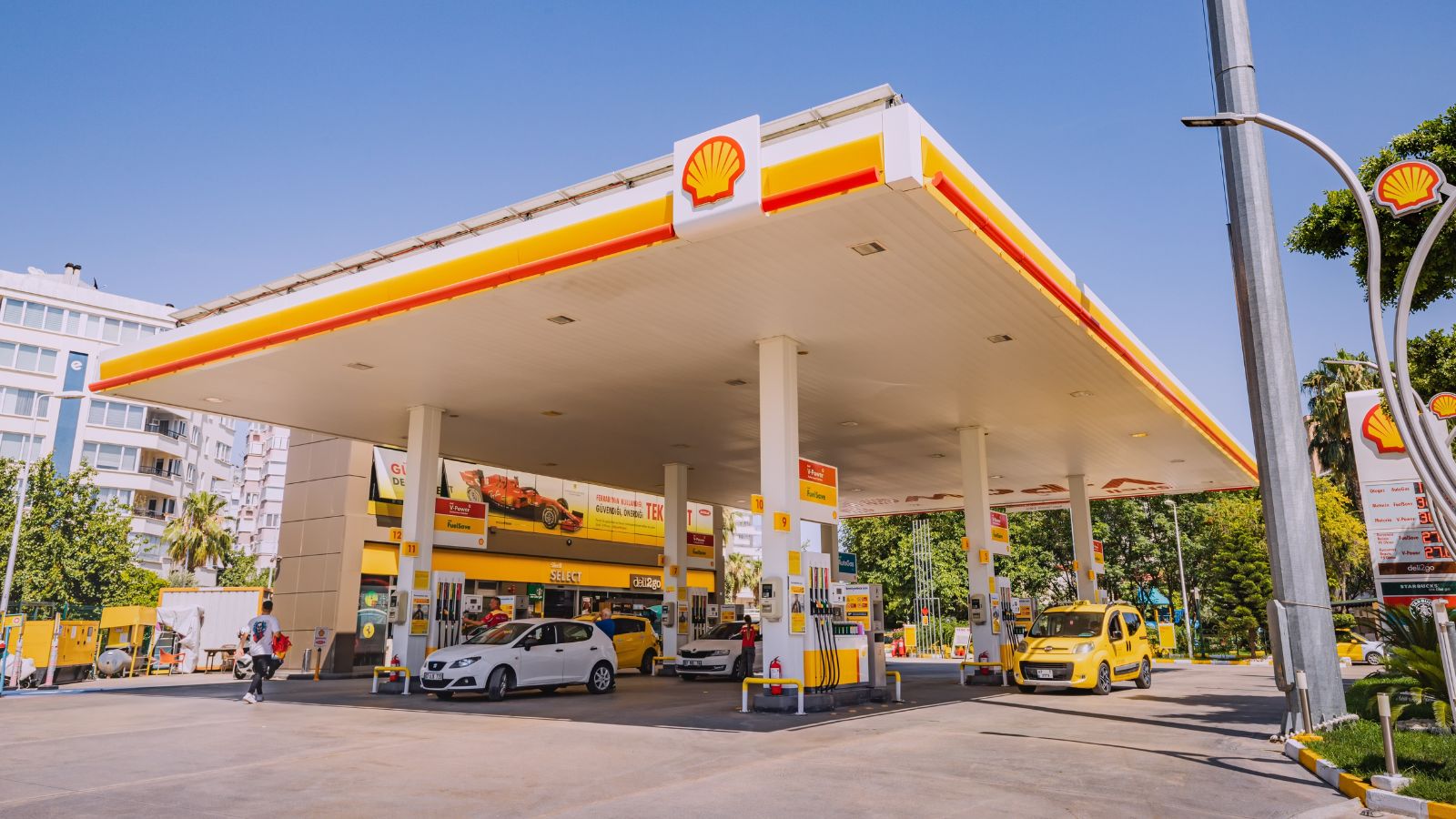
Image Credit: Shutterstock

Sometimes the driver does everything right and the station’s fuel is the problem. Water contamination, fuel cross-drops, or delivery mistakes can affect multiple vehicles from the same location. The symptoms may appear shortly after leaving the station: sputtering, hesitation, hard starting, smoke, stalling, or a check-engine light.

Documentation matters in those cases. The receipt proves the time, station, pump, fuel grade, and purchase amount. A mechanic’s written diagnosis can connect the damage to fuel contamination. Some agencies advise contacting the station promptly and reporting suspected contaminated fuel quickly because stations receive new deliveries, tanks are tested, and evidence can disappear with time. Cloudy fuel or visible separation can indicate water contamination, but most drivers will not see the fuel directly. Keeping records can make the difference between absorbing the repair bill and pursuing reimbursement.

The Calm Response Is Cheaper Than the Panic Response
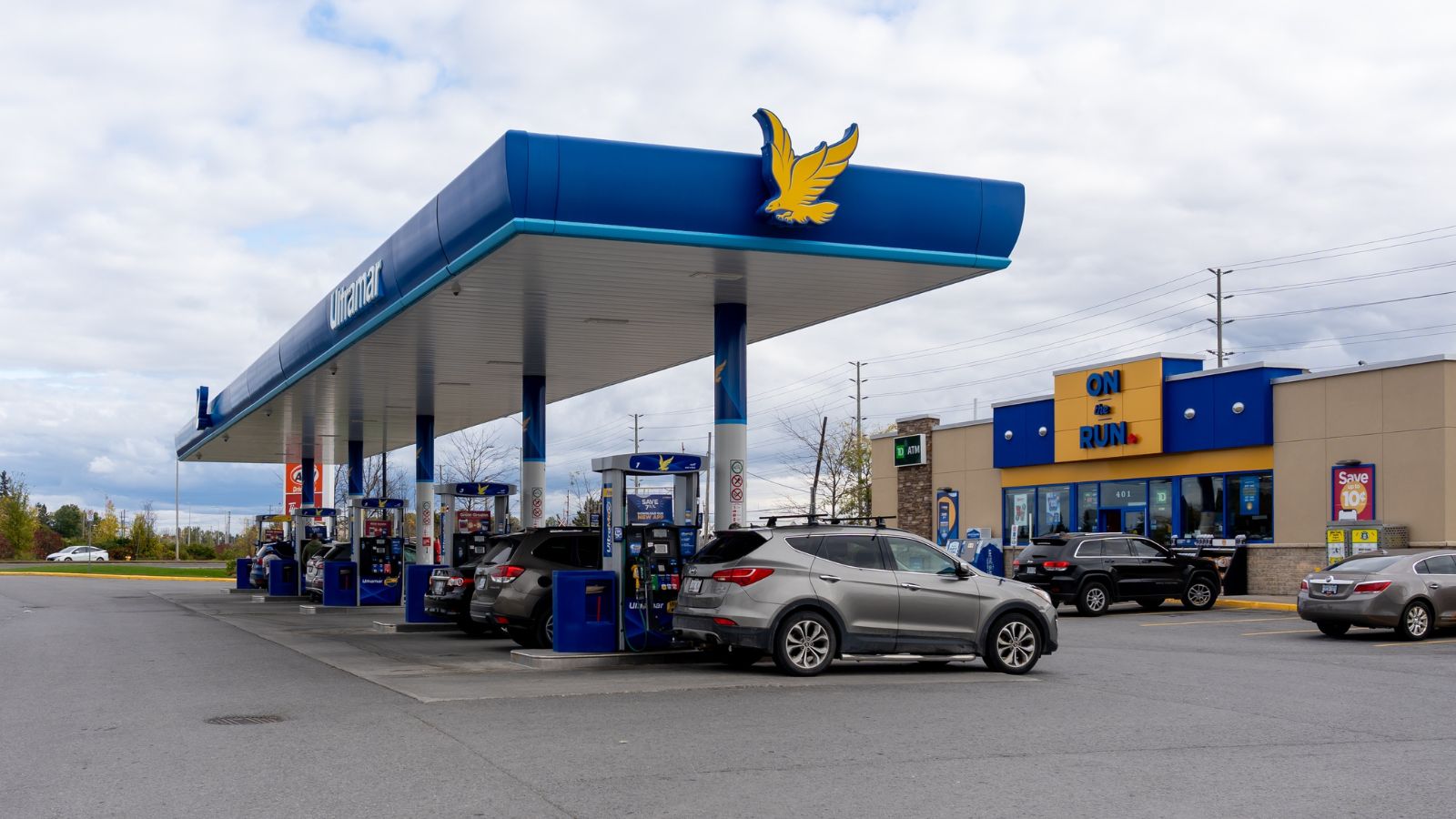
Image Credit: Shutterstock

The safest response is simple: stop fueling, do not start the engine, keep the vehicle where it is if possible, and call roadside assistance or a qualified repair shop. If the engine has already been started, it should be shut off as soon as it is safe to do so. Pushing through rough running or trying “just one more restart” can move more contaminated fuel through the system.

A fuel drain and flush may feel frustrating, but it is often far cheaper than replacing damaged components. The vehicle should be towed rather than driven, and the driver should be ready to share the fuel type used, how much was added, whether the engine was started, how far the vehicle travelled, and what symptoms appeared. The mistake at the pump may be embarrassing, but silence can be expensive. A clear explanation helps the technician protect the parts that have not yet been damaged.

22 Things Canadians Do to Their Cars in Spring That Mechanics Hate

Image Credit: Shutterstock

Spring brings relief to many Canadian drivers after months of snow, freezing temperatures, and icy roads that put serious strain on vehicles. As temperatures rise across the country, drivers begin washing cars, switching tires, and preparing vehicles for warmer weather and upcoming road trips. However, mechanics across Canada notice the same mistakes every spring when drivers attempt to recover from winter damage. Road salt, potholes, and harsh winter driving conditions often leave vehicles with hidden problems that drivers ignore. Some spring habits even create new mechanical issues that could have been avoided with proper maintenance. Here are 22 things Canadians do to their cars in spring that mechanics hate.


Recommended.

25 EV Charging Mistakes Canadians Make in March (That Wreck Range)

Why EV Range Drops So Quickly in Cold Weather

June 11, 2026
17 Dealer Add-Ons That Make Canadians Feel Played at Signing

U.S. and Mexico Advance Auto and Steel Talks Without Canada as CUSMA Deadline Nears

June 19, 2026

Trending.

9 Auto Brands Canadians Are Watching Much More Closely Right Now

Toyota Canada Says Electrified Vehicles Are Now Nearly 70% of Its Q2 Sales

July 7, 2026
16 Used SUVs That Suddenly Don’t Look Like Smart Buys in Canada

Toyota Adds U.S. RAV4 Production as Demand Overwhelms Dealers

June 29, 2026
9 Auto Brands Canadians Are Watching Much More Closely Right Now

Unifor Opens Auto Talks With Ford as 5,000 Canadian Workers Face Tariff Pressure

June 22, 2026
16 Cars That Could Be Hit Hardest by Canada’s New Price Pressures

20 Cars Canadians Love Buying but Hate Owning Long Term

June 24, 2026
9 Auto Brands Canadians Are Watching Much More Closely Right Now

Toyota Says Electrified Vehicles Now Make Up 64% of Its Canadian Sales

June 18, 2026
  • About
  • Contact
  • Privacy Policy
  • Disclaimer
  • Editorial Policies
  • Terms and Conditions
A Revir Media Group Website

2026 Autoigloo - © All rights reserved

No Result
View All Result
  • News & Trends
  • Car Reviews
  • Buying Guides
  • Comparisons
  • EVs & Hybrids
  • More
    • Pricing & Deals
    • Winter Driving
    • Ownership & Maintenance

2026 Autoigloo - © All rights reserved

This website uses cookies. By continuing to use this website you are giving consent to cookies being used. Visit our Privacy and Cookie Policy.


