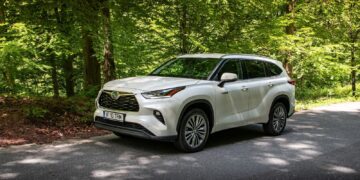



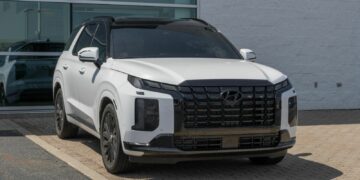













Three-row family SUVs are usually judged by seat count, cargo capacity and horsepower, but real comfort becomes obvious after an hour on the road. For 2026, the redesigned Hyundai Palisade pushes farther toward near-luxury territory, while the Toyota Grand Highlander continues to lean on generous packaging and a genuinely useful third row. Using U.S.-market specifications and current road-test findings, this comparison examines 12 comfort-focused areas, including seat support, rear-passenger space, ride quality, cabin noise, climate control, family usability, cargo room, controls and powertrain refinement. The result is close for a simple reason: Hyundai does more to pamper individual passengers, while Toyota makes better use of the space behind the front seats. For families, the winner depends heavily on who will occupy the third row and how often the cargo area will be full.
Cabin Ambience: Palisade Feels More Upscale
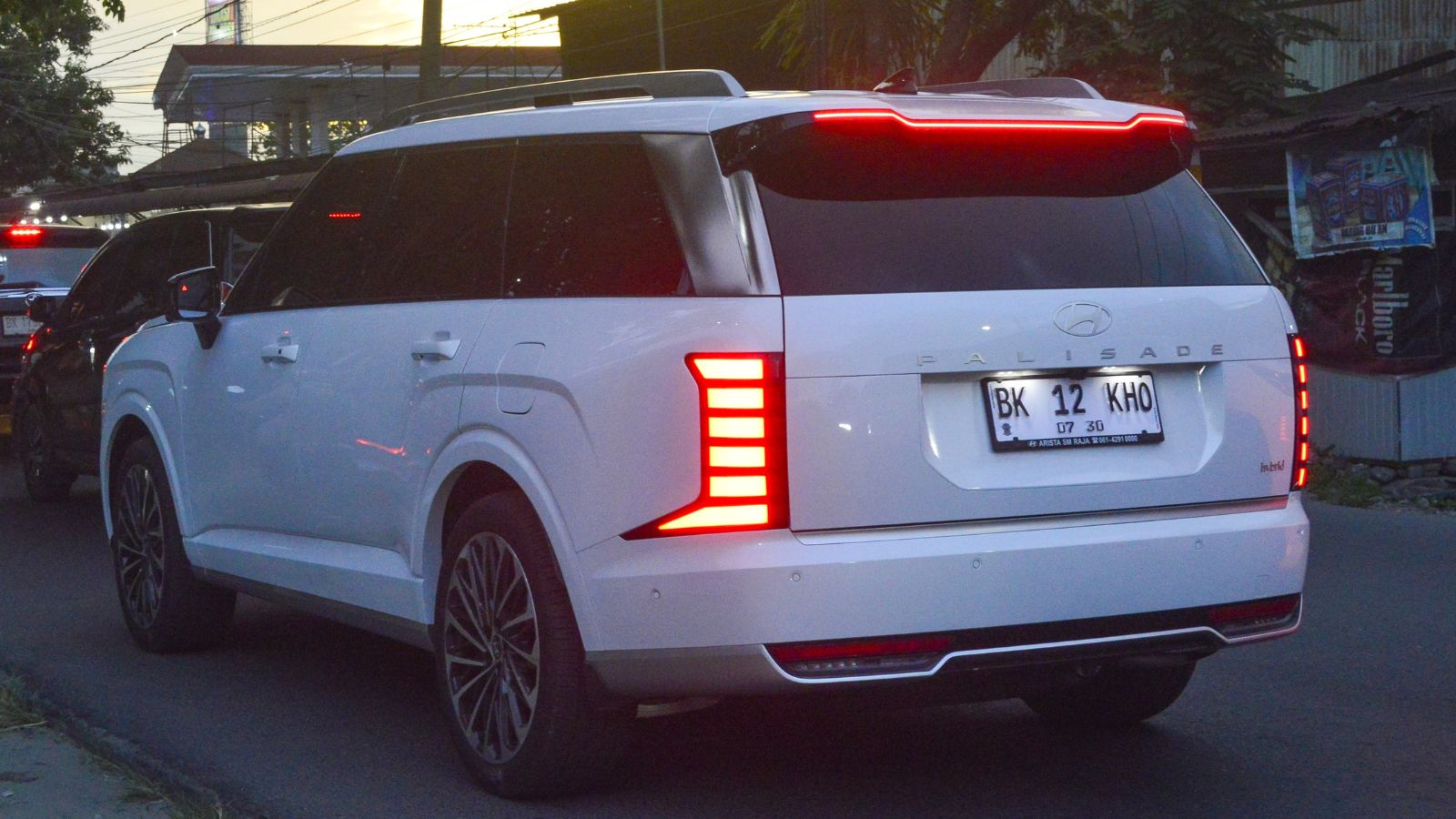
The 2026 Palisade makes its strongest first impression before it moves. Hyundai’s redesign combines a broad horizontal dashboard with dual 12.3-inch displays and a calmer, more premium-looking layout. Upper trims add touches such as Nappa leather, richer soft-touch materials and additional acoustic glass. Reviewers have repeatedly described the Calligraphy cabin as approaching luxury-brand territory, an unusually strong compliment for a mainstream three-row SUV. The benefit is not merely visual: surfaces, seat materials and noise isolation shape how relaxed a cabin feels after several hours.
The Grand Highlander is still pleasant, with a padded instrument panel, available leather upholstery, stitched surfaces and decorative trim on higher grades. Its approach, however, is more functional than indulgent. Direct comparison testing has found less visual richness in the Toyota than in the Hyundai at similar upper-trim prices. That may make the Grand Highlander easier to treat as a family workhorse, but Hyundai creates the more soothing environment. When comfort includes what passengers see and touch as well as what they sit on, the Palisade wins.
Front-Seat Comfort: Hyundai Offers More Ways to Settle In
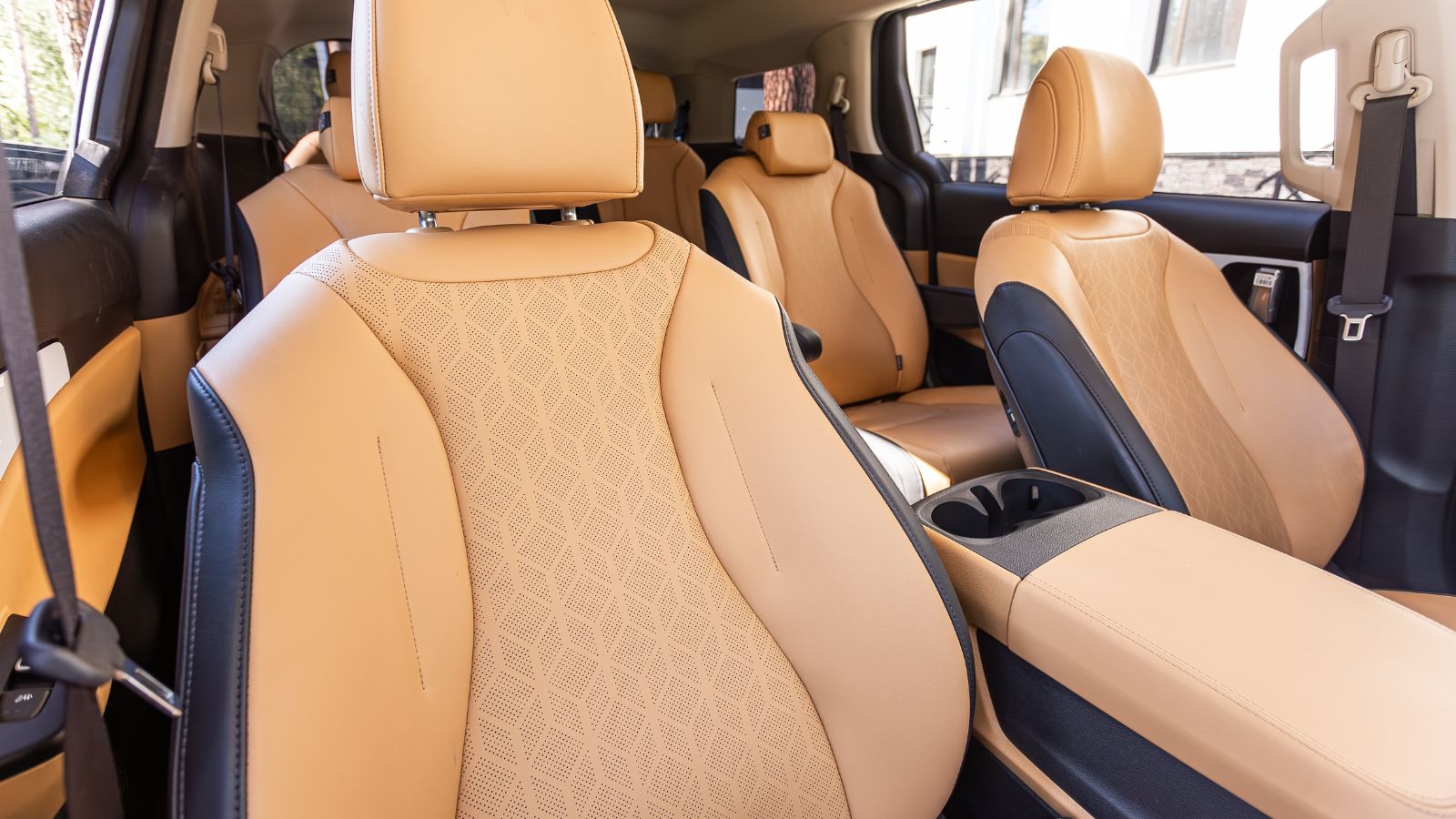
Published U.S. specifications list 44.2 inches of front legroom for the Palisade and 41.7 inches for the Grand Highlander. Measurements alone do not determine seat comfort, but Hyundai also offers a wider range of premium seating features. Upper Palisade trims can provide relaxation-style functions with deeper recline and deployable leg support, while reviewers generally praise the broad adjustment range and supportive seat shape. Some testers have found particular cushions or armrests firmer than ideal, which is a useful reminder that no seat fits every body equally well.
Toyota takes a more conventional approach. Upper Grand Highlander grades offer a 10-way power driver’s seat and an eight-way power front-passenger seat, and road testers generally find them comfortable on long drives. The driving position is easy to establish, although taller occupants may want more thigh support or steering-wheel reach. Toyota’s simplicity has appeal, but Hyundai gives occupants more ways to fine-tune posture and relax. For families facing long highway days, that extra adjustability gives the Palisade a modest but meaningful first-row advantage.
Second Row: Palisade Turns the Middle Seats Into the Best Seats
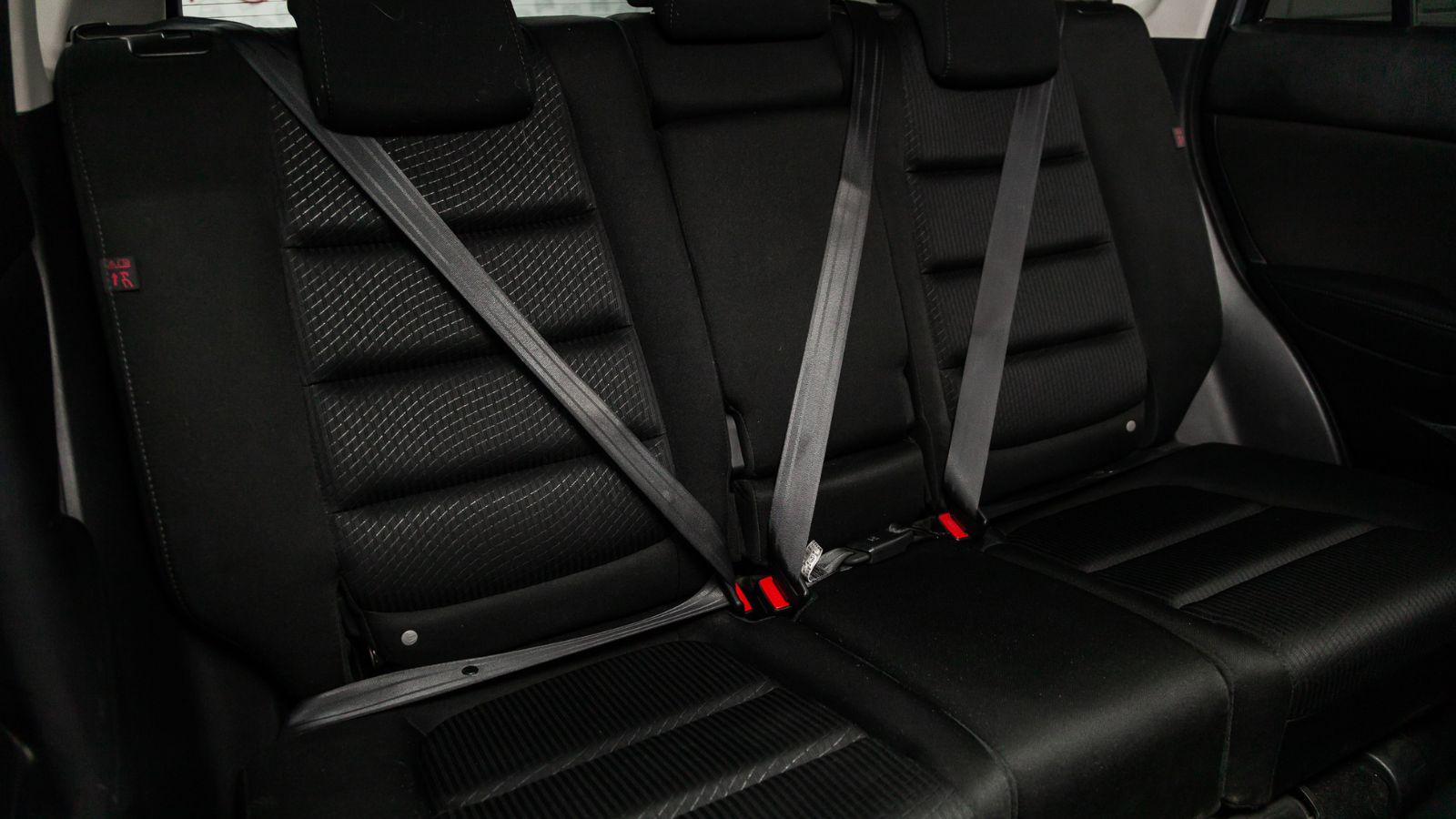
The Palisade is especially strong in the second row. Gasoline versions publish 43.0 inches of second-row legroom, versus 39.5 inches in the Grand Highlander; the Palisade Hybrid lists 41.4 inches, still ahead on paper. Depending on trim, Hyundai can pair captain’s chairs with heating, ventilation, power adjustment and relaxation-style functions. One-touch access toward the rear also reduces the effort required to move passengers through the cabin. For adults who regularly ride in row two, the combination can make the middle seats feel closer to a premium lounge than a typical family crossover.
Toyota counters with useful flexibility. Buyers can choose a second-row bench for eight-passenger capacity or captain’s chairs for a seven-seat configuration, while higher trims add heating and, on selected versions, ventilation. The seats themselves are comfortable, but the Toyota does not provide the same degree of pampering or published legroom. Its main advantage is configuration choice rather than luxury. Families prioritizing maximum seating capacity may prefer Toyota’s bench, but for pure second-row comfort—especially with adults aboard—the Palisade is the stronger package.
Third Row: Grand Highlander Gives Adults More Breathing Room
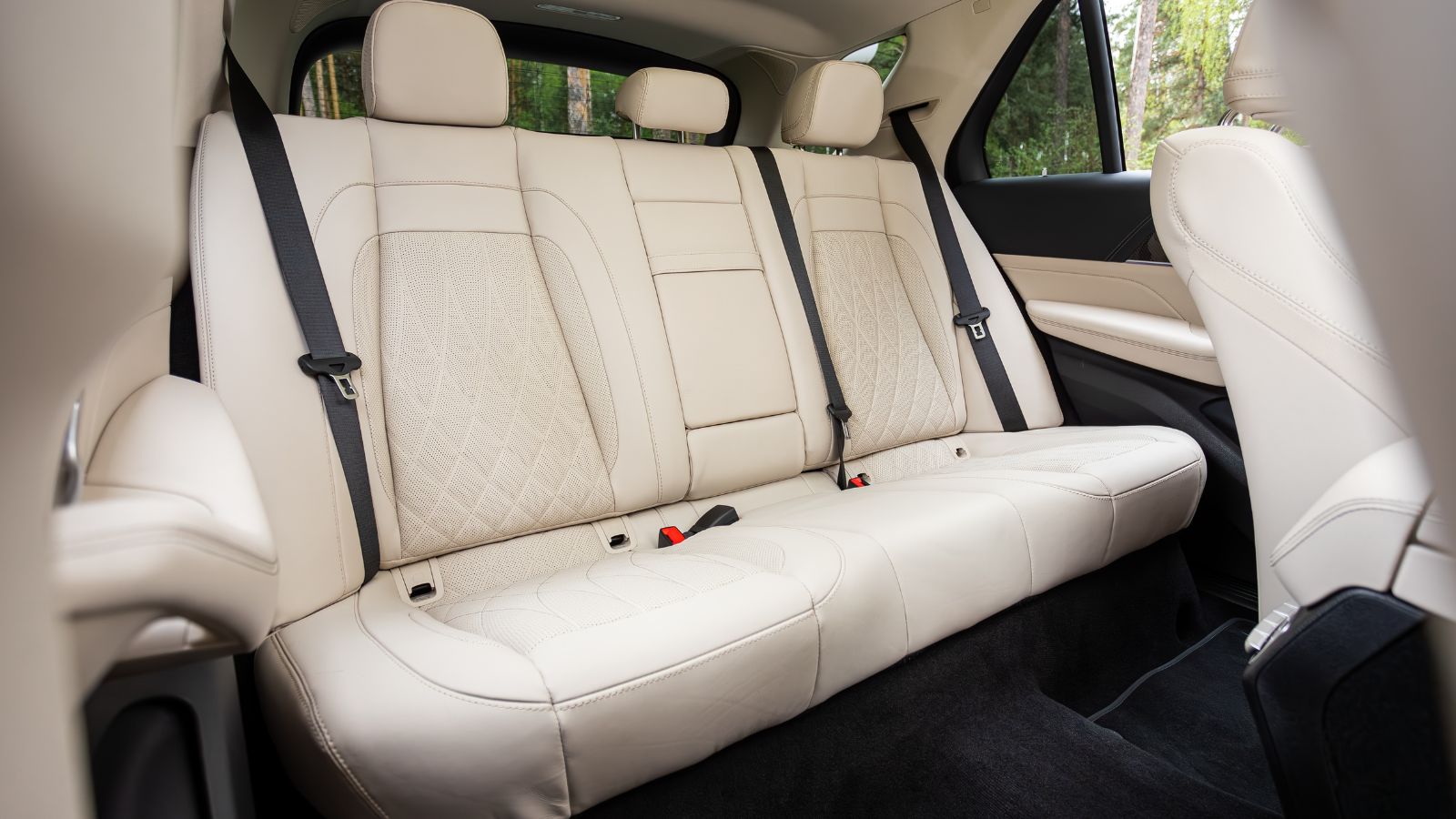
Toyota reverses the comparison in the third row. The Grand Highlander publishes 33.5 inches of rear legroom and 37.2 inches of headroom, and Toyota specifically designed this larger Highlander variant to make the back seat more adult-friendly. Road-test impressions broadly support that claim: taller passengers can use the third row for meaningful trips rather than only short hops. The cushion is not limousine-like, but the combination of foot space, knee room and an airy rear cabin asks fewer compromises from teenagers or adults.
The Palisade lists 32.1 inches of third-row legroom and answers with more equipment. Depending on trim, its rear seat can power-recline, slide or fold, and upper versions can add heating. Yet Consumer Reports has criticized the low cushion, limited under-thigh support and tight foot space for adults, even though other reviewers find the row acceptable for shorter journeys. Powered second-row access is convenient but can also feel slow when several people are boarding. Hyundai provides the fancier rear-seat experience; Toyota provides the better physical space. For frequent adult third-row use, the Grand Highlander wins clearly.
Ride Quality: Both Are Soft, but Palisade Is More Composed
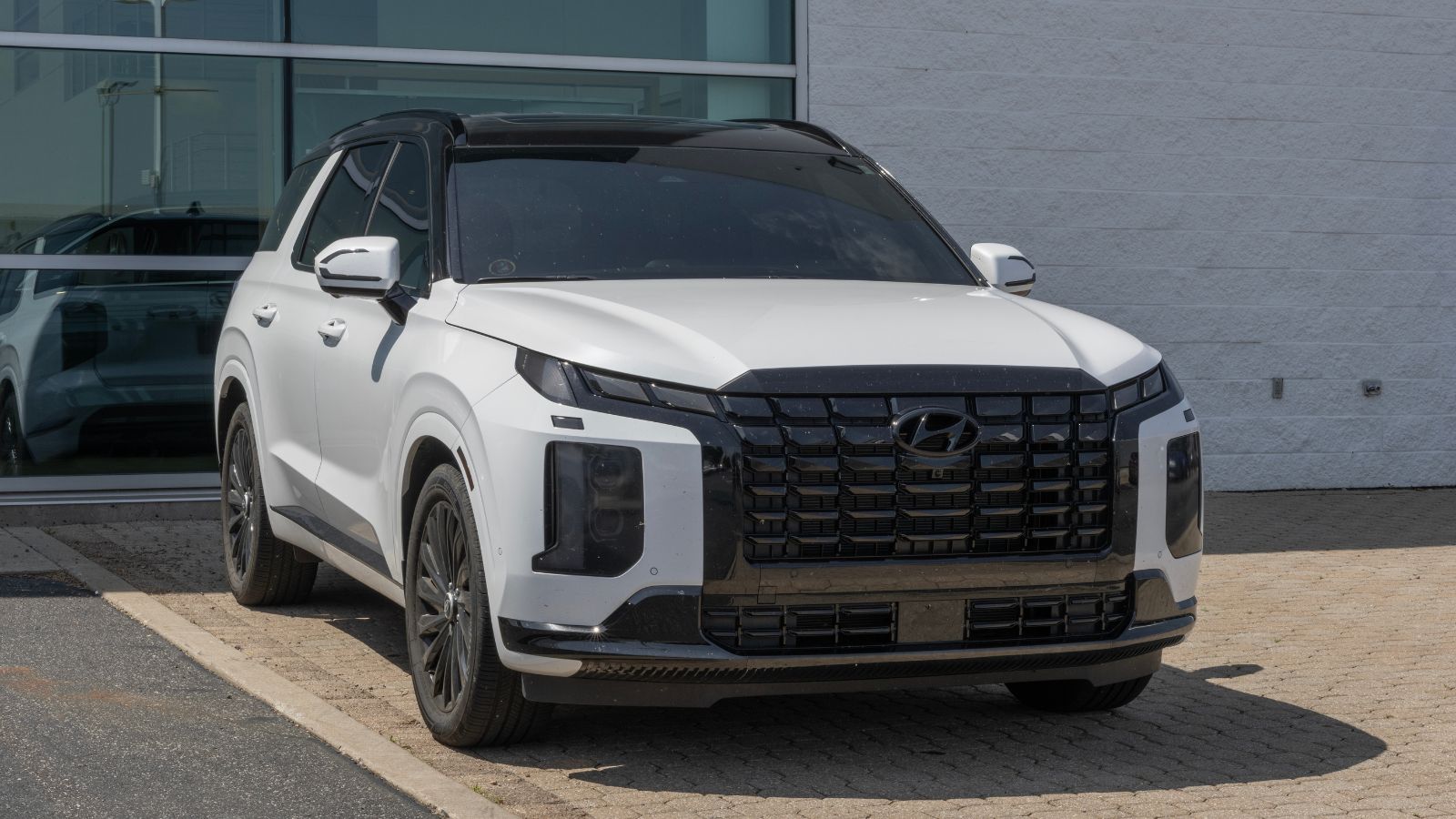
Both SUVs are tuned for family comfort rather than sporty reflexes. The redesigned Palisade generally absorbs rough pavement while keeping body motions controlled, an important combination for passengers prone to feeling tossed around in the rear. Reviewers have praised its settled behaviour on imperfect highways, although Calligraphy models riding on 21-inch wheels can transmit more sharpness over abrupt edges. Smaller-wheel versions should have an inherent advantage because their taller tire sidewalls can absorb more of the initial impact.
The Grand Highlander is also notably compliant. Tests of versions on 18-inch wheels describe a cushy ride that filters most bumps without becoming excessively floaty. In direct comparison testing, however, the Palisade was judged more composed over broken pavement and more natural in its steering and braking responses, while the Toyota needed more small highway corrections. Comfort is not only about how softly a vehicle hits a bump; it is also how quickly the body settles afterward. Toyota remains comfortable, but Hyundai combines softness with better control. The Palisade earns a narrow ride-quality win.
Cabin Quietness: The Numbers Are Close, the Character Is Different
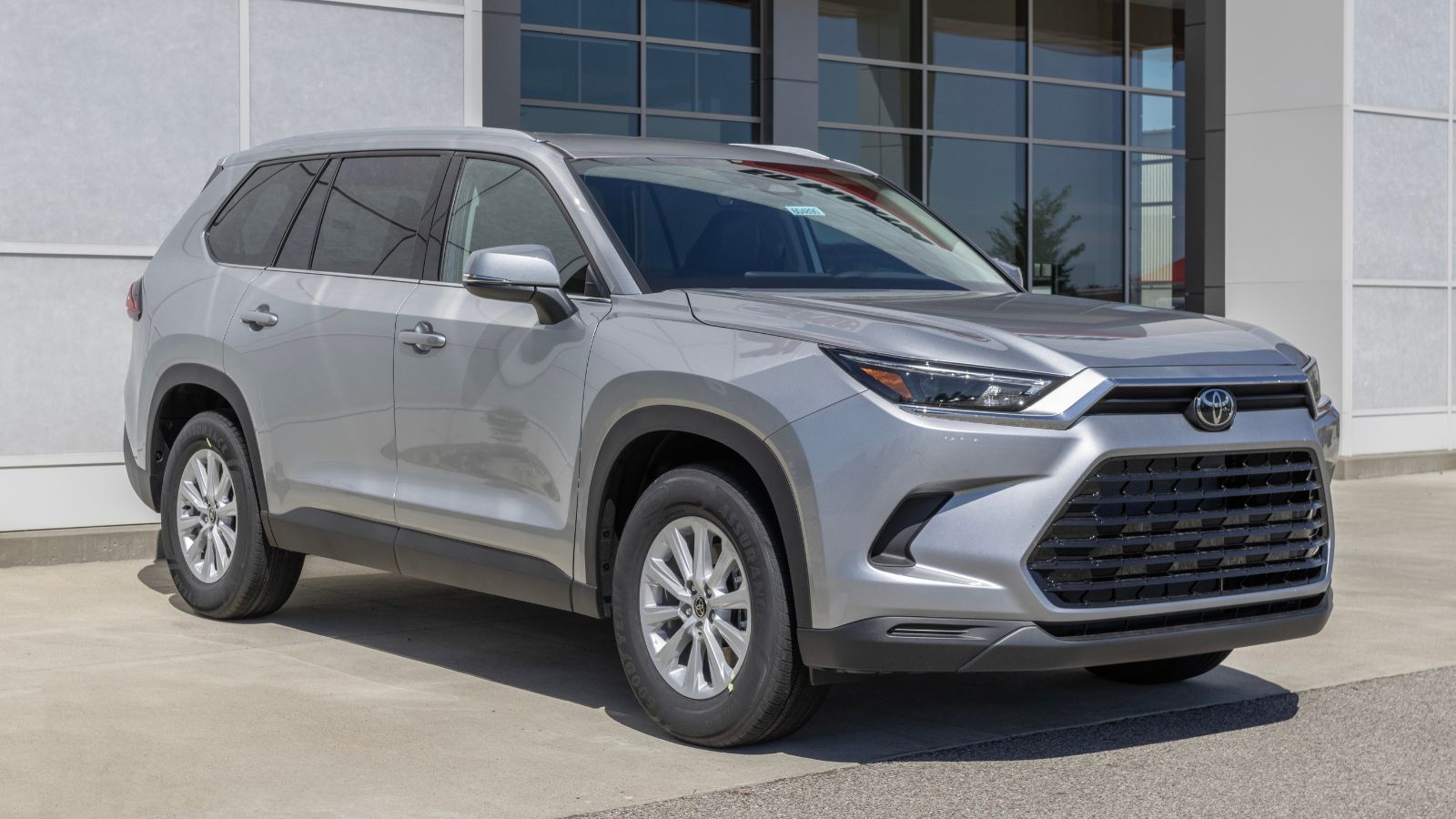
Instrumented testing has recorded about 67 decibels at 70 mph in both the latest Palisade and the current Grand Highlander, though separate road tests are not laboratory-identical. Hyundai uses added sound-deadening and acoustic glass, with upper trims extending that treatment farther rearward. Toyota also equips acoustic glass and strategically placed insulation. At a steady highway cruise, either SUV can therefore provide the subdued atmosphere families want when children are sleeping or adults are trying to converse without raising their voices.
The larger difference appears under acceleration. Reviewers have described the Grand Highlander’s turbocharged four-cylinder as coarse or hoarse when worked hard, and the regular hybrid can become noticeably vocal when its gasoline engine joins in. Hyundai’s V6 has a smoother sound character, while a direct hybrid comparison found the Palisade quieter and less intrusive under load than Toyota’s regular hybrid. Hyundai’s hybrid is not flawless at very low speeds, and Toyota’s stronger Hybrid MAX is a different system, but the overall pattern favours Hyundai. At cruise the two are close; during everyday speed changes, the Palisade more consistently preserves cabin calm.
Climate Comfort: Hyundai Spreads More Premium Amenities Across Three Rows
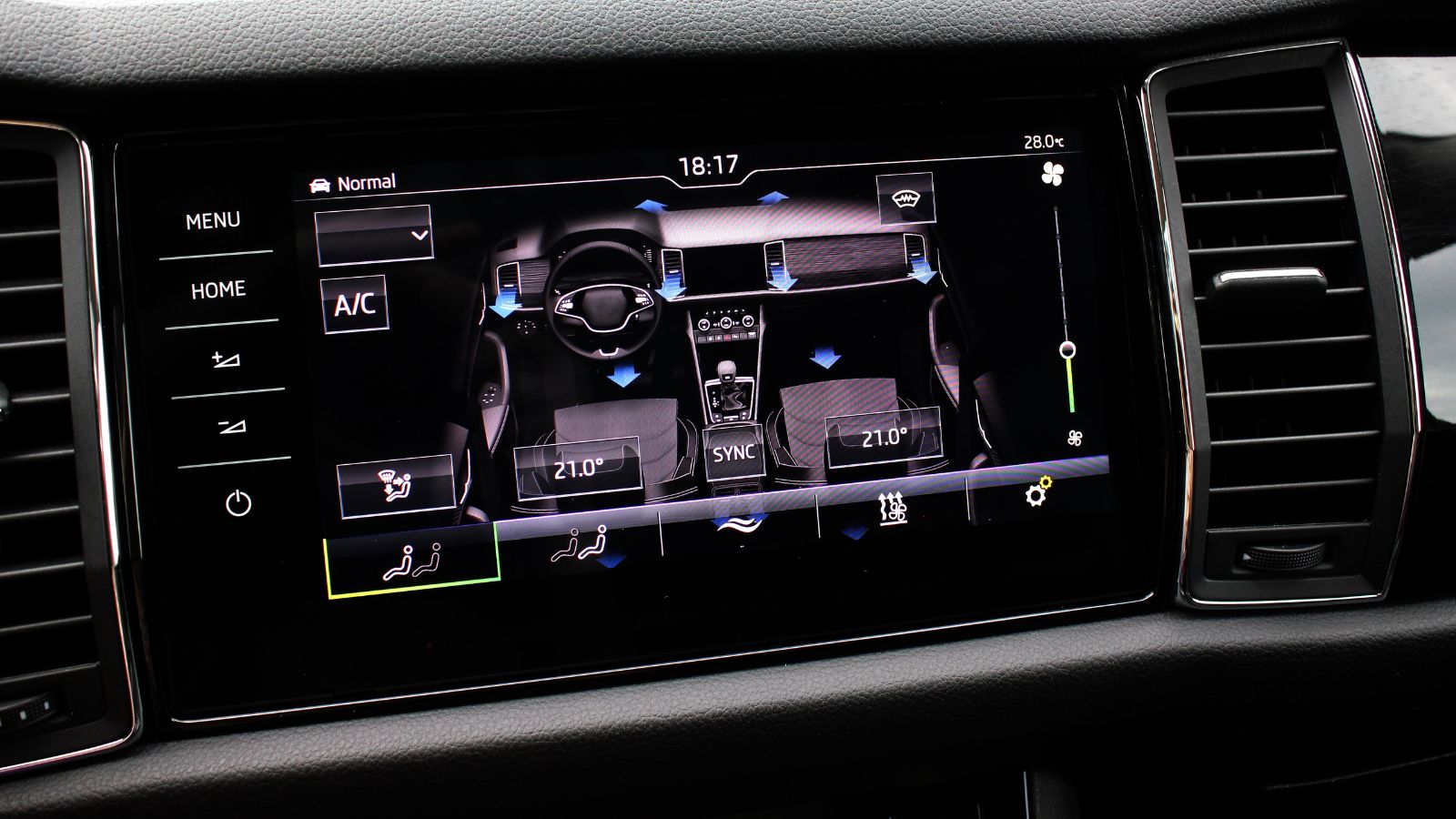
Both vehicles get the fundamentals right with three-zone automatic climate control and ventilation reaching the second and third rows. That matters in a large cabin, where rear passengers can otherwise wait several minutes for temperatures to catch up with the front. Toyota also makes heated second-row seating available on several upper trims and offers second-row ventilation on selected high-spec versions. Its familiar physical controls are an ergonomic advantage for families that prefer quick adjustments without hunting through touch-sensitive panels.
Hyundai goes farther with seat-based comfort. Well-equipped Palisades can combine heated and ventilated front seats with heated and ventilated second-row seats, while the highest trims can even provide heated third-row seating—still a rare feature in mainstream three-row SUVs. That gives passengers in every row more direct control over how warm or cool they feel. Reviewers have criticized the Palisade’s front climate panel for sitting low and relying heavily on touch-sensitive controls, so Toyota is easier to operate in some situations. Even so, Hyundai’s broader heating and ventilation coverage carries more weight in a comfort comparison. Across changing seasons, the Palisade does more for passengers beyond the front row.
Family Usability: Car Seats, Access and Everyday Loading
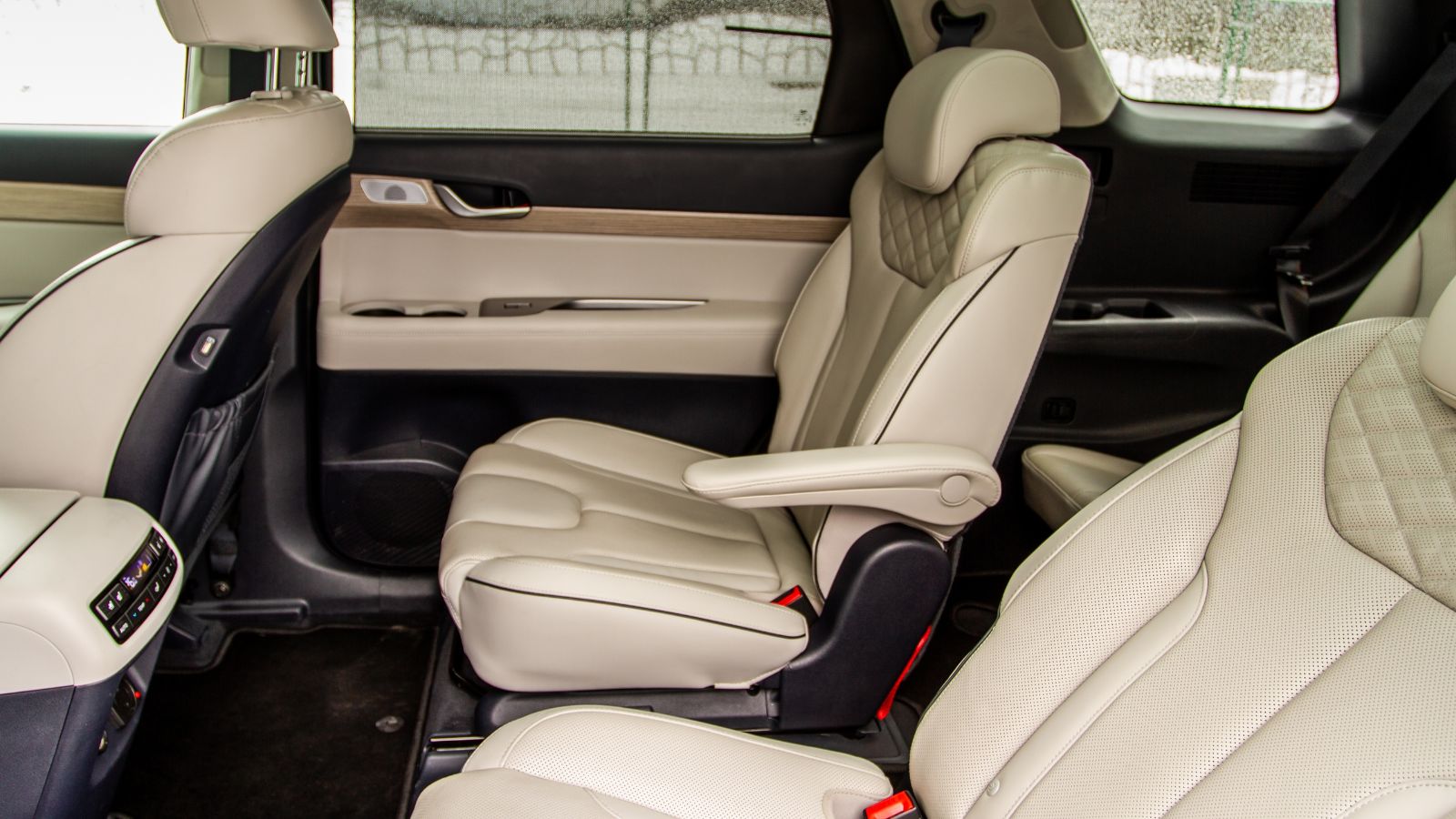
Comfort for parents often means avoiding awkward movements. Both SUVs perform well with child seats because their second-row lower anchors are accessible and rear-facing seats can be installed without dramatically compromising front-passenger space. Independent car-seat evaluations have also found usable LATCH provisions in the third rows. Hyundai adds one-touch powered tilt-and-slide movement on captain’s-chair configurations, reducing the physical effort required to open a path rearward. The drawback is speed: testers have noted that powered movement can feel slow when everyone is waiting to climb aboard.
Toyota relies more on mechanical simplicity. The Grand Highlander’s wide-opening rear doors make it easier to lean in and buckle children, and the third-row area includes grab points intended to help passengers enter and exit. Its second-row seats tilt and slide quickly, but, as with many three-row systems, full access movement is limited when a child seat is installed. Fixed head restraints can also complicate certain booster or forward-facing installations. Neither SUV dominates this category. Hyundai feels more assisted; Toyota feels faster and more straightforward. For everyday family comfort, the result is essentially a draw.
Cargo Room: Toyota Preserves More Space Around People
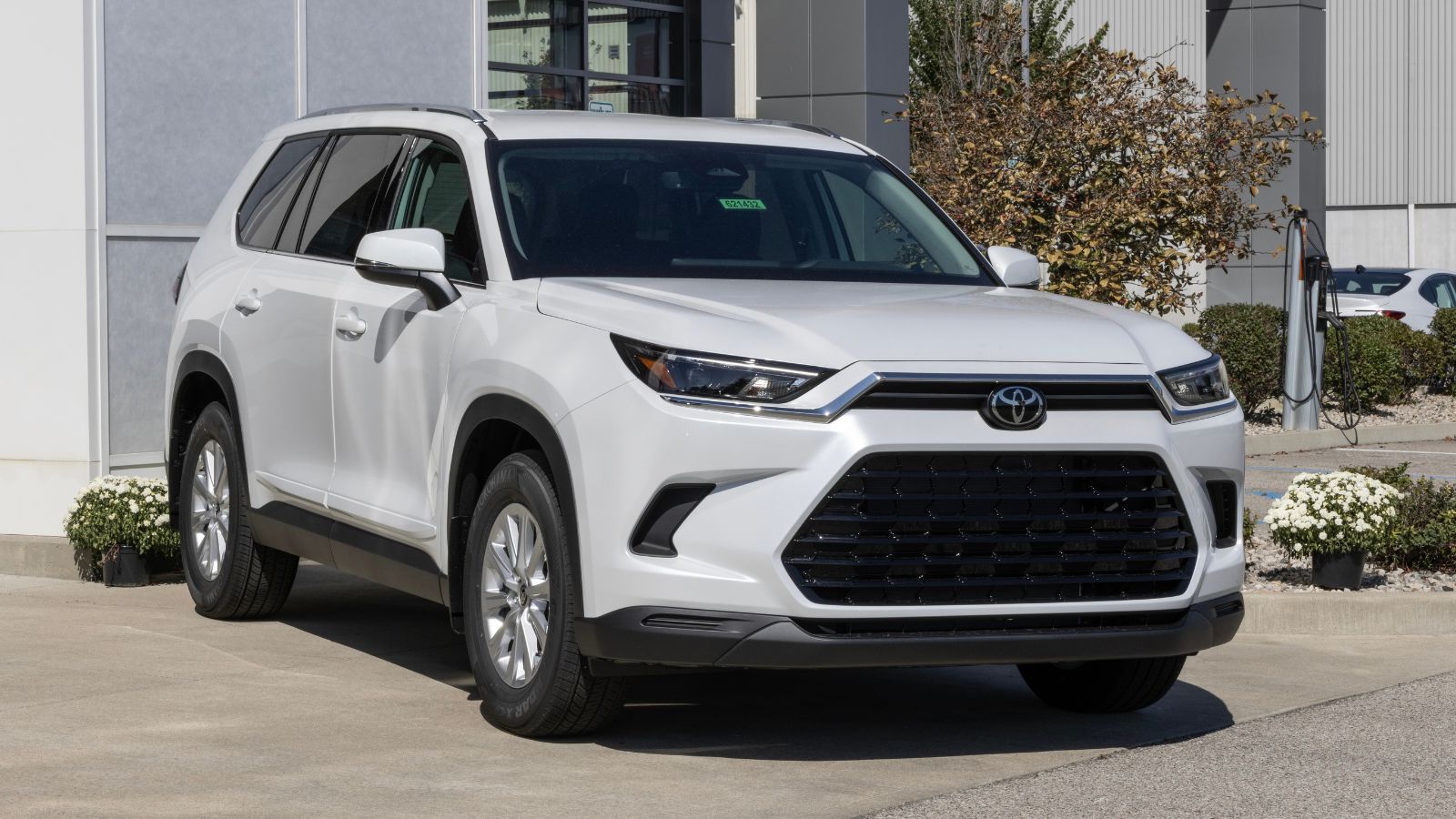
Cargo space directly affects passenger comfort once a family starts travelling with bags, strollers or sports gear. Toyota publishes 20.6 cubic feet behind the Grand Highlander’s third row, 57.9 cubic feet behind the second and up to 97.5 cubic feet with the rear rows folded. Toyota also says the area behind the third row can hold seven carry-on suitcases. That is a major strength because all three rows can remain occupied without immediately forcing backpacks or luggage into passenger footwells.
The Palisade remains practical, but its published figures are smaller: 19.1 cubic feet behind the third row, 46.3 behind the second and 86.7 cubic feet at maximum. Cargo-measurement methods can differ slightly, yet the gap is too large to dismiss. Based on the published figures, Toyota provides about 11.6 extra cubic feet behind the second row and 10.8 more at maximum. Hyundai’s power-folding seat functions make reconfiguring the cabin easier, but Toyota simply starts with more room. For families that regularly carry people and gear at the same time, the Grand Highlander wins decisively because its cargo space helps preserve personal space.
Controls and Cabin Tech: Toyota Is Simpler; Hyundai Feels Richer
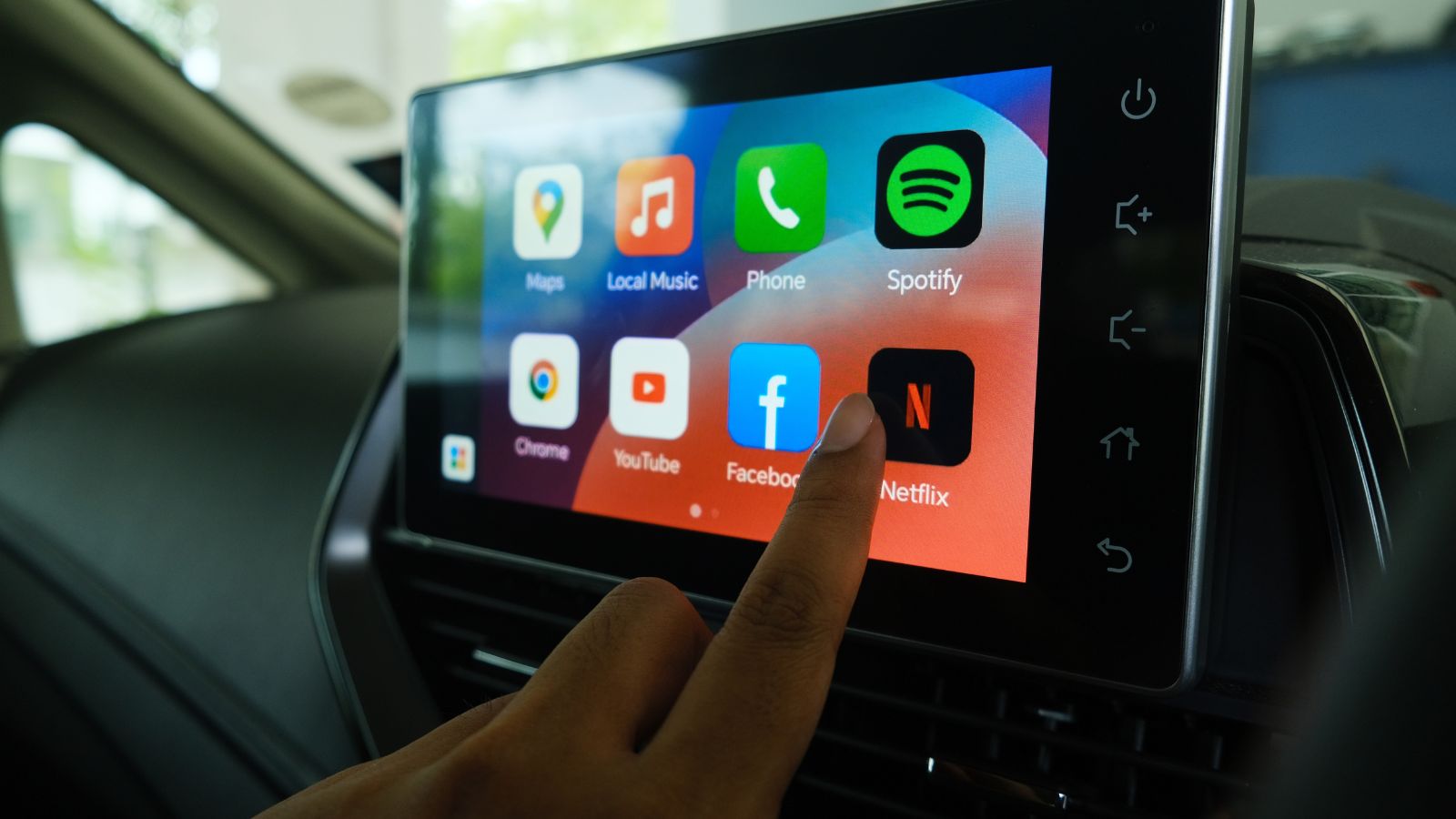
Both SUVs offer 12.3-inch central touchscreens, wireless Apple CarPlay and Android Auto, digital displays on appropriately equipped trims and numerous USB-C charging points. Hyundai packages its technology in a more integrated, upscale-looking dashboard and adds family-oriented functions such as an in-cabin intercom and Rear Seat Quiet Mode. The latter can reduce audio output in back when children are resting. Those details make technology feel like part of the Palisade’s comfort strategy rather than simply a collection of features.
Toyota’s interface is less theatrical but often easier to use at a glance. Its large touchscreen works alongside conventional physical controls for important climate functions, and reviewers generally praise the layout’s basic logic. The Palisade’s infotainment menus are straightforward, but its low-mounted capacitive climate panel and smaller touch-sensitive controls have drawn criticism for demanding more attention than traditional buttons. That matters because ergonomic comfort includes mental workload as well as seat softness. Hyundai wins on visual polish and clever family features, but Toyota takes this category narrowly for simplicity. On a busy school run, a control that can be adjusted by feel can be more valuable than a more sophisticated-looking interface.
Powertrain Refinement: The Engine Can Change the Comfort Story
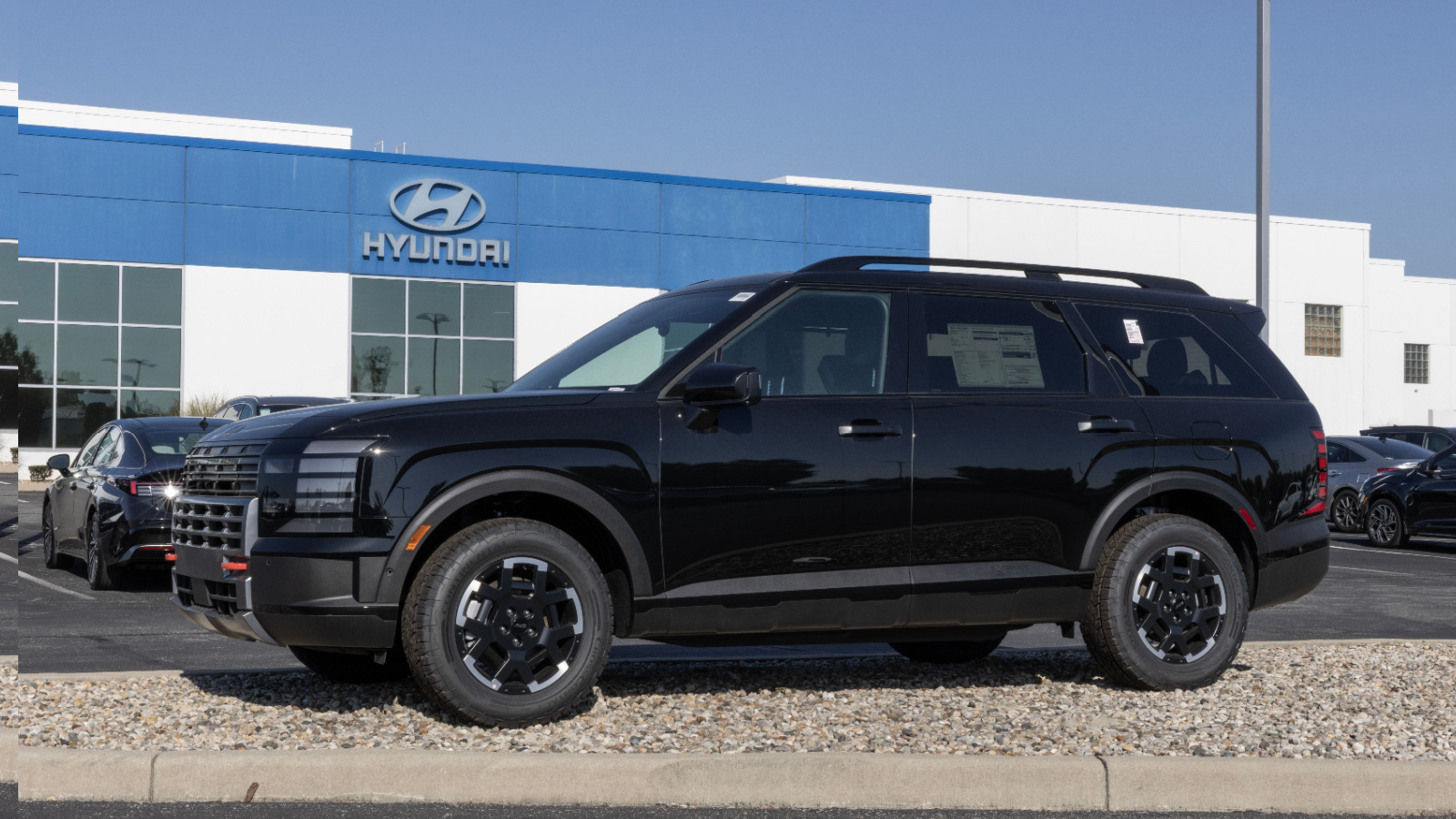
The gasoline versions reveal different philosophies. The Palisade uses a naturally aspirated 3.5-litre V6, while the Grand Highlander relies on a turbocharged 2.4-litre four-cylinder. Toyota’s engine provides adequate thrust, but reviewers have repeatedly noted a gritty or hoarse note under acceleration and occasional low-speed abruptness. Hyundai’s V6 is not dramatically faster, yet its smoother sound and more progressive delivery fit a vehicle built around quietness and ride comfort. Passengers experience that difference less as a performance statistic and more as fewer harsh sounds entering the cabin.
Hybrids complicate the picture. Hyundai’s 329-horsepower Palisade Hybrid combines a turbocharged 2.5-litre engine with electric assistance, and direct testing against the regular Grand Highlander Hybrid found the Hyundai quieter and more effortless when power was requested. Consumer Reports has nevertheless noted some low-speed hesitation and clunkiness in the Hyundai before transitions smooth out. Toyota also offers the much stronger Hybrid MAX, so its economy-focused regular hybrid should not represent the whole lineup. Across the range, Hyundai still holds the refinement edge, but families should test-drive the exact powertrain they intend to buy.
Overall Comfort Verdict: Palisade Wins, With an Important Toyota Exception
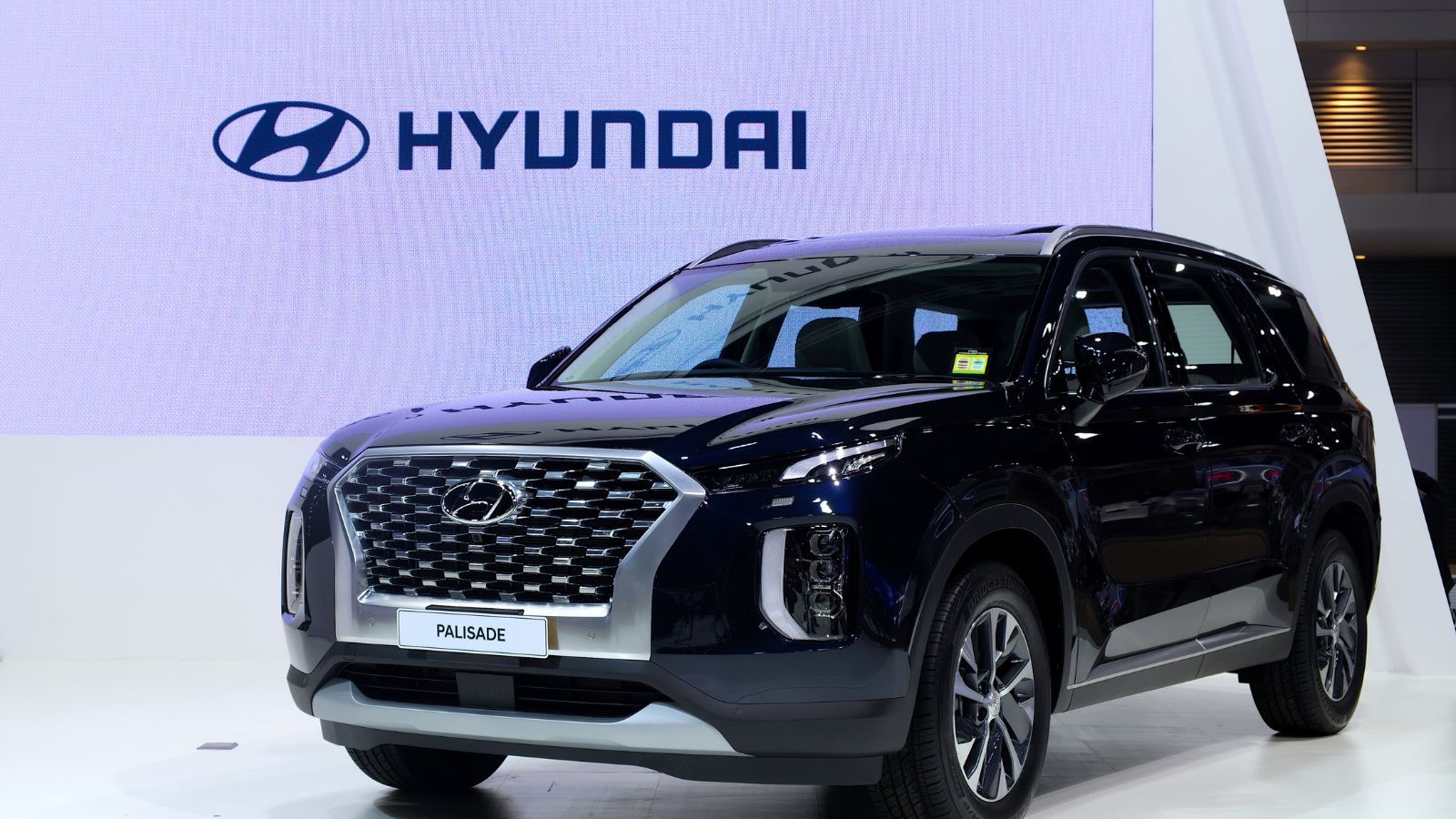
Taken as a complete comfort package, the 2026 Hyundai Palisade wins. Its advantage comes from accumulating small benefits: a richer cabin, more elaborate first- and second-row seating, available relaxation functions, broader heating and ventilation, a composed ride and a powertrain character that usually stays in the background. Those strengths also align with independent head-to-head testing, where an upper-trim Palisade Hybrid was judged the more polished vehicle against a similarly priced Grand Highlander Hybrid. For families that use the third row only occasionally, Hyundai delivers the more convincing near-luxury experience.
The Grand Highlander remains the better choice for an important type of household. Its third row gives adults more usable legroom, while its substantially larger cargo volume means a full passenger load does not force as much luggage into the living space. Toyota’s straightforward controls and wide-opening rear doors also reduce small daily hassles. In short, Hyundai wins on how comfortably it treats individual passengers; Toyota wins on how comfortably it accommodates a full crew and their belongings. For pure pampering, choose the Palisade. For frequent six- or seven-person travel with luggage, the Grand Highlander may be the more comfortable family tool.
19 Used Cars Canadians Should Avoid in 2026 (Based on Owner Complaints)
Buying a used car in Canada can feel safe until repair bills start stacking up. Owner complaints tell a different story than glossy listings. Transmission failures, electrical problems, and weak winter reliability show up again and again in consumer reports. Many of these issues appear after warranties expire, when owners least expect them. Some vehicles look affordable upfront, but become expensive to keep on the road. Others struggle in cold weather, urban driving, or long highway commutes. Here are 19 used cars Canadians should avoid in 2026 (based on owner complaints).
19 Used Cars Canadians Should Avoid in 2026 (Based on Owner Complaints)