


























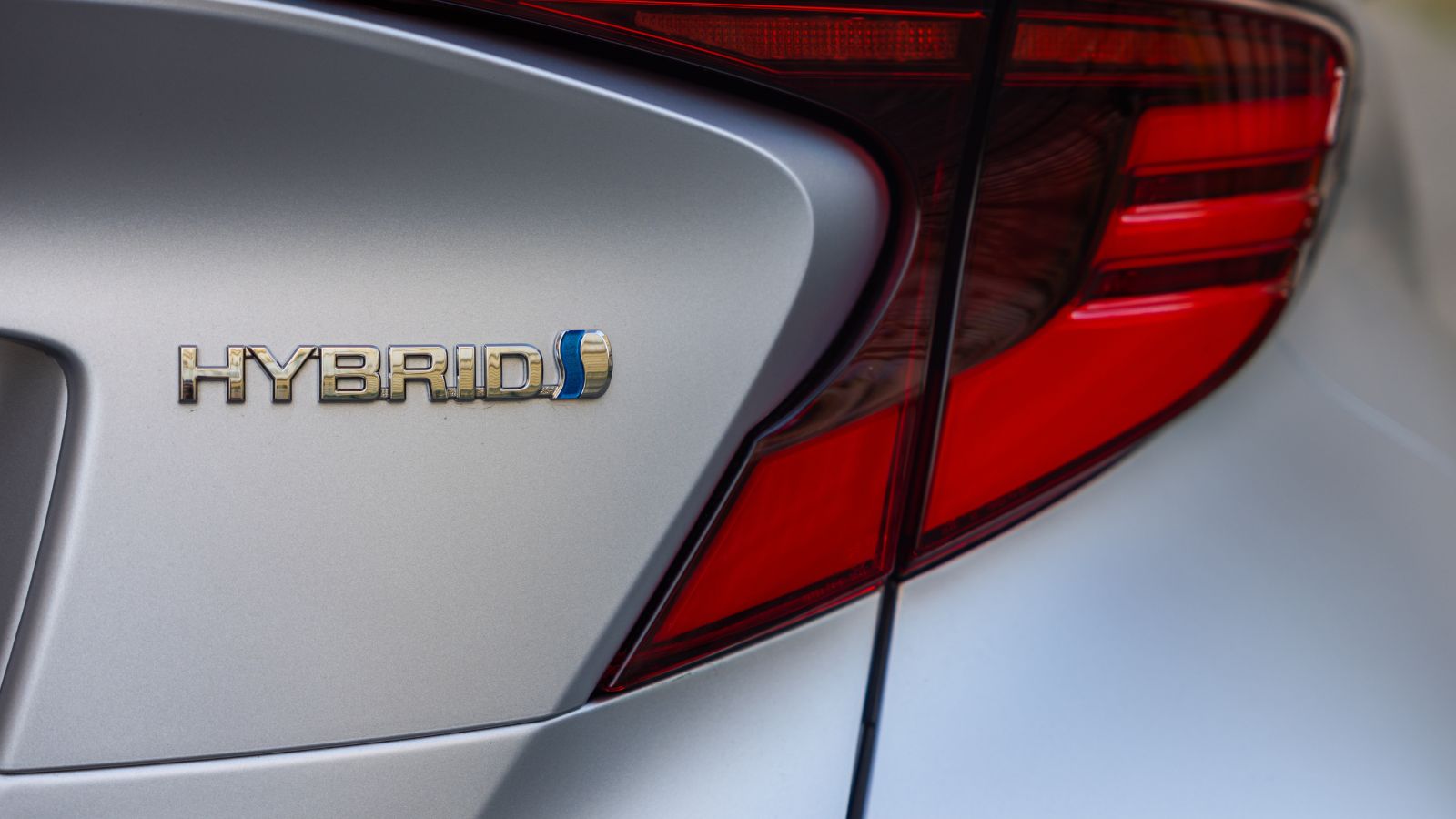
Canada’s new-vehicle market is changing in a way that no longer fits a simple gasoline-versus-electric storyline. In the second quarter of 2026, Canadians registered 547,673 new motor vehicles, the strongest second-quarter total since 2019 and 1.1% more than a year earlier. The most striking shift came from conventional hybrids: registrations jumped 39.5% year over year, the fastest growth of any fuel type. At the same time, pickup trucks slipped 0.5%, making them the only vehicle type tracked by Statistics Canada to decline. Battery-electric registrations also rose sharply, while gasoline and diesel registrations fell. Taken together, the numbers point to a market that is expanding modestly overall but changing much faster underneath the headline total, as buyers spread across hybrids, battery EVs, plug-in hybrids, SUVs, cars and vans in noticeably different ways.
Canada’s Q2 Market Returned to Pre-Pandemic Scale
The headline total shows how much momentum returned to Canada’s showroom-to-registration pipeline in the spring. Statistics Canada counted 547,673 new motor vehicle registrations in the second quarter of 2026. That was 37.7% above the first quarter and 1.1% higher than the same period of 2025. It was also the highest second-quarter level recorded since 2019, before the pandemic disrupted production, inventories and vehicle purchasing patterns.
The contrast with the start of the year is important. First-quarter registrations had fallen to 397,601, down 6.9% from a year earlier and 3.7% from the previous quarter. A dealership that felt a slow winter therefore entered a very different market by spring. The quarter-to-quarter jump should not be read as a 37.7% annual growth rate, because vehicle registrations are seasonal. Even so, the year-over-year gain confirms that Q2 was not merely a calendar rebound; the market also edged above its 2025 level. That matters.
Hybrids Became the Quarter’s Fastest-Growing Fuel Type
Conventional hybrids delivered the quarter’s biggest fuel-type surprise. New hybrid-electric registrations rose 39.5% from the second quarter of 2025, outpacing battery-electric vehicles and plug-in hybrids. The change was particularly notable because hybrid registrations had been down 0.5% year over year in the first quarter. Within only a few months, the category shifted from slight contraction to the fastest growth rate among the fuel types reported.
Statistics Canada classifies a hybrid electric vehicle as one combining an internal-combustion engine with a rechargeable battery that provides additional power. It differs from a plug-in hybrid and is not counted as a zero-emission vehicle. Product results offer a tangible example of the momentum. Toyota Canada reported record quarters for several electrified nameplates in Q2, including the Prius family, RAV4 Hybrid and Sienna Hybrid. Those individual results cannot explain the national increase by themselves, but they show that the statistical surge was also appearing in prominent retail models Canadians encounter at dealerships.
Pickup Trucks Were the Only Vehicle Type to Go Backward
Pickup trucks stood out for the opposite reason. Their new registrations fell 0.5% year over year in Q2, making pickups the only vehicle type in Statistics Canada’s release to decline. Vans rose 10.1%, passenger cars increased 2.1%, and multipurpose vehicles such as SUVs and crossovers gained 0.7%. Statistics Canada’s pickup category covers light-duty trucks with gross vehicle weight ratings of up to 14,000 pounds.
Separate federal consumer research provides useful context without proving what caused the registration decline. In Natural Resources Canada research conducted in January 2026, 15% of prospective vehicle buyers said they were considering a pickup, compared with 17% in 2024. Small SUVs were considered by 36%, while midsize SUVs attracted 34%. Pickup interest remained considerably stronger in Alberta, where 25% considered one. The figures illustrate why a 0.5% national decline should not be interpreted as Canadians abandoning trucks. Pickups remain important, particularly regionally, but their market growth is no longer automatic.
SUVs Still Dominate Even When Their Growth Looks Small
SUVs and crossovers remain the centre of gravity in Canada’s new-vehicle market even when their growth rate looks modest. Statistics Canada’s multipurpose-vehicle category increased only 0.7% year over year in Q2 2026, but that percentage sits on a very large base. In 2024, multipurpose vehicles accounted for 62.9% of all new motor vehicle registrations across Canada and had grown 13.9% from the previous year.
Provincial data demonstrate the scale of that dominance. Nova Scotia recorded 18,026 new vehicles in Q2 2026, with 11,745 classified as multipurpose vehicles—far more than any other body type in the province. For households searching for one vehicle capable of covering commuting, family transportation, groceries and winter driving, crossovers occupy a broad part of the market. The more important statistical point is that percentage growth can be deceptive when comparing segments. A mature category representing most new registrations can grow only slightly and still add significant volume, while a smaller category can post a much larger percentage increase from a narrower base.
Gasoline and Diesel Registrations Fell at the Same Time
While hybrids and battery EVs accelerated, Canada registered fewer new vehicles powered solely by gasoline or diesel. Gasoline registrations fell 7.3% from Q2 2025, while diesel registrations dropped 12.6%. The movement is significant because gasoline remained the largest propulsion category. Nova Scotia’s Department of Finance, using Statistics Canada figures, calculated that gasoline-powered models still represented 68.6% of Canadian new registrations in the quarter.
The existing vehicle fleet changes far more slowly than the new-vehicle market. Statistics Canada reported that gasoline-powered light-duty vehicles still represented 92.1% of active light-duty registrations in 2024. That distinction matters on Canadian roads. One strong quarter for hybrids cannot quickly displace the millions of gasoline-powered cars, SUVs and pickups already in service. What it can do is alter the composition of vehicles entering the fleet each year. If gasoline declines and electrified alternatives continue gaining registrations for several years, that cumulative turnover eventually produces a much more noticeable change in what Canadians actually drive.
Battery EVs Rebounded Strongly, but Hybrids Grew Even Faster
Battery-electric vehicles also posted a substantial increase. New BEV registrations climbed 37.4% year over year in Q2 2026, putting their growth just behind the 39.5% increase for conventional hybrids. Plug-in hybrid registrations rose a more moderate 8.0%. Statistics Canada treats battery EVs and plug-in hybrids as zero-emission vehicles because they have the potential to operate without tailpipe emissions, while conventional hybrids remain a separate category.
The quarter also overlapped with renewed federal purchase support. Canada’s Electric Vehicle Affordability Program made qualifying transactions from February 16, 2026 onward eligible for point-of-sale assistance. The federal auto strategy provided incentives of up to $5,000 for eligible battery-electric vehicles in 2026 and up to $2,500 for eligible plug-in hybrids, subject to program requirements involving transaction price and manufacturing origin. The timing makes federal incentives part of the market backdrop. It would, however, be premature to attribute the entire registration rebound to rebates, since inventory, model availability, pricing and delayed purchases can also influence quarterly results.
ZEVs Stayed Above One-Tenth of New Registrations
Zero-emission vehicles held above an important market threshold in the second quarter. Statistics Canada recorded 58,811 new ZEV registrations, representing a 26.7% increase from Q2 2025. ZEVs accounted for 10.7% of all new motor vehicle registrations, compared with 8.6% one year earlier. It was the third consecutive quarter in which more than one in ten new registrations qualified as zero-emission vehicles across Canada’s new-vehicle market.
The composition of that number matters. ZEVs include battery-electric vehicles and plug-in hybrids, not conventional hybrids, meaning the 39.5% conventional-hybrid surge sits entirely outside the 10.7% ZEV share. Two different forms of electrification were therefore expanding simultaneously. A separate Statistics Canada measure showed 21,876 new ZEVs were sold in June, a 56.1% increase from June 2025, giving them an 11.5% share of monthly new-vehicle sales. Sales and registrations are not interchangeable statistics, but both datasets point toward renewed momentum for vehicles capable of operating without tailpipe emissions.
Ontario Led a Broad Provincial ZEV Upswing
The ZEV rebound spread across much of the country, although the rates of growth differed sharply. Ontario recorded a 46.6% year-over-year increase in new ZEV registrations during Q2. Nova Scotia followed at 46.0%, Saskatchewan at 39.6%, Manitoba at 39.2%, British Columbia at 31.5%, Prince Edward Island at 16.7%, and Quebec at 12.5%. New Brunswick was the notable exception among provinces reported, with registrations declining 16.6%.
Those percentages measure growth rather than total market size, so they should not be interpreted as a ranking of which provinces have the most electric vehicles. A province with a large established ZEV base can grow more slowly in percentage terms, while a smaller market may record a large increase from relatively few vehicles. There is also an important geographical limitation. Statistics Canada said provincial estimates for Newfoundland and Labrador and Alberta were unavailable because of contractual data-sharing limitations. Their registrations were nevertheless incorporated into the Canada-wide total, making the national figures more complete than the individual provincial breakdown might suggest.
Asia Assembled More Than Half of Canada’s Newly Registered ZEVs
Where Canada’s newly registered ZEVs were assembled provides another perspective on the transformation underway. In Q2 2026, 54.6% of new zero-emission vehicles registered in Canada had been assembled in Asia. North American assembly represented 27.3%, while European factories accounted for the remaining 18.1%. Statistics Canada released a new quarterly origin-of-assembly dataset alongside the registration numbers, allowing this part of the market to be monitored more closely.
That breakdown is particularly relevant because electrification is simultaneously a consumer, manufacturing and trade issue. More than half of registered ZEVs being assembled in Asia does not mean that more than half were necessarily sold by Asian-owned manufacturers. Nor does assembly location reveal where batteries, semiconductors or critical minerals originated. Modern vehicle supply chains cross multiple borders before a completed vehicle reaches a Canadian dealership. Still, the data establish a useful benchmark: despite substantial North American investment in EV manufacturing, overseas factories—especially those in Asia—continue to supply a majority of the ZEVs newly entering Canada’s market.
Q2 Reversed Much of the Weakness Seen Early in 2026
The second quarter looks even more dramatic beside the first. During Q1 2026, total new registrations had fallen 6.9% year over year to 397,601. Pickup registrations were down 11.5%, passenger cars declined 11.0%, multipurpose vehicles dropped 5.3%, and conventional hybrids slipped 0.5%. The fuel categories showing year-over-year growth were zero-emission technologies: plug-in hybrids increased 22.9%, while battery-electric registrations rose 12.9%.
Three months later, the market was considerably broader. Overall registrations were 37.7% higher than in Q1, hybrids were growing 39.5% year over year, and every major vehicle type except pickups had moved into positive territory. That contrast demonstrates why a single quarter should not automatically become a long-term forecast. Nova Scotia’s finance department notes that vehicle registrations exhibit seasonal patterns, with second-quarter registrations normally rising for many engine and body types. The stronger evidence comes from combining quarterly recovery with year-over-year comparisons, which reveal an increasingly pronounced divergence between electrified and conventional propulsion categories.
The Data Show Change, but They Do Not Measure Everything
Registration numbers are best understood as a snapshot of vehicles newly entering the road fleet, rather than a direct count of dealership sales or every vehicle currently being driven. Statistics Canada defines new motor vehicle registrations as first-time registrations involving vehicles from the previous, current or following model year. Its separate annual registration program measures the active vehicle fleet, while another program tracks monthly new-vehicle sales. Those datasets answer related but distinct questions.
There are methodological limits as well. Statistics Canada relies on administrative registration information and applies confidentiality procedures to published estimates. For Q2 2026, provincial estimates for Newfoundland and Labrador and Alberta were unavailable under existing data-sharing arrangements, even though both remained incorporated into the national total. None of those qualifications alters the central findings: conventional hybrid registrations increased 39.5%, pickups were the only vehicle type to decline, and Canada recorded its strongest second quarter since 2019. The caveats simply prevent short-term changes from being interpreted more broadly than the underlying data support.