























A vehicle does not have to be completely broken down to become financially difficult to justify. The more revealing moment often comes when ordinary maintenance starts blending with repeated repairs, specialized parts, expensive diagnostics, and major components nearing the end of their useful lives. A car that still looks respectable and drives reasonably well can quietly become a machine that demands more money every few months.
These 20 signs can help identify when maintenance costs are moving beyond normal aging and into a pattern that deserves closer scrutiny. Some point to potentially serious mechanical trouble, while others reveal a vehicle whose design, condition, parts availability, or remaining value makes every future repair harder to defend.
The Repair Shop Is Becoming a Regular Destination
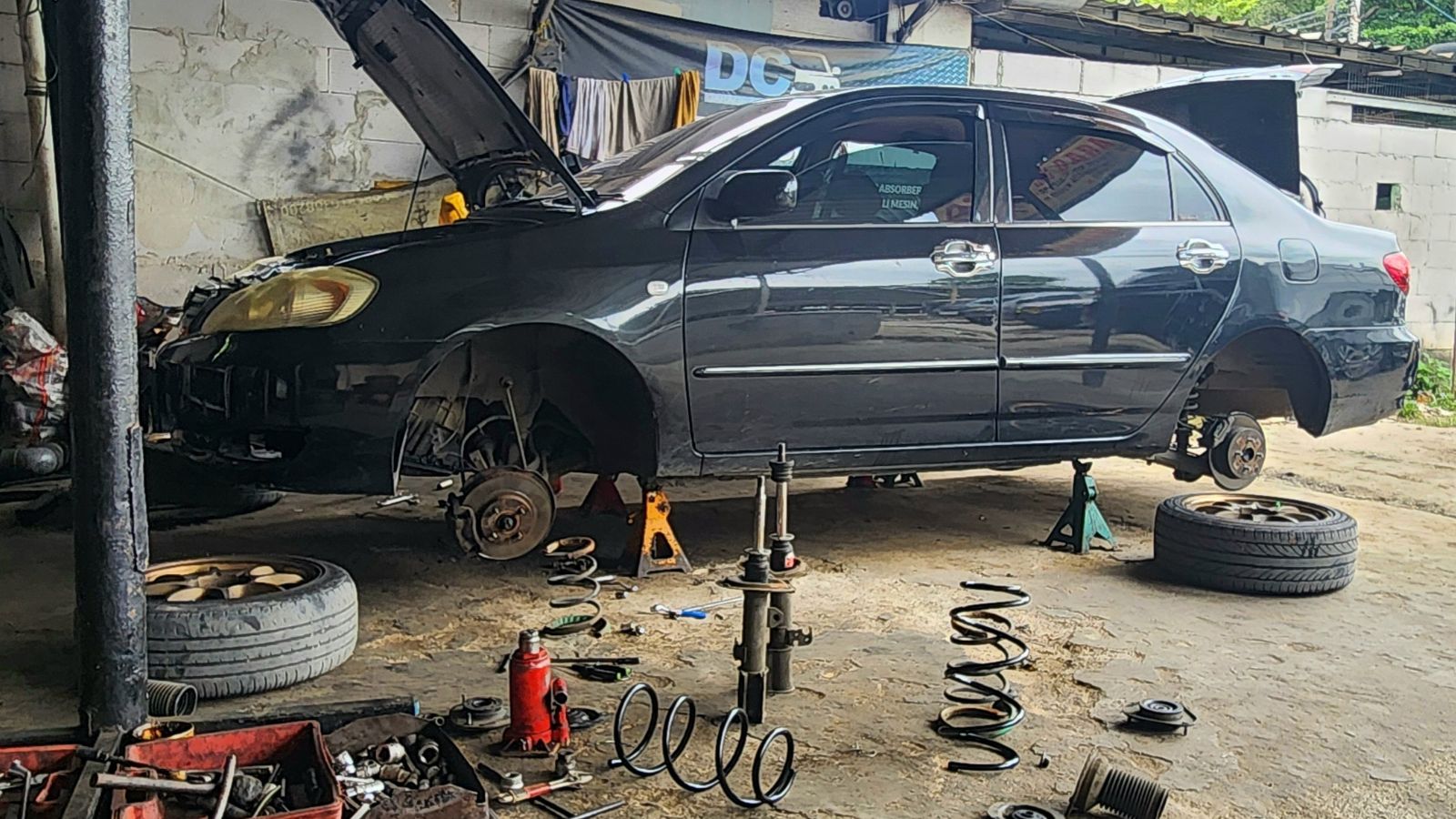
Every aging vehicle eventually needs work, but repeated unscheduled visits are different from ordinary maintenance. Oil changes, tires, brakes, filters, and scheduled fluid replacements are predictable. A car that returns to the shop for unrelated electrical faults, cooling issues, suspension noises, sensors, leaks, and drivability problems is developing a much more expensive pattern.
Large-scale owner data consistently shows maintenance and repair spending rising as vehicles age, particularly once factory warranties and complimentary maintenance programs end. The concern becomes greater when the same components fail repeatedly or one repair seems to uncover another. A $500 repair may be manageable by itself, but three or four such bills in a year can change the economics quickly. Keeping twelve months of repair invoices together can reveal something memory often hides: the vehicle may already be consuming the equivalent of a substantial monthly payment without providing the reliability of a replacement.
A Major Timing-Belt Service Has Been Ignored
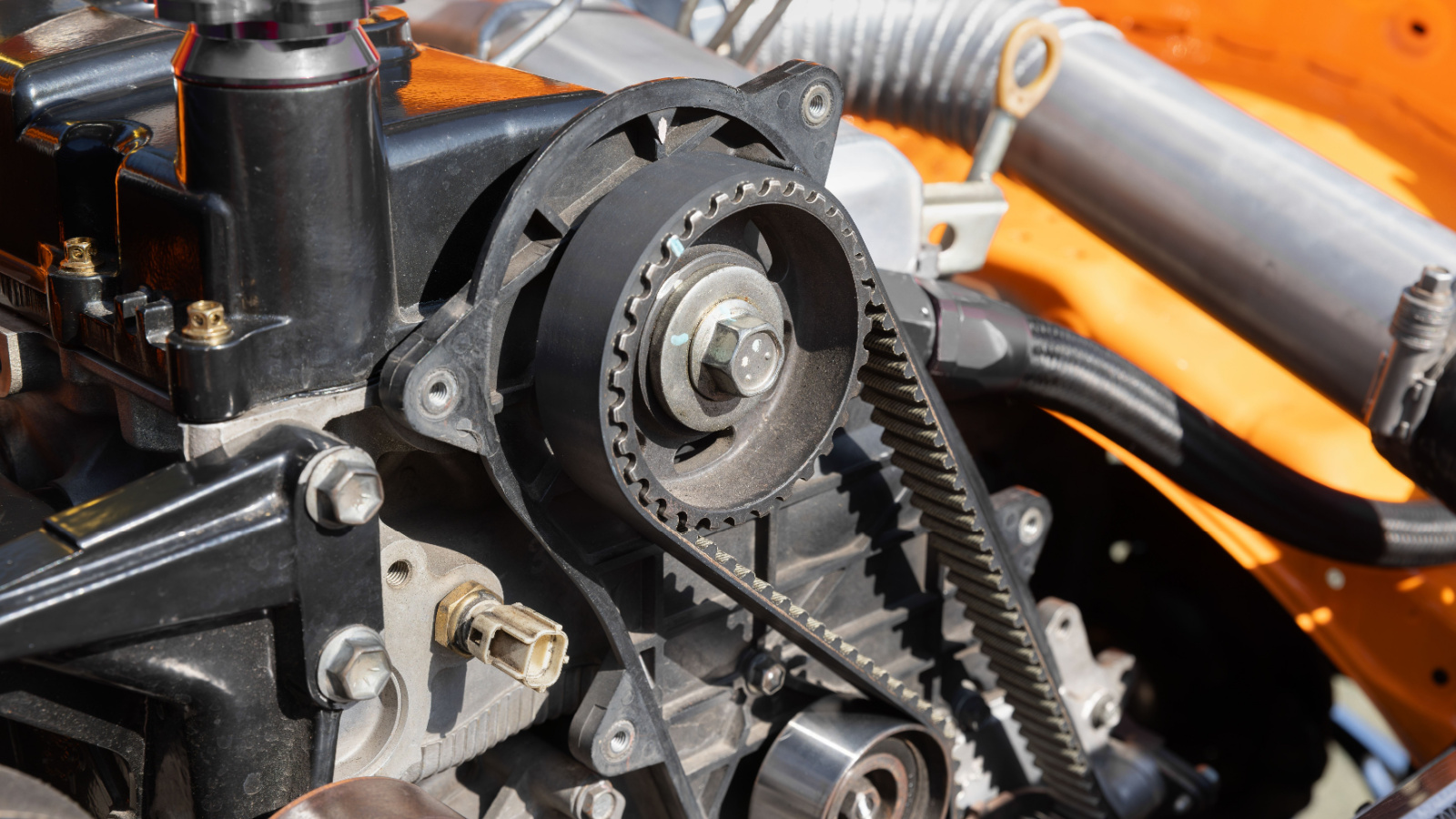
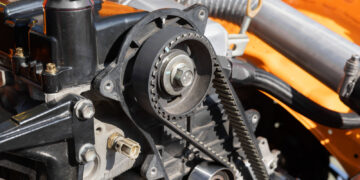
A timing belt is easy to forget because it normally works silently behind covers, yet its failure can turn an otherwise serviceable vehicle into an engine-repair project. Manufacturers establish replacement intervals based on the particular engine, so a used vehicle with no proof that the scheduled job was completed deserves extra caution.
The stakes are especially high in an interference engine. If the belt breaks and the camshaft and crankshaft lose synchronization, pistons and valves can collide, potentially damaging valves, pistons, cylinder heads, or the complete engine. Replacement is also rarely just the price of a belt. Labour can be significant, and technicians frequently service tensioners, idlers, seals, or a belt-driven water pump at the same time because accessing the area is already labour-intensive. An overdue belt therefore represents both an immediate maintenance bill and the possibility of a far larger bill if it fails first.
The Transmission Is Starting to Slip, Shudder, or Shift Harshly
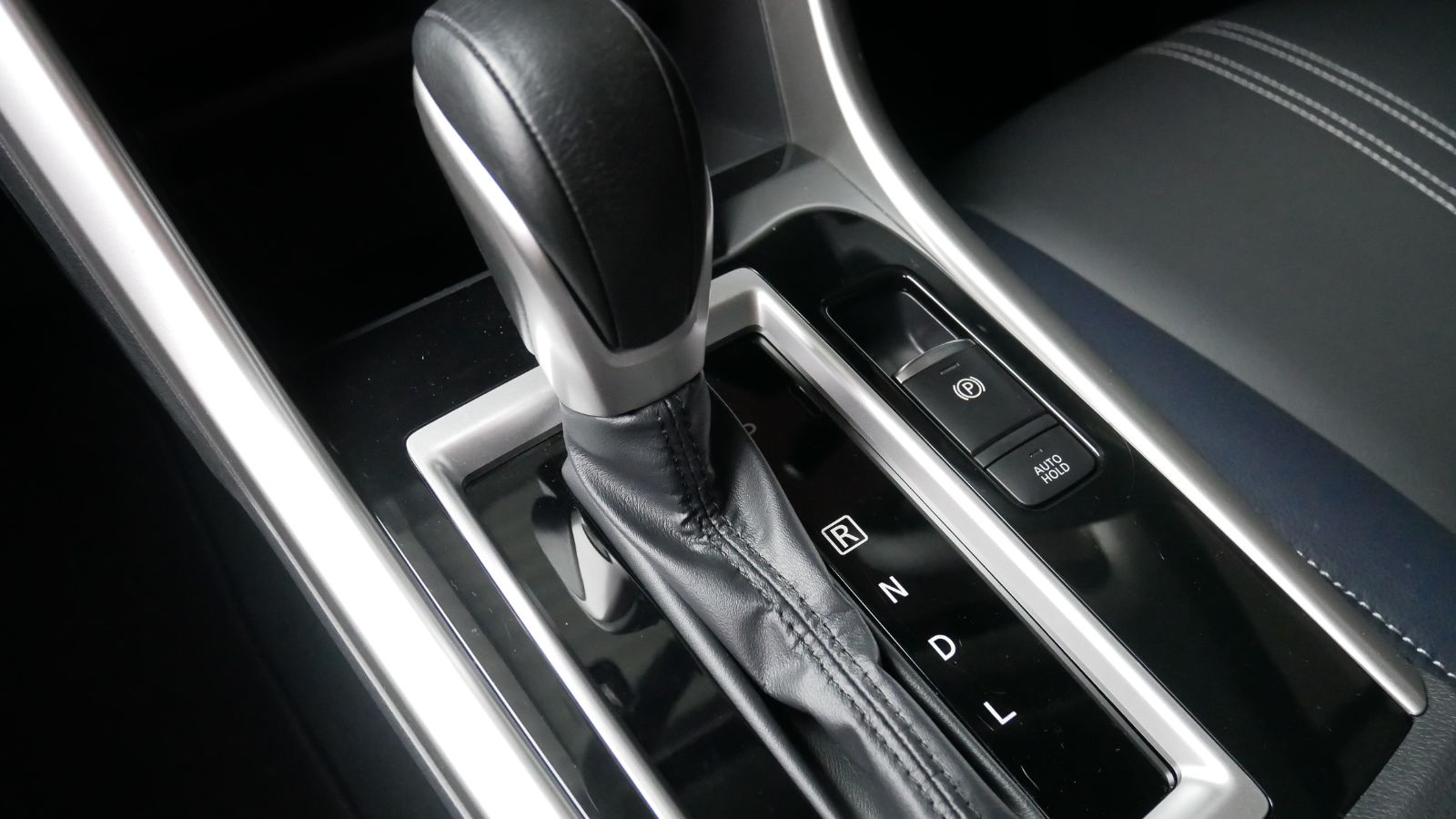
A transmission does not have to stop working completely before it becomes a financial warning sign. Delayed engagement, slipping under acceleration, shuddering, abrupt gear changes, strange noises, overheating, or repeated transmission-fluid problems can indicate anything from a serviceable control issue to serious internal wear.
Major transmission work is among the repairs that can change the calculation on an older vehicle almost overnight. Owner reliability data has documented vehicles requiring multi-thousand-dollar transmission replacements, while modern transmissions can also require specialized fluids, scan tools, adaptation procedures, and model-specific expertise. Even routine servicing can be more complicated on units described as sealed or filled for life. A vehicle worth only a modest amount may still drive reasonably well while harbouring a transmission problem capable of consuming a significant percentage of its market value. A proper diagnosis is particularly important before authorizing smaller repairs that merely postpone a larger failure.
The Engine Needs Oil Constantly Between Changes
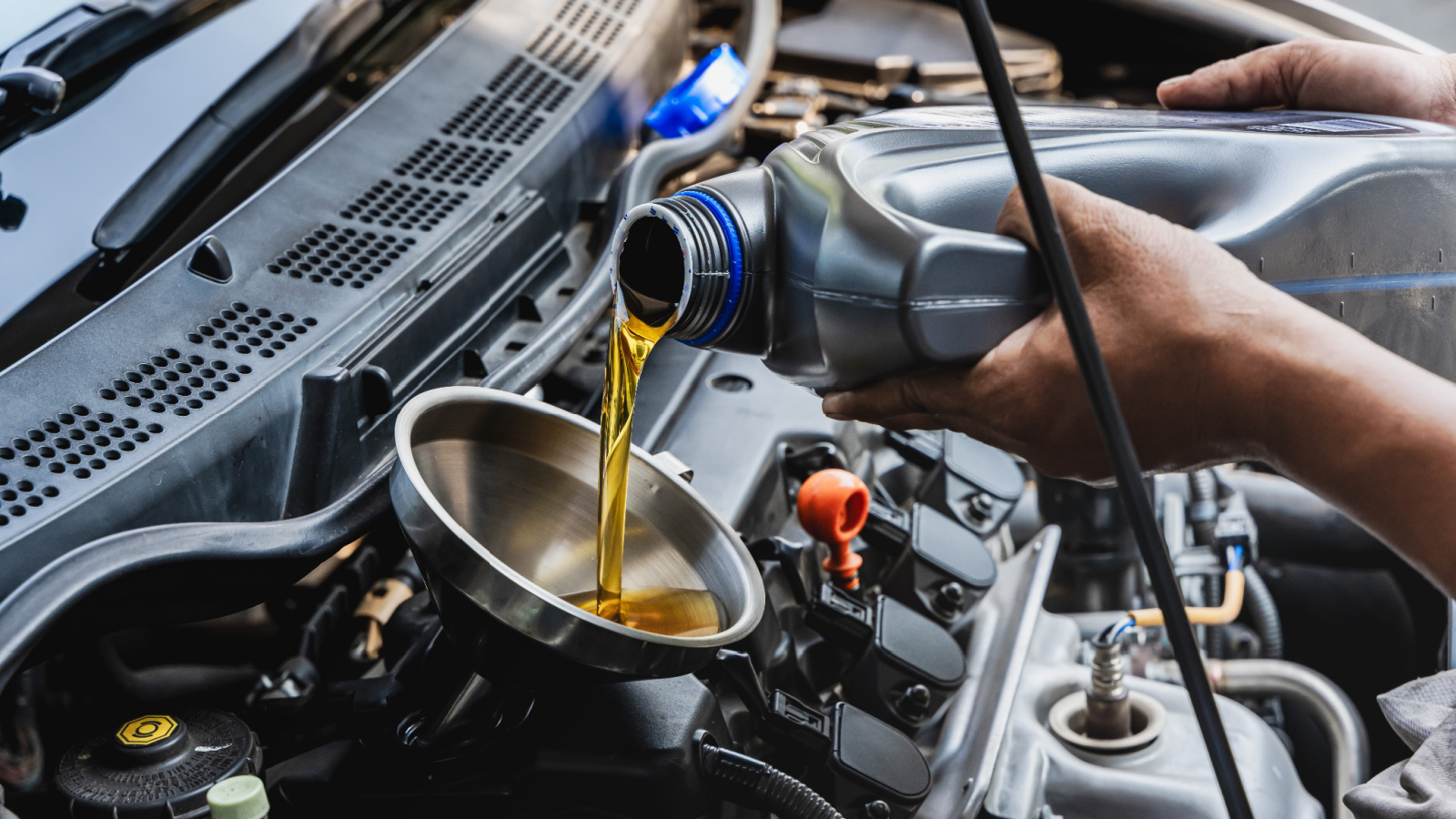
Occasionally adding a little oil is not automatically a financial disaster, particularly on an older, high-mileage engine. The warning sign is consumption significant enough that the dipstick requires frequent attention or litres of oil disappear between normal service intervals without an obvious external leak.
Excessive consumption can result from worn piston rings, valve-related problems, turbocharger issues, or engine designs with known oil-burning tendencies. Research into specific used models has found some engines consuming far more oil than most comparable vehicles, sometimes leading manufacturers to extend warranties or offer corrective programs. The immediate expense of extra oil is only part of the concern. If the level drops too far, inadequate lubrication can seriously damage internal engine components. Burned oil can also contribute to deposits and exhaust-system problems. A cheap used vehicle becomes far less attractive when ownership includes constant monitoring plus the possibility of an engine overhaul that costs thousands.
Overheating Has Happened More Than Once
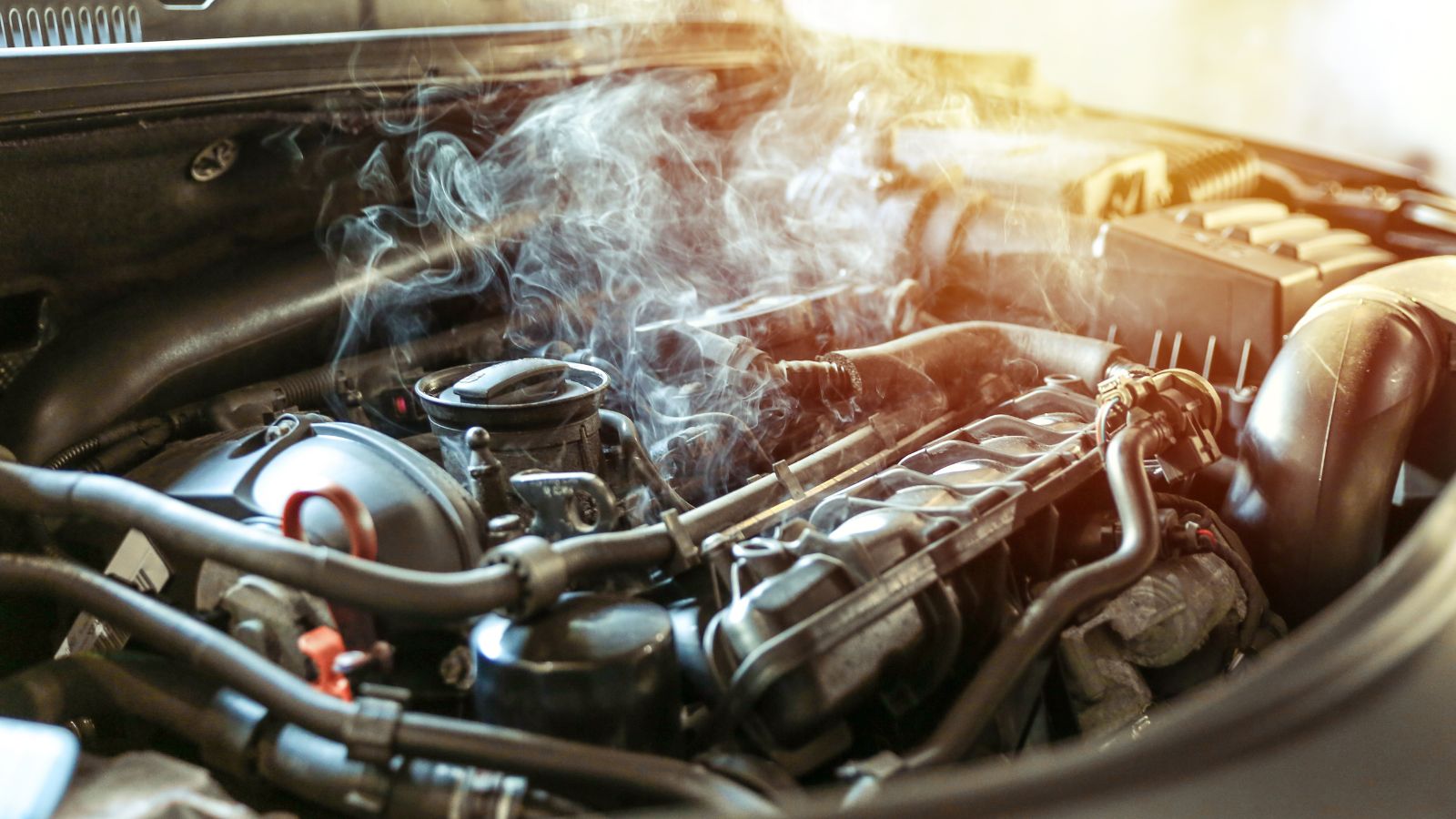
A single overheating incident with an obvious, inexpensive cause may be manageable. Repeated overheating is more troubling because it suggests the cooling system has an unresolved weakness or that earlier heat exposure has already damaged something more serious.
Cooling systems contain numerous potential failure points, including radiators, thermostats, electric fans, hoses, water pumps, belts, coolant passages, and gaskets. Low coolant in a properly sealed system also indicates that the fluid is escaping somewhere. Continuing to operate an overheating engine can lead to warped components, damaged gaskets, cylinder-head problems, or catastrophic engine damage. That creates an unpleasant diagnostic cycle: replacing a thermostat or hose may not end the story if the vehicle has already suffered a compromised head gasket. When a vehicle repeatedly pushes its temperature gauge toward the red zone, the important question is no longer just what today’s cooling-system repair costs, but what previous overheating may have done to the engine.
Rust Has Reached Structural Components
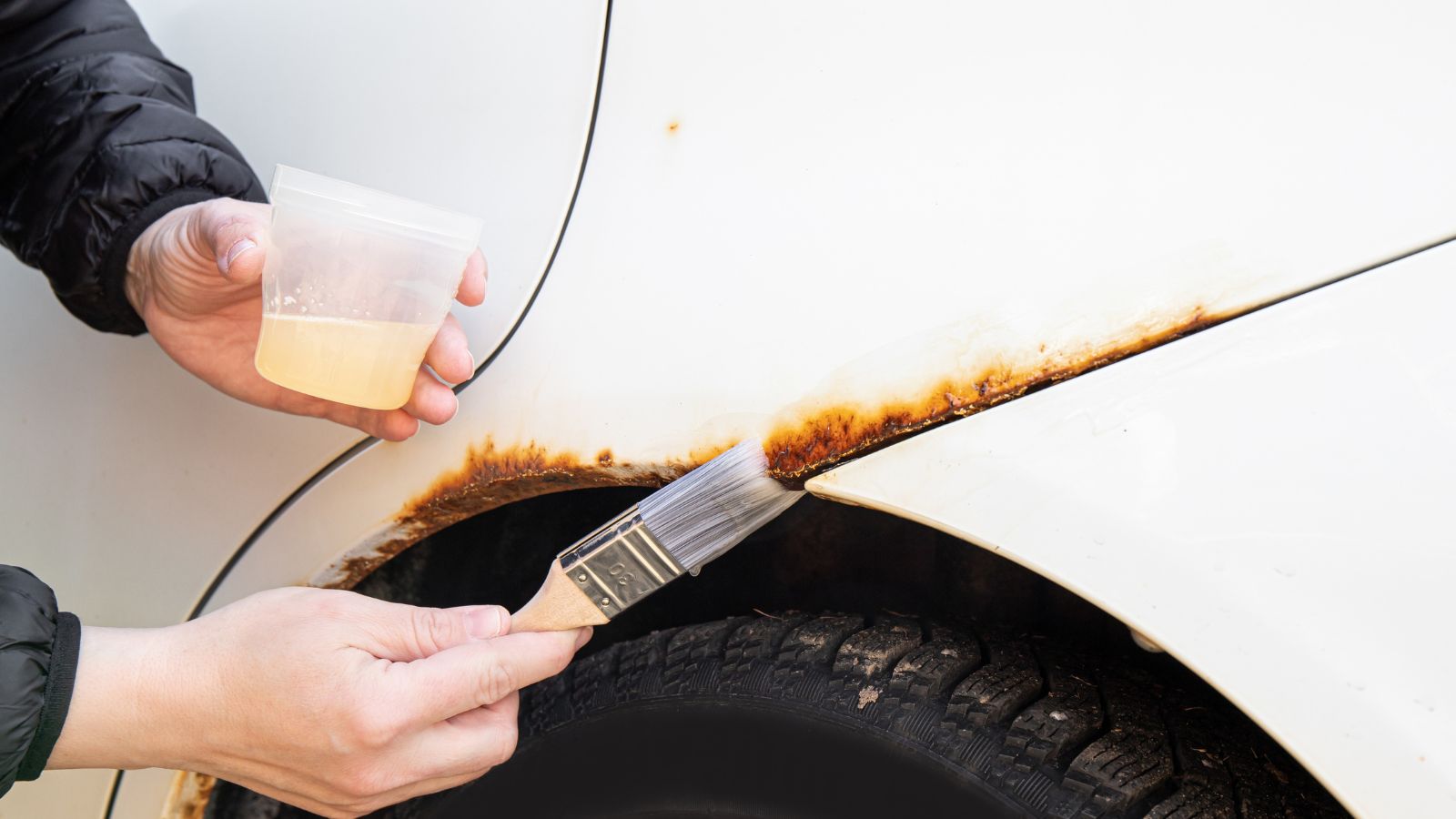
Cosmetic surface rust is common on older vehicles and does not necessarily mean the car is finished. Corrosion becomes far more serious when it reaches the frame, subframes, suspension mounting points, brake lines, body mounts, or other components responsible for supporting and controlling the vehicle.
Canadian recall history provides striking examples of how far corrosion can progress. Certain vehicles exposed to heavy road-salt environments have required inspections because frame corrosion could allow suspension or fuel-tank mounting points to separate. Some severely affected vehicles have even been repurchased rather than repaired. Provincial inspection standards likewise distinguish ordinary surface corrosion from structural metal that has become perforated, weakened, cracked, or unable to hold components in their intended positions. Rust repair can involve extensive cutting, fabrication, welding, disassembly, and corrosion protection, with no guarantee another nearby section will not become the next problem. Significant structural corrosion can therefore be both a financial and safety reason to stop investing in a vehicle.
Electrical Problems Are Appearing in Different Systems
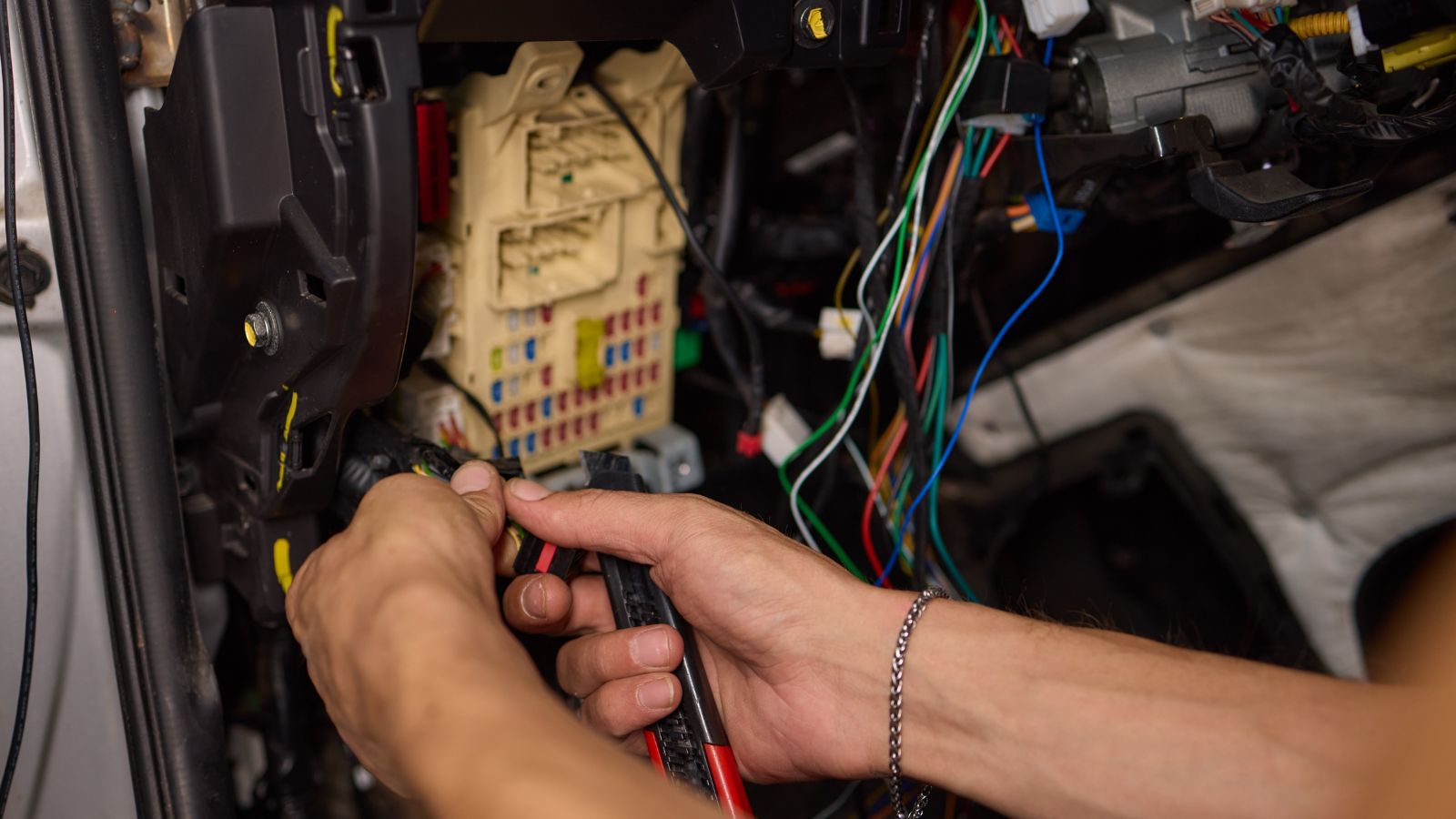
One malfunctioning window switch is annoying. A vehicle that cycles through dead batteries, warning lights, malfunctioning cameras, failed modules, intermittent locks, blank screens, sensor faults, charging problems, and unexplained electrical behaviour is presenting a more complicated challenge.
Modern vehicles contain extensive wiring networks and dozens of interconnected control modules. Recent reliability research covering hundreds of thousands of vehicles identifies electrical accessories and in-car electronics as major trouble areas, including body control modules, displays, cameras, keyless-entry systems, gauges, charging circuits, and infotainment hardware. Diagnosing intermittent electrical faults can consume considerable technician time because a failed component is not always the root cause; wiring, grounds, connectors, software, low voltage, or another module may be responsible. That makes repeated electrical problems particularly frustrating outside warranty. The individual parts may not rival an engine in price, but a stream of diagnostic charges and electronic replacements can steadily turn an otherwise functional vehicle into an expensive troubleshooting exercise.
The Air Suspension No Longer Sits Level
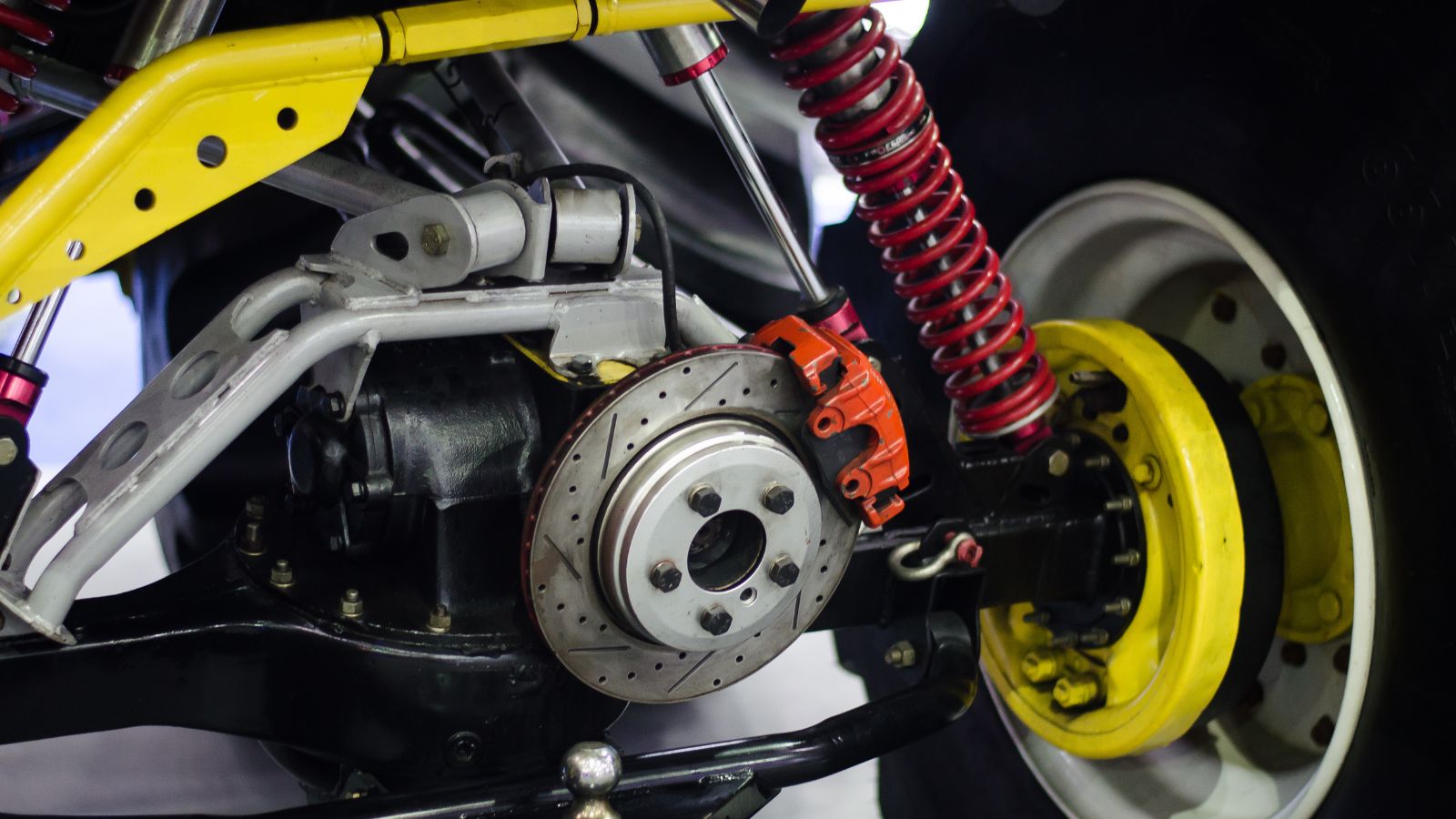
Air suspension can give a large sedan or SUV an impressively smooth ride, adjustable height, and sophisticated body control. As the system ages, however, a vehicle sagging at one corner after being parked, running its compressor frequently, displaying suspension warnings, or struggling to maintain ride height deserves attention.
Unlike a conventional coil spring, an air-suspension system may include air springs, electronic dampers, compressors, reservoirs, valves, height sensors, control electronics, and model-specific plumbing. Industry repair analysis has repeatedly identified these systems as potentially expensive because several components can age together. One detailed comparison of unusually costly repairs noted that complex air suspensions use expensive parts and that certain performance vehicles can require thousands of dollars in suspension components alone. The problem is particularly important when depreciation has made an older luxury vehicle surprisingly affordable to buy. Its suspension, however, still belongs to the expensive vehicle it was when new, and replacement components do not depreciate at the same rate.
The AWD or 4WD System Is Making Expensive Noises

All-wheel drive can be invaluable in poor conditions, but it also gives a vehicle more drivetrain components that can eventually require attention. Clicking CV joints, driveline vibration, differential noise, binding during tight turns, leaking gear oil, or warnings from the AWD system deserve investigation rather than assumption.
Depending on the design, power may travel through additional axles, driveshafts, differentials, couplings, or a transfer case. Failures in those assemblies can move well beyond routine maintenance prices. Current repair estimates place complete transfer-case replacement for some vehicles in the thousands of dollars, with luxury applications reaching considerably higher. Differential and axle repairs can add more exposure. This does not mean AWD itself is a bad ownership choice; many systems last for years with proper service. The financial concern arises when a low-value vehicle already has evidence of wear across several drivetrain components. Repairing one noisy bearing or seal may make sense, while rebuilding multiple pieces of the system may not.
The Turbocharger Is Becoming Another Major Repair Item
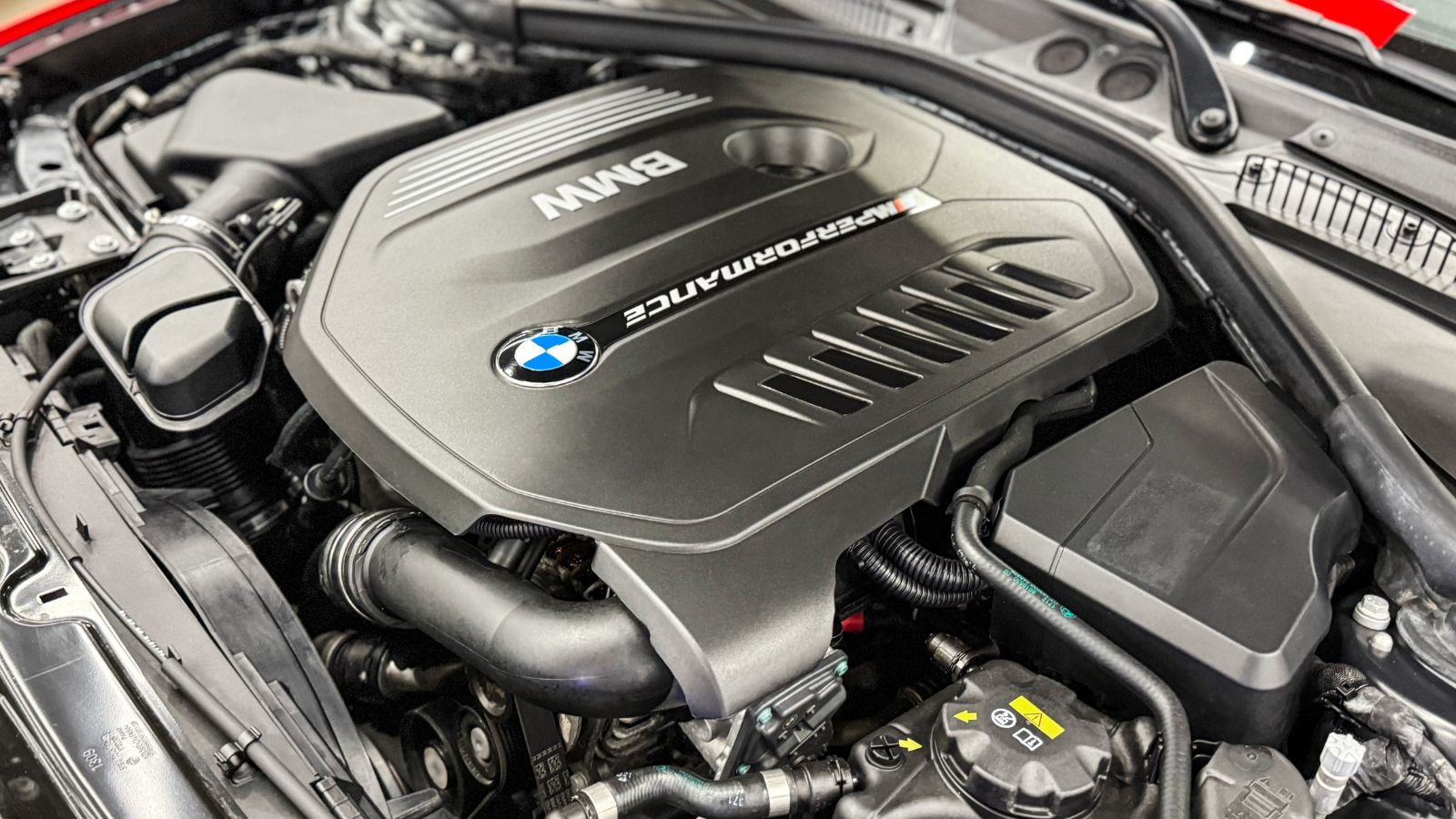
Turbocharged engines have become common because they can deliver strong power from relatively small displacement. Most modern turbo engines can be dependable, but a failing turbo adds a costly component to an engine that may already be accumulating age-related repairs.
Warning signs can include loss of power, unusual whining, smoke, oil consumption, boost-related fault codes, or a wastegate problem. Reliability research has shown that turbo technology itself is not automatically troublesome, yet certain models have experienced elevated turbocharger or associated engine problems. The additional complexity matters because a turbo operates at extremely high speeds and temperatures while depending on clean oil, proper cooling, electronic controls, intake plumbing, and related hardware. A replacement may also uncover oil-feed problems or contamination that must be corrected to prevent the new unit from failing. On an inexpensive older vehicle, a turbo problem occurring alongside oil leaks, cooling issues, or engine wear can make continued ownership difficult to justify.
The Diesel Emissions System Is Demanding Repeated Attention
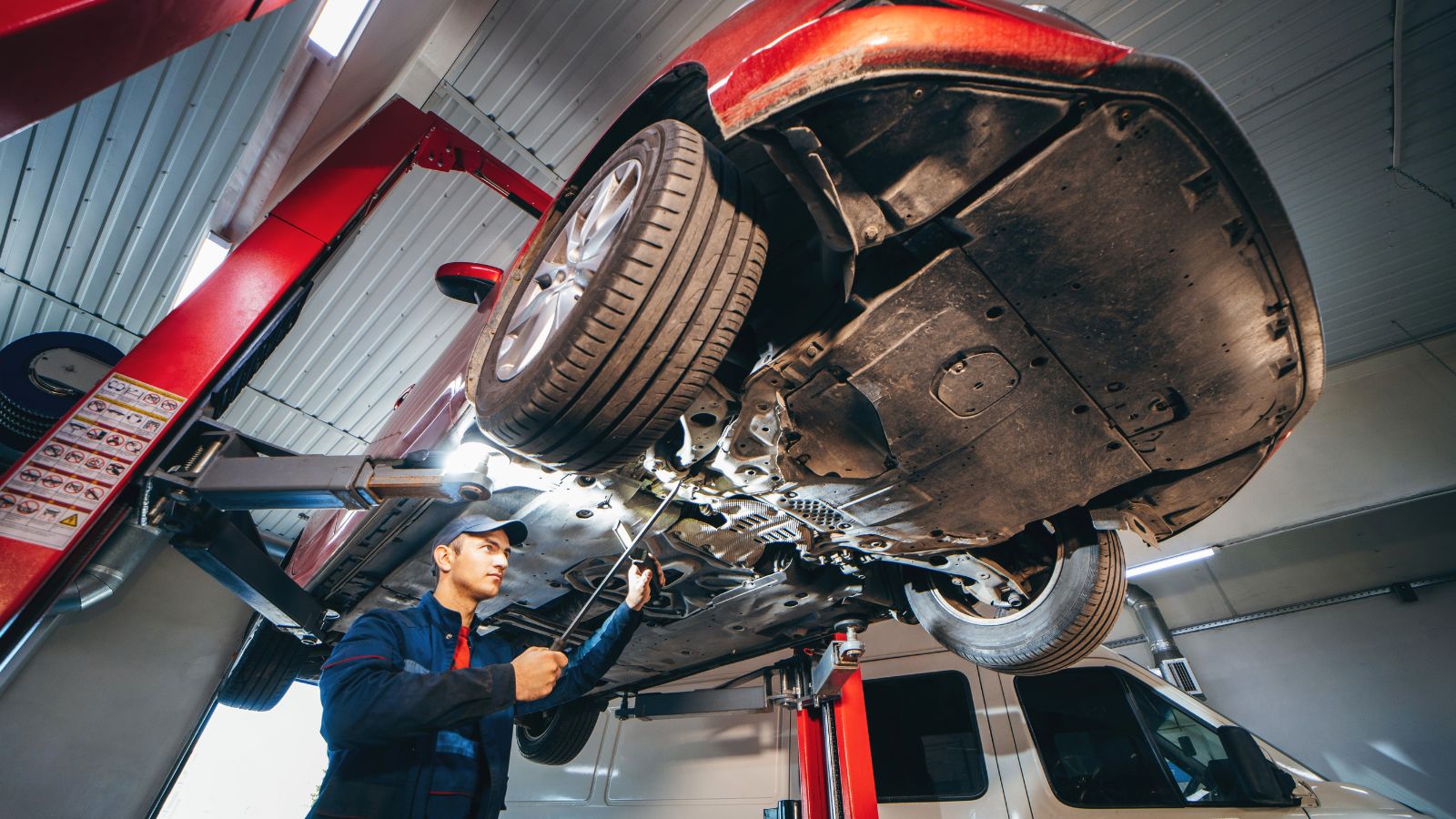
A modern diesel engine may remain mechanically strong while its emissions equipment becomes the expensive part of the ownership equation. Repeated diesel particulate-filter warnings, regeneration problems, sensor faults, exhaust-fluid issues, or reduced-power modes deserve more attention than simply clearing the dashboard message.
Diesel particulate filters physically trap particulate matter and periodically regenerate by burning accumulated material. However, noncombustible ash remains and eventually requires cleaning, while excessive particulate production or incomplete regeneration can make maintenance more frequent. Government technical guidance also notes that problems such as poor engine condition or excessive oil consumption can damage a filter or increase its maintenance burden. Modern diesel systems may combine the DPF with exhaust-gas recirculation, selective catalytic reduction, temperature sensors, pressure sensors, dosing equipment, and other controls. When several pieces begin failing on an older diesel, repair costs and downtime can accumulate even if the basic engine still runs well, particularly for a vehicle used mostly on short trips.
A Hybrid or EV Battery Has Abnormally Poor Health
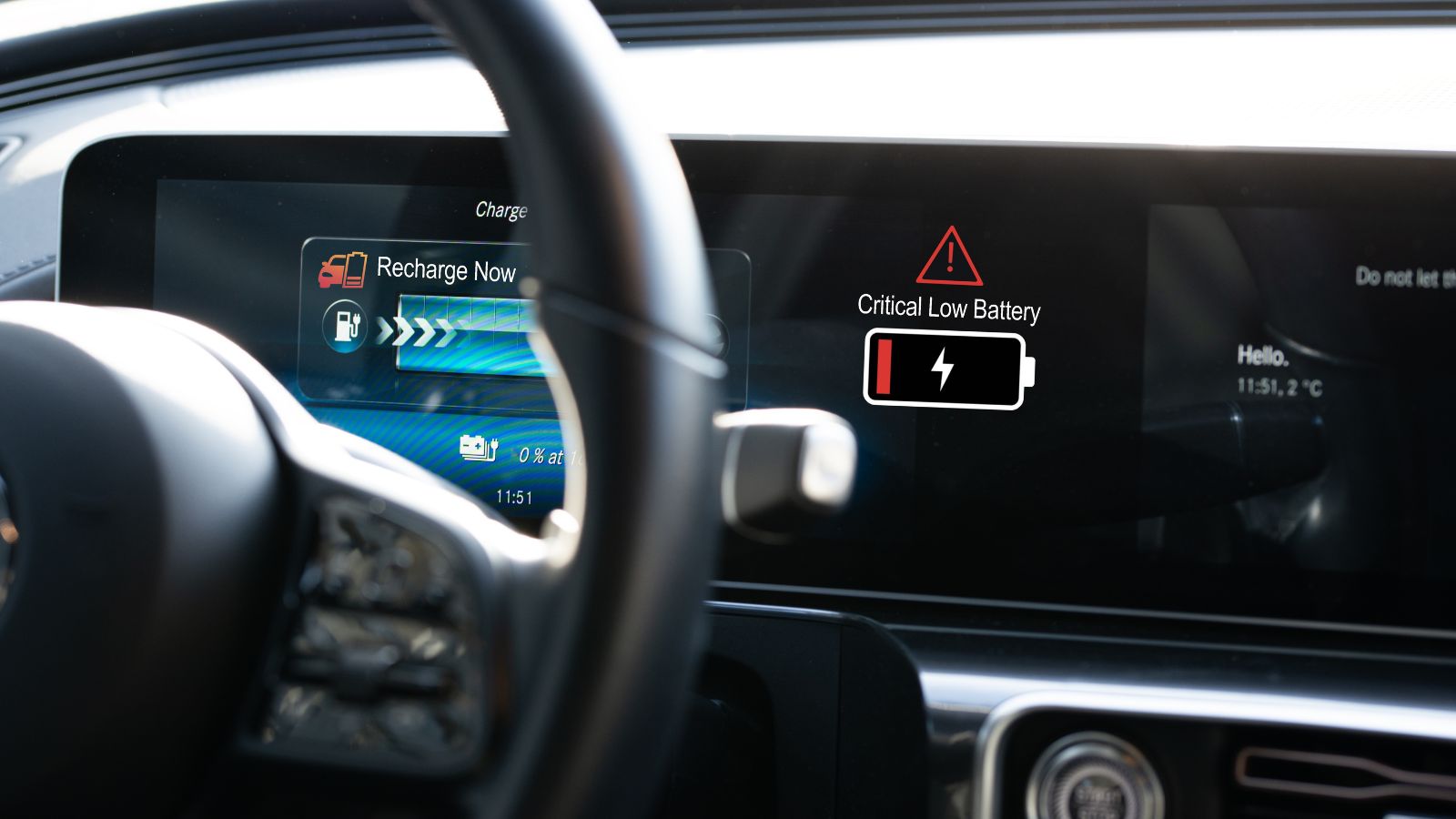
An electrified vehicle should not be dismissed simply because its battery has aged. Modern high-voltage batteries have generally proven durable, and outright battery failure is uncommon. The important warning sign is a specific vehicle showing battery health substantially worse than expected for its age, mileage, and model.
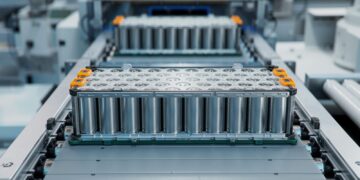
Battery condition directly affects electric range and can influence the value of a used EV or hybrid. Government and standards research notes that battery degradation occurs gradually, while replacement—although uncommon—can be expensive outside warranty. One recent NIST consumer study used replacement-cost information ranging from roughly $5,000 to $20,000 or more depending on the vehicle and labour involved. At the same time, recent government data indicates battery failures in newer EVs are rare, making unusually poor health more noteworthy rather than inevitable. Before buying an older electrified vehicle, a battery-health report, remaining warranty coverage, charging performance, and diagnostic inspection can be much more informative than mileage alone.
Ordinary Repairs Now Require ADAS Calibration

A cracked windshield once meant replacing a large piece of glass. On a vehicle equipped with forward cameras and sophisticated driver-assistance systems, the same job may involve OEM-specific glass requirements, diagnostic scans, sensor alignment, and camera calibration before the repair is truly complete.
Cameras and radar sensors support features such as automatic emergency braking, lane assistance, adaptive cruise control, and pedestrian detection. Research on modern repair costs notes that windshield-mounted cameras often require precise recalibration after the glass is replaced. Similar procedures may follow collision repair, sensor replacement, suspension work, or bumper removal depending on the manufacturer. The technology brings meaningful safety benefits, but it can turn what appears to be a relatively ordinary repair into specialist work requiring targets, scan tools, controlled conditions, and additional labour. A vehicle with several damaged sensors, a cracked windshield, and existing warning messages may therefore carry considerably more deferred repair cost than its exterior appearance suggests.
Parts Are Becoming Difficult to Find
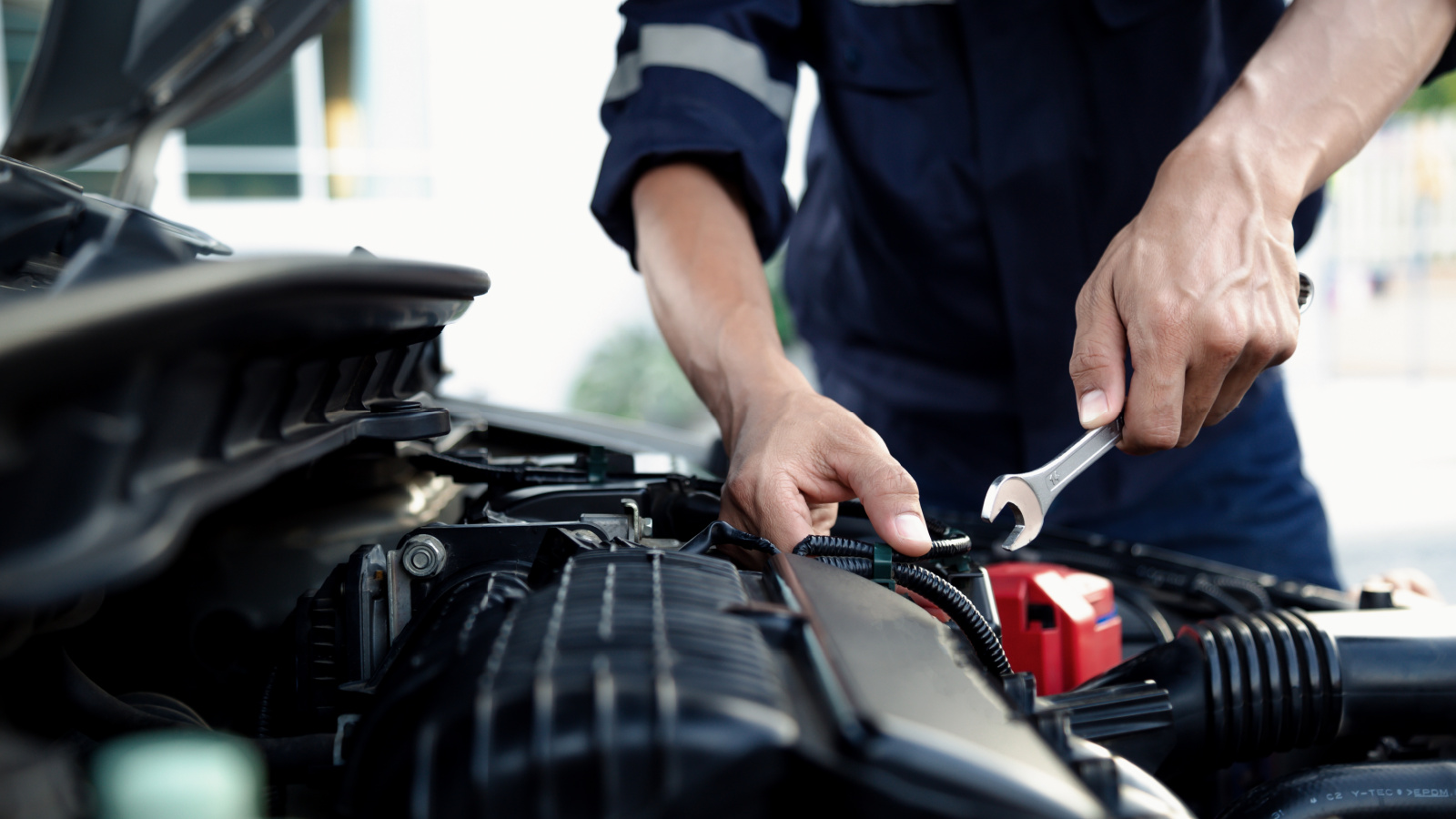
An uncommon model can be appealing precisely because it is different from everything else in the parking lot. That uniqueness becomes less charming when a basic repair is delayed for weeks because the required component was used on only a handful of models and no affordable aftermarket alternative exists.
Repair specialists note that obscure components are less likely to be available from aftermarket suppliers. Limited-production vehicles, discontinued models, unusual powertrains, and specialized luxury or performance versions may also require technicians with dedicated tools or knowledge. The expense is not always the part itself. Labour rises when components are difficult to access, diagnostic information is specialized, or a shop spends extra time sourcing parts. A simple two-hour job on a mainstream model can become a much larger project on a tightly packaged or rare vehicle. Before continuing to invest in an aging specialty model, owners should consider not only today’s repair quote but also whether parts and qualified technicians remain realistically accessible.
It Was an Expensive Luxury Car When New

Depreciation can make an older luxury vehicle look like an extraordinary bargain. A sedan that originally occupied the upper end of the market may eventually cost less to buy than a newer economy car. Unfortunately, the engineering, component prices, service complexity, and original performance expectations do not depreciate at the same pace.
Recent owner-cost analysis found enormous differences in ten-year maintenance and repair spending among brands. Several European luxury marques ranked among the most expensive, while the reported ten-year costs for some lower-cost brands were only a fraction of those for the highest-cost luxury nameplates. That does not mean every luxury vehicle is unreliable, nor that an inexpensive brand cannot develop costly problems. It does mean purchase price alone becomes a misleading measure once depreciation takes hold. An affordable twelve-year-old flagship may still have flagship-sized brakes, suspension components, electronics, cooling systems, labour requirements, and specialized parts when something fails.
Tires and Brakes Cost Far More Than Expected
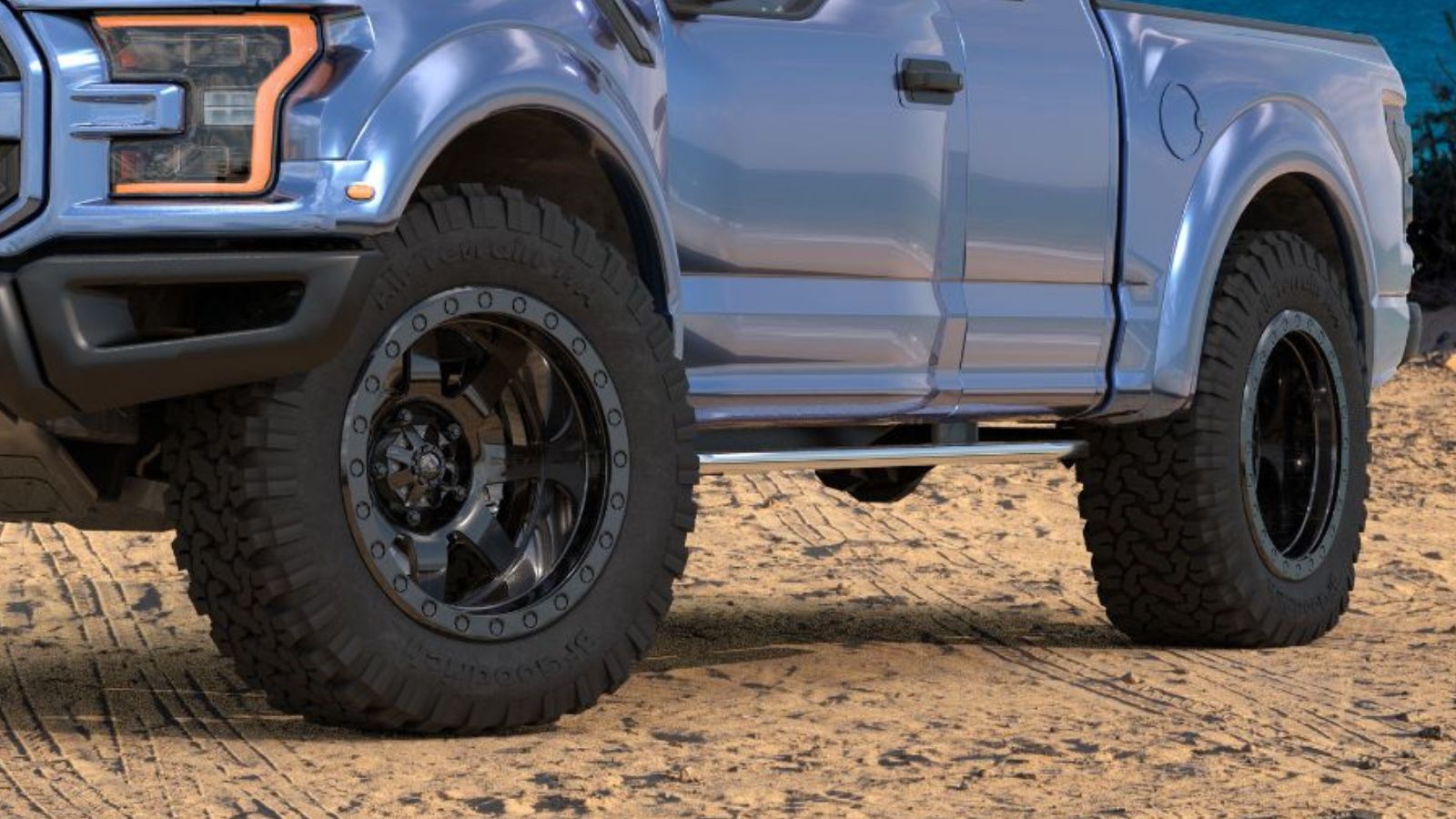
Some vehicles do not need to break down to be expensive. Their normal wear items are enough. Large wheels, unusually wide tires, low-profile performance rubber, heavy curb weight, powerful brakes, or specialized compounds can make routine replacements substantially more costly than on an ordinary commuter.
Tire pricing generally increases with size, width, and specialization. Aggressive performance tires can also wear considerably faster than conventional all-season designs; testing guidance notes that the most extreme performance compounds can have remarkably short tread lives. Brakes present the same issue. Typical pads and rotors may be manageable, but performance brake hardware can cost dramatically more, with individual specialized rotors sometimes approaching four-figure prices. These expenses are predictable, which is precisely why they matter. A vehicle requiring expensive tires every few years and large brakes at regular intervals may be mechanically reliable yet still cost more to maintain than its depreciated market value suggests.
Nobody Can Produce a Credible Maintenance History

A thick folder of receipts does not guarantee a trouble-free vehicle, but the complete absence of maintenance documentation introduces uncertainty that can become expensive quickly. Unknown oil-change intervals, missed transmission service, old coolant, neglected brake fluid, overdue belts, and questionable differential maintenance may all be hiding behind a clean exterior.
Consumer authorities specifically recommend requesting maintenance records, researching repair history, obtaining a vehicle-history report, and arranging an independent mechanical inspection before purchasing a used vehicle. A history report alone cannot reveal every mechanical problem, which is why the physical inspection matters. When records are missing, a prudent buyer may need to assume several baseline services are due immediately. That can turn an apparently affordable purchase into a costly first year of ownership. More concerning is evidence of true neglect—sludge, contaminated fluids, mismatched tires, overdue warning lights, or improvised repairs—which suggests previous owners saved money by transferring deferred maintenance to whoever owns the vehicle next.
Several Warning Lights Refuse to Stay Off

One dashboard warning light can represent something minor. A cluster of persistent engine, ABS, stability-control, airbag, battery, steering, emissions, or driver-assistance warnings should be treated very differently. Multiple illuminated systems can indicate several failures or one underlying electrical problem disrupting communication across the vehicle.
Modern warning lamps exist because many problems cannot be detected reliably by sound or feel alone. Current automotive guidance distinguishes urgent red warnings from yellow alerts that still require timely diagnosis. A check-engine light alone may range from a loose fuel cap to a serious engine or emissions fault, while oil-pressure or temperature warnings can indicate conditions capable of causing severe mechanical damage. When numerous warnings appear together, simply clearing stored codes does not constitute a repair. The important question is why they returned. A vehicle carrying several unresolved diagnostic problems can consume hundreds of dollars in troubleshooting before the owner even reaches the cost of replacing defective components.
Fluid Leaks Keep Returning After Repairs
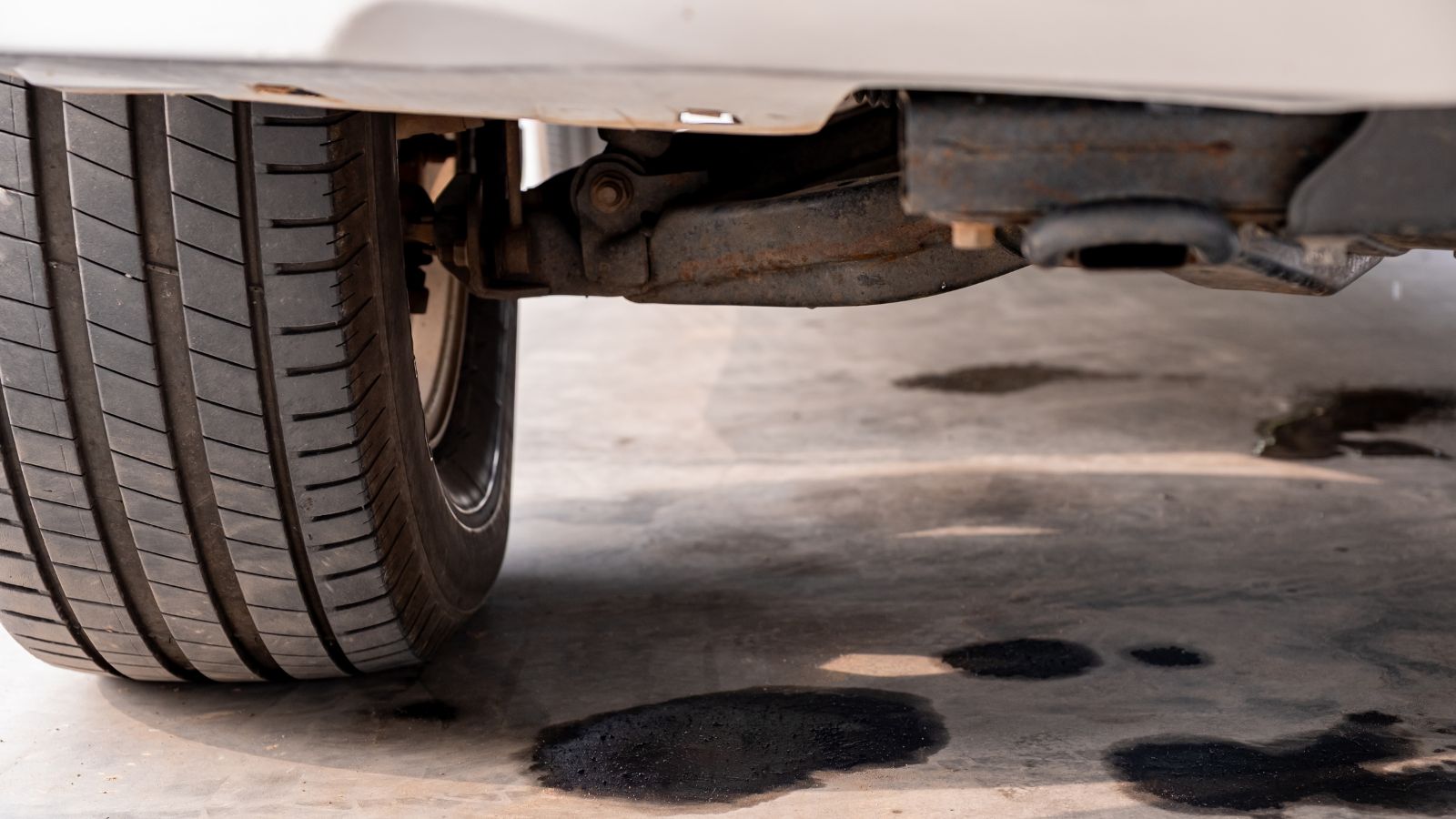
A few drops of air-conditioning condensation are normal. Engine oil, coolant, transmission fluid, brake fluid, or hydraulic steering fluid repeatedly appearing under a vehicle is not. Frequent topping-up can disguise the problem for a while, but a system that continually loses fluid needs a diagnosis.
Different leaks create different financial risks. Low engine oil can damage internal components through inadequate lubrication. Transmission-fluid loss can contribute to slipping, overheating, and eventual transmission failure. Coolant leaks can cause overheating and major engine damage, while brake-fluid leaks directly threaten braking performance. Automotive repair guidance notes that leaks can originate from comparatively simple hoses or gaskets but may also involve pumps, radiators, lines, seals, reservoirs, or major assemblies. The key warning sign is recurrence. If several aging seals and gaskets are failing around the same time, fixing one wet spot may simply reveal the next. Persistent leaks can therefore indicate that a vehicle has entered a broader deterioration cycle rather than suffering one isolated defect.
The Next Repair No Longer Makes Financial Sense
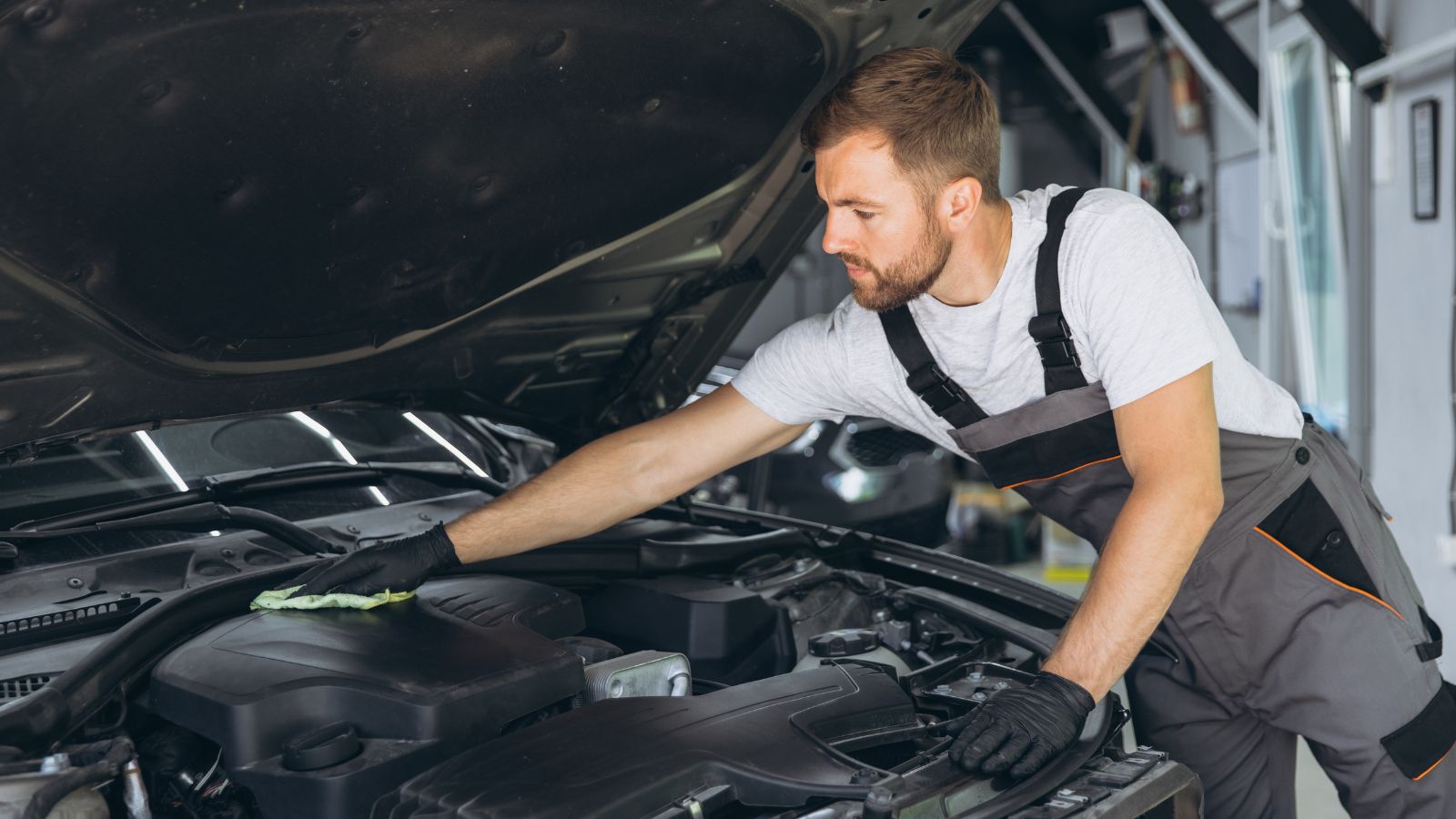
No universal percentage determines when every vehicle should be retired. A $3,000 repair on a dependable car that could run another five years may be far smarter than taking on a new loan. The same repair on a rusted, unreliable car with three other major problems waiting may be difficult to justify.
A useful approach is to compare the repair bill with the reliable service it is realistically expected to buy. Current consumer guidance recommends dividing a major repair cost by the additional months the owner expects to keep the vehicle and comparing that figure with replacement costs. The calculation should also include other upcoming work, current market value, downtime, safety, and confidence in the diagnosis. What matters most is the pattern. When the transmission needs work, the air conditioning has failed, structural rust is developing, tires are due, and warning lights remain on, the quoted repair is no longer a single expense. It is an entry fee into the next round of bills.
19 Used Cars Canadians Should Avoid in 2026 (Based on Owner Complaints)

Buying a used car in Canada can feel safe until repair bills start stacking up. Owner complaints tell a different story than glossy listings. Transmission failures, electrical problems, and weak winter reliability show up again and again in consumer reports. Many of these issues appear after warranties expire, when owners least expect them. Some vehicles look affordable upfront, but become expensive to keep on the road. Others struggle in cold weather, urban driving, or long highway commutes. Here are 19 used cars Canadians should avoid in 2026 (based on owner complaints).
19 Used Cars Canadians Should Avoid in 2026 (Based on Owner Complaints)