

























A sport package can transform an ordinary car into something that looks sharper, corners flatter, and feels more special from behind the wheel. The problem is that many of its most noticeable advantages appear during a short test drive, while the compromises emerge slowly through months of commuting, maintenance, winter driving, and tire replacement.
The same equipment that improves steering response or visual appeal can affect comfort, operating costs, efficiency, and everyday practicality. Some packages are excellent choices for enthusiastic drivers, but others make less sense when most kilometres involve traffic, rough pavement, or family trips. These 12 reasons explain why some buyers eventually discover that the sport package they enthusiastically selected is not quite as enjoyable to live with as it was in the showroom.
Firmer Suspension Can Turn Every Commute Into a Compromise
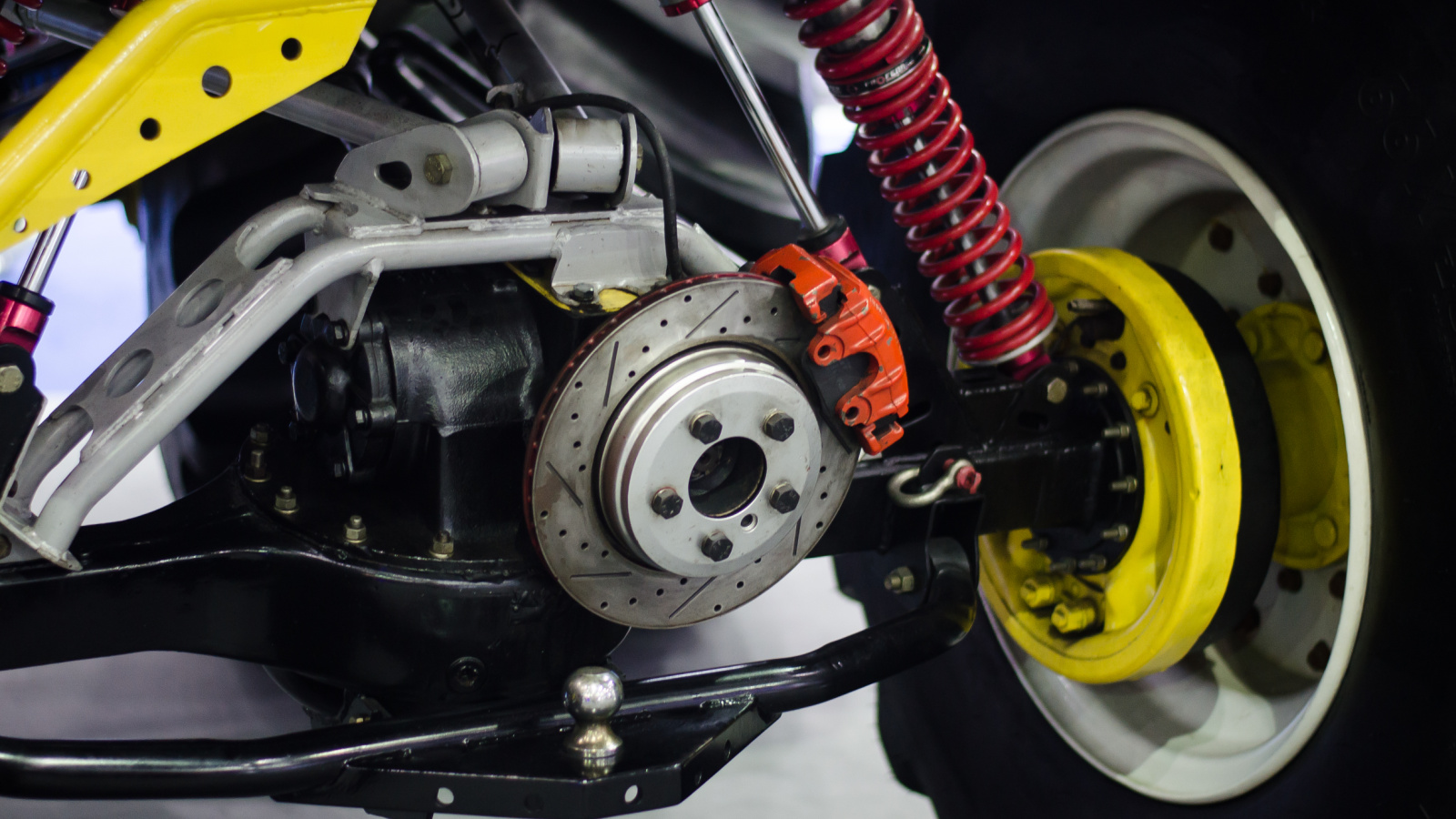
Sport packages often sharpen a car by fitting firmer springs, dampers, bushings, or anti-roll bars. That can reduce body motion and make steering inputs feel more immediate, but the same tuning also transmits more of the road into the cabin. BMW, for example, describes its M Sport suspension as using firmer components and more aggressive damping than a comfort-oriented setup. On smooth pavement, those changes can make a sedan feel impressively tied down. On patched streets, expansion joints, and broken asphalt, the experience can be noticeably less glamorous.
That trade-off is easy to miss on a short dealership route. A brief test drive may highlight crisp turn-in without revealing what an hour on rough pavement feels like. Vehicle-dynamics research also shows that spring stiffness and damping are important influences on ride comfort. Buyers who spend most of their time commuting can discover that the handling advantage is rarely exploited while the firmer ride is experienced every single day.
Larger Wheels Leave Less Cushion for Potholes
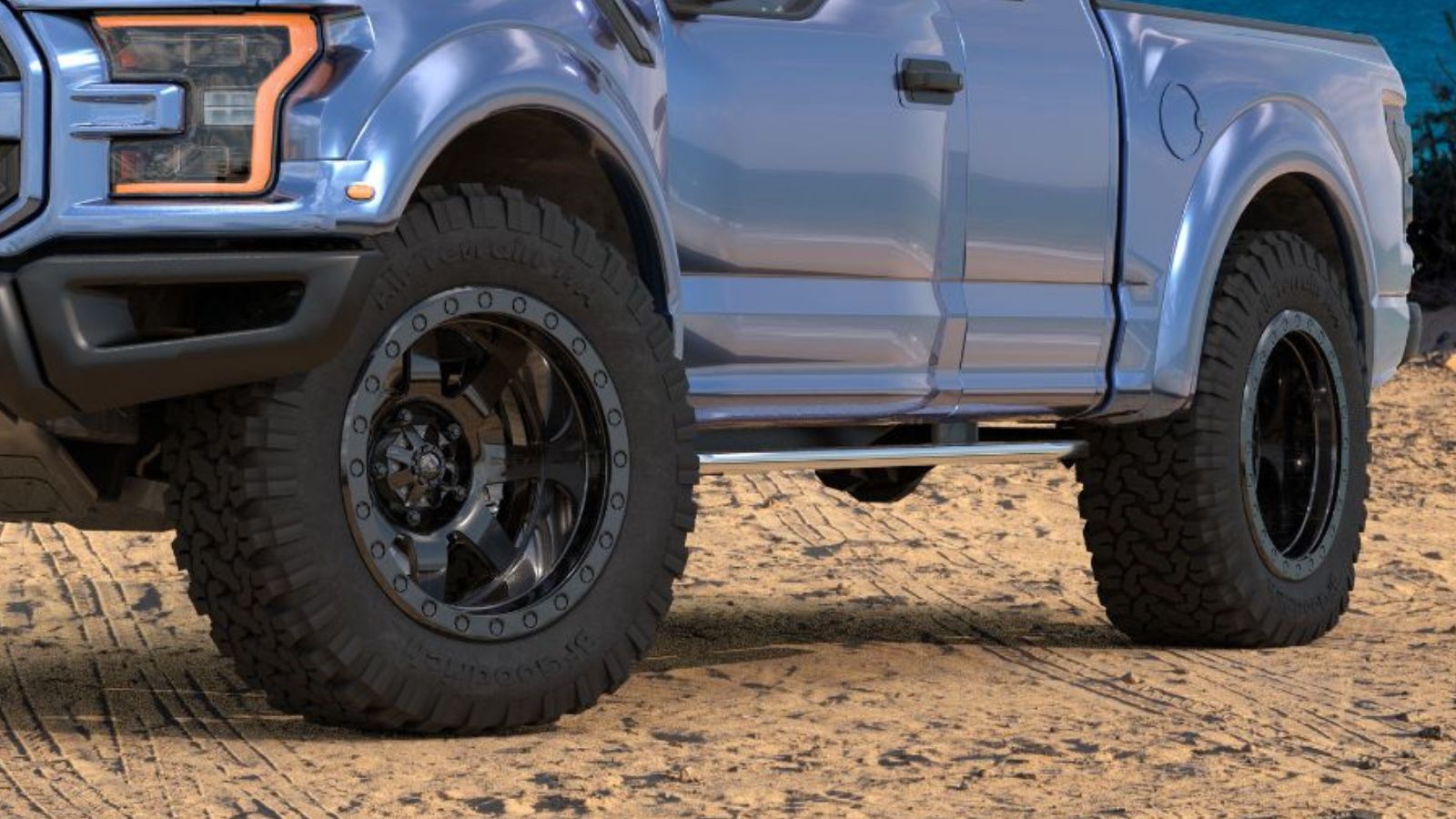
One of the most visible sport-package upgrades is also one of the easiest to regret: larger wheels wrapped in lower-profile tires. The shorter sidewall gives the tire less room to flex when it encounters a pothole or sharp road edge. Consumer Reports has repeatedly found that large wheels and short sidewalls can produce a harsher ride while increasing vulnerability to wheel and tire damage. U.S. safety regulators have also discussed the greater susceptibility of low-profile tires to certain road-hazard impacts.
That becomes important after the showroom shine fades. A deep pothole that a taller tire might absorb can leave a sport-package wheel bent, the tire sidewall bubbled, or both. A damaged alloy wheel also turns what might otherwise be a tire repair into a considerably bigger problem. In areas with rough pavement and repeated freeze-thaw cycles, buyers can find themselves scanning the road constantly for hazards. The wheels still photograph beautifully, but protecting them can become an unexpected part of everyday ownership.
Replacement Tires Can Be Noticeably More Expensive
The price of a sport package is paid at purchase, but its tire bill can return repeatedly. Larger wheels generally require lower-profile tires, and performance-oriented fitments may use specialized sizes, compounds, or speed ratings. Consumer Reports advises shoppers to investigate replacement prices before choosing a trim or option package because large-wheel tires can be more expensive. It specifically notes that luxury and sport packages can increase long-term maintenance expenses through their tire requirements.
The difference becomes especially noticeable when all four tires need replacement. Someone expecting a routine maintenance bill can discover that the factory sport fitment is substantially more expensive than the smaller tire fitted to another version of the same vehicle. Availability matters as well. A popular mainstream size may be sitting in the local tire shop, while a less common performance size could require ordering. After a puncture or sidewall failure during a trip, that difference can mean more than extra money—it can also mean additional downtime while the correct tire is located.
Performance Rubber May Wear Out Sooner
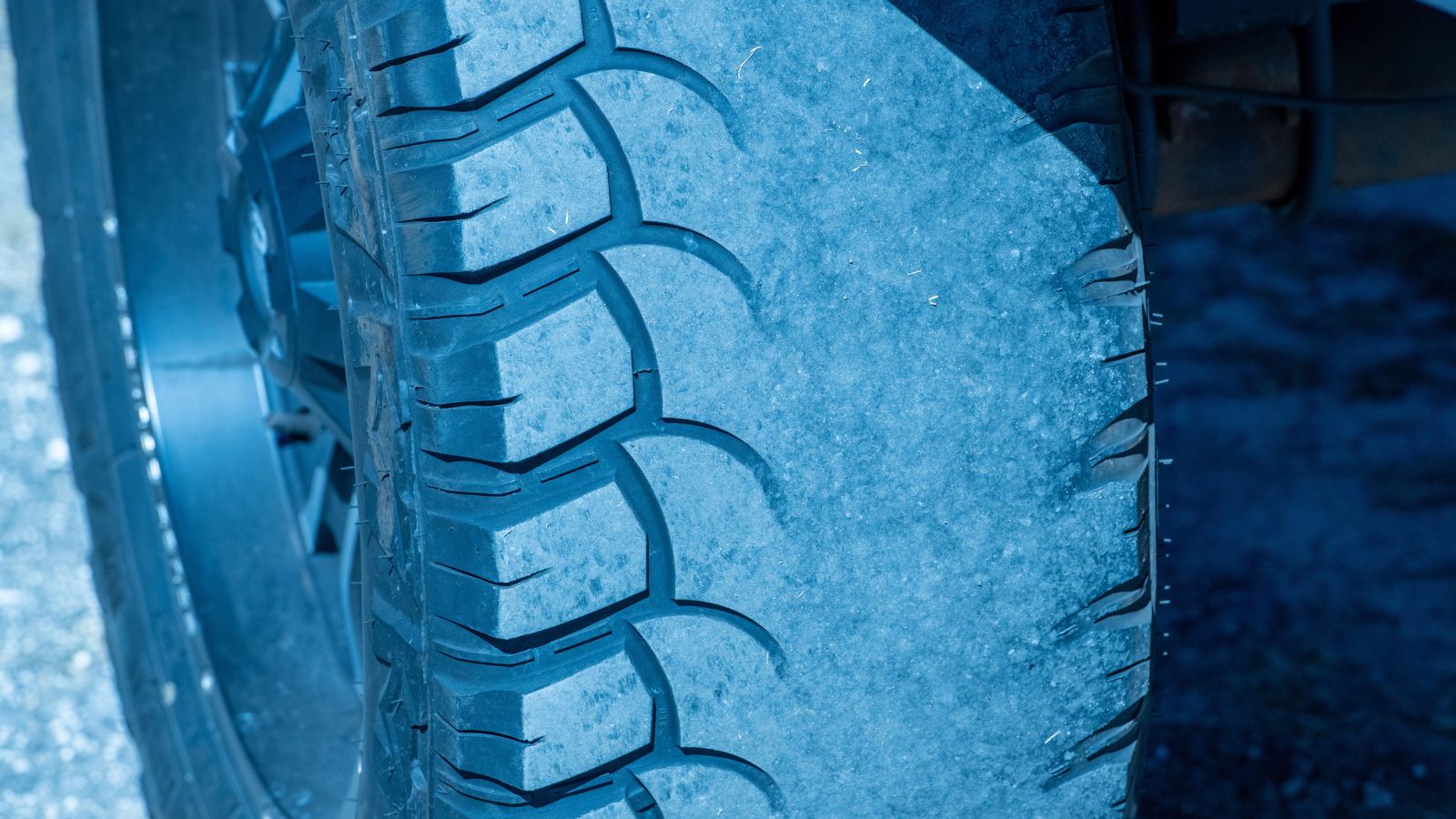
Sport packages frequently rely on high-performance tires to produce the steering response and dry-road grip that make the upgraded car feel different immediately. The trade-off can be tread life. Michelin explains that sport-oriented tires tend to emphasize grip and performance rather than maximum longevity. Consumer Reports has found particularly short projected lives among some ultra-high-performance products, with certain tested tires indicating roughly 25,000 to 30,000 miles of service while many conventional all-season tires can travel considerably farther.
Driving style can widen that gap. Strong acceleration, hard cornering, and frequent heavy braking place additional demands on the tread, and a responsive car can encourage exactly those behaviours. Even comparatively gentle owners may encounter shorter replacement intervals simply because the tire was engineered around a different set of priorities. The first replacement can therefore be a double surprise: not only is each performance tire relatively expensive, but another set may be needed sooner than expected. Over several years, the sport package can quietly turn tires into a significant ownership expense.
Cold Weather Can Expose the Tire Compromise
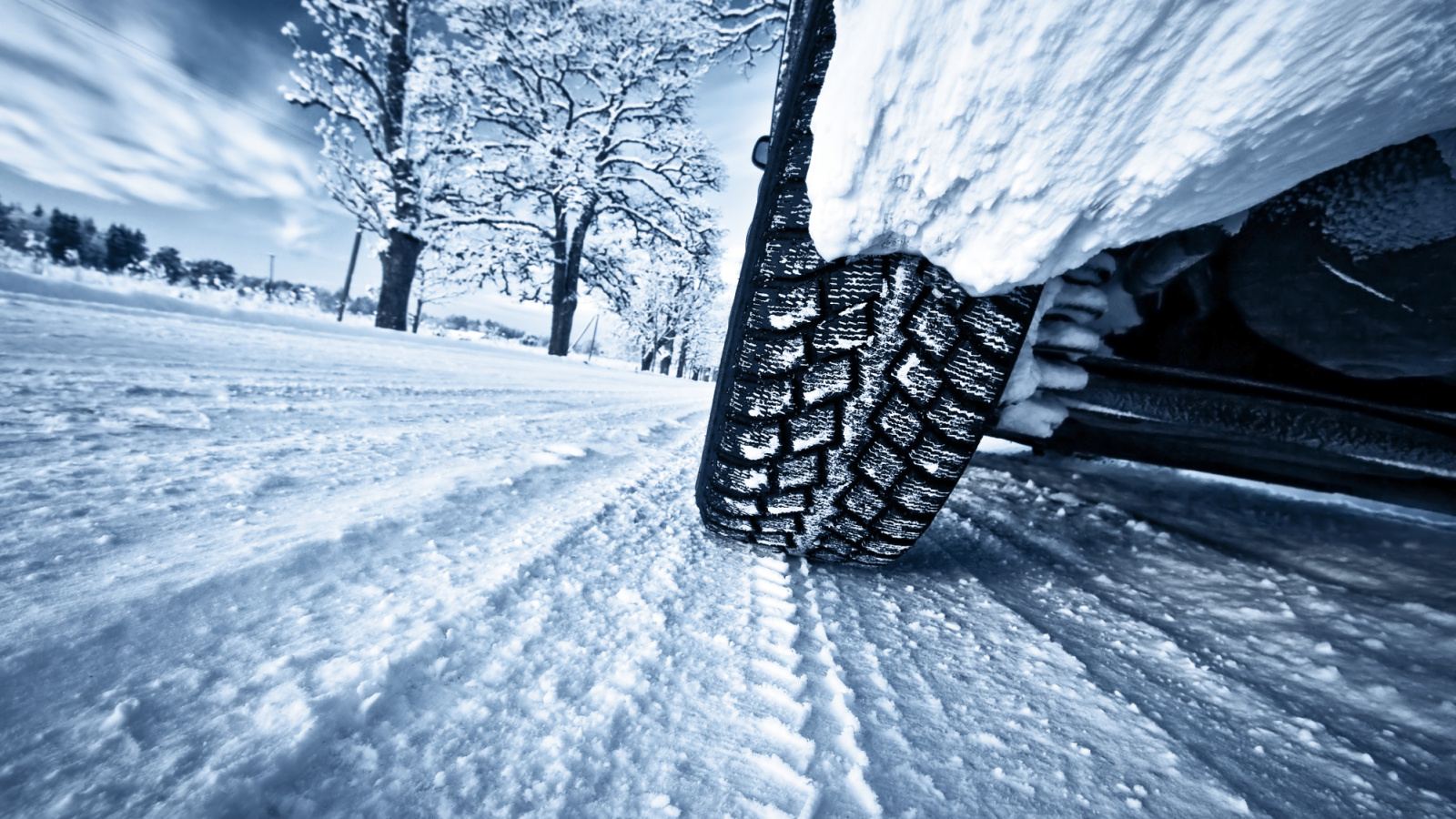
Some sport packages come with summer or wide high-performance tires that perform impressively in warm weather but become troublesome once temperatures fall. Transport Canada says summer and all-season tires begin losing elasticity below 7°C, reducing traction, while dedicated winter tires remain flexible at considerably lower temperatures. It also cautions that wide high-performance tires not specifically designed for winter conditions are unsuitable for snow-covered roads. For Canadian owners, the tire specification alone can make seasonal changes essential.
The practical result may be a second set of tires and often another set of wheels. Certain extreme-performance summer compounds are even more temperature-sensitive. Tire Rack advises against operating some summer-performance categories at temperatures around 5°C or below and notes that extreme cold can contribute to compound cracking under inappropriate use or storage conditions. Buyers attracted to the package for summer grip can consequently inherit tire storage, twice-yearly installation appointments, and another substantial purchase. None of those inconveniences are particularly visible when the car is displayed under dealership lights in July.
Efficiency Can Slip With Heavier, Wider Wheels
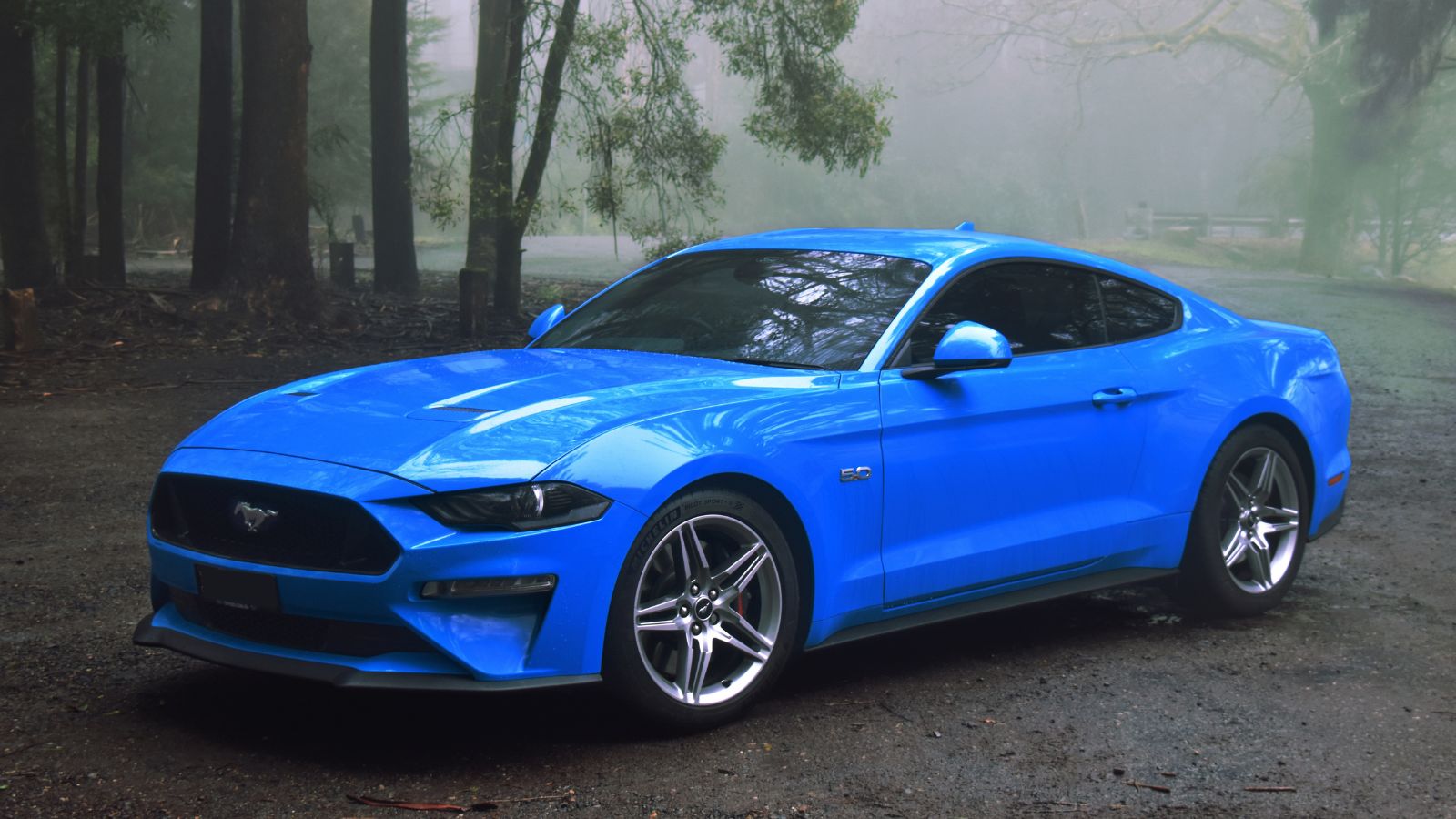
Sportier wheels and tires can affect more than comfort. Wheel mass, tire width, tread compound, and rolling resistance can all influence the amount of energy required to move a vehicle. The U.S. Environmental Protection Agency recognizes tire rolling resistance as an important component of vehicle efficiency and notes that low-rolling-resistance designs can improve fuel economy. The precise impact of a sport package varies widely, so there is no universal percentage penalty that applies to every vehicle.
A controlled Car and Driver experiment demonstrated how large the difference can become under certain conditions. The magazine tested a Volkswagen Golf on wheel-and-tire combinations ranging from 15 to 19 inches and recorded about a 10 percent reduction in fuel economy between the smallest and largest setups. Acceleration also deteriorated as the assemblies became heavier. Factory engineers can optimize modern sport packages far more carefully than a simple aftermarket wheel swap, but the underlying compromise remains. For owners prioritizing fuel costs or maximum EV range, the largest available wheel may eventually feel more cosmetic than worthwhile.
Staggered Tires Can Complicate Rotation
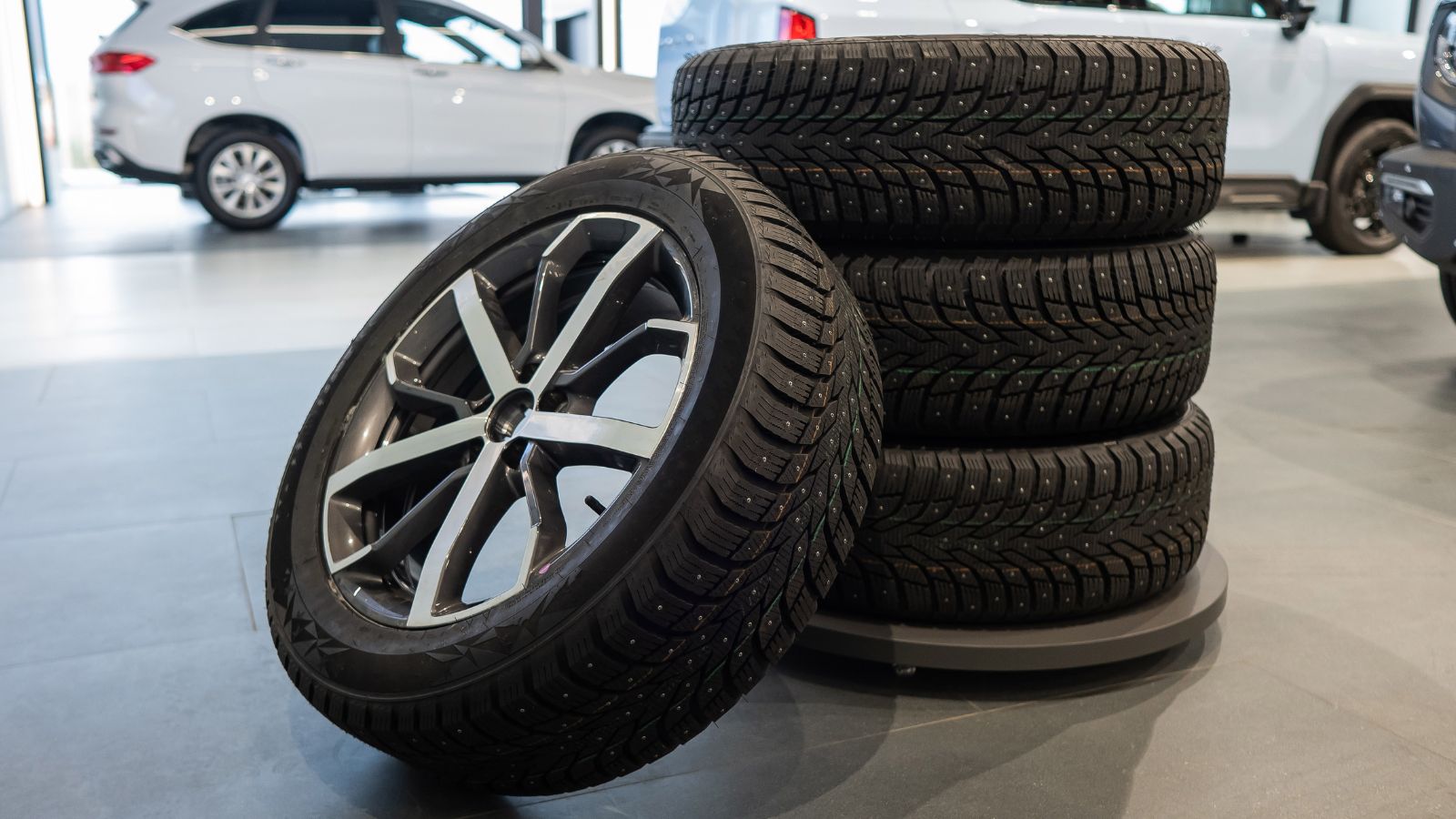
Some performance packages use a staggered setup, with different tire sizes on the front and rear axles. Wider rear tires can suit the power delivery and handling balance of a performance-oriented car, but they also eliminate conventional front-to-rear rotation. Tire Rack notes that tires on staggered vehicles cannot simply be moved between axles because the dimensions differ. Michelin similarly explains that rotation patterns depend on tire sizing, construction, directionality, and drivetrain layout, with regular rotation normally used to promote more even tread wear.
The complication increases if the tires are directional as well as staggered. Depending on the configuration, useful rotation options may become extremely limited unless tires are dismounted and remounted. One axle can therefore approach its wear limit while the other still has substantial tread remaining. Owners may find themselves purchasing pairs of tires more frequently or replacing a complete set to maintain consistent handling characteristics. What sounds like serious performance hardware on an equipment list can ultimately become a maintenance restriction that follows the owner through every tire purchase.
Bigger Brakes Can Limit Wheel Choices
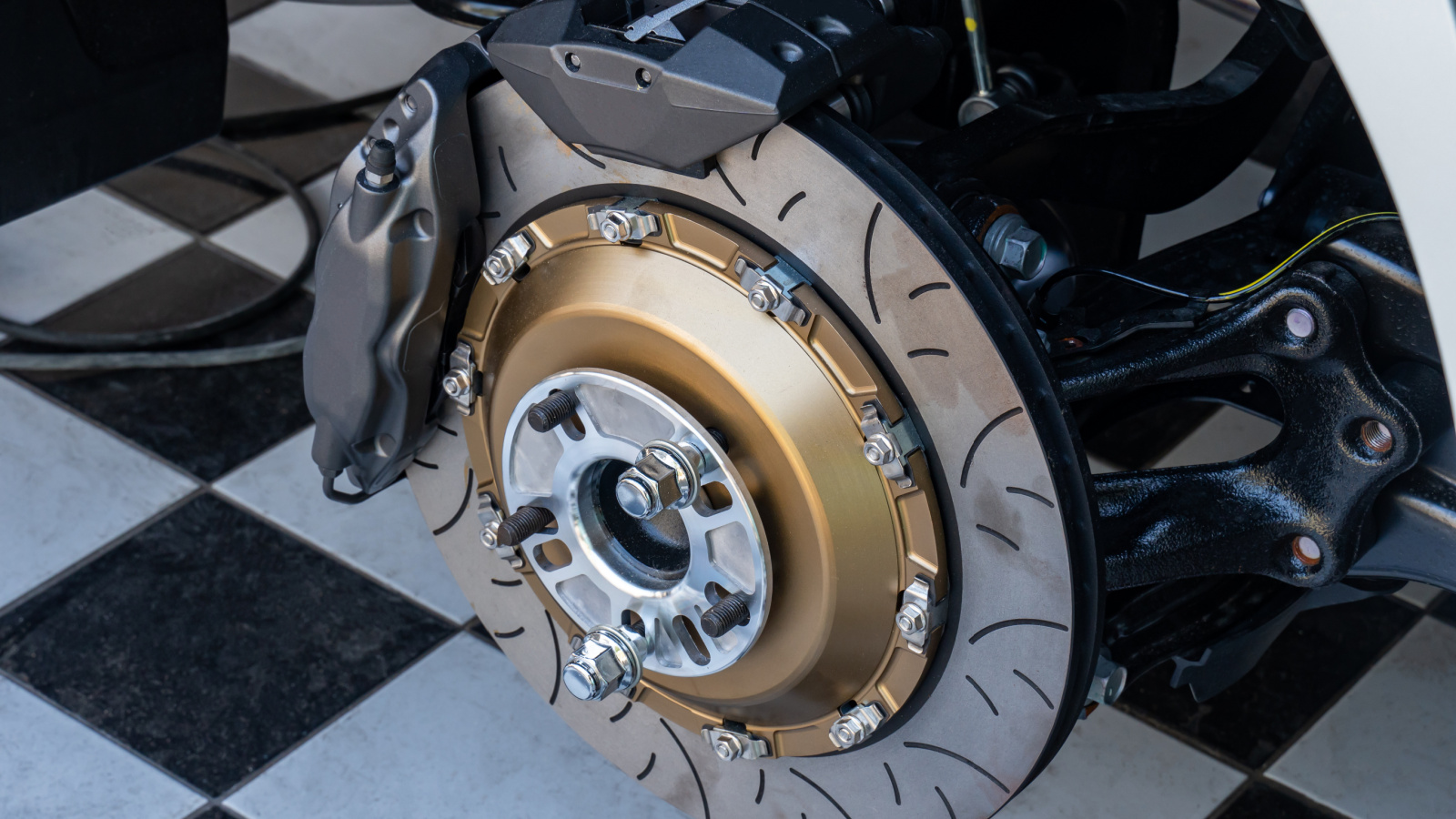
Performance-focused packages sometimes include larger brake rotors and multi-piston calipers intended to handle repeated hard braking and greater thermal loads. BMW, among other manufacturers, has paired sport-oriented equipment with larger discs and fixed multi-piston calipers. The improvement is valuable for demanding driving, but bigger hardware consumes more space behind the wheel. Tire Rack explains that large rotors and calipers can restrict compatible wheel designs and that wheel diameter alone does not guarantee sufficient brake clearance.
Winter wheel shopping is where that detail often becomes frustrating. Moving to a smaller wheel is popular because it can permit a taller-sidewall winter tire and sometimes lower tire costs. Large sport brakes may prevent the owner from downsizing as far as expected. Even a wheel with the proper diameter and bolt pattern may contact the caliper because its spokes have the wrong shape or offset. Instead of buying an inexpensive basic winter wheel, the owner may need a larger or more specialized design verified to clear the brakes. Performance equipment that rarely gets challenged on the street can therefore dictate every seasonal wheel purchase.
Lower Ride Height Reduces Everyday Clearance
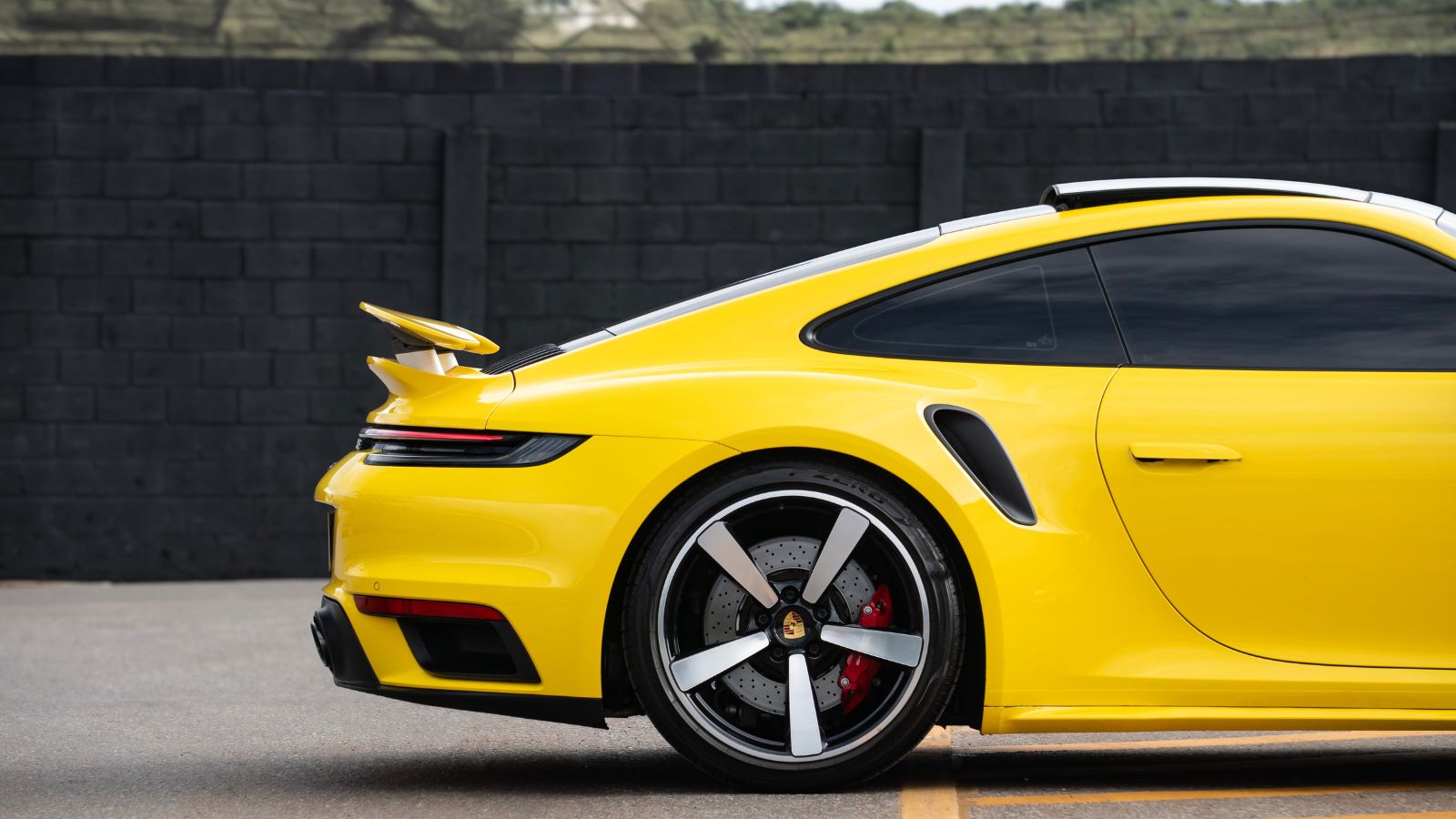
Lowering a vehicle can improve its stance and contribute to more controlled handling, but it necessarily reduces the space separating the body and undercarriage from the road. BMW has documented M Sport suspensions with ride heights approximately 10 millimetres below standard configurations, along with firmer springs and damping. Ten millimetres may not sound significant on a specification sheet, yet clearance matters most around the obstacles drivers cannot avoid: parking ramps, steep driveways, speed bumps, road debris, snow accumulation, and abrupt pavement transitions.
Warnings about low clearance are not merely theoretical. Manufacturer guidance for performance-oriented vehicles has cautioned drivers that rough roads, steep inclines, curbs, and speed bumps can cause bumpers or underbody components to make contact. Aerodynamic splitters and deeper sport-package bodywork can further reduce the margin for error. The resulting frustration usually has nothing to do with cornering speed. It is the slow diagonal approach to a familiar driveway, the unpleasant scrape beneath a bumper, or the packed winter rut that suddenly looks much more threatening than it would from the standard model.
More Grip Can Bring More Road Noise
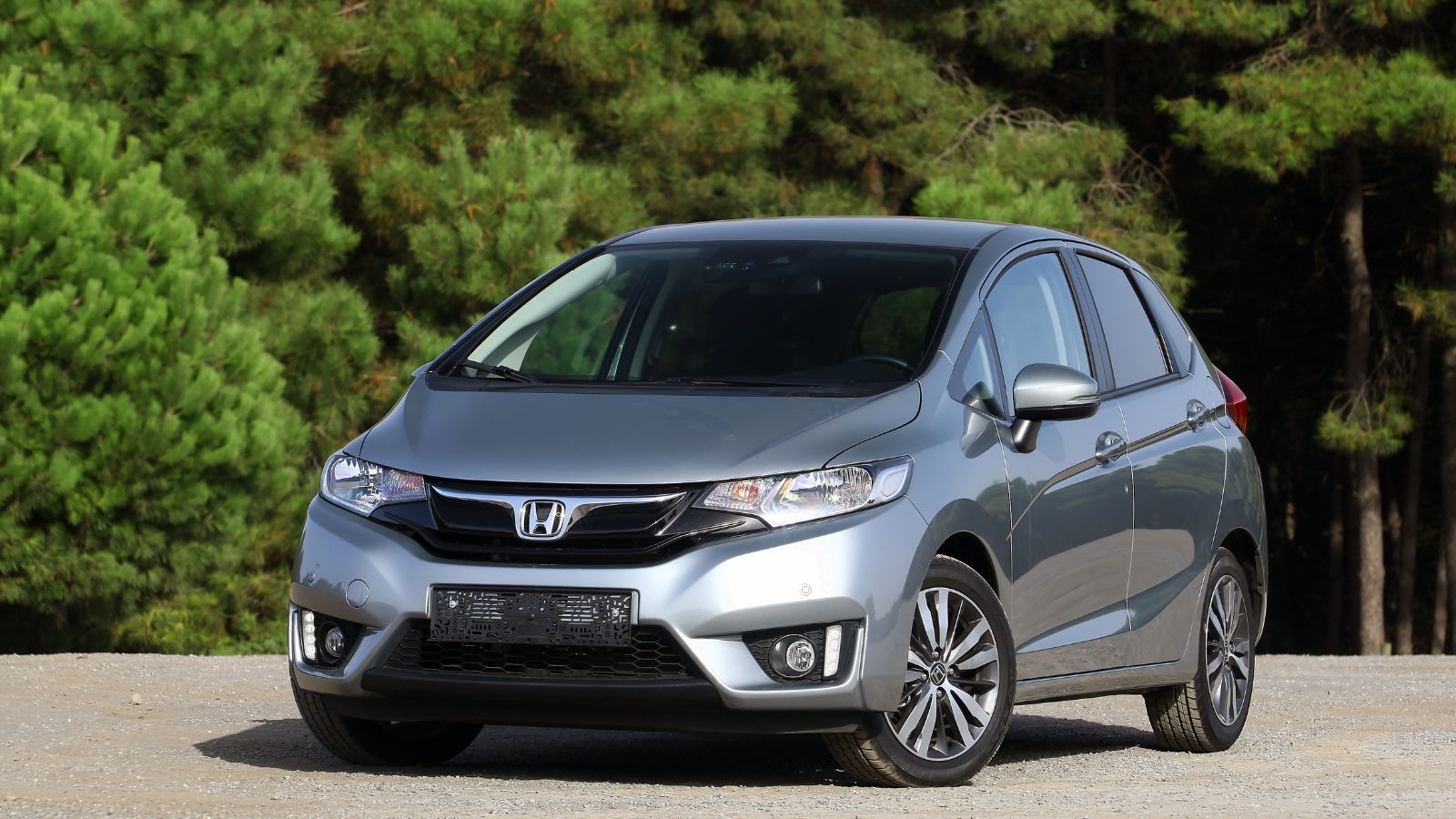
Performance tires are engineered to respond quickly and generate grip, not necessarily to make a cabin silent. Michelin explains that tread design affects tire noise and that more aggressive patterns can have a greater tendency to generate sound. Sport-oriented tires also prioritize steering precision and handling differently from comfort-focused touring products. Tire Rack’s testing of extreme-performance summer tires has repeatedly illustrated those compromises, with some highly capable tires delivering noticeable tread noise and comparatively firm ride characteristics on ordinary roads.
That difference may sound exciting during a spirited demonstration drive. Tire noise and additional feedback can reinforce the impression that the vehicle is faster and more connected. After several hours on coarse highway pavement, however, the same continuous sound can make the cabin feel less refined. Modern performance tires vary enormously, and some combine impressive grip with excellent noise suppression, so sport equipment is not automatically loud. Still, buyers choosing a package primarily for its appearance may discover that the new wheels and tires alter the car’s acoustic character in ways they never considered before purchase.
Sport Seats Do Not Fit Every Body Equally Well
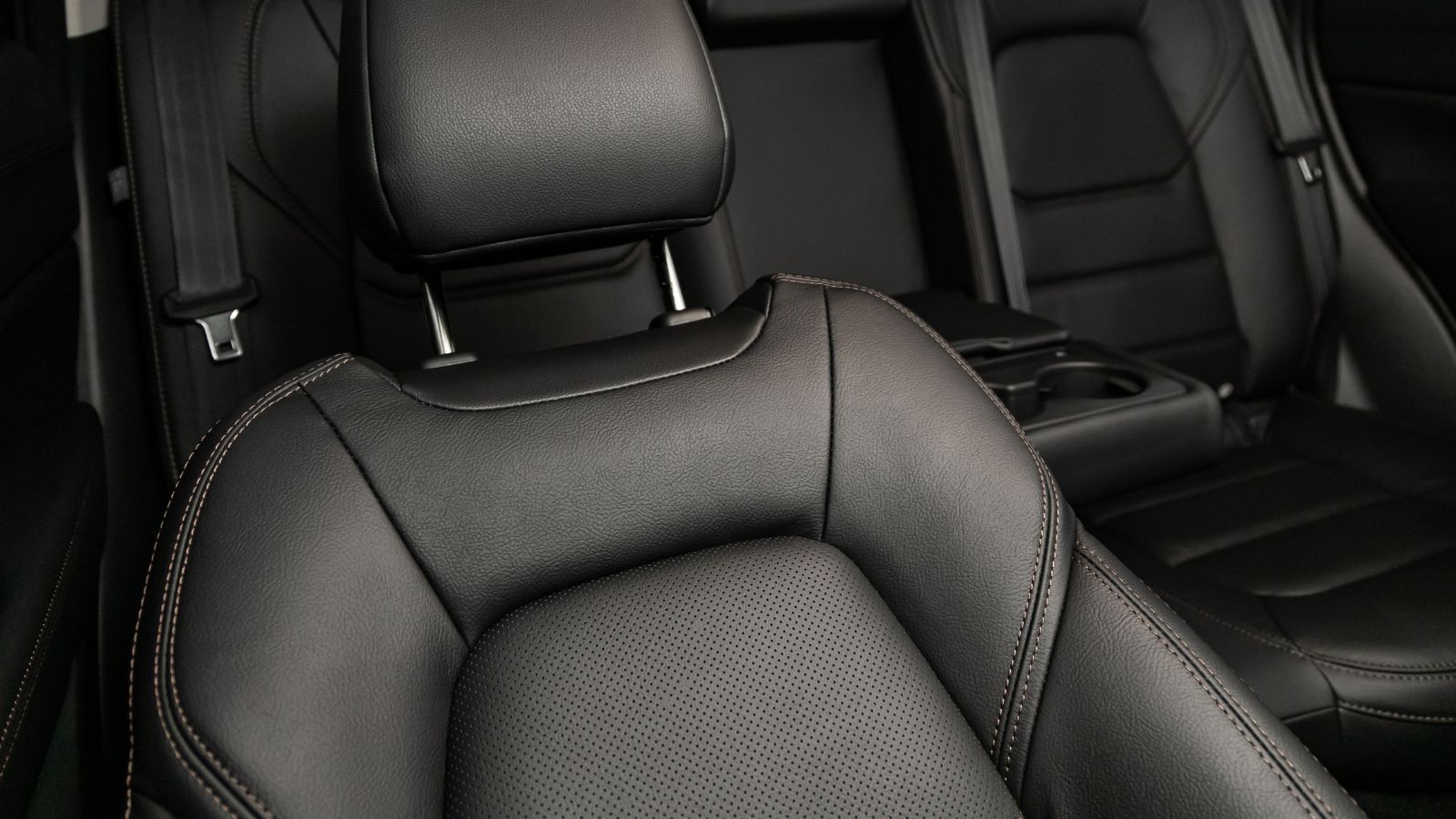
Deep seat bolsters help support occupants during hard cornering, but that does not mean every person will find them comfortable. Consumer Reports found a particularly clear example in the Ford Focus ST, whose optional Recaro seats offered substantial cornering support while compromising comfort and ease of access. The publication has also contrasted seats designed primarily for long-distance comfort with optional sport seats featuring additional bolstering on models such as the BMW X1. The ideal shape ultimately depends heavily on the occupant.
That makes a quick showroom sit an unreliable test. A tightly bolstered seat can feel supportive for several minutes but restrictive after an hour. Prominent side bolsters can also make entering and leaving the vehicle more awkward, particularly for someone making numerous short trips each day. Adjustable bolsters can reduce the problem, although not every sport package provides that flexibility. Buyers attracted mainly by exterior wheels and styling may therefore discover that one of the package’s most consequential changes is inside the cabin. Suspension settings can sometimes be switched to Comfort; an uncomfortable fixed seat remains there for every kilometre.
The Package Price May Not Come Back at Resale
A sport package may make a used vehicle more desirable, but its original purchase price should not be treated like money that automatically returns at resale. Consumer Reports says optional equipment and packages can have little or no resale value in some cases because second-hand shoppers often prioritize basic transportation needs and price. Edmunds likewise notes that individual options depreciate at different rates and that used-car valuation systems may focus on the package’s actual equipment rather than simply assigning value to its original marketing name.
That can create a large gap between emotional value when the vehicle is new and financial value several years later. Someone might happily spend thousands on wheels, brakes, trim pieces, seats, and suspension changes, only to receive a trade-in offer that credits a fraction of the original cost. Certain enthusiast vehicles are exceptions, and desirable factory performance equipment can strengthen resale demand. Condition, location, specification, and market preferences all matter. Nevertheless, buyers financing an expensive appearance-oriented package may ultimately realize that much of its price behaved like a consumption expense rather than an investment.
19 Used Cars Canadians Should Avoid in 2026 (Based on Owner Complaints)

Buying a used car in Canada can feel safe until repair bills start stacking up. Owner complaints tell a different story than glossy listings. Transmission failures, electrical problems, and weak winter reliability show up again and again in consumer reports. Many of these issues appear after warranties expire, when owners least expect them. Some vehicles look affordable upfront, but become expensive to keep on the road. Others struggle in cold weather, urban driving, or long highway commutes. Here are 19 used cars Canadians should avoid in 2026 (based on owner complaints).
19 Used Cars Canadians Should Avoid in 2026 (Based on Owner Complaints)