


























A spotless cabin can still be aging faster than expected if the cleaning routine is too aggressive. Modern vehicle interiors combine coated plastics, touchscreens, soft-touch trim, synthetic upholstery, real leather, textiles, and low-glare surfaces, and those materials do not all tolerate the same chemicals, moisture, or scrubbing pressure.
The biggest mistake is treating every surface as though one cleaner and one technique will work everywhere. Twelve common interior-cleaning errors show how good intentions can lead to faded coatings, scratches, water damage, stubborn stains, glossy dashboards, weakened materials, and a cabin that looks older than its mileage suggests. The safest approach is usually less dramatic: identify the material, use the mildest compatible method, control moisture, and follow the vehicle maker’s care guidance before reaching for stronger products.
Using One Cleaner on Everything

A fast detail can go wrong when one bottle is treated as safe for every surface. Modern cabins mix coated plastics, painted trim, soft-touch vinyl, synthetic upholstery, real leather, glossy black panels, instrument lenses, and display coatings. Consumer Reports warns that household products are not designed for many modern automotive finishes and can cause permanent damage. Tesla likewise cautions against solvents, bleach, citrus, naphtha, silicone-based additives, and other aggressive chemicals on interior components.
The problem is cumulative. A cleaner may not cause obvious damage on the first wipe, yet repeated exposure can dull a coating, alter a finish, or make a surface more vulnerable to staining. That matters because automotive interior materials are already exposed to heat and ultraviolet light, both well-established aging stresses. The safer habit is to match the product to the material, test it on a hidden area when appropriate, and use the vehicle maker’s cleaning instructions as the baseline rather than assuming “all-purpose” really means all surfaces.
Spraying Cleaner Straight Onto Screens and Controls
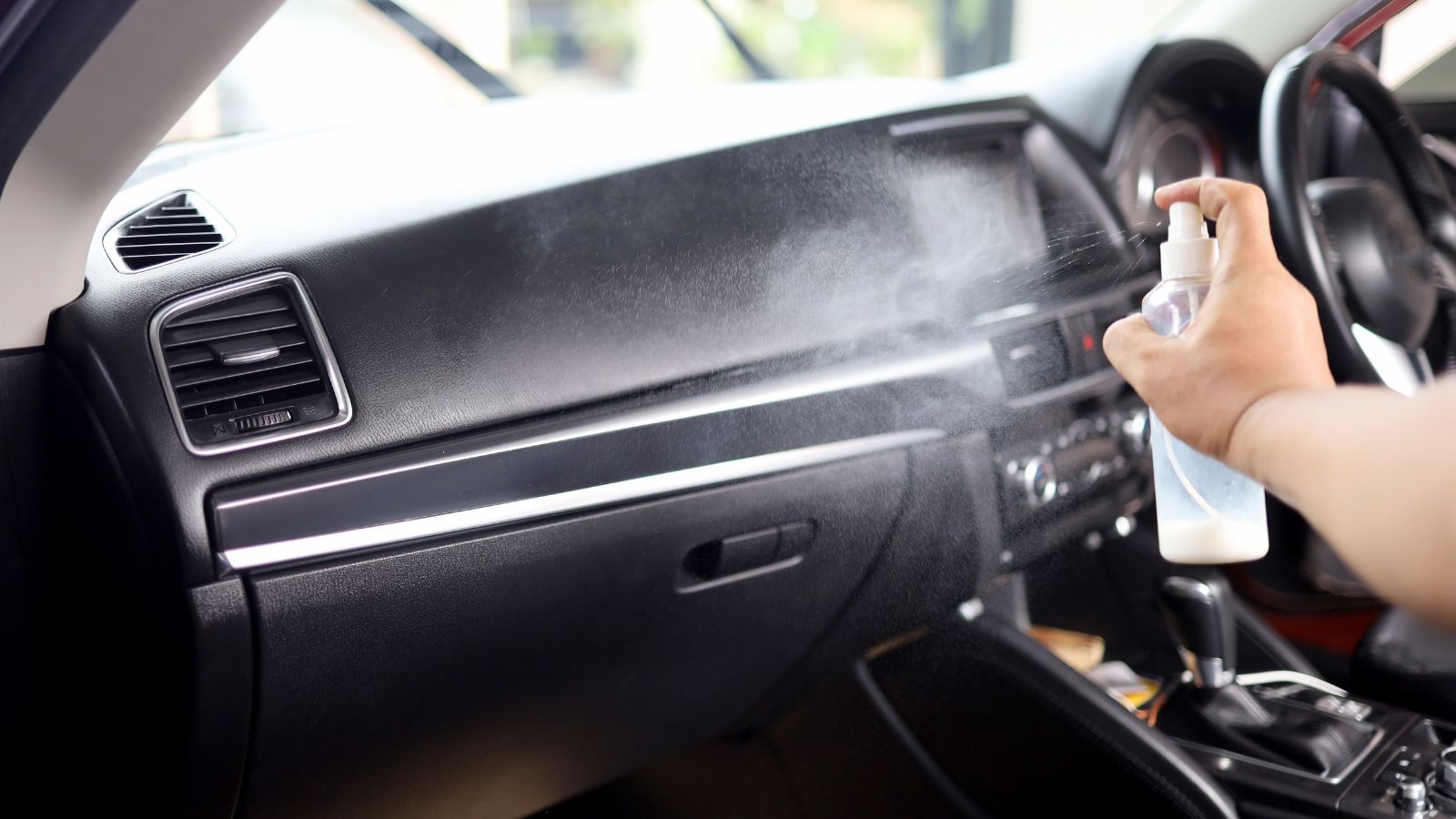
Spraying cleaner directly onto a touchscreen, switch panel, speaker grille, or seat-side control feels efficient, but it increases the chance that liquid reaches places it was never meant to go. Volvo’s current guidance says fluids should not be sprayed directly onto electrical components such as buttons, controls, and speakers. Its display instructions also call for a clean microfiber cloth, light pressure, and no direct spray of liquid or corrosive chemicals.
The better technique is simple: put a small amount of the approved cleaner on the cloth first, then wipe the surface. That gives much more control over how wet the area becomes. The difference is especially important in newer vehicles, where climate controls, audio functions, drive-mode selectors, seat switches, and infotainment systems can share tightly packed electronic modules. A small drip that migrates behind a bezel may create a much bigger problem than the fingerprint or dust that started the cleaning job in the first place. Less liquid is usually the more protective approach.
Wiping With Dirty Towels or Paper Products
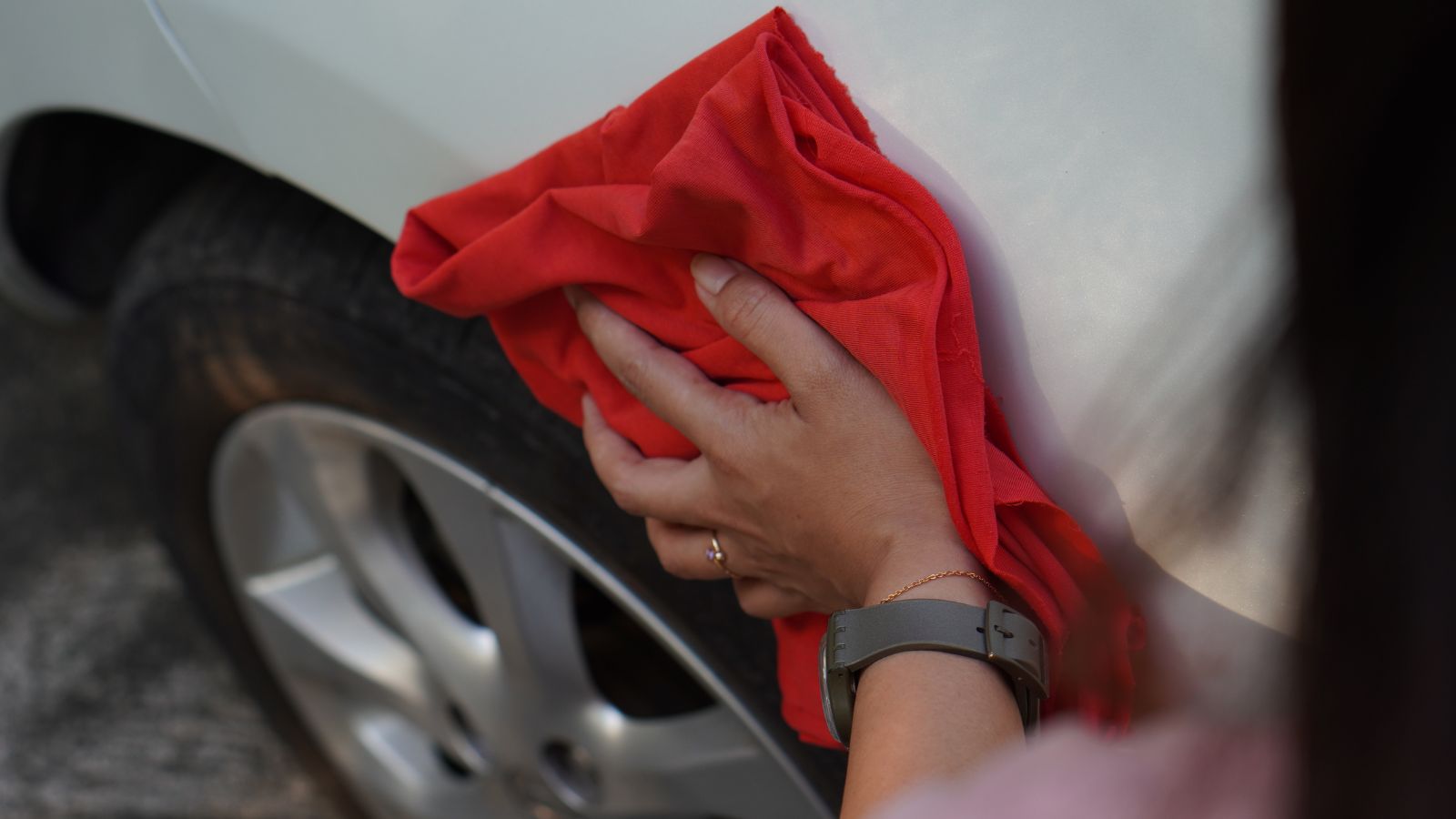
A clean-looking towel can still behave like fine sandpaper if it has trapped grit. Volvo specifically warns that microfiber cloths used on centre displays must be free of sand and dirt, and it cautions against paper towels, tissues, abrasive cloths, and heavy pressure because they can scratch the screen. Consumer Reports gives similar advice for modern interiors, noting that dirty cloths can drag particles across delicate finishes and that glossy black trim is particularly easy to mark.
This is one reason an interior can begin to look older even when it is cleaned frequently. Fine scratches scatter light, making piano-black panels, gauge lenses, screens, and clear-coated trim look hazy or swirled. The fix is inexpensive: keep separate clean microfiber towels for screens and delicate trim, fold them to expose fresh sides, and replace or wash them before they become loaded with debris. Vacuuming first also matters because removing loose grit before wiping reduces the amount of abrasive material that gets pulled across the surface.
Scrubbing Leather and Vinyl Too Hard
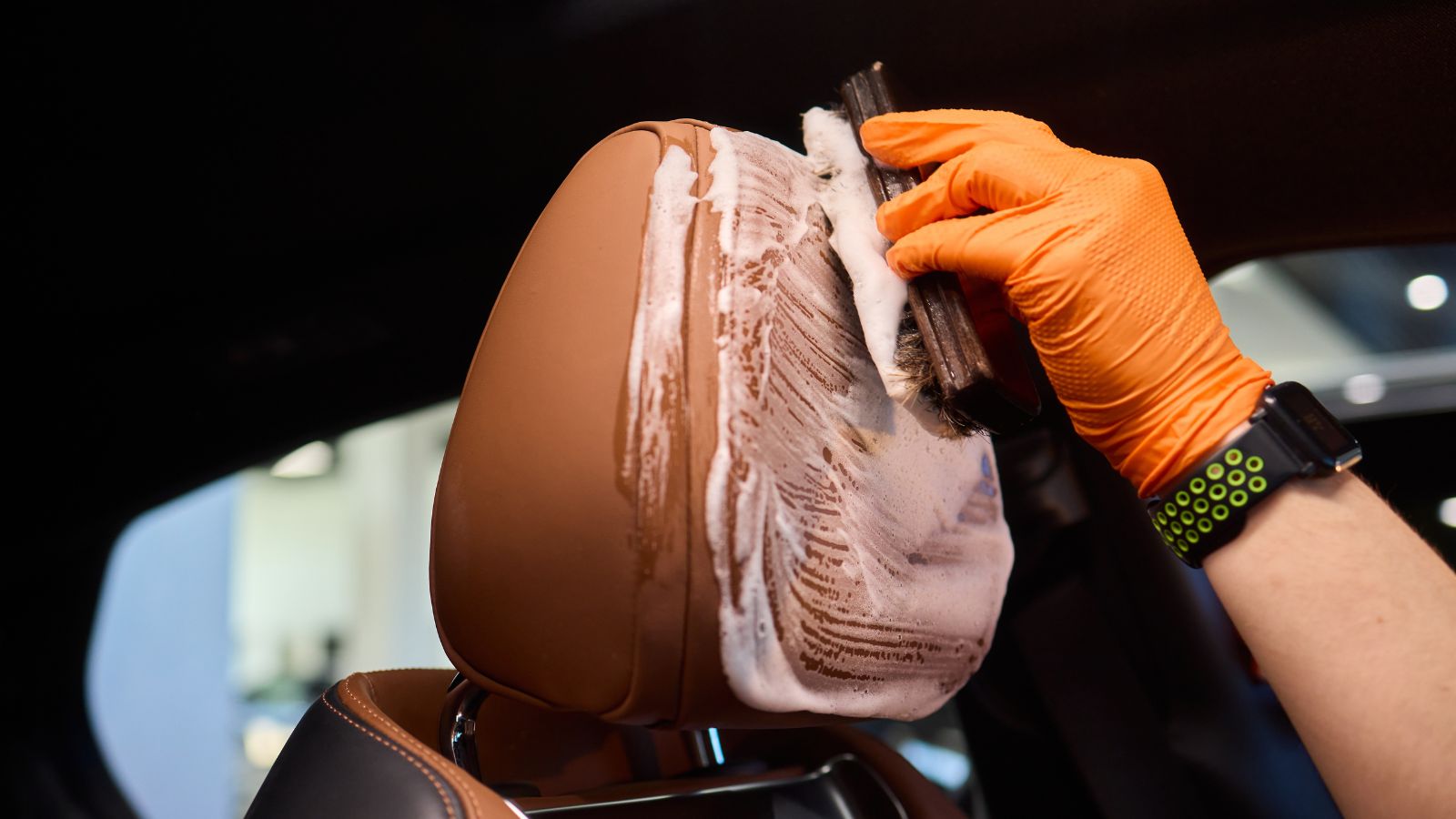
Leather and vinyl often have protective surface coatings, so attacking a stain with heavy pressure can remove more than the stain. Volvo’s 2026–2027 guidance tells owners not to scrape or rub dirty leather and vinyl surfaces and instead recommends gentle circular motions with a lightly dampened microfiber cloth. Consumer Reports similarly warns that aggressive scrubbing can wear away the protective coating on leather or vinyl, which can leave the material more exposed to future staining and wear.
That creates a frustrating cycle: the harder a surface is scrubbed, the more vulnerable it can become, which makes later marks harder to manage without even more cleaning. A common example is a light-coloured seat with denim transfer. The instinct may be to scrub until the blue cast disappears, but repeated force can change sheen or texture before the stain is fully gone. Gentle cleaning, short working intervals, and a material-appropriate product are safer. If a stain remains, escalating carefully is better than turning one stubborn mark into permanent surface damage.
Steam-Cleaning Leather Because It Looks More Thorough
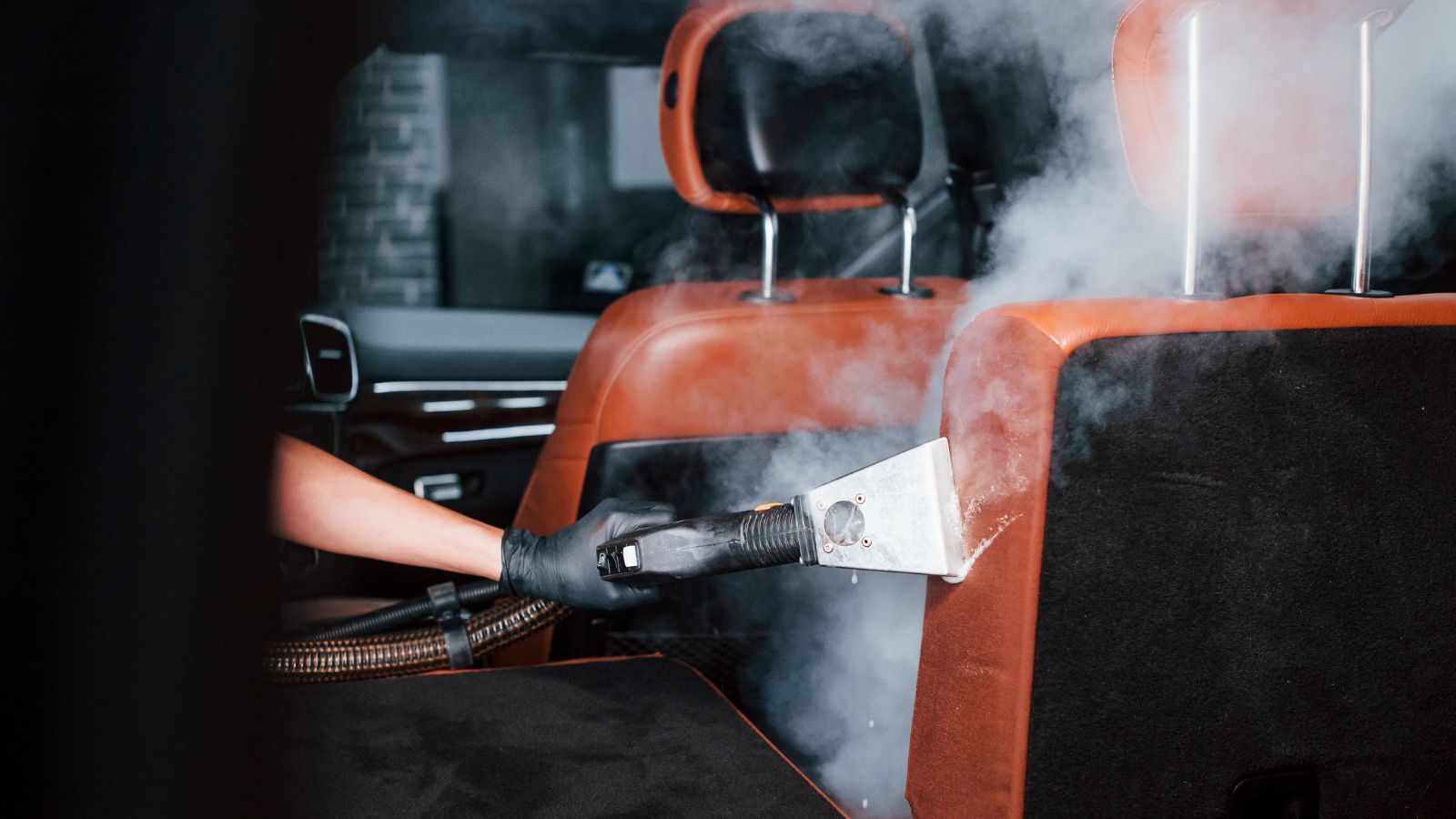
Steam has a reputation for deep cleaning, but real leather is one place where more heat and moisture are not automatically better. Volvo’s latest leather-care guidance explicitly says not to use a steam cleaner on leather. That warning matters because automotive leather is not simply raw hide; it is commonly finished and coated so it can withstand daily contact, clothing dye, sunlight, and repeated entry and exit.
A powerful steam pass can expose the surface to concentrated heat and moisture at the same time. Even when no dramatic damage appears immediately, unnecessary thermal and moisture stress is a poor trade for a seat that could often be cleaned with a lightly dampened cloth and an approved cleaner. Owners sometimes reach for steam because it seems more “professional,” especially on bolsters and creases that collect grime. Professional-looking equipment, however, is not the same as material compatibility. The safest rule is to reserve steam for surfaces the vehicle maker specifically permits and avoid assuming that one detailing method is suitable for every upholstery type.
Soaking Carpets and Cloth Seats
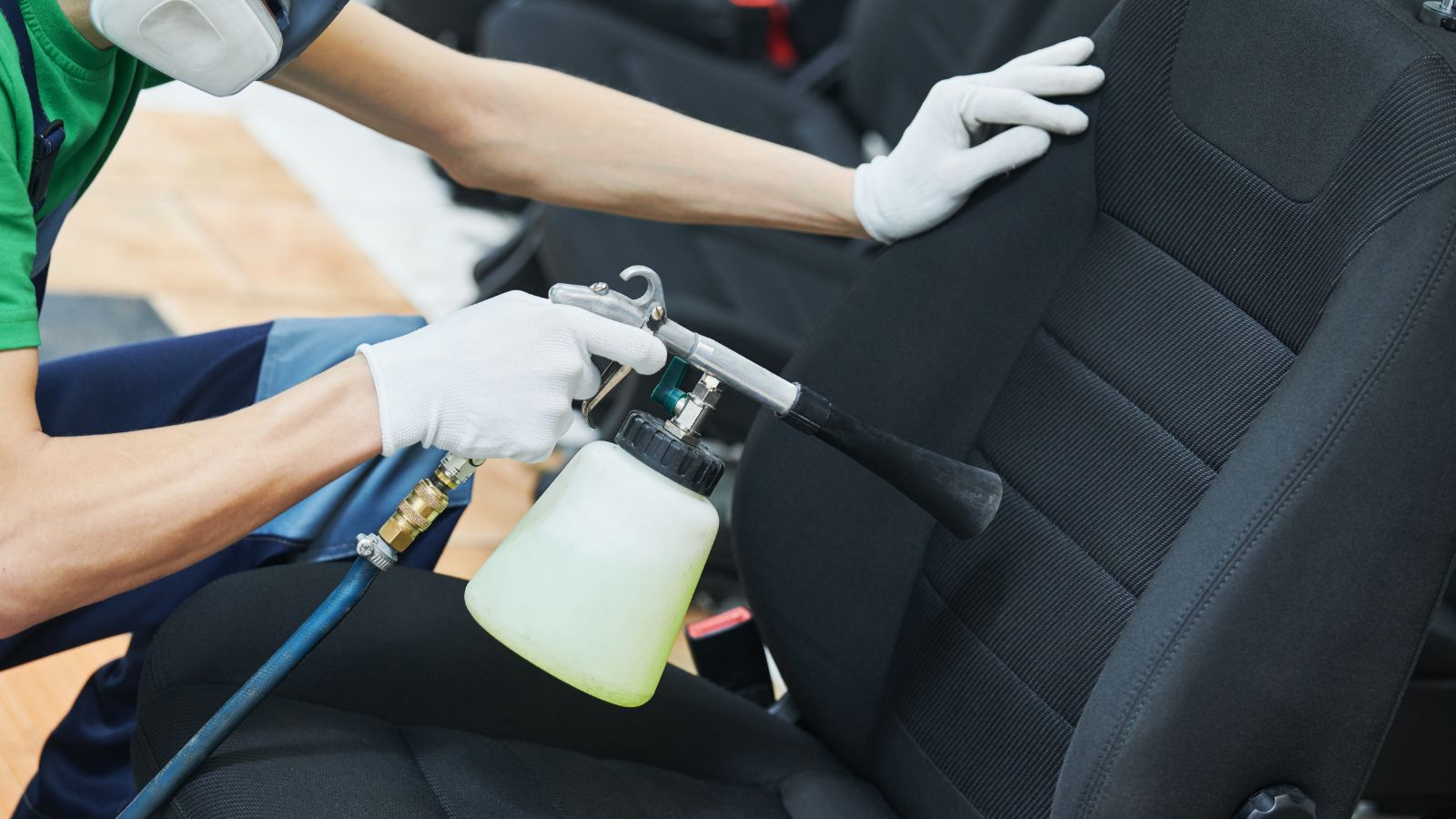
More water does not necessarily mean a cleaner cabin. Tesla tells owners to avoid over-wetting carpets, while Consumer Reports warns that soaked seat cushions can stay damp long enough to encourage mold and musty odours. AAA offers a similar caution about flooding carpets and recommends letting them dry thoroughly. The issue is not just appearance: moisture can migrate into foam, backing material, seams, wiring areas, and under-floor spaces that are difficult to dry quickly.
A heavily soaked seat may look fine on the surface within an hour while the cushion underneath remains damp much longer. That can turn a routine shampoo into lingering odour, water rings, or a repeat-cleaning job. Extraction equipment can help when used correctly because it removes cleaning solution rather than simply adding more. For hand cleaning, a lightly dampened cloth and controlled application are safer than pouring or spraying until the fabric is saturated. The goal is to lift soil while leaving as little residual moisture as practical, then allow the area to dry fully before closing the vehicle up.
Treating the Headliner Like a Floor Mat
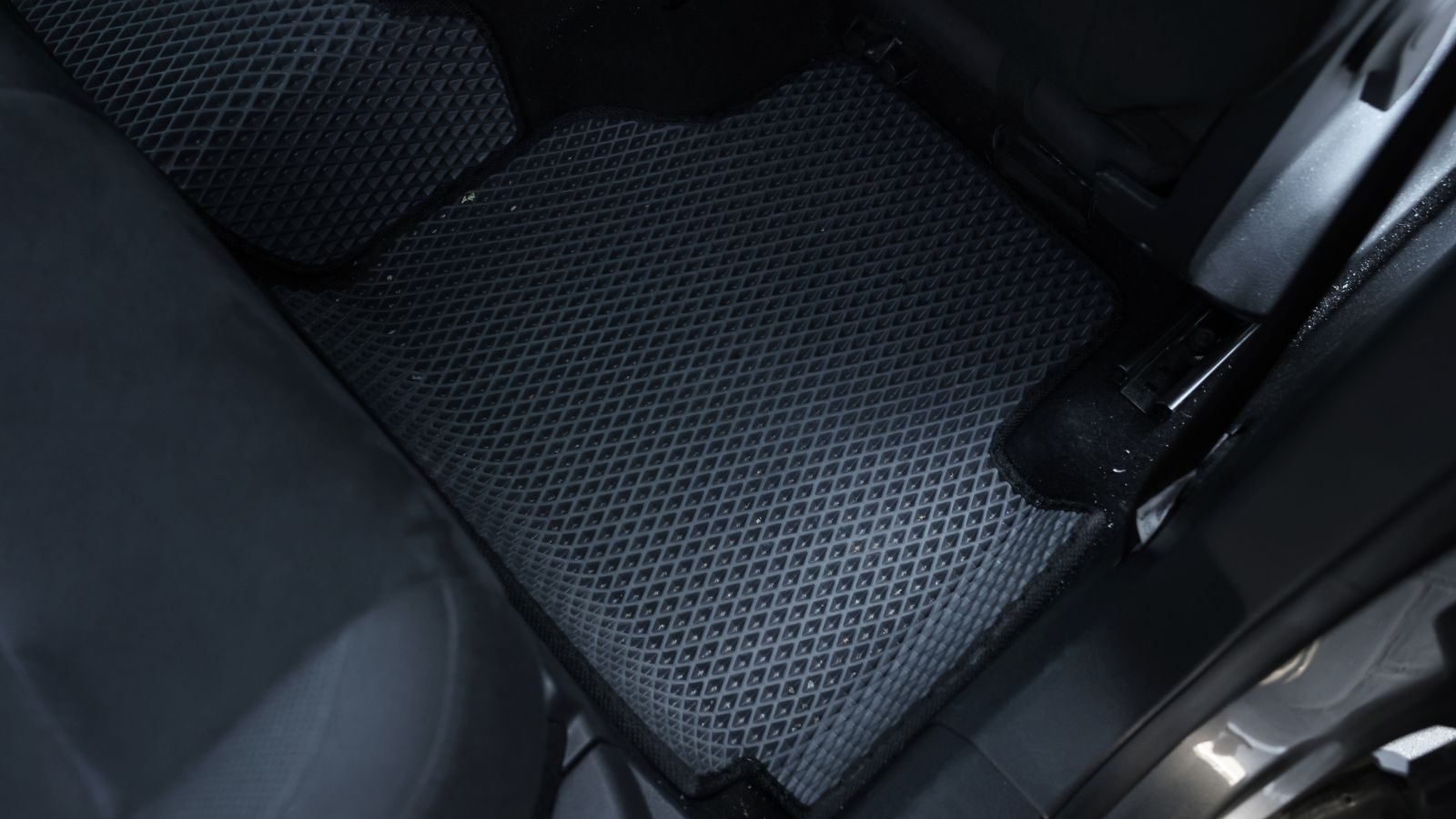
The headliner is easy to overlook until a mark appears, and that is exactly when an aggressive cleaning mistake can happen. Volvo describes headlining as a surface that should be cleaned carefully with a soft brush and lint-free cloth, and its newer fabric-care guidance warns that harsh treatment can damage it. Unlike a removable floor mat, a headliner is a layered assembly that can include fabric, foam, adhesive, and a structural backing bonded overhead.
That construction explains why soaking, hard scrubbing, or repeated spot attacks can leave a problem that is more visible than the original stain. A dark ring, roughened patch, or loosened area near a door opening can make an otherwise tidy cabin look prematurely worn. The safer approach is to use minimal moisture, gentle pressure, and a cleaner intended for automotive textiles. Working a broad area rather than aggressively chasing one small mark can also reduce obvious water rings. When the roof fabric is delicate or already sagging, professional help can be cheaper than trying to “deep clean” it back into shape.
Making the Dashboard Shiny
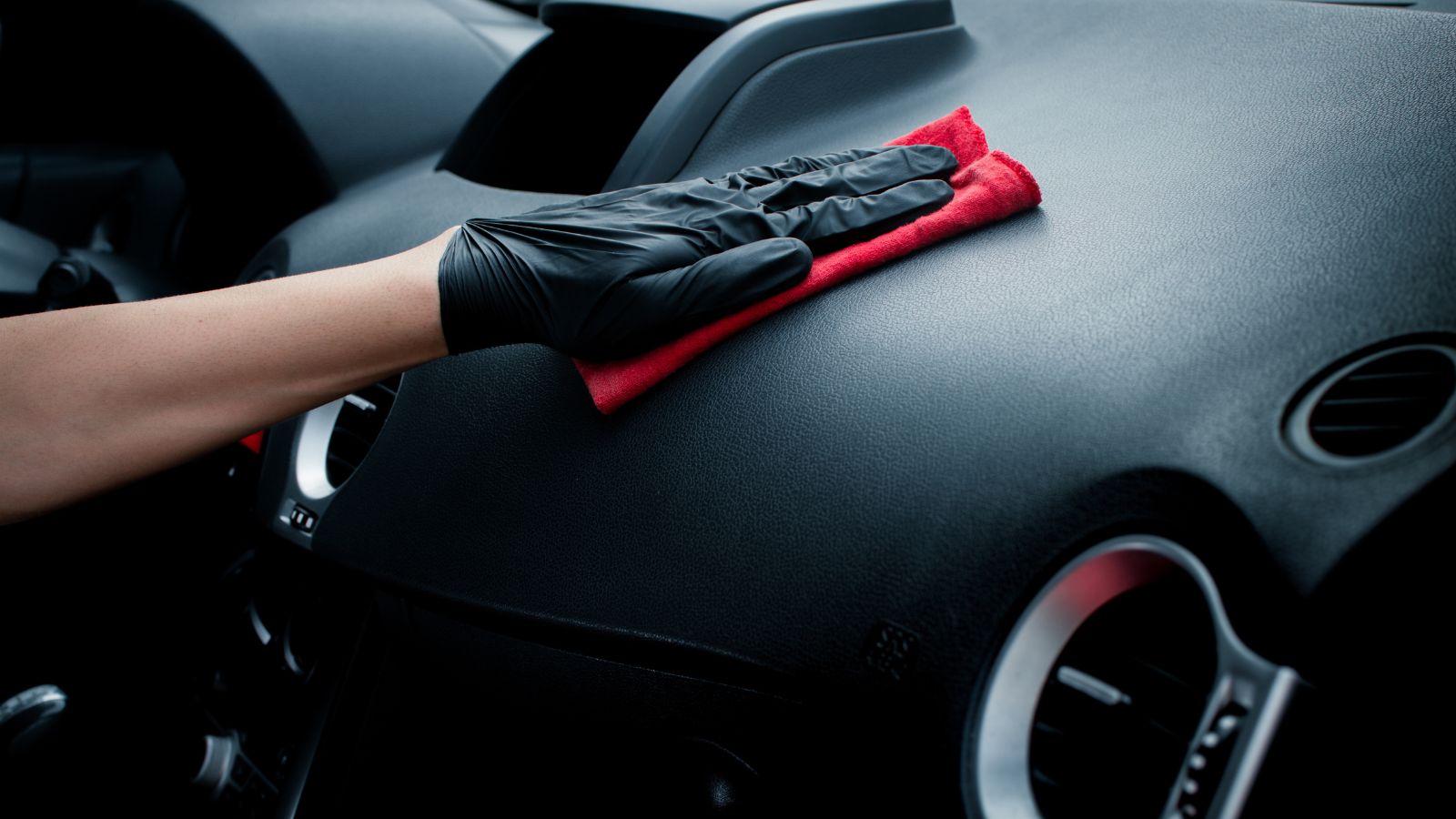
A glossy dashboard can look freshly detailed in a driveway and still be the wrong finish for the car. Ford’s current owner guidance tells drivers to avoid cleaners or polishes that increase gloss on the upper instrument panel because the original dull finish is intended to reduce unwanted windshield reflections. Consumer Reports also cautions against detailing sprays that leave dashboards looking wet or shiny because they can create glare.
The aging issue is more than glare. Once a low-gloss surface is repeatedly coated with products designed to create shine, its appearance no longer matches the original factory finish and routine cleaning can become more complicated. Some interior products also contain ingredients that manufacturers specifically discourage on coated plastics and trim. The better goal is “clean and even,” not “shiny.” A soft damp cloth is often enough for routine dust, while stubborn dirt should be treated with a product approved for that specific trim. Preserving the original low-sheen appearance generally makes an older cabin look more convincing than covering every surface in a glossy dressing.
Cleaning Seat Belts With Strong Chemicals
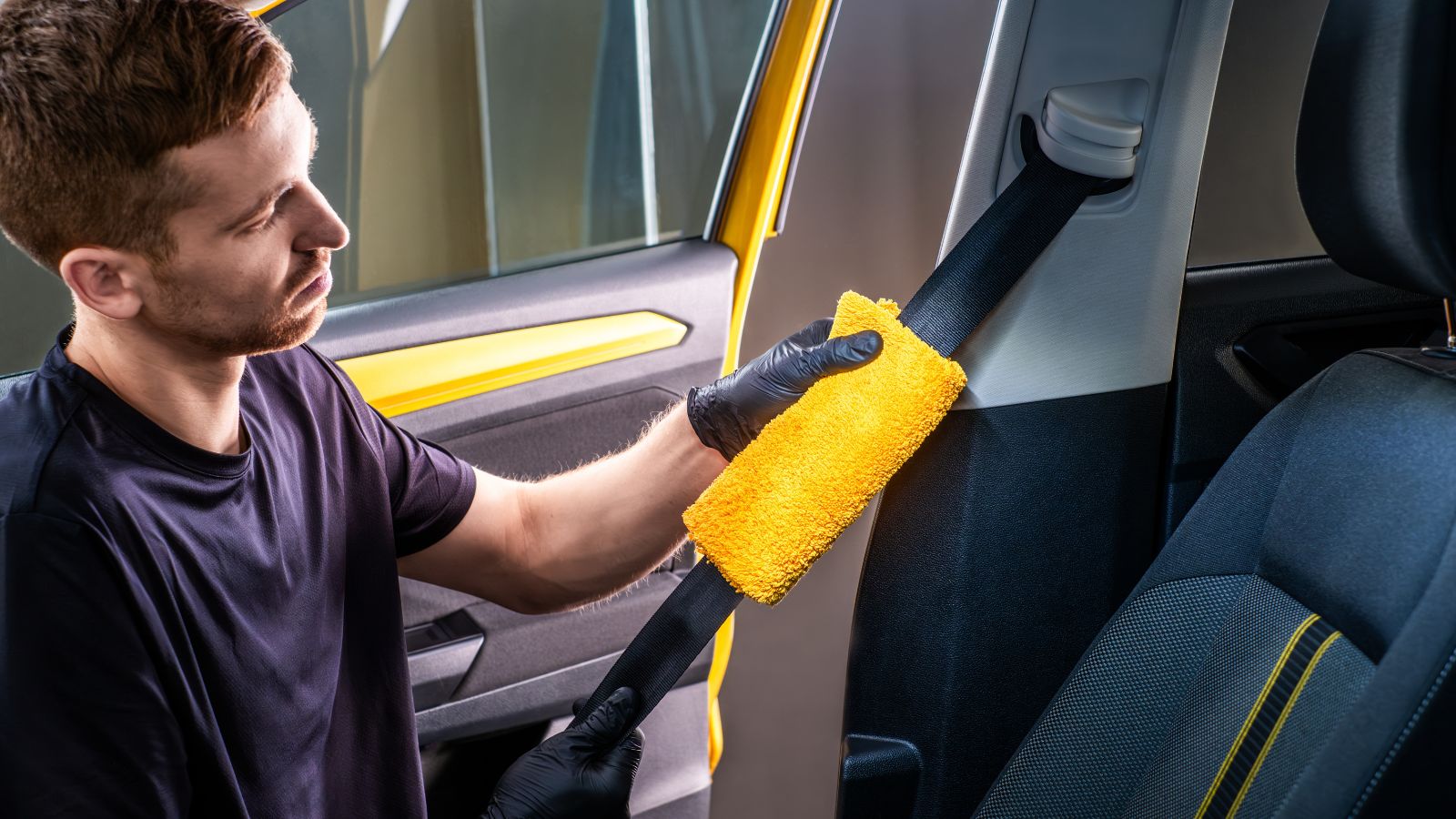
Seat belts are not ordinary fabric trim, and they should not be cleaned like carpet. Ford’s current manuals warn that cleaning solvents, bleach, or dye can weaken seat-belt webbing. The company recommends a soft damp cloth with mild soap and water, followed by drying with a clean cloth. Tesla also tells owners not to use detergent or chemical cleaning agents on belts and to keep liquid out of the belt mechanism.
That makes strong stain remover a particularly poor shortcut. A coffee splash on a seat can be treated as an appearance problem; contamination on a restraint system has a safety dimension as well. Soaking the belt and letting it retract while damp can also hold moisture inside the retractor area. The practical method is to extend the belt, clean it gently, and let it dry fully before allowing it to retract. If a belt is heavily contaminated, frayed, stiff, or damaged, replacement or professional inspection is more sensible than repeated chemical treatment in pursuit of a perfectly uniform colour.
Using Household Glass Cleaner on Delicate Interior Surfaces
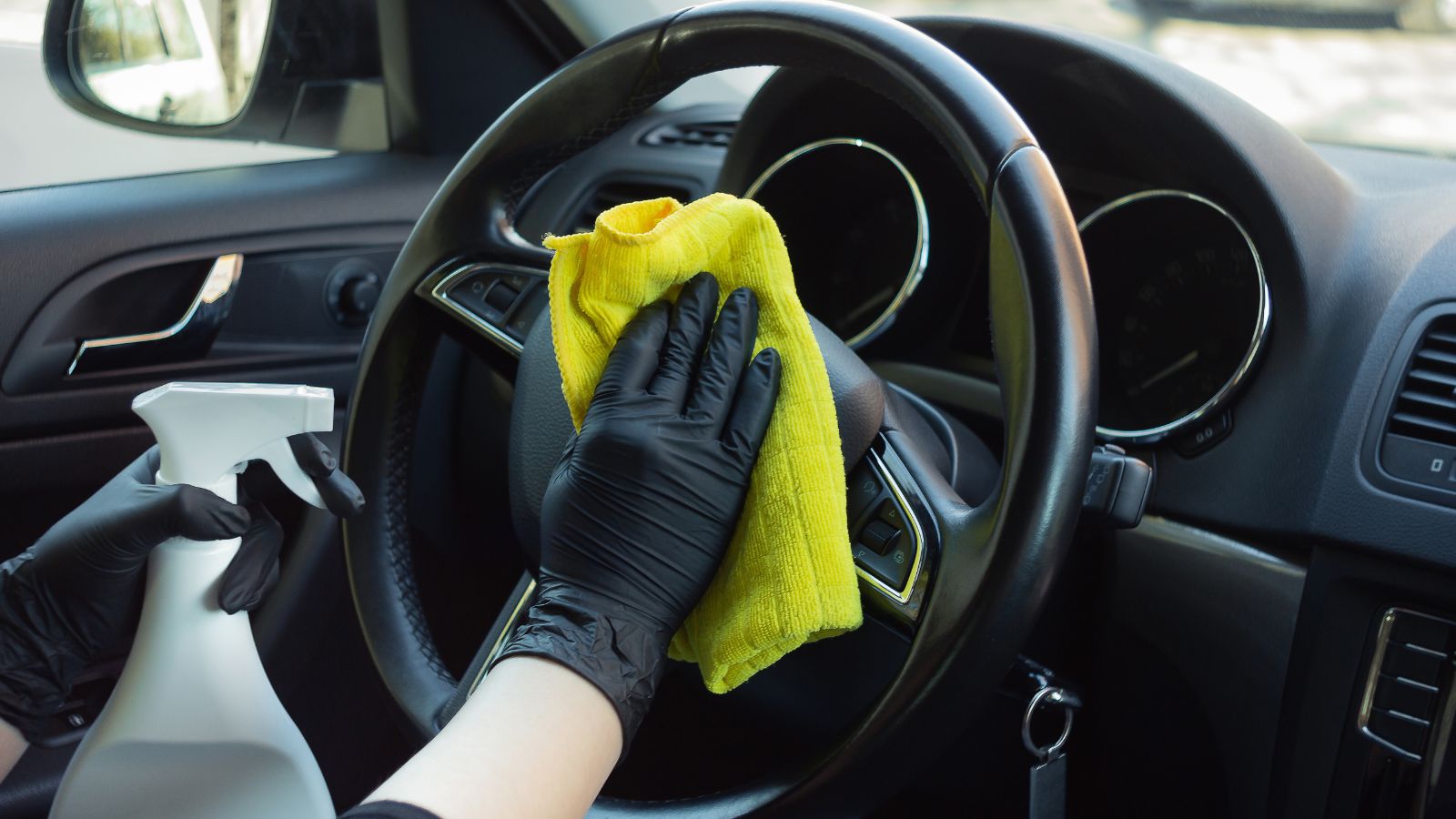
Glass cleaner belongs on glass only when the vehicle maker says the formulation is suitable. Modern cabins contain clear instrument lenses, anti-glare display coatings, painted trim, and plastics that can resemble glass but respond very differently to household window products. Ford warns that household or glass cleaners can damage instrument-panel finishes, interior trim, and cluster lenses. Volvo says centre displays should not be cleaned with window cleaner, ammonia, alcohol, solvents, or abrasive agents.
The confusing part is that all of these surfaces may look hard and glossy, so using the same bottle across them feels logical. Damage may appear as cloudiness, fine scratching, altered sheen, or reduced effectiveness of an anti-reflective coating. That is why a dedicated screen cloth and an automotive-safe glass product are worth keeping separate. When cleaning the inside of a windshield, it is also wise to keep overspray off the dashboard and door trim. The bottle that works perfectly on one surface can prematurely age the finish sitting only a few centimetres away.
Letting Spills Sit Until Aggressive Cleaning Is Needed
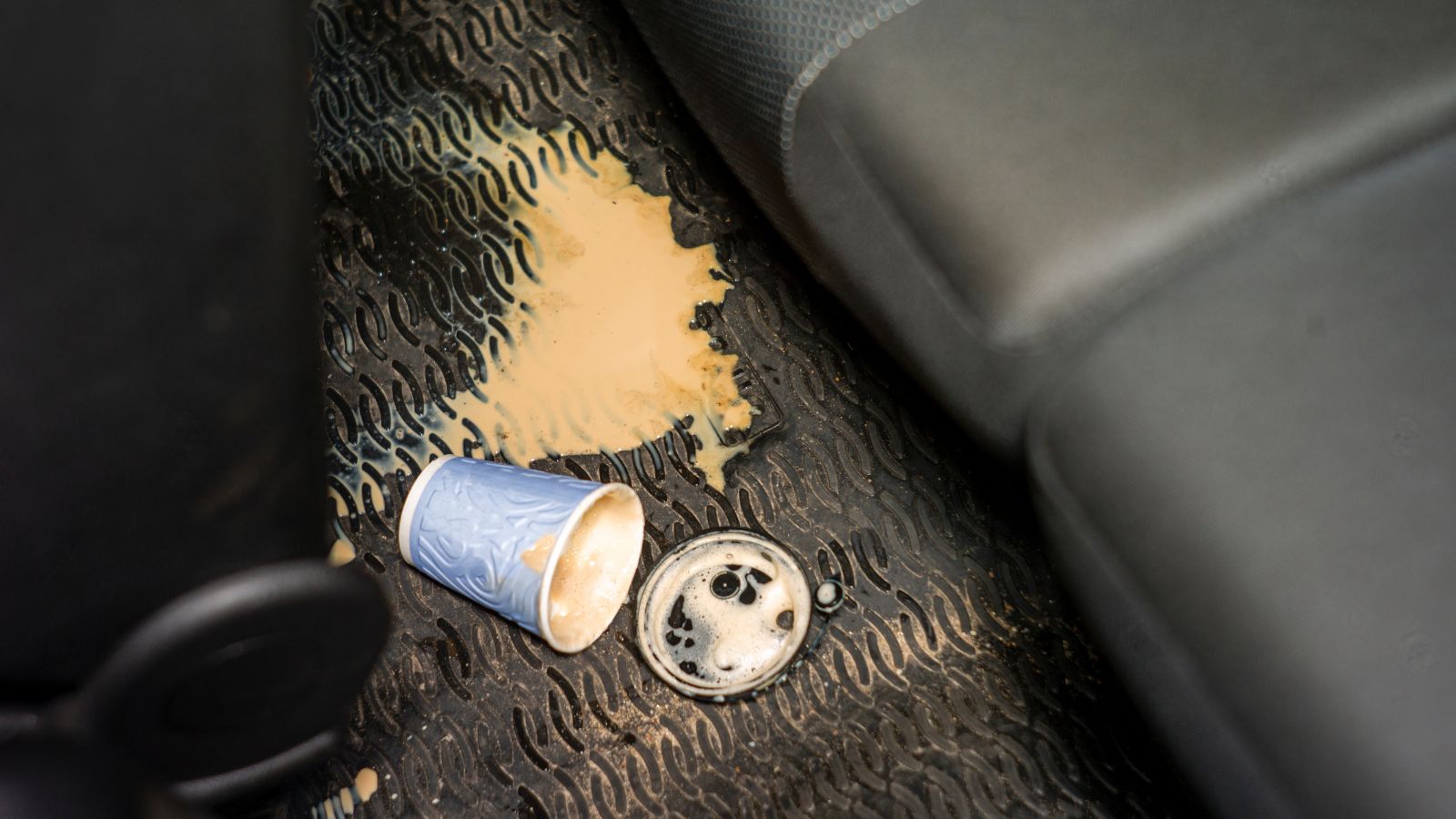
One of the best ways to avoid harsh cleaning later is to deal with spills while they are still fresh. Tesla advises wiping spills and chemical residues from interior surfaces as soon as possible, while Volvo notes that coloured garments can transfer dye to leather, vinyl, and textiles over time. Consumer Reports likewise recommends regular cleaning because crumbs, liquids, and dirt become harder to manage once they have settled into fabric or coatings.
The human tendency is understandable: a small coffee drip or blue denim mark rarely feels urgent. Days later, though, the stain may require longer dwell time, more rubbing, or a stronger product—exactly the steps that raise the chance of changing the surface around it. Immediate blotting with a clean cloth can often prevent that escalation. The same principle applies to sunscreen, hand sanitizer, cosmetics, and sugary drinks, which automakers warn can damage or stain some interior finishes. Fast, gentle cleanup is usually easier on the material than delayed, aggressive restoration.
Using Leather Products on Synthetic Upholstery

“Leather-look” no longer tells an owner exactly what a seat is made from. Many newer vehicles use synthetic or “vegan” upholstery, and the correct care can differ from traditional leather. Tesla, for example, says its vegan-leather seats should generally be cleaned with warm water and mild soap and that conditioners or protectants are not recommended. Volvo separately notes that its leather-cleaning recommendations apply only to real leather details.
That distinction matters because a conditioner designed for natural leather may simply sit on top of a coated synthetic surface, leave residue, change sheen, or interfere with the intended finish. The opposite mistake is also possible: treating genuine leather as if it were generic plastic and reaching for a strong universal cleaner. Before buying a bottle labelled “leather care,” owners should confirm what the seat material actually is in the manual or build specification. Material identification is a surprisingly important cleaning step, and it can prevent months of unnecessary buildup or premature-looking wear caused by well-intentioned products.
19 Used Cars Canadians Should Avoid in 2026 (Based on Owner Complaints)

Buying a used car in Canada can feel safe until repair bills start stacking up. Owner complaints tell a different story than glossy listings. Transmission failures, electrical problems, and weak winter reliability show up again and again in consumer reports. Many of these issues appear after warranties expire, when owners least expect them. Some vehicles look affordable upfront, but become expensive to keep on the road. Others struggle in cold weather, urban driving, or long highway commutes. Here are 19 used cars Canadians should avoid in 2026 (based on owner complaints).
19 Used Cars Canadians Should Avoid in 2026 (Based on Owner Complaints)