

























A used luxury car can create one of the most tempting deals in the automotive market. A sedan or SUV that once carried a premium price tag can suddenly cost no more than a newer mainstream vehicle, while still offering leather, powerful engines, advanced technology, and an upscale badge. The catch is that depreciation lowers the purchase price without necessarily reducing the cost of maintaining the machinery underneath.
What looks like a bargain can therefore become an expensive ownership experiment once aging electronics, sophisticated suspension hardware, specialized tires, complicated drivetrains, or overdue maintenance enter the picture. Some models age remarkably well, while others become difficult to justify without careful inspection and a substantial repair budget. These 18 factors explain why a surprisingly affordable used luxury vehicle deserves more scrutiny than its price alone might suggest.
Depreciation Can Create a False Sense of Affordability

Luxury vehicles can lose value dramatically during their first several years, putting cars that originally competed at the top of the market within reach of ordinary used-car budgets. Current iSeeCars data, for example, estimates five-year depreciation of roughly 58% for the Audi A8 L, compared with about 42% for vehicles overall. That kind of decline can transform an expensive flagship into what appears to be an extraordinary bargain.
The problem is that depreciation changes what the next owner pays for the car, not necessarily what its parts cost or how complicated it is to repair. An older flagship still has the suspension, electronics, engine hardware and accessories designed for a high-priced vehicle. A buyer comparing a depreciated luxury sedan with a newer mainstream model may therefore be comparing similar purchase prices but completely different levels of mechanical complexity. The cheapest luxury cars can sometimes be cheap precisely because the market has already priced in expensive ownership.
Maintenance Costs Often Rise After the Warranty Is Gone
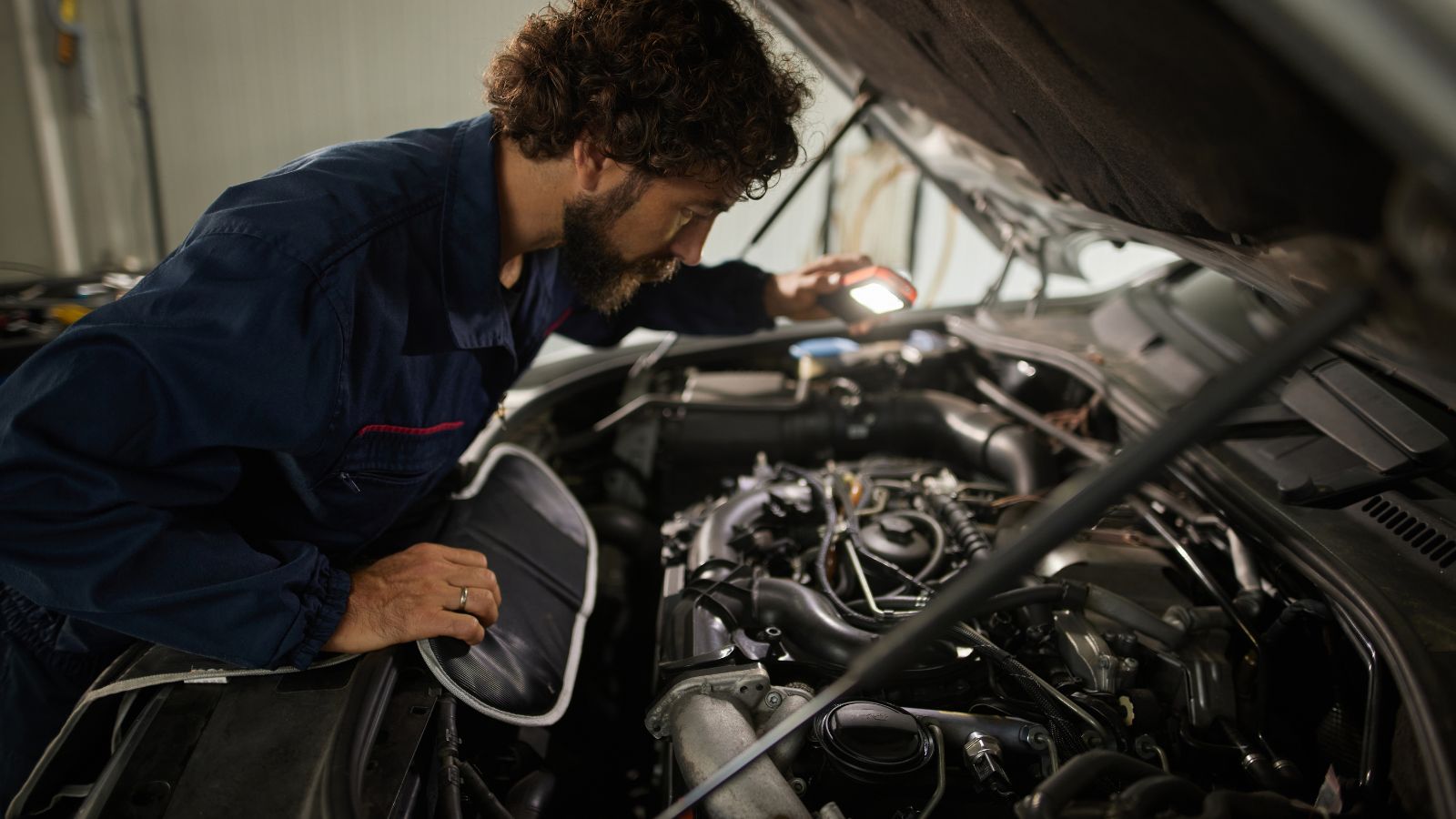
The first few years of luxury-car ownership can create a misleading picture of long-term expenses. New vehicles may receive complimentary maintenance, while factory warranties absorb many unexpected repairs. Consumer Reports has found that maintenance and repair expenses typically increase substantially as vehicles age and those protections disappear. Its long-term brand analysis also places several European luxury manufacturers among the more expensive marques to maintain over a decade.
That matters because the typical used buyer often enters the ownership cycle just as the inexpensive years are ending. A seven-year-old luxury car may need little more than routine servicing during a test drive, yet be approaching the period when cooling-system parts, suspension components, seals, sensors and other aging hardware require attention. None of those repairs necessarily makes the vehicle unreliable. The financial danger comes from assuming that a $25,000 luxury car will require the same maintenance budget as a mainstream car that originally cost $25,000.
Air Suspension Can Turn Ride Comfort Into Repair Risk
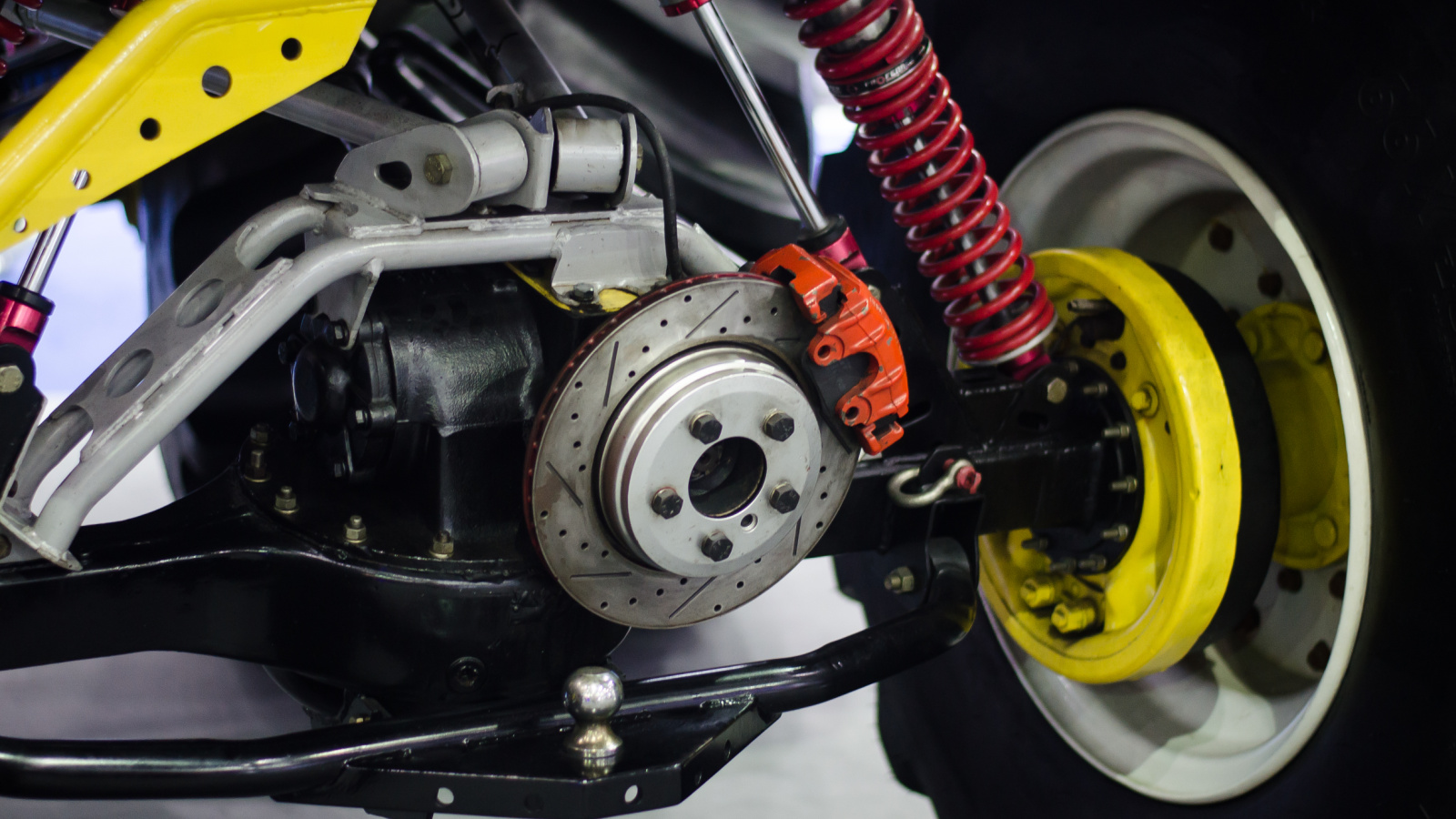
Air suspension is one reason large luxury sedans and SUVs can feel remarkably composed over broken pavement. Instead of relying only on conventional steel springs, these systems may use air springs, compressors, valves, sensors and electronic controls to adjust the vehicle’s ride height and firmness. The additional hardware also creates more components that can develop problems as mileage and age accumulate.
Consumer Reports includes electronic and air suspension among the suspension trouble areas it monitors, while owner reports on older luxury models illustrate how repairs can become expensive. Edmunds has similarly documented owner complaints involving aging air-suspension systems on vehicles such as older Rolls-Royce Phantom models. A conventional worn shock absorber is inconvenient; a vehicle sitting unevenly after an air spring or compressor failure can become a much larger project. The system that made an expensive vehicle feel exceptionally smooth when new may therefore become one of its biggest financial vulnerabilities when it reaches the used market.
Aging Electronics Can Be Expensive to Untangle
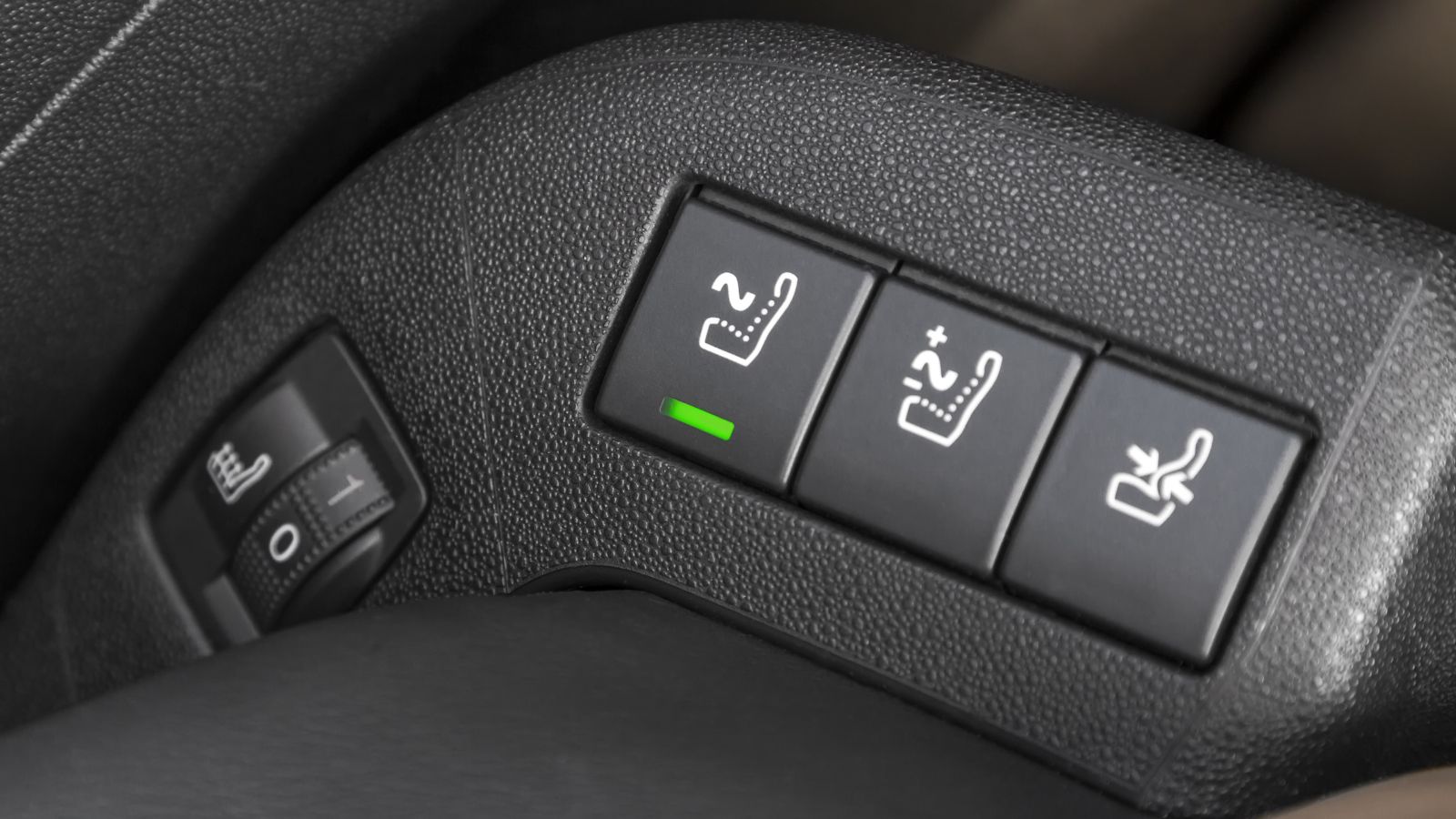
Luxury vehicles usually receive new technology earlier than mainstream models. That means an older premium car may have multiple displays, seat-control modules, cameras, navigation hardware, electronically controlled climate functions, complex audio systems and sophisticated networking between computers. Those features can remain impressive long after the purchase price has fallen, but troubleshooting them may require specialized diagnostic equipment and substantial labor.
Consumer Reports continues to track in-car electronics as a significant vehicle trouble category, covering problems involving infotainment, navigation, cameras and head-up displays. Owner reports provide revealing examples. One 2017 Lexus RX owner reported being quoted about $2,500 by Lexus for a failed infotainment-related unit, although a specialist repair service offered a considerably cheaper alternative. Reports from 2018 BMW 5 Series owners also describe freezing screens and other electronic glitches. A single malfunction may be manageable, but an aging luxury car containing dozens of interconnected electronic conveniences presents far more opportunities for costly faults than its clean leather interior suggests.
Turbochargers and Superchargers Add Another Layer of Complexity
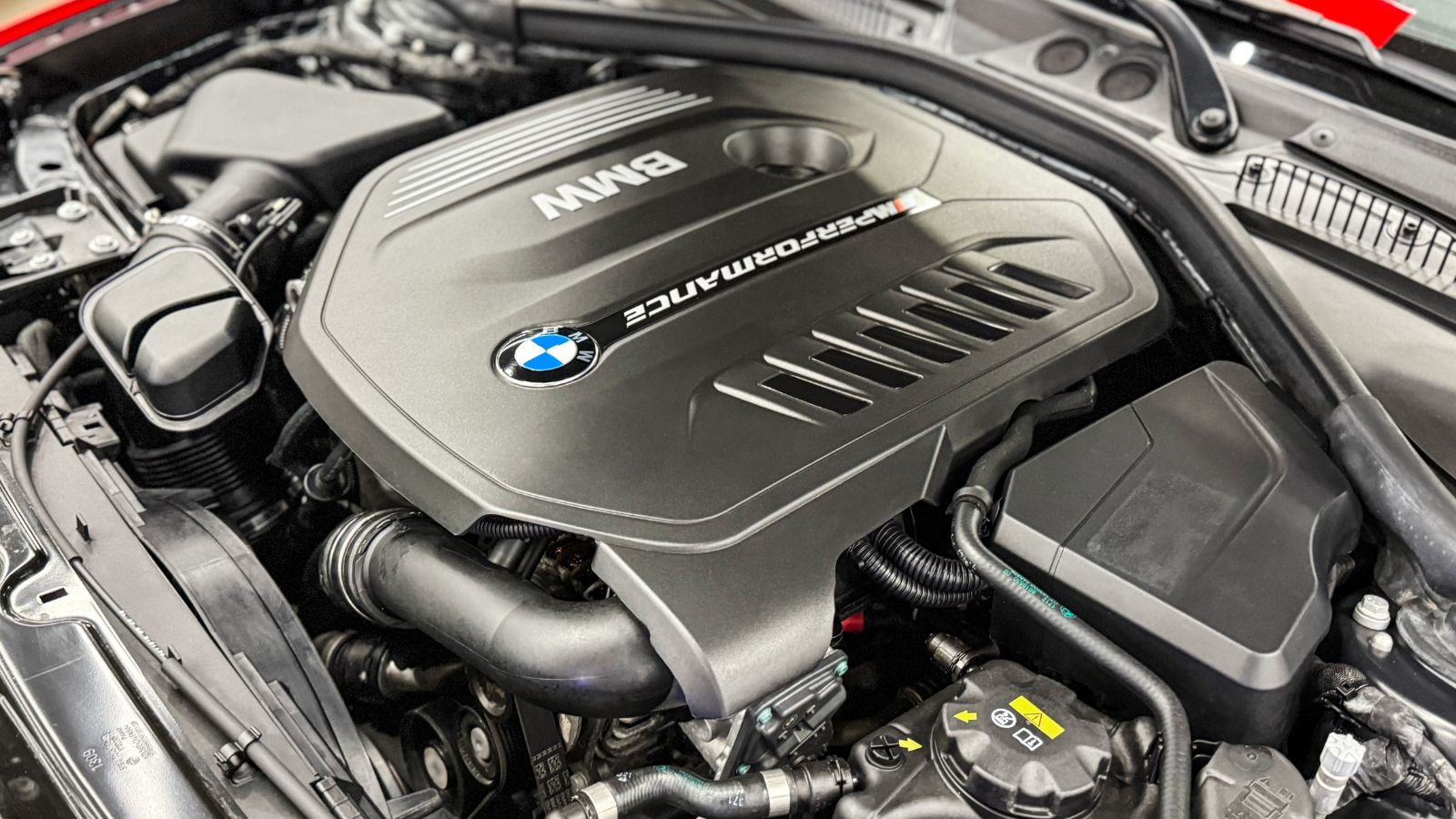
Modern luxury cars frequently extract substantial power from turbocharged or supercharged engines. Forced induction can provide impressive acceleration while allowing manufacturers to use smaller engines, but it introduces additional hardware, plumbing, cooling requirements and electronic controls. Consumer Reports has previously noted that although many turbocharged engines are dependable, additional complexity can create problems in some applications, including turbocharger and engine-computer failures.
The potential consequences become more important once the factory warranty expires. Consumer Reports owner data for the 2017 Audi Q7 includes a report of a crankcase ventilation repair located beneath the supercharger that required extensive disassembly and cost more than $2,500. That does not mean every Q7 or forced-induction engine will experience the problem. It illustrates why engine layout matters on the used market. A component that seems inexpensive by itself can create a large bill when technicians must remove multiple surrounding parts to reach it. High performance can therefore remain expensive even after the vehicle itself becomes affordable.
All-Wheel Drive Adds More Hardware That Can Wear Out
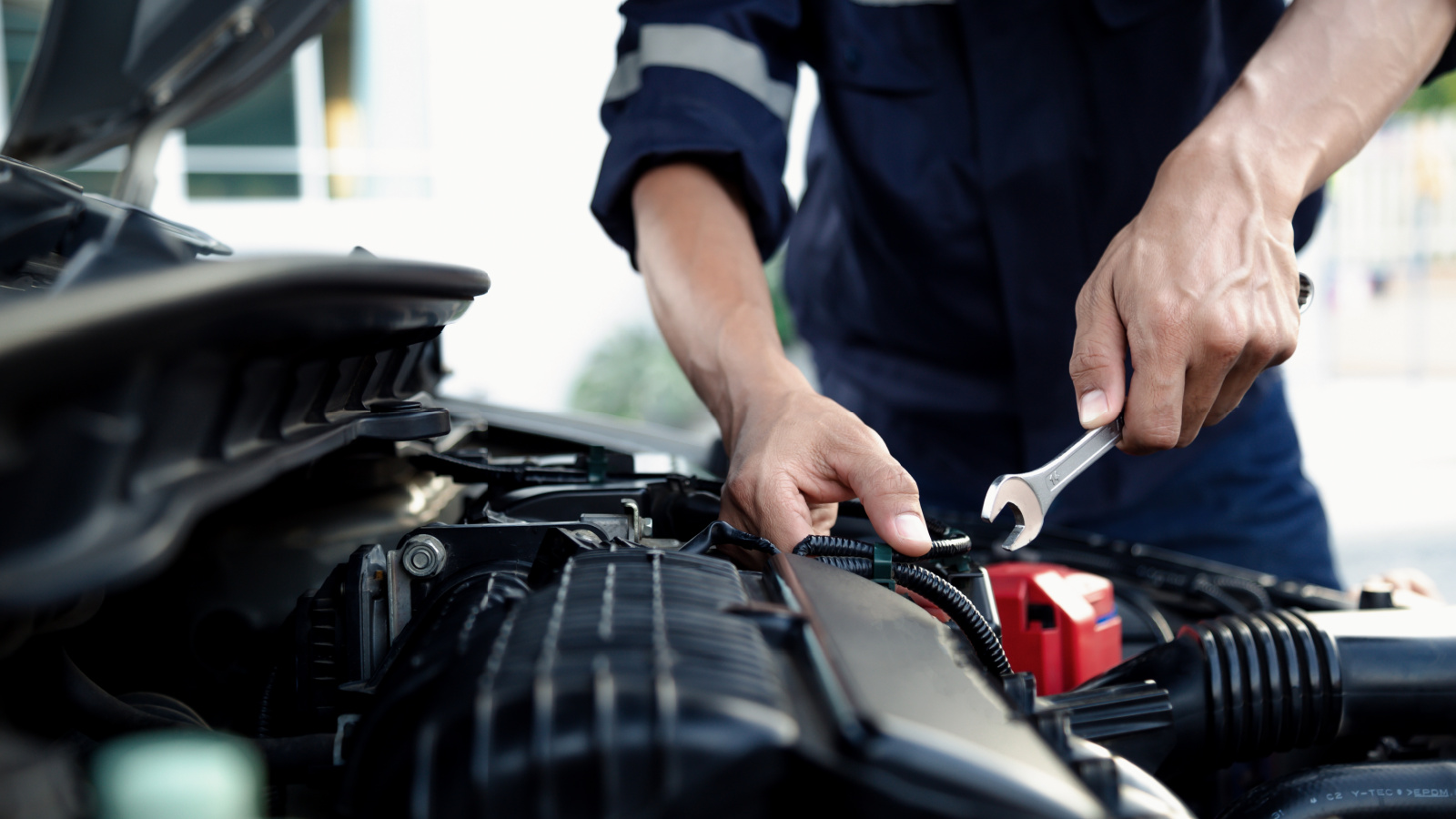
All-wheel drive is nearly expected on many luxury sedans and SUVs, particularly in regions with rain or winter weather. The extra traction can be valuable, but the system typically requires additional shafts, differentials, clutches, transfer-case components and electronic controls. Each component creates another possible repair point that would not exist on a simpler two-wheel-drive vehicle.
Consumer Reports owner data for the 2019 Audi A6 provides a useful example rather than a prediction for every car. One owner reported an estimated $4,000 repair involving an all-wheel-drive transfer-case clutch, while another described an AWD-related unit that would have cost more than $2,400 without warranty coverage. Luxury buyers should therefore pay attention to vibrations, binding during tight turns, warning messages, mismatched tires and evidence of fluid leaks. The presence of AWD should not automatically discourage a purchase, but a bargain-priced luxury car with neglected driveline maintenance can turn its extra traction into an expensive mechanical liability.
Performance Brakes Can Carry Performance-Level Prices
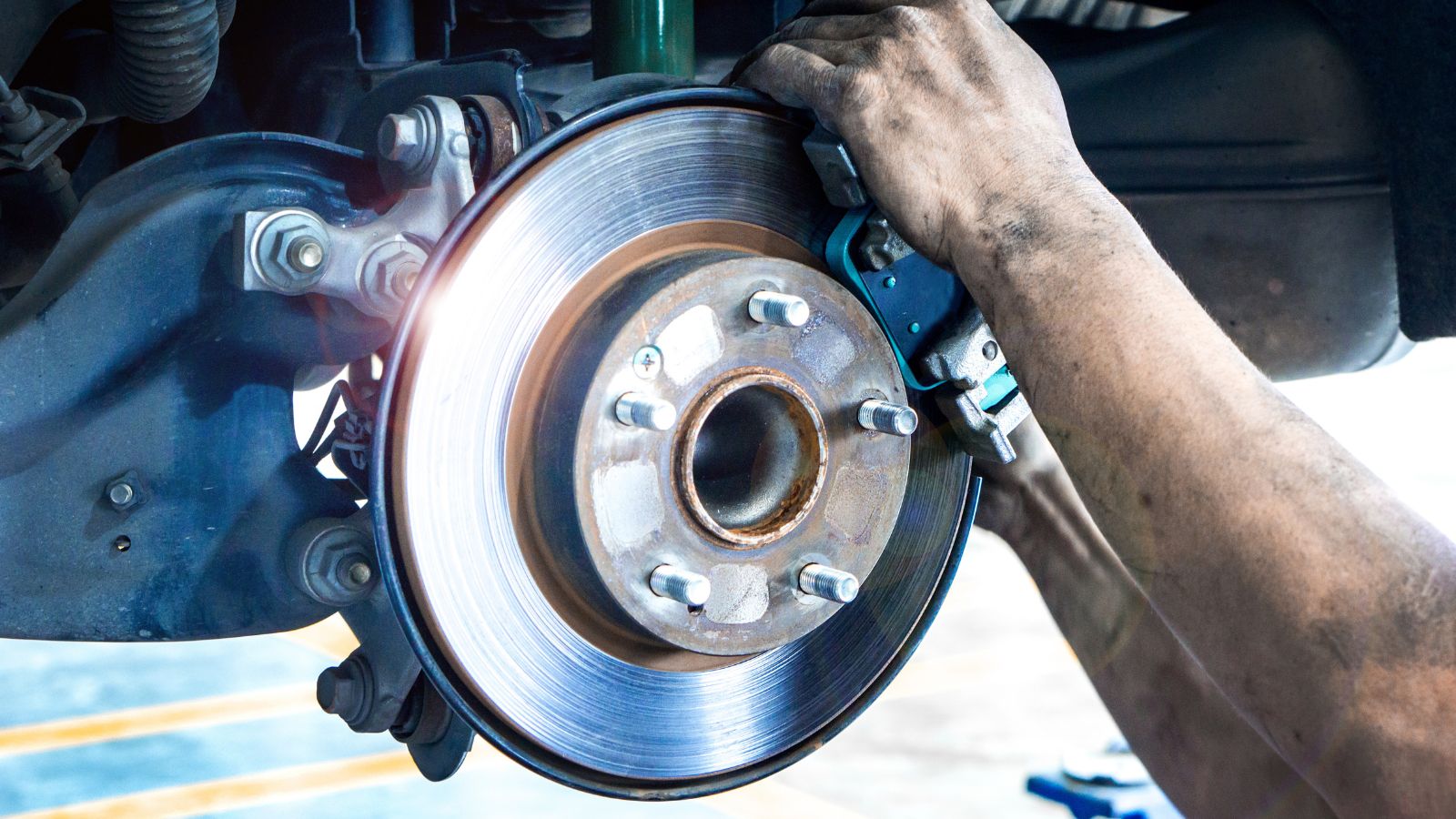
Luxury performance models frequently use larger rotors, aggressive brake pads, multi-piston calipers and, on some high-end cars, carbon-ceramic components. These systems can deliver remarkable stopping performance, but replacement costs may bear little relationship to the vehicle’s depreciated value. Even conventional high-performance brakes can wear faster or cost substantially more than ordinary commuter-car components.
Consumer Reports owner data for a 2018 Mercedes-AMG C43 includes a report of rear pads and rotors needing replacement at about 48,000 kilometres. At the more extreme end, Porsche has offered carbon-ceramic brake systems costing thousands of dollars as factory options, illustrating how expensive the underlying hardware can be. A used performance car may therefore look attractively priced while sitting only a few thousand kilometres away from a major brake service. Buyers should inspect rotor condition and pad thickness rather than assuming powerful brakes are simply another free luxury feature. A previous owner’s aggressive driving can make that bargain considerably less appealing.
Large Wheels and Low-Profile Tires Are Easier to Damage
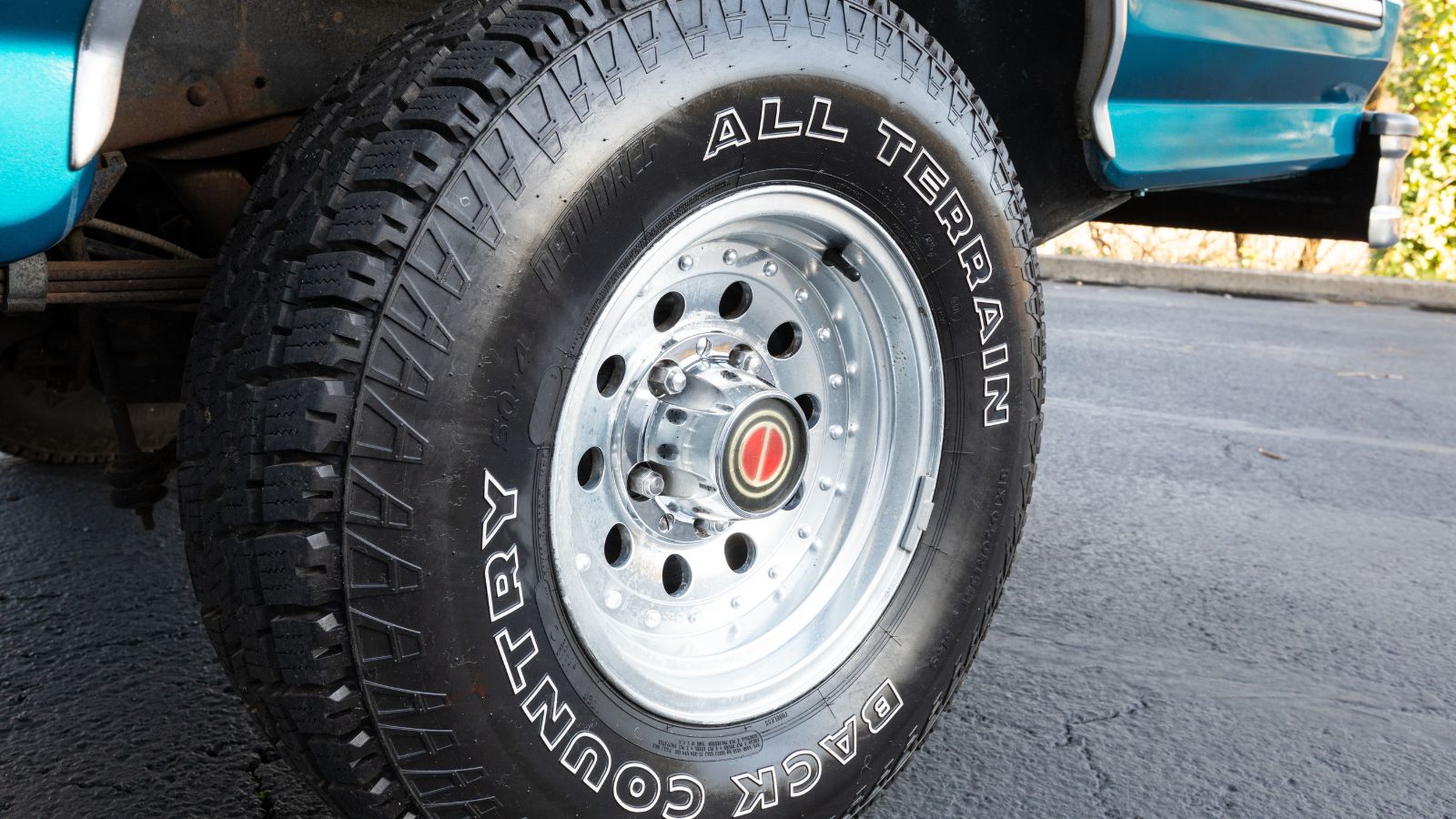
Oversized wheels give many luxury cars their dramatic stance, but the low-profile tires wrapped around them provide less sidewall cushioning between the road and the rim. Consumer Reports has repeatedly found that larger wheels and shorter tire sidewalls can increase vulnerability to pothole damage while also producing a harsher ride. Replacement tires for large luxury-car wheel sizes also tend to be more expensive.
The risk is not theoretical. Consumer Reports, citing AAA data, reported in 2026 that roughly one in 10 drivers experiences pothole damage severe enough to require repairs, with an average repair around $600. Low-profile tires can be especially vulnerable because their stiff, short sidewalls have less ability to absorb a sharp impact. A used luxury vehicle with 20- or 21-inch wheels should therefore be inspected for bent rims, cracked wheels, sidewall bulges and uneven tire wear. A seemingly minor vibration during a test drive can be the first clue that expensive wheels or suspension components have already taken a beating.
Premium Fuel Can Quietly Raise the Everyday Budget

High-performance and luxury engines are often calibrated around higher-octane gasoline. Some require premium fuel, while others recommend it to deliver maximum output or efficiency. The distinction matters: AAA advises following the manufacturer’s fuel requirement, particularly on turbocharged and supercharged engines where higher octane may be necessary to prevent knock under demanding conditions.
Premium fuel also represents a recurring expense that depreciation cannot erase. In AAA’s testing of vehicles that recommended but did not require premium fuel, switching from regular to premium produced an average fuel-economy improvement of 2.7% under demanding test conditions. At the time of that research, the price gap between regular and premium was approximately 20% to 25%, meaning the efficiency gain generally did not offset the extra fuel cost. A used luxury car that seems inexpensive at purchase can therefore continue asking for luxury-level spending every time it visits the pump, particularly if it combines premium fuel with relatively high consumption.
Insurance Costs May Not Fall Along With the Purchase Price

A heavily depreciated luxury car may cost surprisingly little to buy, yet insurers still have to consider what happens when that vehicle is damaged. Replacement lights, aluminum body panels, sophisticated sensors, expensive wheels and specialized repair procedures can make seemingly modest collisions costly. The Highway Loss Data Institute notes that luxury cars tend to generate high collision claim severity, meaning individual claims can be more expensive.
HLDI’s analysis of 2022-2024 model vehicles found that high claim severity contributed to above-average collision losses for luxury cars. Comprehensive losses were also especially high for very large luxury cars because they were expensive to repair or replace. Insurance pricing depends on far more than vehicle class—including driver history, location and coverage choices—but the underlying repair economics still matter. Before purchasing a depreciated premium vehicle, obtaining an actual insurance quote can reveal whether the monthly ownership cost still reflects the car’s original luxury-market positioning rather than its new, much lower used-car value.
Advanced Safety Sensors Can Make Minor Damage Expensive
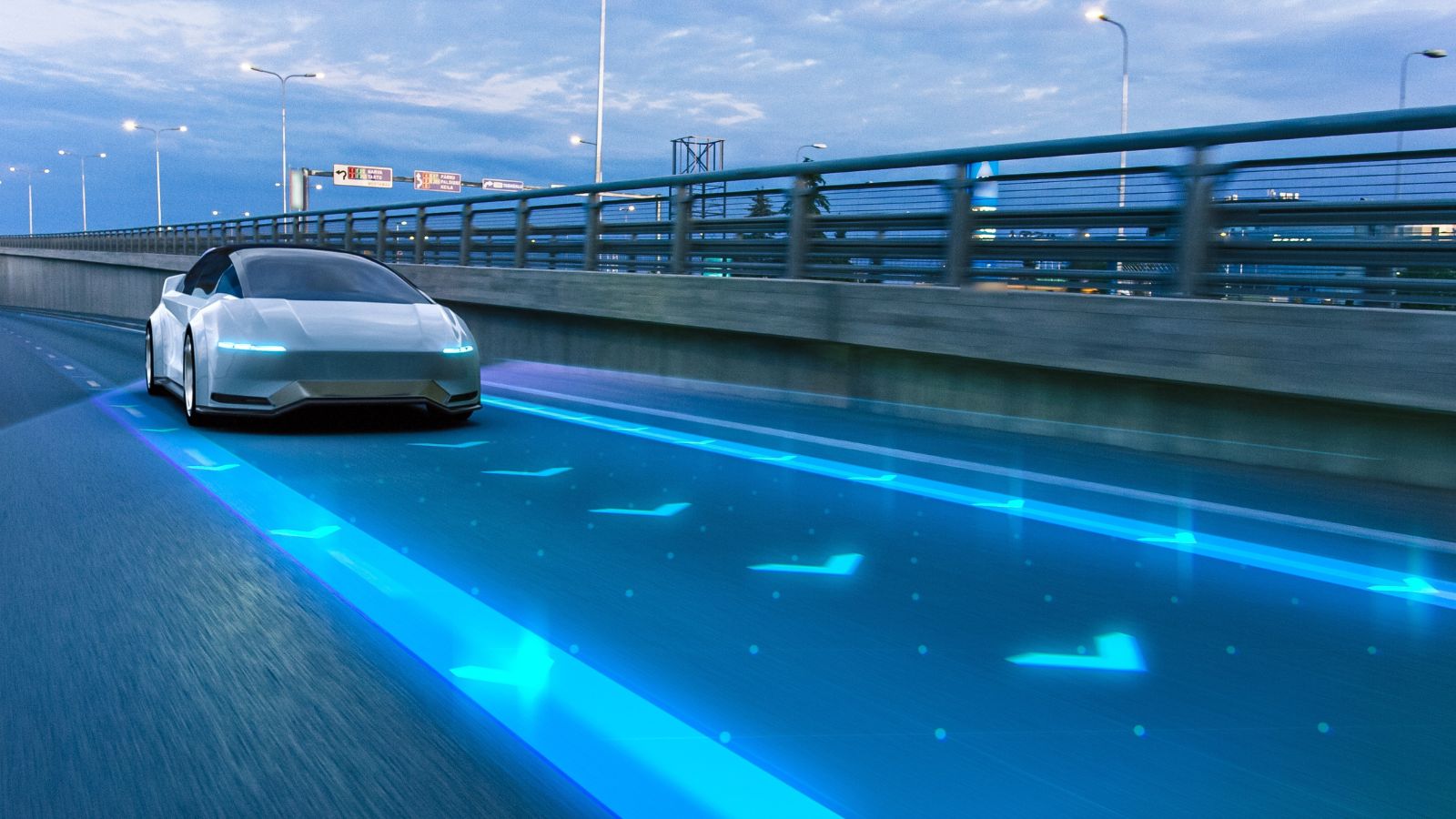
A newer used luxury vehicle may carry radar units, cameras, ultrasonic sensors, adaptive cruise control, automatic emergency braking and surround-view parking systems. These technologies can make driving easier and safer, but repairing them after a collision may involve more than simply replacing a damaged bumper or windshield. Sensors often need precise calibration before the associated driver-assistance systems can operate correctly.
AAA’s 2023 repair study found that ADAS-related parts, labor and calibration accounted for 37.6% of the averaged repair costs across the scenarios it examined. A minor front-end collision required an average of roughly $1,540 in ADAS-related work, while ADAS hardware represented about $1,067 of the average side-mirror replacement scenario. The study was not limited to luxury cars, which makes the underlying lesson broader: sophisticated safety equipment has real repair costs. Premium models packed with even more cameras and optional assistance technology deserve careful inspection after any previous collision, even when the cosmetic repair appears flawless.
Climate-Control Repairs Can Require Major Disassembly
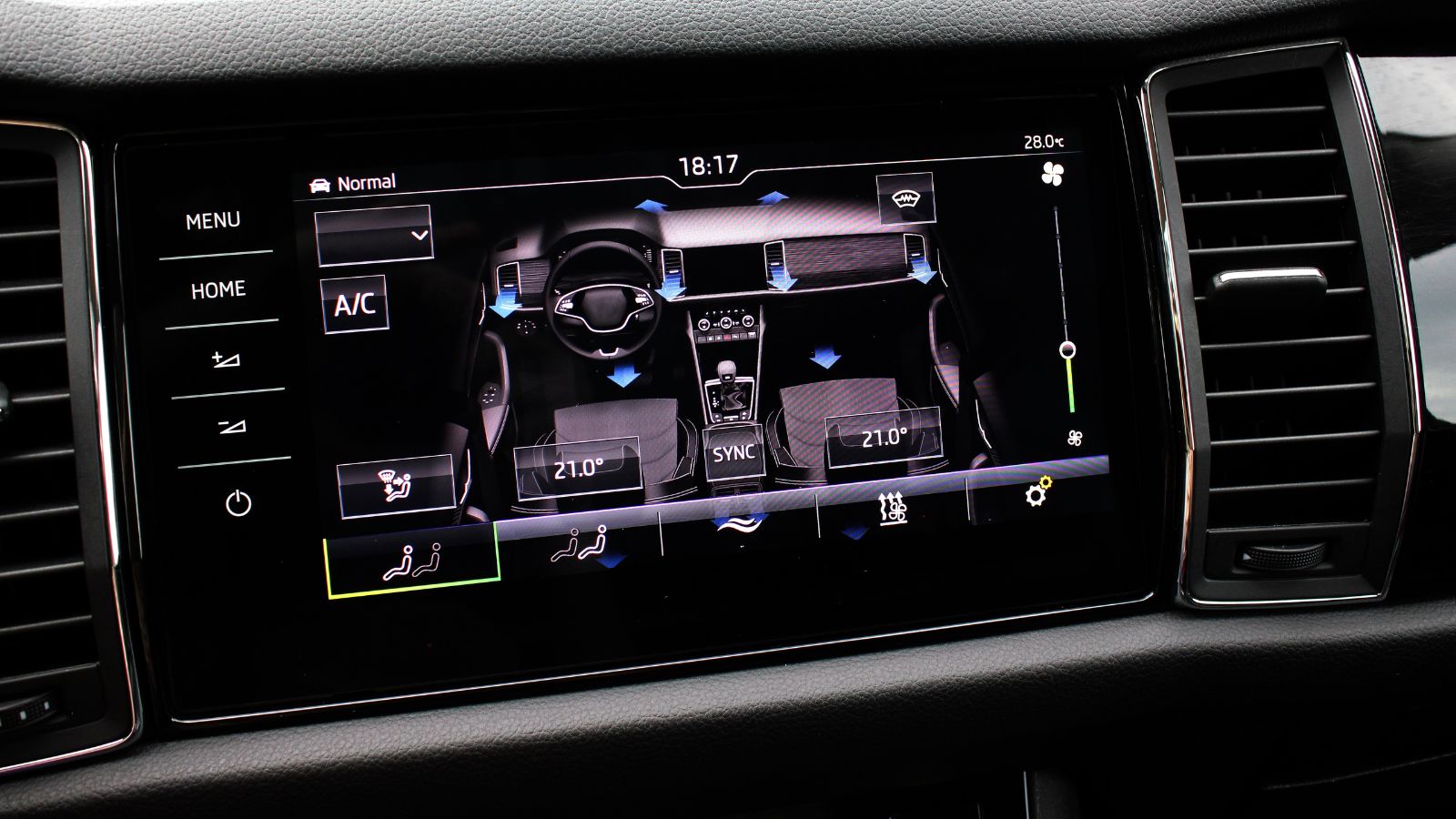
Automatic multi-zone climate control feels like a basic expectation in a luxury vehicle, but the system behind the dashboard can be remarkably complicated. Evaporators, electronic blend doors, control modules, sensors, compressors and refrigerant lines may be buried deep inside the cabin or engine bay. The expensive part of a repair is sometimes not the failed component itself but the labor required to reach it.
Consumer Reports owner reports demonstrate how extreme that situation can become. One 2018 Audi A5 Sportback owner reported that the windshield and dashboard had to be removed to replace an evaporator, resulting in a reported $4,500 repair. A 2019 BMW 5 Series owner reported being quoted about $7,200 for an evaporator located behind the dashboard. Individual owner reports are not representative repair-price averages, but they reveal why seemingly small faults deserve attention. Weak cooling, inconsistent temperatures or persistent refrigerant loss on a used luxury car should never automatically be dismissed as an inexpensive recharge.
Specialized Parts and Labor Can Multiply Repair Bills

Luxury and performance cars sometimes use components that are shared with few other models, while their packaging can make ordinary service unusually time-consuming. Consumer Reports notes that certain expensive vehicles require specialized diagnostic equipment and expertise that may be available primarily from dealerships or dedicated independent specialists. That can reduce the number of repair shops willing or able to perform the work.
Vehicle design can amplify labor costs as well. Consumer Reports has described how densely packaged performance models may place components in difficult locations for handling or weight-distribution reasons, turning what would normally be a relatively straightforward repair into several additional hours of labor. The effect becomes more painful as the vehicle depreciates. A $60,000 repair environment attached to a car now worth $15,000 can create uncomfortable decisions whenever something breaks. Before buying a rare or technically unusual luxury model, checking whether a reputable specialist exists nearby can be as important as checking the mileage on the odometer.
An “Extended Warranty” May Not Cover What Buyers Expect
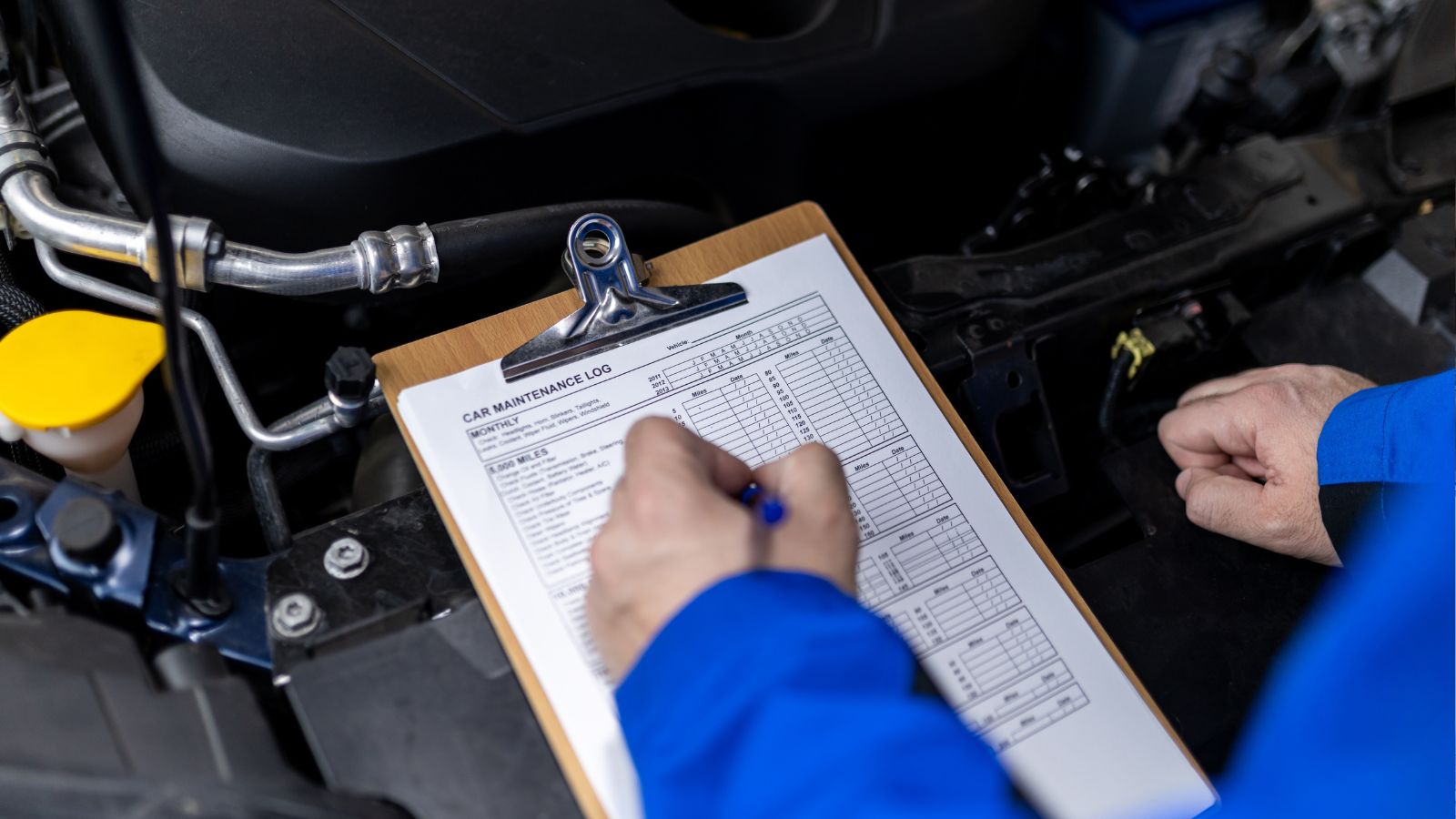
A service contract can make an aging luxury car feel safer to purchase, but the words “extended warranty” can create more confidence than the contract actually deserves. The Federal Trade Commission distinguishes an auto service contract from a factory warranty: service contracts are optional products purchased separately, and their prices, coverage, deductibles and repair requirements can vary significantly.
The fine print matters particularly on older luxury cars because some of the most predictable expenses are wear-related. The FTC notes that service contracts typically do not cover normal wear and tear or accident damage, and buyers should determine exactly which components are included. A contract covering an engine does not automatically mean every gasket, sensor, cooling component or diagnostic procedure will qualify. Deductibles and requirements regarding approved repair facilities can also affect the final bill. Before treating coverage as protection against a major repair, the buyer needs to read the exclusions and claims process rather than relying on a salesperson’s description of “bumper-to-bumper” security.
Previous Collision Damage Can Hide Behind Excellent Paintwork

A professionally repaired luxury car can look almost indistinguishable from one that has never been damaged. Modern body shops can restore paint and panel gaps convincingly, but cosmetic appearance alone does not reveal whether structural components, suspension mounting points, sensors or expensive lighting systems were affected. That is why a history report should be treated as one investigative tool rather than the final verdict.
The Federal Trade Commission recommends obtaining a vehicle history report because it may reveal previous accidents, salvage history and other important information. It also specifically warns that a history report is not a substitute for an independent inspection. That distinction matters with sophisticated luxury vehicles, where previous collision repairs may involve sensor calibration, aluminum structures or costly electronic components. A careful inspection can look for inconsistent paint thickness, overspray, replaced fasteners, alignment problems and diagnostic fault codes. A suspiciously inexpensive luxury car with a significant collision history may be discounted for reasons that will only become obvious after ownership begins.
Flood Damage Can Remain Hidden Long After the Interior Dries
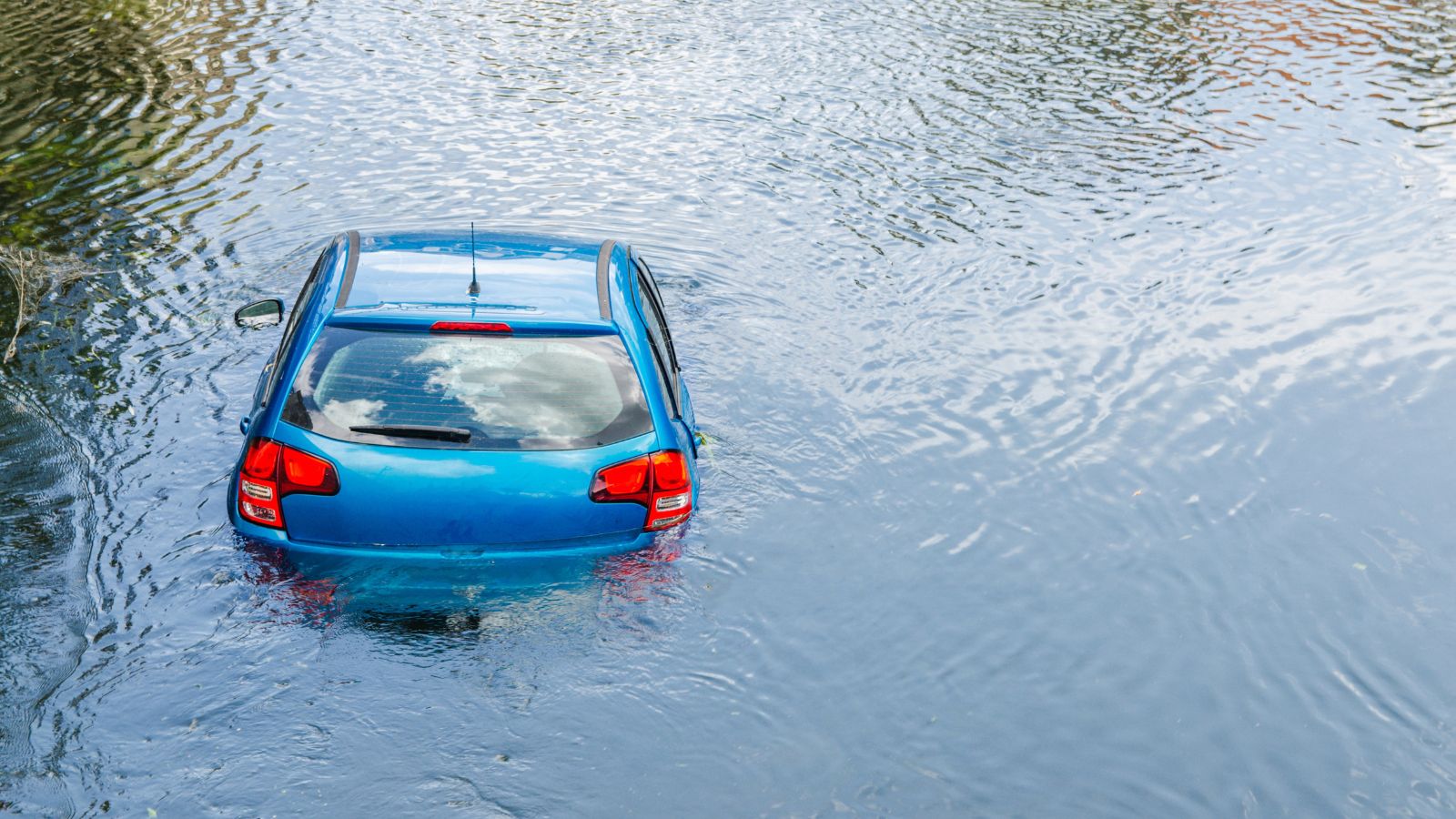
Luxury cars contain extensive wiring, electronic modules, power-seat motors, audio amplifiers, sensors and control units, often installed low in the cabin where floodwater can reach them. Water exposure may therefore create problems that are difficult to detect during a brief test drive. Corrosion inside connectors or electronic modules can continue causing trouble months or years after the vehicle has been cleaned.
The National Insurance Crime Bureau warned again in August 2026 that flood-damaged vehicles can reenter the used market far from the original disaster area. NICB says dishonest sellers may clean damaged cars and use “title washing” to conceal salvage or flood history. It also cited an estimate that as many as 530,000 flood-damaged vehicles were on U.S. roads as of August 2025. Signs can include unusual rust, moisture beneath carpets, silt in hidden areas or musty smells. For electronics-heavy luxury vehicles, the combination of water and hundreds of electrical connections can make an unusually cheap example a particularly dangerous gamble.
Electrified Luxury Models Bring Additional Systems to Evaluate
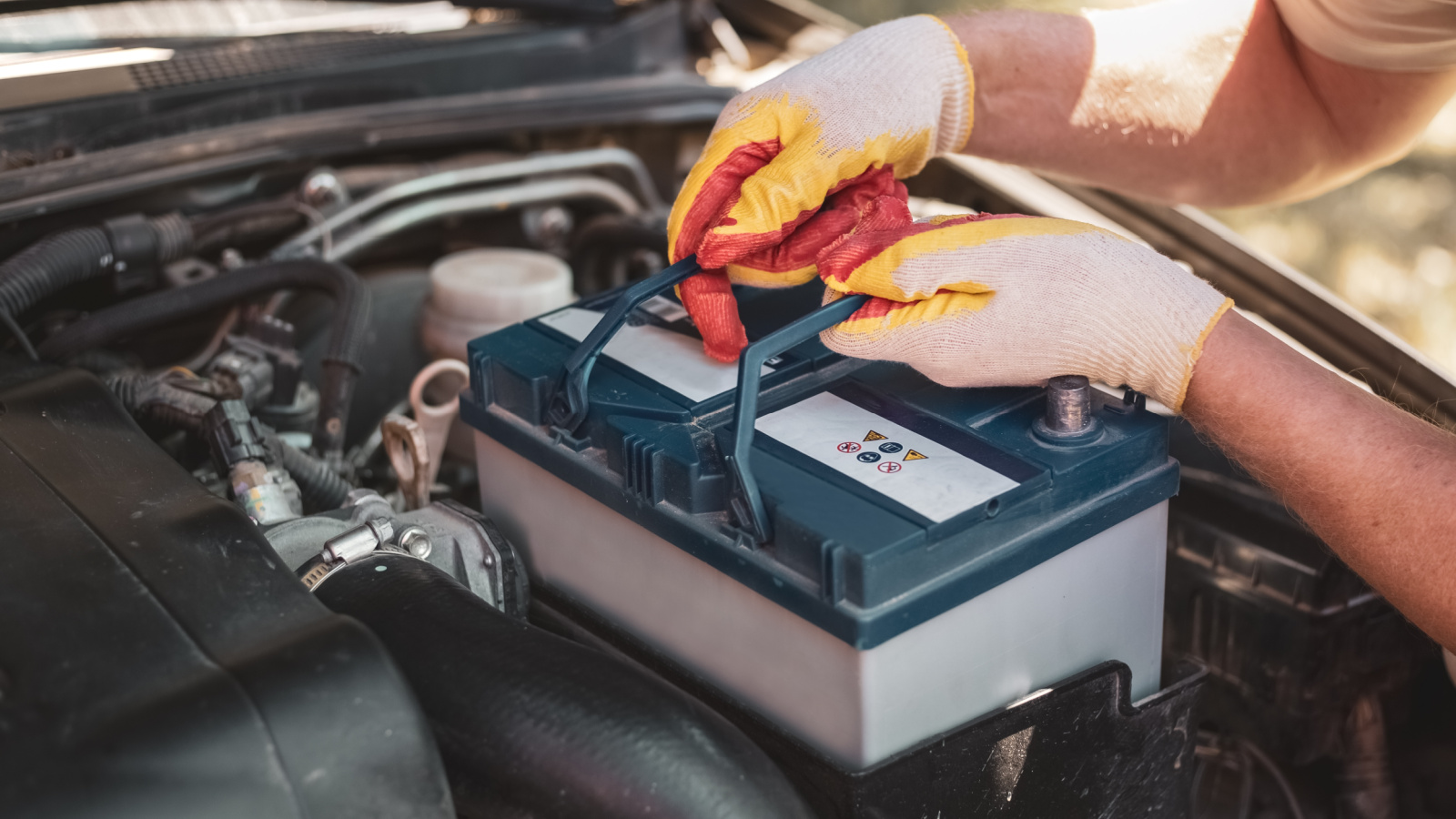
Used luxury hybrids, plug-in hybrids and electric vehicles can offer impressive performance and efficiency, but buyers need to evaluate a different set of expensive components. High-voltage batteries, power electronics, electric motors and dedicated cooling systems operate alongside—or instead of—the hardware found in conventional vehicles. Battery condition therefore becomes another important part of the vehicle’s remaining value.
Consumer Reports notes that EV batteries normally lose some capacity over time and that full battery-pack replacement, when eventually required, can cost thousands of dollars. Its general estimate has placed complete EV battery replacement in roughly the $5,000-to-$15,000 range, though actual costs vary substantially by model, battery design and whether individual modules can be repaired instead. Luxury hybrids can introduce their own complications involving cooling and electrical hardware. None of this makes an electrified luxury car inherently risky, but an unusually inexpensive example should be evaluated with battery health, warranty status and diagnostic history in mind rather than judged only by mileage.
Missing Service Records Make Every Other Risk Harder to Judge
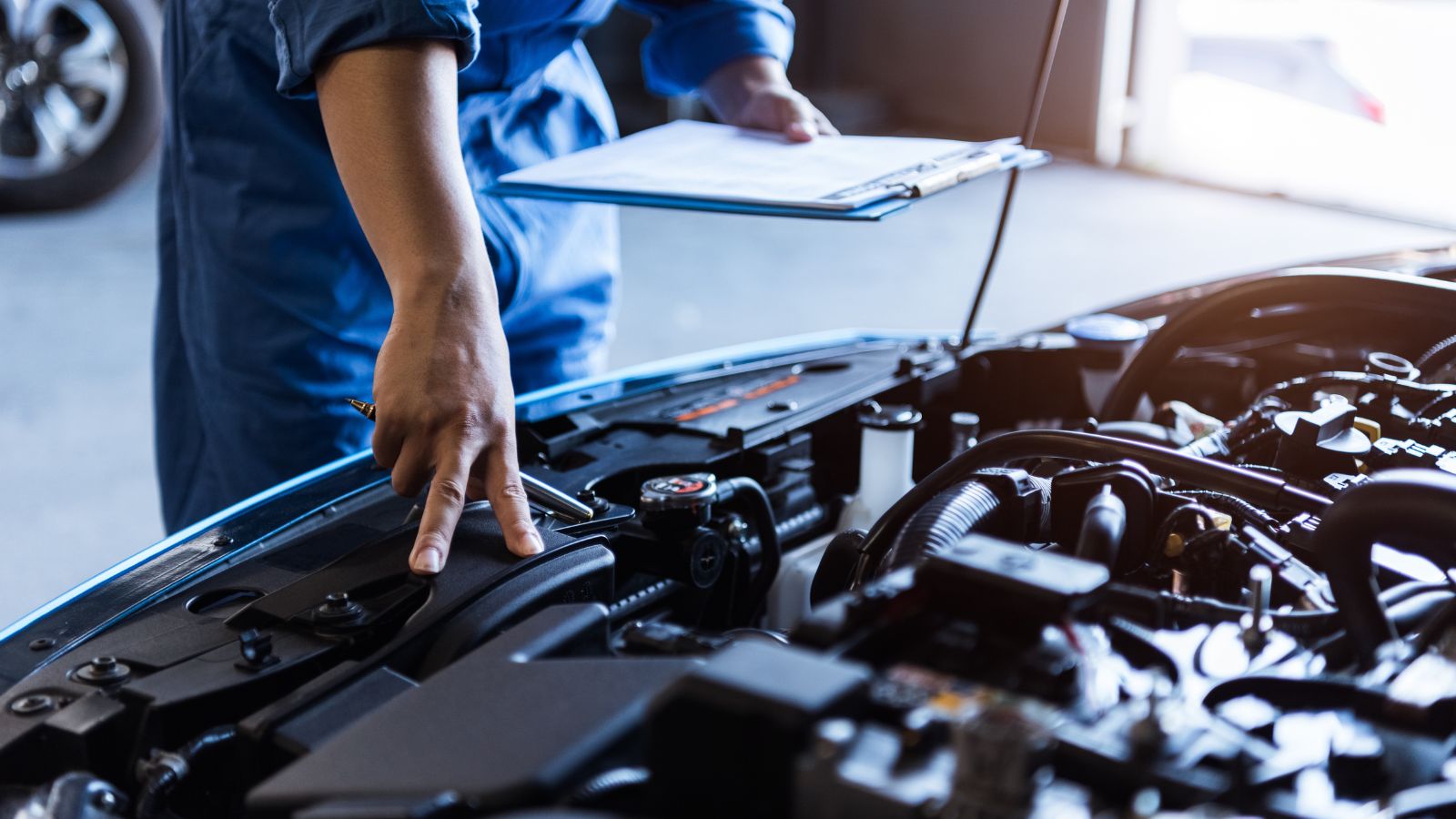
Maintenance history may be more valuable on a used luxury car than a spotless detailing job. Sophisticated engines, drivetrains and suspension systems often depend on correct fluids, scheduled servicing and timely repair of smaller problems. Without records, a buyer may have no reliable way to determine whether an attractive vehicle received meticulous care or simply had warning lights cleared before it was listed for sale.
Consumer Reports recommends asking for service documents and comparing them with the manufacturer’s maintenance schedule. Repair receipts can also contain odometer readings that help confirm the car’s history. The FTC separately recommends an independent mechanical inspection even when a used vehicle has been certified by the selling dealer or includes a warranty. That final inspection can be especially valuable with luxury models because it allows a specialist to scan electronic modules, inspect for leaks, evaluate expensive tires and brakes, and identify upcoming service. When documentation is missing, the bargain price should compensate for uncertainty rather than make that uncertainty disappear.
19 Used Cars Canadians Should Avoid in 2026 (Based on Owner Complaints)

Buying a used car in Canada can feel safe until repair bills start stacking up. Owner complaints tell a different story than glossy listings. Transmission failures, electrical problems, and weak winter reliability show up again and again in consumer reports. Many of these issues appear after warranties expire, when owners least expect them. Some vehicles look affordable upfront, but become expensive to keep on the road. Others struggle in cold weather, urban driving, or long highway commutes. Here are 19 used cars Canadians should avoid in 2026 (based on owner complaints).
19 Used Cars Canadians Should Avoid in 2026 (Based on Owner Complaints)