

























For generations, selecting a gear was one of the least complicated parts of driving. A familiar lever moved through Park, Reverse, Neutral and Drive, usually with enough physical feedback that experienced motorists barely needed to look down. That simplicity has increasingly given way to rotary knobs, push buttons, spring-loaded joysticks, multifunction stalks and even touchscreen controls.
Many of these systems work perfectly well, and electronic shifting can enable useful safety features. The frustration comes when a basic driving command requires extra attention, unfamiliar movements or confirmation from a screen. Consumer Reports has documented lower satisfaction with several types of unconventional selectors, while federal safety investigations have demonstrated that poor feedback can have serious consequences. These 12 reasons explain why some drivers increasingly want the humble gear shifter to become simple again.
Decades of Familiarity Have Been Replaced by Experimentation
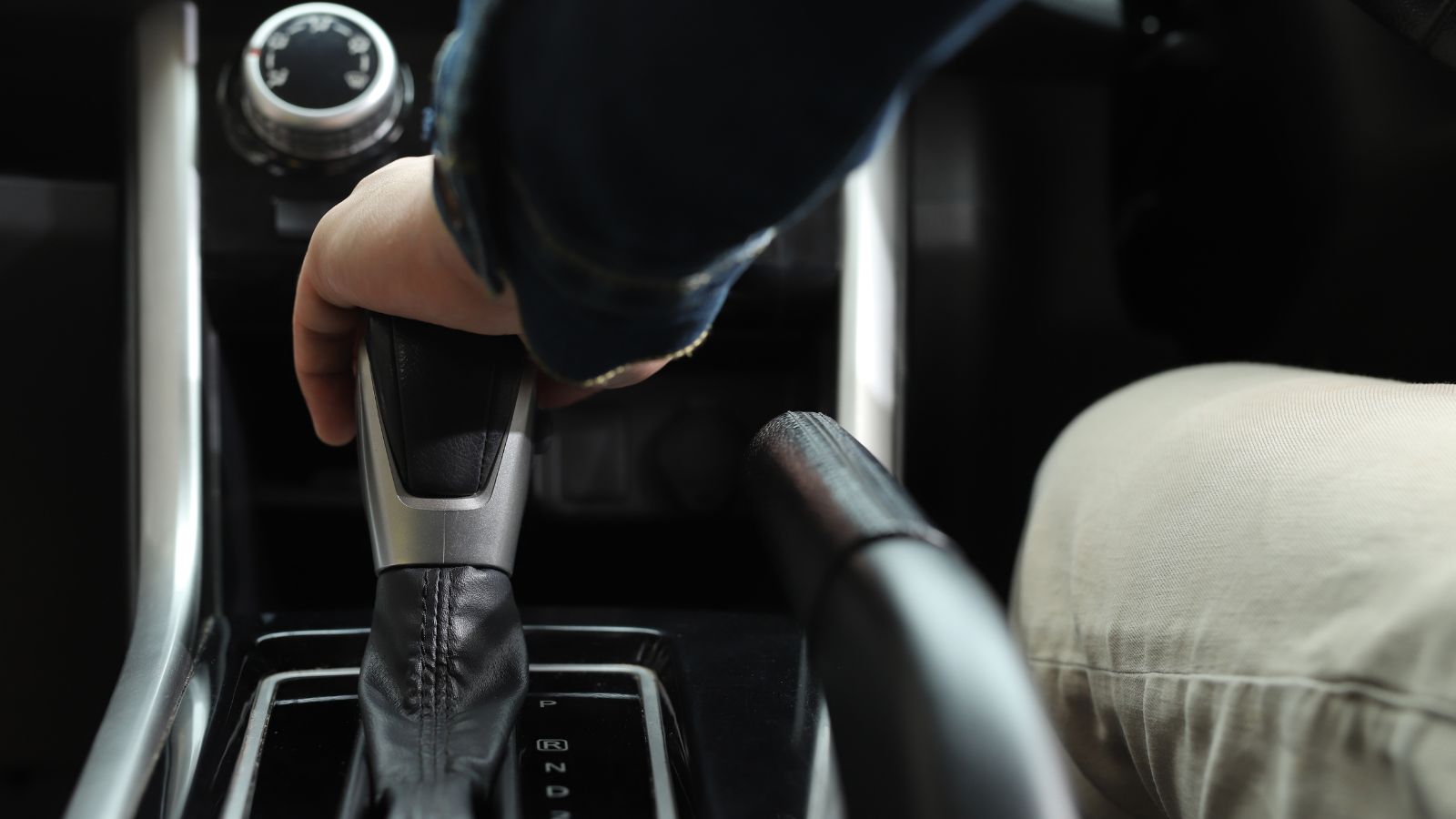
Traditional automatic transmissions gave motorists remarkably consistent expectations. For decades, the typical choices were a console lever or steering-column selector arranged around the familiar PRNDL sequence. That consistency mattered because selecting a gear eventually became almost automatic. A driver backing out of a driveway could move from Reverse to Drive without studying the dashboard or remembering which manufacturer designed the cabin.
Modern vehicles are far less predictable. Buttons might run vertically along the dashboard in one model, while another uses a rotary dial, miniature joystick or steering-column stalk. Federal rules still establish important requirements surrounding transmission positions and their identification, including placing Neutral between forward and reverse positions, but they do not require every manufacturer to use an identical physical selector. The result is plenty of design freedom. That can make interiors cleaner and more distinctive, but it also means that climbing into an unfamiliar rental, loaner or family member’s vehicle can require relearning one of driving’s most basic commands.
Muscle Memory Does Not Always Transfer Between Cars
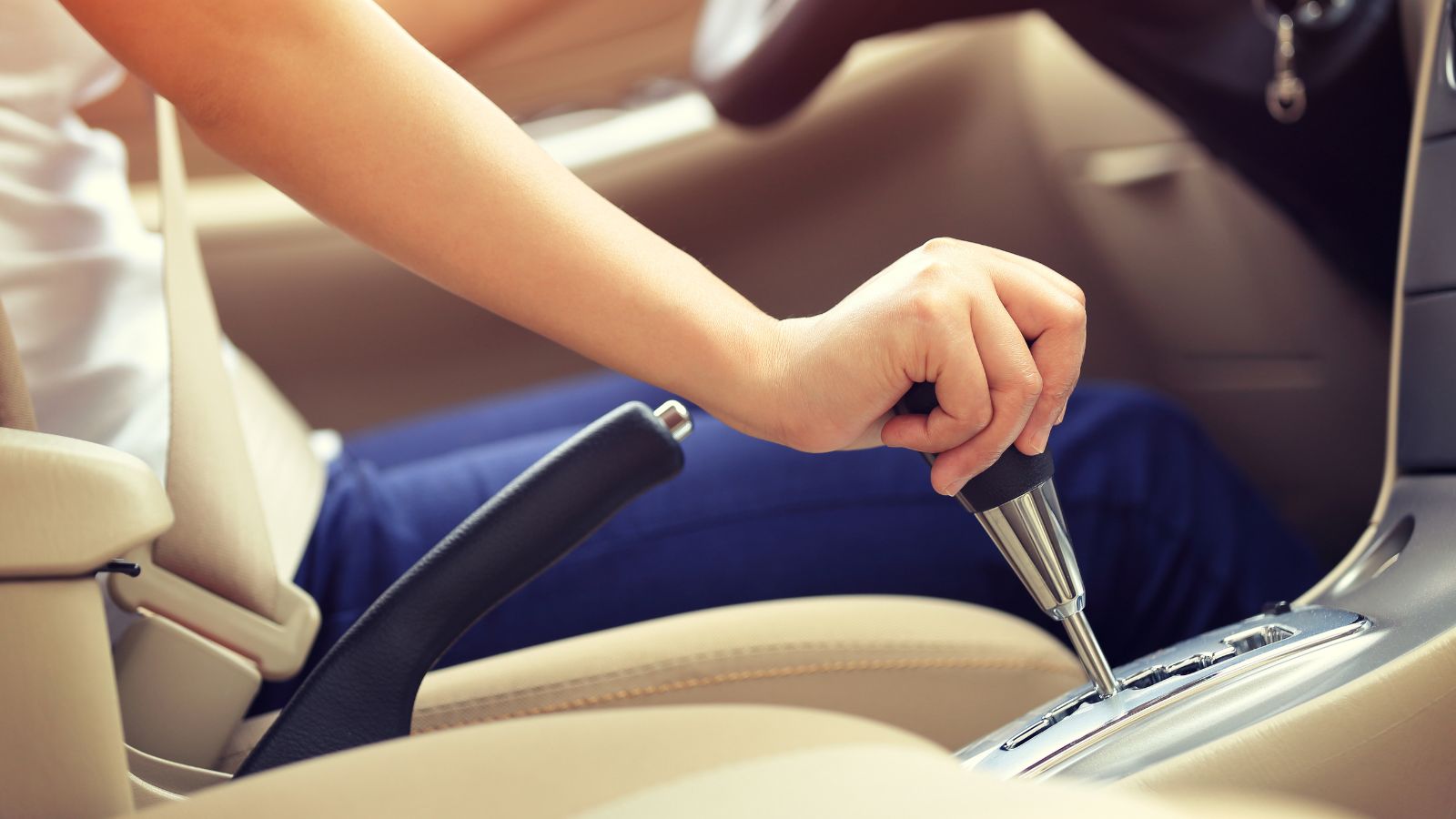
A conventional lever communicates information through position. When it physically rests at one end of its travel, the driver’s hand can often determine that Park has been selected. Move it through several detents and there is additional tactile information about where the transmission is headed. Electronic selectors can remove that relationship between the position of the control and the position of the transmission.
That became a particularly important issue with so-called monostable selectors, which spring back to the same central position after a gear is requested. During its investigation of certain Jeep Grand Cherokee, Chrysler 300 and Dodge Charger models, NHTSA specifically found that the investigated selector provided poor tactile and visual feedback and increased the potential for unintended gear selection. That distinction gets to the heart of current frustration. Drivers are not necessarily rejecting electronics; they are reacting to controls that require conscious verification where an older design could often be understood by touch.
One Infamous Shifter Problem Showed the Stakes Can Be Serious

Complaints about complicated controls can sound like arguments about personal preference until poor usability contributes to an actual safety problem. NHTSA’s investigation of the monostable selector used in certain 2014-2015 Jeep Grand Cherokees provided an unusually clear example. Investigators identified 306 reported rollaway incidents following intended shifts to Park, resulting in 117 alleged crashes. Twenty-eight of those crashes reportedly involved injuries.
FCA ultimately recalled 811,586 potentially affected Jeep Grand Cherokee, Chrysler 300 and Dodge Charger vehicles equipped with the relevant eight-speed transmission and monostable selector. The issue was not that the transmission simply lacked a Park position. Rather, drivers could incorrectly conclude that they had successfully selected Park before exiting. FCA’s remedy included software intended to reduce the consequences of that mistake. It was an extreme example, not evidence that every unusual shifter is dangerous, but it demonstrated why intuitive feedback in such a fundamental control matters far beyond aesthetics.
Automakers Have Had to Build Safeguards Around Human Error
One revealing development is the rise of automatic rollaway protection. Instead of assuming that a driver will always select Park correctly, many electronic-shifter vehicles now recognize situations in which someone appears to be exiting without properly securing the vehicle. Depending on the design, the vehicle may automatically select Park or engage an electronic parking brake.
Consumer Reports says that by 2026 new vehicles with electronic shifters include rollaway protection, a significant change from the situation it found when it began penalizing vehicles without adequate safeguards in 2017. The technology is genuinely useful and can make electronic selectors safer. At the same time, its widespread adoption illustrates an important design principle: even a routine action such as parking has to account for predictable mistakes. For an owner, automatic Park may be appreciated every day. For critics, however, needing layers of protective logic around a redesigned shifter reinforces the argument that the underlying control should be immediately understandable in the first place.
Three-Point Turns Can Expose Awkward Designs Immediately

A selector that seems acceptable during a quiet test drive can become much more noticeable during a rapid series of low-speed manoeuvres. Consider a tight parking garage or a narrow street requiring a three-point turn. Reverse, Drive and Reverse may need to be selected in quick succession while the driver is simultaneously watching mirrors, pedestrians, walls, curbs and approaching traffic.
Consumer Reports has specifically suggested trying a three-point turn when evaluating an unfamiliar shifter because the manoeuvre quickly reveals how naturally the driver can move between Drive and Reverse. Tesla provides an interesting modern example of how important this task can be. Current Model 3 documentation describes touchscreen swipes for manual Drive and Reverse selection, while its optional Auto Shift Beta system can assist with multi-point turns by selecting direction based on the vehicle’s surroundings. Automation may eventually make repeated manual changes less necessary, but many motorists would rather have a selector that remains effortless even when the software assistance is not being used.
A Gear Dial Can Look Too Much Like Another Knob
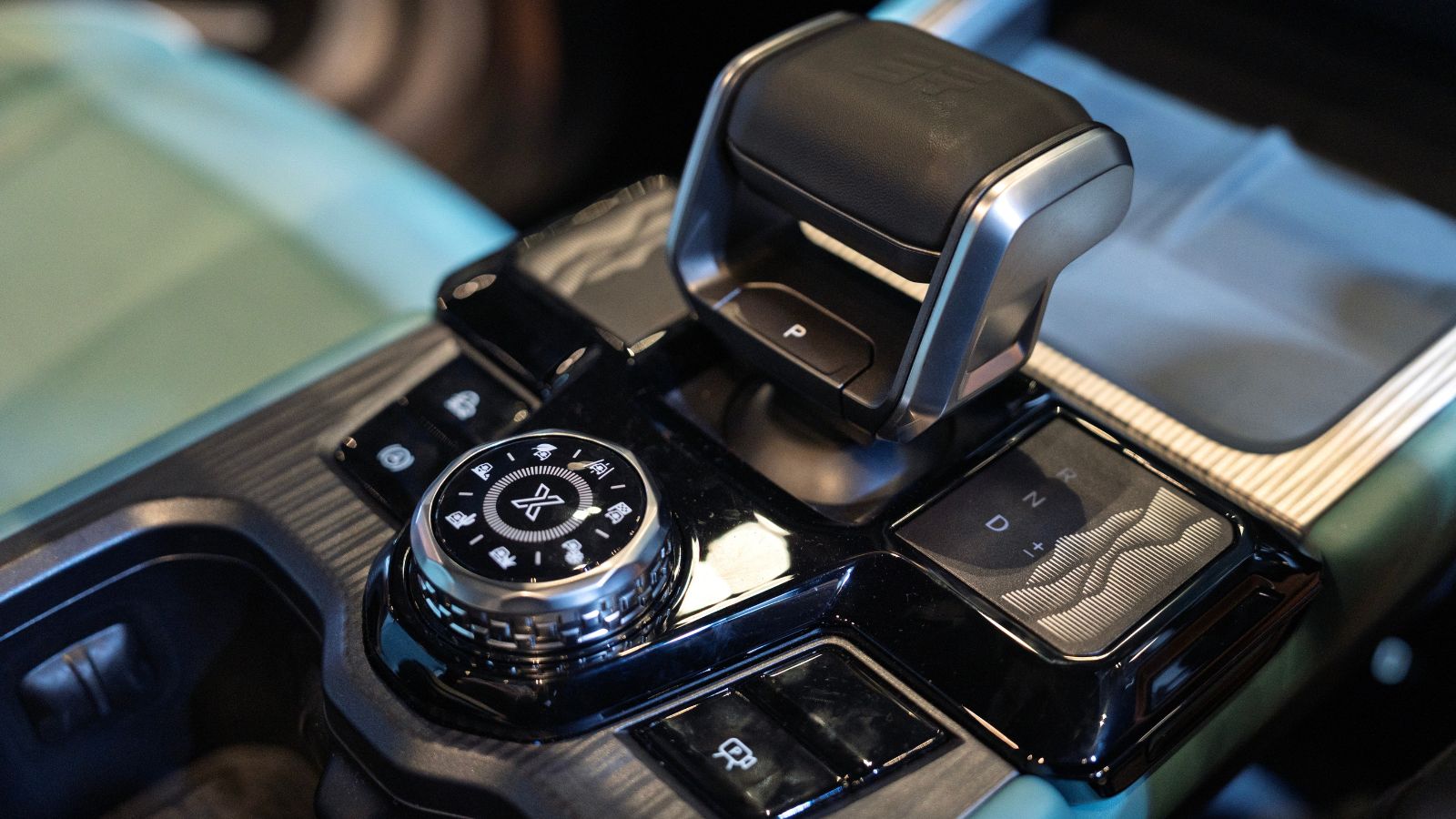
Rotary selectors solve one obvious problem: they occupy little space. Unfortunately, a circular shifter can also resemble the many other knobs already scattered around a dashboard. Consumer Reports has highlighted Ram pickups in particular because the transmission dial can be similar in general form to nearby climate-control knobs. Its broader evaluations have criticized selectors that can easily be confused with audio or infotainment controls as well.
The frustration is easy to understand in an everyday setting. Imagine getting into an unfamiliar vehicle at night, reaching toward the centre stack while concentrating on backing out of a cramped parking spot, and discovering several similarly sized rotary controls. Labels and illumination help, but they do not provide the instant physical distinction offered by a large dedicated lever. Federal control standards themselves recognize the broader safety importance of visibility, recognition and reducing mistakes when drivers select controls. A rotary shifter can be perfectly intuitive when clearly separated and differentiated; problems arise when styling makes several important controls feel interchangeable.
Multipurpose Stalks Can Ask One Control to Do Too Much

Combining functions can declutter a cabin, but it increases the amount of information attached to each remaining control. Consumer Reports documented a striking example involving a Rivian R1S. During testing, one of its vehicle-technology experts attempted to disengage adaptive cruise control using the right-hand stalk while traffic was moving very slowly. Holding the stalk differently than intended triggered a shift into Reverse instead.
Rivian subsequently made software changes designed to prevent unintended shifts, according to Consumer Reports. The episode illustrates why some drivers dislike controls that perform unrelated jobs depending on the exact duration or direction of an input. A stalk traditionally associated with one category of action can become a miniature command centre requiring the driver to remember several gestures. There is nothing inherently wrong with multifunction hardware—steering-wheel controls have worked that way for years—but gear selection carries unusually immediate consequences. Some motorists therefore prefer the transmission selector to have one unmistakable purpose rather than sharing its hardware with another frequently used driving system.
Touchscreen Shifting Adds a Screen to a Basic Mechanical Decision

Touchscreens have become central to modern vehicle interiors, and gear selection has now joined the list of functions that can be handled digitally. On current stalkless Tesla Model 3 vehicles, for example, manual Drive and Reverse selection can be performed by swiping on the touchscreen’s drive-mode strip. Tesla also provides an overhead backup selector that becomes available when the touchscreen cannot be used.
The concern is less about whether a screen can reliably send the command and more about attention. AAA Foundation research on in-vehicle systems—not specifically transmission selectors—has repeatedly shown that visual, manual and cognitive demands matter when drivers interact with vehicle technology. That broader human-factors lesson applies naturally to any control that encourages confirmation by sight. A touchscreen shifter can feel sleek after familiarity develops, particularly when automated shifting reduces manual interaction. Still, drivers accustomed to reaching for a physical lever without looking may see little advantage in turning an elementary directional command into another screen-based gesture.
Finding Neutral Can Now Require Reading the Instructions
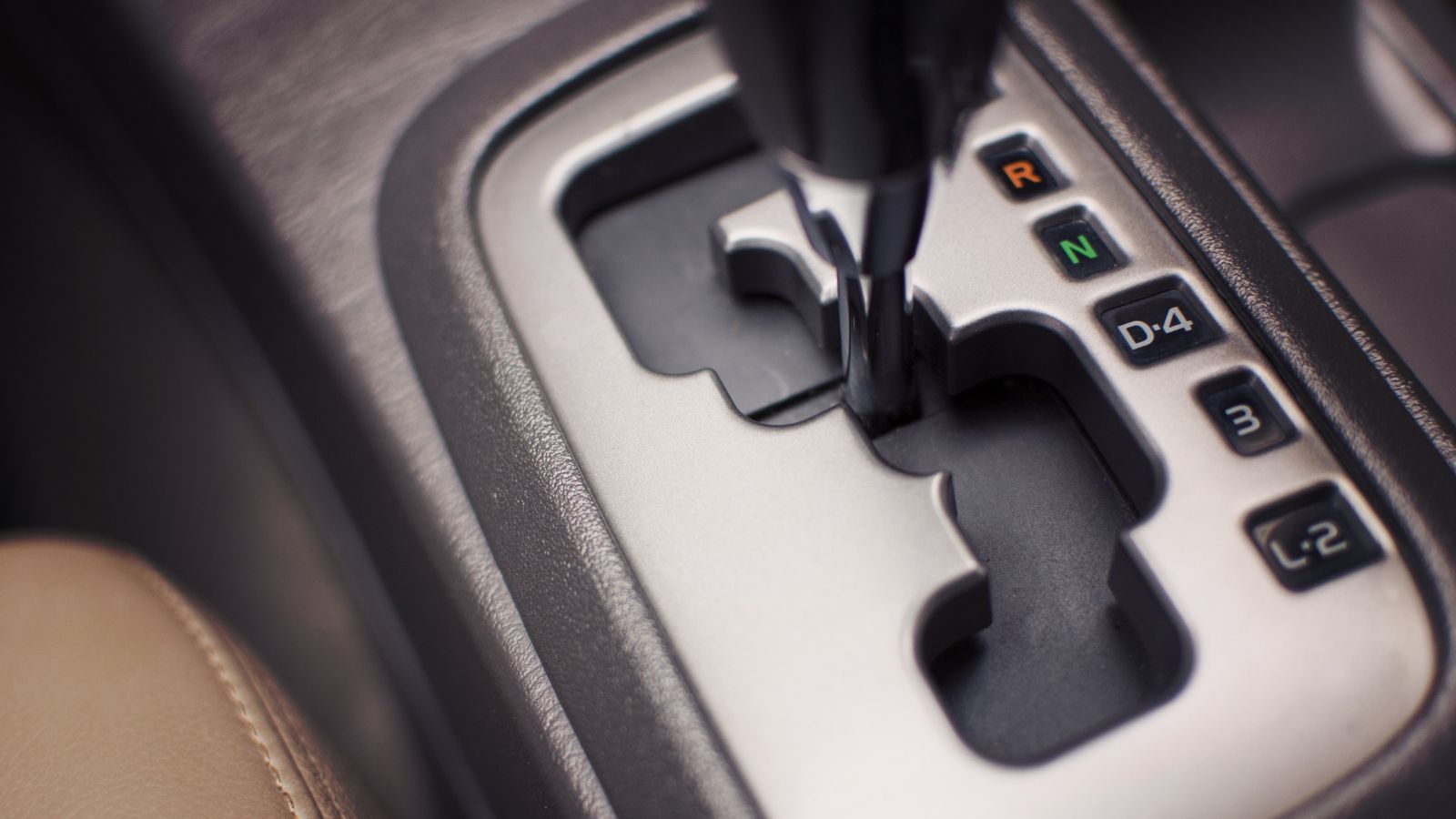
Neutral once occupied a literal physical position between Reverse and Drive on the typical automatic shifter. That arrangement made situations such as conveyor car washes relatively straightforward. Some modern electronic vehicles treat Neutral differently because automatic parking logic is designed to prevent the vehicle from freely rolling when a driver leaves the seat.
Current Tesla Model 3 instructions, for example, allow Neutral to be selected through the Controls interface by pressing and holding its Neutral command or through the secondary overhead selector. Keeping the vehicle free-rolling after leaving it requires specific modes in certain circumstances. Tow Mode involves putting the vehicle in Park, holding the brake and navigating through the Service and Towing menus, while Car Wash Mode provides its own free-roll functionality. None of those procedures is inherently defective; they exist partly because modern cars manage more functions electronically. But needing specialized procedures for something as ordinary as entering a conveyor wash helps explain why some owners miss a lever with a plainly accessible Neutral position.
Software Can Correct Problems, but It Also Changes the Nature of the Shifter

Electronic gear selection has an important advantage: software can add safeguards that would be difficult to implement with a purely mechanical linkage. FCA’s 2016 monostable-shifter recall, for instance, used new software with an Auto Park feature to address situations in which a driver failed to successfully select Park. Current electronic vehicles can similarly use information from doors, seat belts, speed sensors and other systems to secure the vehicle automatically.
Software also allowed Rivian to modify the behaviour of its selector after Consumer Reports identified an unintended-shift scenario. Those are meaningful advantages, and they demonstrate that electronic shifting is not inherently a step backward. The trade-off is that gear selection increasingly becomes part of a larger software-controlled human-machine interface rather than an isolated mechanical action. For drivers who value simplicity, that can feel excessive. They may appreciate the protection while still questioning why moving from Park to Drive needs algorithms, fallback controls, warning messages and software logic when a straightforward lever accomplished the basic task for decades.
Much of the Complexity Exists to Free Up Interior Space
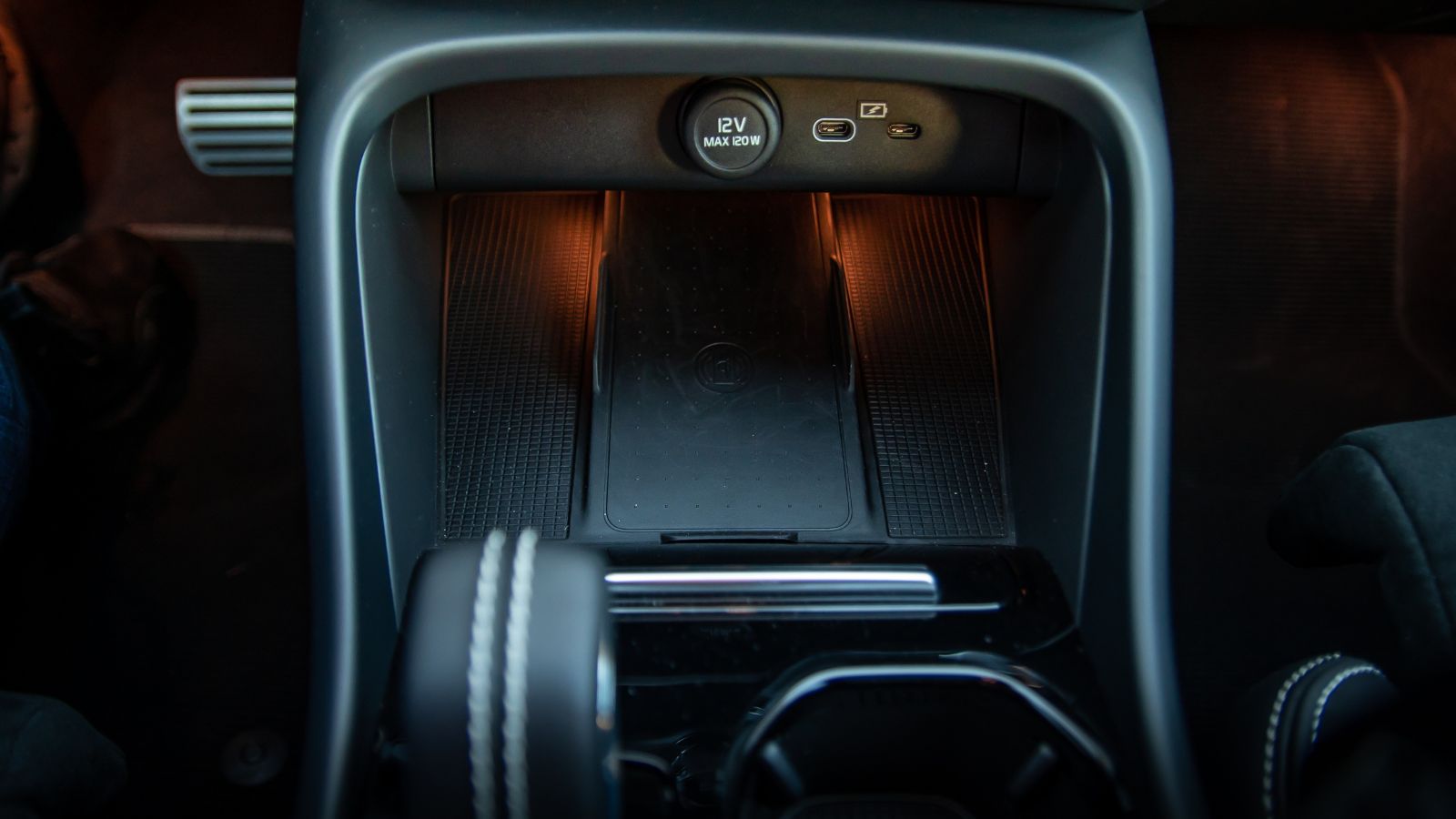
Automakers did not abandon large console shifters merely to make driving harder. Electronic selectors provide real packaging advantages. Consumer Reports notes that buttons and dials consume less space than traditional fixed levers, creating additional room for storage compartments, cupholders and wireless phone chargers. Eliminating a tall lever can also produce a cleaner-looking console and give designers more flexibility.
Some owners genuinely prefer that arrangement. A compact dial does not block a storage tray, and bags or straps are less likely to become caught around it. That explains why unusual does not automatically mean bad. The disagreement is really about priorities. A family carrying phones, drinks and small bags may appreciate every centimetre of console space, while another driver may gladly sacrifice part of that storage for a large control that can be located instantly by feel. The backlash occurs when people feel a frequently used driving control has been made less obvious mainly to create a tidier cabin or a distinctive visual signature.
Drivers Seem to Care More About Intuitiveness Than Technology Itself
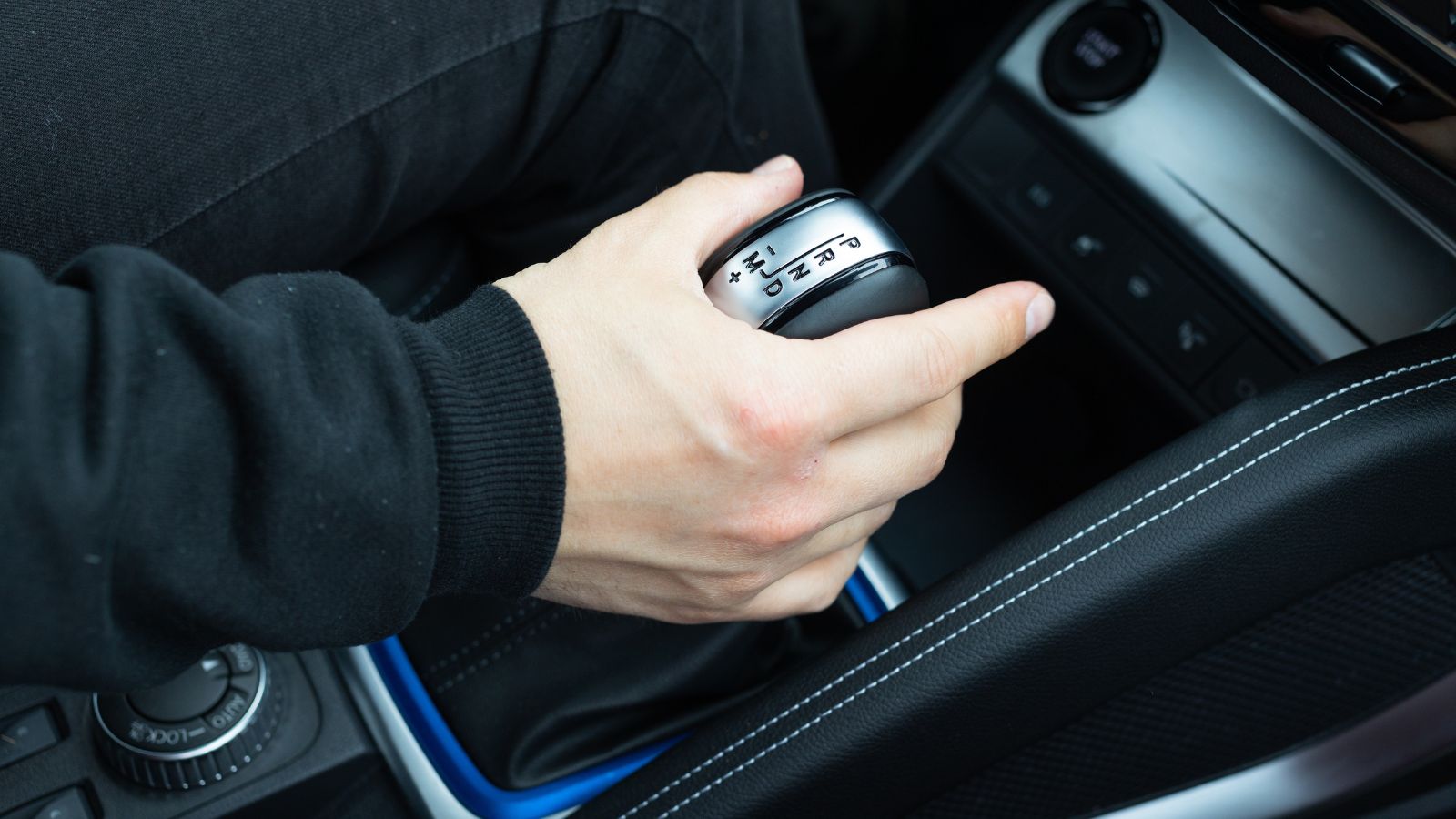
The strongest argument against overcomplicated shifters may come from owner satisfaction rather than nostalgia. Consumer Reports examined responses covering about 19,000 vehicles from the 2017 through 2020 model years and found lower satisfaction associated with several nontraditional designs, including monostable and push-button arrangements. Respondents with problematic setups were also more likely to report confusion, accidental gear changes or needing to look at the control.
Yet the data also show why the debate should not become “old versus new.” Tesla scored 91 percent in CR’s brand-level gear-selector satisfaction results, while Mazda scored 90 percent, despite the companies taking very different approaches. An electronic selector can therefore work well when its behaviour is predictable, its feedback is clear and mistakes are difficult. What seems to wear down patience is unnecessary mental effort. The best gear selector is arguably the one the driver stops thinking about—a control that communicates Park, Reverse and Drive so clearly that technology fades into the background.
19 Used Cars Canadians Should Avoid in 2026 (Based on Owner Complaints)

Buying a used car in Canada can feel safe until repair bills start stacking up. Owner complaints tell a different story than glossy listings. Transmission failures, electrical problems, and weak winter reliability show up again and again in consumer reports. Many of these issues appear after warranties expire, when owners least expect them. Some vehicles look affordable upfront, but become expensive to keep on the road. Others struggle in cold weather, urban driving, or long highway commutes. Here are 19 used cars Canadians should avoid in 2026 (based on owner complaints).
19 Used Cars Canadians Should Avoid in 2026 (Based on Owner Complaints)