
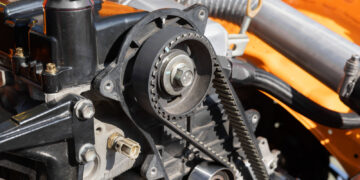

























A bad car smell rarely becomes literally permanent, but it can feel that way when the source settles into seat foam, carpet padding, ventilation passages, or hidden body cavities. Fragrance may cover the problem for a day, yet heat and humidity often bring it straight back. Some causes begin with an ordinary spill; others signal water damage, pests, fluid leaks, or exhaust entering the cabin. These 18 causes explain how stubborn odours take hold, why surface cleaning often fails, and when removing contaminated material or repairing the vehicle is the only lasting answer. Several are also safety warnings that deserve more than a stronger air freshener.
Smoking Inside the Car

Cigarette smoke is one of the hardest vehicle smells to remove because it does not stay in the air. Smoke particles and gases settle onto the headliner, seat foam, carpet, dashboard, glass, and ventilation passages. Researchers use the term “thirdhand smoke” for residue that remains after smoking has stopped. In a frequently smoked-in vehicle, every new cigarette adds another layer, and warm weather can release some of those compounds back into the cabin.
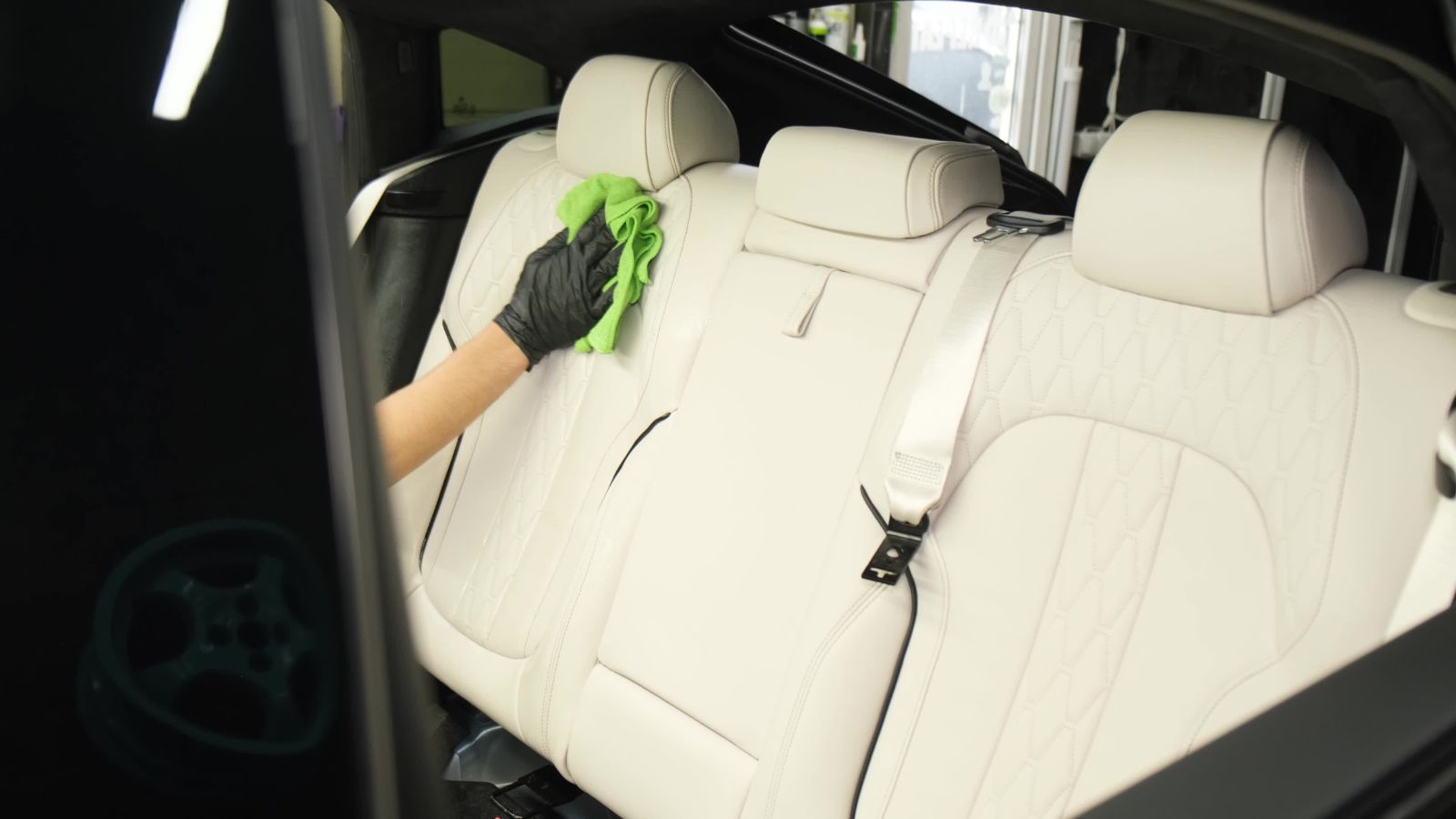
That is why a quick shampoo or hanging air freshener often creates only a brief improvement. The roof liner may still hold residue even when the seats look clean, while the HVAC system can redistribute stale odour whenever the fan starts. Used-car shoppers sometimes notice the smell most strongly after the vehicle has sat closed in the sun. Truly correcting it may require cleaning every hard surface, extracting fabrics, replacing the cabin filter, treating ducts, and, in severe cases, replacing porous trim rather than merely deodorizing it.
Smoke From a Fire or Wildfire
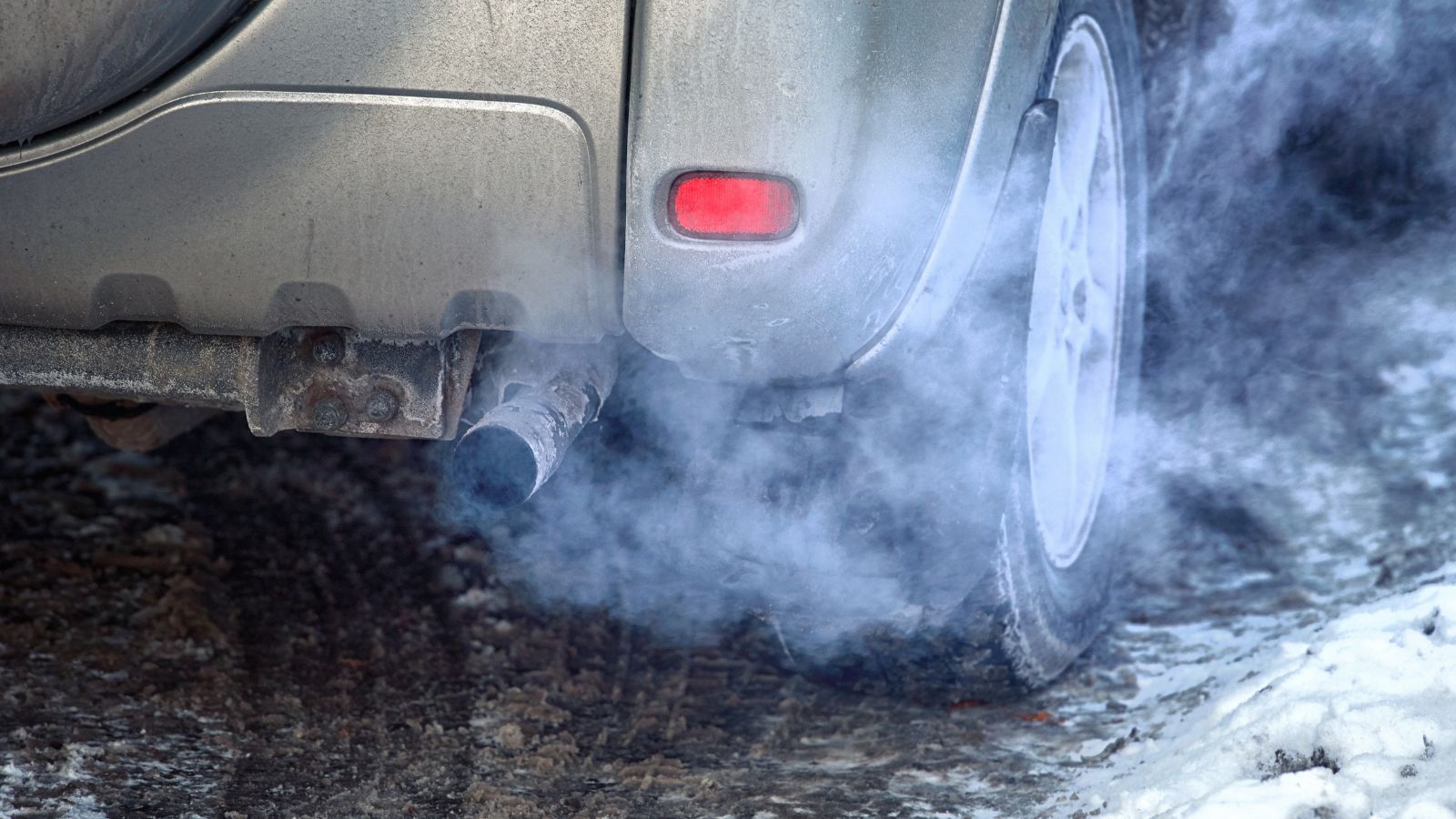
A car does not have to burn to acquire a lasting smoke smell. Parking near a garage fire, driving repeatedly through heavy wildfire smoke, or storing a vehicle in a smoke-damaged building can expose the interior to fine particles and combustion gases. Those contaminants settle into fabric fibres and tiny surface irregularities. Soot can also stain light-coloured headliners and pillars, leaving visual evidence long after the air outside has cleared.
The problem becomes especially stubborn when smoke enters through the fresh-air intake while the fan is running. The filter may catch part of the contamination, but odorous gases and fine particles can reach the evaporator housing, ducts, and soft cabin materials. A common mistake is to perfume the interior before removing the deposited residue. That produces a sweet-and-smoky mixture rather than a clean cabin. Effective restoration usually begins with source removal, detailed surface cleaning, filter replacement, and careful treatment of porous materials. When fire residue has penetrated foam or insulation, replacement may be more reliable than repeated spraying.
Floodwater Reaching the Interior

Floodwater can turn a normal interior into a layered contamination problem. Water may carry soil, sewage, fuel, road chemicals, and microorganisms beneath the carpet, where thick padding holds moisture against the floor pan. Even when the visible carpet feels dry, the insulation underneath can remain damp. Public-health guidance commonly stresses drying water-damaged materials within 24 to 48 hours because mould can begin growing quickly when moisture remains.
A flooded vehicle may smell acceptable immediately after cosmetic cleaning, then develop a swampy, sour, or musty odour days later. Heat from a closed cabin accelerates evaporation and makes hidden contamination easier to notice. The smell may return after every rain or humid spell because the padding acts like a reservoir. Professional remediation often involves removing seats, lifting carpet, disinfecting approved surfaces, inspecting wiring and metal, and replacing materials that cannot be fully dried or cleaned. In heavily flooded cars, persistent odour is more than an inconvenience; it can signal concealed damage that a surface shampoo cannot solve.
Slow Leaks Around Seals and Drains
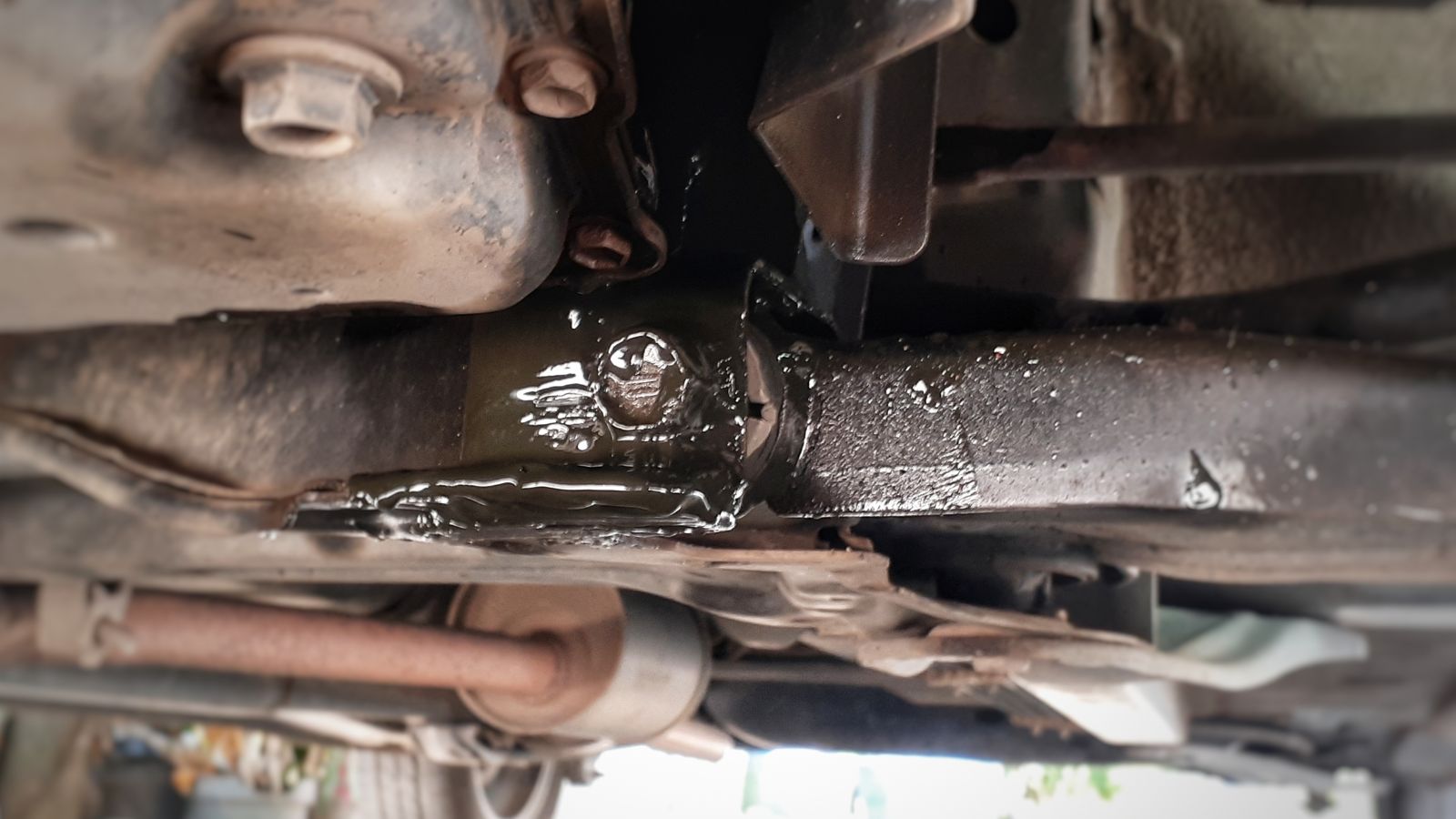
A dramatic flood is not required to create a permanent musty smell. Small leaks around a windshield, sunroof drain, door membrane, hatch seal, body seam, or air-conditioning drain can wet the same patch of carpet again and again. Because the water often travels behind trim before appearing, the damp area may be far from the actual entry point. Owners may repeatedly clean the carpet while the leak quietly continues.
Moisture control is the central rule in mould prevention. If the leak is not repaired, deodorizing products can only mask the result. Porous carpet and underlay are particularly difficult because mould can grow within spaces that ordinary wiping cannot reach; environmental guidance notes that mouldy absorbent materials may need to be discarded. A useful clue is timing: the smell may worsen after rain, a car wash, or extended air-conditioner use. Finding the wettest point, checking drains, and inspecting beneath the carpet are usually more valuable than adding fragrance. Once the source is fixed, complete drying or selective material replacement may still be necessary.
Milk and Other Dairy Spills
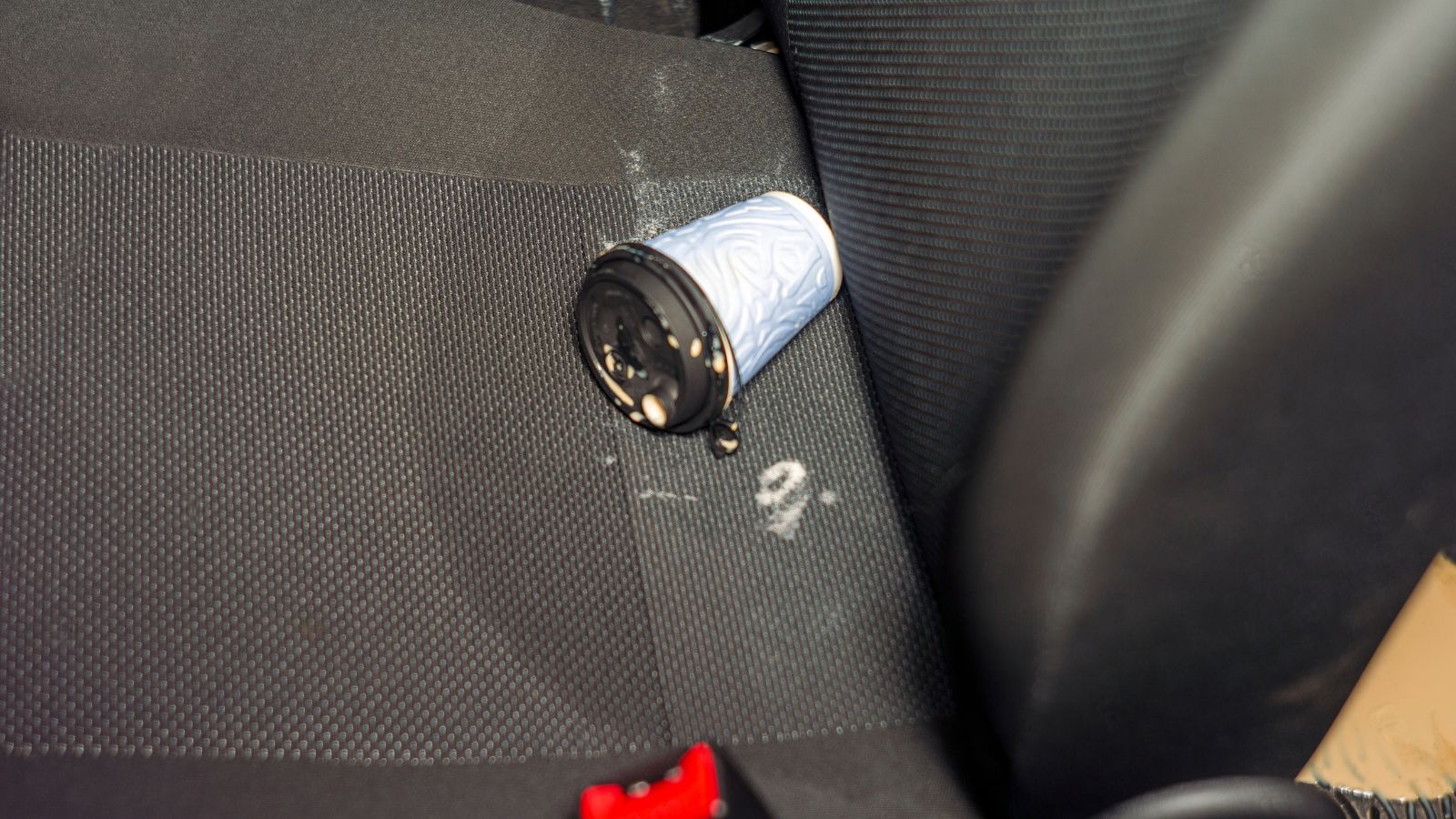
Milk seems harmless when it first splashes onto a seat, but it becomes notorious after it reaches foam, carpet padding, or a seat-track channel. The liquid contains proteins, fat, and sugars that leave organic residue as the water evaporates. Warm cabin temperatures encourage microbial activity, and the smell can shift from mildly sour to intensely rancid. A cup spilled during a school run can become a major interior repair if it disappears beneath a child seat and goes unnoticed.
The difficulty is depth. Blotting the visible fabric may remove only the upper layer while the rest remains inside the cushion. Repeatedly soaking the area with household cleaner can spread the contamination or leave the foam damp, creating a second musty odour. The lasting solution is to locate the full spill path, extract the residue, rinse without overwetting, and dry the material completely. If milk has entered thick padding or inaccessible cavities, removing trim or replacing foam may be the only dependable cure. Perfume rarely wins against a dairy spill that still has a food source underneath.
Vomit That Soaks Below the Surface
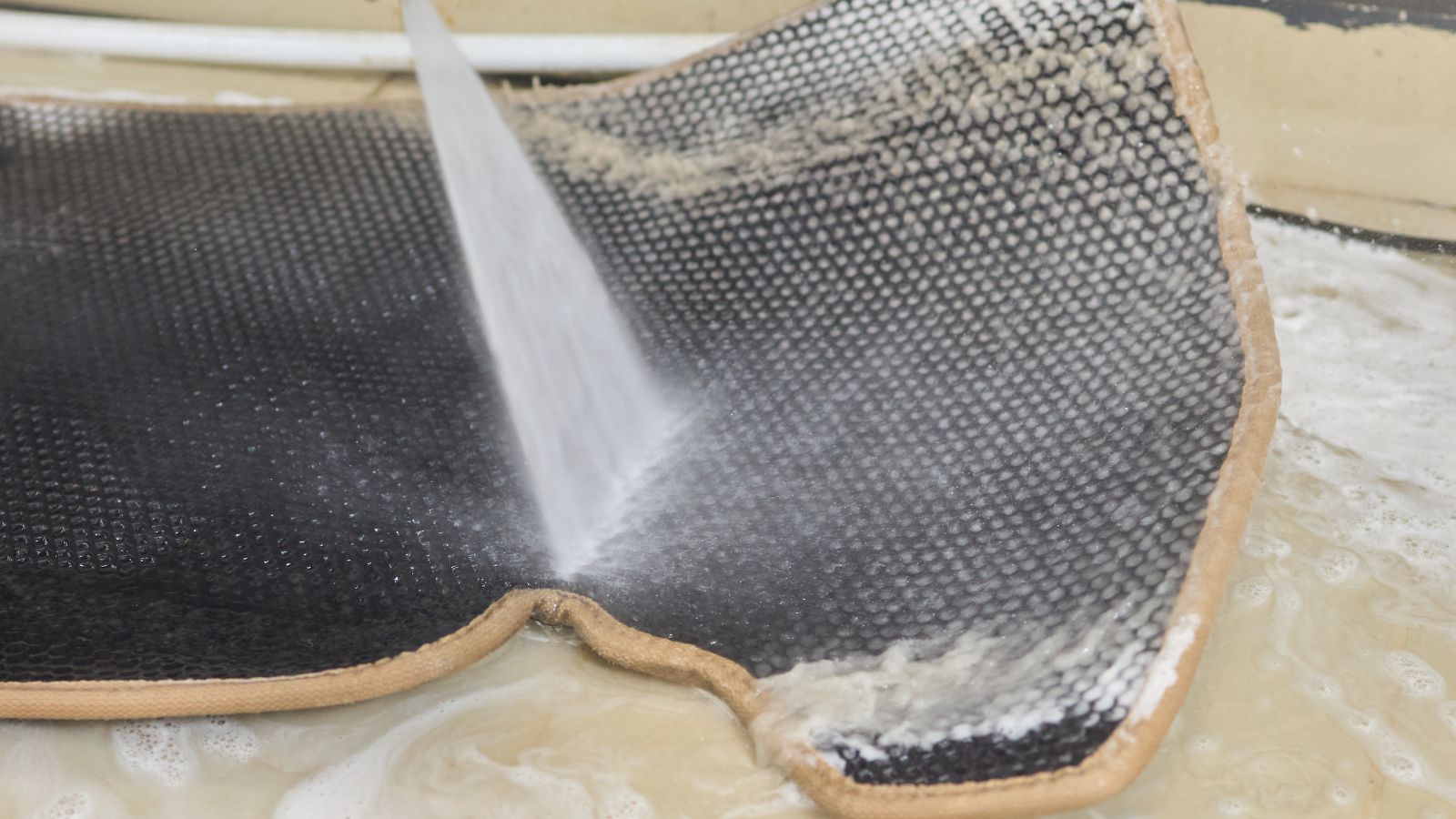
Motion sickness, illness, and sudden roadside emergencies can leave more than an unpleasant memory. Vomit contains partially digested food and stomach contents, and it can spread rapidly through perforated leather, fabric seams, seat-belt anchors, carpet edges, and console gaps. The visible mess may be cleaned within minutes while a smaller amount remains trapped beneath a seat or inside foam. As that residue dries and breaks down, the smell can return whenever the cabin becomes warm.
Successful cleanup depends on reaching every contaminated layer rather than scrubbing only what can be seen. Seat covers may need to be lifted, removable mats washed separately, and crevices flushed and extracted carefully. Excess water is risky because it can drive residue deeper or create lingering dampness. Enzyme-based products are often used on organic contamination, but they must be compatible with the vehicle’s materials and used according to their labels. A family may think the problem is solved during cool weather, then discover it again on the first hot day. That pattern usually means material below the surface was missed.
Pet Urine in Seats or Carpet
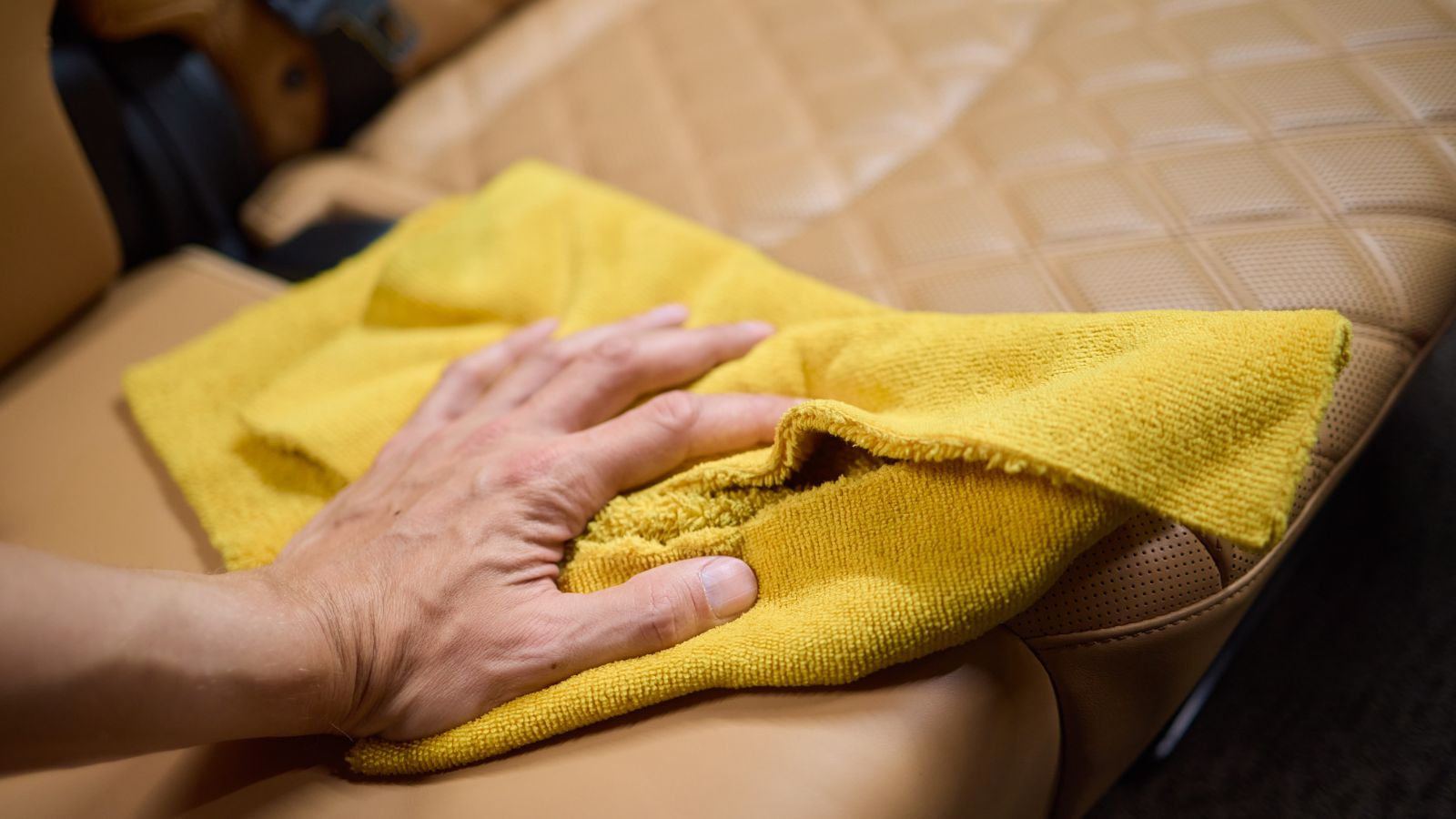
Pet urine can become exceptionally persistent when it reaches carpet backing, seat foam, or unfinished material under trim. Fresh urine may smell mild, but bacterial activity can produce a stronger ammonia-like odour as it ages. Veterinary literature notes that urine odour varies and may become distinctly ammoniacal. Cats are especially associated with stubborn indoor odours, though any pet accident can create the same basic problem when porous material is saturated.
The common cleaning failure is treating only the visible stain. Urine spreads outward and downward, so the contaminated area is often larger than it appears. Heat and humidity can reactivate the smell, making an old accident seem new. Enzyme cleaners are widely recommended because they break down organic residue rather than simply covering it, but adequate contact time matters. In a car, technicians may need to remove a seat, lift carpet, or replace underlay to reach the source. Pet hair and dander can add a general animal smell, yet one untreated urine pocket is often responsible for the sharp odour that keeps returning.
Forgotten Food and Sugary Drinks
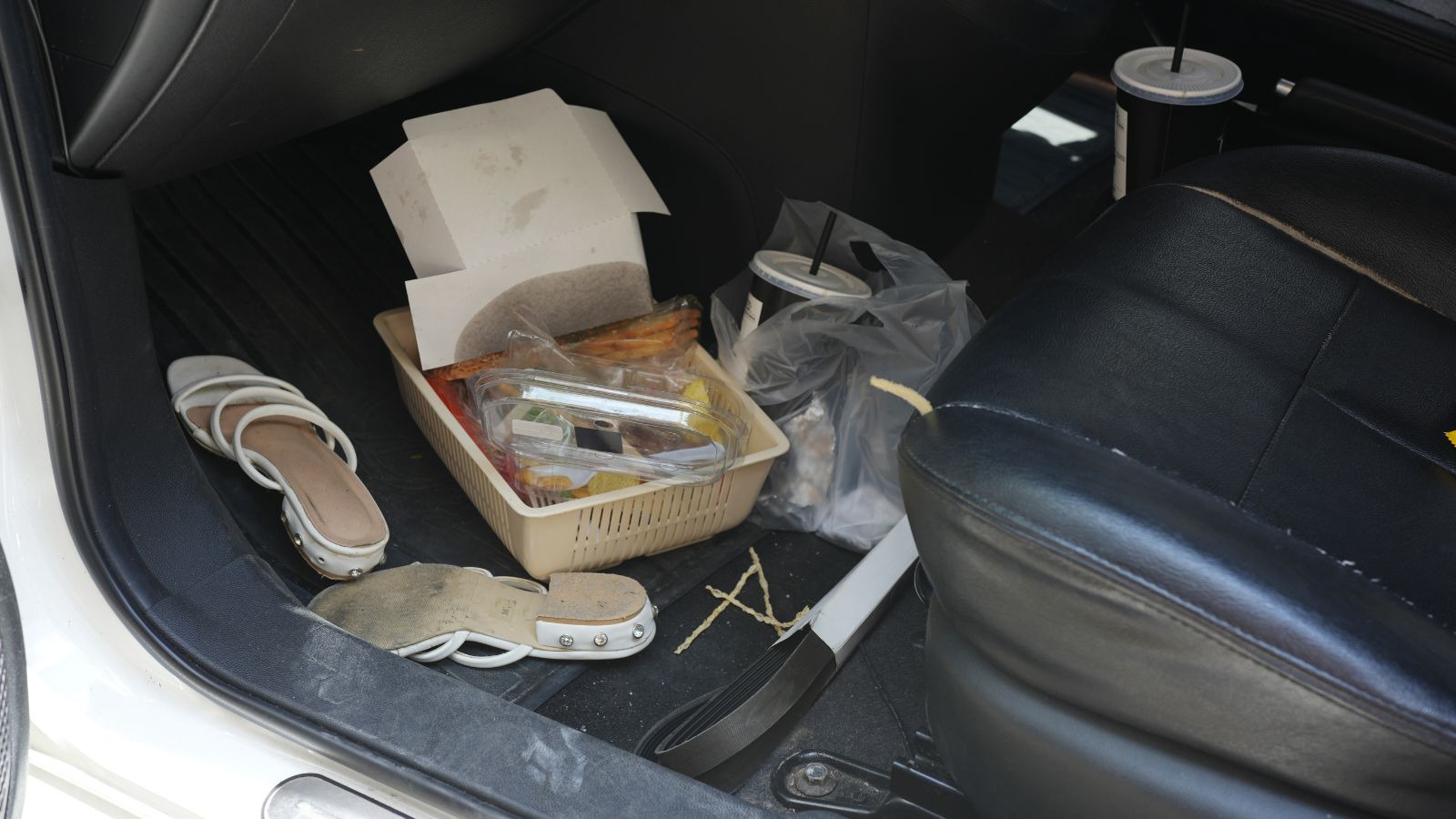
A few crumbs are rarely catastrophic, but food that slips beneath a seat can remain hidden for months. French fries, meat, fruit, sauces, and sweet drinks provide organic material that bacteria, mould, and insects can exploit. Soda and coffee often travel farther than expected, running under console panels or soaking carpet along wiring channels. Summer heat then makes volatile odour compounds more noticeable and can accelerate microbial growth.
The most memorable cases are often small: a leaking juice box in a door pocket, groceries left in the trunk over a weekend, or a takeaway container pushed beneath a seat. Air freshener may cover the smell during a short drive, but it cannot remove spoiled residue. A proper inspection includes seat rails, spare-wheel wells, door bins, cargo-floor compartments, and the narrow space between cushions. Sticky spills also trap dust, creating a dark film that remains odorous after the surface dries. Cleaning promptly is far easier than tracing a months-old spill, and heavily soaked padding may need extraction from both sides or replacement.
Damp Towels, Sports Gear, and Wet Clothing

A wet beach towel or sweaty hockey bag can make a car smell stale after only a few hot afternoons. Textiles hold moisture, skin oils, dirt, and microorganisms, then release odour as they warm. Closed windows limit ventilation, while summer cabin temperatures intensify smells that seemed minor when the item was first loaded. Even after the towel or gear is removed, moisture may have transferred to carpet or upholstery beneath it.
This cause is easy to underestimate because nothing visibly spilled. A folded towel left in the cargo area can keep one patch of carpet damp, and a gym bag may leak sweat into a porous trunk liner. The odour then becomes part of the vehicle rather than the item. Removing the gear is only step one; the contact surface must be cleaned and dried, and the spare-wheel compartment should be checked if moisture could have drained downward. Regularly carrying wet equipment without protective bins or washable liners can create a recurring microbial source. Eventually, replacement of a saturated cargo mat or underlay may be cheaper than repeated deodorizing.
Mould on the Air-Conditioning Evaporator
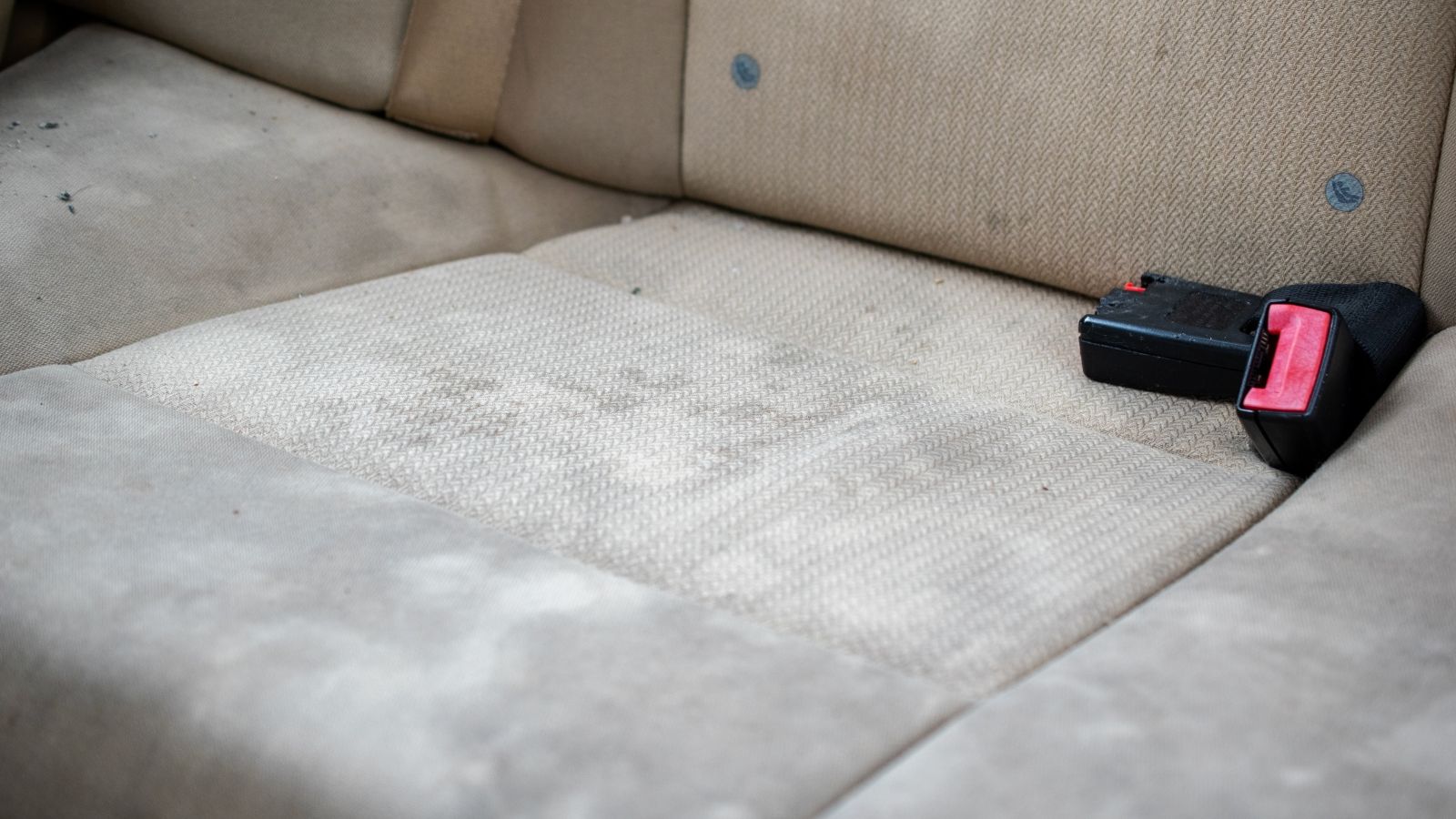
A musty blast that appears during the first minute of air-conditioner operation often points to the evaporator. The cold evaporator naturally collects condensation, while dust and pollen provide material on which microorganisms can grow. Mazda has issued technical guidance stating that mould growth in the evaporator or cooling unit can create a musty or mildew odour, particularly in humid conditions. Similar complaints occur across many makes, not just one brand.
Because the source is hidden inside the HVAC housing, wiping vents does little. The smell may fade after several minutes as airflow dilutes it, then return after the car sits. A blocked drain, heavy debris, or a constantly wet evaporator can make the condition worse. Manufacturer procedures may call for specialized cleaning or coating products applied by trained technicians. Some guidance also suggests running the blower after switching off the compressor so the unit can dry. If the evaporator remains contaminated or drainage is not restored, cabin sprays merely perfume air passing over the same damp surface.
A Wet or Neglected Cabin Air Filter
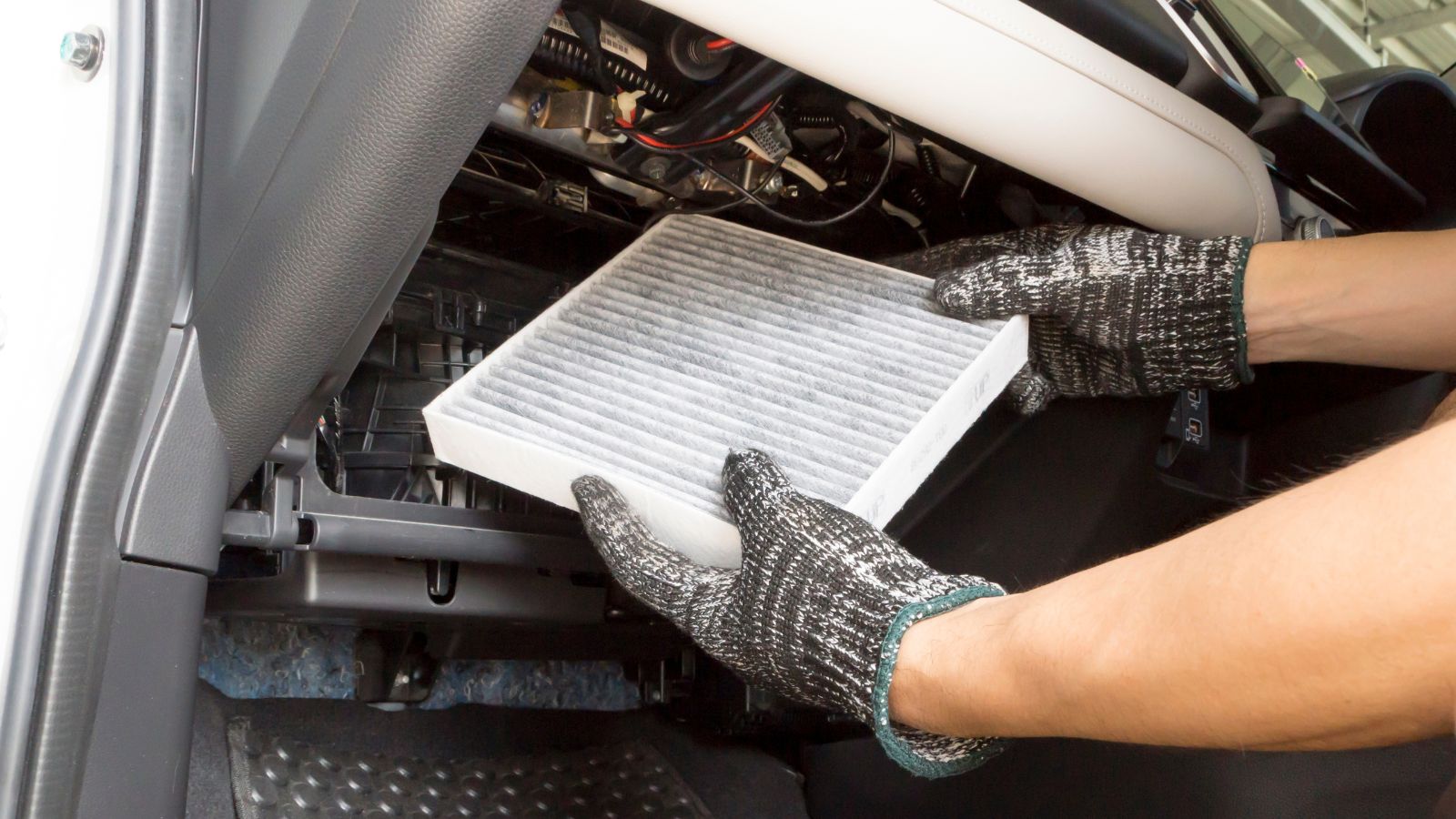
The cabin air filter sits directly in the path of outside air entering many modern vehicles. Over time it collects dust, pollen, leaves, soot, and other debris. If it becomes damp from a blocked drain, water leak, or humid storage, it can develop a stale smell that is distributed through every vent. Manufacturer manuals commonly call for periodic inspection and replacement, with earlier service in dusty or heavy-traffic conditions.
A filter problem often produces its strongest odour when the fan first starts or when the system switches from recirculation to fresh air. Replacing the filter is inexpensive compared with dismantling the dashboard, but it should not be treated as an automatic cure. Service guidance for musty HVAC complaints also stresses checking that the filter is clean and free of moisture, that drains are open, and that no water is entering the cabin. If a new filter quickly smells bad again, the real issue may be upstream contamination, a wet cowl area, or mould on the evaporator. The filter is sometimes the source and sometimes merely the messenger.
Rodent Nests, Urine, and Droppings
Vehicles parked for long periods can become attractive shelters for mice and rats, especially when food crumbs or nesting material are available. Rodents may occupy the engine bay, cowl, glove-box area, air-filter housing, or ventilation ducts. Their urine, droppings, and shredded nesting material create a sharp, dirty odour that can persist even after the animal leaves. A fan may spread the smell suddenly if a nest sits near the fresh-air intake.
Cleanup requires more caution than ordinary vacuuming. The U.S. Centers for Disease Control and Prevention specifically advises safely removing urine, droppings, dead rodents, and nests from vehicles. Dry sweeping or vacuuming contaminated material can make particles airborne, so guidance recommends wetting it thoroughly with disinfectant before wiping it up while wearing gloves. Odour removal also requires finding every nesting site and replacing contaminated filters or insulation. A mechanic may discover chewed wiring at the same time, turning an unpleasant smell into a safety and reliability issue. Until the entry point and attractants are addressed, the infestation—and the odour—can return.
A Dead Animal Hidden in the Vehicle
Sometimes the smell is not from an active nest but from an animal that became trapped and died. Small rodents can end up inside the blower housing, cowl, air box, engine compartment, trunk cavity, or body channel. The odour is usually intense, sweetly rotten, and noticeably worse in heat. It may appear abruptly after the vehicle has been parked and can seem strongest from one vent or corner.
Deodorizer cannot solve this while the remains are present. The priority is locating and removing the source, then disinfecting contaminated surfaces and replacing absorbent material that cannot be cleaned. Public-health guidance treats dead rodents in vehicles as potentially hazardous contamination and recommends careful wet disinfection rather than dry vacuuming. The search may require removing the cabin filter, blower motor, under-hood covers, cargo trim, or spare-wheel liner. Even after removal, fluids may have soaked insulation or foam, allowing the odour to linger. A “permanent” smell in this case often means a small hidden cavity was never opened and cleaned.
Gasoline Spills or Fuel-System Seepage
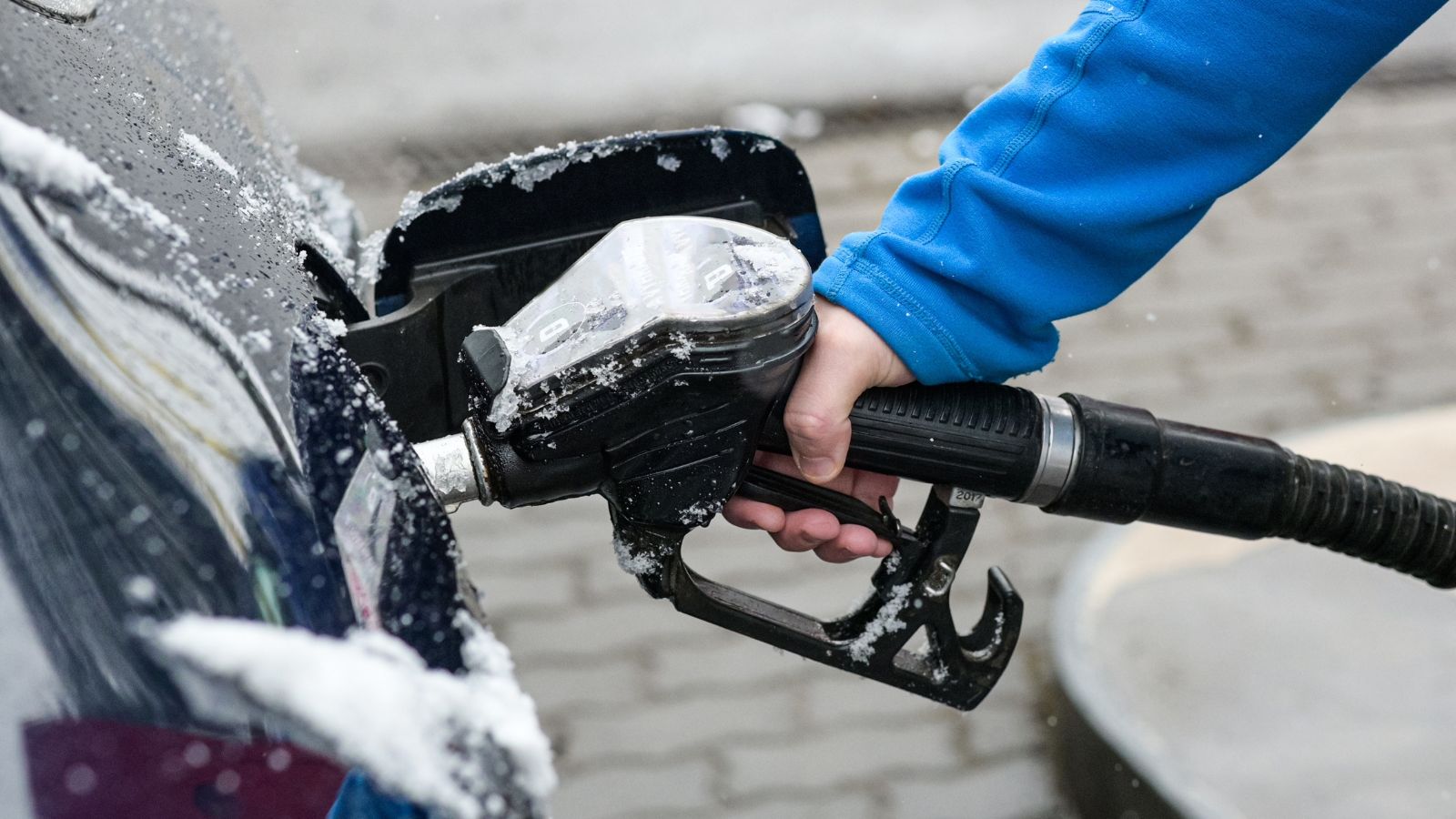
Gasoline has a powerful odour and evaporates readily, but that does not mean every fuel smell will disappear on its own. A spill in the trunk, a leaking fuel container, or fuel absorbed by carpet padding can remain noticeable for weeks. More seriously, a persistent smell may come from a seep, disconnected hose, pump, injector, or vapour-control problem that continues supplying fresh fumes.
Automakers have issued technical bulletins for fuel odours entering cabins from specific under-hood components, including positive crankcase ventilation hoses and high-pressure fuel pumps. That makes diagnosis more important than deodorizing. The smell may be strongest after startup, refuelling, idling, or using the HVAC in fresh-air mode. Because liquid fuel and vapours create a fire risk, a strong or recurring gasoline odour warrants prompt professional inspection, not an attempt to cover it with fragrance. Once the leak is repaired, any soaked carpet, trunk liner, or insulation still needs proper cleaning or replacement. Otherwise, the cabin may continue smelling like fuel even though the mechanical fault is gone.
Coolant Leaking From the Heater Core
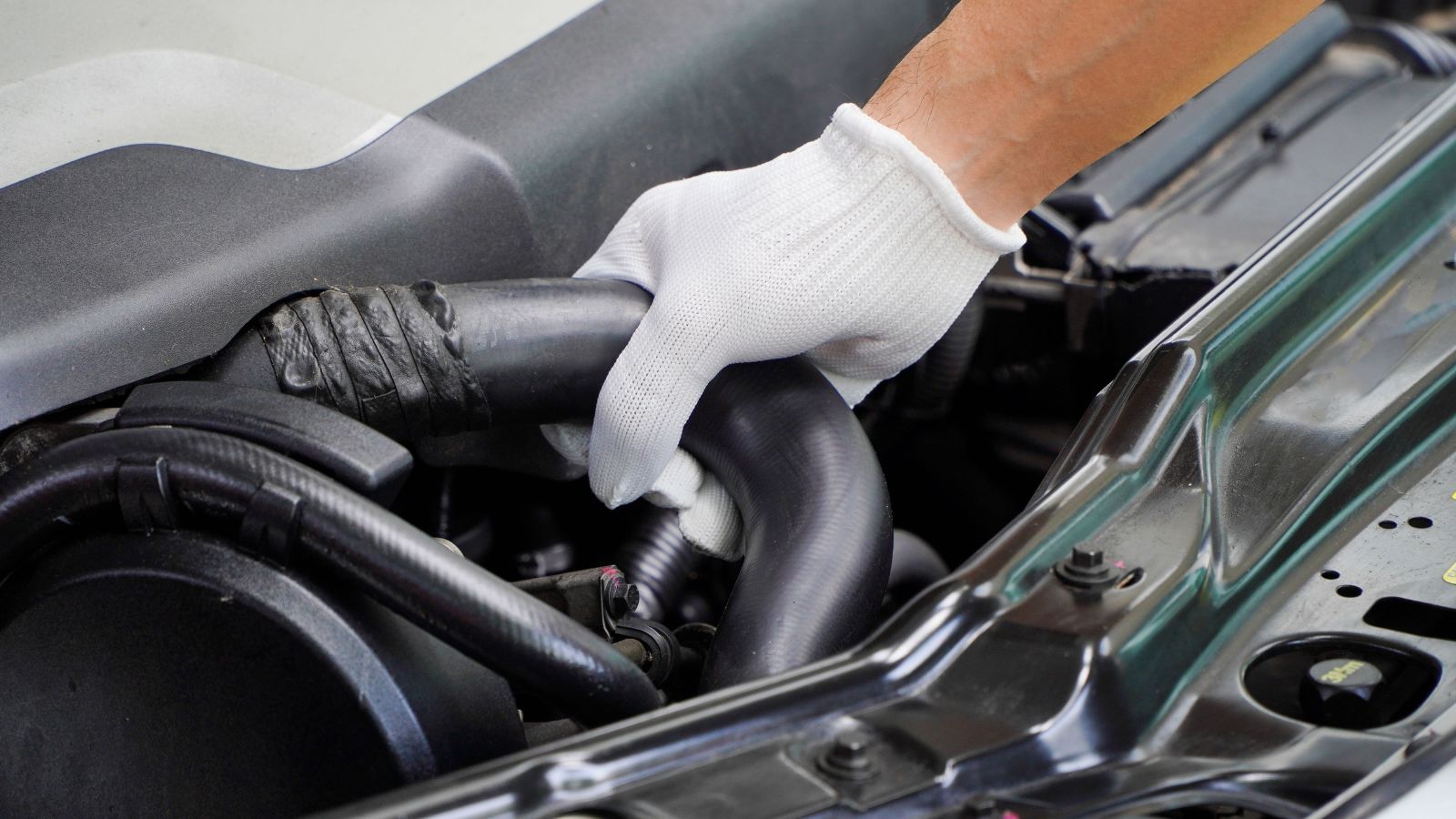
A sweet, syrup-like smell from the vents can indicate engine coolant entering the heating and ventilation system. The heater core is a small heat exchanger under the dashboard; when it or its connections leak, coolant may mist into ducts or drip onto passenger-side carpet. AAA lists a sweet burning smell as a warning sign of a coolant leak. Fogging on the inside of the windshield and unexplained coolant loss can appear alongside the odour.
This smell can become embedded because coolant is sticky and difficult to remove from carpet padding. Repairing the heater core stops the new leak, but residue left in the HVAC case or underlay may continue releasing odour whenever the heater warms up. The job can therefore have two stages: mechanical repair and interior remediation. Drivers should not ignore the smell, since low coolant can contribute to overheating and serious engine damage. Opening a hot cooling system is dangerous, so diagnosis belongs with a qualified technician. If the carpet has been repeatedly soaked, replacement may be more effective than repeated surface cleaning.
Oil or Transmission Fluid Burning on Hot Parts
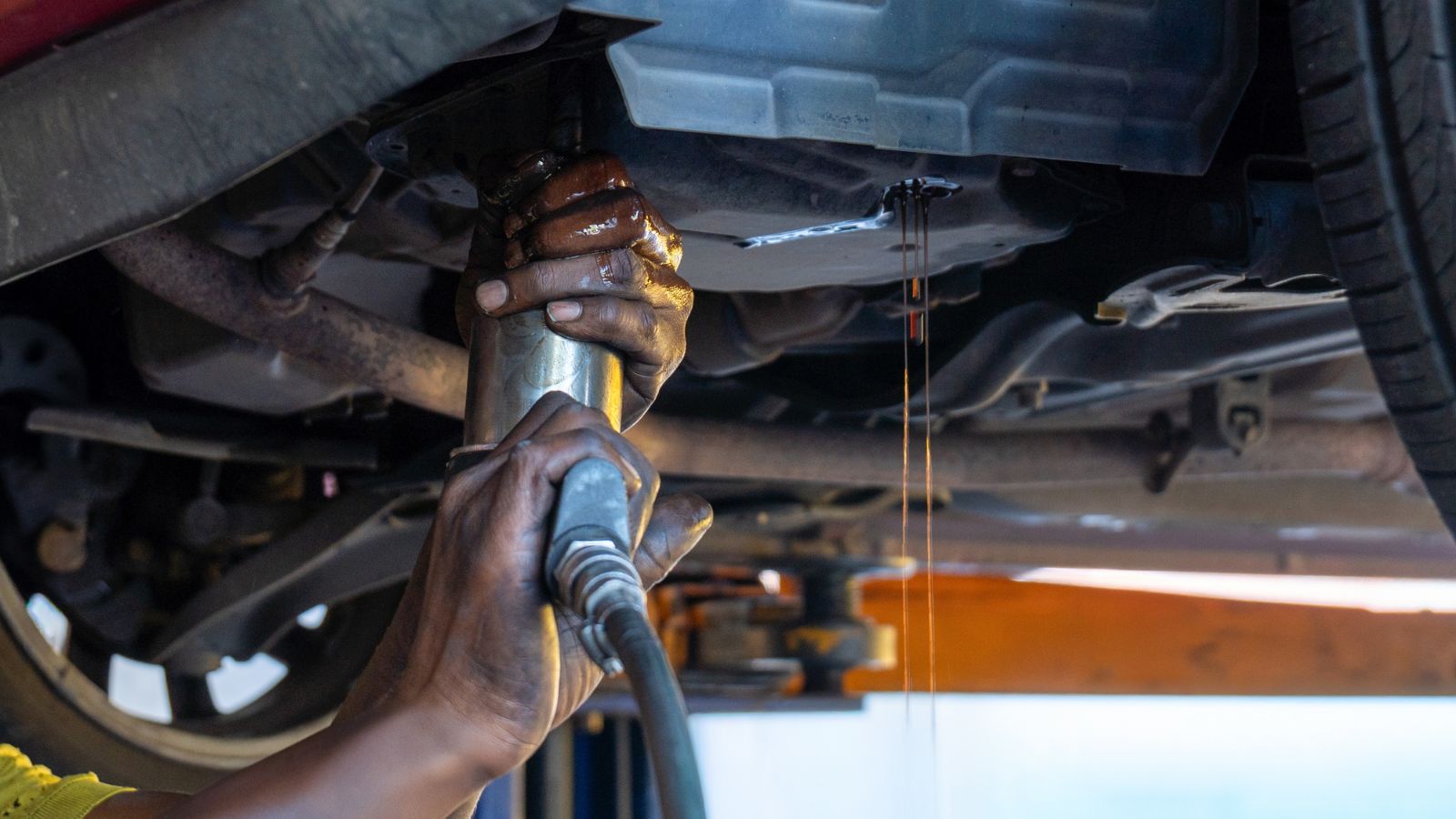
A smoky, oily smell that becomes stronger after a drive can come from engine oil or transmission fluid reaching hot components. AAA identifies a smoky burning odour as a possible sign of an oil or transmission-fluid leak. Valve-cover gaskets, hoses, seals, or spilled fluid from recent service can allow small amounts to land on exhaust parts, where heat turns the leak into an odour source.
The cabin may absorb that smell through the fresh-air intake, especially while the vehicle is stopped and under-hood vapours collect near the cowl. Owners sometimes clean the interior repeatedly because the seats seem to hold the smell, yet the engine continues producing a new dose on every trip. The correct sequence is to locate and repair the leak, clean contaminated engine surfaces safely, and then address cabin materials. Visible smoke, fresh drips, or a rapidly worsening smell requires immediate attention because fluid on hot components can increase fire risk. Once the mechanical source is gone, replacing a contaminated cabin filter often helps prevent the old odour from circulating.
An Overcharged or Failing Lead-Acid Battery
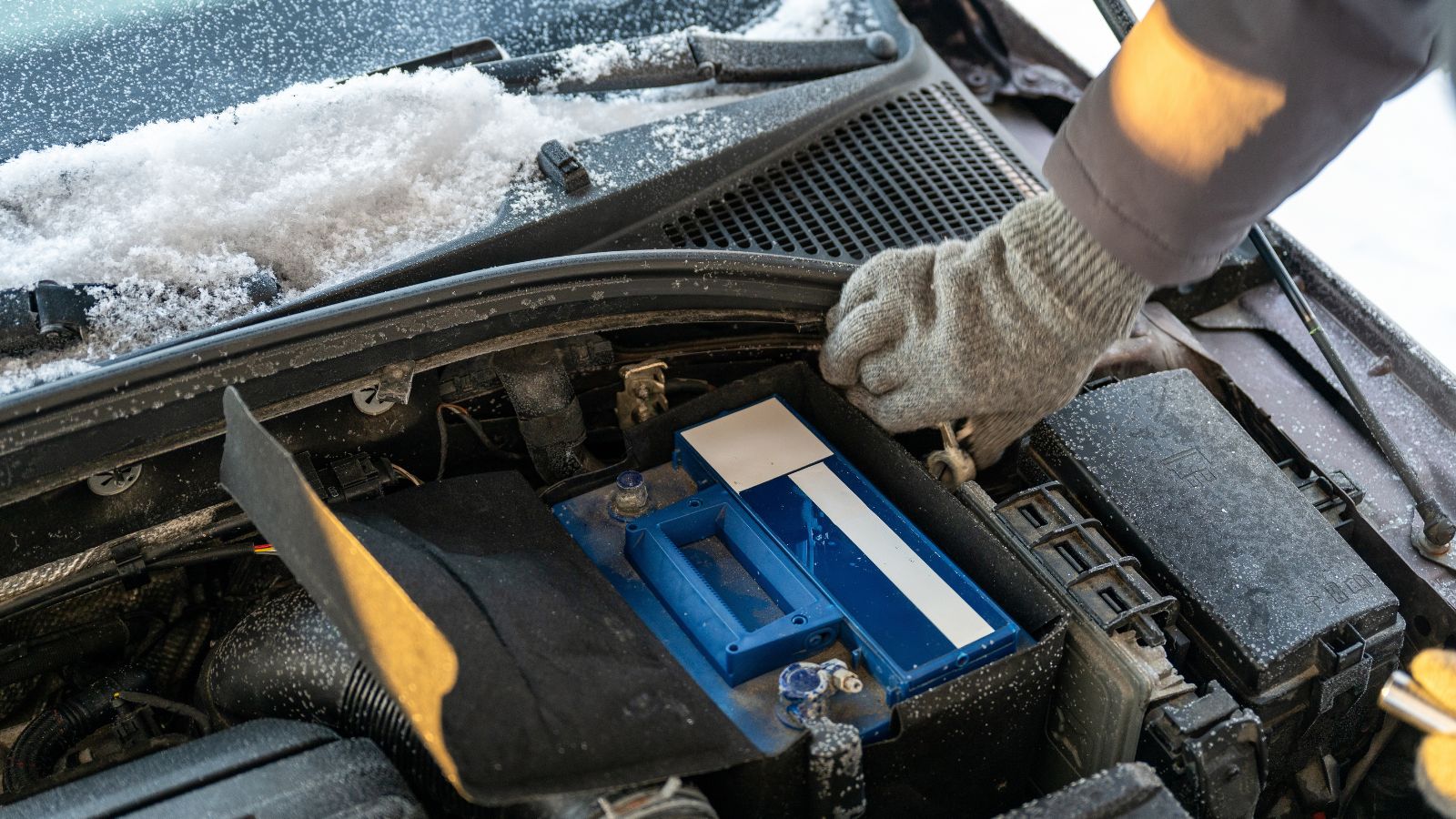
A rotten-egg smell near a vehicle battery can indicate hydrogen sulfide, a toxic gas that may be produced when a lead-acid battery is overcharged or deteriorating. Battery manufacturer GS Yuasa advises stopping use and moving to a well-ventilated area if an unusual rotten-egg odour is detected. Hydrogen sulfide can be smelled at very low concentrations, but relying on smell alone is unsafe because higher exposure can impair the ability to detect it.
This is not an interior-detailing problem. A battery that is hot, swollen, leaking, or producing a sulfurous smell requires immediate professional attention, along with inspection of the charging system. In vehicles with the battery inside the cabin or cargo area, poor venting can make the odour especially noticeable and may contaminate nearby trim. Even after replacement, residue from leakage can continue to smell and corrode metal if it is not neutralized and cleaned correctly. Occupants should leave the area rather than experimenting with chargers or sprays. The persistent odour is a warning signal, not merely an annoyance.
Exhaust Entering Through Body Gaps
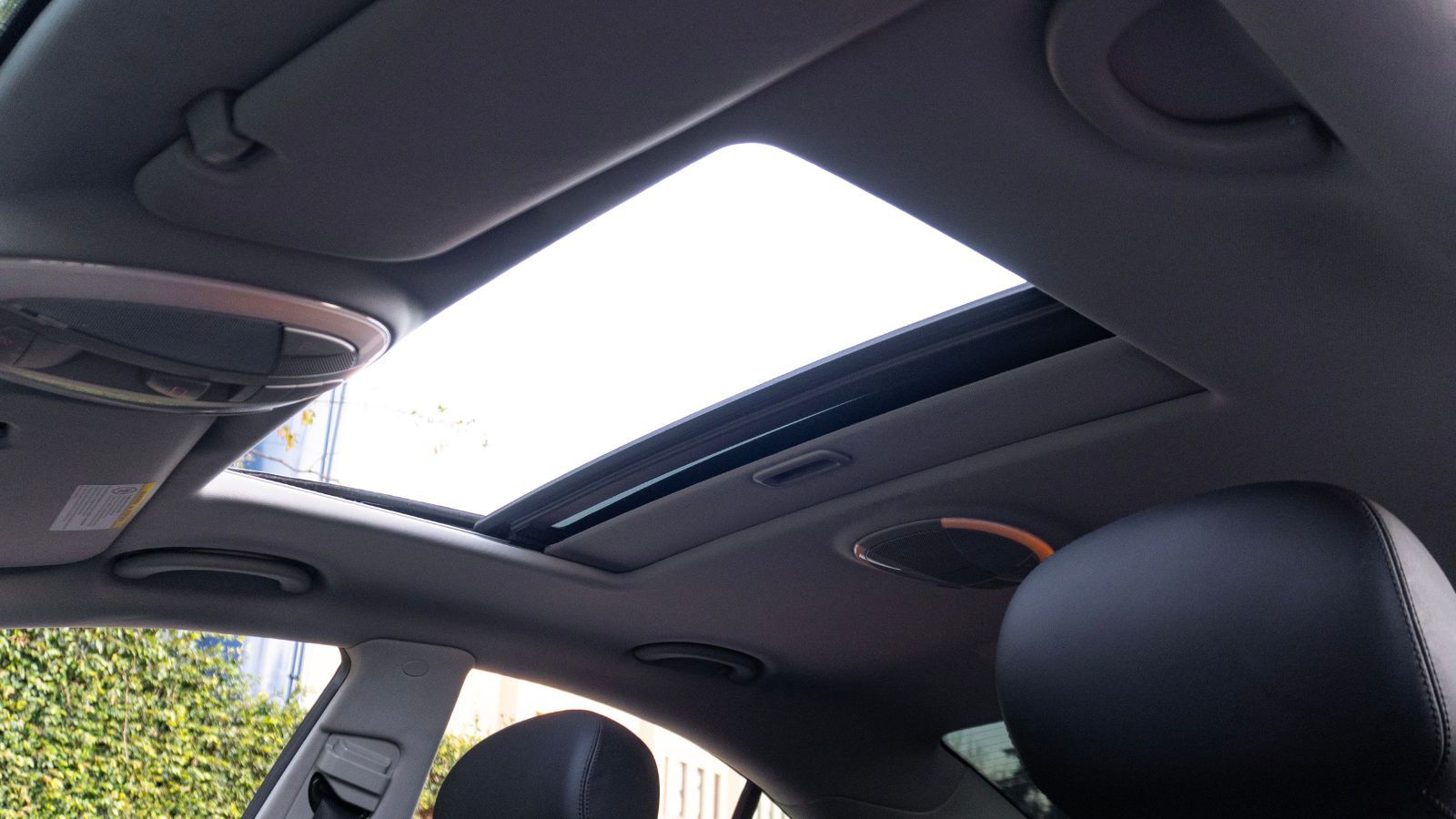
Sulfurous or exhaust-like smells inside the cabin may come from exhaust gases entering through body openings, damaged seals, missing plugs, or poorly sealed seams. Ford technical bulletins have documented cabin complaints described as sulfur or exhaust odour, sometimes becoming more noticeable during hard acceleration, hill climbing, towing, or certain climate-control settings. Those conditions increase exhaust flow and can expose leakage paths that are less obvious during gentle driving.
A vehicle may be mechanically sound at the tailpipe yet still draw fumes through the rear body, liftgate, floor, or HVAC intake. That is why replacing an air freshener—or even a cabin filter—does not solve the underlying problem. Technicians may need to inspect exhaust components, pressure-test the cabin, and reseal specific body joints or grommets. Exhaust odour should be treated as a safety concern because carbon monoxide is colourless and odourless; the noticeable smell does not measure the full risk. Until the source is diagnosed, driving with windows open is not a substitute for repair. Persistent fumes demand prompt professional inspection.
19 Used Cars Canadians Should Avoid in 2026 (Based on Owner Complaints)

Buying a used car in Canada can feel safe until repair bills start stacking up. Owner complaints tell a different story than glossy listings. Transmission failures, electrical problems, and weak winter reliability show up again and again in consumer reports. Many of these issues appear after warranties expire, when owners least expect them. Some vehicles look affordable upfront, but become expensive to keep on the road. Others struggle in cold weather, urban driving, or long highway commutes. Here are 19 used cars Canadians should avoid in 2026 (based on owner complaints).
19 Used Cars Canadians Should Avoid in 2026 (Based on Owner Complaints)