























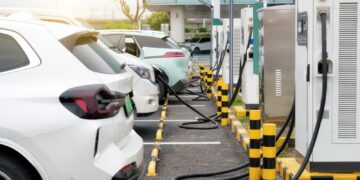


A windshield chip used to feel like a small inconvenience: a quick stop, a modest repair bill, and back on the road. For many Canadian drivers, that simple fix is becoming more expensive and more complicated. Modern vehicles now rely on glass for visibility, structural safety, cameras, sensors, heating elements, and driver-assistance systems that must be restored correctly after damage.
There are 12 key reasons windshield repair and replacement costs are rising across Canada. Some are tied to technology, while others come from winter road conditions, insurance deductibles, labour costs, and the growing number of trucks and SUVs on Canadian roads.
Advanced Safety Cameras Need Calibration
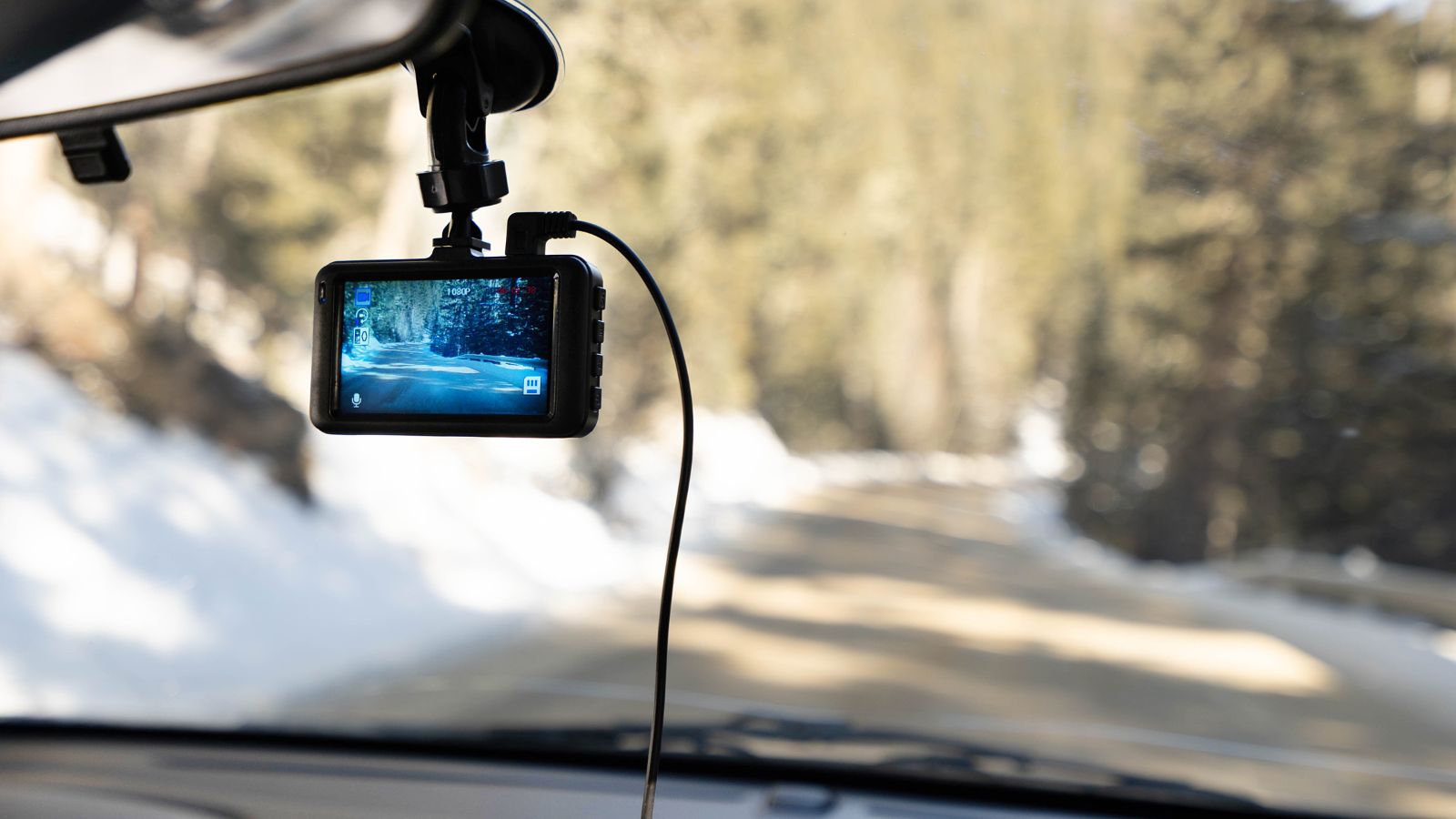
The biggest change is that many windshields are no longer just glass. On newer vehicles, the area near the rear-view mirror may hold a forward-facing camera that helps power lane keeping, forward collision warning, adaptive cruise control, or automatic emergency braking. When the windshield is replaced, that camera may need recalibration so it sees the road from the correct angle.
That extra step can turn a once-routine replacement into a technical procedure. A driver replacing a windshield on an older compact car may only be paying for glass, adhesive, and labour. A driver with a newer SUV may also be paying for diagnostic equipment, calibration targets, road testing, and documentation. Even when insurance covers the work, the total invoice can be much higher than expected.
Repairs Are Cheaper, But Not Every Chip Qualifies
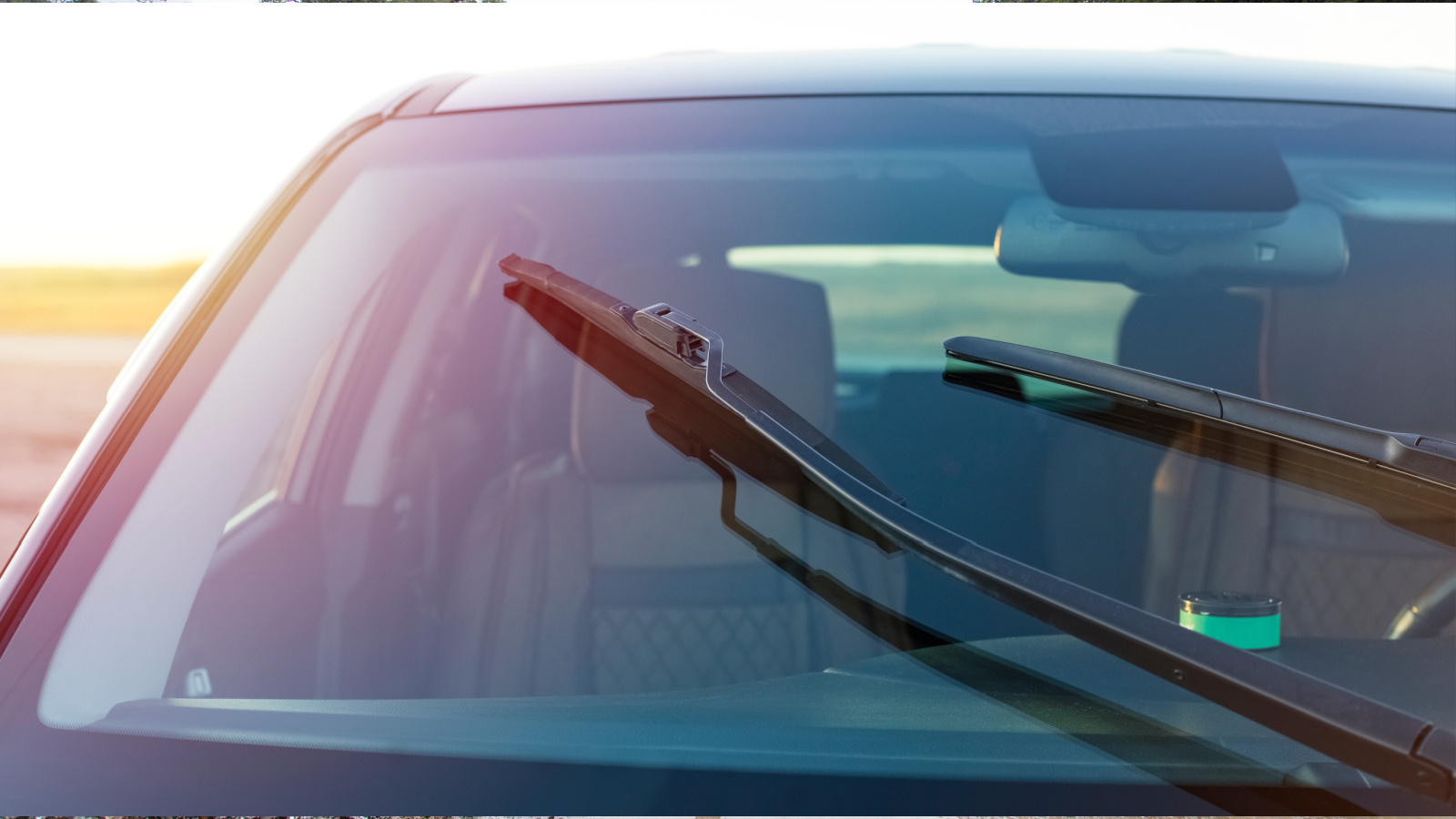
A small chip can often be repaired for far less than replacing the full windshield, which is why quick action matters. Some Canadian providers price chip repair in the roughly $80 to $100 range per chip, depending on membership, region, and eligibility. That makes repair attractive compared with a replacement that can climb into the hundreds or beyond.
The catch is that not every chip is repairable. Size, depth, location, and distance from the edge of the glass all matter. Damage in the driver’s line of sight, damage close to the edge, or cracks that have spread too far may push the job into replacement territory. A driver who waits through a week of freezing nights and highway vibration may lose the chance for the cheaper option.
Winter Roads Create More Glass Damage
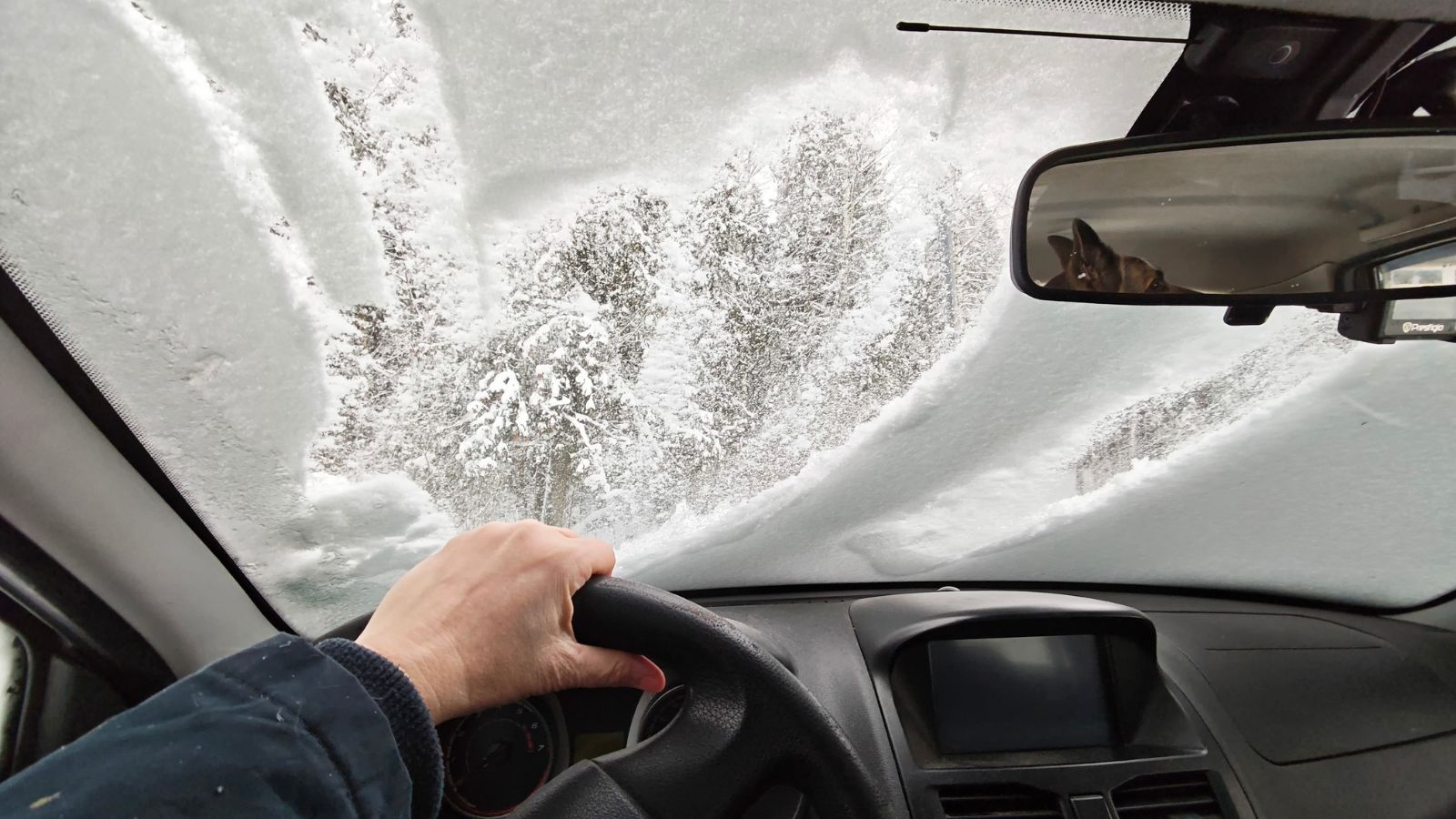
Canadian roads are hard on windshields because winter maintenance often involves salt, sand, gravel, and abrasives. Those materials help keep roads safer in icy conditions, but they also increase the chance of debris striking glass at speed. One sharp ping from a winter highway can become the start of an expensive visit to an auto glass shop.
The risk rises when vehicles follow too closely behind trucks, plows, or traffic on recently treated roads. A small rock at highway speed carries far more energy than the same pebble moving slowly through a parking lot. This is why chip tents often appear in spring: damage from winter driving becomes visible once the snow clears and drivers finally notice what the season left behind.
Freeze-Thaw Cycles Turn Chips Into Cracks
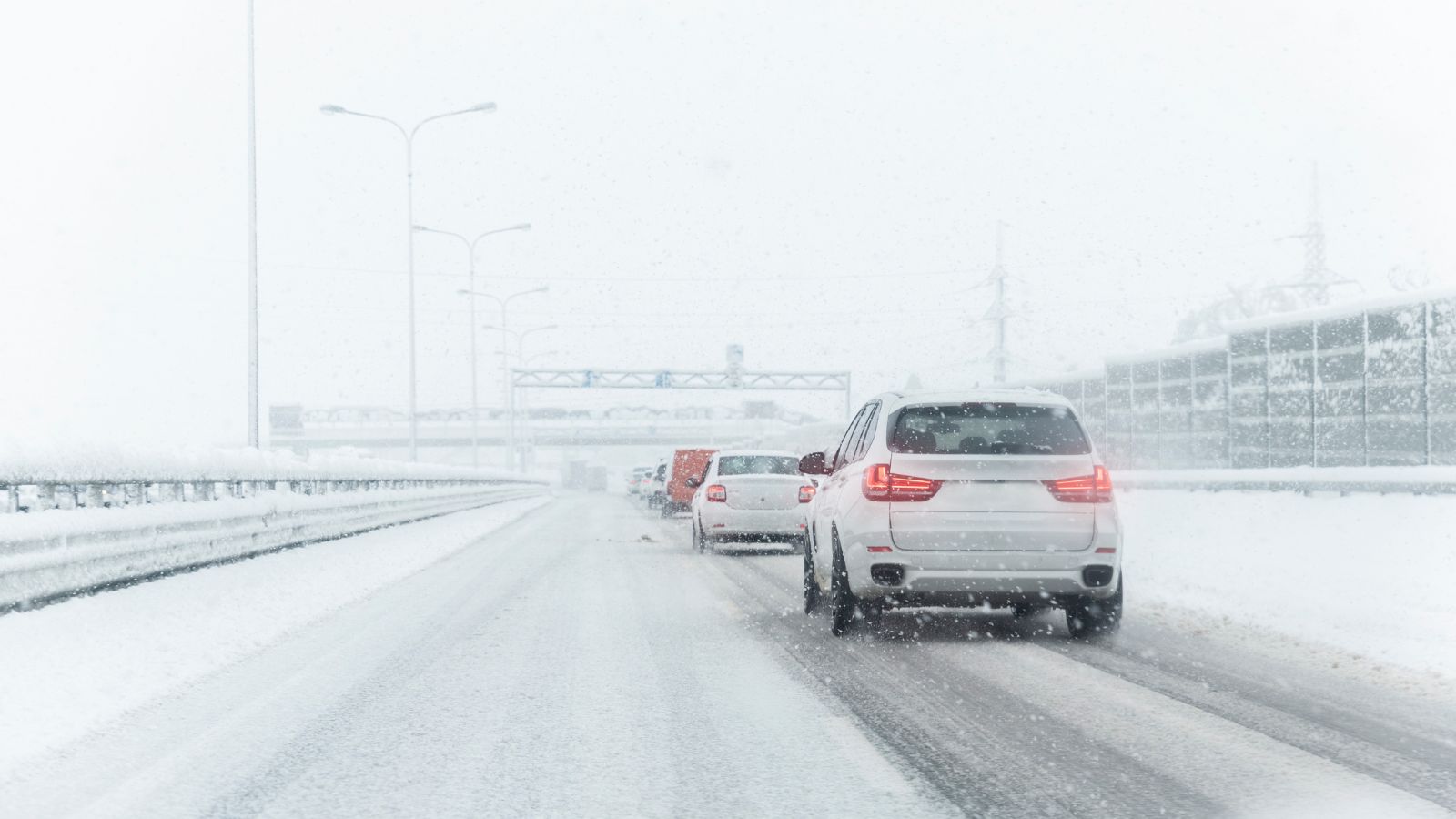
A tiny impact mark can spread when water seeps into the damaged area, freezes, expands, and then thaws. Add cabin heat, defroster blasts, and outside temperatures well below zero, and a small flaw in laminated glass can grow quickly. This is especially common when a chip is already under stress near the edge of the windshield.
The expensive part is not always the original damage; it is the delay. A driver may ignore a star-shaped chip in January, then discover a long crack across the glass by February. Once that happens, resin repair may no longer be enough. Instead of paying for a quick chip repair, the owner may face a full replacement, possible calibration, and a deductible.
Heated, Tinted, and Acoustic Glass Costs More

Many windshields now include features that were once reserved for premium vehicles. Heated wiper zones, rain sensors, light sensors, tinting, acoustic layers, and special coatings can all affect the price. A replacement must match the vehicle’s specifications, not merely fit the opening in the body.
That is why two vehicles of similar size can receive very different quotes. A basic windshield on an older sedan may be relatively straightforward, while a luxury crossover with a head-up display and acoustic glass can require a more expensive part. Even small differences in optical quality matter when cameras and projection systems are involved, so shops may need specific glass rather than the cheapest available option.
Trucks and SUVs Dominate Canadian Sales

Canada’s vehicle mix has shifted heavily toward light trucks, SUVs, pickups, vans, and crossovers. These vehicles often have larger windshields, steeper glass shapes, added sensors, and higher hoods that can make replacement more involved. Bigger glass usually means more material, more handling care, and sometimes more labour.
This matters because the most common vehicles on the road shape the repair market. When a shop sees more pickups and SUVs than compact sedans, the average repair bill can rise. A family replacing the windshield on a three-row SUV may be surprised that the quote feels closer to a technology repair than a glass repair, especially if cameras, rain sensors, or moldings are part of the job.
Calibration May Require Controlled Conditions
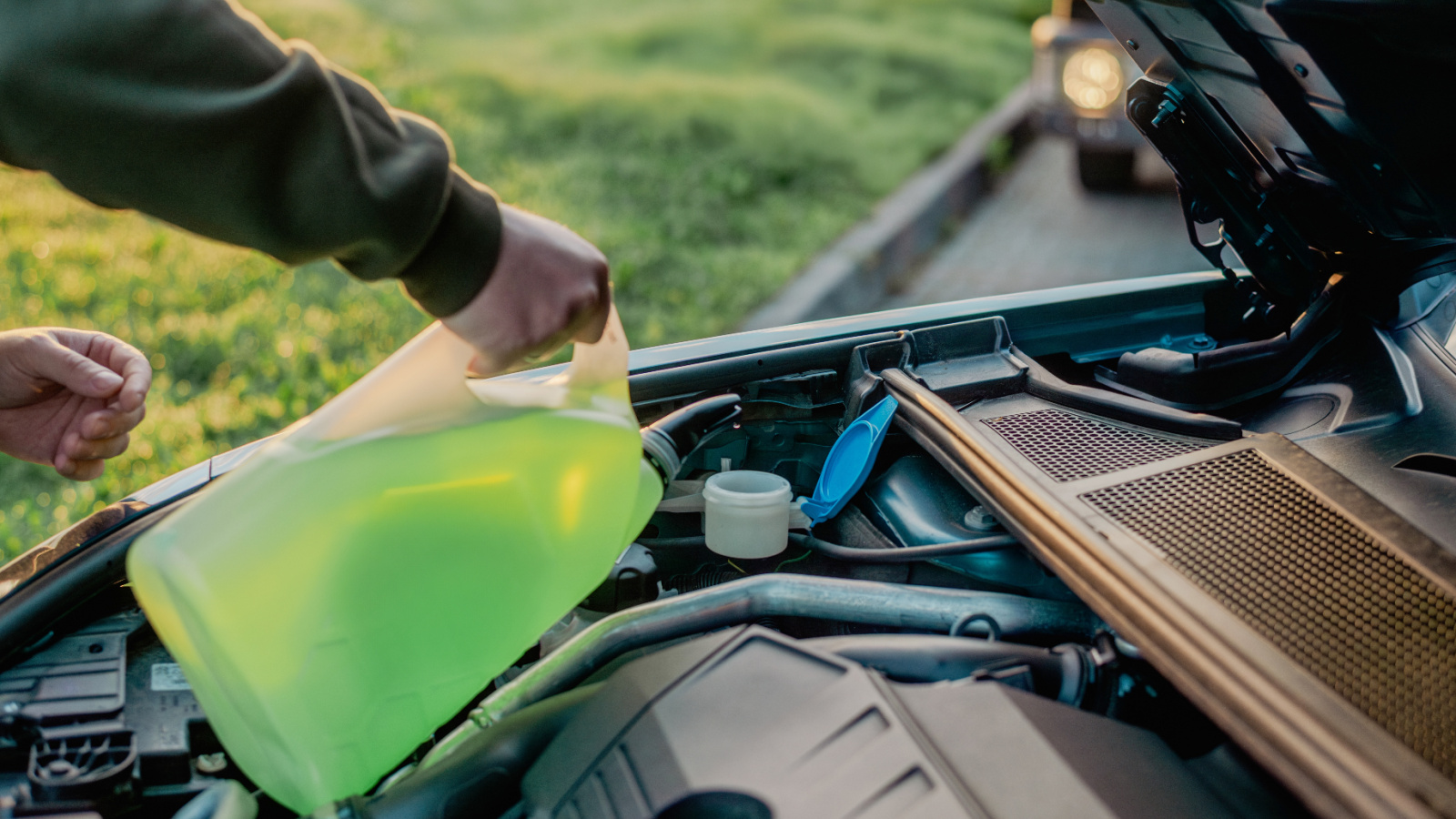
Some vehicles require static calibration, dynamic calibration, or both. Static calibration may involve a level floor, specific lighting, exact distances, targets, and specialized scan tools. Dynamic calibration may require a road test at steady speeds under suitable weather and lane-marking conditions. Neither process is the same as simply snapping a camera back into place.
That creates real cost pressure in Canada, where weather can complicate scheduling. Snow, rain, poor visibility, or faded lane markings can interfere with a dynamic calibration drive. A shop may need an indoor bay, trained staff, extra time, or a second appointment. The result is a repair process that looks less like a quick glass swap and more like a precision safety-system reset.
Insurance Deductibles Can Shift More Cost to Drivers

Comprehensive coverage often helps with windshield damage, but the out-of-pocket cost depends on the policy, province, insurer, and whether the glass is repaired or replaced. In some cases, small chip repairs may be covered without a deductible. Full replacement, however, often requires the driver to pay a deductible first.
That deductible can change the decision. If a replacement costs $800 and the deductible is $500, the owner may wonder whether a claim is worthwhile. If the vehicle needs calibration and the total rises higher, insurance becomes more useful, but the driver may still feel the hit. This is why small chips should be addressed early: repair can be cheaper, simpler, and less likely to create a claim decision.
Labour and Shop Overhead Are Rising
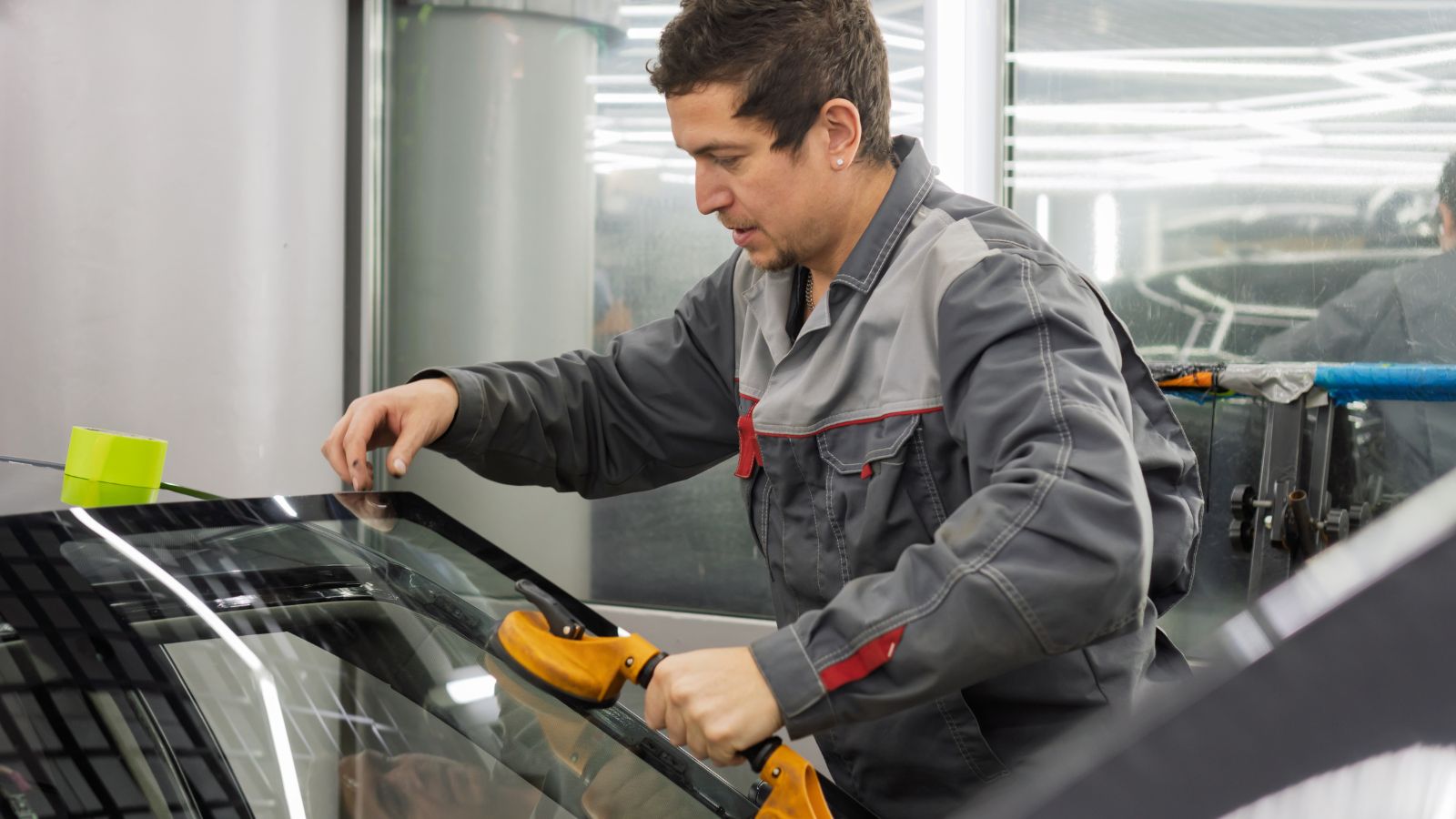
Windshield work requires more than a technician and a tube of adhesive. Modern replacements can involve pre-scans, trim removal, safe adhesive handling, camera brackets, calibration tools, documentation, and quality checks. Shops also face higher costs for training, equipment, rent, insurance, and skilled labour.
Broader vehicle repair costs have been rising in Canada, and windshield work sits inside that same pressure zone. Even when the glass itself is not unusually expensive, the total job can reflect the labour needed to do it safely. A careful installer must protect paint, avoid leaks, follow cure times, and ensure electronics work properly afterward. Faster is not always better when the windshield is part of the safety system.
OEM Requirements Can Limit Cheap Substitutes
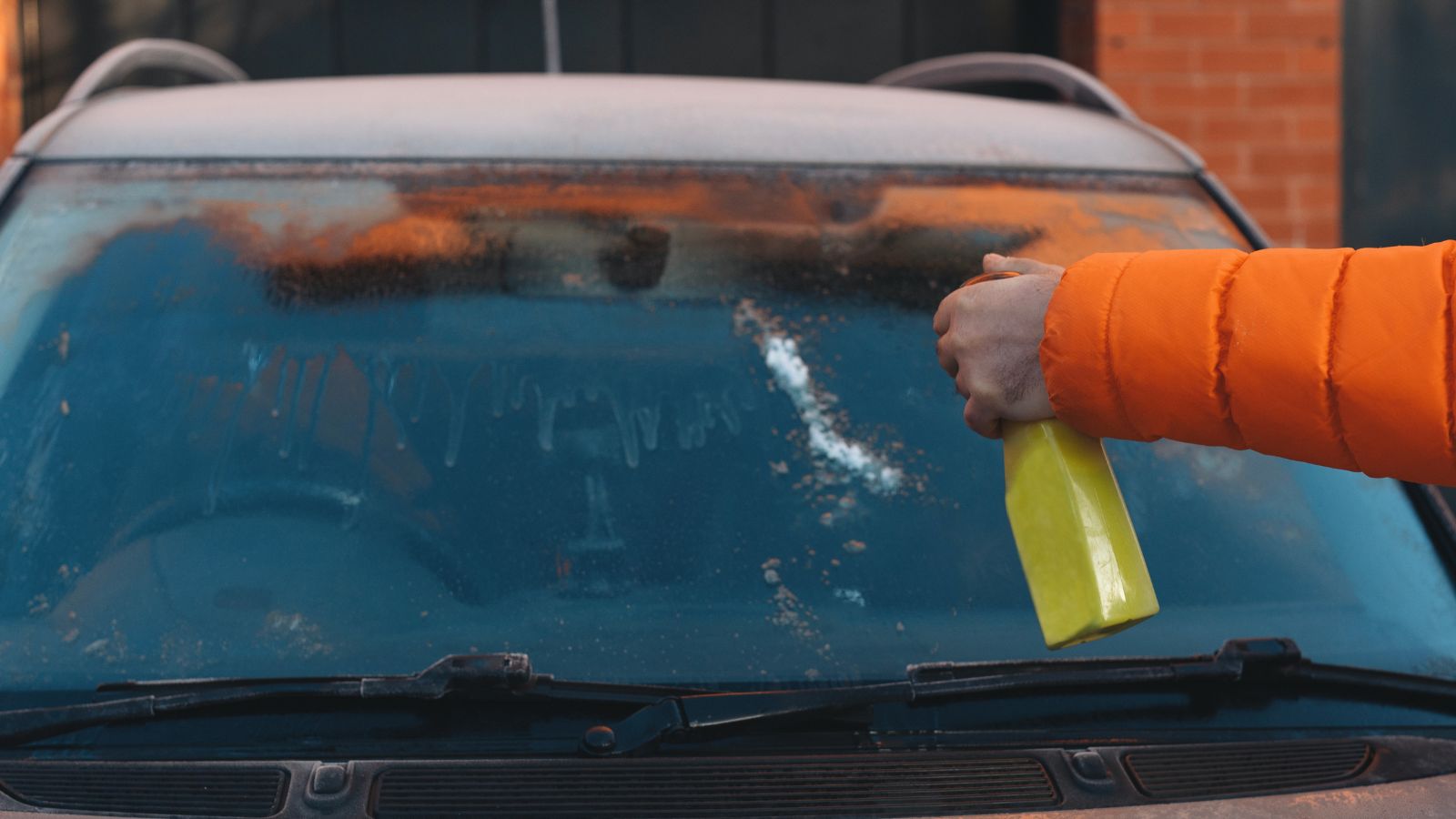
Some automakers issue detailed repair instructions for windshield replacement, especially on vehicles with cameras, head-up displays, or safety systems mounted near the glass. These instructions may call for specific glass, adhesives, brackets, and calibration steps. That can reduce the room for bargain substitutions.
Drivers often notice this when one quote is much cheaper than another. The lower quote may use aftermarket glass or may not include calibration, while the higher quote may follow manufacturer procedures more closely. The right choice depends on the vehicle, the insurer, and the repair standard required. On camera-equipped windshields, optical clarity and bracket placement are not minor details; they can affect how the vehicle reads the road.
Mobile Repairs Are Convenient, But Not Always Enough
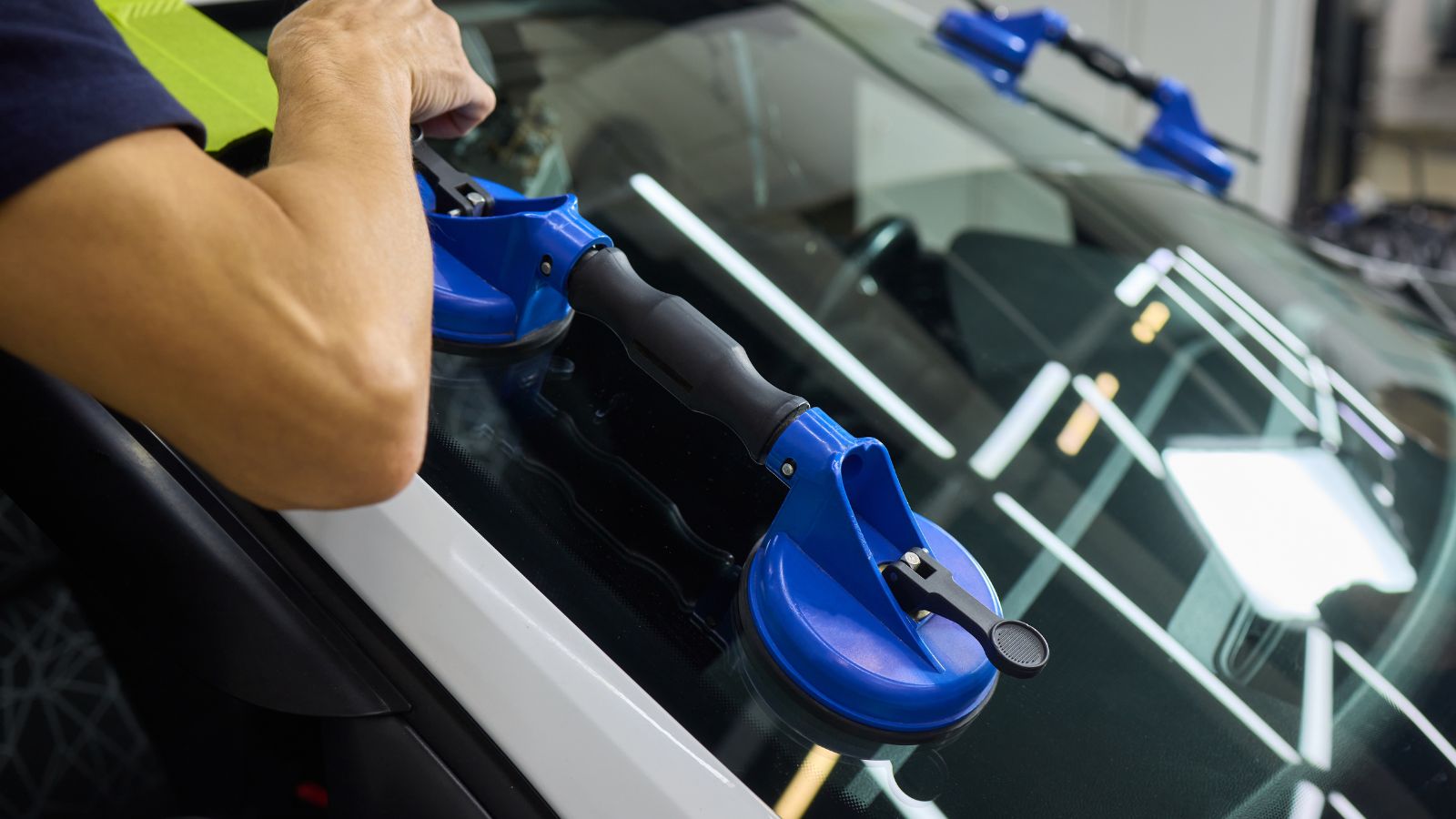
Mobile chip repair can be a practical option when the damage is small and the vehicle is parked safely. It saves time and can prevent a chip from becoming a crack. For minor, eligible damage, the convenience makes sense: the repair can often be done at home or at work without removing the windshield.
Replacement is different. Vehicles that require calibration may need shop equipment or controlled conditions that are not available in a driveway or parking lot. Street parking, steep driveways, poor weather, and safety limitations can also affect whether mobile work is possible. The more advanced the vehicle, the more likely the repair must move from a quick mobile visit to a structured in-shop appointment.
Delaying Repairs Can Create Legal and Safety Problems
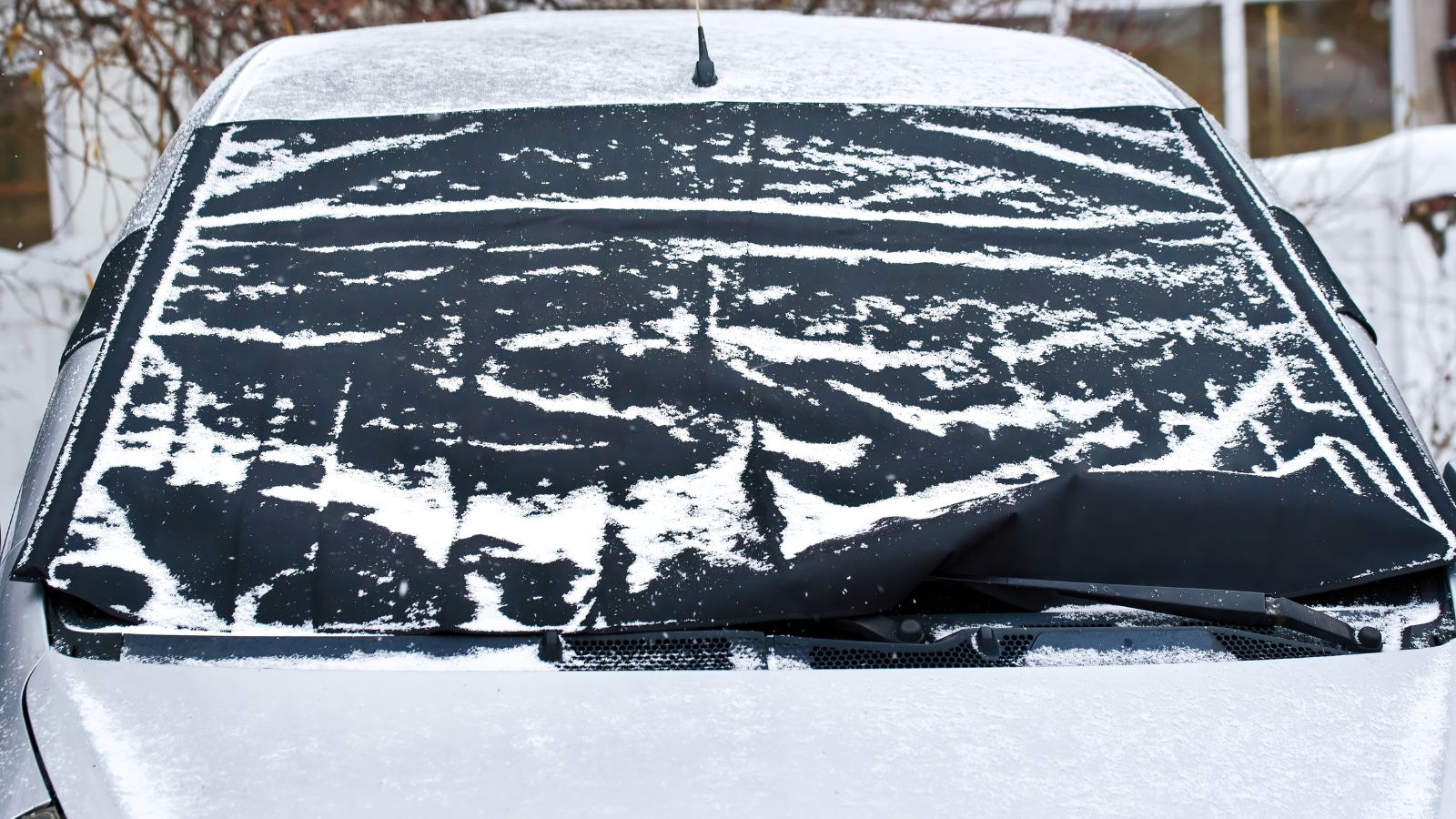
A damaged windshield is not only a cosmetic issue. Cracks can reduce visibility, distract the driver, weaken the glass, and interfere with safety equipment. In some provinces, a windshield crack that obstructs the driver’s view can also lead to a fine. That makes delay risky on both safety and cost grounds.
The human side is familiar: a driver hears a rock hit the glass, sees a tiny mark, and decides to deal with it later. Weeks pass. The crack spreads across the sightline during a cold snap, and now the vehicle needs a full replacement before a commute, road trip, or inspection. What began as a small nuisance becomes a larger bill because the windshield is part of the vehicle’s protective structure.
22 Things Canadians Do to Their Cars in Spring That Mechanics Hate

Spring brings relief to many Canadian drivers after months of snow, freezing temperatures, and icy roads that put serious strain on vehicles. As temperatures rise across the country, drivers begin washing cars, switching tires, and preparing vehicles for warmer weather and upcoming road trips. However, mechanics across Canada notice the same mistakes every spring when drivers attempt to recover from winter damage. Road salt, potholes, and harsh winter driving conditions often leave vehicles with hidden problems that drivers ignore. Some spring habits even create new mechanical issues that could have been avoided with proper maintenance. Here are 22 things Canadians do to their cars in spring that mechanics hate.