

























A weak battery rarely fails at a convenient time. It often starts with small clues: a slower crank on a cold morning, headlights that seem a little tired, or electronics that behave oddly after the vehicle has been parked. Since battery trouble is among the most common reasons drivers need roadside assistance, early warning signs deserve attention before a simple errand turns into a tow-truck wait.
These 20 signs explain the most common ways a car battery can reveal that it is losing strength, struggling to hold a charge, or being affected by a charging-system problem. Some warnings are obvious, while others are easy to dismiss until the engine refuses to turn over.
Slow Engine Cranking

One of the clearest early signs of a weak battery is an engine that turns over more slowly than usual. Instead of a quick, confident start, the starter may sound strained, as if it is dragging through each rotation. This happens because starting a vehicle demands a short burst of high current, and an aging battery may no longer deliver that power quickly enough.
A driver might notice this most clearly in the morning, after the vehicle has been sitting all night. The engine may still start, which makes the symptom easy to ignore. But slow cranking is often the battery’s way of warning that reserve strength is fading. When this sound becomes routine rather than occasional, a battery test is a smarter move than waiting for one final silent turn of the key.
A Single Click When Turning the Key
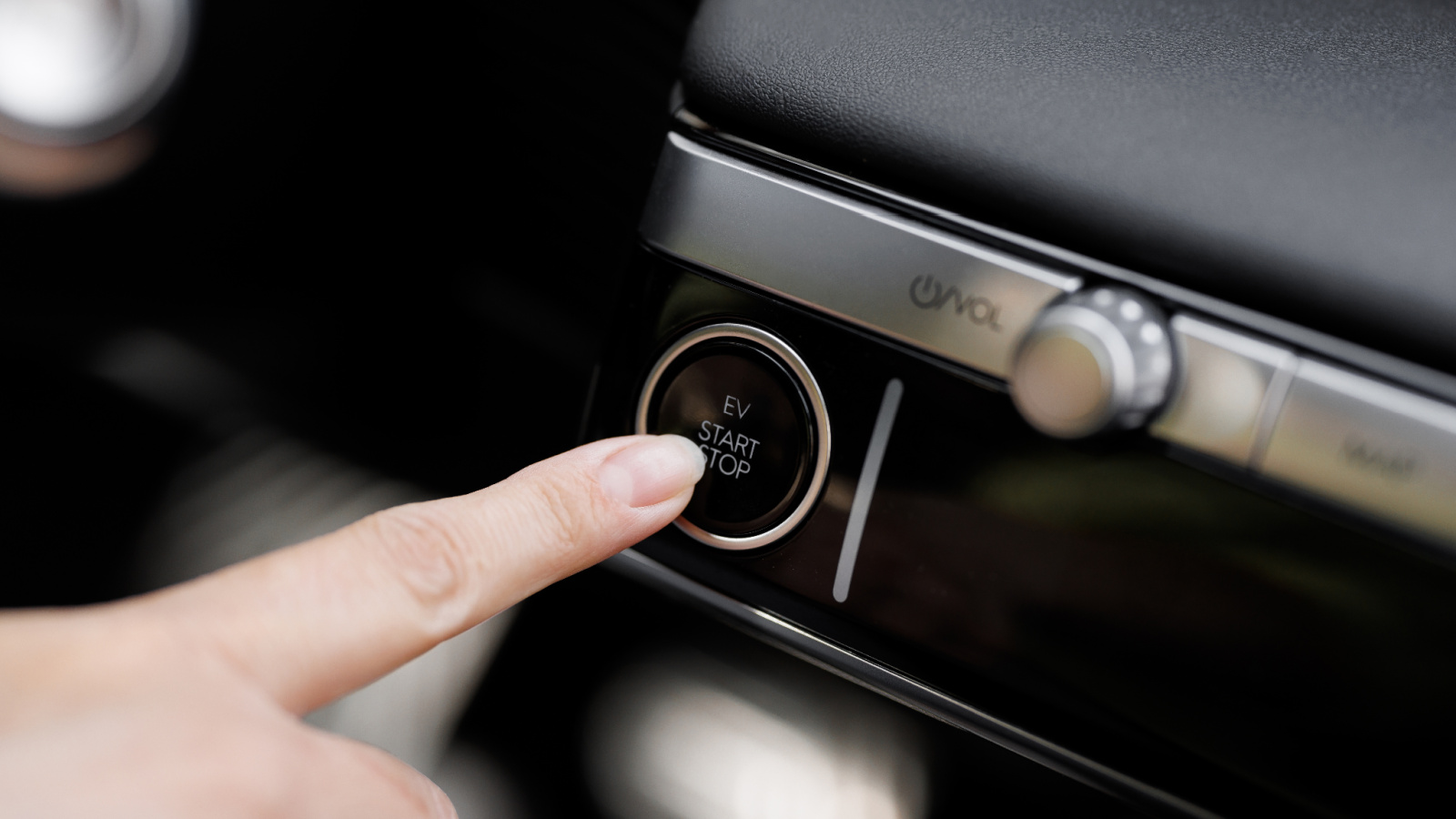
A click at startup can feel like a small sound with a big consequence. When the key is turned or the start button is pressed, the starter solenoid may click, but the engine may not crank properly. This often happens when the battery has enough power to trigger a relay but not enough to spin the starter motor with real force.
The classic example is a vehicle that starts fine one day and delivers only a sharp click the next morning. Sometimes the problem can involve the starter or a connection, but the battery is still one of the first things technicians check. Repeated clicking, especially when paired with dim lights or recent jump-starts, should be treated as a serious warning that the car may not start again without outside help.
Dim Headlights Before Startup
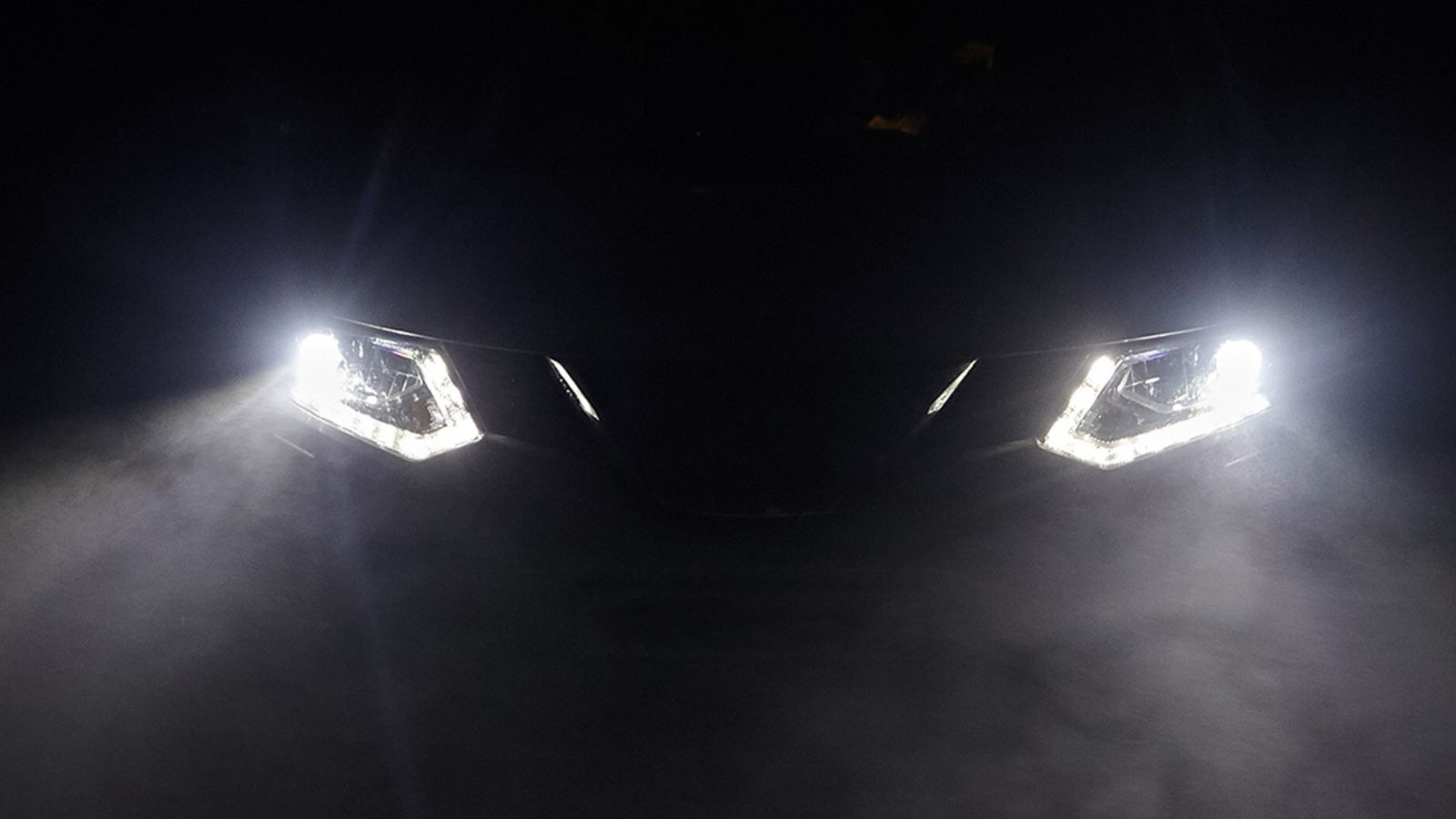
Headlights can reveal battery weakness before the engine ever turns over. If the headlights look dim when the engine is off, the battery may not be holding enough charge. A healthy battery should be able to power lights briefly without an obvious fade, while a weak one may struggle even before the starter is asked to work.
This sign is easiest to spot in a garage, driveway, or parking lot at night. The headlights may look dull, then brighten once the engine starts because the alternator begins supporting the electrical system. That change can be a clue that the battery itself is not carrying its share. If lights appear weak before startup and the engine also cranks slowly, the battery should be tested soon.
Dashboard Battery Light Stays On

The battery-shaped warning light does not always mean the battery alone has failed. It usually points to a problem in the charging system, which includes the battery, alternator, voltage regulator, belts, wiring, and connections. If the light appears briefly during startup and disappears, that is normal. If it stays on while driving, it deserves immediate attention.
A vehicle can keep running for a while with the battery light illuminated, but that does not mean it is safe to ignore. If the alternator is not charging properly, the car may eventually run only on stored battery power. Once that reserve is depleted, electrical systems can shut down and the vehicle may stall. A steady battery light is a warning to get the charging system checked before the battery is drained beyond recovery.
White, Blue, or Green Terminal Corrosion
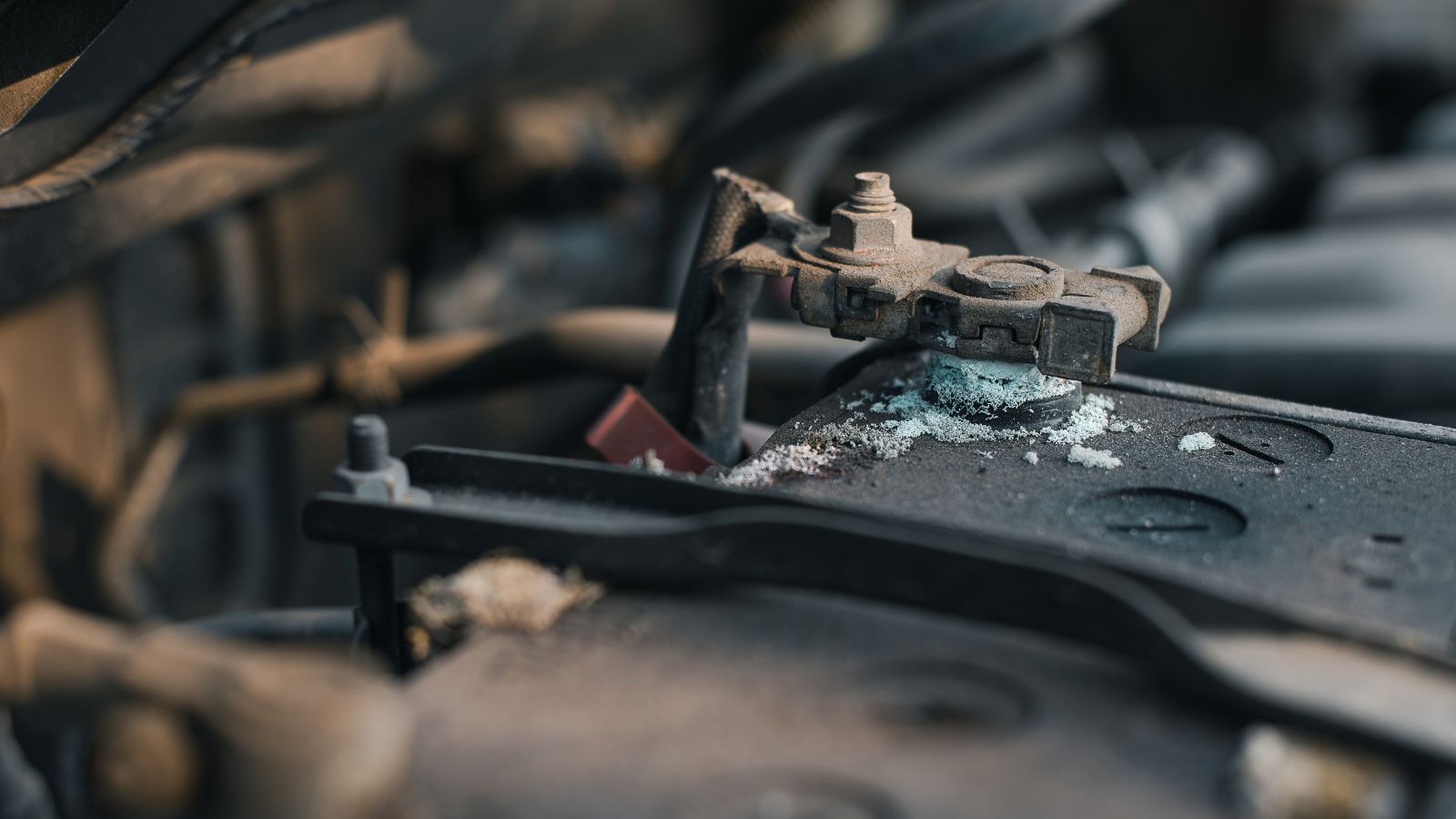
Corrosion around the battery terminals often looks like a chalky white, bluish, or greenish crust. It can appear harmless, but it may interfere with the flow of electricity between the battery and the vehicle. Even a good battery can behave like a weak one if current cannot move cleanly through the cables.
This issue is common enough that many repair guides tell technicians to check connections before replacing major parts. A commuter might experience random no-starts, only to discover the battery itself still tests reasonably well after the terminals are cleaned and tightened. Heavy corrosion can also point to leaks, overcharging, or poor maintenance. When buildup keeps returning quickly, the battery and charging system both deserve closer inspection.
Loose Battery Cables or Wiggling Terminals
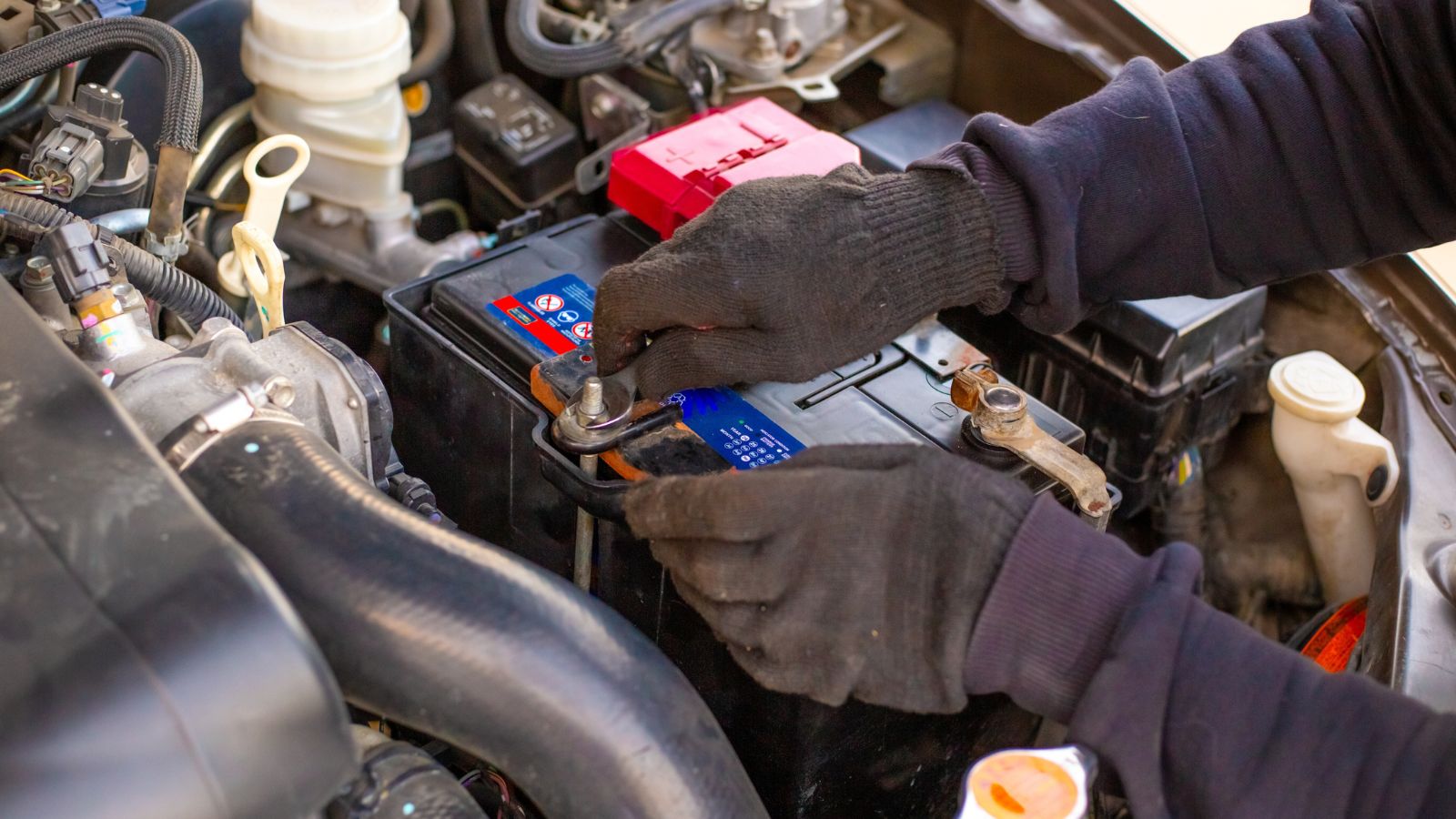
A loose battery terminal can create symptoms that mimic a dying battery. The vehicle may start one moment and act completely dead the next, simply because vibration has shifted the connection. Since cars move through potholes, temperature changes, and engine vibration, a clamp that is slightly loose can become a recurring source of trouble.
This can be especially frustrating because the battery may test fine when the cable happens to be sitting in the right position. Then, after a short drive or a stop at the store, the vehicle refuses to start. A secure connection matters as much as stored charge. If terminals can be moved by hand, or if the cables look damaged or frayed, the issue should be handled before it leaves the vehicle stranded somewhere inconvenient.
Swollen or Warped Battery Case
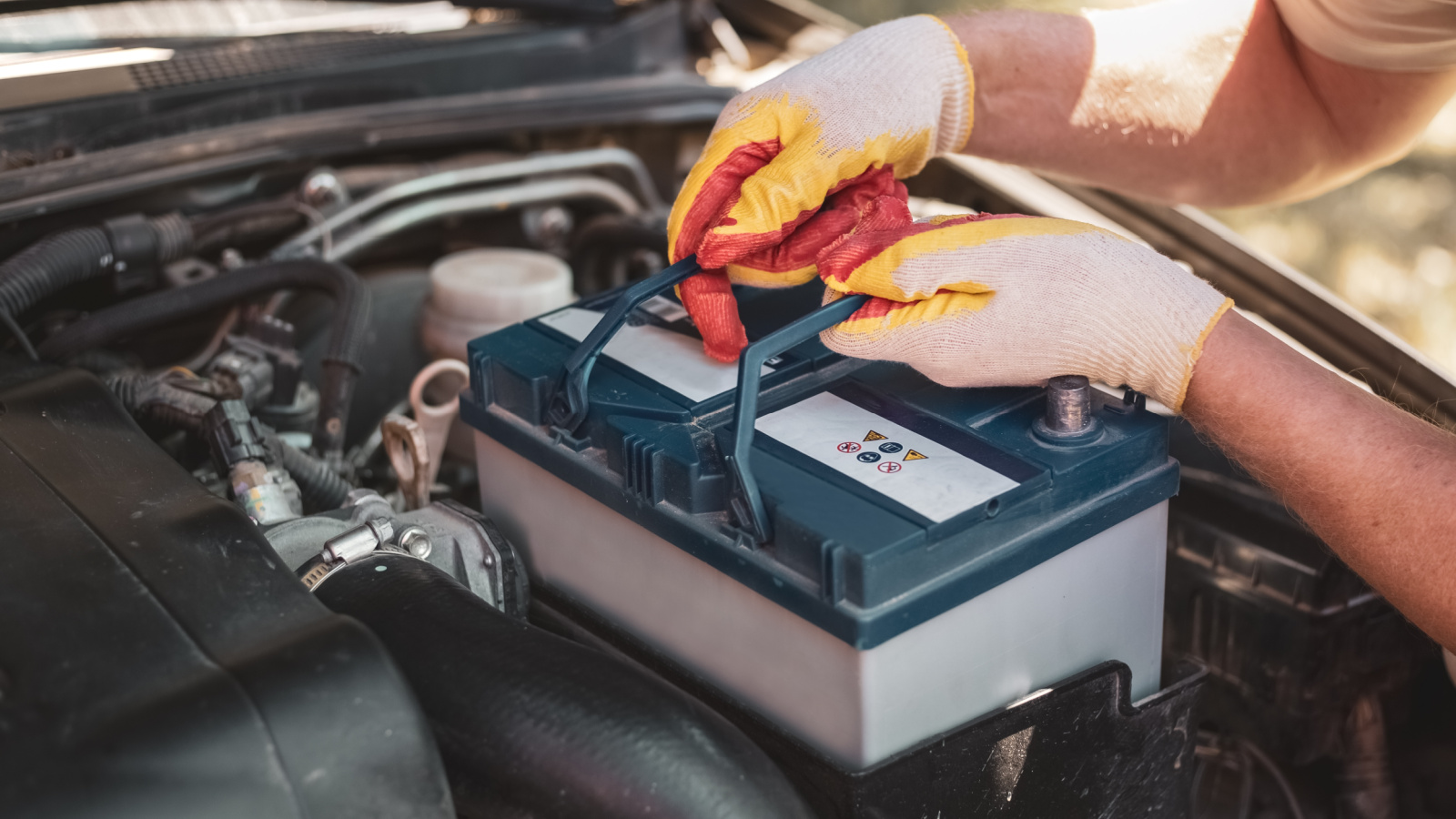
A battery case should look square, firm, and undistorted. If the sides appear swollen, bulged, or warped, the battery has likely been exposed to internal stress. Heat, freezing, overcharging, or internal failure can all contribute to case deformation. Once the case changes shape, the battery should be treated as unsafe and unreliable.
This is not just a cosmetic issue. A swollen battery can indicate pressure, chemical damage, or internal structural problems. In real life, this may be spotted during a routine oil change when the technician lifts the hood and notices the battery no longer sits normally in its tray. Because lead-acid batteries contain corrosive electrolyte and can release gases, a distorted case is a warning to avoid DIY guesswork and seek proper replacement.
Rotten-Egg Smell Under the Hood
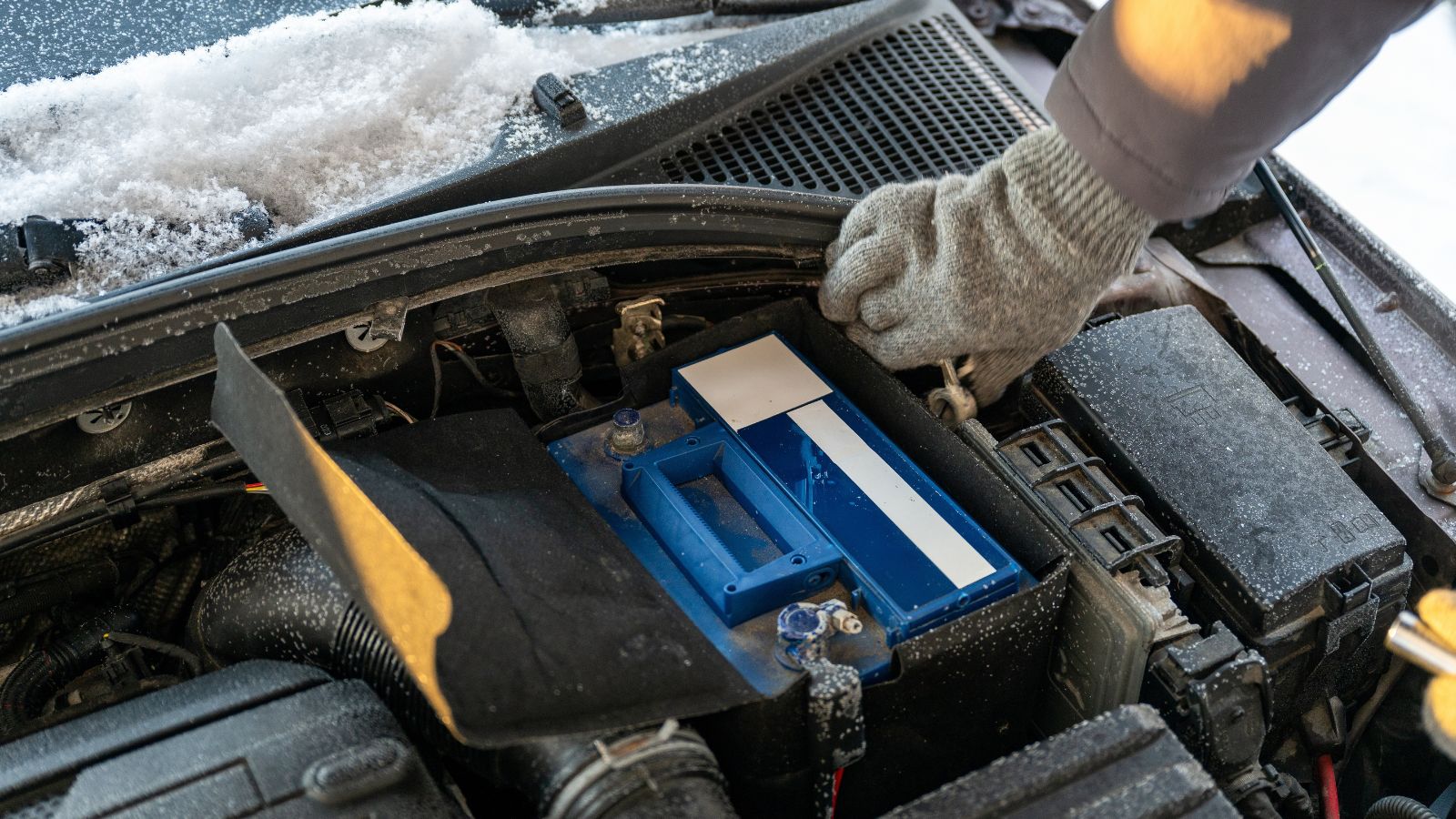
A sulfur-like rotten-egg smell near the battery is a warning sign that should not be ignored. Lead-acid batteries contain sulfuric acid, and unusual odors may suggest leakage, overcharging, or internal failure. While not every smell under the hood comes from the battery, this particular odor is serious enough to justify immediate inspection.
The situation can be more than inconvenient. Battery acid is corrosive, and batteries can release flammable gases under certain conditions. A driver who notices the odor after a long drive, especially with corrosion or a swollen case nearby, should avoid leaning over the battery or creating sparks. The safest next step is a professional battery and charging-system check rather than repeated jump-start attempts.
Battery Age Has Passed the Three-Year Mark

Car batteries do not last forever, even when a vehicle is otherwise well maintained. Many standard automotive batteries last around three to five years, though climate, driving habits, battery type, and electrical demand can shorten or extend that window. Once a battery passes the three-year mark, routine testing becomes much more important.
Age matters because battery decline is often gradual. A four-year-old battery may still start the car on warm days, then fail suddenly during a cold snap or after sitting unused. This is why many technicians recommend testing before seasonal extremes arrive. The date code on the battery can reveal its manufacturing date, and that small sticker may explain why a once-reliable vehicle has begun starting with less confidence.
The Car Struggles More in Cold Weather
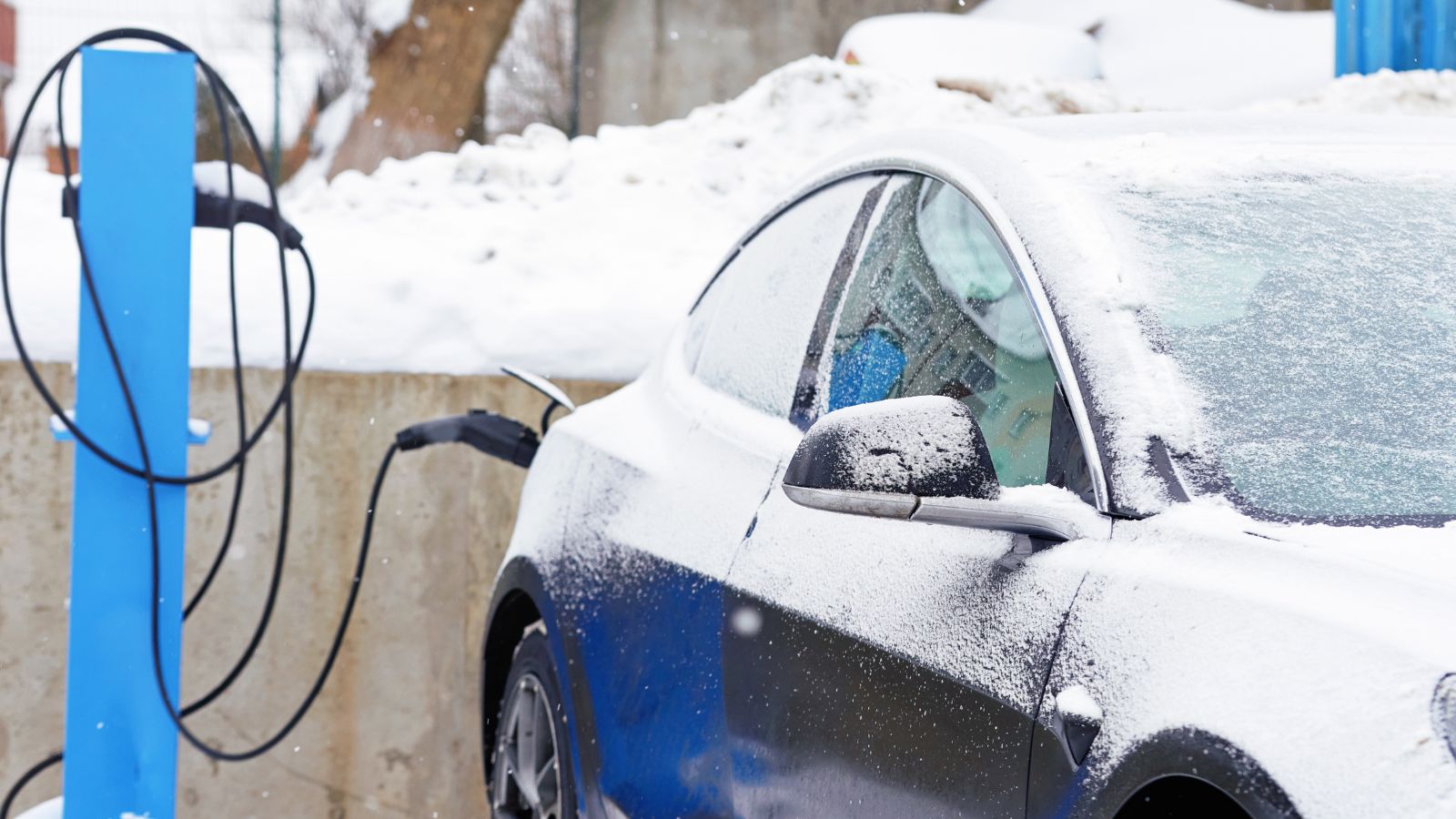
Cold weather makes weak batteries show their age. Lower temperatures slow the chemical reactions inside a battery, reducing its ability to deliver current. At the same time, the engine oil thickens and the starter has to work harder. That combination can expose a battery that seemed acceptable during milder weather.
This is why a car may start after work in the afternoon but hesitate badly the next morning after an overnight temperature drop. Cold-cranking amps exist because starting power in freezing conditions is a different challenge from starting on a mild day. If the vehicle cranks reluctantly whenever temperatures drop, the battery may be near the edge of its usable life, even if it still works during warmer parts of the day.
Hot Weather Makes Starting Unpredictable
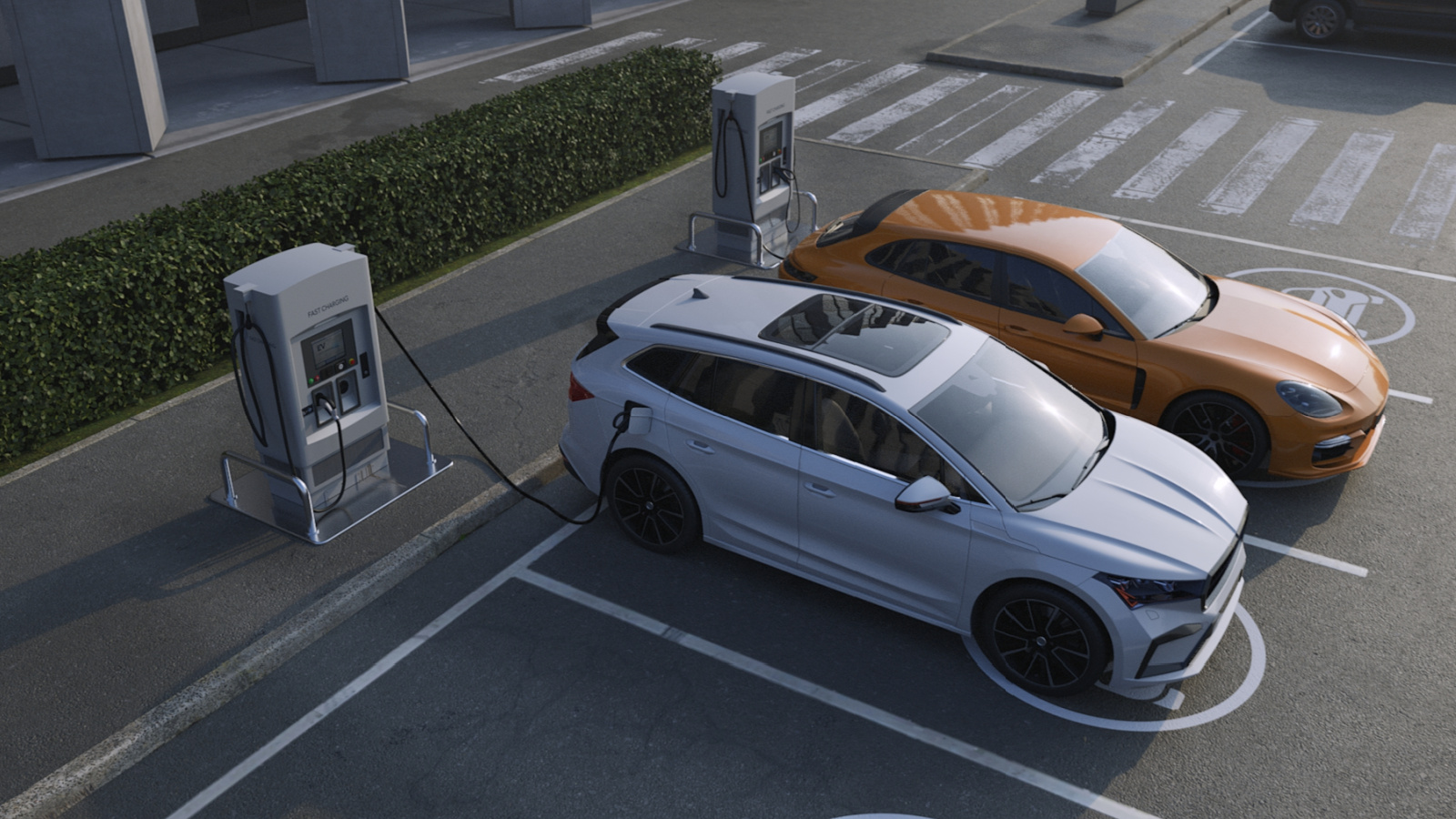
Many drivers blame winter for battery failure, but heat can be just as damaging. High under-hood temperatures speed up chemical reactions, increase water loss in flooded batteries, and can contribute to internal corrosion. The frustrating part is that heat damage may build quietly during summer, then show up as a no-start later.
A vehicle parked in direct sun day after day may seem fine until the battery suddenly weakens. In hot regions, batteries can fail earlier than expected, especially if short trips and heavy accessory use are part of the routine. Slow starts after heat waves, swollen cases, or corrosion that appears quickly around the terminals all suggest the battery is being stressed by conditions beyond ordinary aging.
Frequent Jump-Starts Become Normal

Needing a jump-start once may be the result of a light left on or an unusual drain. Needing one repeatedly is a stronger warning. A battery that often requires boosting may be unable to hold charge, or the vehicle may have a charging or parasitic-draw issue that is draining it while parked.
The danger is that jump-starts can create a false sense of control. The car starts, the errand continues, and the underlying problem stays unresolved. But each deep discharge can reduce the usable life of a lead-acid battery, especially if it remains undercharged. If jump cables or a portable booster have become part of the weekly routine, the battery should be tested under load and the charging system should be checked as well.
Interior Electronics Start Acting Glitchy

Modern vehicles rely on steady voltage for far more than starting. Control modules, sensors, infotainment systems, power locks, cameras, and driver-assistance features all expect a stable electrical supply. A weak battery may cause small glitches before it fails completely, such as flickering interior lights, delayed screen startup, or temporary warning messages.
These symptoms can be mistaken for software quirks. A driver might notice the radio freezes for a moment, the backup camera takes longer to appear, or the cabin light flickers when unlocking the car. While electronics can fail for many reasons, strange behavior after the vehicle has been parked often points back to low battery voltage. Testing the battery is a practical first step before chasing more expensive electrical faults.
Power Windows Move Slower Than Usual
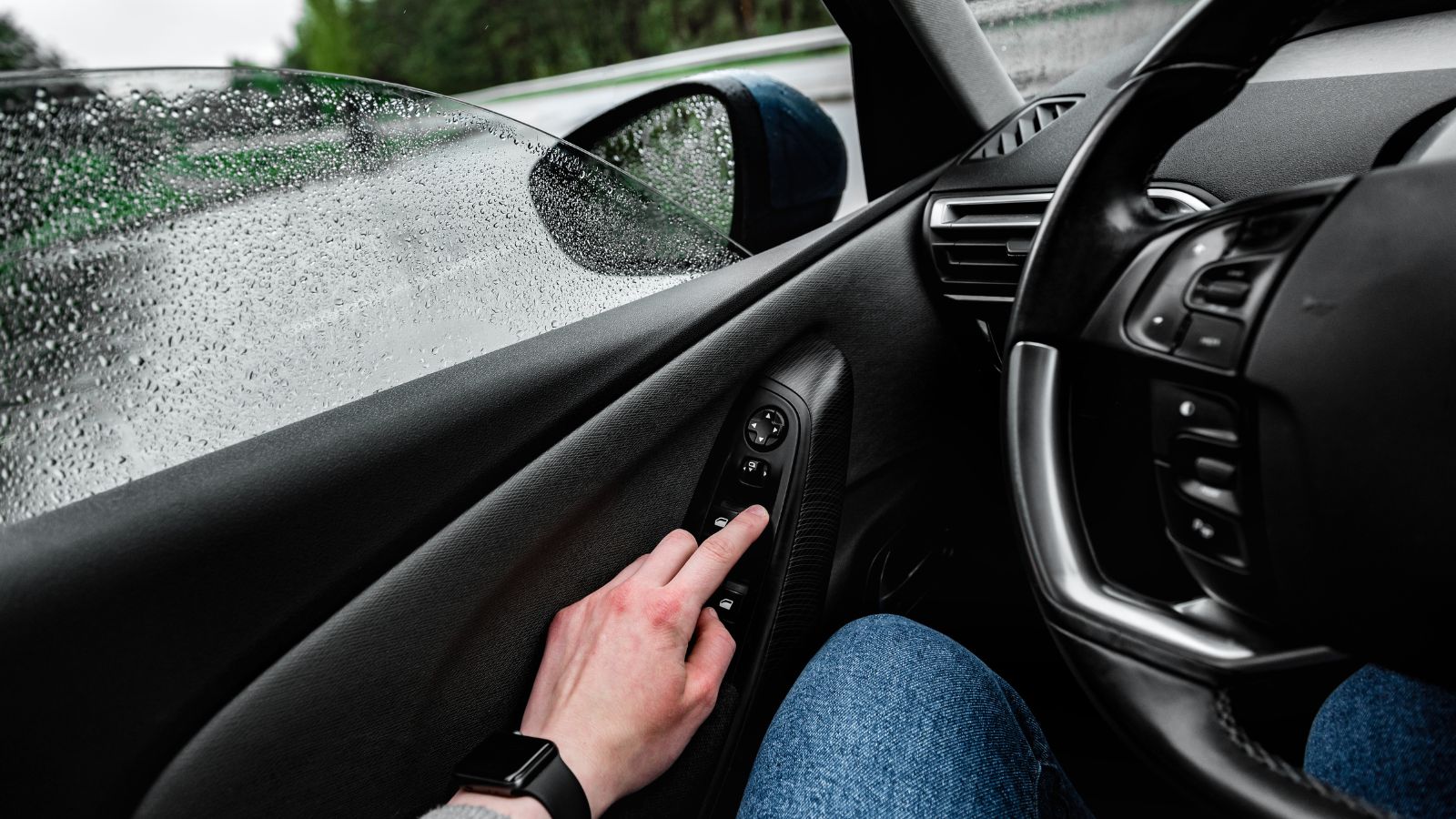
Slow power windows can be a surprisingly useful clue. If a window drags upward more slowly when the engine is off or just after startup, the battery may not be providing strong voltage. Power windows draw noticeable current, so they can expose weakness that smaller accessories do not reveal as clearly.
Of course, a window regulator, motor, or track can also be the problem. The pattern matters. If several windows seem slower at the same time, or if the sluggishness improves once the engine is running, the battery or charging system becomes more suspicious. This is especially important when paired with a battery light, dim headlights, or slow cranking. Small electrical delays can be the vehicle’s early attempt to warn that starting power is fading.
Clock, Radio, or Bluetooth Settings Reset
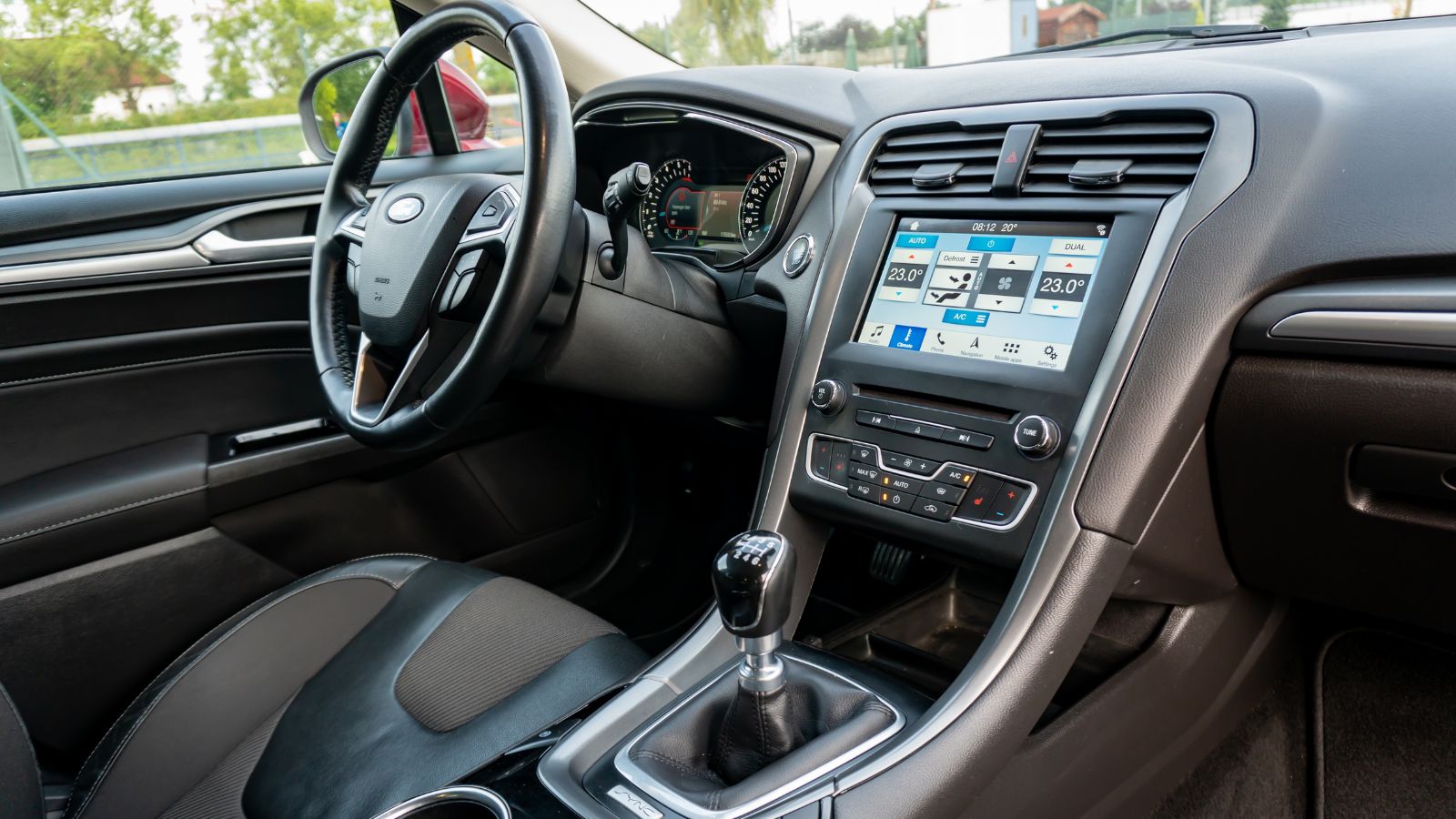
When a car forgets the time, radio presets, Bluetooth pairing, or seat memory, low voltage may be involved. Many vehicle modules need a small amount of stored power to preserve settings after the engine is off. If the battery drops too low while parked, those memory functions may reset.
This can feel minor at first. The driver fixes the clock and moves on. But if settings reset more than once, the battery may be dipping below the voltage needed to keep modules alive. Parasitic drain can also cause this problem by pulling power while the car sits. A pattern of lost settings after overnight parking should be treated as more than an annoyance, especially if startup is also becoming slower.
Start-Stop System Stops Working Reliably
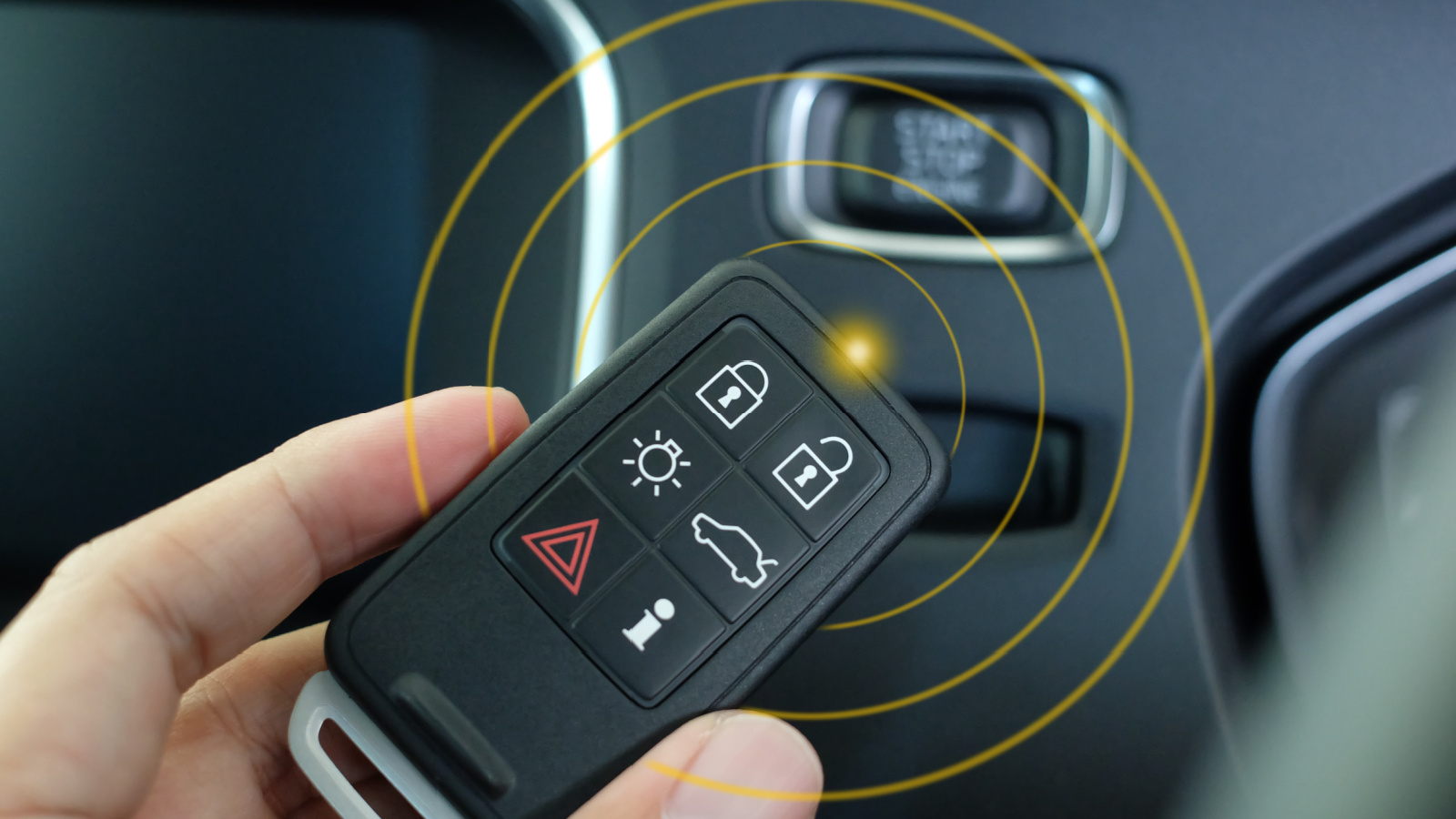
Vehicles with automatic start-stop systems depend heavily on battery condition. These systems shut the engine off at stops and restart it quickly, which requires a battery designed for frequent cycling and higher electrical demand. If the system stops activating, activates less often, or displays a related warning, the battery may no longer meet the required condition.
This does not always mean the battery is dead. Start-stop systems may pause for temperature, cabin comfort, engine load, or other normal reasons. But if the feature used to work regularly and now rarely does, the battery deserves attention. Many start-stop vehicles use AGM or enhanced flooded batteries, and installing the wrong replacement type can create future problems. A proper test should confirm both battery health and correct battery specification.
Voltage Reads Low After Sitting
A simple voltmeter reading can offer useful clues. A fully charged 12-volt lead-acid battery often reads around 12.6 volts or slightly higher at rest. Readings in the low 12-volt range suggest partial discharge, while around 12.0 volts generally indicates a flat or severely discharged battery that needs charging and testing.
The key is measuring after the vehicle has been off for several hours, not immediately after driving. Right after a trip, the battery may show a temporary surface charge that hides weakness. A driver checking voltage before work may see 12.1 volts and wonder why the car is slow to start. That number matters because the battery is already low before the starter draws its heavy load.
Headlights Flicker or Brighten With Engine Speed

Headlights that flicker, pulse, or brighten noticeably as engine speed changes can indicate a charging-system problem. Once the engine is running, the alternator should support the electrical system and recharge the battery. If output is unstable, the battery may be repeatedly undercharged or overworked.
This symptom is often spotted at night while idling at a stoplight. The headlights may dim at idle, then brighten when the accelerator is pressed. That can point to alternator output, belt tension, wiring, or battery weakness. Since a bad alternator can damage or drain a battery, replacing the battery alone may not solve the problem. A charging-system test helps identify whether the battery is the victim, the cause, or only part of the story.
The Car Starts After a Drive but Not After Parking

A vehicle that starts easily after a long drive but struggles after sitting may have a battery that is not holding charge. During driving, the alternator replenishes some energy. After several hours parked, a weak battery may lose enough voltage to make the next start difficult. This pattern is especially suspicious when it happens overnight.
The same symptom can also point to parasitic drain. Modern vehicles use small amounts of power while parked for clocks, alarms, keyless-entry modules, and computer memory. That is normal within limits, but a stuck relay, glove-box light, faulty door switch, or aftermarket accessory can draw too much. If the battery is repeatedly low after parking, both battery capacity and parasitic draw should be checked.
A Fresh Charge Does Not Last

Charging a weak battery can temporarily bring it back, but it may not restore lost capacity. If the battery is charged fully and then quickly becomes weak again, it may no longer be able to hold power. In battery terms, there is a difference between being discharged and being at the end of service life.
A common example is a vehicle that is charged overnight, starts once, then struggles again a day later. That pattern suggests the problem is deeper than a one-time drain. A professional battery test can measure whether the battery still has enough capacity and cranking ability. If it cannot hold charge after proper charging, replacement is usually more practical than continuing a cycle of boosters, chargers, and roadside uncertainty.
The Engine Runs Rough Right After Startup

A weak battery can sometimes create roughness immediately after startup, especially in modern vehicles packed with sensors and electronic controls. During the first few seconds, the electrical system is stabilizing, and a weak battery may not provide clean support before the alternator fully takes over. The result can feel like a brief stumble, hesitation, or uneven idle.
This sign should be interpreted carefully because rough running can come from fuel, ignition, air, or engine-management issues. The clue is timing. If the engine smooths out quickly, and other signs such as slow cranking, dim lights, or electronic glitches are present, battery weakness deserves consideration. A battery test is inexpensive compared with replacing parts based on guesswork, and it may reveal that the rough start is electrical rather than mechanical.
The Vehicle Has Been Sitting Too Long

A parked vehicle can drain its own battery over time. Even when turned off, many modern cars keep systems alive for security, memory, remote access, and control modules. If the vehicle sits for weeks, especially with an older battery, there may not be enough charge left to start the engine.
This often happens after vacations, remote work periods, storage, or a second vehicle being used only occasionally. The first warning may be a weak unlock response, dim interior lights, or a slow crank after days of inactivity. Infrequent use can be harder on a battery than many drivers expect because the alternator needs driving time to replace what starting and standby systems consume. Long parking periods make battery testing and maintenance charging especially worthwhile.
The Battery Fails After Short Errands
Frequent short trips can slowly wear down a battery because starting the engine uses a large burst of energy, and the alternator needs time to replace it. When the vehicle is driven only a few minutes at a time, the battery may never fully recover between starts. Over weeks or months, that can leave it chronically undercharged.
This pattern is common for school drop-offs, grocery runs, or city driving with repeated stops. The car may seem reliable until one extra stop becomes the one where it refuses to restart. Older batteries are especially vulnerable because they have less reserve capacity to begin with. If the vehicle mostly handles short errands, a weak battery can become stranded-car trouble faster than a high-mileage highway commuter might expect.
22 Things Canadians Do to Their Cars in Spring That Mechanics Hate

Spring brings relief to many Canadian drivers after months of snow, freezing temperatures, and icy roads that put serious strain on vehicles. As temperatures rise across the country, drivers begin washing cars, switching tires, and preparing vehicles for warmer weather and upcoming road trips. However, mechanics across Canada notice the same mistakes every spring when drivers attempt to recover from winter damage. Road salt, potholes, and harsh winter driving conditions often leave vehicles with hidden problems that drivers ignore. Some spring habits even create new mechanical issues that could have been avoided with proper maintenance. Here are 22 things Canadians do to their cars in spring that mechanics hate.