

























The finance office can turn a costly vehicle into something that feels manageable by shifting attention away from the full price and toward a smaller monthly number. That number matters, but it rarely tells the whole story. A payment can look lower because the loan is longer, the upfront cash is higher, the rate is temporary, or extra costs are quietly spread across years of financing.
There are 16 ways a car dealership can make a monthly payment look cheaper. Each one shows how a deal can appear easier on the budget while still increasing the total amount paid, reducing flexibility, or adding risk later.
Stretching the Loan Over More Years

One of the simplest ways to lower a car payment is to stretch the loan term. A 60-month loan spreads the cost over five years, while an 84-month loan stretches it over seven. The payment drops because the same balance is divided into more installments. On a $38,000 vehicle financed at 7%, the payment could fall by nearly $180 a month when moving from 60 to 84 months.
The tradeoff is total cost. That same example adds roughly $3,000 in extra interest over the life of the loan. Longer terms also keep buyers in debt while the vehicle ages, loses value, and eventually needs repairs. A payment that feels easier in year one can feel heavier in year six if the car is worth less than the loan balance.
Focusing on Payment Instead of Out-the-Door Price

A dealership may ask, “What monthly payment are you comfortable with?” before discussing the full selling price. That question can sound helpful, but it shifts the negotiation away from the total cost. A buyer who says $550 a month may be shown a structure that reaches $550 while quietly changing the term, down payment, fees, interest rate, or trade-in value.
The out-the-door price is the number that reveals the real deal. It includes the vehicle price, required fees, taxes, add-ons, and other charges before financing. Two buyers can both pay $550 a month, but one may have a shorter loan and lower total cost while the other is locked into years of extra interest. The monthly figure is only one piece of the contract.
Asking for More Money Up Front

A larger down payment can make a monthly payment look much cheaper. If a buyer puts $5,000 down instead of $1,000, the amount financed drops by $4,000. On a typical auto loan, that can reduce the monthly payment noticeably and make the deal feel more affordable while sitting at the desk.
The issue is not that down payments are bad. In fact, they can reduce interest and lower the risk of owing more than the vehicle is worth. The concern is presentation. A dealer may advertise or quote a low monthly payment that depends on a large amount due at signing. The payment looks light, but the buyer has already paid part of the cost before the first bill arrives.
Rolling Negative Equity Into the New Loan

A dealership may say it will “pay off” an old loan when a buyer trades in a vehicle. That can sound like a clean break, especially when the old car is worth less than the remaining loan balance. In reality, the unpaid difference can be rolled into the new financing, making the new loan larger from day one.
For example, if a trade-in is worth $15,000 but the old loan balance is $18,000, there is $3,000 in negative equity. That amount does not disappear. It may be added to the new loan, where it also accrues interest. The monthly payment can still be managed by extending the term, but the buyer is now paying for the new car and part of the old one at the same time.
Using Conditional Rebates in the Quote

Some advertised prices and payments include rebates that not every shopper qualifies for. A payment might assume a loyalty rebate, military rebate, recent graduate rebate, trade assistance, manufacturer finance bonus, or a regional incentive. On paper, these discounts can make the vehicle look thousands cheaper and the monthly payment easier to accept.
The surprise comes when the buyer reaches the finance stage and learns that one or more rebates do not apply. A $1,500 rebate spread across a 72-month loan can change the payment by roughly $20 to $25 a month before interest. That may not sound dramatic, but several conditional rebates can make the advertised payment unrealistic. The safest comparison uses only incentives the buyer has confirmed in writing.
Quoting Before Taxes and Fees Are Added

A monthly payment can look attractive when it is based only on the vehicle price. Taxes, registration, documentation charges, tire fees, dealer fees, and other required costs may be added later. When those charges are financed, they do not feel like a large cash expense, but they still increase the loan balance.
A $1,200 fee package on a 72-month loan can add roughly $18 to $22 per month depending on the rate. That small increase may be easy to miss during a fast signing process. The bigger issue is comparison shopping. One dealership may advertise a lower price but add more fees later, while another may quote a higher but more complete out-the-door number. The cheaper-looking payment is not always the cheaper deal.
Hiding Add-Ons Inside the Payment

Add-ons such as service contracts, paint protection, tire-and-wheel coverage, theft products, nitrogen, window etching, or maintenance plans can be presented as small monthly increases. A $2,400 product may be described as “only about $35 a month,” which makes the cost sound minor compared with the total loan.
This framing can blur the decision. The buyer is not just paying $35 once; the charge may run for six or seven years and may also accrue interest. Some add-ons may be useful in the right situation, but they should be priced separately and accepted voluntarily. A human example is the shopper who declines a protection package verbally, then later sees the contract payment still matches the “approved” monthly target because the product was folded into the financing.
Marking Up the Interest Rate

In indirect auto financing, the dealer often sends the buyer’s application to lenders and then presents a loan offer. In some cases, the dealer may be allowed to add a markup to the lender’s base rate. The buyer sees the final annual percentage rate, but may not know whether a lower lender-approved rate existed behind the scenes.
Even a small rate difference matters. On a $35,000 loan for 72 months, moving from 6.5% to 8% can add more than $20 a month and well over $1,500 in total interest. The payment might still fall within the buyer’s requested budget, which makes the markup less obvious. A preapproval from a bank or credit union gives shoppers a benchmark before entering the finance office.
Offering a Promotional Rate With Tradeoffs

A low promotional APR can make a monthly payment look excellent, especially when compared with ordinary market rates. Zero-percent or near-zero financing can be a real benefit for qualified buyers, but it often comes with conditions. The vehicle may need to be a specific model, the loan term may be shorter, or the buyer may have to give up a cash rebate.
The key is comparing the full scenarios. A $2,000 rebate with a higher APR may sometimes beat a lower-rate deal without the rebate, depending on the term and amount financed. Dealers may emphasize the monthly payment because it is easier to digest than the total finance charge. A strong offer should still make sense when the buyer compares price, rebate, APR, term, and total paid.
Extending the Term After Adding Products

A dealership can add optional products and then extend the loan term so the payment barely changes. This is one reason a buyer might wonder how a warranty, GAP product, and protection package can be added while the payment only rises modestly. The answer is often that the cost has been spread across more months.
For example, adding $3,000 of products to a loan would normally raise the payment. But if the term is also moved from 60 to 72 or 84 months, the monthly number may stay close to the target. The buyer may feel protected because the payment is still manageable, yet the contract now lasts longer and costs more. The payment did not stay low by magic; the cost was diluted over time.
Using a Lease Instead of a Loan

A lease often has a lower monthly payment than financing the same vehicle because the customer is generally paying for expected depreciation during the lease term, plus rent charges and fees, rather than paying down the full purchase price. That can make a newer or more expensive vehicle appear reachable.
The lower payment comes with limits. Most leases restrict mileage, usually around 10,000 to 15,000 miles per year, and may charge for excess wear or early termination. At the end, the driver typically returns the vehicle or pays a purchase-option price. A lease can be a good fit for some people, but the monthly payment alone can hide the fact that ownership, equity, mileage flexibility, and long-term cost are very different from a loan.
Lowering the Lease Mileage Allowance

A lease payment can be reduced by lowering the mileage allowance. A 10,000-mile annual allowance often costs less than 12,000 or 15,000 miles because the vehicle is expected to be worth more at the end of the lease. The math can make sense on paper, especially for drivers with predictable routines.
The risk appears when real life changes. A new commute, family obligation, or road-trip habit can push the driver over the limit. Excess-mileage charges often look small per mile, but they add up quickly. At 25 cents per mile, driving 4,000 miles over the allowance costs $1,000 at lease end. The monthly payment looked cheaper because some of the cost was moved into a future penalty.
Making the First Few Months Sound Free
“No payments for 90 days” can make a deal feel easier, especially when a buyer is juggling insurance, registration, moving costs, or holiday expenses. The offer may be legitimate, but it does not always mean the vehicle is cheaper. In many financing arrangements, interest can still accrue during the deferral period.
That delay can also soften the emotional impact of a large purchase. A buyer drives home with no immediate bill and may focus less on the total repayment schedule. Once payments begin, the loan still has to be repaid under the contract terms. Deferrals can help with timing, but they should not be confused with a discount unless the contract clearly shows that the skipped months do not add cost.
Presenting Weekly or Biweekly Payments
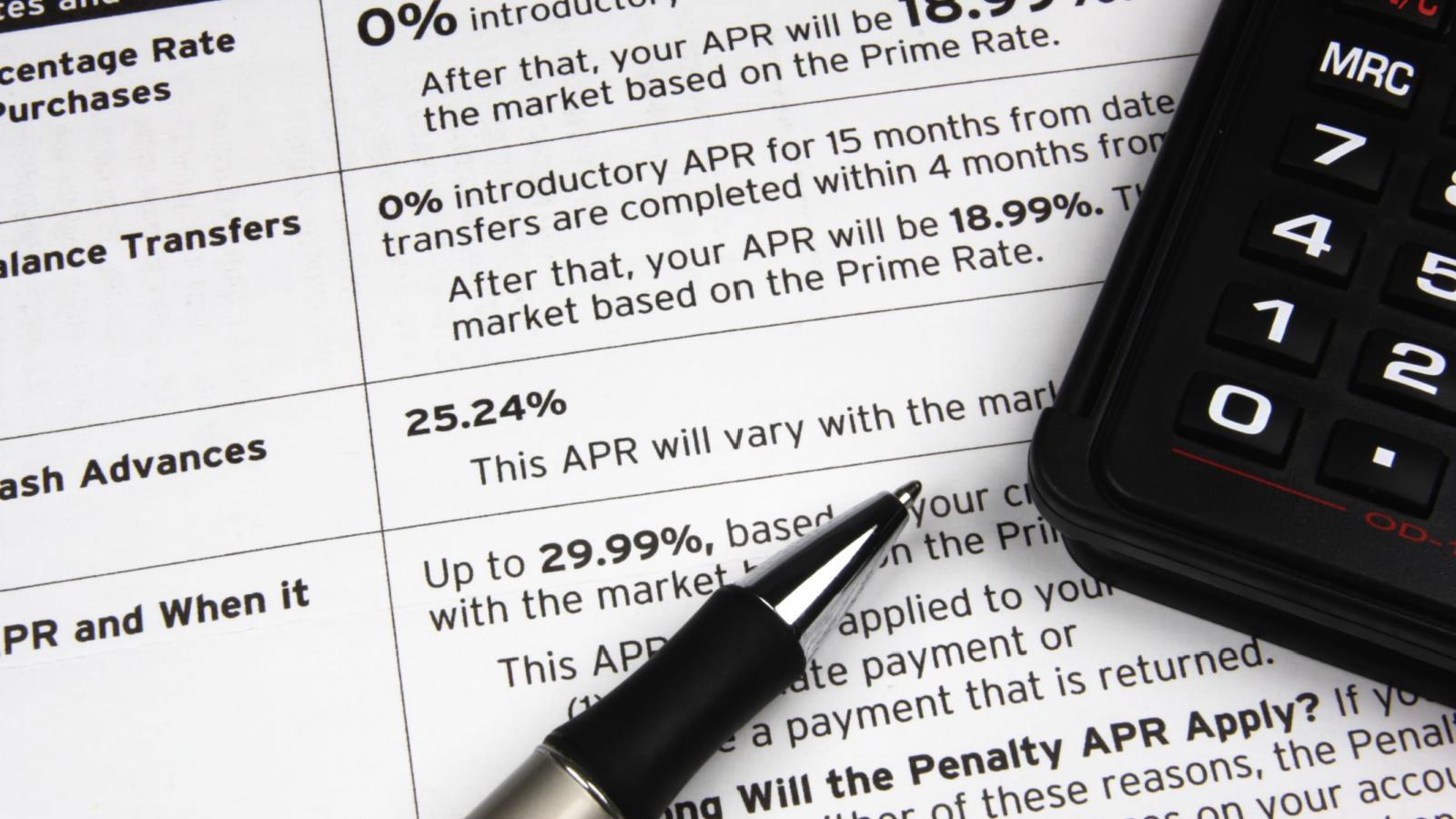
A weekly or biweekly figure can make an expensive car sound more affordable. A $650 monthly payment may feel heavy, while “about $150 a week” sounds closer to routine spending. The smaller number changes the psychology even when the total obligation remains similar.
The math deserves attention because payment frequency can be confusing. Some biweekly structures create 26 payments per year, which equals 13 monthly-equivalent payments rather than 12. That can pay a loan down faster in certain setups, but it can also make comparisons harder. A buyer comparing $150 weekly with $650 monthly should convert both to the same annual cost. The smaller payment label is not automatically the better deal.
Inflating the Trade-In Allowance While Adjusting the Price
A dealership may offer more for a trade-in than another store, making the monthly payment look better. The buyer feels like the old vehicle received special treatment, and the extra allowance reduces the amount financed. However, the dealership can sometimes offset that allowance by reducing the discount on the new car or adding fees elsewhere.
For example, one dealer might offer $17,000 for a trade-in but sell the new car near full price. Another might offer $15,500 for the trade but discount the new car by $2,000 more. The payment can look better in the first scenario because the trade number feels generous, but the overall deal may be similar or worse. The full transaction matters more than any single line item.
Skipping the Total Finance Charge Conversation

The most effective way to make a payment look cheaper is to avoid discussing the total finance charge. A buyer may hear the price, the payment, and the delivery date, but not spend much time on how much interest will be paid by the end of the loan. The finance charge can be thousands of dollars, especially on longer terms.
A payment that fits the budget is important, but the contract should also be judged by total paid. For instance, a $40,000 loan at 7% costs about $7,500 in interest over 60 months and about $10,700 over 84 months. The monthly payment is lower with the longer term, but the vehicle is not cheaper. A clearer question is not only “Can this payment work?” but “What will this car cost from start to finish?”
22 Things Canadians Do to Their Cars in Spring That Mechanics Hate

Spring brings relief to many Canadian drivers after months of snow, freezing temperatures, and icy roads that put serious strain on vehicles. As temperatures rise across the country, drivers begin washing cars, switching tires, and preparing vehicles for warmer weather and upcoming road trips. However, mechanics across Canada notice the same mistakes every spring when drivers attempt to recover from winter damage. Road salt, potholes, and harsh winter driving conditions often leave vehicles with hidden problems that drivers ignore. Some spring habits even create new mechanical issues that could have been avoided with proper maintenance. Here are 22 things Canadians do to their cars in spring that mechanics hate.