

























A small amber engine icon can change the mood of an ordinary drive in seconds. It may appear after a fuel stop, during a cold start, or halfway through a commute when the vehicle still seems to run normally. That uncertainty is what makes the check engine light so unsettling: it can point to a loose cap, a failing sensor, a misfire, or a costly emissions problem.
There are 17 common reasons this warning may suddenly turn on, ranging from simple maintenance issues to faults that need immediate diagnosis. Some are inexpensive and easy to confirm, while others can create a chain reaction if ignored. The key is understanding what the light is trying to signal before a small problem becomes a much larger repair.
Loose or Damaged Fuel Cap

A loose fuel cap is one of the least dramatic reasons a check engine light may appear, but it is also one of the most believable. After refueling, the cap may not be tightened enough, the rubber seal may be cracked, or the cap may be missing altogether. The vehicle’s evaporative emissions system is designed to seal fuel vapors inside the tank, so even a small vapor leak can be detected as a problem.
This is why the light may come on shortly after a gas-station visit, even though the engine sounds perfectly normal. A driver may tighten the cap and expect the warning to vanish immediately, but many vehicles need several trips before the system confirms the leak is gone. It is a small reminder that modern cars monitor vapor pressure as carefully as they monitor engine performance.
Oxygen Sensor Sending Bad Readings
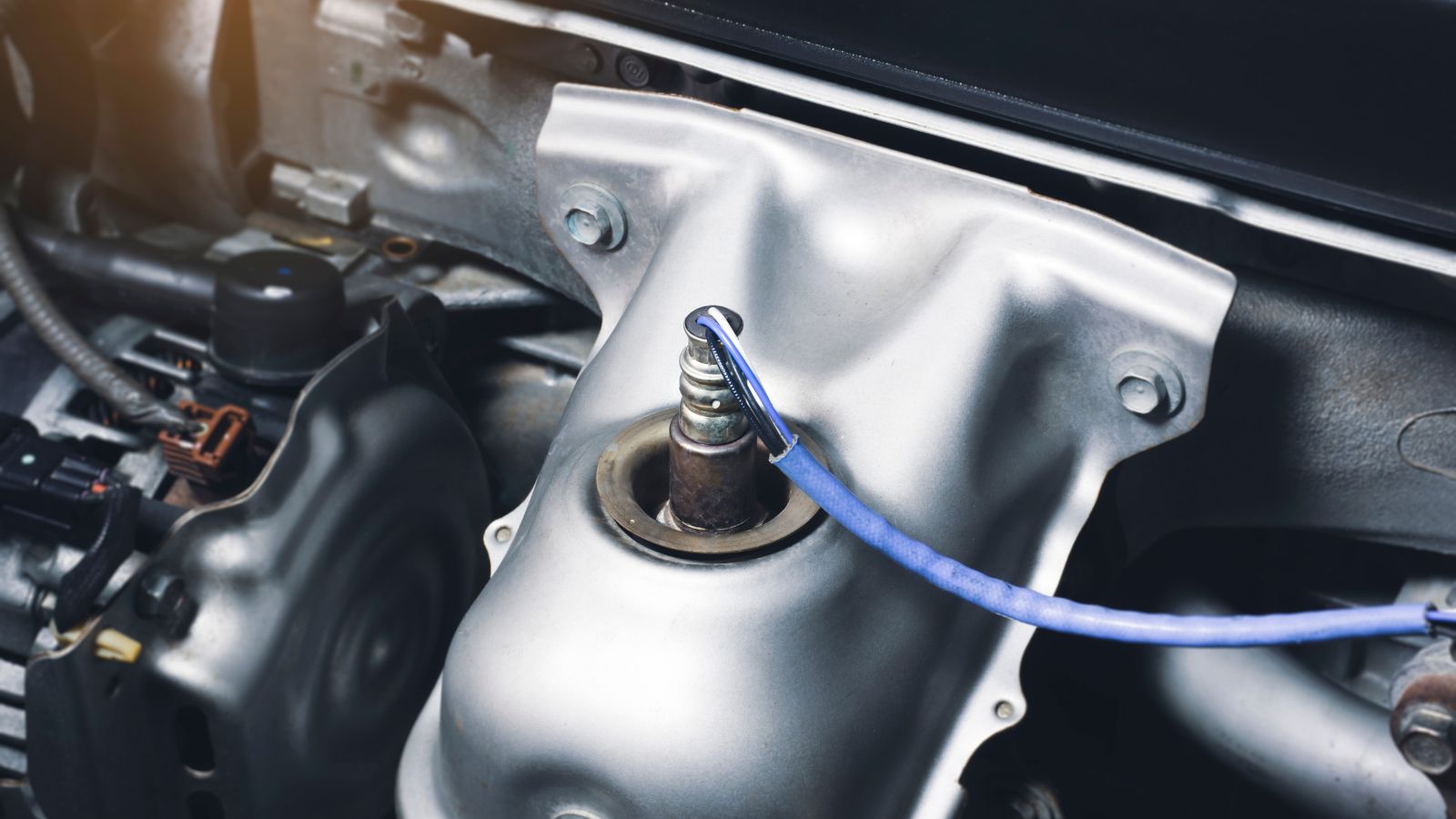
Oxygen sensors sit in the exhaust stream and help the engine computer understand whether the air-fuel mixture is too rich or too lean. When one fails, the vehicle may still drive normally, but the computer loses an important feedback signal. That can lead to poor fuel economy, higher emissions, rough running, or unnecessary strain on the catalytic converter.
This is one reason an oxygen-sensor code should not be treated as harmless just because the car still starts and accelerates. A commuter may notice only that fuel stops are happening more often, while the dashboard light stays steady. In real-world repair data, oxygen sensors remain among the most common check-engine-related repairs, which makes them familiar but still important.
Catalytic Converter Efficiency Problem
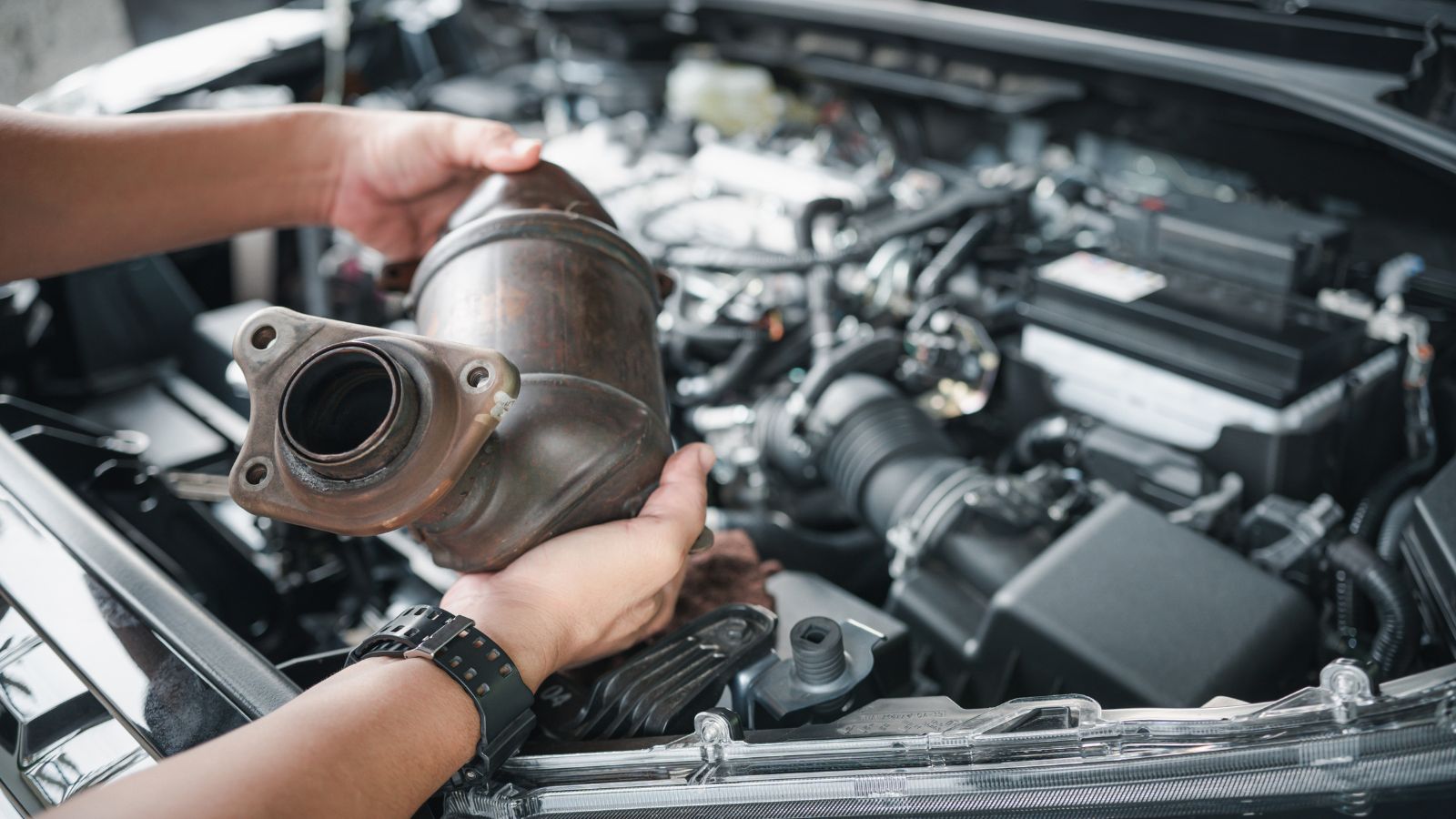
A catalytic converter helps reduce harmful exhaust emissions, but it usually does not fail in isolation. Long-term misfires, oil burning, coolant contamination, or a bad oxygen sensor can overload the converter until it can no longer clean exhaust gases efficiently. When the downstream oxygen sensor detects that the converter is not doing its job, the check engine light may come on.
This warning can feel sudden even when the damage developed slowly. A vehicle may begin with a slight hesitation, then gradually lose power on hills or during highway merging. Catalytic converter repairs are often expensive compared with many other check-engine fixes, so the light can be a late-stage warning that earlier problems were ignored. That makes timely diagnosis especially valuable.
Worn Spark Plugs
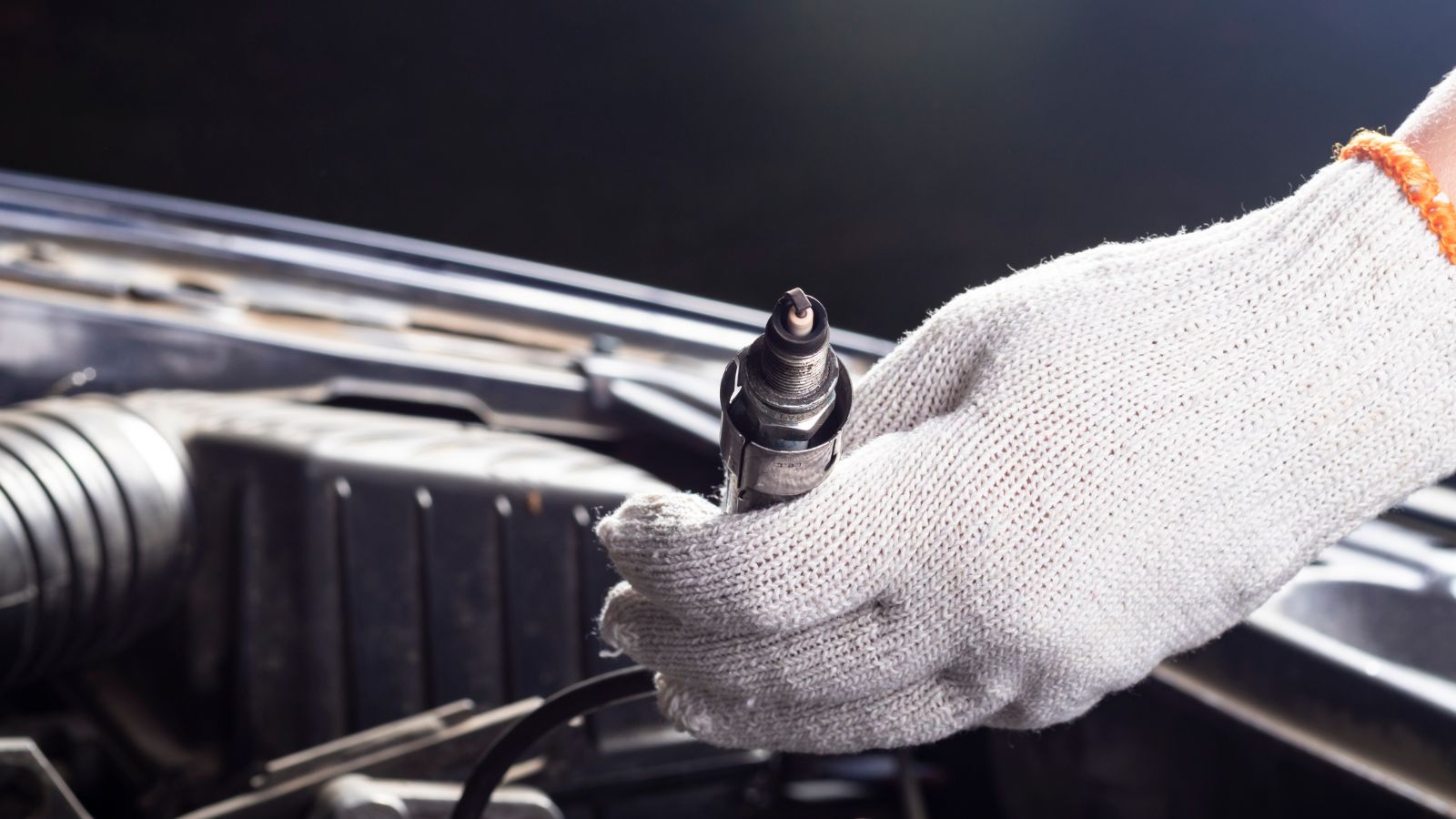
Spark plugs ignite the air-fuel mixture inside the cylinders. When they wear down, become fouled, or develop too wide a gap, combustion becomes less reliable. The engine computer may detect misfires, rough idle, hesitation, or reduced efficiency and turn on the check engine light. In some cases, the light may flash if the misfire is severe enough.
The human side of this problem is familiar: a driver postpones a tune-up because the car “still runs fine,” then the light appears during a damp morning start or while accelerating onto a busy road. Worn plugs are routine parts, but ignoring them can stress ignition coils and eventually harm the catalytic converter. Small ignition parts can therefore create a much larger repair story.
Failing Ignition Coil
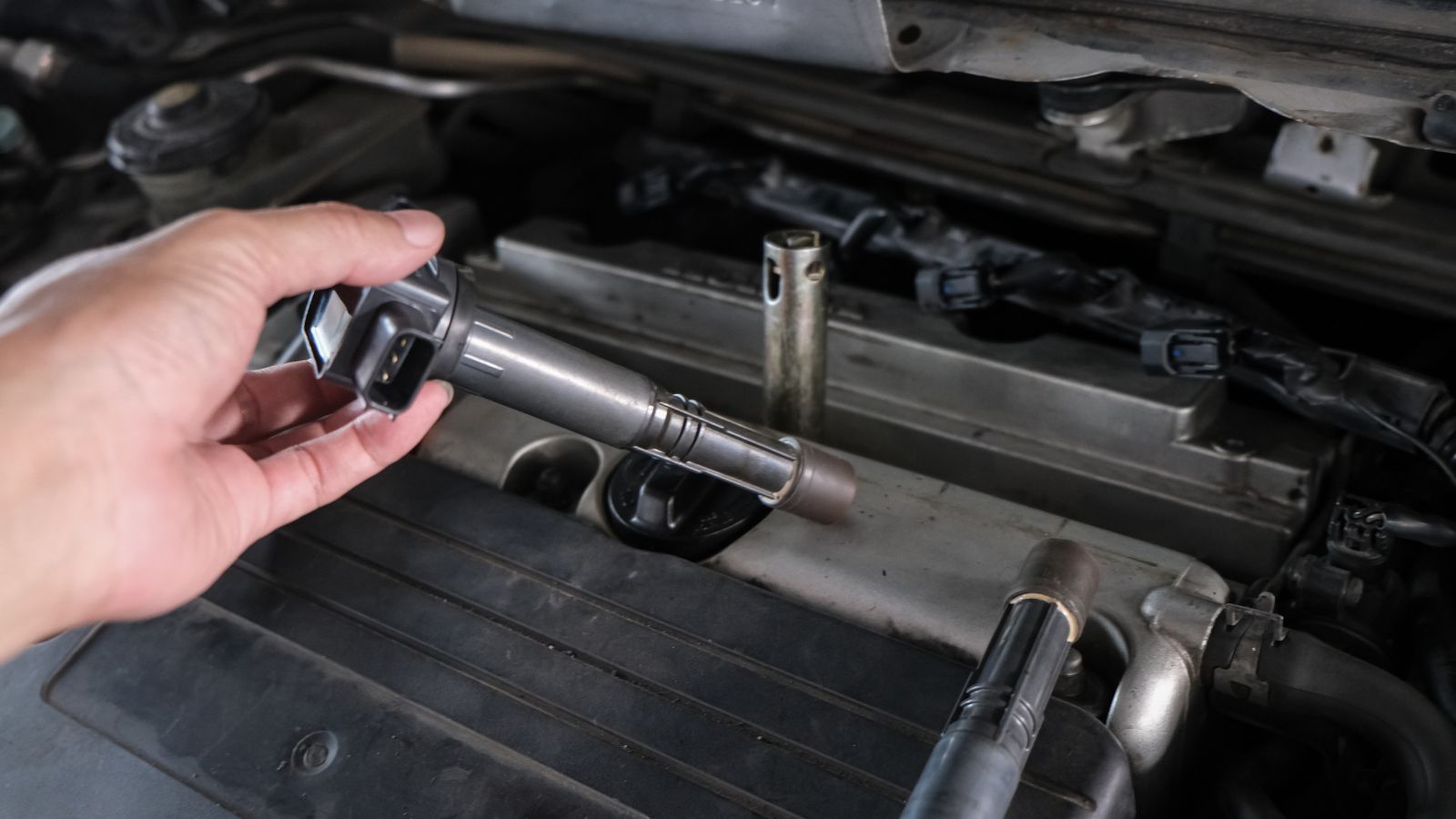
Ignition coils turn low battery voltage into the high voltage needed to fire the spark plugs. When a coil weakens, one cylinder may stop firing consistently, especially under load. The result can be shaking, poor acceleration, a fuel smell, or a flashing check engine light if the misfire is active and severe.
This often shows up at the worst possible moment, such as climbing a hill or passing traffic, because the engine is demanding stronger spark. A single bad coil can make the whole vehicle feel unstable, even though the mechanical failure is localized. Many modern engines use one coil per cylinder, so diagnosis often involves identifying the specific cylinder rather than replacing everything at once.
Mass Airflow Sensor Trouble
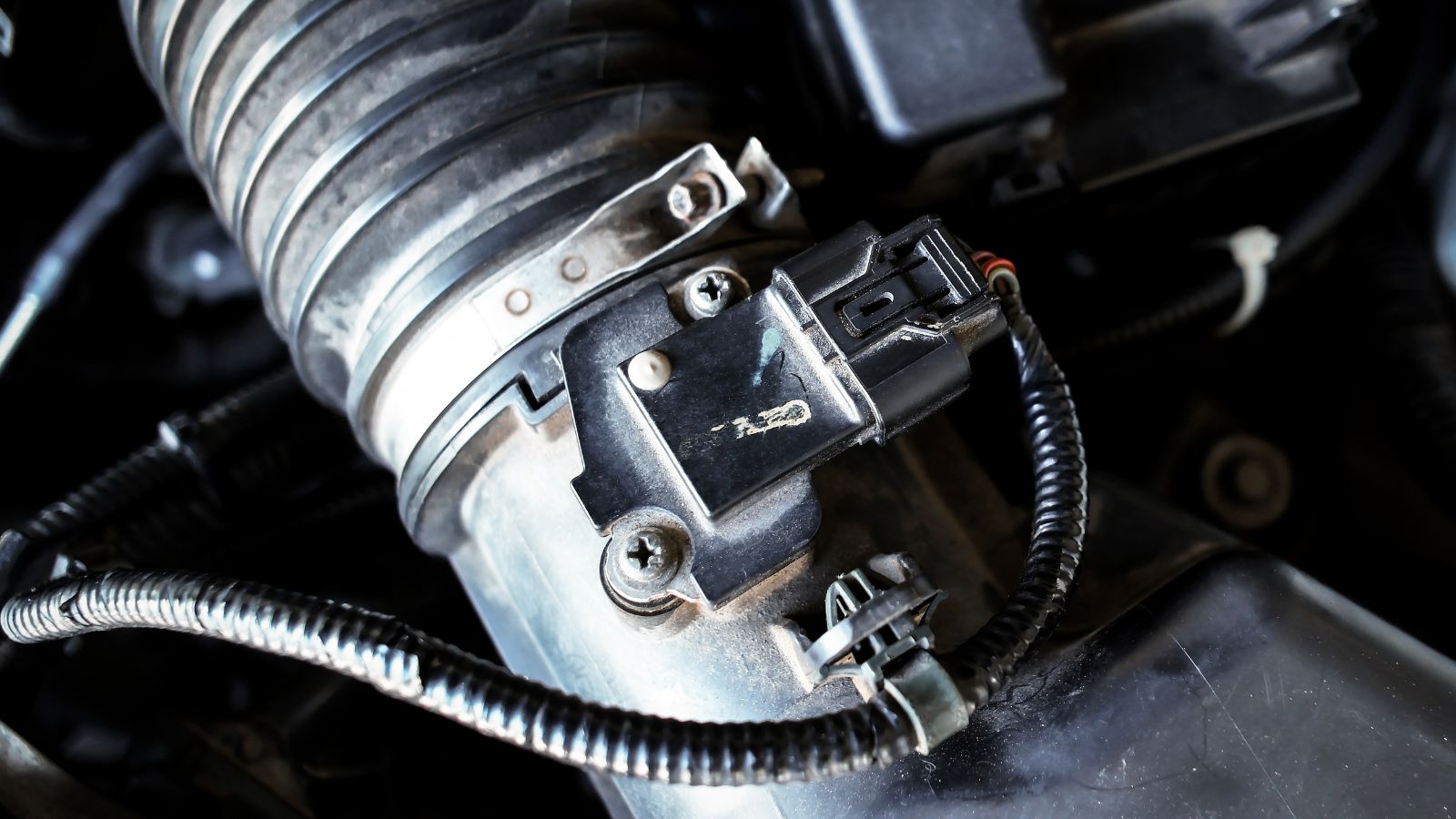
The mass airflow sensor measures how much air enters the engine, allowing the computer to calculate the right amount of fuel. If the sensor gets dirty, fails electrically, or reads air volume incorrectly, the engine may run too rich or too lean. That can trigger the check engine light and create symptoms such as stalling, rough idle, sluggish acceleration, or poor fuel economy.
A common example is a vehicle that hesitates after an air-filter change or develops a light after a dusty driving season. Sometimes the sensor is contaminated; other times the intake duct has a leak that makes the sensor’s reading misleading. Because the mass airflow sensor sits near the beginning of the intake system, a small error there can distort the entire fuel calculation.
EVAP Purge Valve Stuck Open or Closed
The evaporative emissions purge valve controls when stored fuel vapors are drawn from the charcoal canister into the engine to be burned. If it sticks open, extra vapor can enter at the wrong time. If it sticks closed, the system may not purge properly. Either condition can trigger check-engine codes and may create hard starts after refueling, rough idle, or fuel economy changes.
This problem often surprises drivers because the vehicle may feel nearly normal most of the time. The clue may be a light that appears after filling the tank or an engine that cranks longer than usual after a fuel stop. Although the purge valve is usually less expensive than major engine parts, ignoring it can keep the emissions system from completing its self-checks properly.
EVAP Leak Beyond the Fuel Cap

Not every evaporative emissions leak is caused by the cap. Cracked vapor hoses, a damaged charcoal canister, a faulty vent valve, or a leak-detection pump problem can also make the system lose pressure. The check engine light may come on even if the fuel cap is tight and the vehicle drives normally.
These leaks can be frustrating because they often do not create obvious drivability symptoms. A technician may need a smoke machine to find the tiny leak, especially when the problem is hidden near the fuel tank or rear of the vehicle. The repair can be as simple as a hose or as involved as a canister assembly. Either way, the warning exists because fuel vapor control is part of emissions compliance.
Fuel Injector Problem
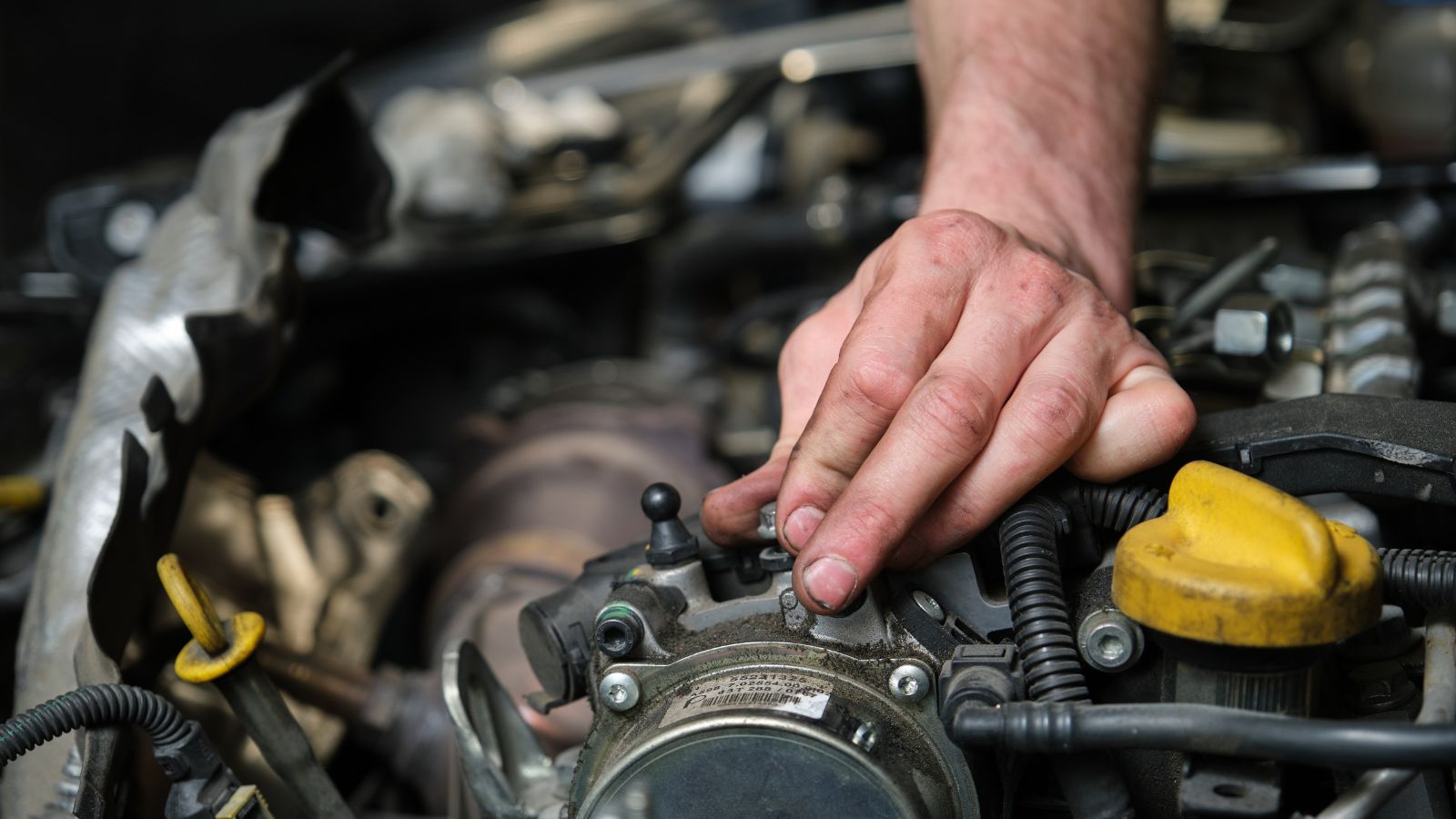
Fuel injectors spray precise amounts of fuel into the engine. If one becomes clogged, leaks, or stops responding correctly, the affected cylinder may run lean, rich, or misfire. The engine computer may respond with fuel-trim codes, misfire codes, or injector-circuit codes, all of which can turn on the check engine light.
A driver may first notice a rough idle at a stoplight or a stumble when accelerating away from traffic. In other cases, the only clue is reduced fuel economy. Injector problems can be mechanical, such as deposits changing the spray pattern, or electrical, such as wiring or solenoid faults. Because poor fuel delivery affects combustion directly, injector issues deserve careful diagnosis rather than guesswork.
Thermostat or Coolant Temperature Issue

A thermostat that sticks open can keep the engine cooler than expected for too long. The computer monitors warm-up behavior, and if coolant temperature stays below the expected range, it may set a code and turn on the check engine light. A faulty coolant temperature sensor, stuck cooling fan, low coolant, or intake air temperature issue can create similar confusion.
This problem may seem minor because the vehicle is not overheating. In fact, the temperature gauge may sit lower than normal, the cabin heater may feel weak, and fuel economy may drop. Engines are designed to run within a specific temperature range, and running too cool can affect emissions and efficiency. The warning is not just about heat; it is about the engine reaching proper operating conditions.
EGR System Flow Problem
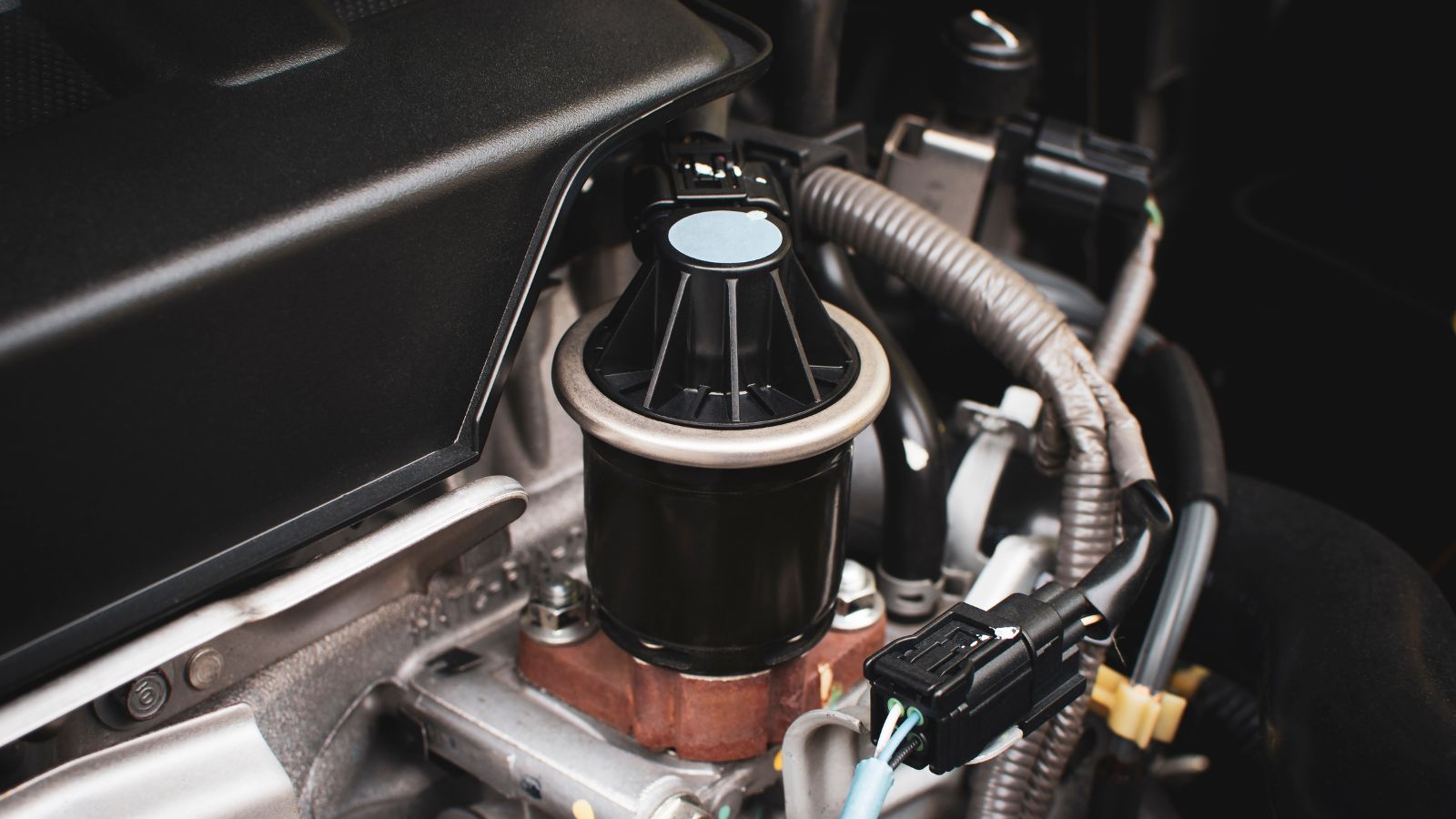
The exhaust gas recirculation system routes a controlled amount of exhaust gas back into the engine to reduce combustion temperatures and nitrogen oxide emissions. If the EGR valve sticks, passages clog with carbon, vacuum supply fails, or a related sensor gives bad feedback, the computer may detect insufficient EGR flow and switch on the check engine light.
This issue is more common on some engines than others and may be linked to stop-and-go driving or carbon buildup over time. Symptoms can include pinging under acceleration, rough running, or a failed emissions test, but some vehicles show little beyond the dashboard warning. Because EGR faults can involve valves, passages, sensors, wiring, or software, replacing the valve alone is not always the correct fix.
Vacuum Leak or Unmetered Air
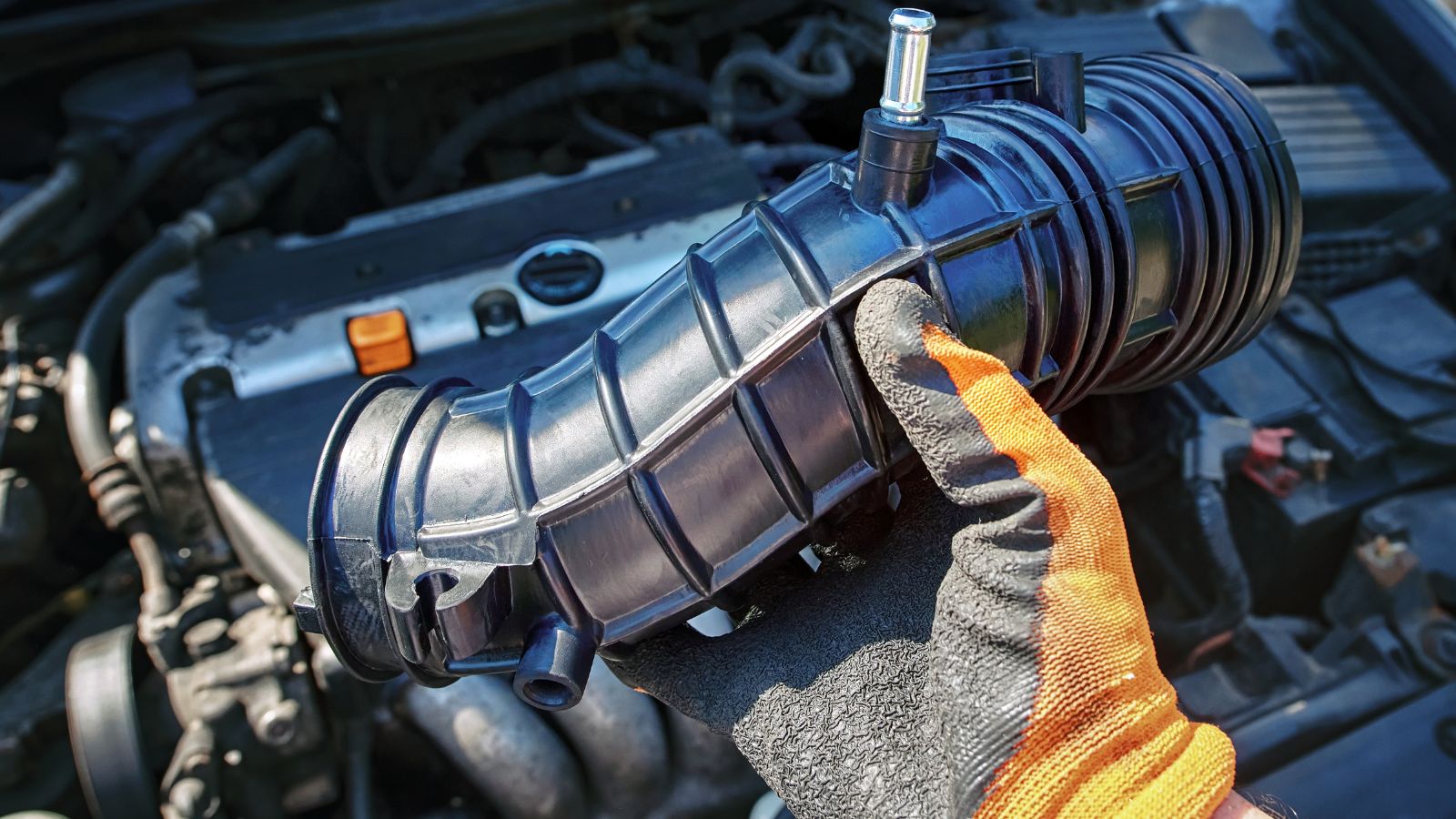
A vacuum leak lets extra air enter the engine after the airflow sensor has already measured intake air. The computer sees a lean condition and tries to add fuel to compensate. Once the correction moves beyond its allowed range, the check engine light may appear, often with lean fuel-trim codes.
The leak may come from a cracked hose, split intake boot, leaking manifold gasket, or faulty PCV component. A driver might hear a faint hissing sound, notice a high idle, or feel hesitation during acceleration. The tricky part is that vacuum leaks can imitate oxygen-sensor or mass-airflow problems. That is why fuel-trim data and smoke testing are often more useful than replacing sensors based only on a code.
Exhaust Leak Near a Sensor
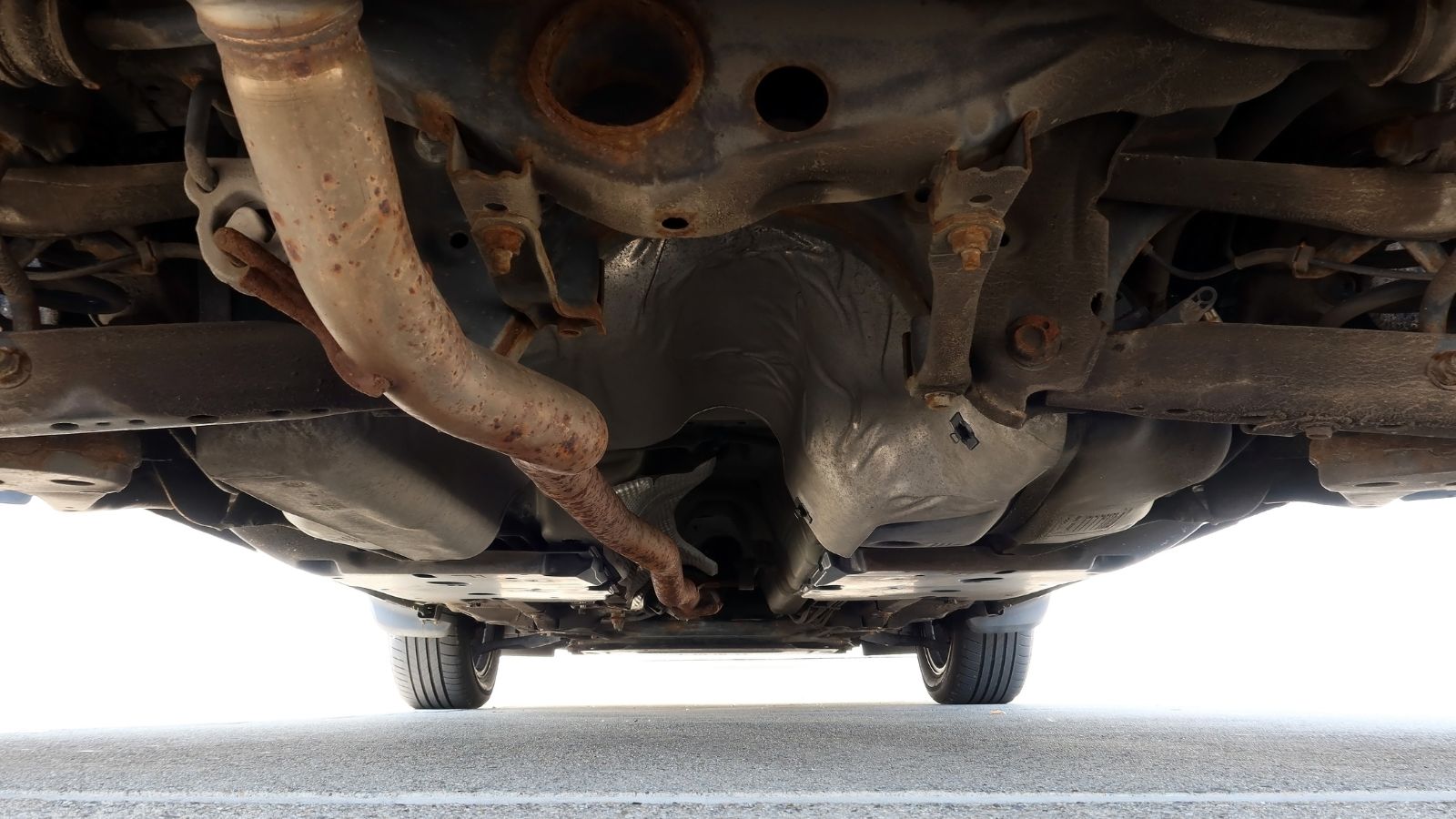
An exhaust leak before or near an oxygen sensor can pull outside air into the exhaust stream. The sensor may interpret the extra oxygen as a lean mixture, even if the engine itself is not actually running lean. That false reading can lead to fuel-trim changes and eventually a check engine light.
This type of problem is easy to overlook because the cause is mechanical, while the code may point toward mixture control. A small leak at a manifold gasket, flex pipe, or sensor bung can create misleading data. Drivers may hear ticking on cold starts, smell exhaust near the front of the vehicle, or notice worse fuel economy. The lesson is simple: a sensor code does not always mean the sensor is the root cause.
Weak Battery or Charging-System Voltage
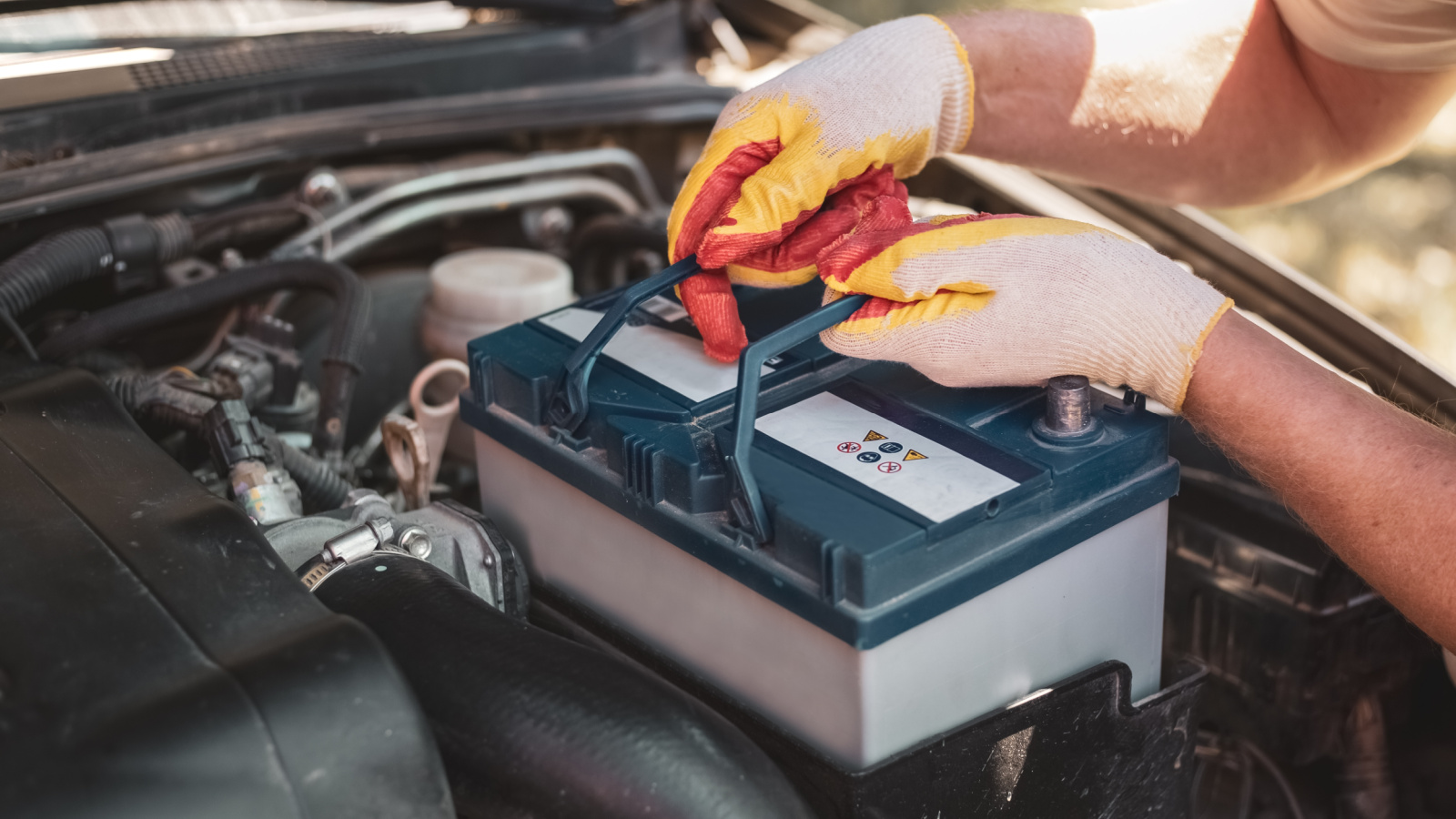
Modern vehicles depend on stable voltage. A weak battery, failing alternator, corroded cable, poor ground, or voltage ripple can confuse sensors and control modules. In some cases, low or unstable voltage can trigger a check engine light or create codes that appear unrelated to the battery at first glance.
This can happen after a jump-start, during cold weather, or when an aging battery still has enough power to start the car but not enough stability for sensitive electronics. A driver may also notice flickering lights, slow cranking, reset clocks, or multiple warning lights at once. Testing battery health and alternator output is often a smart early step before chasing expensive electronic faults.
Crankshaft or Camshaft Position Sensor Fault
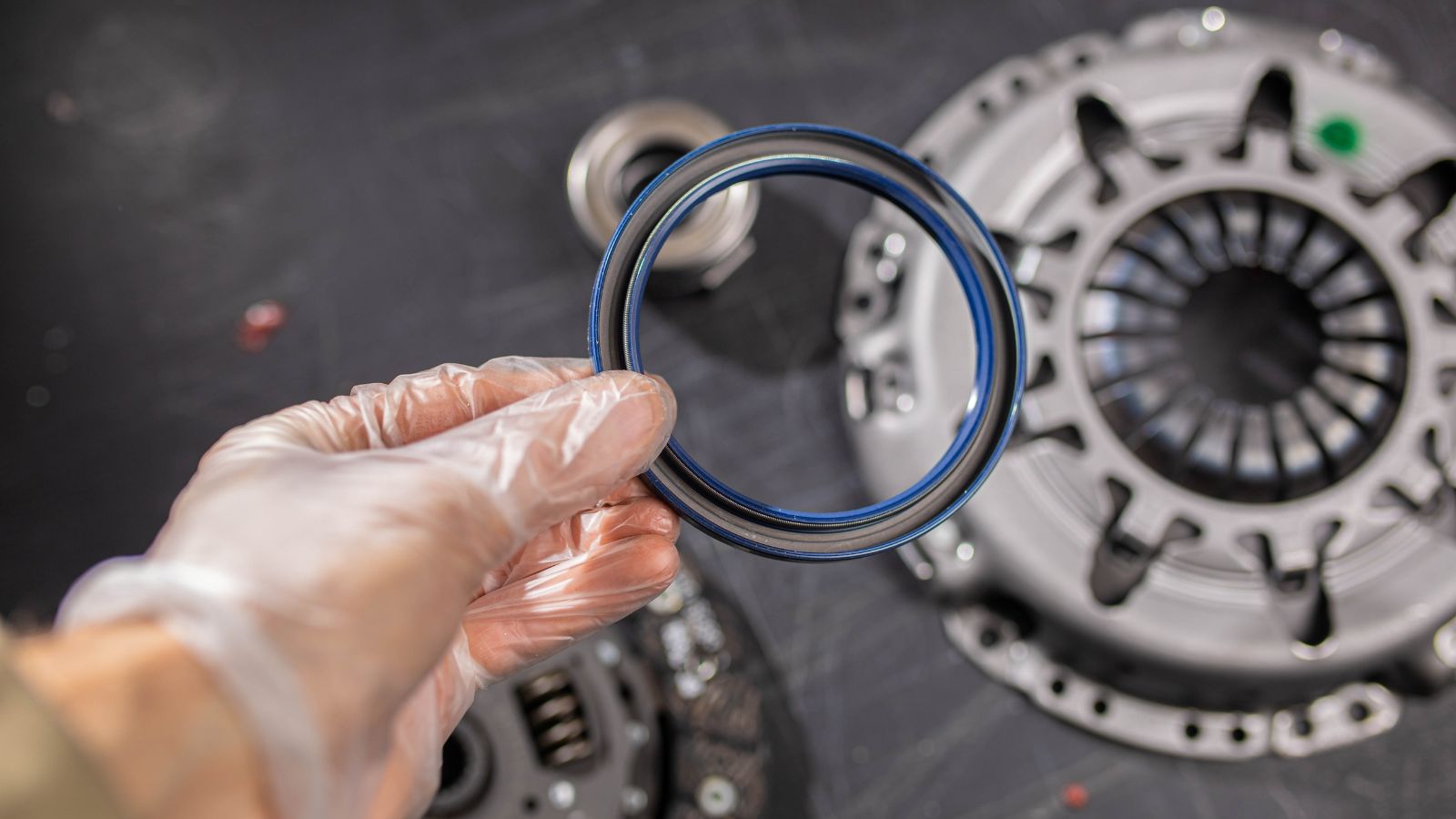
Crankshaft and camshaft position sensors help the engine computer know where the rotating assembly and valve timing are. Without accurate position data, the computer may struggle to control ignition timing and fuel injection. A fault can trigger the check engine light and may cause stalling, hard starts, rough idle, hesitation, or even a no-start condition.
This issue can feel sudden because heat, vibration, corrosion, or damaged wiring may make the sensor fail intermittently. A vehicle might start fine in the morning, stall when hot, then restart after cooling down. Because these sensors are tied directly to engine synchronization, their codes should be taken seriously. They are not just emissions details; they can affect whether the engine runs at all.
Transmission Control or Torque Converter Code
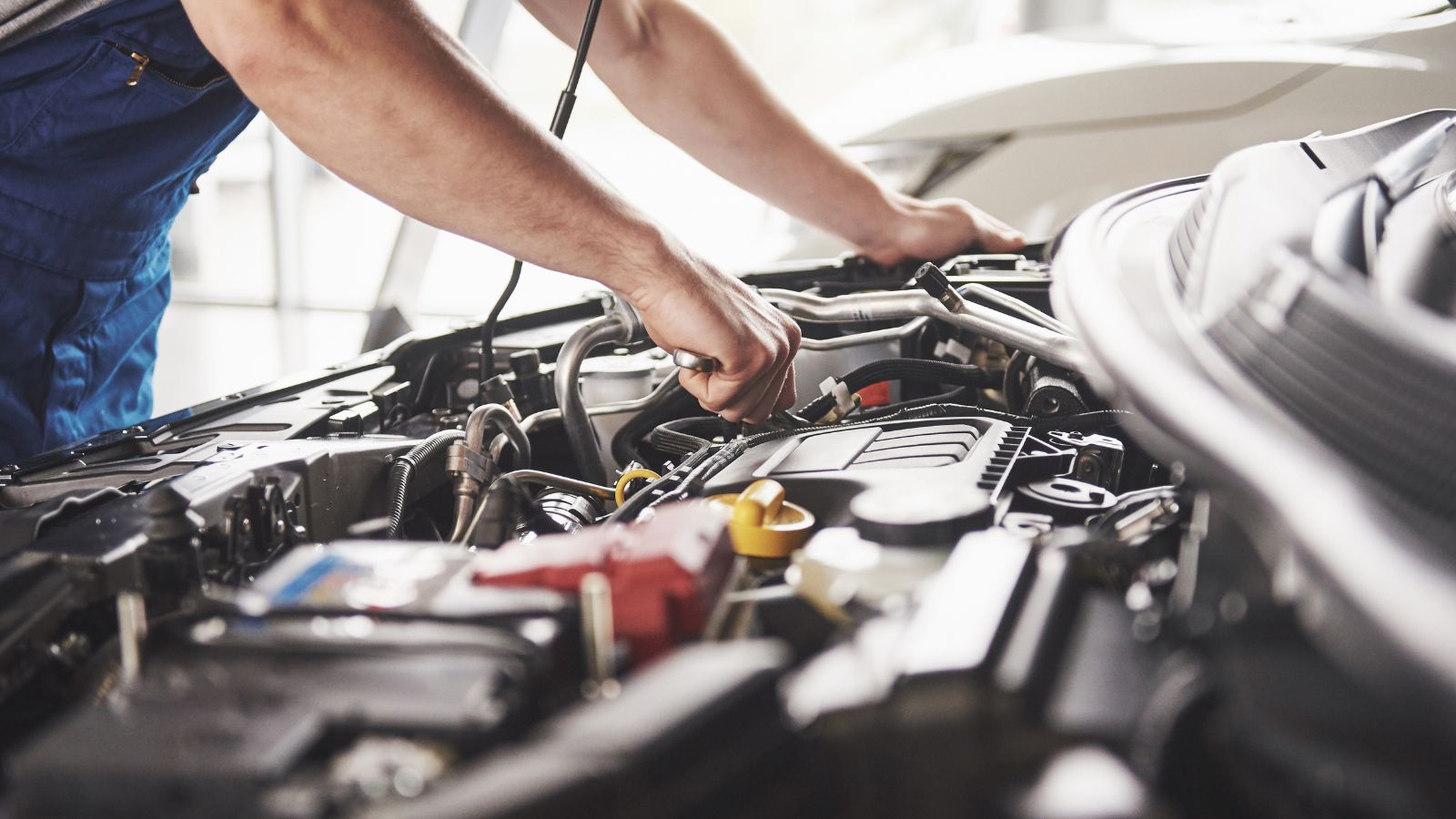
Not every check engine light is strictly about combustion. Many vehicles use the same warning light for powertrain faults, including transmission-related codes. A torque converter clutch circuit problem, for example, may illuminate the check engine light and cause symptoms such as shuddering, poor fuel economy, higher engine speed, stalling, harsh shifts, or transmission overheating.
This can confuse drivers who expect a separate transmission warning. The engine may sound fine, yet the light appears because the powertrain control system sees an electrical or hydraulic problem. Low or degraded transmission fluid, wiring faults, solenoid issues, or internal wear can all be involved. A scan tool that reads transmission codes, not just basic engine codes, may be needed.
Poor-Quality or Contaminated Fuel
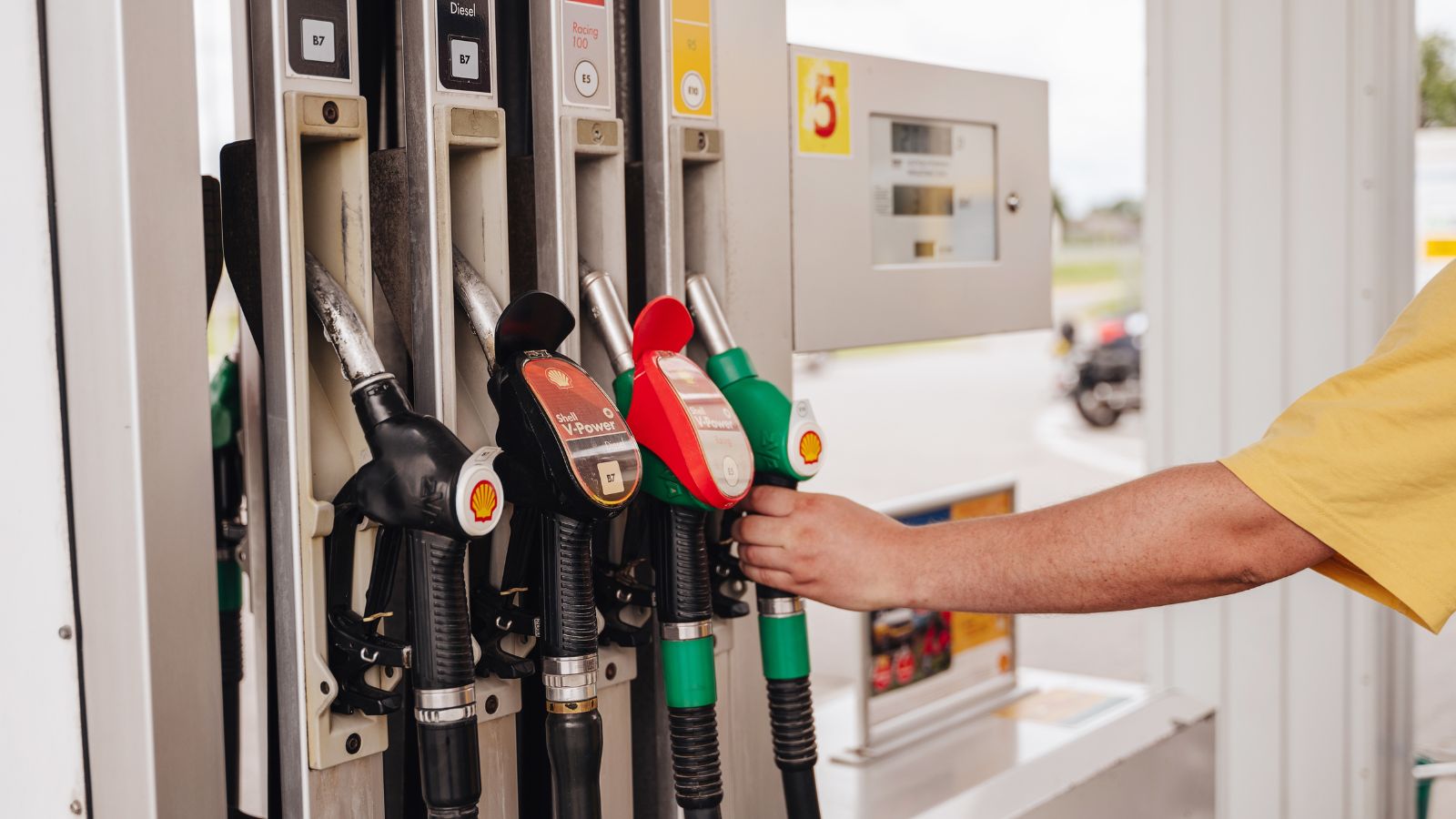
A bad tank of fuel can disrupt combustion quickly. Water contamination, debris, diesel mixed into gasoline, or fuel with the wrong octane for the engine can cause misfires, hesitation, stalling, rough idle, or a sudden check engine light. The timing often makes the pattern obvious: the problem begins shortly after filling up.
Drivers may assume the vehicle itself failed, but several affected cars leaving the same station can point to fuel contamination. Even when only one vehicle is involved, contaminated fuel can clog injectors, affect combustion, and stress the catalytic converter if misfires continue. If symptoms begin immediately after refueling, the fuel source becomes an important part of the diagnostic story.
22 Things Canadians Do to Their Cars in Spring That Mechanics Hate

Spring brings relief to many Canadian drivers after months of snow, freezing temperatures, and icy roads that put serious strain on vehicles. As temperatures rise across the country, drivers begin washing cars, switching tires, and preparing vehicles for warmer weather and upcoming road trips. However, mechanics across Canada notice the same mistakes every spring when drivers attempt to recover from winter damage. Road salt, potholes, and harsh winter driving conditions often leave vehicles with hidden problems that drivers ignore. Some spring habits even create new mechanical issues that could have been avoided with proper maintenance. Here are 22 things Canadians do to their cars in spring that mechanics hate.