


























Used-car paperwork can feel like a formality until one missing page turns a bargain into an expensive dispute. Across Canada, the right documents can reveal who legally owns a vehicle, whether money is still owed, whether past damage was properly disclosed, and whether the car can be registered, insured, and driven without surprises. Provincial rules differ, but the same principle holds from Vancouver to Halifax: a clean-looking vehicle is only as strong as the paper trail behind it. These 12 documents and records can help separate a legitimate used-car purchase from a risky handshake deal.
Vehicle Ownership and Registration Certificate
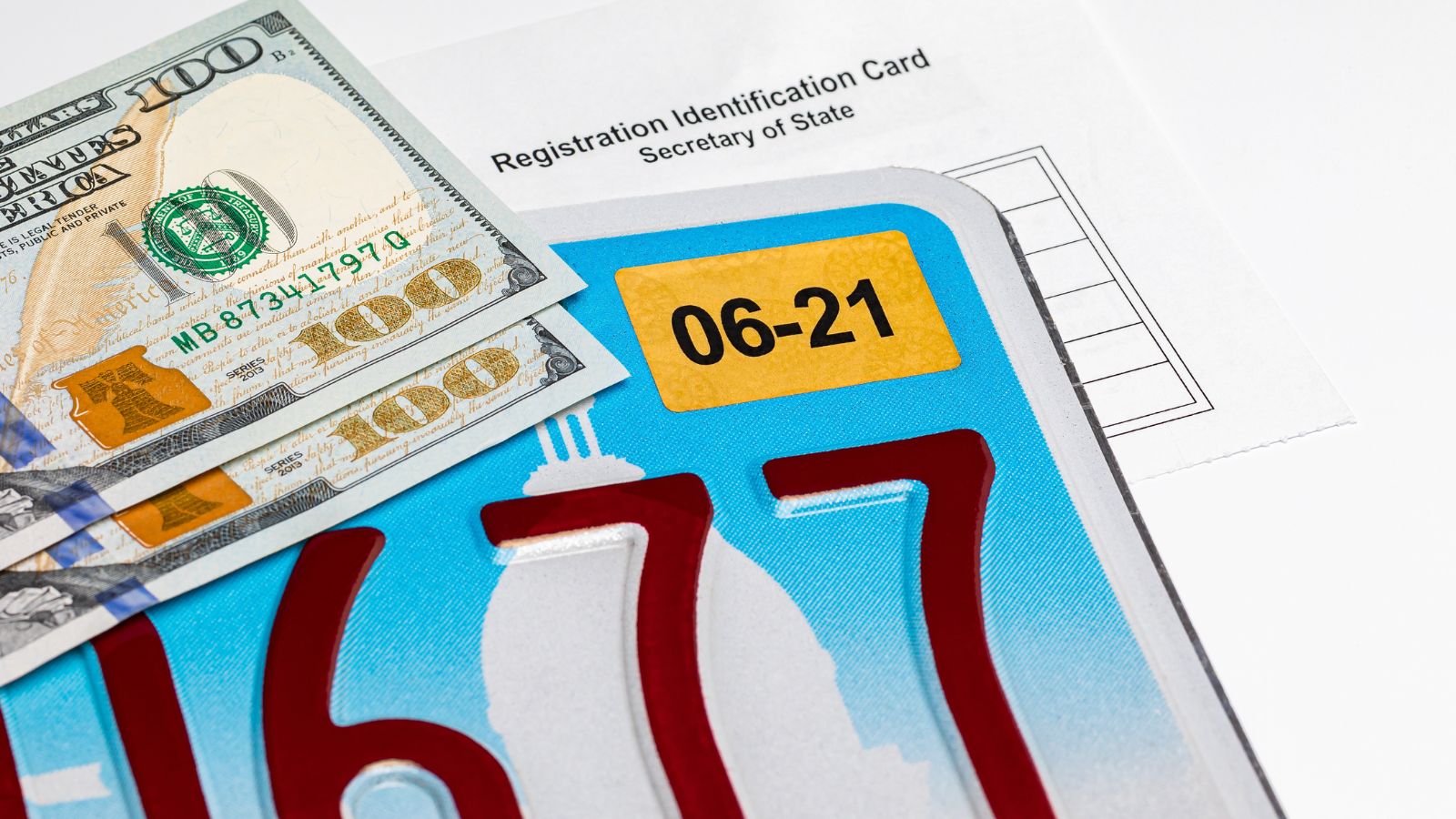
The ownership or registration certificate is the first document that should match the story being told. It confirms the registered owner, vehicle identification number, plate or registration details, and basic vehicle description. In provinces such as British Columbia, ICBC specifically advises sellers to provide signed registration documentation proving they are the registered owner. That may sound routine, but it is one of the easiest ways to spot a seller who is not legally positioned to transfer the car.
A careful buyer should compare the name on the registration with the seller’s identification, then compare the VIN on the document with the VIN on the dashboard and driver’s door jamb. A small mismatch can point to an innocent typo, but it can also signal a rebuilt, stolen, cloned, or improperly transferred vehicle. A seller who offers only a photocopy, claims the original is “somewhere at home,” or discourages VIN checks is creating a risk before the purchase even begins.
Bill of Sale or Purchase Agreement

A bill of sale is more than a receipt; it is the written memory of the deal. It should show the buyer and seller names, date of sale, purchase price, VIN, make, model, year, odometer reading, and signatures. In Ontario, the bill of sale must be signed and dated by both buyer and seller. In Saskatchewan, SGI provides a bill-of-sale form meant to include enough information for licensing and registration.
For dealer purchases, the purchase agreement becomes even more important because legal disclosures often have to be written directly into the contract. A verbal promise that “the brakes were done” or “the accident was minor” can become difficult to prove after delivery. A complete purchase agreement reduces that gap. It should also show fees, taxes, add-ons, warranties, deposits, trade-in details, and whether the vehicle is sold as-is. The cleaner the paper trail, the harder it is for confusion to become an expensive argument.
Used Vehicle Information Package or Provincial Transfer Package

Ontario buyers should pay special attention to the Used Vehicle Information Package, commonly called the UVIP. In private sales, Ontario requires the seller to provide it. The package includes information such as vehicle details, ownership history, lien information, and historical odometer readings. That makes it more than a transfer form; it is a compact snapshot of whether the vehicle’s paperwork history lines up with the seller’s claims.
Other provinces use different systems, forms, and transfer processes, so the name of the package may change. The underlying purpose does not. A buyer should know which transfer documents are required in the province where the vehicle will be registered. A family in Mississauga buying a used SUV, for example, may discover through the UVIP that the seller owned it only briefly or that lien information deserves closer review. Those details do not automatically kill a deal, but they change the questions that should be asked before money changes hands.
Lien Search or Written Lien Release
A lien is one of the most dangerous used-car surprises because it follows the vehicle, not just the person who borrowed money against it. Canada’s Financial Consumer Agency warns that a car may have a lien in more than one province or territory. It also advises buyers to search through provincial personal property security systems or use a reputable vehicle history report with lien information.
This document matters because a buyer can pay the seller in full and still face repossession if an unpaid lender has a valid security interest. A proper lien search should be recent, tied to the exact VIN, and broad enough to catch out-of-province history. If a lien appears, the safest path is written proof that the debt has been paid and the lien has been removed. A seller saying “the bank will clear it next week” is not the same as a discharge letter, payout confirmation, or updated search showing the vehicle is clear.
Vehicle History Report

A vehicle history report can reveal parts of a car’s past that paint and polish cannot. CARFAX Canada says its Vehicle History Report + Lien Check searches for accident history, frame or structural damage, service history, unfixed safety recalls, money owing, theft records, rebuilt or salvage status, and odometer readings. The company also reports that one in four vehicles searched has damage or accident history, and one in four has an unfixed safety recall.
That makes the report useful, but not magical. It depends on records supplied to the reporting company, so private repairs, cash bodywork, or unreported damage may not appear. The value comes from comparing it with the vehicle in front of the buyer. If the report shows front-end damage, the inspection should focus on panel gaps, airbag systems, cooling components, and frame alignment. If the seller refuses to provide the VIN for a report, that hesitation may say more than the advertisement ever did.
Safety Certificate or Mechanical Fitness Assessment

A safety document proves a vehicle has met a defined inspection standard at a specific moment. In Ontario, a Safety Standards Certificate is needed in situations such as transferring a used vehicle to a new owner as fit. In Alberta, licensed used-car businesses must provide a Mechanical Fitness Assessment before the buyer enters into a contract, and that assessment is valid for 120 days.
The trap is assuming a safety certificate means the vehicle is problem-free. These inspections are not the same as a full mechanical diagnosis or a guarantee of long-term reliability. Alberta’s MFA, for example, is an assessment rather than a simple pass/fail promise, and a vehicle can still be sold with disclosed non-compliant items. A compact car may pass a basic safety check while still needing a timing chain, air-conditioning repair, or transmission service. The document matters, but it should be treated as one checkpoint, not the whole decision.
Independent Pre-Purchase Inspection Report

An independent pre-purchase inspection is the buyer’s chance to hear from someone who is not trying to close the sale. Consumer and legal guidance in Canada consistently recommends using an independent licensed mechanic when uncertainty remains. In British Columbia, People’s Law School notes that an independent inspection can examine the exterior, interior, under the hood, and undercarriage, often at a modest cost compared with major repairs.
The written report is what makes the inspection useful after the fact. It should identify leaks, brake wear, tire condition, suspension play, corrosion, warning lights, accident repair clues, and upcoming maintenance. A seller may say, “It drives perfectly,” while the report quietly notes a seeping head gasket or uneven tire wear. For a buyer choosing between two similarly priced vehicles, that document can turn emotion into evidence. It may also provide negotiation leverage, especially when a repair estimate is attached.
Service and Maintenance Records
Service records help answer a question that mileage alone cannot: how the vehicle was treated. Oil changes, brake work, tire rotations, transmission service, coolant changes, recall repairs, and major component replacements all add context. A 130,000-kilometre vehicle with organized records may be less risky than an 85,000-kilometre vehicle with no evidence of basic maintenance. The documents also help confirm whether odometer readings progressed logically over time.
There is a human side to this paperwork. Many good owners keep a folder in the glove box or a digital file of receipts because they know maintenance protects resale value. Missing records do not always mean neglect, but they create uncertainty. The buyer should look for shop names, dates, mileage, VIN or plate references, and itemized work. A vague receipt that says “repairs” is less useful than one showing spark plugs, brake pads, fluid type, or diagnostic results. Strong records make a used vehicle’s past harder to exaggerate.
Recall Clearance and Open Recall Check
A recall check is especially important because safety problems can remain hidden until the wrong moment. Transport Canada maintains recall tools and recommends checking for recalls when buying a used vehicle. Manitoba Public Insurance also advises buyers to check for open vehicle safety recalls and confirm with the current owner that they have been addressed. CARFAX Canada’s own data says one in four vehicles searched has an unfixed safety recall.
The best document is proof that a recall was completed by a dealer or manufacturer-authorized repair facility. A screenshot showing an open recall is not the same as a repair invoice showing the campaign was performed. This matters for airbags, fuel systems, braking systems, electrical faults, and other defects that may affect safety. A seller may not even know a recall exists, especially if the vehicle changed owners or provinces. Before buying, the VIN should be checked through Transport Canada, manufacturer sites, or a reputable recall tool.
VIN and Stolen-Vehicle Verification
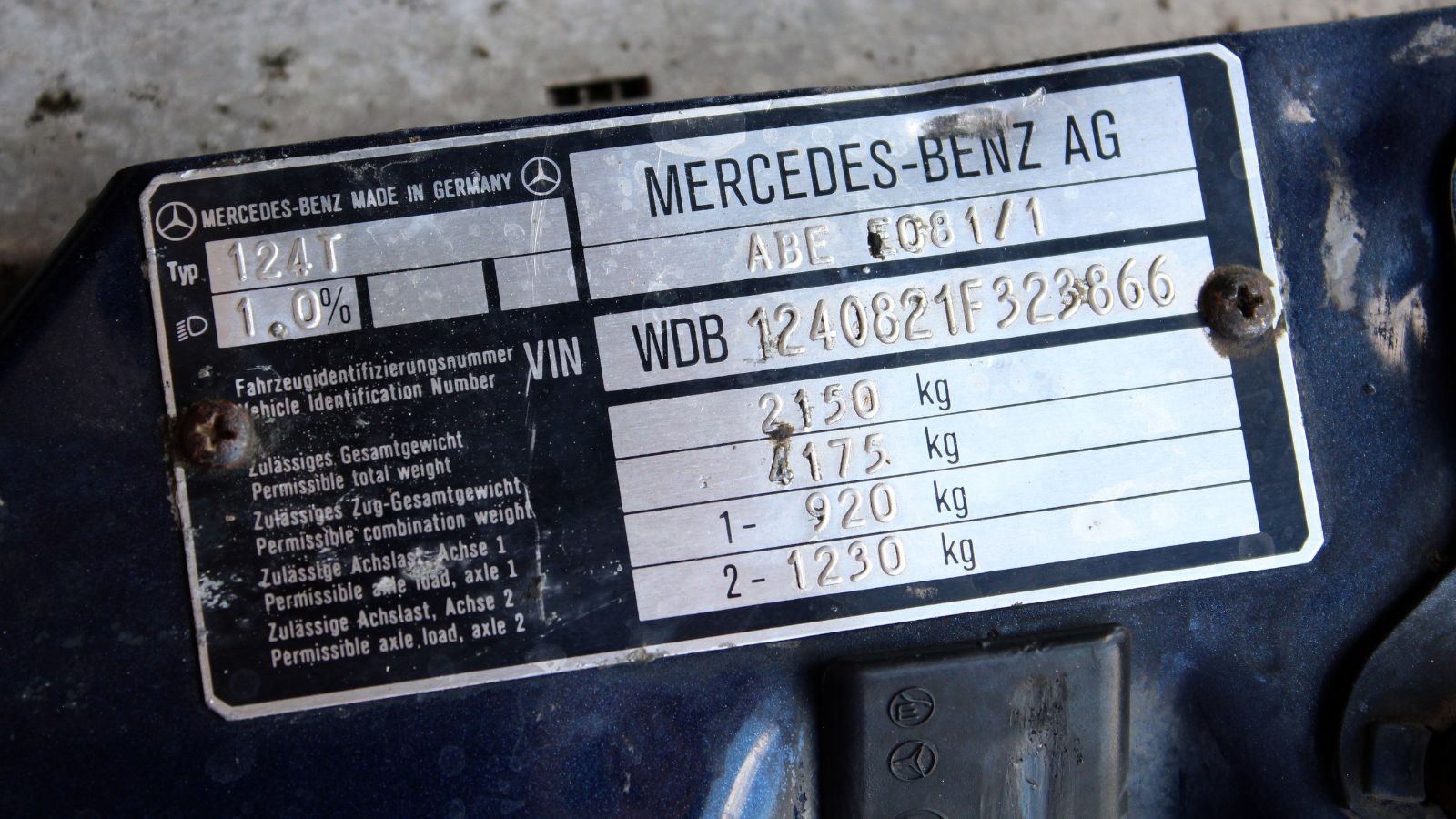
A VIN verification is a small step with serious consequences. The Canadian Police Information Centre allows the public to search whether vehicles have been reported stolen, using a valid VIN. The RCMP also advises buyers to check the VIN through CPIC, confirm the VIN exists through manufacturer or decoder tools, and make sure VIN plates match the vehicle registration form. In Canada’s stolen-vehicle climate, this document should not be treated as optional.
The concern is not only traditional theft. VIN cloning, sometimes called re-vinning, happens when a legitimate VIN is copied onto another vehicle to hide its stolen identity. Warning signs include loose rivets, scratched VIN plates, mismatched labels, inconsistent fuel type or model details, and a licence plate that does not match registration paperwork. A printed or saved result from a stolen-vehicle search, paired with a history report and registration match, gives the buyer a stronger defence against a vehicle that looks legitimate but is not.
Warranty, Certified Pre-Owned, and Protection Plan Documents
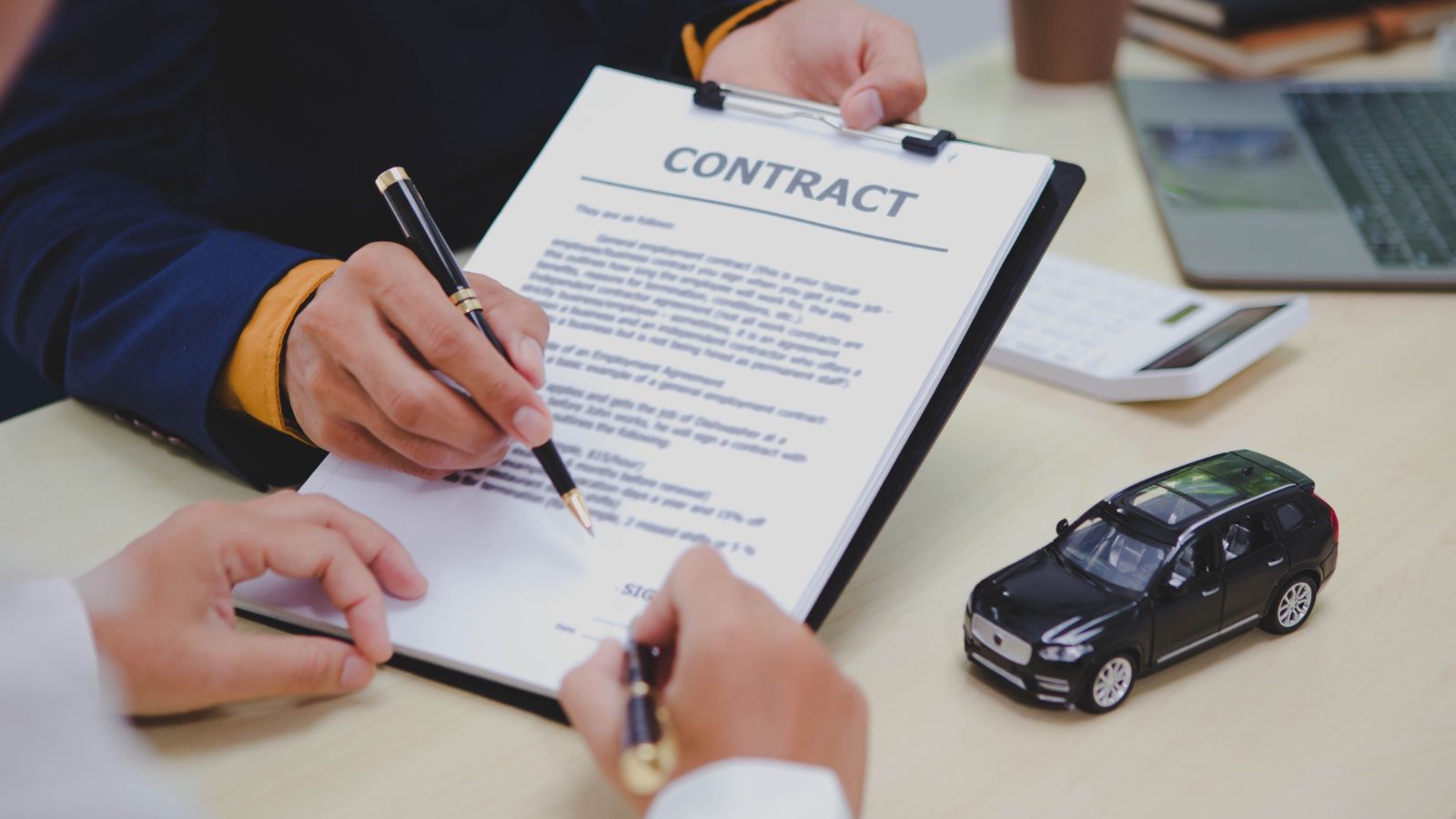
Warranty paperwork deserves close reading because “still under warranty” can mean several different things. Some manufacturer warranties follow the vehicle, but terms vary by brand, component, time, mileage, maintenance requirements, and country of origin. Certified pre-owned programs may add inspection and warranty coverage, while third-party protection plans can contain deductibles, exclusions, claim limits, and approved repair-network rules.
The buyer should ask for the warranty booklet, certified pre-owned inspection checklist, remaining factory warranty confirmation, and any extended-service contract being sold with the car. A dealer saying a used crossover has “powertrain coverage” is not enough; the document should show what is covered, what is excluded, when it expires, and whether it transfers to the next owner. Maintenance records also matter because warranty claims can become difficult if required service was skipped. For a nearly new vehicle, this folder may be worth thousands of dollars if a major component fails later.
Import, Out-of-Province, or Rebuilt Inspection Papers
Vehicles that crossed borders, moved between provinces, or were rebuilt after major damage need extra documentation. Transport Canada states that vehicles imported from the United States or Mexico must be clear of recalls and pass a Registrar of Imported Vehicles inspection before being officially imported. Alberta also requires certain first-time Alberta registrations and written-off vehicles to go through specific inspections before registration.
This category is where bargains often need the most caution. A rebuilt vehicle may be legal to drive after repairs and inspections, but resale value, insurance options, and hidden repair quality can all be affected. Out-of-province vehicles can also carry unfamiliar accident, corrosion, or inspection histories. The buyer should ask for import forms, recall clearance, inspection certificates, branding documents, and repair records tied to the VIN. A seller who says “it passed everything” should be able to show what “everything” means. Without those papers, the discount may simply be risk wearing a lower price tag.
22 Things Canadians Do to Their Cars in Spring That Mechanics Hate
Spring brings relief to many Canadian drivers after months of snow, freezing temperatures, and icy roads that put serious strain on vehicles. As temperatures rise across the country, drivers begin washing cars, switching tires, and preparing vehicles for warmer weather and upcoming road trips. However, mechanics across Canada notice the same mistakes every spring when drivers attempt to recover from winter damage. Road salt, potholes, and harsh winter driving conditions often leave vehicles with hidden problems that drivers ignore. Some spring habits even create new mechanical issues that could have been avoided with proper maintenance. Here are 22 things Canadians do to their cars in spring that mechanics hate.