


























A rental car can look affordable until the counter screen starts filling with small lines: waivers, recovery fees, extra-driver charges, fuel options, toll programs, and deposits. For Canadians booking weekend trips, airport pickups, business travel, or winter drives, those details can turn a reasonable reservation into a much larger bill. The most expensive surprises often are not hidden in the car itself, but in the agreement handed over before the keys. At the counter, 12 charges deserve close attention because they can affect the final cost immediately, after return, or even weeks later.
Collision or Loss Damage Waiver

The damage waiver is often the first major add-on presented at the counter because it deals with one of the biggest fears in car rental: being responsible for damage to a vehicle that belongs to someone else. In Canada, rental companies commonly offer a collision or loss damage waiver that shifts some financial responsibility away from the renter, but it is not a magic shield. The waiver can vary by company, province, vehicle class, road use, and whether the renter follows every condition in the agreement.
A common counter moment happens when a traveller says, “My credit card covers rentals,” and the agent asks whether that coverage applies to the specific vehicle being rented. That question matters. Some credit card and personal auto policies include rental coverage, while others limit vehicle value, rental length, use outside Canada, or off-road driving. Before leaving, renters should check whether the waiver was accepted or declined, whether initials appear in the right box, and whether the daily price matches what was discussed.
Personal Accident and Personal Effects Coverage

Personal accident coverage and personal effects protection can sound reassuring because they appear to cover people and belongings rather than the vehicle. At some rental counters, these products are bundled together and priced as an additional daily charge. The details can be surprisingly specific, with different limits for the renter, passengers, emergency services, and personal property left in the vehicle. That makes it important to ask what the product actually covers, not just what it is called.
For example, a family picking up a car at a Canadian airport may already have emergency medical coverage through travel insurance, workplace benefits, or a provincial health plan for domestic travel. Personal belongings may also have some protection through home, condo, tenant, or travel insurance, though deductibles and exclusions matter. The counter decision should not be rushed simply because the word “protection” appears on the screen. The charge is worth reviewing line by line, especially when it is sold together with other optional coverage.
Additional Driver Fees

An extra driver can feel harmless, especially on a long drive from Toronto to Ottawa, Calgary to Banff, or Vancouver to Whistler. Yet rental companies often require every driver to be formally listed on the rental agreement, and they may charge a daily fee for each additional authorized driver. The fee can add up quickly on a weeklong rental, particularly when two or more people plan to share driving duties. A driver who is not listed may also create problems if there is damage, a ticket, or an insurance claim.
The counter is the safest place to clear this up because additional drivers typically must meet rental requirements and may need to appear with a valid licence. Some companies waive the charge in specific cases, such as certain corporate, membership, spouse, domestic-partner, or accessibility arrangements. Those waivers should not be assumed. The receipt or agreement should show whether the second driver is authorized, whether the fee applies per day or per rental, and whether the cost stops if the driver is removed early.
Young Driver Surcharges

For drivers under 25, the quoted rental price may be only the beginning. Many rental companies allow younger adults to rent, but they often apply a young-renter or underage-driver surcharge. This can be a daily fee, and it may vary by location, vehicle group, or corporate program. For a 23-year-old visiting family over a long weekend, the surcharge can be large enough to change the value of the entire booking.
The other issue is vehicle eligibility. Younger renters may be restricted from certain SUVs, premium cars, passenger vans, or specialty vehicles, even if those categories appear available online. A counter agent may need to switch the reservation into an eligible class, and that can affect both the base rate and the add-ons tied to that class. Before leaving, younger renters should verify the exact daily surcharge, whether it applies to additional drivers too, and whether the selected vehicle class remains valid under the company’s age rules.
Airport and Premium Location Surcharges
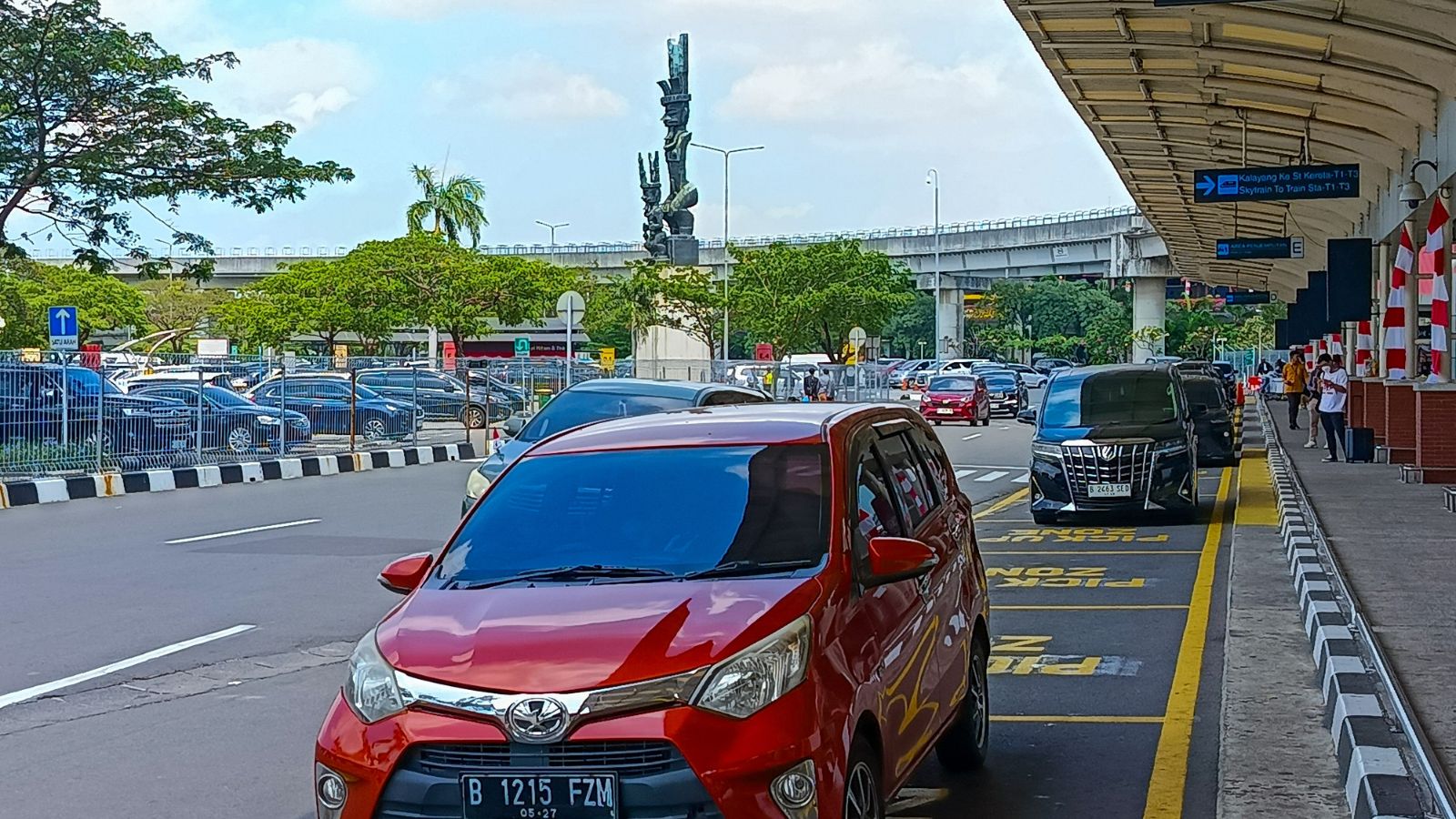
Airport rentals are convenient, but that convenience often comes with location-based charges. These may appear as concession recovery fees, premium location surcharges, customer facility charges, or similar wording. Unlike optional products, these charges usually are tied to where the vehicle is picked up. Airports may charge rental companies for operating rights or facilities, and companies often recover those costs from customers through separate line items.
This matters because two locations from the same brand can produce different totals for the same vehicle and dates. A renter landing at Pearson, Vancouver International, Montréal-Trudeau, or Calgary International might compare an airport counter with a nearby city branch and see a lower off-airport total. The cheaper option is not always better once taxi, rideshare, luggage, time, and branch hours are considered. Still, before leaving the counter, renters should confirm whether the airport-related charges were included in the estimate or added after arrival.
Vehicle Licence, Energy, Tire, and Environmental Recovery Fees

Some charges sound like taxes even when they are actually company recovery fees. Vehicle licence recovery fees, energy recovery fees, air-conditioning excise recovery fees, tire management fees, parking surcharges, and environmental fee recovery charges may appear as separate lines on Canadian rental receipts. These charges can be small individually, but together they can make the final total look very different from the base rate advertised during booking.
The names can be confusing because they often refer to real operating costs, such as licensing a vehicle, managing seasonal tires, or recovering fees tied to environmental handling. That does not always mean the charge is government-imposed on the renter in the same way sales tax is. Before signing, Canadians should ask whether these lines are mandatory at that location, whether they are already included in the “estimated total,” and whether the same vehicle at another nearby branch would carry fewer location-specific surcharges.
Fuel Service and Prepaid Fuel Charges

Fuel is one of the easiest charges to misunderstand because the options sound simple: return it full, prepay for a tank, or let the company refuel it. The expensive surprise often comes when a renter drives less than expected, returns with unused prepaid fuel, or forgets to refill close to the return location. Rental companies may charge a refuelling rate that is higher than the local pump price, while prepaid fuel is often sold as a full-tank purchase that may not be refundable.
A practical example is a visitor renting in Halifax for a short meeting and using only a quarter tank. Prepaid fuel may have seemed convenient at pickup, but the unused portion can become wasted money. On the other hand, a traveller returning at 5 a.m. before a flight may value the convenience. The counter check should focus on the fuel level shown on the contract, the refill requirement, the prepaid terms, and whether a receipt from a nearby station is needed.
Mileage Limits and Out-of-Province Restrictions

Many renters assume unlimited kilometres are standard in Canada, but some rentals include geographic or vehicle-specific limits. A rate may be unlimited only within certain provinces, while travel outside that region can trigger restricted kilometre allowances or extra fees. This is especially important in Atlantic Canada, northern routes, remote pickup locations, and specialty vehicle categories where inventory and distance risk are priced differently.
The problem often appears when plans change after pickup. A couple renting in Nova Scotia may decide to continue into New Brunswick or Prince Edward Island, or a business traveller in Saskatchewan may add a cross-province detour. If the contract limits travel or kilometres, the extra cost may not be obvious until return. Before leaving the counter, renters should state the intended route clearly, ask whether unlimited kilometres still apply, and check the contract for wording about provinces, borders, kilometre caps, and per-kilometre charges.
One-Way Drop-Off Fees

Returning a rental car to a different location can be convenient, but it can also trigger one of the largest add-ons on the agreement. One-way fees reflect the rental company’s cost of repositioning the vehicle, and the amount can vary widely depending on distance, demand, season, vehicle class, and whether the drop-off was approved in advance. Even a return to another branch in the same metro area may affect the rate if it is not the agreed location.
The counter is where the drop-off city and branch should be checked with precision. “Toronto” may not mean the same thing as “Toronto Pearson,” and “downtown Vancouver” may not match an airport return. If the agreement lists the wrong branch, the final rate can be recalculated at return or a one-way fee can appear. Renters should confirm the exact address, after-hours procedure, branch closing time, and whether changing the return location later will default the rental to a higher local rate.
Toll Road and Transponder Charges
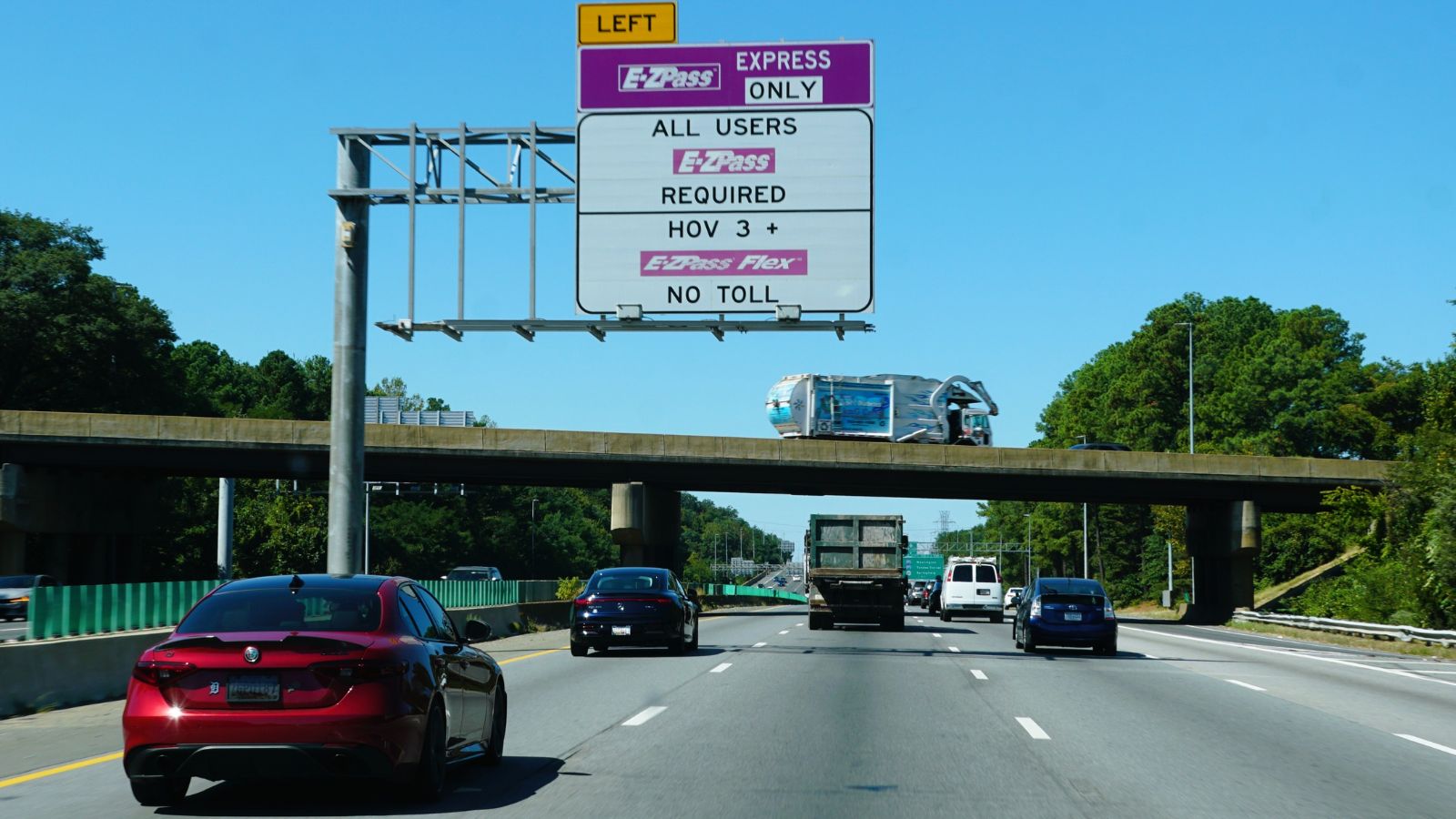
Toll charges can arrive long after the vehicle has been returned, which makes them easy to forget. In Ontario, Highway 407 ETR bills rental vehicles through the rental company because the vehicle is registered to the company, not the driver. Rental companies may then bill the renter for tolls and administrative or convenience fees. Other toll programs can automatically activate if the renter drives on an electronic toll road.
This is where a short shortcut can become unexpectedly expensive. A driver who uses the 407 to save 20 minutes may later see tolls, video charges, convenience fees, or administrative fees charged to the card on file. Some rental brands offer toll programs with daily or per-rental caps, while others bill after the toll authority sends the charge. Before leaving the counter, renters should ask how tolls are billed, whether the vehicle has a transponder, whether there is an opt-out method, and how long delayed charges may take.
Late Return, After-Hours, and Extra-Day Charges

Rental car timing is often measured more strictly than travellers expect. A daily rental is usually based on a 24-hour cycle, and returning late can trigger hourly charges, an extra day, or a late-return administration fee. Grace periods may exist, but they are not a licence to return whenever convenient. The situation becomes more complicated when a branch is closed, because some agreements treat the renter as responsible until the vehicle is checked in.
Consider a traveller returning to a suburban branch after closing, dropping keys in the box, and assuming the rental ended at that moment. If the vehicle is not inspected until the next business day, charges or responsibility may continue under the agreement. Before leaving the counter, renters should check the exact return time, after-hours policy, grace period, late-fee wording, and what proof is available when the vehicle is dropped off outside business hours.
Cleaning, Smoking, Pet, and Condition Fees

Cleaning and condition fees can be especially frustrating because they may be assessed after the renter has left. Smoking policies are strict across major rental brands, and evidence of smoke or odour can lead to a substantial cleaning charge. Pet hair, spills, mud, sand, and excessive interior mess can also create disputes, particularly if the renter has no photos from pickup or return. These fees are less about the daily rental price and more about the condition record.
The smartest counter habit is to treat the pickup inspection like a small evidence file. Photos of the odometer, fuel gauge, seats, carpets, trunk, windshield, tires, and existing scratches can prevent confusion later. A family returning from a ski hill or beach trip should remove garbage, shake out mats if possible, and report any pre-existing odour before leaving the lot. Before driving away, renters should ask how cleaning fees are assessed, what the smoking fee can reach, and whether the current vehicle condition is documented.
Winter Tire and Equipment Add-On Charges

Canadian winter rentals deserve extra attention because road rules and equipment availability vary by province and route. In Quebec, winter tires are required during the winter period for vehicles registered in the province, including rental vehicles. In British Columbia, winter tires or chains are required on many designated highways during the season. Outside Quebec, winter-rated tires on rental cars may be optional, location-dependent, and priced as a daily add-on.
This can matter on a real trip from Vancouver to Whistler, Calgary toward mountain parks, or Montréal in February. A renter may assume “Canada in winter” means the vehicle automatically has the right tires, but the agreement may say otherwise depending on province and fleet rules. Child seats, GPS units, ski racks, and other equipment can also carry daily fees or availability limits. Before leaving the counter, renters should confirm tire type, winter-equipment charges, child-seat fees, installation responsibilities, and whether requested equipment is actually in the vehicle.
22 Things Canadians Do to Their Cars in Spring That Mechanics Hate

Spring brings relief to many Canadian drivers after months of snow, freezing temperatures, and icy roads that put serious strain on vehicles. As temperatures rise across the country, drivers begin washing cars, switching tires, and preparing vehicles for warmer weather and upcoming road trips. However, mechanics across Canada notice the same mistakes every spring when drivers attempt to recover from winter damage. Road salt, potholes, and harsh winter driving conditions often leave vehicles with hidden problems that drivers ignore. Some spring habits even create new mechanical issues that could have been avoided with proper maintenance. Here are 22 things Canadians do to their cars in spring that mechanics hate.