

























A car insurance claim can feel straightforward after a crash, theft, storm, or vandalism. The vehicle is damaged, a policy exists, and a repair bill arrives. Yet insurers do not approve claims simply because an accident happened. They compare every detail against the policy wording, the coverage purchased, the timing of the loss, the driver involved, and the proof submitted. These 19 issues often turn an otherwise routine claim into a frustrating denial, especially when small mistakes create doubts about coverage or credibility.
Letting the Policy Lapse Before the Loss
A claim can be denied when the policy was not active on the date of the accident, even if the lapse was caused by a missed payment rather than a deliberate cancellation. Insurance coverage is tied to exact dates and times. If a crash happens after a grace period ends, the insurer may treat the vehicle as uninsured for that event.
This often catches drivers who assume a late payment can be fixed after the fact. A person may pay the premium the morning after a collision, expecting everything to return to normal. The payment may restart coverage going forward, but it usually does not revive protection for damage that happened while the policy was inactive.
Asking for Coverage That Was Never Purchased

Many drivers use “full coverage” as a casual phrase, but auto policies are built from separate coverages. Liability may pay others when the insured driver causes harm, while collision and comprehensive generally protect the policyholder’s own vehicle in different situations. If collision coverage was declined, a single-car crash may not be covered.
The same issue appears after theft, hail, flooding, or vandalism. Those losses generally fall under comprehensive coverage, not basic liability. A driver who removed comprehensive from an older car to save money may discover that the policy still satisfies legal requirements but does not pay to replace the stolen or storm-damaged vehicle.
Claiming Wear and Tear as Accident Damage
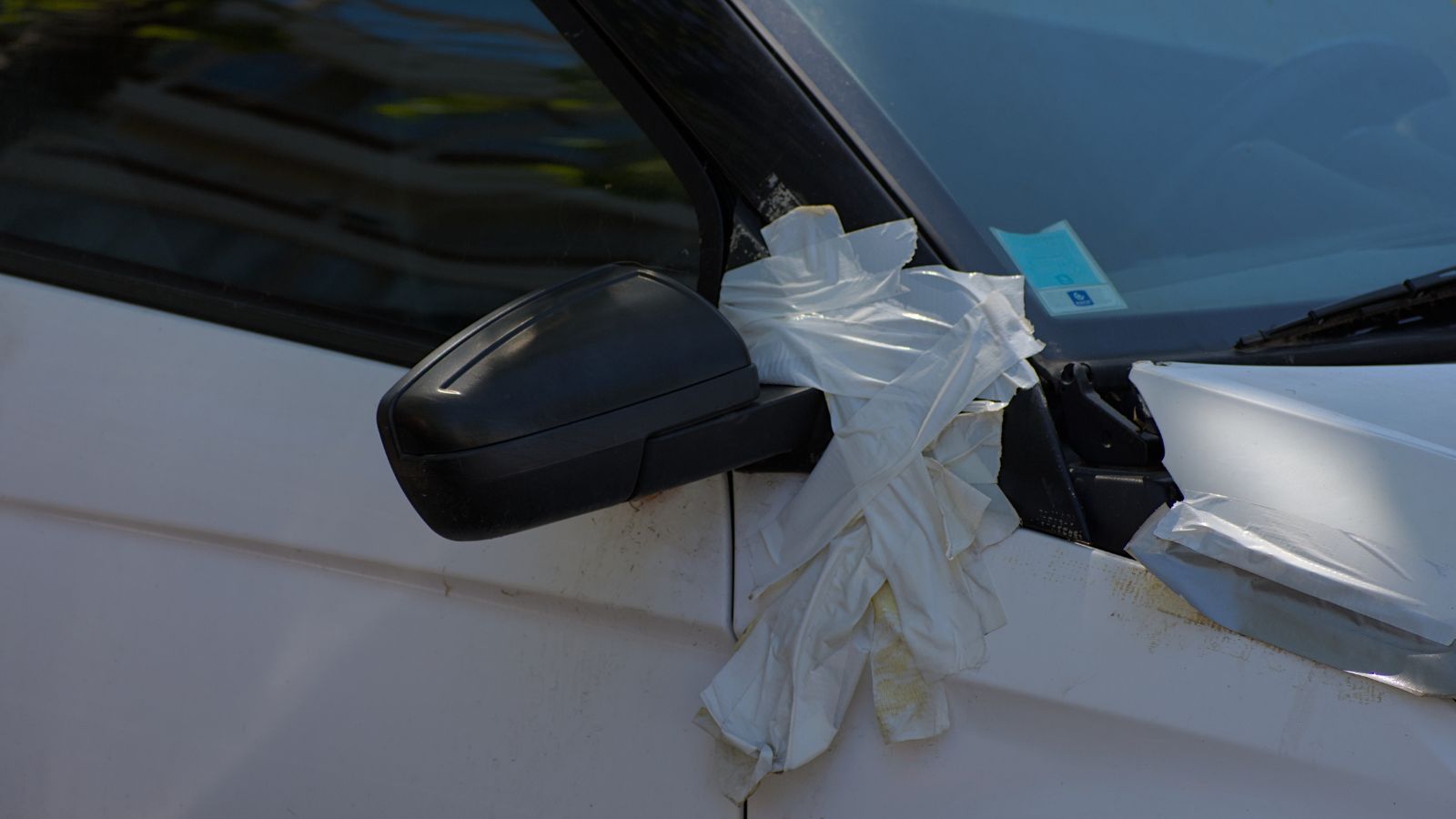
Insurance is designed for sudden, accidental loss, not the slow decline that happens through ordinary use. Rust, worn brakes, weak batteries, peeling paint, aging seals, and mechanical breakdowns are usually treated as maintenance issues. If a car overheats because a neglected hose finally fails, that is very different from damage caused by a covered crash.
This distinction can become tense after an accident reveals old problems. A repair shop may find worn suspension parts while fixing collision damage, but the insurer may only pay for accident-related repairs. The owner may still face a bill for maintenance that would have been needed regardless of the claim.
Giving Incorrect Information on the Application
Insurance pricing depends on details such as address, vehicle use, prior claims, driving history, listed drivers, and annual mileage. If important information is wrong, the insurer may argue that the policy was issued based on a distorted picture of the risk. That can lead to reduced payment, cancellation, or denial.
The problem is not always dramatic fraud. A driver may use a parent’s quieter suburban address while actually parking in a dense city, or forget to disclose a previous claim. If the missing fact would have changed the premium or eligibility, the claim can become a dispute over misrepresentation instead of a simple repair file.
Not Updating Major Changes at Renewal
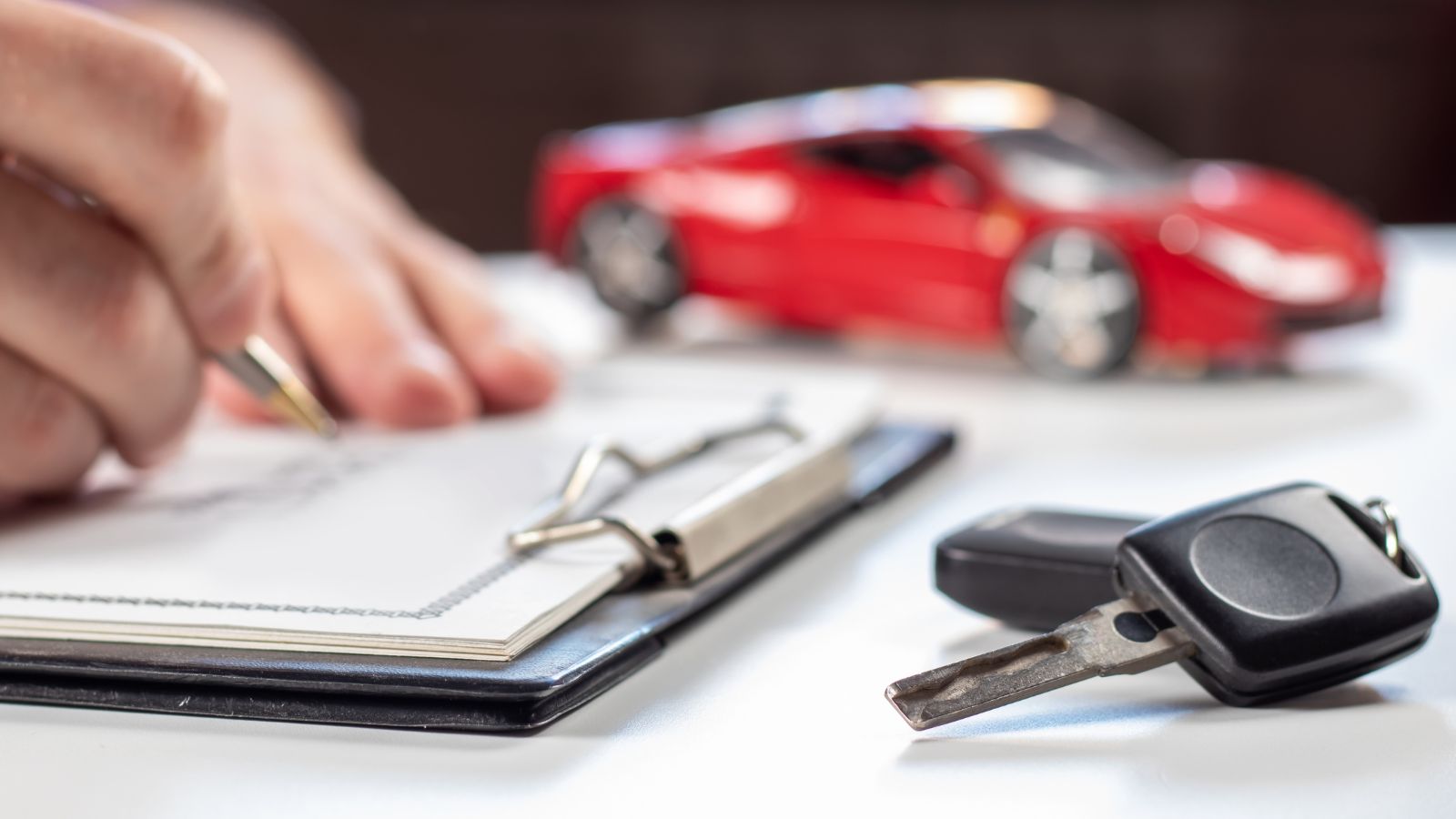
A policy can start accurately and become outdated later. A new household driver, a move, a longer commute, a new job use, or a vehicle modification may change the risk. Insurers often expect policyholders to correct information when renewing or when circumstances materially change.
A common example is a teenager who gets licensed and starts using the family car. If that driver is not disclosed and later causes a collision, the insurer may review whether the household information was kept current. The same concern can arise when a personal vehicle quietly becomes a daily work vehicle.
Using the Car for Rideshare or Delivery Without Proper Coverage
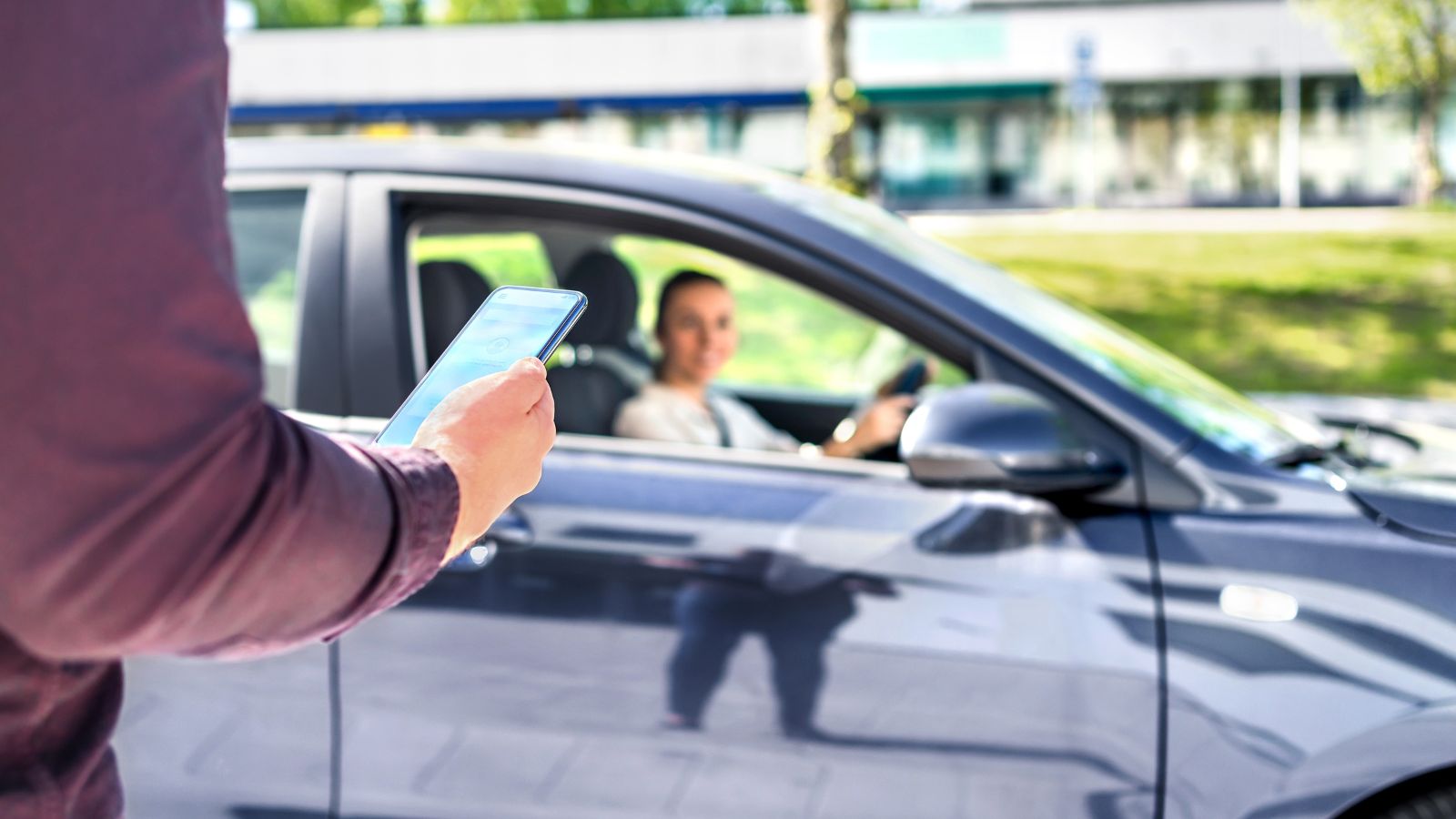
Personal auto policies are usually priced for ordinary personal driving, not carrying passengers for pay or making deliveries through an app. Rideshare and food-delivery work create different risks because the car is on the road more often, sometimes in dense traffic, and the driver is using it to earn income.
A claim can become complicated if an accident happens while the driver is logged into a platform, waiting for a request, carrying a passenger, or delivering an order. Some platforms provide limited coverage in certain periods, but gaps can remain. Without a rideshare, delivery, or commercial endorsement, a personal insurer may deny the claim.
Letting an Excluded Driver Use the Vehicle

Some policies list a person as an excluded driver, often because that person has a poor driving record, a suspended license, or separate insurance. Exclusion means the insurer has specifically removed that person from coverage. Permission from the car owner usually does not erase the exclusion.
This can create a painful family scenario. A parent excludes an adult child to keep premiums manageable, then lets that child borrow the car for a quick errand. If a crash happens, the insurer may point to the signed exclusion and refuse to pay for vehicle damage or liability tied to that driver.
Having an Unlicensed or Suspended Driver Behind the Wheel
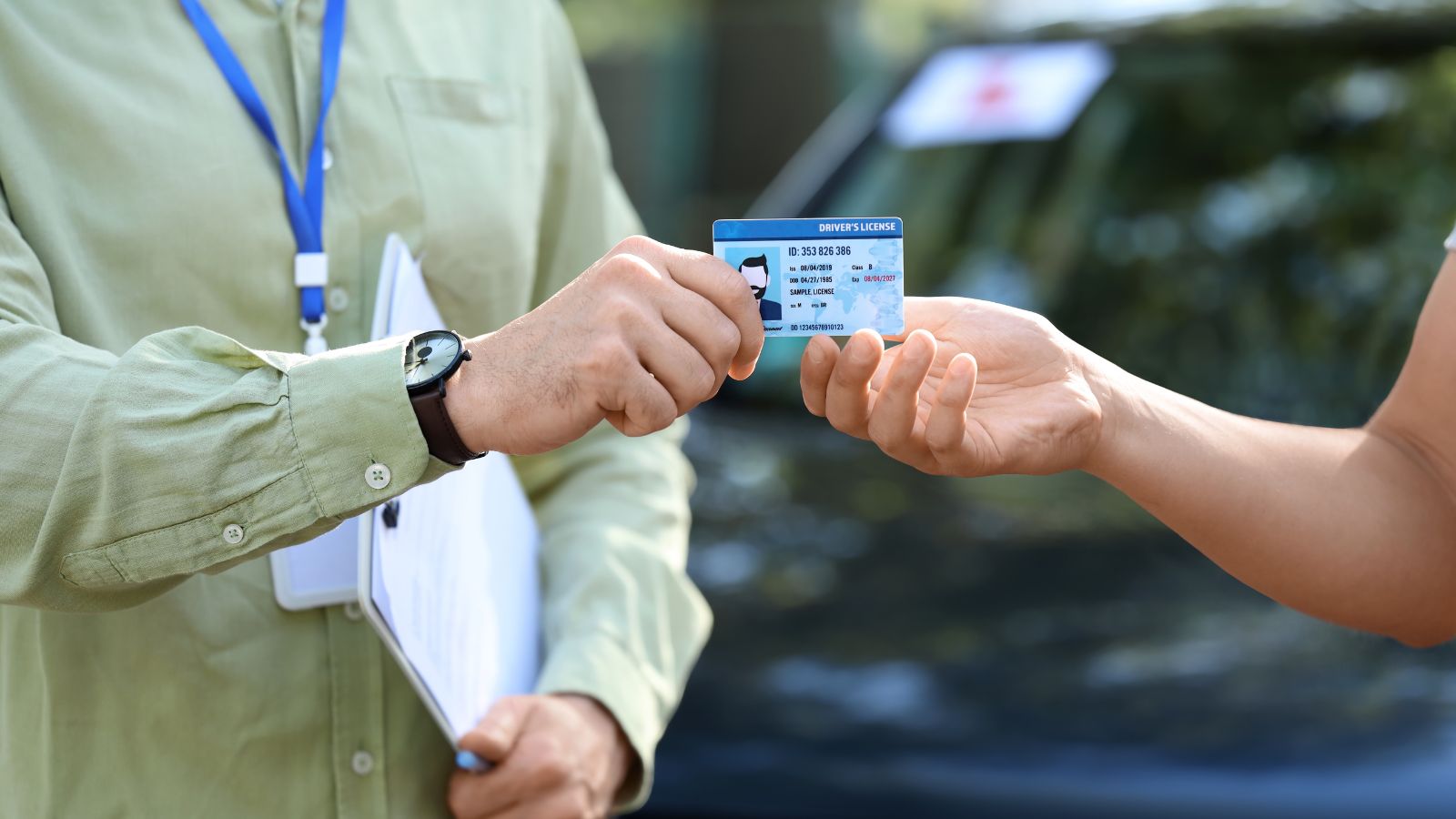
A valid license is a basic expectation in most auto insurance arrangements. If the driver had no license, an expired license, or a suspended or revoked license at the time of the crash, the insurer may investigate whether the policy conditions were breached. The issue may also affect cancellation or renewal.
The facts matter. A driver who forgot to renew by a few days may be treated differently from someone driving after a serious suspension. Still, the insurer will look closely at who was driving and whether that person was legally allowed to operate the vehicle. That review can slow or jeopardize payment.
Driving While Impaired or Committing an Illegal Act
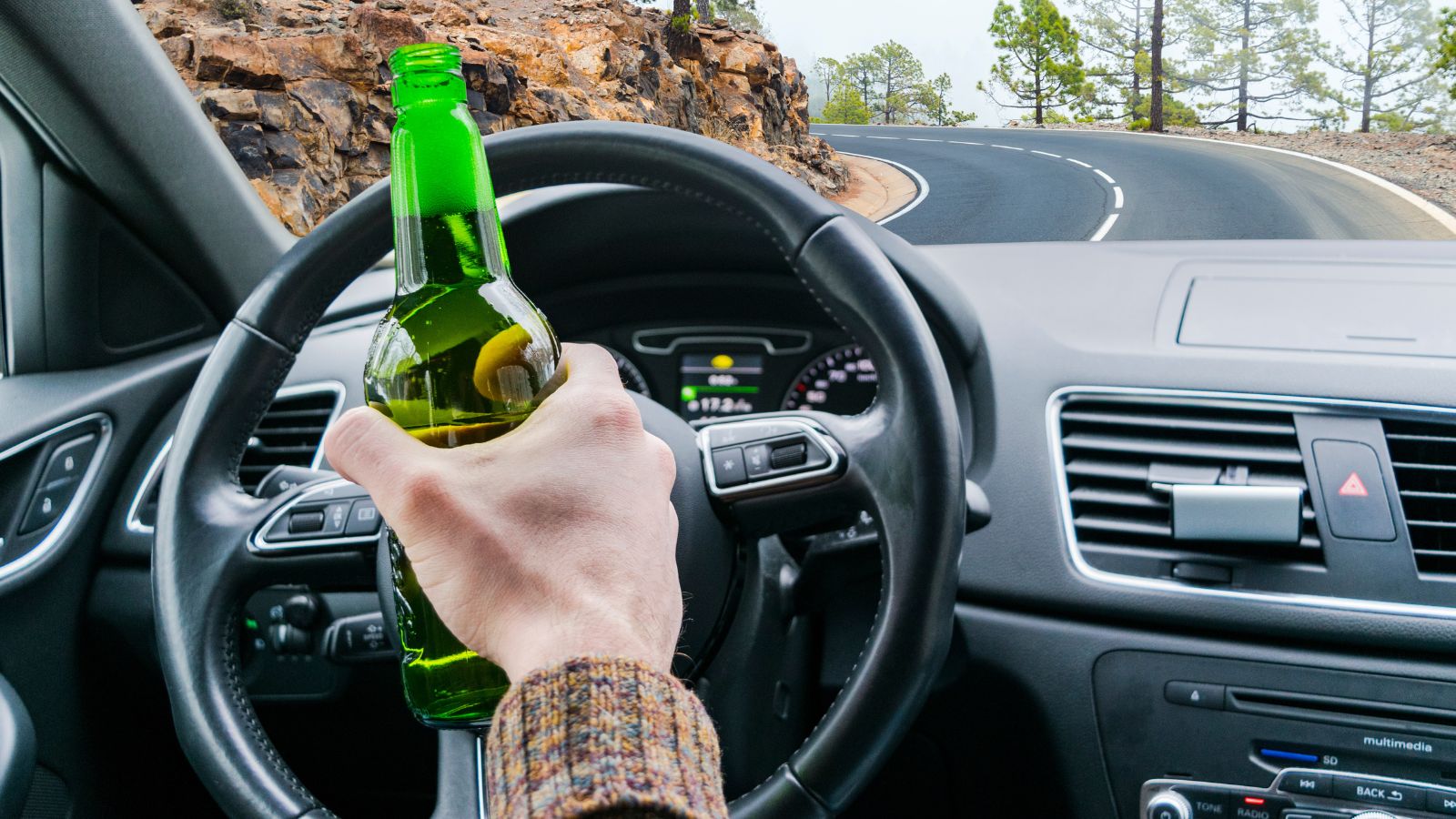
Impaired driving can affect insurance in more than one way. It can lead to criminal penalties, license consequences, premium increases, cancellation, or nonrenewal. Depending on the policy and jurisdiction, an accident tied to alcohol, drugs, or illegal activity may also trigger exclusions or coverage disputes.
This is not always automatic in every place or every type of coverage. Insurers often need evidence, such as police findings, test results, admissions, or other proof. But when impairment is well documented, the claim can shift from a repair discussion to a policy-breach investigation with serious financial consequences.
Racing, Track Days, or Speed Contests
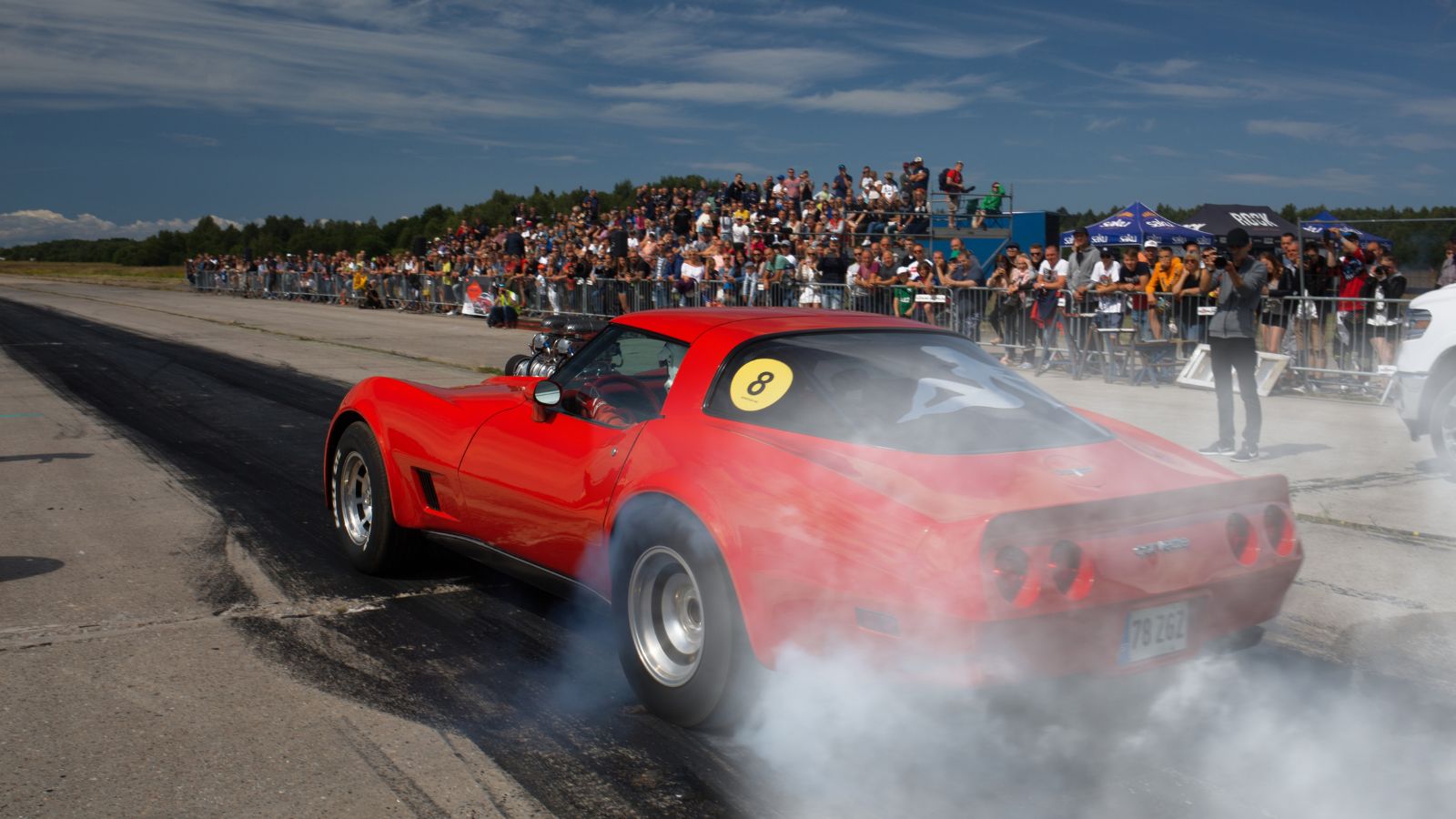
Standard car insurance is not built for racing or high-performance driving. Organized speed contests, drag racing, track days, and some performance-driving events can fall outside ordinary road-use coverage. Even an expensive policy may exclude losses that happen while the vehicle is being used in a competition or on a track.
The risk is easy to underestimate. A driver may think a casual weekend track session is just “driver education,” then slide into a barrier and submit a collision claim. The insurer may review event documents, photos, telemetry, or registration records and decide the loss happened during an excluded activity.
Exaggerating Damage or Staging the Loss
Insurance fraud includes staged crashes, fake thefts, inflated repair bills, invented injuries, and claims for damage that never occurred. Even smaller “padding” can be treated seriously. Adding an old dent to a new claim or increasing the repair estimate with unrelated damage can undermine the entire file.
Fraud investigations are not rare because insurers and law-enforcement agencies track suspicious patterns. A claim that includes inconsistent photos, mismatched damage, repeated losses, or unusual timing may be referred for deeper review. If fraud is proven, the insurer can deny the claim, cancel the policy, and the matter may carry legal consequences.
Reporting the Accident Too Late
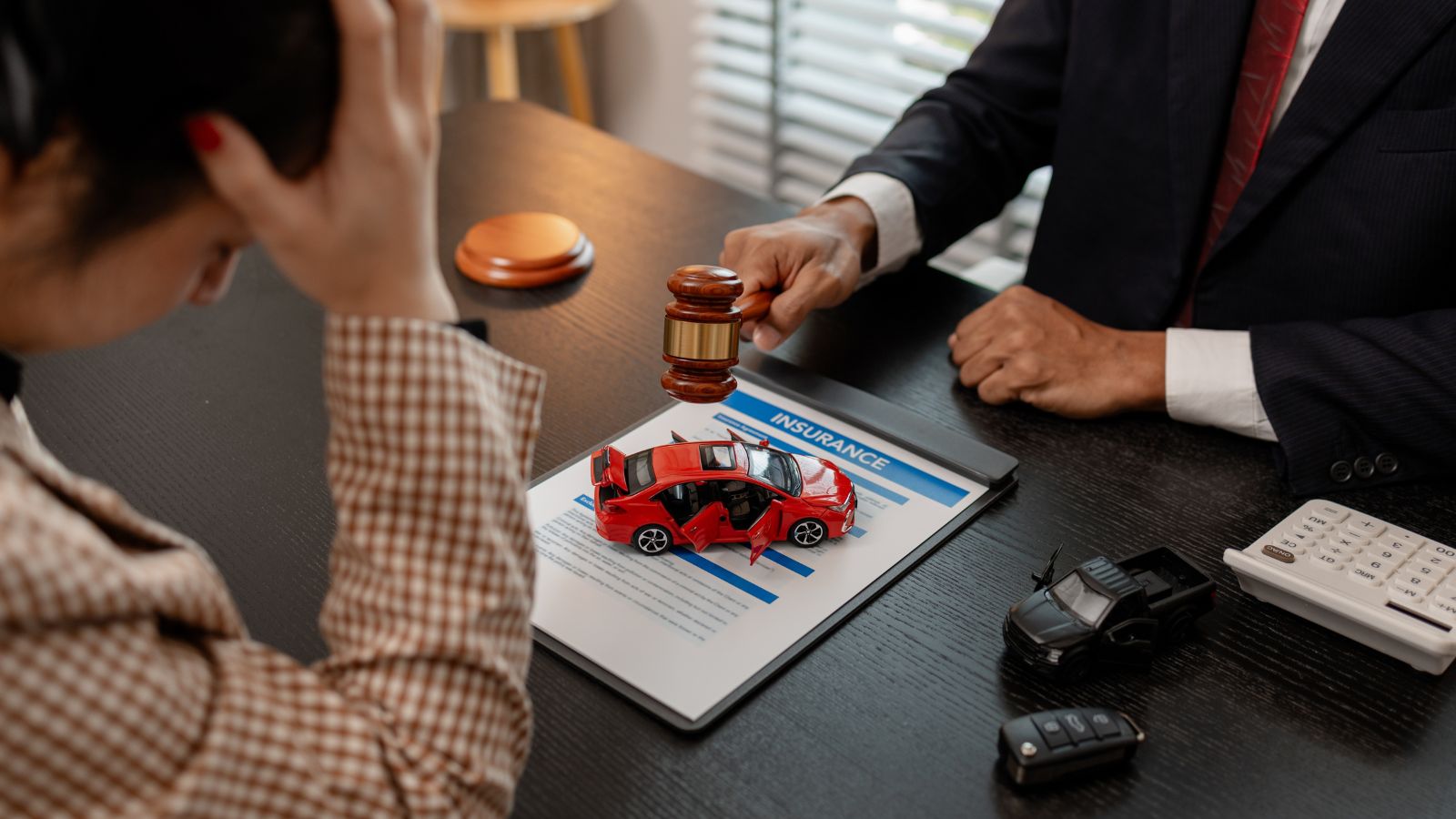
Most policies require prompt notice after an accident or loss. Fast reporting helps insurers inspect damage, contact witnesses, verify coverage, and prevent costs from growing. Waiting weeks or months can make the claim harder to prove and may give the insurer grounds to challenge it.
Late reporting often starts with good intentions. A driver may try to settle privately after a parking-lot scrape, only to discover hidden damage later. By then, camera footage may be gone, witnesses may be unreachable, and the other driver’s story may have changed. Delay can turn a small claim into a credibility problem.
Failing to File a Police Report When Required
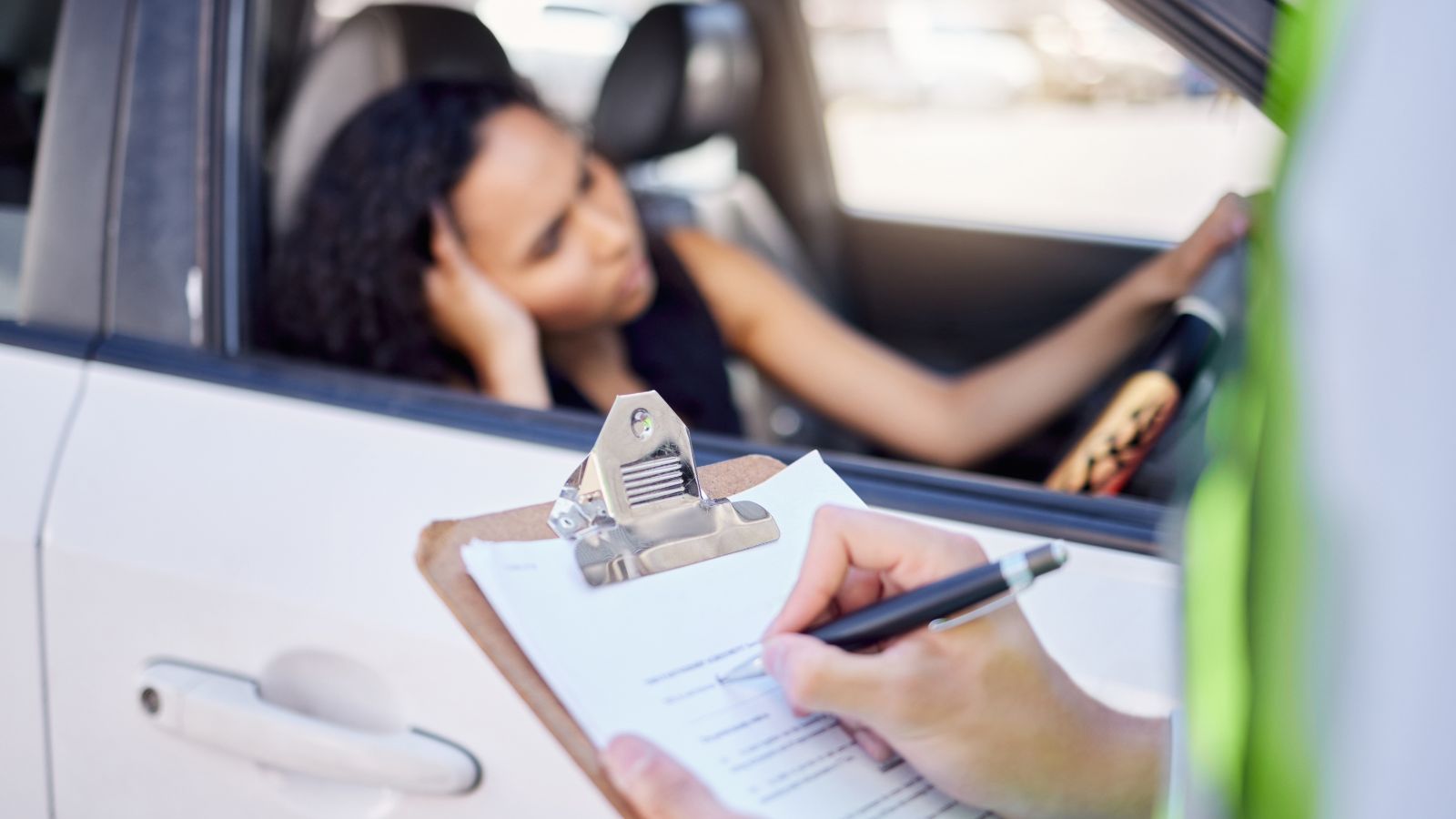
Not every minor collision needs police involvement, and rules differ by location. Still, many policies and local laws expect police reporting when there are injuries, hit-and-run circumstances, significant property damage, impaired driving concerns, or disputes over what happened. A report can also support the timeline and facts of the claim.
The absence of a report does not always mean denial. For a minor scrape with clear photos and cooperative drivers, other documentation may be enough. But after a serious crash, theft, vandalism, or hit-and-run, failing to create an official record can leave the insurer with too little independent evidence.
Not Gathering Enough Evidence at the Scene

A claim needs proof. Photos, license plates, driver information, witness contacts, weather conditions, location details, repair estimates, medical records, and police report numbers can all help show what happened. Without evidence, the insurer may question fault, damage amount, or whether the loss occurred as described.
Modern claims often begin through an app, but the basics still matter. A driver who leaves the scene with only the other person’s first name may struggle later. A few clear photos before vehicles are moved can capture traffic signs, skid marks, debris, and damage angles that become important when stories conflict.
Refusing to Cooperate With the Adjuster
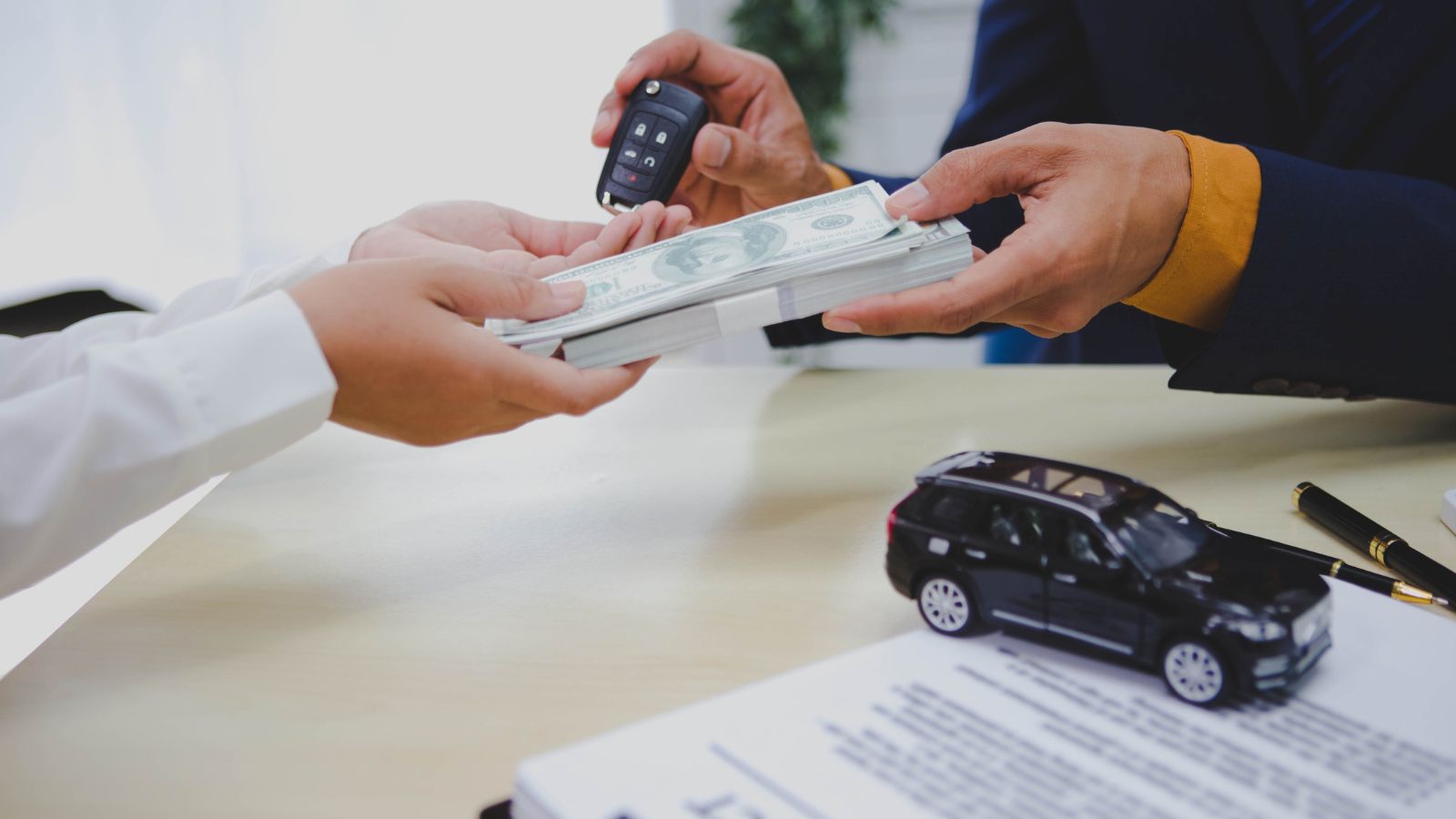
After a claim is opened, the insurer may ask for a recorded statement, documents, repair estimates, medical proof, phone records, receipts, or an examination under oath. These requests are part of the investigation. Ignoring calls, withholding material documents, or refusing reasonable questions can put coverage at risk.
Cooperation does not mean accepting an unfair decision. It means providing relevant information so the insurer can evaluate the claim. A policyholder who disappears for weeks, blocks an inspection, or refuses to explain conflicting facts may give the insurer a separate reason to deny benefits that might otherwise have been payable.
Repairing or Disposing of the Car Before Inspection

Insurers usually need a chance to inspect the damaged vehicle before approving repairs or declaring a total loss. If the car is repaired, scrapped, sold, or dismantled too quickly, evidence can disappear. The insurer may no longer be able to confirm the cause, extent, or timing of the damage.
This happens after small collisions when an owner wants to get back on the road quickly. Paying a shop out of pocket may seem practical, but it can weaken the claim later. Emergency steps to prevent further loss are different from completing full repairs before the adjuster can review the vehicle.
Claiming Damage That Happened Before the Policy Period

Coverage generally applies to losses that occur during the policy period. If damage existed before the policy began, or before collision or comprehensive coverage was added, the insurer may deny that part of the claim. This is why photos, inspections, and honest disclosure matter when coverage changes.
Pre-existing damage can be difficult to separate from new damage. A bumper may have an old crack and fresh impact marks after a second collision. In that situation, the insurer may pay only for the new accident-related portion, or dispute the claim if the evidence suggests the loss happened earlier than reported.
Taking the Car Outside the Covered Territory
Auto policies can include territorial limits. A policy may work normally in one country, province, state, or region but provide limited or no protection elsewhere unless special coverage is arranged. Cross-border trips, long stays away from home, or foreign rentals can all raise coverage questions.
The safest assumption is that geography matters. A weekend trip may be covered, while an extended stay, relocation, or drive into a country outside the policy territory may require notice or separate insurance. When an accident happens beyond the covered area, the denial may come down to location rather than fault.
Ignoring Policy Limits, Deductibles, and Exclusions

Some claim disputes are not full denials but feel like one. A policy may cover the event but pay less than expected because of deductibles, limits, actual cash value rules, depreciation, exclusions for certain parts, or lack of gap coverage. The result can leave the owner owing money after a total loss.
This is especially common with financed vehicles. If a car is worth less than the remaining loan balance, standard auto insurance may pay the vehicle’s market value rather than the full debt. Without gap coverage, the claim may be approved while the driver still faces a leftover loan balance.
22 Things Canadians Do to Their Cars in Spring That Mechanics Hate
Spring brings relief to many Canadian drivers after months of snow, freezing temperatures, and icy roads that put serious strain on vehicles. As temperatures rise across the country, drivers begin washing cars, switching tires, and preparing vehicles for warmer weather and upcoming road trips. However, mechanics across Canada notice the same mistakes every spring when drivers attempt to recover from winter damage. Road salt, potholes, and harsh winter driving conditions often leave vehicles with hidden problems that drivers ignore. Some spring habits even create new mechanical issues that could have been avoided with proper maintenance. Here are 22 things Canadians do to their cars in spring that mechanics hate.