


























Auto theft in Canada can look confusing at first glance. A luxury SUV may seem like the obvious target, yet theft lists often include mainstream crossovers, pickups, older trucks, and everyday family vehicles that sit in ordinary driveways across the country. The reason is simple: thieves do not chase price alone. They chase profit, speed, demand, availability, weak points, and exit routes.
These 12 factors explain why Canada’s most stolen vehicles are not always the most expensive. The pattern is less about showroom prestige and more about what criminal networks can move quickly, disguise easily, resell profitably, or export before owners and police can catch up.
Demand Beats Sticker Price
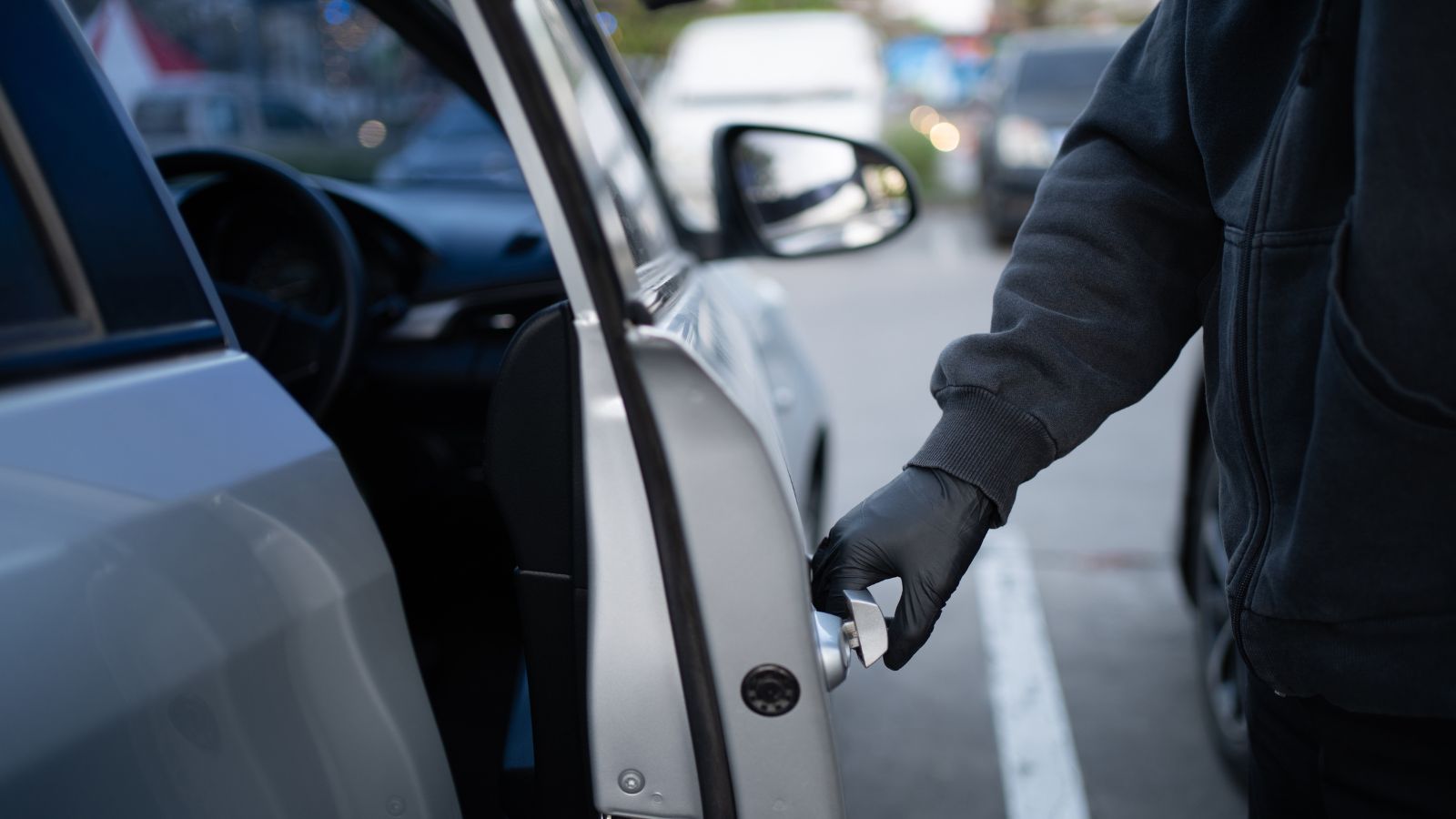
A vehicle does not need a luxury badge to be valuable to thieves. It only needs strong demand. In Canada, models such as the Toyota RAV4, Honda CR-V, Honda Civic, Ford F-Series, Ram pickups, and Toyota Highlander have appeared repeatedly in theft data because they are familiar, useful, and wanted in many markets. A thief looking for quick profit may prefer a vehicle that has thousands of eager buyers over one rare model that attracts attention immediately.
That is why a family crossover can become a hotter target than a six-figure performance car. A stolen mainstream SUV may be easier to blend into traffic, easier to move through a supply chain, and easier to sell in places where reliability matters more than status. For organized theft rings, the question is not “What is the most expensive?” It is “What can be stolen, moved, and monetized with the least friction?”
Popular Models Hide in Plain Sight

Canada’s most common vehicles create camouflage. When a model is everywhere in suburban driveways, office parking lots, condo garages, and shopping centres, one more example does not stand out. A stolen black crossover or white pickup can pass hundreds of similar vehicles on a highway without drawing much attention. That everyday visibility gives thieves an advantage that rare luxury cars do not always provide.
Popularity also creates a larger universe of matching parts, plates, trims, and repair knowledge. A mainstream vehicle can be harder for casual observers to identify because so many versions look alike from a distance. A neighbour may notice a bright exotic car being loaded onto a trailer, but a common SUV backing out of a driveway at night may not trigger the same alarm. In theft economics, ordinary can be useful.
Theft Rate and Theft Count Are Different Stories

The “most stolen” label can mean different things depending on how the numbers are measured. One model may have the highest number of thefts because so many are insured and on the road. Another may have a much higher theft percentage because a smaller pool of vehicles is targeted more intensely. Both patterns matter, but they tell different stories about risk.
This explains why the conversation can feel contradictory. A common pickup may generate many theft claims while still representing a small percentage of all insured examples. Meanwhile, a premium SUV with fewer insured vehicles can show a much higher theft rate. Drivers often focus on rank, but insurers and investigators also look at exposure. A vehicle that is everywhere can appear high on a theft list even when the individual owner’s odds are not as extreme as the headline suggests.
SUVs and Pickups Travel Well Overseas
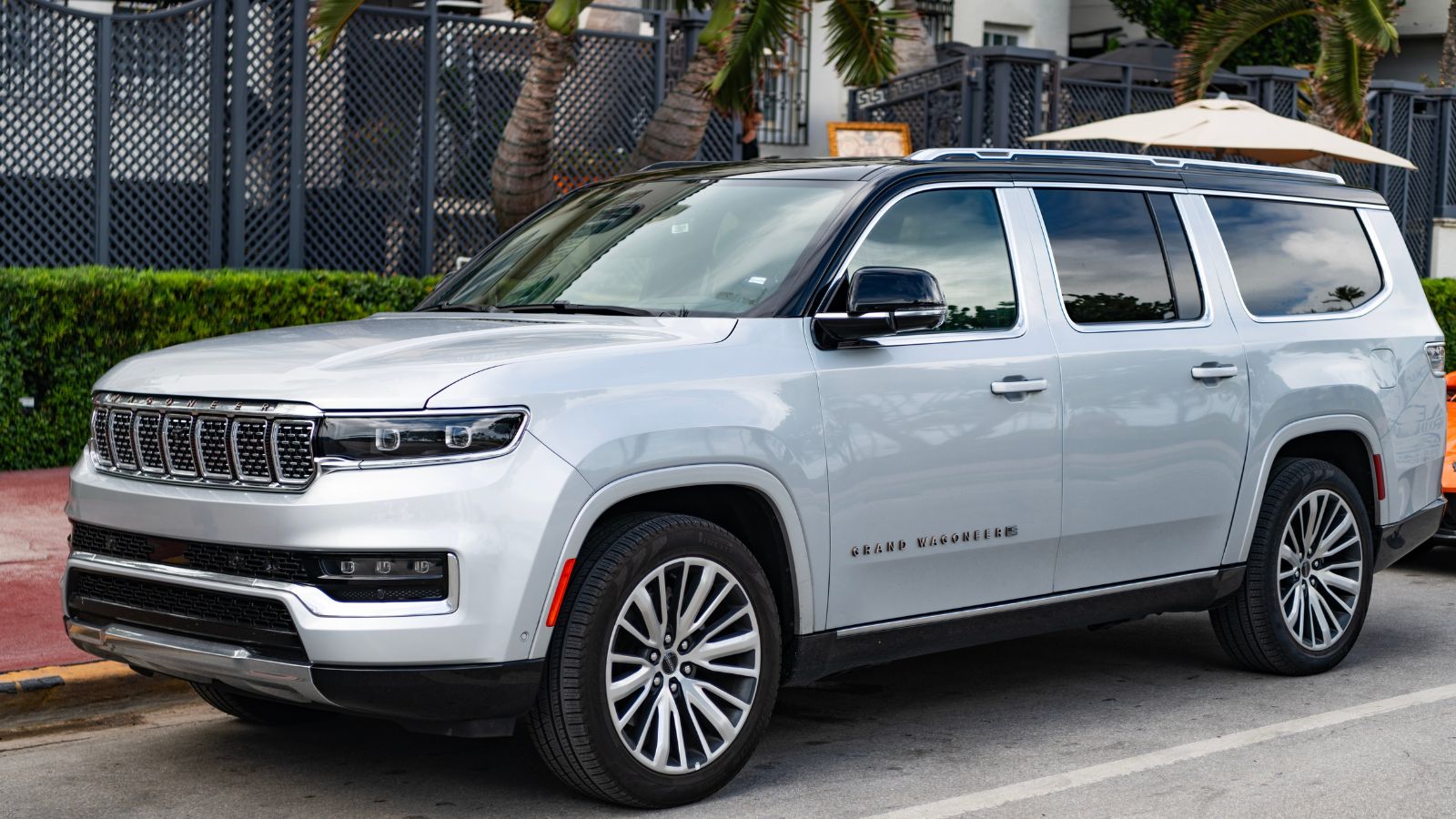
Canadian theft trends are closely tied to international demand. SUVs and pickups are practical in many regions because they handle rough roads, family use, business needs, and cargo. A stolen crossover may be valuable not because it is the most expensive vehicle in Canada, but because it is useful in multiple countries and easy to maintain with widely available parts.
This is one reason ordinary-looking vehicles can become export targets. A Toyota, Honda, Ford, Ram, or Lexus product may have strong recognition far beyond Canada. Criminal networks can exploit that familiarity, moving stolen vehicles through containers or other shipping channels toward overseas buyers. A high-end coupe might be flashy, but a durable SUV can be a more reliable product in the illegal marketplace.
Keyless Convenience Can Create Keyless Opportunity
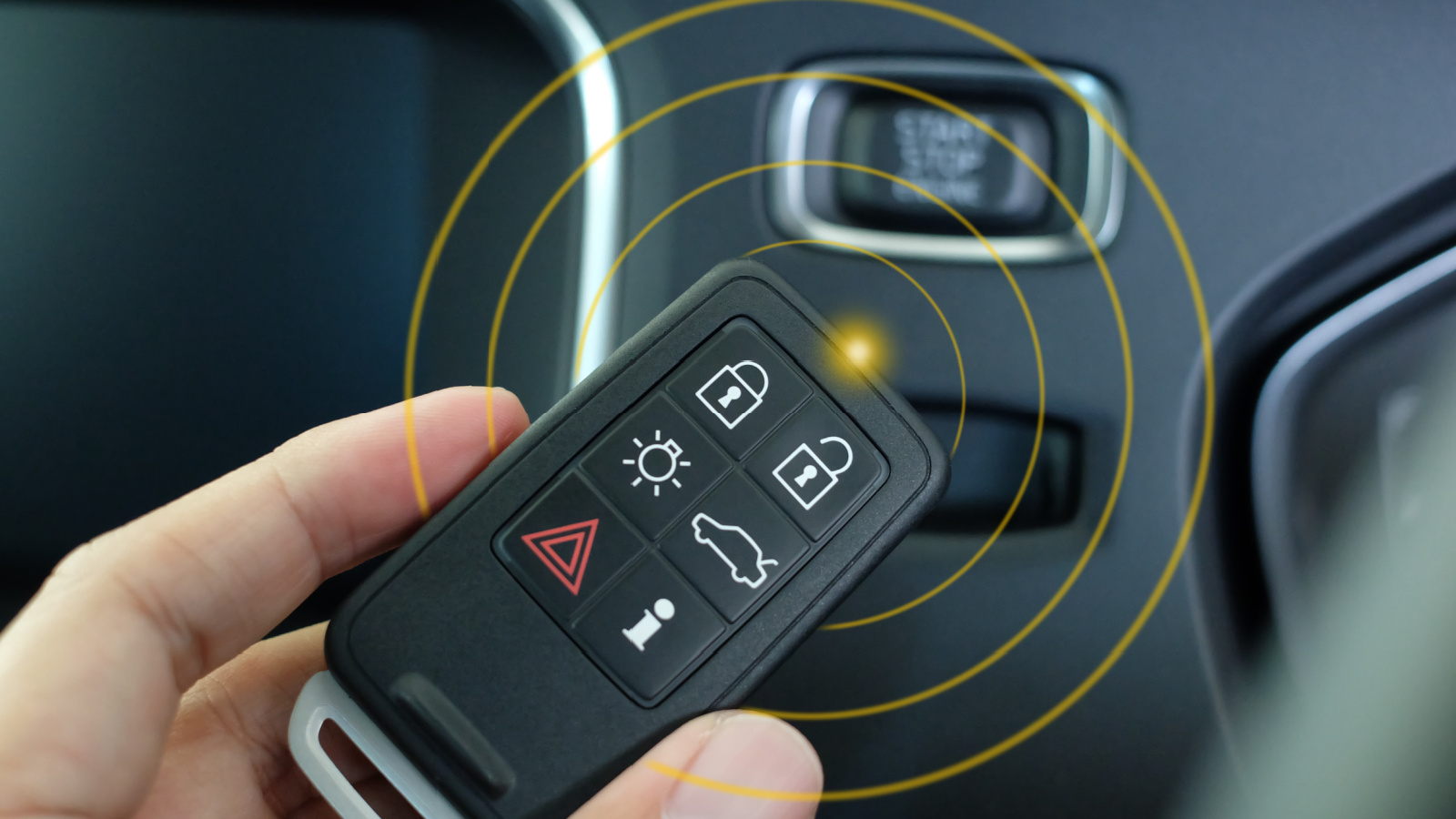
Modern vehicles are packed with convenience features, but convenience can become a vulnerability when security systems fall behind criminal tools. Keyless entry and push-button start systems changed how drivers use vehicles, yet they also created openings for relay attacks, signal manipulation, reprogramming tools, and other electronic theft methods. In some cases, the most attractive target is not the priciest model, but the one with the most exploitable weakness.
That is why newer mainstream vehicles can be more appealing than older luxury cars with less useful resale value. A thief wants speed. If a vehicle can be entered, started, and moved within minutes, its price tag matters less. Many owners picture theft as a broken window and a hotwired ignition, but modern theft can look almost quiet from the sidewalk. The vehicle simply starts, rolls away, and disappears into a larger pipeline.
Older Work Trucks Still Have Street Value
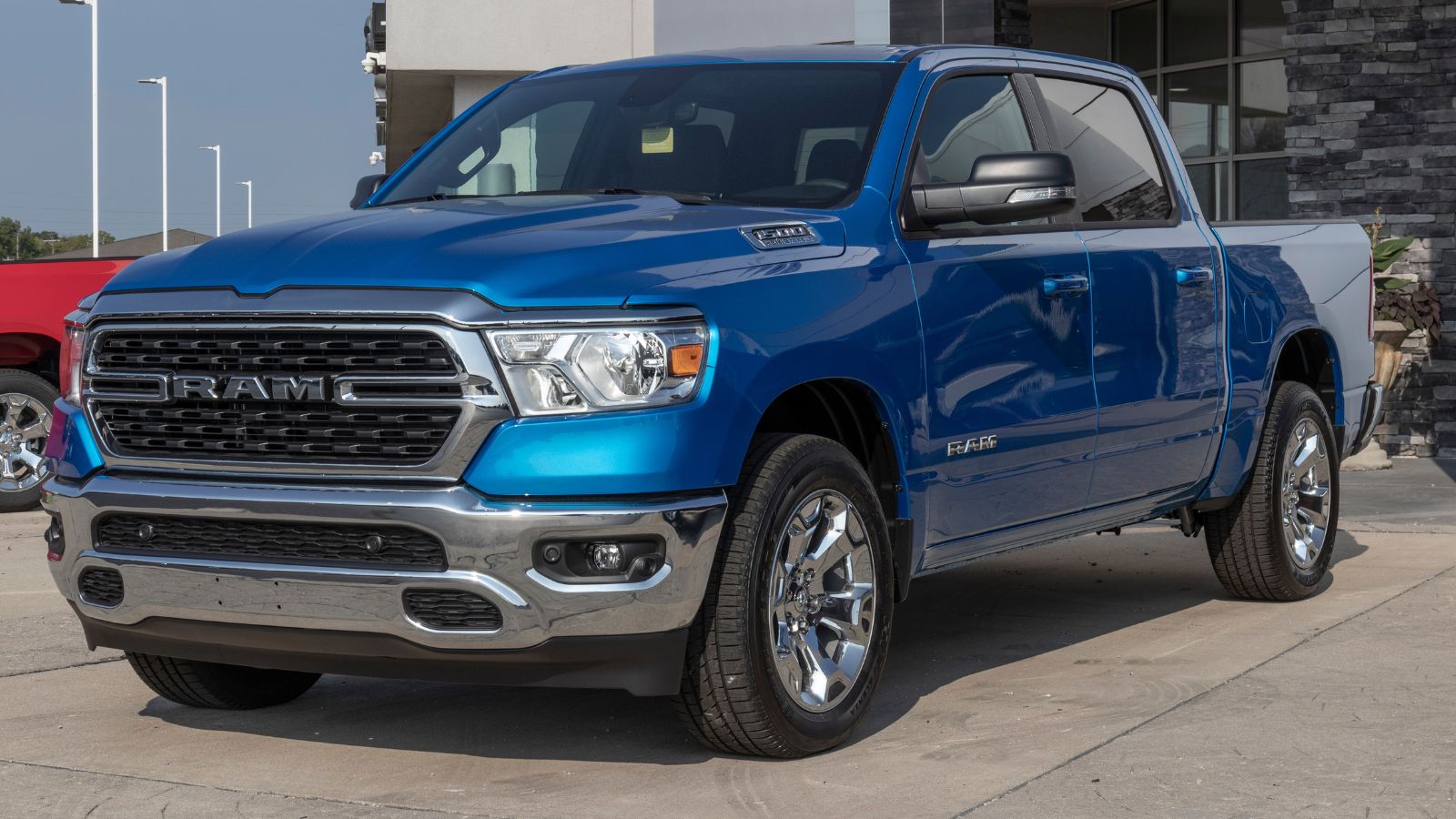
Not every stolen vehicle is a late-model luxury SUV. In parts of Canada, older pickups remain frequent targets because they are useful, rugged, and familiar to local thieves. Work trucks can be attractive for hauling tools, towing trailers, committing other crimes, or stripping for components. A truck does not need to look glamorous to have value on the street.
This is especially clear in regions where pickups dominate daily life. In Alberta and other Prairie markets, older Ford, Ram, Chevrolet, and GMC trucks often remain practical long after their original showroom shine fades. A farmer, contractor, or tradesperson may see a dependable older pickup as a tool. A thief may see the same vehicle as quick transportation, parts inventory, or a low-profile asset that can be moved without drawing the attention a luxury vehicle would.
Parts Can Be Worth More Than the Badge
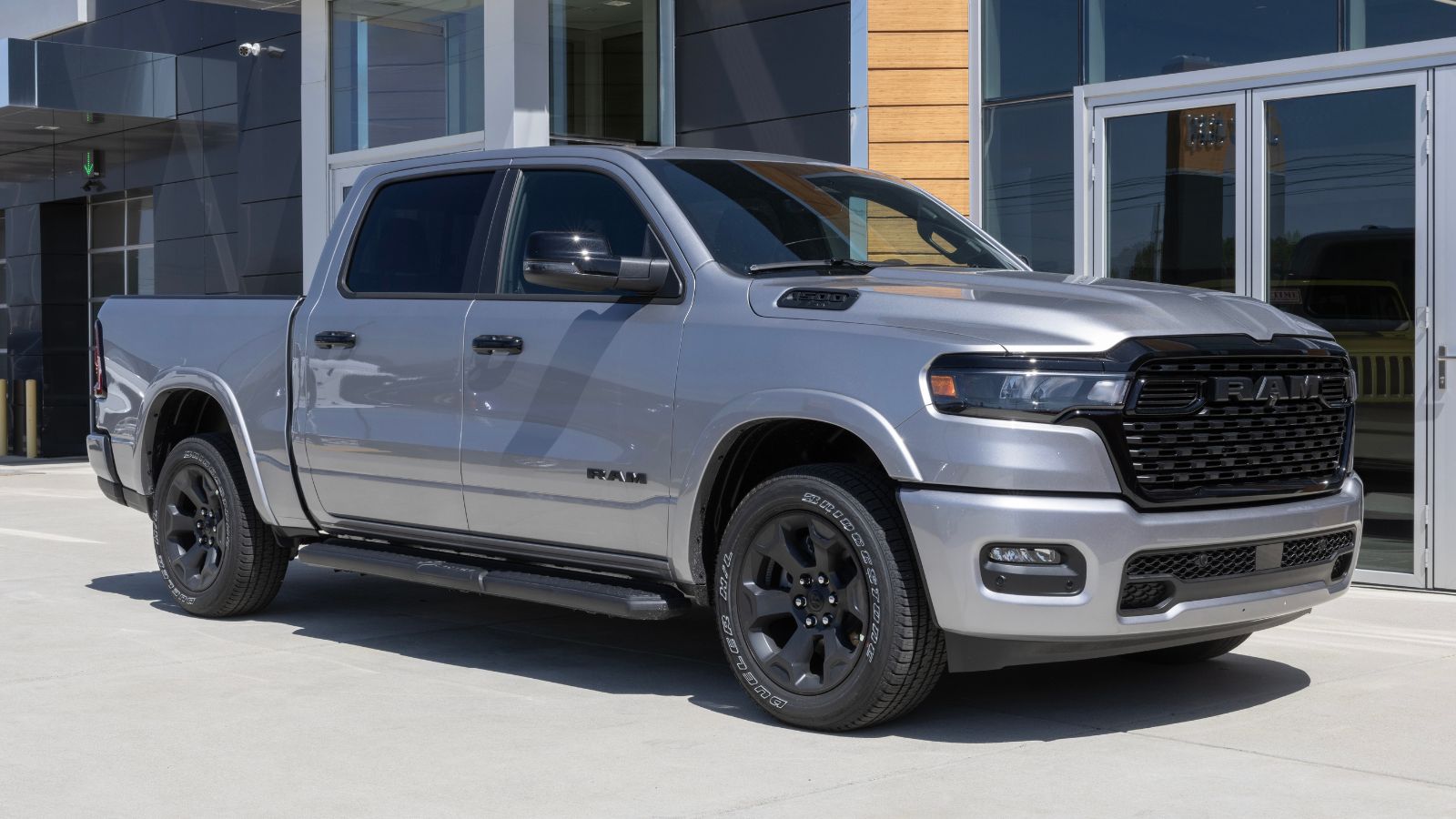
A stolen vehicle does not always stay whole. Some are dismantled in chop shops, where engines, body panels, wheels, electronics, airbags, headlights, and interior components can be separated and sold. In that world, a mainstream vehicle with high repair demand can be more useful than an exotic model with a limited buyer pool. The badge matters less than how many parts customers exist.
This helps explain why common vehicles remain attractive even when their retail price is moderate. A damaged SUV waiting weeks for parts at a body shop represents demand. A thief does not need to sell an entire vehicle overseas if individual components can move through illegal channels. For a criminal operation, a popular model is like inventory with many exits: whole vehicle, parts, re-VIN, domestic resale, or export.
Ports and Rail Yards Shape the Target List
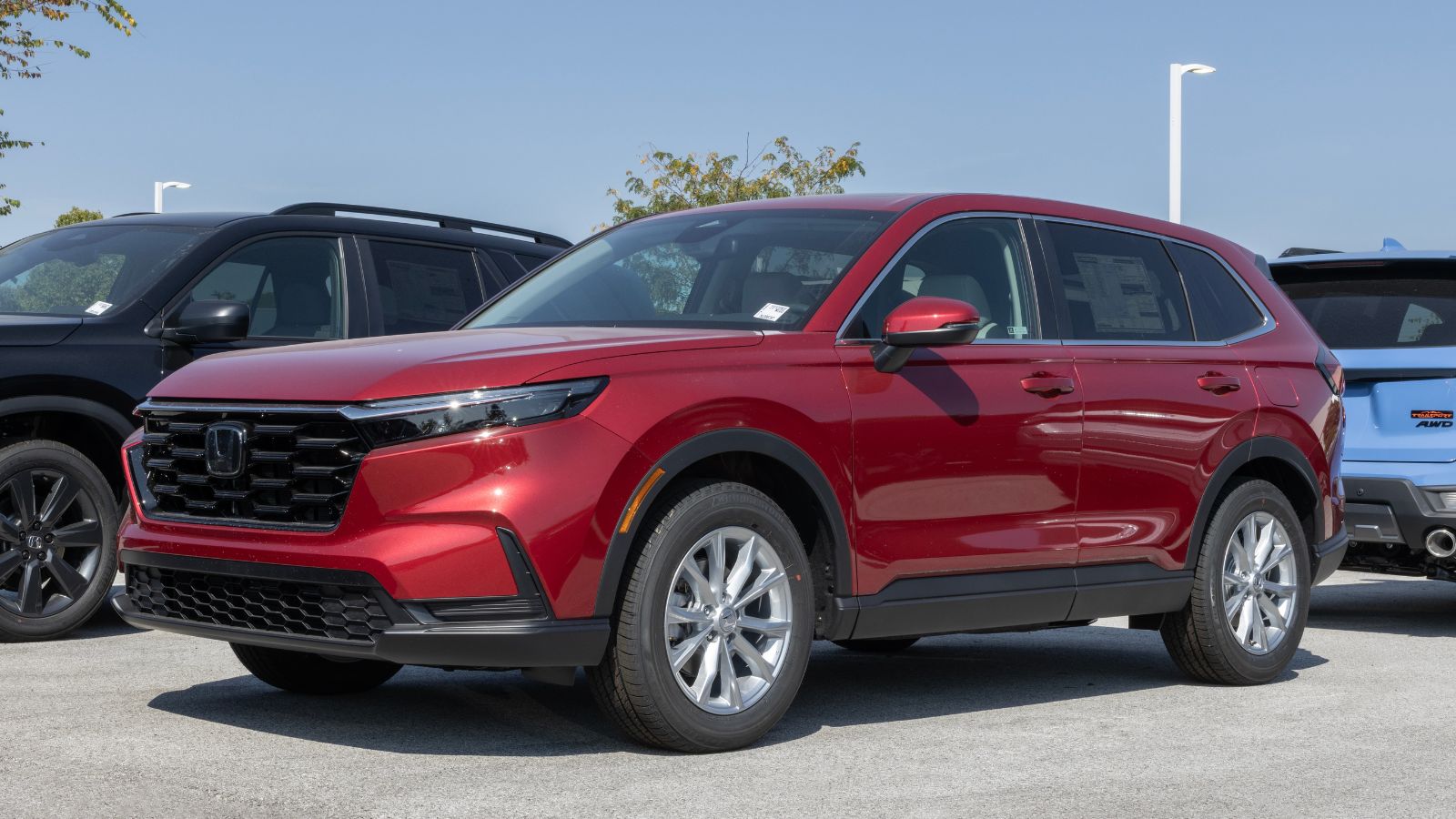
The geography of theft matters. Vehicles stolen in Ontario and Quebec have often been linked to export routes through major logistics hubs, including the Port of Montréal. Once a vehicle reaches a container, rail yard, or freight-forwarding network, the recovery challenge becomes much harder. That is why proximity to export infrastructure can influence what thieves target and how quickly a vehicle disappears.
This does not mean every stolen vehicle leaves Canada. Some are used domestically, dismantled, or re-identified through fraudulent paperwork. Still, export routes make certain models more attractive because thieves know where they can go next. A practical SUV with overseas demand may be more valuable to a network than a rare luxury car that customs officers, insurers, or investigators can spot more easily through its uniqueness.
Regional Habits Change the Risk
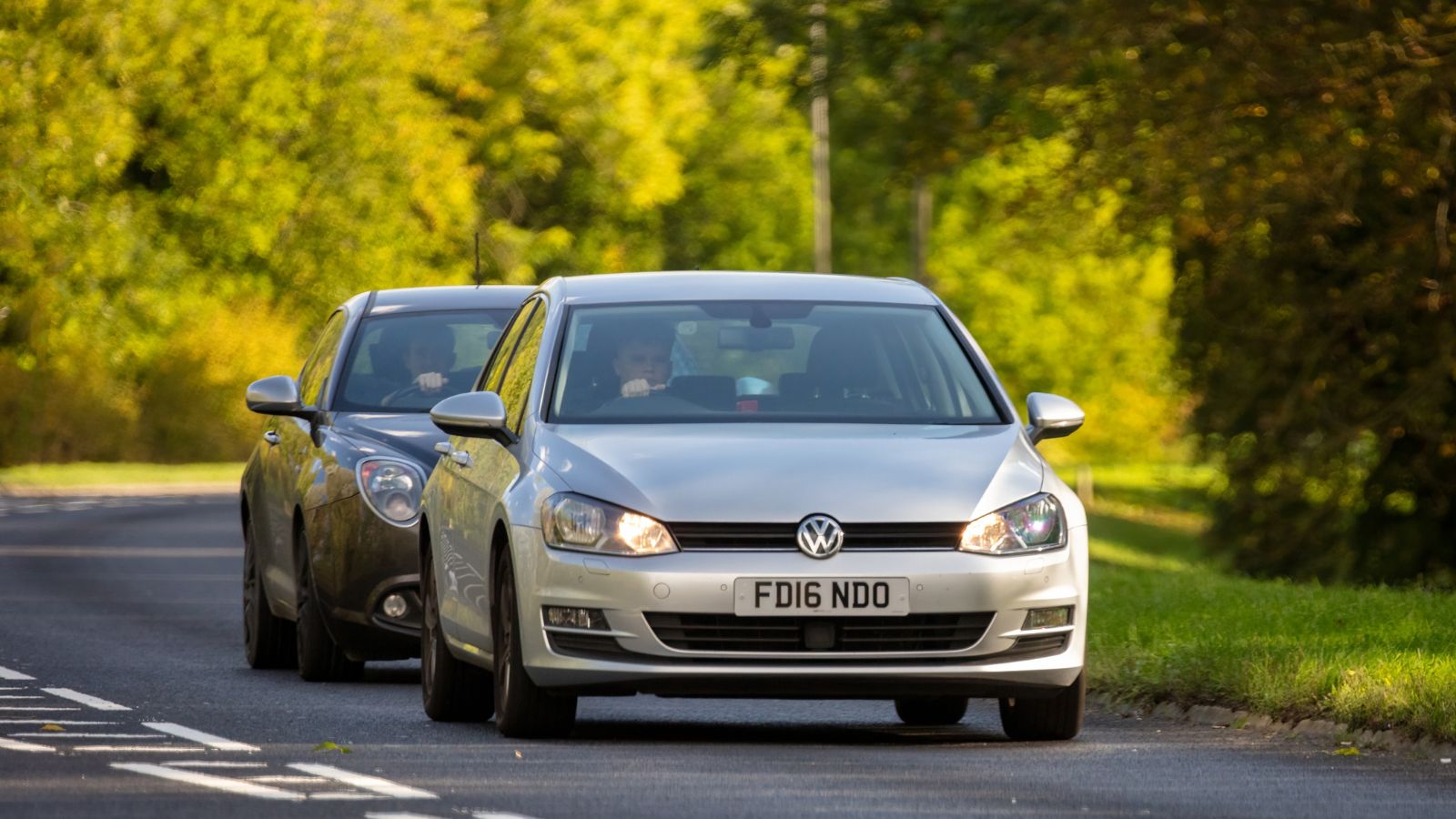
Canada does not have one theft pattern. The vehicles most targeted in Toronto, Montréal, Edmonton, rural Saskatchewan, or Atlantic Canada can differ because local vehicle ownership differs. Dense urban areas may see more sophisticated theft tied to technology and export pipelines, while other regions may see more opportunity theft involving unlocked vehicles, vehicles left running, or work trucks used for practical purposes.
Regional lists can therefore look very different from national rankings. A model that barely appears in one province may be near the top in another because it is more common, more useful, or easier to move locally. For owners, this means risk is not just about the vehicle’s price. It is also about where it is parked, how often similar models are stolen nearby, and whether local theft groups have developed a preference for that type of vehicle.
Insurance Costs Reflect More Than Luxury Badges

The financial damage from auto theft is not limited to the price of a single stolen vehicle. Claims costs include replacement values, rental coverage, investigations, storage, repairs after recovery, and broader pressure on premiums. When many mainstream vehicles are stolen, the total cost can become enormous even if each individual vehicle is not the most expensive on the road.
That is why insurers watch theft frequency closely. A stolen family SUV can still create a major claim, especially if replacement prices are high and supply is tight. When theft happens at scale, ordinary vehicles become part of a national cost problem. The owner loses transportation, the insurer pays the claim, and other drivers may eventually feel the pressure through premiums or surcharges for high-risk models.
Organized Crime Thinks Like a Supply Chain
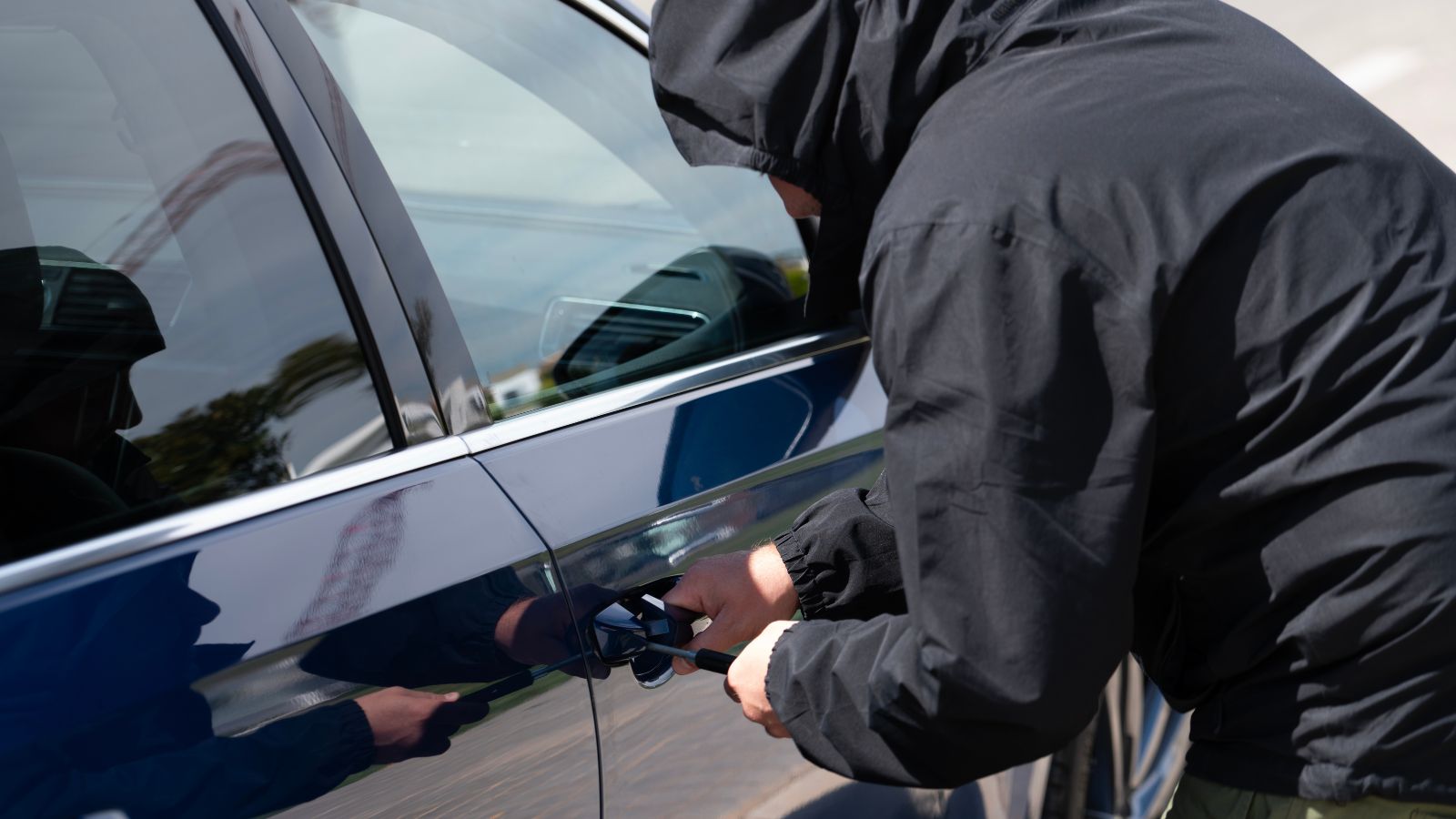
Auto theft has moved far beyond random joyriding in many Canadian cases. Organized networks think in terms of sourcing, transportation, documentation, storage, dismantling, export, and resale. The best target is often the model that fits smoothly into that chain. A common SUV or pickup can be stolen repeatedly because the network already knows how to handle it.
That supply-chain logic rewards consistency. Thieves may learn the weak points of specific model years, develop contacts for moving them, and understand which markets want them. Once a model becomes profitable, it can remain attractive until enforcement, security updates, or market demand changes the equation. Expensive vehicles may still be targeted, but reliable repeatability can matter even more.
Prevention Can Change What Thieves Choose

Theft trends are not fixed. When governments, police, insurers, automakers, border officers, and owners add friction, thieves adapt. Better immobilizer standards, stronger electronic security, tracking protocols, port inspections, data sharing, steering locks, bollards, secure garages, and layered anti-theft habits can all make a vehicle less convenient to steal or move. Criminals often prefer easier opportunities.
This is why the most stolen list can shift from year to year. A model that was once easy profit can become less attractive if recovery rates improve or export routes tighten. At the same time, another common vehicle may rise if demand, supply, and vulnerability line up. The lesson is not that only luxury owners should worry. In Canada’s theft market, practical vehicles can be just as interesting to thieves when they are easy to find and easy to move.
22 Things Canadians Do to Their Cars in Spring That Mechanics Hate
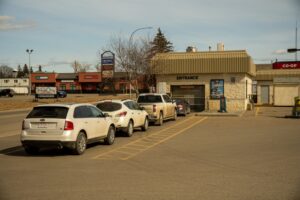
Spring brings relief to many Canadian drivers after months of snow, freezing temperatures, and icy roads that put serious strain on vehicles. As temperatures rise across the country, drivers begin washing cars, switching tires, and preparing vehicles for warmer weather and upcoming road trips. However, mechanics across Canada notice the same mistakes every spring when drivers attempt to recover from winter damage. Road salt, potholes, and harsh winter driving conditions often leave vehicles with hidden problems that drivers ignore. Some spring habits even create new mechanical issues that could have been avoided with proper maintenance. Here are 22 things Canadians do to their cars in spring that mechanics hate.