


























A new-vehicle warranty can feel like a safety net, but it is not a blank cheque. In Canada, warranty coverage usually depends on whether the vehicle was used, serviced, repaired, and modified according to the manufacturer’s terms. The problem is that many warranty mistakes are not dramatic. They happen through missed oil changes, undocumented repairs, aftermarket upgrades, towing habits, or small assumptions made during busy everyday life.
These 22 warranty pitfalls show how ordinary decisions can turn into expensive disputes. Most do not automatically cancel every part of a warranty, but they can give a manufacturer or dealer grounds to deny coverage for a related failure. For Canadian drivers, the safest approach is simple: understand the owner’s manual, keep every record, and treat warranty coverage as a contract with conditions attached.
Missing Scheduled Maintenance
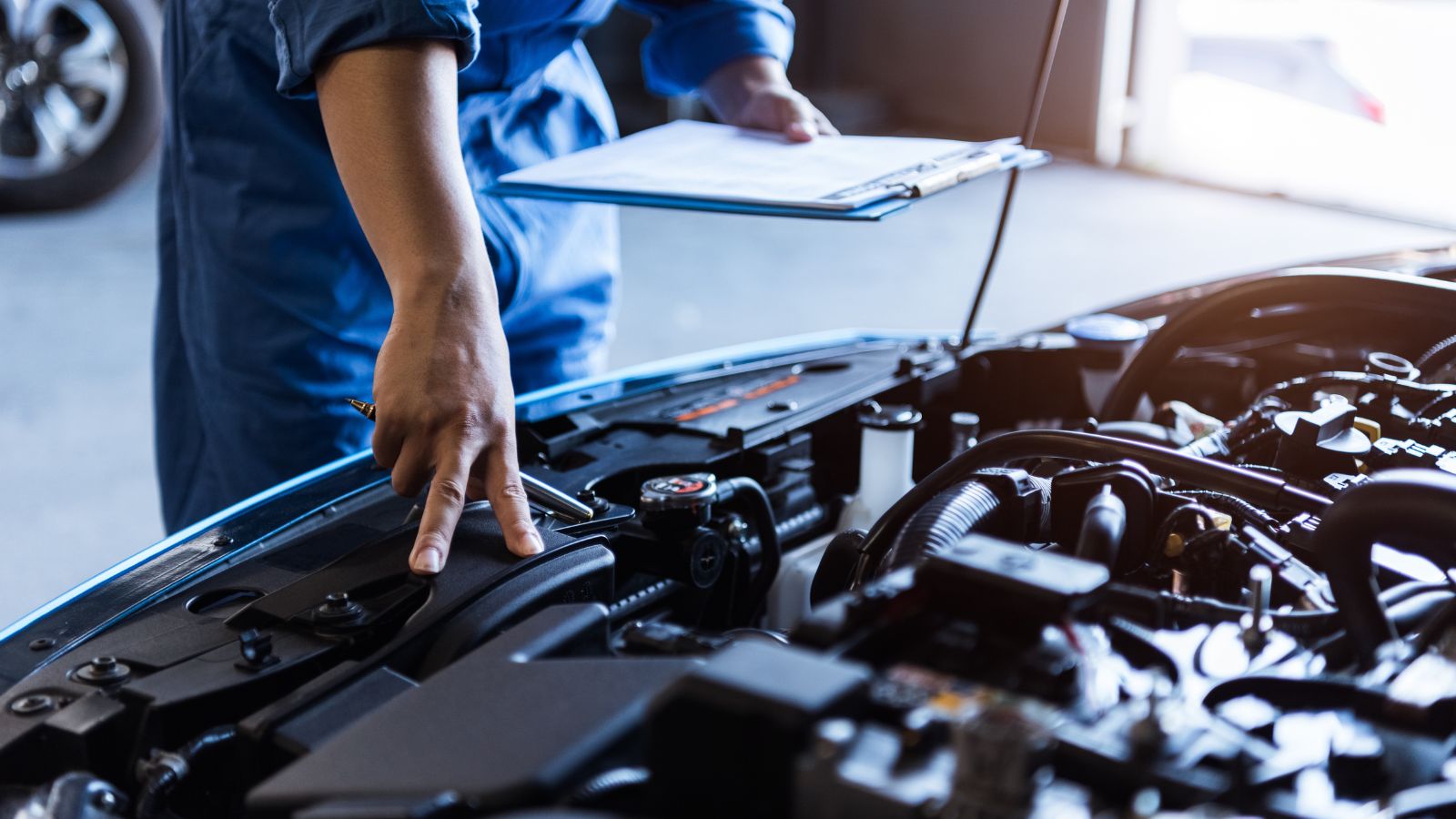
One of the most common warranty problems begins with a simple missed service appointment. Manufacturers build warranty coverage around the assumption that the vehicle receives oil changes, inspections, fluid checks, filters, and other maintenance at the intervals listed in the owner’s manual. When a vehicle comes in with engine noise, transmission trouble, or premature component failure, service records often become part of the discussion.
A Canadian driver who delays an oil change by several thousand kilometres may not think much of it if the car still runs normally. But if the engine later develops sludge, overheating, or bearing wear, the manufacturer may argue that the failure was caused by lack of maintenance rather than a defect. Warranty booklets from major brands regularly state that damage linked to improper or missing maintenance is not covered. The issue is not just whether the vehicle was serviced, but whether the owner can prove it was serviced on time.
Not Keeping Receipts and Service Records
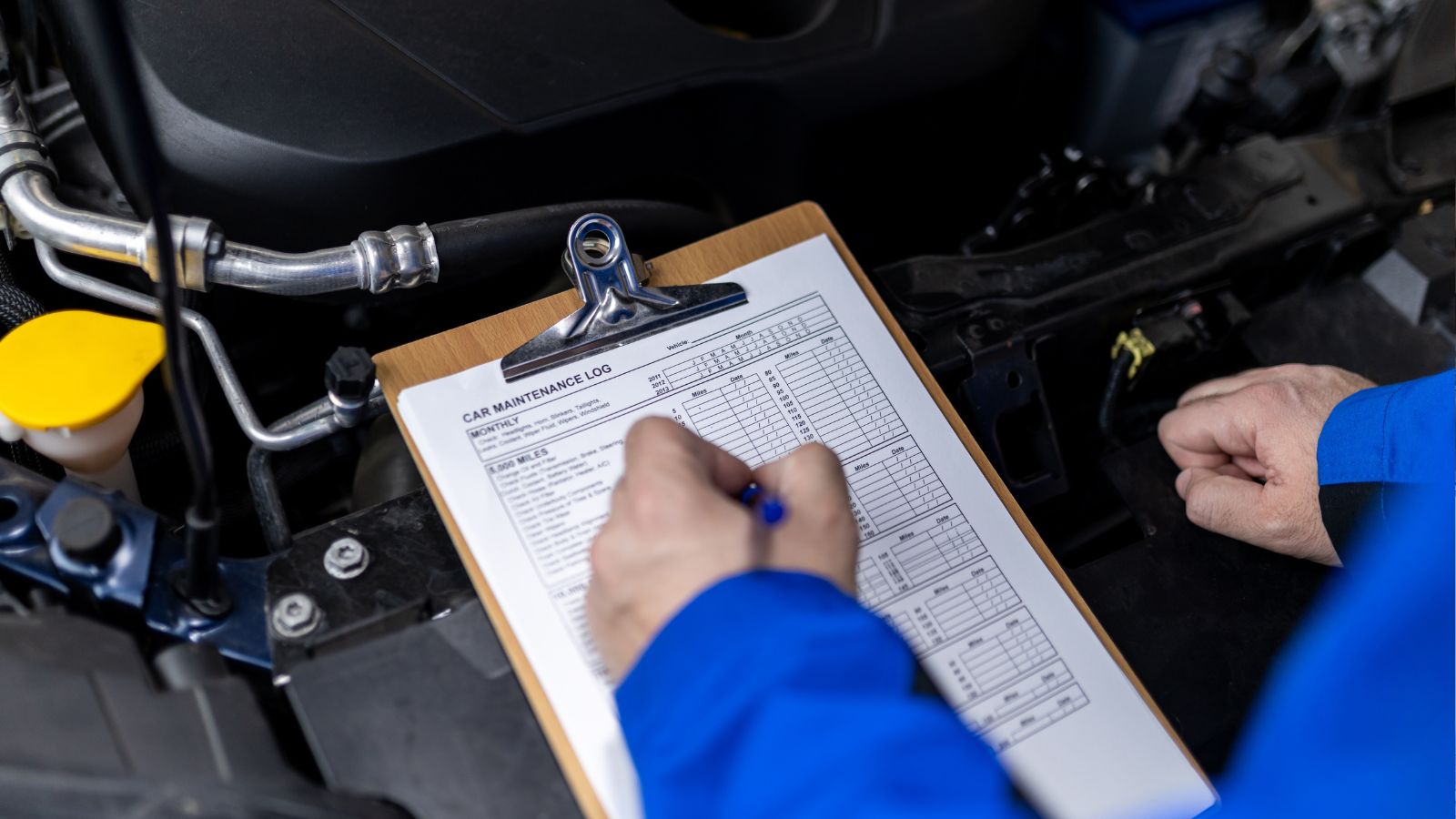
A vehicle may be properly maintained and still run into warranty trouble if the owner cannot prove it. Receipts, invoices, mileage logs, and service history reports matter because they create a paper trail. Many owners assume a dealer can “look it up,” but that only works if the work was done inside that dealer or manufacturer network. Independent shops, quick-lube centres, mobile mechanics, and DIY maintenance require more careful record keeping.
A good invoice should show the date, odometer reading, vehicle identification, work performed, and parts or fluids used. For example, an oil-change receipt that lists the correct oil specification is stronger than a vague debit-card receipt from an auto parts store. When a warranty claim becomes expensive, such as an engine or turbocharger repair, the burden often shifts toward documentation. A shoebox of receipts may not feel important when the vehicle is new, but it can become the difference between a covered repair and a denied claim.
Using the Wrong Oil or Fluids
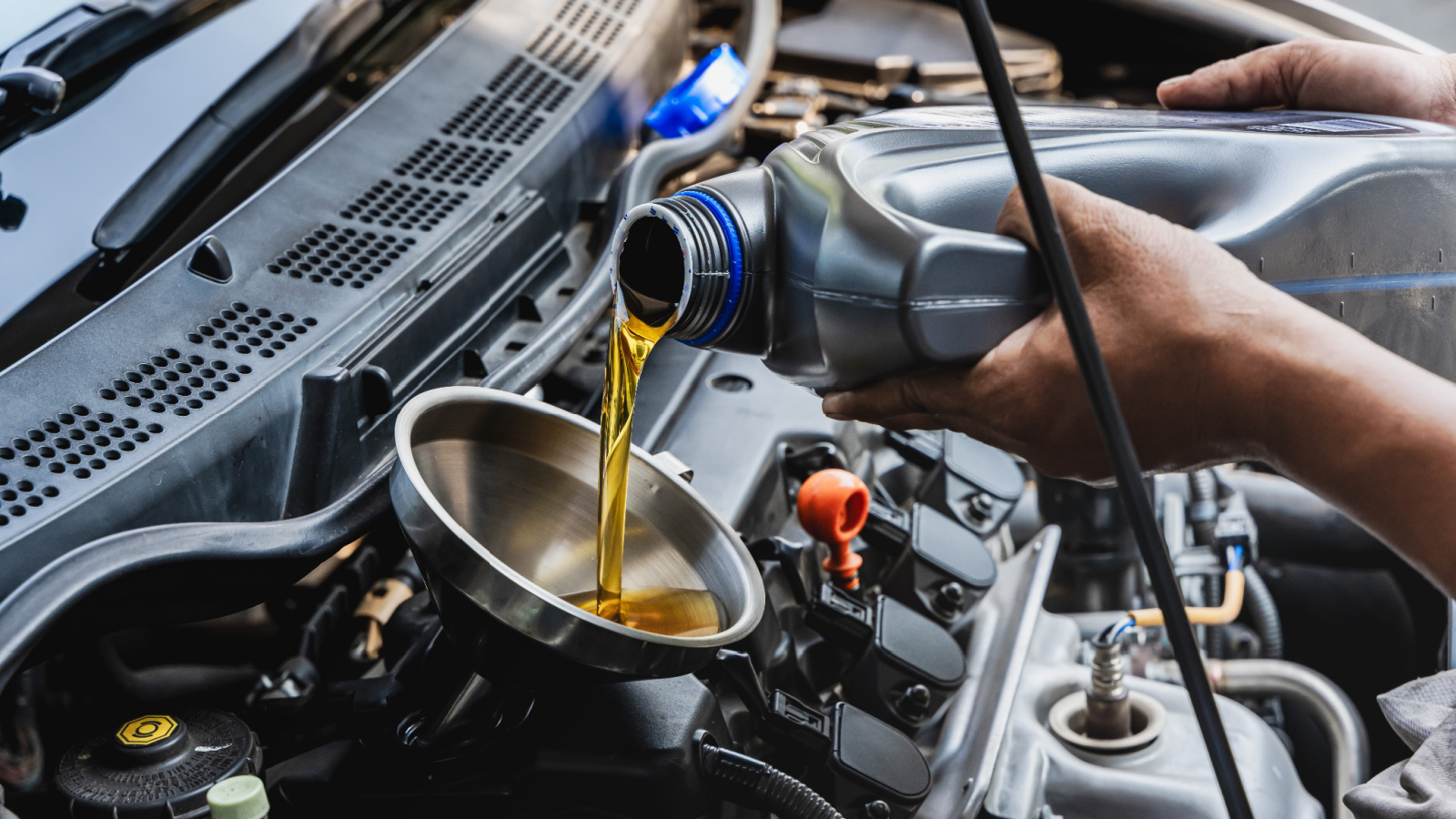
Modern vehicles can be surprisingly picky about fluids. Engine oil viscosity, coolant chemistry, automatic transmission fluid, brake fluid, differential oil, and even windshield-washer fluid in some systems may have specifications listed by the manufacturer. Using a product that “looks close enough” can create problems that only appear months later. Turbocharged engines, hybrids, diesels, and high-compression engines are especially sensitive to the wrong oil grade or additive package.
A common example is using cheaper conventional oil in a vehicle that requires synthetic oil meeting a specific standard. The engine might run normally at first, but deposits, timing-chain wear, or lubrication issues can develop over time. Transmission fluid mistakes can be even more expensive because many modern automatic and continuously variable transmissions require very specific formulations. If a failure can be traced to an incorrect fluid, the warranty claim may be challenged because the issue was caused by maintenance error rather than defective manufacturing.
Installing Aftermarket Parts That Cause a Failure
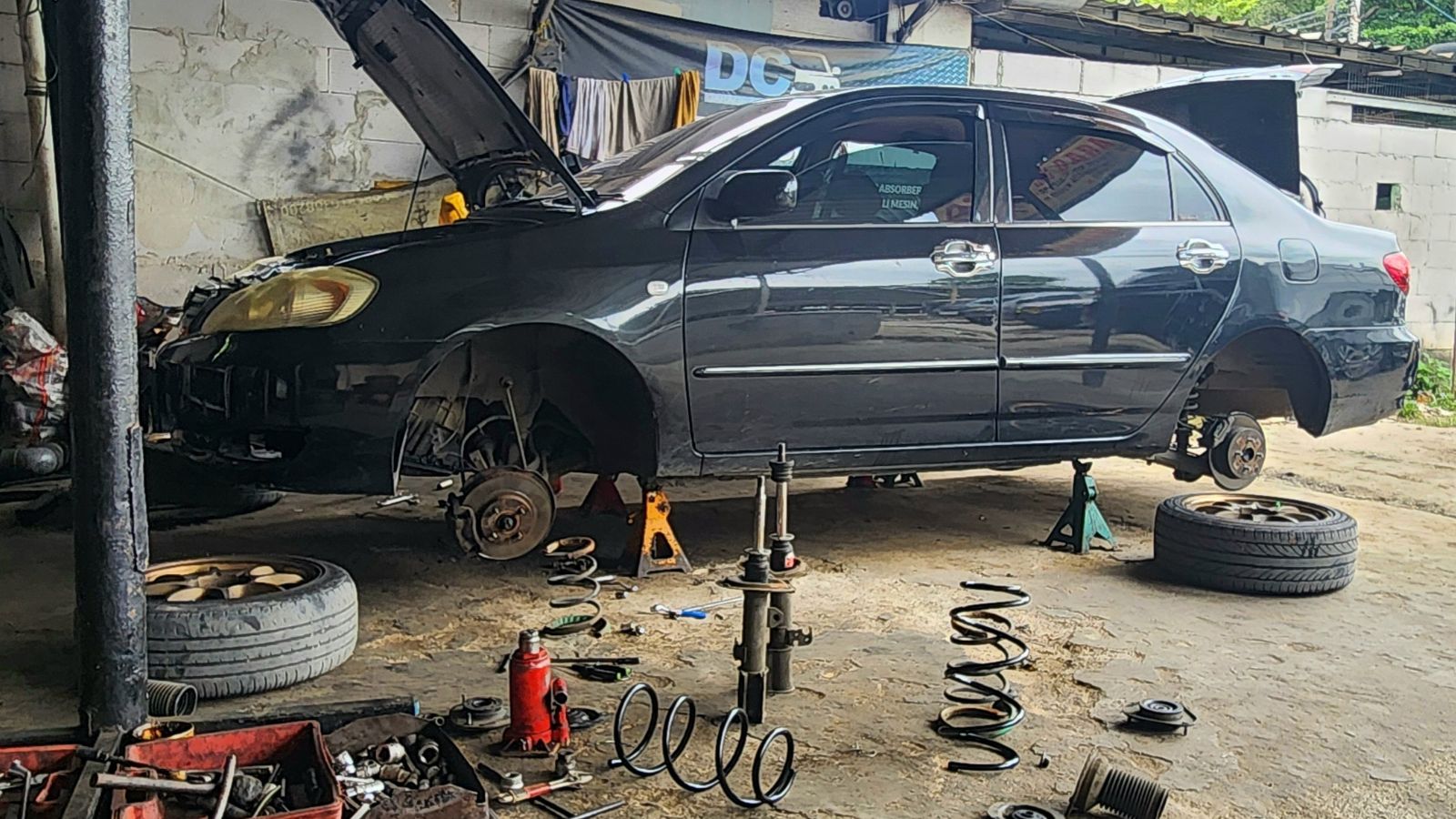
Aftermarket parts do not automatically destroy a vehicle warranty, and Canadian drivers are not always required to buy parts from the dealer for routine service. The problem starts when an aftermarket part is poor quality, incorrectly installed, or directly linked to the failure being claimed. A non-factory air intake, oversized wheels, performance chip, lift kit, or electrical accessory can create warranty complications if it affects related systems.
For example, an aftermarket suspension kit may look harmless until a dealer inspects premature axle, steering, or control-arm wear. A cheap engine air filter that fits poorly may allow debris into the intake system. A poorly wired dash camera or audio amplifier may trigger battery drain or electrical faults. In these cases, the manufacturer may not deny every part of the warranty, but it may refuse coverage for the damaged component. The safest rule is that modifications should be high-quality, professionally installed, and documented before problems appear.
Tuning the Engine Software
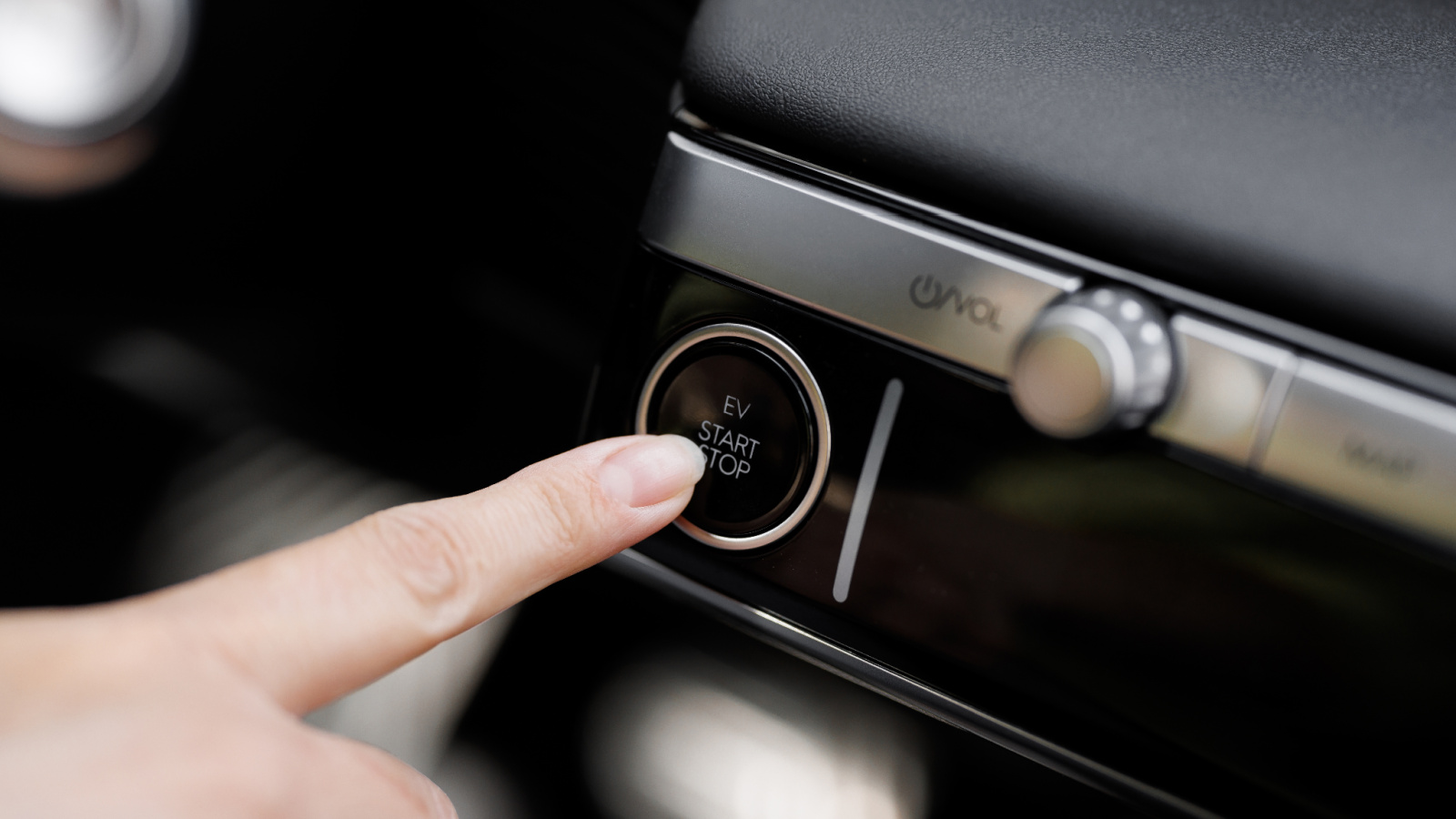
Software tuning is one of the fastest ways to create a warranty dispute. Many modern vehicles store information about engine control module changes, boost levels, operating history, fault codes, and software versions. Even if the vehicle is returned to factory settings before a dealer visit, diagnostic systems may still show evidence that performance software was installed or that operating limits were exceeded.
A driver may install a tune to gain more horsepower from a turbocharged engine, then later face a denied claim for a damaged turbo, transmission, driveline, or engine component. From the manufacturer’s point of view, the vehicle was no longer operating under the conditions it was designed and warranted for. This is especially relevant as engines become smaller, more boosted, and more software-controlled. The performance gain may feel modest, but the warranty risk can be large when a claim involves thousands of dollars in parts and labour.
Ignoring Warning Lights
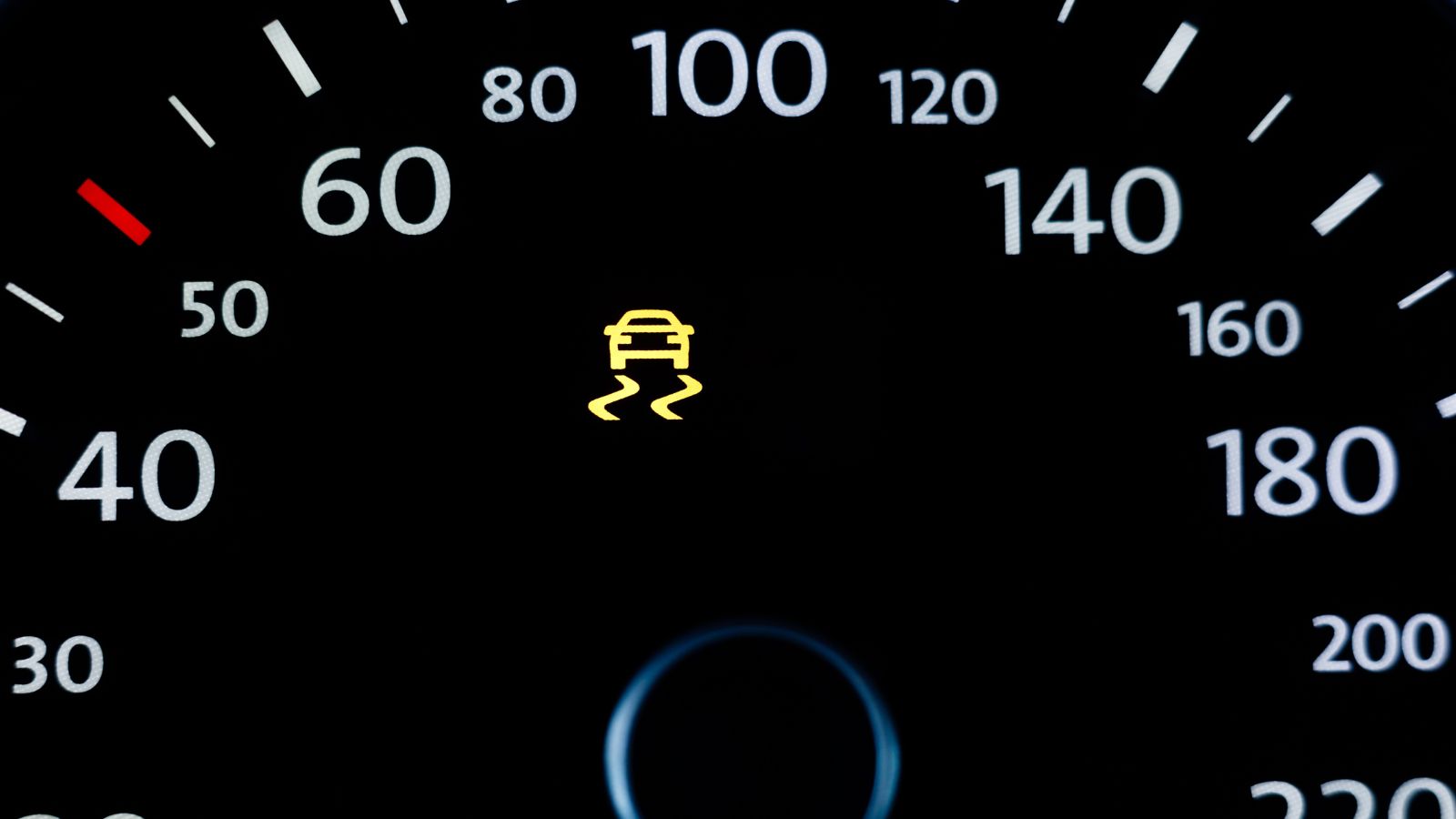
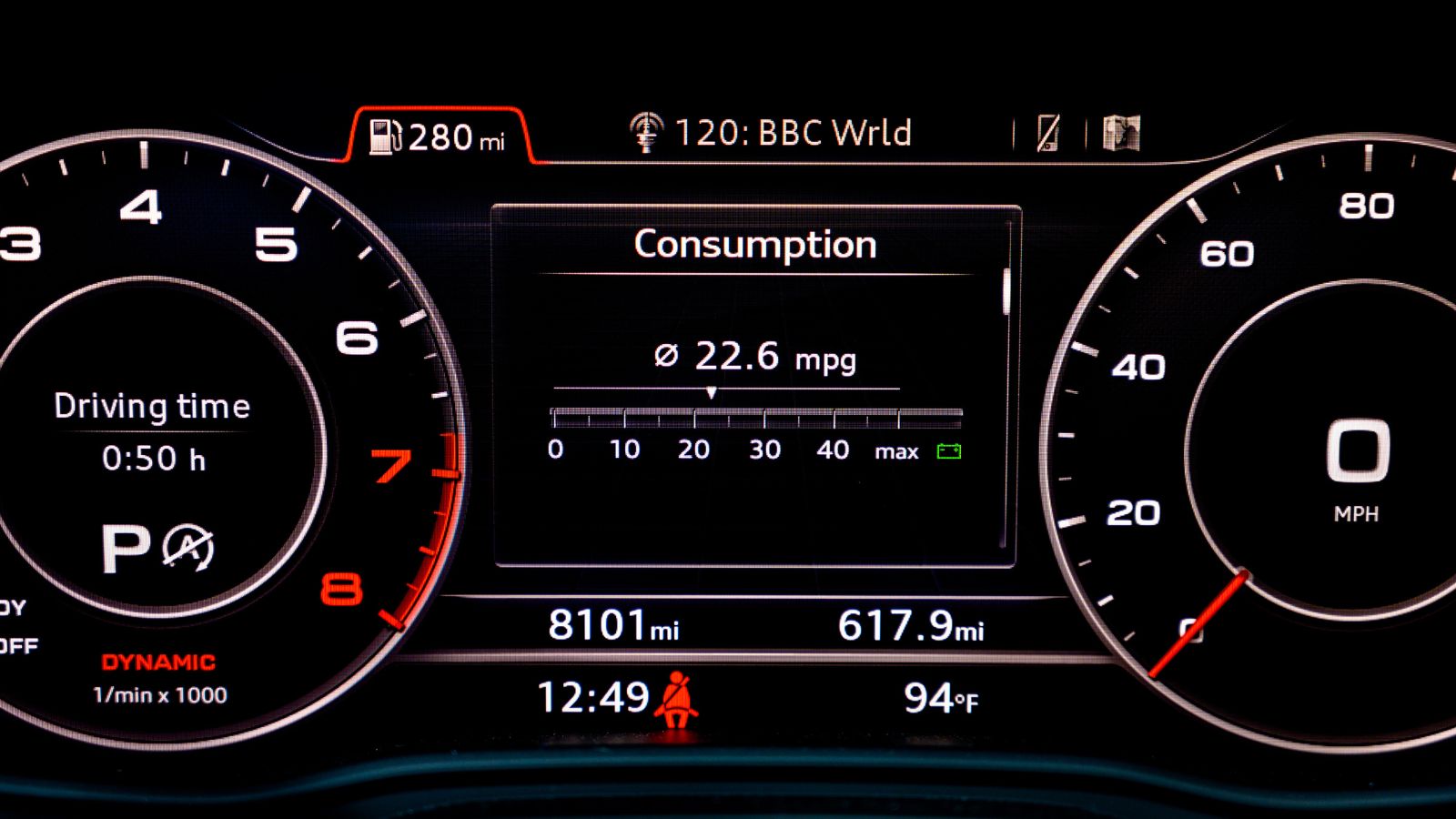
A warning light is not just a dashboard annoyance. It can become evidence that the owner continued driving after the vehicle was already signalling a problem. Check-engine lights, oil-pressure warnings, coolant-temperature alerts, brake warnings, battery warnings, and hybrid-system messages all exist to reduce damage and risk. Ignoring them can turn a minor covered repair into a much larger uncovered failure.
For example, a coolant warning might begin with a leaking hose or failing thermostat. If the vehicle is driven for days while overheating, the repair may expand into a warped cylinder head or damaged engine. Similarly, driving with an oil-pressure warning can cause catastrophic engine damage in minutes. Manufacturers often distinguish between the original defect and the extra damage caused by continued operation. That distinction matters because warranty coverage may apply to the first problem but not the damage caused by ignoring it.
Continuing to Drive After a Breakdown Starts

Many warranty disputes become worse because the driver tries to “make it home.” Grinding noises, heavy vibration, smoke, loss of power, burning smells, slipping transmission behaviour, or sudden temperature spikes can all signal that continuing to drive may cause additional damage. In rural Canada, where the next service centre may be far away, the temptation to keep going can be strong. Unfortunately, that decision can complicate a warranty claim.
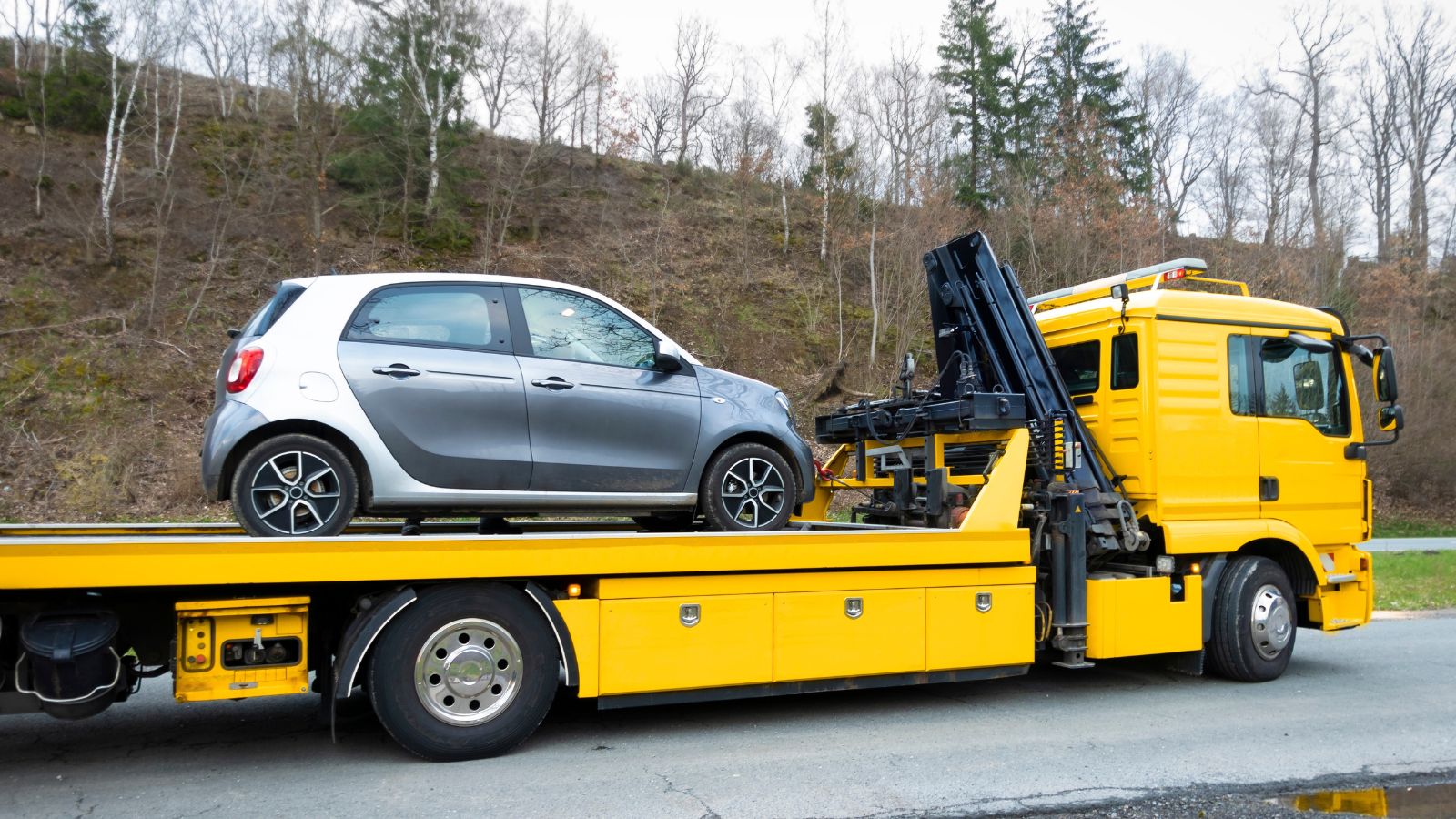
A small coolant leak, for instance, may be covered if the defective part failed unexpectedly. But if the vehicle is driven until the engine overheats severely, the manufacturer may treat the later engine damage differently. The same can happen with wheel-bearing noise, brake grinding, or transmission slipping. Warranty coverage is strongest when the owner stops using the vehicle promptly, documents the symptoms, and arranges safe towing or inspection. The extra tow bill may be frustrating, but it can prevent a far more expensive argument later.
Overloading the Vehicle

Every vehicle has weight limits, even if it feels strong enough to carry more. Gross vehicle weight rating, payload capacity, axle ratings, and towing limits are not suggestions; they are engineering limits. Overloading can strain brakes, suspension, tires, cooling systems, transmissions, and frames. In warranty disputes, manufacturers may look at whether the vehicle was used beyond its intended capacity.
A midsize SUV loaded with passengers, camping gear, roof cargo, and a trailer can exceed its limits more easily than many families expect. Pickup owners can run into the same issue with landscaping materials, construction tools, or a heavy slide-in camper. The vehicle may complete the trip, but repeated overload can accelerate wear. If rear suspension, transmission, braking, or driveline components fail, the warranty claim may be questioned if the vehicle was used outside its rated capacity. Keeping payload and towing numbers in mind is not just about safety; it also protects coverage.
Towing Beyond the Rated Capacity
Towing mistakes are especially risky because they involve multiple systems at once. Engine cooling, transmission temperature, brakes, suspension, tires, hitch equipment, and stability control all play a role. Manufacturers publish towing capacities, tongue-weight limits, trailer-brake requirements, and sometimes separate rules for weight-distributing hitches or towing packages. Exceeding those limits can make a warranty claim much harder to defend.
A driver might tow a boat, camper, utility trailer, or snowmobile trailer only a few weekends a year and assume occasional use will not matter. But one overheated transmission or damaged rear differential can lead to questions about trailer weight, terrain, load distribution, and whether proper equipment was installed. This is particularly important in Canada, where long highway grades, winter roads, and remote recreational routes can add stress. Staying within the towing guide protects both the vehicle and the paper trail if something fails.
Racing, Track Days, or Competitive Driving

Many vehicles are marketed with sporty styling, performance drive modes, and impressive acceleration numbers. That does not mean every kind of hard use is covered by the factory warranty. Warranty documents commonly exclude damage linked to racing, competition, misuse, or operation outside normal driving conditions. A track day, autocross event, drag strip run, or repeated launch-control use can create a record that is difficult to explain if related parts fail.
The issue is not always whether the driver was paid to race. It may be enough that the vehicle was used in a competitive or extreme-performance environment. Hard cornering, repeated high-temperature braking, elevated engine loads, and aggressive transmission shifts can accelerate wear. A driver who posts track footage online and later files a claim for driveline damage may face uncomfortable questions. Performance driving can be enjoyable, but it belongs in a separate risk category from ordinary commuting.
Installing Non-Approved Accessories

Accessories can look simple while creating complicated warranty problems. Remote starters, alarms, lighting kits, trailer wiring, winches, lift kits, roof racks, dash cameras, entertainment systems, and battery tenders can affect electrical systems, body structure, safety sensors, or driveline components. A poorly installed accessory may leave hidden damage long before a warning light appears.
A common example is an aftermarket remote starter spliced into wiring on a vehicle with sensitive electronic modules. If the vehicle later develops intermittent starting, battery drain, or communication errors, the dealer may inspect the accessory installation before approving warranty work. Roof racks and cargo boxes can also create problems if they exceed roof-load limits or damage mounting points. Accessories are not automatically bad, but they should be compatible with the vehicle, installed correctly, and supported by invoices. When in doubt, checking the manufacturer’s accessory guidance before installation is safer than arguing after a failure.
Ignoring Recall Notices and Service Campaigns
Recalls and service campaigns are not the same as regular maintenance, but ignoring them can still create problems. Safety recalls are issued to address defects or non-compliance, and Transport Canada maintains recall information for Canadian vehicles. Some manufacturer service programs may also have time or mileage limits. If a driver ignores repeated notices and a related issue worsens, the repair path can become more complicated.
For example, a recall may address a software update, fuel-system part, brake component, airbag issue, or wiring concern. Leaving the repair undone can affect safety and may allow related damage to continue. In many cases, safety recalls remain available, but customer satisfaction programs or regional campaigns may not last indefinitely. The practical lesson is simple: open recall checks should be part of normal vehicle ownership, especially before long trips, resale, or warranty expiry. A recall letter left in a drawer is not just paperwork; it may be a warning about a known defect.
Using Contaminated or Incorrect Fuel

Fuel quality matters more than many drivers realize. Gasoline or diesel contaminated with water, dirt, or the wrong fuel type can damage injectors, pumps, sensors, emissions components, and catalytic converters. Some warranty documents specifically exclude damage caused by contaminated, poor-quality, or incorrect fuel. That can leave the driver caught between the manufacturer, fuel retailer, and repair bill.
A simple example is accidentally putting gasoline into a diesel vehicle or diesel into a gasoline vehicle. Even if the engine runs briefly, the fuel system may need extensive cleaning or replacement. Less obvious cases include water contamination from a station tank or using fuel that does not meet the octane requirement listed in the owner’s manual. Keeping fuel receipts can help if contamination is suspected, especially when multiple drivers report trouble after filling at the same station. Warranty coverage is designed for defects, not damage caused by fuel that should not have entered the system.
Skipping Rust and Corrosion Care Requirements
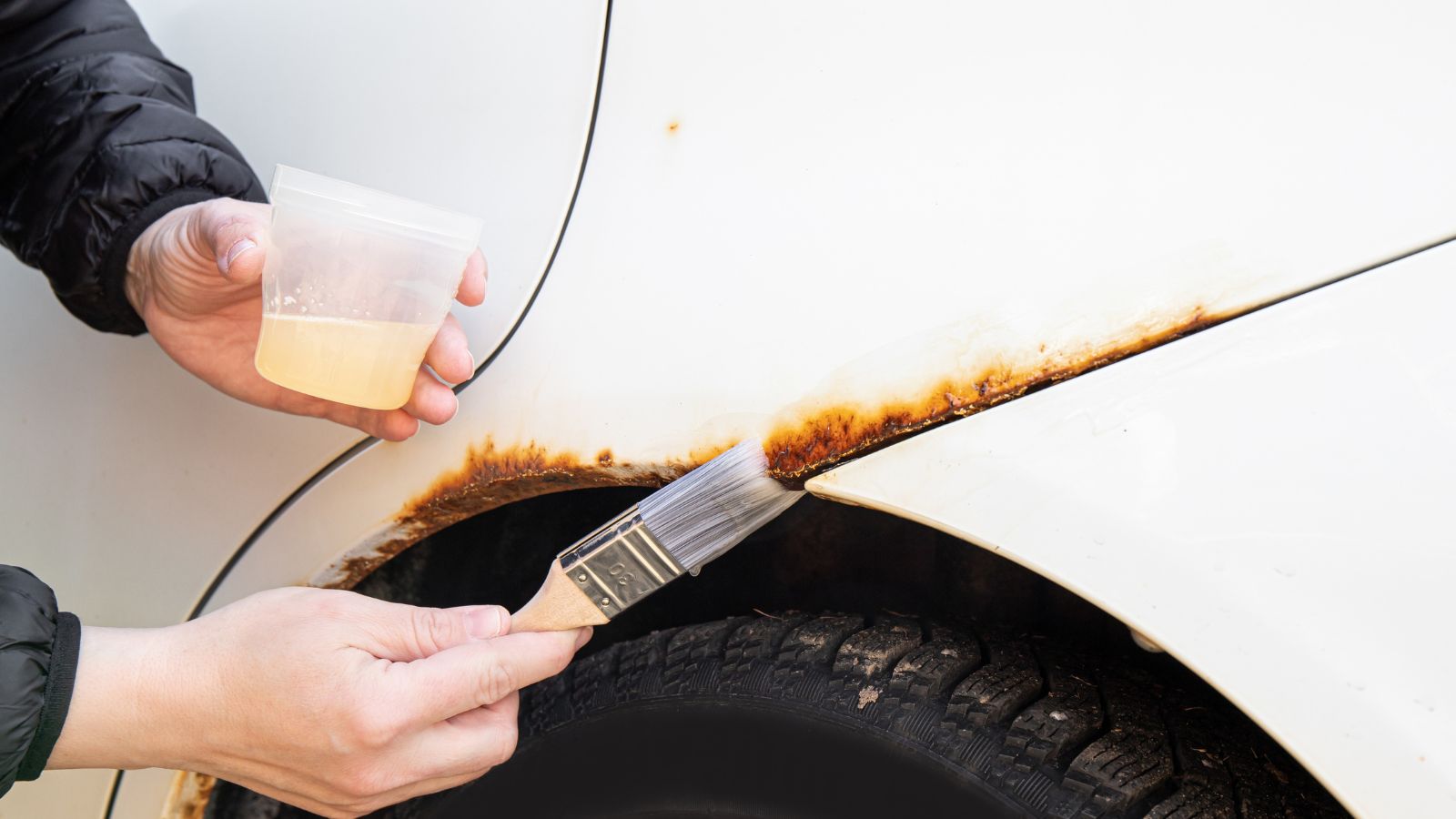
Corrosion warranties are often misunderstood. Many drivers assume rust coverage applies to any rust that appears during the warranty period, but corrosion coverage is usually limited and conditional. It may apply to perforation from the inside out rather than surface rust, stone chips, scratches, road-salt damage, or paint damage left unrepaired. Canadian winters make this especially relevant because salt, slush, gravel, and freeze-thaw cycles are hard on vehicle bodies.
A small paint chip on a hood, rocker panel, or door edge can become a rust spot if ignored. Some manufacturers also require proper cleaning, care, and inspection to maintain corrosion coverage. A vehicle driven through salted roads all winter and never washed underneath may be harder to defend in a corrosion claim. Rustproofing can help when done correctly, but drilling holes or applying incompatible products may create separate issues. The key is understanding what the corrosion warranty actually covers before rust appears.
Modifying the Suspension or Ride Height
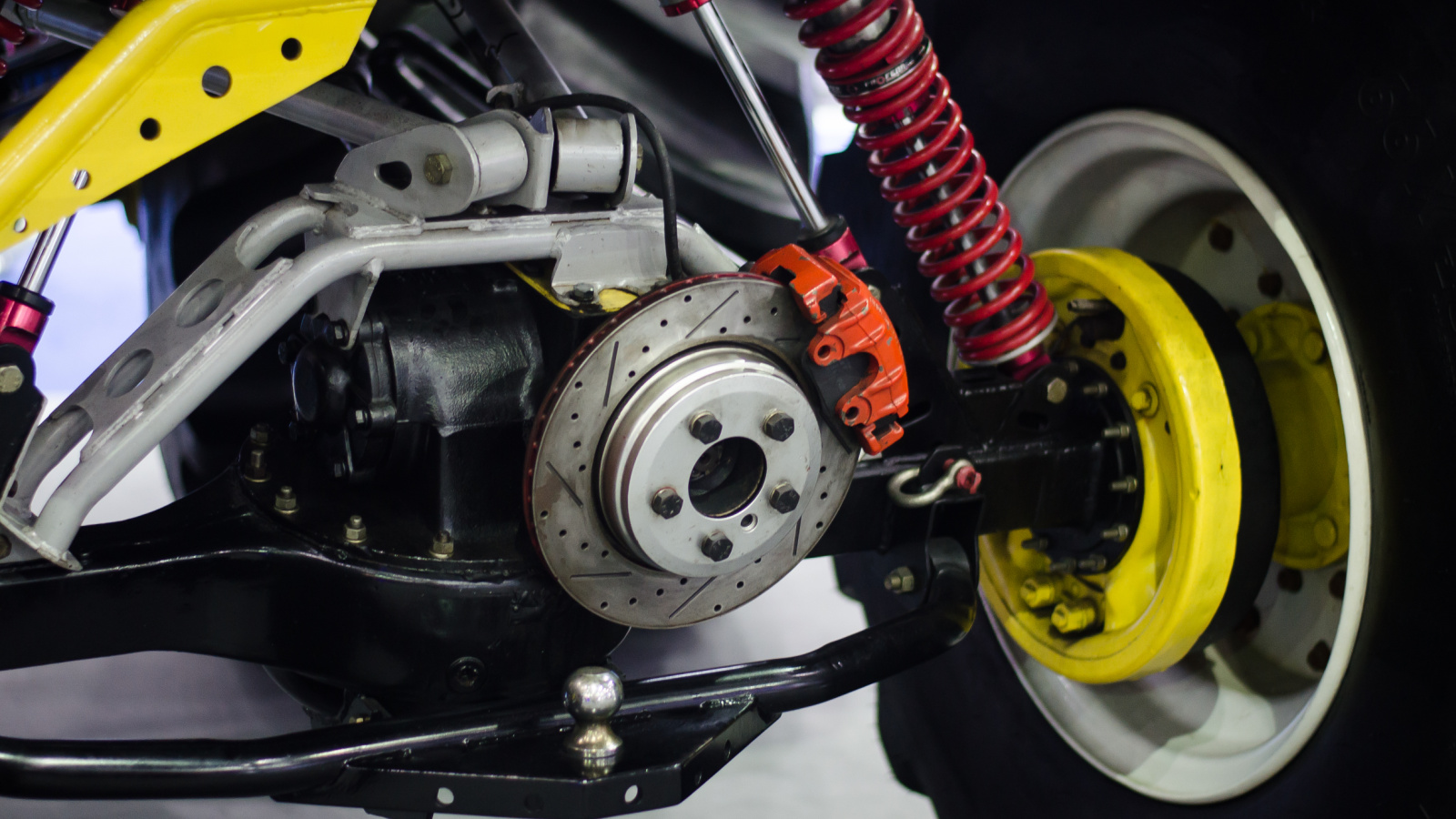
Lift kits, lowering springs, spacers, oversized tires, and altered suspension geometry can change more than the vehicle’s appearance. They affect alignment, steering angles, braking behaviour, axle stress, electronic stability systems, and advanced driver-assistance sensors. A modification that works well for one vehicle may create warranty complications on another, especially when the installed parts are not engineered for the specific model.
A lifted truck with larger tires may look ready for backroads, but added weight and altered angles can stress wheel bearings, CV joints, ball joints, tie rods, and transmission components. A lowered car may scrape underbody parts or change suspension travel enough to cause premature wear. If a related component fails, the manufacturer may examine whether the suspension change contributed. In Canadian conditions, potholes, frost heaves, gravel roads, and winter ruts add even more stress. Cosmetic upgrades can become mechanical arguments when ride height changes the way the vehicle works.
Altering Emissions Equipment
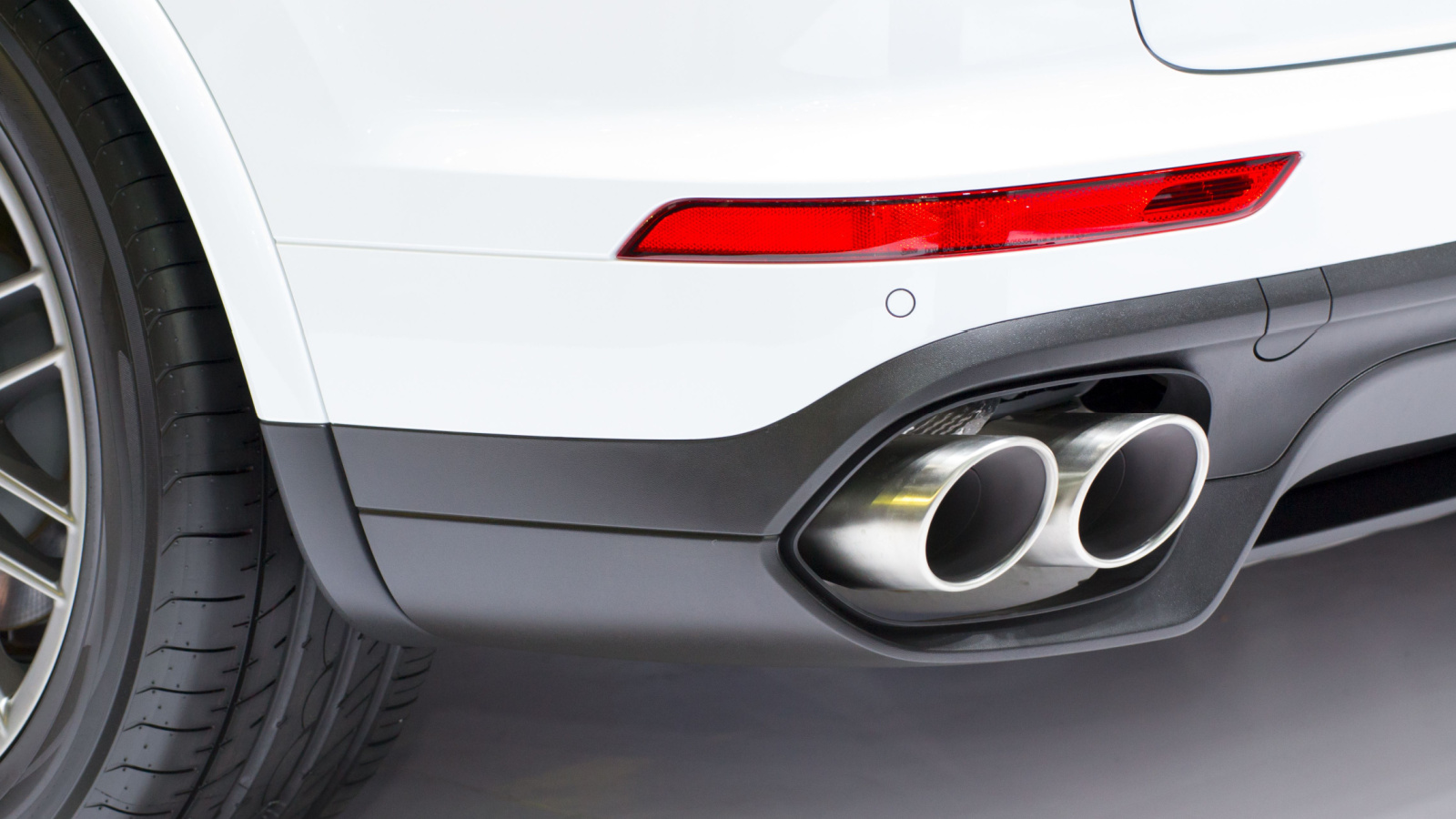
Modern emissions systems are tightly integrated with engine controls. Catalytic converters, diesel particulate filters, selective catalytic reduction systems, oxygen sensors, evaporative-emissions equipment, and engine software all work together. Removing, disabling, or altering emissions equipment can create legal, environmental, diagnostic, and warranty problems. It may also trigger check-engine lights or cause drivability issues.
Diesel owners sometimes hear about “delete” kits that promise better performance or fewer repair costs. Gasoline owners may consider aftermarket exhaust changes that affect sensors or catalytic converters. These changes can backfire financially if the engine, turbocharger, fuel system, or emissions controls later fail. Manufacturers are unlikely to cover damage linked to tampered emissions systems because the vehicle no longer matches the certified design. The repair may also become more difficult because technicians must sort out what was changed before diagnosing the original issue.
Performing DIY Repairs Without Proper Documentation
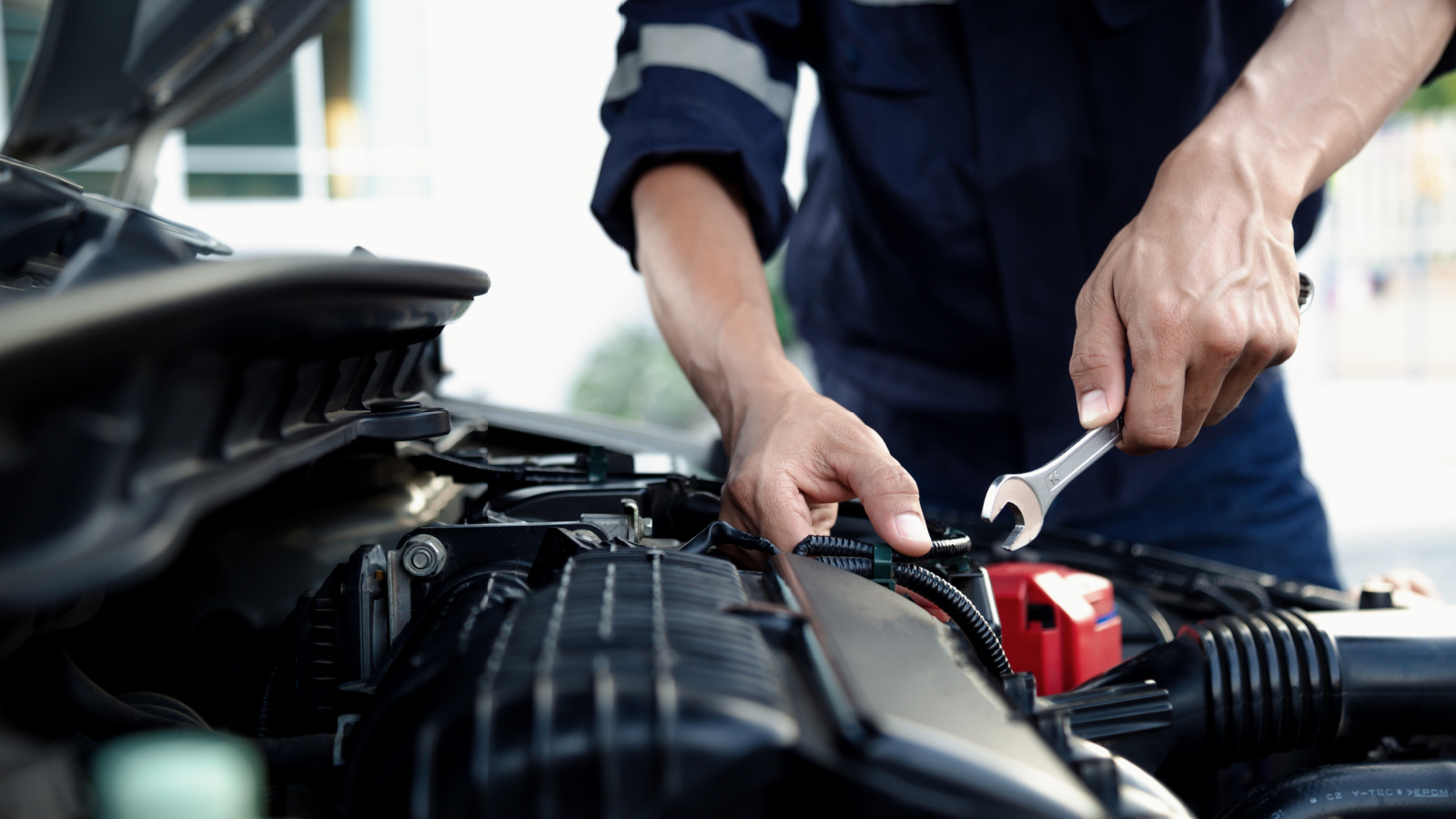
Doing maintenance at home can save money, and many mechanically skilled owners do careful work. The warranty risk comes from missing documentation, incorrect procedures, wrong parts, or the inability to show what was done. A vehicle manufacturer may not reject a claim simply because maintenance was not done at a dealer, but it can ask for proof that required work was completed properly.
A DIY oil change should ideally include receipts for the correct oil and filter, a dated log with the odometer reading, and notes about the work performed. More complex repairs require even more caution. Brake work, electrical repairs, cooling-system work, and transmission service can all create downstream issues if done incorrectly. A driver who replaces parts without recording torque specs, fluid types, or diagnostic steps may struggle during a warranty dispute. DIY work is safest when it follows the service information and leaves a clean record behind.
Letting Small Leaks Go Unchecked
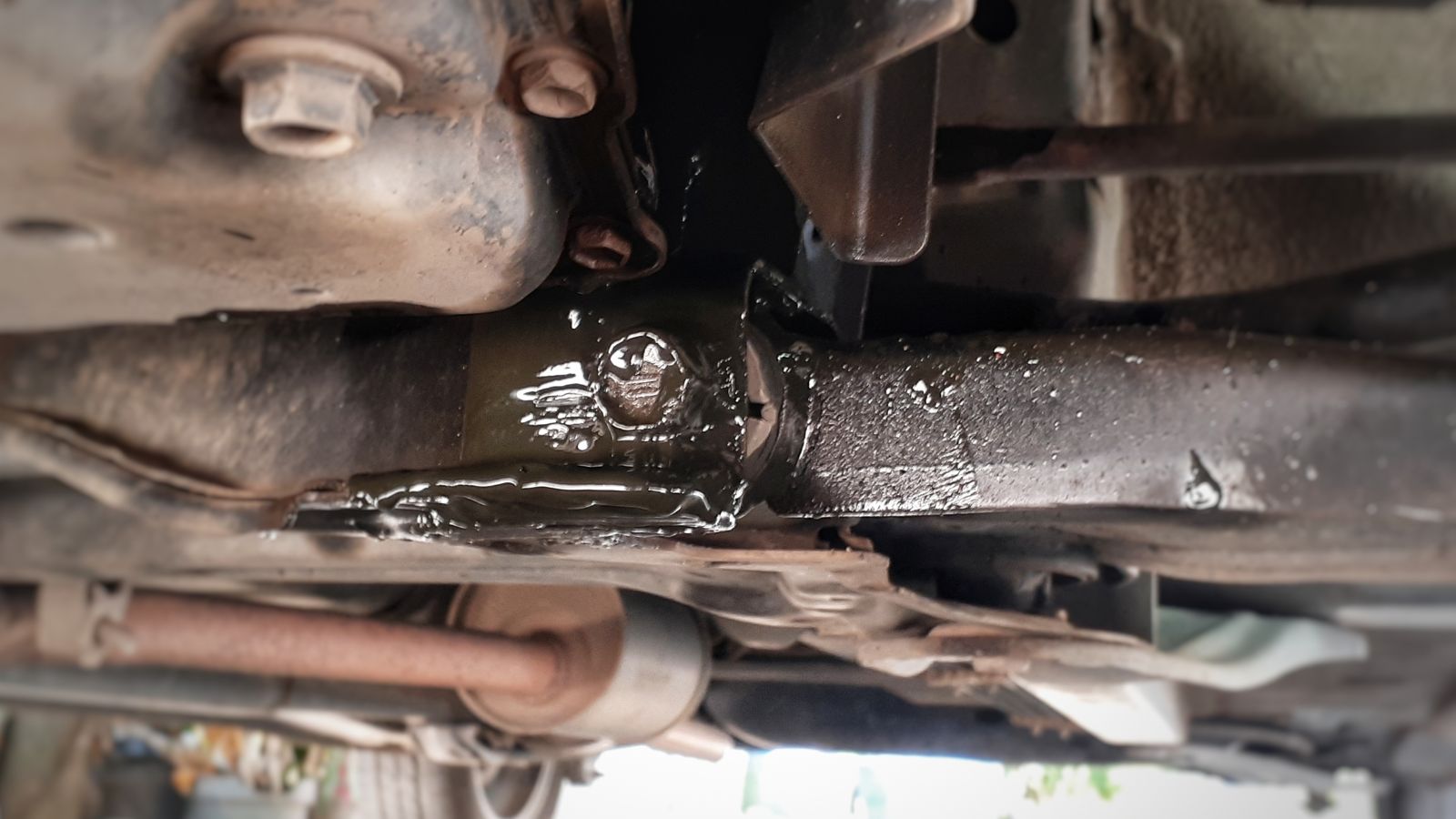
A small leak may look harmless in a driveway, but it can become expensive if ignored. Oil, coolant, transmission fluid, brake fluid, power-steering fluid, differential oil, refrigerant dye, or battery coolant in electrified vehicles can all signal a developing problem. Warranty coverage may apply to a defective seal, hose, gasket, pump, or housing. But if the leak is ignored until another component fails from low fluid, the claim may become more complicated.
For example, a slow coolant leak from a hose connection might be a straightforward repair early on. If the owner keeps topping up with the wrong coolant or drives until the engine overheats, the damage can spread. Similarly, a differential leak on an all-wheel-drive vehicle can lead to gear damage if the fluid level drops too far. The practical approach is to photograph the leak, record when it appeared, check fluid levels safely, and arrange inspection quickly. Early attention preserves both the vehicle and the warranty argument.
Using the Vehicle for Commercial Work Without Checking Terms

Warranty terms can differ when a vehicle is used for commercial purposes, rideshare driving, delivery, taxi work, construction, security patrols, or heavy fleet use. Some warranties still apply, but certain coverage periods, exclusions, or maintenance expectations may change. The risk is that an owner buys a vehicle for personal use, then gradually turns it into a work tool without checking the fine print.
A compact SUV used for food delivery may accumulate kilometres quickly, spend long periods idling, and operate in stop-and-go traffic. A pickup used for contracting may carry tools daily and tow equipment on weekends. These are not necessarily improper uses, but they may place the vehicle under severe-service conditions. If the owner follows the normal maintenance schedule instead of the severe-service schedule, warranty coverage for related failures may be questioned. Anyone using a vehicle to earn income should read the warranty and maintenance sections before the odometer climbs.
Failing to Follow Severe-Service Maintenance
Many Canadian drivers qualify for severe-service maintenance without realizing it. Short trips in cold weather, repeated stop-and-go driving, dusty roads, towing, extensive idling, extreme temperatures, and frequent mountain or gravel driving can all place extra stress on a vehicle. The regular schedule may not be enough under these conditions. Manufacturers often publish a separate severe-service schedule with shorter intervals for fluids, filters, inspections, or other items.
A driver in Winnipeg making short winter trips may never fully warm the engine before shutting it off. A driver in rural Alberta may spend long stretches on gravel roads. A driver in Vancouver traffic may idle and creep forward for much of the commute. These patterns can age oil, brakes, filters, batteries, and driveline components faster than highway driving. If the vehicle later develops a related failure, the maintenance history may be judged against how the vehicle was actually used, not how the owner wished it had been used.
Ignoring Software Updates or Calibration Requirements

Cars increasingly depend on software. Engine controls, transmissions, battery management, infotainment, driver-assistance systems, charging systems, and safety features may all receive updates or calibrations. Some updates are part of recalls, while others are service campaigns or technical improvements. Ignoring them can leave a vehicle operating with known bugs or outdated logic.
This is especially important for vehicles with advanced safety systems or electrified powertrains. A windshield replacement, bumper repair, wheel alignment, suspension change, or sensor replacement may require calibration for cameras, radar, steering-angle sensors, or braking systems. If calibration is skipped and the system malfunctions, warranty and safety questions may follow. A driver may think the repair is finished because the car looks normal, but the electronics may not agree. Keeping records of updates and calibrations is becoming as important as saving oil-change receipts.
Repairing Collision Damage Poorly

A vehicle involved in a crash can still have warranty coverage, but damage caused by the collision or poor repair work is usually separate from manufacturer defects. Problems arise when body repairs, paintwork, wiring, sensors, cooling components, suspension parts, or structural repairs are done cheaply or incorrectly. Later failures may be blamed on the accident or the repair rather than the vehicle’s original design.
For example, a front-end collision may damage radiator supports, wiring harnesses, air-conditioning components, radar sensors, or crash structures. If the repair shop restores the appearance but misses a hidden issue, the owner may discover problems months later. Water leaks, electrical faults, driver-assistance warnings, uneven tire wear, and corrosion can all trace back to incomplete repairs. In Canada, provincial repair rules may offer some protection for repair-shop work, but that is different from the manufacturer’s vehicle warranty. A quality repair record helps separate accident damage from legitimate warranty defects.
Letting Non-Factory Electrical Work Create Problems
Electrical systems are a growing source of warranty disputes because modern vehicles depend on networks of modules, sensors, cameras, batteries, and control units. Even a small wiring mistake can cause intermittent faults. Aftermarket stereos, LED light bars, trailer wiring, dash cameras, GPS trackers, fleet telematics, heated accessories, and alarm systems can all create parasitic drain or communication errors if installed poorly.
A driver might notice a dead battery every few weeks and assume the battery is defective. The dealer may later trace the problem to a device wired into the wrong circuit. In that case, the battery or module replacement may not be covered. Electrical problems are also difficult because they can appear randomly, especially in cold or wet weather. Professional installation, fused circuits, clean routing, and written invoices are essential. The more complicated the vehicle, the more important it is to avoid “quick splice” electrical work that leaves no reliable diagnostic trail.
Waiting Until the Warranty Is Almost Over

Some owners save up small complaints until the warranty is nearly finished, then bring a long list to the dealer at once. That can be risky. Warranty coverage usually depends on when the defect is reported, diagnosed, and connected to the covered period. Waiting too long can allow a minor problem to worsen or make it harder to prove when it began.
A faint suspension clunk at 55,000 kilometres may be easy to investigate under a 60,000-kilometre warranty. If the owner waits until 62,000 kilometres, the discussion may become more difficult, even if the noise started earlier. The same applies to infotainment glitches, paint defects, intermittent starting issues, oil seepage, or transmission hesitation. Reporting problems early creates a record. Even if the dealer says no repair is needed yet, the visit may document the concern while the vehicle is still within coverage. Warranty protection is strongest when problems are reported promptly, not saved for the last week.
Assuming Extended Warranty Covers Everything

Extended warranties, service contracts, and protection plans can be useful, but they are not identical to the original factory warranty. They often contain exclusions, claim procedures, maintenance requirements, deductibles, inspection rules, and covered-component lists. Some drivers only discover the limits after a repair is already underway. The word “comprehensive” can sound broader than it really is.
For example, an extended plan may cover major powertrain components but exclude wear items, diagnosis time, seals, electronics, software, corrosion, maintenance, or failures linked to previous repairs. It may also require authorization before work begins. A driver who approves a repair without calling the warranty provider may lose reimbursement. The safest approach is to read the contract before buying and again before any major repair. Factory warranty, dealer warranty, third-party warranty, and repair-shop warranty are different products, and mixing them up can turn a covered-sounding problem into an out-of-pocket bill.
22 Things Canadians Do to Their Cars in Spring That Mechanics Hate
Spring brings relief to many Canadian drivers after months of snow, freezing temperatures, and icy roads that put serious strain on vehicles. As temperatures rise across the country, drivers begin washing cars, switching tires, and preparing vehicles for warmer weather and upcoming road trips. However, mechanics across Canada notice the same mistakes every spring when drivers attempt to recover from winter damage. Road salt, potholes, and harsh winter driving conditions often leave vehicles with hidden problems that drivers ignore. Some spring habits even create new mechanical issues that could have been avoided with proper maintenance. Here are 22 things Canadians do to their cars in spring that mechanics hate.