
























Engines cutting out at red lights were supposed to feel like quiet progress: less fuel burned, fewer emissions, and a small efficiency gain during daily driving. Instead, auto stop-start systems have become one of the most debated features in modern gasoline vehicles. Some drivers accept the technology as harmless and useful, while others disable it the moment the dashboard lights up. The frustration is rarely about one issue alone. It usually comes from the way the system changes the feel of a vehicle in traffic, adds doubt about long-term maintenance, and sometimes interrupts moments when smoothness matters most. Here are 12 reasons many drivers have grown tired of auto stop-start systems.
The Restart Can Feel Too Abrupt in Everyday Traffic
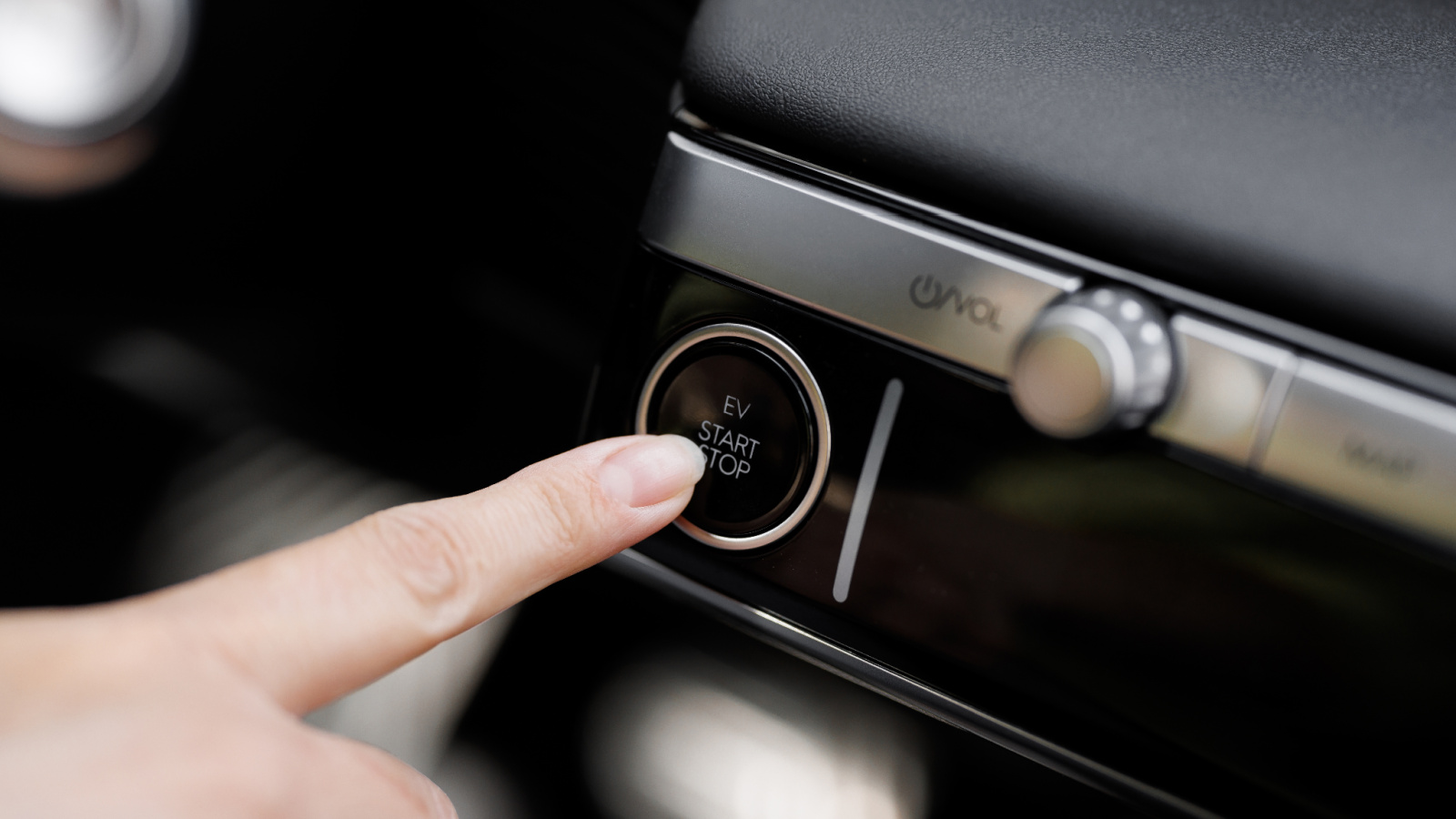
For many drivers, the biggest complaint is not the idea of saving fuel. It is the physical sensation of the engine shutting off and then firing back up every few metres in traffic. A smooth system can be easy to ignore, but a rough one can send a shudder through the cabin, especially in larger four-cylinder SUVs, trucks, and older models with less refined engine mounts. At a quiet intersection, that sudden shake can make an otherwise modern vehicle feel oddly unfinished.
The annoyance grows in stop-and-go traffic because the system repeats the same motion dozens of times in a short drive. A commute with 20 red lights can turn into 20 engine restarts, each one reminding the driver that a computer is deciding when the vehicle should go silent. Even when the restart takes only a fraction of a second, the sound and vibration can feel out of proportion to the small amount of fuel being saved at each stop.
Some Drivers Notice a Delay When They Need to Move

Auto stop-start systems are designed to restart quickly when the brake is released or the accelerator is pressed. Still, “quick” does not always feel quick from behind the wheel. At a left turn, a roundabout, or a crowded parking-lot exit, even a slight pause can feel like hesitation. Drivers often describe the sensation as the vehicle taking a breath before moving, which can be irritating when traffic gaps are short.
This is one reason the feature creates such strong opinions. On paper, the restart sequence may be measured in fractions of a second. In real life, the driver is thinking about oncoming vehicles, pedestrians, cyclists, and impatient traffic behind them. The same delay that seems harmless at a long red light can feel distracting when a driver wants immediate throttle response. That mismatch between engineering logic and human expectation fuels much of the backlash.
The Fuel Savings Can Feel Too Small to Justify the Irritation
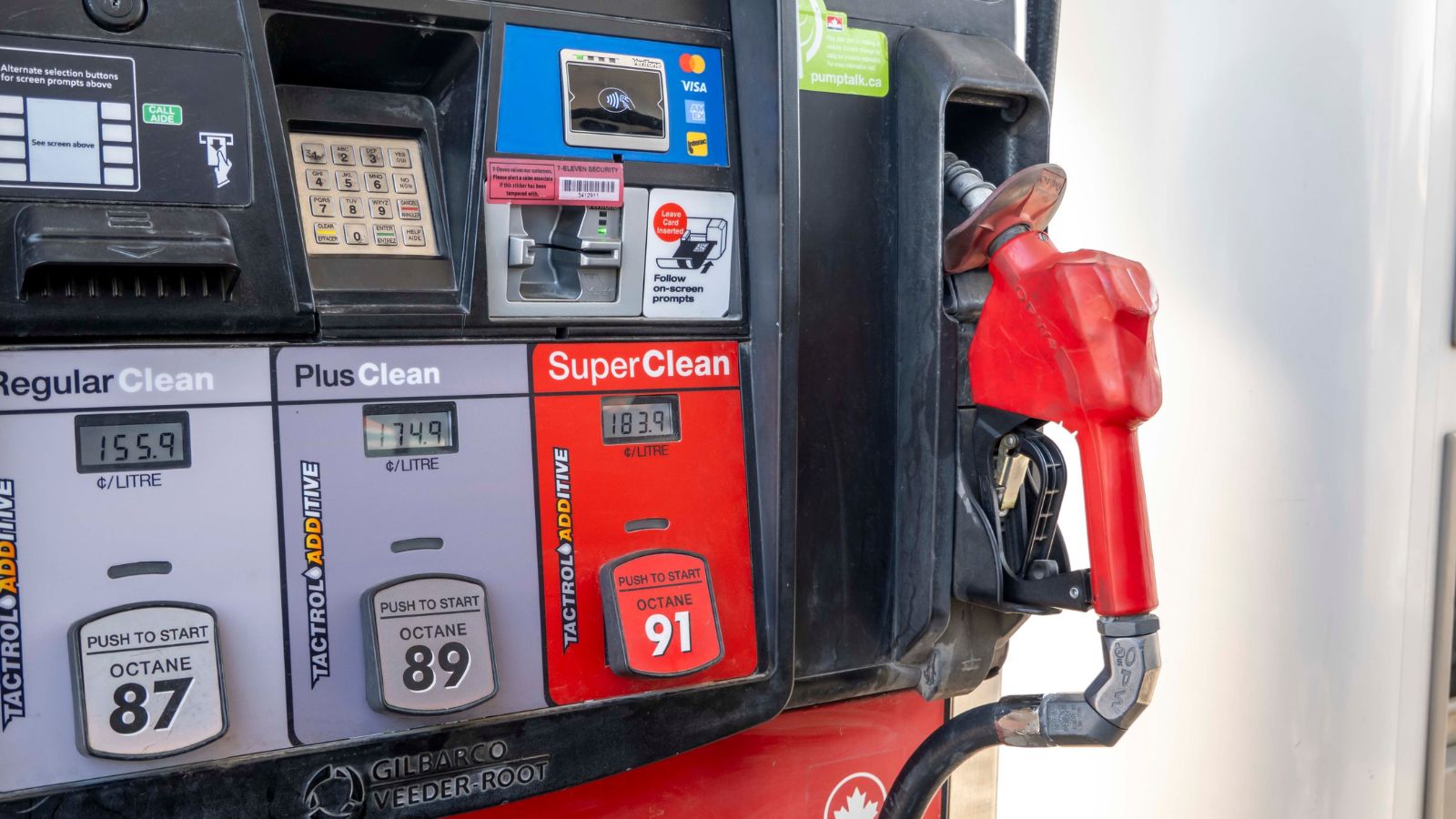
The strongest argument for auto stop-start is that idling wastes fuel. In city driving, where vehicles spend plenty of time stopped, shutting the engine off can reduce fuel use. Research has shown that the benefit varies widely depending on the drive cycle, idle time, traffic conditions, and accessory load. In some urban test cycles, the improvement can be meaningful, while in highway-heavy driving it may be barely noticeable.
That variation is exactly why some drivers become frustrated. A person who spends most of the week on suburban arterials or highways may not see a dramatic difference at the pump. The system still shuts the engine off at lights, but the monthly fuel savings may feel invisible beside insurance, loan payments, tires, maintenance, and rising vehicle prices. When a feature is felt every day but its benefit is hard to notice, irritation tends to outweigh appreciation.
Battery Replacement Worries Make Owners Nervous
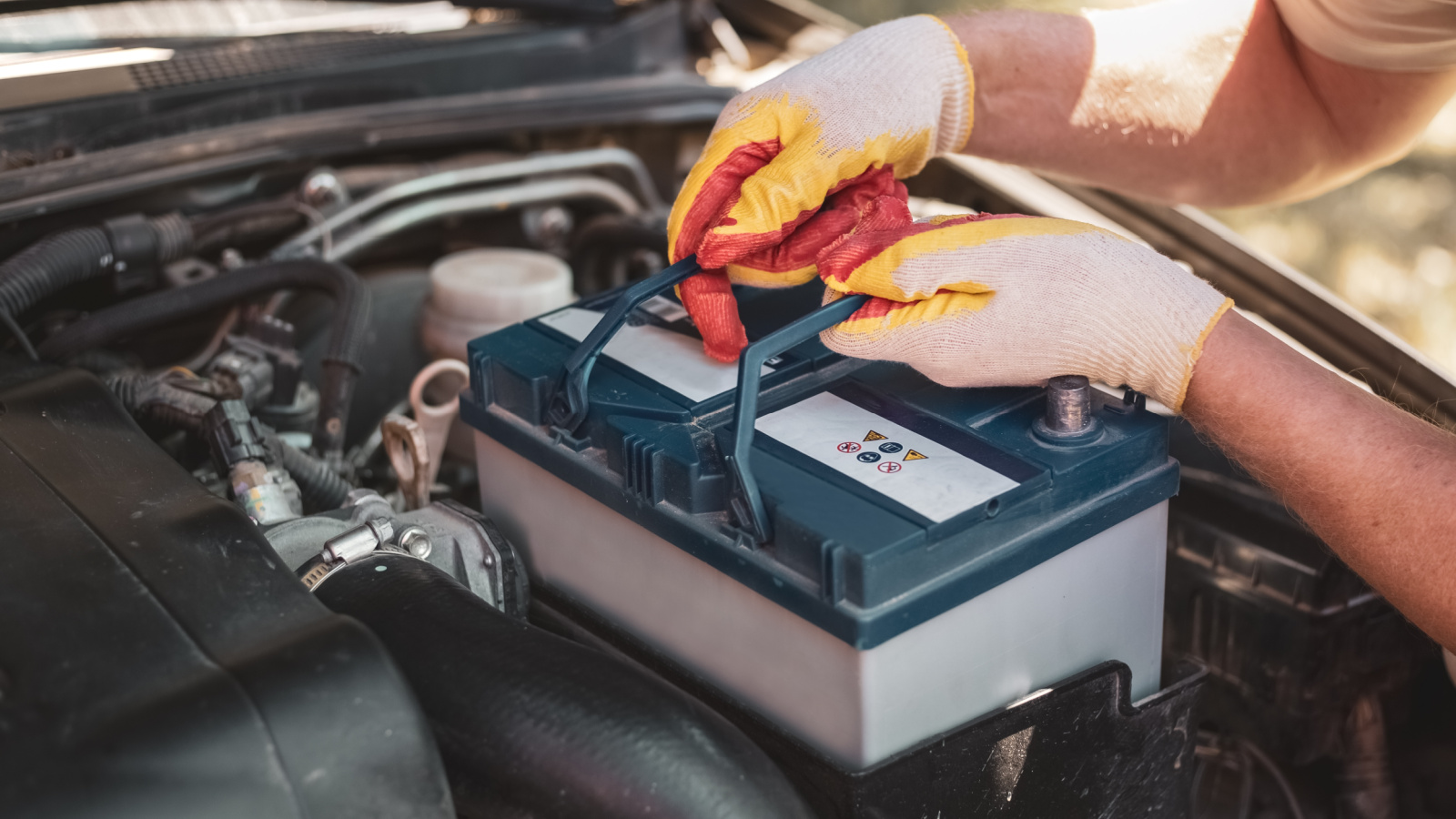
Auto stop-start systems put more demand on a vehicle’s electrical system than older cars did. Instead of starting the engine once and then driving for an hour, the system may restart the engine repeatedly during a single urban trip. To handle that workload, many vehicles use enhanced flooded batteries or absorbent glass mat batteries, which are built for deeper cycling and faster recharge needs than standard flooded lead-acid batteries.
The concern is that specialized batteries can cost more to replace, and the replacement process can be more complicated. Some vehicles require battery registration or system resets so the charging system understands the new battery’s condition. That does not mean stop-start automatically destroys batteries, but it does make owners more aware that the feature depends on parts they may eventually pay to replace. For a driver already worried about repair bills, that uncertainty can turn a fuel-saving feature into a suspected future expense.
Drivers Question Whether Starters and Engines Really Benefit
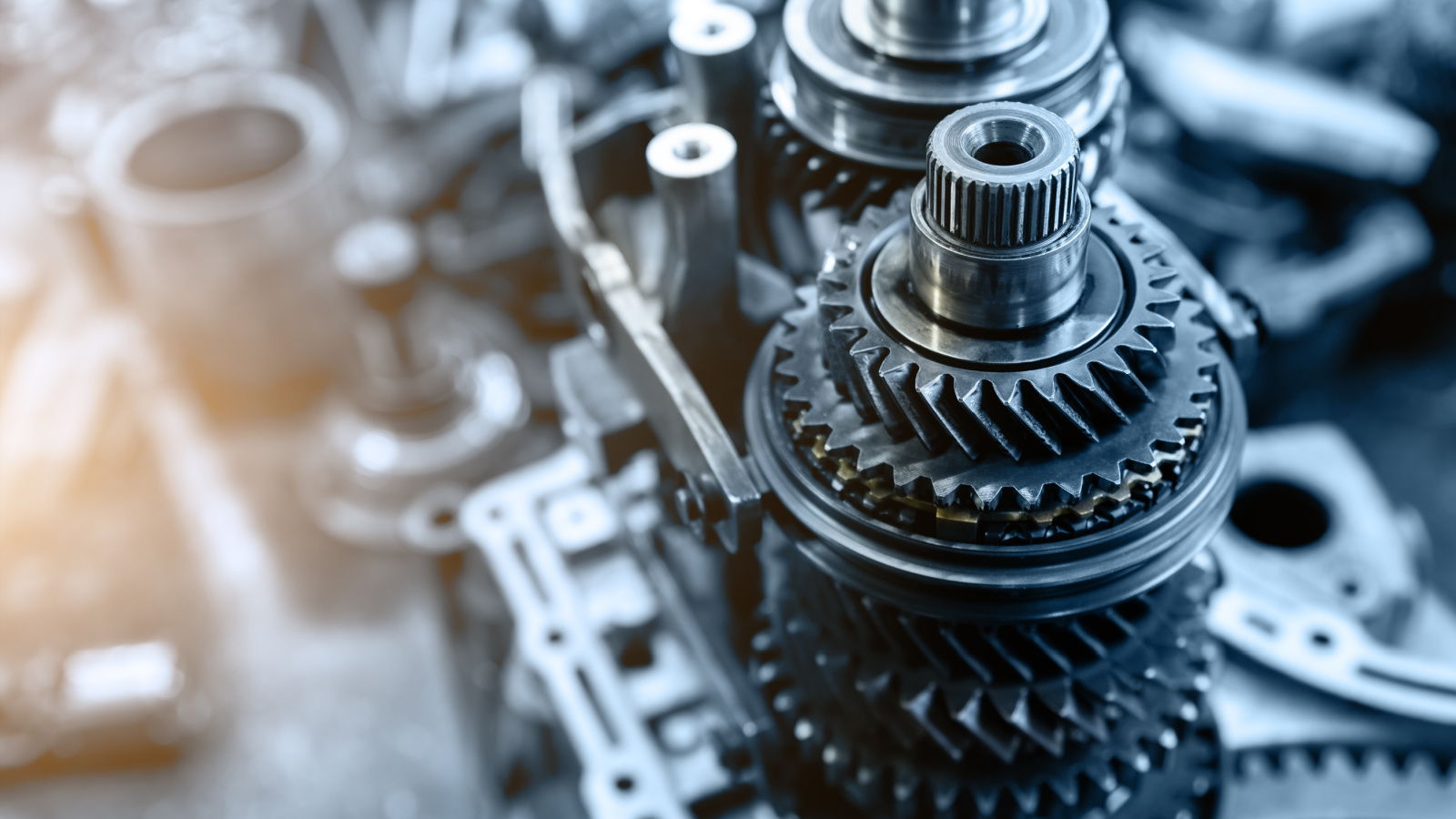
One common fear is that repeated restarts must be wearing out the starter, engine bearings, or other components. Modern stop-start vehicles are engineered with stronger starter systems, improved controls, and supporting hardware designed for frequent use. That matters because a vehicle built with stop-start is not the same as an older car whose driver manually twists the key at every red light.
Still, the concern is understandable. Drivers grew up hearing that starting an engine is one of the harder moments for mechanical parts, so thousands of extra restarts sound suspicious. The distinction between a conventional starter and a stop-start-ready system is not obvious from the driver’s seat. If the vehicle shakes, clicks, or hesitates, the owner may connect that sensation with mechanical strain, even when the system is operating as designed. Perception becomes part of the ownership experience.
It Can Clash With Comfort Features on Hot or Cold Days
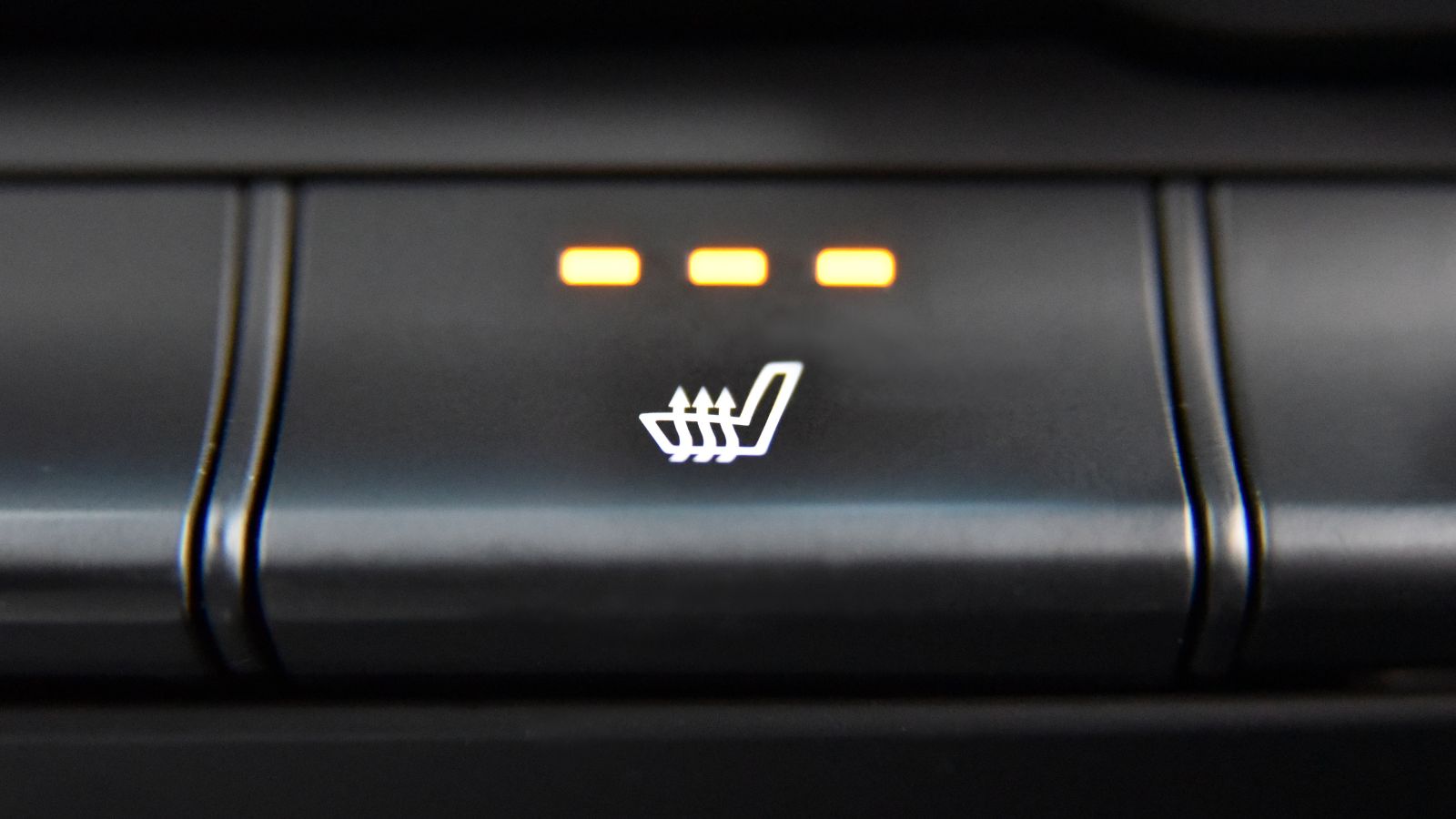
A stopped engine can affect cabin comfort, depending on vehicle design and conditions. Many systems will keep climate control running for a short period, restart the engine when the cabin temperature drifts, or avoid shutting off if heating, cooling, defrosting, or battery charge requires the engine. These safeguards are useful, but they can also make the system feel inconsistent. One stoplight triggers silence, the next one does not, and the driver may not know why.
This becomes more noticeable in extreme weather. On a hot day, air conditioning demand can keep the engine running or cause it to restart sooner than expected. In cold weather, defrosting and cabin heat can change the system’s behaviour. Drivers may not object to the logic once it is explained, but the lack of transparency can be irritating. A feature that seems random is rarely loved, even when it is responding correctly to temperature, battery, and accessory demands.
The On-Off Button Often Does Not Stay Off
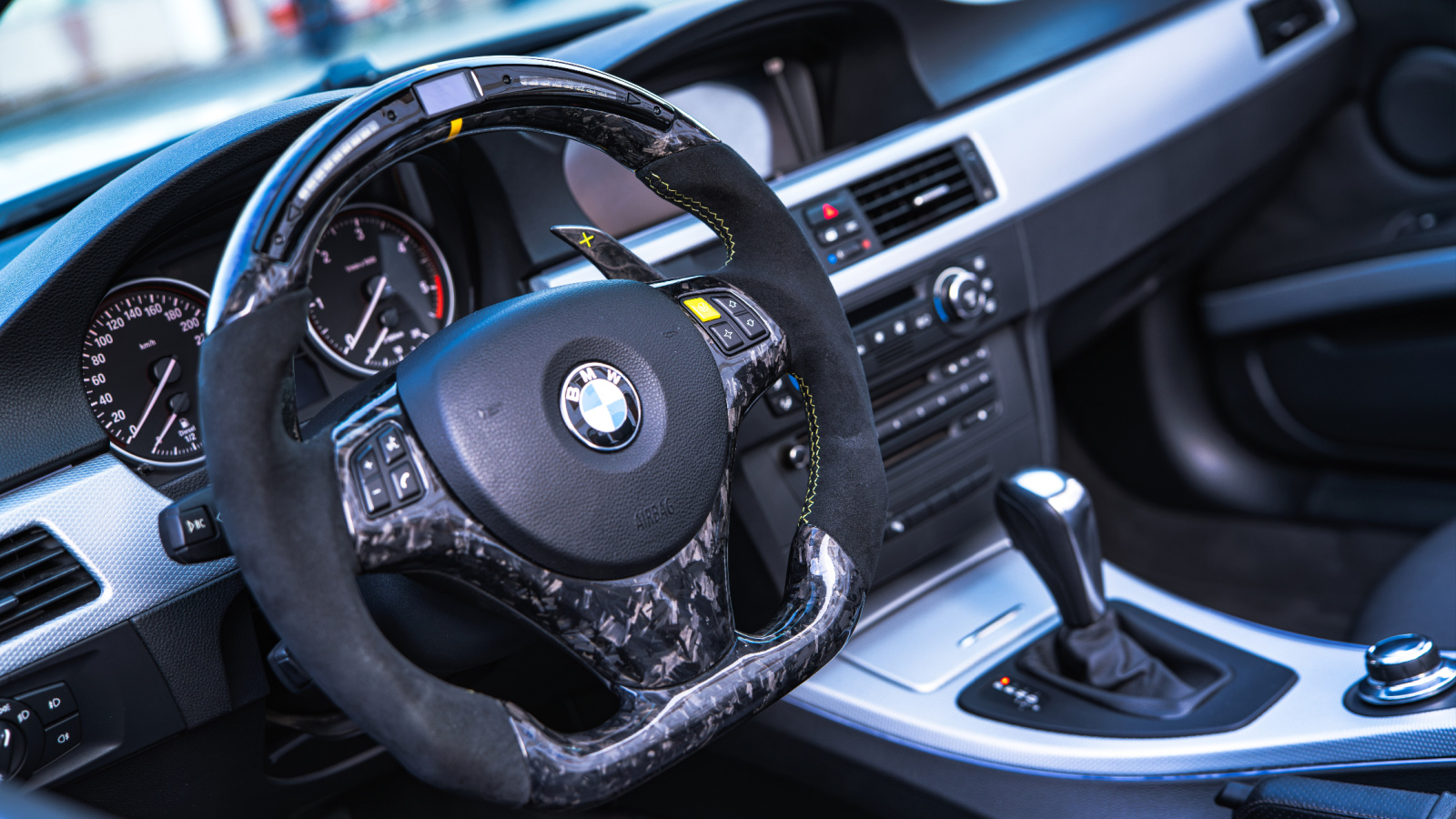
Many vehicles let drivers disable auto stop-start with a dashboard button, but the setting often resets the next time the vehicle is started. That design choice is one of the most frequent sources of daily annoyance. A driver who dislikes the feature may have to press the same button every single trip, turning a small preference into a recurring ritual.
Automakers have had regulatory and efficiency reasons to make the system default to active. From a driver’s perspective, however, it can feel like the vehicle is ignoring a clearly expressed choice. This is especially frustrating for owners who paid a large amount for a new vehicle and expect basic preferences to be remembered. The irritation is less about pressing one button and more about the feeling that convenience was sacrificed to satisfy efficiency targets.
Stop-and-Go Congestion Makes the System Feel Overactive
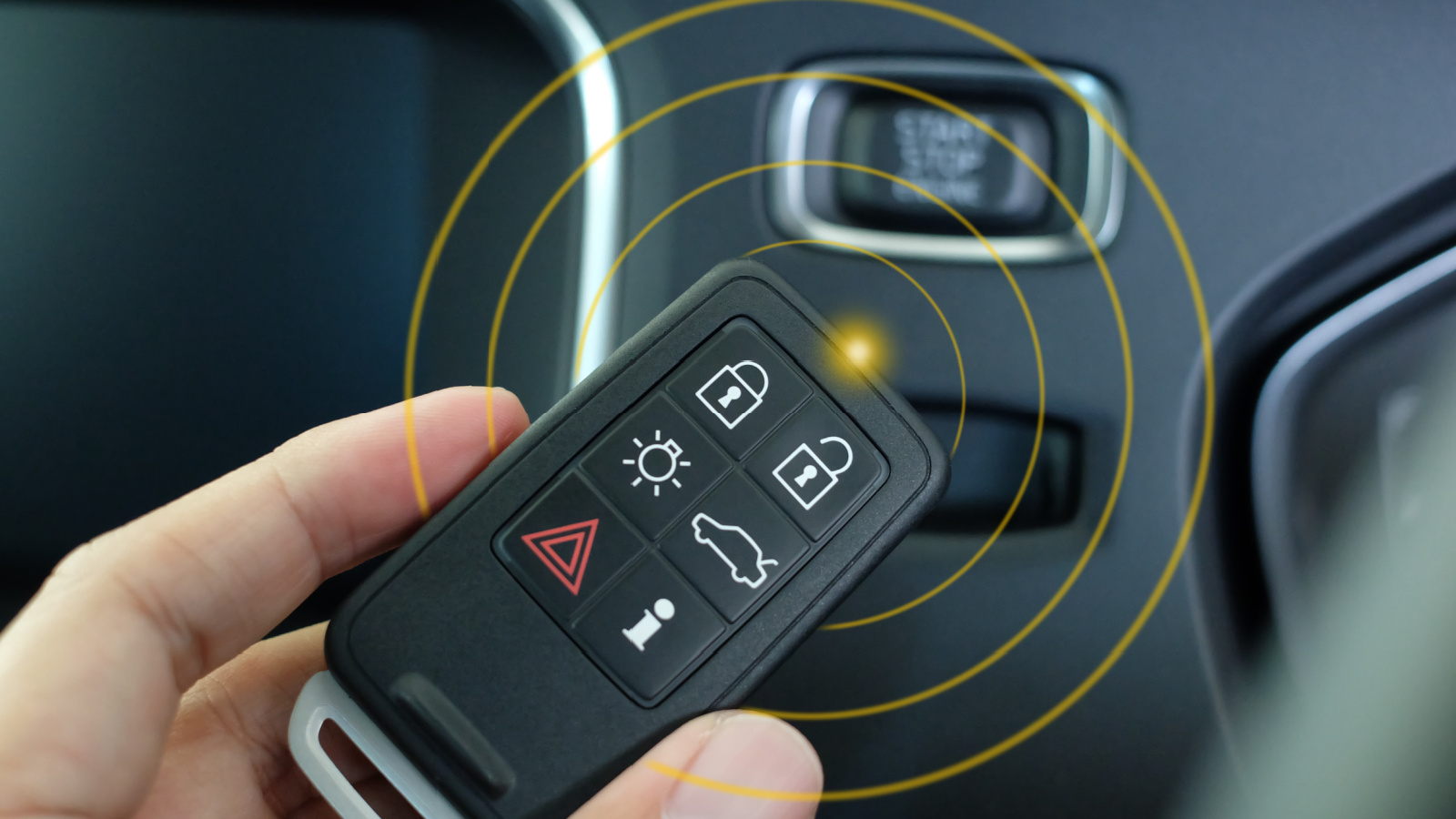
Auto stop-start makes the most sense when a vehicle is stopped long enough for idling fuel savings to matter. Heavy congestion can be a different story. In crawling traffic, the vehicle may shut off for a moment, restart, roll a few feet, and shut off again. Even if the system is calibrated to avoid extremely short stops, some drivers still feel the feature is working too often in the exact conditions where patience is already low.
The emotional setting matters. A driver stuck behind brake lights after a long workday is not usually thinking about marginal fuel savings. They are thinking about smoothness, predictability, and getting home. If the engine keeps cutting in and out, the vehicle may feel busy rather than calm. For drivers in dense urban areas, this repeated interruption can become the defining experience of the technology.
Safety Concerns Grow When a System Fails to Restart Properly

Most auto stop-start systems operate without drama, but high-profile investigations and owner complaints have shaped public perception. Reports involving certain vehicles have alleged engines failing to restart automatically at traffic lights or intersections, with some cases requiring a jump start before the journey could continue. Even when such issues are limited to specific models or components, they make drivers more sensitive to every pause or hesitation.
That kind of story spreads quickly because it touches a basic expectation: when the light turns green, the vehicle should move. A feature that saves fuel while stopped is only welcome if restarting feels guaranteed. Once drivers hear about restart failures, they may begin treating their own system with suspicion, especially if the engine ever pauses longer than expected. Confidence is fragile, and stop-start technology depends heavily on driver trust.
It Adds Another Layer of Technology to Already Complicated Vehicles

Modern vehicles already contain lane assistance, adaptive cruise control, infotainment subscriptions, driver monitoring, automatic braking, digital shifters, touch-sensitive controls, and complex menus. Auto stop-start is one more feature in that expanding stack. Even though it is simpler than many driver-assistance systems, it changes a basic mechanical behaviour that drivers have understood for decades: an engine stays running until it is turned off.
This matters because many owners are not rejecting efficiency itself. They are reacting to the feeling that vehicles are becoming less intuitive. When a car shuts itself off, restarts itself, blocks a permanent preference, and behaves differently depending on temperature or battery state, the driver has to adapt to the machine. For some people, that is progress. For others, it is another reminder that driving has become more mediated by software and less controlled by the person behind the wheel.
The Environmental Benefit Is Real, but Not Always Emotionally Persuasive

There is a practical environmental argument for reducing unnecessary idling. Idling burns fuel while producing no movement, and research has long shown that shutting off an engine during longer stops can reduce fuel use and carbon dioxide emissions. Auto stop-start automates that decision in places where drivers would rarely turn the engine off manually, such as red lights and traffic queues.
The problem is that environmental benefits are usually collective, while the annoyance is personal and immediate. A driver feels the vibration right now, but the emissions reduction is spread across thousands or millions of vehicles over time. That imbalance makes the feature vulnerable to backlash. A technology can be scientifically useful and still unpopular if the user experience feels intrusive. Stop-start systems sit exactly in that uncomfortable space between public benefit and daily irritation.
Drivers Want Choice More Than They Hate the Technology
The strongest criticism of auto stop-start may not be that the technology exists. It is that many drivers feel forced to live with it on the automaker’s terms. Some would accept the feature in heavy city traffic but turn it off in parking lots, winter driving, or tight intersections. Others would leave it off permanently if the vehicle allowed the setting to stay that way. The frustration often comes from the lack of a simple, persistent choice.
That is why the debate has become larger than a fuel-saving device. It touches on trust, control, comfort, and how much automation drivers want in ordinary vehicles. A refined stop-start system in a mild hybrid may be barely noticeable and even appreciated. A clumsy one in a conventional engine can sour the entire driving experience. The lesson is straightforward: efficiency features work best when they feel invisible, reliable, and respectful of driver preference.
22 Things Canadians Do to Their Cars in Spring That Mechanics Hate

Spring brings relief to many Canadian drivers after months of snow, freezing temperatures, and icy roads that put serious strain on vehicles. As temperatures rise across the country, drivers begin washing cars, switching tires, and preparing vehicles for warmer weather and upcoming road trips. However, mechanics across Canada notice the same mistakes every spring when drivers attempt to recover from winter damage. Road salt, potholes, and harsh winter driving conditions often leave vehicles with hidden problems that drivers ignore. Some spring habits even create new mechanical issues that could have been avoided with proper maintenance. Here are 22 things Canadians do to their cars in spring that mechanics hate.