

























A traffic stop can turn tense in seconds, not because every driver has done something serious, but because words can complicate an otherwise routine interaction. In Canada, roadside stops involve a mix of provincial traffic rules, Criminal Code powers, Charter rights, and practical officer-safety concerns.
These 18 things Canadian drivers should never say during a traffic stop focus on statements that can sound evasive, aggressive, incriminating, or legally risky. The point is not silence at all costs, nor is it about surrendering rights. It is about staying calm, providing required documents, avoiding unnecessary admissions, and saving disputes for the proper place: legal advice, complaint channels, or court.
“I know my rights, so I don’t have to give you anything”

A driver may have rights during a police stop, but that does not erase basic roadside obligations. In Canada, police can stop vehicles to check licences, ownership, insurance, sobriety, and compliance with traffic laws. Refusing to provide required documents can turn a manageable stop into a larger problem, especially when the officer is simply asking for standard driving credentials.
A better approach is to calmly provide a driver’s licence, vehicle registration, and proof of insurance when requested. Someone who believes a stop is improper can make a note of the officer’s name, badge number, location, and time, then seek legal advice afterward. Rights matter, but a defiant speech at the window rarely helps. It can make the officer spend more time confirming identity, vehicle status, and whether further enforcement is needed.
“I was only going a little over the limit”
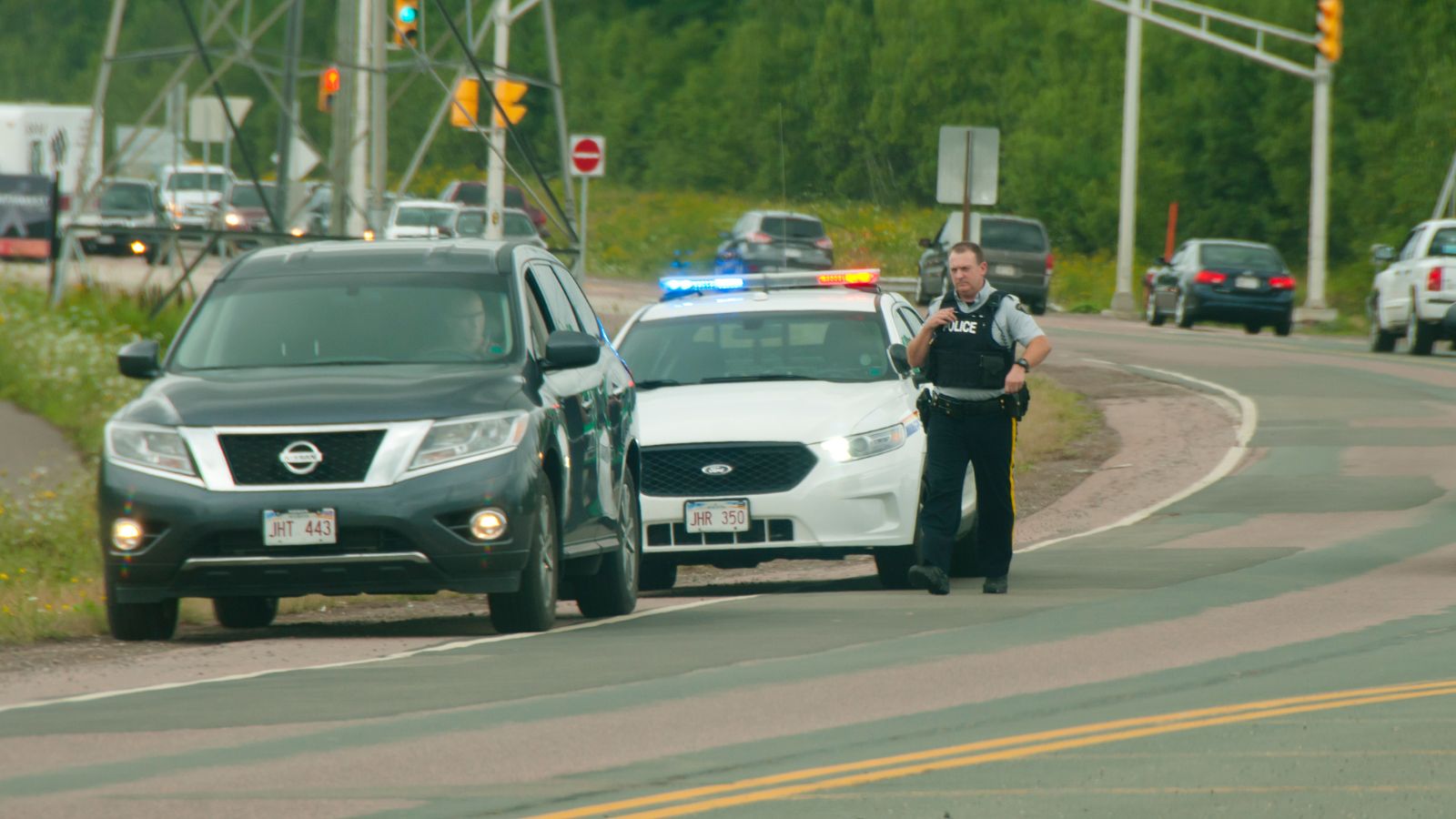
This sounds harmless, but it can function as an admission. A driver who says they were “only” speeding has still acknowledged speeding. In many provinces, speeding penalties rise with the amount over the limit, and in serious cases, high-speed behaviour can lead to roadside suspensions, vehicle impoundment, or stunt-driving style consequences depending on the jurisdiction.
It is common for drivers to explain themselves because they feel nervous, embarrassed, or eager to show cooperation. The risk is that the explanation confirms the officer’s observation instead of helping. A calmer response is to listen, provide documents, and avoid debating the reading at the roadside. If a ticket is issued, the driver can review the details later and decide whether to pay, seek early resolution, or contest it through the proper provincial process.
“I had a couple drinks, but I’m fine”
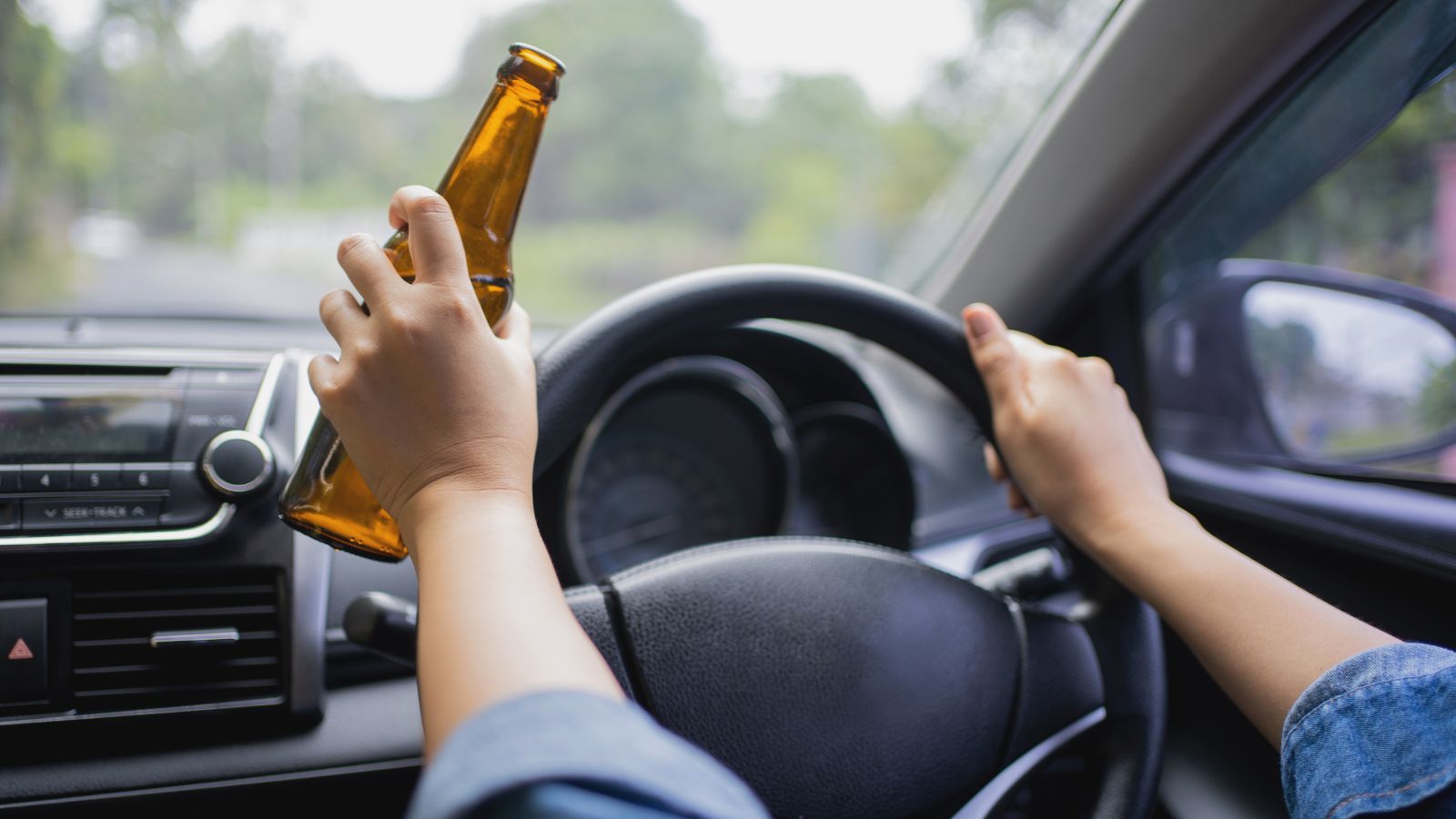
This is one of the riskiest things to say during a stop. In Canada, impaired driving law is not limited to obvious drunkenness. Police may consider driving behaviour, odour of alcohol, speech, coordination, admissions, and roadside screening results. Saying “a couple drinks” gives the officer a specific reason to pursue further impairment questions or testing.
Even if the driver believes they are below the legal limit, alcohol statements can reshape the stop. Since mandatory alcohol screening has been part of Canadian law since 2018, police can demand a breath sample from a lawfully stopped driver without needing the older suspicion threshold. Refusing a valid demand can itself be a criminal offence. The safer path is to remain polite, comply with lawful testing demands, and avoid volunteering drinking details beyond what the law requires.
“I’m not taking any breath test”
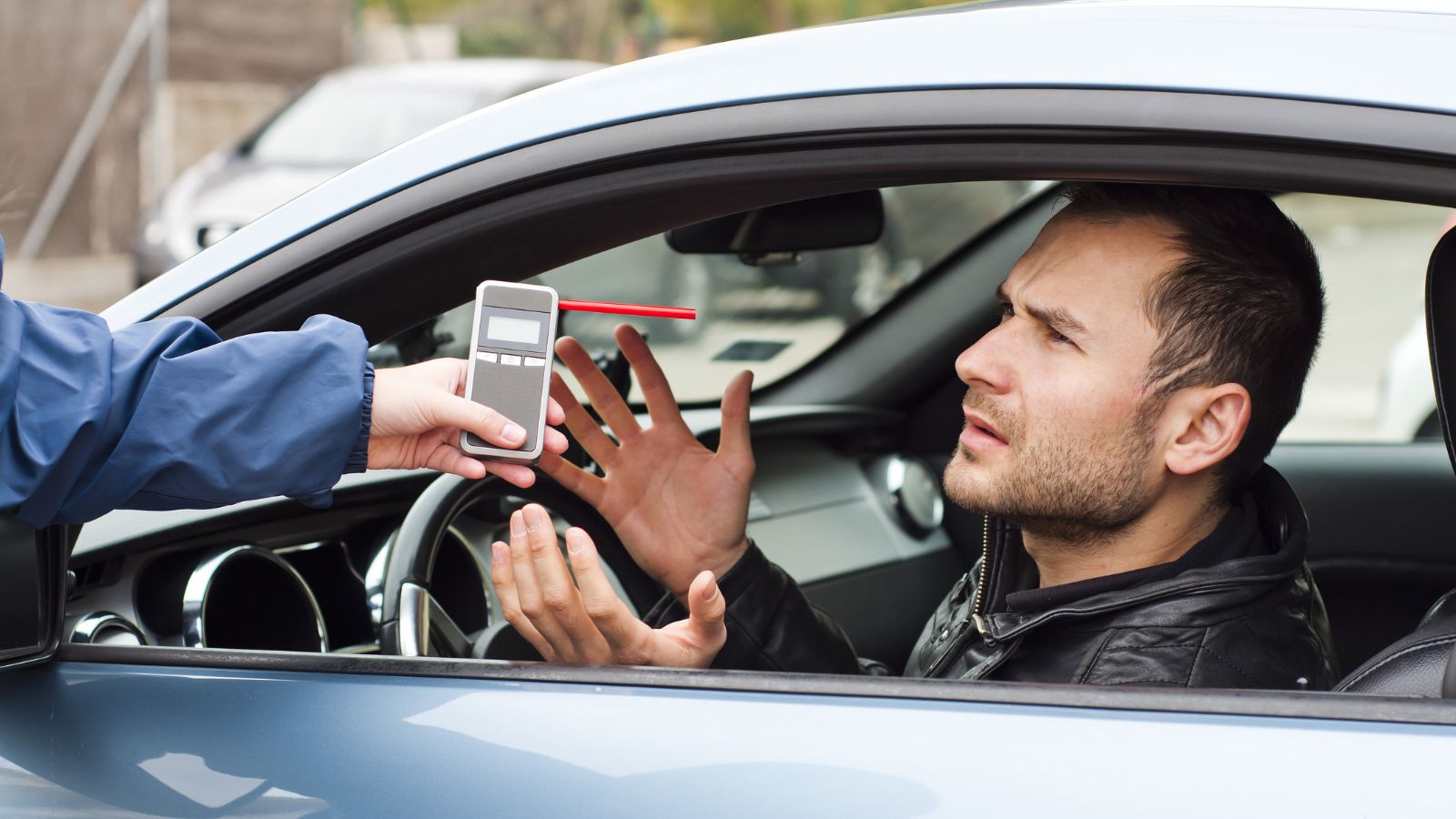
A flat refusal can be far more serious than many drivers realize. Under Canada’s Criminal Code, failing or refusing to comply with a valid breath or bodily sample demand, without a reasonable excuse, is an offence. Penalties for refusal can be severe, and a refusal may be treated with consequences similar to impaired driving.
Some drivers assume refusing prevents evidence from being gathered. In reality, refusal can create its own legal problem. Roadside testing rules can be technical, and there may be legal arguments later about whether a demand was valid, but those arguments are usually handled by lawyers after the fact. At the window, a statement like “I refuse” can quickly move the stop from traffic enforcement into criminal territory. Calm compliance with lawful demands is usually the least damaging immediate choice.
“Search the car if you want — I don’t care”
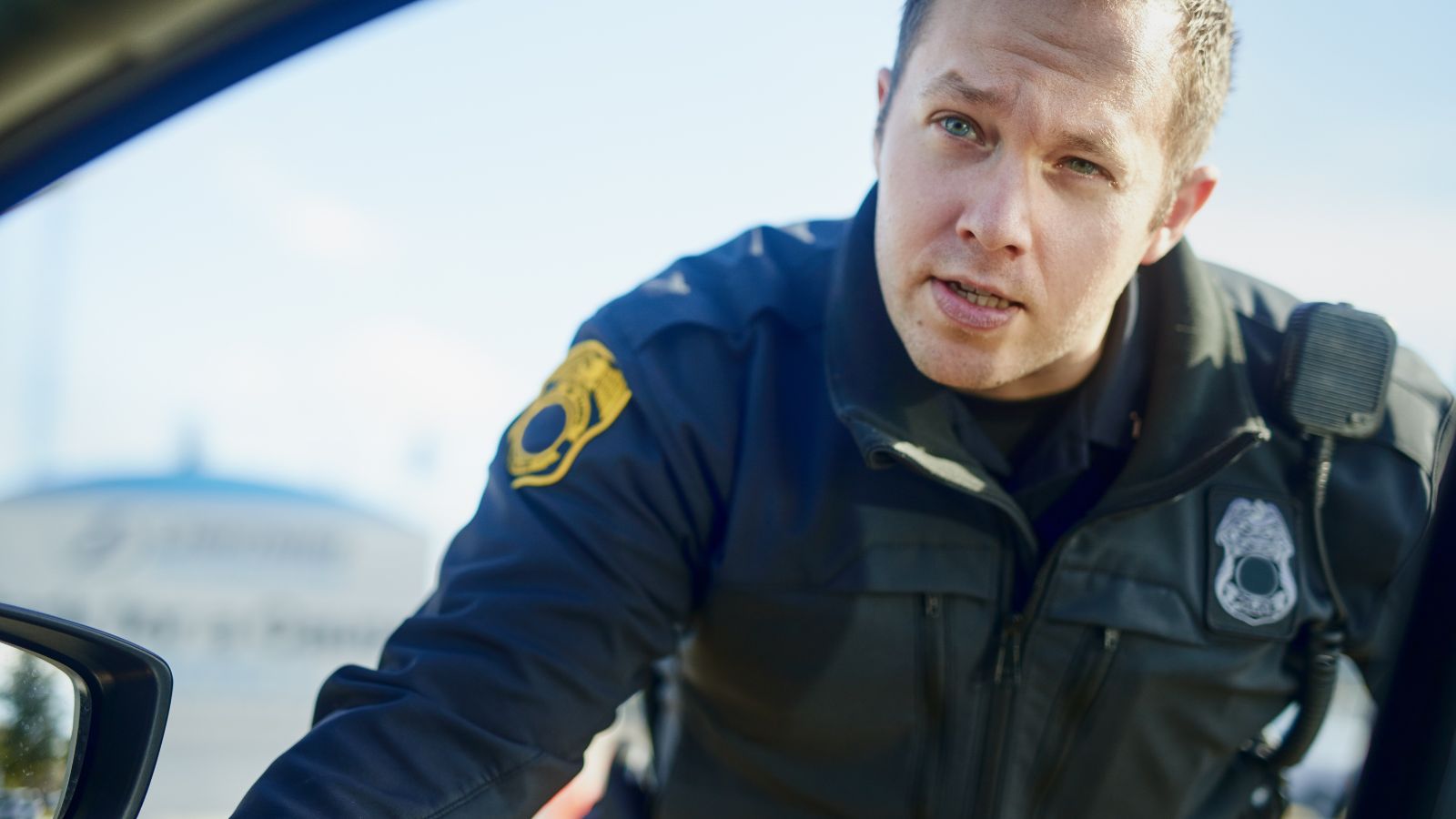
Consent should never be tossed out casually. Canadian Charter protections include security against unreasonable search and seizure, and vehicle searches are legally sensitive. Police may have authority to search in some circumstances, but a driver who freely invites a search may weaken later arguments that the search was improper.
The problem is not cooperation; it is careless consent. A nervous driver may think saying yes proves innocence, but a search can reveal items the driver forgot were in the vehicle, items belonging to passengers, or paperwork that creates new questions. A more careful response is calm and respectful: “I do not consent to a search, but I will not interfere.” That preserves the issue without escalating the scene. If police proceed anyway, the legality can be reviewed later.
“You can’t stop me unless I did something wrong”

This statement imports assumptions from other situations and can be inaccurate in the driving context. Canadian law gives police broader authority to stop vehicles than to stop pedestrians, largely because driving is a regulated activity. Officers may stop drivers for traffic enforcement, sobriety checks, document checks, or vehicle safety concerns.
Arguing the legality of the stop on the shoulder of a road is rarely productive. Even if the driver later has a valid legal argument, the roadside is not where that argument is decided. A driver who insists the stop is unlawful may appear argumentative or unwilling to comply with routine requirements. The better move is to ask, politely, “Can you tell me why I was stopped?” Then provide required documents, keep the exchange calm, and save legal challenges for the proper forum.
“I don’t have insurance, but I’m just borrowing the car”
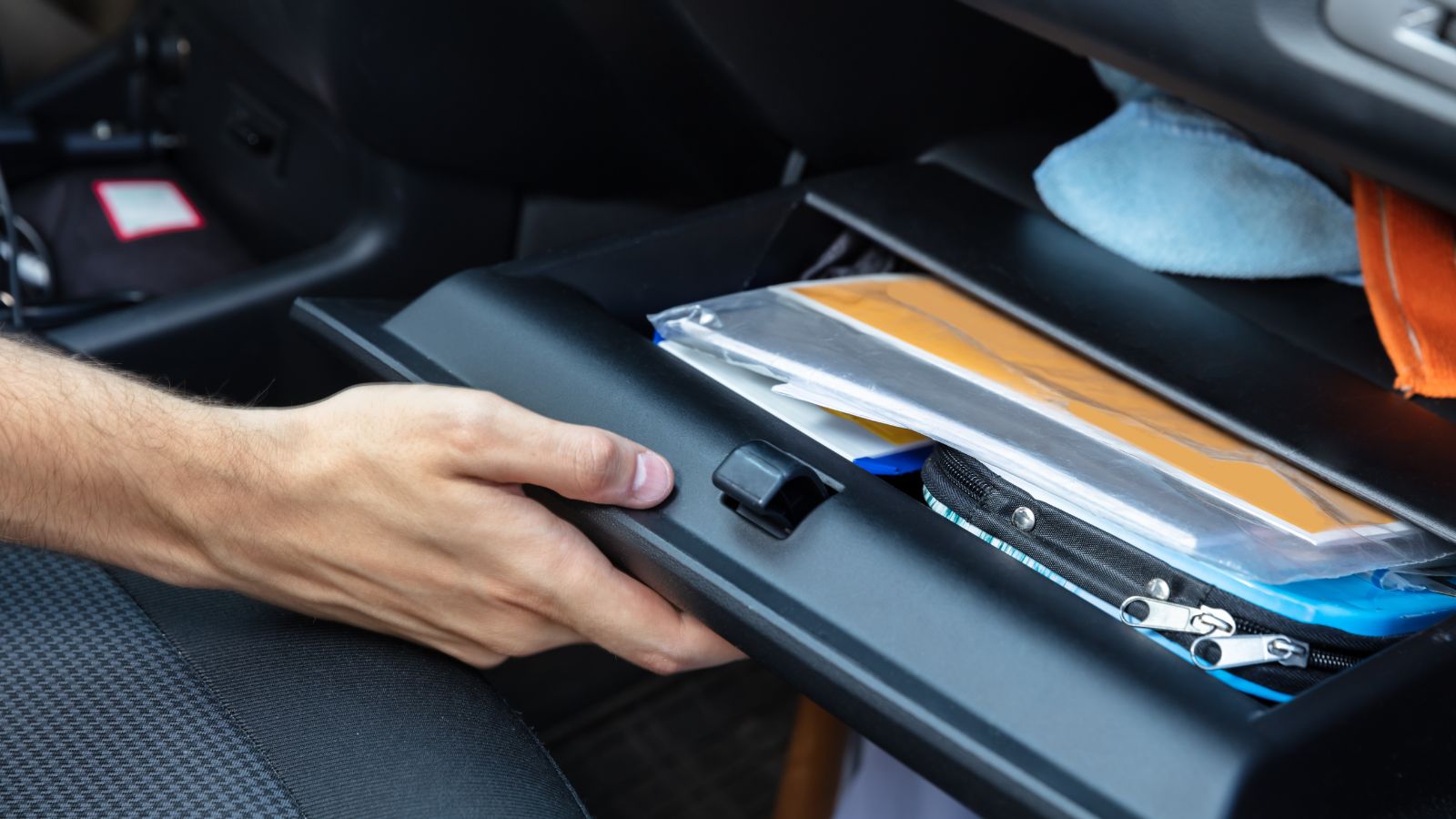
This may feel like an explanation, but it can raise a serious issue immediately. Canadian provinces require valid insurance for vehicles operated on public roads, and proof of insurance is commonly requested during traffic stops. Saying there is no insurance can expose the driver, owner, or both to expensive consequences, depending on the province and circumstances.
Borrowed vehicles create extra stress because the driver may not know where the insurance slip is located. Still, blurting out “there is no insurance” before checking the glove box, digital proof rules, or owner documents can make matters worse. A calmer answer is to look for the required proof and explain only what is certain. If the vehicle truly lacks insurance, that fact will likely need to be addressed, but guessing or volunteering incomplete information can add confusion.
“That phone wasn’t in my hand”

Distracted-driving stops often turn on small details: where the phone was, whether it was being held, whether the screen was active, and whether the vehicle was moving or stopped in traffic. A defensive denial can sound rehearsed, especially if the officer says they observed the device. It may also invite follow-up questions that lock the driver into a version of events.
Distracted driving has become a major road-safety issue in Canada, with safety organizations warning that distraction is involved in a significant share of fatal crashes. Even a few seconds of looking away can matter at urban speeds. If the driver receives a ticket, the factual dispute can be handled later. At the roadside, arguing about hand position, notifications, or whether the vehicle was “technically stopped” usually makes the exchange longer and more tense.
“I was texting because traffic wasn’t moving”

This statement attempts to justify the behaviour, but it can still sound like an admission. Many distracted-driving laws apply when a vehicle is on a roadway, including while stopped in traffic or at a red light, depending on the province. Saying traffic was not moving may not be the defence the driver thinks it is.
The everyday example is familiar: a driver checks a message at a red light, traffic begins moving, and attention returns to the road a second too late. Police and road-safety agencies emphasize that distraction is dangerous precisely because it feels brief and manageable. During a stop, explaining why the phone was used can make the case easier to document. A better approach is to avoid unnecessary explanations, accept the officer’s instructions, and review the ticket process afterward.
“I’m in a rush, so hurry this up”

A traffic stop is inconvenient, but telling an officer to hurry can make a driver seem impatient, dismissive, or agitated. Officers are trained to manage safety risks at the roadside, where passing traffic, limited visibility, weather, and driver behaviour all matter. A rushed tone can slow things down because the officer may take extra care to control the interaction.
There are legitimate reasons someone may be anxious: a medical appointment, a child waiting at school, or a work deadline. Still, the way it is said matters. “I understand. I have an appointment, but I’ll cooperate,” lands very differently from “hurry up.” If the stop results in a delay that causes real harm, that can be addressed later. At the scene, patience is usually faster than pressure.
“My friend is a lawyer, and this ticket will disappear”

Name-dropping rarely improves a stop. It can sound like intimidation, entitlement, or an attempt to pressure the officer. Even if the driver truly knows a lawyer, prosecutor, police officer, or local official, mentioning that connection at the roadside may make the exchange feel less cooperative rather than more credible.
Legal advice is valuable, but it belongs after the stop, when documents can be reviewed and facts can be organized. A traffic ticket does not become stronger or weaker because of a boast at the window. A driver who wants to preserve options should avoid threats and simply take the paperwork if a ticket is issued. In many cases, the best “legal strategy” during the stop is restraint: say little, stay respectful, and avoid giving the officer memorable quotes to include in notes.
“Everybody drives like this”

This may be true in a broad social sense, but it is not useful during enforcement. Speeding, rolling stops, unsafe lane changes, and aggressive merging are often normalized until a crash or ticket happens. Police do not need to stop every driver committing the same offence for one stop to be valid.
Traffic safety data in Canada shows why enforcement remains a priority. Recent national statistics recorded nearly two thousand motor vehicle fatalities in a single year, along with thousands of serious injuries. When a driver says “everybody does it,” the statement can sound like indifference to risk rather than a defence. A better response is to avoid arguing fairness at the roadside. Selective-feeling enforcement can be frustrating, but the proper question later is whether the alleged offence can be proven.
“I know I ran the light, but it was safe”

This combines an admission with a subjective defence. A driver may believe an intersection was clear, but red lights and stop signs are designed to reduce judgment calls in places where side impacts, pedestrians, cyclists, and turning vehicles create complex risks. Saying it was “safe” does not erase the rule and may confirm the core allegation.
The human instinct is understandable. A driver late for work sees an amber light, thinks the road is empty, and rolls through just as an officer watches from the cross street. But safety rules are often enforced before a collision happens, not after. If a ticket is issued, the driver can later review signal timing, sightlines, weather, and officer observations. During the stop, the phrase “I ran it” is the part most likely to matter.
“I’m too tired to deal with this”
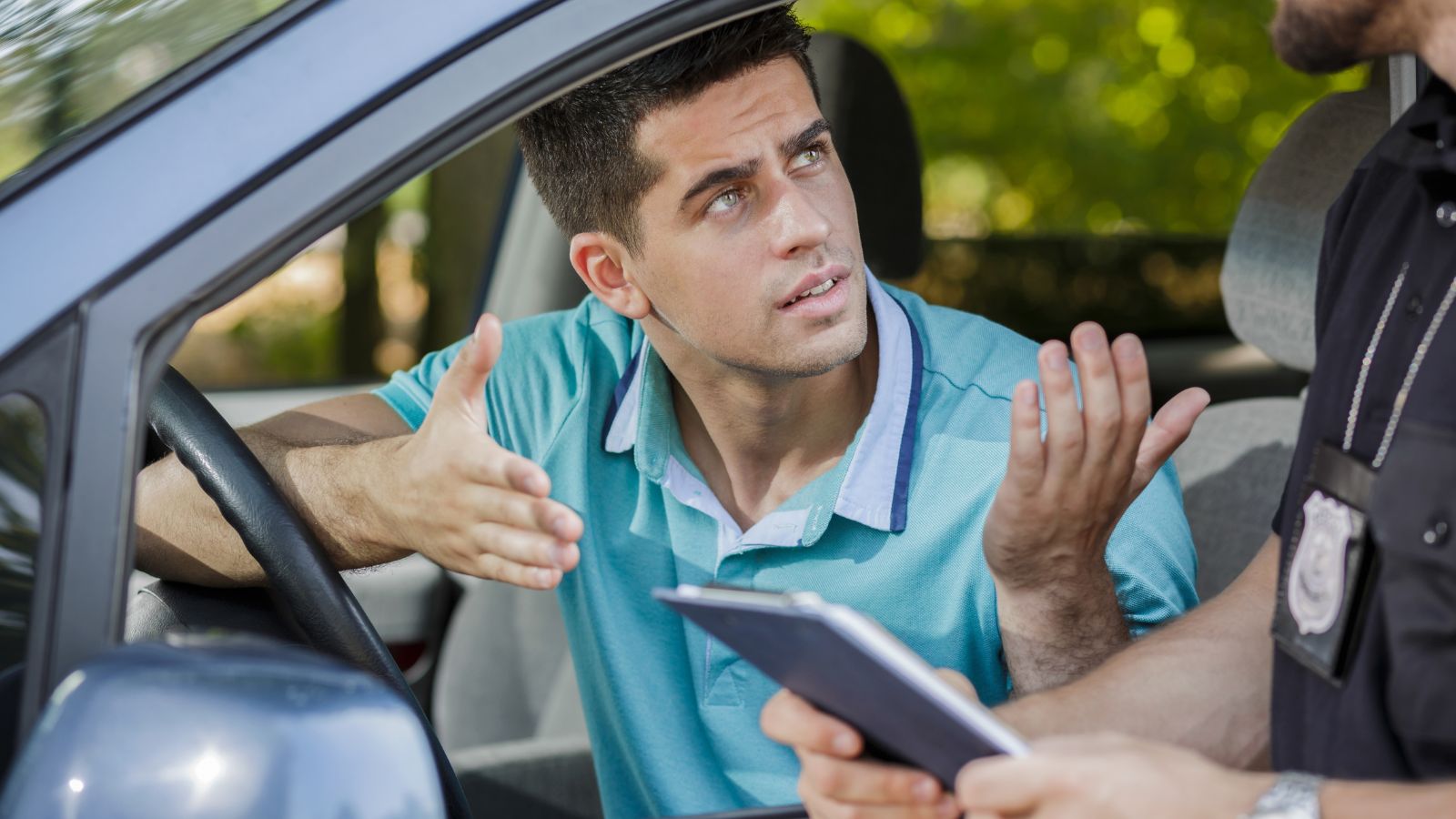
Fatigue may be real, but saying it during a traffic stop can create new concerns. Driver fatigue is a recognized road-safety problem, and police may interpret extreme tiredness as a safety risk, especially if the stop involved drifting, delayed reactions, inconsistent speed, or near misses. The statement could prompt more questions about whether the driver is fit to continue.
There is a safer way to handle fatigue. If a driver is genuinely exhausted, it may be better to say they will pull over somewhere safe, rest, call someone, or arrange another ride after the stop. What should be avoided is a frustrated statement that sounds like impaired alertness while still insisting on driving away immediately. Fatigue does not always lead to a ticket, but it can influence how seriously an officer views the situation.
“The cannabis is legal, so it doesn’t matter”

Legal cannabis does not mean consequence-free cannabis in a vehicle. Canada legalized cannabis, but impaired driving by drugs remains illegal, and provinces have rules about how cannabis may be transported in a vehicle. Open, accessible, or improperly stored cannabis can create additional questions during a stop.
This statement can also invite impairment scrutiny. Police may look at driving behaviour, odour, physical signs, admission of recent use, and other observations. A driver who says cannabis “doesn’t matter” may sound unaware of the distinction between lawful possession and safe, lawful driving. The better approach is to avoid casual comments about cannabis use, ensure any cannabis is stored according to provincial rules, and never drive while impaired. Legalization changed possession law; it did not lower the standard for sober driving.
“I took prescription medication, but it’s fine”

Prescription medication can still impair driving. Some medications affect reaction time, alertness, vision, judgment, or coordination, especially when mixed with alcohol, cannabis, fatigue, or other prescriptions. Saying “it’s fine” may not reassure an officer if the driving pattern suggested impairment.
The issue is not whether the medication was legally prescribed. The issue is whether the driver’s ability to operate safely was affected. Labels often warn against driving until the user knows how the drug affects them, and impairment law can apply to legal drugs as well as illegal ones. During a stop, volunteering medication details without legal advice can become complicated. If asked direct questions, a driver should be careful, calm, and truthful, while remembering that legal advice may be important if the stop becomes an impairment investigation.
“I lied because I didn’t want a ticket”
This is one of the worst possible explanations. Giving false information to police can create problems beyond the original traffic matter. Depending on the circumstances, lying can raise issues related to obstruction, public mischief, identity, insurance, licensing, or the investigation of an offence.
The most common example is a driver who gives a sibling’s name, claims someone else was driving, invents an emergency, or denies being behind the wheel after a camera or officer observation. A minor ticket can become much more serious when dishonesty enters the file. The safer habit is simple: do not guess, exaggerate, or fabricate. If a driver does not want to answer a question beyond required identification and driving documents, it is better to say so politely than to create a false story.
“I’m going to post your face online”

Recording police in public may be lawful in many circumstances, provided it does not obstruct their duties, but threatening an officer with online exposure is a poor roadside tactic. It changes the tone from documentation to confrontation. The officer may become more cautious, call for backup, or focus on whether the driver is interfering with the stop.
A driver who wants to document a stop should prioritize safety and compliance. The phone should not be held in a way that looks like distracted driving, a weapon, or a refusal to follow lawful instructions. Calm documentation is different from intimidation. If the concern is misconduct, the driver can record relevant details, ask for the officer’s name or badge number when appropriate, and use formal complaint channels later. Threats rarely improve accountability; careful records do.
“This is harassment, and I’m not signing anything”
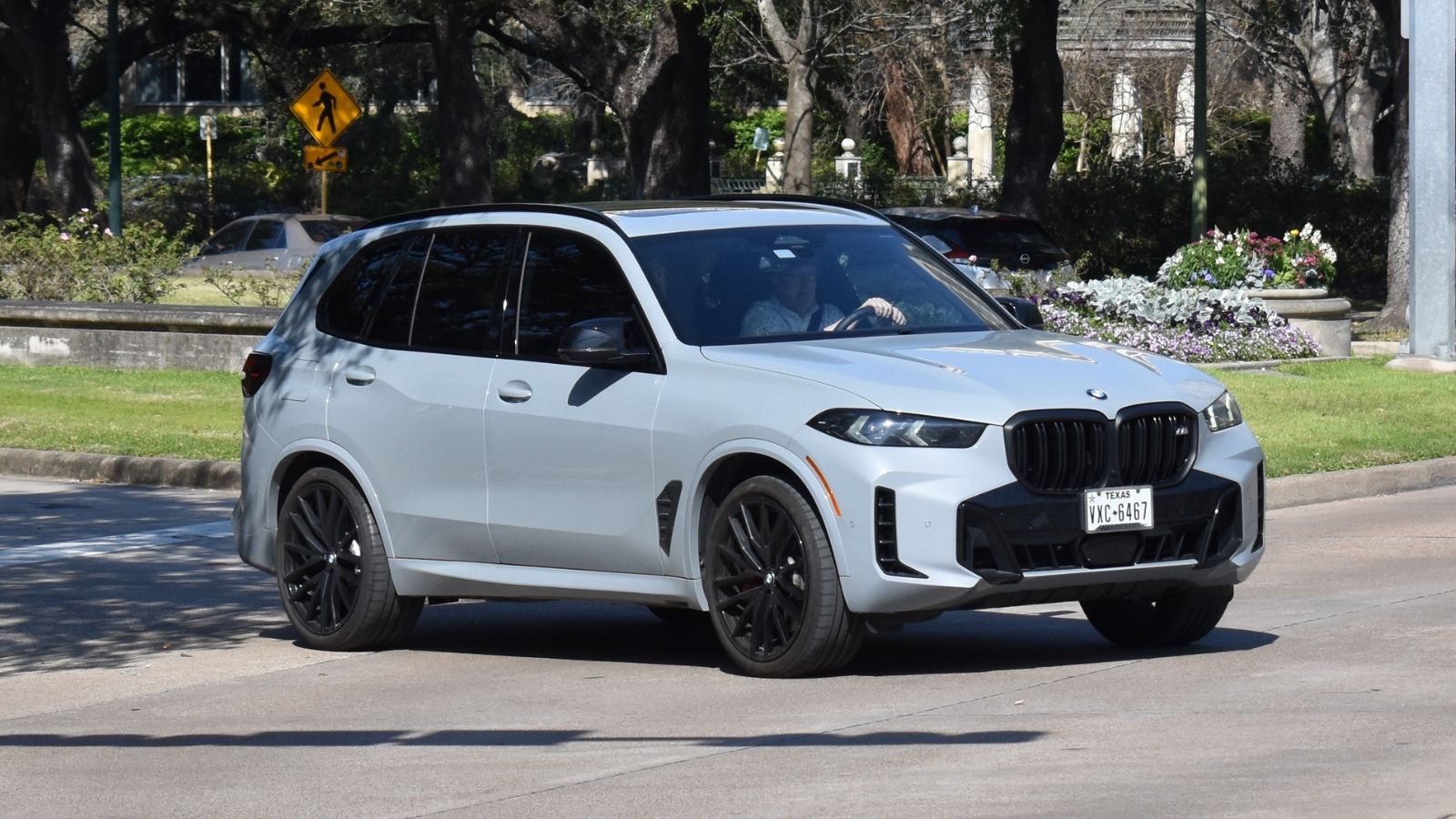
A driver may feel unfairly targeted, especially after repeated stops or a tense interaction. Still, refusing to sign or accept documents can misunderstand what a signature means. In many ticketing systems, signing or receiving a ticket is not the same as admitting guilt. It often confirms receipt or acknowledges the next procedural step.
Calling the stop harassment may also escalate the exchange if it is said angrily before the basic process is complete. If a driver believes the stop involved discrimination, misconduct, or improper treatment, that concern should be documented carefully after the stop: date, time, location, officer details, witnesses, and any available recording. At the roadside, the priority is to complete the interaction safely. Complaints and legal challenges are stronger when they are based on clear records rather than a shouting match.
“Do whatever you want — I don’t care anymore”

This can sound like consent, surrender, or emotional instability, depending on the context. During a traffic stop, vague statements can create confusion about whether the driver is agreeing to a search, refusing to cooperate, or becoming too upset to continue safely. Ambiguity rarely helps.
A driver does not need to give a speech. Clear, calm phrases work better: “Here are my documents,” “I do not consent to a search,” “Am I free to go?” or “I would like to speak with a lawyer if I am detained or arrested.” These statements preserve boundaries without drama. Roadside stops are stressful because the driver has little control over the process. Careful words restore some control by keeping the interaction narrow, respectful, and easier to review afterward.
22 Things Canadians Do to Their Cars in Spring That Mechanics Hate
Spring brings relief to many Canadian drivers after months of snow, freezing temperatures, and icy roads that put serious strain on vehicles. As temperatures rise across the country, drivers begin washing cars, switching tires, and preparing vehicles for warmer weather and upcoming road trips. However, mechanics across Canada notice the same mistakes every spring when drivers attempt to recover from winter damage. Road salt, potholes, and harsh winter driving conditions often leave vehicles with hidden problems that drivers ignore. Some spring habits even create new mechanical issues that could have been avoided with proper maintenance. Here are 22 things Canadians do to their cars in spring that mechanics hate.