


























Used-vehicle shopping in Canada has shifted from chasing whatever is available to weighing long-term value more carefully. With new-vehicle prices still high and used prices settling unevenly, certain models are starting to look smarter than they did during the tightest inventory years. The best choices are not always the flashiest ones; they are often practical vehicles with proven reliability, manageable fuel costs, strong parts availability, and broad resale demand.
Here are 17 used vehicles that are quietly becoming the smarter buy in Canada because they balance everyday usability with ownership costs that are easier to justify.
Toyota Corolla Hybrid
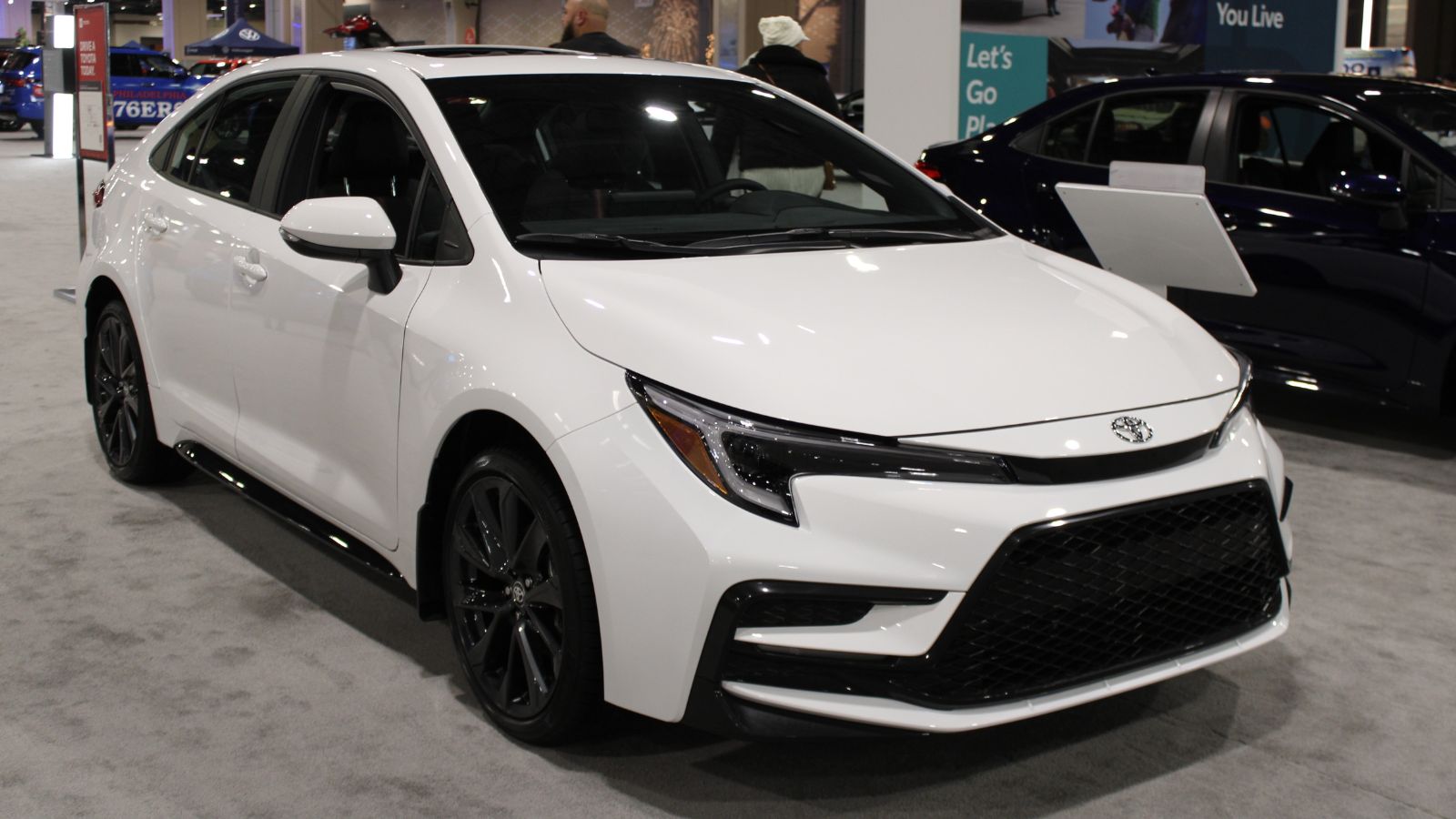
The Toyota Corolla Hybrid has become a quietly strategic used buy because it gives Canadian drivers the familiar Corolla formula with hybrid fuel savings. It is not exciting in the traditional sense, but that is part of the appeal. Commuters in the GTA, Metro Vancouver, Calgary, and Montreal often need a car that handles traffic, winter starts, and high fuel prices without turning every repair visit into a major event.
Its case gets stronger when fuel economy is considered alongside Toyota’s used-car reputation. Recent Canadian fuel-efficiency comparisons place the Corolla Hybrid among the most efficient cars available, while Canadian Black Book recognized the Corolla as a leading retained-value model in the mainstream car category. A lightly used Corolla Hybrid may still command a premium, but its low operating costs and broad buyer demand make that premium easier to understand.
Honda Civic
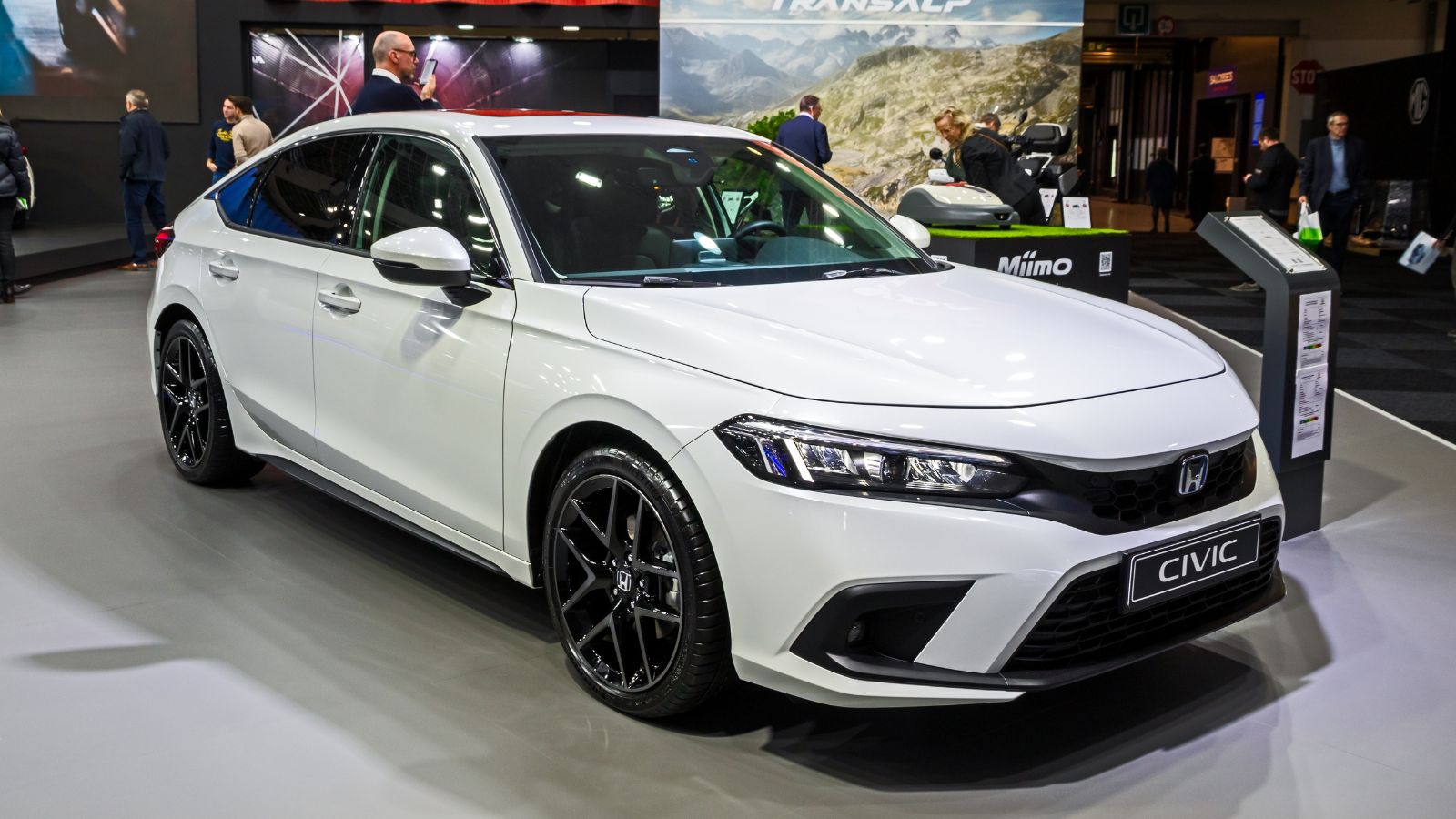
The Honda Civic remains one of Canada’s most sensible used vehicles because it fits so many lifestyles without feeling like a compromise. It is compact enough for urban parking, roomy enough for daily family use, and common enough that parts, service knowledge, and comparison shopping are widely available. That matters in the used market, where long-term affordability depends on more than the purchase price.
A Civic also benefits from Honda’s reputation for durability. Longevity research has identified Honda as one of the brands with a better-than-average chance of producing vehicles that reach very high mileage. For buyers who are wary of newer compact SUVs with higher prices and more complex drivetrains, a well-maintained Civic can feel refreshingly straightforward. The smarter move is to prioritize service records, accident history, and trim condition rather than simply chasing the lowest odometer reading.
Toyota Camry Hybrid
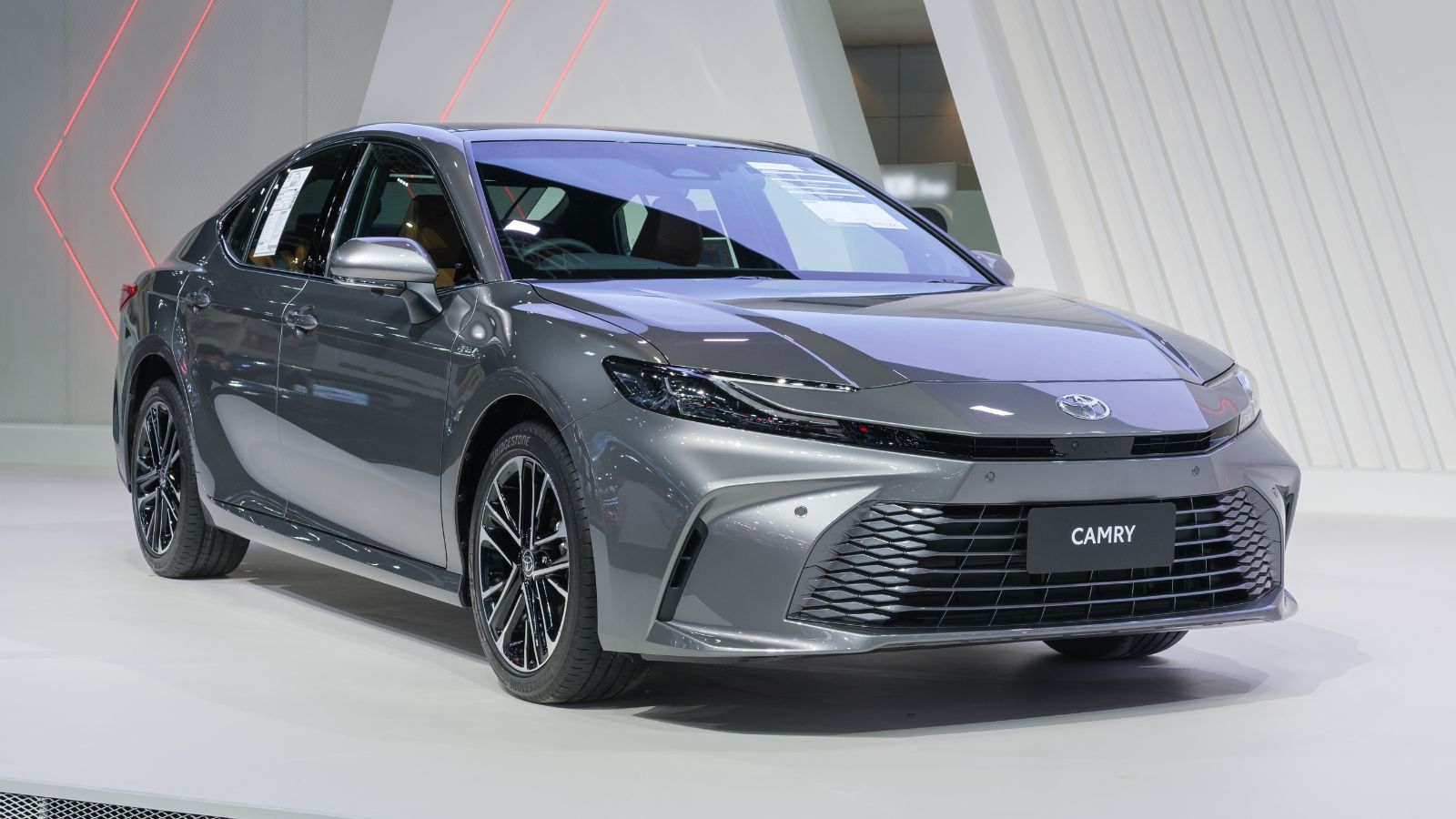
The Toyota Camry Hybrid is becoming a smarter used buy because it sits in a sweet spot many buyers overlook. Sedans have lost showroom attention to SUVs, but that softer demand can work in favour of used buyers. The Camry Hybrid offers a larger cabin than most compacts, strong highway comfort, and fuel economy that can undercut many small crossovers.
Its long-term value argument is supported by both dependability and longevity data. J.D. Power named the Toyota Camry among Toyota Motor Corporation’s model-level award recipients in its 2025 Vehicle Dependability Study, and iSeeCars ranked the Camry Hybrid among passenger cars with above-average predicted chances of reaching 250,000 miles. For Canadian households that do not need SUV ground clearance every day, this is one of the more rational ways to buy comfort without accepting luxury-car maintenance costs.
Mazda3
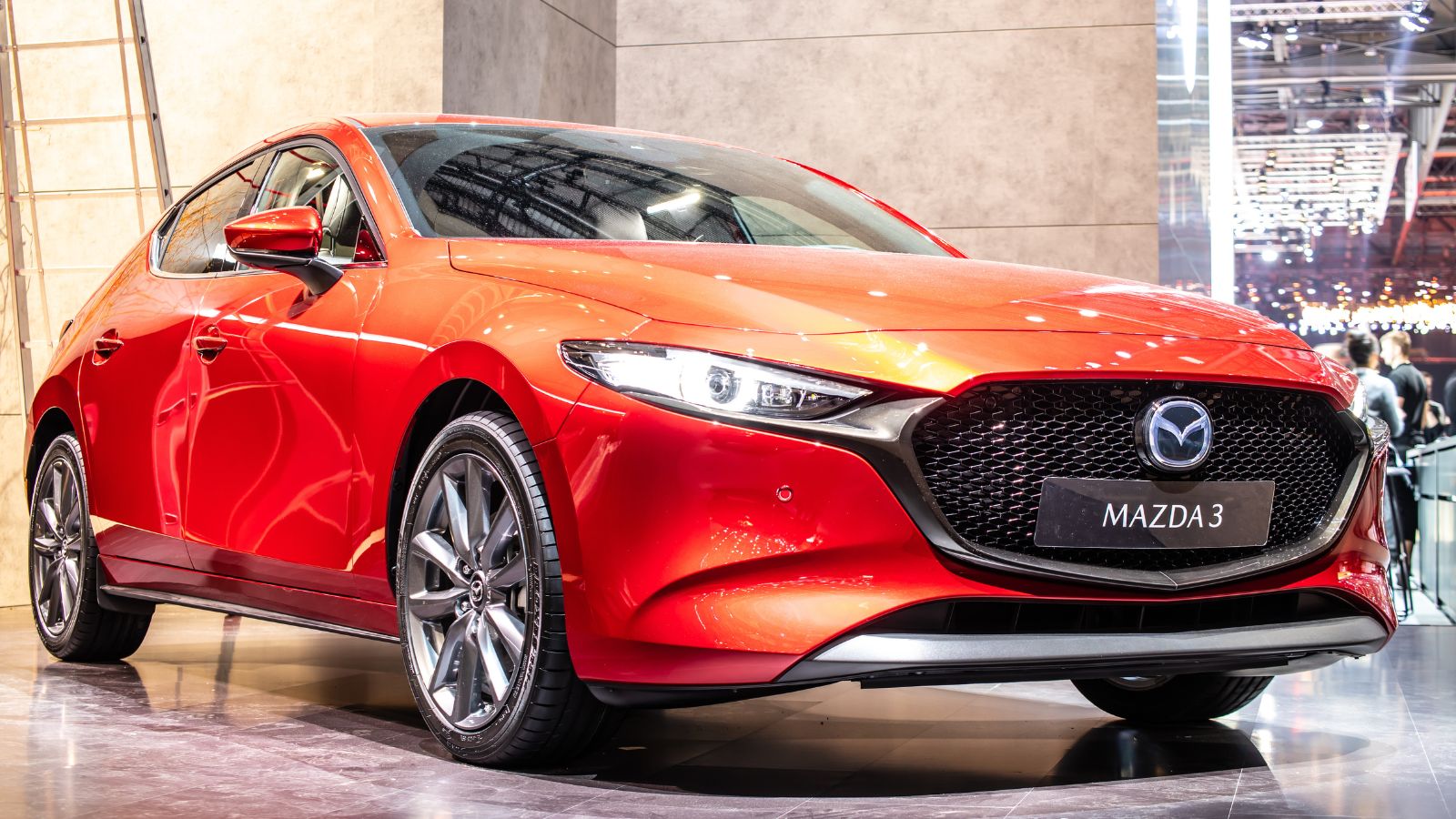
The Mazda3 is an underrated used choice for buyers who want something affordable but not dull. It tends to feel more refined than many compact competitors, especially in later model years with improved interiors, available all-wheel drive, and quieter cabins. In Canada, where winter traction matters, the availability of AWD gives the Mazda3 an extra layer of appeal without moving into SUV pricing.
The value story is also helped by Mazda’s reliability standing. Consumer Reports has placed Mazda near the top of its used-car brand reliability rankings, behind Lexus and Toyota and ahead of many mainstream competitors. The Mazda3 is not always the cheapest compact on a used lot, but it can be a smarter buy when condition, equipment, and driving feel are included. For someone who dislikes the appliance-like feel of some economy cars, it offers a practical middle ground.
Toyota RAV4 Hybrid
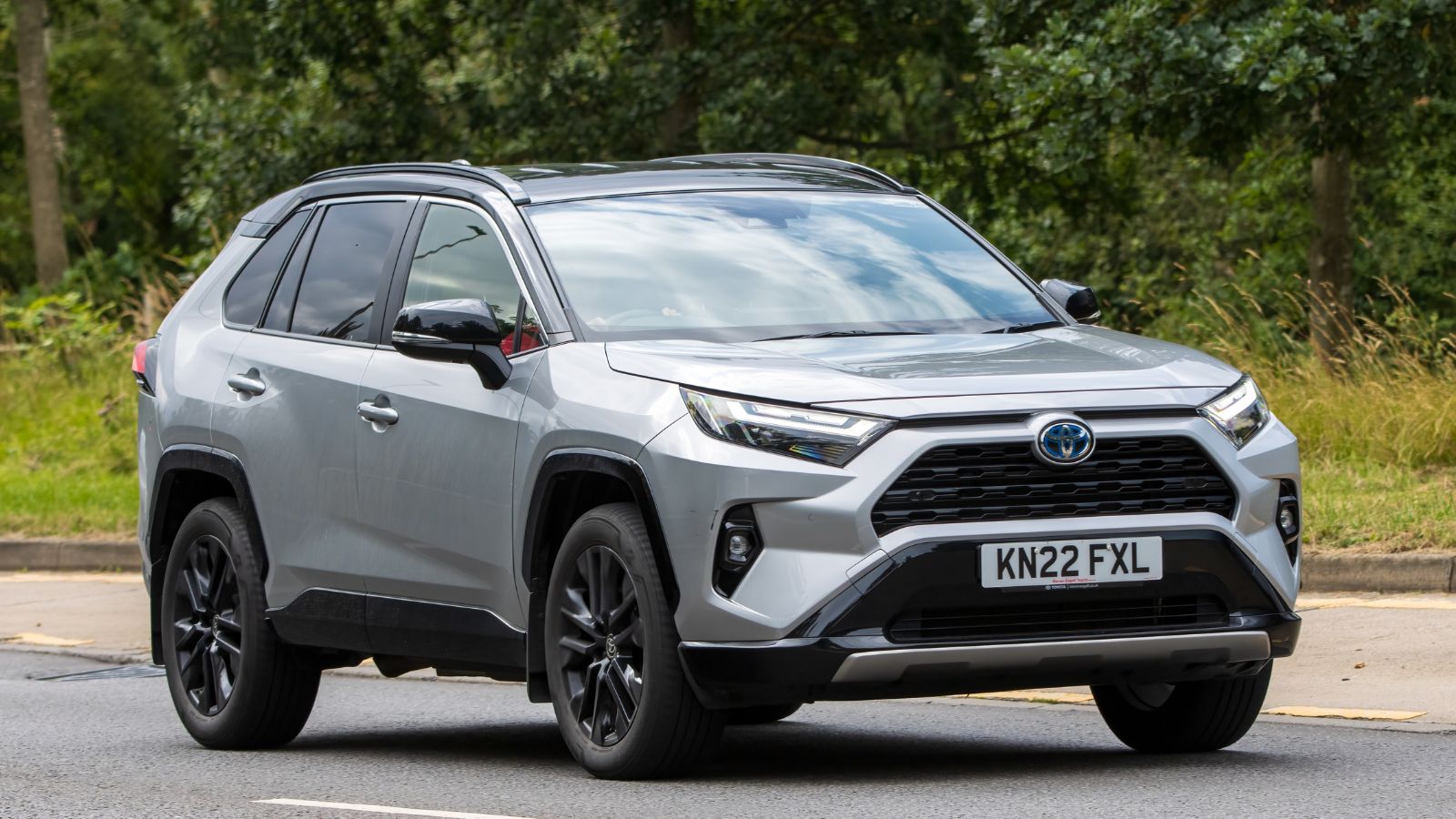
The Toyota RAV4 Hybrid is one of the clearest examples of a used vehicle that has become smarter as buyers focus on total ownership cost. It delivers the SUV shape Canadians keep choosing, but with fuel consumption that is far easier to live with than many gas-only compact SUVs. Families get cargo space, available all-wheel drive, and a familiar dealer network without stepping into a luxury price bracket.
Demand remains strong, so bargains are not always easy to find. Still, the RAV4 Hybrid’s popularity can be an advantage because there are many examples to compare, and resale demand is broad across provinces. J.D. Power recognized the RAV4 among Toyota’s model-level award recipients for dependability, while Canadian Black Book highlighted Toyota’s strength in retained value. The best used examples are usually not the cheapest ones; they are the ones with clean histories and documented maintenance.
Honda CR-V
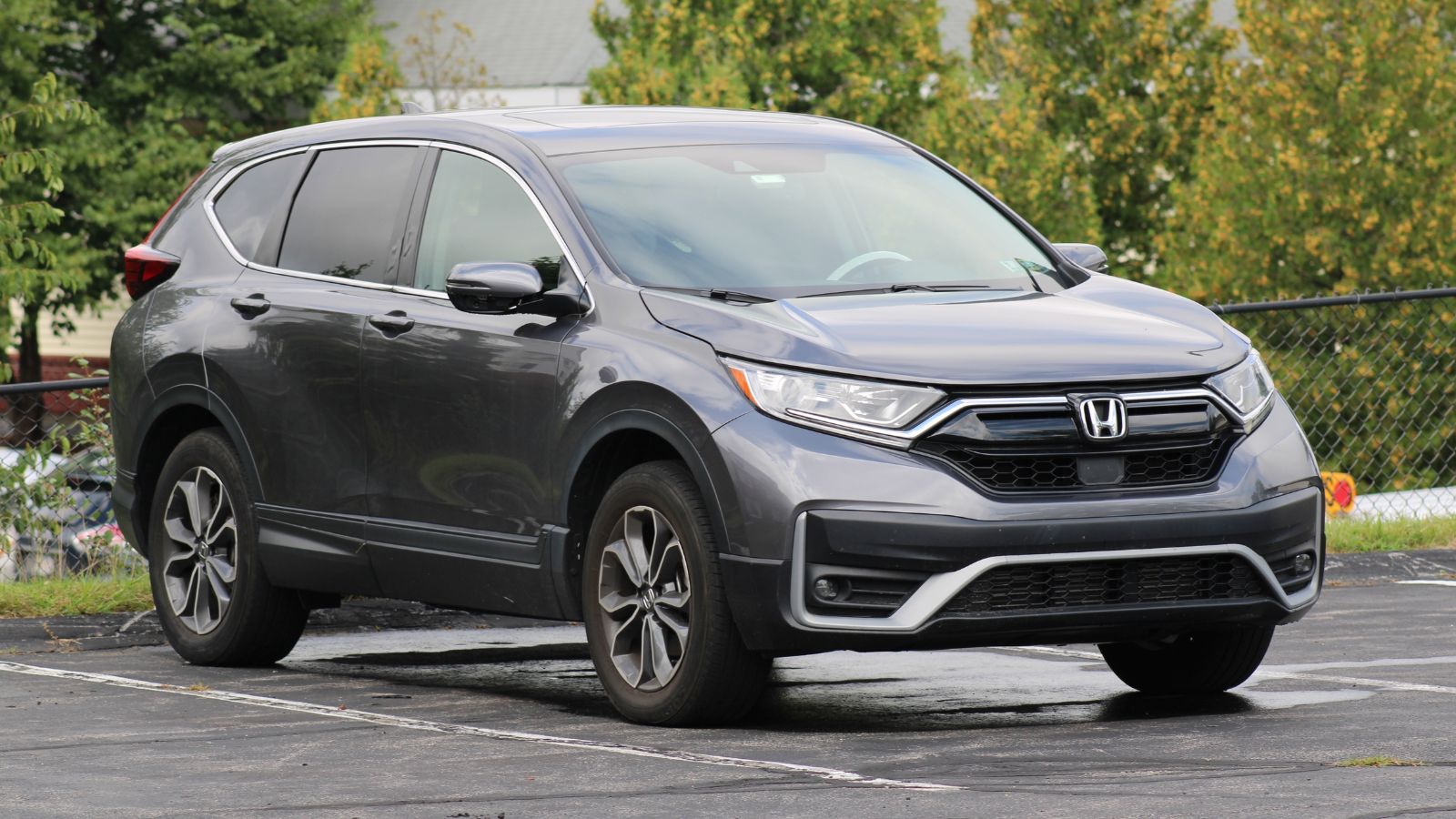
The Honda CR-V has long been a default family SUV, but its used-market appeal is becoming more obvious as new compact SUVs remain expensive. It offers a high seating position, practical cargo space, and a reputation that keeps it on many Canadian shortlists. The CR-V’s advantage is not one spectacular feature; it is the way it handles daily life with few surprises.
Longevity data strengthens the case. iSeeCars identified the Honda CR-V as one of the SUVs with an above-average predicted chance of reaching 250,000 miles, and Consumer Reports has placed Honda among the top used-car brands. Canadian buyers should still be selective, especially with turbocharged model years and maintenance history. But a well-cared-for CR-V can be a smarter buy than a newer, less proven SUV that looks cheaper upfront but carries more uncertainty over the next five years.
Subaru Crosstrek
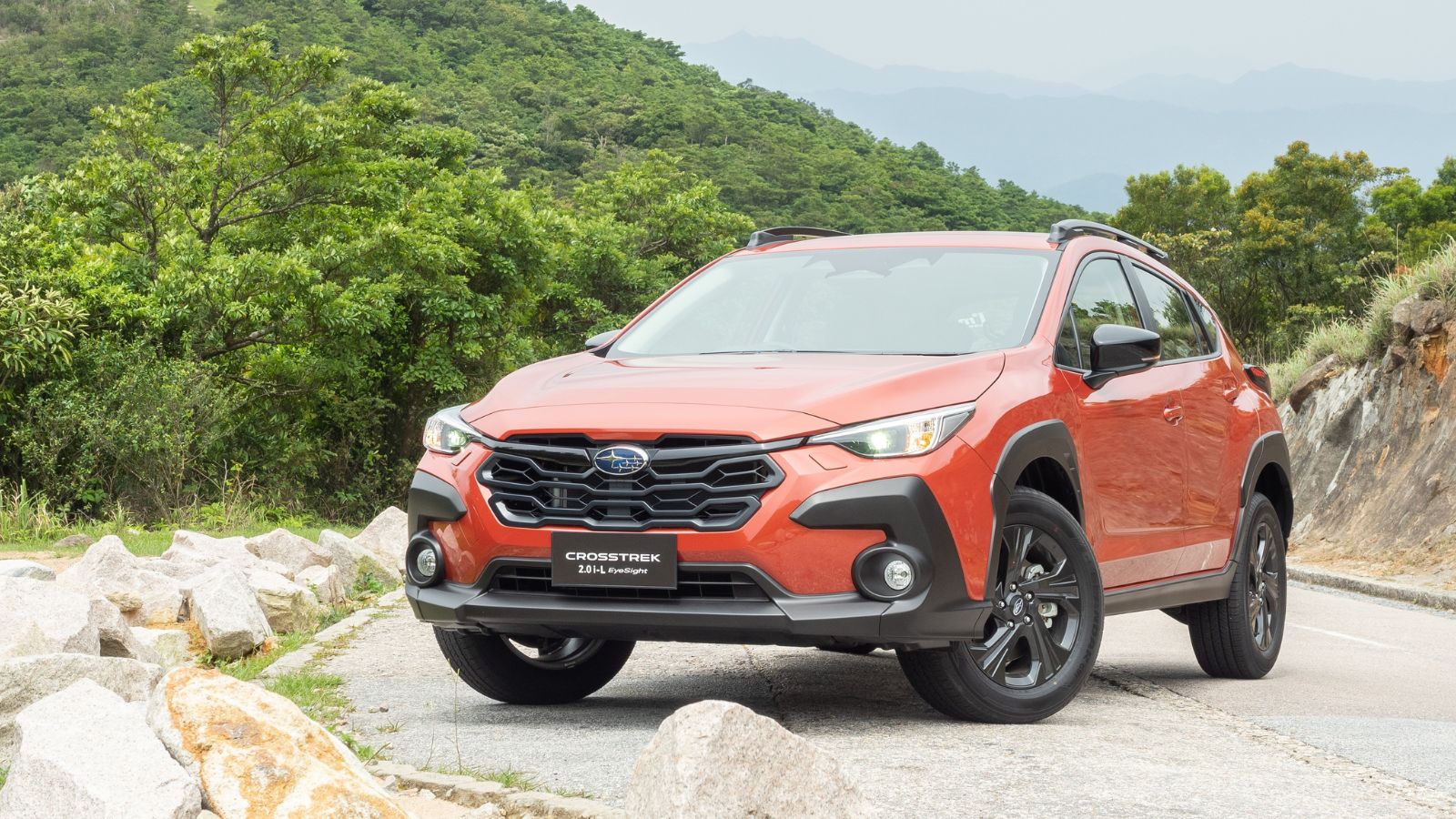
The Subaru Crosstrek has become a smart used buy for Canadians who want winter confidence without buying a larger SUV. Standard all-wheel drive is a major draw in snowy regions, and the Crosstrek’s compact footprint keeps it easy to park and fuel compared with many taller crossovers. It fits the owner who wants trailhead access on weekends but still spends most of the week in regular city traffic.
Its value comes from matching capability to realistic needs. Many drivers buy more SUV than they require, then pay for it in fuel, tires, and purchase price. The Crosstrek avoids some of that excess while still offering useful ground clearance. Canadian Black Book also recognized the Crosstrek PHEV in its retained-value awards, showing that the nameplate has strength beyond the standard gas model. Used shoppers should check service history carefully, but the overall package is practical and easy to recommend.
Subaru Forester
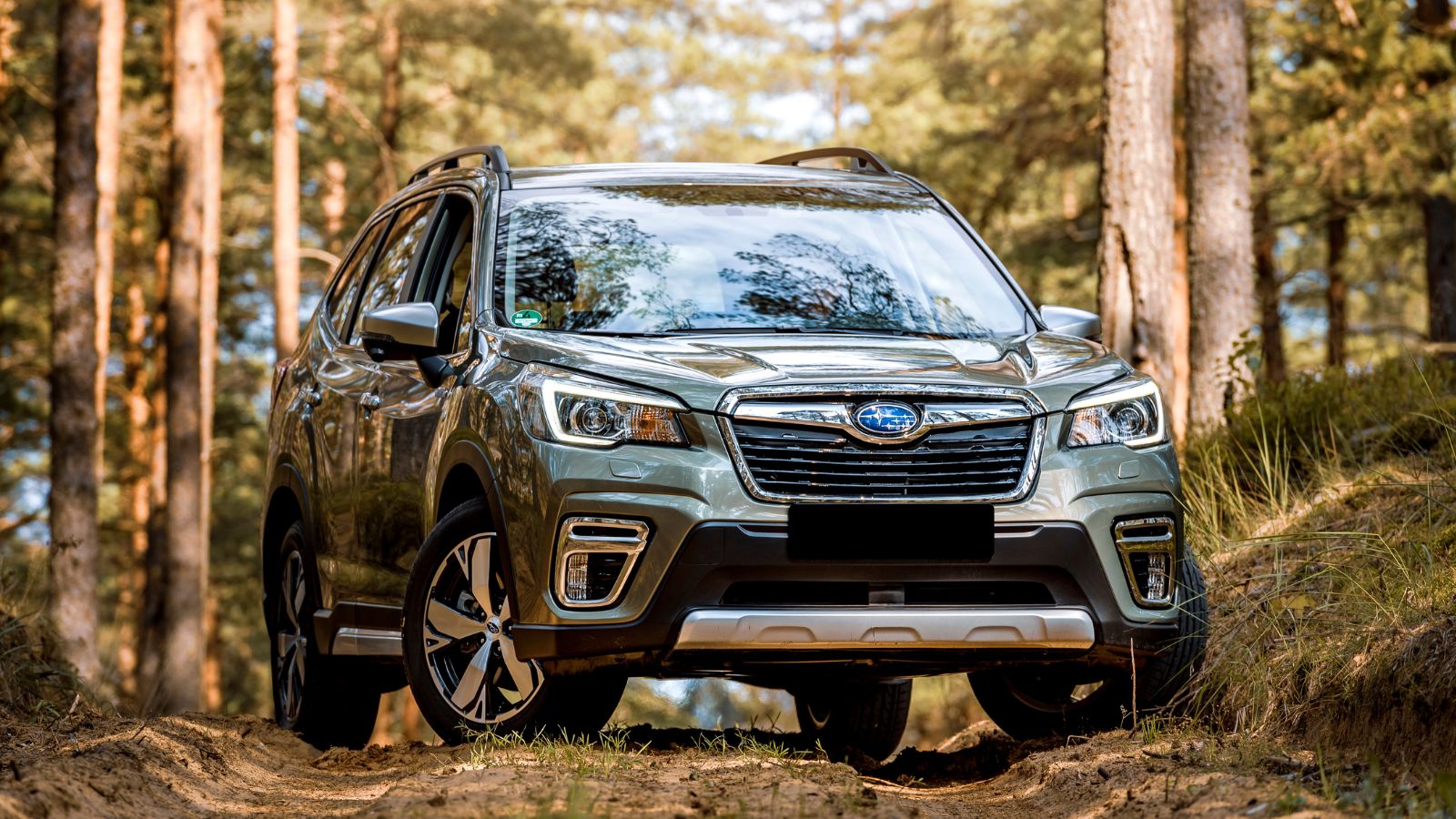
The Subaru Forester is quietly becoming a better used choice as buyers reassess what they actually need from an SUV. It has excellent visibility, a roomy cabin, standard all-wheel drive, and a reputation for being practical rather than flashy. In Canadian winter driving, that combination can matter more than oversized wheels or luxury badging.
The Forester’s smarter-buy appeal is strongest for households that need space but do not want to move into a larger, thirstier vehicle. It offers generous cargo room for pets, strollers, sports gear, and cottage-weekend supplies while remaining relatively easy to manage in urban parking lots. Subaru’s recent strength in brand rankings and continued demand for AWD vehicles add support to the case. As with any used Subaru, maintenance records are important, but a clean Forester can be a sensible alternative to pricier compact SUVs.
Lexus ES Hybrid
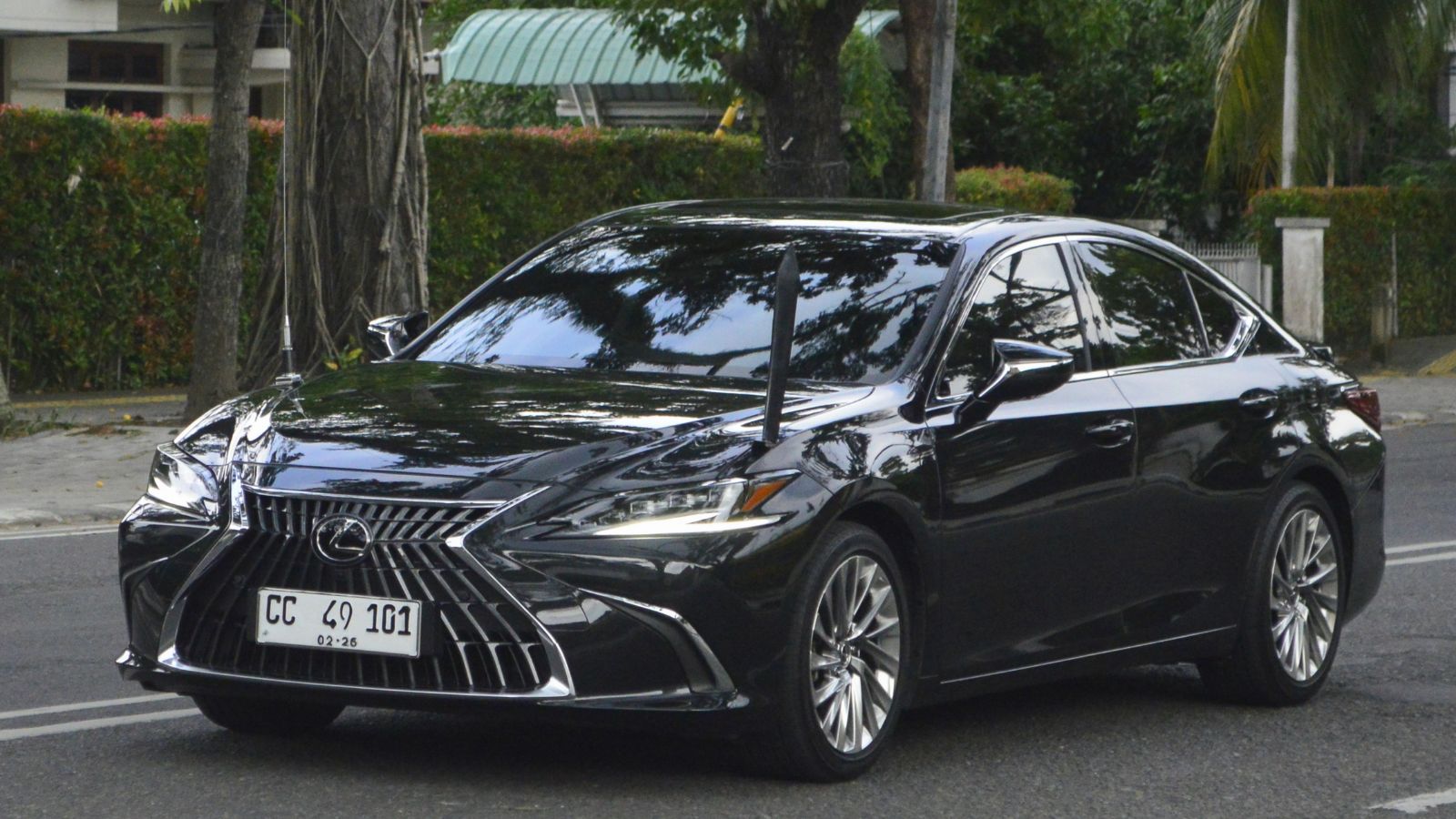
The Lexus ES Hybrid is one of the more overlooked used luxury buys in Canada. It offers a quiet cabin, comfortable ride, and premium interior without the same maintenance anxiety associated with some European luxury sedans. Because many buyers now gravitate toward SUVs, traditional luxury sedans can become interesting used-market opportunities for people who value comfort over image.
The ES Hybrid benefits from Lexus’s strong reliability reputation and Toyota’s hybrid experience. Consumer Reports placed Lexus at the top of its used-car brand reliability ranking, while iSeeCars identified the Lexus ES Hybrid among passenger cars with above-average predicted longevity. For drivers doing long highway commutes, the ES Hybrid can feel like a smart downgrade in cost but an upgrade in comfort. The key is avoiding neglected luxury examples and focusing on cars with complete records and sensible tire and brake history.
Lexus RX Hybrid
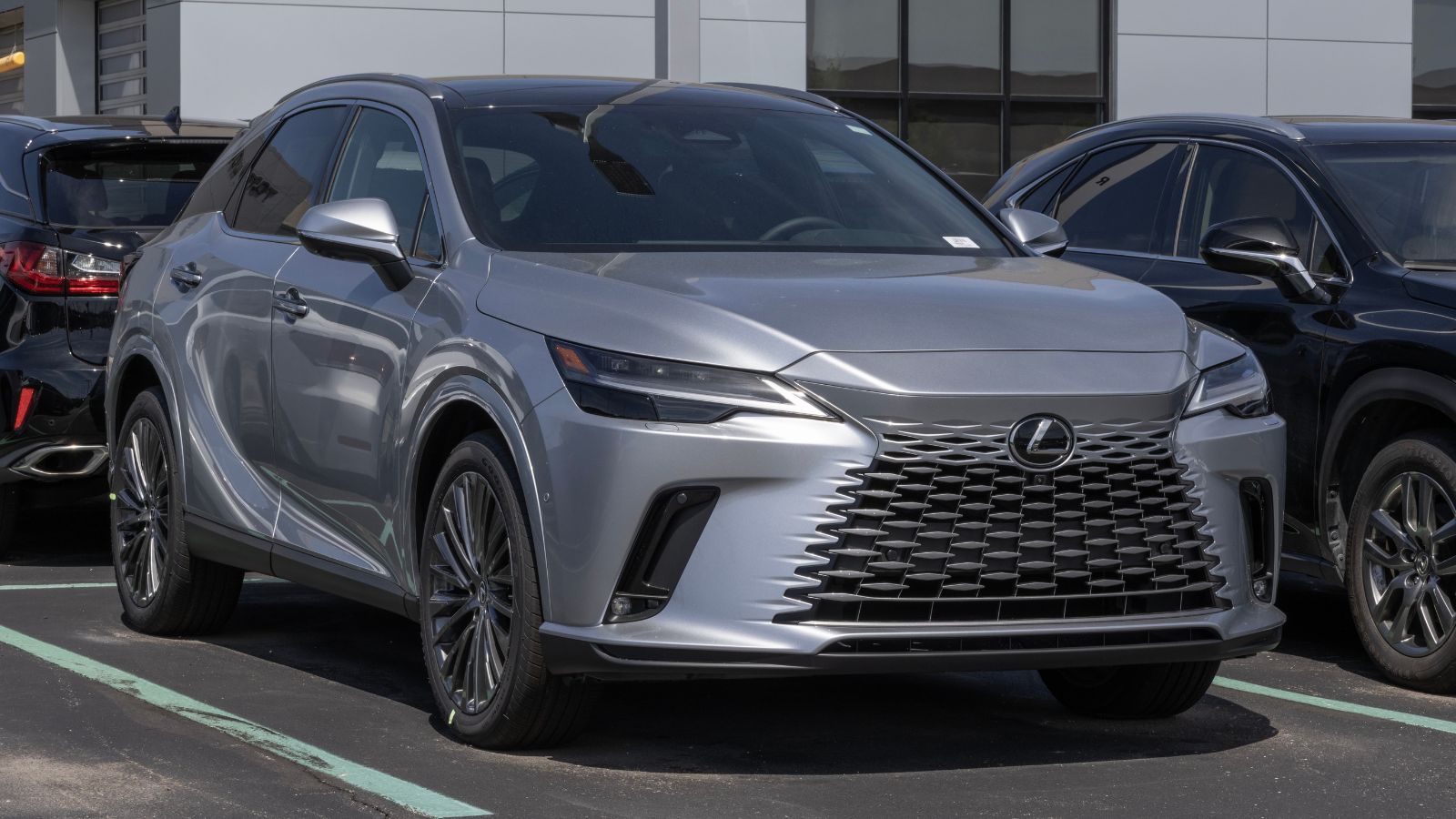
The Lexus RX Hybrid is becoming a smarter used buy for Canadians who want luxury-SUV comfort without moving into high-risk ownership territory. It is not cheap, but its value lies in combining premium features with a brand known for long-term dependability. For families moving out of a mainstream SUV, a used RX Hybrid can feel like a meaningful upgrade without the same gamble as some depreciation-heavy luxury rivals.
Its long-term case is supported by reliability and lifespan research. Lexus ranks highly in used-brand reliability, and iSeeCars listed the Lexus RX Hybrid among SUVs with an above-average predicted chance of reaching 250,000 miles. The hybrid system also helps reduce fuel use compared with many similarly sized luxury SUVs. Smart buyers should still budget for premium tires and higher insurance, but the RX Hybrid often makes more sense than a cheaper luxury SUV with weaker reliability history.
Toyota Prius
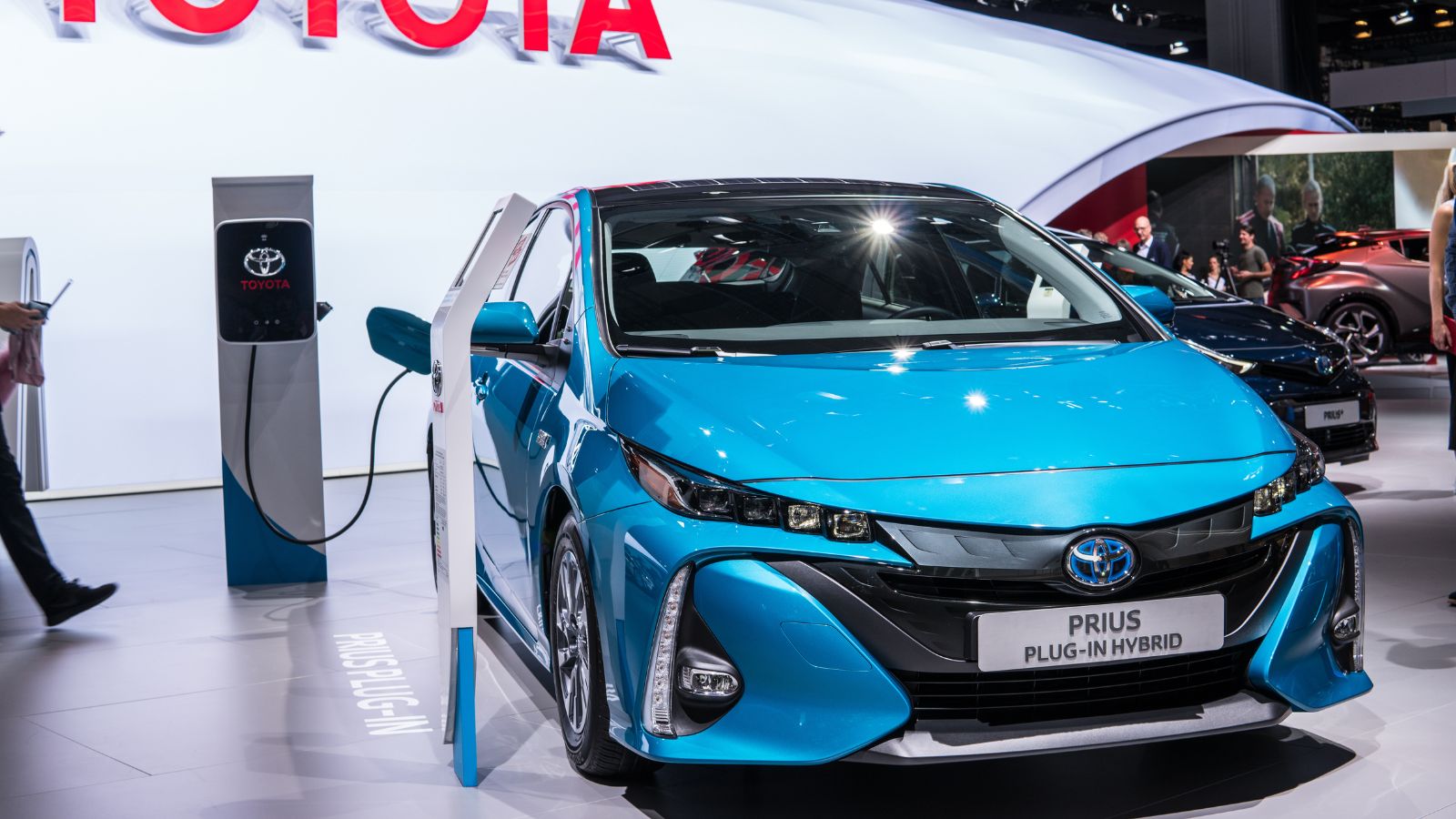
The Toyota Prius is no longer the only hybrid game in town, but that may be exactly why it is becoming smarter as a used buy. With hybrid SUVs and newer electrified models getting more attention, older Prius models can offer exceptional efficiency at prices that are easier to justify. For commuters, delivery drivers, students, and retirees, the practical savings can be significant.
The Prius has more going for it than fuel economy. Canadian Black Book placed the Prius among the top mainstream car retained-value finishers, and iSeeCars ranked it among passenger cars with above-average predicted longevity. Its hatchback layout also makes it more useful than its shape suggests. Used shoppers should check hybrid-battery health, accident history, and whether the catalytic converter has been protected or replaced, but a properly inspected Prius remains one of the most rational used vehicles in Canada.
Toyota Corolla Cross Hybrid
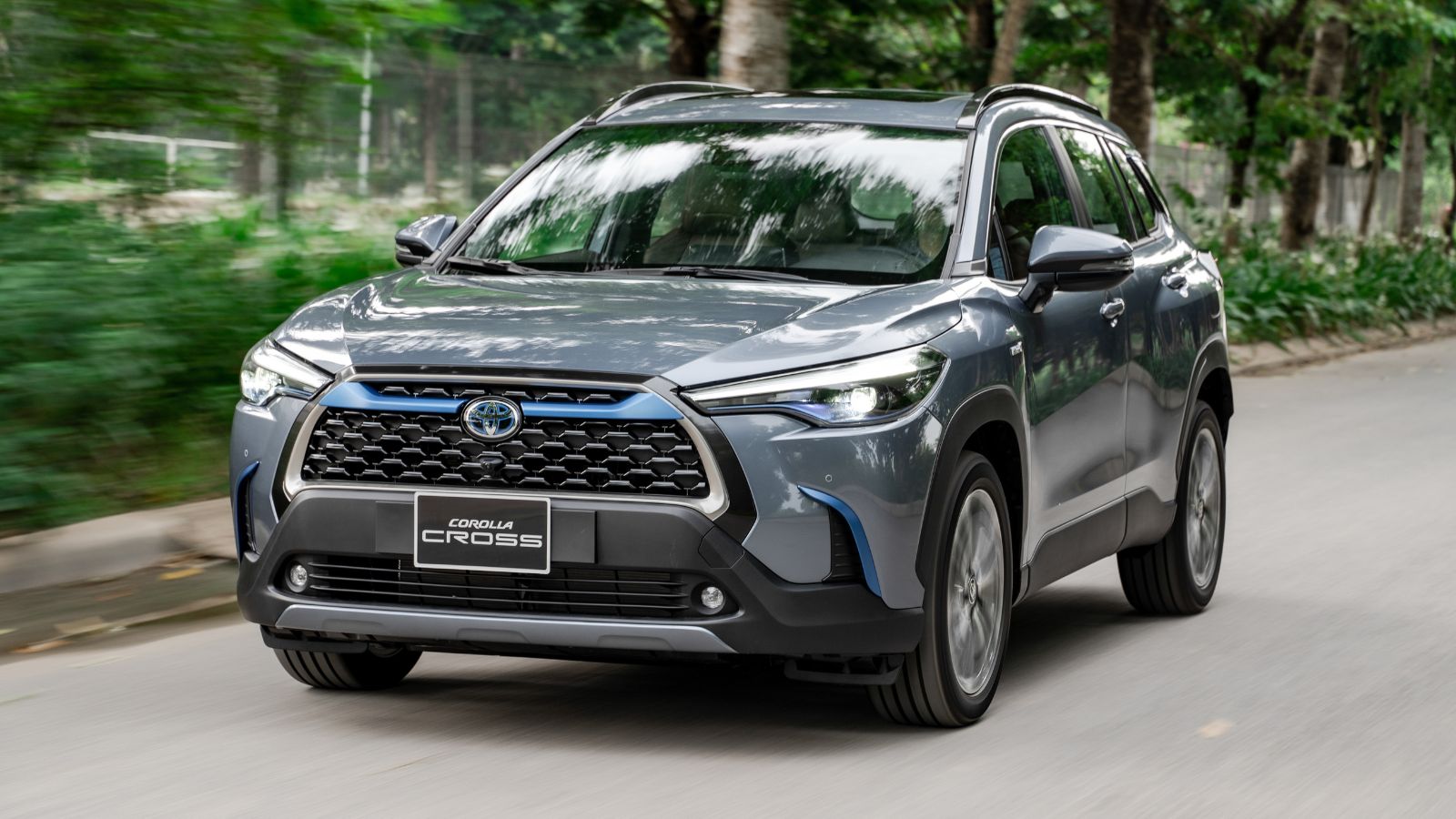
The Toyota Corolla Cross Hybrid is still relatively new on the used market, but it is already shaping up as a smarter buy for Canadians who want a small SUV without accepting heavy fuel consumption. It takes the Corolla name into a higher-riding body style, adds available all-wheel drive, and keeps the ownership proposition simple enough for mainstream buyers.
Its advantage is that it fills the gap between a compact hatchback and a full compact SUV. For buyers who considered a RAV4 but found used prices too high, the Corolla Cross Hybrid can offer a more manageable alternative. Canadian fuel-efficiency comparisons place it among the most efficient SUVs and wagons for the 2026 model year, which supports its long-term cost argument. Availability may be thinner than older models, but that scarcity also suggests demand is real. A clean used example can be worth watching closely.
Ford Maverick Hybrid
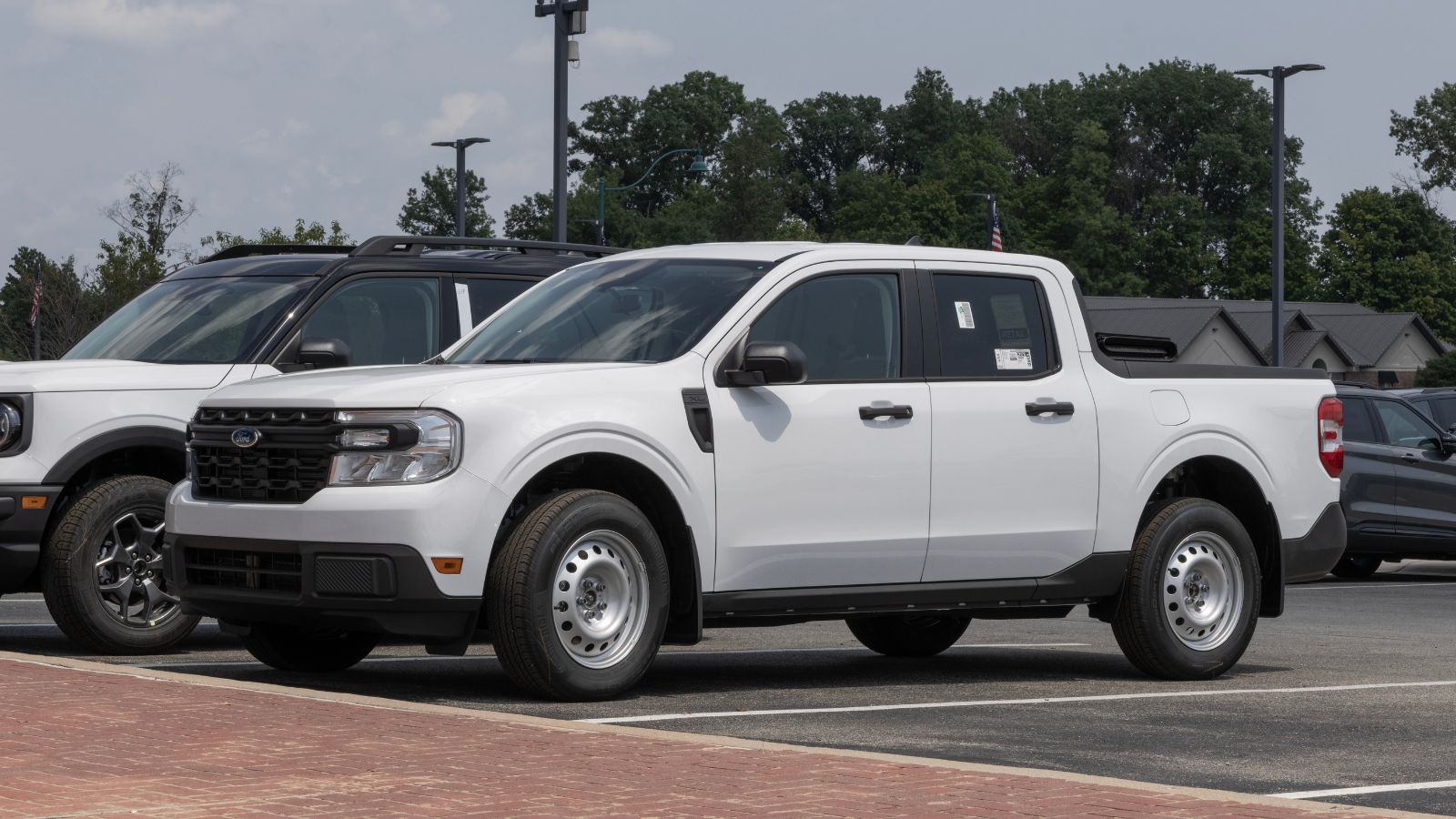
The Ford Maverick Hybrid has become one of the more interesting used buys because it challenges the idea that a pickup must be large and expensive to be useful. It gives owners an open bed for hardware-store runs, bikes, landscaping supplies, and small-business errands, while staying easier to park and fuel than traditional trucks. In cities and suburbs, that size difference matters.
Its fuel-economy case is especially strong. Canadian efficiency comparisons have placed the Maverick Hybrid as the most fuel-efficient pickup, well ahead of larger truck options. That makes it appealing for buyers who need truck utility occasionally but drive like car owners most days. Used prices can remain firm because demand is strong, and buyers should verify payload needs before assuming it can replace a full-size truck. Still, for light-duty use, it may be one of the smartest practical compromises available.
Kia Niro Hybrid
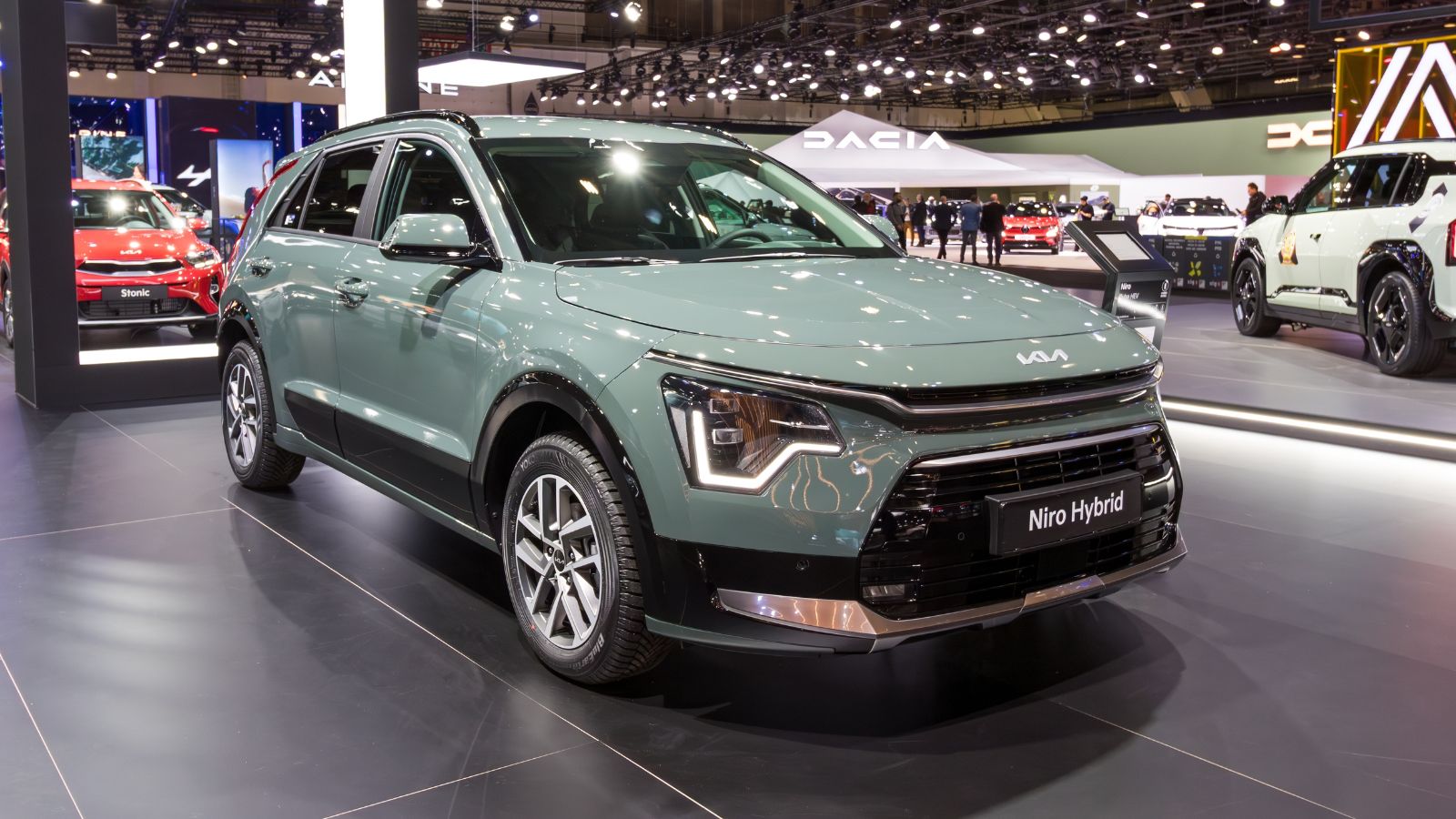
The Kia Niro Hybrid is becoming a smarter used buy because it offers excellent fuel economy in a shape that feels more useful than a small sedan. It is not a rugged SUV, but it gives drivers a higher seating position, hatchback flexibility, and manageable dimensions for city use. For many Canadian households, that is the actual need behind the SUV purchase.
Fuel-efficiency data helps explain its appeal. Recent Canadian comparisons list the Kia Niro FE as one of the most efficient vehicles available, with an extremely low combined fuel-consumption figure. That makes used examples worth considering for commuters facing unpredictable gasoline prices. Buyers should compare hybrid, plug-in hybrid, and EV versions carefully because ownership experience differs by charging access and warranty status. A conventional Niro Hybrid can be the simplest version to own, especially for drivers without home charging.
Hyundai Kona Electric
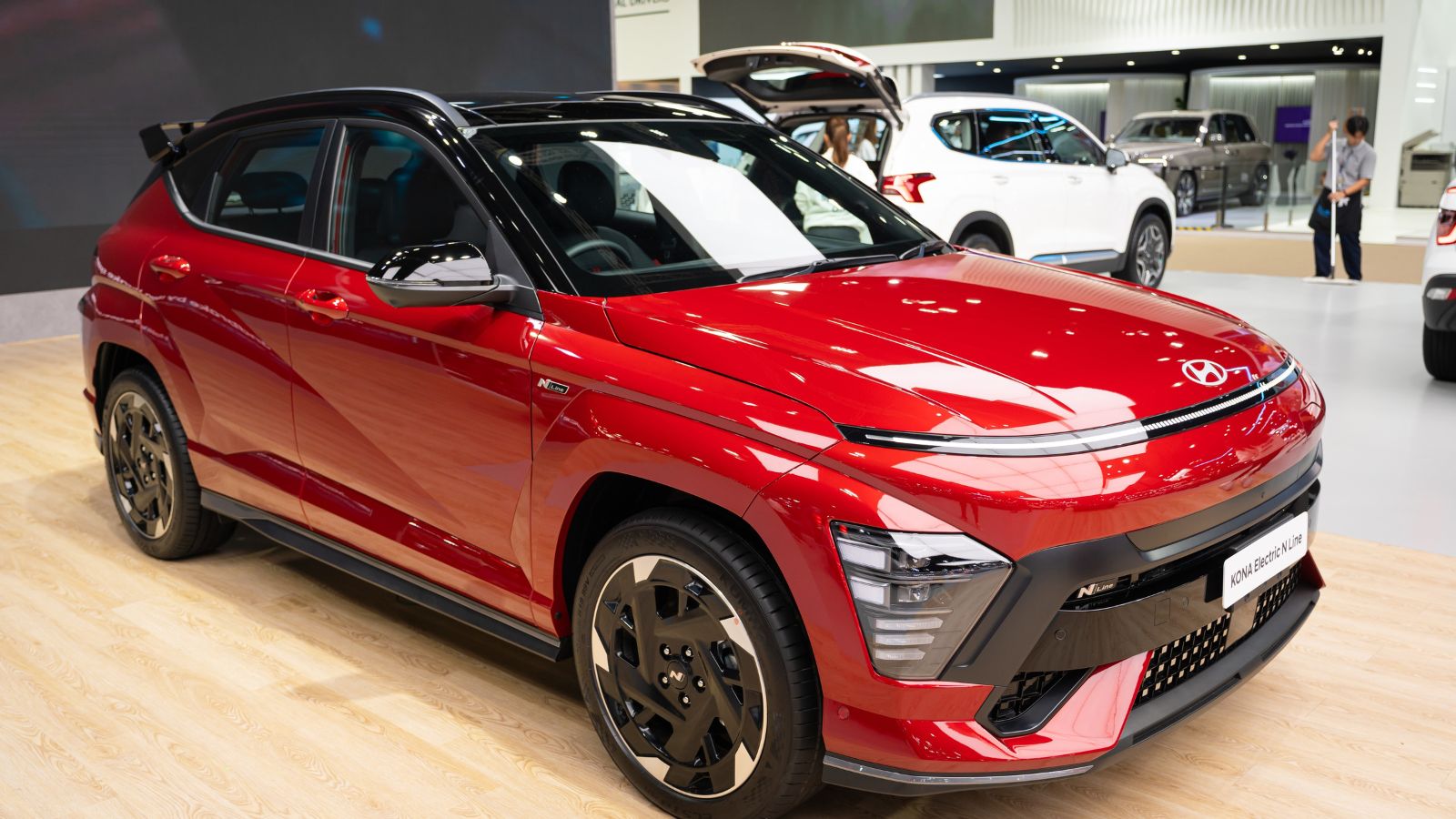
The Hyundai Kona Electric is becoming a smarter used buy for Canadians who can charge at home and do not need a large vehicle. Early EV depreciation has made some used electric models more approachable, and the Kona Electric’s compact size suits urban commuting well. It can be particularly attractive in provinces where electricity is relatively affordable and charging infrastructure is improving.
The smarter-buy case depends heavily on lifestyle. A buyer with indoor or driveway charging may see meaningful operating-cost benefits, while someone relying on public charging in winter may find the experience less convenient. Canada’s federal ZEV information notes that some provinces support incentives for new or used zero-emission vehicles, which can improve affordability depending on location. Before buying, shoppers should confirm battery health, remaining warranty coverage, charging equipment, and recall status. The right example can be efficient, quiet, and surprisingly cost-effective.
Chevrolet Bolt EV
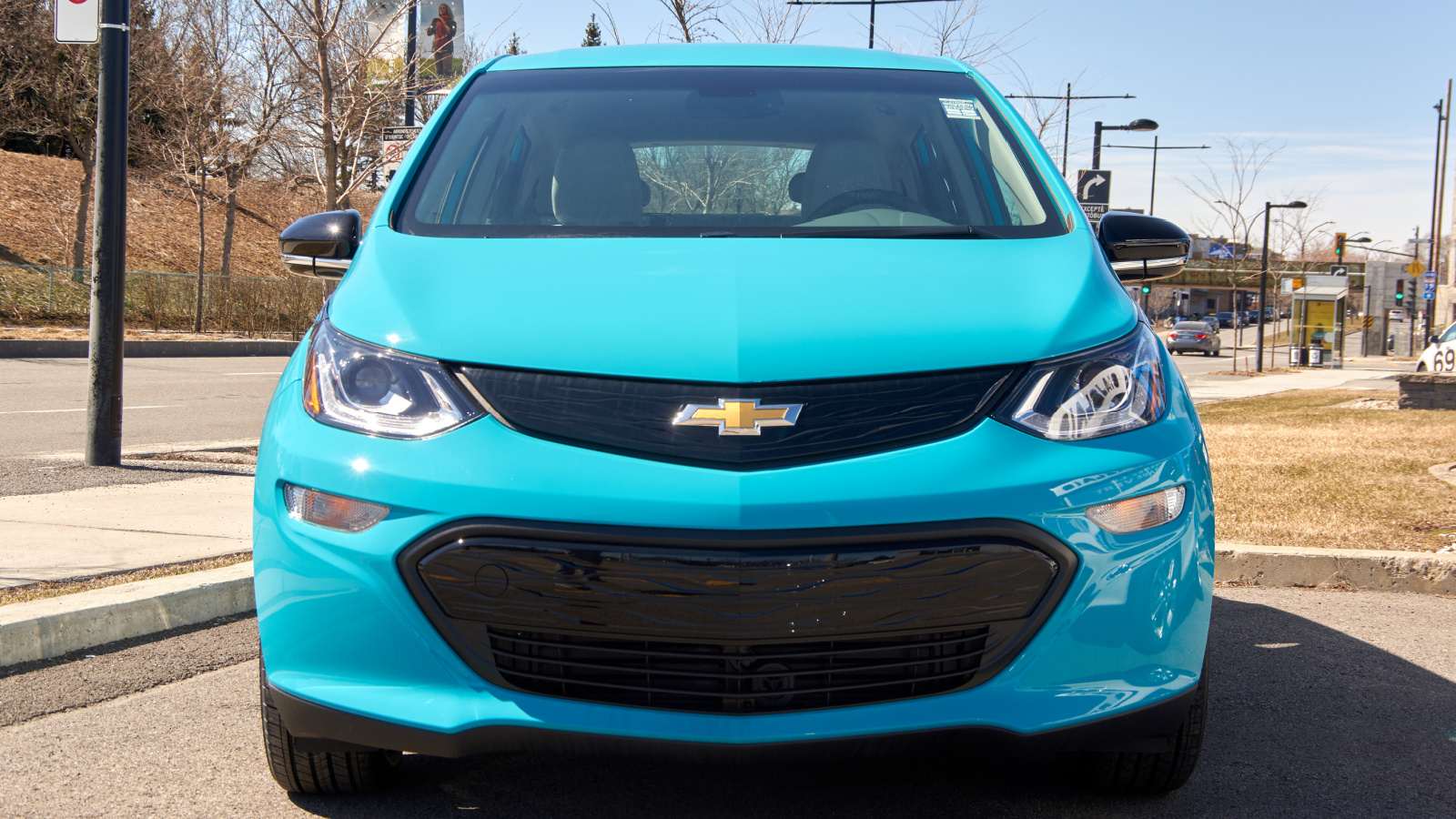
The Chevrolet Bolt EV has quietly become a more compelling used buy as prices have softened and buyers better understand its strengths and limitations. It is not a luxury EV, and it does not charge as quickly as some newer electric vehicles, but it offers practical range for many daily routines. For a commuter with home charging, that can be more important than badge prestige.
Canadian Black Book recognized the Chevrolet Bolt EV in its 2025 retained-value awards for mainstream battery-electric cars, which shows that demand has not disappeared despite the model’s complicated history. Used shoppers should pay close attention to battery recall completion, warranty documentation, and charging needs. The Bolt is best viewed as a practical local and regional vehicle rather than a road-trip machine. In that role, it can be one of the more affordable ways into electric driving in Canada.
Mazda CX-5
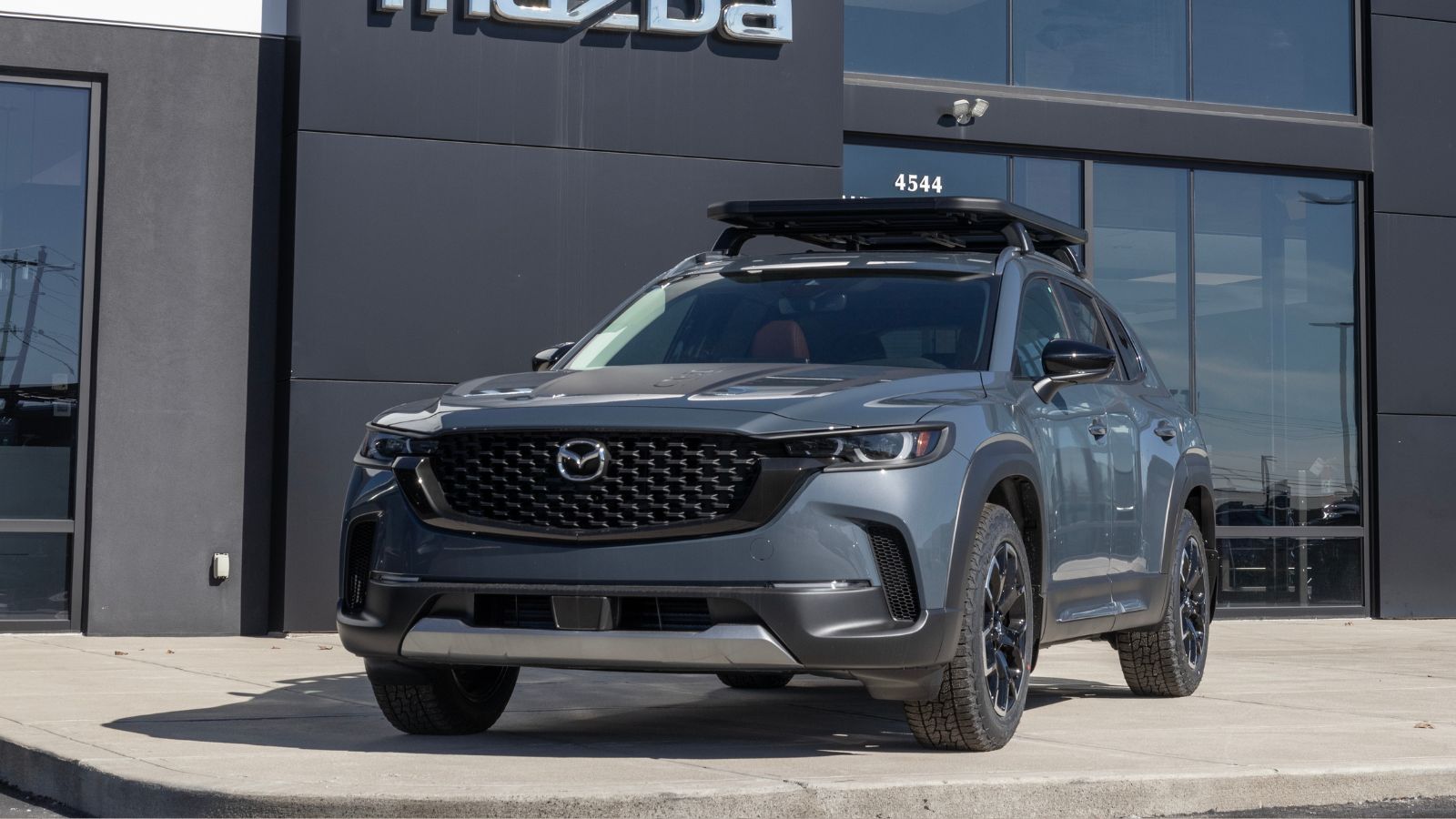
The Mazda CX-5 is becoming a smarter used buy because it gives compact-SUV buyers a more premium feel without requiring luxury-brand money. Its cabin design, steering feel, and road manners often stand out against more appliance-like competitors. For Canadians who want an SUV but dislike the disconnected feel of some crossovers, the CX-5 has a strong everyday personality.
Reliability rankings support its appeal. Consumer Reports placed Mazda third in its used-brand reliability ranking, and the CX-5 has also appeared in safety-award discussions over multiple model years. The ownership equation is not just emotional; a good CX-5 can combine upscale comfort, available all-wheel drive, and reasonable long-term risk. Used shoppers should compare engine choices, inspect for rust protection in harsh-winter regions, and review maintenance records. When priced below equivalent RAV4 or CR-V examples, it can look especially smart.
Toyota Sienna Hybrid
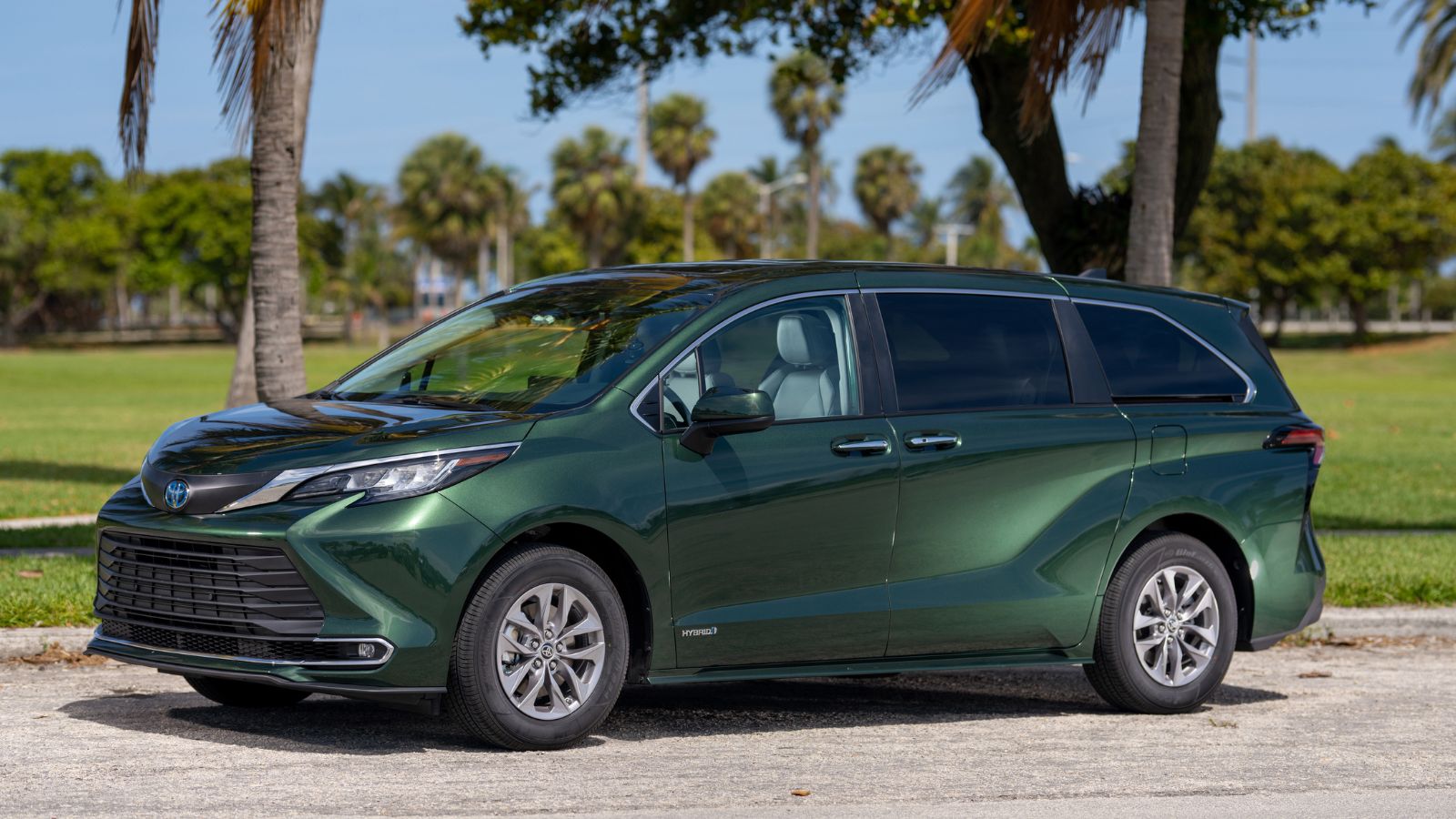
The Toyota Sienna Hybrid is becoming a smarter used buy because it solves problems that three-row SUVs often create. It has sliding doors, adult-friendly space, excellent cargo flexibility, and hybrid fuel economy that many larger SUVs cannot match. For families with car seats, sports bags, grandparents, or road-trip gear, a minivan often works better than a fashionable SUV.
The Sienna’s value case is reinforced by dependability recognition. J.D. Power included the Toyota Sienna among Toyota Motor Corporation’s model-level award recipients in its 2025 Vehicle Dependability Study, while Canadian fuel-efficiency lists show the Sienna among efficient larger vehicles. Used prices can be strong because supply is limited and demand is steady, but the higher upfront cost may be offset by practicality and fuel savings. For families who keep vehicles long-term, the Sienna Hybrid may be the smarter buy hiding in plain sight.
22 Things Canadians Do to Their Cars in Spring That Mechanics Hate

Spring brings relief to many Canadian drivers after months of snow, freezing temperatures, and icy roads that put serious strain on vehicles. As temperatures rise across the country, drivers begin washing cars, switching tires, and preparing vehicles for warmer weather and upcoming road trips. However, mechanics across Canada notice the same mistakes every spring when drivers attempt to recover from winter damage. Road salt, potholes, and harsh winter driving conditions often leave vehicles with hidden problems that drivers ignore. Some spring habits even create new mechanical issues that could have been avoided with proper maintenance. Here are 22 things Canadians do to their cars in spring that mechanics hate.