


























Used-vehicle shopping in Canada feels different now than it did during the peak of pandemic-era pricing. Inventory has improved in several segments, some inflated models have cooled, and buyers are again finding sensible options that do not require paying near-new money for an older vehicle.
These 16 used vehicles stand out because they combine stronger value, proven practicality, better availability, or price corrections that make them more appealing than they were a few years ago. None is a guaranteed bargain without a proper inspection and history check, but each has a clearer case today than it did when used prices were at their most frustrating.
Hyundai Kona Electric
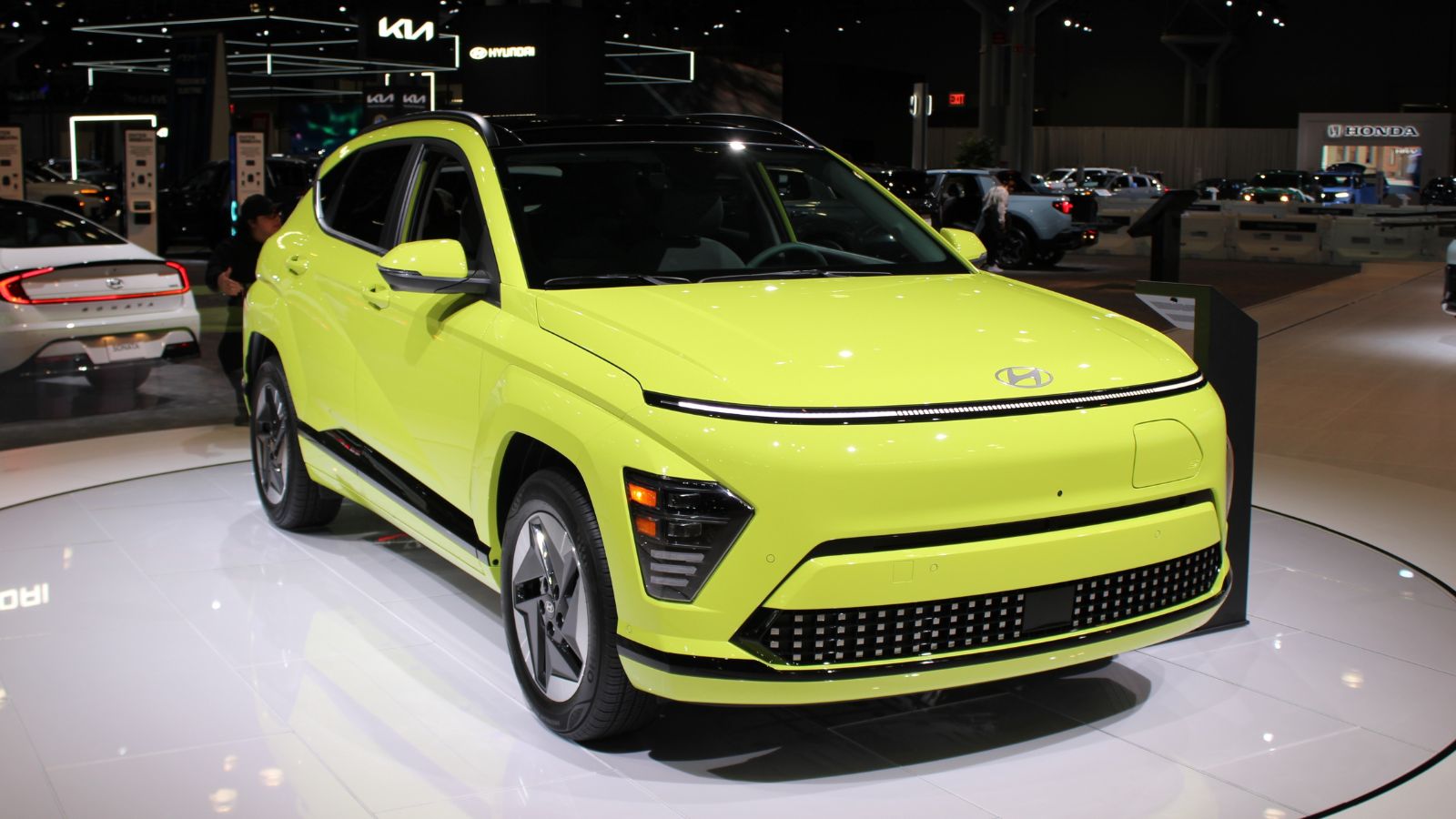
The Hyundai Kona Electric is finally becoming interesting on the used market because early EV depreciation has made some examples much more accessible. When new, it was often priced like a bold leap into electrification. Used, it can look more like a practical commuter with low operating costs, especially for buyers who can charge at home. Its compact size also suits dense Canadian cities where parking and daily range matter more than huge cargo capacity.
The value depends heavily on lifestyle. A Kona Electric makes the most sense for predictable daily driving, not for households that regularly tow, road-trip in remote areas, or lack reliable charging. Battery warranty status, charging history, winter range expectations, and recall completion should all be checked carefully. For the right buyer, however, the Kona Electric’s used price correction makes it a far more realistic alternative to a gas subcompact SUV than it was a few years ago.
Mazda3
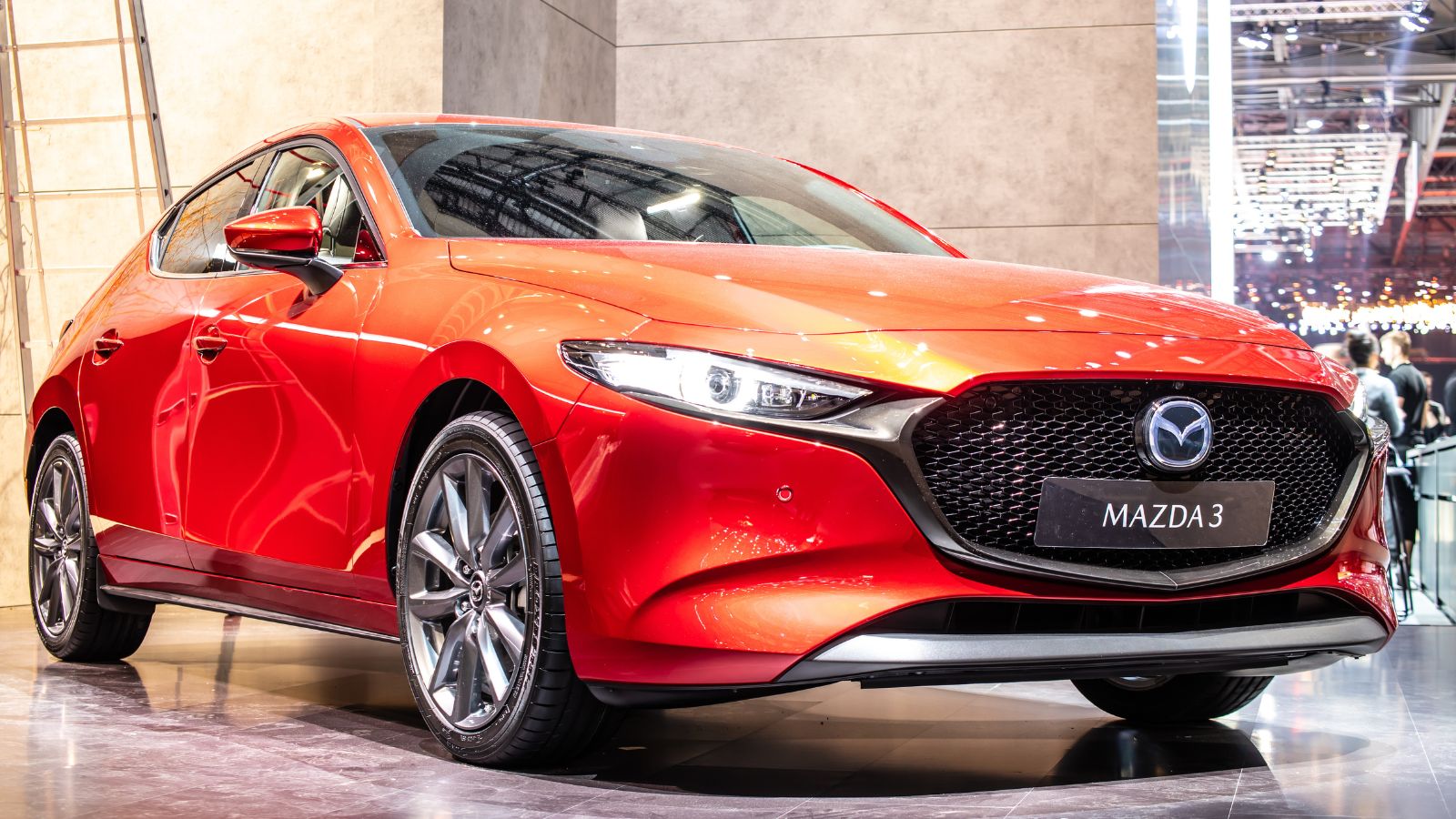
The Mazda3 deserves renewed attention because it often sits in the sweet spot between budget transportation and a car that still feels polished every day. Used compact cars were heavily picked over during the tightest market years, but the Mazda3’s broad availability in sedan and hatchback form gives shoppers more choice than many rivals. The 2019-and-newer generation also brought a more premium cabin, available all-wheel drive, and a quieter road feel than earlier small cars were known for.
For Canadian buyers, that matters because a used vehicle has to handle more than a short test drive. A Mazda3 can commute through slushy city streets, park easily in dense neighbourhoods, and still feel composed on highway runs between cities. It is especially worth a second look for shoppers who want something nicer than a basic economy car without moving into luxury-brand repair costs. A clean service record and rust inspection remain important, particularly in salt-heavy provinces.
Honda Civic
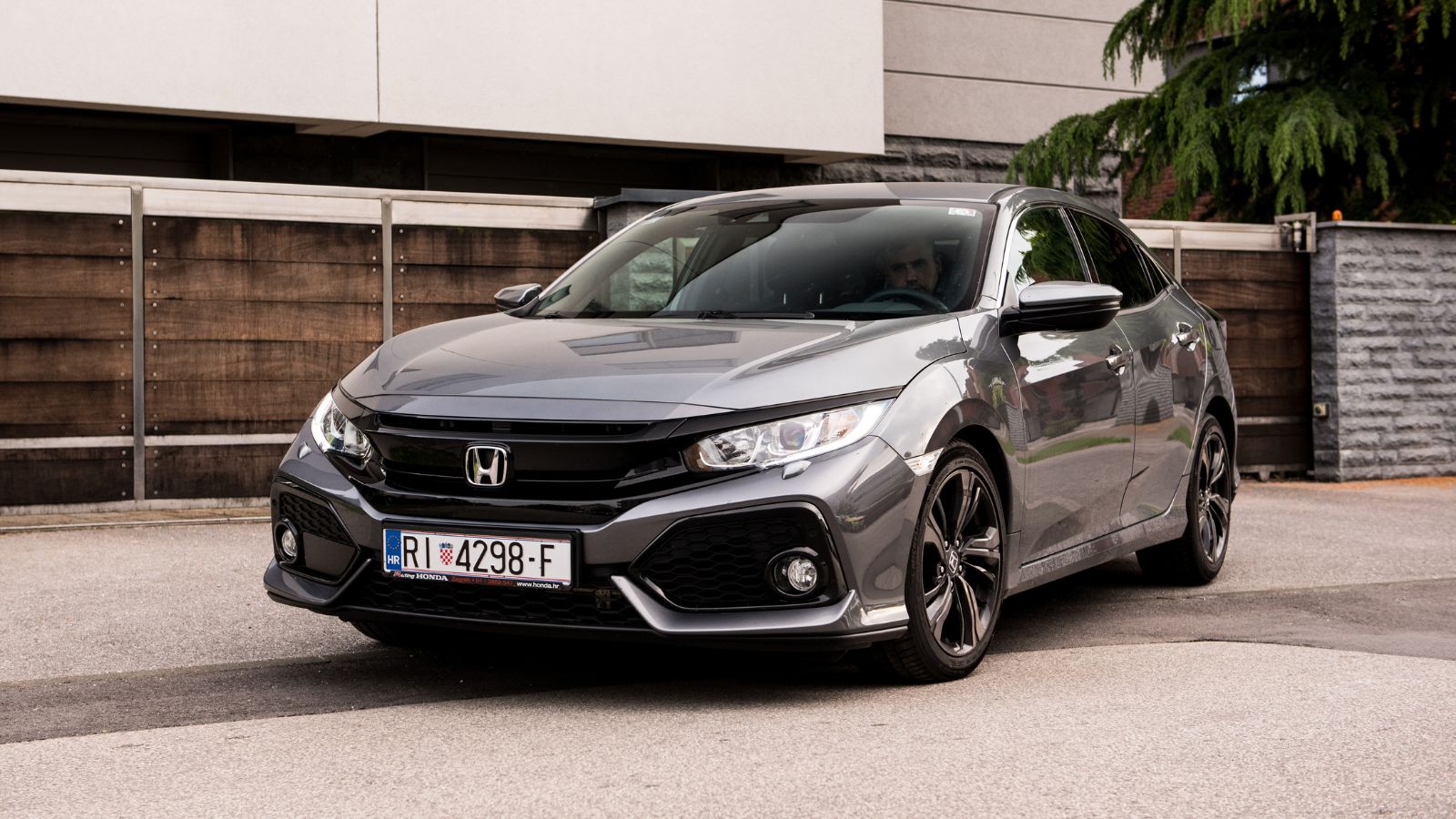
The Honda Civic was never ignored in Canada, but for several years it often felt too expensive on the used market. That is starting to change as more recent model years enter the pre-owned pool and shoppers become more selective about mileage, trim, and financing costs. The Civic’s advantage is simple: it offers familiar reliability, efficient engines, strong parts availability, and enough space to work as a small family car rather than just a commuter.
A used Civic is especially appealing when priced below newer compact SUVs that may not offer much more real-world usefulness. The sedan’s trunk is generous, the cabin packaging is smart, and fuel costs remain manageable for high-kilometre drivers. The best examples are not always the cheapest listings; accident history, turbo maintenance, tire condition, and brake wear can change the value picture quickly. Still, when the price is realistic, the Civic remains one of the safer bets in Canada’s compact segment.
Toyota Corolla
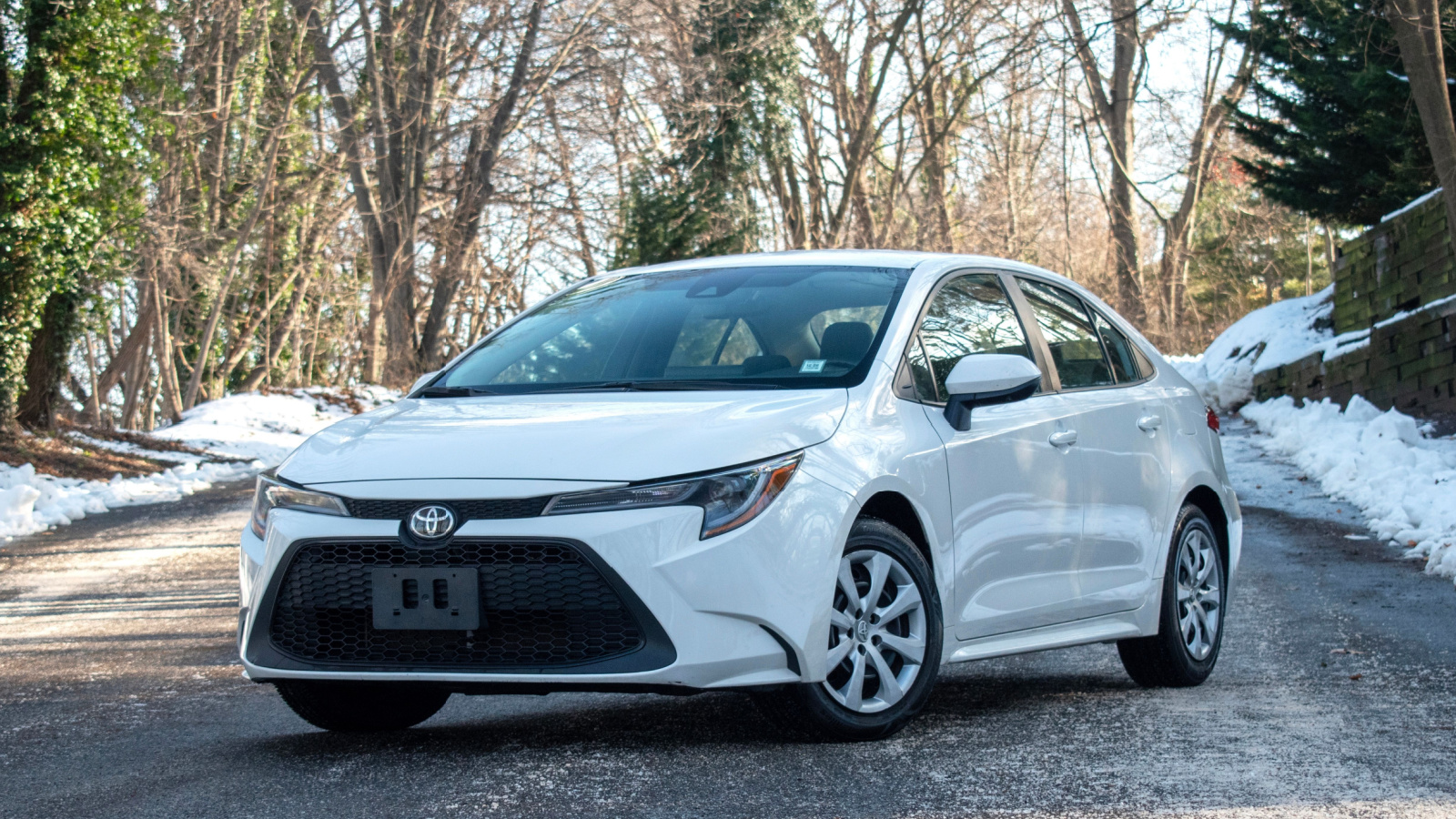
The Toyota Corolla is worth another look precisely because it is not trying to be exciting. Canadian households often need one dependable vehicle that starts in February, sips fuel in traffic, and does not turn every repair visit into a financial event. The Corolla has long served that role, and used examples from recent generations now offer modern safety features, improved driving manners, and, in some cases, hybrid powertrains.
The value story becomes stronger when shoppers compare it with small SUVs that cost more to buy, insure, fuel, and tire. A Corolla may not have the ride height many buyers want, but it can deliver lower running costs over years of ownership. It is a particularly sensible choice for students, retirees, delivery-light workers, and families needing a second vehicle. As always, the right Corolla is one with consistent maintenance, no suspicious gaps in its history, and a price that reflects its kilometres rather than its reputation alone.
Toyota Prius
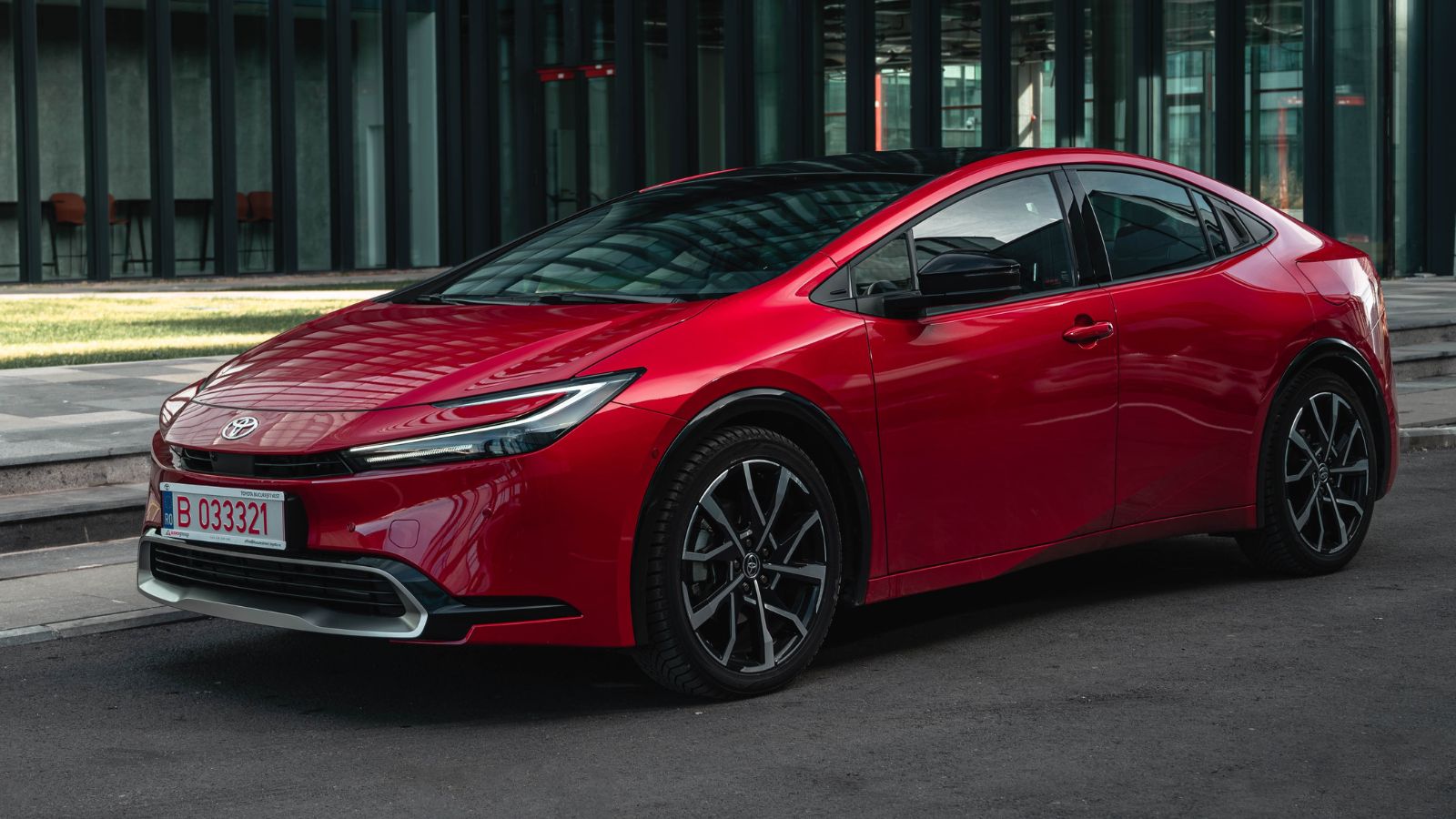
The Toyota Prius is no longer just a niche choice for early hybrid adopters. In the used market, it has become a practical answer to high fuel costs, especially for drivers who spend much of their time in stop-and-go traffic. Earlier concerns about hybrid complexity have faded as Toyota’s hybrid systems have built a long track record, though battery health and maintenance history still deserve careful attention before purchase.
A Prius makes the most sense for buyers who measure value over several years, not just on the day of purchase. Its hatchback shape is useful, its fuel economy remains excellent, and many examples have been used gently by owners who prioritized efficiency over hard driving. In Canada, it is not the perfect vehicle for every rural or winter-heavy household, but with proper tires it can serve urban and suburban drivers very well. A pre-purchase inspection by a hybrid-aware technician is still money well spent.
Toyota Camry Hybrid
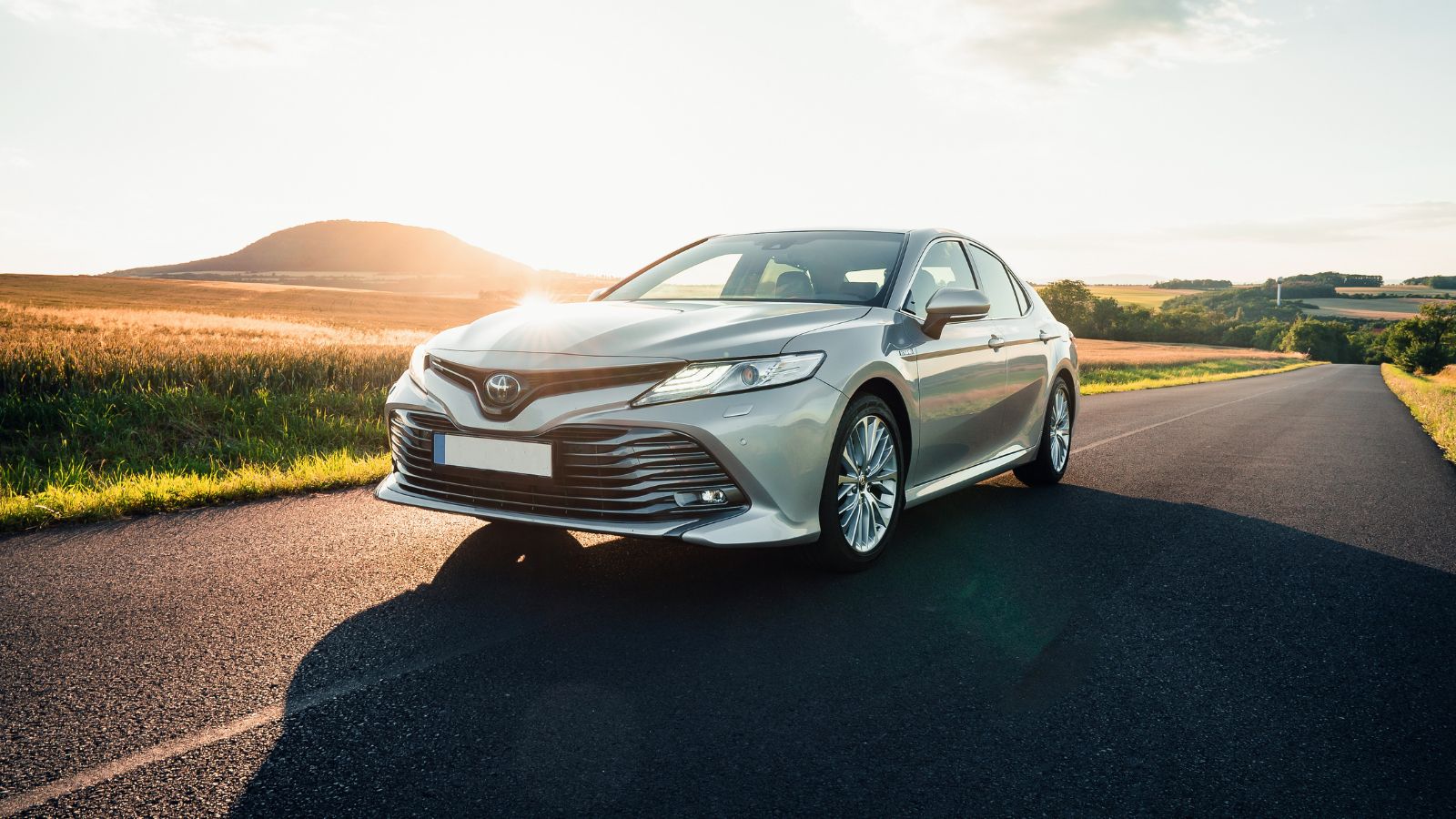
The Toyota Camry Hybrid is one of those used vehicles that can feel almost too sensible to notice. It offers a roomy cabin, strong fuel economy, and a calmer driving experience than many compact crossovers. As Canadian buyers reconsider whether every household needs an SUV, a used Camry Hybrid becomes more convincing, especially for commuters who cover long distances and want comfort without luxury-brand complexity.
Its appeal grows when fuel prices rise or when families realize how much highway driving they actually do. A Camry Hybrid can carry adults comfortably, handle luggage better than many expect, and deliver efficiency that makes some smaller gas-only vehicles look less impressive. The key is finding one that has not been neglected by fleet use or high-mileage ride-hailing work. With proper records, battery-system checks, and normal wear items accounted for, it can be a quietly excellent long-term buy.
Toyota RAV4 Hybrid
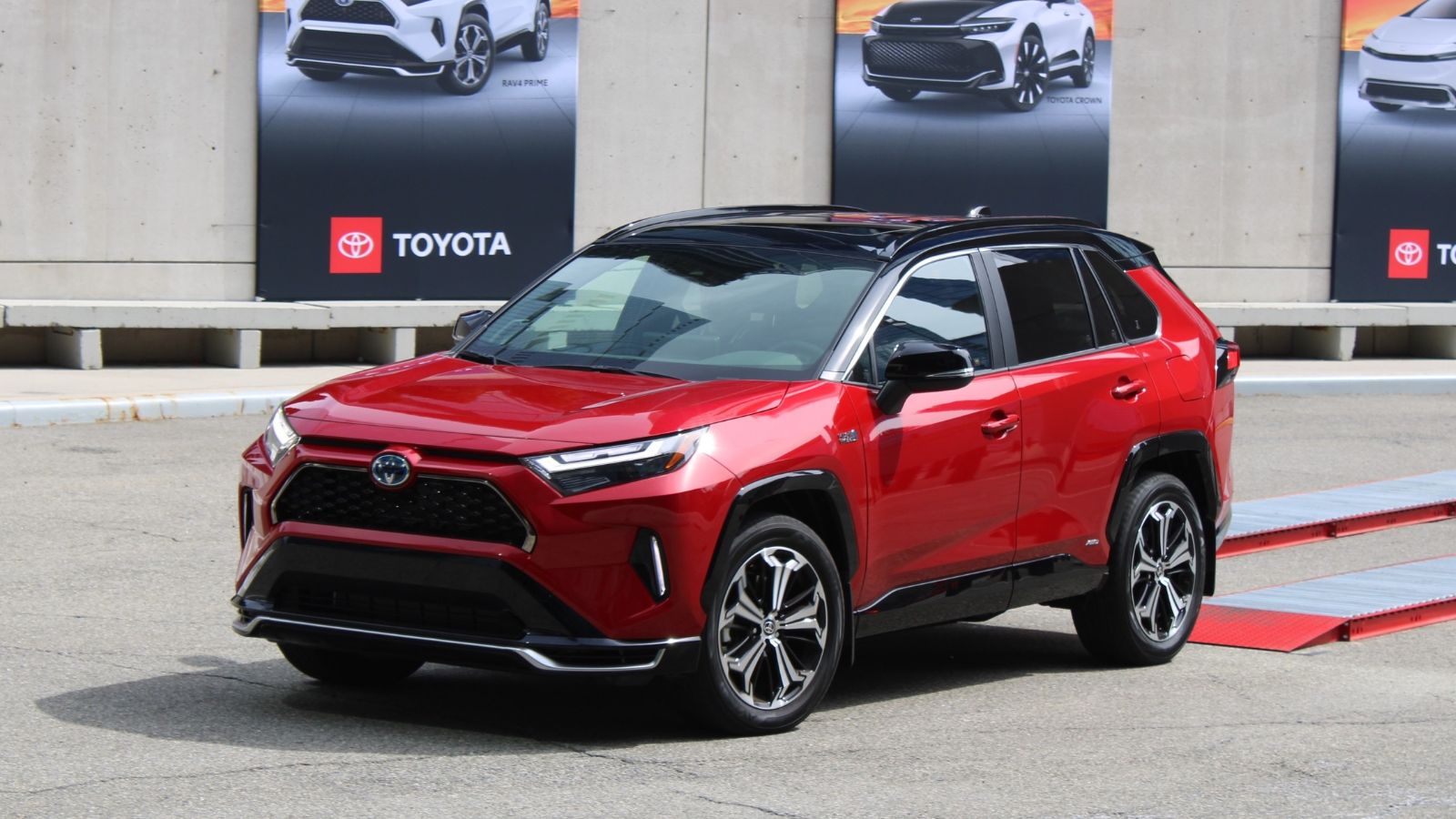
The Toyota RAV4 Hybrid was difficult to find at sensible used prices for years because demand was so strong. It is still not cheap, but it has become worth a closer look as more examples enter the market and buyers compare it with newer SUVs carrying higher payments. The reason is easy to understand: it blends compact-SUV practicality with fuel economy that feels unusually good for an all-wheel-drive family vehicle.
For Canadian households, the RAV4 Hybrid fits many real-life needs at once. It has useful cargo space, available all-wheel drive, a reputation for durability, and efficiency that helps offset the cost of winter tires, insurance, and maintenance. It is not the bargain choice in this group, but value is not only about the lowest sticker price. A well-maintained RAV4 Hybrid can make sense when the alternative is an underpowered gas SUV with similar pricing and much higher fuel consumption.
Mazda CX-5
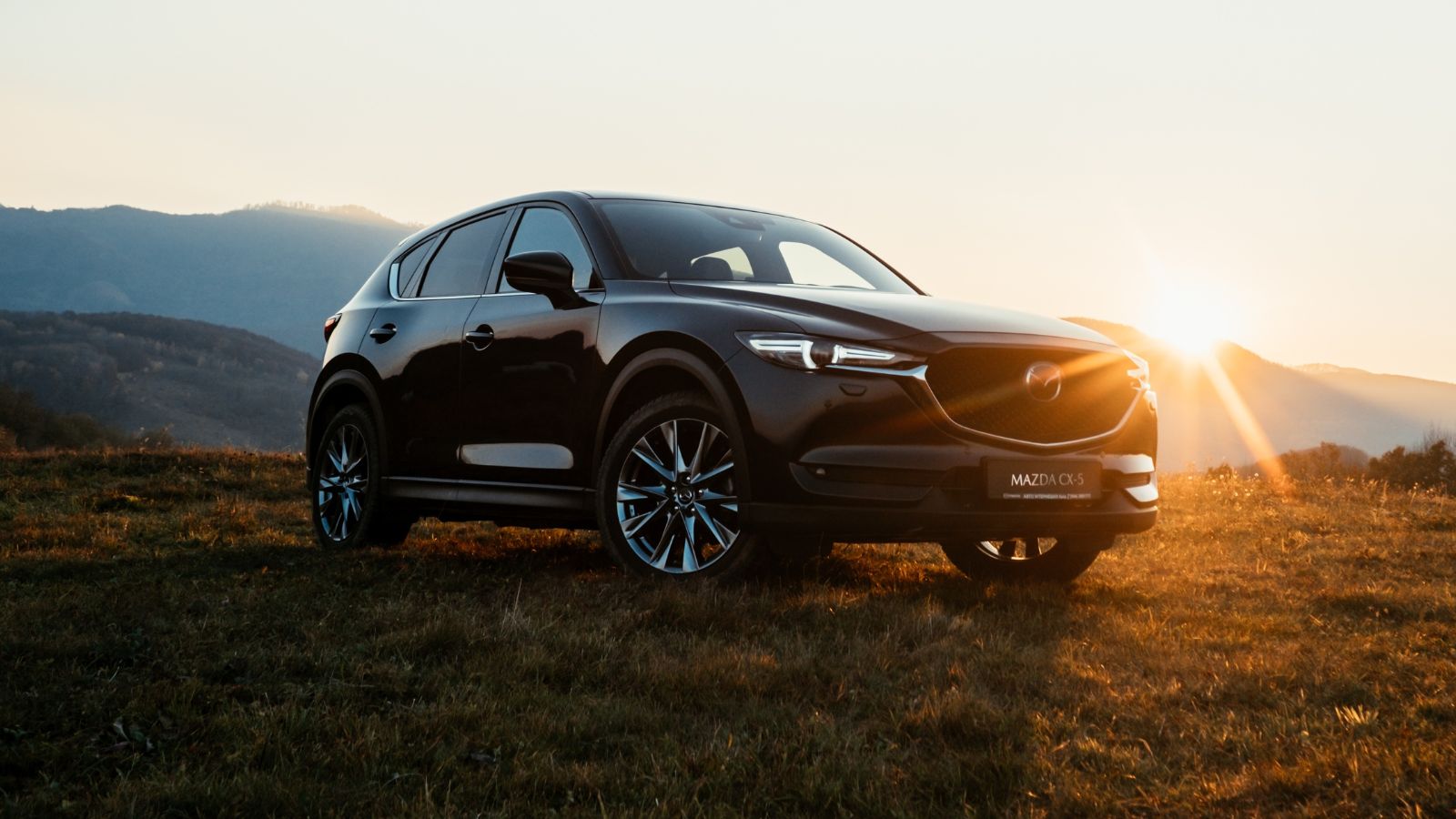
The Mazda CX-5 is finally easier to appreciate as a used buy because it offers a more refined feel than many mainstream compact SUVs without always commanding Toyota or Honda pricing. Its cabin, steering, and road manners give it a slightly upscale personality, which can make an older CX-5 feel fresher than its age suggests. That matters in Canada, where compact SUVs often become all-purpose family vehicles for commuting, errands, cottage trips, and winter driving.
A used CX-5 is especially attractive for shoppers who do not need maximum cargo volume but still want all-wheel drive and a comfortable interior. The naturally aspirated engine versions are often the simpler long-term bet, while turbocharged models should be checked more carefully for maintenance history. It is also wise to inspect paint, brakes, suspension, and rust-prone areas. When the example is clean, the CX-5 can feel like one of the more satisfying value plays in the compact-SUV aisle.
Honda CR-V
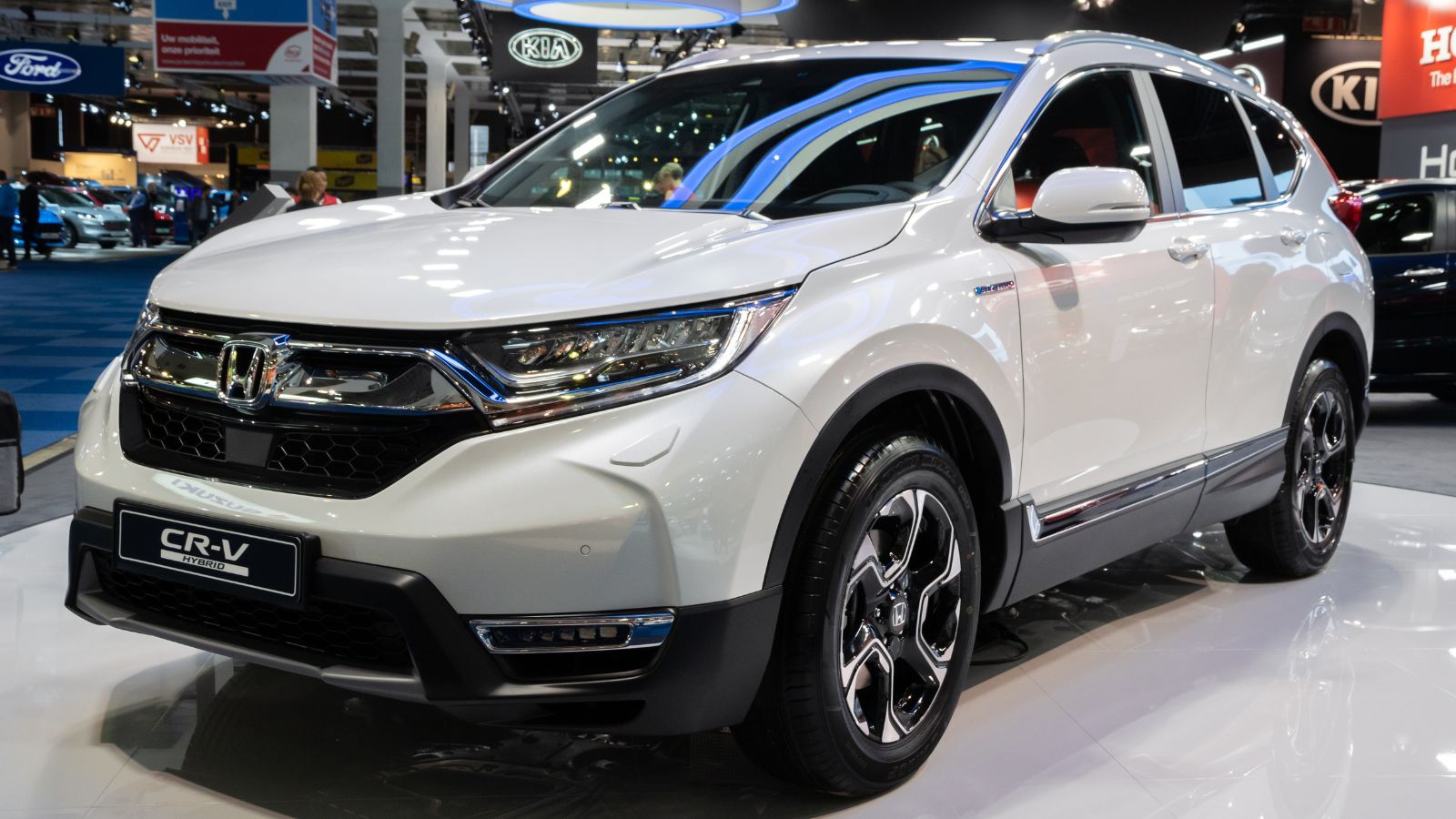
The Honda CR-V remains one of Canada’s most familiar compact SUVs, but it only becomes a truly appealing used buy when the price cools enough to reflect age and mileage. That is why it deserves a second look now. Many families still like its upright cabin, practical cargo area, easy driving manners, and strong resale history, but the best value is usually found by being patient rather than chasing the first low-kilometre listing.
A CR-V can be a smart used choice for households that need space but do not want to jump into a larger, thirstier three-row SUV. It is easy to live with, easy to park, and widely supported by independent mechanics and dealers. Buyers should pay attention to service records, tire wear, brake condition, and any known model-year issues. A properly maintained CR-V is rarely the flashiest choice, but that is part of the appeal: it simply does the family-vehicle job well.
Subaru Forester
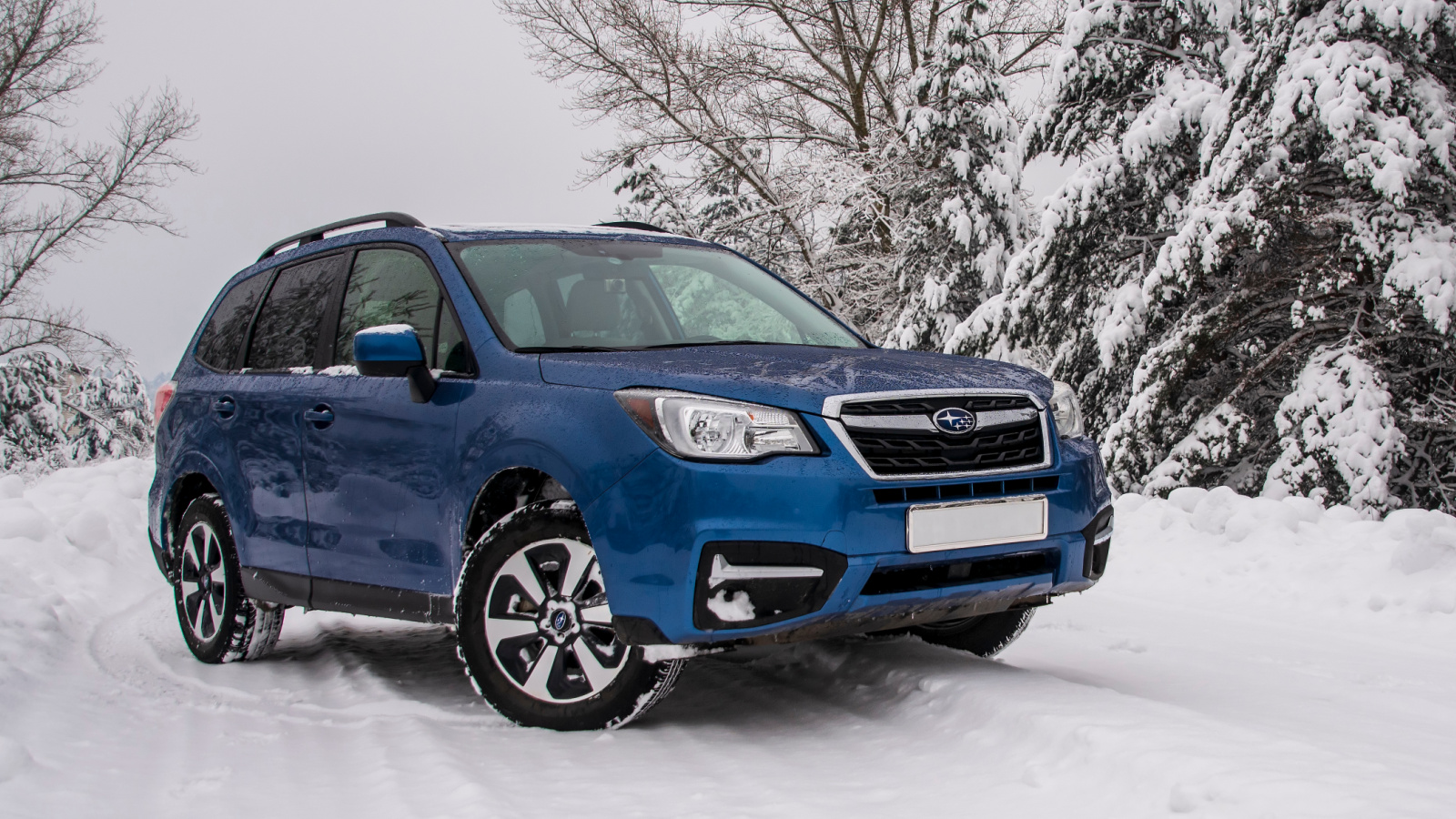
The Subaru Forester has become easier to recommend again as used compact-SUV prices become less overheated. Its standard all-wheel drive, tall greenhouse, strong visibility, and practical cargo area make it particularly suited to Canadian drivers who deal with snow, rural roads, pets, outdoor gear, or frequent bad-weather commuting. It feels less style-driven than many crossovers, but that straightforward personality is exactly what many buyers want.
The Forester is not a vehicle to buy blindly. Older Subaru models developed reputations for certain costly repairs, so model year, engine condition, service history, and inspection quality matter. Still, later examples can be very useful buys when priced fairly. For families in places where winter traction matters more than horsepower, the Forester’s appeal is obvious. It is especially compelling when compared with front-wheel-drive SUVs that look similar on paper but feel less confident when roads turn icy.
Subaru Outback
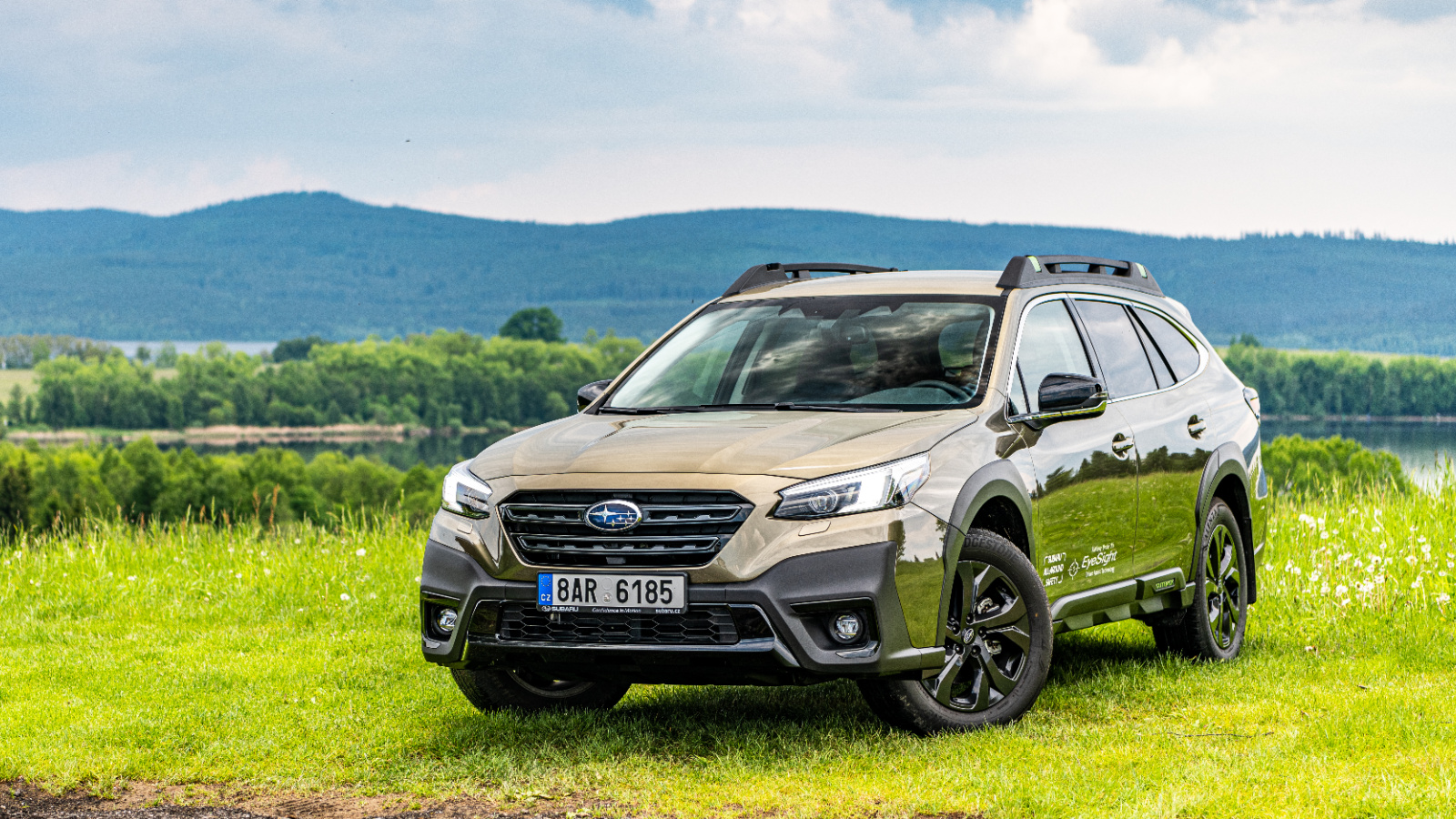
The Subaru Outback sits in an unusual space between wagon and SUV, which is exactly why it is worth a second look. Many Canadian buyers moved aggressively toward taller crossovers, but the Outback delivers much of the same utility with a lower roofline, comfortable ride, generous cargo area, and standard all-wheel drive. Used examples can offer strong value for drivers who want winter confidence without stepping into a full-size SUV.
The Outback is particularly appealing for highway-heavy households, dog owners, skiers, and people who carry long items more often than bulky ones. It has a practical, outdoorsy personality without feeling too truck-like. As with the Forester, buyers should insist on proper maintenance records and a thorough inspection, especially for suspension, tires, brakes, fluid leaks, and signs of hard use. A clean Outback can be one of the more versatile used vehicles in Canada when priced below trendier compact SUVs.
Ford Escape Hybrid
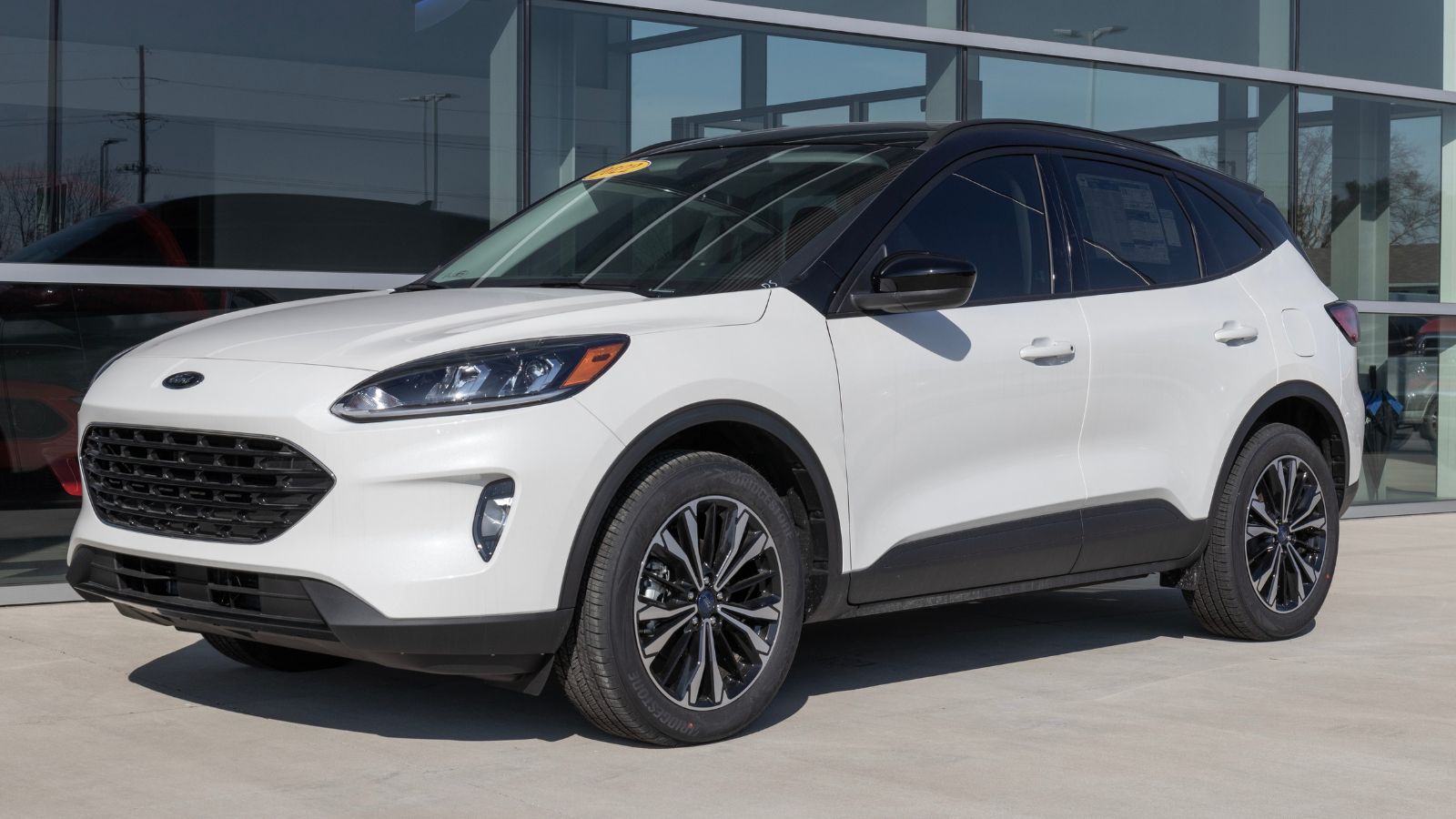
The Ford Escape Hybrid is a used vehicle many shoppers overlook because hybrid attention often goes straight to Toyota. That creates an opportunity. The Escape Hybrid offers compact-SUV practicality, good fuel economy, available all-wheel drive, and a more familiar driving feel than some efficiency-focused vehicles. For families who want lower fuel bills but still need a hatch, cargo room, and a winter-friendly footprint, it is worth a fresh look.
Its strongest case comes in real-world commuting. A hybrid system is most useful where traffic, short trips, and cold starts normally punish fuel economy. In that setting, the Escape Hybrid can feel like a practical compromise between a gas SUV and a full EV. Buyers should check service history, recalls, battery-system condition, and whether the vehicle has been used commercially. When the paperwork is clean and the price is meaningfully below better-known hybrid SUVs, the Escape Hybrid can be a smart Canadian buy.
Nissan Leaf
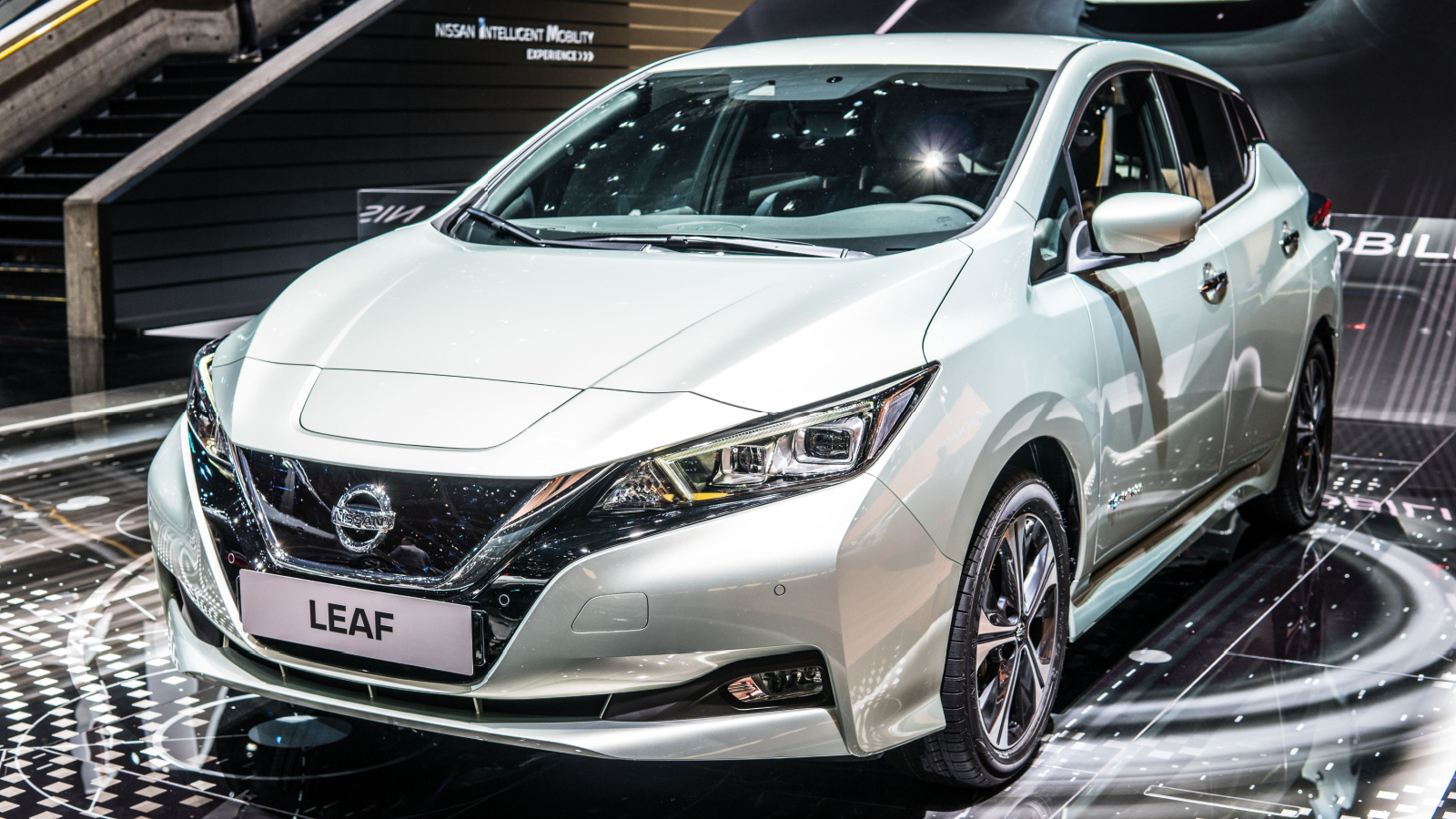
The Nissan Leaf is not the EV for everyone, but that is exactly why it can now be worth a second look. Its used prices often reflect its limitations: shorter range than newer EVs, older charging standards, and battery degradation concerns on some examples. For buyers who understand those limits, it can be a very affordable electric runabout for short commutes, errands, and second-car duty.
In Canada, the Leaf works best when expectations are realistic. Cold weather reduces range, highway driving consumes energy quickly, and battery health matters more than paint shine. But for a household with home charging and a predictable 30- to 80-kilometre daily routine, a well-priced Leaf can cut fuel stops out of the week entirely. The smart approach is to verify battery capacity, charging equipment, service history, and remaining warranty coverage before getting tempted by a low advertised price.
Volkswagen ID.4
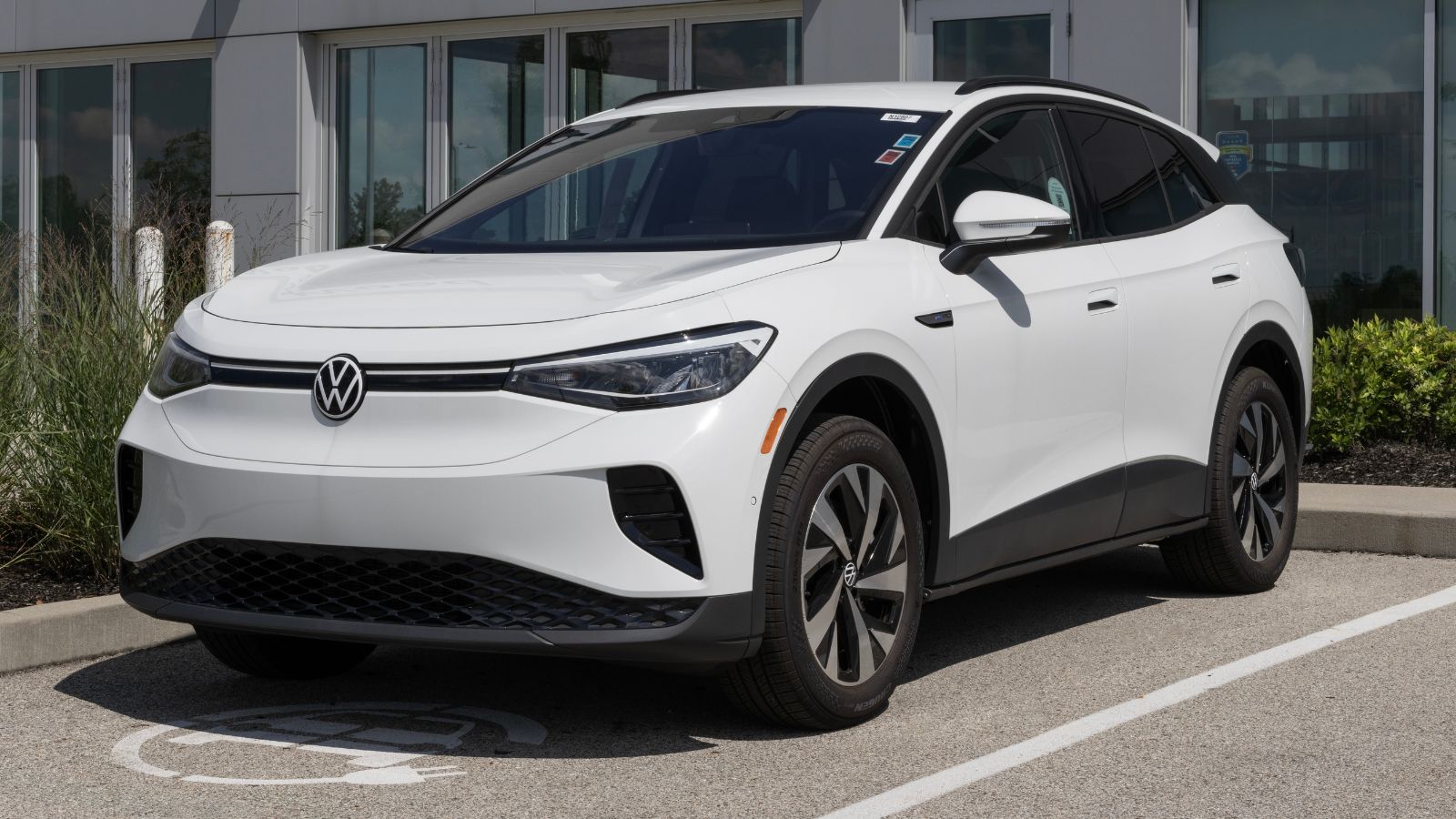
The Volkswagen ID.4 is becoming more compelling used because EV depreciation has changed the math. New electric SUVs can still feel expensive, but used ID.4 listings have started to bring roomy EV ownership closer to mainstream compact-SUV budgets. It offers a quiet cabin, useful cargo space, and a more conventional crossover shape than many futuristic EVs, which can help it fit into family life without feeling experimental.
The ID.4 is not a buy-without-thinking vehicle. Software updates, charging compatibility, winter range, tire wear, and warranty status all deserve careful review. But for buyers with home charging and mostly urban or suburban driving, a used ID.4 can be much more attractive than it was when supply was tight and prices were high. Its value improves further when compared with gas SUVs that may cost less upfront but require years of fuel and maintenance spending.
Chrysler Pacifica
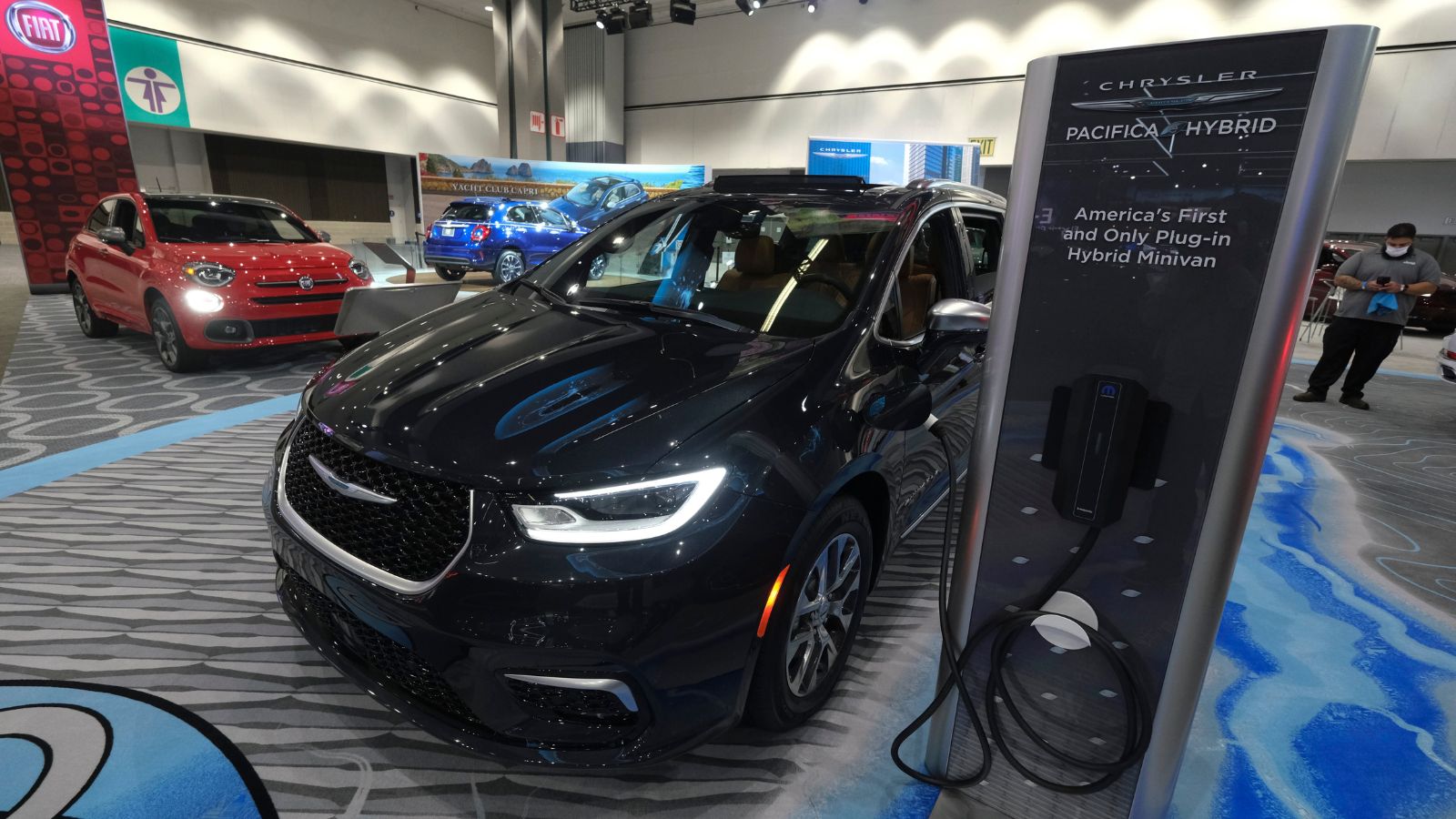
The Chrysler Pacifica is worth reconsidering because minivans remain one of the most rational family vehicles, even if they are not the trendiest. Used Pacificas can offer sliding doors, adult-friendly seating, strong cargo flexibility, and, in gas models, the clever Stow ’n Go seating system that many SUVs simply cannot match. Canadian families carrying kids, grandparents, hockey bags, strollers, or renovation supplies may find it far more useful than a three-row crossover.
The Pacifica’s value case is strongest when buyers avoid overpaying for heavily optioned trims and focus on condition, service history, and recall completion. The plug-in hybrid version can be attractive for short commutes, but it requires extra diligence because of battery-related recalls and charging considerations. A conventional gas Pacifica with a clean record can be the more straightforward family bargain. It may not project rugged adventure, but for daily life, it is often brutally practical.
Ford F-150
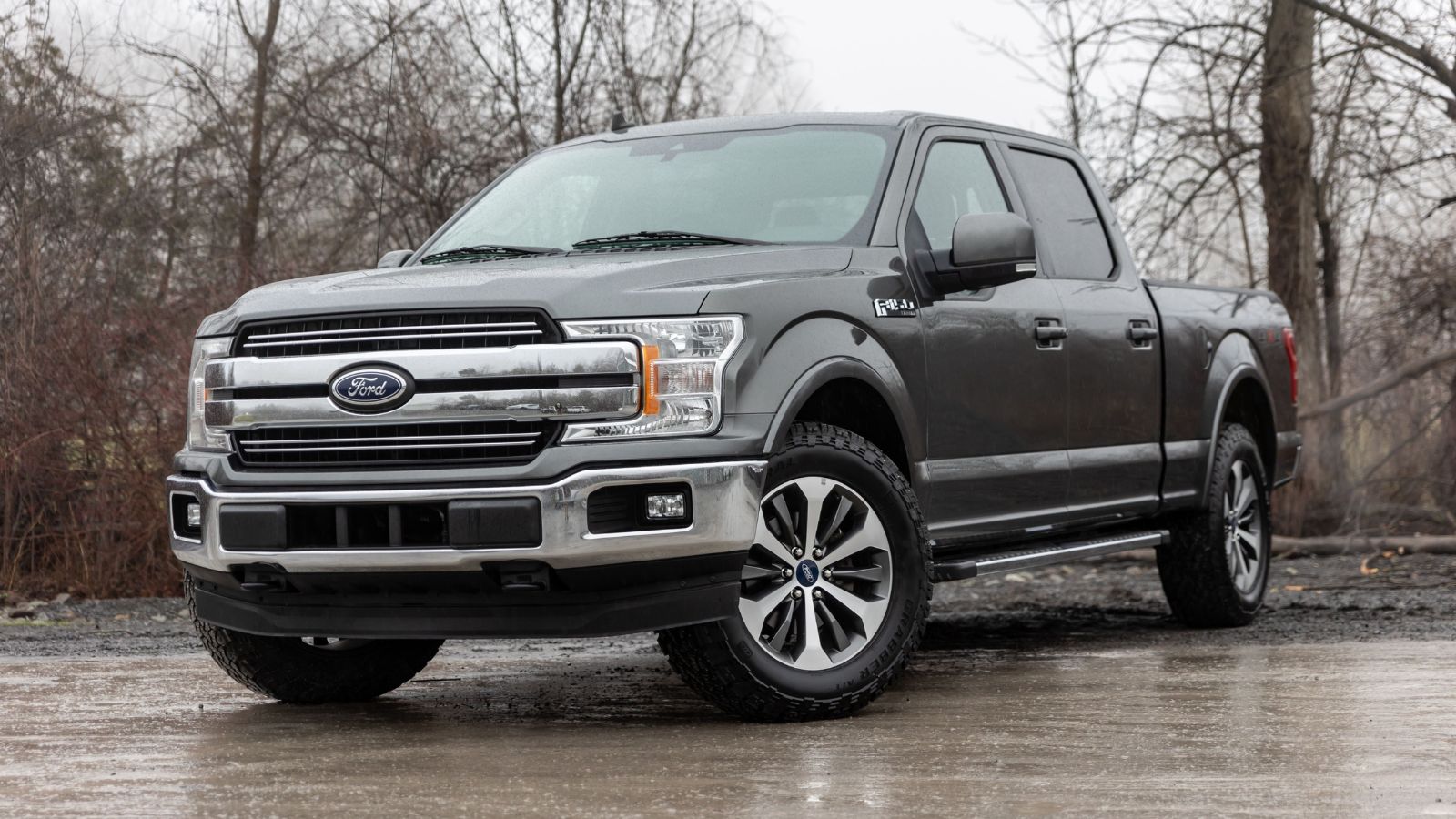
The Ford F-150 deserves a second look because Canada’s truck market has cooled from its most feverish moments, and used buyers can be more selective again. The F-150’s huge popularity means there are many configurations, from basic work trucks to luxury-like crew cabs. That variety creates room to find value, especially in less flashy trims that have been maintained well and not abused for towing, job-site work, or oversized modifications.
For many Canadians, a pickup is not a fashion choice; it is a tool for trailers, rural roads, home projects, and seasonal work. The F-150 remains strong in that role, but inspection discipline is critical. Transmission behaviour, engine choice, frame condition, accident history, rust, and towing records can make two similar-looking trucks very different buys. A clean, mid-trim F-150 at the right price can still make sense, but only when the truck’s condition supports the asking price.
22 Things Canadians Do to Their Cars in Spring That Mechanics Hate

Spring brings relief to many Canadian drivers after months of snow, freezing temperatures, and icy roads that put serious strain on vehicles. As temperatures rise across the country, drivers begin washing cars, switching tires, and preparing vehicles for warmer weather and upcoming road trips. However, mechanics across Canada notice the same mistakes every spring when drivers attempt to recover from winter damage. Road salt, potholes, and harsh winter driving conditions often leave vehicles with hidden problems that drivers ignore. Some spring habits even create new mechanical issues that could have been avoided with proper maintenance. Here are 22 things Canadians do to their cars in spring that mechanics hate.