

























Long before the highway opens up and the photos start piling in, a road trip vehicle can begin draining money in quieter ways. The expense usually does not arrive as one dramatic repair bill. It builds through small choices: a tire that has been a little low for weeks, a roof box installed for convenience, a tank filled with pricier fuel for no good reason, or a warning light ignored because the engine still seems to run fine.
This is where road-trip costs often become deceptive. A weekend getaway may look affordable on paper, yet the vehicle itself can quietly add waste, wear, and avoidable risk before the first real stop. These 17 ways show how that happens, from fuel-hungry habits to overlooked maintenance issues that turn a simple departure into a more expensive one.
The Tire Pressure Shortcut
Tire pressure is one of the easiest things to ignore because the car can still feel normal enough on everyday drives. That is exactly why it becomes expensive. When tires are underinflated, rolling resistance rises, which means the engine has to work harder just to keep the vehicle moving. On a road-trip weekend, that translates into fuel being burned sooner than expected, especially once the vehicle is loaded with bags, coolers, and passengers. The added drag is easy to miss because nothing sounds dramatic, yet the bill grows mile by mile.
There is also a second cost that arrives more slowly and often hurts more. Low pressure wears tires out faster and raises the risk of heat-related failure on long drives. A family that skips a five-minute pressure check on Friday night can end up paying for extra fuel on Saturday and shopping for tires sooner than planned. What felt like a harmless delay in routine maintenance becomes a compound expense before the destination is even reached.
The Tread That Looks Fine Until It Doesn’t

A surprising number of trip-bound vehicles leave the driveway on tires that seem acceptable at a glance but are already close to the line. Worn tread rarely announces itself with drama at first. It usually shows up as longer stopping distances in wet weather, shakier confidence at highway speed, and a rising chance that a weekend driver ends up needing replacement tires at the worst possible moment. When tread is low, even a short trip can start to feel more expensive because the owner is driving on borrowed time.
That financial squeeze gets worse when the tires are also old. Rubber ages even when mileage stays low, which is why some drivers are caught off guard by cracking, hardening, or sudden failure on a car that “still has tread.” A vehicle used mostly for errands may appear trip-ready, but age and wear do not always match the odometer. One last-minute inspection at a shop can turn into a same-day tire purchase, alignment, and balancing bill that costs far more than the weekend’s original lodging budget.
The Roof Box That Acts Like a Parachute

Roof-mounted cargo carriers solve a packing problem, but they often create a fuel-cost problem in return. At city speeds, the penalty may feel modest enough to ignore, which is why many drivers leave the box on for days before the trip. Once the vehicle reaches highway speed, though, aerodynamic drag becomes much more punishing. The car is essentially pushing a larger, blunter shape through the air, and the fuel gauge starts falling faster than expected. A road trip that looked carefully budgeted can become noticeably more expensive from one convenience decision alone.
This is especially frustrating because many drivers use a roof box to avoid clutter inside the cabin, not realizing that a different packing choice would cost less. A rear-mounted carrier or simply trimming the load can make a meaningful difference. Yet the roof box remains popular because it feels tidy and practical. That neat visual often hides a more expensive reality: the vehicle is working harder, fuel economy is slipping, and the weekend budget is being chipped away before the first scenic stop.
The Trunk Full of “Just in Case” Weight

Road trips inspire a particular kind of overpacking. Extra shoes, backup snacks, a toolkit, sports gear, folded chairs, emergency jugs, and half the garage somehow end up in the vehicle because it all feels safer than leaving something behind. The problem is that weight has a real cost. Every unnecessary pound asks the engine, transmission, and brakes to do more work. On smaller vehicles especially, added mass can noticeably reduce efficiency, and on any vehicle it contributes to faster wear over time.
The money drain is easy to rationalize because each item seems harmless on its own. No one thinks a bag of supplies or a cooler is the reason fuel costs feel high. But road-trip vehicles often carry many small “just in case” items that collectively add real load. The result is not merely a slightly worse fuel stop. Heavier vehicles lean harder on tires, suspension, and braking systems too. That means the pre-weekend packing session can quietly turn into both a fuel penalty now and a maintenance penalty later.
The Speed Habit That Changes the Fuel Bill
Many weekend trips begin with a familiar promise: leave early, make good time, and get there before traffic worsens. That logic often turns into higher cruising speeds that feel efficient in the moment but are costly in practice. Once a vehicle moves much above its most efficient range, fuel economy typically drops quickly. The extra speed may trim some minutes off arrival time, but it can also raise the cost of the trip more than drivers expect, especially on longer highway stretches.
The illusion comes from the fact that speeding does not look like waste. It looks like progress. Drivers see miles disappearing faster and assume the tradeoff is worth it. But a vehicle running faster than necessary is burning money to save time in a way that is often less impressive than it seems. On a two-day getaway, that can mean starting the weekend with one extra fuel stop, a larger receipt, and more fatigue. The car gets there sooner, but the travel budget gets thinner before the relaxing part begins.
The Aggressive Driving Pattern Before the Highway
Not all fuel waste happens at cruising speed. A lot of it begins in the messy, impatient phase before the road trip properly starts: late departure, city traffic, rushed lane changes, heavy throttle, and hard braking while trying to gather coffee, ice, and last-minute groceries. Aggressive driving burns more fuel precisely because it keeps asking the vehicle to build speed and then throw that energy away. In stop-and-go conditions, the waste can be much worse than many drivers realize.
That makes the pre-highway portion of a weekend trip a surprisingly expensive place to be careless. A driver may think the real distance has not even begun, but the fuel penalty already has. It also creates a harsher experience for passengers and more wear on brakes and tires. Many budget-minded travelers spend hours comparing hotel deals yet lose money in the first 30 minutes of the drive through hurried starts and unnecessary braking. The weekend feels spontaneous; the vehicle experiences it like a series of costly demands.
The Idling Ritual in the Driveway

Weekend trips often begin with a car sitting still and burning fuel anyway. The engine runs while bags are loaded, messages are answered, directions are checked, and someone inevitably runs back inside for a charger. Then it idles again during pickup stops, gas-station decisions, and quick convenience-store runs. Because the vehicle is not covering distance, the cost feels invisible. But idling still consumes fuel, and modern vehicles generally do not need long warmups to be ready for normal driving.
This habit becomes more expensive when the air conditioning is running or the vehicle is larger. A big SUV idling through a long series of “just a minute” pauses can quietly waste a meaningful amount before the trip truly begins. It is one of those behaviors that drivers underestimate because each episode feels too brief to matter. Yet road-trip departure routines are full of brief episodes. Added together, they become a small but very real pre-weekend expense, especially for travelers who pride themselves on being organized while leaving the engine on the whole time.
The Check-Engine Light That Gets Ignored
A check-engine light has a strange way of becoming background décor. If the vehicle still starts, accelerates, and reaches grocery stores without obvious trouble, many owners decide to deal with it later. A road trip exposes the flaw in that logic. Even when the problem is not immediately catastrophic, warning-light issues can affect fuel economy, emissions performance, and drivability. A vehicle that “seems fine” around town may already be wasting money on every tank before the weekend starts.
This is where small neglect gets financially dangerous. Something as simple as a sensor problem can reduce efficiency, while more serious issues can escalate under the longer, hotter demands of a loaded highway run. The costly part is not just the repair bill if something worsens. It is the money lost while driving an engine that is no longer operating as cleanly or efficiently as it should. Many road-trip breakdown stories begin with a warning that had been on for days or weeks, dismissed because the car remained mostly polite.
The Alignment Problem That Eats Tires Early
Poor alignment does not always show up dramatically. Sometimes the steering wheel sits just a little off center. Sometimes the vehicle drifts subtly. Sometimes the only clue is uneven tread wear that no one notices until a technician points it out. That quietness is what makes alignment trouble expensive. A vehicle heading into a weekend drive with misalignment can scrub rubber off its tires faster than expected, turning an already pricey set of tires into a shorter-lived one.
There is also the matter of efficiency and comfort. When the vehicle is not tracking properly, it can feel less settled on the highway and require more constant correction from the driver. That may not sound like a direct cost, but it is often linked to extra tire wear and wasted energy. The owner who ignores a mild pulling sensation on weekday commutes can wind up buying tires early, paying for alignment anyway, and wondering why the car feels oddly tiring on trips. It is a classic example of a small drivability issue turning into a bigger money issue.
The Recall Repair That Never Got Booked
Open recalls are often treated like paperwork problems rather than practical ones. Owners see the notice, intend to schedule the repair, and then keep driving because the vehicle appears normal. But a road-trip weekend is exactly when an unresolved recall becomes a bad financial gamble. Safety recalls exist because a manufacturer or regulator has identified a meaningful risk, and the repair is typically free. Ignoring that free fix can lead to breakdowns, towing costs, missed reservations, or much worse.
The money angle is easy to overlook because recall work itself usually does not cost anything. That can make procrastination seem harmless. Yet a vehicle with an unrepaired defect is still carrying the consequences of that defect into every trip. Even if nothing dramatic happens, the unresolved issue adds uncertainty that can push a driver into emergency spending or last-minute shop visits before departure. Booking the repair earlier costs time. Not booking it can cost a whole weekend plan, plus expenses that were completely avoidable.
The Spare Tire Nobody Checks
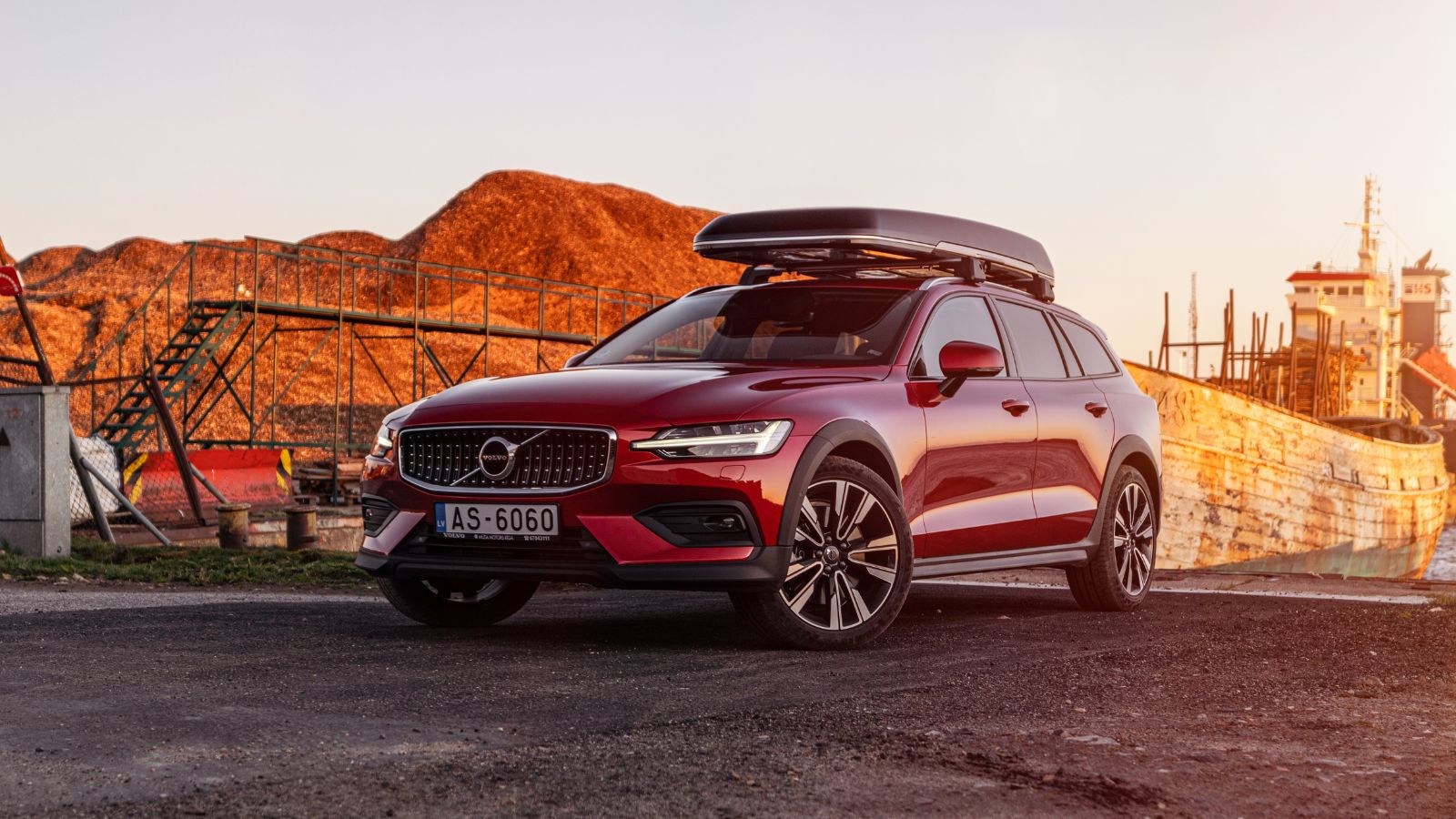
Many drivers assume that having a spare tire means they are prepared. In reality, an unchecked spare is often just a false sense of security. It can be low on pressure, damaged by age, missing tools, or difficult to access when the moment finally comes. That matters because tire trouble on a weekend trip is expensive enough already. If the backup plan fails too, the driver can end up paying for towing, roadside service, or an emergency tire purchase at inflated convenience pricing.
This is one of the most common ways a seemingly small oversight becomes a bigger bill. The main tires may have been good enough to leave town, but a single puncture can turn the trip into a scramble if the spare is unusable. People often discover the problem only on the shoulder, not in the driveway. By then, the cheap prevention window has closed. A two-minute pressure check or a quick tool inspection before departure is far less expensive than learning, miles from home, that the “backup” was never really ready.
The Premium Gas Habit With No Payoff

Fuel choices carry their own kind of road-trip mythology. Some drivers reach for premium before a long weekend because it feels safer, better for the engine, or somehow more appropriate for highway travel. In many vehicles, that extra spending does not deliver the benefit people imagine. If the owner’s manual does not require premium fuel, paying more can simply mean paying more. The psychological comfort is real; the financial return often is not.
This habit tends to spread through road-trip culture because travelers want the vehicle to feel fully prepared. Premium becomes part of the ritual, like a car wash or a packed cooler. But rituals can be expensive when they are not rooted in what the vehicle actually needs. A driver who fills a large tank with costlier fuel several times a season may be giving away money for little or no gain. When budgets are already stretched by food, lodging, and activities, unnecessary fuel upgrades are an easy place for avoidable waste to hide.
The All-Wheel-Drive Upgrade That Costs More Daily
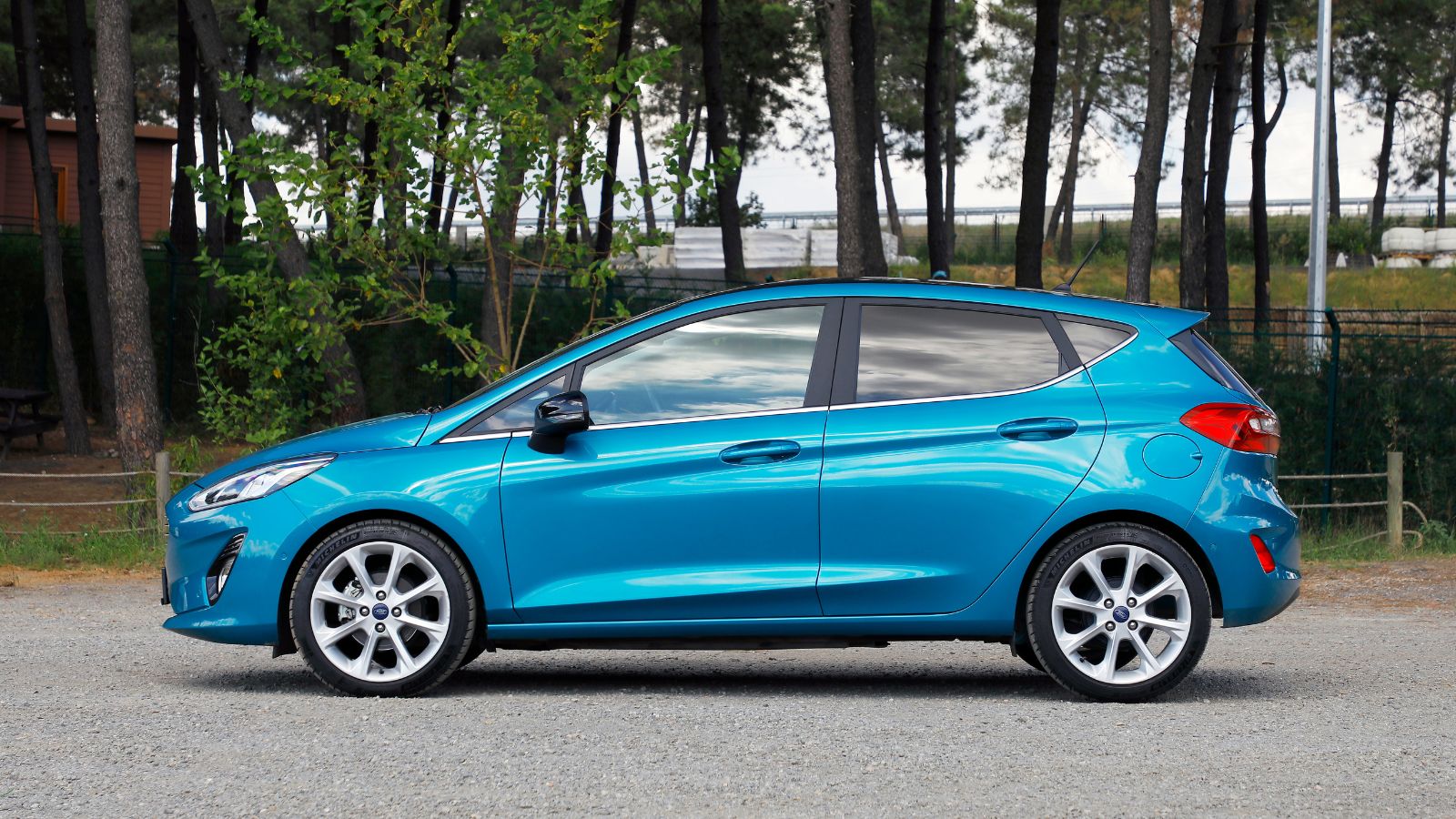
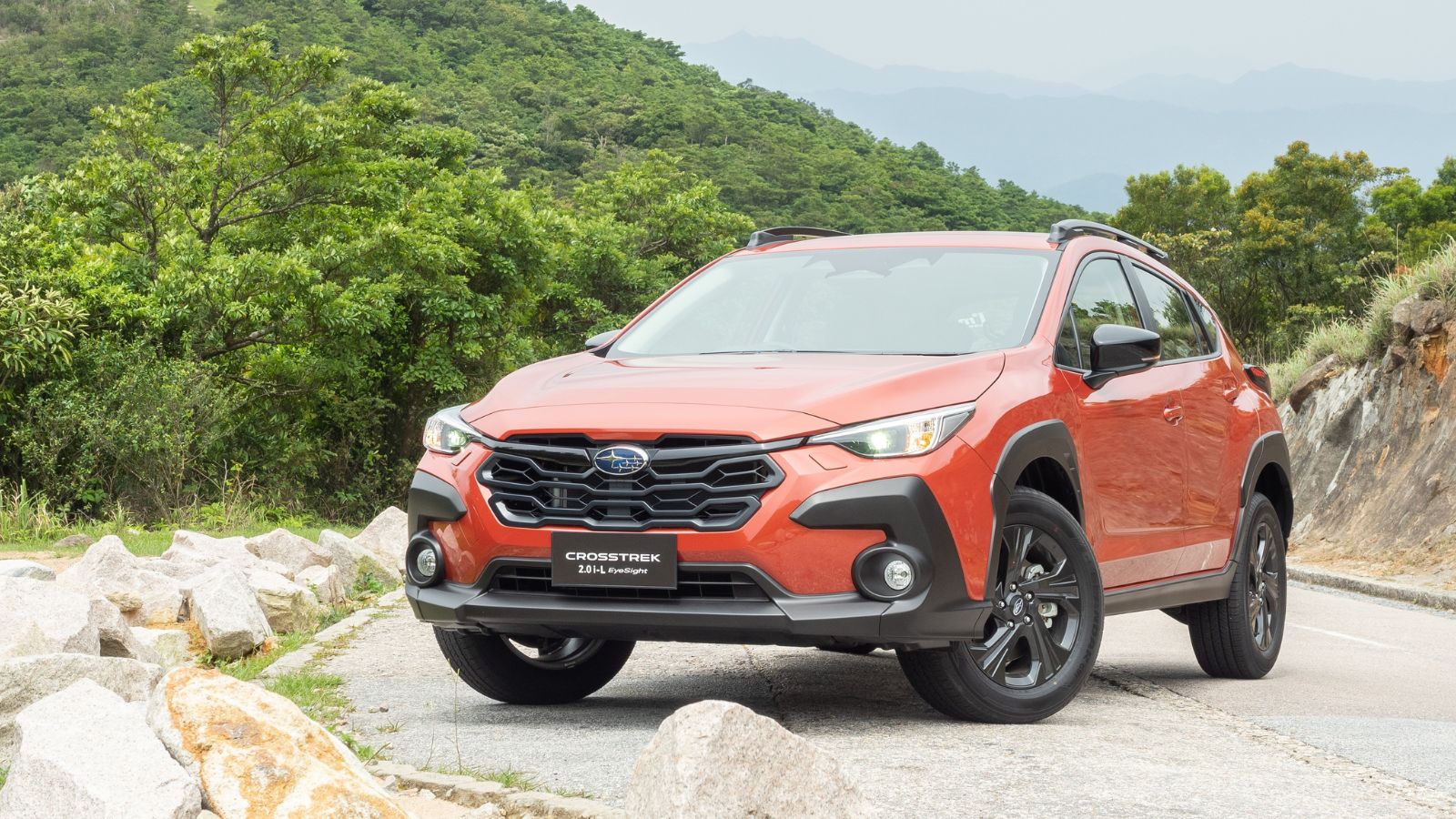
Some road-trip vehicles drain money before departure simply because of what they are. Larger SUVs and 4WD or AWD models can be genuinely useful, but they also tend to bring higher operating costs than more modest vehicles. They are often heavier, less fuel-efficient, and more expensive across categories that owners feel over time: tires, maintenance, and depreciation among them. For many weekend travelers, that means paying for capability they use only occasionally.
This does not make those vehicles bad choices in every case. Snowy regions, rough roads, towing needs, and large families can justify them easily. The money drain appears when the vehicle is oversized for the job most of the year yet becomes the default road-trip machine anyway. A short escape to a nearby lake does not always need a tall, thirsty vehicle with extra driven wheels. But plenty of households use exactly that, then blame gas prices alone when the weekend budget feels tighter than expected.
The Trailer or Tow Setup That Changes the Math
Towing can turn a manageable getaway into a much more expensive one before the first full day of travel arrives. A trailer, small camper, or heavily loaded utility setup changes the vehicle’s aerodynamic profile and workload dramatically, especially at highway speed. Even drivers who expect some fuel penalty are often surprised by how severe it can become. The engine works harder, fuel stops come sooner, and the overall travel rhythm shifts from simple driving to constant expense management.
There is also a wear component that stretches beyond the fuel receipt. Towing places extra demands on tires, brakes, cooling systems, and transmission components. A road-trip vehicle that seems comfortably capable on paper can still feel financially punishing in practice once it is hauling real weight into real traffic and grades. What began as an effort to travel more flexibly can end up moving the budget in the opposite direction. The freedom of bringing everything along sometimes arrives with a hidden invoice attached.
The Errand-Filled Send-Off Before Departure
A weekend trip rarely starts with a clean break from normal life. It often begins with a chain of extra driving: grabbing groceries, stopping for pharmacy items, picking up friends, dropping off pets, and circling back for something forgotten. That sequence matters because multiple short trips from a cold engine can use far more fuel than one combined route over the same general distance. A driver may feel productive checking off tasks, while the vehicle is operating in one of its less efficient patterns.
This is an overlooked expense because each errand looks too ordinary to count as “trip cost.” But they are part of the trip cost. In fact, the money drain can begin well before the official departure time. A family that spends Friday evening zigzagging across town may burn a surprising amount of fuel before the real highway mileage even starts. The weekend then opens with a tank lower than expected and a subtle sense that the car is always more expensive than the plan says it should be.
The Overloaded Vehicle That Strains Tires and Brakes
There is a difference between packed and overloaded, and road-trip vehicles sometimes cross that line more easily than owners realize. Luggage, passengers, sports equipment, coolers, and add-on cargo can push weight toward the upper limit quickly. That affects far more than fuel economy. Tires carry more stress, brakes work harder, and overall heat buildup rises, especially in warm weather or at sustained speed. The vehicle may still move normally enough to avoid immediate suspicion, but the added strain is real.
The cost side shows up in several layers. Fuel use rises first, then tire wear, then the possibility of an unpleasant problem far from home. An overloaded vehicle is also more vulnerable when tire pressure is wrong or tread is already low. That combination can turn an ordinary weekend departure into a roadside delay or a repair order. What makes this expensive is that it often starts with good intentions: bringing everyone and everything in one car. Convenience wins the moment, but the vehicle absorbs the cost.
The Deferred Maintenance That Turns a Cheap Weekend Expensive
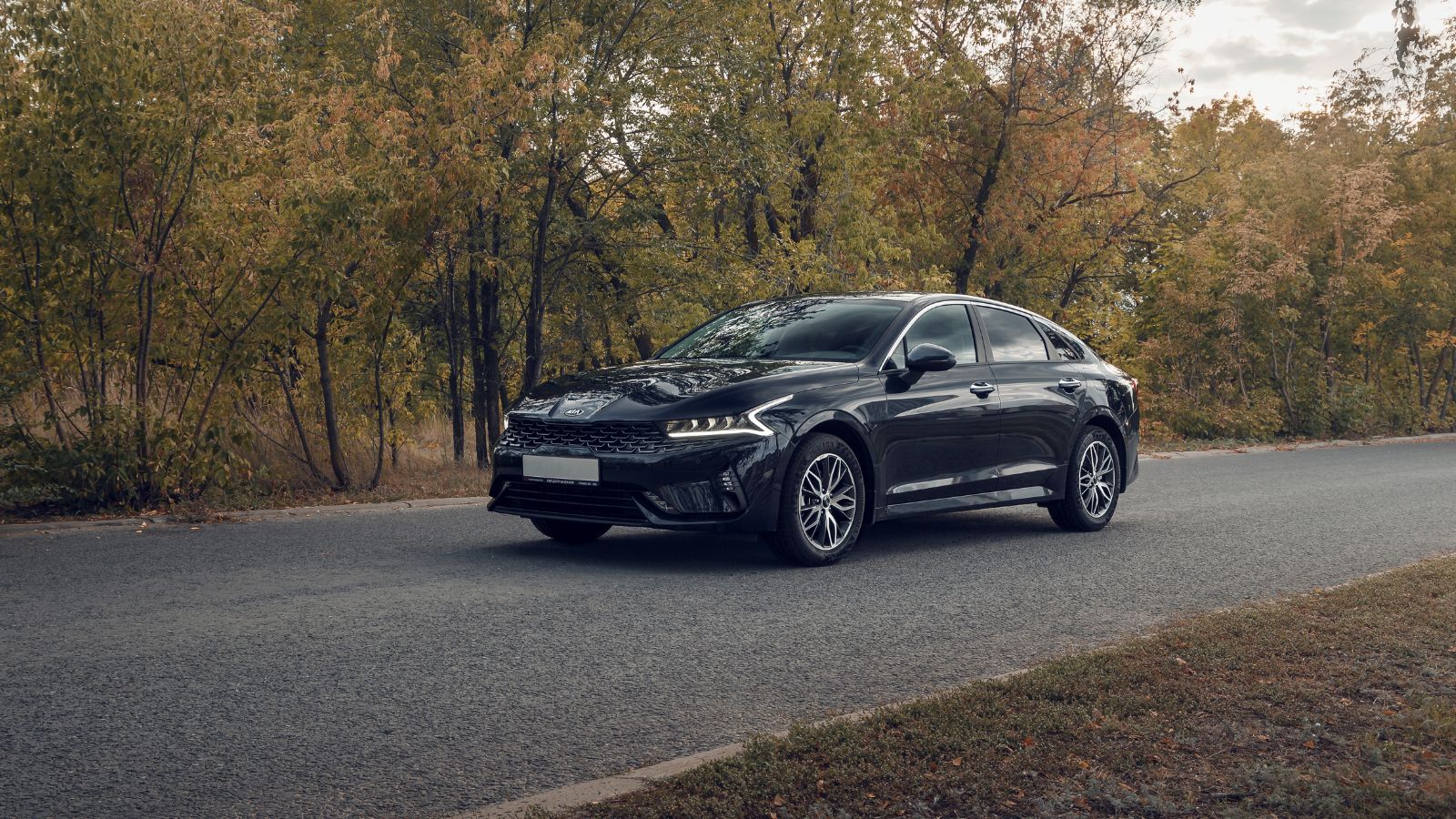
The most reliable way for a road-trip vehicle to drain money before the weekend starts is simple procrastination. The oil change is a little overdue, the brakes are “probably okay for now,” the fluids have not been checked lately, and the strange noise has been mentally filed under “after this trip.” Deferred maintenance usually feels economical in the short term because it postpones a bill. In practice, it often just reschedules that bill for a more inconvenient and more expensive moment.
That is why road trips expose bad timing so brutally. A car that survives routine local use can struggle once it is loaded, hot, and driven for hours. Small issues become larger under sustained demand. Even when there is no breakdown, neglected maintenance can drag down efficiency and confidence enough to make the whole weekend feel pricier and more stressful. The irony is that many people delay basic service to preserve travel money, only to let the vehicle quietly consume more of that money before the weekend has properly begun.
22 Things Canadians Do to Their Cars in Spring That Mechanics Hate
Spring brings relief to many Canadian drivers after months of snow, freezing temperatures, and icy roads that put serious strain on vehicles. As temperatures rise across the country, drivers begin washing cars, switching tires, and preparing vehicles for warmer weather and upcoming road trips. However, mechanics across Canada notice the same mistakes every spring when drivers attempt to recover from winter damage. Road salt, potholes, and harsh winter driving conditions often leave vehicles with hidden problems that drivers ignore. Some spring habits even create new mechanical issues that could have been avoided with proper maintenance. Here are 22 things Canadians do to their cars in spring that mechanics hate.