


























Warm weather brings a sense of relief, but it also changes how Canadians use their vehicles almost overnight. Short winter errands give way to longer commutes, weekend drives, cottage runs, and the first serious road trips of the year. That shift often makes vehicle spending feel sharper, not because every cost is new, but because spring exposes all the ones that were easier to ignore during colder, slower months.
These 18 costs tend to stand out first. Some hit immediately at the pump, some arrive in the service bay, and others appear as small recurring charges that quietly build with every extra kilometre. Together, they help explain why driving more in spring can feel more expensive than many households expect.
Fuel That Starts Moving Through the Budget Faster

The first cost most drivers notice is still the simplest one: fuel. A vehicle that sat more often in winter can suddenly become part of daily life again once roads clear, daylight stretches longer, and spring plans multiply. Even when pump prices are not at their seasonal peak, the act of driving more frequently makes gasoline spending feel like it has accelerated all at once. A family that was filling up occasionally for school runs and groceries may find itself paying for commuting, sports, errands, and weekend outings in the same seven-day stretch.
That is part of why spring fuel spending feels so immediate. Statistics Canada’s most recent price data show gasoline remains a meaningful contributor inside transportation costs, and Natural Resources Canada notes that real-world fuel consumption rises with speed, traffic, weather, and accessory use. In practice, the driver often notices the budget change before noticing the behavioural change. A few extra trips to the garden centre, a couple of out-of-town visits, and one long weekend can turn an ordinary month into one where the fuel line suddenly looks much larger than it did in February.
Oil Changes That Arrive Sooner Than Expected
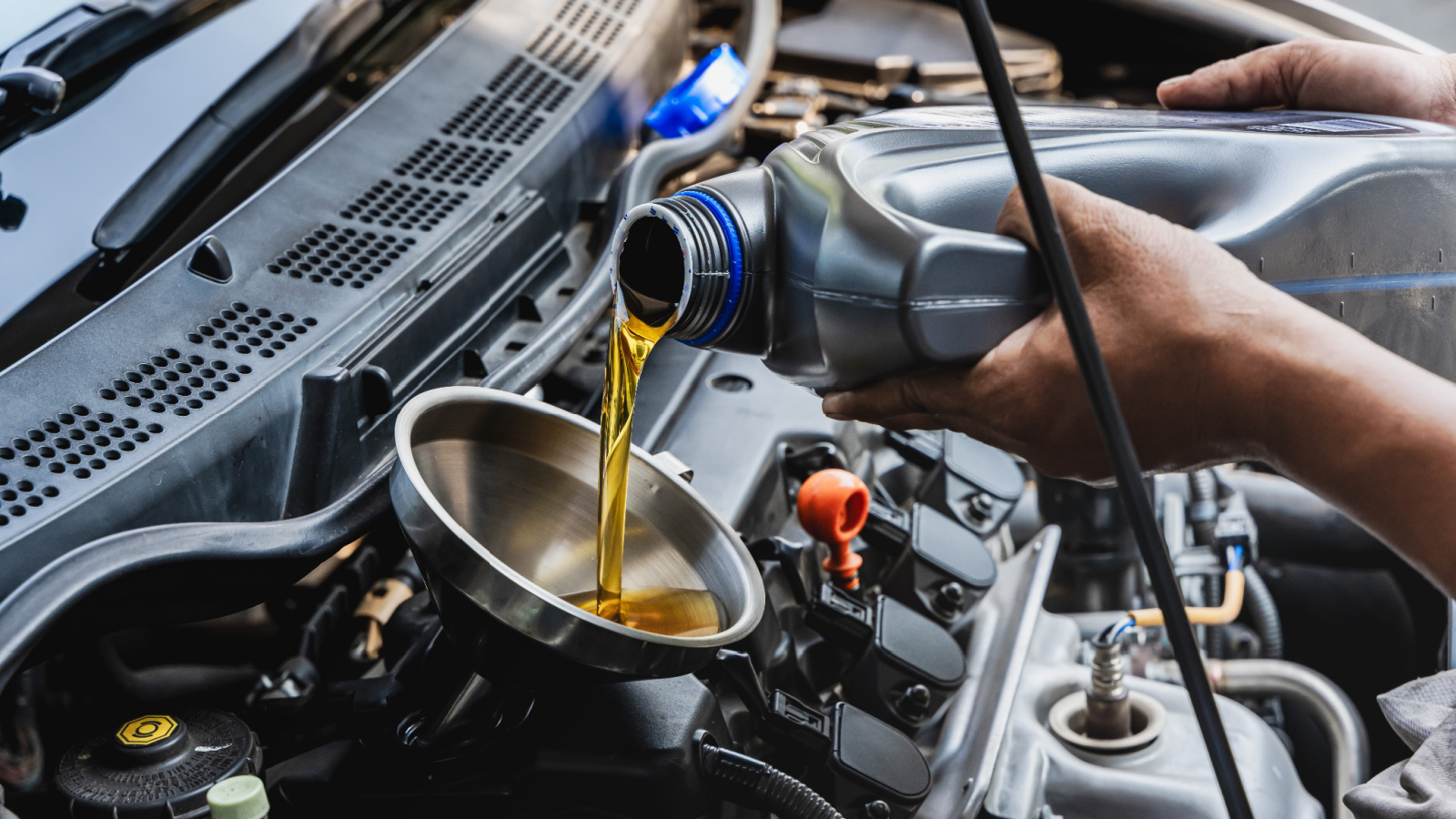
Driving more in spring does not just burn more fuel; it also pushes routine maintenance intervals closer together. Oil changes are a perfect example because they rarely feel expensive in isolation, yet they show up faster once the odometer starts climbing again. A vehicle that spent much of winter parked or driven lightly can go from feeling “just serviced” to due again in what seems like no time once commuting, road trips, and family errands return to normal.
That surprise is partly psychological and partly mathematical. Maintenance schedules are distance-based as much as time-based, so an owner who adds kilometres quickly will naturally hit service markers sooner. CARFAX Canada’s maintenance guidance still treats oil and filter checks as regular, recurring upkeep, and that matters because spring driving often restores the exact habits that increase annual usage. For many households, the first warm stretch of weather acts like a reset button: more driving means more wear, and more wear means familiar service costs start landing with much less time between them than they did during the quietest winter weeks.
Tire Changeover Appointments That Feel Like a Seasonal Tax
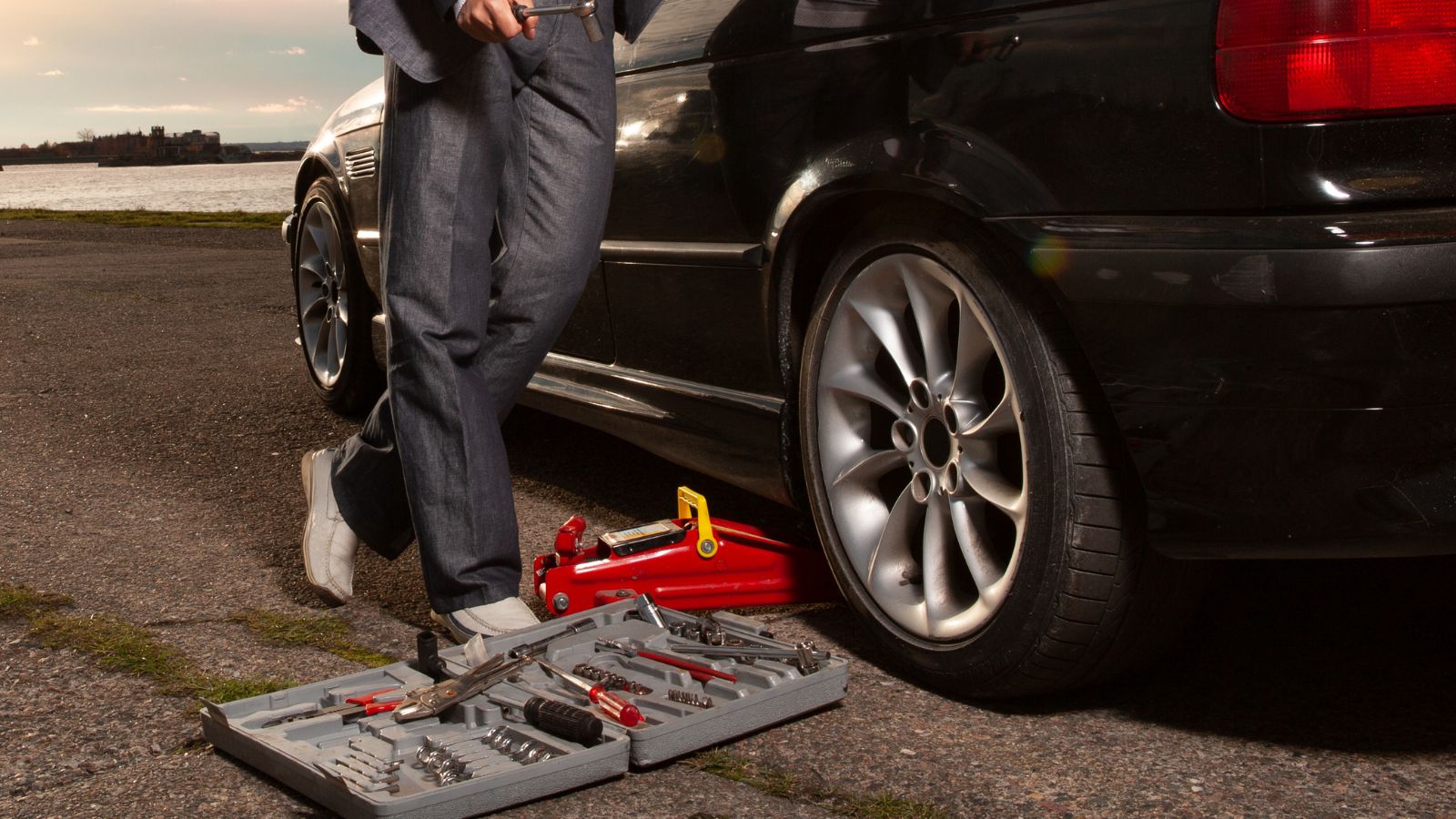
In much of Canada, spring means it is finally time to take winter tires off. That change improves performance once temperatures stay above about 7°C, but it also brings a cost many drivers know is coming and still resent paying. What makes the bill more annoying is that it arrives right when other spring vehicle expenses are also starting to stack up. A tire swap can feel less like routine maintenance and more like an annual membership fee for living in a country with real seasons.
The cost varies depending on whether the tires are already mounted on separate rims. Canada Drives notes that a straightforward wheel swap is generally cheaper, while mounting and balancing tires that are off-rim costs noticeably more. That gap matters because plenty of households chose the less expensive tire package upfront without fully thinking through the recurring service cost attached to it. Once the weather warms and booking windows fill up, the tire appointment becomes one of the first hard reminders that spring driving season is not just about freedom and open roads. It is also about paying to reconfigure the car for them.
Tire Storage Fees That Keep Showing Up Every Season
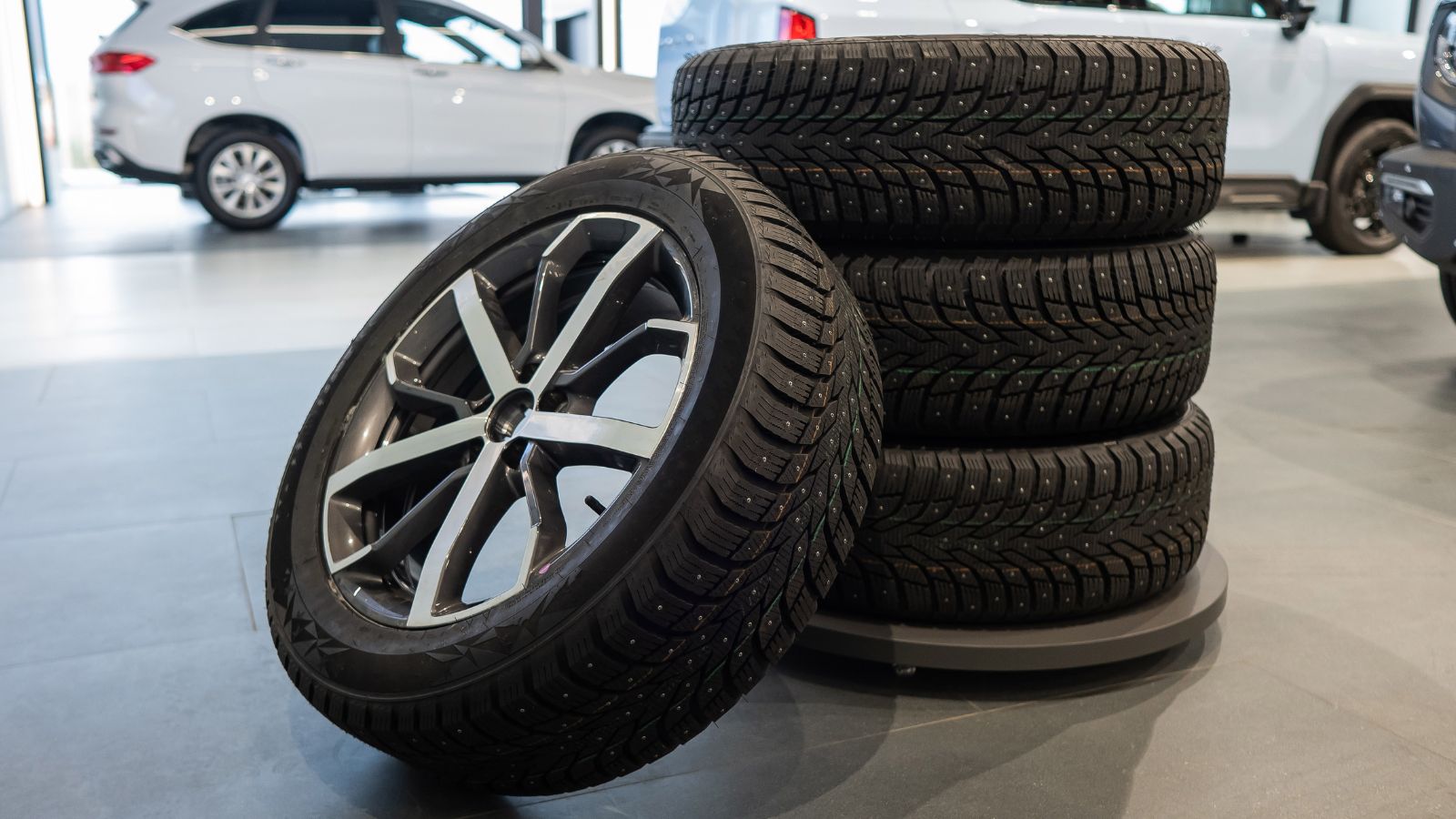
The tire bill does not always end at installation. For Canadians in apartments, condos, or homes with limited storage, the other set of tires has to go somewhere, and that turns into another recurring spring expense. Storage fees can feel especially frustrating because nothing visible is being repaired or upgraded. The owner is simply paying to keep bulky rubber out of the hallway, balcony, or basement.
That is why tire storage has such a reputation as a quietly persistent cost. Consumer-oriented Canadian pricing guides routinely place seasonal storage in a range that is manageable on paper but surprisingly irritating in real life, especially when paired with swap labour in the same week. The amount may not match a major repair, yet it lands with the kind of regularity that makes drivers feel as though seasonal driving has hidden dues. For households already juggling registration, insurance, and regular servicing, paying to store tires for months at a time can make spring mobility feel more complicated and more expensive than a simple “winter is over” mindset would suggest.
Wheel Alignments That Winter Roads Make Hard to Avoid
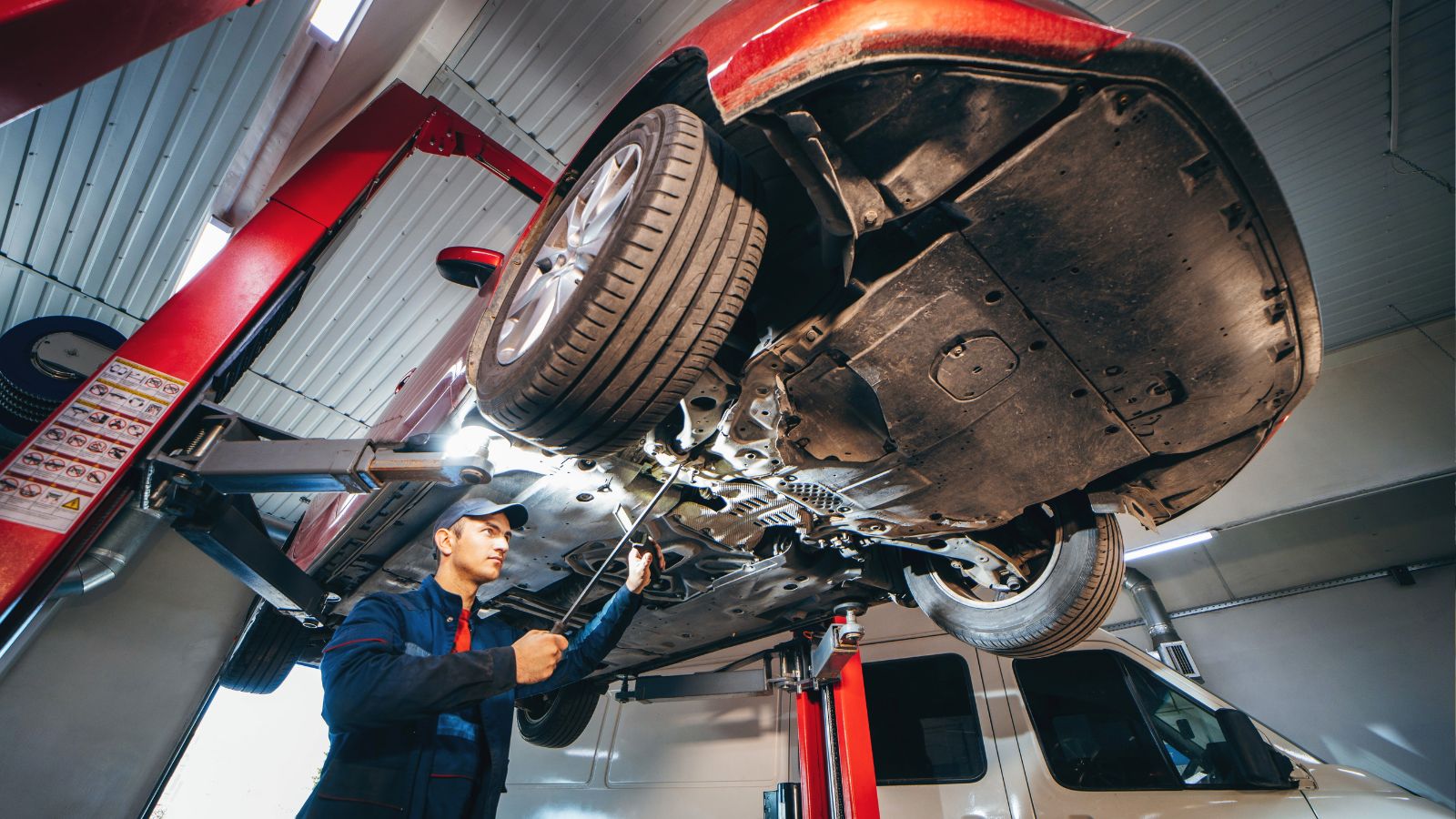
Spring roads tell the truth about what winter did to a vehicle. A car that tracks slightly to one side, vibrates at speed, or chews through tread unevenly often needs alignment attention after months of rough pavement, freeze-thaw cycles, and pothole strikes. Drivers sometimes ignore those signs for a while in winter, but once they begin driving more—and faster—they become much harder to dismiss.
That is why alignment spending often shows up early in the season. CARFAX Canada specifically flags spring as the time to have alignment checked because potholes can take a measurable toll on how a vehicle sits and drives. It is not just a comfort issue either. Misalignment can shorten tire life, which turns a modest service bill into the kind of preventable expense people regret later. The classic spring example is a driver who starts noticing the steering wheel is off-centre during a weekend highway trip, books an alignment, and then learns the front tires are already wearing unevenly. At that point, the cost is no longer about one service; it is about repairing winter’s aftermath before it spreads into larger replacement bills.
Pothole-Damaged Tires and Rims
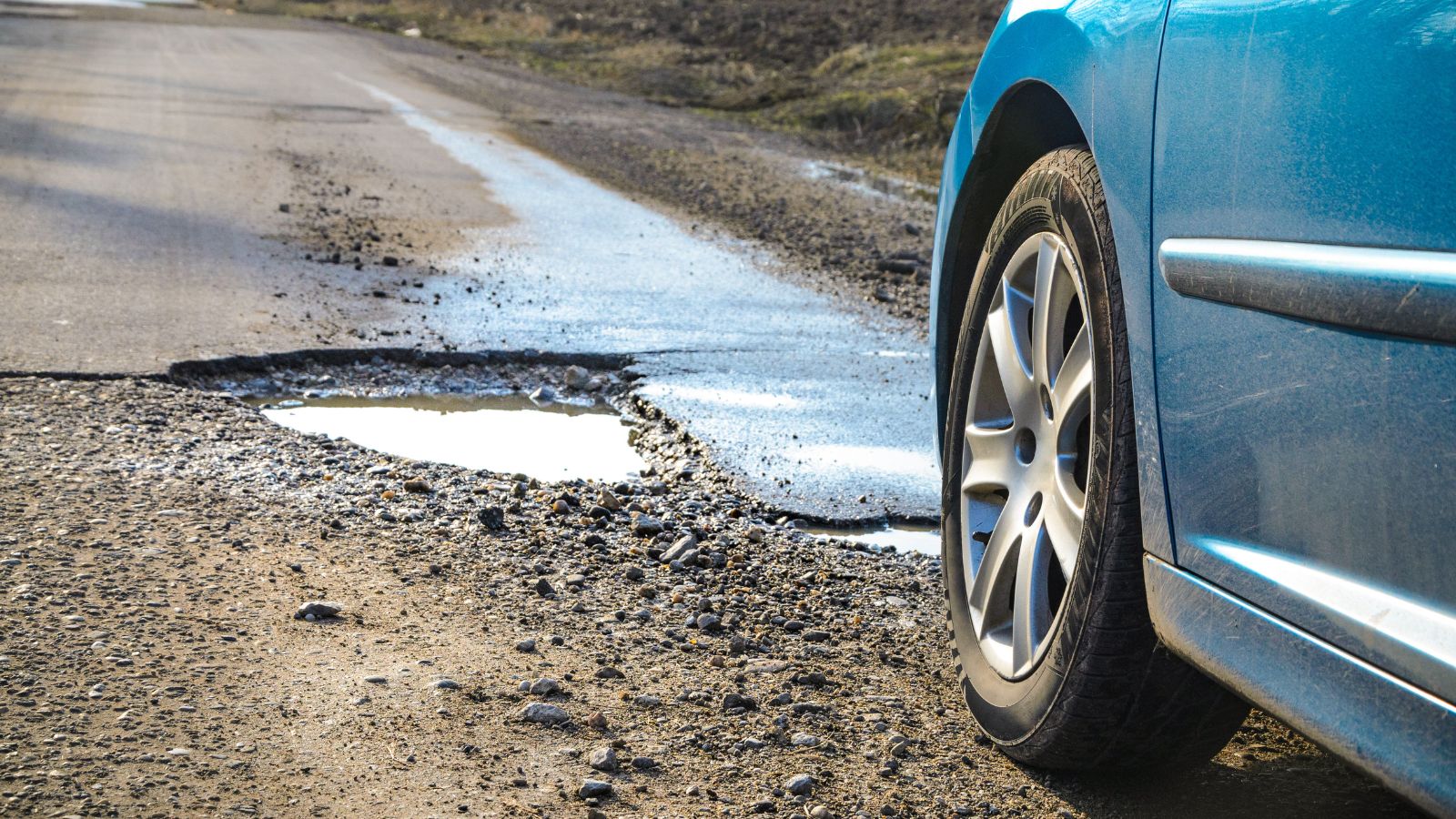
If one cost perfectly captures the Canadian spring driving experience, it is pothole damage. The same freeze-thaw cycle that signals the end of winter is brutal on pavement, and the resulting craters can destroy a tire, bend a rim, or do both in a single hit. Drivers often feel that cost immediately because there is rarely much warning. One loud impact on a slushy urban street can turn a normal commute into a roadside problem and a repair invoice.
CAA and regional auto organizations have been blunt about the consequences. Their guidance on pothole damage consistently points to tire, wheel, and suspension repairs as common outcomes, with replacement costs that can escalate quickly depending on the vehicle. That is one reason spring driving feels expensive so fast: damage is not theoretical. A driver may leave home expecting to spend money only on fuel and come back needing a new tire, a repaired alloy rim, or both. The emotional sting comes from how random it feels. Unlike planned maintenance, pothole damage arrives like a penalty for simply using the roads at the exact moment Canadians are eager to use them more.
Suspension and Steering Repairs That Surface After the Snow Melts
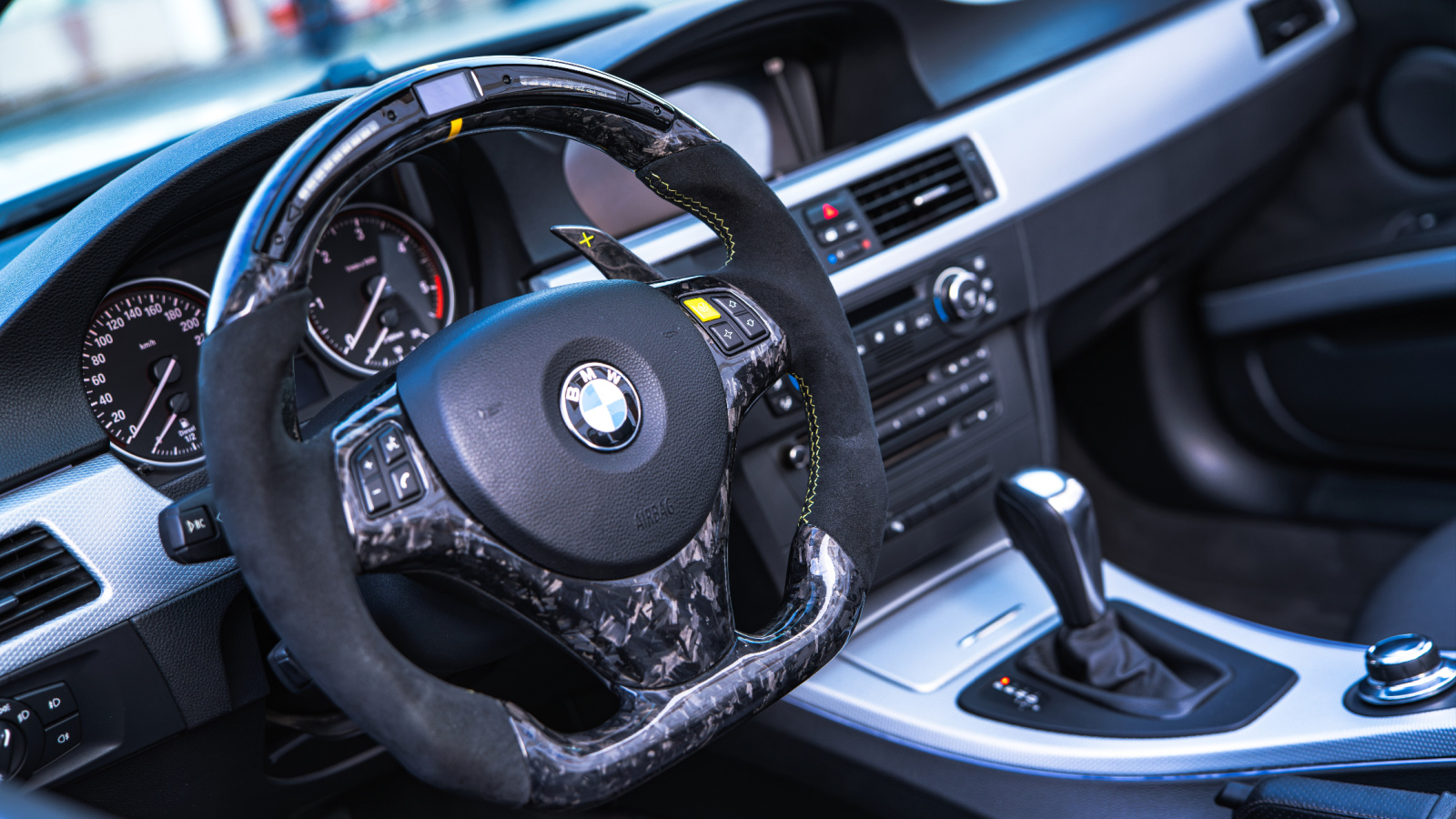
A pothole does not have to blow out a tire to become expensive. Sometimes the visible damage is minor, but the more serious costs show up in the suspension and steering system afterward. Spring is when worn tie rods, shocks, struts, and related components often become harder to ignore because the driver is no longer masking them with slower, more cautious winter driving. The vehicle may start clunking over uneven pavement, wandering on straighter roads, or feeling unsettled in corners.
CAA’s broader work on the cost of poor roads makes the same point at the system level: rough road conditions increase repair and maintenance costs as well as depreciation. That matters because suspension problems rarely feel small once diagnosed. An owner might go in expecting a simple check and leave with a list of parts and labour that suddenly reframes every rough road encountered since January. It is one of spring’s least welcome financial surprises. By the time the car is being driven more often for work, family outings, and longer distances, the wear that accumulated through winter has had enough time to declare itself in a much more expensive way.
Brake Service That Winter Quietly Set Up
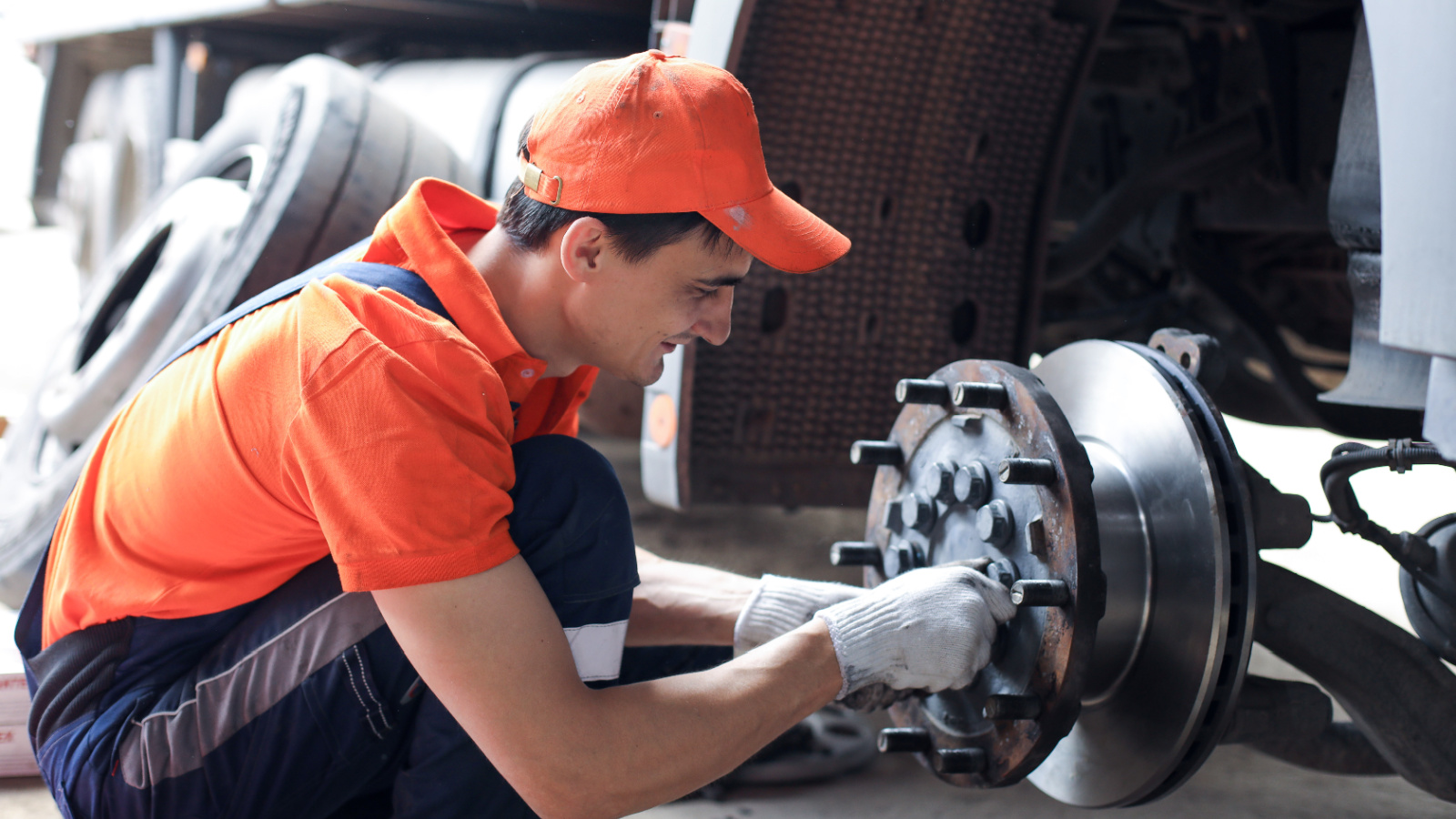
Brakes are another area where winter can do damage that only becomes obvious in spring. Road salt, moisture, grime, and temperature swings are hard on braking components, and a vehicle that spent months parked outdoors or driven only in short bursts can begin making noises once conditions warm and usage increases. Squealing, grinding, or a pulsing pedal often feels like a spring problem even when the wear started building much earlier.
Canadian spring-maintenance guidance consistently points drivers toward brake checks for that reason. CARFAX Canada notes that road salt can affect brake condition, while seasonal service checklists from auto organizations keep brakes near the top of post-winter inspection priorities. The cost stings because brake work often arrives bundled with other seasonal tasks. Drivers head in for a tire change and leave hearing they also need pads, rotors, or servicing to keep the system working properly. That combination turns an appointment meant to cost one amount into an altogether different bill. In spring, many owners discover that driving more does not merely reveal how often they use the car. It reveals which parts winter already started wearing down.
Windshield Chip and Crack Repairs From Spring Debris

Spring roads throw up gravel, salt residue, and leftover debris, and windshields often pay the price. A tiny stone chip may look harmless at first, but it can spread quickly once temperatures fluctuate and the glass is exposed to more highway driving. That is why windshield damage has a way of feeling minor one day and surprisingly expensive the next. More spring kilometres simply create more chances for the problem to happen and more time for a small blemish to become a full crack.
Insurers and roadside advice sources regularly warn that early repair matters because chip repair is usually simpler and cheaper than replacing an entire windshield. That practical difference is what drivers feel most. The cost is not just the glass itself, but the timing. It often appears when someone has just resumed longer drives and is already absorbing other seasonal expenses. The familiar spring story is a car that takes one pebble on the highway to a cottage or soccer tournament, then develops a spreading line across the windshield after a cool night and a sunny morning. Suddenly the season’s first leisure drive has created a very un-leisurely repair bill.
Wiper Blades That Suddenly Stop Doing Their Job Well
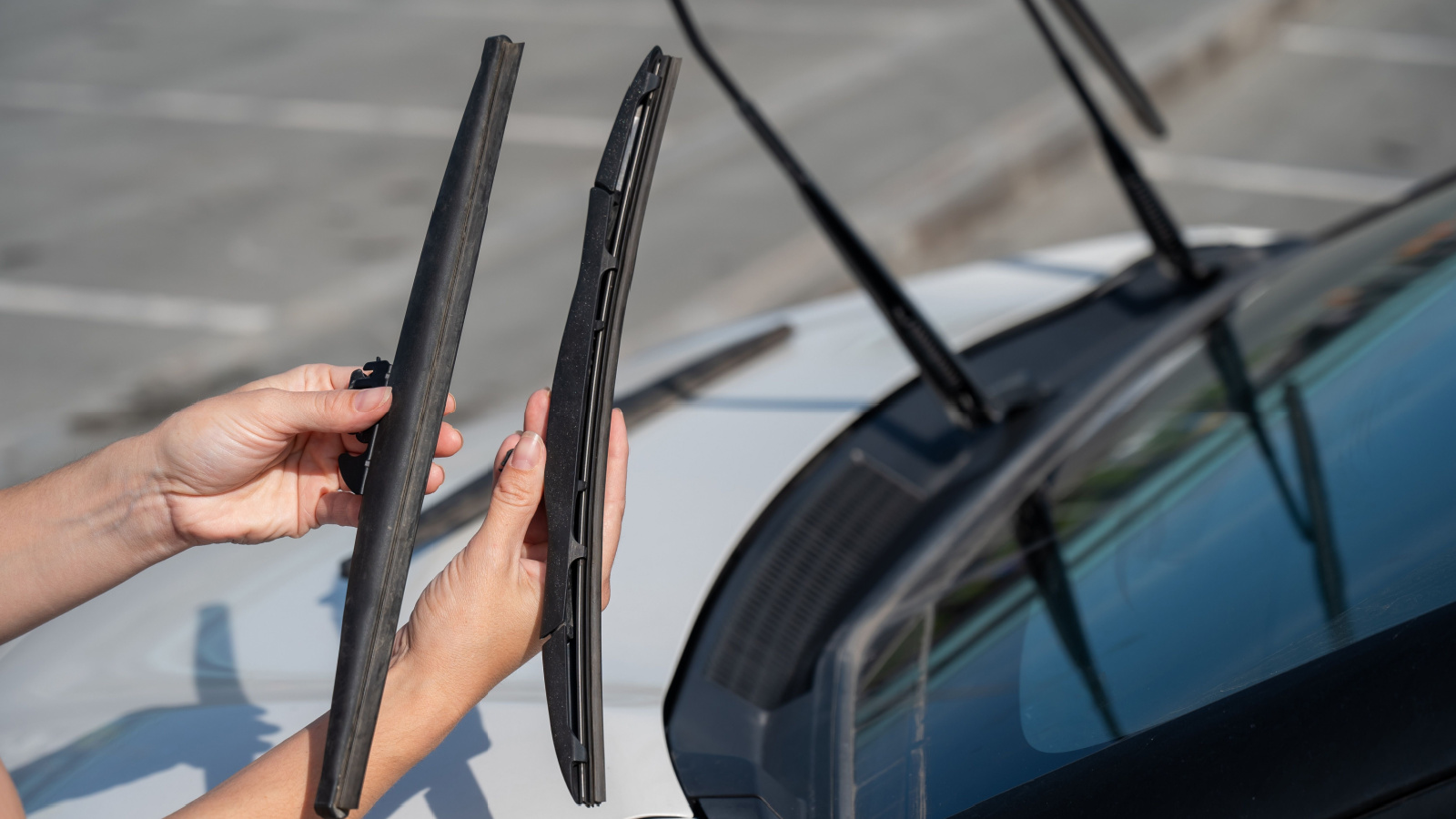
Winter is hard on wiper blades. Snow, ice, road grime, and repeated scraping can leave the rubber cracked, hardened, or streak-prone by the time spring arrives. Drivers do not always notice this right away because winter visibility is often a battle with snowbanks and slush anyway. But once spring rain begins, poor blades become obvious almost immediately. Instead of clearing the windshield cleanly, they smear water, chatter across the glass, or leave a distracting haze exactly when visibility matters most.
That is why wiper blade replacement feels like one of those small spring costs that arrives with uncanny timing. CARFAX Canada recommends replacing them in spring and fall, and Consumer Reports has long noted that blades commonly need replacement every six to twelve months. The amount is not usually dramatic, but it is a classic example of a cost drivers notice the moment road use picks up. The first rainy commute or weekend drive exposes the problem in minutes. And because the purchase is so mundane, it often feels less like maintenance and more like one more irritating errand added to the growing pile of things the car suddenly needs.
Washer Fluid and Other Top-Ups That Turn Into Constant Repeats
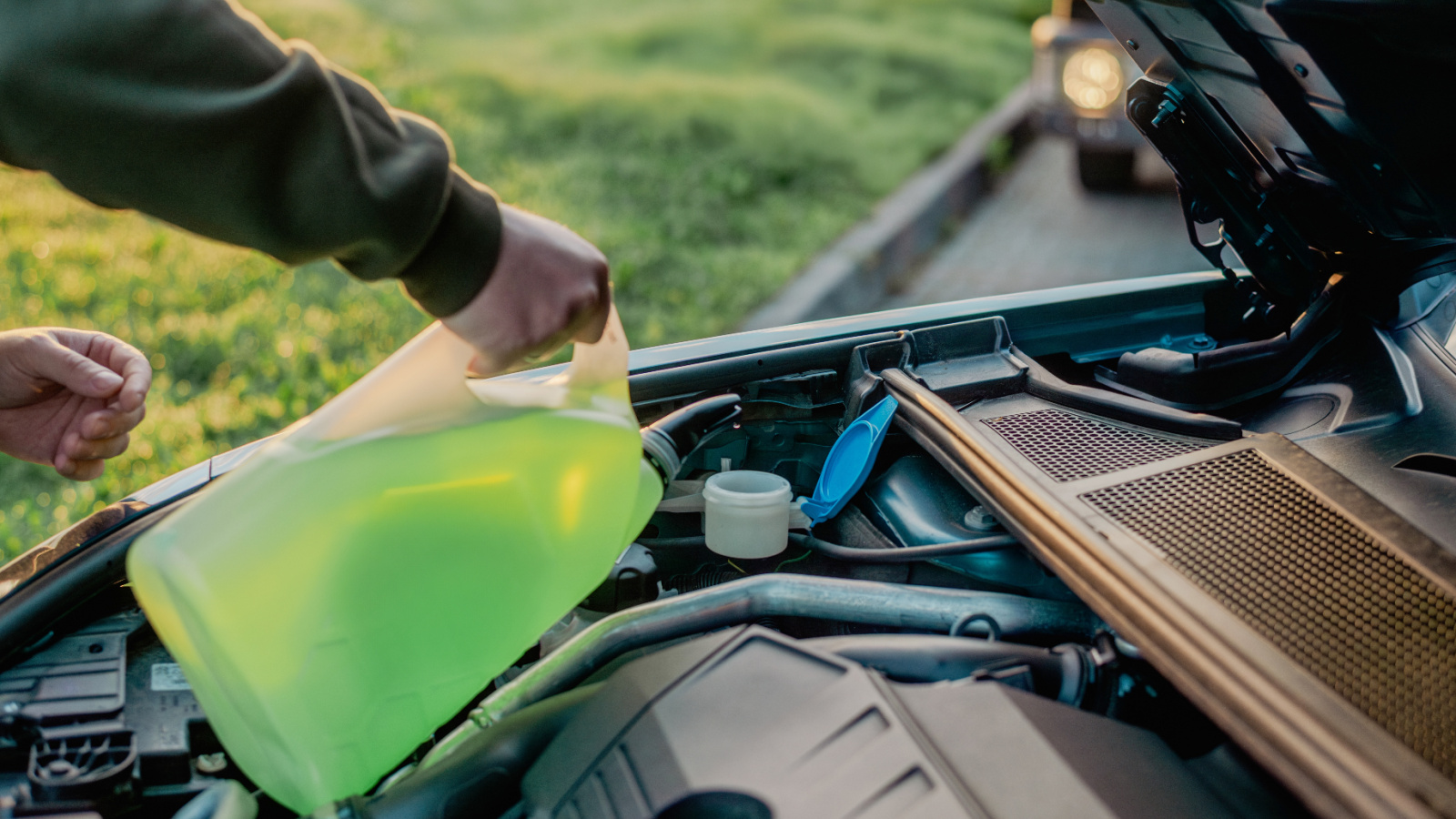
Spring driving tends to consume more washer fluid than many people expect. Melting grime, road spray, bug residue, and frequent highway use can drain the reservoir quickly, especially in the messy transition between winter and full summer conditions. The cost is modest, but it is repetitive, and repeated costs often feel bigger than one-time bills because they never seem fully finished.
Fluid top-ups also have a way of broadening into a general spring inspection. Once a driver starts paying attention, windshield washer fluid leads to coolant, brake fluid, and other consumables that may need checking or topping up before longer trips. CARFAX Canada’s road-trip and maintenance guidance stresses the importance of checking essential fluids, which is exactly why the spending starts to feel cumulative in spring. The driver may only intend to buy a jug of washer fluid, then ends up replacing a worn cap, topping up coolant, and realizing a service visit is due. These are not dramatic expenses on their own. The issue is that spring driving increases exposure to every one of them at once, turning low-level maintenance into a steady drain on the monthly vehicle budget.
Undercarriage Washes to Remove Salt Before It Does Damage
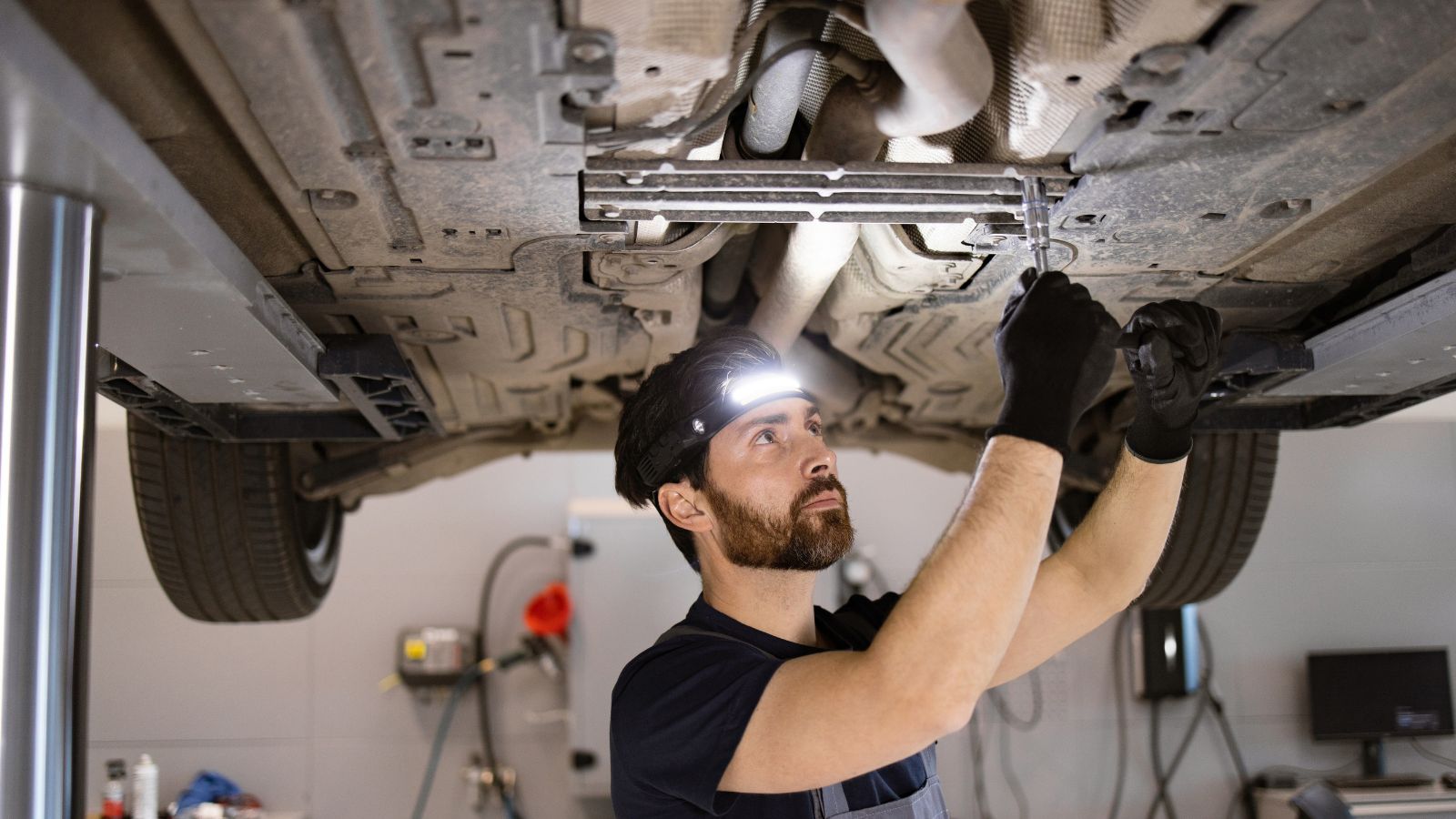
A proper spring car wash is not always cosmetic. In Canada, it is often defensive spending. Months of exposure to road salt, sand, and grime can leave corrosive material clinging to the underside of a vehicle, and many drivers know that ignoring it is a gamble. Once temperatures rise, the undercarriage wash becomes less of a luxury and more of a practical attempt to limit longer-term deterioration.
CARFAX Canada’s spring-maintenance advice explicitly recommends cleaning the undercarriage because winter buildup can contribute to erosion. That makes the expense feel more justified, but not necessarily more enjoyable. It can also become recurring if spring roads remain dirty for weeks, especially in areas where thaw conditions linger. Many drivers know the pattern: one wash feels necessary, the car gets dirty again almost instantly, and another underbody rinse starts to seem prudent before a road trip. It is a revealing spring cost because it shows how winter continues billing the driver even after the snow is gone. The season may look cleaner, but the vehicle often needs paid help to actually become clean enough to protect.
Detailing and Paint Care After a Rough Winter
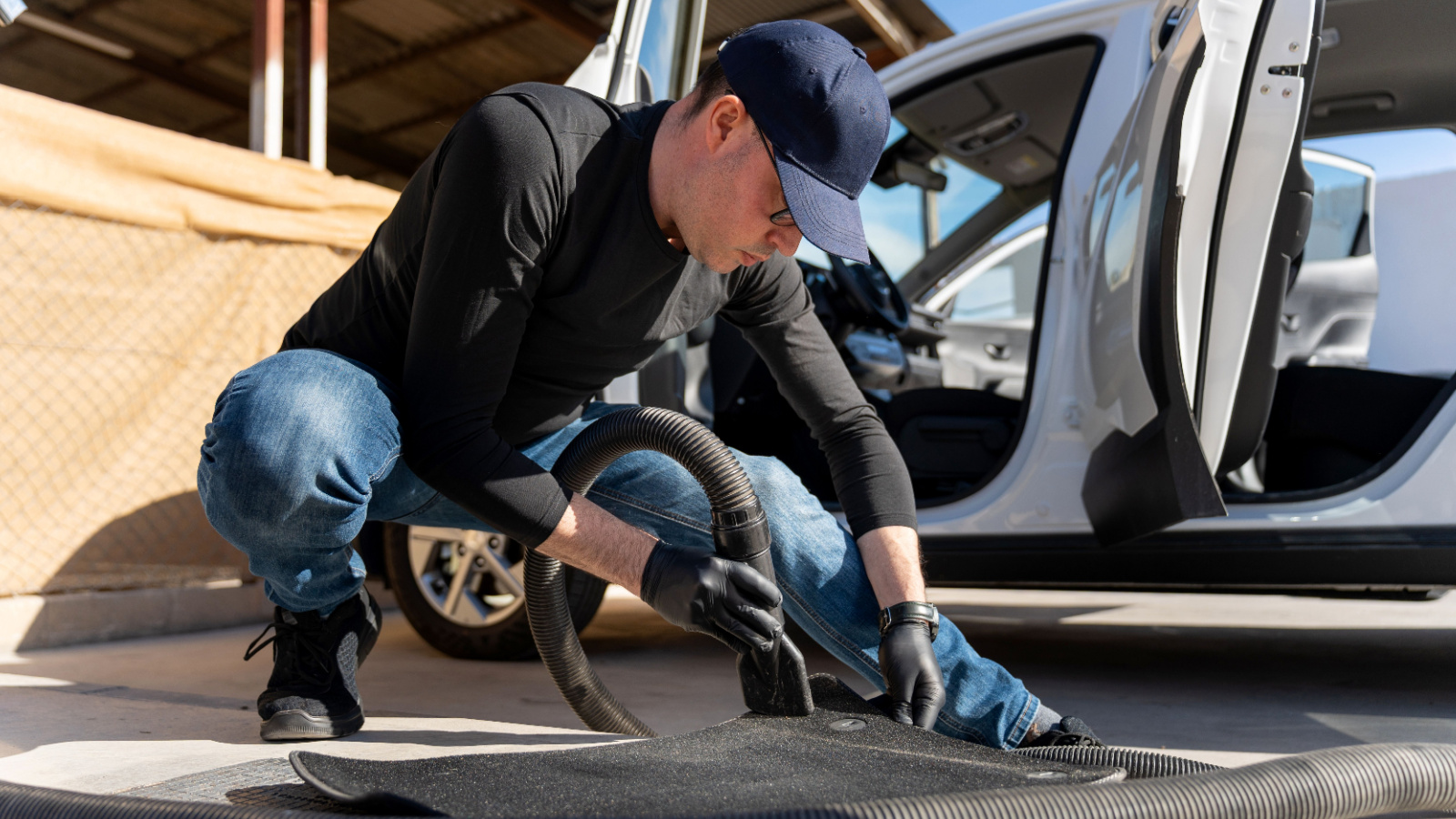
After the undercarriage comes the visible part of the car. Spring often exposes stained carpets, salt rings, dulled paint, embedded grime, and the general fatigue that winter leaves behind. Some owners handle it with elbow grease at home, but many end up paying for interior cleaning, waxing, mat replacement, or a more serious detail because the vehicle simply looks and feels tired after months of harsh use.
This is one of the more emotional spring costs because it is tied to pride as much as necessity. CARFAX Canada recommends a deeper interior and exterior clean in spring to remove residue and protect the paint, and that advice resonates because winter in Canada can make even a well-kept vehicle feel neglected. The practical argument is easy to understand: salt and grime left sitting on the body or inside the cabin are not harmless. But the spending often comes from a simpler place. Once the weather improves and people start driving more often, they want the vehicle to feel better too. The result is a bill that is partly maintenance, partly restoration, and fully noticeable the moment the season invites people back onto the road.
Cabin and Engine Air Filters That No Longer Feel Optional
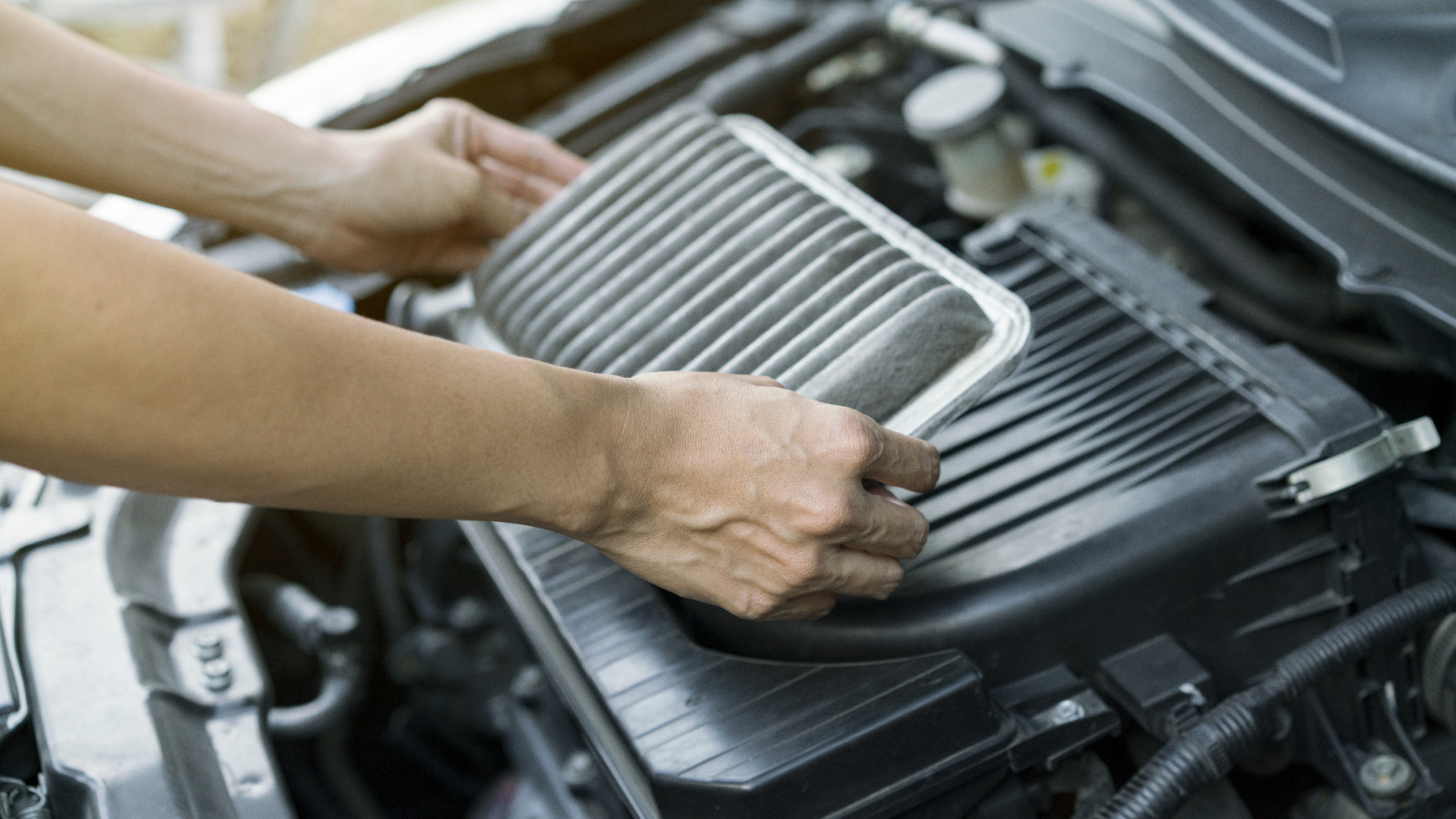
Spring adds pollen, dust, and more frequent ventilation use to the equation, which is why air filters often move from “sometime later” to “probably now.” A clogged cabin filter can make the interior feel stuffy just as drivers begin using the fan and air conditioning more regularly, while a neglected engine air filter becomes part of the broader maintenance catch-up that often happens after winter. Neither replacement feels dramatic, but both can suddenly seem necessary once the vehicle is driven more often and for longer stretches.
There is also a quality-of-life aspect that makes this cost easier to notice. Health Canada has highlighted research showing that cabin air filtration can reduce in-vehicle particulate exposure, and CARFAX Canada includes cabin and engine air filters in annual maintenance guidance. That gives the expense more weight than a purely cosmetic fix. The first warm drive with dust blowing around, or the first family trip with allergy-prone passengers, can make the decision feel overdue. In spring, the vehicle is not just expected to move again. It is expected to feel comfortable again too, and filters are one of the smaller but persistent costs that help restore that sense of normal driving.
Battery Problems That Winter Leaves Behind
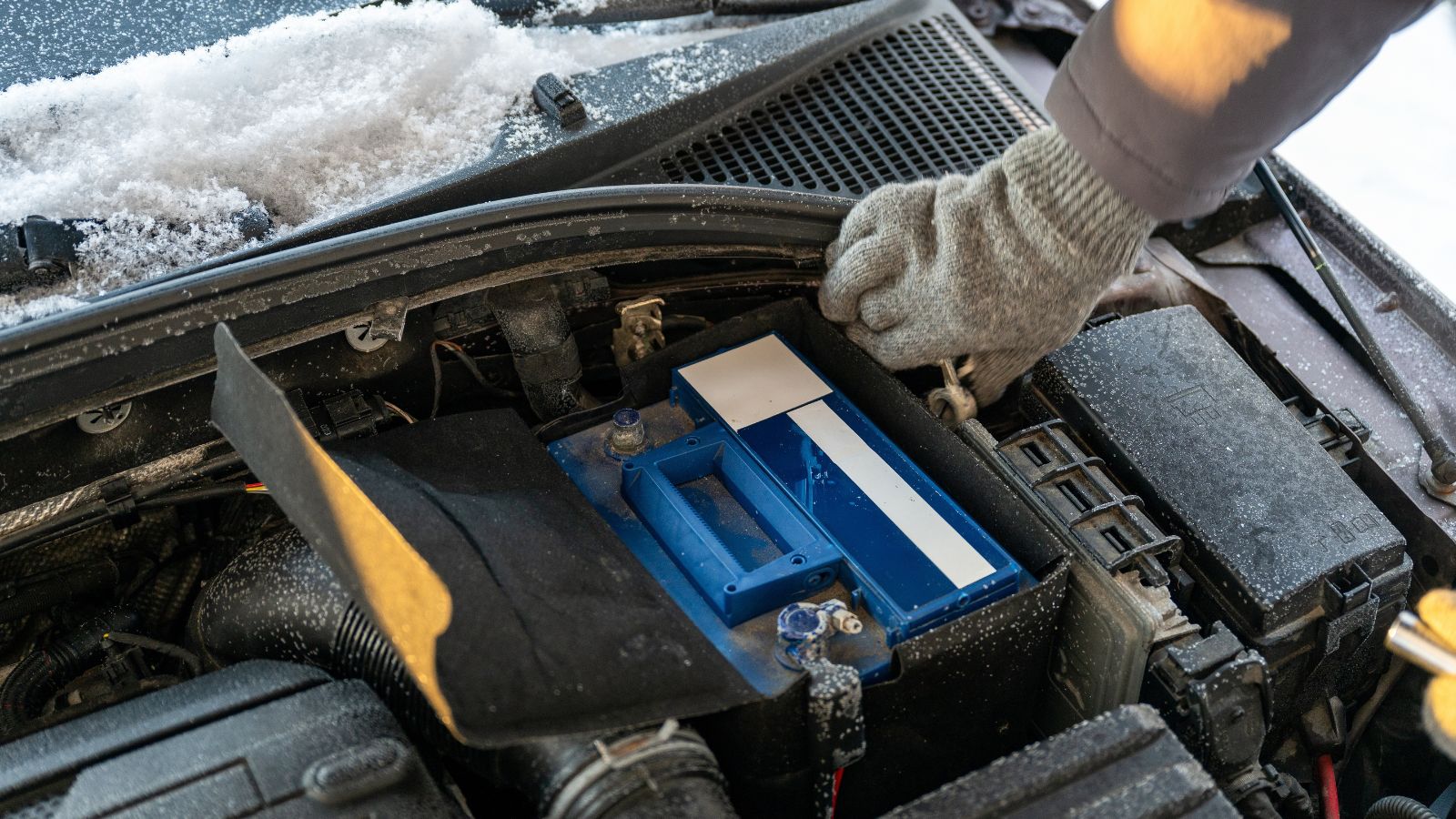
Not every spring driving cost comes from using the vehicle more. Some come from discovering what winter already weakened. Battery trouble is a classic example. Cold weather is hard on batteries, and a unit that barely survived freezing mornings can finally fail once schedules get busier and the driver is less willing to tolerate uncertainty. That is why battery testing, charging-system checks, or outright replacement often appear in spring maintenance conversations.
Canadian auto guidance frequently warns that winter is tough on battery life, and Canada Drives notes that most car batteries tend to last roughly three to five years. That means many spring failures are not flukes so much as aging components reaching the end of the line after a harsh season. The cost feels especially aggravating because it can interrupt the exact increase in driving that spring encourages. A car that is suddenly needed for work, children’s activities, or a weekend away becomes unreliable right when demand rises. Few seasonal vehicle bills feel as poorly timed. A battery may not be glamorous, but once it weakens enough, it turns a season associated with momentum into one that begins with a boost, a tow, or a replacement invoice.
Air Conditioning That Costs More Than Comfort
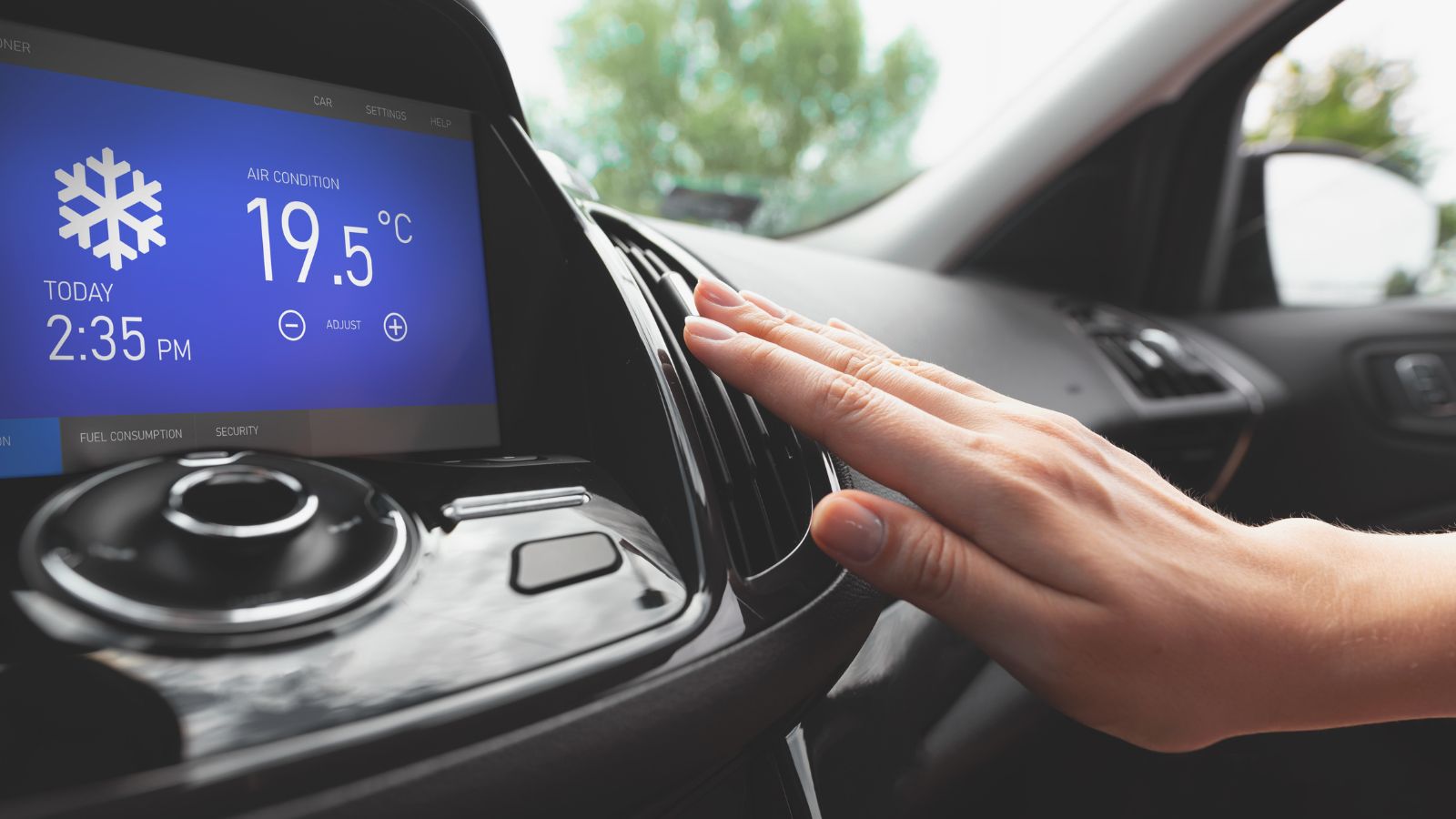
Once temperatures rise, air conditioning returns to daily use, and that has a direct cost even when nothing is broken. Natural Resources Canada says air-conditioning use can increase fuel consumption by up to 20 percent, depending on conditions and vehicle load. That makes A/C one of those hidden spring expenses drivers feel without always naming it. The car is doing exactly what it should, but it is also using more energy to do it.
The secondary cost comes when the system is not working properly after sitting idle or underused. Warm days reveal weak cooling quickly, and a driver who ignored the system during winter suddenly has a repair decision to make. Spring and early summer are full of stories like this: the first truly warm commute arrives, the vents blow lukewarm air, and what seemed like a comfort issue becomes a service appointment. Even when repair is not required, the extra fuel use adds to the seasonal sense that driving has become more expensive in subtle ways. Comfort has a price, and once Canadians start spending more time behind the wheel again, they notice that price much faster than they do in colder months.
Insurance That Feels Heavier Against a Broader Driving Budget

Insurance is not always a spring-specific charge, but it often feels more burdensome when the car becomes central to daily life again. In winter, a fixed premium can fade into the background if driving is limited. In spring, that same bill gets mentally grouped with gas, maintenance, parking, and repair spending, so it feels larger even when the number itself has not changed month to month. And in Canada, premium pressure has been very real.
Statistics Canada data show passenger vehicle insurance premiums remained elevated on a year-over-year basis in recent CPI reporting, while StatCan’s analysis of the insurance market points to higher repair costs, parts costs, vehicle prices, and claims pressures as factors shaping what drivers pay. That context matters because many households do not experience insurance as an isolated category anymore. They experience it as part of a full spring motoring restart. The first long drives of the year often sharpen awareness of every fixed and variable expense attached to the car. Insurance becomes one of the biggest because it is unavoidable, recurring, and increasingly hard to separate from the broader feeling that simply being an active driver costs more than it used to.
The Extra Kilometres That Quietly Lower Resale Value
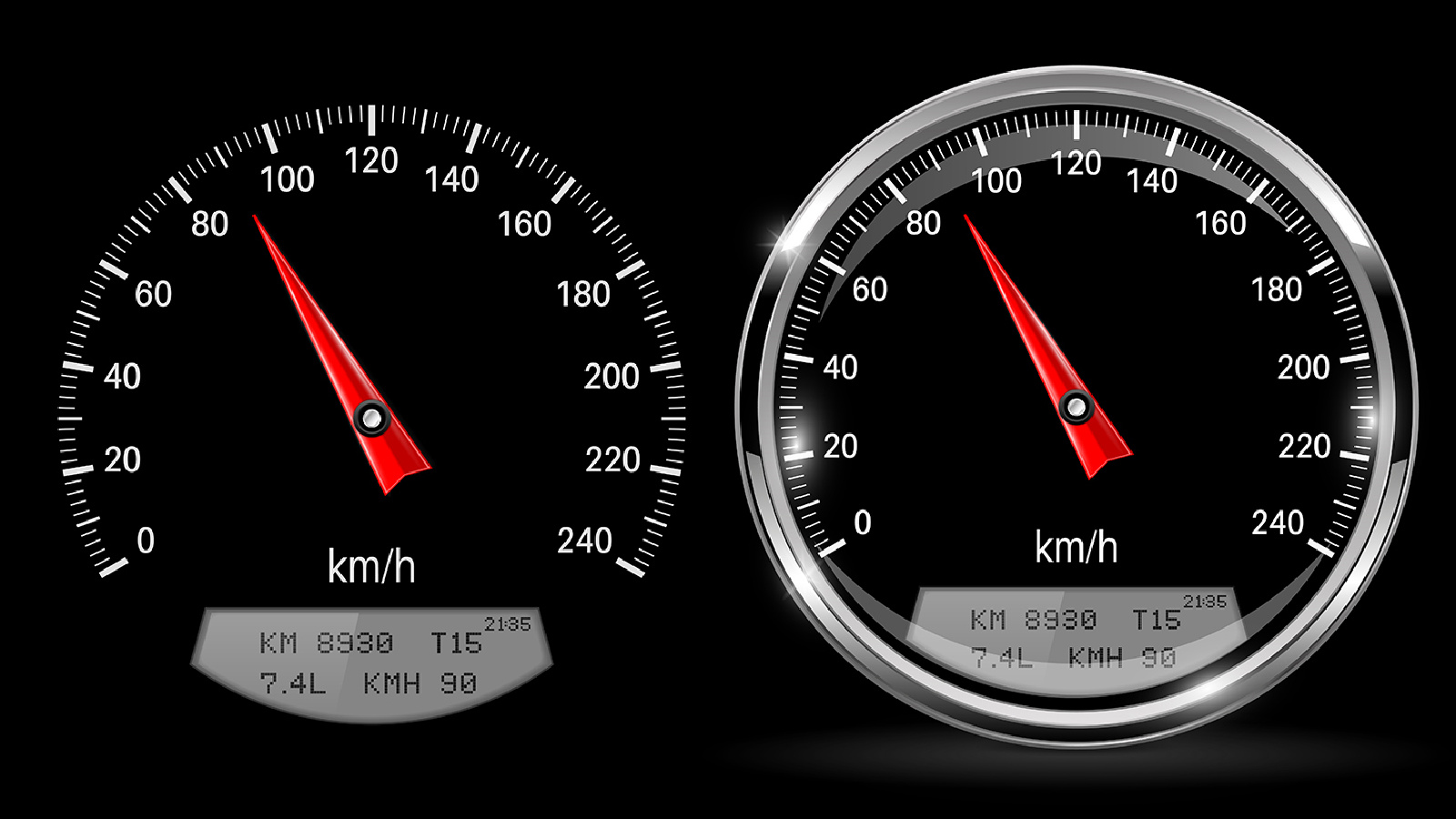
One of the least visible spring costs is depreciation caused by higher mileage. Unlike gas or repairs, it does not arrive as a bill, but it is still a real financial loss. Once the weather improves, many Canadians naturally drive more, and those kilometres push the odometer upward faster than they may realize. The effect is easy to ignore in the moment because the trips feel useful, enjoyable, or overdue. The consequence shows up later when the owner trades in, sells privately, or tries to estimate the vehicle’s value.
Canadian vehicle-valuation guidance repeatedly emphasizes that mileage is one of the clearest factors affecting resale value. CARFAX Canada notes that the average Canadian drives about 20,000 kilometres a year and that higher odometer readings can reduce resale value. AutoTrader makes the same basic point: more kilometres usually mean less money at sale time. Spring matters because it often restarts the mileage clock in earnest. One season of heavier use does not destroy a vehicle’s value, but it does remind owners that every pleasant weekend trip and every resumed commute has a second price attached. It just happens to be collected later, when the car leaves the driveway for the last time.
Small Spring Driving Costs Rarely Stay Small

What makes spring motoring feel expensive is not one spectacular charge. It is the way many ordinary ones begin arriving together. The pump gets busier, the tire appointment comes due, the first pothole strikes, the windshield gets chipped, the wash becomes necessary, and the service adviser finds two or three more things worth addressing before summer. None of that is unusual. That is exactly why it feels so convincing.
The bigger lesson is that spring does not create vehicle costs from nothing; it concentrates them. More driving exposes everything winter postponed, accelerated, or quietly damaged. For Canadians, that can turn the season’s first burst of freedom into a month of unexpectedly heavy automotive spending. The surprise is understandable. Spring looks like the cheap season because roads are clearer and days are brighter. In reality, it is often the season when the true cost of using the car more regularly becomes impossible to ignore.
22 Things Canadians Do to Their Cars in Spring That Mechanics Hate

Spring brings relief to many Canadian drivers after months of snow, freezing temperatures, and icy roads that put serious strain on vehicles. As temperatures rise across the country, drivers begin washing cars, switching tires, and preparing vehicles for warmer weather and upcoming road trips. However, mechanics across Canada notice the same mistakes every spring when drivers attempt to recover from winter damage. Road salt, potholes, and harsh winter driving conditions often leave vehicles with hidden problems that drivers ignore. Some spring habits even create new mechanical issues that could have been avoided with proper maintenance. Here are 22 things Canadians do to their cars in spring that mechanics hate.