
























Sticker prices get most of the attention, but family-car ownership in Canada is rarely defined by the number on the windshield. The real strain usually comes later, in the steady drip of expenses that feel manageable one at a time and surprisingly heavy when they stack up across a year. In a country shaped by long distances, hard winters, rising insurance costs, and increasingly expensive repairs, the family vehicle has become a larger budget line than many households first expect.
These 17 costs help explain why the annual total keeps outrunning the original plan. Some are obvious, some are seasonal, and some only show up when a family is already stretched thin. Together, they form the true price of keeping a family car on the road in Canada.
Depreciation That Keeps Working in the Background

Depreciation is the cost many families feel but rarely budget for, because it does not arrive as a bill. It simply shows up when the vehicle is traded in, sold, or written off after a collision. That quiet loss matters more than most people admit, especially for newer family vehicles that begin shedding value long before the loan balance feels comfortable. In practical terms, a household can make every payment on time and still discover that the vehicle’s market value has dropped faster than expected.
That has been especially relevant in Canada’s post-pandemic market normalization. Canadian Black Book and Fitch noted that the used-vehicle market experienced a 20.4% depreciation rate in 2024, with electric vehicles seeing even deeper declines. For families who chose larger SUVs, minivans, or higher trims to handle children, gear, and winter travel, that hidden annual loss can dwarf several of the more visible ownership expenses.
Loan Interest That Outlasts the Excitement of Buying

Monthly payments often become the number families anchor to, but the interest embedded inside those payments is where the budget quietly swells. A family may choose a slightly larger vehicle for cargo space, all-wheel drive, or a third row, then stretch the loan term to keep the payment tolerable. The payment may look manageable, yet the total borrowing cost grows year after year, especially when rates stay elevated longer than expected.
That pressure is visible in the broader credit picture. The Bank of Canada has reported that arrears on auto loans have risen further for households without a mortgage and are now above historical levels, a sign that borrowing costs remain a real strain. Even federal tax guidance for business auto loans still recognizes a substantial monthly interest ceiling, underscoring that financing is not a minor side cost. For many Canadian families, interest is not just part of the purchase; it is an ongoing annual expense hiding inside the payment itself.
Insurance Premiums That Keep Climbing
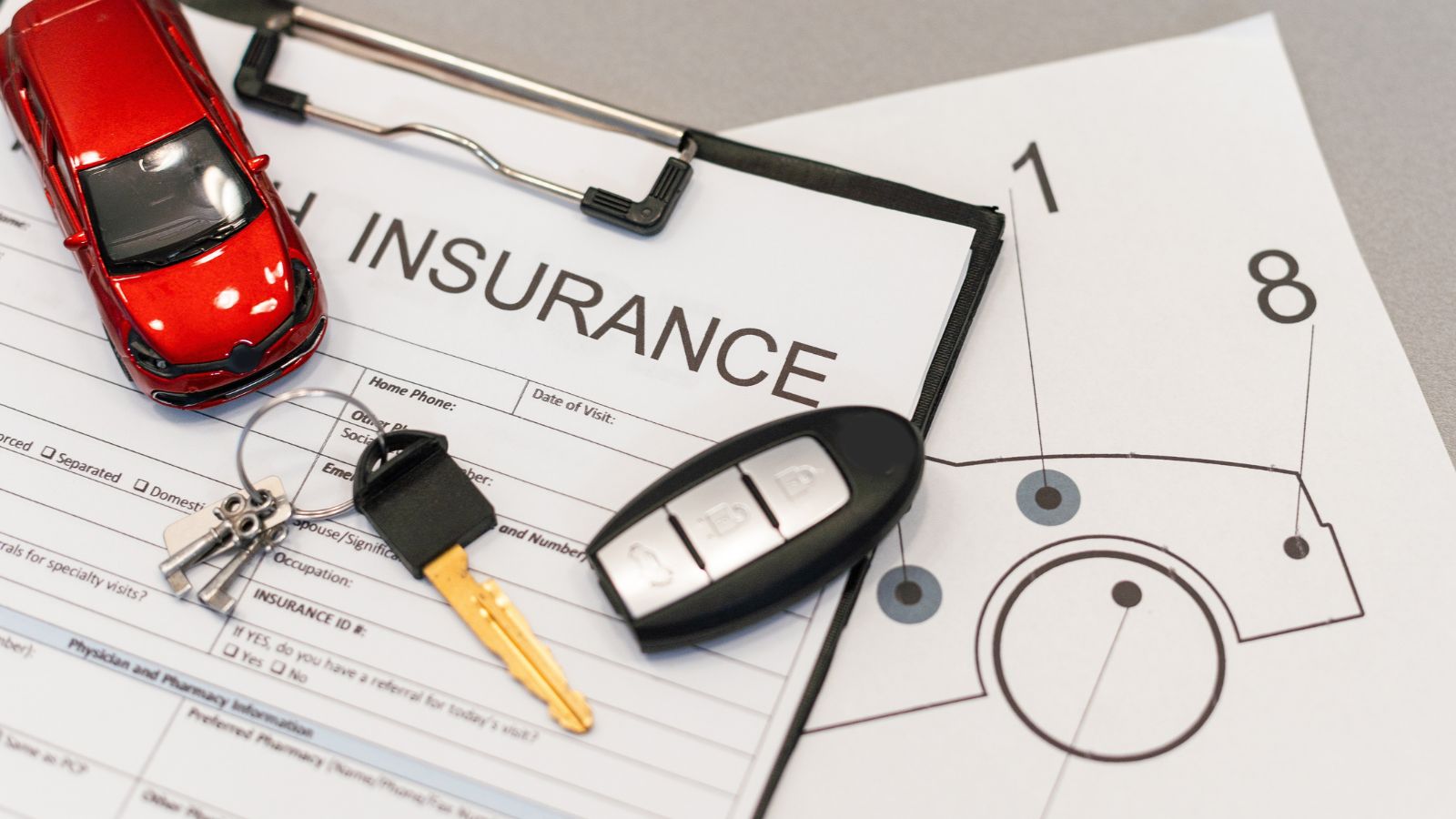
Insurance is one of the most predictable car expenses, which is exactly why families often underestimate it. A premium quoted at renewal can feel like a fixed utility bill, but it reflects a wide mix of rising pressures: claim severity, theft, repair costs, location, vehicle type, and the number of listed drivers. In households with teenagers, long commutes, or dense urban parking, the premium can move from annoying to genuinely burdensome without any dramatic change in driving habits.
Recent Canadian data helps explain why. Statistics Canada showed passenger vehicle insurance premiums up 7.0% year over year in March 2026. In Ontario, FSRA data cited by Ratehub put the province’s average annual auto insurance premium at $1,927 in June 2024. For a family already balancing groceries, housing, and child-related costs, that kind of recurring expense is easy to resent and hard to trim quickly. It is also one of the clearest examples of how owning the family car can get more expensive even when the car itself has not changed.
Optional Coverage and Deductibles Families Notice Too Late

Many households focus on the headline premium and pay less attention to what is actually inside the policy. That is where underestimation begins. Loss-of-use coverage, waiver of depreciation, rental replacement, higher liability limits, and lower deductibles all add cost, but skipping them can create an even larger bill when something goes wrong. Families often discover the trade-off only after a claim, when the car is in the shop, school pickups still need to happen, and the policy does not cover as much as expected.
Canadian insurers treat those extras as meaningful, not cosmetic. ICBC’s loss-of-use coverage, for example, exists specifically to cover rental cars, taxis, or transit while a vehicle is being repaired after a claim. Ratehub notes that temporary replacement coverage is optional rather than automatic in many policies. That means families who want their daily routine protected usually have to pay more up front. The annual insurance cost, in other words, is often higher than the base quote that first made the budget look reasonable.
Fuel Costs That Shift Faster Than Family Budgets Do
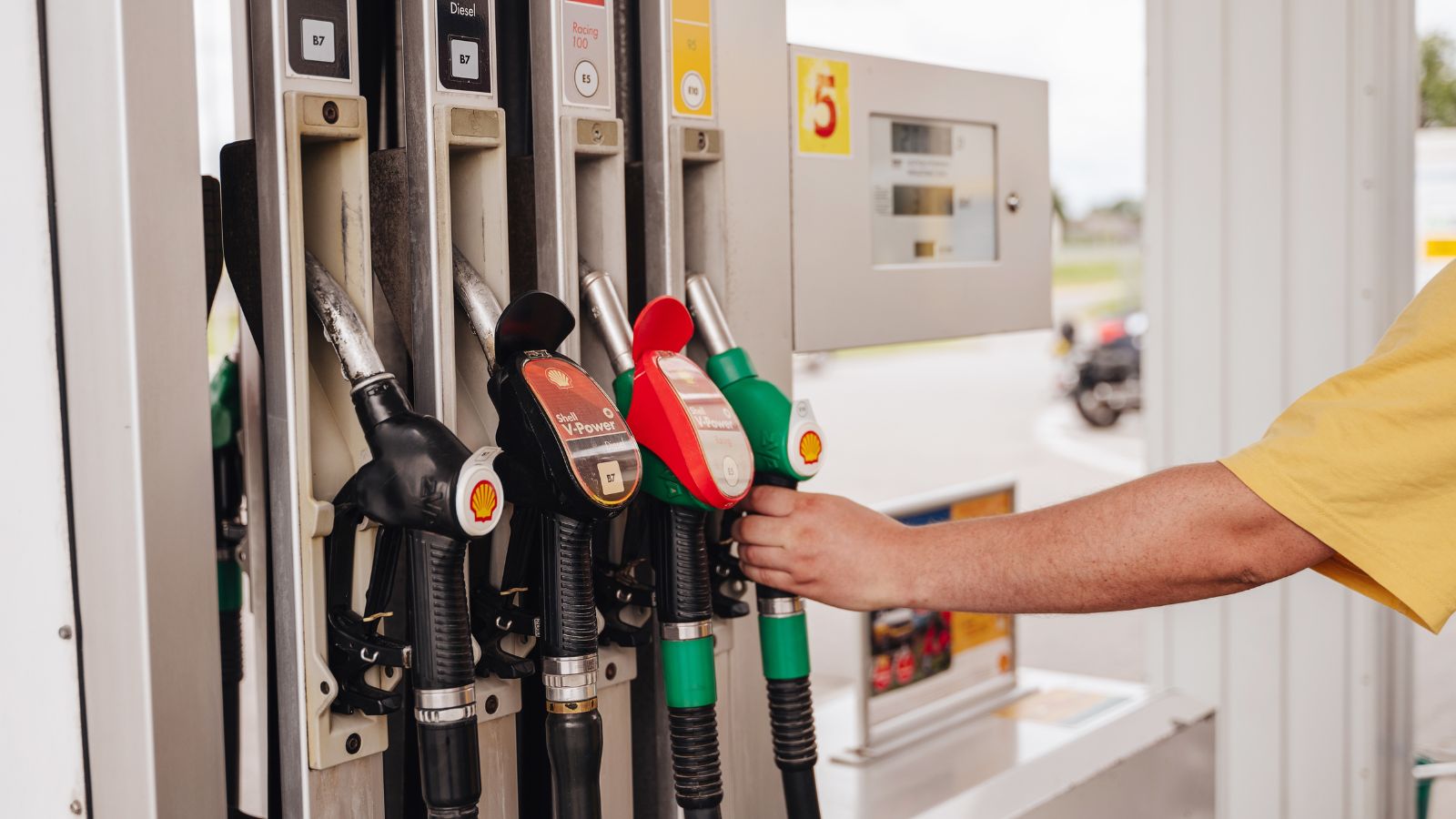
Fuel is still one of the most visible car costs in Canada, yet it remains one of the easiest to misjudge because it changes constantly. Families tend to estimate fuel spending using a calm month, not a school-heavy month, a winter month, or a month filled with sports drop-offs, weekend errands, and holiday travel. A vehicle that seemed affordable on paper can become noticeably more expensive once real family mileage takes over.
Statistics Canada’s fuel-price data and CPI releases show just how quickly the math can turn. Gasoline was up 5.9% year over year in March 2026, making transportation inflation feel personal again for households driving larger family vehicles. Older CAA ownership guidance has also pointed out that, excluding depreciation, fuel tends to be the costliest annual expense for many drivers, estimating roughly $1,500 a year for a compact vehicle even before recent price swings. For SUVs, crossovers, and minivans carrying children and cargo through Canadian winters, the annual fuel bill can climb far beyond what buyers first imagine.
Winter Driving and Idling Penalties on Fuel Economy
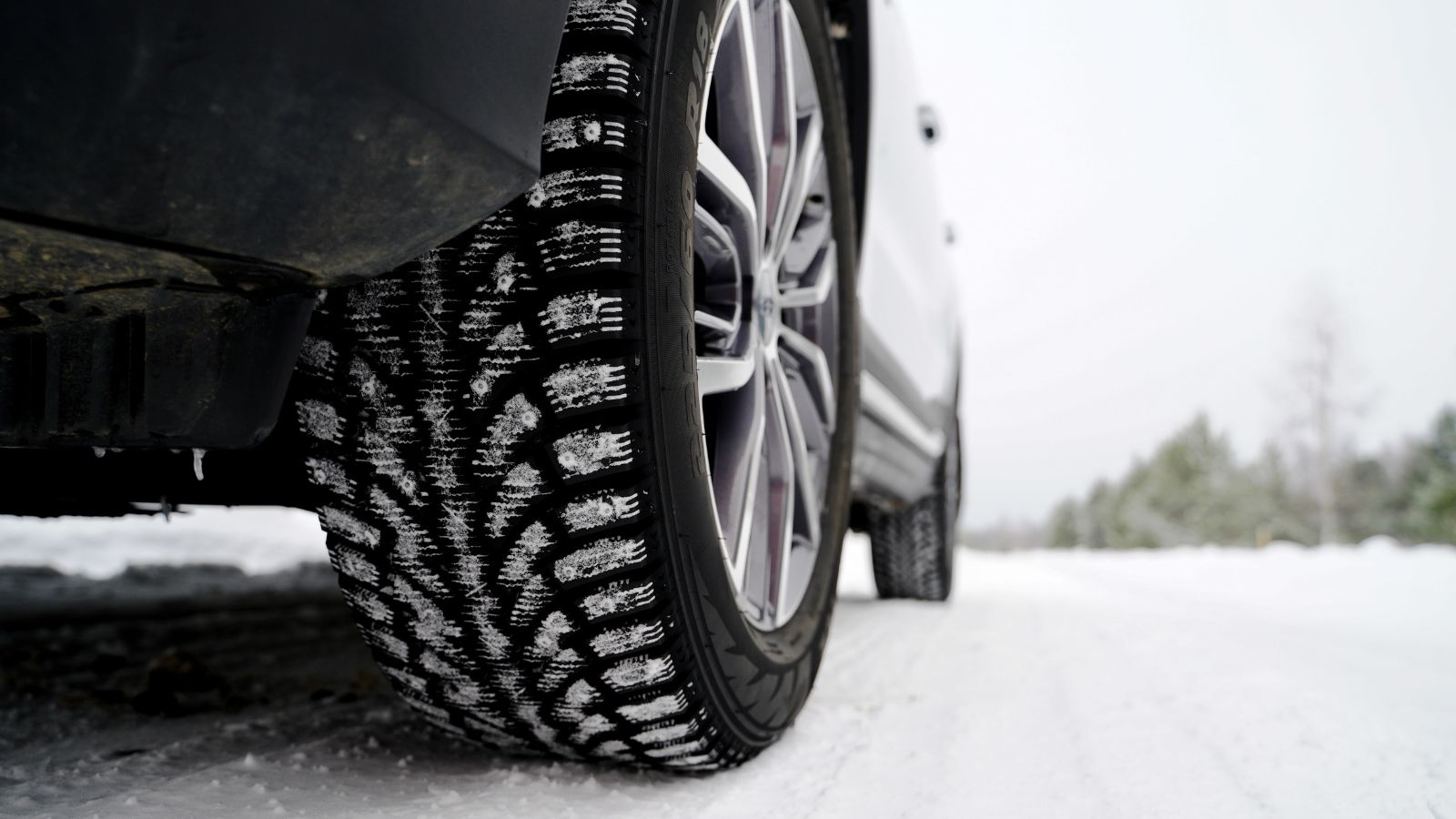
Canadian families do not just buy fuel; they buy winter inefficiency. Cold starts, remote warmups, thicker traffic, snow-covered roads, extra cargo, and underinflated tires all chip away at fuel economy. None of those costs feels dramatic in isolation, which is why they are so often ignored in advance. But over a full winter, these small penalties can noticeably lift the annual fuel bill.
Natural Resources Canada has long warned that idling wastes both fuel and money. For an average vehicle with a 3-litre engine, every 10 minutes of idling uses about 300 millilitres of fuel. NRCan also notes that for every 4 psi of tire underinflation, fuel use rises by about 2%. That matters in winter, when temperature drops make tire pressure fall and many parents rely on preheating before school runs. In Canada, fuel cost is not just about distance driven. It is also about weather, habits, and the small seasonal routines that quietly make a family vehicle cost more than expected every year.
Routine Maintenance That Never Really Stops
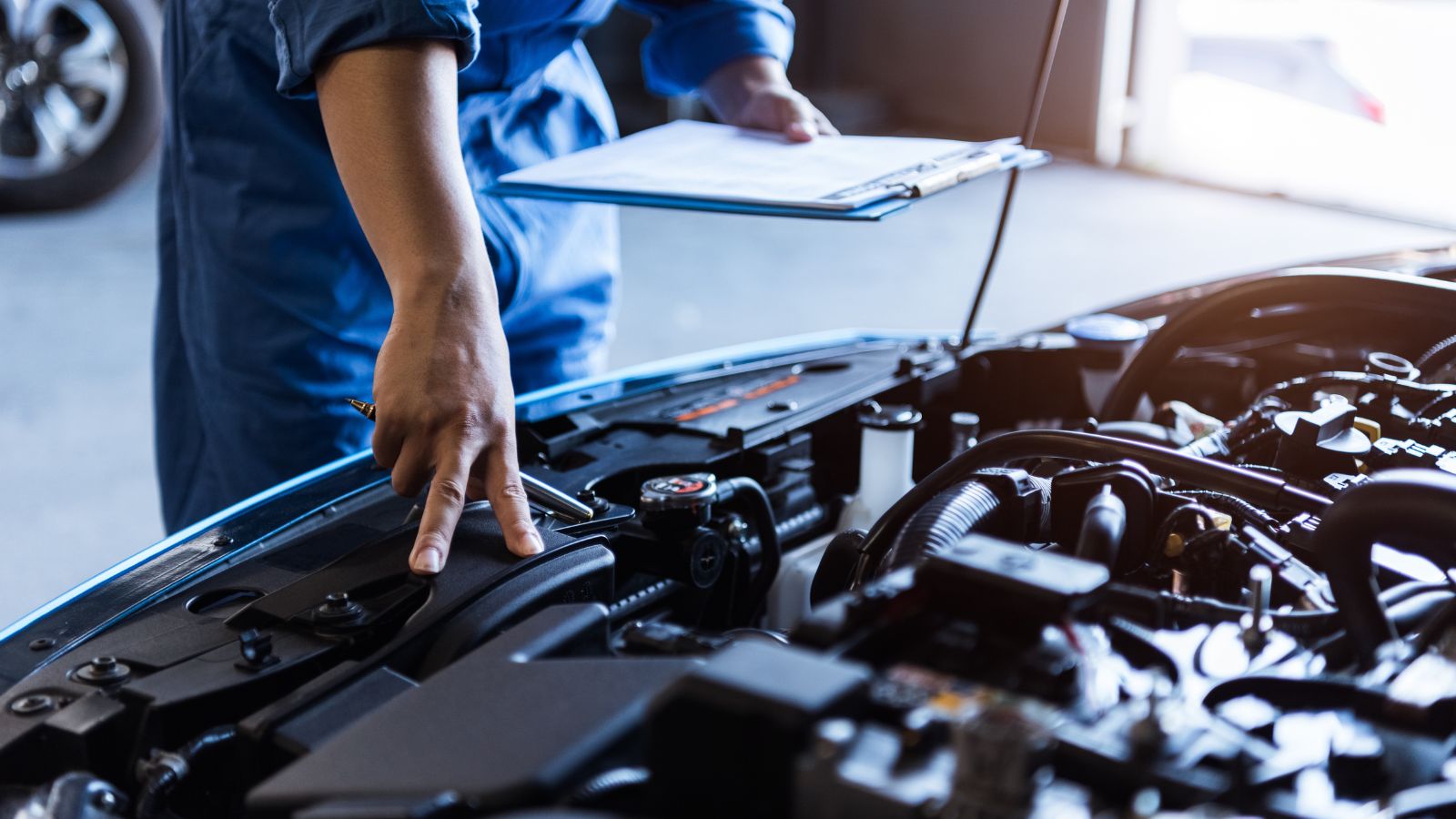
Routine maintenance is easy to underestimate because it arrives in fragments: an oil change here, a cabin filter there, then brake service, inspections, fluids, and seasonal checks before a road trip. None of it carries the drama of a major repair, but together it becomes a standing annual expense. Families with busy calendars often delay this work until several items stack up at once, making the bill feel sudden even when the need was entirely predictable.
CAA has long warned that many Canadians underestimate basic ownership costs, noting that routine scheduled maintenance alone can run roughly $500 to $700 a year, excluding tire replacement and winter tires. That baseline now sits in an environment where maintenance and repair prices have also risen. The emotional trap is familiar: because the car is still running, the maintenance budget gets treated as flexible. In reality, it is one of the least optional parts of family-car ownership. Skipping it may postpone the payment, but it often turns a routine annual cost into a larger repair bill later.
Repairs and Parts Inflation After the Warranty Comfort Fades
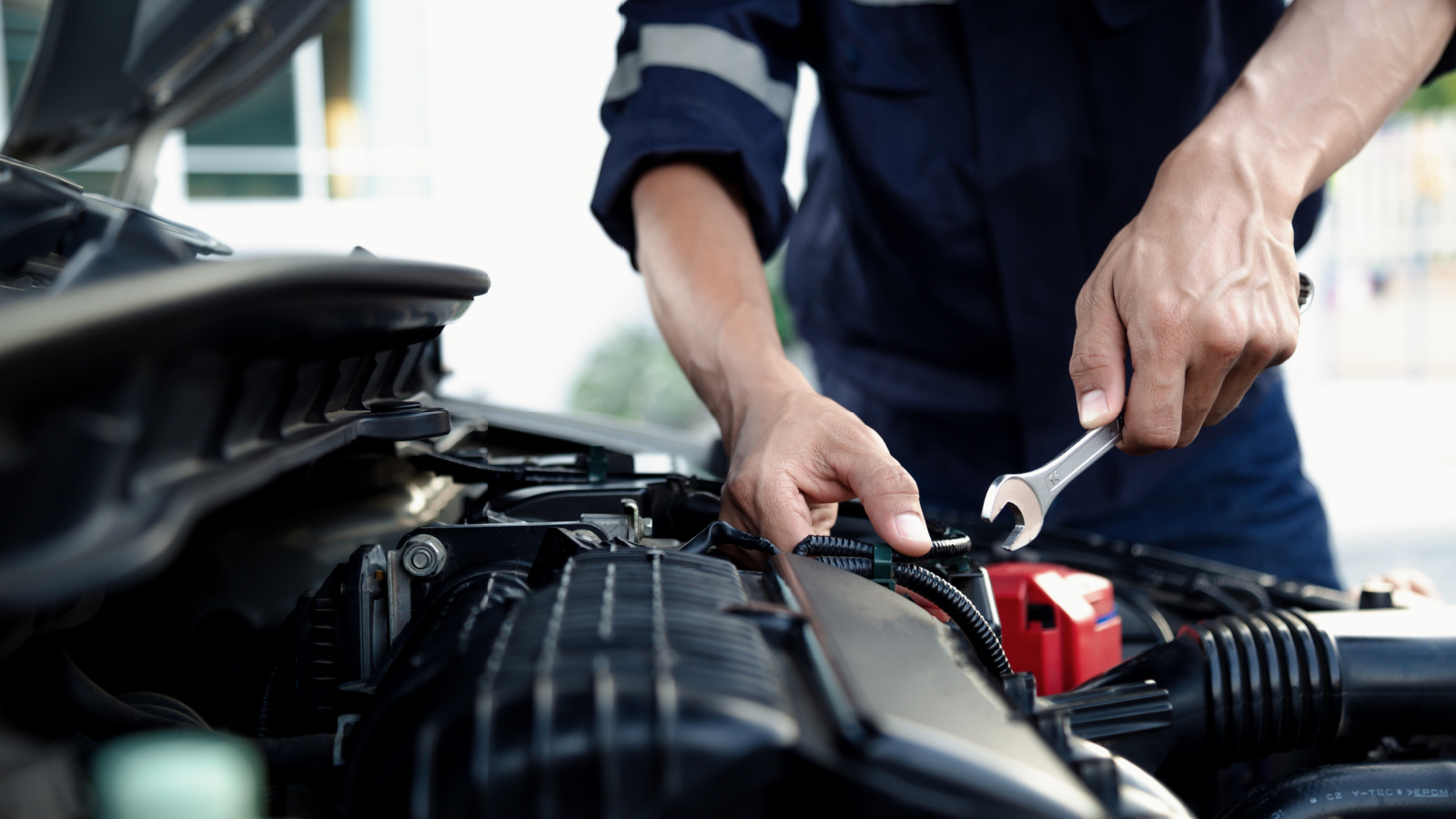
The warranty period can create a false sense of financial stability. During those years, the vehicle may feel relatively painless beyond fuel, insurance, and scheduled service. But once the warranty cushion fades, the family car enters a more expensive phase. Sensors, electronics, brakes, suspension components, and labour costs can turn one inconvenient appointment into a four-figure surprise, particularly on larger vehicles packed with safety and driver-assistance technology.
Canadian inflation data helps explain why these repair shocks have become harder to absorb. Statistics Canada reported that passenger vehicle maintenance and repair services had risen sharply in recent years, peaking at 6.2% year over year in 2023, while parts, accessories, and supplies also saw strong increases. Even by early 2026, maintenance and repair services remained higher year over year. Families budgeting based on older assumptions often miss the new reality: fixing a modern family car is not just about one broken part. It is about pricier labour, pricier components, and a vehicle ecosystem that has become more expensive to maintain than many annual plans allow for.
Tire Replacement That Arrives as a Full-Set Expense
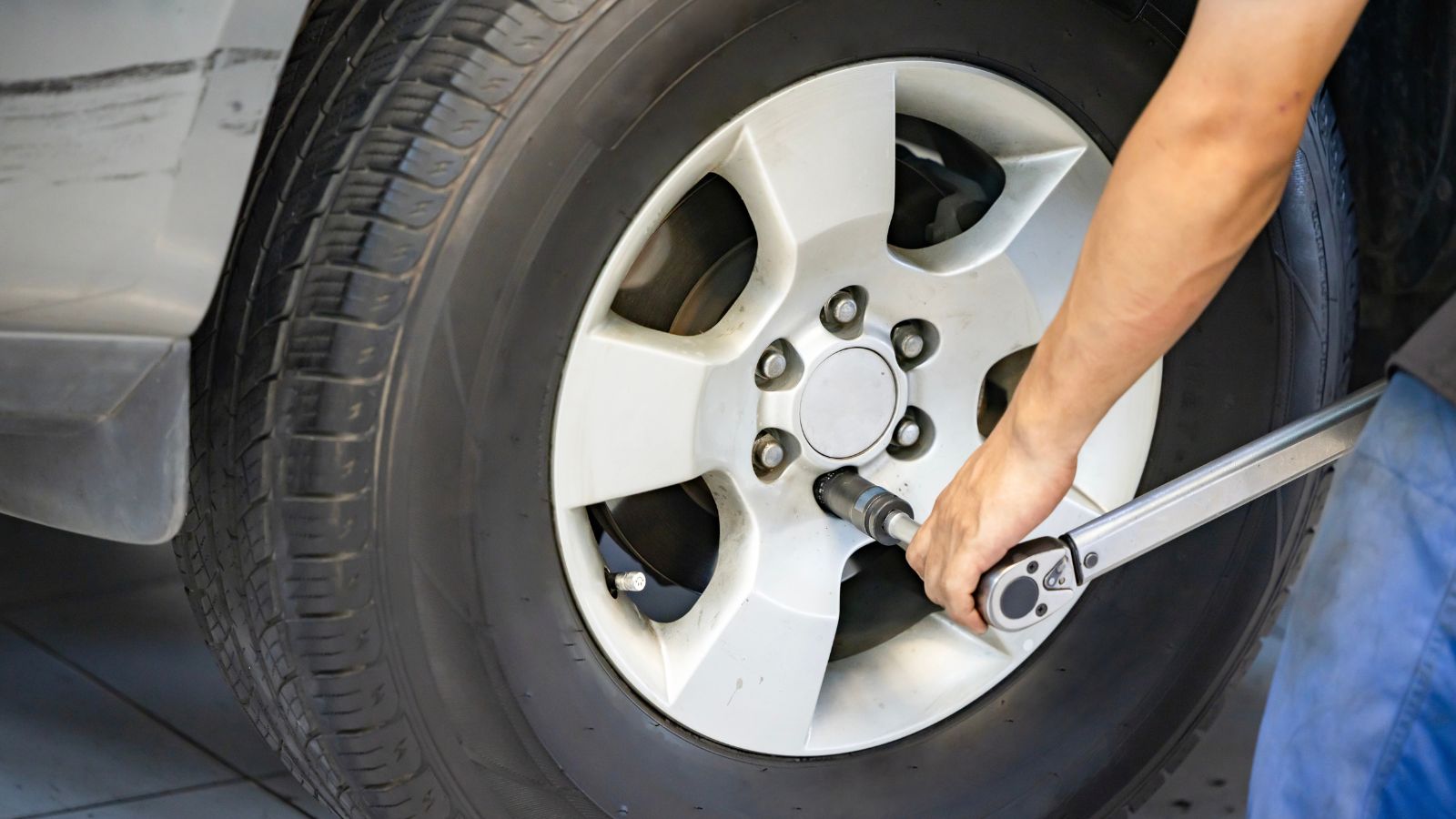
Tires are rarely thought of as a monthly cost, which makes them especially easy to underestimate. But when replacement time arrives, it is usually a four-tire event rather than a one-tire inconvenience. For family vehicles, that cost can be steeper because crossovers, minivans, and SUVs often wear larger tires with higher prices. Add installation, balancing, and disposal fees, and what looked like a simple maintenance item starts to feel like a significant annual or near-annual budget hit.
The timing also tends to be inconvenient. Consumer Reports notes that tire lifespan varies widely, with some lasting far longer than others, but replacement is still an unavoidable part of ownership. For Canadians who drive substantial annual mileage through school, commuting, and family trips, that wear comes faster than expected. CAA has also explicitly warned that routine maintenance estimates do not include the cost of replacing old tires. That omission matters, because many households mentally file tires under “occasional expense” when, in practice, tire wear is one of the most predictable long-run costs attached to keeping a family vehicle safe.
Winter Tires, Seasonal Swaps, and Storage Fees

In much of Canada, winter tires are not a luxury purchase dressed up as safety advice. They are a real operating cost of owning a family car. Even where they are not legally required, many households treat them as essential because school commutes, daycare drop-offs, and weekend highway trips do not pause for bad weather. That means buying a second set, paying for seasonal installation, and often paying for storage if garage space is limited.
Quebec removes any ambiguity by law: vehicles registered there must be equipped with winter tires from December 1 to March 15. CAA has also noted that routine annual maintenance estimates do not include winter tire purchases, though some insurers may offer discounts of up to 5% for using them. Even with that discount, the math still surprises people. Tires, rims, swaps, and storage can turn winter readiness into a distinct annual budget category. For Canadian families, especially in snowy regions, the true price of the family car includes not just one set of tires, but an entire cold-weather tire system.
Registration, Licensing, and Renewal Fees That Don’t Feel Optional
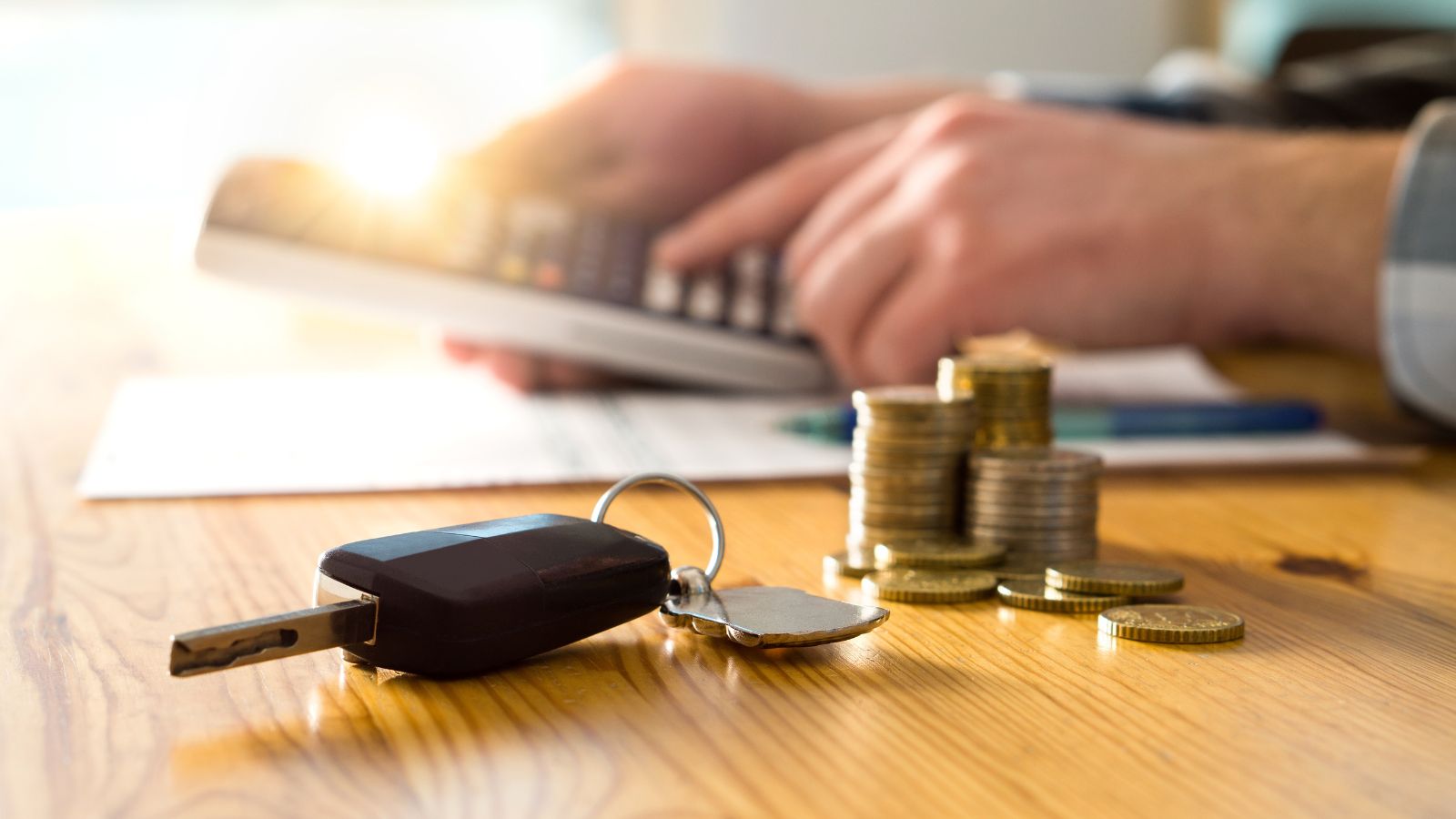
Administrative vehicle costs are usually not huge compared with financing or insurance, but they are also not imaginary. Registration fees, permit replacements, driver licensing costs, inspections in some situations, and related government charges can add another layer to annual ownership. Because these payments are infrequent and often processed online or during renewal windows, many households forget to include them in the yearly cost of the car at all.
The examples across Canada vary, but they make the point clearly. Ontario’s driver and vehicle fee schedule lists a $32 fee for a vehicle permit, while Alberta says passenger-vehicle registration renewal starts at $100 including the service charge, with an added EV tax starting at $200 where applicable. Statistics Canada also treats passenger vehicle registration fees and drivers’ licences as distinct transportation-cost items inside the CPI basket. That is a useful reminder: these are not technical footnotes. They are real parts of car ownership, and for families managing more than one driver or more than one vehicle, the annual total adds up faster than expected.
Parking That Becomes a Lifestyle Expense
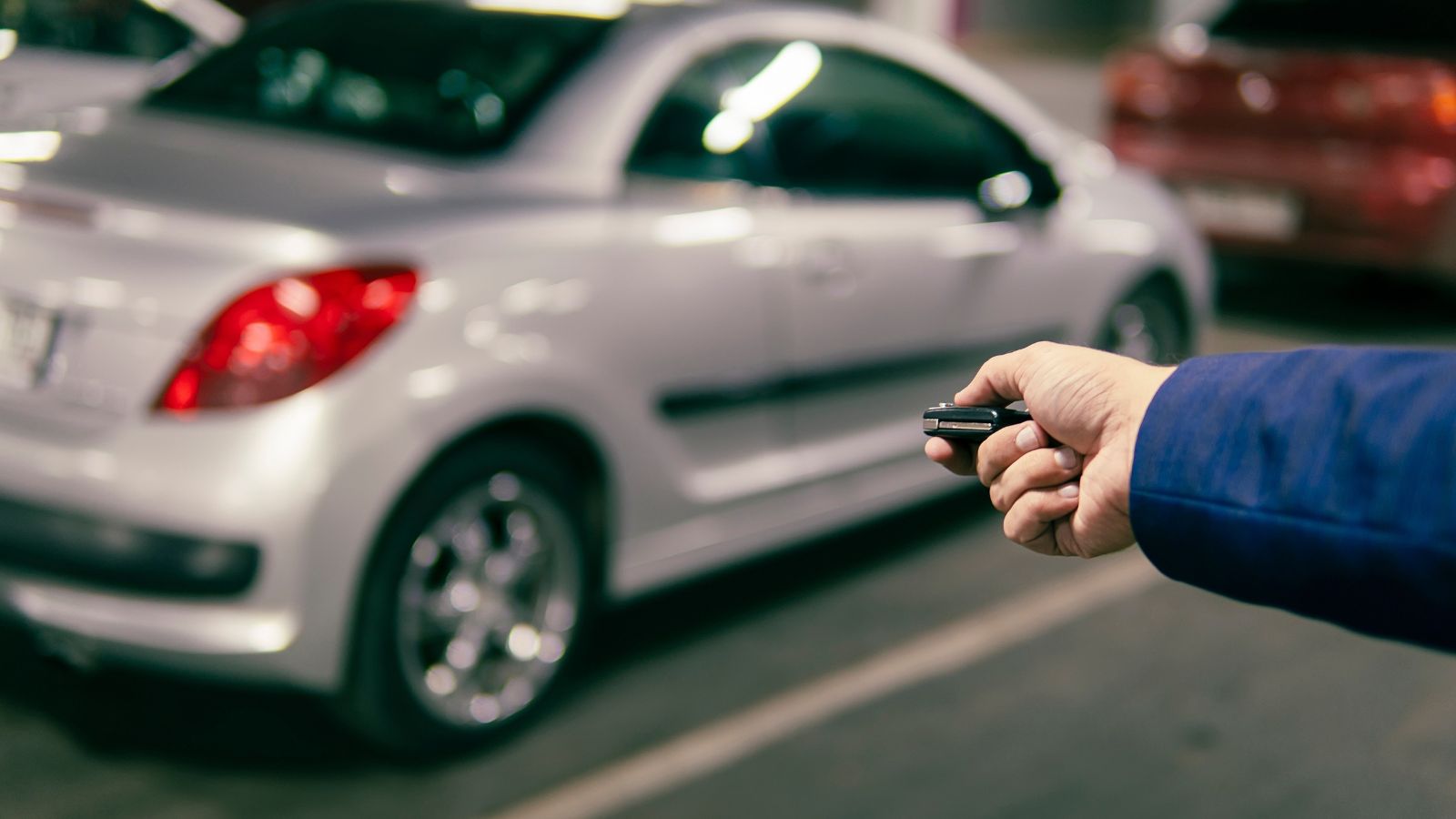
Parking is often treated as situational spending, but for many families it behaves more like a recurring utility. Downtown appointments, school events, medical visits, recreation centres, apartment living, and weekend outings all create small parking charges that feel harmless in the moment. Over a year, they can amount to hundreds or even thousands of dollars, particularly in major cities where free parking is either scarce or inconvenient.
Toronto offers a clear example of how quickly these rates can accumulate. The city says many Green P on-street rates range from $1.50 to $6.75 per hour, depending on the zone. That means even ordinary family routines can become quietly expensive. A two-hour visit for a child’s program, a hospital appointment, or a downtown errand can cost more than lunch. Because parking is rarely part of the purchase decision, it tends to feel separate from “car ownership.” In reality, for many urban and suburban Canadian households, parking is one of the most persistent annual costs attached to keeping a family vehicle useful.
Tolls That Save Time but Expand the Transportation Budget
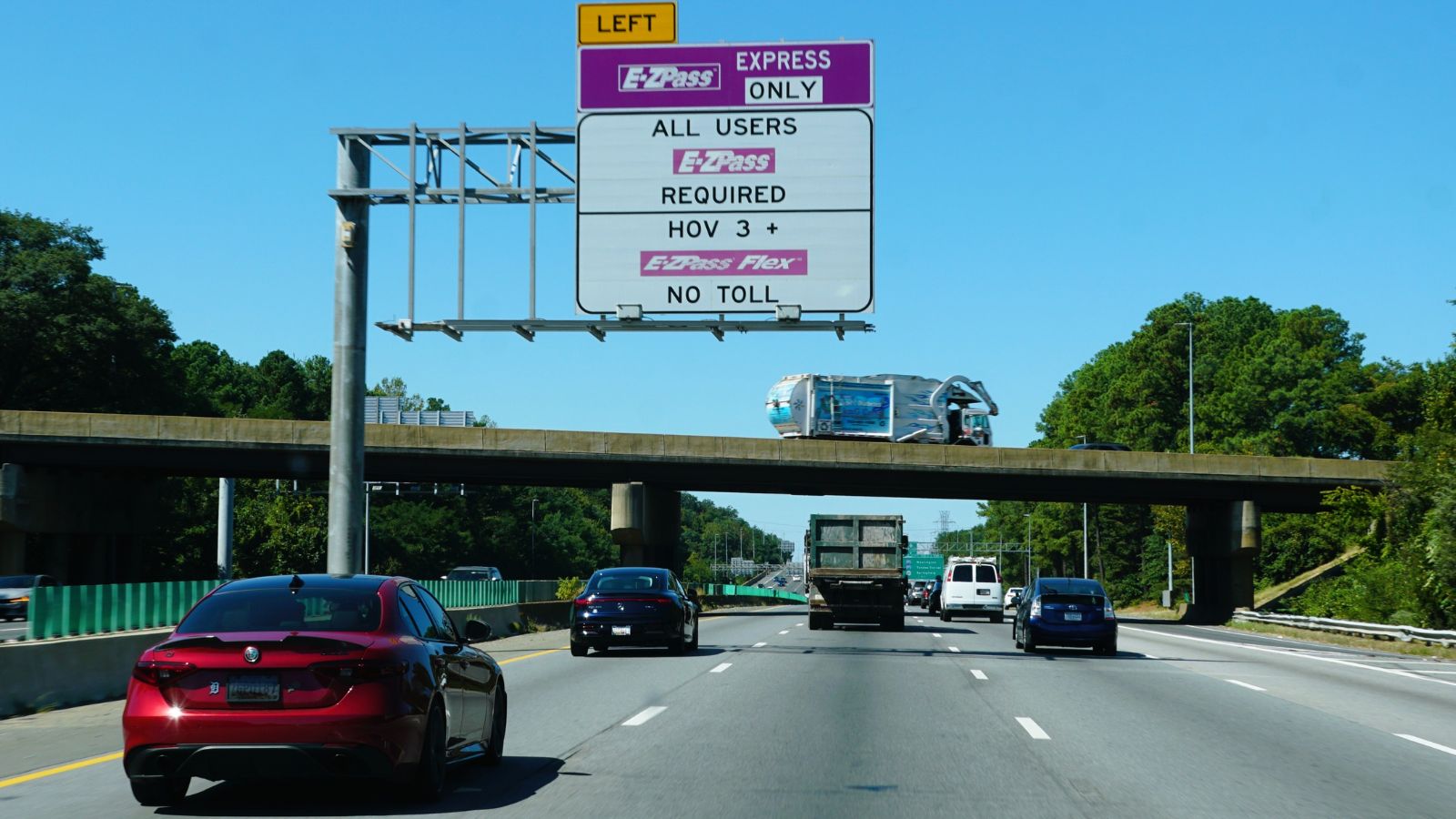
Toll roads are often rationalized as occasional conveniences, but they can quickly become normalized in busy family schedules. A route that avoids traffic on the way to daycare, lessons, work, or a medical appointment may feel worth it on a stressful day. The problem is repetition. Once the toll road becomes part of the weekly rhythm, the annual total can grow far beyond what the household originally considered reasonable.
Ontario’s 407 ETR makes the structure plain: trip costs depend on vehicle type, time of day, direction, and highway section, with separate fees and rate schedules that change over time. That variability is precisely what makes toll spending so easy to underestimate. A family is rarely thinking in annual totals when it chooses a faster route on a wet Tuesday evening. It is thinking about getting everyone home. But that is how undercounted costs work. They are not irrational in the moment. They simply become expensive when repeated, and tolls are one of the clearest examples of convenience turning into a quiet annual burden.
Poor Roads, Potholes, and the Cost of Canadian Pavement
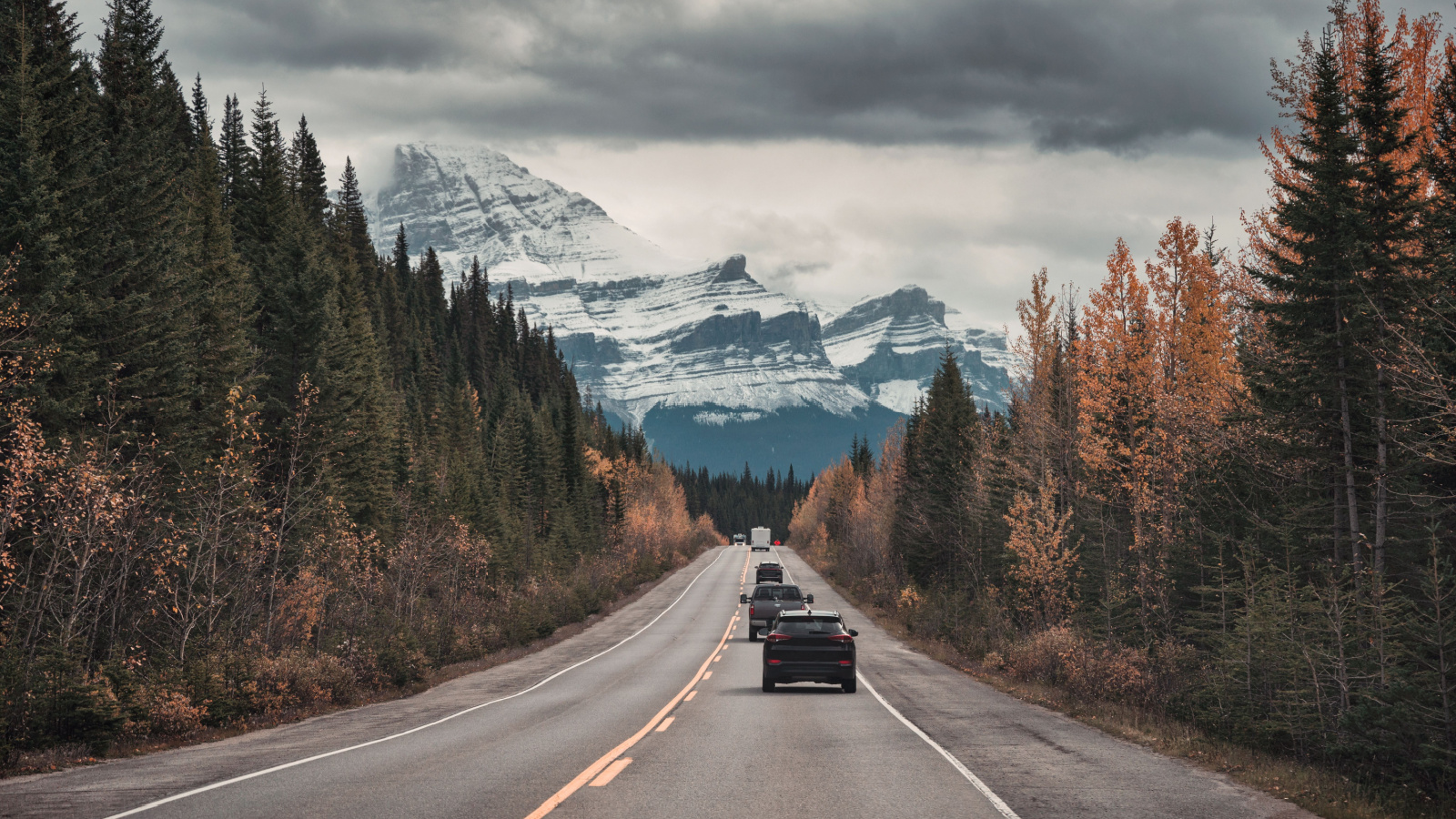
Not every family-car cost comes from the vehicle itself. Some come from the roads beneath it. Potholes, frost heaves, rough pavement, and constant freeze-thaw cycles shorten the life of tires, suspensions, alignments, and wheels. These costs rarely arrive with a label saying “road quality,” yet many Canadian drivers end up paying them anyway through extra service visits and premature component wear.
CAA quantified this problem in a national study, estimating that poor-quality roads cost the average driver an extra $126 annually per vehicle. That figure helps explain why a family may feel as though the car constantly needs small corrective work even when it has been maintained responsibly. The money may go toward alignments, damaged rims, tire wear, shocks, or suspension checks, but the underlying cause is often environmental rather than purely mechanical. In Canada, road condition is part of ownership economics. A family can budget carefully, drive sensibly, and still lose money each year simply because the infrastructure around the vehicle accelerates wear faster than expected.
Theft Risk and the Costs It Pushes Onto Everyone

Auto theft is often discussed as a crime story, but it is also a cost story. Families pay for it through higher premiums, added anti-theft precautions, time lost to claims, and sometimes out-of-pocket losses when coverage does not fully match the situation. Even households that never experience a theft directly can still feel the financial effects as insurers and governments respond to a broader rise in risk.
The scale in Canada has been significant. Public Safety Canada has cited an estimated 90,000 vehicles reported stolen annually and noted that the Insurance Bureau of Canada estimated a record $1.2 billion in theft claims in 2022. Équité Association has reported improvements in 2024 trends, including a national decline, but also said 40% of stolen vehicles are still not recovered. For families, that means theft remains more than a headline. It is a yearly ownership cost driver. Whether it appears as a premium increase, a tracking-device purchase, or a deductible after a claim, the financial burden lands far beyond the households that make the news.
Batteries, Wiper Blades, Fluids, and Roadside Help
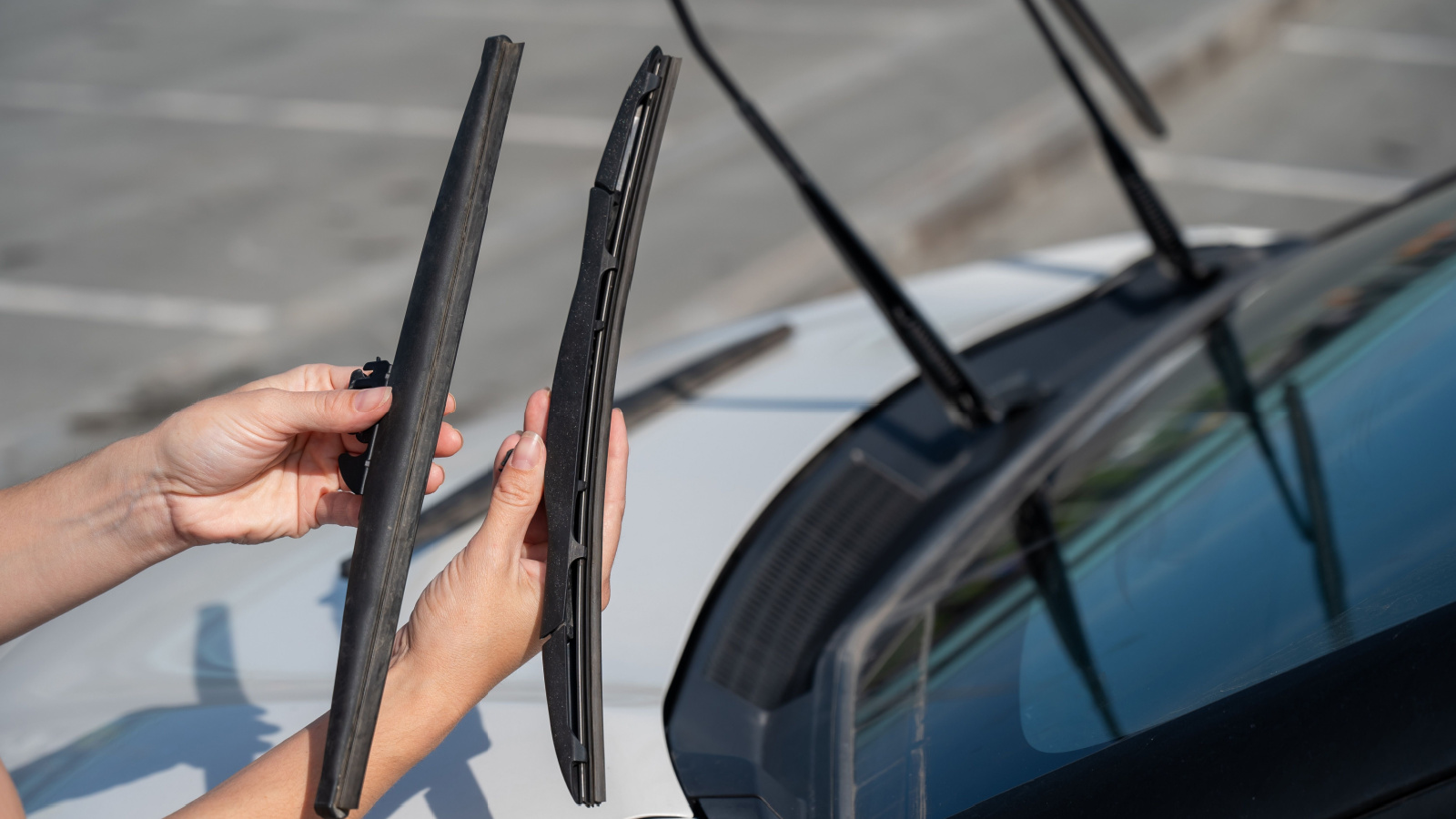
Small operating costs often escape annual planning because they feel too minor to track. Yet batteries fail in winter, washer fluid disappears fast in slush season, wiper blades wear out, and a single tow can turn a routine week into an expensive one. These are the kinds of costs families tend to classify as “random,” even though Canadian weather makes them fairly predictable over time.
CAA’s winter car-care guidance notes that the average wiper blade lasts only six months, a useful reminder that some consumables need replacing more often than many drivers think. CAA membership materials also show that roadside assistance is built around a limited number of service calls per year, after which extra services may be charged at prevailing rates. For a family relying on one primary vehicle, the cost of a dead battery, emergency boost, tow, or roadside lockout is not merely mechanical. It is logistical. In Canada, keeping the family car dependable means budgeting not only for big repairs, but also for the small seasonal items that keep daily life moving.
Replacement Transportation When the Family Car Is in the Shop
One of the most underestimated car costs is the cost of not having the car. When the vehicle is undriveable or in for repairs, the family still has to get children to school, adults to work, and everyone to appointments. That can mean rental cars, rideshares, taxis, transit, or borrowing another vehicle. The spending feels temporary, so it is often excluded from annual estimates. But in a household that depends heavily on one car, even a short disruption can become expensive.
Canadian insurance products make clear that this is a recognized ownership risk, not a rare edge case. ICBC’s loss-of-use coverage exists precisely because families may need a rental vehicle, taxis, or transit while a claim vehicle is being repaired. BCAA also markets optional rental-vehicle protection for similar reasons. The important point is not just that replacement transportation exists. It is that families often need to pay extra to secure it in advance, or pay out of pocket later if they did not. Either way, the annual cost of the family car includes the financial fallout from the days when it is suddenly unavailable.
The Cumulative “Small Stuff” That Turns Into a Big Annual Number
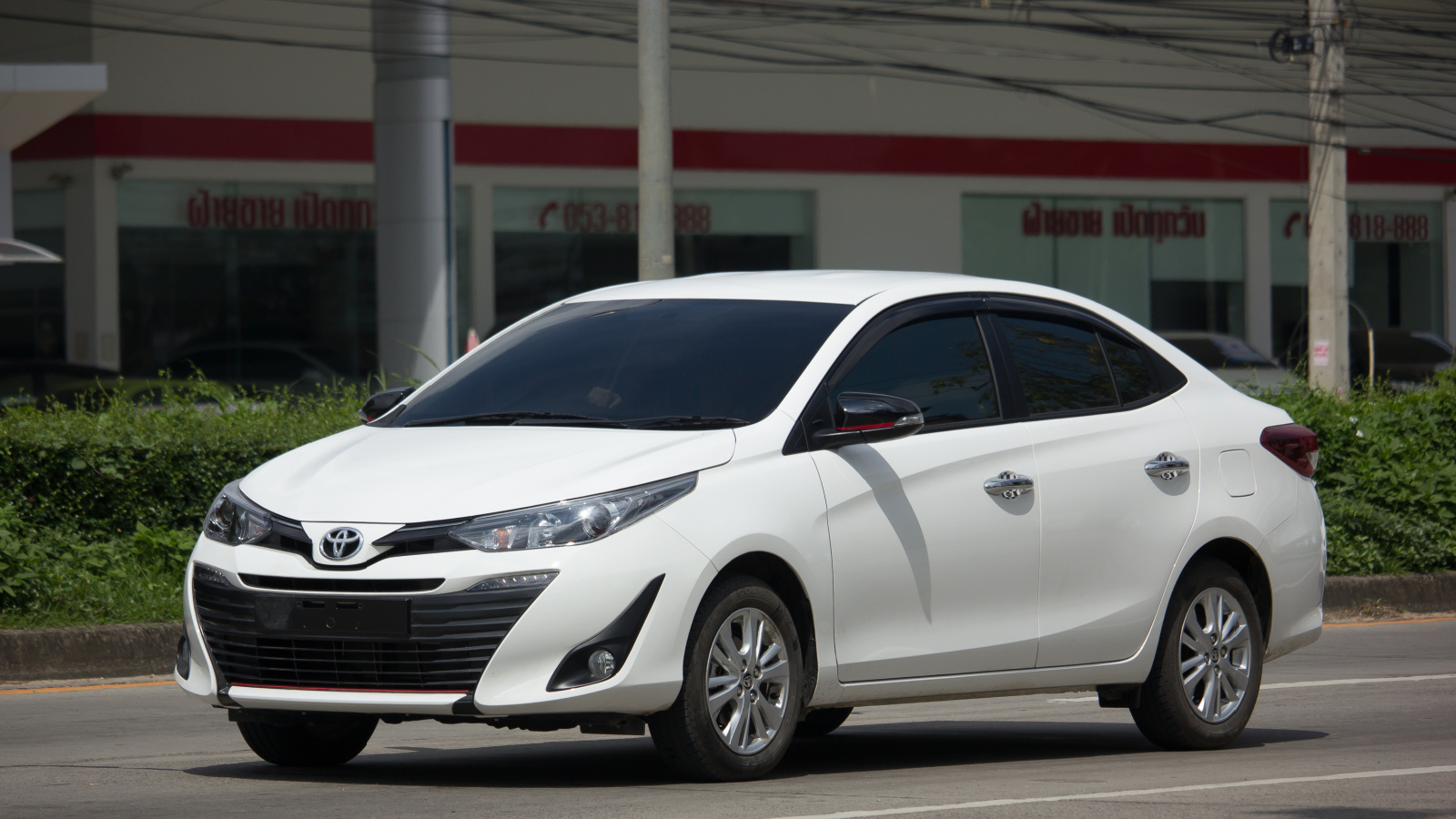
The final underestimation is not one cost but the way all the smaller ones collect. A family may correctly predict the car payment and roughly guess the insurance bill, then get caught off guard by tire storage, permit fees, parking, washer fluid, a battery boost, two toll-heavy weeks, a brake job, and one expensive month of fuel. Each charge looks survivable in isolation. Together, they explain why many households feel that the car costs more than the spreadsheet promised.
That pattern is exactly what national cost-of-ownership tools and Canadian transport data keep warning about. CAA’s driving-cost tools are built around the idea that ownership extends far beyond the sticker price, while Statistics Canada continues to track insurance, registration fees, maintenance, and fuel as separate recurring budget pressures. The annual underestimate is rarely caused by one shocking mistake. More often, it is the result of treating family-car ownership as one big cost and forgetting that it is actually a chain of recurring costs, each one small enough to ignore until the year-end total tells the truth.
22 Things Canadians Do to Their Cars in Spring That Mechanics Hate

Spring brings relief to many Canadian drivers after months of snow, freezing temperatures, and icy roads that put serious strain on vehicles. As temperatures rise across the country, drivers begin washing cars, switching tires, and preparing vehicles for warmer weather and upcoming road trips. However, mechanics across Canada notice the same mistakes every spring when drivers attempt to recover from winter damage. Road salt, potholes, and harsh winter driving conditions often leave vehicles with hidden problems that drivers ignore. Some spring habits even create new mechanical issues that could have been avoided with proper maintenance. Here are 22 things Canadians do to their cars in spring that mechanics hate.