


























Road trips rarely get expensive all at once. More often, the damage starts with something small: a tire a little low on pressure, a battery that seemed “fine last week,” or a chip in the windshield that looked too minor to bother with before departure. Once long distances, heavier loads, rough pavement, heat, and limited service options enter the picture, those small weaknesses can turn into real repair bills.
That pattern matters more on Canadian drives, where a weekend getaway can still mean hours between stops and hundreds of kilometres before a trusted shop is in reach. These 18 road trip problems show how everyday maintenance oversights often become pricier to correct once the vehicle is already far from home.
Tire Pressure That Looks “Close Enough”

A tire does not have to look flat to be underinflated enough to cost money. On a long road trip, even a modest pressure drop can change how the vehicle rolls, how much fuel it uses, and how quickly the tread wears. That is why this problem fools so many drivers: the car may still feel normal at city speeds, yet the highway reveals the penalty. Over a full tank, then another, then another, the extra fuel burn and added heat begin stacking up. By the time the issue is obvious, the repair is not always just air. It may be uneven tread wear, a damaged sidewall, or a replacement set earlier than expected.
What makes this especially frustrating is how preventable it is. Tire pressure shifts with temperature, and road trips often begin early in the morning, continue into warmer afternoons, and add a full load of passengers and luggage. A driver who leaves with “almost right” pressure can arrive with tires working harder than they should. That means more strain, more rolling resistance, and less margin when the road surface turns rough. On a long haul, small pressure neglect becomes one of the cheapest mistakes to make and one of the least satisfying bills to pay.
Tread Wearing Out Faster Than It Looks
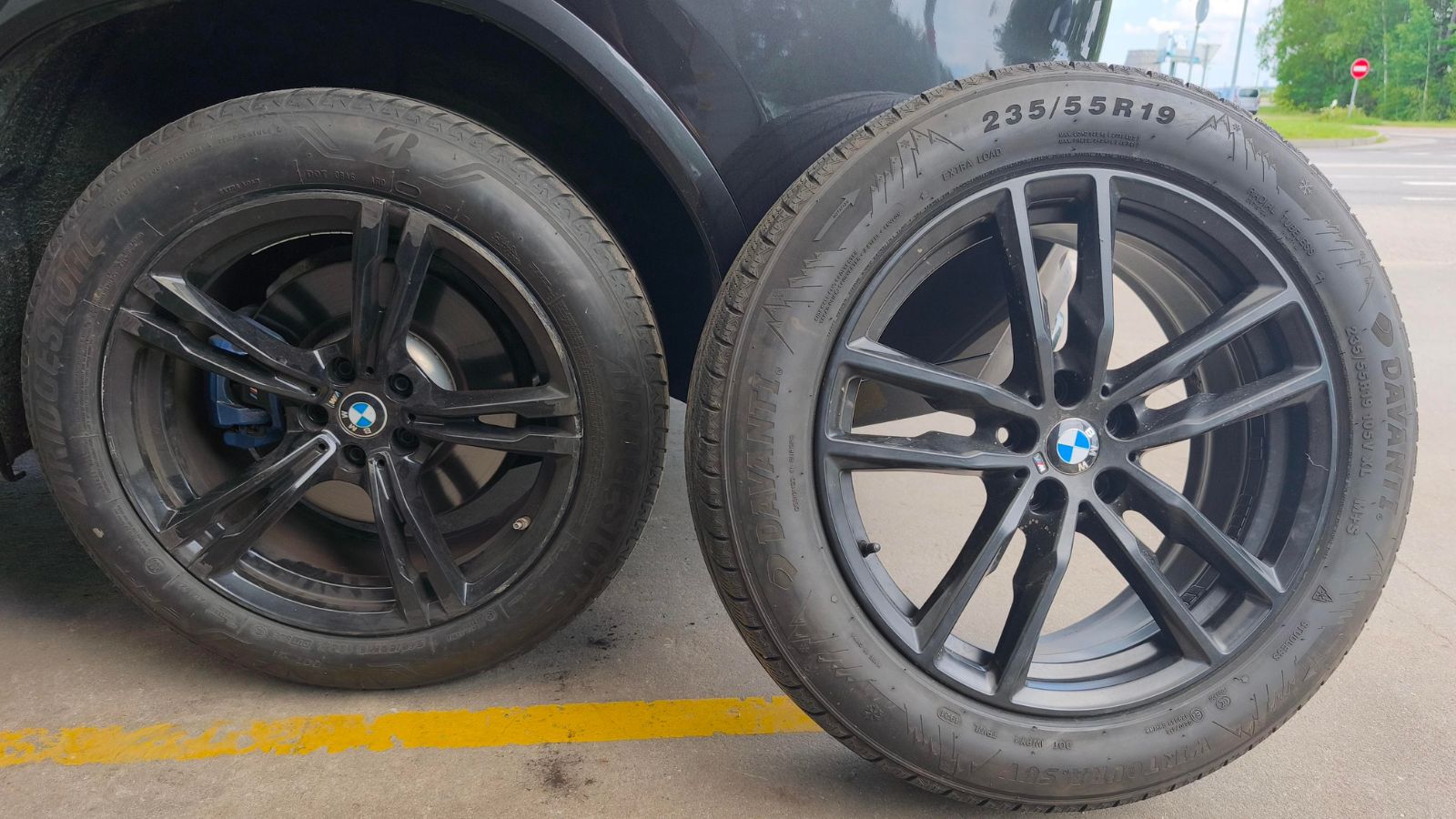
Many road trip tire problems are not caused by a dramatic blowout. They begin with tread that has already lost more life than the owner realized. A tire can still appear usable in the driveway but struggle once it is asked to carry a loaded vehicle over hot pavement, construction zones, patched asphalt, and long highway distances. The danger is not only wear itself, but the way road debris, poor inflation, and old rubber combine under stress. A tire that seemed acceptable around town can suddenly become the weak link when the trip is least convenient for it to fail.
That is why worn tires so often become expensive in stages. First comes the sudden stop for a vibration, pull, or warning light. Then comes the inspection, which may reveal that one tire cannot be replaced on its own because the others are too far gone or mismatched. Sometimes the actual repair is not roadside at all; it is the urgent purchase of tires at a shop the driver did not plan to use, in a town where comparison shopping is impossible. The trip budget absorbs the premium, and the memory of the scenic route gets replaced by the cost of getting back on it.
The Spare Tire Nobody Checked
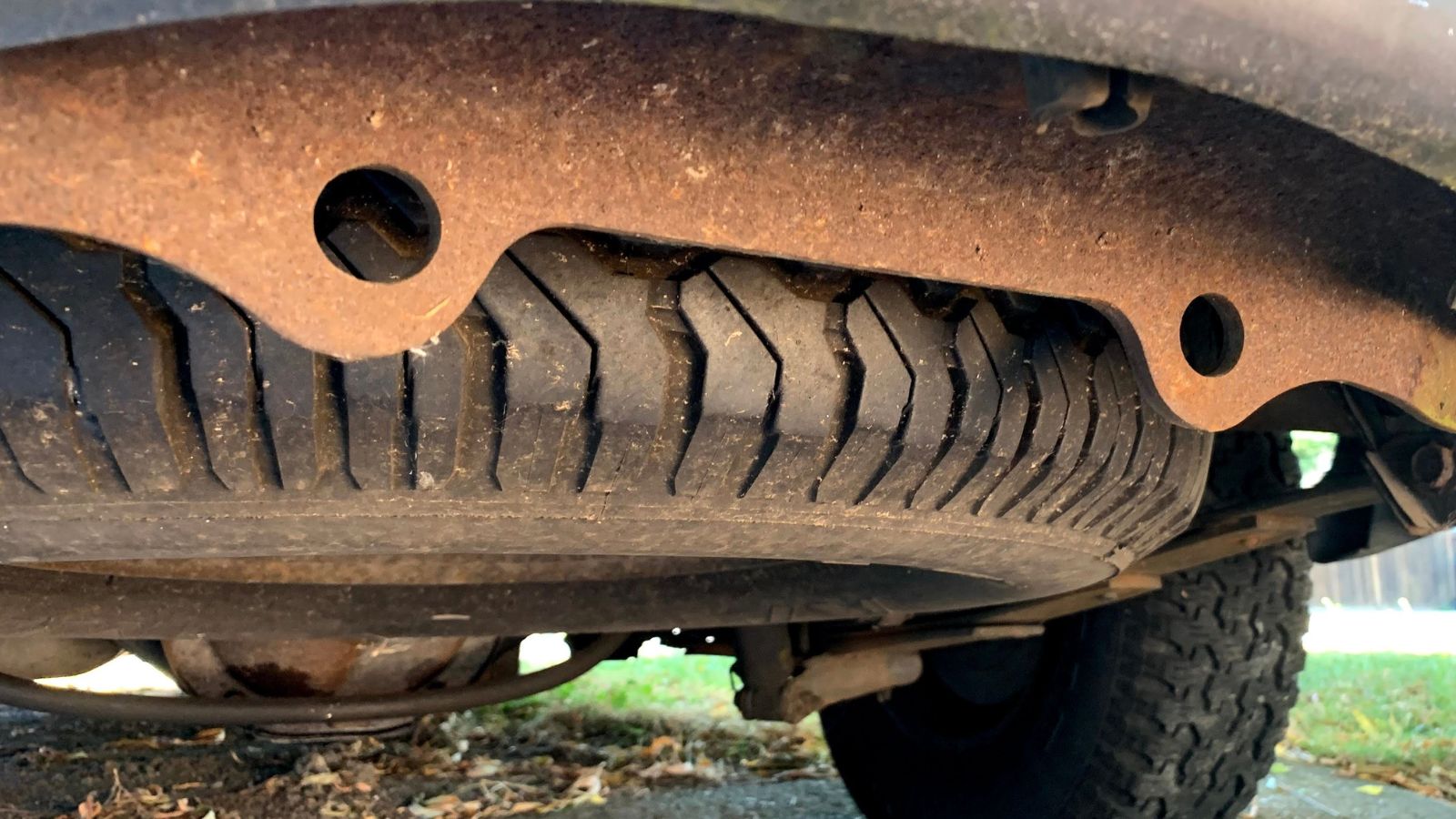
A flat tire should be a nuisance, not a travel crisis. Yet it becomes one surprisingly often because the spare tire was never inspected, the jack is missing, or the spare is also low on pressure. That is the kind of oversight that feels invisible until a shoulder stop turns into a call for help. Many drivers assume that having a spare in the trunk means the problem is covered. In reality, an unchecked spare can be almost as useless as having no spare at all. When that happens, a simple puncture starts collecting extra costs in time, towing, and emergency labour.
The problem gets worse because flats rarely happen in ideal places. They happen after dark, during bad weather, on gravel shoulders, or far enough from the next town that the driver has no real choice but to wait. Even when roadside service is available, the delay can ripple through the whole trip. Reservations get missed, detours get longer, and a routine tire repair becomes an unplanned roadside event. It is one of the clearest examples of how road trip costs escalate: the tire may be fixable, but the lack of preparation is what makes the bill feel much larger.
Packing the Vehicle Past Its Limits
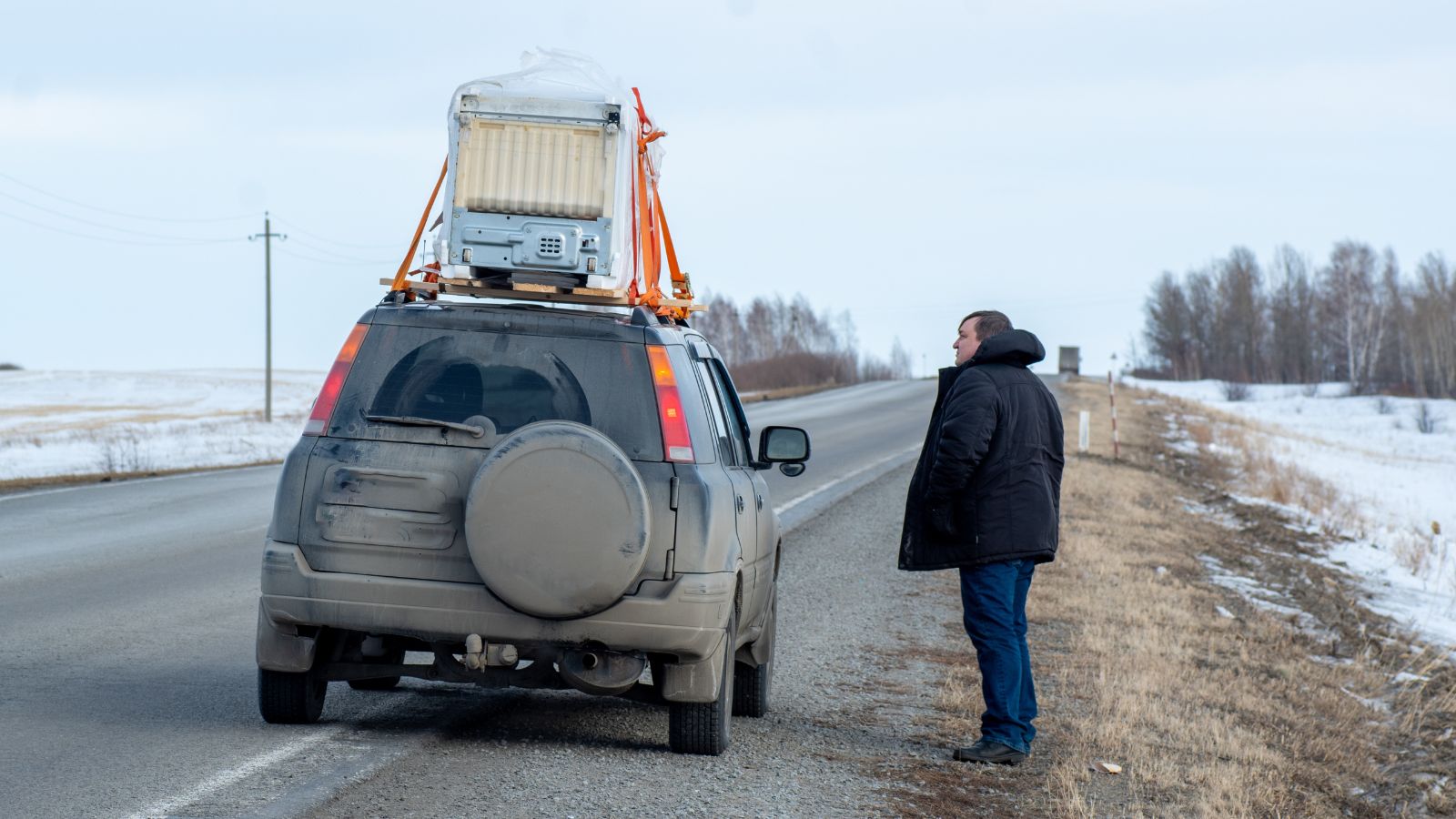
A road trip encourages overpacking. The extra cooler, the rooftop carrier, the bikes, the bags that “might be useful,” and the back seat filled to window height all feel harmless when loaded one at a time. Together, they change the way a vehicle works. A heavier load asks more of the tires, suspension, brakes, and engine, while exterior cargo creates more aerodynamic drag. That means the vehicle is not only carrying more; it is also pushing harder through the air. The result is a trip that burns more fuel, feels heavier in turns and stops, and places expensive wear on parts that were never meant to be treated like moving-van hardware.
This is where drivers often spend more without noticing it in the moment. The first cost is usually fuel, but that is only the visible one. The deeper cost appears later in faster tire wear, a sagging suspension feel, overheated brakes on hills, or a loaded rear axle that never quite seems happy again. It is also the sort of issue that complicates every other problem on the list. A battery works harder, a cooling system runs hotter, and a pothole hit feels sharper when the car is stuffed to its limit. Overpacking is not dramatic, which is exactly why it is so good at making ordinary repairs more expensive.
A Battery That Gives Up Mid-Trip
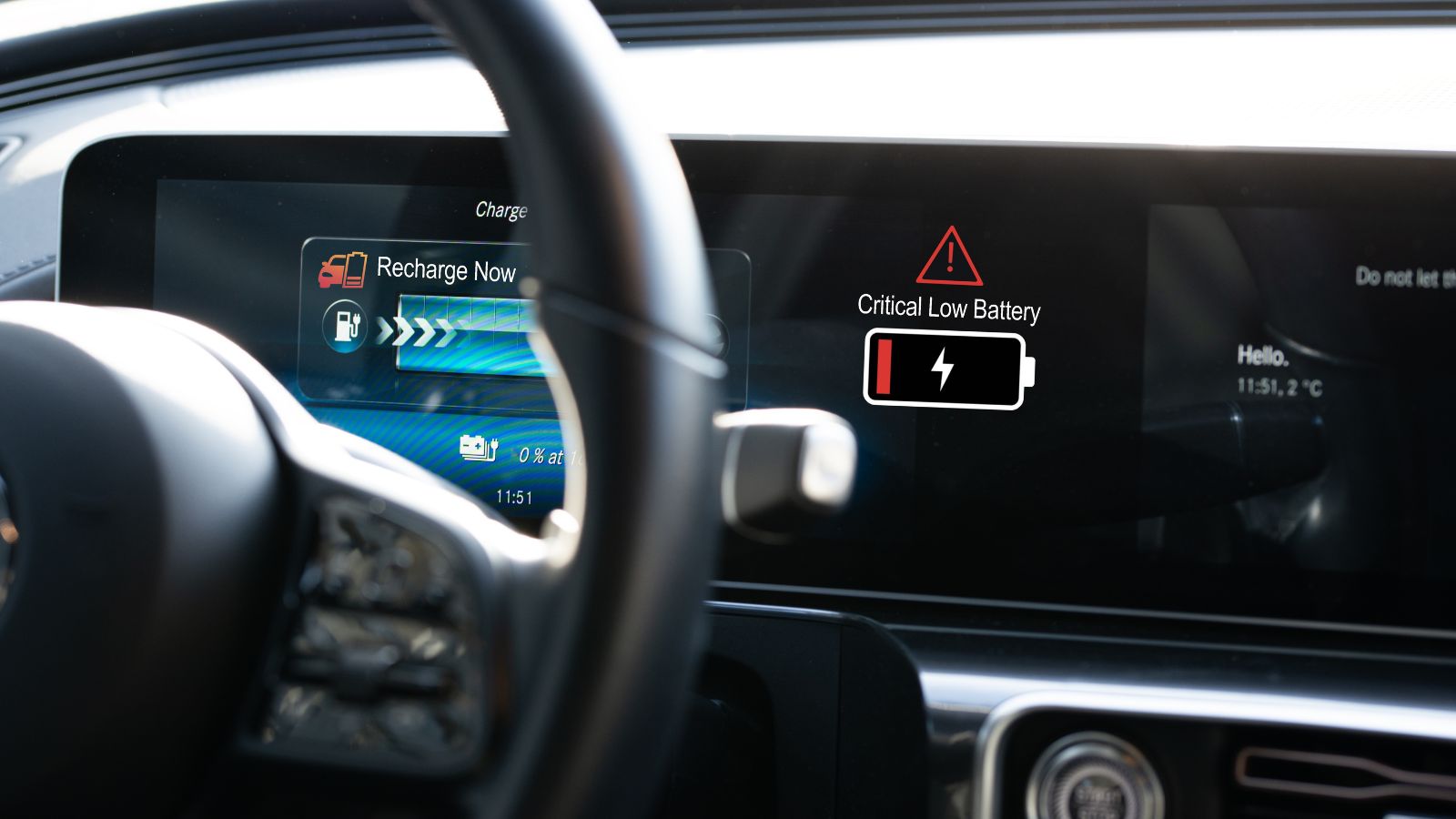
Drivers still tend to associate battery failure with deep winter, but summer road trips can be just as punishing. Heat stresses the battery, accessories stay in use longer, and the vehicle gets started and stopped repeatedly for fuel, meals, lookouts, and quick errands. A weak battery that survived everyday commuting may not survive a travel week full of longer days and hotter conditions. That is why dead-battery trouble feels so unfair on a trip: the car often gave no convincing sign at all until the moment it refused to start in a parking lot.
The spending rarely ends with a jump-start. Once a battery has become the reason the trip has stalled, the driver may face testing fees, urgent replacement, and the added uncertainty of whether the real issue is the battery, the charging system, or corrosion at the terminals. The problem is especially costly when time matters more than price, which is almost always true on a trip. Few people comparison-shop calmly from a motel parking lot. They buy the fix that gets them moving, and that urgency is what makes a battery problem feel bigger than the battery itself.
Cooling Problems That Escalate Fast
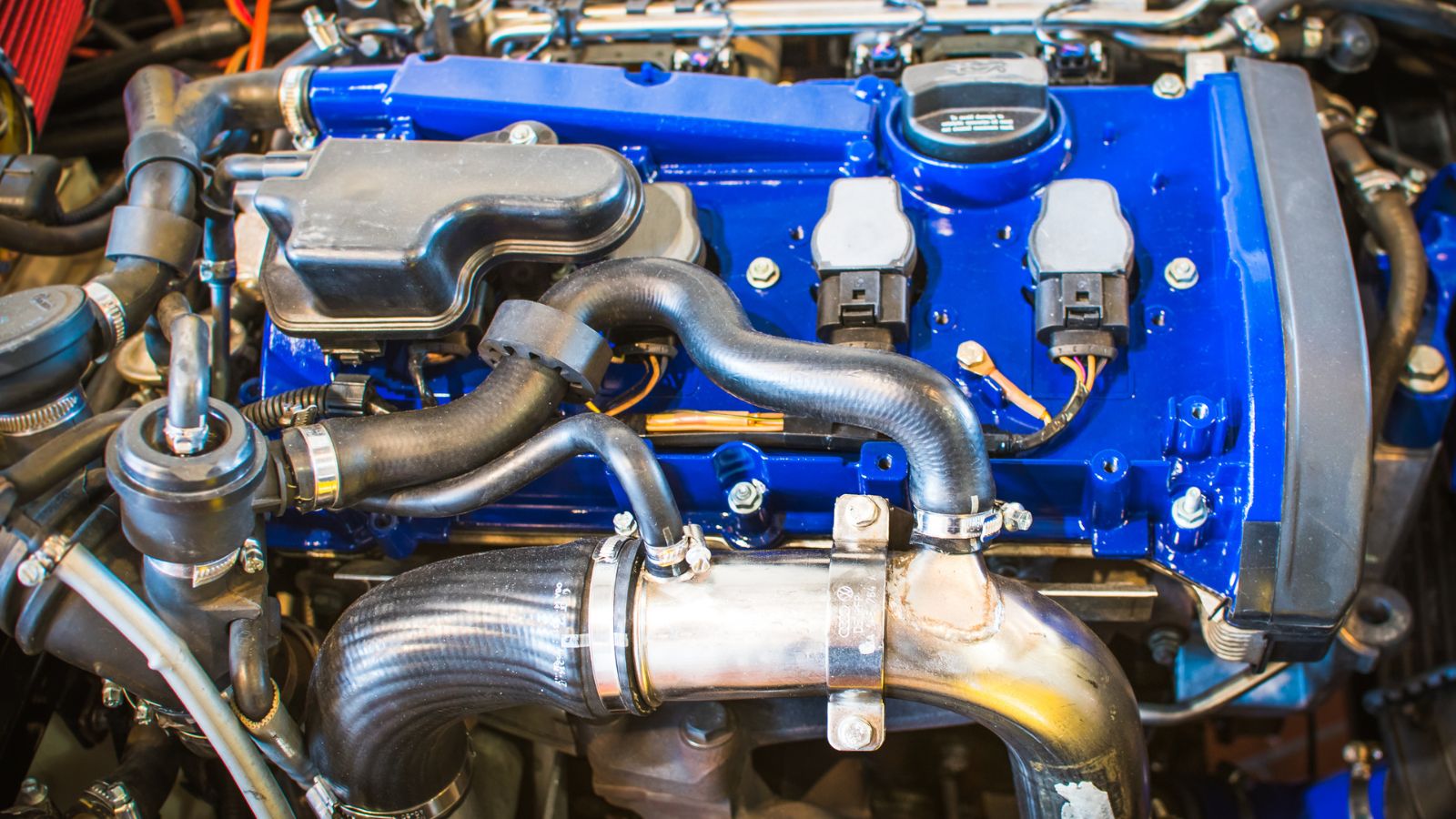
An engine can tolerate many small annoyances for a while, but cooling-system weaknesses are not usually that forgiving. Low coolant, a tired radiator hose, a failing thermostat, or a weak water pump can sit quietly for weeks, then turn into a crisis once the vehicle is loaded, idling in traffic, or climbing through hot conditions. What makes cooling problems so costly is not just the repair itself. It is the risk of what happens if the driver pushes on too long after the temperature rises. A minor cooling defect can become a far more serious engine problem if it is ignored.
This is why overheating bills feel so disproportionate. The original defect might be a hose, a cap, or a worn component that would have been manageable before departure. On the road, however, the same problem can force an immediate stop, a tow, and an emergency diagnosis in an unfamiliar shop. It also tends to disrupt the whole day because overheating is not a problem most drivers can safely improvise around. Once the engine is hot, the margin for error is gone. That is when a cheap maintenance item stops being cheap and starts dictating the rest of the trip.
Belts and Hoses Near the End of Their Life
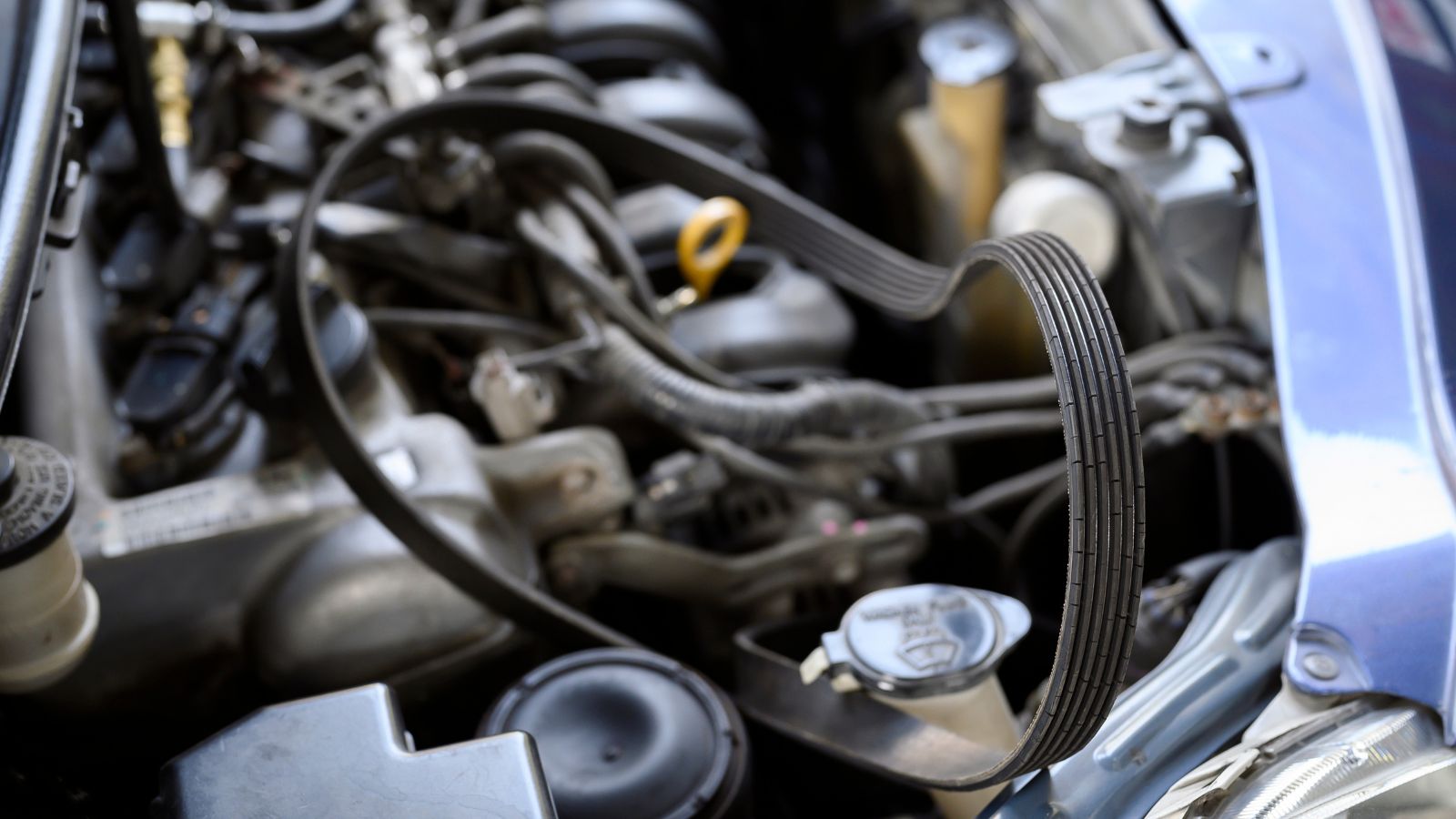
Belts and hoses are easy to ignore because they do not call attention to themselves until they are already in trouble. On a vehicle that still starts, steers, and seems normal, few owners want to spend money on a rubber part that has not failed yet. But a road trip is exactly the kind of stress test that exposes age, cracks, leaks, and dry wear. A hose that has become brittle may not hold up to heat cycles and pressure. A belt that looks acceptable in the driveway may not stay that way after hours of operation and accessory load.
The expensive part is how many systems depend on those components. When a serpentine belt fails, the damage is rarely isolated to one inconvenience. It can affect charging, power steering, and air conditioning all at once, leaving the driver with a vehicle that is technically running but rapidly becoming unsafe or impractical to keep moving. Hoses create a similar problem by turning a small leak into a larger cooling failure. That is why these repairs feel bigger on the road than in a garage at home. They do not just break a part; they break the day around it.
Spark Plug and Ignition Trouble
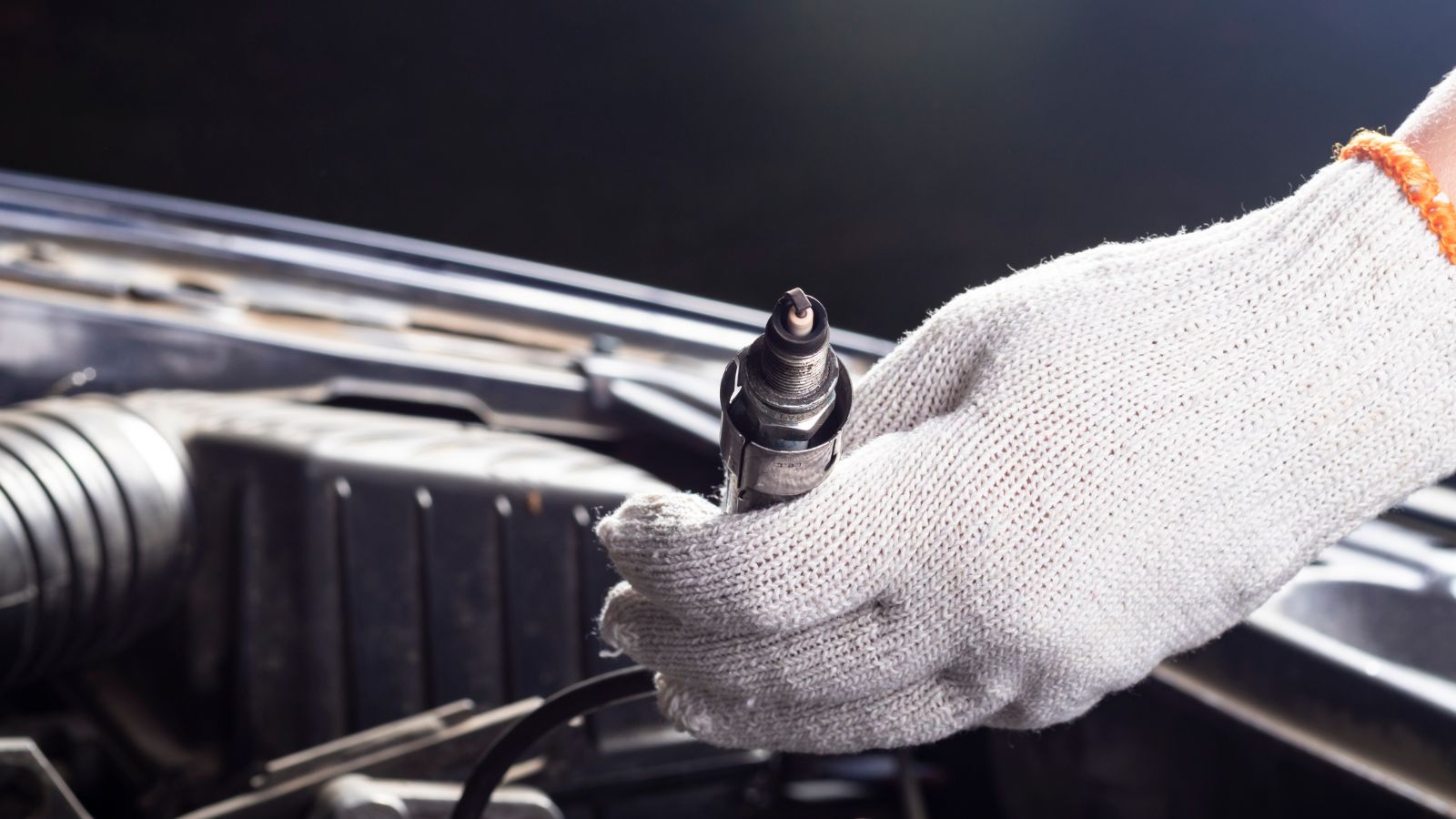
Ignition problems are some of the most annoying road trip failures because they often arrive as a collection of half-symptoms rather than one clean mechanical event. The engine feels rough for a minute, then normal. It hesitates passing on the highway, then settles down. It starts a little harder at one stop, then behaves at the next. That uncertainty tempts drivers to keep going, especially if they are trying to reach a destination before dealing with it. But weak spark plugs and worn ignition components rarely improve with more kilometres. They usually get more obvious, more irritating, and eventually more expensive.
The money disappears in two ways. First, a misfiring or poorly running engine wastes fuel and adds stress when the vehicle is already working harder under load. Second, delayed repair can turn a tune-up-style maintenance problem into a roadside diagnosis problem, which is always a pricier version of the same story. On a local commute, owners can often nurse an ignition issue until service day. On a road trip, poor starting, stumble, or loss of smooth power carries a very different weight. It changes confidence in the vehicle, and once confidence is gone, almost any repair feels more urgent and more expensive.
Oil Neglect That Turns Into Engine Stress
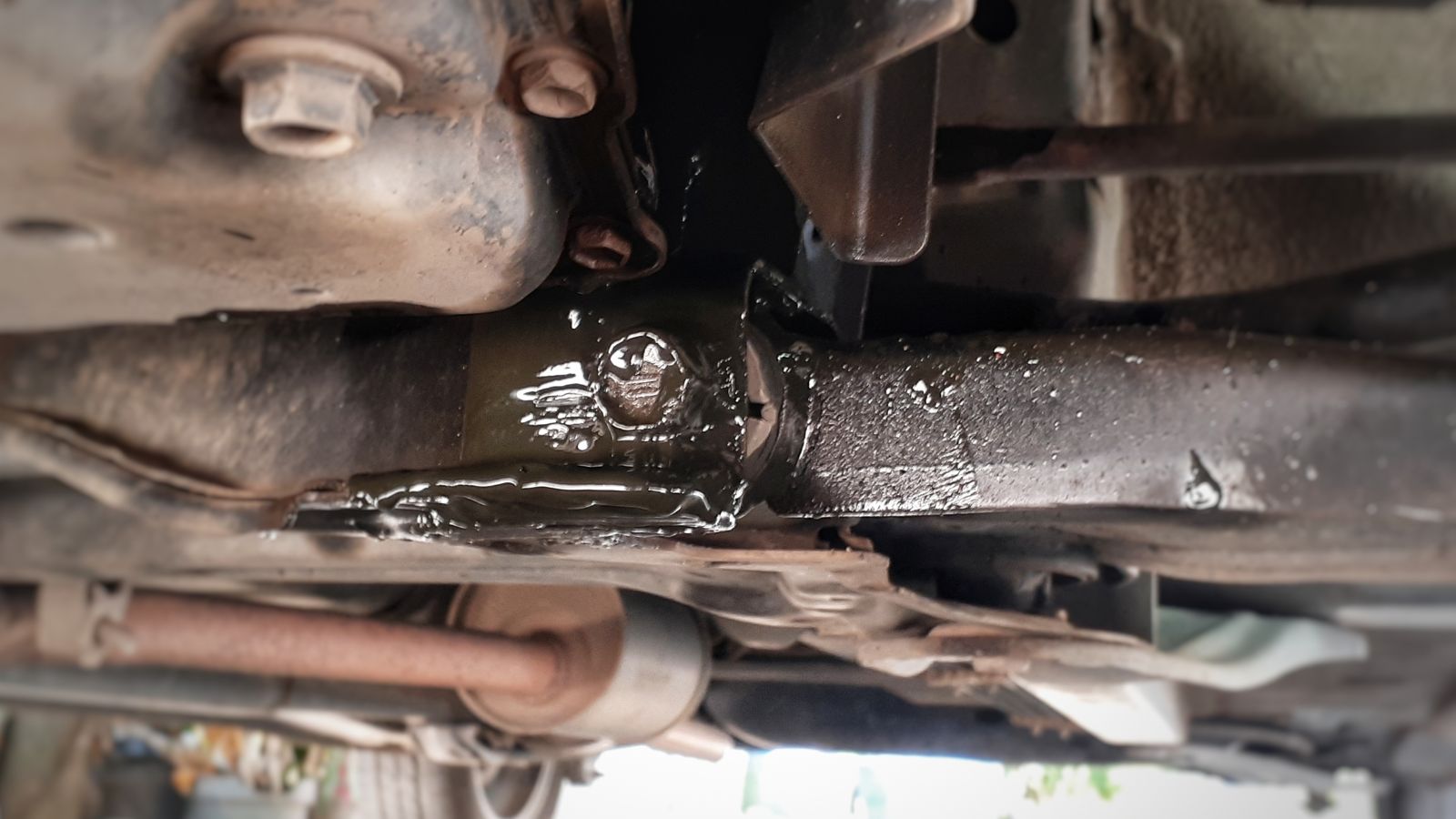
Road trips expose the consequences of delayed oil maintenance with unusual honesty. Around town, an engine can seem perfectly content even when the oil is old, the level is low, or a small leak has been slowly developing. Long-distance driving changes that. Highway heat, sustained RPM, stop-and-go construction, and extra cargo all increase the value of good lubrication. If the oil is overdue or the level is not being watched, the engine may begin sounding rougher, running less smoothly, or consuming more than the owner expected. That is when a skipped routine service starts turning into a mechanical concern.
The expensive part is rarely the oil itself. It is the chain reaction that begins when a driver realizes, far from home, that the engine is low or leaking and every kilometre suddenly feels like a gamble. Urgent top-ups, roadside inspections, and oil-related warning signs create a kind of travel panic because engine damage is one of the costliest outcomes a road trip can produce. Most drivers know that instinctively, which is why this problem feels so heavy even before a repair is confirmed. The bill is not just for fluids. It is for the fear that a maintenance shortcut has started damaging the most expensive part of the vehicle.
Brakes That Fade When the Route Gets Steep

Brake problems do not need a mountain pass to become costly, but hills, heavy loads, and repeated stops make them much easier to expose. Worn pads, tired fluid, uneven braking, or a pedal that no longer feels right can remain tolerable in ordinary driving and then become impossible to ignore on a trip. Descents are especially unforgiving because brakes have a practical limit for how much heat they can absorb and shed. Once that heat builds, the driver may notice smell, softness, fading feel, or a vehicle that no longer inspires trust when traffic slows unexpectedly.
This is one of the most expensive categories precisely because it seldom stays neat. A brake job done on schedule is straightforward. A brake problem discovered mid-trip can expand into pad replacement, rotor damage, fluid service, towing, or a forced hotel stop while parts are sourced. It is also a problem that amplifies the stress of every kilometre afterward. Even after the immediate fix, the driver often spends the rest of the journey listening for noises and wondering whether the route’s next hill will reveal something else. Few repairs sour a road trip faster than the sense that stopping the vehicle has become more uncertain than it should be.
Pothole Damage That Shows Up Later
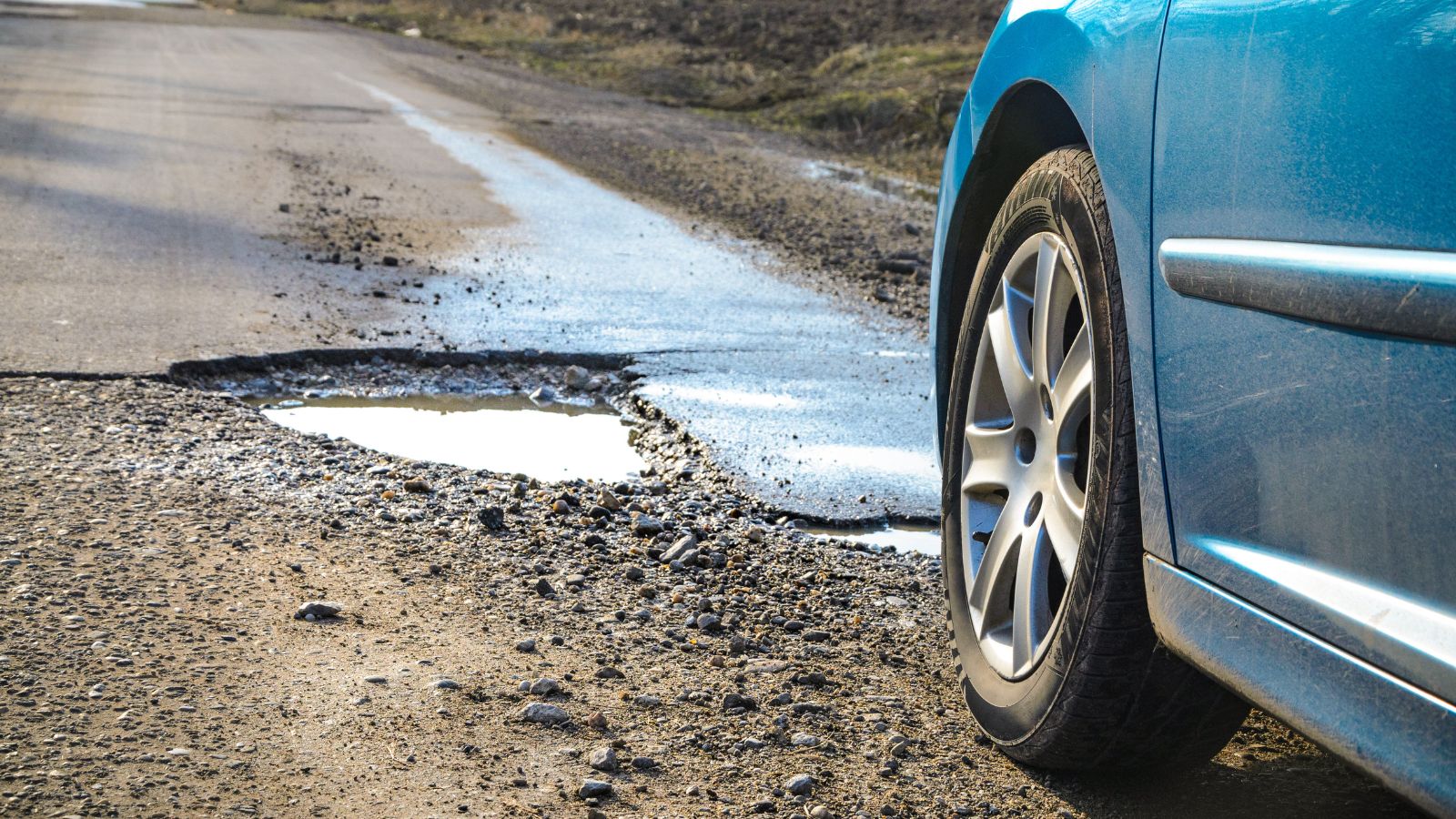
Pothole damage is one of the most misleading road trip problems because the car often keeps moving right after the hit. That creates the illusion that nothing serious happened. Then, a few hours later, the steering wheel feels slightly off-centre, the vehicle pulls a little, a vibration appears at highway speed, or one tire begins losing pressure. What seemed like a single sharp impact becomes a delayed repair story involving alignment, rims, suspension, and tire wear. Puddles make this worse because they hide the depth of the hole until the wheel is already in it.
The money climbs because pothole damage tends to spread quietly. A bent rim or knocked-out alignment may not strand anyone immediately, but it can start wearing a good tire unevenly and make the entire vehicle feel unsettled for the rest of the trip. If the driver keeps going because the car is “still drivable,” the original hit can end up affecting more than one component. That is why pothole damage often feels unfairly expensive. The impact itself lasts a fraction of a second, yet the repair bill arrives in layers, sometimes after the trip is over and after the tire or suspension has already absorbed the extra punishment.
A Windshield Chip That Refuses to Stay Small

Few road trip problems look more harmless than a fresh windshield chip. It is small, the vehicle still feels usable, and the instinct is to postpone it until after the drive. That logic makes sense only if the chip stays exactly as it is, which is not how glass damage behaves. Travel adds vibration, temperature swings, rough pavement, and constant airflow pressure. The chip that looked cosmetic at departure can become a spreading crack by the time the trip is halfway done, especially if weather and road conditions keep changing. Once it grows into the driver’s field of vision, the issue moves from annoyance to safety and compliance.
This is where postponement becomes costly. A minor repair is one thing; a larger crack can push the driver toward full replacement instead. That turns a quick stop into a scheduling problem, a parts problem, and sometimes a temporary trip interruption. It also creates frustration because windshield damage feels like bad luck even when the cost escalation is predictable. Small glass damage is easy to dismiss because it is silent. But on a long drive, silence is exactly what lets it spread. By the time the owner decides it is worth dealing with, the cheaper option may already be gone.
Wipers and Washer Fluid That Cannot Keep Up
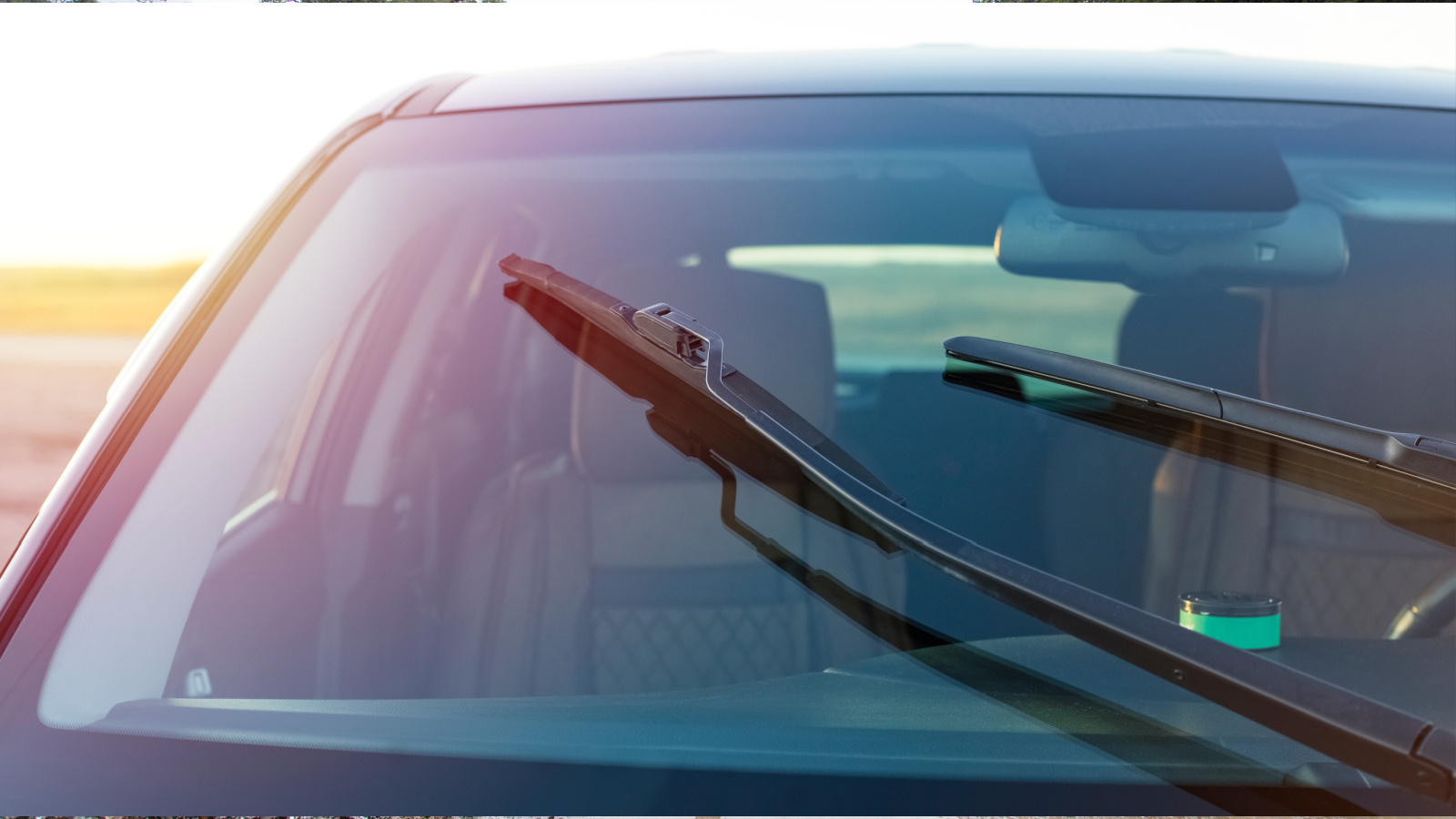
Wipers seem trivial until the weather turns, construction spray starts flying, or the highway delivers a steady film of bugs and grime. A blade that only streaked a little during local errands can become a serious problem on a long trip, especially when visibility changes quickly. This is not just about rain. Road trips pile on dust, spray, pollen, salt residue, and the sort of windshield mess that demands repeated cleaning at speed. Once the blades are worn and the washer reservoir runs low, the driver is no longer dealing with a convenience issue. The trip becomes more tiring because the windshield never truly clears.
That fatigue matters. Poor visibility raises eye strain and makes every kilometre feel longer. In practice, that means drivers often end up buying wipers and fluid wherever they can find them instead of where they would normally choose to shop. It is a small purchase, but it reflects a larger truth about road trip repairs: even the cheaper ones cost more when they arrive on the wrong day and in the wrong place. Wipers are a perfect example. Replacing them at home is routine. Replacing them in a storm, after the glass has turned into a smeared wall of spray, feels like paying an urgency tax.
Lights That Fail at the Worst Time
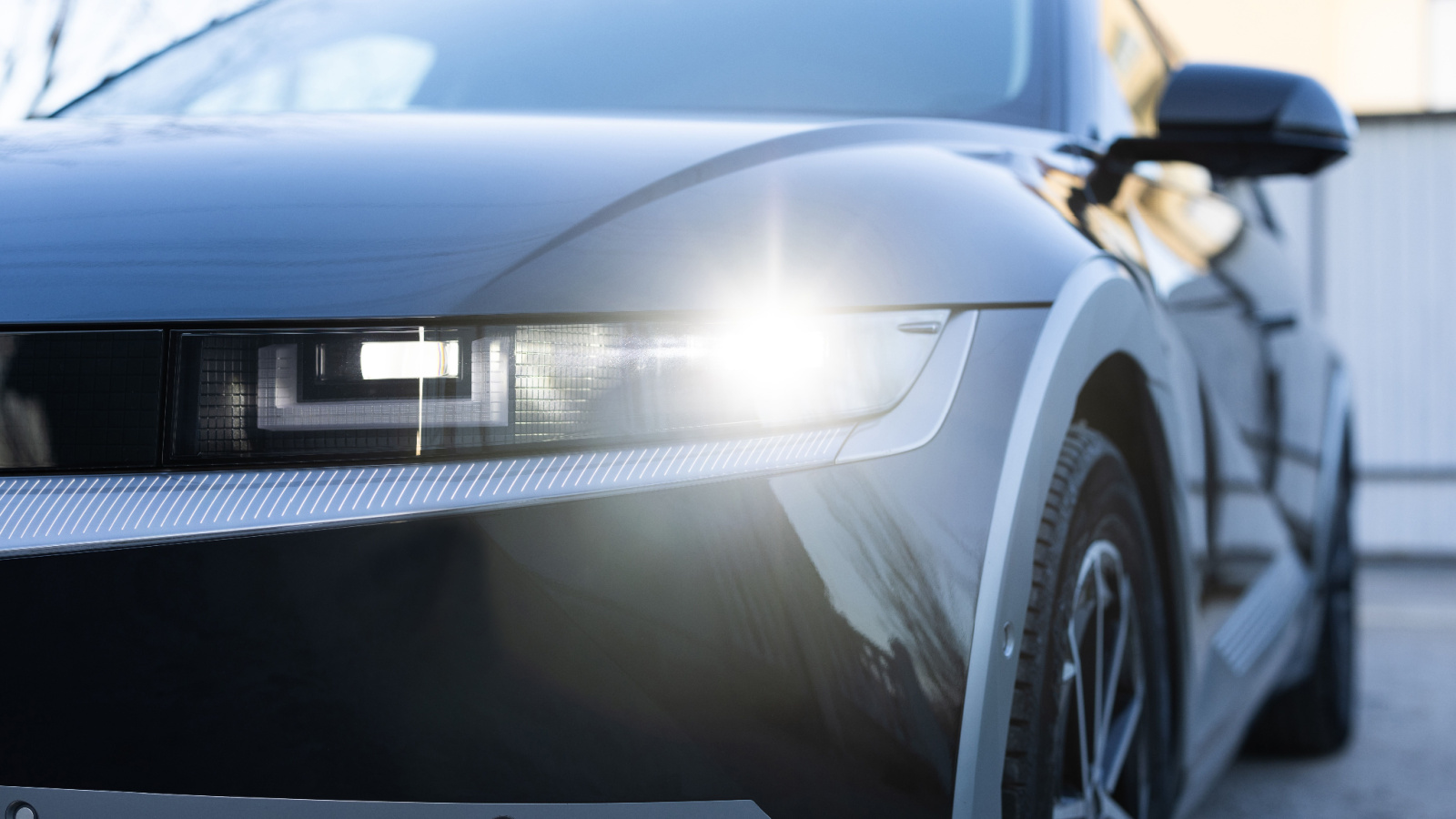
Lighting problems rarely announce themselves while the sun is out. They appear later, when the trip runs longer than planned, the weather darkens early, or the driver reaches a rural stretch with little ambient light. A burned-out headlight, cracked lamp cover, or failed brake light is easy to overlook before departure and maddening to discover on the road. The repair may be simple, but the inconvenience is real because safe driving at night depends on visibility and being seen. When a vehicle’s lighting becomes questionable mid-trip, the driver may be forced into an unplanned stop that feels disproportionate to the size of the part.
The cost also tends to include urgency and compromise. Instead of replacing a bulb on a convenient schedule, the owner may buy whatever is available nearest the route or pay for a quick installation because the trip cannot wait. In some vehicles, even basic bulb access is no longer especially simple, which turns an inexpensive part into a shop task. That is what makes lighting issues so irritating on the road. They are often small, but they have the power to dictate timing, especially when weather, dusk, and unfamiliar roads combine. A cheap repair still feels expensive when it rearranges the whole evening.
Letting the Tank Get Too Low
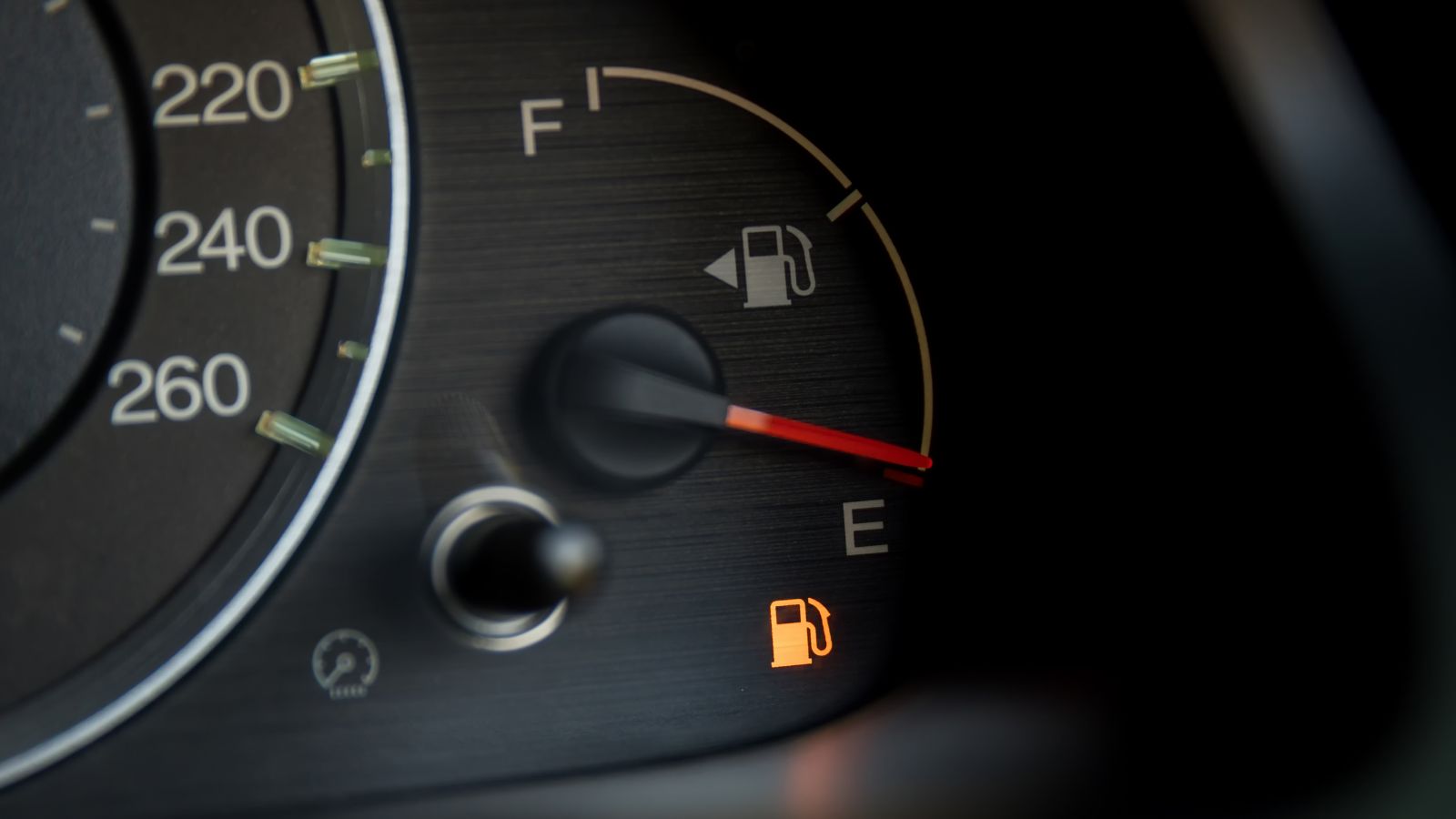
Running low on fuel is usually framed as a planning mistake, but on a road trip it can become a money problem fast. Long distances, missed exits, station closures, or stretches with fewer services than expected can turn a casual “there’s probably one ahead” into a real scramble. That risk rises when drivers treat the fuel gauge like a flexible suggestion instead of a system that deserves margin. The issue is not just the embarrassment of being stranded. It is that once the vehicle stops, the trip no longer runs on the owner’s schedule. Emergency fuel delivery, lost time, and the stress of waiting in an unsafe or inconvenient location all turn a basic refill into an avoidable expense.
The trouble is amplified by the way low-fuel driving changes decision-making. Drivers who are trying to stretch a tank often skip more affordable stops in the hope of finding a better one later, then lose the luxury of choice altogether. By the end, they are paying for whatever is available and may still need assistance if they guessed wrong. On long-distance travel, fuel management is less about thrift than about avoiding a preventable interruption. The cheapest tank is rarely the one purchased under pressure after the trip has already begun going sideways.
Bad or Contaminated Fuel
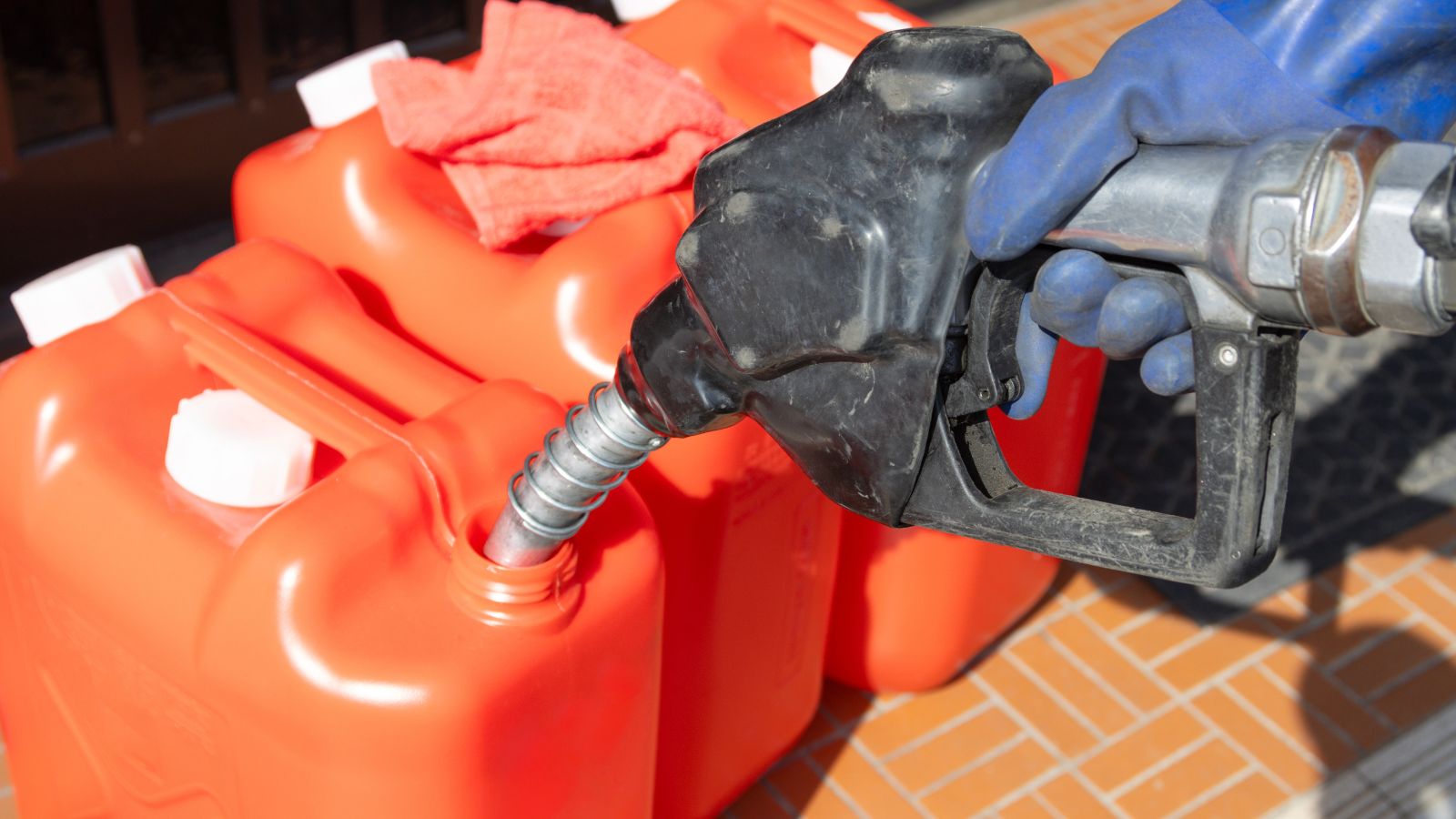
Few road trip problems are more frustrating than a vehicle that begins hesitating, losing power, or stalling soon after a fill-up. When fuel quality is poor, contaminated, or simply wrong for the vehicle, the symptoms can feel random at first: hard starts, rough running, a sudden drop in smooth acceleration, or an engine that no longer seems willing to cooperate. What makes this expensive is that the damage is not limited to the moment. Poor fuel can affect components that are far more costly than the original tank, which means one rushed stop can follow the owner long after the trip ends.
This is also a problem that often produces messy repairs rather than simple ones. The driver may need diagnosis, draining, cleaning, replacement of affected parts, or at minimum a serious interruption while the cause is identified. That uncertainty adds stress because contaminated fuel mimics other faults. Owners do not always know whether they are facing a minor drivability issue or the start of something more severe. Once a road trip introduces that doubt, even short drives to the next town feel like a calculated risk. Fuel is supposed to be the thing that keeps the journey simple. When it becomes the problem, the repair rarely stays cheap.
Towing More Than the Vehicle Can Comfortably Handle
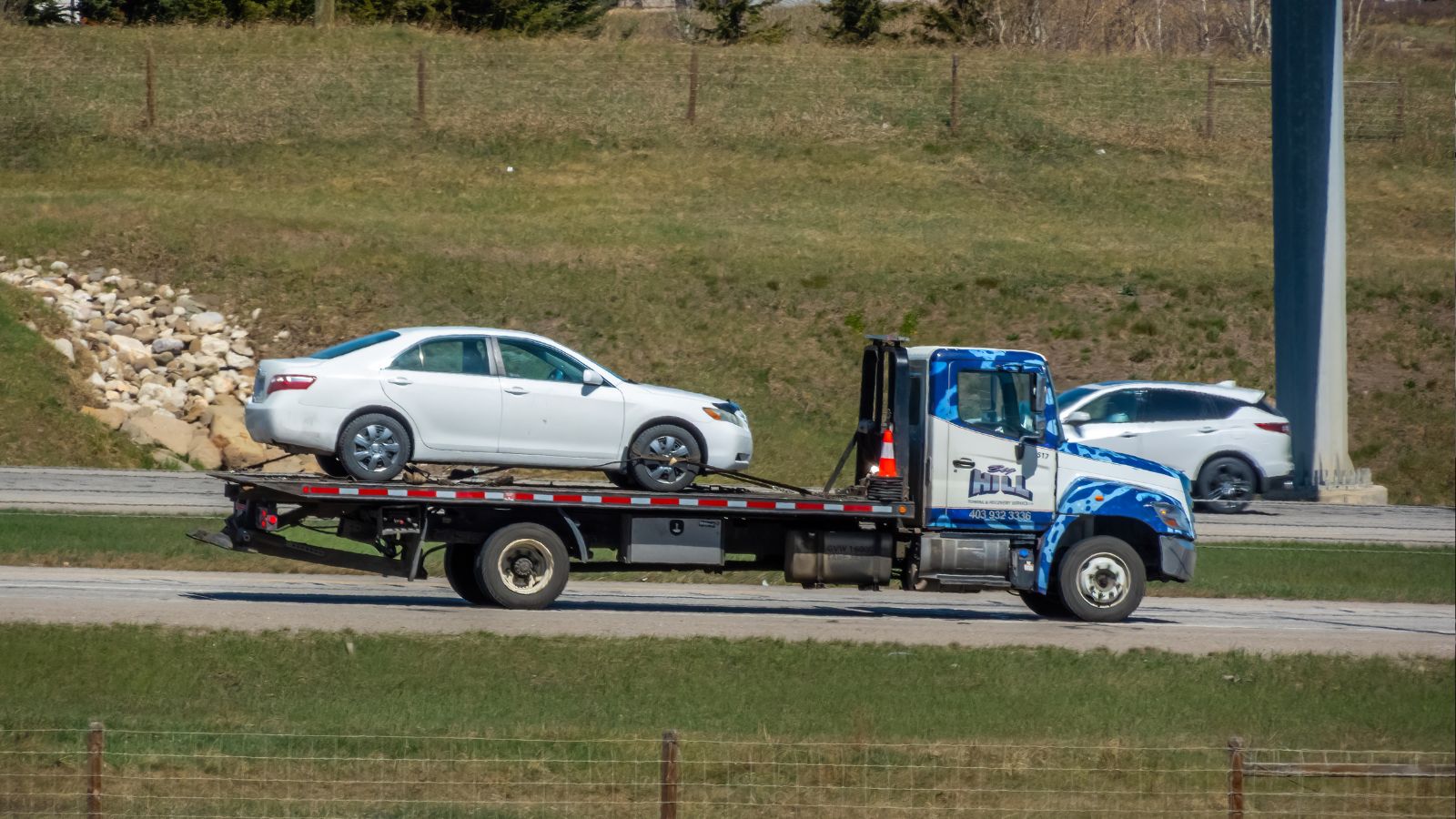
Many road trip towing mistakes begin with optimistic math. A trailer may technically fall within a headline towing number, yet the real-world load still includes passengers, cargo, tongue weight, options, and the fatigue of long grades and repeated stops. That gap between brochure confidence and actual loaded travel is where costs begin. A vehicle that feels acceptable on flat local roads can feel overmatched once the route turns hilly, the weather gets hot, or the stopping distances start to lengthen. Towing strain is not always dramatic; sometimes it reveals itself through brake heat, poor control, or a vehicle that simply feels as if every system is working too hard.
The repair bill becomes larger because towing problems are rarely isolated to one part. Weight miscalculations place extra demand on brakes, tires, cooling systems, and driveline components at the same time. They also make the driver more likely to ride the brakes on descents or ask too much of the vehicle in traffic. Even when nothing fails outright, towing too close to the edge accelerates wear in ways that show up later, after the holiday is over and the shop starts listing what the trip took out of the vehicle. That is when a recreational add-on becomes a mechanical invoice.
No Backup Plan When the Car Quits
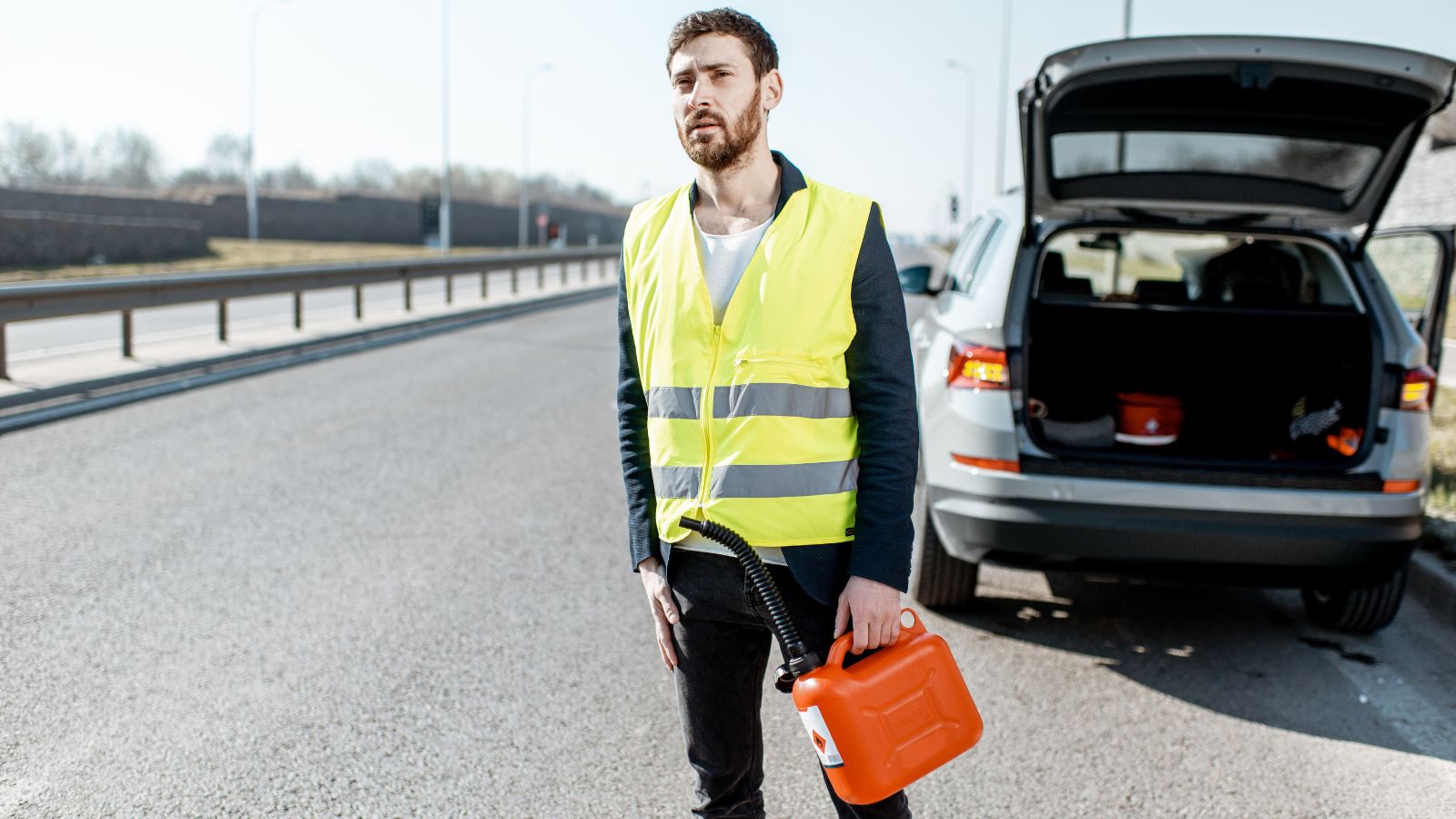
The final problem is not mechanical at all. It is the assumption that a road trip will somehow stay simple even if the car does not. Drivers who leave without basic emergency gear, a charged phone, or some kind of roadside support often discover that the real expense is not the original breakdown. It is everything that forms around it: the wait, the missed booking, the after-hours rate, the panic purchase, the cold shoulder stop, or the need to accept the first available help instead of the best-priced help. A dead battery, flat tire, or empty tank feels much larger when the vehicle is unprepared and the people inside it are too.
That is why backup planning saves money even when it never gets used. Cables, lights, fluid, warm gear, and a clear way to call for assistance do not just improve safety; they stop small incidents from becoming expensive ordeals. The same goes for understanding what roadside coverage actually includes before the trip begins. Once a breakdown is already happening, no one shops calmly. They solve urgently. And urgent solutions almost always cost more. In the end, some of the most expensive road trip repairs are not caused by the original fault at all. They are caused by how little room there was to handle it well.
22 Things Canadians Do to Their Cars in Spring That Mechanics Hate

Spring brings relief to many Canadian drivers after months of snow, freezing temperatures, and icy roads that put serious strain on vehicles. As temperatures rise across the country, drivers begin washing cars, switching tires, and preparing vehicles for warmer weather and upcoming road trips. However, mechanics across Canada notice the same mistakes every spring when drivers attempt to recover from winter damage. Road salt, potholes, and harsh winter driving conditions often leave vehicles with hidden problems that drivers ignore. Some spring habits even create new mechanical issues that could have been avoided with proper maintenance. Here are 22 things Canadians do to their cars in spring that mechanics hate.