


























A dependable vehicle has become one of the easiest things to overspend on in Canada. Reliability has real value, but in the used market it also attracts emotional bidding, dealer-friendly financing, and assumptions that can survive longer than the facts behind them. A familiar badge, a low odometer reading, or a clean-looking interior can make an asking price feel reasonable long before the numbers say it is.
That is where the money slips away. Some buyers pay too much upfront, others absorb the overpayment through interest, insurance, fuel, or hidden history. These 16 habits explain how Canadians end up spending more than they should for a vehicle that only looks like the safe choice.
Paying for the Badge, Not the Actual Model

Some vehicles command extra money simply because the brand has built a strong reputation over time. That is understandable, but it also creates a shortcut in the buyer’s mind: if the badge is associated with reliability, the price starts to feel justified before the specific vehicle has been examined closely. In practice, that can push shoppers into paying near-premium money for an ordinary example that is older, higher-trimmed than necessary, or not especially well documented.
The trap gets worse when retained value is confused with personal value. A vehicle that holds value well in the market is not automatically the best buy at any price. It may just mean demand is strong. That difference matters. Paying extra for a familiar name can still be overpaying if the service history is thin, the inspection is weak, or a competing model with similar dependability is priced thousands lower. Reputation should narrow the list, not end the negotiation.
Letting Low Kilometres Override Everything Else
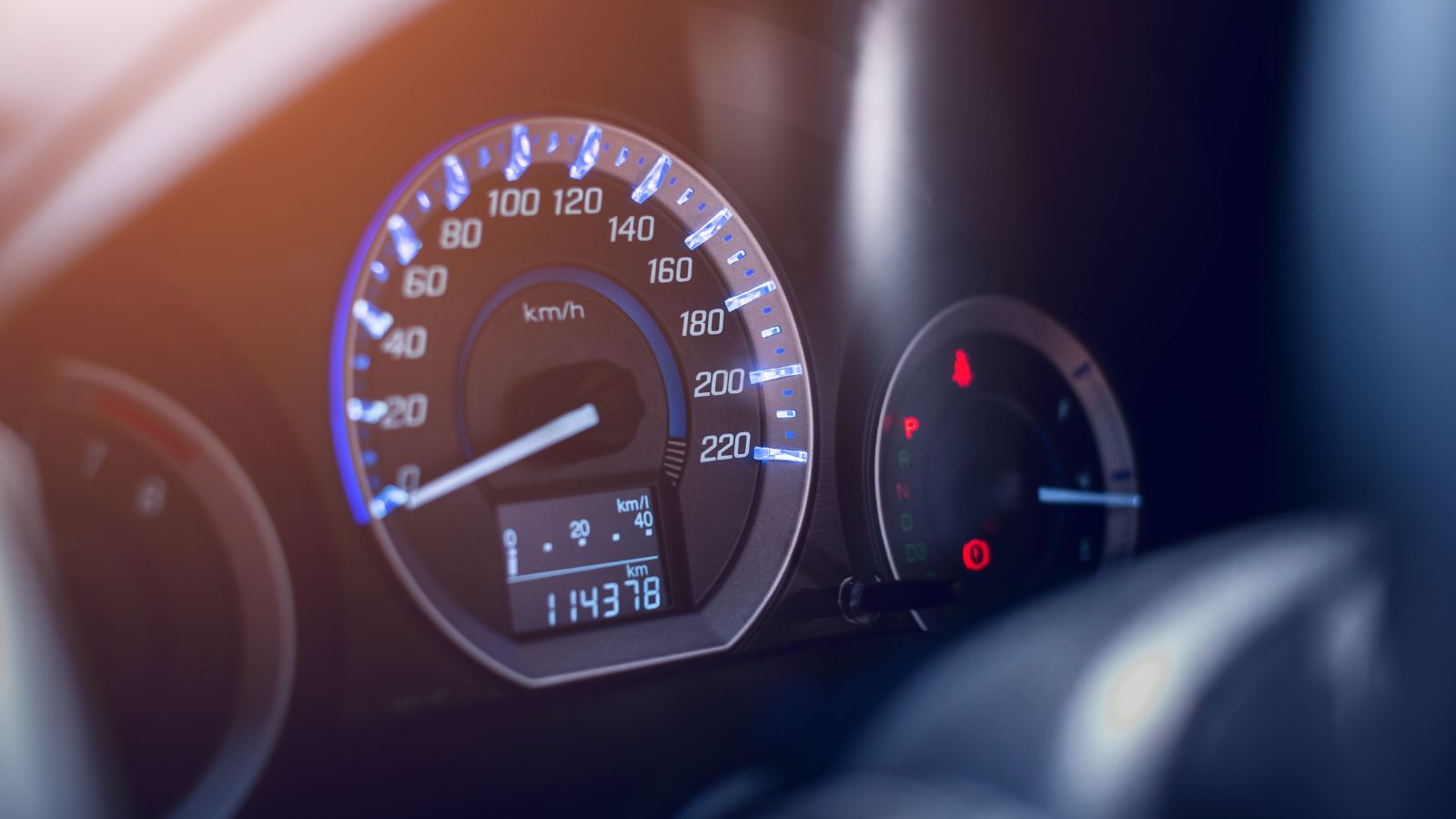
Low mileage remains one of the most powerful pricing triggers in the Canadian used market, and sellers know it. A vehicle with unusually low kilometres often gets treated like a guaranteed bargain, even when age, maintenance gaps, and long idle periods tell a more complicated story. It is easy to see why buyers fall for it: a seven-year-old crossover with very little apparent use looks gentler, newer, and safer than an alternative with more road time.
But kilometres are only one clue. A lightly driven vehicle can still have aging fluids, drying seals, neglected tires, rust beginning underneath, or a battery that has spent too much time sitting. In some cases, buyers end up paying a major premium for a number on the dashboard instead of a complete ownership picture. A modestly higher-mileage vehicle with consistent service records can be the better purchase, even if it is less emotionally appealing at first glance.
Assuming a “Reliable Brand” Means Every Year Is Safe
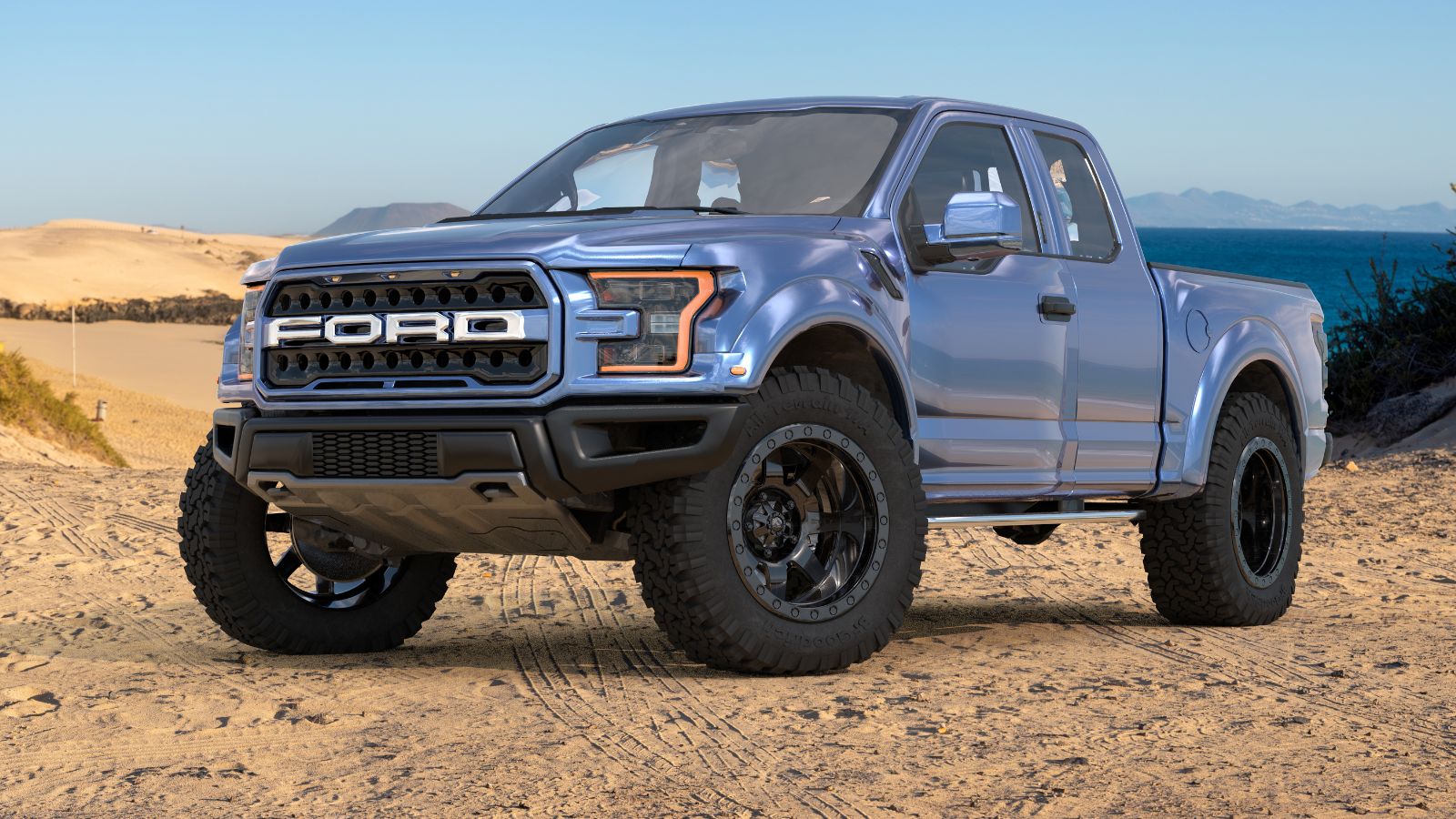
Brand reputation often hides the fact that dependability is really judged model by model, year by year, and sometimes trim by trim. Buyers who stop researching once they settle on a trusted name are often the same ones who end up overpaying for a problem year. That is especially common when a redesign introduces new powertrains, more electronics, or software-heavy features that have not yet built a long track record.
This kind of overpayment is subtle because the vehicle may still look like a conservative choice. A buyer sees the brand, hears that it is “known to last,” and pays a stronger price without checking whether that exact generation had transmission complaints, infotainment issues, or expensive early repairs. Reliability should never be treated as a family trait passed evenly across an entire lineup. Careful shoppers price the precise model-year combination, not the mythology around the logo on the grille.
Paying Extra for Certification Without Reading the Fine Print

Certified pre-owned programs sound like a simple way to buy peace of mind, and sometimes they are. The problem is that many Canadians treat certification as proof that any premium is reasonable. It often is not. Different programs offer different inspections, warranty terms, roadside benefits, and exchange policies, so paying extra for a certified badge without studying what is actually included can turn reassurance into an expensive add-on.
A buyer may spend more for a certified vehicle even when the remaining benefit is limited, overlaps with existing factory coverage, or is too short to change the ownership risk meaningfully. Another shopper may skip a cheaper non-certified unit from the same model line that has stronger service records and a better independent inspection simply because it lacks the branded label. Certification has value, but it should be costed like any other feature. A program’s real worth is in the coverage and inspection quality, not in the dealership’s sales language.
Negotiating the Payment Instead of the Price

One of the most expensive habits in vehicle shopping is focusing on the monthly payment rather than the full amount being financed. Dealers and lenders understand this instinct perfectly. When the conversation centres on whether a number fits the monthly budget, the total transaction price can rise quietly through added accessories, a weaker trade-in allowance, or simply a higher purchase price that no longer feels dramatic because it is spread over time.
This is how buyers end up saying yes to vehicles they would have rejected if the final cost were shown more plainly. A difference of a few dozen dollars a month rarely feels alarming in the showroom. Over years, though, it can represent thousands in extra spending. It also reduces the pressure to compare alternatives because the payment becomes the only yardstick. A reliable vehicle bought on weak math is still an overpriced vehicle, no matter how comfortable the payment looks in the moment.
Choosing a Longer Loan to Make a Bad Deal Feel Affordable
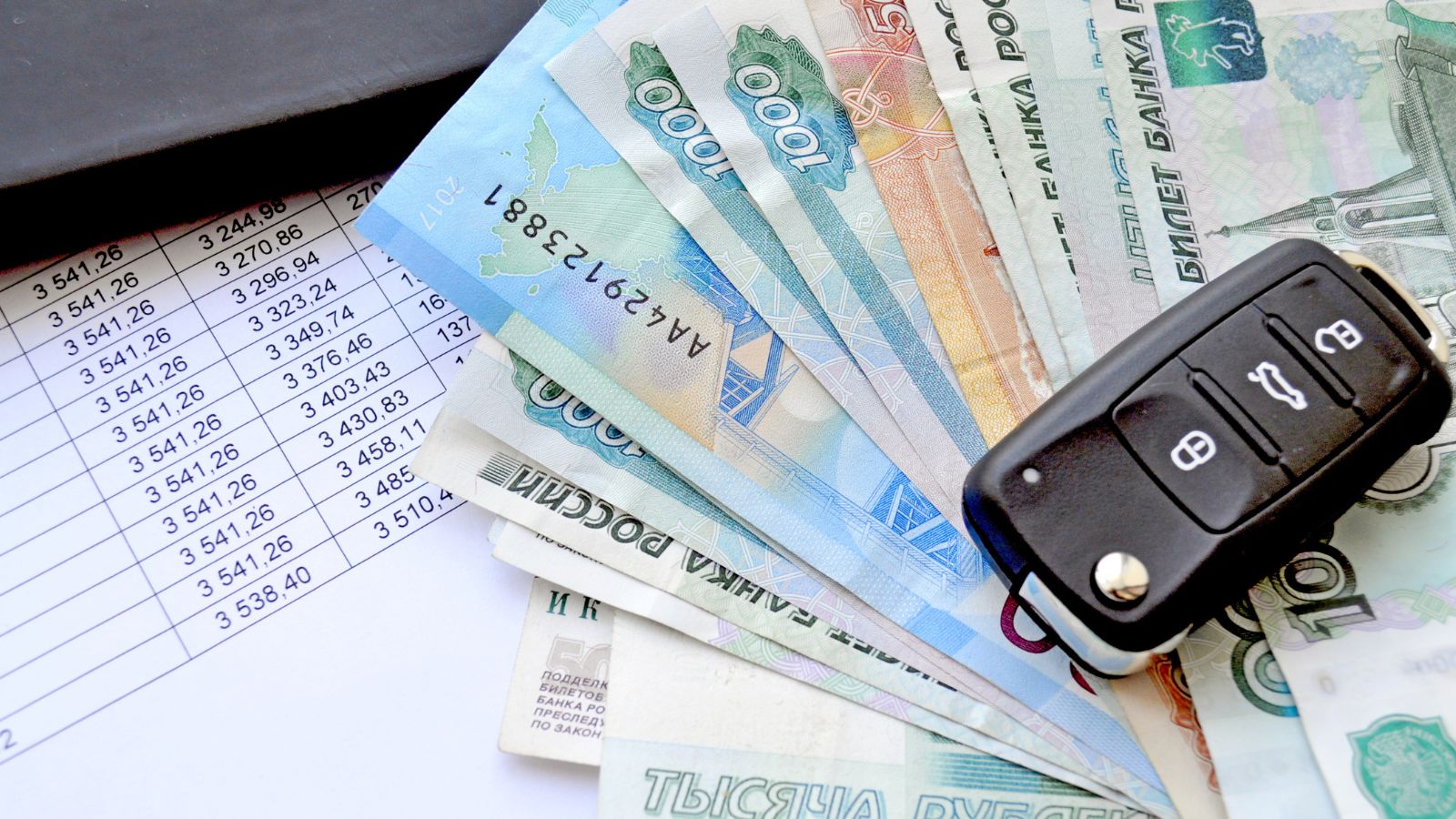
Longer financing terms are especially dangerous in the used market because they make overpayment easier to hide. A vehicle that stretches a household budget at 48 months can suddenly seem manageable at 72 or 84 months. The payment falls, the urgency fades, and the buyer feels like the deal has improved. In reality, the loan has often just made an expensive purchase easier to accept.
That matters even more when the car is already several years old. The buyer may still owe meaningful money while the vehicle continues to depreciate and age into costlier repair territory. If life changes, or a major repair arrives earlier than expected, the household can be stuck paying financing costs on a vehicle that no longer feels like a smart choice. Lower monthly pressure is not the same as lower cost. In many cases, it is simply a more comfortable path to paying too much.
Skipping Real Market-Value Checks

Many buyers still walk into negotiations with only a vague sense of what a vehicle should cost. They may have glanced at a few listings, noted that prices seem “about right,” and moved on. That approach is risky because used-vehicle pricing is shaped by far more than make, model, and year. Odometer reading, prior damage, service history, ownership type, location, and current market movement all affect what a fair number actually is.
Without a proper benchmark, it becomes easy to confuse the asking price with the market price. A dealer listing that looks normal in isolation may sit well above a realistic value range once the vehicle’s history is considered. This is where shoppers accidentally pay extra simply because they never built a strong reference point. Reliable buying starts with valuation discipline. Buyers who compare multiple sources and history-adjusted tools are much harder to overcharge than those negotiating from instinct.
Ignoring Service Records Because the Vehicle Looks Clean
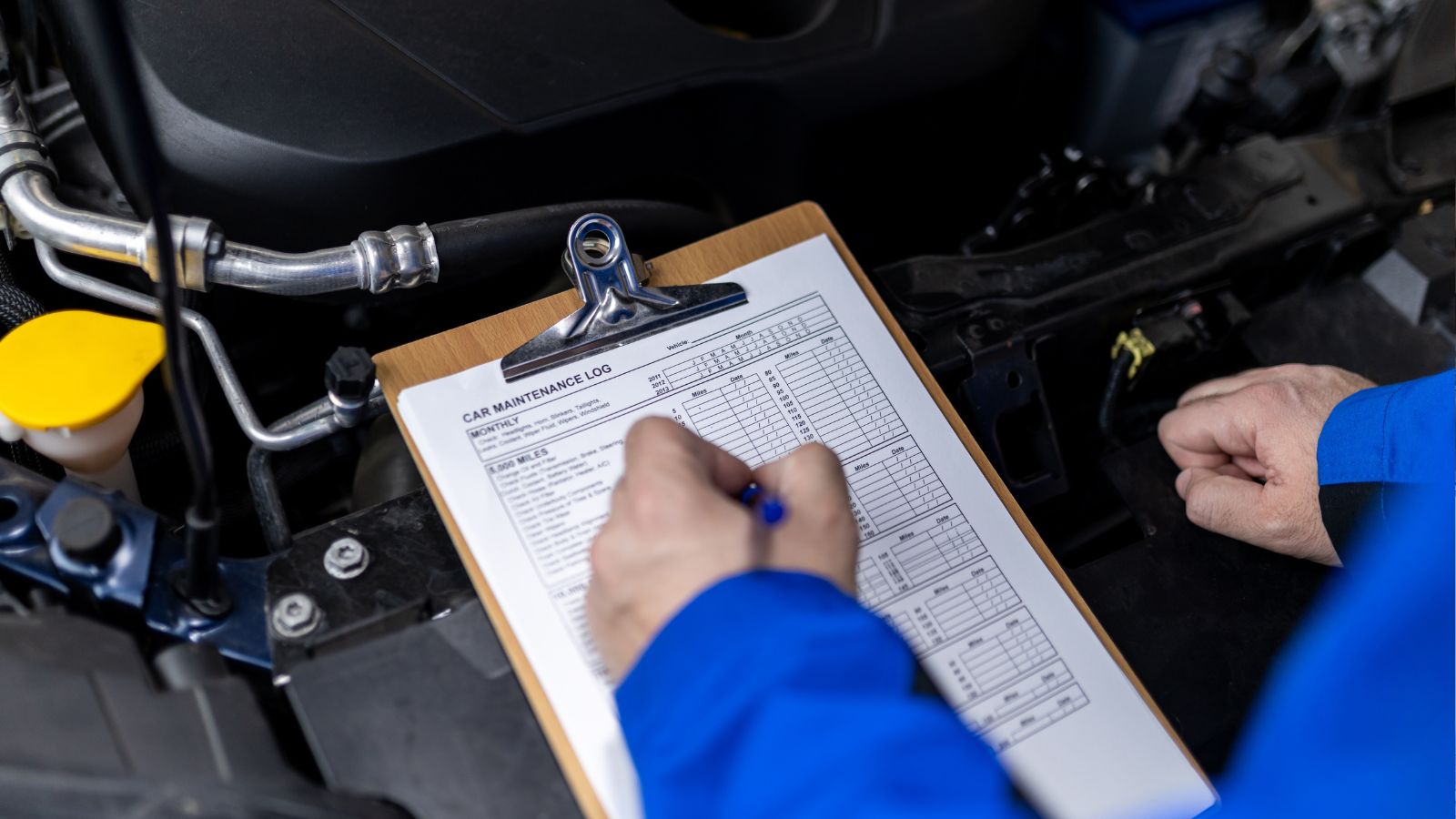
A tidy cabin, glossy paint, and a quiet test drive can create the illusion of careful ownership. That visual confidence often leads buyers to underweight service records, even though maintenance history is one of the clearest clues to long-term value. A used vehicle can look terrific on a sunny afternoon and still have a spotty record of missed oil changes, delayed fluid services, or repairs that were handled cheaply instead of properly.
This is one of the more human mistakes in the market because presentation feels personal. Buyers respond to cleanliness and care. The trouble is that cosmetic care does not prove mechanical discipline. Records do. When there is clear evidence of regular maintenance, the buyer is paying for something concrete. When there is not, paying a premium because the vehicle “feels loved” is often just paying for appearances. Reliable ownership is built in invoices and timestamps, not in dashboard shine.
Buying More Vehicle Than Daily Life Requires

Many Canadians overpay because they buy the version of reliability that looks toughest, roomiest, or most future-proof rather than the one that actually matches daily use. That often means moving from a compact car to an SUV, or from a moderate crossover to a truck, on the assumption that the bigger vehicle is the smarter long-term choice. Sometimes it is. Very often it is simply the more expensive one.
The upfront premium is only the beginning. Larger body styles can raise fuel spending, tire costs, insurance exposure, and repair bills. Even in the used market, category differences remain substantial. Buyers who mainly commute, run errands, and do occasional family trips may still convince themselves they need towing ability, off-road styling, or extra seating they rarely use. The market is full of dependable smaller vehicles, but “reliable” often gets bundled with “bigger” or “more capable,” and that pairing quietly drains money for years.
Failing to Price Insurance Before Signing
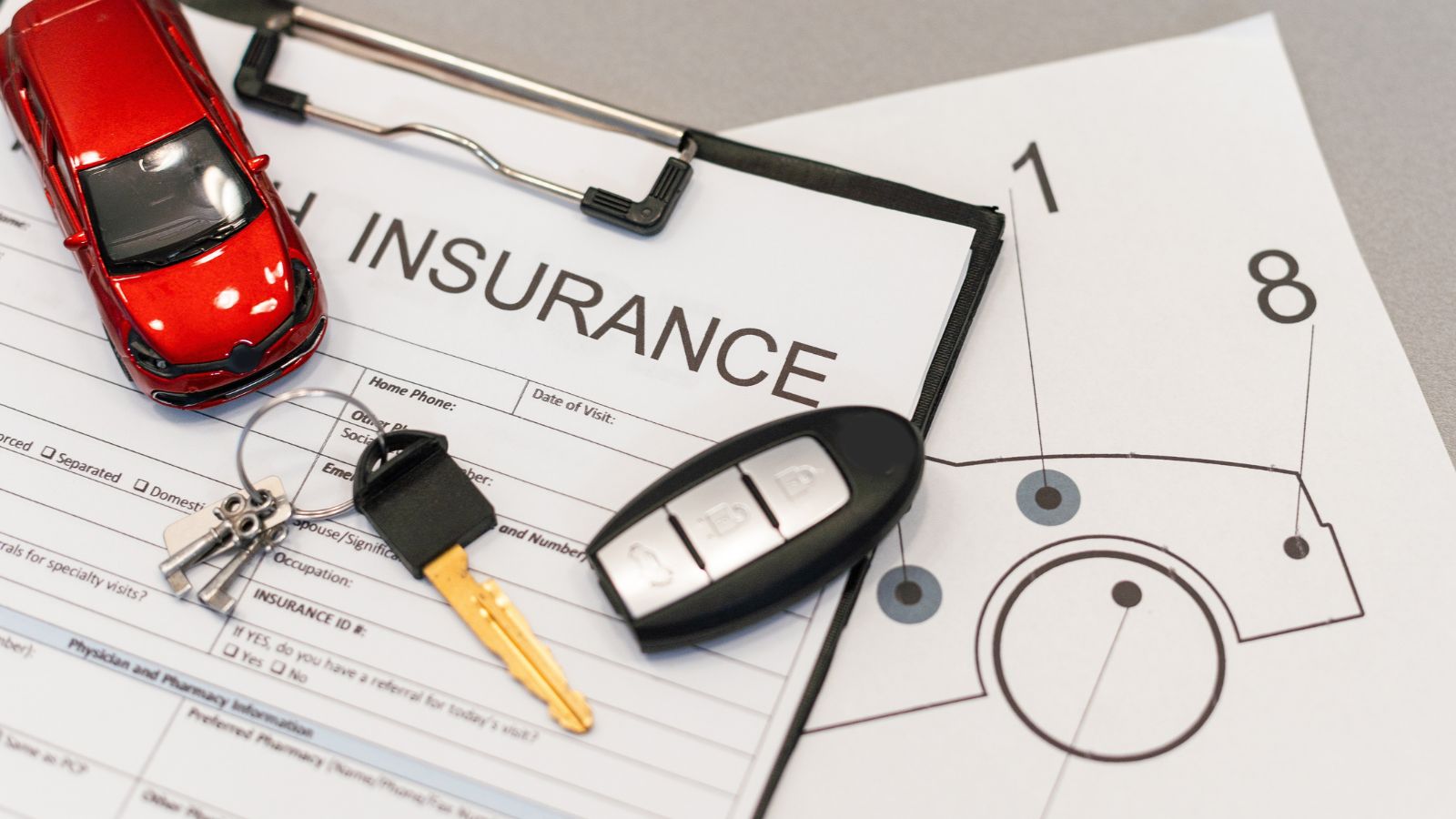
Insurance is often treated as something to sort out after the vehicle has already been chosen. That sequence works in the insurer’s favour, not the buyer’s. By the time a quote reveals that a certain trim, body style, or repair profile carries a higher premium, the emotional commitment is already in place. Many buyers keep the vehicle anyway because backing out feels like restarting the entire search.
That is how a sensible purchase becomes an expensive one before the first tank of fuel is used. Two vehicles with similar sticker prices can produce noticeably different insurance costs depending on claims history, theft exposure, repair expense, and vehicle value. In practice, that means a supposedly reliable vehicle can be pricier to own than a less celebrated alternative. A quote should be part of screening, not an afterthought. Reliability only helps the budget if the full ownership cost supports the story.
Underestimating Repair and Theft Exposure
Some buyers assume insurance pricing is mostly about their own driving history. It is not. The vehicle itself matters, and not always in intuitive ways. A model that is expensive to repair, frequently stolen, or more likely to generate certain claims can carry a higher insurance burden even if buyers think of it as practical and dependable. Modern safety technology helps in some situations, but expensive sensors, body panels, and electronics can raise repair costs when something goes wrong.
This becomes another hidden path to overpaying because the buyer is effectively purchasing a stream of higher operating costs without recognizing it at signing. A rugged-looking SUV or popular crossover may feel like a low-risk choice simply because it is everywhere. Yet popularity can increase theft attention, parts prices, or claims frequency. The best way to avoid this mistake is to treat insurance data as part of vehicle research. A reliable vehicle that attracts costly claims can still be the wrong buy.
Skipping an Independent Inspection

Few shortcuts are more expensive than trusting a dealer walk-around, a seller’s confidence, or a clean test drive instead of paying for an independent inspection. Buyers often avoid the extra step because the vehicle seems obviously solid, the seller is in a hurry, or the added cost feels annoying after an already long shopping process. That small saving can backfire instantly if the mechanic uncovers fluid leaks, rust issues, worn suspension parts, or signs of previous poor repairs.
The irony is that inspection money is often tiny compared with the premium buyers are willing to pay for a “reliable” badge. Spending more than a hundred dollars to challenge a five-figure purchase should feel normal, not excessive. Yet many shoppers still see it as optional. In reality, the inspection is one of the few moments in the process where someone is being paid to disagree with the sale. That makes it one of the strongest protections against accidental overpayment.
Treating a Clean-Looking Car as a Clean-History Car

A smooth drive and polished presentation can make a vehicle seem straightforward, but history problems are often invisible in person. Accident records, salvage branding, service gaps, open recalls, theft flags, odometer concerns, and prior commercial use do not announce themselves from the driver’s seat. Buyers who skip a history report because the car “doesn’t show any red flags” are often paying full-market money for a vehicle whose background should have lowered the price.
This mistake is especially common when the seller appears organized and transparent. A folder of receipts or a good conversation can create trust, but trust is not verification. History reports are not perfect and should not replace an inspection, yet they remain one of the best ways to move beyond surface impressions. In the used market, overpayment often begins when hidden negatives are priced as if they do not exist. A clean look can be comforting. It should never be accepted as evidence.
Not Discounting Previous Damage Properly

A previously damaged vehicle is not automatically a bad vehicle. In some cases, if repairs were done properly, it can be a reasonable purchase and even a smart one. The mistake happens when buyers accept a repaired vehicle at a price that barely reflects its history. Once a damage event enters a vehicle’s record, value is affected, and a buyer who ignores that fact is effectively paying clean-history money for a car that no longer deserves it.
This happens more often than it should because shoppers tend to think in absolutes. Either the accident is a deal-breaker, or it is brushed off because the car looks fine now. The better approach sits in the middle. Damage history should trigger questions, a stronger inspection, and firmer negotiation. If the vehicle remains worth buying, it should usually be worth buying at a discount. Paying almost full freight after visible or documented damage is one of the clearest ways to overpay politely.
Forgetting to Check for Open Recalls
Recall checks are easy to postpone because they do not feel financial at first. They feel like a safety issue to sort out later. In reality, unfixed recalls can affect convenience, resale confidence, and the buyer’s sense of whether the vehicle is really ready to own. A supposedly dependable purchase starts looking far less attractive when it needs immediate recall follow-up or dealer visits before it can be trusted fully.
Used-car shoppers often assume recalls will be obvious or already handled. That assumption is risky. Many recalled vehicles stay in circulation, and not every seller is proactive about resolving the issue before listing the car. A buyer who pays a premium for peace of mind but inherits unfinished recall work has paid for certainty they did not actually receive. Even when the repair is covered, the time and uncertainty still matter. Reliability should not require immediate catch-up work that could have been identified before the deal closed.
Missing Liens and Other Ownership Problems

A vehicle can drive perfectly and still carry ownership complications that make the purchase far more expensive than expected. Liens are one of the clearest examples. Buyers sometimes assume that if a car is being advertised openly, the paperwork must already be clean. That confidence is misplaced. If debt tied to the vehicle has not been cleared properly, the buyer may walk into a situation that needs to be resolved before ownership feels secure.
The same caution applies to VIN-related problems and seller identity issues. Fraud is no longer a fringe concern in Canada’s used market, and the consequences are far more serious than a bad negotiation. A deal that looked cheap can become financially brutal if the vehicle’s identity is compromised or the seller was not entitled to complete the sale cleanly. These are not glamorous checks, but they are essential ones. Nothing erases the value of a “reliable” purchase faster than discovering the paperwork was the real mechanical problem.
22 Things Canadians Do to Their Cars in Spring That Mechanics Hate

Spring brings relief to many Canadian drivers after months of snow, freezing temperatures, and icy roads that put serious strain on vehicles. As temperatures rise across the country, drivers begin washing cars, switching tires, and preparing vehicles for warmer weather and upcoming road trips. However, mechanics across Canada notice the same mistakes every spring when drivers attempt to recover from winter damage. Road salt, potholes, and harsh winter driving conditions often leave vehicles with hidden problems that drivers ignore. Some spring habits even create new mechanical issues that could have been avoided with proper maintenance. Here are 22 things Canadians do to their cars in spring that mechanics hate.