


























Trying to cut vehicle costs often begins with sensible intentions: lower payments, less fuel, fewer fees, and a little breathing room in the household budget. In Canada, though, the biggest vehicle savings mistakes usually come from focusing on the sticker price while missing the costs that show up later in fuel, financing, insurance, repairs, and resale value.
These 17 mistakes capture the choices Canadians make when they believe they are being frugal, only to discover that the “cheaper” path can become the more expensive one. Some errors start in the showroom, others happen on the used lot, and several do not appear until months after the keys change hands.
Letting the Monthly Payment Decide the Purchase
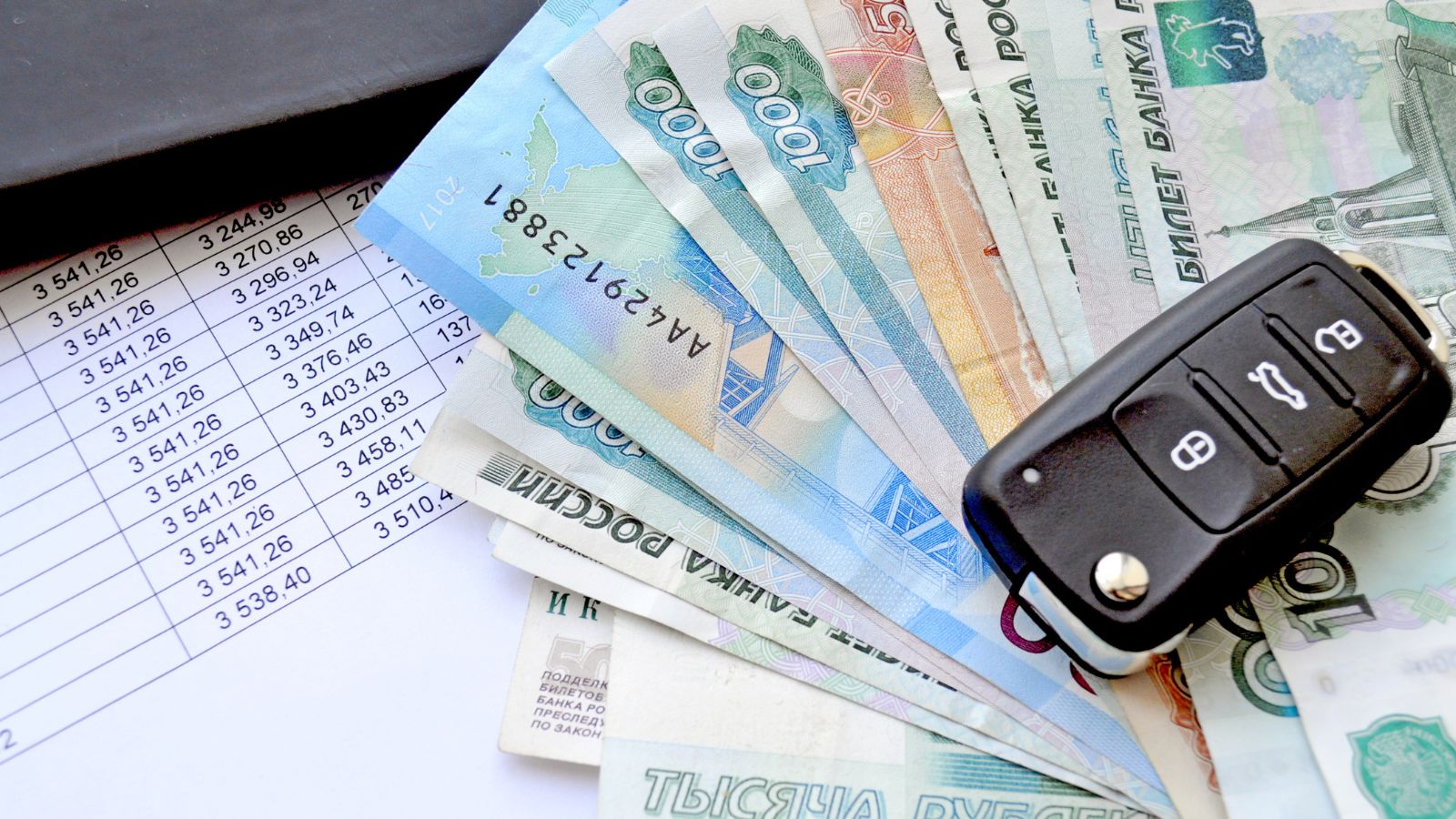
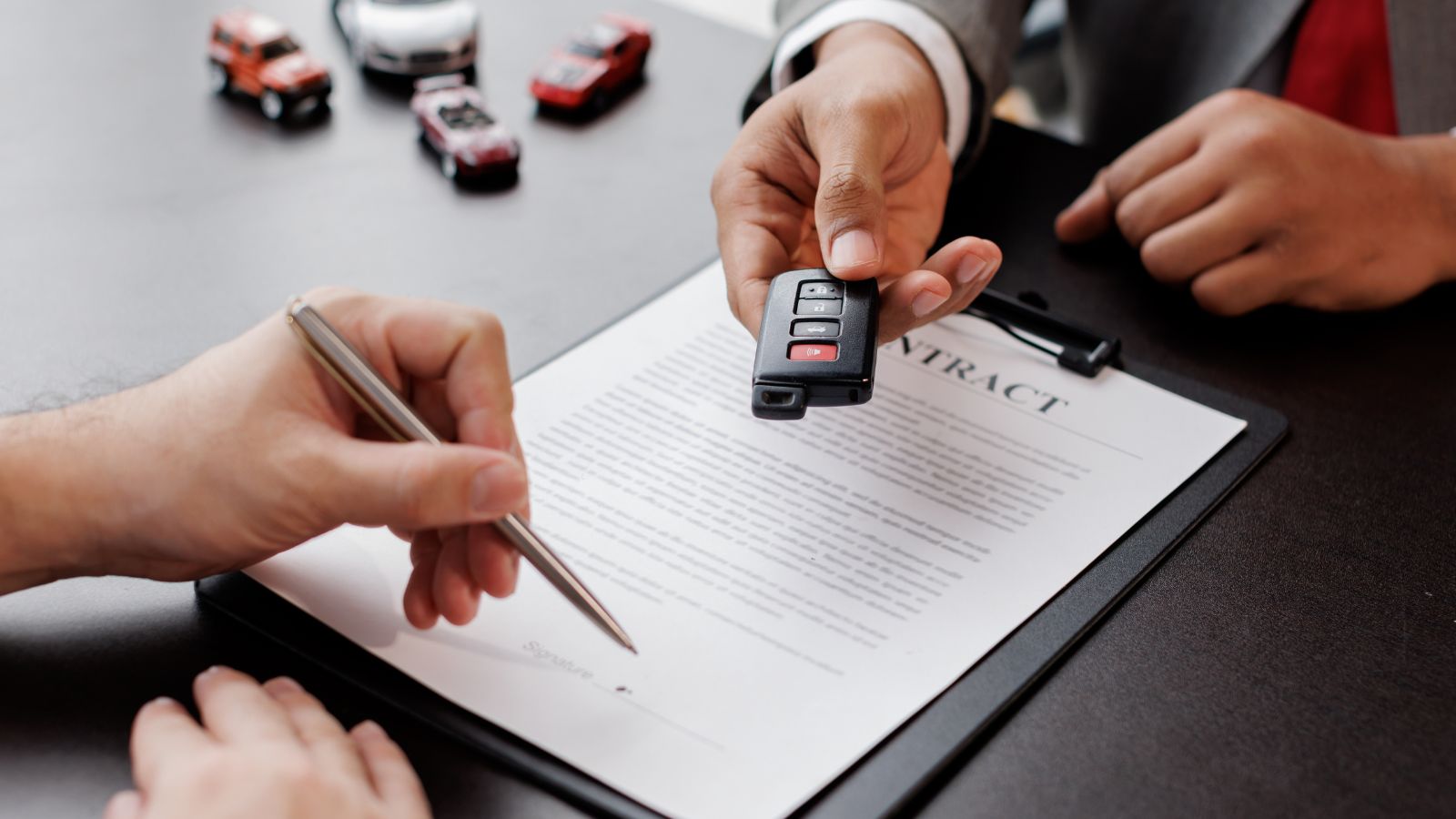
A low monthly payment can feel like proof that a vehicle fits the budget. That is why many buyers stop comparing once the number lands inside a comfortable range. The trouble is that a manageable payment can hide a higher selling price, a longer term, or more interest paid over time. At the dealership, the conversation often shifts from “What does the car cost?” to “What payment works?” and that change alone can blur the real math.
A common version of this mistake happens when a buyer stretches just a little higher for a nicer trim, a larger SUV, or extra add-ons because the monthly increase seems small. Over time, that small increase stacks on top of insurance, fuel, and maintenance. The result is a vehicle that looked affordable in the finance office but strains the budget everywhere else. Saving money on a vehicle starts with total price and total borrowing cost, not just the payment line.
Treating a Very Long Loan as a Bargain

Long auto loans can look like a clever workaround for expensive vehicle prices. When a term moves to seven or eight years, the payment drops enough to make a pricier car seem reachable. That can feel like thrift, especially when interest rates are not the first thing on a buyer’s mind. But a long loan does not make the vehicle cheaper. It usually means the debt shrinks more slowly while interest keeps accumulating for more months.
That slow payoff matters because people do not always keep a vehicle as long as the paperwork assumes. Life changes, trade-ins happen, and repair bills can start arriving before the loan is gone. A buyer who thought a long term was the responsible path may discover the vehicle no longer suits the family or commute while a large balance is still hanging over it. What looked like breathing room becomes a financial trap, especially when the car’s value falls faster than the debt.
Rolling Yesterday’s Loan Into Today’s Deal

One of the costliest “money-saving” moves is trying to escape an old vehicle by burying its unpaid loan balance inside a new one. It can be framed as a clean reset: one new payment, one fresh contract, no need to come up with cash to close the old loan. In practice, it often means paying for a vehicle that is no longer in the driveway while also paying for the replacement.
This tends to happen when buyers trade in every few years while financing over longer terms. The old balance does not vanish; it gets folded into the new purchase and raises the effective cost of the replacement vehicle. That makes a newer car feel more affordable in the moment, but the budget absorbs two layers of depreciation and more interest. It is an easy way to turn a routine upgrade into a longer cycle of debt, especially when the next purchase is justified as a way to “save” on repairs.
Ignoring Depreciation and the Real Cost of Ownership

Many Canadians are careful about gas prices, loan rates, and repair bills, but depreciation is often the invisible cost that does the most damage. A vehicle can lose value quietly while still feeling reliable and familiar, which is why people underestimate how much ownership really costs. The mistake is assuming the purchase price is the main expense and everything after that is minor.
That thinking distorts what looks like a “deal.” A buyer may choose a vehicle with a lower upfront payment while ignoring how quickly it sheds value, how much it costs to insure, or how thirsty it is in daily driving. Depreciation does not arrive as a monthly invoice, so it is easier to forget. But it shapes what the owner gets back at trade-in time, what negative equity looks like, and whether a supposedly cheap vehicle actually delivered savings. Frugal buying means pricing the whole ownership cycle, not just the day of purchase.
Taking Financing Without Shopping Around

Dealer-arranged financing can be convenient, and convenience often gets mistaken for value. After a long test drive, trade-in discussion, and stack of paperwork, many buyers sign the financing that is placed in front of them because it feels easier than starting a second round of comparison shopping. The assumption is that the offered rate must be competitive enough if the dealership is presenting it.
That is not always how it works. The better money-saving habit is to compare lender offers before arriving or at least ask to see multiple financing options side by side. Even a modest rate difference can change the total borrowing cost over several years. Buyers who skip that step can end up overpaying while thinking they scored a deal on the vehicle itself. This is especially painful when a shopper spent days comparing trim levels, colours, and cargo space but gave only a few minutes to the loan that will shape the budget for years.
Assuming Insurance Will Be About the Same
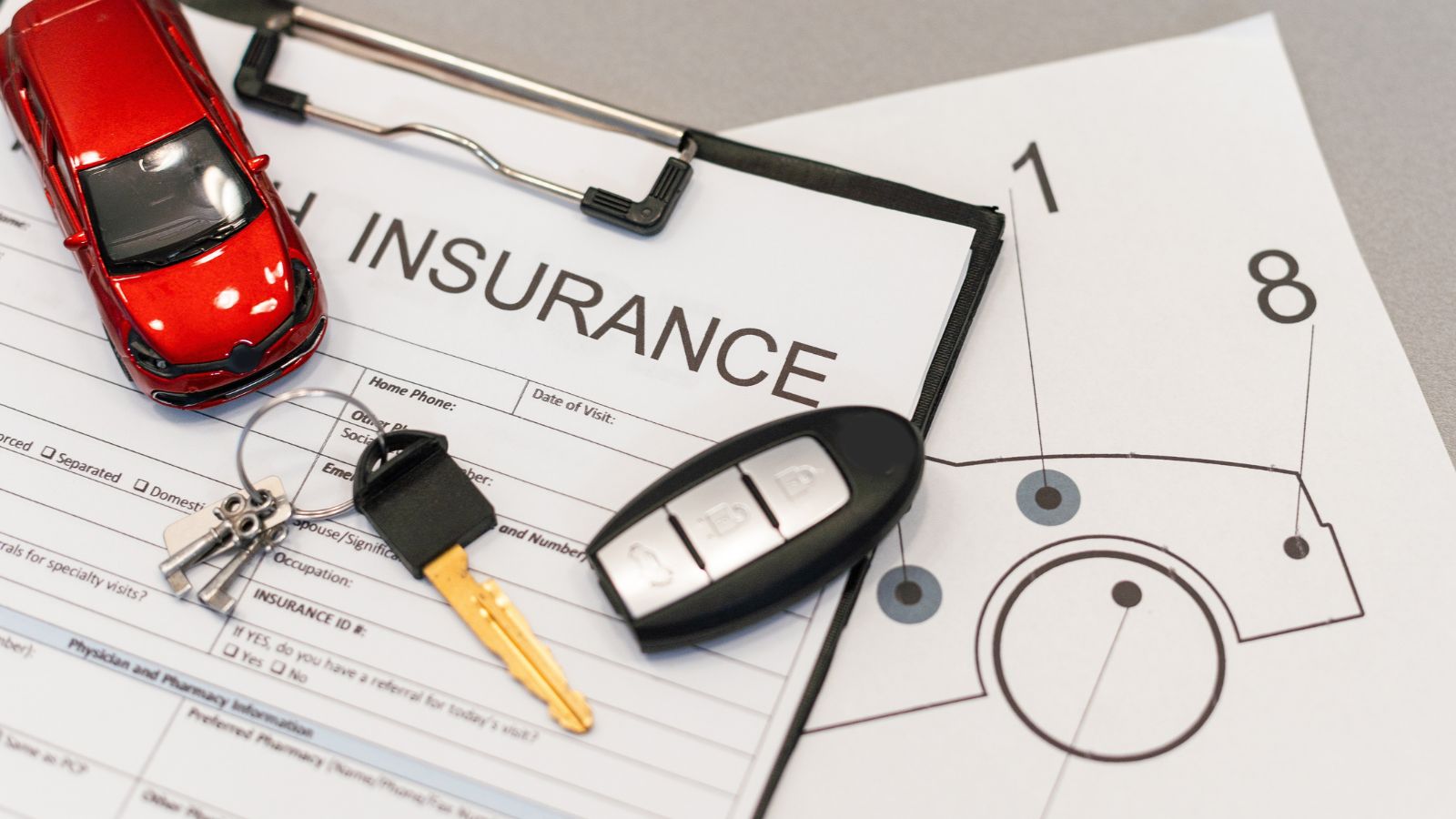
Insurance is one of the easiest costs to underestimate because two vehicles with similar prices can carry very different premiums. Buyers often assume that moving from one mainstream model to another will not change much, then discover the trim, repair cost, theft profile, or safety equipment changes the quote more than expected. That surprise can wipe out the savings that justified the purchase in the first place.
This happens often with sporty trims, luxury badges, and popular SUVs that seem like sensible buys on the lot. The purchase price looks reasonable, but the monthly insurance cost tells a different story. It is a classic false economy: saving a little on the deal itself while committing to a more expensive vehicle to insure every year. A disciplined buyer gets insurance estimates before agreeing to a vehicle, not afterward. Otherwise, the budget can be built around a car payment that no longer reflects the full cost of keeping the vehicle on the road.
Buying More Vehicle Than Daily Life Requires
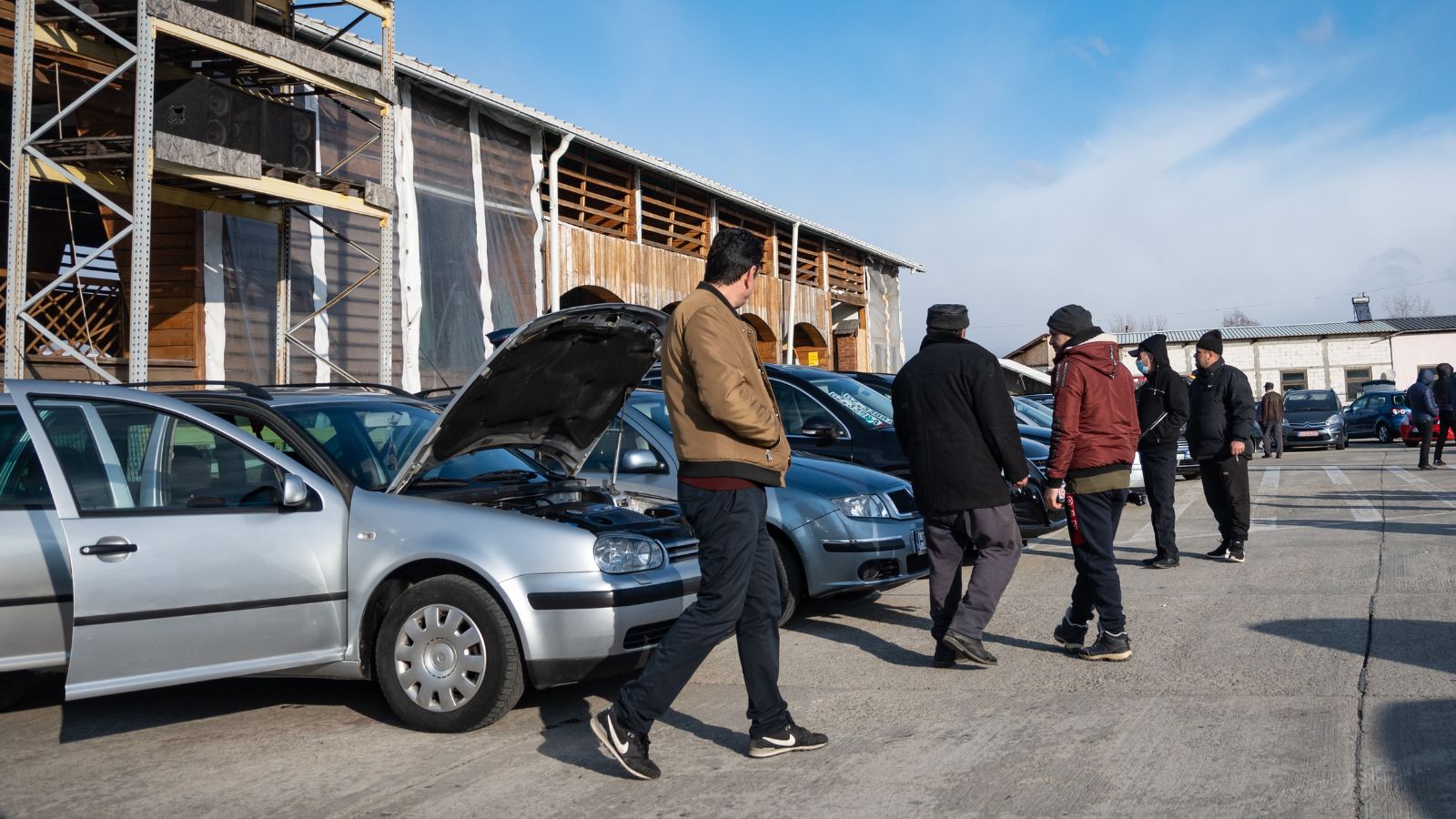
Canadians often talk themselves into larger vehicles by focusing on the few days a year when extra space or extra traction might be handy. A larger SUV, pickup, or all-wheel-drive model can seem like the smarter long-term choice because it feels more capable. The problem is that capability usually comes with more fuel use, and sometimes more tire, maintenance, and insurance costs as well.
For a household that mostly commutes, runs errands, and handles normal city or highway driving, paying every day for capacity used only occasionally is not much of a savings strategy. Many buyers justify the extra cost as preparation for winters, cottage weekends, or future family needs, then spend years covering higher operating costs without getting much practical return. The better value move is often the smallest vehicle that comfortably handles real life most of the time, not the one purchased for a handful of hypothetical moments.
Forgetting to Check Fuel Grade and Fuel Economy
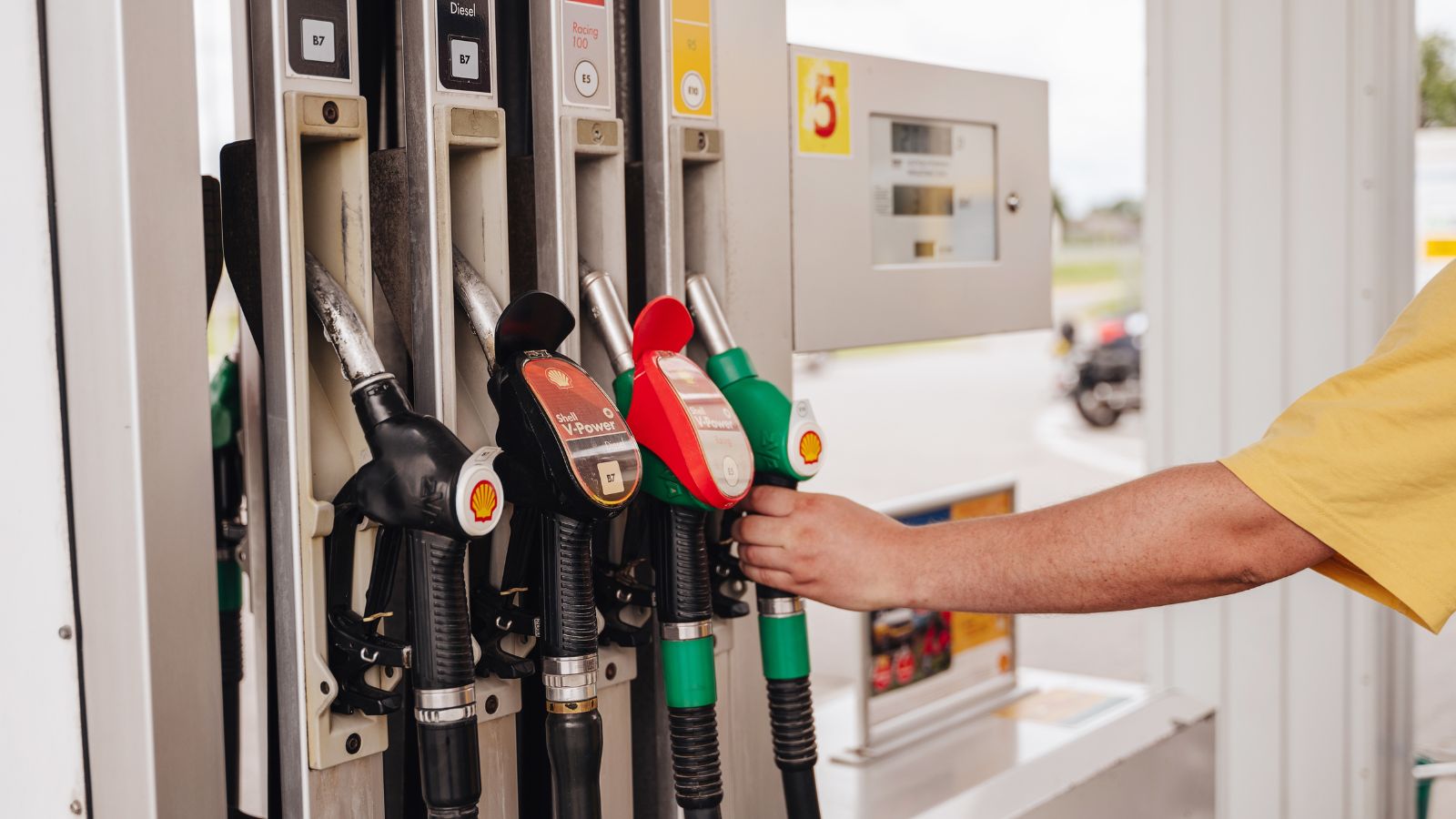
A vehicle can look affordable until the owner notices how often it asks for fuel and what kind it prefers. This catches buyers who focus on purchase price but forget to check whether the engine recommends or requires premium gasoline, or whether the model’s fuel economy is noticeably worse than its rivals. Over a few years, that difference can quietly erase the bargain.
This mistake shows up in two ways. Sometimes a buyer grabs a larger engine or performance trim because the upfront premium is modest. Other times, someone picks a used luxury model without realizing the engine was designed around higher-octane fuel. In both cases, the savings logic falls apart at the pump. A commuter making regular trips through a Canadian winter can feel the difference quickly. The smartest buy is not just the one with the lower sticker; it is the one that keeps operating costs predictable when fuel prices swing and weekly driving cannot be avoided.
Mistaking a Luxury Badge for a Smarter Used Buy
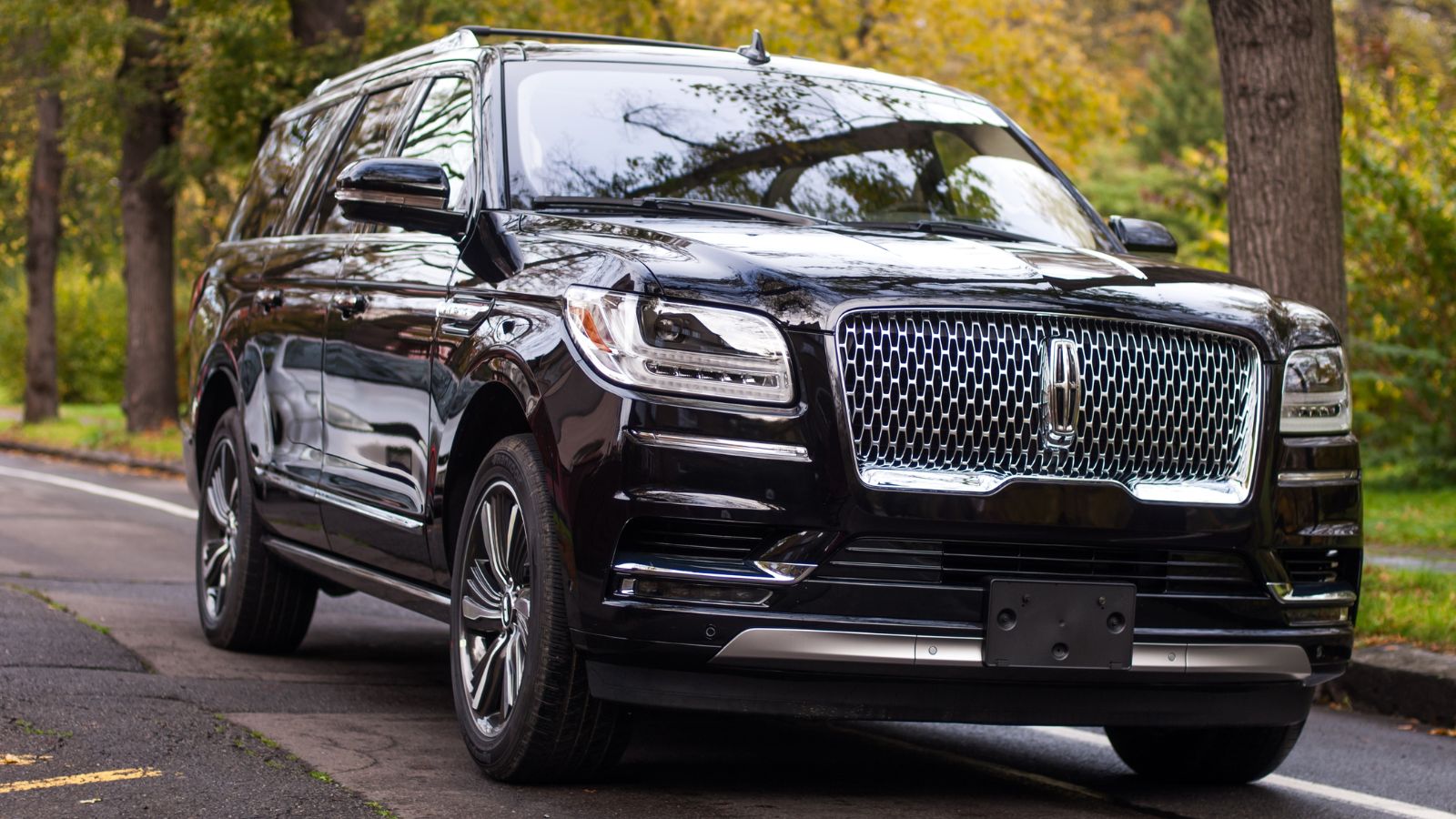
Used luxury vehicles can be deeply tempting because depreciation makes them appear accessible. A five- or six-year-old premium SUV may cost about the same as a newer mainstream model, and the cabin, branding, and features can make it feel like a much better value. For many buyers trying to save money, that looks like a clever way to “buy up” without paying new-car prices.
The catch is that the repair and maintenance profile often does not depreciate as quickly as the badge. Parts, labour, electronics, and brand-specific issues can turn ownership into a series of expensive surprises, especially once the factory warranty is gone. That means the real comparison is not just purchase price versus purchase price. It is total upkeep versus total upkeep. A buyer who wants leather, prestige, and a panoramic roof at a discount may end up wishing they had chosen the plainer but sturdier mainstream option that cost less to keep healthy year after year.
Skipping the Pre-Purchase Inspection

Nothing feels more unnecessary than paying for an inspection when a used vehicle already looks clean, drives well, and comes with a reassuring sales pitch. That is exactly why people skip it. They tell themselves the vehicle is from a reputable seller, the mileage looks reasonable, or the test drive did not reveal anything alarming. In the moment, the inspection fee can feel like money wasted.
In reality, that fee is often the cheapest repair bill associated with the vehicle. A trained mechanic can spot leaks, wear, accident repairs, suspension issues, weak brakes, or pending problems that a casual buyer will miss completely. It also shifts the negotiation from emotion to evidence. The frugal buyer who tries to save a few hundred dollars by skipping the inspection can end up inheriting thousands in hidden work. On used vehicles, the most expensive surprise is rarely the flaw that was obvious. It is the one quietly waiting underneath a shiny wash and a short test drive.
Treating History Reports and Lien Checks as Optional

Used-vehicle buyers sometimes act as though a clean appearance and a decent test drive tell the full story. But a vehicle’s financial and damage history matters just as much as its current condition. Skipping a history report or lien check is one of those decisions that feels harmless until the missing information becomes a legal or financial problem after the sale.
A history report can surface prior damage, branding, ownership patterns, and other warning signs, while a lien check helps reveal whether money is still owing on the vehicle. That matters because a cheap private-sale price is not really cheap if the debt attached to the car has not truly been cleared. The mistake is assuming paperwork is optional when the body panels line up and the seller seems trustworthy. Saving money on a used vehicle means paying for information before purchase, not paying for consequences after purchase.
Ignoring Open Recalls
Recalls are easy for buyers to minimize because they do not always sound urgent, and some sellers treat them like paperwork details rather than real ownership issues. But an open recall can involve safety-related defects, and unresolved recall work can also create extra hassle after the purchase. A lower asking price is not much of a victory if the vehicle still needs manufacturer repair attention.
This is especially risky in used-car shopping, where people assume the previous owner or dealer would have handled anything serious. That is not always true. Before purchase, the safer move is to check the recall status through the manufacturer and Transport Canada tools rather than rely on assumptions. For buyers trying to save money, ignoring recalls can backfire in two ways: the car may carry a problem that should have been fixed already, and the new owner may inherit the time, inconvenience, and uncertainty of chasing that repair after money has already changed hands.
Chasing the Cheapest Private-Sale Price
Private sales can offer real savings, but the cheapest listings are not always where the smartest savings live. Buyers chasing the lowest number online can be drawn toward sellers who seem informal, friendly, and flexible. That is exactly why curbsiders and other bad actors can thrive. A below-market listing creates urgency, and urgency weakens caution.
The buyer tells himself he is avoiding dealer markups, admin fees, and showroom pressure. What he may really be avoiding is the consumer protection that comes with a regulated sale. In a bad private transaction, the vehicle can be misrepresented, carry hidden history, or even involve stolen parts or odometer issues. The low price is what makes the risk feel worth it until the trouble appears. In vehicle shopping, a private deal only counts as savings when the seller is legitimate, the paperwork is clean, and the buyer has done enough homework to know exactly what is being bought.
Assuming a Rebuilt, Rental, or Ex-Taxi Vehicle Is Just a Cosmetic Discount
A lower price on a rebuilt, former rental, or ex-taxi vehicle can look like easy savings. Buyers often reason that a well-repaired accident vehicle is “basically the same,” or that a rental fleet car was probably serviced on schedule. Sometimes that is true. The mistake is assuming the discount exists for no important reason.
Past use matters because it changes wear patterns, resale value, and the odds that the vehicle lived a harder life than its age suggests. Former rentals may have seen many drivers and short trips. Ex-taxis and commercial-use vehicles may have heavy-duty mileage patterns. Rebuilt vehicles can be acceptable in some cases, but only when the repair history is properly disclosed and thoroughly understood. Buyers trying to save money can talk themselves into these cars too quickly because the lower sticker is visible while the long-term downside is harder to picture. That is exactly when caution matters most.
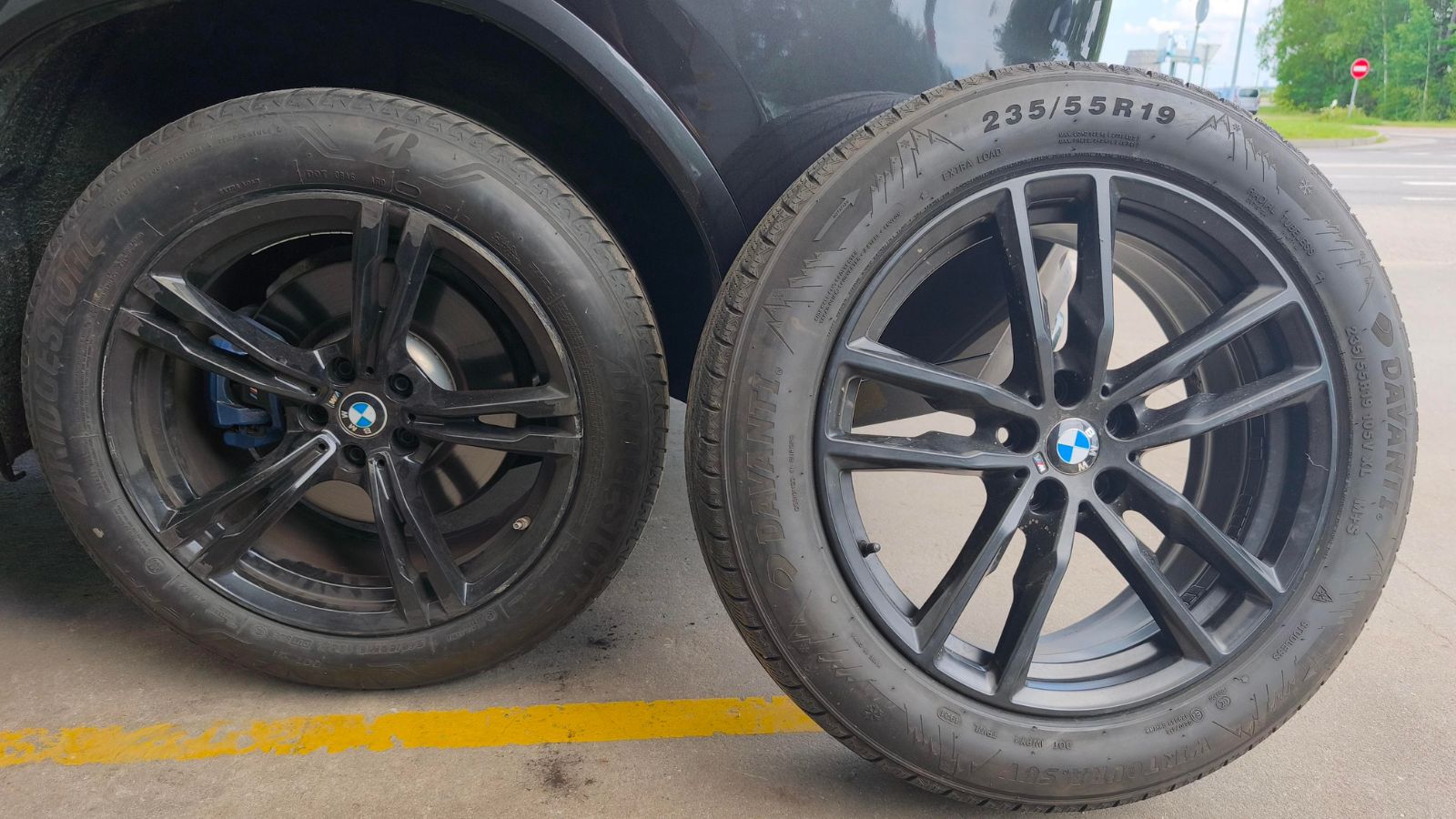
Trying to Save Money on Tires
Tires are one of the most common places drivers try to cut costs because the savings are immediate and the downside can feel theoretical. That can mean delaying replacement, choosing the cheapest option available, or deciding winter tires are an unnecessary extra. In Canada, that logic can turn expensive fast, especially when weather changes faster than plans do.
Winter traction, stopping distance, tread depth, and tire pressure all affect both safety and running costs. A driver who skips proper seasonal tires may save money in autumn only to pay later through poorer control, faster wear, or avoidable damage. Even simple neglect, like underinflation, can waste fuel and shorten tire life. Tires are one of those purchases that reward discipline rather than optimism. The less glamorous set often matters more than buyers want to admit, because a vehicle can be mechanically sound and still become costly if the part connecting it to the road is chosen only by price.
Delaying Basic Maintenance After the Purchase
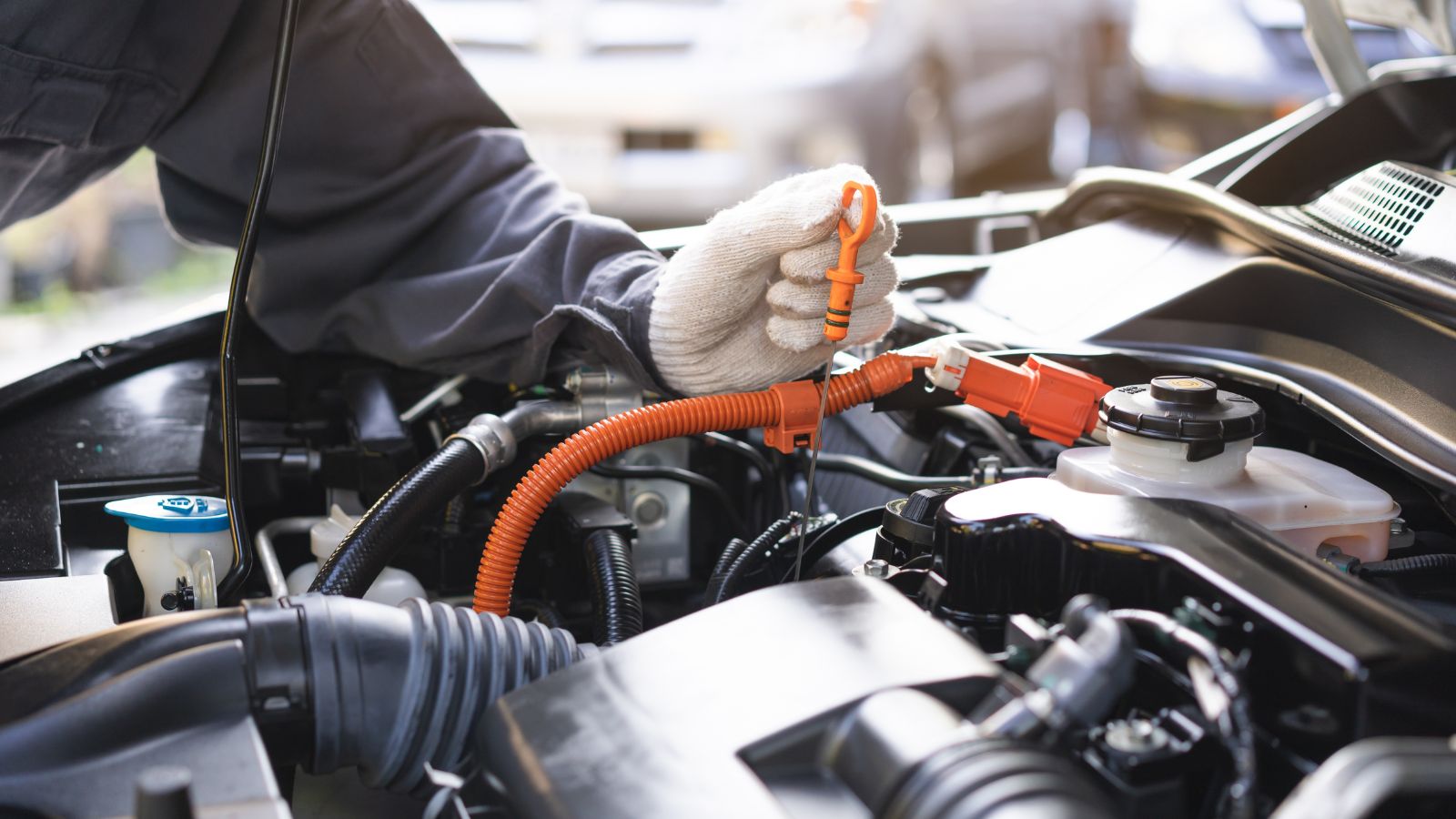
People often buy a vehicle to save money, then immediately postpone the small services that protect that decision. Oil changes, fluid checks, brake inspections, alignment issues, and tire-pressure maintenance do not deliver the emotional payoff of a new purchase, so they are easy to push into “next month.” That is how modest upkeep turns into bigger repair bills.
This mistake is especially common after stretching to buy the vehicle itself. Once the purchase is done, the owner tries to recover financially by delaying care that seems non-urgent. But a neglected vehicle rarely becomes cheaper with time. Minor problems compound, fuel economy slips, and wear spreads to parts that would have lasted longer with routine attention. The irony is hard to miss: the buyer who worked hard to save money on the transaction may undo those savings by starving the vehicle of the maintenance that keeps ownership affordable. In the long run, steady upkeep is usually the cheaper path.
Deleting Safety Technology From the Budget
When buyers try to save money, safety technology is often treated like an optional luxury. A lower trim without blind-spot monitoring, forward collision warning, or automatic emergency braking can seem like the sensible version of the same vehicle. The buyer sees a lower payment and assumes the deleted features are mostly conveniences.
That can be shortsighted. Some modern crash-avoidance systems have documented safety benefits, and on a used vehicle they can also influence insurance appeal and day-to-day confidence. In Canadian traffic, where weather, darkness, and highway commuting all add strain, systems that help prevent or reduce crashes are not just flashy electronics. They can help avoid the kind of accident that wipes out years of attempted savings in one afternoon. Cutting safety features to hit a target price may still produce a cheaper deal on paper, but it can be the wrong kind of economy when the first close call arrives.
22 Things Canadians Do to Their Cars in Spring That Mechanics Hate

Spring brings relief to many Canadian drivers after months of snow, freezing temperatures, and icy roads that put serious strain on vehicles. As temperatures rise across the country, drivers begin washing cars, switching tires, and preparing vehicles for warmer weather and upcoming road trips. However, mechanics across Canada notice the same mistakes every spring when drivers attempt to recover from winter damage. Road salt, potholes, and harsh winter driving conditions often leave vehicles with hidden problems that drivers ignore. Some spring habits even create new mechanical issues that could have been avoided with proper maintenance. Here are 22 things Canadians do to their cars in spring that mechanics hate.