
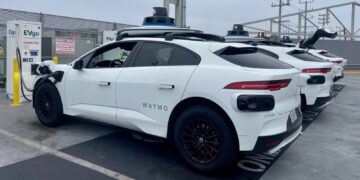

























A modern vehicle can become more expensive in quiet, incremental ways. The surprise rarely comes from one dramatic fee alone. More often, it arrives when a trial ends, a winter essential turns out to be an accessory, or a digital function needs another payment to keep working as expected.
That is what makes these charges so frustrating. The feature was visible, demonstrated, or casually mentioned early enough to feel like part of the deal. Then the bill arrived. These 16 examples capture the places where Canadian buyers most often discover that “included” and “equipped” are not always the same thing.
Freight and PDI

The first surprise is often not a gadget at all, but the gap between the number that caught a buyer’s eye and the number that actually matters. Many Canadians still anchor to MSRP because it is the cleanest number in a commercial, a headline, or a finance ad. But that tidy price can sit apart from freight, pre-delivery inspection, levies, and other charges already built into a more realistic selling price. On some Canadian manufacturer sites, that distinction is made explicit: one figure represents the MSRP-only view, while another rolls in freight, PDI, and related fees before tax.
That is why the same vehicle can feel “fully priced” in one context and suddenly more expensive in another. In Ontario, advertised all-in pricing rules are meant to stop dealers from springing mandatory fees later, but even then, the difference between MSRP language and full selling-price language creates confusion. Buyers do not always feel they were misled by a specific lie. Often, they simply feel the car looked complete at one number and incomplete at another. When that shift happens early in the process, the extra cost feels less like math and more like an unexpected charge attached to the purchase itself.
Admin, Etching, and Protection Bundles

The finance office has a special talent for making optional extras sound inevitable. Administrative fees, security etching, rustproofing, appearance protection, and bundled “care” packages are usually framed as the sensible final layer of ownership, especially once a buyer has already emotionally committed to the vehicle. That framing matters. A product does not need to be mandatory to feel mandatory. Once it is described as standard dealership practice, anti-theft common sense, or essential protection against Canadian winters, declining it can feel like taking an unnecessary risk.
The important distinction is whether the add-on is truly optional. In Ontario, if a dealer intends to charge a fee mandatorily, it is supposed to be included in the advertised price. Optional add-ons are different. They can appear later because they are separate products. The catch is that many of them are real, brand-backed programs, which gives them credibility. Rust and appearance plans, for example, are actively marketed in Canada because road salt and climate make corrosion easy to imagine. That does not make them fake. It makes them easier to mistake for something already built into the transaction. By the time the paperwork reaches the desk, the buyer is no longer asking whether the package exists. The buyer is asking whether it is smart to say no.
Smartphone Remote Start

Remote start is one of the most emotionally charged features in Canada because winter gives it instant value. That is why many buyers assume the modern version of it is simply part of the vehicle. Sometimes the key-fob version is. The confusion usually starts when the showroom demonstration shifts to the app. Locking, unlocking, remote start, vehicle locate, and status checks from a phone feel like a natural extension of the hardware already sitting in the driveway. In reality, those features are often tied to a connected-services platform rather than the vehicle purchase alone.
That distinction gets expensive when a free trial quietly becomes a renewal decision. A family may drive through one or two winters using phone-based remote features without thinking much about what made them work. Then the prompt appears, or the service lapses, and a comfort feature that felt baked into the vehicle suddenly becomes a subscription line item. The irritation is not really about the size of the charge. It is about the psychological switch. The owner is still using the same car, the same phone, and the same driveway, yet a convenience that felt permanently “there” now depends on continued payment. That is the moment many buyers realize they did not buy a feature as much as they bought access to one.
Built-In Navigation and Live Traffic
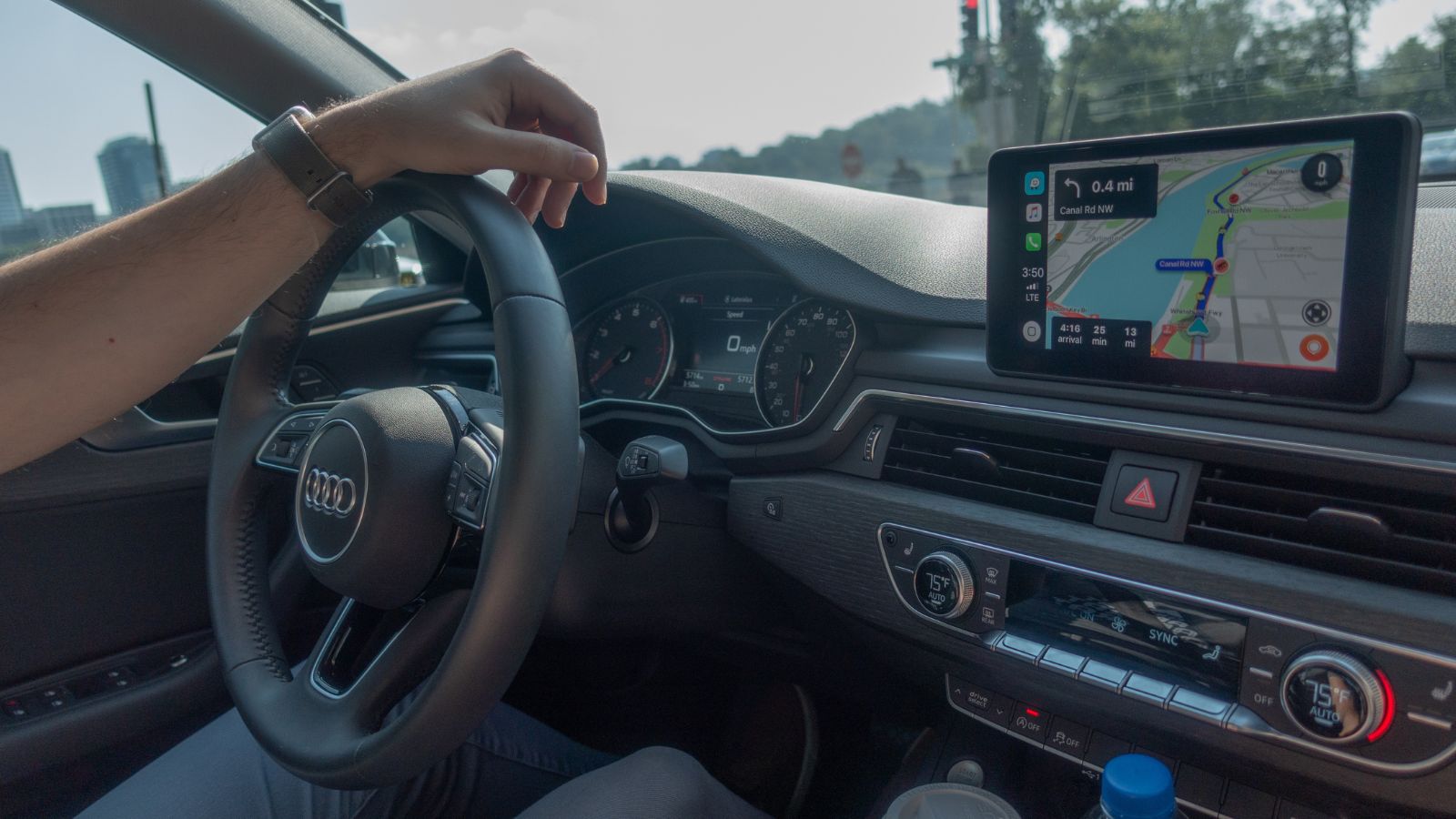
Navigation used to feel permanent because the old model was simple: buy the vehicle, get the map screen. Today, the hardware may still be there, but the usefulness of the system can depend on a connected service layer that is free only for a while. Cloud search, live traffic, richer route guidance, and connected voice functions are increasingly separated from the head unit itself. The result is a dashboard that looks complete on day one but can lose part of its polish if the trial expires and the subscription does not continue.
That is why built-in navigation can feel strangely more expensive than it used to be. The irony is that smartphone projection often softens the blow because drivers can fall back on Apple CarPlay or Android Auto for basic directions. But that fallback also highlights the gap. The native system shown in ads and dealer demos may have been faster, cleaner, or more integrated with the vehicle display. Once the extra connected layer drops away, buyers discover that what they thought was “navigation included” was sometimes “navigation hardware included, premium navigation experience billed later.” In practice, it is not the map icon that surprises people. It is discovering that the best version of the map was only on loan.
Digital Key
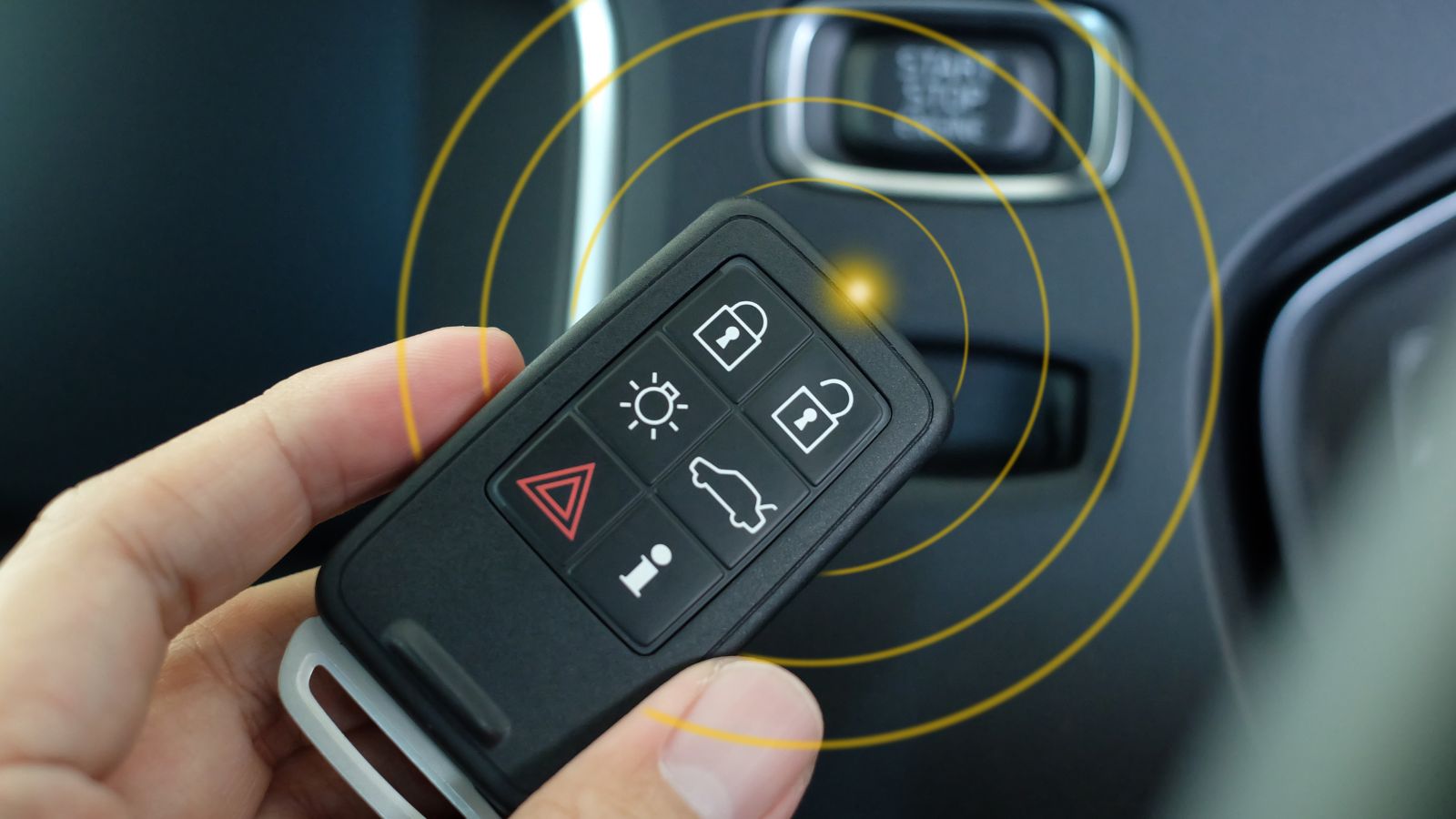
Using a phone or smartwatch as a vehicle key sounds like pure hardware wizardry. That is part of the appeal. It feels like a feature that should live in the car, not in an invoice. But digital key systems often come with caveats that buyers do not fully absorb during the excitement of delivery. Compatibility can depend on trim, equipment, the right mobile device, app enrollment, and, in some cases, an active connected-services trial or paid subscription. That turns a futuristic convenience into something much less absolute than it first appears.
The disappointment with digital key tends to be more emotional than financial. People imagine handing temporary access to a spouse, teen, or visiting family member without passing around a physical fob. They picture the vehicle fitting seamlessly into a phone-centered life. When the feature is unavailable on the selected trim, limited by equipment, or locked behind an active service plan, the technology suddenly feels conditional. That is what makes the eventual charge sting. The buyer was not shopping for a monthly service in the abstract. The buyer was shopping for the idea of a smarter car. When the permission layer becomes the product, the owner discovers that convenience can be sold twice: once in the hardware, and again in the access.
In-Vehicle Wi-Fi

Few features look more “included” than a Wi-Fi symbol on the screen. The vehicle has the modem, the hotspot menu, and sometimes even an activation prompt sitting right there at delivery. That visual completeness is what makes the later bill so effective. Many buyers do not separate the connectivity hardware from the data service powering it. They see a connected vehicle and assume the connection itself is part of the ownership package, at least in some reasonable long-term sense.
Instead, the car often arrives with only a short runway. In Canada, some brands attach hotspot access to a limited wireless data trial, while others require a separate agreement with the carrier providing the service. That means the vehicle can be technically capable from day one while still generating a separate recurring bill once the trial ends. For families using the vehicle on cottage drives, tournaments, or long intercity trips, the hotspot can go from curiosity to habit very quickly. Once children expect streaming and adults expect stable data on the road, the service stops feeling like a bonus and starts feeling like a utility. That is when buyers realize they did not purchase rolling internet. They purchased a vehicle that can sell it to them.
Satellite Radio
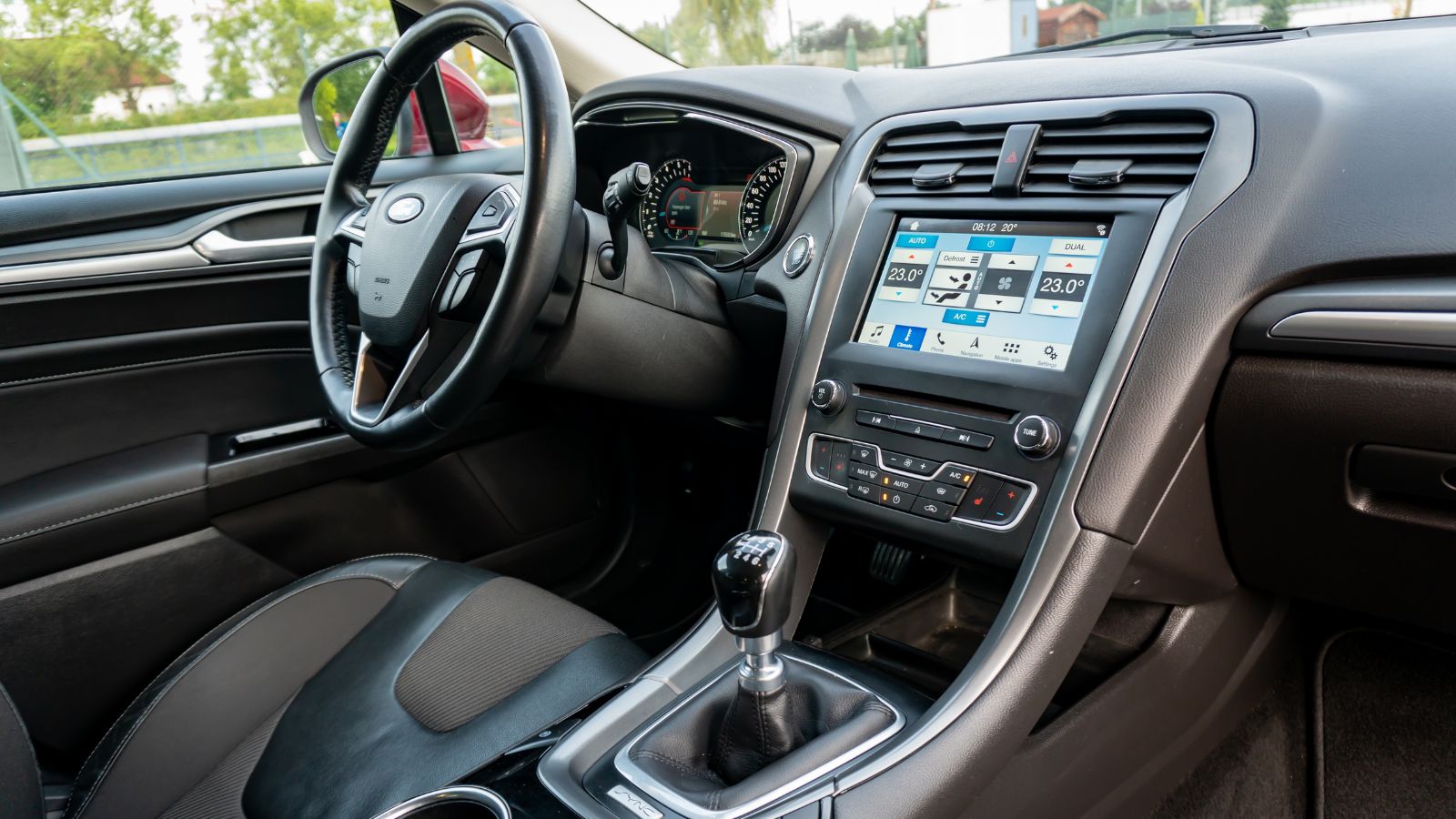
Satellite radio remains one of the oldest and most reliable examples of the “included until it isn’t” model. The strategy is simple and effective: the channels are already loaded, the content feels premium, and the service works without pairing a phone, opening an app, or fighting with a playlist. It becomes part of the vehicle’s personality almost immediately. Morning talk, live sports, niche music stations, and clean reception on long highway drives make the trial period feel less like a demo and more like standard equipment.
Then the first renewal notice arrives. That is when many owners realize the service was never embedded in the purchase in the way they assumed. It was embedded in the habit. That matters because satellite radio does not disappear dramatically. It just stops being frictionless. The driver now has to decide whether the convenience of turning the key and hearing exactly what was always there is worth another bill. For commuters, that answer is often yes, at least for a while. And that is precisely why the feature works so well as an add-on. It does not need to feel essential on paper. It only needs to become essential in practice before the free period runs out.
Safety and Emergency Connected Services
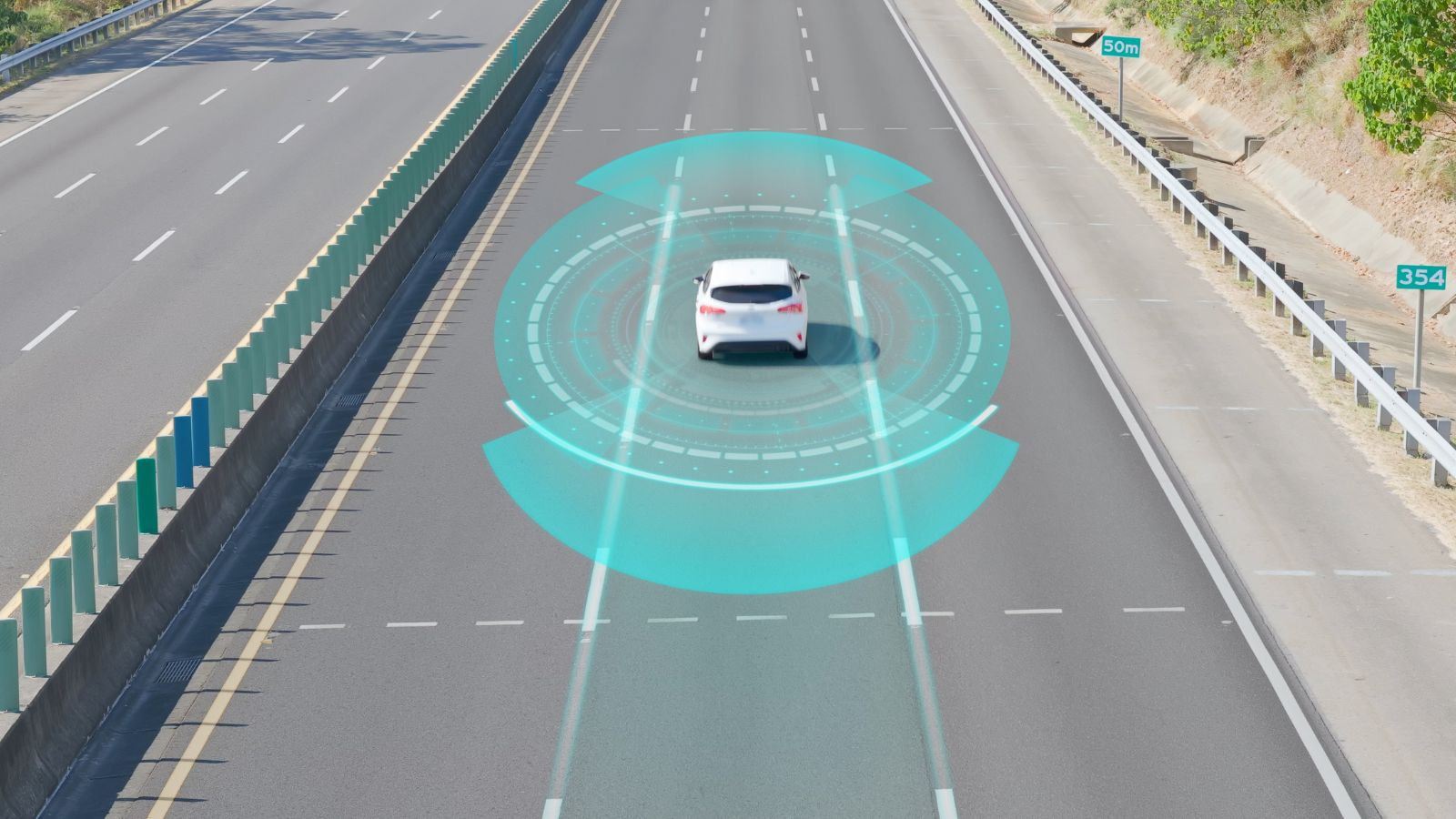
Some of the most surprising charges are attached to the features buyers are least inclined to think of as optional. Automatic collision notification, SOS emergency assistance, stolen-vehicle help, and vehicle health reporting sound closer to safety infrastructure than lifestyle technology. They are marketed that way for obvious reasons: they make the car feel smarter, safer, and more reassuring to own. In many cases, those benefits are real. The problem is that the free period can make them feel permanent when they are actually tied to a trial or renewable service structure.
That creates a particular kind of frustration. It is one thing to pay extra for entertainment. It is another to discover that peace of mind has an expiry date. Some manufacturers bundle service renewals in ways that are not obvious at first glance, so one connected feature may depend on maintaining another subscription. From the buyer’s perspective, the logic feels backwards. If the vehicle can already detect a collision or send health information, why should that reassurance become optional later? The industry answer is telematics, data networks, and service platforms. The customer answer is usually simpler: because it felt included when the car was sold, the later charge feels like paying twice for security that should have stayed with the keys.
Premium Paint

Colour has a way of bypassing rational budgeting. A buyer can spend weeks debating payments, fuel economy, and warranty coverage, only to get emotionally hooked by the exact red, white, or tri-coat blue that made the vehicle feel right in the first place. That is why premium paint remains such an effective extra-charge category. It is highly visible, easy to justify, and often hard to walk away from once the preferred configuration is pictured in the mind. In Canada, manufacturers still regularly separate standard colours from finishes that carry additional charges.
The brilliance of the tactic is that the upsell does not feel like an upsell at first. Buyers see the hero colour in photos, on dealership inventory pages, or in a showroom vehicle and subconsciously absorb it as part of the product being advertised. Only later do they learn that the no-extra-cost palette may be narrower or less desirable. At that point, the choice feels less like adding paint and more like avoiding disappointment. The bill is rarely catastrophic compared with the full purchase price, but it lingers in memory because it transforms pure appearance into a measurable financial decision. In a category obsessed with emotion and identity, few charges feel more personal than paying extra for the colour that made the vehicle feel like it belonged in the first place.
Driver-Assistance Camera Views
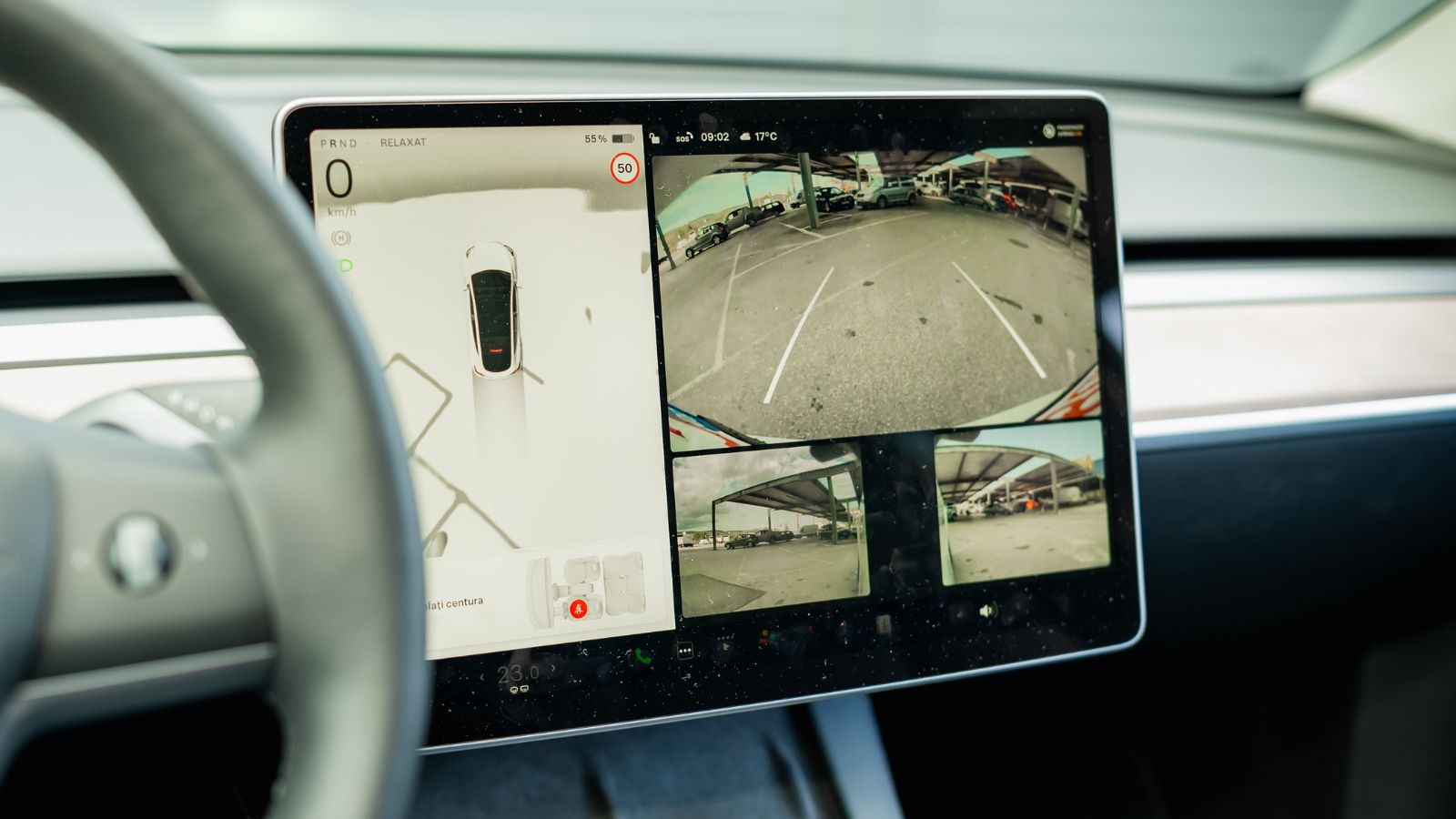
Modern safety marketing trains buyers to expect a lot from the screen in front of them. Surround-view cameras, blind-spot feeds, curb-angle displays, and slick parking visuals appear constantly in commercials and online demos because they photograph beautifully and instantly communicate sophistication. The complication is that these eye-catching tools are often described as available, not standard, especially on lower trims. A buyer may walk away from the research phase thinking a vehicle “has the 360 camera” when the real answer is that one version of that vehicle has it.
That difference becomes expensive because visual safety aids now shape confidence in a way old feature lists never did. Once someone has seen a blind-spot camera feed appear in the cluster or a surround-view system stitch together a tight parking space, a plain backup camera can feel like a compromise rather than a baseline. The owner is not paying to repair something broken. The owner is paying to preserve an expectation created by exposure to the better-equipped version. In crowded cities, dark garages, and slushy winter parking lots, these features do not feel cosmetic. They feel practical. That is exactly why their absence lands so hard, and why the required trim jump or package cost can feel like an unfair tax on peace of mind.
All-Weather Floor Liners and Cargo Protection
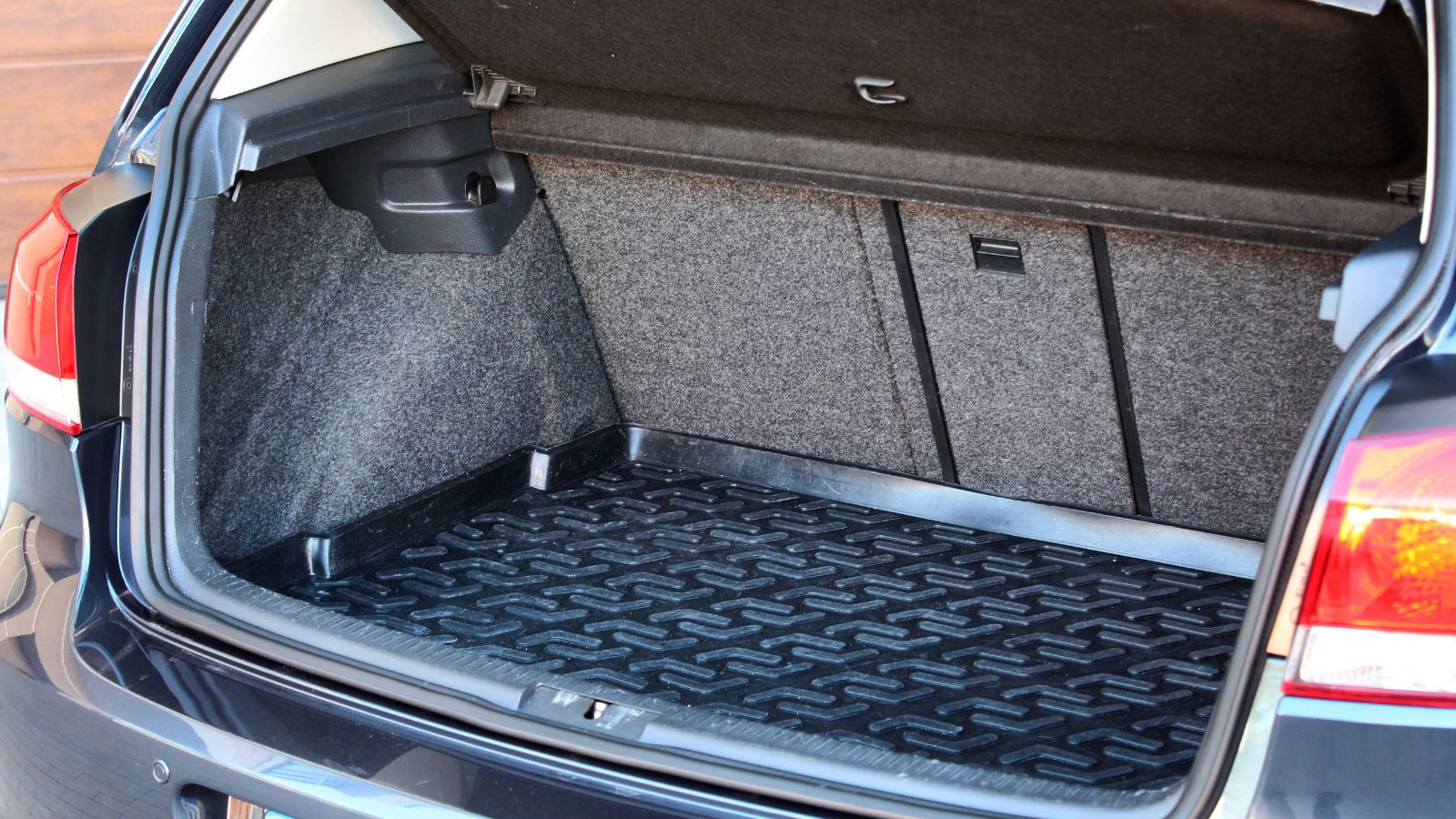
Rubber floor liners, cargo trays, and seatback protectors occupy a unique place in Canada because they feel less like accessories and more like survival gear. Snow, salt, wet boots, dogs, strollers, skis, and muddy bags turn a carpeted cabin into a maintenance problem very quickly. That is why so many buyers assume these items will be in the vehicle when they take delivery. They have seen them in winter-themed marketing, dealer photos, or dressed-up showroom vehicles. The assumption is understandable. In a Canadian context, they feel like common sense.
But common sense still gets itemized. Manufacturers and dealers routinely sell these pieces separately, sometimes with suggested prices that are small enough to feel irritating rather than negotiable. That is what makes the discovery memorable. The owner opens the hatch, sees bare carpeting, and realizes the protective setup pictured in the promotional material was not part of the standard package. The same thing happens inside the cabin when a buyer notices ordinary mats where higher-wall winter liners were expected. None of this is financially ruinous. That is not the point. The point is that these are not frivolous dress-up parts in the mind of the owner. They are the exact items people imagined would be included because the climate makes them feel like part of the vehicle’s basic readiness.
Block Heater
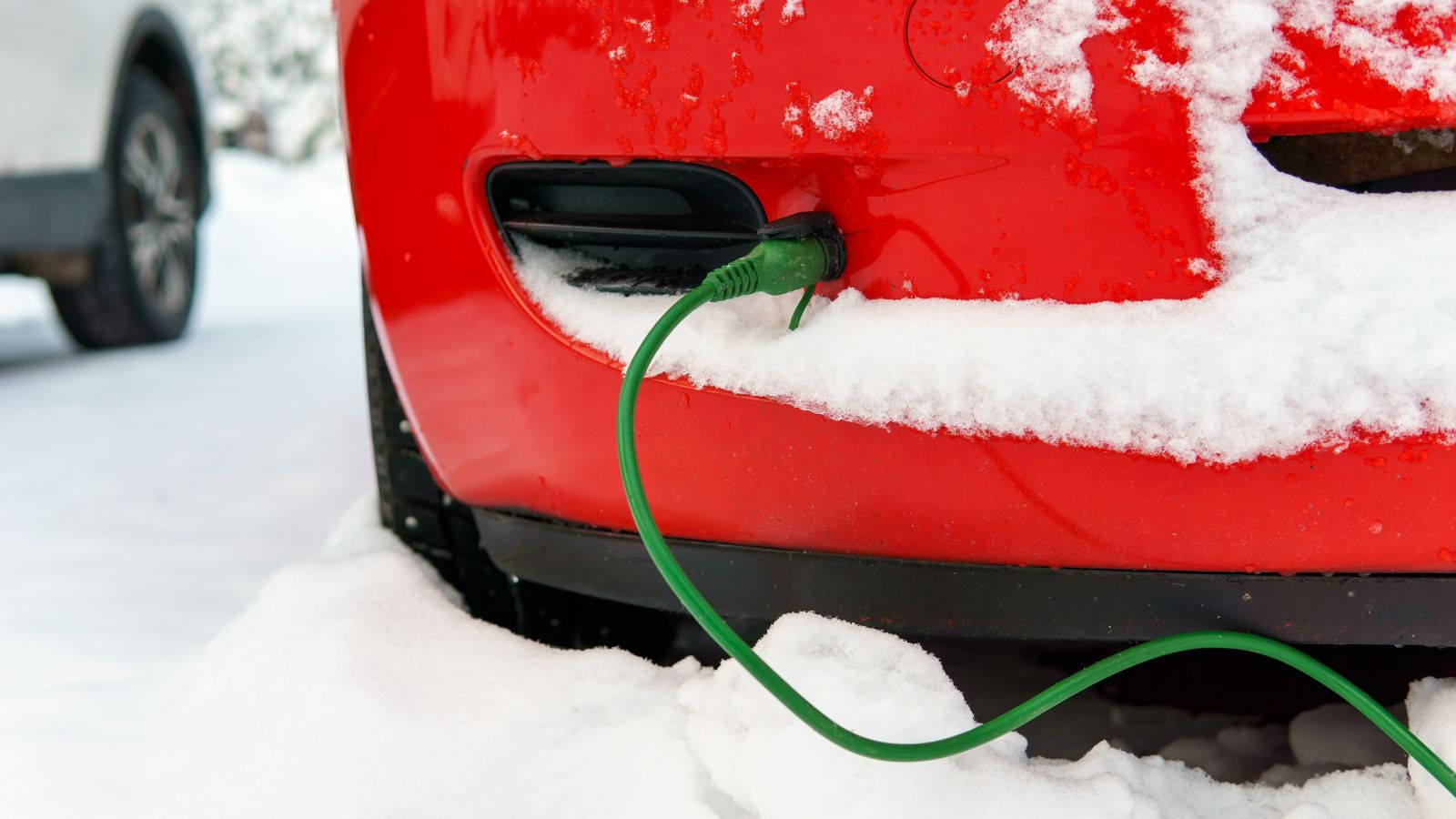
Block heaters are one of the clearest examples of a feature that feels culturally mandatory long before it is contractually included. In many parts of Canada, the idea of buying a new vehicle without some kind of cold-start support sounds borderline absurd. That is why buyers are often surprised to discover that a block heater is still optional on certain vehicles or sold as an accessory rather than part of the base equipment list. The shock is not really about the existence of the charge. It is about the mismatch between regional expectation and factory packaging.
That mismatch becomes even more glaring when the accessory documentation starts reading like a mini product catalog of its own, with different cords, installation details, and price tags attached to something the buyer regarded as basic winter preparation. For drivers in harsher climates, a block heater is not a luxury item. It is part of the ritual of responsible ownership. So when it becomes an add-on, the owner feels as though the vehicle was sold into Canada without being fully finished for Canada. That emotional response is stronger than the price itself. After all, the feature is neither glamorous nor indulgent. It is utilitarian. And when a purely utilitarian item shows up as an extra, it creates the sense that even practicality now has to be purchased separately.
The Spare Tire
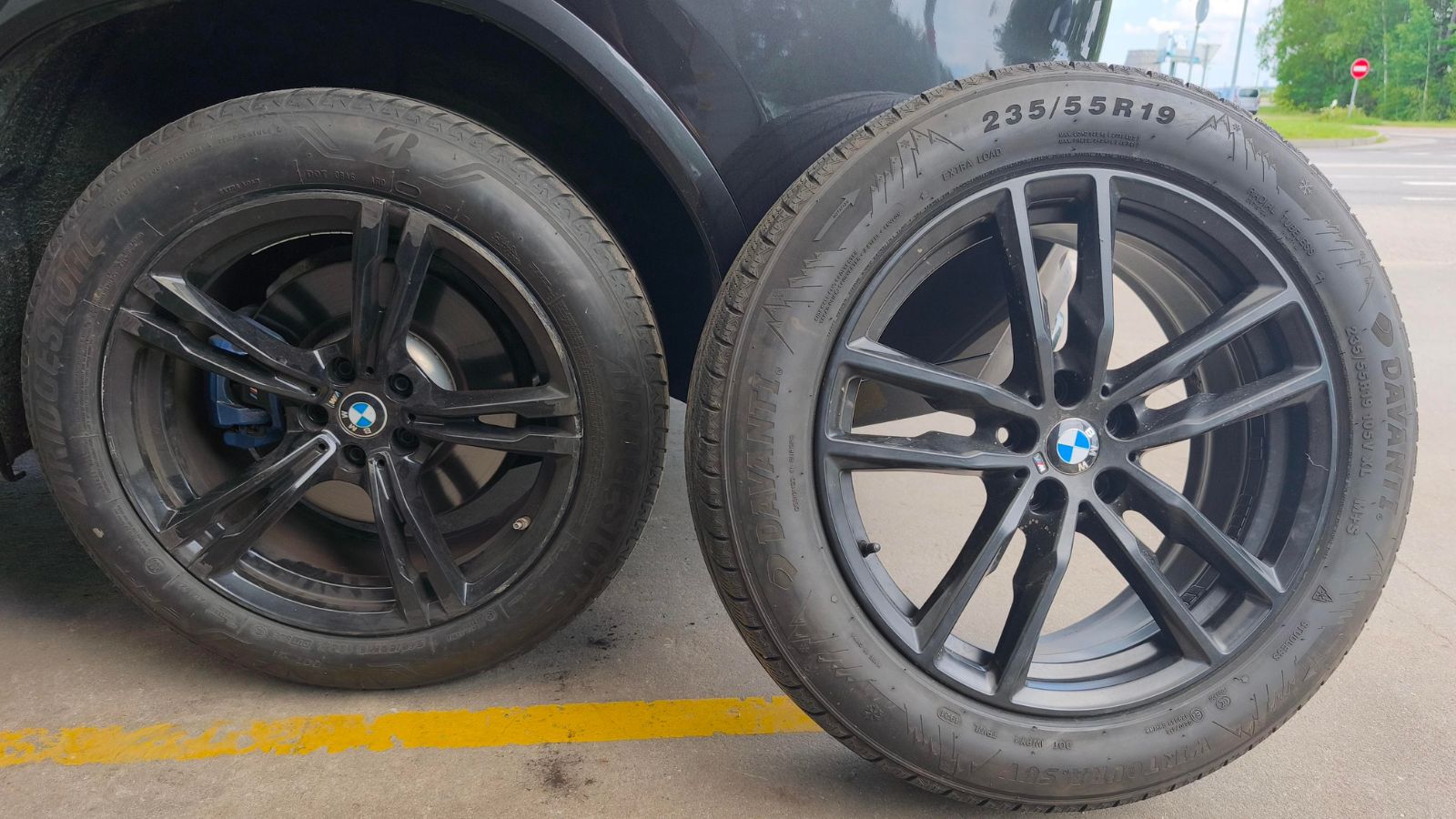
The spare tire may be the most quietly misunderstood “included feature” in the modern vehicle market. Many drivers still assume every new car has one because older vehicles almost always did. But packaging pressures, weight reduction, and cost-saving decisions have turned that assumption into a gamble. Some current vehicles use a tire sealant-and-inflator kit instead. Others offer a temporary or full-size spare only on certain trims or as an option. On paper, that can look like a small detail. In real life, it becomes a big one at exactly the wrong moment.
A puncture that cannot be sealed changes the conversation instantly. What looked like a clever weight-saving decision in the brochure now becomes a problem of towing, time, roadside logistics, and sometimes safety. That is why the missing spare tends to generate more resentment than its price equivalent elsewhere on the bill. The owner is not disappointed because the spec sheet was shorter than expected. The owner is disappointed because a fundamental fallback plan was not there when needed. In a country with potholes, long highway stretches, and weather that can make roadside waiting miserable, the spare tire still lives in people’s minds as basic equipment. When it turns out to be optional, the charge feels less like an upgrade and more like the cost of restoring what many assumed had never been removed.
Home Charging Equipment
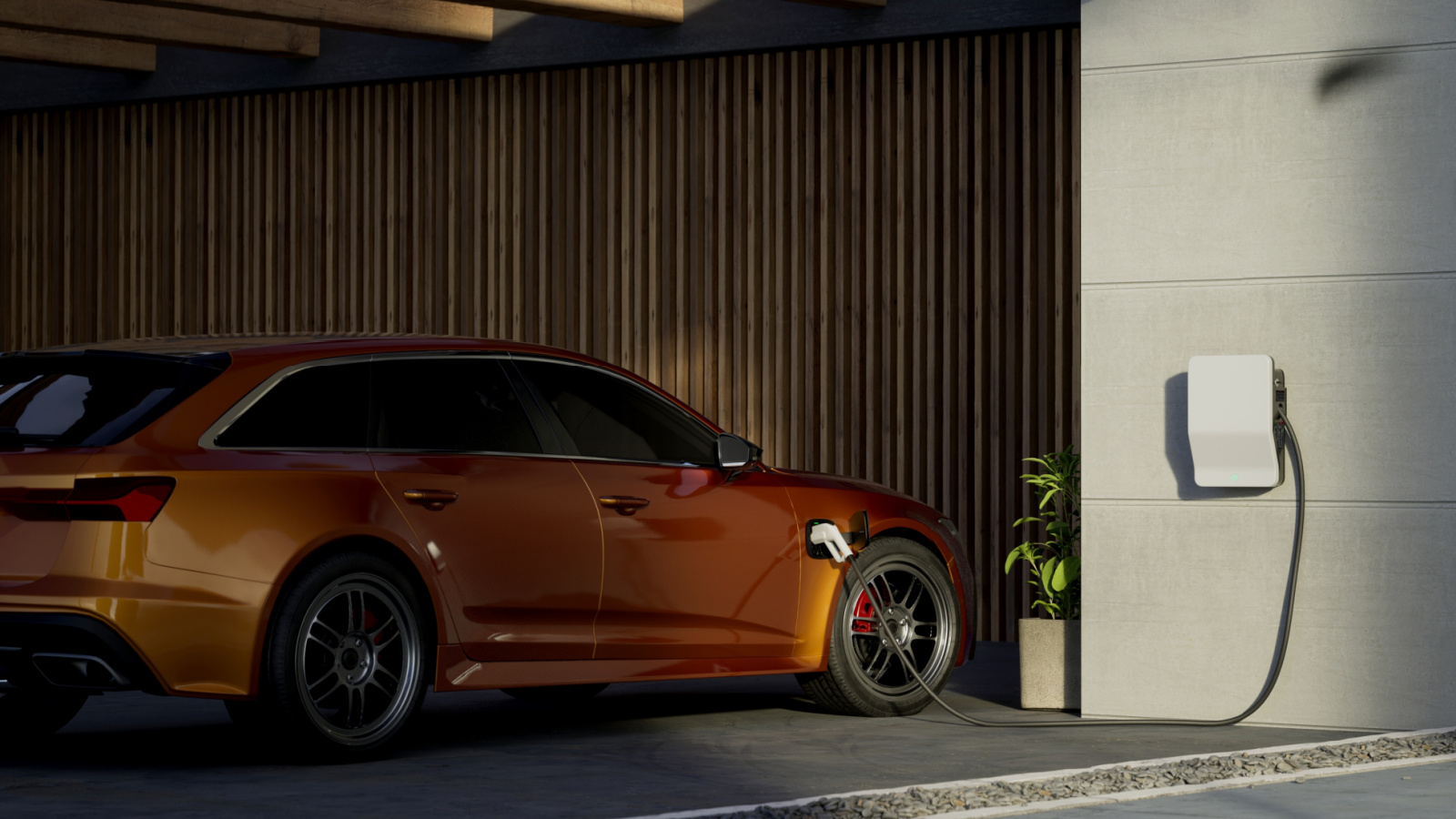
Electric vehicles are often sold as a lifestyle simplifier, and in many ways they are. But the purchasing process can blur the line between the car itself and the equipment needed to make the ownership experience smooth at home. Buyers sometimes assume a new EV will arrive with every practical charging tool they need, only to learn that some portable charging cords are merely available, while faster home hardware is sold separately. The vehicle may be perfectly capable of charging without actually including the charging setup the owner pictured using from day one.
That distinction matters because home charging is central to the EV promise. It is the part that is supposed to make the ownership experience calmer than gasoline, not more complicated. When the buyer finds out that the wall unit, mobile connector, or preferred charging cable is an additional purchase, the feeling is not necessarily anger. It is friction. The transition becomes another project. There may be a hardware decision, an electrician decision, and a budget adjustment before the supposed convenience becomes real. The extra cost is easier to rationalize than many dealership add-ons because the equipment is tangible. Still, it often feels like one more reminder that the advertised simplicity of EV life can depend on accessories and infrastructure that are not always included with the car itself.
Public Charging Access
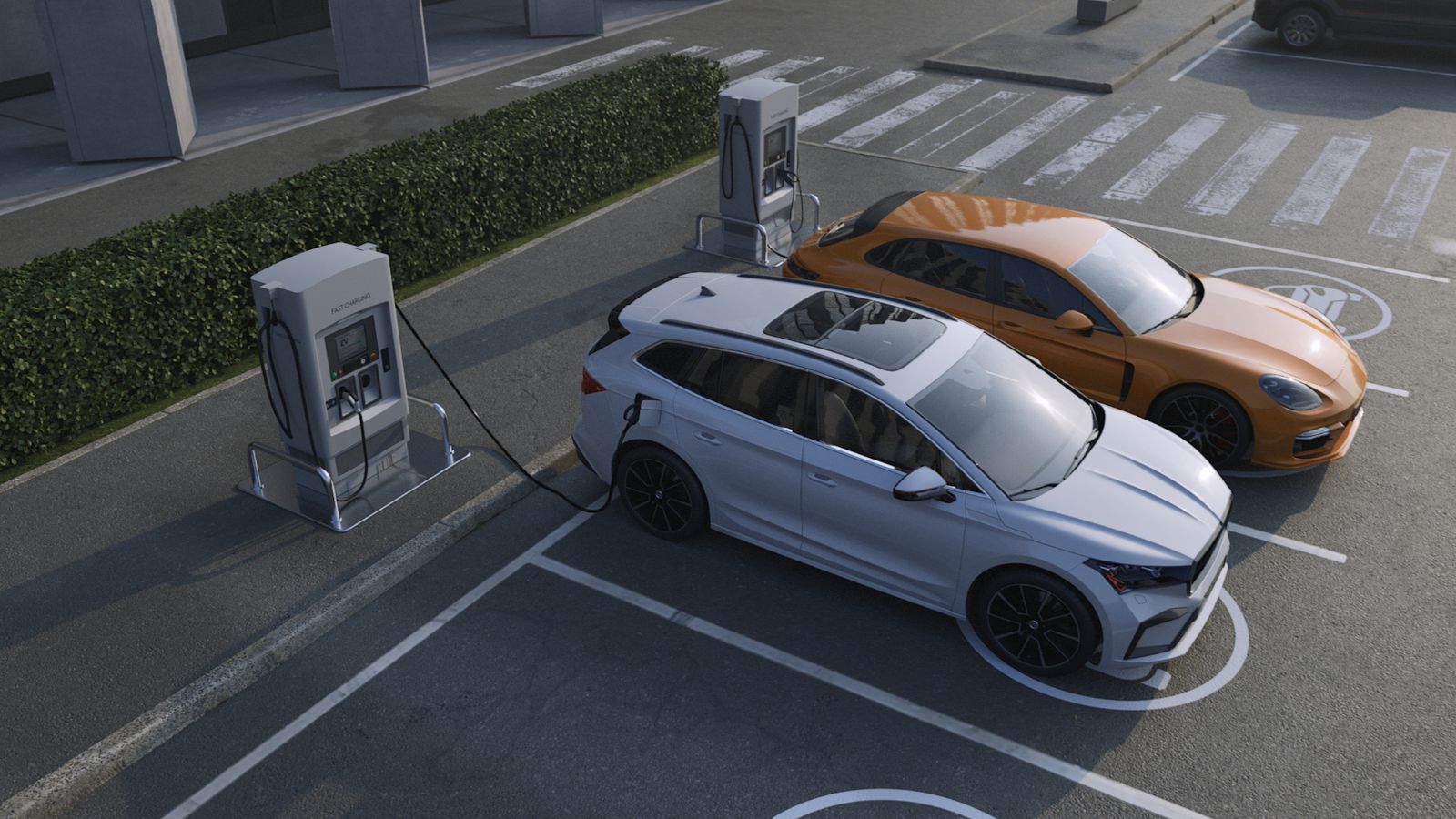
Public charging creates a second layer of expectation problems because it looks universal from a distance and highly fragmented up close. New EV owners often think the hard part is locating a charger. Increasingly, the harder part is understanding the billing. Different networks, different apps, different account rules, different pricing models, and different access conditions can turn a simple top-up into a small ecosystem of decisions. That fragmentation is what makes public charging feel unexpectedly expensive, even before the total dollars become dramatic.
The issue is not that charging should be free. It is that many buyers assume the connected infrastructure surrounding an EV will work more like a single ecosystem than a patchwork of services. In practice, public charging is moving deeper into pay-per-use territory, and some vehicle-linked app access functions come with their own enrollment or subscription requirements. The result is a drip of micro-transactions rather than one memorable expense. A session fee here, a network registration there, a charging app tied to another active connected service elsewhere. None of it may sink the ownership budget alone, but together it changes the emotional texture of EV ownership. The driver stops feeling like the car came with an ecosystem and starts feeling like the ecosystem came with a meter.
Roadside Assistance

Complimentary roadside assistance is one of the easiest ownership benefits to misread because it does not demand attention while everything is going well. It sounds generous, it feels substantial, and it sits in the background as a quiet reassurance. That is exactly why many owners treat it as a built-in perk of the vehicle rather than a timed benefit. In Canada, factory roadside programs can be meaningful, but they are usually measured in years, not in the full life of the car. Once that coverage window closes, the next breakdown, lockout, dead battery, or flat tire belongs to the owner again.
The frustration comes from timing. Roadside assistance is rarely top of mind when the vehicle is new, because the owner is not using it. By the time it matters, the factory coverage may already be gone. That is when the “included” feeling evaporates. Suddenly there is a decision about renewing coverage, buying a membership elsewhere, or paying for a one-off rescue at the worst possible moment. In a Canadian context, where weather and distance can make ordinary breakdowns much more stressful, that expired safety net can feel like a bigger loss than the dollars involved. The buyer did not think of roadside coverage as a temporary add-on. The buyer thought of it as part of the ownership relationship. When the relationship ends on schedule, the charge that follows feels personal.
22 Things Canadians Do to Their Cars in Spring That Mechanics Hate

Spring brings relief to many Canadian drivers after months of snow, freezing temperatures, and icy roads that put serious strain on vehicles. As temperatures rise across the country, drivers begin washing cars, switching tires, and preparing vehicles for warmer weather and upcoming road trips. However, mechanics across Canada notice the same mistakes every spring when drivers attempt to recover from winter damage. Road salt, potholes, and harsh winter driving conditions often leave vehicles with hidden problems that drivers ignore. Some spring habits even create new mechanical issues that could have been avoided with proper maintenance. Here are 22 things Canadians do to their cars in spring that mechanics hate.