


























A low monthly payment has become one of the most persuasive numbers in Canadian car shopping. It feels practical, controlled, even responsible. But that small figure can hide a longer loan, a higher rate, old debt from a previous vehicle, or ownership costs that never made it into the sales conversation in the first place. With borrowing costs still elevated and affordability under pressure, the monthly payment often softens the shock of a much bigger financial commitment.
These 15 patterns show how an appealing payment can reshape the entire deal. Some are completely legal. Some depend on how clearly the details are disclosed. All of them matter, because the most comfortable number on the page is not always the most honest one.
Longer Terms Make Almost Anything Look Affordable
The most common trick is also the simplest: stretch the loan until the payment looks harmless. In Canada, long-term car loans commonly run 72 months or more, and regulators have warned for years that the lower payment comes at a cost. A buyer who flinches at a short-term payment can suddenly feel comfortable once the same car is spread over seven or eight years. That emotional shift is powerful. The payment looks smaller, the vehicle feels more attainable, and the deal starts to seem responsible rather than expensive.
But the math moves in the opposite direction. FCAC’s own example shows that financing a $25,000 vehicle at 5% for 36 months leads to $1,974 in interest, while the same vehicle financed for 84 months leads to $4,681 in interest. The total cost rises from $26,974 to $29,681. That is how a payment-first conversation can disguise a price increase without changing the car at all. The buyer is not finding a cheaper vehicle. The buyer is renting more time from the lender.
The Vehicle Price Stops Being the Main Story
A low payment can also change what the conversation is actually about. Instead of asking whether the vehicle itself is overpriced, many shoppers get pulled into a simpler question: can the monthly number fit the household budget? That shift sounds subtle, but it changes everything. A more expensive trim, a pricier used vehicle, or a dealer with a higher selling price can all seem acceptable if the payment is engineered to land in a familiar range. The car’s real price loses emotional force once the payment becomes the headline.
Canadian consumer guidance pushes against that mindset for a reason. OMVIC advises buyers to look at the big picture: monthly payments, selling price, and cost of borrowing. ISED’s vehicle finance guidance also says the selling price should be settled before choosing how to finance or lease. In practice, that means a $399 payment is not meaningful by itself. It may belong to a fairly priced vehicle, or it may belong to an inflated deal that has been stretched, discounted, or padded in other ways. When the payment becomes the star, the actual transaction often fades into the background.
A Large Upfront Contribution Can Make the Payment Look Better Than the Deal Really Is

Some low payments are not created by a good price or a good interest rate at all. They are created by a large amount of money paid upfront. A bigger down payment reduces the amount financed, which naturally pulls the monthly number lower. Trade-in equity can do the same thing. So can deposits, security deposits in lease deals, or other upfront payments that make the monthly quote look cleaner than the real outlay. The payment becomes easier to market because part of the cost has already been moved out of sight.
That matters because buyers often compare monthly figures while forgetting to compare what had to be paid on day one. A payment that looks modest can depend on thousands of dollars in cash, equity, or both. That is one reason regulators require disclosure of upfront payments in many advertised lease offers, and why Canadian government tools stress that payment size depends partly on the down payment amount. The better question is never just “What is the monthly?” It is “How much cash is leaving the household before the first payment even starts?”
Old Debt Can Be Hidden Inside the New Payment
Negative equity is one of the most expensive ways a low payment can mislead someone. It happens when the amount still owed on a current vehicle is greater than what that vehicle is worth. When that car is traded in, the shortfall does not magically disappear. It can be rolled into the next deal. A buyer may walk into a showroom thinking the discussion is about one replacement vehicle, only to leave financing both the new purchase and leftover debt from the old one.
Because that balance can be spread over a longer term, the monthly payment may still look manageable. That is exactly why it is so dangerous. The deal can feel refreshed while the debt gets deeper. FCAC warns that trading in a vehicle with negative equity can lead to a larger car loan and more interest. AMVIC and OMVIC both warn that longer repayment schedules and higher rates can make this problem worse. On paper, the payment looks like a clean new beginning. In reality, it may be a repackaged version of the last problem, now stretched across an even longer timeline.
The Loan Can Outlast the Car’s Financial Sweet Spot

Long loans do more than raise interest costs. They can keep borrowers attached to a vehicle after the ownership economics have started to turn against them. AMVIC notes that car loans can creep into 96-month territory. By then, the vehicle is older, the trade-in value is lower, and repair costs are more likely to rise. The payment may still look neat and predictable, but the rest of the ownership experience often becomes less predictable with time. That is the hidden trade-off behind many “easy” monthly offers.
The danger is not that every older vehicle becomes a money pit. It is that the buyer may still be paying for the car long after flexibility has disappeared. Needs change. Commutes change. Family size changes. A vehicle chosen in year one can feel like the wrong fit in year five, but a remaining loan balance limits the ability to switch. OMVIC specifically warns that extended-term loans can leave owners owing more than the car is worth. So the low payment does not merely postpone cost. It can trap the household in a weaker position when it is time to adapt.
Optional Add-Ons Become Easier to Say Yes To When They Are Folded Into Financing
Optional products become much harder to judge when their price is translated into a monthly bump instead of a full-dollar total. An extended warranty, rustproofing package, tire protection plan, VIN etching service, or theft-deterrent product can sound minor when presented as “only a little more per month.” The psychology is obvious: $1,500 or $2,000 feels substantial as a one-time purchase, but it can feel almost invisible when spread over a long financing term. That framing makes it easier to agree without properly deciding whether the product is worthwhile.
Ontario and Alberta regulators both emphasize that many of these products are optional, not mandatory. OMVIC specifically lists extended warranties, protection packages, VIN etching, and rustproofing as add-ons that can raise the final cost. AMVIC warns consumers should never be forced into extra fees, equipment, or services they do not want. A small increase in the payment can therefore hide two separate issues at once: the added price of the product and the interest paid on that product over time. The result is that the monthly payment barely changes, while the real cost of the transaction quietly grows.
Taxes, Licensing and Financing Costs Can Sit Outside the Price That Started the Conversation

Even when a dealer follows all-in pricing rules, the number a shopper first sees may still not represent the full amount that ultimately matters. In Ontario, OMVIC says the advertised vehicle price must include the fees and charges the dealer intends to collect, but HST and licensing can still be added separately. In Alberta, AMVIC says advertised prices must include all intended fees and charges, while GST and financing costs can still be added. So a buyer can honestly hear “all-in” and still discover that the final deal is larger than expected.
That gap matters because many consumers naturally fuse the vehicle price, the monthly payment, and the final amount owed into one mental picture. But those are different layers of the deal. Taxes, licensing, and financing costs can all change the outcome even when the advertised price itself was properly presented. A low payment can make that distinction feel unimportant. It is not. The payment may have been built on a lawful advertised price, while the real household obligation is still moving upward once tax, provincial rules, and financing structure are fully applied.
The Cheapest Payment May Require Giving Up a Better Overall Deal

One of the most underrated traps in car financing is the false bargain created by the “best monthly payment” offer. Canadian government guidance notes that it is often cheaper to take a cash rebate and finance through a bank instead of automatically accepting the dealer’s featured finance structure. OMVIC also notes that the “cash price” associated with a finance deal may be different from the price associated with a cash-only deal. In other words, the lower payment option is not always the lower-cost option.
This is how buyers get fooled by headline affordability. A promotional finance plan can appear gentler month to month, but the buyer may be giving up a rebate, accepting a different vehicle price, or overlooking a better loan available elsewhere. That trade-off is rarely dramatic in the moment because payment-focused shopping compresses every choice into one number. Yet a few thousand dollars in lost rebate value or a pricier finance-only structure can easily outweigh the comfort of the featured payment. A deal that “works monthly” may still be the weaker decision overall.
Lease Payments Look Lower Because the Buyer Is Paying for Use, Not Full Ownership
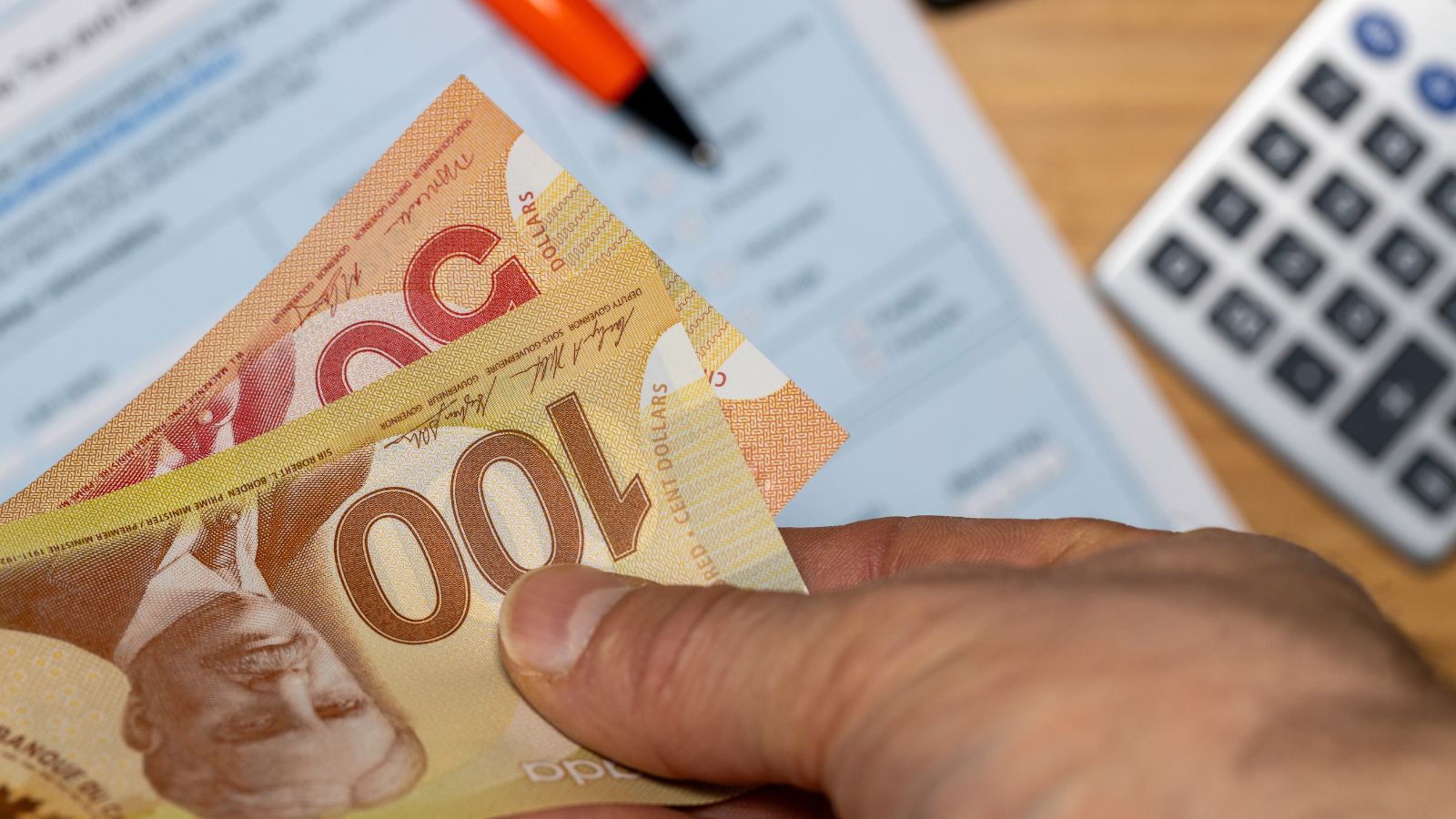
Lease payments are often lower than finance payments, and that can make a more expensive vehicle feel suddenly realistic. But the lower payment comes from a different structure, not necessarily a better value. OMVIC notes that lease payments may be lower than finance payments, while also reminding consumers that they are still responsible for maintenance, repairs, licensing, and insurance despite not owning the vehicle. The apparent affordability comes from paying for a period of use rather than paying off the vehicle itself.
That distinction matters because the emotional effect is so strong. A vehicle that seemed too expensive to buy can feel entirely reasonable when presented as a lease. The showroom conversation shifts from “Can this be purchased responsibly?” to “Can this be driven for this monthly amount?” Over time, that can normalize moving from one payment to the next every few years. OMVIC warns that replacing vehicles every three to five years means always having a monthly payment, and that over the long run this can cost more than keeping a paid-up used vehicle. Lower does not automatically mean cheaper. Sometimes it simply means less ownership.
Low-Kilometre Lease Offers Shrink the Payment by Shrinking the Permission
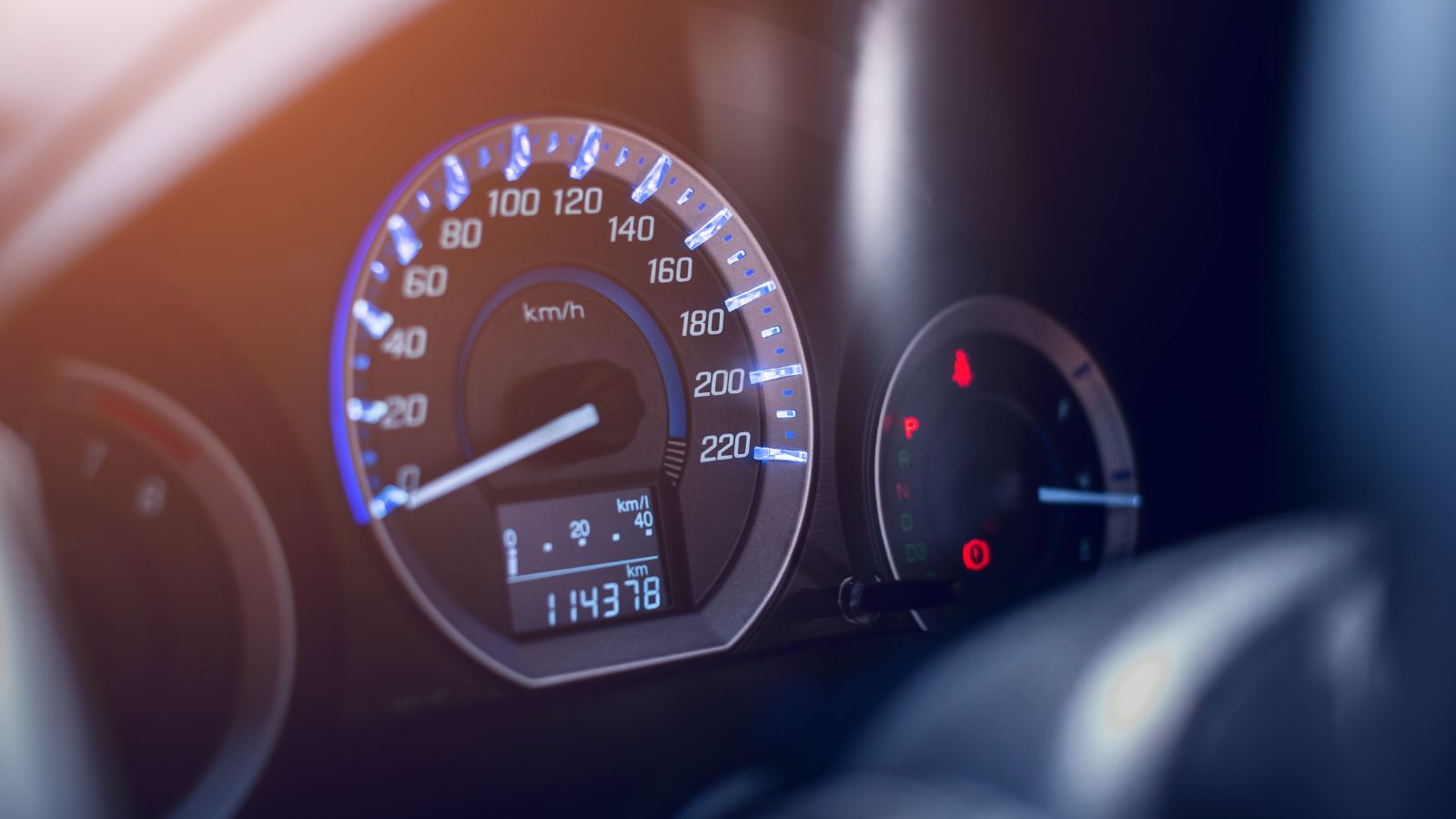
Some lease payments are lowered not by improving the deal but by limiting how much driving the customer is allowed to do. ISED’s lease guidance warns that low-kilometre leases may have lower monthly payments precisely because the kilometre allowance is lower. OMVIC’s advertising rules reinforce how important that detail is by requiring disclosure of excess-kilometre cost when the allowance is under 20,000 kilometres per year. The payment can therefore look attractively small because the driver is being sold less flexibility.
That can be harmless for a genuinely low-kilometre household. But many people underestimate how much they actually drive, especially when life changes. A new job, a school run, a longer commute, or more family travel can quickly make the allowance unrealistic. ISED also points out that there is no credit for unused kilometres if the driver comes in under the limit. So the lower payment is often a one-sided bet. If the household drives more than expected, the bill grows. If it drives less, the reward is usually zero. The affordability was real only as long as life stayed exactly on script.
Lease-End Standards Can Turn a Cheap Payment Into a Final Bill

A low lease payment can also hide what happens at the end. ISED says lease contracts include a repair standard describing the condition the vehicle must be in when it is returned. AMVIC warns that even in a closed-end lease, extra charges can still appear for excess wear and tear or for driving beyond the contracted kilometre limit. OMVIC advises lessees to avoid excess wear by addressing scratches, stains, dents, and missing parts before the lease ends. All of that means the last chapter of the deal can be more expensive than the first impression suggests.
This is where buyers often discover that “affordable” was defined too narrowly. The monthly figure covered regular use, but not the cost of returning the vehicle in the condition the leasing company expects. For careful drivers, that may not become a major issue. For busy households, it can. Cosmetic damage, deferred maintenance, or mileage overages can turn the handoff into a surprise bill. The payment was never false, but it was incomplete. That is an important distinction, and it is one that routinely catches people only after they have already built their budget around the lower monthly number.
The Payment Advertised May Assume Better Credit Than the Buyer Actually Has
A payment quote can look universal even when it is highly dependent on the borrower’s credit profile. OMVIC notes that a buyer’s rate and terms depend largely on creditworthiness, and that people with stronger credit are typically offered or can negotiate better terms. Its 2026 consumer guidance goes further, warning that if a buyer’s score is lower, the payment can end up much higher than expected. That means the monthly figure attached to a listing or a sales conversation may reflect a best-case approval, not the result an actual shopper will receive.
This is one reason payment-based browsing can be so deceptive. A buyer can shop emotionally at one payment level and only later discover that the true approved payment lands in a different tier altogether. By then, expectations have already been shaped by the smaller number. The car has been mentally chosen, the budget has been bent to fit it, and the higher final payment feels like an unfortunate adjustment rather than a sign that the vehicle should be reconsidered. A low monthly figure can therefore act less like a quote and more like an invitation to fall in love with a deal that may never really exist for that borrower.
Dealers Do Not Have to Start With the Lowest APR

Another trap is assuming the first workable payment offered is the best financing available. FCAC states plainly that a dealer does not have to offer the lowest interest rate when presenting financing options. It advises consumers to ask for multiple offers from different lenders if possible. OMVIC echoes that point and notes that dealer-arranged financing can involve multiple lenders with different terms and rates. It also warns that dealers are commonly paid a fee, often called a reserve, for arranging financing, and that higher-rate loans can generate higher fees for the dealer.
That means two buyers can sit in the same showroom, looking at the same vehicle, and be shown very different financing pathways. Even a single buyer may have more than one approval available. But when the discussion is centred on getting a payment “where it needs to be,” the interest-rate question can lose urgency. That is exactly when it matters most. A monthly figure that feels manageable may simply reflect a more profitable financing structure for someone else in the transaction. Affordability should never be judged from payment size alone when the APR, term, and total borrowing cost may still be negotiable.
Weekly or Biweekly Figures Can Make a Serious Obligation Feel Small
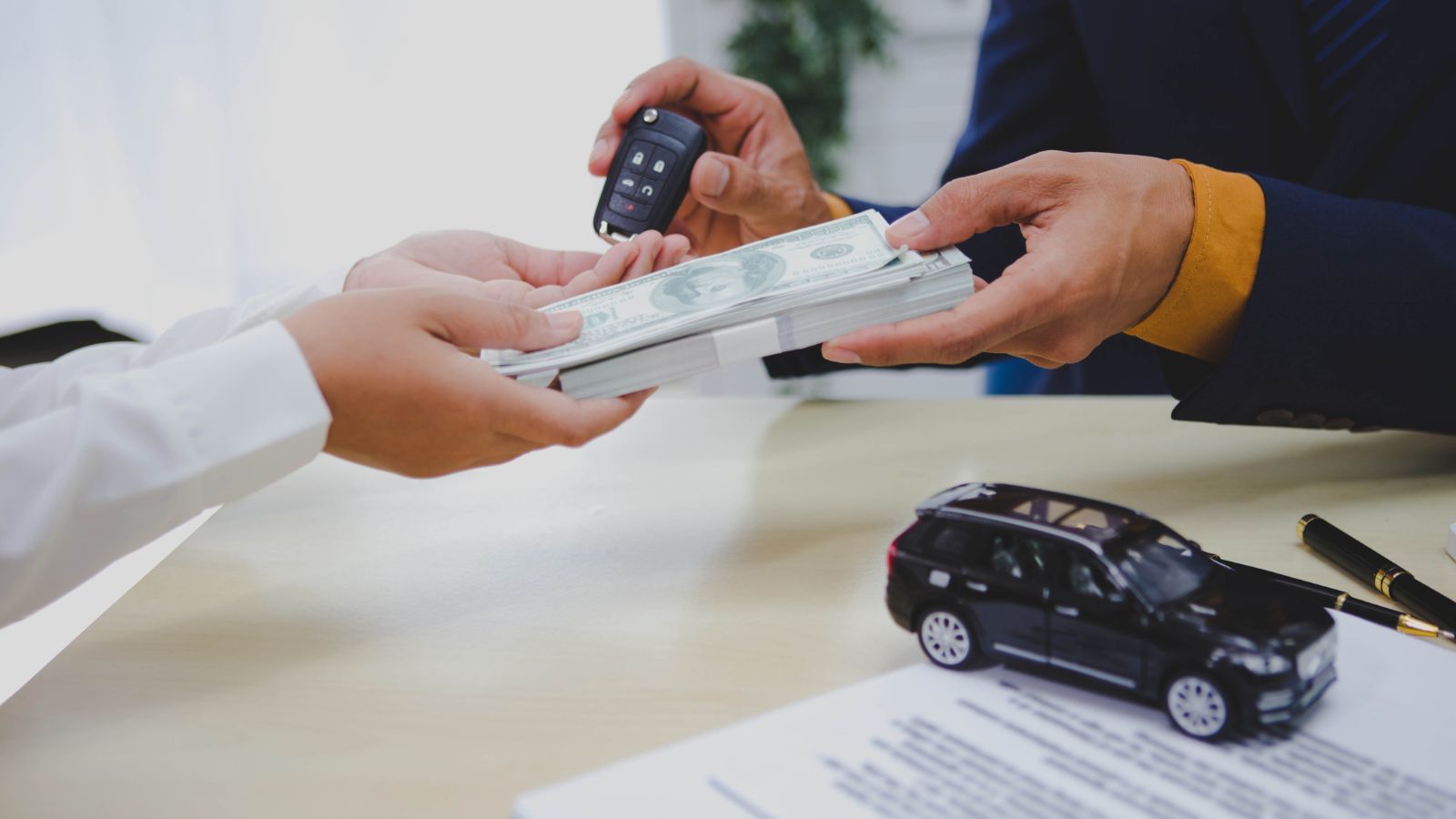
Payment frequency changes how a number feels. A biweekly payment can sound far more digestible than its monthly equivalent even when the annual cost is substantial. That is why regulators require payment frequency, APR, term, and other key details to be disclosed in finance and lease advertising. The raw number is not enough. A buyer hearing “$179 biweekly” may respond emotionally to the smaller figure without immediately translating it into what it means over a month or a year.
The arithmetic is simple, but the effect is powerful. A $179 biweekly payment is roughly $4,654 per year, or about $388 per month. Presented that way, it lands differently. The point is not that biweekly payments are inherently bad. They can suit some budgeting styles. The problem is that small, frequent numbers can shrink the perceived seriousness of the commitment. A vehicle does not become more affordable because the payment is chopped into smaller pieces. It only becomes easier to accept in the moment. That is a useful distinction, especially when a buyer is already under pressure to make a decision quickly.
The Loan Payment Ignores the Rest of Ownership

A vehicle can look affordable on the finance contract and still be unaffordable in real life. CAA’s Canadian driving-cost tools exist for exactly this reason: ownership costs go beyond the sticker price and the loan itself. OMVIC and AMVIC both tell buyers to factor in insurance, fuel, maintenance, and depreciation, not just the loan payment. TransUnion’s Q4 2025 Canadian report adds a timely warning, noting that monthly payments were up 4.8% year over year and that rising insurance costs were adding to repayment strain even as vehicle prices remained elevated.
That full-cost picture is where many low-payment deals begin to unravel. CAA’s Alberta example for a 2025 Nissan Sentra shows annual fuel costs of $1,338.50, maintenance costs of $174 to $419, and total yearly vehicle cost of $4,582 before the buyer even enters a personal insurance premium. Another CAA report estimated average Canadian driving costs at about $0.12 per kilometre for fuel, $0.22 for depreciation, and $0.09 for maintenance and repairs. A loan payment can therefore be accurate and still deeply misleading, because it describes only one slice of what the vehicle will actually cost to keep.
A “Manageable” Payment Can Create the Pressure to Sign Before the Real Terms Are Clear

Perhaps the most dangerous version of the low-payment trap is the moment it creates false comfort. OMVIC recently warned about Ontario cases where consumers were pressured to sign a bill of sale before financing details were clearly written down. In one example it described, a buyer was verbally reassured that financing would likely be around 8%, signed, and later learned the approved deal was closer to 18% with a longer term and far greater total cost. OMVIC’s point was blunt: a bill of sale is not a placeholder. It is a contract, and key finance details must be clear and in writing before the consumer signs.
That matters even more because, in most provinces and territories, there is no cooling-off period for vehicle purchases or leases. OMVIC says there is no cooling-off period in Ontario once a buyer signs, and federal consumer guidance says the same is true in most of Canada. So the low payment does not just make a deal easier to accept. It can make a buyer relax at exactly the wrong moment. Once the contract is signed, the most comforting number in the room may turn out to have been the least complete one.
22 Things Canadians Do to Their Cars in Spring That Mechanics Hate

Spring brings relief to many Canadian drivers after months of snow, freezing temperatures, and icy roads that put serious strain on vehicles. As temperatures rise across the country, drivers begin washing cars, switching tires, and preparing vehicles for warmer weather and upcoming road trips. However, mechanics across Canada notice the same mistakes every spring when drivers attempt to recover from winter damage. Road salt, potholes, and harsh winter driving conditions often leave vehicles with hidden problems that drivers ignore. Some spring habits even create new mechanical issues that could have been avoided with proper maintenance. Here are 22 things Canadians do to their cars in spring that mechanics hate.