


























Spring usually carries a familiar promise in Canada: inventories improve, winter damage is behind the market, and the pressure on drivers is supposed to ease a little. This year, that sense of relief never fully arrived. Even where prices stopped surging, many costs stayed stubbornly high enough to keep budgets under strain.
These 17 pressure points show why the hoped-for cooldown never really materialized by May. Some are obvious, like insurance and gas. Others hide in the fine print of financing, regional pricing, body-type premiums, and the lingering cost of repairs and theft. Together, they paint a clearer picture of why car ownership still feels expensive, even when a few headline numbers appear to be moving in the right direction.
Insurance premiums still arrived like a cold shower

A lot of drivers assumed insurance would begin to soften once the worst of the post-pandemic pricing cycle passed. Instead, renewals kept landing with the same unpleasant surprise. For households already coping with food, housing, and utility costs, auto coverage continued to feel less like a routine bill and more like a monthly reminder that owning a car has become structurally pricier in Canada.
That stubbornness makes sense once the broader claims picture is considered. Premiums do not move only with a driver’s record; they move with repair bills, replacement costs, theft exposure, and weather-related losses across an insurer’s book of business. So even when someone goes another year without a ticket or claim, the market can still reprice the risk around them. That is why so many Canadians expected a spring thaw in insurance and got something closer to another extension of winter.
Financing costs never really melted

Rate-cut optimism created the impression that borrowing for a vehicle was about to feel meaningfully easier. That never turned into a true affordability break. Even with the pace of tightening long over, financing remained expensive enough that many shoppers still had to calculate the deal backwards from the payment rather than forwards from the sticker price.
The longer arc matters here. Auto-loan rates rose sharply after the ultra-low-rate period, and long amortizations became a coping mechanism rather than a convenience. A family replacing an aging SUV might find the vehicle manageable on paper, then realize the loan term is doing most of the work. Stretching a payment over years can make the monthly figure look survivable while leaving the total cost stubbornly high. By May, the hoped-for financing reset still looked more like a pause than a real retreat.
New-car monthly payments stayed uncomfortably high
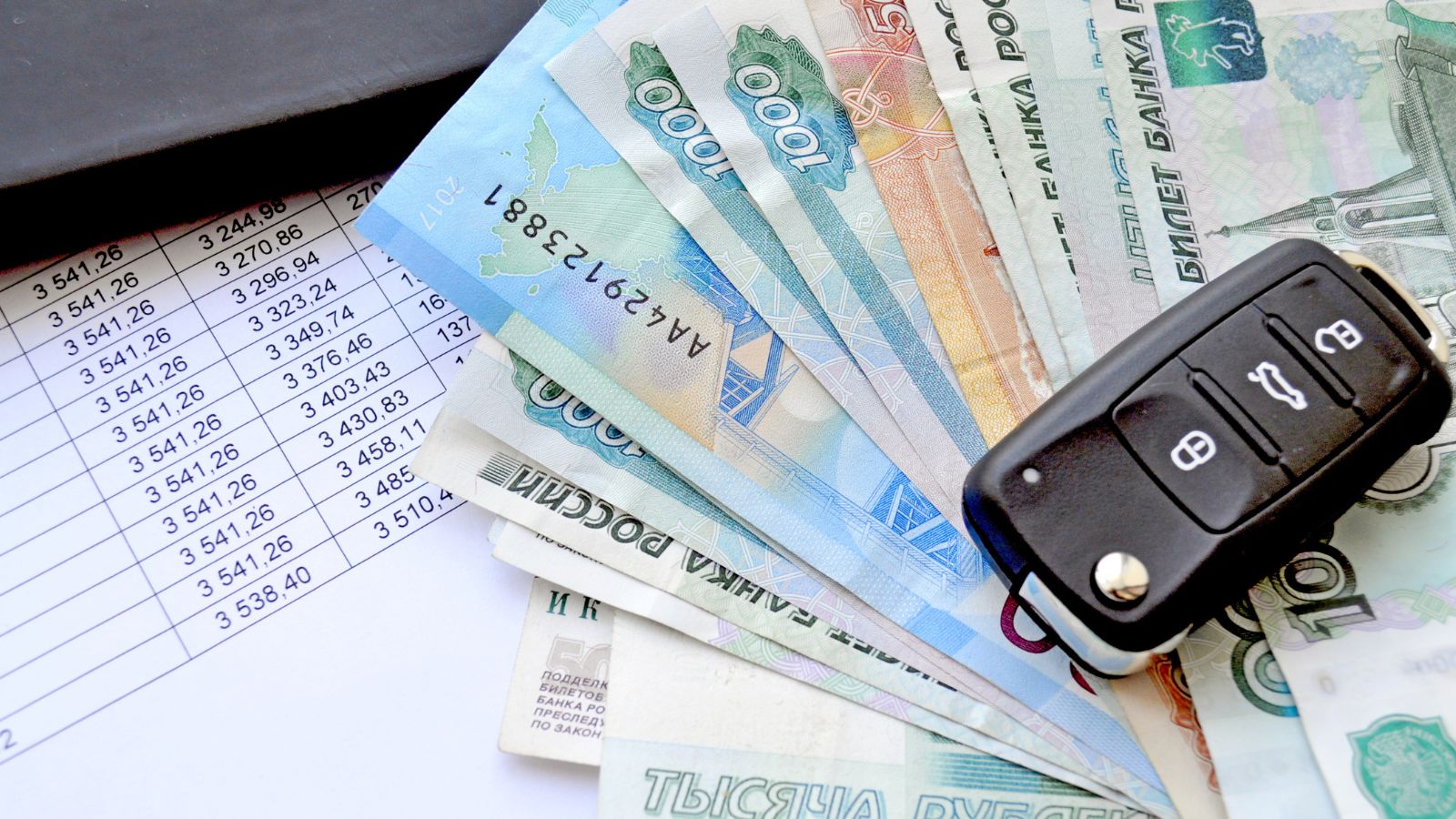
For many shoppers, the clearest measure of affordability is not the vehicle price but the monthly hit to the bank account. On that front, new-car payments still looked heavy. They may have eased from the peak, but they did not fall far enough to feel like relief for households already juggling rent, daycare, groceries, and insurance.
That is why dealer lots can look calmer while budgets still feel squeezed. A payment in the mid-hundreds every month remains psychologically large, especially when it has to coexist with higher everyday living costs. Canadians who expected improved inventory to produce noticeably lighter payment burdens found that the math stayed stubborn. The result is a market where buyers may feel less panicked than they did a year ago, but not necessarily more comfortable. Stability is not the same thing as affordability, and this spring made that distinction obvious.
Used-car monthly payments refused to become a bargain
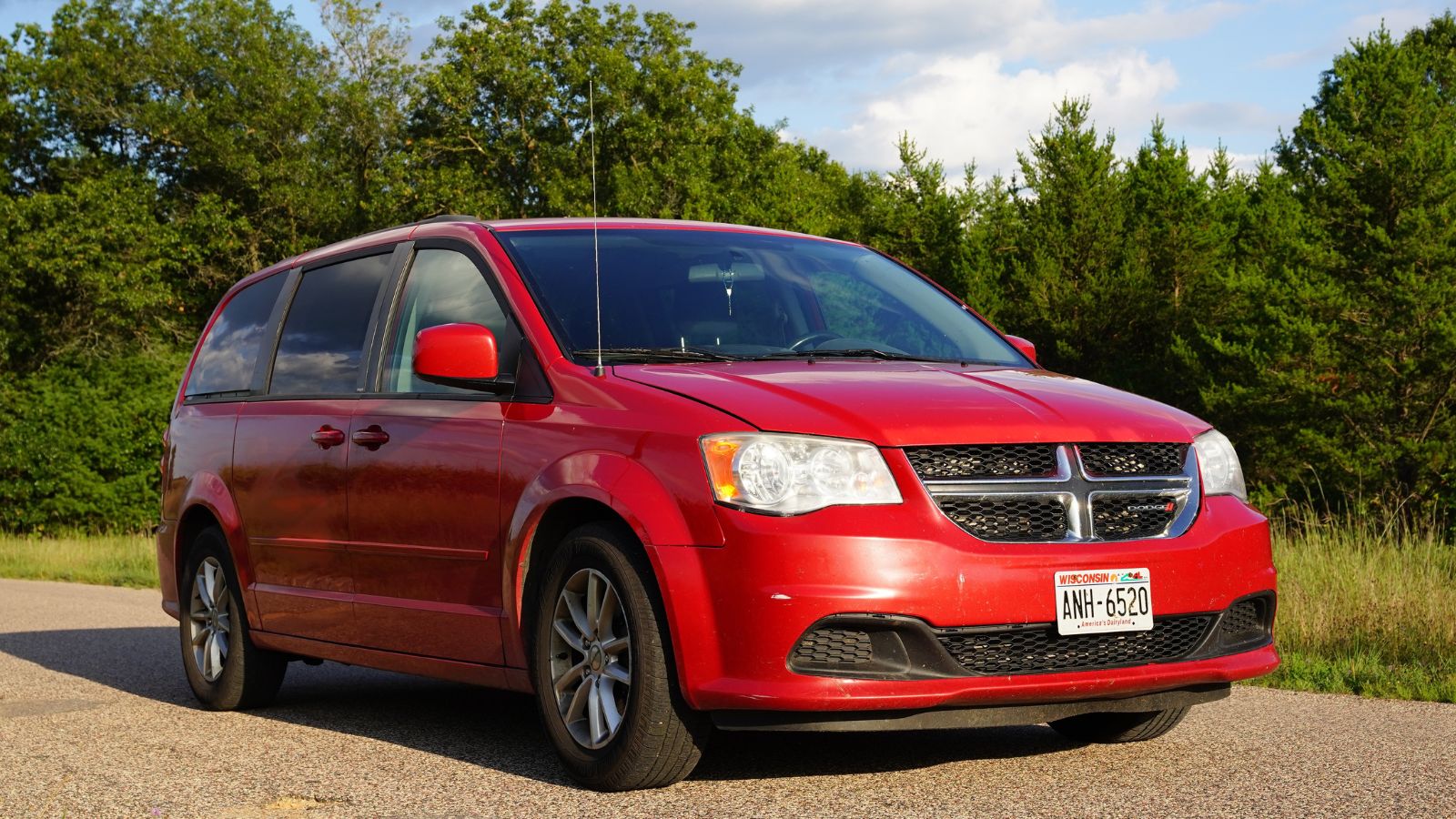
The used market was supposed to be the practical fallback. Instead, it remained expensive enough that many shoppers did not get the savings they expected once financing was added. A lower sticker does help, but it only goes so far when borrowing costs remain elevated and supply is still not fully back to an old normal.
That is what made the used market especially frustrating by May. Canadians willing to buy older, compromise on mileage, or skip premium trims still often ended up with a payment that felt closer to “manageable discomfort” than to genuine value. For households trying to replace a failed vehicle quickly, there was not much room for patience or ideal timing. The car still had to be bought, the payment still had to be made, and the hoped-for spring discount still did not meaningfully show up in the monthly math.
New-vehicle sticker prices stayed lofty
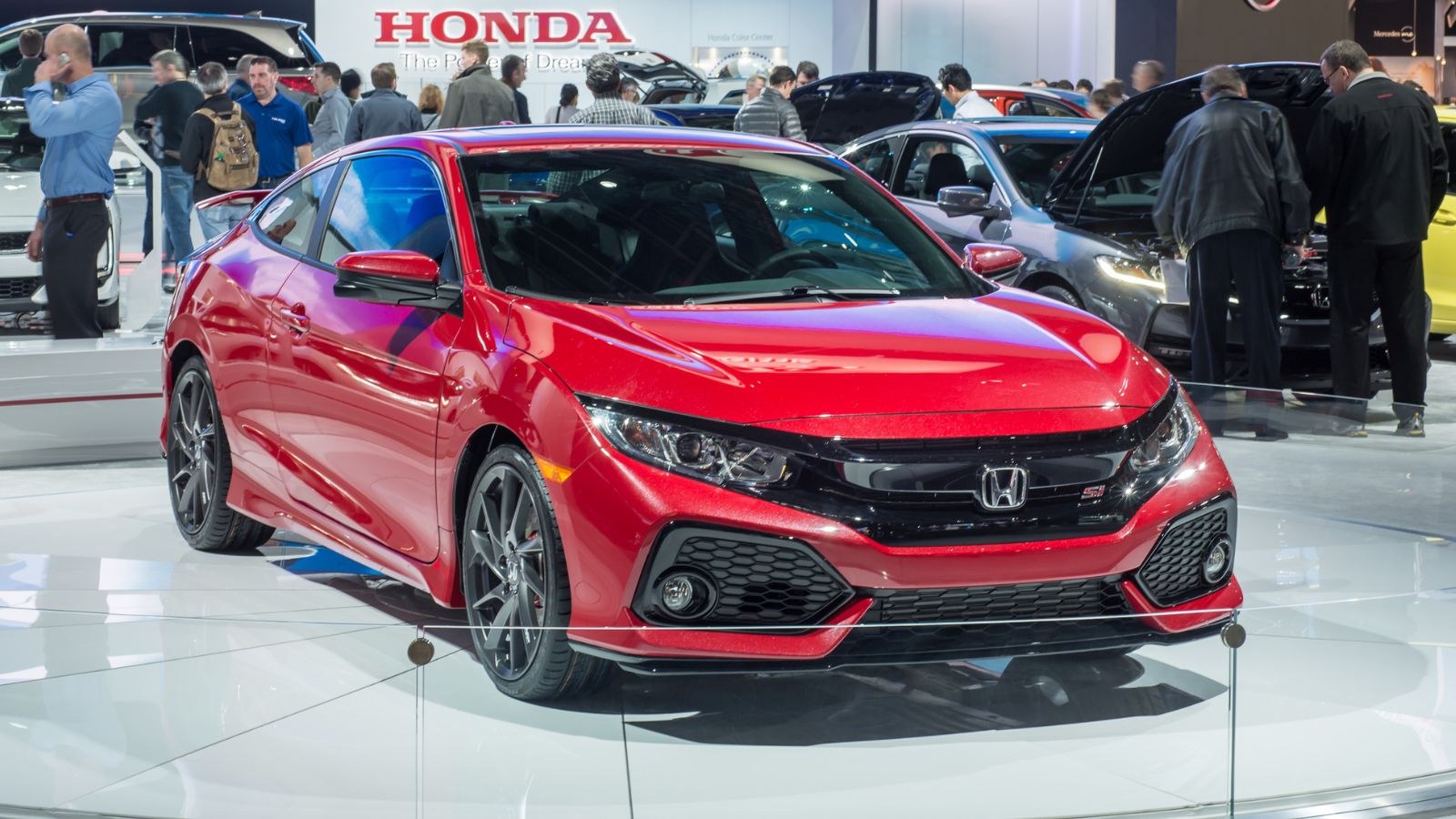
Headline prices on new vehicles did show some moderation, but they remained high in the broader context that matters to real buyers. A market can be down from last year and still far above where households expected it to settle. That is exactly what happened with new vehicles: the direction improved, but the level stayed expensive.
That distinction matters because shoppers do not live inside year-over-year charts. They live inside actual budgets. Someone walking into a dealership in May might hear that prices are down from a year ago and still stare at a number that feels out of reach. The sense of disappointment comes from that gap between narrative and reality. Moderation sounds encouraging, but it does not automatically restore affordability. For many Canadians, new-vehicle pricing still looked more like a gentler version of sticker shock than a real cooldown.
Used-vehicle prices stopped surging, but not enough to feel cheap
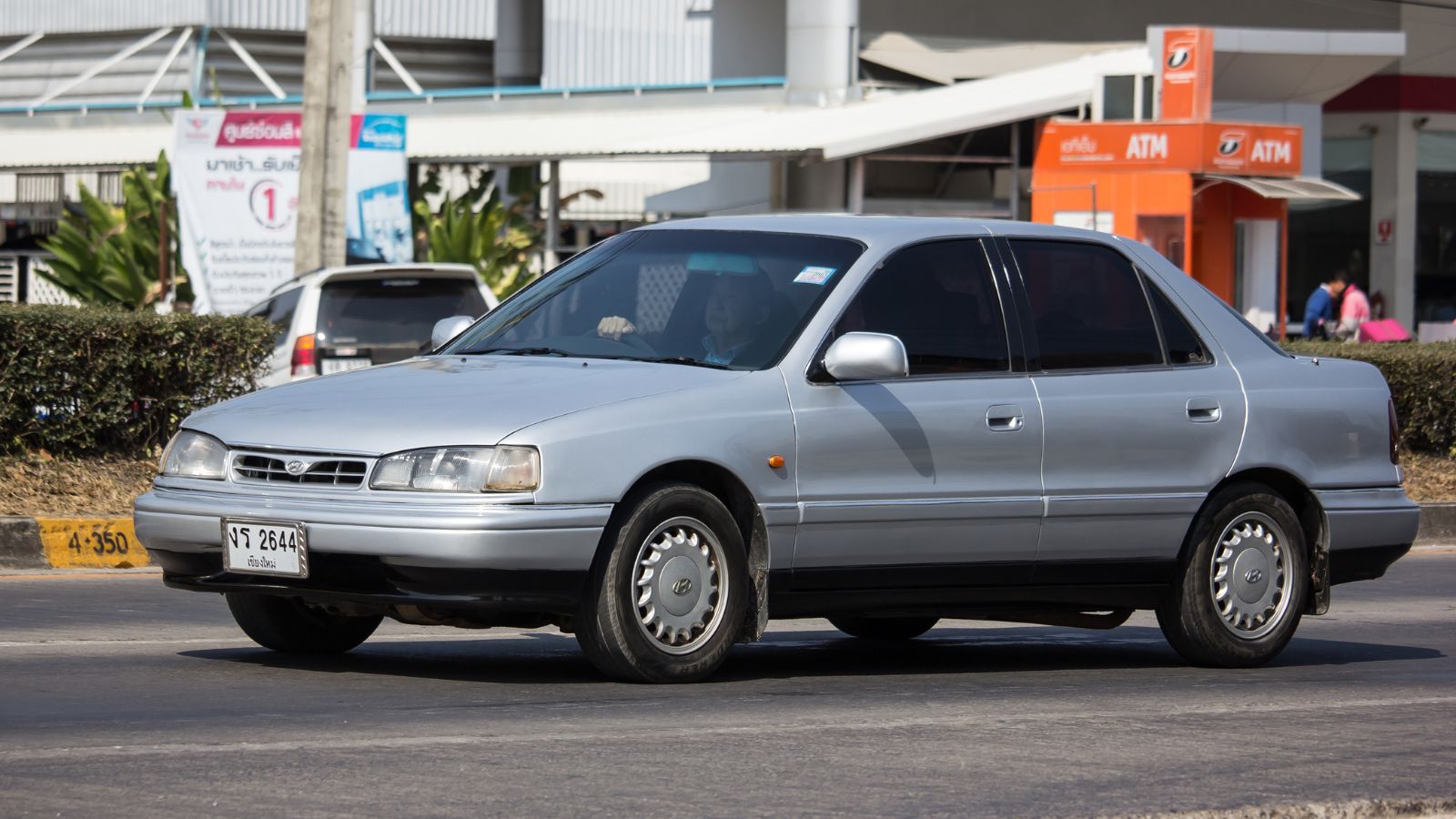
The used market is no longer behaving like the frenzy of the tightest pandemic years, yet that has not made it feel inexpensive. Prices stabilized more than they collapsed. For budget-conscious shoppers, that difference is enormous. A market that stops getting worse can still remain stubbornly unaffordable.
That is part of why expectations ran ahead of reality this spring. Many buyers remembered the extreme run-up in used values and assumed the correction would be deeper by now. Instead, the market normalized slowly. Vehicles still carried price tags that forced trade-offs on age, mileage, condition, and financing. Even when shoppers saw evidence that the market had cooled from previous highs, the absolute numbers often still felt like too much for what was sitting on the lot. That is not the bargain-hunting environment many expected by May.
Pickup trucks kept carrying luxury-sized price tags
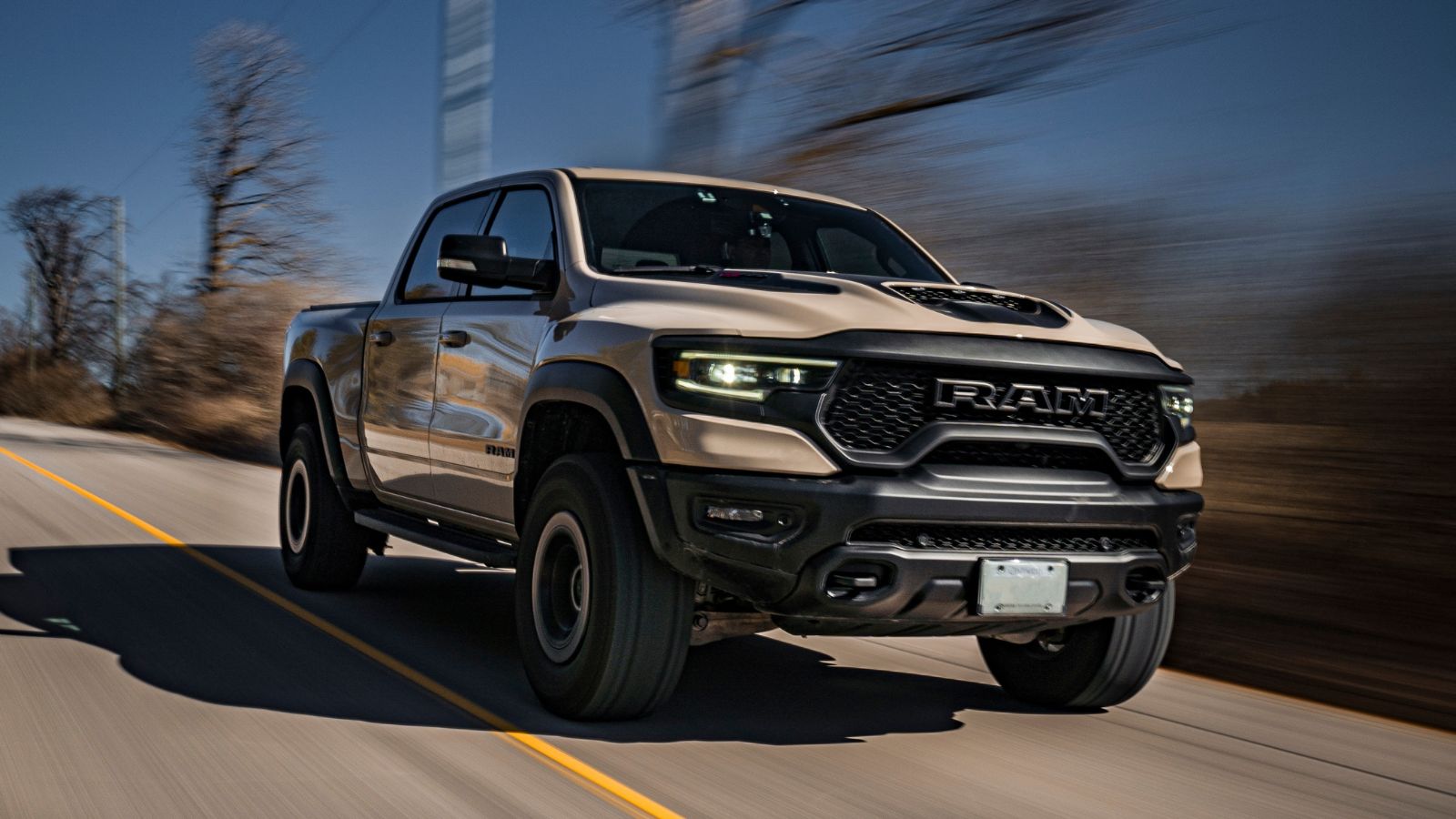
Trucks have become one of the clearest examples of how practical vehicles turned into premium purchases. In many Canadian households, a pickup is still framed as a work tool, a family hauler, or both. Yet the pricing often looks closer to upscale territory than to straightforward utility.
That disconnect is why truck costs remained so jarring. Contractors, rural drivers, and families towing trailers do not necessarily view a pickup as optional, which limits how much they can simply wait for the market to improve. Even buyers willing to move from new to used often found the drop-off smaller than expected. The truck market has held onto its pricing power remarkably well, and by May there was little sign of a dramatic spring reset. For anyone who needs the capability, the market kept charging a premium for it.
SUVs stayed pricey because demand never really went away
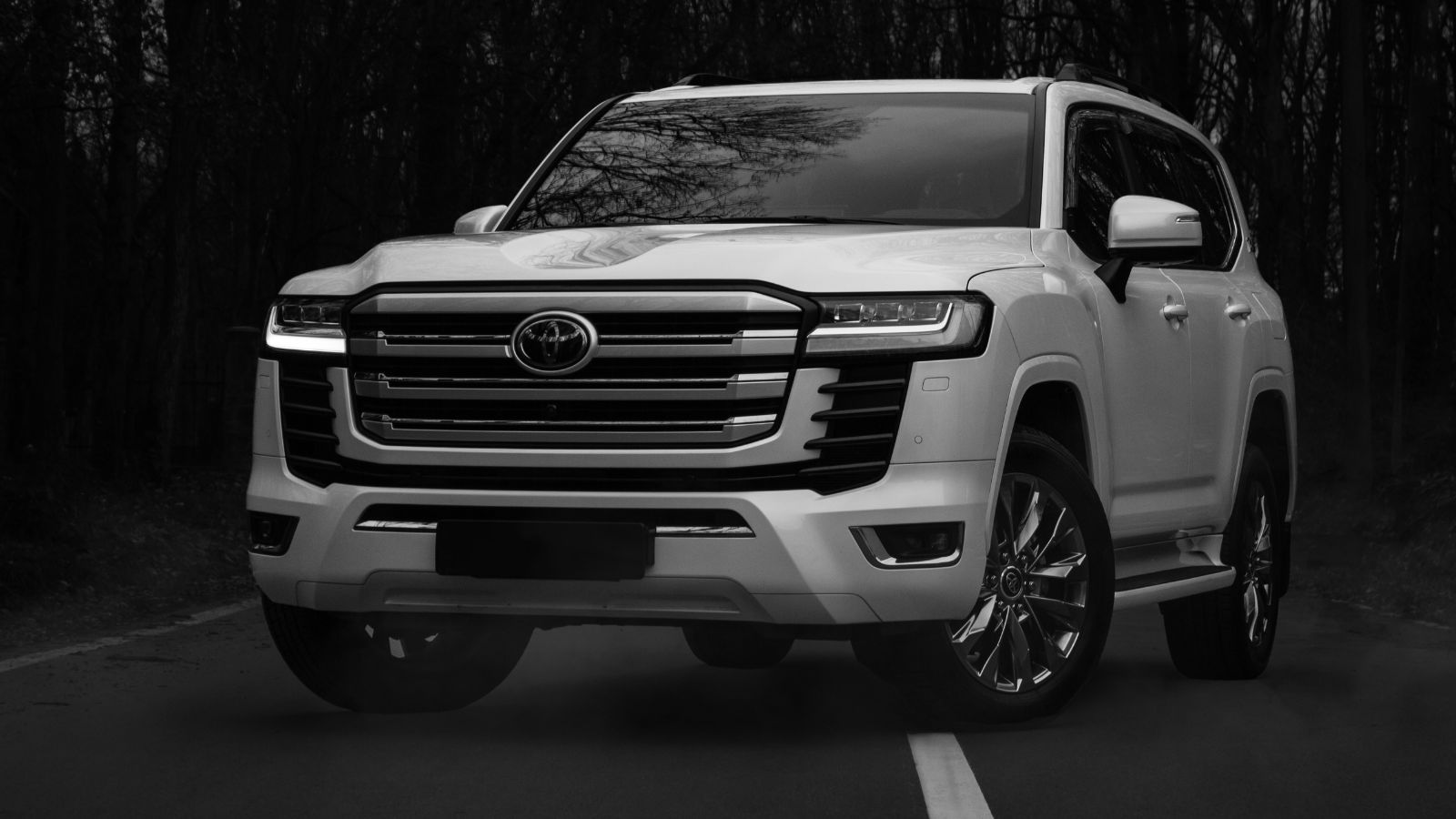
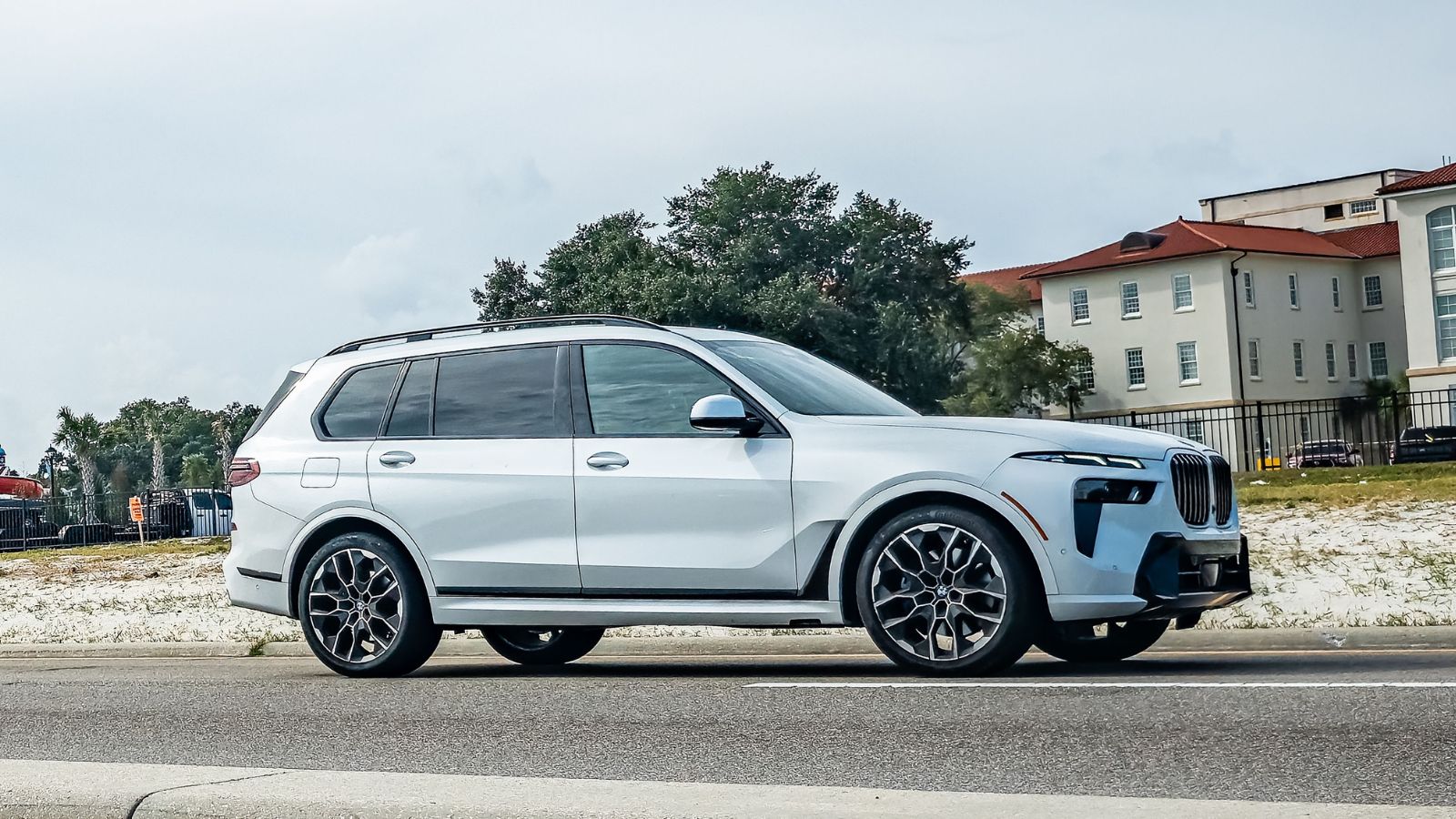
SUVs sit at the center of the Canadian mainstream market, and that popularity is part of the problem. When a body style works for commuting, hockey bags, road trips, and winter confidence, demand stays resilient. That makes broad affordability improvements harder to come by, even when the market cools at the edges.
This is why so many families kept finding the same answer in showroom after showroom: the vehicle that best fits daily life is still expensive. The crossover that feels like a sensible middle ground is not priced like a compromise anymore. It is often the default choice, which gives it unusual pricing strength. Canadians waiting for SUVs to feel ordinary again by May instead ran into a market where convenience, versatility, and familiarity were still commanding a meaningful premium.
Minivans kept punishing family budgets

Minivans rarely get treated as status purchases, but the prices say otherwise. For larger families, they remain one of the most functional vehicles on the road, and that practicality keeps them expensive. When a vehicle solves child-seat geometry, cargo space, and long-drive comfort in one shot, the market knows it.
That is what makes minivan pricing so frustrating. Families often arrive at the segment reluctantly, assuming practicality will come with some financial mercy. Instead, they discover that usefulness itself has become costly. A household moving up from a compact SUV can easily experience a second round of sticker shock, especially once taxes, financing, and insurance are added. By May, the expectation that family-focused vehicles would offer better value still had not translated into meaningful relief for Canadians trying to buy around real-life space needs.
Even regular cars were not the cheap alternative many expected
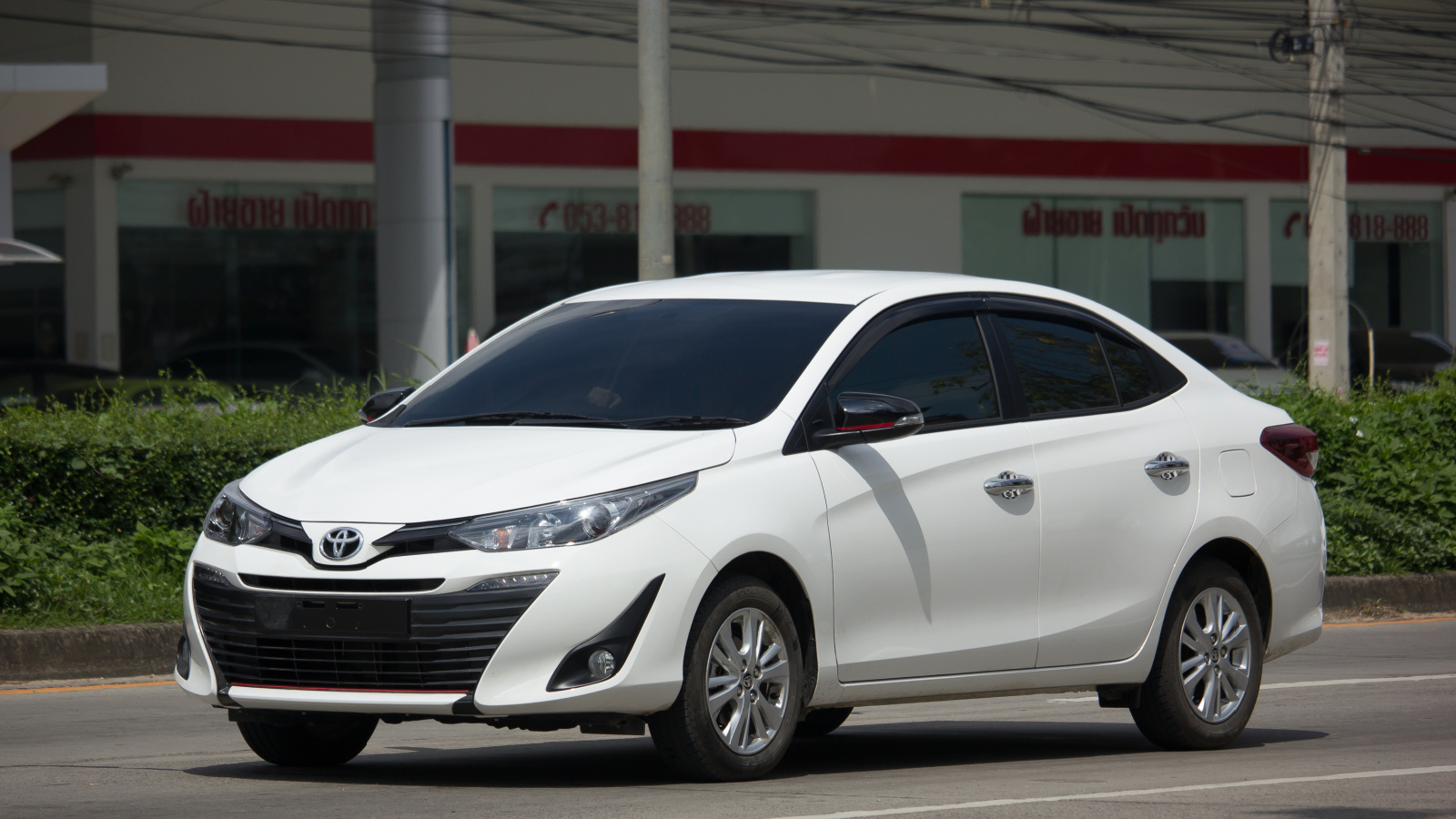
There was a time when downsizing to a basic car was the obvious way to cut costs. That logic still exists, but the pricing no longer always cooperates. Sedans and smaller cars can be cheaper than larger body styles, yet they have not consistently returned to the low-cost role many Canadians still associate with them.
That creates a strange kind of frustration. Buyers make the responsible move, skip the truck, avoid the flashy trim, choose the straightforward commuter—and still land on a number that feels high. The emotional bargain that used to come with buying a simple car has weakened. What remains is relative savings, not always meaningful savings. For drivers who expected the basic-car segment to offer a clear spring reprieve, May delivered a lesson the market keeps repeating: lower than an SUV does not necessarily mean low.
British Columbia still looked expensive even after some easing
British Columbia did show some moderation in average new-vehicle pricing, but the level remained high enough to keep pressure on shoppers. That matters because a modest decline can sound larger than it feels when the starting point is already elevated. In practice, many buyers were still staring at numbers that looked more premium than relaxed.
The west-coast version of sticker shock has a familiar rhythm: a bit of improvement, then a reminder that the baseline is still expensive. For someone replacing a vehicle after winter wear or mechanical trouble, a small retreat from last year’s price does not automatically change the decision. The financing still matters, taxes still matter, and insurance still matters. So while the regional data hinted at some cooling, the lived experience for many B.C. households was that the market remained stubbornly costly by the time spring rolled around.
Alberta shoppers still faced a very high entry point

Alberta’s average new-vehicle pricing remained among the highest in the country, which helps explain why the expected May relief never felt broad-based. Even where year-over-year movement was modestly better, the absolute price level still demanded a large financial commitment before a vehicle ever left the lot.
That leaves buyers with a familiar dilemma. A driver may need a truck-capable vehicle, an all-weather commuter, or something reliable enough for long distances, but the market still prices that need aggressively. In Alberta, the feeling of “prices are no longer exploding” is not the same as “prices are manageable now.” That difference is crucial. Stability can stop panic buying, but it does not magically make a purchase comfortable. For many households, the regional numbers still looked high enough by May to keep decisions on hold.
Ontario still offered more strain than relief

Ontario remains one of the country’s biggest auto markets, so its pricing has an outsized effect on how Canadians think the broader market feels. Even with some year-over-year easing, average new-vehicle prices in the province stayed high enough to preserve the sense that affordability had not truly turned a corner.
That reality shows up in ordinary decision-making. Buyers compare a current vehicle that is paid off, aging, and maybe unreliable against a replacement that brings a fresh warranty but also a very large monthly obligation. In that scenario, many people keep repairing the old car longer than they wanted to. Ontario’s spring market never quite delivered the kind of pricing improvement that changes those conversations. The numbers may have become less extreme, but not soft enough to make replacement decisions feel easy.
Quebec’s used market stayed surprisingly sticky
Quebec offered one of the clearer examples of why regional markets can defy the broader story. New prices eased, but the used side remained notably firm. That matters because plenty of households are not shopping new in the first place. They are shopping for a decent used vehicle that will get through winter reliably without detonating the budget.
When used prices rise or even stay sticky while new prices ease, the expected ladder of affordability gets distorted. Buyers who assumed they would save meaningfully by going used may find the gap narrower than expected. That can push them into tougher choices on age, mileage, or financing. In Quebec, the spring market showed that the cheaper path was not necessarily getting cheaper in a way that mattered to ordinary households. That is why the hoped-for May cooldown still felt incomplete.
Atlantic Canada did not get the easy spring break many hoped for

Atlantic Canada showed a split picture that tells an important story. New-vehicle prices softened more noticeably than in some other regions, yet used prices still moved higher. For many families, that second number is the more important one, because the used market is where affordability decisions are actually made.
This creates a very familiar frustration. The headlines might suggest improvement, but the practical shopping experience still feels tight. Someone hoping to buy second-hand to avoid a large monthly commitment may find that the market has not cooperated. That keeps pressure on households that need a vehicle for long commutes, rural travel, or family logistics and do not have the luxury of waiting out the market. In Atlantic Canada, spring brought some movement, but not the kind that reliably translated into relief where many buyers needed it most.
Gasoline reminded drivers how fast “relief” can disappear
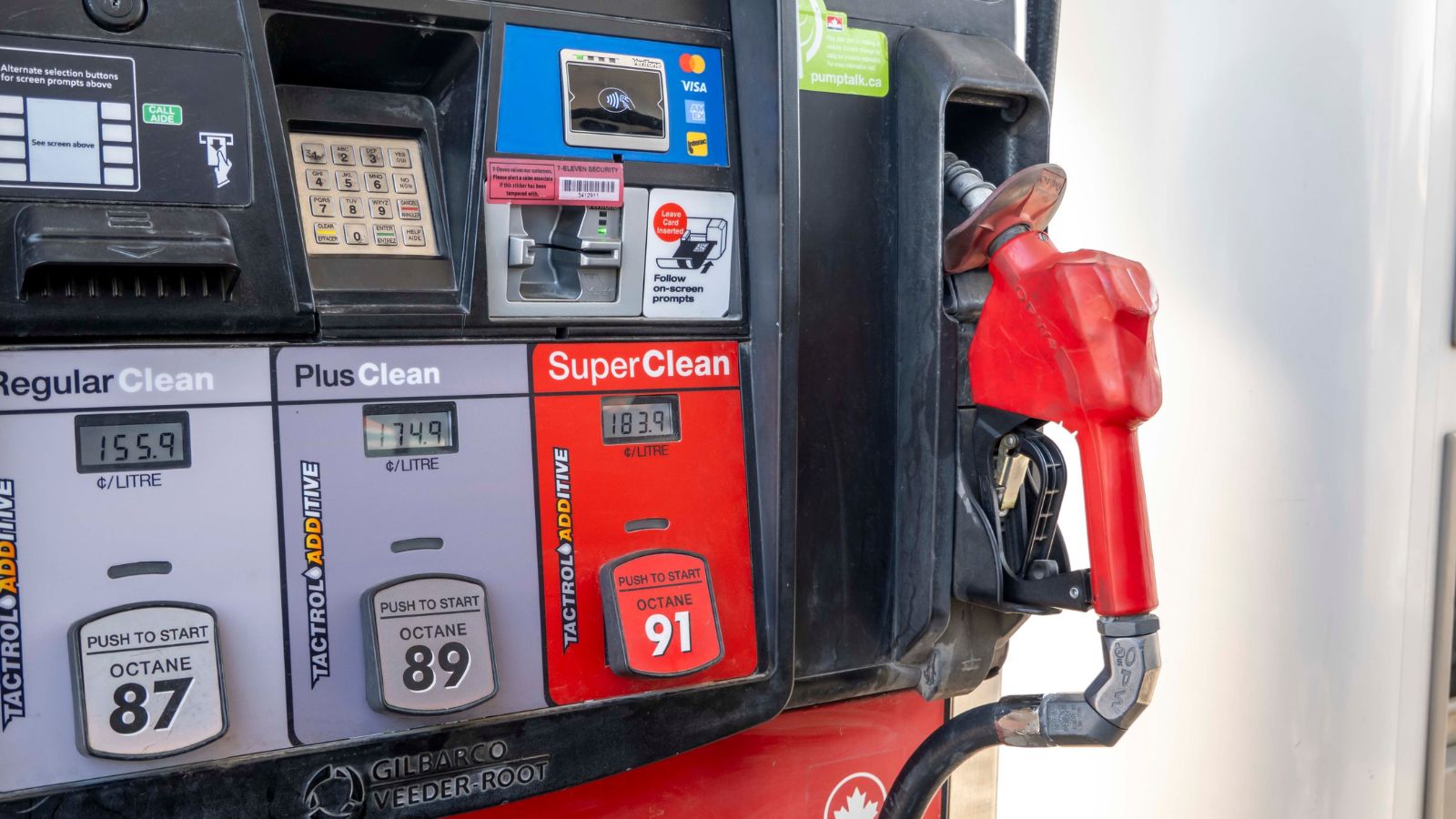
Fuel was one of the most visible reasons Canadians stopped believing in a spring cooldown. Gasoline moved sharply higher, and because it is purchased so often, the pain felt immediate. This is the kind of cost that rewrites a household mood in real time. A higher pump price does not wait for a monthly statement to make itself known.
That immediacy matters. A driver may be able to tolerate high insurance because it is renewed once in a while, or a high payment because it was already budgeted. Gasoline is different. It turns into weekly proof that the cost of car ownership is still unstable. By May, the idea that driving would gradually feel cheaper had been interrupted by a very public reversal at the pump. Even households that were not shopping for a car at all still felt the message clearly: the ownership burden had not meaningfully cooled.
Repairs, parts, and theft spillovers kept hidden costs elevated
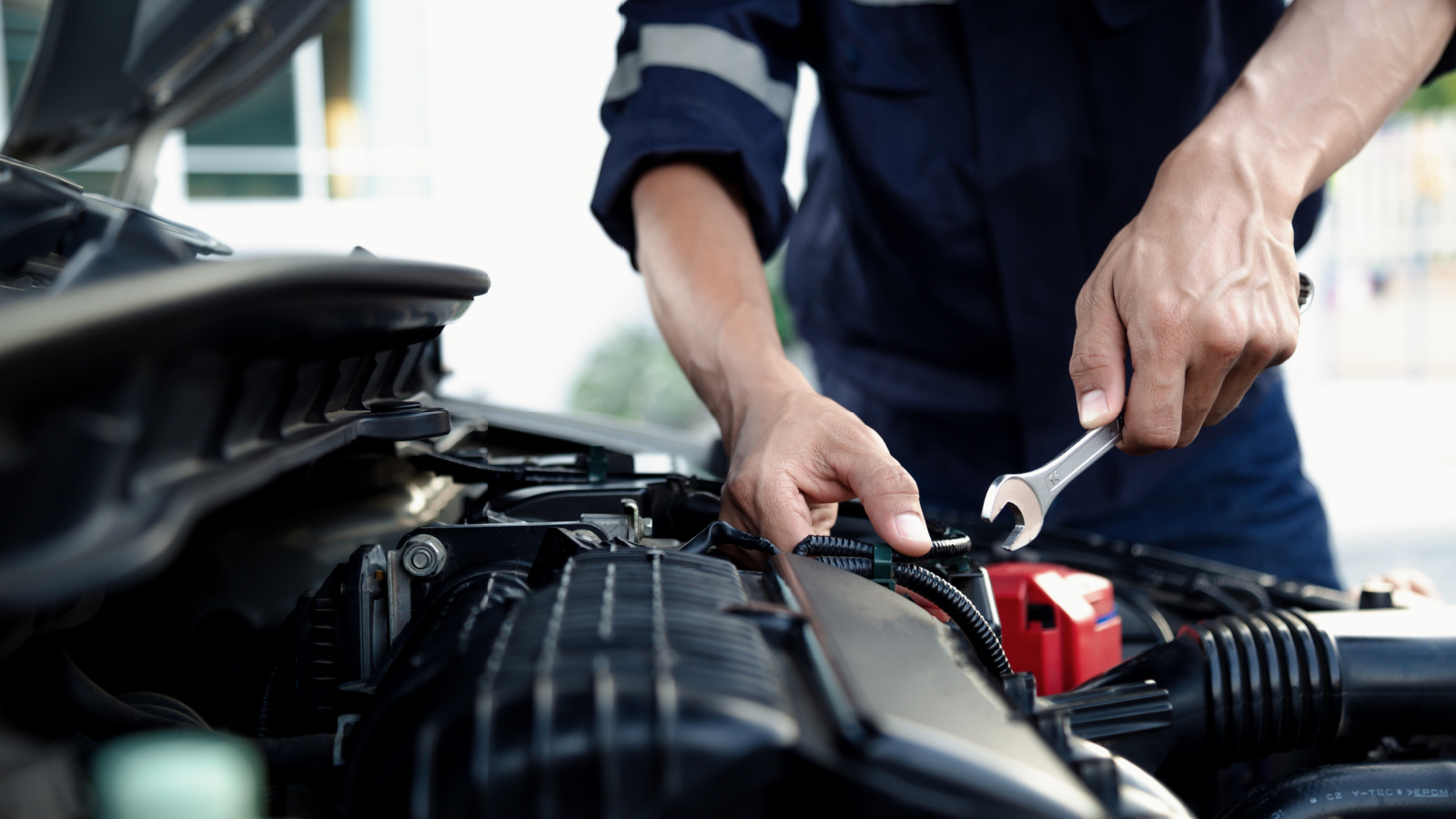
Some of the most stubborn costs are the ones buyers do not see until after the purchase. Repair bills, replacement parts, and theft-related expenses have continued to shape the economics of car ownership long after the worst supply-chain headlines faded. That is one reason relief has been slower than expected: the hidden cost structure stayed hot.
These pressures spread outward. More expensive parts raise repair estimates. More complex vehicles raise labour and calibration costs. Theft pushes claims costs higher and adds another layer of strain to the insurance system. Even when stolen-vehicle trends improve, the long-tail financial burden does not disappear overnight. By May, this combination was still quietly supporting a more expensive driving environment than many Canadians expected. It is the less glamorous side of the market, but it may be the most important reason ownership still feels so stubbornly costly.
22 Things Canadians Do to Their Cars in Spring That Mechanics Hate

Spring brings relief to many Canadian drivers after months of snow, freezing temperatures, and icy roads that put serious strain on vehicles. As temperatures rise across the country, drivers begin washing cars, switching tires, and preparing vehicles for warmer weather and upcoming road trips. However, mechanics across Canada notice the same mistakes every spring when drivers attempt to recover from winter damage. Road salt, potholes, and harsh winter driving conditions often leave vehicles with hidden problems that drivers ignore. Some spring habits even create new mechanical issues that could have been avoided with proper maintenance. Here are 22 things Canadians do to their cars in spring that mechanics hate.