























Winter’s most expensive surprise often does not arrive with a snowstorm. It shows up weeks later, when a tire keeps losing air, a steering wheel starts trembling on the highway, or a routine spring service visit turns into a suspension estimate. In Canada, that pattern is familiar for a reason: poor roads already add real operating costs for drivers, and potholes become especially common after the freeze-thaw cycle of winter loosens pavement.
What makes the damage so frustrating is how rarely it ends with one repair. A hard impact can start a chain reaction that affects tires, rims, alignment, steering, suspension, insurance decisions, and even the chances of getting compensated. These 17 problems explain why pothole season keeps draining household budgets long after the snowbanks are gone.
Bent Wheels That Never Quite Feel Right Again
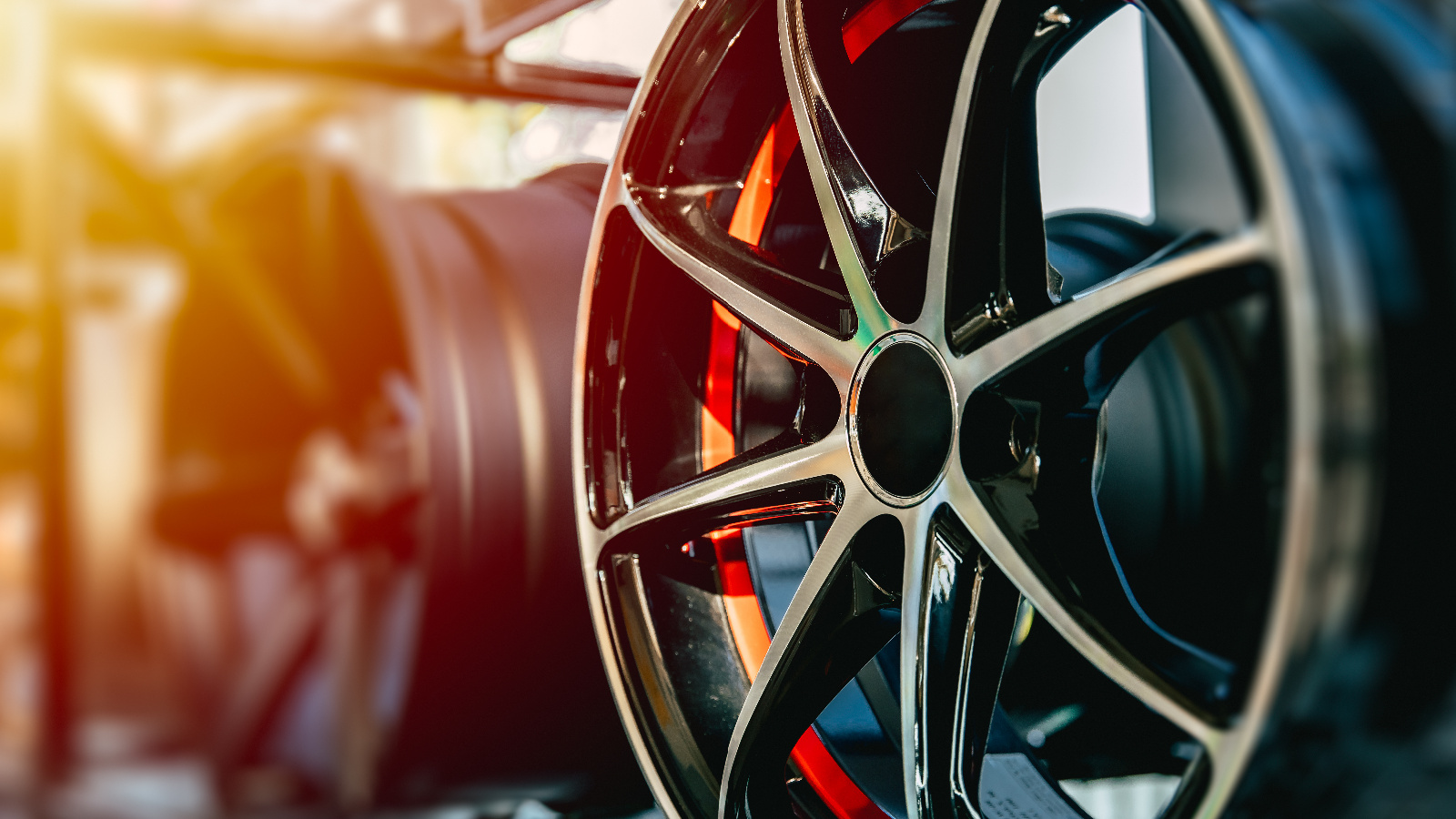
A pothole strike can leave a wheel looking almost normal while still changing how the vehicle behaves. The usual clues are subtle at first: a faint shimmy through the steering wheel, a slow air leak, or a vibration that seems to come and go with speed. Many drivers assume the tire is the only casualty, but a bent rim can keep causing trouble even after a replacement tire is installed. That is why one spring pothole often turns into two or three service visits instead of one.
The cost also lands unevenly. Vehicles with shorter sidewalls and larger wheel packages have less rubber cushioning the impact, which means the wheel itself takes a harder hit. In practical terms, that can turn an ordinary commute into a season of balancing appointments, patch attempts, and finally a wheel replacement. A driver may fix the obvious flat in March, then discover in April that the real reason the car still shakes is the rim underneath it.
Tire Sidewall Bubbles That Appear After the Hit
Sidewall damage is one of the nastier pothole problems because it can look minor right up until it becomes urgent. A tire may survive the initial impact without going flat, yet the inner structure can still be bruised or separated. Days later, a bubble appears on the sidewall, and what seemed like a close call becomes a safety issue. Once that bulge forms, the tire is no longer something most shops will simply patch and send back on the road.
This is why pothole costs feel delayed. A motorist can leave the scene thinking the worst was avoided, only to notice a swelling tire during a weekend wash or on the next fuel stop. The frustration is amplified in spring, when people are already paying for seasonal maintenance, tire changes, and other post-winter checks. Suddenly, a tire that looked serviceable is now an immediate replacement, and sometimes the wheel beside it needs attention too.
Flats and Blowouts That Force Early Tire Replacement
Not every pothole injury becomes visible in the same moment. Some tires fail immediately with a puncture or bead leak, but others are weakened and give up later under daily driving. That is why a hard impact can keep costing money long after the road has dried out. A tire that loses pressure repeatedly, even after inflation or inspection, often pushes drivers toward full replacement rather than a cheap repair.
The wider cost is easy to miss. Beyond the tire itself, an unexpected flat can mean roadside assistance, towing, lost time, and the awkward reality that replacement stock is not always available in the exact size or model already on the car. CAA-Quebec’s spike in spring flat-tire calls shows how quickly pothole season becomes a service burden, not just a maintenance annoyance. For many households, the real bill is not one damaged tire. It is the emergency response wrapped around it.
Alignment That Slips Out of Spec
Wheel alignment is one of those problems drivers often feel before they understand it. The vehicle starts pulling slightly, the steering wheel no longer sits straight, or highway driving suddenly demands a stream of tiny corrections. A pothole impact does not have to look dramatic to cause it. Sometimes a single hard strike is enough to knock the angles out of spec, particularly on already worn suspension.
What makes alignment expensive is how ordinary it can seem until it starts chewing through other parts of the budget. An alignment service may sound modest on its own, but leaving the issue alone can accelerate tire wear and create that vague sense that the car is never driving quite normally. Many spring repair stories follow the same script: the vehicle feels “a little off,” the driver waits a few weeks, and the eventual appointment reveals that the pothole was not a one-day event at all.
Tire Wear That Eats a Set Months Too Early
Potholes do not always destroy a tire in one dramatic moment. More often, they start a quieter process that shortens a tire’s life from the edges inward. Misalignment, damaged suspension parts, or worn struts can all cause uneven tread wear, cupping, or rapid wear on one shoulder. By the time the issue becomes obvious, the tire that should have lasted well into another season is already due for replacement.
That is one reason pothole damage feels financially unfair. The bill arrives later, disconnected from the original hit, so it looks like ordinary wear when it is really damage with a delayed fuse. A commuter who swaps winter tires in spring may only then notice one tire wearing far faster than the others. Replacing a whole set earlier than planned can be a far bigger budget hit than the original inspection, and it often happens just as other warm-weather expenses are starting to pile up.
Shocks and Struts That Stop Damping Properly
Shocks and struts do not always fail with a dramatic bang. After a harsh pothole season, they may simply become worse at controlling the vehicle: more bounce after bumps, more dive when braking, more sway in turns, and a rougher, noisier ride. These changes can creep in slowly enough that drivers adjust to them. The danger is that what feels like a slightly harsher ride can be a sign that the suspension is no longer managing road impacts the way it should.
That matters because bad damping rarely stays isolated. When shocks or struts wear out or get bent, steering response can feel odd, alignment can drift, and tires can wear unevenly. A vehicle that once felt planted may begin to float, pitch, or wobble on patchy spring roads. In other words, the pothole is gone, but the suspension keeps replaying the hit every day. The repair becomes expensive not only because of the part itself, but because neglected struts tend to drag other components with them.
Control Arms and Bushings That Start Clunking
Control arms and their bushings are not the first parts most people think about after hitting a pothole, but they are often part of the long-tail cost. When these components take a hard impact, the first clue may be a front-end clunk over bumps, a wandering feeling on straight roads, or a vibration that was never there before. Because those symptoms build gradually, drivers often postpone action, hoping the noise will disappear on its own.
It usually does not. Damaged control arms or worn bushings can upset alignment, worsen tire wear, and make the vehicle feel less composed under braking or cornering. That means the expense is not just the replacement part; it is the chain of smaller losses that follow it. A vehicle can go from “just noisy over rough pavement” to “why are these tires wearing unevenly again?” in one season. That is how a pothole hit becomes a spring-and-summer money leak rather than a single winter incident.
Ball Joints That Turn Small Noises Into Big Repairs
Ball joints are the kind of front-end parts drivers rarely think about until they start talking back. The sound is often faint at first: a light clunk, a bit of looseness, a steering feel that changes when the car crosses a dip or broken patch of pavement. Potholes are especially tough on these joints because the impact compresses the suspension suddenly, and worn parts already near the edge can move from manageable wear to obvious trouble in a hurry.
The cost grows because ball-joint problems are easy to ignore until they affect more than comfort. Sloppy steering, vibration, drift over bumps, and alignment trouble can all follow. A driver may begin by asking for a noise inspection and leave with a larger suspension estimate than expected. That is the pattern pothole season creates so often: the part that finally fails in May may have been weakened in February, then stressed again and again until a small clunk becomes a repair that can no longer be postponed.
Tie Rod Ends That Make Steering Feel Loose
Tie rods sit right at the point where steering input becomes wheel movement, so they are not forgiving when potholes are involved. A damaged or worn tie rod can make the steering wheel shake, feel loose, or require constant correction. The problem is especially unnerving at speed, because what starts as a minor rumble can turn into a vehicle that no longer feels confidently pointed where it should be going.
This is one of the most irritating after-effects of winter because it blurs into everyday driving until it becomes undeniable. Drivers often describe it as a car that suddenly feels older than it did a month ago. One pothole may not snap a tie rod outright, but repeated spring impacts can accelerate wear and expose existing weakness fast. Then the budget hit broadens: diagnosis, part replacement, alignment afterward, and sometimes tires already harmed by the steering problem that went unnoticed for too long.
Steering Wheel Shake That Sends Cars Back to the Shop
A vibrating steering wheel is expensive partly because it is rarely a one-answer problem. It might point to bent rims, alignment trouble, tire imbalance, tie-rod wear, or a combination of several smaller issues. That means the first appointment is often only the beginning. A shop may correct one item, improve the symptom, and then discover another component is still causing shake. For drivers, that feels like paying repeatedly for the same pothole.
The annoyance is especially familiar in spring, when winter tires come off and a vehicle that felt tolerable at low speeds suddenly spends more time on dry pavement and highways. Vibration that seemed minor in March becomes impossible to ignore in May. This is where pothole damage becomes a diagnostic expense as much as a parts expense. The money goes not only toward repairs, but also toward balancing, inspection, road testing, and follow-up visits to chase the source of a shake that the original impact set in motion.
Wheel Bearings and Hubs That Start Humming
Wheel-bearing damage is the classic hidden cost: nothing dramatic at the curb, then a low hum that builds with speed weeks later. Because the sound can resemble tire noise at first, it is easy to dismiss. But when a pothole shock shortens bearing life or causes early failure, the result is a noise that usually grows louder, more constant, and more expensive. By then, the original impact is often long forgotten.
That delay is what makes the repair so maddening. A driver may rotate tires, inspect tread, even blame road noise before learning the real issue is at the hub. Once the bearing begins to complain, the problem does not politely stabilize. It tends to worsen with mileage, especially if the vehicle keeps seeing rough pavement. What looked like a noisy spring drive can become a hub-and-bearing repair in summer, all because one hard hit transferred more force into the wheel assembly than it could comfortably absorb.
Suspension Geometry Damage That Keeps Reappearing
Some pothole damage is not about one broken part but about geometry that never returns to perfect. A steering knuckle or related suspension point can warp just enough to keep creating new symptoms: repeated alignment drift, uneven tire wear, odd steering return, or handling that still feels wrong after other work is done. This is the kind of issue that makes drivers say the car has “never been the same” since that one impact.
It is also why repeat repairs happen. When a part is slightly distorted rather than visibly shattered, shops may first address the easier, cheaper items around it. Only after the vehicle keeps pulling, wobbling, or wearing tires strangely does the deeper problem come into focus. That turns a single pothole strike into a longer repair story with more labour, more rechecks, and more frustration. In budget terms, geometry problems are expensive because they hide inside other symptoms and keep charging interest until someone finds the real source.
Braking and Highway Stability That Quietly Get Worse
One of the least obvious pothole costs is the way damaged suspension can change how a vehicle behaves in motion. Worn or compromised shocks and struts do more than make the ride uncomfortable. They can increase body movement, reduce confidence in corners, and contribute to longer braking distances or more nose-dive when slowing down. None of that produces the instant clarity of a flat tire, which is exactly why the problem lingers.
This is where pothole damage becomes more than a repair invoice. A vehicle that feels less stable on rough highways or less settled in emergency braking is effectively billing the driver twice: once in repair costs, and again in reduced safety margin. Many Canadians only notice it when warm-weather travel resumes and higher-speed driving becomes more common. The car is technically still on the road, but it no longer feels as composed as it did before winter, and restoring that confidence usually requires more than a quick spring tune-up.
Towing and Roadside Calls That Turn Damage Into an Emergency
Sometimes the real cost begins the minute the pothole is hit. If the tire fails, the rim cracks, or the car suddenly feels unsafe, the next step is not a planned repair but roadside assistance, a tow, or an emergency tire service call. That is a different kind of expense because it arrives with urgency. There is no waiting for payday, no shopping around at leisure, and no guarantee the nearest service point has the right replacement ready.
CAA-Quebec’s spring increase in flat-tire calls shows how often pothole season pushes damage into breakdown territory. For families already juggling seasonal expenses, that emergency layer is what makes a common road hazard feel financially disruptive. A hypothetical weekday example says it all: a driver hits a pothole before work, needs a tow, misses half a day, pays for a temporary fix, and still has to book the real repair later. The pothole may be municipal, but the cascade is very personal and very expensive.
Repair Bills That Land Fully Out of Pocket
The most straightforward pothole problem is still one of the worst: the repair bill itself. CAA-linked reporting has shown average pothole-related repairs ranging from a few hundred dollars into four figures, and in some cases much higher depending on what the impact damages. That spread matters because pothole costs are unpredictable. One driver leaves with a patchable problem; another ends up replacing tires, wheels, and suspension parts from the same type of road defect.
That uncertainty makes household budgeting hard. It is one thing to plan for oil changes or seasonal tire swaps. It is another to absorb a surprise bill that competes with spring travel, home repairs, or back-to-school savings. The national picture helps explain why the feeling is so widespread: poor roads already cost Canadian drivers billions collectively. On the ground, that large number shows up one family at a time, often as a repair estimate that feels wildly out of proportion to a split second on a bad street.
Insurance Claims That Barely Clear the Deductible
Insurance can soften pothole damage, but it does not automatically make the math work. For many drivers, the first question is not whether a claim is possible but whether it is worth opening one at all. If repairs come in close to the deductible, the payout may be limited or nonexistent once the out-of-pocket portion is counted. That is why minor-to-moderate pothole claims can feel like a paperwork exercise with little real financial relief.
The frustration is compounded by coverage differences. Some policies may help with pothole damage only if optional coverage is in place, and deductible choices can still leave drivers absorbing a large chunk of the repair. CAA-Quebec explicitly advises weighing repair cost against deductible before filing, which captures the problem perfectly. A pothole may be severe enough to hurt the budget, yet not severe enough to make an insurance claim feel worthwhile. In that middle zone, drivers pay for the road hazard almost entirely themselves.
Municipal Claims That Require Speed and Often Deliver Little
The final bill many Canadians encounter is administrative rather than mechanical. After a pothole incident, drivers sometimes try to recover costs from the road authority, only to discover that the process is time-sensitive, document-heavy, and far from guaranteed. In Toronto, for example, notice for road-condition claims is required within 10 days, and even routine property-damage claims can take months to resolve. That is a narrow window when people are still arranging inspections, invoices, and transport.
Even then, reimbursement is hardly automatic. CAA-Quebec notes that drivers generally have to prove negligence rather than assume compensation will follow from the mere existence of damage. That reality turns claims into another unpaid chore attached to the original pothole. Photos, receipts, location details, service records, and timelines all matter, and many drivers decide the time cost is not worth the uncertainty. In the end, that may be the most Canadian pothole expense of all: paying first, documenting everything, and still not knowing whether any of the money will come back.