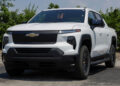

























In Canada, the smartest SUV choices are no longer automatically the flashiest or the biggest. The models standing out in spring 2026 are the ones that blend winter confidence, sensible running costs, useful space, and strong safety without drifting too far into luxury-car money. That shift has quietly made 12 SUVs look especially compelling. Some have pulled ahead through efficient hybrid powertrains, some through meaningful electric range, and others simply because they still deliver the basics — traction, practicality, and value — better than expected in an expensive market. Together, these 12 models show how a “smart buy” now means something more grounded: not just what looks good on a spec sheet, but what works on Canadian roads, in Canadian weather, and inside a real household budget.
Toyota RAV4 Hybrid
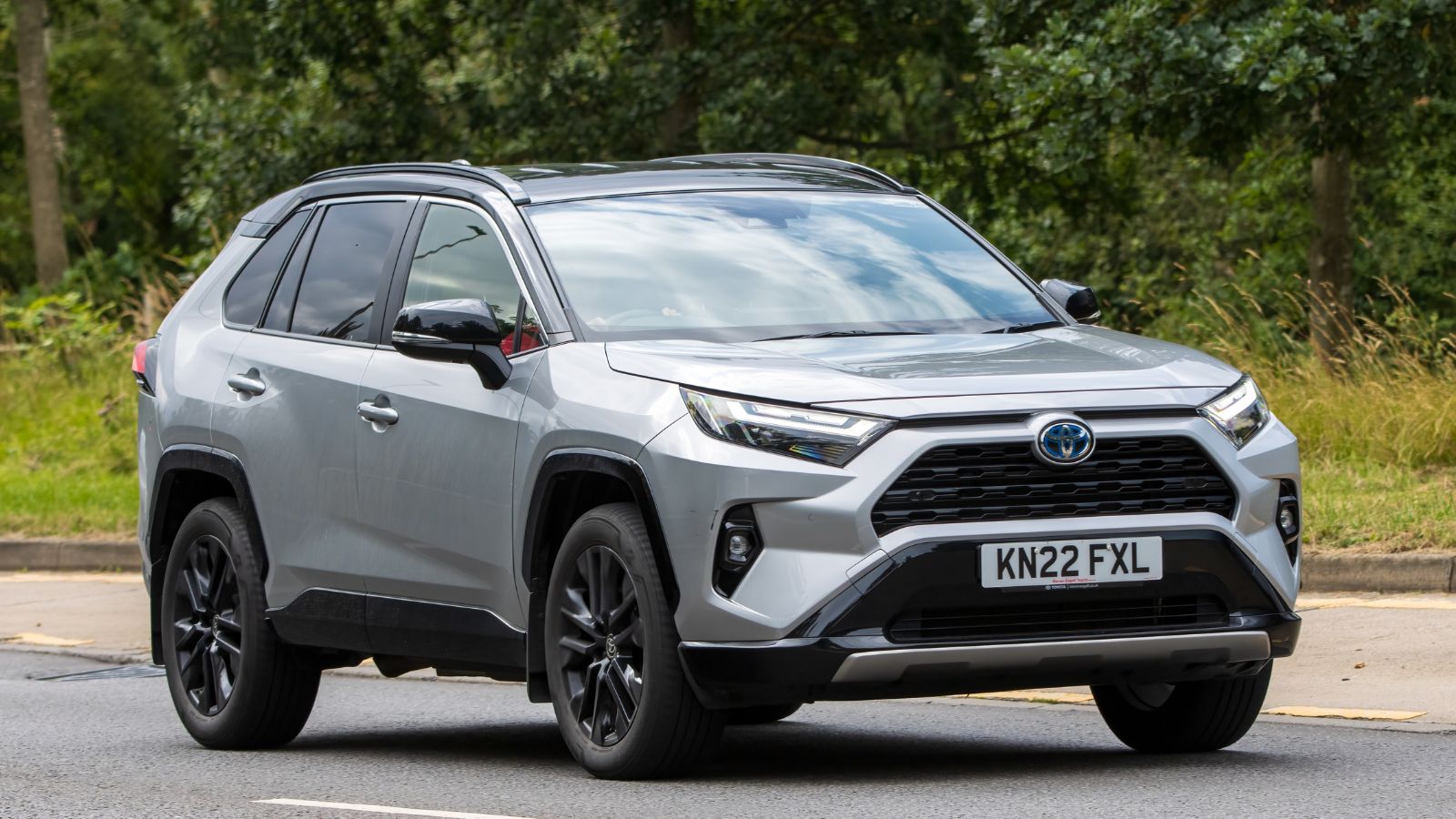
The RAV4 Hybrid suddenly looks even more sensible because Toyota has turned the 2026 Canadian-market RAV4 into an all-hybrid lineup. That matters. When a mainstream nameplate makes efficiency the default instead of the pricey upgrade, the value equation changes fast. Toyota lists the new RAV4 LE AWD at a starting MSRP of $37,500, with combined fuel-consumption figures as low as 5.5 L/100 km depending on trim. It is also built in Canada, with Toyota Motor Manufacturing Canada beginning sixth-generation RAV4 production in Woodstock in January 2026, which gives the model an unusually strong local-market storyline.
The smart-buy case goes beyond fuel use. Toyota says the 2026 RAV4 offers up to 3,500 pounds of towing, which means it is still practical enough for small trailers, weekend gear, or cottage duty. In a market where many compact SUVs are creeping toward premium pricing while still asking buyers to settle for ordinary efficiency, the RAV4 Hybrid feels unusually complete. It does not require a plug, does not force a steep learning curve, and now comes wrapped in a formula Canadians already know well: compact enough for everyday life, efficient enough to matter, and versatile enough to justify the payment.
Honda CR-V Hybrid
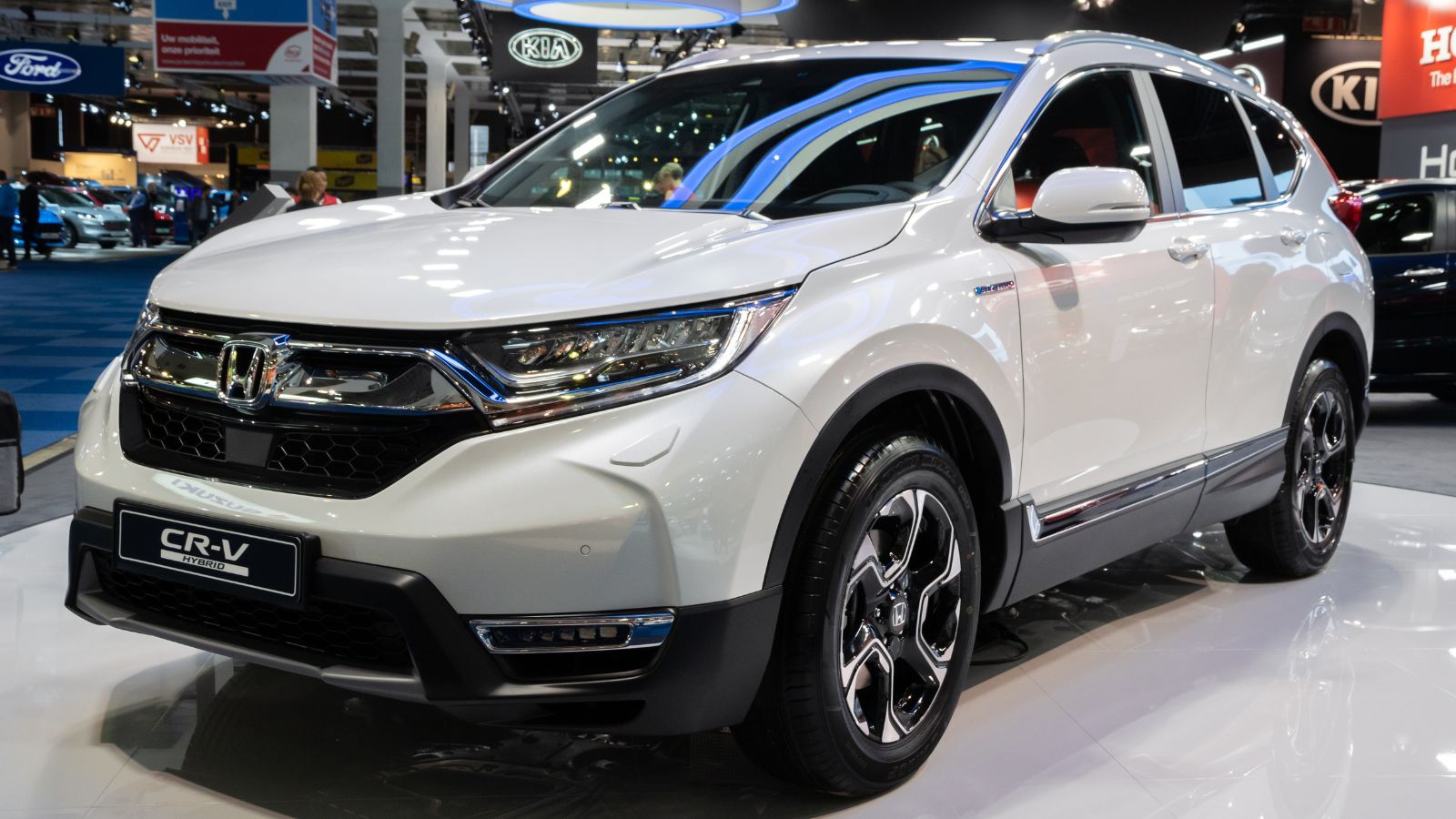
The 2026 Honda CR-V Hybrid earns its place because it makes the “responsible choice” feel less like a compromise. Honda’s hybrid setup produces a combined 204 horsepower and 247 lb-ft of torque, while the brand quotes fuel consumption as low as 6.4 L/100 km with Real Time AWD. That is a strong mix for a family SUV that still needs to feel relaxed in traffic and steady on the highway. Honda also prices the Sport Hybrid at $49,041 in Canada, which positions it as a more premium mainstream option without jumping all the way into luxury territory.
What makes the CR-V Hybrid look smarter right now is how balanced the package has become. Honda’s 2026 lineup includes multiple hybrid trims, including a TrailSport Hybrid, and every CR-V now gets a standard 9-inch touchscreen. That means the hybrid version no longer feels like a niche efficiency play tucked away in one corner of the range. It feels central to the model’s identity. For Canadian buyers who want lower fuel bills but still care about refinement, strong resale perception, and a cabin that does not feel stripped down, the CR-V Hybrid increasingly looks like one of the market’s safest bets.
Subaru Forester
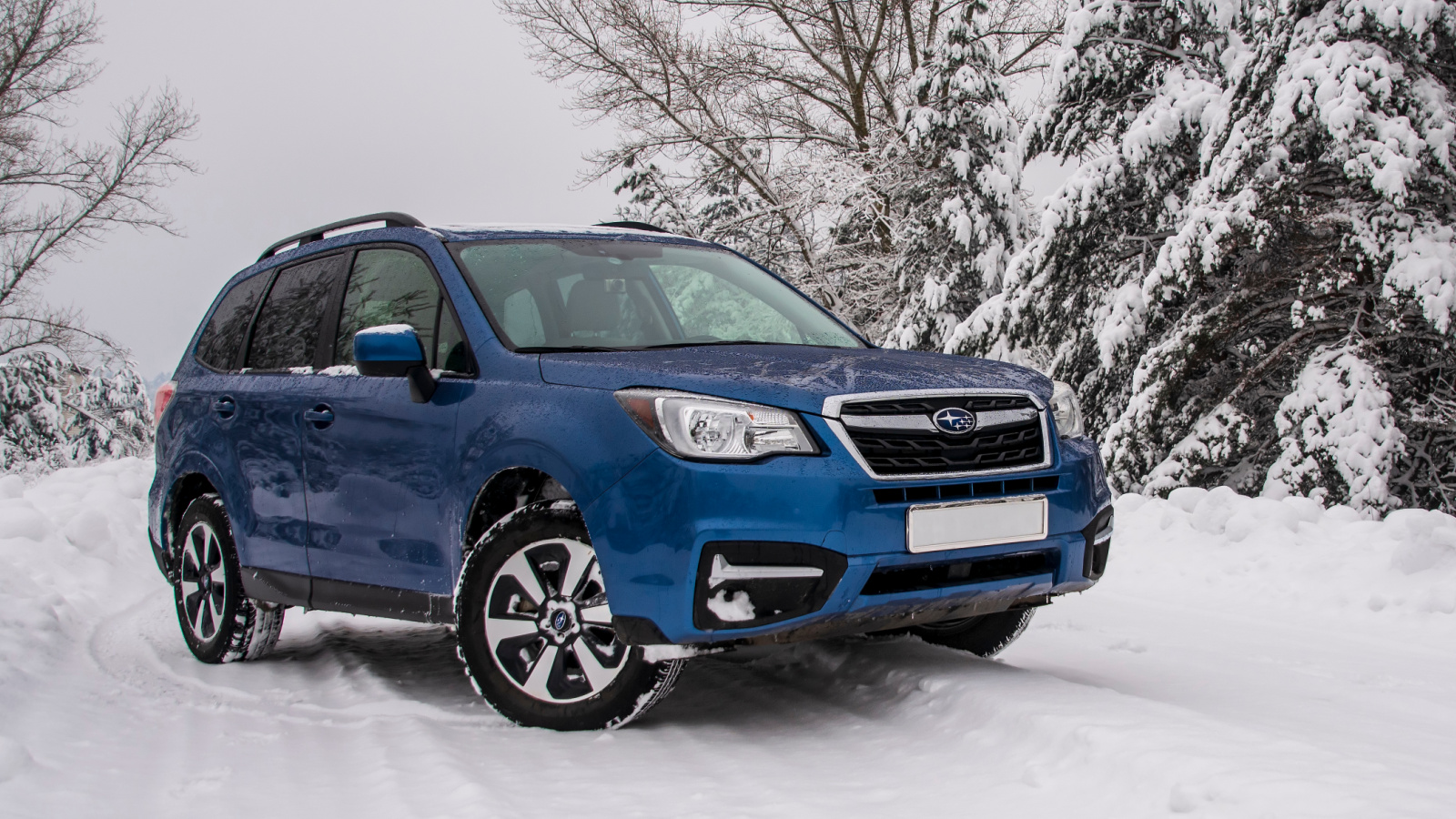
The Subaru Forester keeps looking smarter whenever the weather gets worse, and in Canada that matters more than marketing. Subaru lists the 2026 Forester at $36,985 with freight and fees included, and every Forester comes with Symmetrical Full-Time AWD. That alone separates it from rivals that make traction a trim-level upsell. Subaru also makes EyeSight driver-assist technology standard, reinforcing the Forester’s reputation for doing the fundamentals well rather than dazzling buyers with gimmicks. On top of that, the 2026 Forester is listed by IIHS as a Top Safety Pick+.
That combination gives the Forester unusual clarity. It is not pretending to be a sporty luxury crossover or a rugged off-road celebrity. It is simply a family SUV built around stability, visibility, safety, and day-to-day confidence. That still resonates strongly north of the border, especially for drivers dealing with slush, rural highways, ski weekends, or long commutes in mixed weather. Plenty of SUVs can look smarter in a brochure; the Forester often looks smarter after the first hard winter. In a market where buyers are watching every dollar, not paying extra for AWD and getting top-tier safety credentials is a powerful argument.
Mazda CX-5
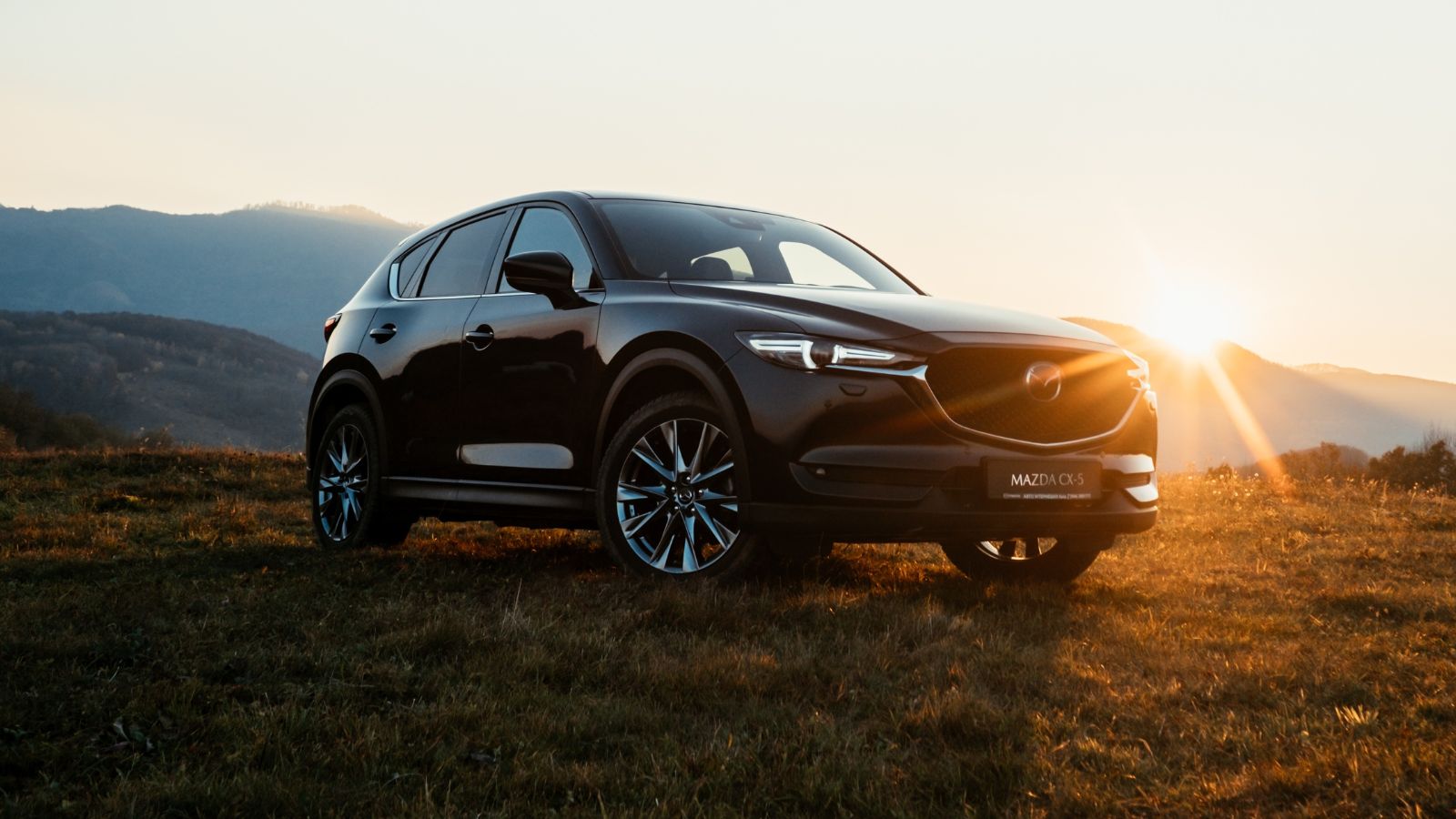
Mazda’s all-new 2026 CX-5 looks like a smarter buy because it managed to move upscale without losing the plot. Mazda Canada prices the new CX-5 from $36,300, and standard AWD remains part of the formula. On paper, the 2.5-litre AWD version posts a combined fuel-consumption rating of 9.0 L/100 km, which is not hybrid-level thrift, but it remains acceptable for buyers who prioritize a richer driving feel and a more polished design. Mazda also says the redesigned model offers substantially more second-row room, addressing one of the quieter complaints about the outgoing CX-5.
There is also a broader story here. Mazda says more than 300,000 CX-5s have been sold in Canada and 4.5 million globally since the model debuted, which helps explain why this nameplate still carries weight. The recent CX-5 safety record has been solid as well, with IIHS noting rear-seat protection improvements beginning with 2023 models. That history matters because the new CX-5 feels less like a risky reinvention and more like a mature evolution of something buyers already trust. For Canadians who want a compact SUV that feels a little more special every morning without demanding premium-brand money, the CX-5 suddenly looks very well judged.
Hyundai Tucson Hybrid
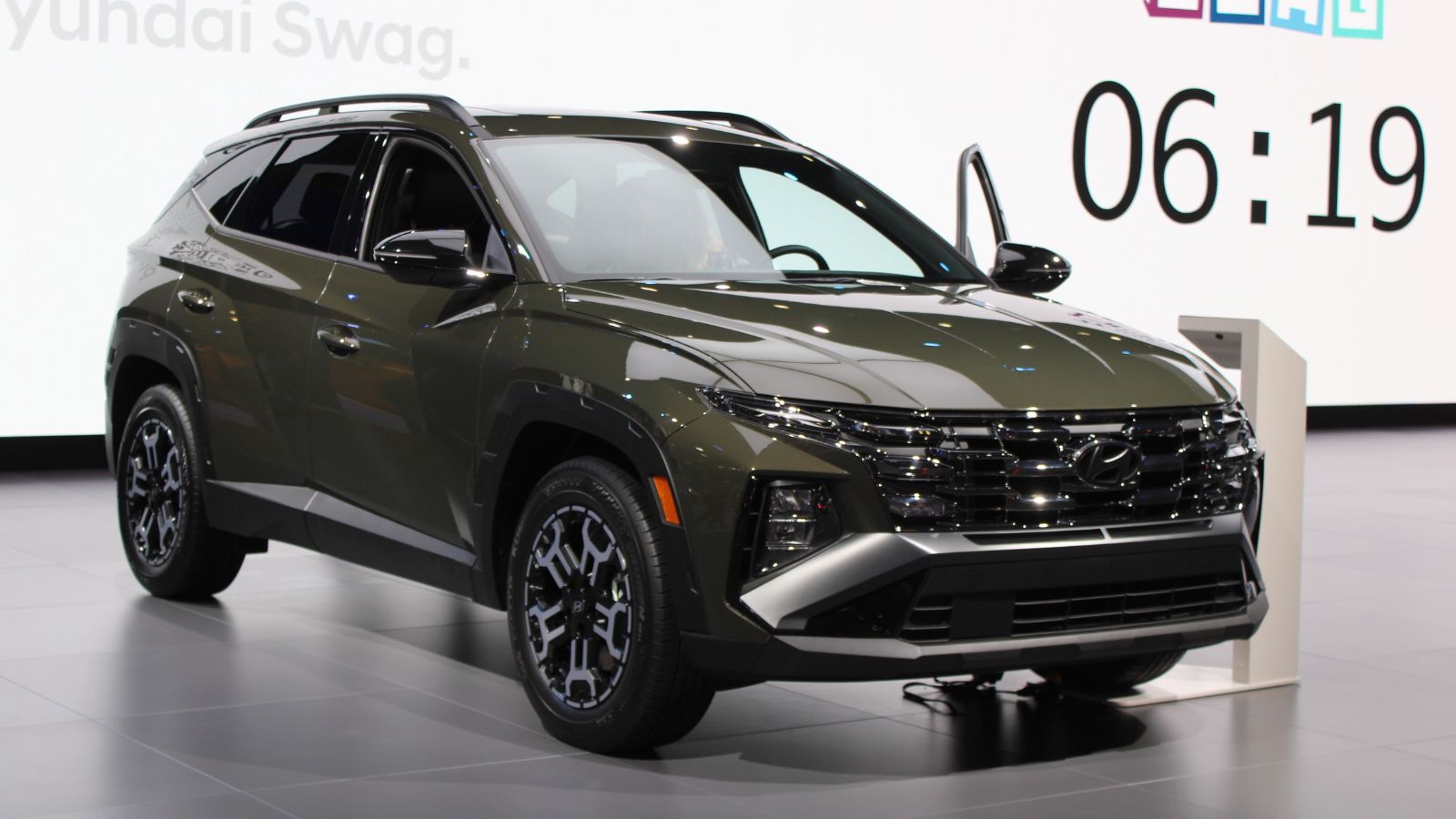
The Tucson Hybrid makes a strong case because it sits in a sweet spot that more buyers are starting to appreciate. Hyundai’s Canadian lineup shows the Tucson Hybrid from $36,199 MSRP plus fees, and official specs list its combined fuel economy at 6.7 L/100 km. That is appealing because it brings meaningful savings at the pump without jumping to full plug-in pricing. IIHS also includes the 2026 Tucson among its Top Safety Pick+ winners, which strengthens the sense that this is not just a feature-heavy value play but a genuinely rounded family SUV.
The other reason it looks smarter now is lineup logic. The broader Tucson family gives buyers clear steps: regular gas, hybrid, and plug-in hybrid, with the PHEV offering a quoted 51 kilometres of electric range. That lets the hybrid version land in a particularly practical middle ground. It feels like the trim for buyers who want efficiency but do not want charging to become homework. In Canadian suburbs, where the daily routine might include school drop-offs, grocery runs, and a 30-minute commute, that kind of low-drama usefulness counts for a lot. The Tucson Hybrid is not just efficient; it feels very easy to live with.
Kia Sportage Hybrid
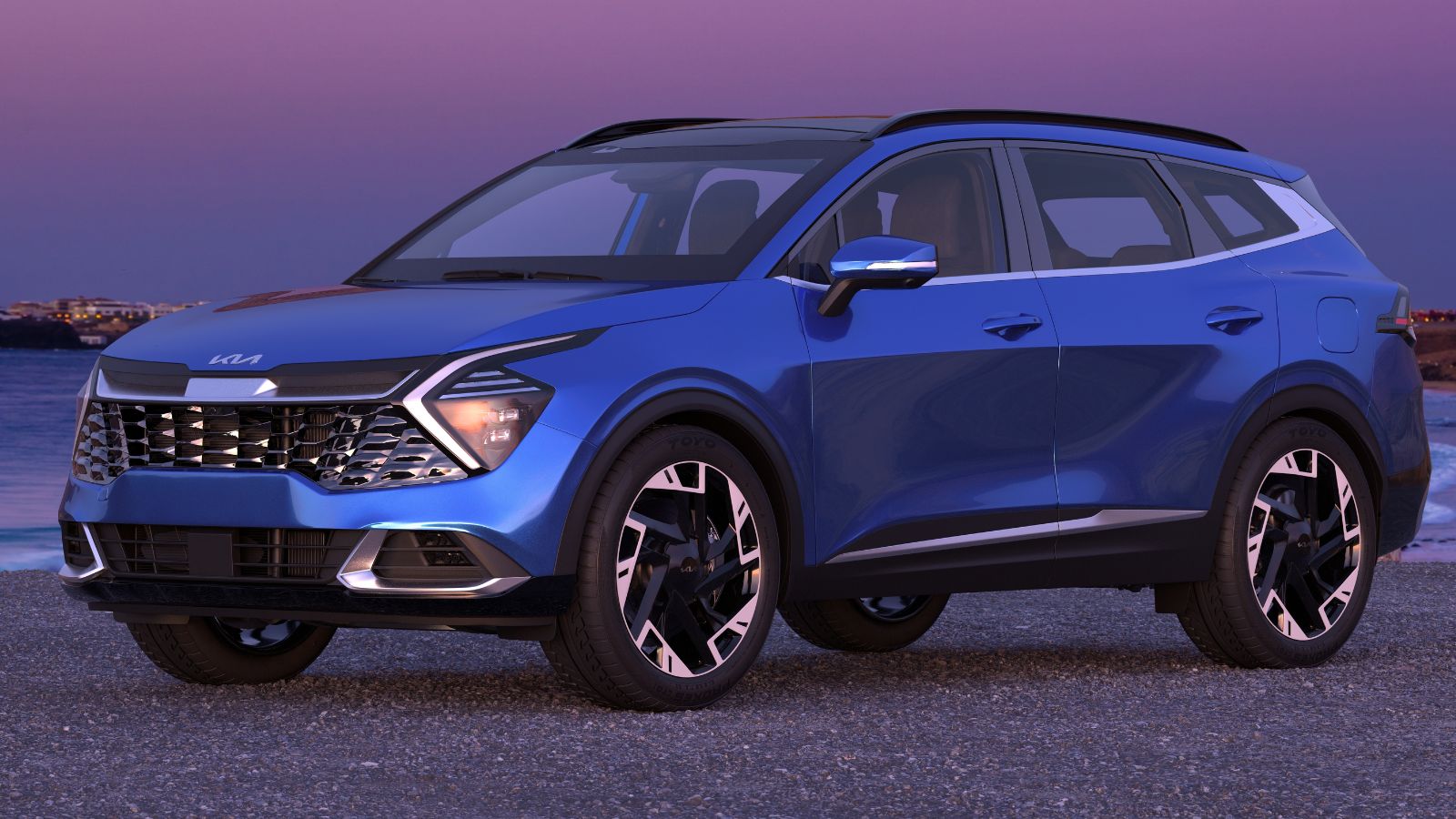
The Sportage Hybrid looks smarter because it keeps offering more than many people expect at its price point. AutoTrader’s current Canadian research page lists new 2026 Sportage Hybrid examples from $33,806, and the vehicle is shown with 232 horsepower, AWD, and a combined fuel-consumption figure of 6.7 L/100 km. That is a persuasive mix on its own. IIHS also lists the 2026 Sportage as a Top Safety Pick+, applying to vehicles built after May 2025, which gives the model another meaningful credibility boost beyond styling and dashboard tech.
This is the kind of SUV that becomes more attractive the longer shoppers compare spreadsheets. It has enough power to feel lively, enough efficiency to be rational, and enough presence to avoid feeling like the “budget” option in the driveway. That matters because buyers are increasingly trying to avoid regret, not just chase discounts. A Sportage Hybrid can still handle the usual Canadian routine — family errands, winter commuting, and occasional highway trips — while feeling more modern than the old stereotype of a fuel-sipping appliance. In that sense, it is becoming the sort of purchase people defend less and enjoy more.
Mitsubishi Outlander PHEV
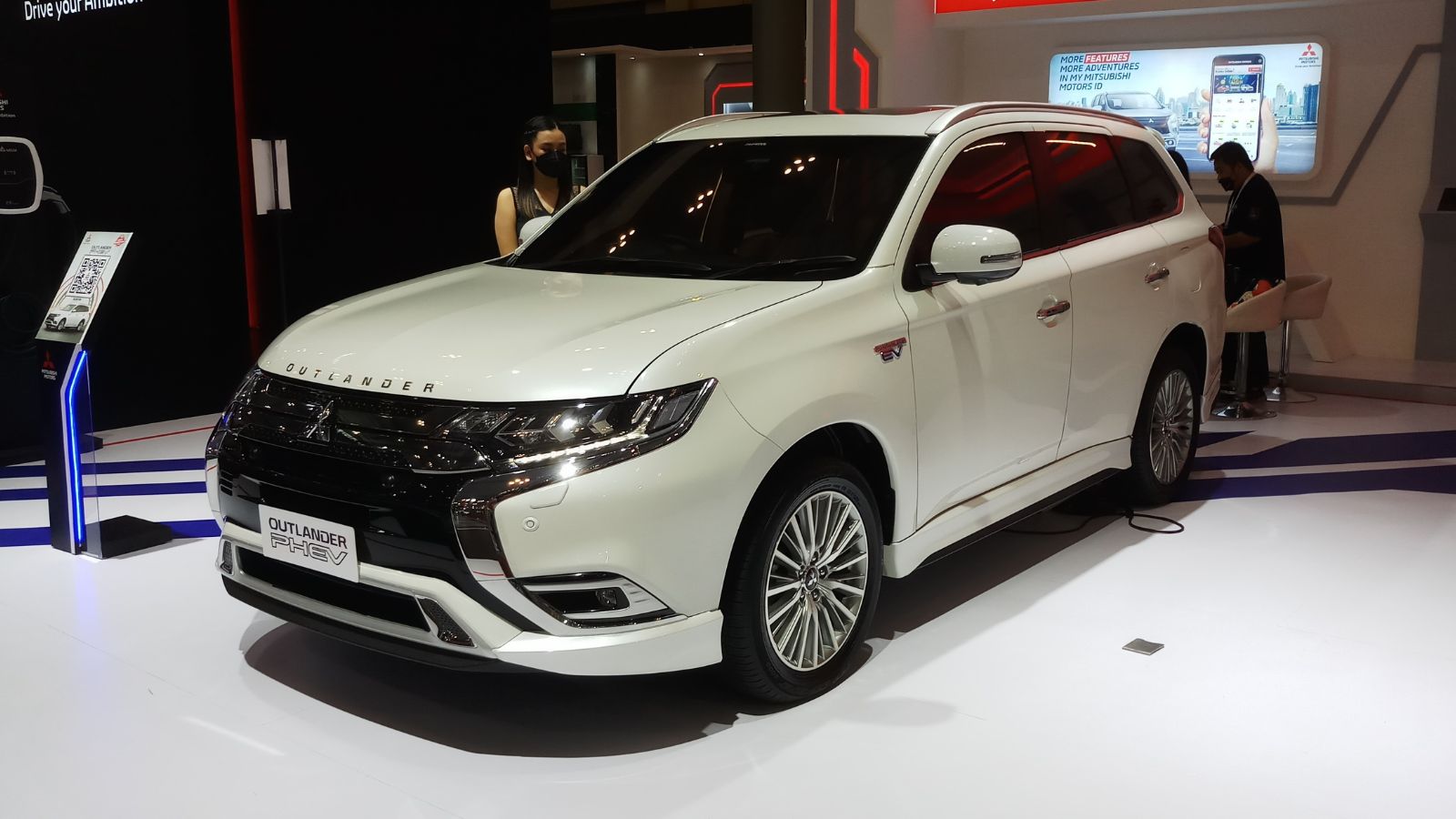
The Outlander PHEV makes sense in Canada because it addresses one of the market’s biggest anxieties: wanting EV savings without EV limitations. Mitsubishi prices the 2026 Outlander PHEV from $49,998 and quotes 72 kilometres of battery range, 690 kilometres of total driving range, and combined energy consumption of 3.2 Le/100 km. It also retains one of its most practical traits: 5+2 seating. That is not common in plug-in SUVs at this price, and it gives the Outlander PHEV a niche that feels genuinely useful rather than merely novel.
Mitsubishi also refreshed the 2026 version with a larger 22.7-kWh battery, a change that directly improves the part of the ownership experience most people notice. For many households, that battery range could cover ordinary weekday driving while leaving gasoline backup for holidays, bad weather, or long cottage weekends. The result is an SUV that can behave like an EV when life is predictable and like a normal family hauler when it is not. In Canada, where charging access and cold-weather confidence still influence purchase decisions, that flexibility makes the Outlander PHEV look like one of the market’s more quietly intelligent choices.
Chevrolet Equinox EV
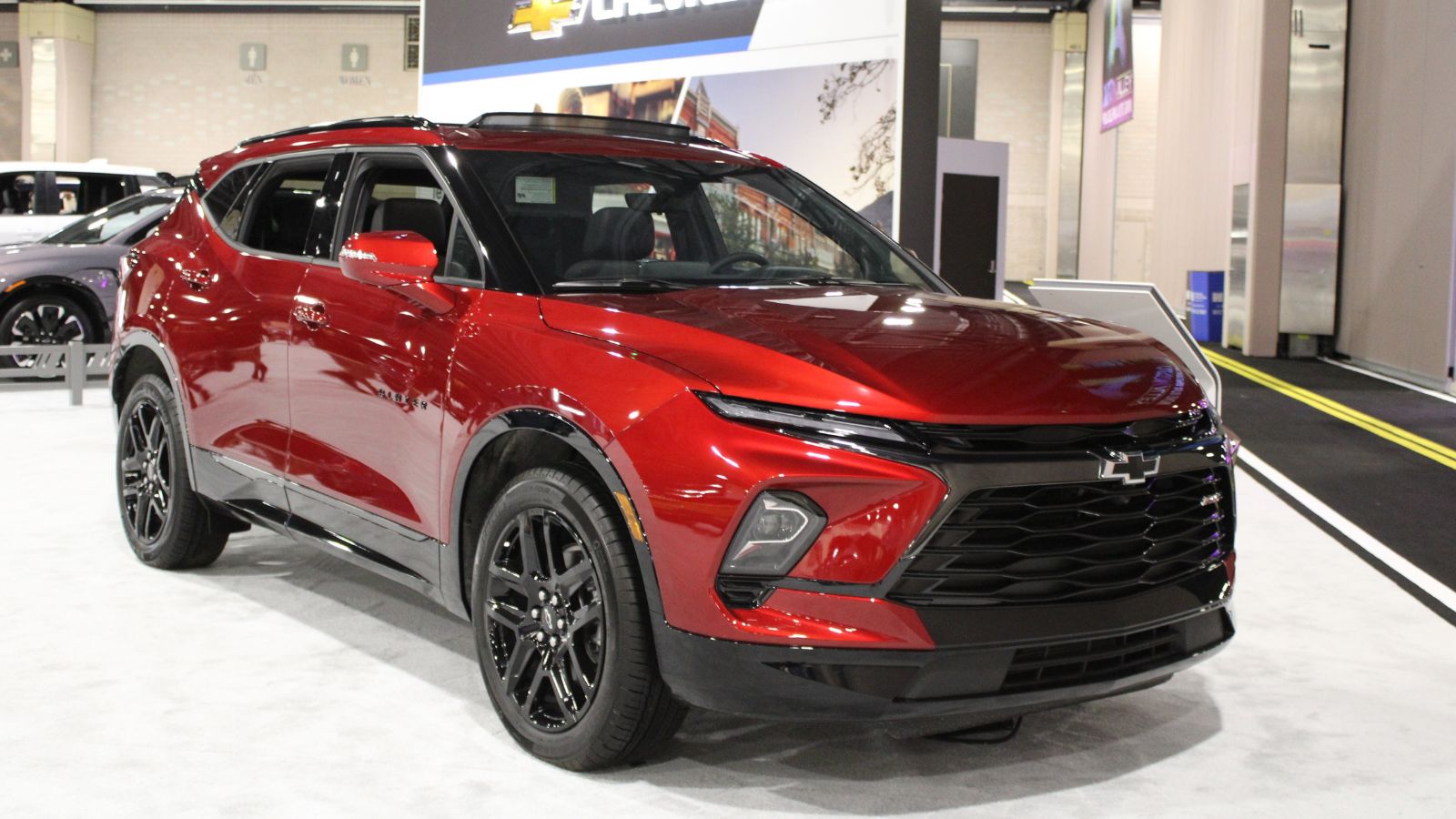
The Equinox EV looks smarter now because it finally brings the EV conversation back down to mainstream territory. Chevrolet quotes up to 513 kilometres of estimated range on a full charge for FWD versions, and its build tool shows a 2025 Equinox EV LT FWD with a standard vehicle price of $44,999 before potential incentives. GM also said on April 27 that select Equinox EV trims qualify under the revived federal Electric Vehicle Affordability Program. That combination of range, price positioning, and incentive eligibility is exactly the sort of math that can turn curiosity into a real purchase decision.
The sales story suggests that happened last year. GM said the Chevrolet Equinox EV was the second most registered electric vehicle in Canada in 2025, which is a useful signal that this model is not just affordable in theory. Chevrolet also includes Safety Assist as standard, helping the vehicle feel less stripped down than some low-cost EV efforts of the past. For Canadians who want to move to electric driving without spending luxury-brand money or settling for city-car range, the Equinox EV suddenly looks like a very rational answer. It is not the most glamorous EV on sale, but it may be one of the most strategically priced.
Nissan Rogue
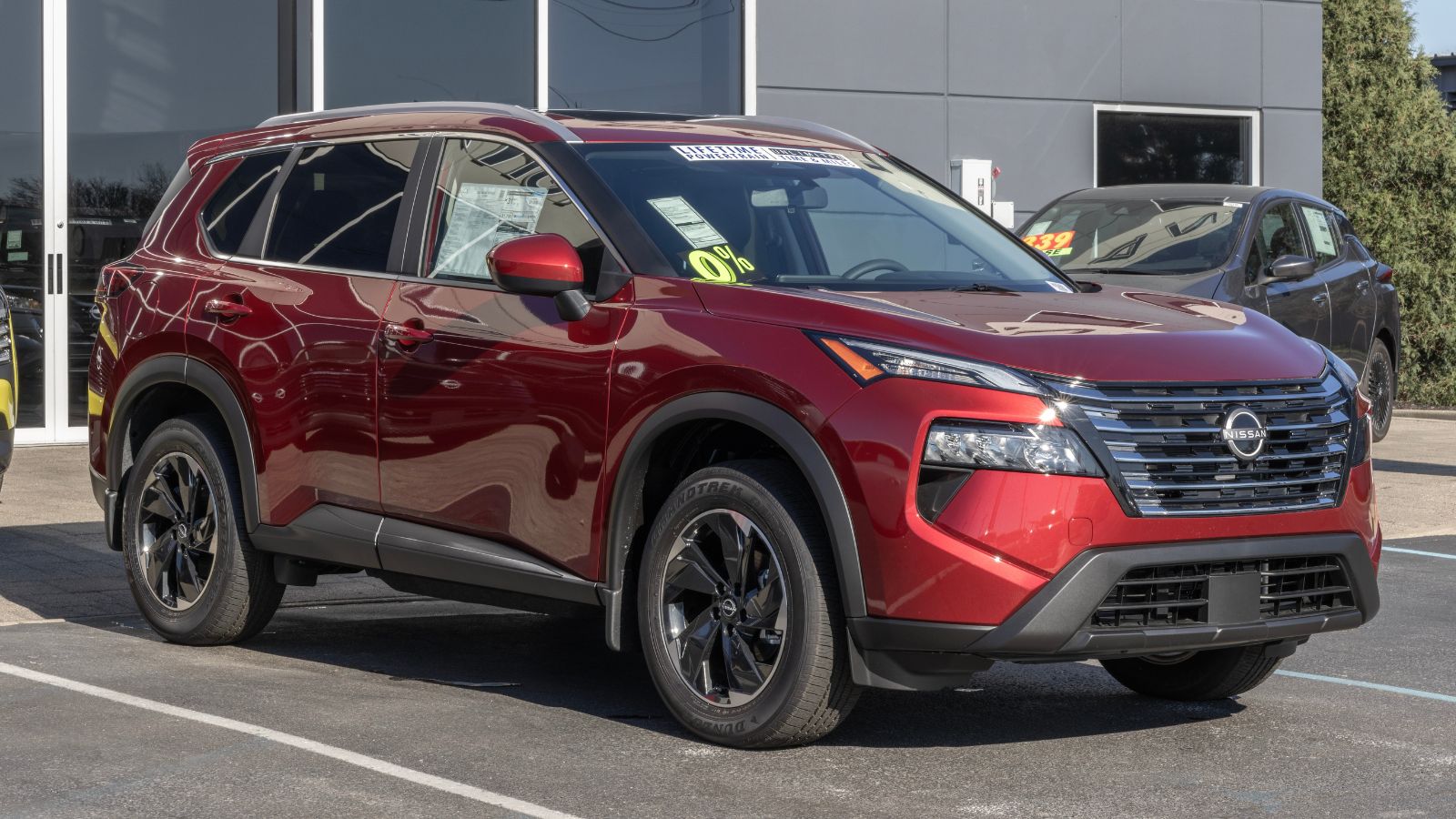
The regular Nissan Rogue deserves a fresh look because it keeps doing the quiet-value things well. Nissan’s Canadian build tool shows the 2026 Rogue starting at $34,598, and the brand says the SUV comes standard with Intelligent AWD. Fuel economy is quoted at 8.4 L/100 km in the city and 6.7 on the highway, while maximum cargo space reaches 2,098 litres and towing is rated at 1,500 pounds. Nissan also highlights a 2025 IIHS Top Safety Pick+ rating on its Canadian Rogue page, adding an extra layer of reassurance for family buyers.
That set of numbers gives the Rogue a particularly strong case in a market where not everyone wants electrification, but almost everyone wants lower ownership stress. The Rogue does not try to win with flash; it wins with useful room, strong highway efficiency, and a package that already includes AWD rather than dangling it behind pricier trims. For a buyer heading into another Ontario winter, that matters more than a few extra design flourishes. The Rogue is the kind of SUV that can look unremarkable on first glance and extremely sensible on second thought — which, in 2026, is often the better compliment.
Toyota Corolla Cross Hybrid
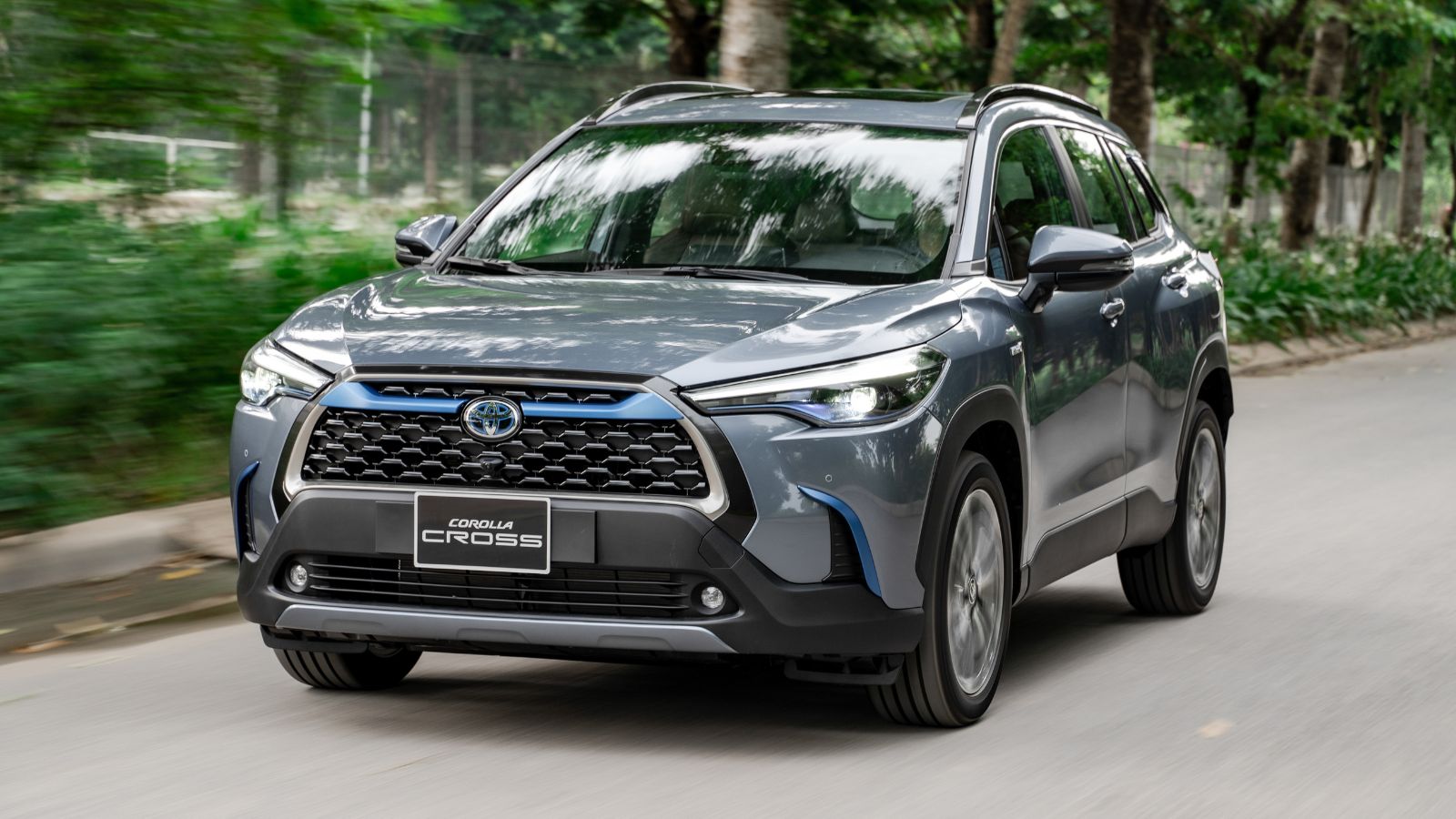
The Corolla Cross Hybrid looks smarter because it shrinks the usual Toyota strengths into a more affordable, city-friendly footprint. Toyota’s 2026 product summary lists the Corolla Cross Hybrid at 196 horsepower, standard AWD, and combined fuel consumption of 5.6 L/100 km. Toyota also refreshed the 2026 model with revised styling, including a new front-end treatment and interior updates. On top of that, Corolla Cross features a tight 5.8-metre turning radius, a small statistic that becomes a big advantage in cramped parking garages, condo ramps, and busy urban streets.
There is also a reassuring practicality to it. It is a subcompact SUV, but not one that feels flimsy or underpowered. IIHS testing shows very strong pedestrian front-crash-prevention results for the 2026 model, and the Corolla Cross earned a Top Safety Pick award in late 2025. That gives the vehicle a more substantial feel than its footprint might suggest. For Canadians who want hybrid efficiency and winter traction without jumping into the size or cost of a RAV4-class vehicle, the Corolla Cross Hybrid feels unusually well judged. It is the kind of SUV that does not ask for much space, fuel, or explanation.
Hyundai Kona
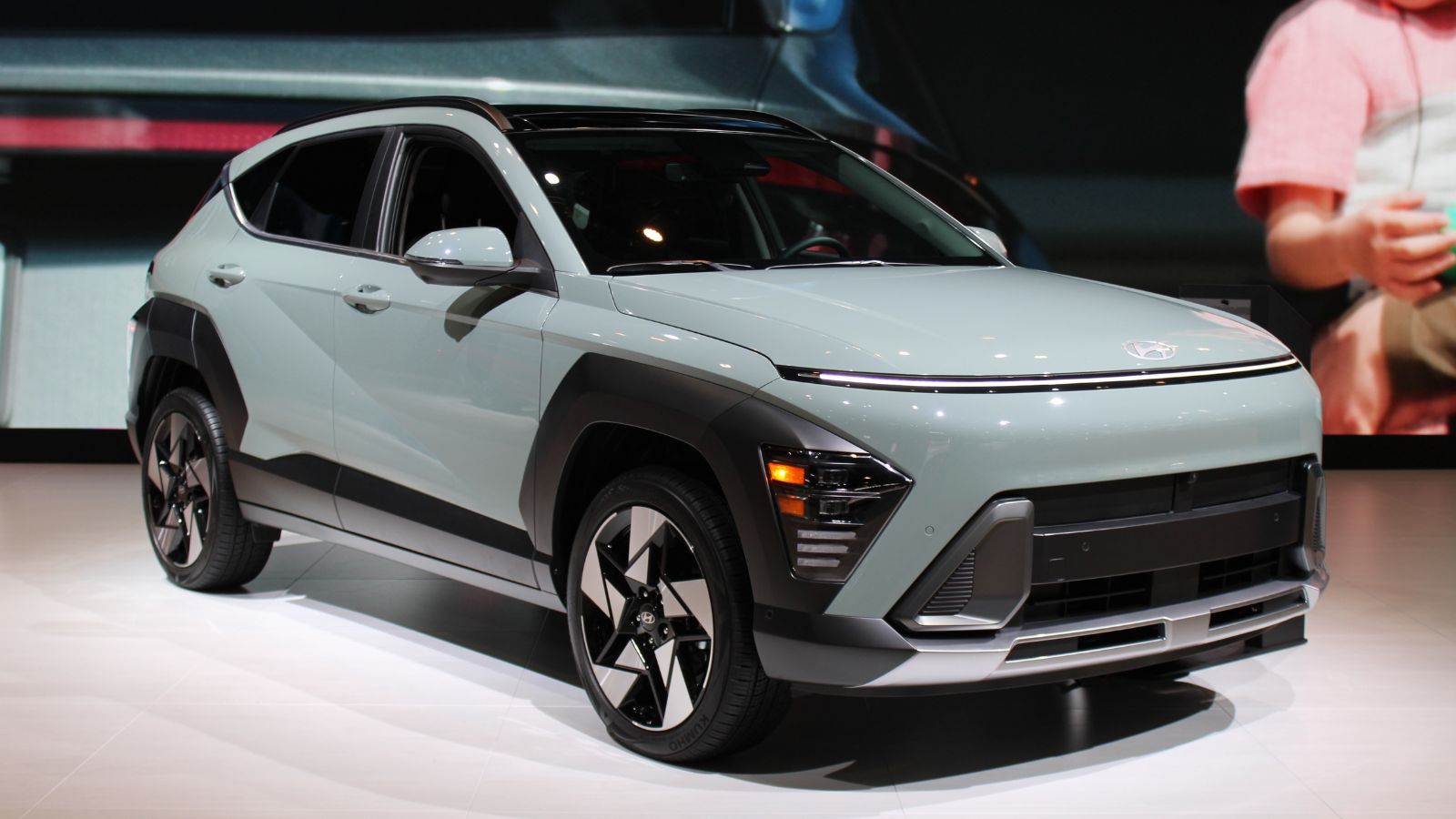
The Hyundai Kona looks smarter because it still gives budget-conscious buyers a credible way into the SUV market without feeling bare-bones. Hyundai lists the 2026 Kona with a base starting MSRP of $26,749 in Canada, and its official specs show a combined fuel-consumption rating of 7.5 L/100 km for the 2.0-litre FWD version. That is a strong starting point in a country where many larger crossovers now begin well past the low-$30,000 range. IIHS also names the 2026 Kona a Top Safety Pick+, which is notable because safety excellence at the lower end of the market is never guaranteed.
The Kona’s value is not just about being cheaper. It is about being a more complete small SUV than buyers might expect at that entry point. The current generation brought a larger footprint and a more mature design, which makes the vehicle feel less like a compromise purchase and more like a deliberate one. For a young household, a second-car role, or an urban commuter that still needs hatchback practicality and occasional winter competence, the Kona is easy to understand. It has become the kind of vehicle that looks smarter precisely because it avoids pretending to be more than it needs to be.
Honda HR-V
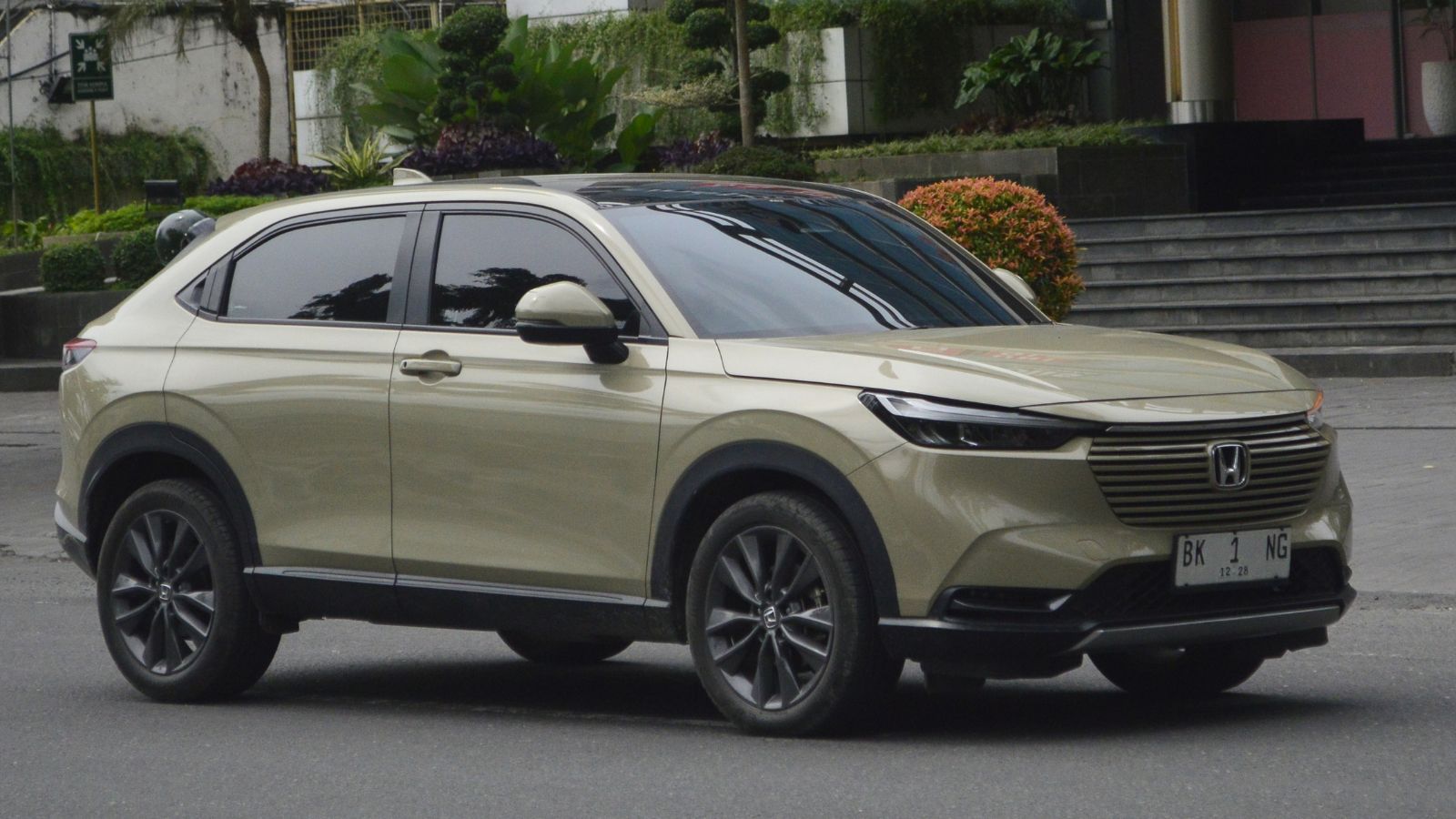
The Honda HR-V rounds out this list because it remains one of the clearest “buy the sensible one and move on” choices in the segment. Honda’s 2026 specifications page shows the HR-V LX 2WD at $33,446, with combined fuel-consumption ratings of 8.3 L/100 km for FWD and 8.7 for AWD. IIHS gives the 2026 HR-V a Top Safety Pick+ award, which is especially meaningful in a subcompact class where safety results can vary more than many shoppers expect. That combination of price discipline and top-tier safety is a big part of why the HR-V keeps aging well in comparison tests.
What makes the HR-V feel like a smarter buy in 2026 is that it does not overcomplicate the mission. It is straightforward, roomy enough for real life, and wrapped in Honda’s familiar reputation for everyday usability. The numbers are not headline-chasing, but the appeal is durable. In practice, this is the sort of SUV that makes sense for long commutes, apartment living, and buyers who want something they can keep for years without constantly second-guessing the choice. In an expensive market full of tempting overreach, the HR-V’s restraint has started to look like one of its best features.
22 Things Canadians Do to Their Cars in Spring That Mechanics Hate

Spring brings relief to many Canadian drivers after months of snow, freezing temperatures, and icy roads that put serious strain on vehicles. As temperatures rise across the country, drivers begin washing cars, switching tires, and preparing vehicles for warmer weather and upcoming road trips. However, mechanics across Canada notice the same mistakes every spring when drivers attempt to recover from winter damage. Road salt, potholes, and harsh winter driving conditions often leave vehicles with hidden problems that drivers ignore. Some spring habits even create new mechanical issues that could have been avoided with proper maintenance. Here are 22 things Canadians do to their cars in spring that mechanics hate.