

























The Canadian car market is entering summer with a different tone than it had a year ago. The urgency that defined earlier post-shortage seasons has eased, but that has not produced a simple return to cheap vehicles or carefree buying. Instead, the market now feels more layered: sales have softened, incentives are resurfacing, hybrids are gaining momentum, EV rules have changed again, and insurance and trade policy are shaping decisions in ways many shoppers used to treat as background noise.
These 10 reasons capture why the market feels different right now, and why buying, leasing, or even holding onto a vehicle in Canada looks more strategic heading into the warmer months.
The Spring Selling Season Has Started More Cautiously

Normally, spring brings a stronger sense of momentum to Canadian dealerships, but 2026 opened with more hesitation than excitement. March new-vehicle sales came in at under 170,000 units, down 8.2% from the same month a year earlier, while the seasonally adjusted annual rate slipped to 1.85 million. That matters because March is usually one of the months that helps set the tone for the busy selling season, not one that raises questions about demand.
The softer pace makes the market feel different before summer has even fully begun. First-quarter sales still reached roughly 406,000 units, but that was down 4.4% year over year. High gasoline prices and tariff-related pressure have added another layer of consumer caution, so the mood is less about rushing to grab scarce inventory and more about weighing whether a purchase makes sense right now.
Used-Car Prices Are Cooling, But They Are Not Truly Cheap
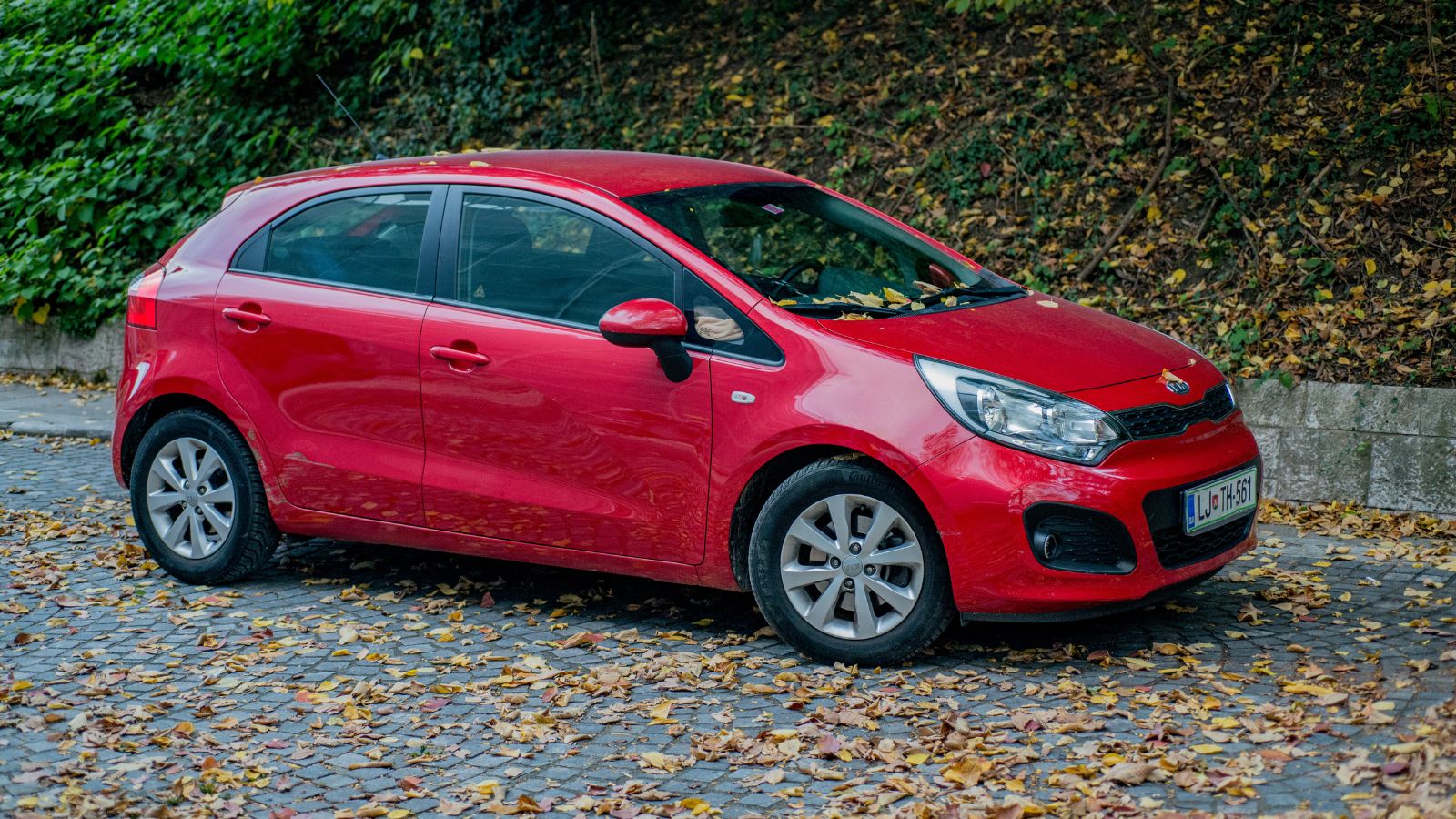
There is finally some relief in the used market, but it is the kind that changes tone more than reality. AutoTrader’s Q1 2026 data showed the average used vehicle price at $36,713, the lowest level since March 2022. On paper, that sounds like a meaningful reset, especially after years of extraordinary pricing. In practice, though, it was only 0.3% lower than a year earlier and still well above pre-pandemic norms.
That is why the market feels unusual rather than simply improved. Canadian Black Book’s used-vehicle retention index edged up in March on a seasonal basis, yet remained 5.3% lower than a year earlier, and the broader outlook still points to continued depreciation in 2026. Buyers can sense that the frenzy has faded, but they can also see that “normal” pricing has not really returned. The result is a used market that feels calmer, though not exactly affordable.
Lower Rates Have Helped, but Monthly Payments Still Feel Heavy
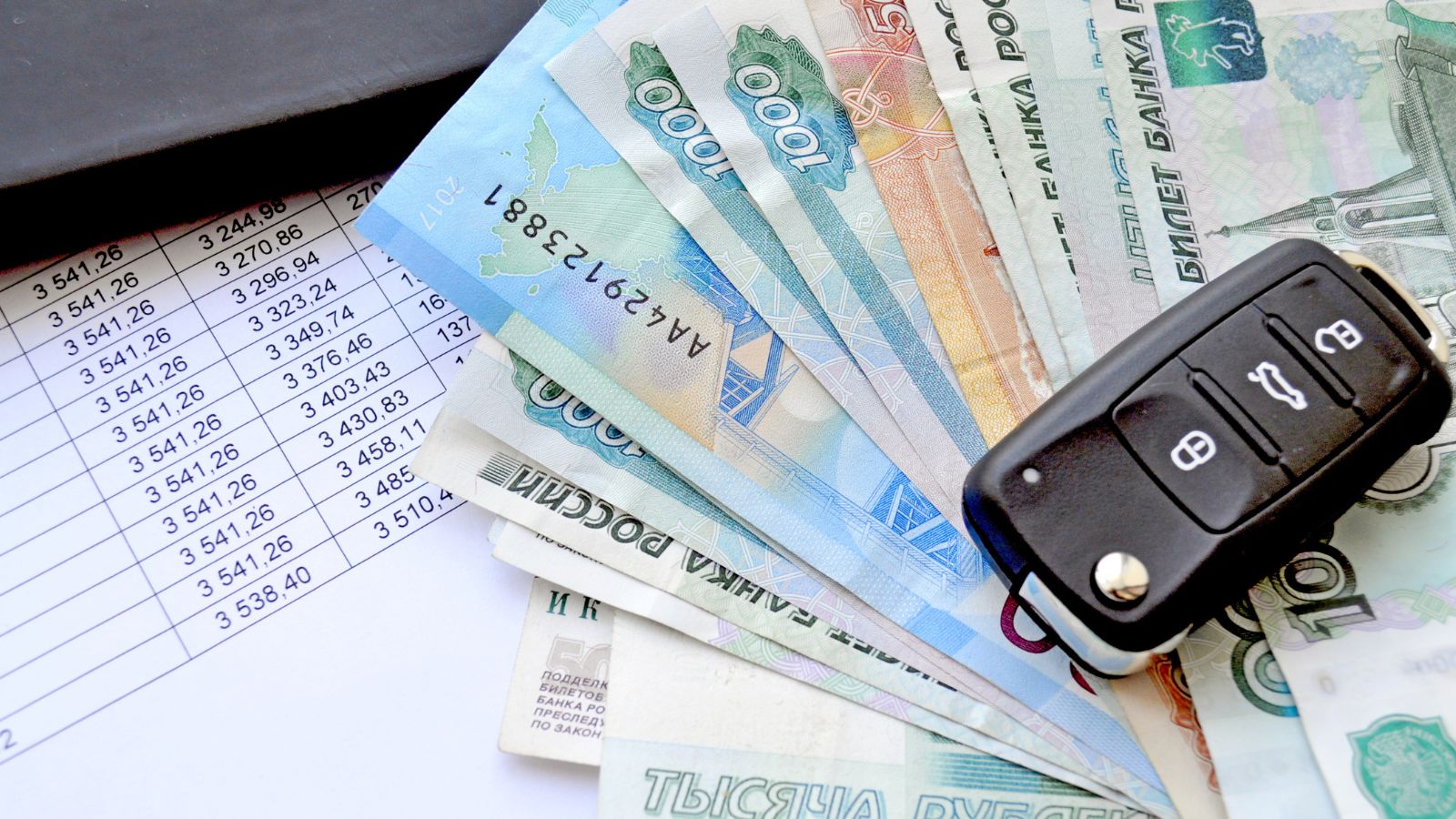
Financing conditions are not as punishing as they were when rates were climbing fast, and that alone changes the mood heading into summer. The Bank of Canada held its policy rate at 2.25% on April 29, extending a period of stability that has been in place since late 2025. That has helped the vehicle market feel less chaotic from a borrowing standpoint, especially compared with the stop-start atmosphere buyers faced when every rate announcement seemed to change the math.
Still, steadier rates have not erased payment fatigue. AutoTrader reported that the average new vehicle in Canada cost $62,830 in Q1 2026, while the average monthly payment was still $915. Those numbers are down from a year earlier, but they are hardly light. In other words, financing no longer feels like the whole problem, yet it also has not solved the affordability issue. That tension is a big reason the market feels different instead of easier.
Discounts Are Returning, but They Are Showing Up in Smarter Ways

One of the biggest shifts this year is that deals are back, just not always in the old-fashioned form of obvious sticker-price cuts. Canadian Black Book expects average retail incentive spending to reach 9.4% in 2026, a sign that manufacturers are leaning harder on discounts and support programs as consumer finances remain stretched. That makes the market feel more negotiable again, especially after years when many shoppers felt there was little room to move.
At the same time, the structure of the deal matters more than the headline price. CBB says leasing is gaining traction again, with lease penetration expected to grow over the next 12 months as automakers use more competitive payment structures to offset elevated prices. That means summer shoppers are increasingly comparing rate support, lease terms, rebates, and monthly cost rather than just asking whether the MSRP looks fair. The market feels more tactical now, and that is a real change.
Federal EV Incentives Changed the Conversation Again
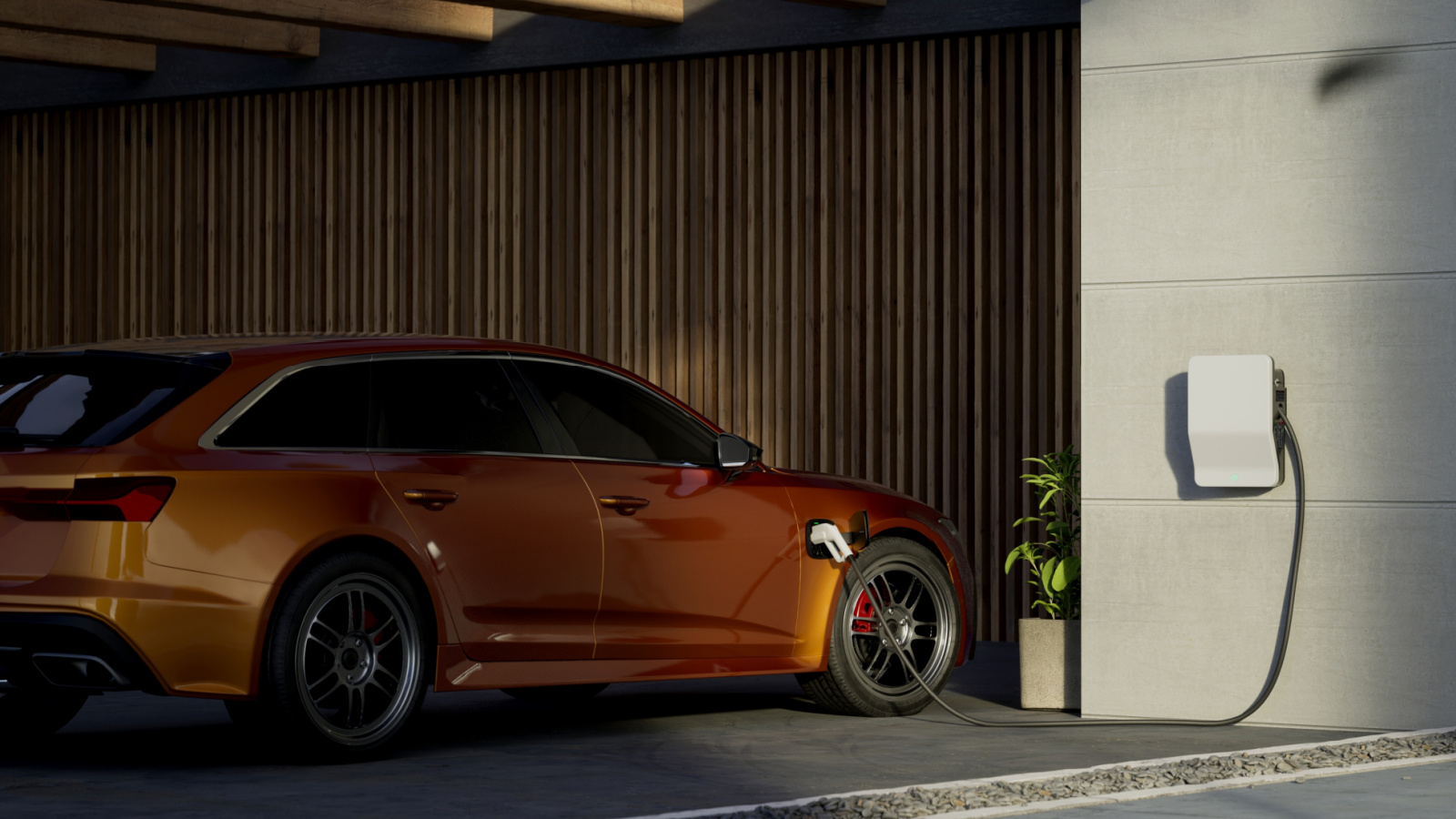
The EV market in Canada has already gone through multiple mood swings, and 2026 brought another one. Ottawa’s new Electric Vehicle Affordability Program launched on February 16, offering up to $5,000 for battery-electric and fuel-cell vehicles and up to $2,500 for plug-in hybrids. After the earlier end of the iZEV program, that reset immediately changed how many buyers viewed EV timing, especially for those who had been waiting to see whether federal support would come back.
The effect showed up quickly. Statistics Canada reported 12,626 new zero-emission vehicles sold in February, up 47.2% from a year earlier, with ZEVs making up 10.2% of all new motor vehicle sales versus 6.9% in February 2025. That kind of rebound gives the market a different feel heading into summer. EV shopping is no longer just about long-term conviction or brand loyalty; for many households, it has become a question of whether current incentives make the numbers work right now.
Hybrids Have Become the Canadian Middle Ground

If full EV enthusiasm looks less automatic than it did during the peak of incentive-driven growth, hybrids look increasingly well positioned. The Canadian Energy Regulator noted that annual ZEV share fell to 8.7% in 2025, but non-plug-in hybrid sales grew by 61,000 from 2024 to 2025. Statistics Canada also reported that hybrid registrations rose 36.1% in 2025, even as battery-electric and plug-in hybrid registrations declined.
That helps explain why the market feels more blended than before. Canadians are not simply moving in one direction from gasoline to fully electric. Many appear to be choosing a middle route that lowers fuel use without asking them to fully change routines or depend on charging infrastructure. Heading into summer, that makes the car market feel less ideological and more practical. Hybrids are benefiting from that shift, and their rise is one of the clearest reasons the whole landscape feels different.
It Is Increasingly a Truck-and-Crossover Market, Not a Car Market
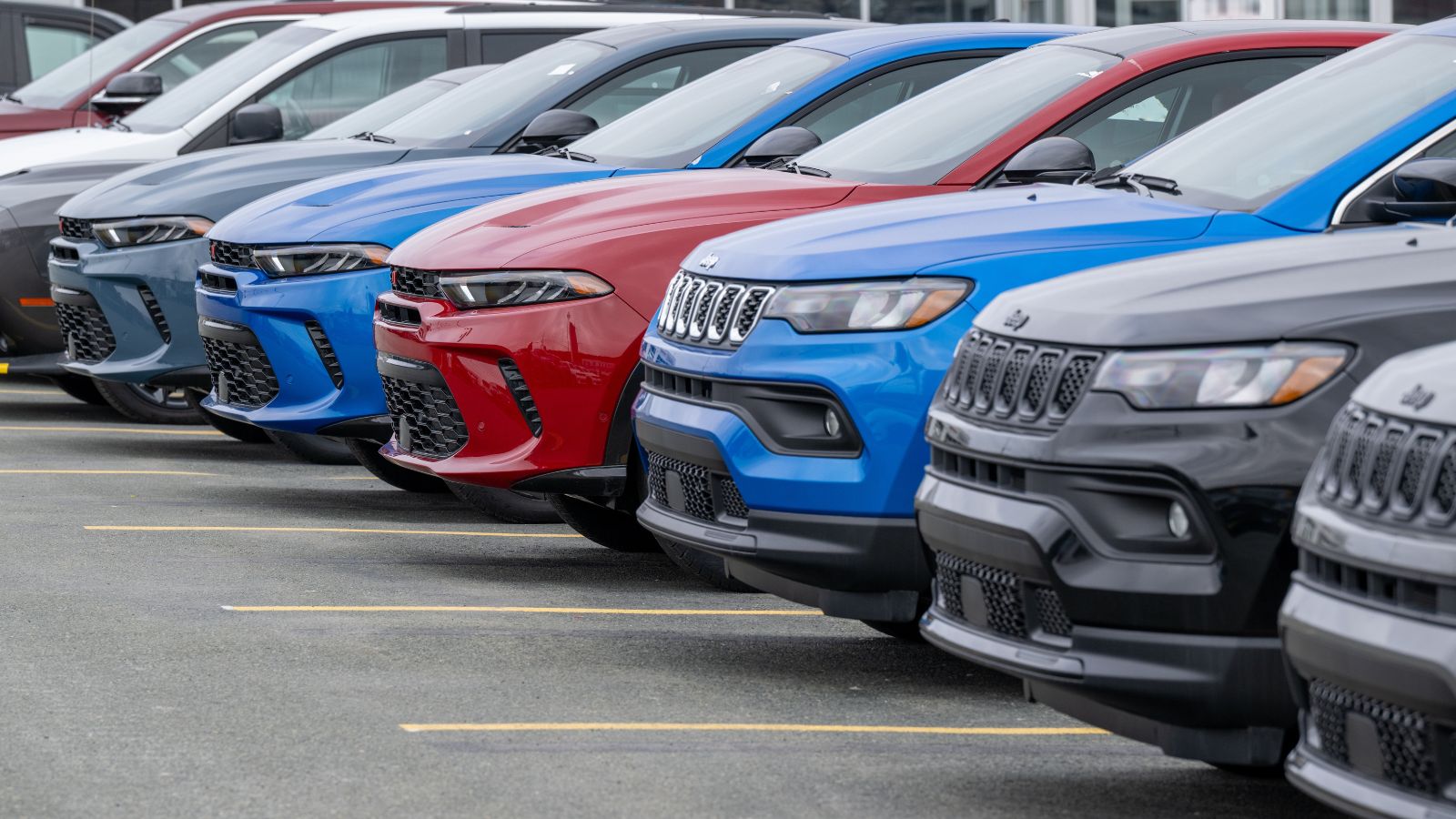
The phrase “car market” still gets used broadly, but in Canada the sales mix keeps moving further toward trucks and utility vehicles. DesRosiers data showed light trucks accounted for 88.8% of total new light-vehicle sales in the first quarter of 2026, up from 88.1% a year earlier. Statistics Canada’s monthly sales data tells a similar story: passenger car sales fell much faster than truck sales in both January and February.
That dominance changes the feel of the market in practical ways. AutoTrader’s Q1 pricing showed that the average used SUV was essentially the same price as the average used car, while trucks remained far more expensive but still highly sought after. Once the gap between body styles narrows, many households naturally lean toward crossovers or SUVs for the extra utility. So even when people say the market feels expensive, what they often mean is that the market feels defined by bigger, costlier vehicles.
Trade Tension Is Hanging Over the Market Again

Trade policy is back in the background of Canadian auto buying, and even when it is not showing up on a window sticker yet, it is shaping expectations. Canadian Black Book said it expects a full 12 months of tariffs to affect the 2026 car market and warned that uncertainty around CUSMA and shifting import rules adds instability. Reuters also reported that not all Canada-U.S. trade issues may be resolved by July 1, which keeps a cloud hanging over the summer outlook.
This matters because buyers, dealers, and manufacturers do not need a tariff to hit tomorrow for the market to feel different today. Uncertainty alone can change pricing behavior, inventory decisions, and shopping urgency. CBB has also said tariff effects are already filtering into the used market, especially in segments such as domestically branded full-size SUVs and pickups. That creates a strange mix: softer demand in some corners, but extra firmness in others. It is one more reason the market feels uneven instead of settled.
Insurance Has Moved Much Closer to the Front of the Decision

For a long time, many buyers treated insurance as something to deal with after choosing the vehicle. That is getting harder to do. In March, the Insurance Bureau of Canada launched a comparison tool called How Cars Measure Up that ranks vehicles using actual claims data from most auto insurers across the country. A launch like that only makes sense in a market where insurability has become a much bigger part of the purchase conversation.
The cost side reinforces that shift. Rates.ca reported 2025 average auto premiums per household of $3,997 in Toronto, $3,096 in Hamilton, and $3,038 in Oshawa, while auto coverage represented roughly 60% to 70% of total household insurance premiums across six major Ontario cities. When ownership costs look like that, shoppers naturally start thinking beyond the payment and the fuel bill. Heading into summer, insurance is no longer a side calculation. It is part of the vehicle’s identity in the market.
Canadians Are Keeping Vehicles Longer, and the Used Market Shows It

Another reason the market feels different is that it feels older. Canadian Black Book expects used-vehicle supply in the 0-to-8-year-old range to fall another 2.6% in 2026, and it says consumers are holding onto vehicles longer because transportation costs and wider personal-finance pressure remain high. That means the used market is not just about price anymore; it is also about age, mileage, and whether a vehicle represents acceptable risk.
This shift shows up in buyer behaviour as well. CBB says many shoppers are now more willing to consider higher-mileage vehicles than in the past, while The Car Guide noted that owners and businesses are keeping vehicles longer, which is lifting average mileage across the used market. That changes the feel of summer shopping in a subtle but important way. More buyers are weighing maintenance history, battery health, tire condition, and repair exposure with the seriousness that used to be reserved for sticker price alone.
22 Things Canadians Do to Their Cars in Spring That Mechanics Hate

Spring brings relief to many Canadian drivers after months of snow, freezing temperatures, and icy roads that put serious strain on vehicles. As temperatures rise across the country, drivers begin washing cars, switching tires, and preparing vehicles for warmer weather and upcoming road trips. However, mechanics across Canada notice the same mistakes every spring when drivers attempt to recover from winter damage. Road salt, potholes, and harsh winter driving conditions often leave vehicles with hidden problems that drivers ignore. Some spring habits even create new mechanical issues that could have been avoided with proper maintenance. Here are 22 things Canadians do to their cars in spring that mechanics hate.